

Lifetime stress experience: transgenerational epigenetics and germ cell programming
Open accessThe DOI matches its Crossref record; 54 of the 54 references it cites were found in a registry or an index.
Abstract
The transgenerational epigenetic programming involved in the passage of environmental exposures to stressful periods from one generation to the next has been examined in human populations, and mechanistically in animal models. Epidemiological studies suggest that gestational exposures to environmental factors including stress are strongly associated with an increased risk of neurodevelopmental disorders, including attention deficit-hyperactivity disorder, schizophrenia, and autism spectrum disorders. Both maternal and paternal life experiences with stress can be passed on to offspring directly during pregnancy or through epigenetic marks in the germ cell. Animal models of parental stress have examined relevant offspring phenotypes and transgenerational outcomes, and provided unique insight into the germ cell epigenetic changes associated with disruptions in neurodevelopment. Understanding germline susceptibility to exogenous signals during stress exposure and the identification of the types of epigenetic marks is critical for defining mechanisms underlying disease risk.
Overview
The claims and statistics of this paper haven’t been checked yet.
Free: it reads the open-access text and checks the first 5 claims that cite a source we can check. Create a free account to check every claim.
Integrity signals
Registry
Cites
Statistics
Figures
Verification
Claims the paper makes
The claims and statistics of this paper haven’t been checked yet.
Free: it reads the open-access text and checks the first 5 claims that cite a source we can check. Create a free account to check every claim.
Claims other papers make about this one
Each is checked against this paper’s own text: does it say what the citing paper says it does?
The source backs part of the claim, not all of it — or backs it for a different population, condition or comparison.
In the citing paper
“Preclinical studies suggest a potential intergenerational transmission of epigenetic information as an engram of environmental experiences via multiple mechanisms conferred by paternal sperm and maternal germline to shape endocrine programming, brain development and the behavioral phenotype in the offspring”
From The applied implications of epigenetics in anxiety, affective and stress-related disorders - A review and synthesis on psychosocial stress, psychotherapy and prevention (2020) · cites this paper as Bale, 2014
Experimental — accuracy not yet measuredThe cited source says what the claim attributes to it.
In the citing paper
“Research on possible intergenerational transmission of stress effects through epigenetic marks in sperm has been conducted in rodents, and includes preconception exposures at various developmental stages to stressful and adverse social experiences 149,175,176,179,181,203,204”
From Intergenerational transmission of trauma effects: putative role of epigenetic mechanisms (2018) · cites this paper as [149]
Self-check
Percentages, sums and reported differences re-computed from the paper’s own numbers.
The self-check needs the paper’s full text.
Citations
Cites
Persistent epigenetic differences associated with prenatal exposure to famine in humans
Heijmans, B. T., Tobi, E. W., Stein, A. D., Putter, H., Blauw, G. J., Susser, E. S., Slagboom, P. E., & Lumey, L. H. (2008) · Proceedings of the National Academy of Sciences · doi:10.1073/pnas.0806560105 · Cited by 3,082
Epigenetic Transgenerational Actions of Endocrine Disruptors and Male Fertility
Anway, M. D., Cupp, A. S., Uzumcu, M., & Skinner, M. K. (2005) · Science · doi:10.1126/science.1108190 · Cited by 2,563 · cited 1×
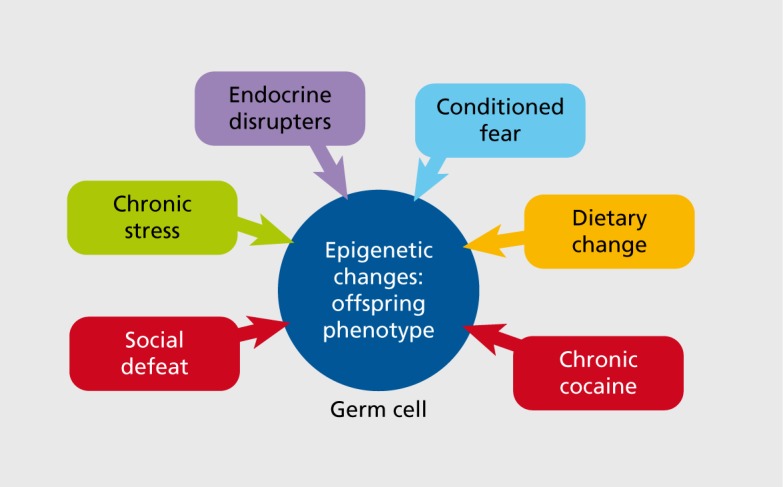
“exposure, dietary manipulations, endocrine disrupters, and conditioned fear.(35-43)”
BackgroundSocioeconomic status and the brain: mechanistic insights from human and animal research
Hackman, D. A., Farah, M. J., & Meaney, M. J. (2010) · Nature Reviews Neuroscience · doi:10.1038/nrn2897 · Cited by 1,409
Parental olfactory experience influences behavior and neural structure in subsequent generations
Dias, B. G., & Ressler, K. J. (2014) · Nature Neuroscience · doi:10.1038/nn.3594 · Cited by 1,338 · cited 1×
“exposure, dietary manipulations, endocrine disrupters, and conditioned fear.(35-43)”
BackgroundChronic high-fat diet in fathers programs β-cell dysfunction in female rat offspring
Ng, S.-F., Lin, R. C. Y., Laybutt, D. R., Barres, R., Owens, J. A., & Morris, M. J. (2010) · Nature · doi:10.1038/nature09491 · Cited by 1,327 · cited 1×
“exposure, dietary manipulations, endocrine disrupters, and conditioned fear.(35-43)”
BackgroundPIWI-interacting small RNAs: the vanguard of genome defence
Siomi, M. C., Sato, K., Pezic, D., & Aravin, A. A. (2011) · Nature Reviews Molecular Cell Biology · doi:10.1038/nrm3089 · Cited by 1,319
Implication of sperm RNAs in transgenerational inheritance of the effects of early trauma in mice
Gapp, K., Jawaid, A., Sarkies, P., Bohacek, J., Pelczar, P., Prados, J., Farinelli, L., Miska, E., & Mansuy, I. M. (2014) · Nature Neuroscience · doi:10.1038/nn.3695 · Cited by 1,306 · cited 1×
“exposure, dietary manipulations, endocrine disrupters, and conditioned fear.(35-43)”
BackgroundCarone, B. R., Fauquier, L., Habib, N., Shea, J. M., Hart, C. E., Li, R., Bock, C., Li, C., Gu, H., Zamore, P. D., et al. (2010) · Cell · doi:10.1016/j.cell.2010.12.008 · Cited by 1,159
Epigenetic transmission of the impact of early stress across generations
Franklin, T. B., Russig, H., Weiss, I. C., Gräff, J., Linder, N., Michalon, A., Vizi, S., & Mansuy, I. M. (2010) · Biological Psychiatry · doi:10.1016/j.biopsych.2010.05.036 · Cited by 1,125
Lemaire, V., Koehl, M., Le Moal, M., & Abrous, D. N. (2000) · Proceedings of the National Academy of Sciences · doi:10.1073/pnas.97.20.11032 · Cited by 1,044
Cited by
Transgenerational epigenetic programming via sperm microRNA recapitulates effects of paternal stress
Rodgers, A. B., Morgan, C. P., Leu, N. A., & Bale, T. L. (2015) · Proceedings of the National Academy of Sciences · doi:10.1073/pnas.1508347112 · Cited by 751
“In particular, transgenerational transmission via the maternal lineage likely relies on the complex maternal–fetal/neonatal interaction, whereas transmission through the paternal lineage suggests germline reprogramming (8).”
BackgroundSelf-citationIntergenerational transmission of trauma effects: putative role of epigenetic mechanisms
Yehuda, R., & Lehrner, A. (2018) · World Psychiatry · doi:10.1002/wps.20568 · Cited by 730
Craske, M. G., Stein, M. B., Eley, T. C., Milad, M. R., Holmes, A., Rapee, R. M., & Wittchen, H.-U. (2017) · Nature Reviews Disease Primers · doi:10.1038/nrdp.2017.24 · Cited by 652
Epigenetic and transgenerational reprogramming of brain development
Bale, T. L. (2015) · Nature Reviews Neuroscience · doi:10.1038/nrn3818 · Cited by 505
Self-citationEarly Childhood Adversity, Toxic Stress, and the Impacts of Racism on the Foundations of Health
Shonkoff, J. P., Slopen, N., & Williams, D. R. (2021) · Annual Review of Public Health · doi:10.1146/annurev-publhealth-090419-101940 · Cited by 344
“Moreover, both animal and human studies show that adversity in the prenatal period and the first few years after birth creates a brain and a body that are more vulnerable to “second or third hits” by physiological or psychosocial stressors that arise later in life (6, 80, 96).”
BackgroundAir Pollution, Stress, and Allostatic Load: Linking Systemic and Central Nervous System Impacts
Thomson, E. M. (2019) · Journal of Alzheimer’s Disease · doi:10.3233/jad-190015 · Cited by 290
“Exposures during vulnerable windows of development are important determinants of future disease risk; indeed, stressors can produce epigenetic changes that influence future stress reactivity and morbidity, with some evidence that such effects may be transmitted across generations [152].”
BackgroundDevelopmental programming, a pathway to disease
Padmanabhan, V., Cardoso, R. C., & Puttabyatappa, M. (2016) · Endocrinology · doi:10.1210/en.2016-1003 · Cited by 208
Genes, Environments, and Time: The Biology of Adversity and Resilience
Boyce, W. T., Levitt, P., Martinez, F. D., McEwen, B. S., & Shonkoff, J. P. (2021) · Pediatrics · doi:10.1542/peds.2020-1651 · Cited by 198
Schiele, M. A., Gottschalk, M. G., & Domschke, K. (2020) · Clinical Psychology Review · doi:10.1016/j.cpr.2020.101830 · Cited by 156
Immunoadolescence: Neuroimmune development and adolescent behavior
Brenhouse, H. C., & Schwarz, J. M. (2016) · Neuroscience & Biobehavioral Reviews · doi:10.1016/j.neubiorev.2016.05.035 · Cited by 150
“…model of schizophrenia is based on reports of an excess of adverse events such as immune activation (Knuesel et al., 2014) or stress (Bale, 2014; Selemon and Zecevic, 2015) occurring during the pre- and perinatal periods which lead to the presence of cognitive and behavioral…”
BackgroundTerashima, M., Barbour, S., Ren, J., Yu, W., Han, Y., & Muegge, K. (2015) · Epigenetics · doi:10.1080/15592294.2015.1075691 · Cited by 152
“detected specific histone tail modifications at retained histones and the presence of small RNA in sperm.(3,10,16,19-21) After fertilization of the oocyte, protamines are stripped from the paternal genome and nucleosomes are reassembled.”
BackgroundChoi, C. S., Gonzales, E. L., Kim, K. C., Yang, S. M., Kim, J., Mabunga, D. F. N., Cheong, J. H., Han, S., Bahn, G. H., & Shin, C. Y. (2016) · Scientific Reports · doi:10.1038/srep36250 · Cited by 154
Cultural trauma and epigenetic inheritance
Lehrner, A., & Yehuda, R. (2018) · Development and Psychopathology · doi:10.1017/s0954579418001153 · Cited by 124
“…of paternal stress or environmental insults, using a variety of paradigms across developmental stages, on offspring behavior, neurology, and sperm (Bale, 2014; Franklin et al., 2010; Yehuda & Lehrner, 2018), although not all stressors have been shown to affect offspring through sperm (Dietz et…”
BackgroundPalladino, V. S., McNeill, R., Reif, A., & Kittel-Schneider, S. (2019) · Psychiatric Genetics · doi:10.1097/ypg.0000000000000220 · Cited by 111
“…disorder Ronald et al. (2010) describe that ~1% of variance in ADHD symptoms in 2-year-old children is explained by maternal prenatal stress (Bale, 2014; Class et al., 2014), whereas environmental factors as a whole are thought to explain 22% of ADHD variance (Faraone et al., 2005; Nikolas…”
BackgroundTyebji, S., Hannan, A. J., & Tonkin, C. J. (2020) · Cell Reports · doi:10.1016/j.celrep.2020.107573 · Cited by 104
“In the latter case, they can be incorporated into the germ cells, thus having repercussions across generations (Bale, 2014).”
BackgroundRodgers, A. B., & Bale, T. L. (2015) · Biological Psychiatry · doi:10.1016/j.biopsych.2015.03.018 · Cited by 91
“While maternal stress during pregnancy also impacts offspring stress responses, such experience likely does not rely on germ cell reprogramming and has been expertly reviewed elsewhere [see (14,15)] and thus will not be included in our discussion.”
BackgroundSelf-citationTransgenerational Epigenetic Contributions to Stress Responses: Fact or Fiction?
Nestler, E. J. (2016) · PLoS Biology · doi:10.1371/journal.pbio.1002426 · Cited by 105
“The term epigenetics is also used to refer to the transgenerational transmission of traits without a change in DNA sequence [23,24].”
BackgroundOhashi, K., Anderson, C. M., Bolger, E. A., Khan, A., McGreenery, C. E., & Teicher, M. H. (2019) · Biological Psychiatry · doi:10.1016/j.biopsych.2018.10.016 · Cited by 88
“We theorized that susceptibility and resilience could be explained by integrating the multiple ‘hit’ concept (81, 82) with network architecture.”
BackgroundA global perspective on the influence of environmental exposures on the nervous system
Tshala-Katumbay, D. D., Mwanza, J.-C., Rohlman, D. S., Maestre, G. E., & Oriá, R. B. (2015) · Nature · doi:10.1038/nature16034 · Cited by 86
Post, R. M. (2016) · Bipolar Disorders · doi:10.1111/bdi.12401 · Cited by 72
Long-term exposure to a ‘safe’ dose of bisphenol A reduced protein acetylation in adult rat testes
Chen, Z., Zuo, X., Dong-liang, H., Ding, S., Xu, F., Yang, H., Jin, X., Fan, Y., Li, Y., Tian, C., et al. (2017) · Scientific Reports · doi:10.1038/srep40337 · Cited by 76
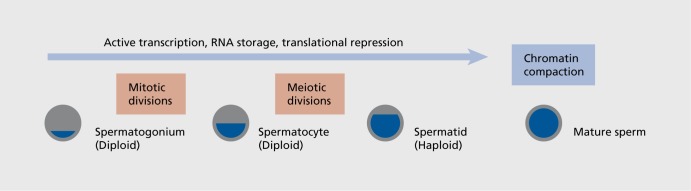
“2) where spermatogenesis occurs, and the majority of histones were replaced with protamines 27 .”
Epigenetics, maternal prenatal psychosocial stress, and infant mental health
DeSocio, J. E. (2018) · Archives of Psychiatric Nursing · doi:10.1016/j.apnu.2018.09.001 · Cited by 87
McCormick, C. M., Green, M. R., & Simone, J. J. (2017) · Neurobiology of Stress · doi:10.1016/j.ynstr.2016.08.003 · Cited by 66
“Programming effects of stress exposures on the developing fetus provide a means by which glucocorticoids experienced in early life have effects across the lifespan and possibly into future generations (Bale, 2014;Meaney et al., 2007).”
Epigenetic alterations in sperm associated with male infertility
Kitamura, A., Miyauchi, N., Hamada, H., Hiura, H., Chiba, H., Okae, H., Satô, A., John, R. M., & Arima, T. (2015) · Congenital Anomalies · doi:10.1111/cga.12113 · Cited by 69
“However, stress is also a cause of male infertility this may occur through epigenetic alterations in the germline (Bale 2014).”
BackgroundPost, R. M., Altshuler, L. L., Kupka, R., McElroy, S. L., Frye, M. A., Rowe, M., Grunze, H., Suppes, T., Keck, P. E., Leverich, G. S., et al. (2017) · Neuroscience & Biobehavioral Reviews · doi:10.1016/j.neubiorev.2017.01.022 · Cited by 61
Epigenetic alterations associated with war trauma and childhood maltreatment
Ramo‐Fernández, L., Schneider, A., Wilker, S., & Kolassa, I. (2015) · Behavioral Sciences & the Law · doi:10.1002/bsl.2200 · Cited by 59
Barrett, E. S., Parlett, L. E., Sathyanarayana, S., Redmon, J. B., Nguyen, R. H. N., & Swan, S. H. (2016) · Paediatric and Perinatal Epidemiology · doi:10.1111/ppe.12264 · Cited by 57
“Race/ethnicity Non-Hispanic white 536 (73) 210 (72) 52 (71) 231 (76) 27 (39) Other 202 (27) 83 (28) 21 (29) 71 (24) 43 (61)”
Ohashi, K., Anderson, C. M., Bolger, E. A., Khan, A., McGreenery, C. E., & Teicher, M. H. (2017) · NeuroImage · doi:10.1016/j.neuroimage.2017.02.037 · Cited by 65
“This fits with the idea that psychopathology arises from multiple ‘hits’ (Bale, 2014; Bayer et al., 1999).”
BackgroundZhou, A., & Ryan, J. (2023) · Genes · doi:10.3390/genes14081639 · Cited by 57
“These animal studies have provided unique insights into germ cell epigenetic changes in response to stress [75], most commonly involving male rodents.”
BackgroundBlount, A. J., Adams, C. R., Anderson‐Berry, A., Hanson, C., Schneider, K., & Pendyala, G. (2021) · International Journal of Environmental Research and Public Health · doi:10.3390/ijerph18158206 · Cited by 79
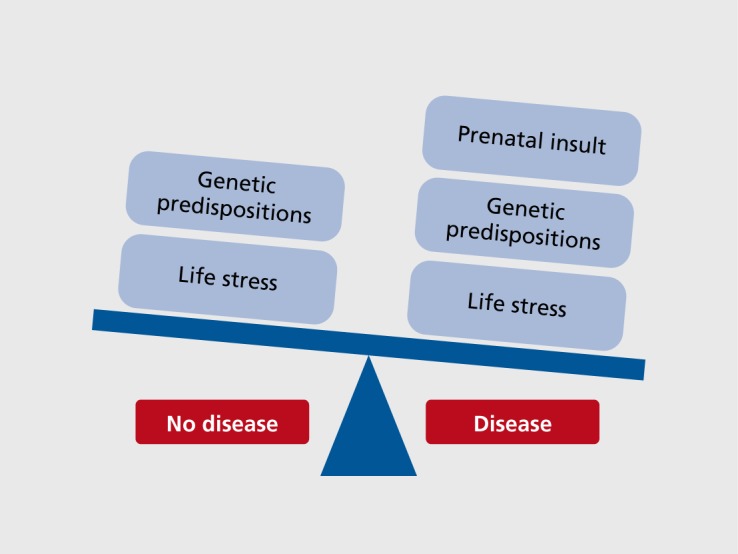
“According to Bale [19], genetic susceptibility to mental and physical illness has three components: (1) genetic predisposition, (2) prenatal stress, and (3) exposure to stress after birth.”
BackgroundGenetic associations with reflexive visual attention in infancy and childhood
Lundwall, R. A., Dannemiller, J. L., & Goldsmith, H. H. (2015) · Developmental Science · doi:10.1111/desc.12371 · Cited by 54
Schroeder, A., Notaras, M., Du, X., & Hill, R. A. (2018) · Brain Sciences · doi:10.3390/brainsci8070121 · Cited by 50
“Furthermore, it has been shown that periadolescent stress can affect stress responsiveness of the individual during and after pregnancy [114], thereby having the potential to affect stress adaptation in a transgenerational manner, through both behavioral and epigenetic modulation [115,116].”
BackgroundDevelopmental programming of type 2 diabetes: early nutrition and epigenetic mechanisms
Ong, T. P., & Ozanne, S. E. (2015) · Current Opinion in Clinical Nutrition and Metabolic Care · doi:10.1097/mco.0000000000000177 · Cited by 49
Post, R. M., Altshuler, L. L., Kupka, R., McElroy, S. L., Frye, M. A., Rowe, M., Grunze, H., Suppes, T. M., Keck, P. E., Leverich, G. S., et al. (2016) · Journal of Psychiatric Research · doi:10.1016/j.jpsychires.2016.06.008 · Cited by 57
Paternal transgenerational epigenetic mechanisms mediating stress phenotypes of offspring
Cunningham, A. M., Walker, D. M., & Nestler, E. J. (2019) · European Journal of Neuroscience · doi:10.1111/ejn.14582 · Cited by 55
“…stimuli which influence offspring phenotypes including but not limited to exposure to other toxins (Crews et al., 2007; Skinner et al., 2018), drugs of abuse (Szutorisz & Hurd, 2018; Vassoler, White, Schmidt, Sadri‐Vakili, & Pierce, 2013), stress (Bale, 2014), and maternal behaviors (Meaney, 2001).”
BackgroundYuan, T., Li, A., Sun, X., Ouyang, H., Campos, C., Rocha, N., Arias-Carrión, Ó., Machado, S. E. D. C., Hou, G., & So, K. (2015) · Molecular Neurobiology · doi:10.1007/s12035-015-9526-2 · Cited by 48
de Weerth, C. (2018) · Development and Psychopathology · doi:10.1017/s0954579418000494 · Cited by 56
“In experimental rat studies, increases in pro-inflammatory cytokines have been causally associated with structural hippocampus brain changes and decreased learning (Samuelsson, Jennische, Hansson, & Holmäng, 2006), as well as with a hyperactive phenotype in male offspring (Bronson & Bale, 2014).”
BackgroundBirth signalling hormones and the developmental consequences of caesarean delivery
Kenkel, W. (2021) · Journal of Neuroendocrinology · doi:10.1111/jne.12912 · Cited by 44
Esakky, P., & Moley, K. H. (2016) · Molecular and Cellular Endocrinology · doi:10.1016/j.mce.2016.07.015 · Cited by 47
“Therefore, studies are needed to determine the point in spermatogenesis at which the germ line is susceptible to constituents of cigarette smoke and the types of epigenetic marks, if any, are established (Bale, 2014).”
BackgroundEpigenetic inheritance of PCOS by developmental programming and germline transmission
Stener‐Victorin, E., & Deng, Q. (2024) · Trends in Endocrinology and Metabolism · doi:10.1016/j.tem.2024.12.002 · Cited by 42
González-Ochoa, R., Sánchez-Rodríguez, E. N., Chavarría, A., Gutiérrez‐Ospina, G., & Romo‐González, T. (2018) · Journal of Pregnancy · doi:10.1155/2018/4857065 · Cited by 49
Mapping the past, present and future research landscape of paternal effects
Rutkowska, J., Lagisz, M., Bonduriansky, R., & Nakagawa, S. (2020) · BMC Biology · doi:10.1186/s12915-020-00892-3 · Cited by 40
Ancestral experience as a game changer in stress vulnerability and disease outcomes
Metz, G. A. S., Ng, J. W. Y., Kovalchuk, I., & Olson, D. M. (2015) · BioEssays · doi:10.1002/bies.201400217 · Cited by 38
Reshetnikov, V. V., Kovner, A. V., Lepeshko, A. A., Pavlov, K. S., Grinkevich, L. N., & Bondar, N. P. (2018) · Genes Brain & Behavior · doi:10.1111/gbb.12541 · Cited by 41
“It is known that females who have experienced early-life stress can pass down behavioral sings of stress through generations.(37) Thus, for example, mothers exposed to stress and their progeny have similar levels of anxiety and depression.”
BackgroundHippocampal Subfields Volume Reduction in High Schoolers with Previous Verbal Abuse Experiences
Lee, S. W., Yoo, J. H., Kim, K. W., Kim, D., Park, H., Choi, J., Teicher, M. H., & Jeong, B. (2018) · Clinical Psychopharmacology and Neuroscience · doi:10.9758/cpn.2018.16.1.46 · Cited by 37
Cattaneo, A., Suderman, M. J., Cattane, N., Mazzelli, M., Begni, V., Maj, C., D'Aprile, I., Pariante, C. M., Luoni, A., Berry, A., et al. (2020) · Neurobiology of Stress · doi:10.1016/j.ynstr.2020.100271 · Cited by 42
“sustaining the long-lasting effects of adverse events early in life in shaping the individual vulnerability to psychopathology (Bale, 2014; Luoni and Riva, 2016; Provencal and Binder, 2015).”
Govic, A., Penman, J., Tammer, A. H., & Paolini, A. G. (2015) · Psychoneuroendocrinology · doi:10.1016/j.psyneuen.2015.10.020 · Cited by 38
“The transmission f paternal experiences to offspring is proposed to be mediated pigenetically via modifications to the male germ cell (Bale, 2014).”
BackgroundDevelopmental plasticity of mitochondrial function in American alligators,Alligator mississippiensis
Galli, G. L. J., Crossley, J. L., Elsey, R. M., Dzialowski, E. M., Shiels, H. A., & Crossley, D. A. (2016) · American Journal of Physiology-Regulatory, Integrative and Comparative Physiology · doi:10.1152/ajpregu.00107.2016 · Cited by 40
“The new phenotype remains largely fixed after maturity and can even be transmitted to subsequent generations (5).”
BackgroundZhang, B. (2017) · PubMed Central · doi:10.13918/j.issn.2095-8137.2017.002 · Cited by 34
On the role of epigenetic modifications of HPA axis in posttraumatic stress disorder and resilience
Khan, Z., Messiri, N. E., Iqbal, E., Hassan, H., Tanweer, M. S., Sadia, S. R., Taj, M., Zaidi, U., Yusuf, K., Syed, N. I., et al. (2025) · Journal of Neurophysiology · doi:10.1152/jn.00345.2024 · Cited by 32
Developmental Stressors Induce Innate Immune Memory in Microglia and Contribute to Disease Risk
Carloni, E., Ramos, A., & Hayes, L. N. (2021) · International Journal of Molecular Sciences · doi:10.3390/ijms222313035 · Cited by 32
“This topic has been extensively reviewed elsewhere [120,123,125,126].”
BackgroundExposure to drugs of abuse induce effects that persist across generations
Baratta, A. M., Rathod, R. S., Plasil, S. L., Seth, A., & Homanics, G. E. (2020) · International review of neurobiology · doi:10.1016/bs.irn.2020.08.003 · Cited by 30
“The whole process and the pattern of germ cell maturation can be vulnerable to environmental insults (Bale, 2014).”
BackgroundCissé, Y. M., Chan, J. C., Nugent, B. M., Banducci, C., & Bale, T. L. (2020) · Placenta · doi:10.1016/j.placenta.2020.06.019 · Cited by 30
Self-citationReviewing the Literature on the Impact of Gun Violence on Early Childhood Development
Holloway, K., Cahill, G., Tieu, T., & Njoroge, W. (2023) · Current Psychiatry Reports · doi:10.1007/s11920-023-01428-6 · Cited by 27
Preconception Paternal Stress in Rats Alters Brain and Behavior in Offspring
Harker, A., Carroll, C., Raza, S., Kolb, B. E., & Gibb, R. L. (2018) · Neuroscience · doi:10.1016/j.neuroscience.2018.06.034 · Cited by 27
Taguchi, Y. (2015) · BMC Bioinformatics · doi:10.1186/1471-2105-16-s18-s16 · Cited by 26
“Thus, this association was suggested to be heritable [44].”
Vassoler, F. M., & Wimmer, M. E. (2020) · Cold Spring Harbor Perspectives in Medicine · doi:10.1101/cshperspect.a040436 · Cited by 21
Rivera, H. E., Chen, C., Gibson, M. C., & Tarrant, A. M. (2021) · Journal of Experimental Biology · doi:10.1242/jeb.236745 · Cited by 28
Paul, E. N., Grey, J. A., Carpenter, T. J., Madaj, Z., Lau, K. H., Givan, S. A., Burns, G. W., Chandler, R. L., Wegienka, G., Shen, H., et al. (2022) · JCI Insight · doi:10.1172/jci.insight.160274 · Cited by 23
“parental stress (reviewed in (64)) suggesting a repeating or even perpetual mechanism 271 for maintaining health disparities in a variety of disease states in marginalized or 272”
Swales, D. A., Davis, E. P., Mahrer, N. E., Guardino, C. M., Shalowitz, M. U., Ramey, S. L., & Schetter, C. D. (2022) · Development and Psychopathology · doi:10.1017/s0954579421001760 · Cited by 20
“Rather maternal mental health prior to conception, including PTSD symptoms, may also relate to developmental trajectories of mental health in the next generation via alterations in prenatal stress physiology, epigenetic pathways, and other peripartum mechanisms (Bale, 2014; Bowers & Yehuda, 2016; Buss et al., 2017; Ke…”
Azar, N., & Booij, L. (2022) · Journal of Affective Disorders · doi:10.1016/j.jad.2022.09.008 · Cited by 26
Post, R. M., Kupka, R., Keck, P. E., McElroy, S. L., Altshuler, L. L., Frye, M. A., Rowe, M., Grunze, H., Suppes, T. M., Leverich, G. S., et al. (2016) · The Journal of Clinical Psychiatry · doi:10.4088/jcp.15m10121 · Cited by 21
More illness in offspring of bipolar patients from the U.S. compared to Europe
Post, R. M., Altshuler, L. L., Kupka, R., McElroy, S. L., Frye, M. A., Rowe, M., Grunze, H., Suppes, T. M., Keck, P. E., Leverich, G. S., et al. (2015) · Journal of Affective Disorders · doi:10.1016/j.jad.2015.11.038 · Cited by 20
“These altered behavioral reactivities are thought to be mediated by the persistence of epigenetic chemical marks on the gametes (ova and sperm) that are passed to the next generation (Bale, 2014; Dias and Ressler, 2014; Szutorisz et al., 2014; Vassoler et al., 2014).”
BackgroundJones, C. A., Nisenbaum, R. A., Souza, L. R. D., & Berger, H. M. (2019) · Journal of Perinatology · doi:10.1038/s41372-019-0554-z · Cited by 19
Heading off depressive illness evolution and progression to treatment resistance
Post, R. M. (2015) · Dialogues in Clinical Neuroscience · doi:10.31887/dcns.2015.17.2/rpost · Cited by 16
Tómasdóttir, M. Ó., Kristjánsdóttir, H., Björnsdóttir, A., Getz, L., Steingrímsdóttir, Þ., Ólafsdóttir, Ó. Á., & Sigurdsson, J. A. (2016) · Scandinavian Journal of Primary Health Care · doi:10.1080/02813432.2016.1249060 · Cited by 23
“sion in the absence of changes in the DNA.[11,12] The Bidens study from Belgium, Iceland, Denmark,”
BackgroundGonzález, C. R., & González, B. (2021) · Frontiers in Endocrinology · doi:10.3389/fendo.2020.630948 · Cited by 18
Mechanisms of Epigenetic Inheritance in Post-Traumatic Stress Disorder
Chou, P.-C., Huang, Y., & Yu, S. (2024) · Life · doi:10.3390/life14010098 · Cited by 18
“These symptoms could be due to the increase in FKBP5 expression and decrease in NR3C1 methylation, providing insights into epigenetic transmission across three generations [1].”
BackgroundHuffhines, L. P., Coe, J. L., Busuito, A., Seifer, R., & Parade, S. H. (2022) · Infant Mental Health Journal · doi:10.1002/imhj.21985 · Cited by 17
Transgenerational inheritance and its modulation by environmental cues
Verdikt, R., Armstrong, A. A., & Allard, P. (2022) · Current topics in developmental biology/Current Topics in Developmental Biology · doi:10.1016/bs.ctdb.2022.10.002 · Cited by 15
Liu, J., Liao, M., Huang, R., You, Y., Lin, X., Yang, H., Fan, L., Zhong, Y., Li, X., Li, J., et al. (2022) · Frontiers in Cell and Developmental Biology · doi:10.3389/fcell.2022.834346 · Cited by 17
“These effects Frontiers in Cell and Developmental Biology | www.frontiersin.org February 2022 | Volume 10 | Article 8343469 could be multigenerational in some cases (Bale, 2014; Picton and Balen, 2019).”
BackgroundThe Perfect Storm: Mapping the Life Course Trajectories of Serial Killers
Reid, S., Katan, A., Ellithy, A., Stua, R. D., & Denisov, E. V. (2019) · International Journal of Offender Therapy and Comparative Criminology · doi:10.1177/0306624x19838683 · Cited by 32
Cumulative adversity, mindfulness, and mental health in first-time mothers experiencing low income
Garofalo, L., Booth‐LaForce, C., Nurius, P. S., Thompson, S. F., Calhoun, B., Shimomaeda, L., & Lengua, L. J. (2023) · Journal of Affective Disorders Reports · doi:10.1016/j.jadr.2023.100621 · Cited by 14
“Higher susceptibility to stress is conferred through epigenetic and developmental changes inherited by subsequent offspring (Bale, 2014; Chan et al., 2018).”
The Epigenetic Connection to Black Disparity
Post, R. M. (2021) · The Journal of Clinical Psychiatry · doi:10.4088/jcp.20com13858 · Cited by 13
Watamura, S. E., & Roth, T. L. (2018) · Developmental Psychobiology · doi:10.1002/dev.21796 · Cited by 12
Intergenerational transmission of psychological trauma: A structural neuroimaging study
Sarıgedik, E., Naldemir, İ. F., Karaman, A. K., & Altınsoy, H. B. (2022) · Psychiatry Research Neuroimaging · doi:10.1016/j.pscychresns.2022.111538 · Cited by 17
Durán‐Carabali, L. E., Odorcyk, F. K., Grün, L. K., Schmitz, F., Júnior, O. V. R., de Oliveria, M. R., Campos, K., Hoeper, E., Carvalho, A. V. S., Greggio, S., et al. (2024) · Experimental Neurology · doi:10.1016/j.expneurol.2024.114713 · Cited by 11
Magierecka, A., Aristeidou, A., Papaevripidou, M., Gibson, J. K., Sloman, K. A., & Metcalfe, N. B. (2022) · Proceedings of the Royal Society B Biological Sciences · doi:10.1098/rspb.2022.1462 · Cited by 8
“There is increasing evidence from vertebrates that environmental factors acting upon parents may project into subsequent generations both through direct epigenetic effects [13,22] and through the alteration of the life-history and reproductive output of their offspring [21,23,24].”
BackgroundReprint of "Epigenetics, maternal prenatal psychosocial stress, and infant mental health"
DeSocio, J. E. (2019) · Archives of Psychiatric Nursing · doi:10.1016/j.apnu.2019.05.001 · Cited by 13
Post, R. M., Altshuler, L. L., Kupka, R., McElroy, S. L., Frye, M. A., Rowe, M., Grunze, H., Suppes, T. M., Keck, P. E., & Nolen, W. A. (2018) · European Archives of Psychiatry and Clinical Neuroscience · doi:10.1007/s00406-018-0934-y · Cited by 7
Silva, S. C. A., Braz, G. R. F., do Nascimento, L. C. P., de Santana, D. F., Pedroza, A. A. D. S., Silva, T. L. A., Fernandes, M. P., Sellitti, D. F., & Lagranha, C. J. (2019) · Life Sciences · doi:10.1016/j.lfs.2019.116579 · Cited by 8
How stress affects gene expression through epigenetic modifications
Bainomugisa, C. K., & Mehta, D. (2022) · Elsevier eBooks · doi:10.1016/b978-0-12-823039-8.00014-9 · Cited by 7
Intergenerational transmission of stress-related epigenetic regulation
Collins, N. J., & Roth, T. L. (2020) · Elsevier eBooks · doi:10.1016/b978-0-12-819262-7.00007-6 · Cited by 9
The long-lasting effects of early life adversities are sex dependent: The signature of miR-34a
D’Addario, S. L., Municchi, D., Mancini, C., Ielpo, D., Babicola, L., Segni, M. D., Iacono, L. L., Ferlazzo, F., Cifani, C., Andolina, D., et al. (2022) · Journal of Affective Disorders · doi:10.1016/j.jad.2022.11.035 · Cited by 8
Stress, Glucocorticoids, and Brain Development in Rodent Models
McCormick, C. M., & Hodges, T. E. (2017) · Elsevier eBooks · doi:10.1016/b978-0-12-802175-0.00019-x · Cited by 8
Vera-Chang, M. N., Danforth, J. M., Stuart, M., Goodarzi, A. A., Brand, M., & Richardson, R. B. (2023) · Clinical Epigenetics · doi:10.1186/s13148-023-01564-z · Cited by 4
“These epigenetic events may potentially be transmitted, via the germline, to subsequent generations [24].”
BackgroundEpigenetic memory of oxidative stress: does nephrilin exert its protective effects via Rac1?
Mascarenhas, D. D., Herndon, D. N., & Arany, I. (2017) · Biologics · doi:10.2147/btt.s136188 · Cited by 5
Autism Spectrum Disorder and Grandmother’s Race, Ethnicity, and Nativity
Chow, T., Meng, Q., O’Sharkey, K., Liew, Z., & Ritz, B. R. (2024) · JAACAP Open · doi:10.1016/j.jaacop.2024.04.008 · Cited by 5
“43 Associations between prenatal diet or famine with epigenetic alterations and with the health of subsequent generations have been reported in human populations and animal models.”
Intergenerational impacts of racial discrimination on child executive functioning problems
Barbee, N. R., Dunlop, A. L., Corwin, E. J., & Brennan, P. A. (2025) · Infant Mental Health Journal · doi:10.1002/imhj.22161 · Cited by 5
Temirkhanova, K. T., Tsikunov, S. G., Apchel, V. Y., Pyatibrat, E. D., & Pyatibrat, A. O. (2017) · Bulletin of the Russian Military Medical Academy · doi:10.17816/brmma12190 · Cited by 4
Liczbińska, G., & Králík, M. (2023) · The History of the Family · doi:10.1080/1081602x.2023.2290027 · Cited by 5
“Then through ‘altered’ (or imprinted) egg cells of the G2 mother (i.e. G2 oogonia), half of her genes and the entire cytoplasm are transferred to the G3 zygote (Bale, 2014; Lawson et al., 2013; Schisa, 2019).”
BackgroundProgrammed for sex: Nutrition–reproduction relationships from an inter-generational perspective
Sharpe, R. M. (2018) · Reproduction · doi:10.1530/rep-17-0537 · Cited by 6
“…changes could be induced to better fit resulting offspring to a changed environment (Box 1); here, we will simply focus on evidence related to changes in nutrition/food supply, but in theory, adaptive changes to other environmental factors such as stress (Bale 2014) could also be important.”
BackgroundTaheri, F., Joushi, S., Esmaeilpour, K., Ebrahimi, M. N., Taherizadeh, Z., Taheri, P., & Sheibani, V. (2024) · Birth Defects Research · doi:10.1002/bdr2.2309 · Cited by 4
“In this regard, studies reveal that parental conditions such as lifetime stress can alter the epigenetic marks in the germ cells; this concept can have serious implications for the offspring's life process and behavioral disorders (Bale, 2014).”
BackgroundPotential transgenerational epigenetic effects of prolonged stress and psychological trauma
Youssef, N. A., Lockwood, L. E., Su, S., Hao, G., & Rutten, B. P. F. (2022) · Elsevier eBooks · doi:10.1016/b978-0-12-823039-8.00008-3 · Cited by 4
Ordyan, N. E., Malysheva, O. V., Kholova, G. I., Акулова, В. К., & Пивина, С. Г. (2022) · Neuroscience and Behavioral Physiology · doi:10.1007/s11055-022-01232-4 · Cited by 3
Peat smoke exposure as a risk factor for deterioration of postnatal development
Pankova, A. A., Vokina, V. A., Sosedova, L. M., & Степанович, Р. В. (2024) · Hygiene and Sanitation · doi:10.47470/0016-9900-2024-103-9-1044-1049 · Cited by 3
Venegas, M. L. M., Quiccione, M. S., Sharma, S., Gianfagna, F., Bracone, F., Domenico, P. D., Tirozzi, A., Cerletti, C., Donati, M. B., de Gaetano, G., et al. (2026) · International Journal of Molecular Sciences · doi:10.3390/ijms27073019 · Cited by 2
“SMALL BABY SYNDROME” AS A PREGNANCY-ASSOCITED GENERAL ADAPTATION SYNDROME (REVIEW)
Shchurevska, O. D. (2022) · Wiadomości Lekarskie · doi:10.36740/wlek202209118 · Cited by 3
Aggernæs, B. (2020) · AIMS molecular science · doi:10.3934/molsci.2020008 · Cited by 3
Dory, E. K., Loterstein, Y., Hazani, R., Zalsman, G., & Weller, A. (2025) · Neuroscience & Biobehavioral Reviews · doi:10.1016/j.neubiorev.2025.106114 · Cited by 1
“Another instance is DNA methylation of germ cells (i.e., oocytes and sperm cells), which is typically investigated in studies of paternal premating stress (Bale, 2014; Chan et al., 2020; Gapp et al., 2014; Rodgers et al., 2013, 2015).”
Metadata
- Authors
- Bale, T. L.
- Affiliations
- University of Pennsylvania (US)
- Corresponding author
- Bale, Tracy L.
- ORCID
- Bale, Tracy L.
- Venue
- Dialogues in Clinical Neuroscience
- Publisher
- Informa UK Limited
- Published
- 2014-09-30
- Volume
- 16
- Issue
- 3
- Pages
- 297-305
- ISSN
- 1294-8322 (ISSN-L)
- 1958-5969
- PMC
- PMC4214173
- OpenAlex
- W2179636527
- Semantic Scholar
- f09229492a0c492f9d271dd5fa8931ff96f3853c
- Cited by
- 129
- References
- 54
- Citations by year
- 2026: 6 · 2025: 5 · 2024: 9 · 2023: 5 · 2022: 15 · 2021: 9 · 2020: 11 · 2019: 8 · 2018: 16 · 2017: 12 · 2016: 15 · 2015: 18
- FWCI
- 6.15
- Type
- journal article
- Language
- en
- Open access
- diamond
- doi.org
- Licence
- Locations
- Dialogues in Clinical Neuroscience (publishedVersion, cc-by-nc-nd)
- PubMed Central (publishedVersion, cc-by-nc-nd)
- PubMed (publishedVersion)
- Funders
- National Institutes of Health (5r01mh091258-05)
- National Institute of Mental Health (P50MH099910, MH087597, MH 091258, MH099910, R01 MH-091258, R01MH087597)
- Topics
- Life Sciences › Biochemistry, Genetics and Molecular Biology › Molecular Biology › Epigenetics and DNA Methylation
- Health Sciences › Medicine › Pediatrics, Perinatology and Child Health › Birth, Development, and Health
- Health Sciences › Medicine › Public Health, Environmental and Occupational Health › Maternal Mental Health During Pregnancy and Postpartum
- Keywords
- transgenerational epigenetic inheritance, parental stress, prenatal stress, environmental exposure, neurodevelopmental disorders, attention deficit hyperactivity disorder, schizophrenia, autism spectrum disorder, epigenetic modifications
- MeSH terms
- Animals, Developmental Disabilities, Disease Models, Animal, Female, Germ Cells, Humans, Male, Pregnancy, Prenatal Exposure Delayed Effects, Stress, Psychological, Epigenesis, Genetic
About these checks
Registry, retraction, Cites and statistics results are computed, not judged, with one exception: a printed reference that no index lists is read once by a model before it counts as a citation error. Claims are extracted by a model and kept only when their quote appears verbatim in the text; each cited source is then checked, with a model’s help, for whether it says what the claim relies on. Those verdicts can be wrong — read the claim’s quote and the cited source before relying on one.
Statistics and arithmetic are recomputed, not judged.
Confidence bands are shown only for fields calibrated on our annotated test set. None is calibrated yet, so no band is shown.
What counts as a claim ›How we measure confidence ›How we check this ›
Are you an author, or do you see a problem with this page? Request a review
Data sources
Bibliographic data: Semantic Scholar, OpenAlex, Crossref.
Contains information from the Semantic Scholar Academic Graph Datasets, made available under the ODC Attribution License (ODC-BY 1.0).
Semantic Scholar’s data is described in: Kinney, R., et al. (2023). The Semantic Scholar Open Data Platform. arXiv:2301.10140.
