

Virtual reality as a clinical tool in mental health research and practice
Open accessThe DOI matches its Crossref record; 78 of the 78 references it cites were found in a registry or an index.
Abstract
Virtual reality (VR) is a potentially powerful technology for enhancing assessment in mental health. At any time or place, individuals can be transported into immersive and interactive virtual worlds that are fully controlled by the researcher or clinician. This capability is central to recent interest in how VR might be harnessed in both treatment and assessment of mental health conditions. The current review provides a summary of the advantages of using VR for assessment in mental health, focusing on increasing ecological validity of highly controlled environments, enhancing personalization and engagement, and capturing real-time, automated data in real-world contexts. Considerations for the implementation of VR in research and clinical settings are discussed, including current issues with cost and access, developing evidence base, technical challenges, and ethical implications. The opportunities and challenges of VR are important to understand as researchers and clinicians look to harness this technology to improve mental health outcomes. .
Overview
The claims and statistics of this paper haven’t been checked yet.
Free: it reads the open-access text and checks the first 5 claims that cite a source we can check. Create a free account to check every claim.
Integrity signals
Registry
Cites
Statistics
Figures
Verification
Claims the paper makes
The claims and statistics of this paper haven’t been checked yet.
Free: it reads the open-access text and checks the first 5 claims that cite a source we can check. Create a free account to check every claim.
Claims other papers make about this one
Each is checked against this paper’s own text: does it say what the citing paper says it does?
The source backs part of the claim, not all of it — or backs it for a different population, condition or comparison.
In the citing paper
“Virtual reality (VR) is an emerging technology with the potential to transform mental health treatment [1-3].”
From A Virtual Reality–Based Cognitive Defusion Application for Youth Depression and Anxiety: Mixed Methods Experimental Study. (2025) · cites this paper as [1]
Experimental — accuracy not yet measuredThe source backs part of the claim, not all of it — or backs it for a different population, condition or comparison.
In the citing paper
“the rapid development and adoption of breakthrough technologies including artificial intelligence, natural language processing, virtual and augmented reality, and virtual worlds provides an unprecedented opportunity to use new innovations to address historical problems in youth mental health.”
From The Lancet Psychiatry Commission on youth mental health (2024) · cites this paper as [378]
Experimental — accuracy not yet measuredThe cited source says what the claim attributes to it.
In the citing paper
“VR can generate physical, cognitive, and affective responses that may closely resemble real-world scenarios (Bell et al., 2020; Li et al., 2022; Parsons, 2015; Sch ¨ one et al., 2023).”
From Speaking face-to-face with a virtual avatar to reduce anxiety in students who stutter: Tool development and pilot study results. (2026) · cites this paper as Bell et al., 2020
In the citing paper
“A 2020 survey of more than 3000 patients treated with telepsychiatry during the COVID-19 pandemic 66 and a separate survey of more than 100 mental health clinicians 67 during the COVID-19 pandemic revealed that both patients and clinicians were supportive of telepsychiatry, were satisfied with the quality of care, and would consider using this modality in the future.”
From Digital health technologies and major depressive disorder (2023) · cites this paper as [66]
Self-check
Percentages, sums and reported differences re-computed from the paper’s own numbers.
The self-check needs the paper’s full text.
Citations
Cites
From game design elements to gamefulness: defining "gamification"
Deterding, S., Dixon, D., Khaled, R., & Nacke, L. (2011) · Proceedings of the 15th International Academic MindTrek Conference: Envisioning Future Media Environments · doi:10.1145/2181037.2181040 · Cited by 8,402
At the Heart of It All: The Concept of Presence
Lombard, M., & Ditton, T. (2006) · Journal of Computer-Mediated Communication · doi:10.1111/j.1083-6101.1997.tb00072.x · Cited by 3,706
The Uncanny Valley [From the Field]
Mori, M., MacDorman, K., & Kageki, N. (2012) · IEEE Robotics & Automation Magazine · doi:10.1109/mra.2012.2192811 · Cited by 3,542
The answer is 17 years, what is the question: understanding time lags in translational research
Morris, Z. S., Wooding, S., & Grant, J. (2011) · Journal of the Royal Society of Medicine · doi:10.1258/jrsm.2011.110180 · Cited by 3,340
Enhancing Our Lives with Immersive Virtual Reality
Slater, M., & Sanchez-Vives, M. V. (2016) · Frontiers in Robotics and AI · doi:10.3389/frobt.2016.00074 · Cited by 1,993
Virtual Reality in the Assessment, Understanding, and Treatment of Mental Health Disorders
Freeman, D., Reeve, S., Robinson, A., Ehlers, A., Clark, D., Spanlang, B., & Slater, M. (2017) · Psychological Medicine · doi:10.1017/s003329171700040x · Cited by 1,428
Cipresso, P., Giglioli, I. A. C., Raya, M. A., & Riva, G. (2018) · Frontiers in Psychology · doi:10.3389/fpsyg.2018.02086 · Cited by 1,131
Affective interactions using virtual reality: the link between presence and emotions
Riva, G., Mantovani, F., Capideville, C. S., Preziosa, A., Morganti, F., Villani, D., Gaggioli, A., Botella, C., & Alcañiz, M. (2007) · CyberPsychology & Behavior · doi:10.1089/cpb.2006.9993 · Cited by 1,111
Firth, J., Torous, J., Nicholas, J., Carney, R., Pratap, A., Rosenbaum, S., & Sarris, J. (2017) · World Psychiatry · doi:10.1002/wps.20472 · Cited by 1,097
Self-citationDiemer, J., Alpers, G. W., Peperkorn, H. M., Shiban, Y., & Mühlberger, A. (2015) · Frontiers in Psychology · doi:10.3389/fpsyg.2015.00026 · Cited by 952
Research works printed but not linked: 7
- 39. Sturmey P Functional Analysis in Clinical Treatment 2011 Elsevier
- SturmeyPFunctional Analysis in Clinical Treatment2011 Elsevier
- 40. Gatti E Massari R Sacchelli C Riva G Virtual reality protocol: an instrument to assess alcohol-dependent individuals Annu Rev Cyberther Telemed 2007 55 63
- 47. Mühlberger A Sperber M Wieser MJ Pauli P A virtual reality behavior avoidance test (VR-BAT) for the assessment of spider phobia J Cyber Ther Rehabil 2008 1 2 147 158
- 49. Pallavicini F Algeri D Repetto C Gorini A Riva G Biofeedback virtual reality and mobile phones in the treatment of generalized anxiety disorder (GAD): a phase-2 controlled clinical trial J Cyber Ther Rehabil 2009 2 315 327
- 55. Retaux X Presence in the environment: theories, methodologies and applications to video games PsychNology J 2003 1 3 283 309
- 58. Slater M Lotto B Arnold MM Sánchez-Vives MV How we experience immersive virtual environments: the concept of presence and its measurement Anuario de Psicología 2009 40 193 210
Cited by
Torous, J., Bucci, S., Bell, I. H., Kessing, L. V., Faurholt‐Jepsen, M., Whelan, P., Carvalho, A. F., Keshavan, M., Linardon, J., & Firth, J. (2021) · World Psychiatry · doi:10.1002/wps.20883 · Cited by 1,199
“Virtual reality allows precise, realtime data capture of re sponses to stimuli within controlled virtual environments, and hence provides critical insight into the way in which clinically relevant phenomena develop in real world 89,93 .”
BackgroundSelf-citationThe Lancet Psychiatry Commission on youth mental health
McGorry, P. D., Mei, C., Dalal, N., Alvarez-Jimenez, M., Blakemore, S.-J., Browne, V., Dooley, B., Hickie, I. B., Jones, P. B., McDaid, D., et al. (2024) · The Lancet Psychiatry · doi:10.1016/s2215-0366(24)00163-9 · Cited by 663
Self-citationFuture of Mental Health in the Metaverse
Usmani, S. S., Sharath, M., & Mehendale, M. (2022) · General Psychiatry · doi:10.1136/gpsych-2022-100825 · Cited by 262
Social Interaction With Agents and Avatars in Immersive Virtual Environments: A Survey
Kyrlitsias, C., & Michael-Grigoriou, D. (2022) · Frontiers in Virtual Reality · doi:10.3389/frvir.2021.786665 · Cited by 200
Effectiveness of Immersive Virtual Reality in Nursing Education: Systematic Review
Choi, J., Thompson, C. E., Choi, J., Waddill, C. B., & Choi, S. (2022) · Nurse Educator · doi:10.1097/nne.0000000000001117 · Cited by 150
The Future of the Human–Machine Interface (HMI) in Society 5.0
Mourtzis, D., Angelopoulos, J., & Panopoulos, N. (2023) · Future Internet · doi:10.3390/fi15050162 · Cited by 175
“• Proxy (virtual agent) meetings between digital twins: digital twins with the personality and characteristics of individual people can react as if they were the real people in response to approaches from others in cyberspace [56]; • Creating a personal/virtual agent to work on your behalf: you can extend the range of…”
BackgroundNicholas, J., Bell, I. H., Thompson, A., Valentine, L., Simsir, P., Sheppard, H., & Adams, S. (2021) · Psychiatry Research · doi:10.1016/j.psychres.2021.113848 · Cited by 158
“Telehealth platforms that are more fun and appealing to young people, such online virtual environments (Bell et al., 2020; Thompson et al., 2020), might offer powerful tools to increase engagement with services (Burns and Birrell, 2014).”
BackgroundSelf-citationAdvances in the use of virtual reality to treat mental health conditions
Bell, I. H., Pot-Kolder, R., Rizzo, A., Rus-Calafell, M., Cardi, V., Cella, M., Ward, T., Riches, S., Reinoso, M., Thompson, A., et al. (2024) · Nature Reviews Psychology · doi:10.1038/s44159-024-00334-9 · Cited by 140
“Evaluations of the cost-effectiveness (assessing whether the benefits of a treatment or intervention justify costs involved in developing and delivering the intervention) of VR-based treatment for anxiety are also lacking 6,51,60,61 .”
InfluentialSelf-citationVirtual Reality Relaxation for People with Mental Health Conditions: A Systematic Review
Riches, S., Jeyarajaguru, P., Taylor, L., Fialho, C., Little, J., Ahmed, L., O’Brien, A., van Driel, C., Veling, W., & Valmaggia, L. (2023) · Social Psychiatry and Psychiatric Epidemiology · doi:10.1007/s00127-022-02417-5 · Cited by 128
Self-citationFirth, J., Torous, J., López‐Gil, J. F., Linardon, J., Milton, A., Lambert, J., Smith, L., Jarić, I., Fabian, H., Vancampfort, D., et al. (2024) · World Psychiatry · doi:10.1002/wps.21188 · Cited by 80
“For instance, in therapeutic settings, virtual reality can create safe and controlled social situations 190,193,194 , where artificial intelligence-driven analytics can offer real-time feedback and personalization, enhancing the effectiveness of interventions aimed at improving social skills in…”
BackgroundCritical questions for Facebook’s virtual reality: data, power and the metaverse
Egliston, B., & Carter, M. (2021) · Internet Policy Review · doi:10.14763/2021.4.1610 · Cited by 130
“Facebook/Meta has committed heavily to the development of VR following its 2014 acquisition of VR company Oculus, spending “at least” US$ 10 billion in 2021 on creating AR and VR hardware, software, and content (Kastrenakes & Heath, 2021) Today, VR is adopted across spheres ranging from health (Bell et al., 2020), to…”
BackgroundInfluentialPira, G. L., Aquilini, B., Davoli, A., Grandi, S., & Ruini, C. (2023) · JMIR Mental Health · doi:10.2196/44998 · Cited by 107
“of these VR protocols after the pandemic and among the general population [65].”
Virtual Reality for the Rehabilitation of Acquired Cognitive Disorders: A Narrative Review
Catania, V., Rundo, F., Panerai, S., & Ferri, R. (2023) · Bioengineering · doi:10.3390/bioengineering11010035 · Cited by 109
“Researchers must strive to strike a balance between controlled training environments and ecologically valid scenarios to ensure that cognitive gains achieved in VR translate effectively into real-world functioning [35,36].”
BackgroundGamification: a Novel Approach to Mental Health Promotion
Cheng, C., & Ebrahimi, O. V. (2023) · Current Psychiatry Reports · doi:10.1007/s11920-023-01453-5 · Cited by 72
Impact of Virtual Reality Cognitive and Motor Exercises on Brain Health
Sokołowska, B. (2023) · International Journal of Environmental Research and Public Health · doi:10.3390/ijerph20054150 · Cited by 78
The use of virtual reality in assessment and treatment of anxiety and related disorders
Meyerbröker, K., & Morina, N. (2021) · Clinical Psychology & Psychotherapy · doi:10.1002/cpp.2623 · Cited by 57
Chen, M.-F., Chen, Y.-C., Zuo, P.-Y., & Hou, H.-T. (2023) · Education and Information Technologies · doi:10.1007/s10639-023-11708-6 · Cited by 65
Virtual reality technology in neuropsychological testing: A systematic review
Pieri, L., Tosi, G., & Romano, D. (2023) · Journal of Neuropsychology · doi:10.1111/jnp.12304 · Cited by 76
The usage of virtual reality in engineering education
Ghazali, A. K., Aziz, N. A. A., Aziz, K. A., & Kian, N. T. (2024) · Cogent Education · doi:10.1080/2331186x.2024.2319441 · Cited by 62
“VR has been adopted for exposure-based therapy, allowing people to experience tough circum-stances or scenarios in a safe and controlled environment, all within the limits of a clinical setting (Bell et al., 2020).”
Bell, I. H., Thompson, A., Valentine, L., Adams, S., Alvarez-Jimenez, M., & Nicholas, J. (2022) · JMIR Mental Health · doi:10.2196/30716 · Cited by 60
“VR has a strong emerging evidence base for supporting the delivery of psychological interventions [39,40], particularly for exposure therapy; however, these interventions have not been widely implemented in clinical services.”
BackgroundSelf-citationVirtual reality and behaviour management in paediatric dentistry: a systematic review
PADILHA, D. X., Veiga, N., Mello‐Moura, A. C. V., & Correia, P. (2023) · BMC Oral Health · doi:10.1186/s12903-023-03595-7 · Cited by 77
“Virtual reality creates an arti�cial environment that mimics the real world, allowing users to experience an alternate world [11,12].”
BackgroundTay, J. L., Xie, H., & Sim, K. (2023) · Journal of Personalized Medicine · doi:10.3390/jpm13010112 · Cited by 57
“AR/VR-based simulations have the ability to expose participants to realistic experiences such as visual and auditory hallucinations, enhance understanding of the unique journeys that people with mental illnesses undergo and thereby foster better patient engagement [65,66].”
BackgroundVirtual reality modulating dynamics of neuroplasticity: Innovations in neuro-motor rehabilitation
Wankhede, N. L., Koppula, S., Ballal, S., Doshi, H., Kumawat, R., Raju, S., Arora, I., Sammeta, S. S., Khalid, M., Zafar, A., et al. (2024) · Neuroscience · doi:10.1016/j.neuroscience.2024.12.040 · Cited by 60
Chung, O. S., Robinson, T., Johnson, A. M., Dowling, N. L., Ng, C. H., Yücel, M., & Segrave, R. A. (2022) · Frontiers in Psychiatry · doi:10.3389/fpsyt.2021.791123 · Cited by 57
“Years of clinical/management experience 10 (10) 5 (5)”
BackgroundHabak, S., Bennett, J., Davies, A., Davies, M., Christensen, H. M., & Boydell, K. (2020) · International Journal of Environmental Research and Public Health · doi:10.3390/ijerph18010140 · Cited by 60
“Virtual environments are, thereby, known to produce physiological changes consistent with emotional responses to real-world scenarios [19].”
BackgroundLangener, S., Nagel, J. V. D., van Manen, J. G., Markus, W., Dijkstra, B. A. G., DeFuentes-Merillas, L., Klaassen, R., Heitmann, J., Heylen, D., & Schellekens, A. (2021) · Journal of Clinical Medicine · doi:10.3390/jcm10163658 · Cited by 54
“In cue exposure paradigms, patients are confronted with substance-related situations, and stimuli to elicit cue-reactivity in an ecologically valid manner [17].”
BackgroundFaria, A. L., Latorre, J., Silva Cameirão, M., Bermúdez i Badia, S., & Llorens, R. (2023) · Frontiers in Psychology · doi:10.3389/fpsyg.2023.1233346 · Cited by 46
“, 2020) mental health (Bell et al., 2022), language (Peeters, 2019) and neglect (Azouvi, 2017).”
BackgroundEthical, legal, and social implications (ELSI) of virtual agents and virtual reality in healthcare
Rudschies, C., & Schneider, I. (2023) · Social Science & Medicine · doi:10.1016/j.socscimed.2023.116483 · Cited by 51
The Metaverse for Industry 5.0 in NextG Communications: Potential Applications and Future Challenges
Prabadevi, B., Deepa, N., Maddikunta, P. K. R., Victor, N., Gadekallu, T. R., Yenduri, G., Wang, W. W., Pham, Q., Huynh‐The, T., & Liyanage, M. (2024) · IEEE Open Journal of the Computer Society · doi:10.1109/ojcs.2024.3497335 · Cited by 52
“The metaverse, with the assistance of VR will remove the barriers between reality and the virtual world [16].”
Effect of cognitive training based on virtual reality on the children with autism spectrum disorder
Zhao, J., Zhang, X., Wang, C., & Yang, J. (2020) · Current Research in Behavioral Sciences · doi:10.1016/j.crbeha.2020.100013 · Cited by 46
The Treatment of Substance Use Disorders: Recent Developments and New Perspectives
Rosenthal, A., Ebrahimi, C., Wedemeyer, F., Romanczuk‐Seiferth, N., & Beck, A. (2022) · Neuropsychobiology · doi:10.1159/000525268 · Cited by 49
Metaverse in Mental Health: The Beginning of a Long History
Cerasa, A., Gaggioli, A., Pioggia, G., & Riva, G. (2024) · Current Psychiatry Reports · doi:10.1007/s11920-024-01501-8 · Cited by 44
“Exactly as it has already been demonstrated for VR [16], immersive technologies can aid clinicians in improving clinical assessment or exerting control over and modifying elements of the virtual environments that can be utilized to evaluate and test pertinent factors, including inducing social…”
Backgroundde Zambotti, M., Yüksel, D., Kiss, O., Barresi, G., Arra, N., Volpe, L., King, C. D., & Baker, F. C. (2022) · Digital Health · doi:10.1177/20552076221107887 · Cited by 46
“The VR experience is characterized by the technologically mediated level of sensory fidelity provided by a VR system (immersion) and by the user’s subjective and phenomenological response to a VR system (presence, “being there” in a place when events are really happening).55 VR systems allow one to disconnect from the…”
BackgroundInfluentialMakanadar, A. (2024) · Research in Globalization · doi:10.1016/j.resglo.2024.100222 · Cited by 53
Digital health technologies and major depressive disorder
McIntyre, R. S., Greenleaf, W., Bulaj, G., Taylor, S. T., Mitsi, G., Saliu, D., Czysz, A., Silvesti, G., Garcia, M., & Jain, R. (2023) · CNS Spectrums · doi:10.1017/s1092852923002225 · Cited by 38
“Virtual reality environments can efficiently evoke and quantitatively score cognitive and emotional status and behavior in a reproducible, objective, standardized, dynamic, accurate, and culturally or contextually correct manner by using standardized and age-appropriate cognitive and emotional challenges in a computer…”
BackgroundMetaverse! Possible Potential Opportunities and Trends in E-Healthcare and Education
Naqishbandi, T. A., Mohamed, E. S., & Veronese, G. (2023) · International Journal of E-Adoption · doi:10.4018/ijea.316537 · Cited by 41
Wong, K. P., Lai, C. Y. Y., & Qin, J. (2023) · Journal of Affective Disorders · doi:10.1016/j.jad.2023.04.043 · Cited by 42
Virtual Reality-Based Treatment Approaches in the Field of Substance Use Disorders
Tsamitros, N., Sebold, M., Gutwinski, S., & Beck, A. (2021) · Current Addiction Reports · doi:10.1007/s40429-021-00377-5 · Cited by 44
“To this end, patients can encounter challenging real-world situations in VR that lie at the core of their specific mental health issue and elicit symptoms such as anxiety, fear, paranoia or craving [25, 26].”
BackgroundFysh, M. C., Trifonova, I. V., Allen, J., McCall, C., Burton, A. M., & Bindemann, M. (2021) · Behavior Research Methods · doi:10.3758/s13428-021-01676-5 · Cited by 37
Digital technology for addressing cognitive impairment in recent-onset psychosis: A perspective
Bell, I., Pot-Kolder, R., Wood, S. J., Nelson, B., Acevedo, N., Stainton, A., Nicol, K., Kean, J. D., Bryce, S., Bartholomeusz, C. F., et al. (2022) · Schizophrenia Research Cognition · doi:10.1016/j.scog.2022.100247 · Cited by 40
Self-citationOdgers, K., Kershaw, K. A., Li, S. H., & Graham, B. M. (2022) · Behaviour Research and Therapy · doi:10.1016/j.brat.2022.104203 · Cited by 35
Ng, W. H. D., Ang, W. H. D., Fukahori, H., Goh, Y. S., Lim, W. S., Siah, C. J. R., Seah, B., & Liaw, S. Y. (2024) · Journal of Clinical Nursing · doi:10.1111/jocn.17375 · Cited by 45
“The framework proposed was informed by Bell et al. ( 2020 ) which provided the theoretical basis for VR as a valuable tool in a healthcare setting, and Westerhof et al. ( 2010 ) provided the theoretical basis for RT.”
InfluentialCushnan, J., McCafferty, P., & Best, P. (2024) · BMC Health Services Research · doi:10.1186/s12913-024-11481-3 · Cited by 36
“Firstly, even with potentially triggering imagery, [3, 5].”
BackgroundInfluentialZahedi, F. M., Zhao, H., Sanvanson, P. P., Walia, N., Jain, H. K., & Shaker, R. (2022) · Information & Management · doi:10.1016/j.im.2022.103706 · Cited by 38
“[11] Mental health Reviews the use of virtual reality in”
BackgroundChung, O. S., Johnson, A. M., Dowling, N. L., Robinson, T., Ng, C. H., Yücel, M., & Segrave, R. A. (2022) · Frontiers in Psychiatry · doi:10.3389/fpsyt.2022.792663 · Cited by 33
“It is important to note that while commercially available products (see Table 2) are developed with evidence-based principles in mind, most have not undergone, or are in the process of being tested for efficacy in randomized controlled trials (29).”
BackgroundReece, R., Bornioli, A., Bray, I., & Alford, C. (2022) · International Journal of Environmental Research and Public Health · doi:10.3390/ijerph192013052 · Cited by 32
“, older people, prisoners) or in clinical settings, and it is also an important tool in researching the benefits of exposure to different environments [23,24].”
BackgroundThe Use of Virtual Reality for Managing Psychological Distress in Adolescents: Systematic Review
Kelson, J. N., Ridout, B., Steinbeck, K., & Campbell, A. J. (2021) · Cyberpsychology, Behavior, and Social Networking · doi:10.1089/cyber.2021.0090 · Cited by 31
“19,20 It involves the use of immersive computer technology (e.g., stereoscopic headsets, motion sensors, and haptic feedback devices) to imbed users into interactive digital worlds.”
Mayer, G., Gronewold, N., Polte, K., Hummel, S., Barniske, J., Korbel, J. J., Zarnekow, R., & Schultz, J.-H. (2022) · JMIR Mental Health · doi:10.2196/40056 · Cited by 30
“Either the software is available but not clinically tested, or the software is developed within a scientific infrastructure, well tested, but not commercially available [17].”
BackgroundMethodVirtual Reality as a Moderator of Psychedelic-Assisted Psychotherapy
Sekula, A. D., Downey, L. A., & Puspanathan, P. (2022) · Frontiers in Psychology · doi:10.3389/fpsyg.2022.813746 · Cited by 36
Nolte, D., Palol, M. V. D., Keshava, A., Madrid-Carvajal, J., Gert, A. L., von Butler, E.-M., Kömürlüoğlu, P., & Peter König, B. (2024) · Attention Perception & Psychophysics · doi:10.3758/s13414-024-02917-3 · Cited by 30
“…beyond the classical lab setups, the challenge of real-world experiments, and a rise in new and better technology have led many researchers to utilize virtual reality (VR) to bridge this gap (Bell et al., 2020; Draschkow et al., 2022; Helbing et al., 2020, 2022; Llanes-Jurado et al., 2020).”
Gava, V., Fialho, H. R. F., Calixtre, L. B., Barbosa, G. M., & Kamonseki, D. H. (2022) · Games for Health Journal · doi:10.1089/g4h.2021.0232 · Cited by 31
“17,18 The graded exposure encourages a confrontation response by exposing patients to specific situations or providing graded movement exposure within simulations of real-life activities or based on the individual’s personal needs.”
Chung, O. S., Dowling, N. L., Brown, C., Robinson, T., Johnson, A. M., Ng, C. H., Yücel, M., & Segrave, R. A. (2022) · Administration and Policy in Mental Health and Mental Health Services Research · doi:10.1007/s10488-022-01235-w · Cited by 28
Biosignal comparison for autism assessment using machine learning models and virtual reality
Minissi, M. E., Altozano, A., Marín‐Morales, J., Giglioli, I. A. C., Mantovani, F., & Alcañíz, M. (2024) · Computers in Biology and Medicine · doi:10.1016/j.compbiomed.2024.108194 · Cited by 28
Libera, C. D., Simon, J., Larøi, F., Quertemont, É., & Wagener, A. (2023) · Virtual Reality · doi:10.1007/s10055-023-00779-y · Cited by 27
“Besides the five symptoms, these results also validate the possibility to use the 360IV for the assessment of multiple transdiagnostic (Pandita and Won 2020) and for the validation of more assessment versus treatment tools (Bell et al. 2020; Serrano et al. 2019).”
BackgroundExtended Reality for Mental Health Evaluation: Scoping Review
Omisore, O. M., Odenigbo, I. P., Orji, J., Beltran, A. I. H., Meier, S. M., Baghaei, N., & Orji, R. (2024) · JMIR Serious Games · doi:10.2196/38413 · Cited by 32
“Typically, this enabled a direct comparison between mental conditions and their relationships with their causal factors in psychological cornerstone studies [123].”
BackgroundMachine learning applied to digital phenotyping: A systematic literature review and taxonomy
dos Santos, M. P., Heckler, W. F., Bavaresco, R. S., & Barbosa, J. L. V. (2024) · Computers in Human Behavior · doi:10.1016/j.chb.2024.108422 · Cited by 31
Wearable Near-Eye Tracking Technologies for Health: A Review
Zhu, L., Chen, J., Yang, H., Zhou, X., Gao, Q., Loureiro, R. C. V., Gao, S., & Zhao, H. (2024) · Bioengineering · doi:10.3390/bioengineering11070738 · Cited by 26
“This enables the doctor to develop more reasonable, accurate, and safer surgical implementation plans [78].”
BackgroundA review on the efficacy of artificial intelligence for managing anxiety disorders
Das, K. P., & Gavade, P. (2024) · Frontiers in Artificial Intelligence · doi:10.3389/frai.2024.1435895 · Cited by 28
Franze, A., Loetscher, T., Gallomarino, N. C., Szpak, A., Lee, G., & Michalski, S. C. (2024) · Journal of Intellectual Disability Research · doi:10.1111/jir.13177 · Cited by 28
Fusaro, M., Lisi, M. P., Era, V., Porciello, G., Candidi, M., Aglioti, S. M., & Boukarras, S. (2025) · Topoi · doi:10.1007/s11245-025-10216-1 · Cited by 31
“On one hand, VR has been employed as a diagnostic tool, providing clinicians with innovative meth-ods to assess cognitive, emotional, and behavioral symptoms in a controlled, ecological, interactive, and immersive environment (Bell et al. 2020).”
Matsumoto, A., Kamita, T., TAWARATSUMIDA, Y., Nakamura, A., Fukuchimoto, H., Mitamura, Y., Suzuki, H., Munakata, T., & Inoue, T. (2021) · JUCS - Journal of Universal Computer Science · doi:10.3897/jucs.77237 · Cited by 26
du Plessis, J., & Jordaan, J. (2024) · Heliyon · doi:10.1016/j.heliyon.2024.e24831 · Cited by 28
“Although VR ’ s potential as a tool for enhancing psychological functioning is being explored globally in various contexts, a limited number of studies have applied VR to enhance PWB [40].”
BackgroundThe Chinese metaverse: An analysis of China's policy agenda for extended reality (XR)
Gray, J. E., & Tang, W. (2024) · Policy & Internet · doi:10.1002/poi3.418 · Cited by 30
AI-Enhanced Virtual Reality Self-Talk for Psychological Counseling: Formative Qualitative Study
Zisquit, ., Shoa, A., Oliva, R., Perry, S., Spanlang, B., Klomek, A. B., Slater, M., & Friedman, D. A. (2025) · JMIR Formative Research · doi:10.2196/67782 · Cited by 26
“This was based on the 7B parameters version of the GPT-J model [29], fine-tuned on the 2 volumes of published counseling and psychotherapy data from Alexander Street Press.”
Virtual reality revolution in healthcare: a systematic review
Prajapati, M., & Kumar, S. (2025) · Health and Technology · doi:10.1007/s12553-025-00941-3 · Cited by 25
PublicVR: a virtual reality exposure therapy intervention for adults with speech anxiety
Spyridonis, F., Daylamani-Zad, D., & Nightingale, J. (2024) · Virtual Reality · doi:10.1007/s10055-024-00998-x · Cited by 26
“The use of mobile apps for peer feedback (Shamsi et al. 2019), Artificial Intelligence (AI)-generated feedback (Chen 2022) or VR as a clinical tool in mental health research and practice (Bell et al. 2022) are not new.”
Liu, Y., Wu, Y. C., Fu, H., Guo, W. Y., & Wang, X. (2023) · Frontiers in Psychology · doi:10.3389/fpsyg.2023.1242928 · Cited by 21
“VR’s synchronous models can fulfill the requirements for interaction and personalization, which are essential in digital mental interventions for LGBTQ+ youth, ensuring a consistent experience (Bell et al., 2020).”
BackgroundArtificial Intelligence (AI) Generated Health Counseling For Mental Illness Patients
Shankar Ganesh, M., & Venkateswaramurthy, N. (2024) · Current Psychiatry Research and Reviews · doi:10.2174/0126660822277500240109050359 · Cited by 27
Gingele, A. J., Amin, H., Vaassen, A., Schnur, I., Pearl, C., Rocca, H. B., & Boyne, J. J. (2023) · Wiener klinische Wochenschrift · doi:10.1007/s00508-022-02150-8 · Cited by 23
“Avatar technology might help to overcome these barriers [26].”
BackgroundEspinola, C. W., Nguyen, B., Torres, A., Sim, W., Rueda, A., Beavers, L., Campbell, D. M., Jung, H., Lou, W. Y. W., Kapralos, B., et al. (2024) · JMIR Serious Games · doi:10.2196/42813 · Cited by 21
“Second, VR allows for the design of fully customizable scenarios [23], making it especially suitable to simulate real-world scenarios in health care that otherwise would be impractical to replicate.”
BackgroundGish, M., Hisano, M., & Soga, M. (2024) · People and Nature · doi:10.1002/pan3.10585 · Cited by 22
Hosseini, T., Hooshmandja, M., Noaparast, M., Mojtahedzadeh, R., & Mohammadi, A. (2024) · BMC Nephrology · doi:10.1186/s12882-024-03461-w · Cited by 20
“These environments enable people to repeat and expand experiments in the real world in a controlled environment [19].”
BackgroundUsing a virtual reality game to train biofeedback‐based regulation under stress conditions
Daniel‐Watanabe, L., Cook, B., Leung, G., Krstulović, M., Finnemann, J., Woolley, T., Powell, C., & Fletcher, P. C. (2024) · Psychophysiology · doi:10.1111/psyp.14705 · Cited by 25
“Given that recent research has demonstrated the utility VR has for psychological treatment, and as a tool for clinical practice and research (Bell et al., 2020; Valmaggia et al., 2016), we have sought to show that it is a convenient, acceptable, and safe method of generating a moderately stressful…”
Integrating Technologies in the Metaverse for Enhanced Healthcare and Medical Education
Chaddad, A., & Jiang, Y. (2025) · IEEE Transactions on Learning Technologies · doi:10.1109/tlt.2025.3537802 · Cited by 23
“Theimplementationofahighlyimmersive virtualtherapeuticenvironmentbythepsychiatricdepartment offersameanstoeffectivelyalleviateanxietyanddiscomfort inpatientswithposttraumaticstressdisorder,depression,and Alzheimer’sdisease,whilealsopotentiallyslowingthepro-gression of the disease [69].”
Ferraioli, F., Culicetto, L., Cecchetti, L., Falzone, A., Tomaiuolo, F., Quartarone, A., & Vicario, C. M. (2024) · Brain Sciences · doi:10.3390/brainsci14050510 · Cited by 18
Acceptability of virtual reality to screen for dementia in older adults
Siette, J., Adam, P. J., & Harris, C. B. (2024) · BMC Geriatrics · doi:10.1186/s12877-024-05115-w · Cited by 19
“Those with higher VR [38, 39].”
Arthur, T., Meléndez‐Torres, G. J., Harris, D., Robinson, S., Wilson, M., & Vine, S. J. (2025) · Journal of Medical Internet Research · doi:10.2196/58086 · Cited by 22
“They are also considered highly engaging forms of therapy [5] that can provide personalized patient experiences (eg, by tailoring exposure-and distraction-based cues to individual user data), so they may promote better treatment adherence [6].”
Jaegere, E. D., van Heeringen, K., Emmery, P., Mommerency, G., & Portzky, G. (2024) · JMIR Serious Games · doi:10.2196/47513 · Cited by 22
Pei, W., Lo, T. T., & Guo, X. (2022) · Open House International · doi:10.1108/ohi-05-2022-0136 · Cited by 17
Jung, H. W., Jang, K.-W., Nam, S., Ahn, M. E., Lee, S., Kim, Y. J., Shin, J.-K., Park, J. H., & Roh, D. D. (2023) · Comprehensive Psychiatry · doi:10.1016/j.comppsych.2023.152447 · Cited by 18
Maggio, M. G., Bonanno, L., Rizzo, A., Barbera, M., Benenati, A., Impellizzeri, F., Corallo, F., Luca, R. D., Quartarone, A., & Calabrò, R. S. (2025) · Scientific Reports · doi:10.1038/s41598-025-08173-1 · Cited by 18
“Although prior studies suggest that VR environments with interactive or collaborative elements may help meet the need for relatedness 59 , our intervention did not include social features, nor did we assess social functioning directly.”
Integrating digital interventions with clinical practice in youth mental health services
Cross, S. P., Nicholas, J., Bell, I. H., Mangelsdorf, S., Valentine, L., Thompson, A., Gleeson, J. F., & Alvarez-Jimenez, M. (2023) · Australasian Psychiatry · doi:10.1177/10398562231169365 · Cited by 16
“The ability to control and adapt environments and experiences offers compelling capabilities for real-world learning and assessment within supervised clinical contexts.(14) Evidence from RCTs supports the efficacy of VR-based psychological treatments, particularly for exposure therapy and skills training.”
BackgroundSelf-citationJimènez-Barragan, M., del Pino‐Gutiérrez, A., Valmaña, G. S., Monistrol, O., Marcet, C. M., Badia, M. P., Garrido-Ribas, I., Ruiz, A. C., Roda, O. P., Esquinas, C., et al. (2025) · JMIR Human Factors · doi:10.2196/71708 · Cited by 19
“High adherence rates were also observed in studies using similar virtual reality–based interventions, such as Bell et al [45], which attributed participant compliance to the engaging and user-friendly nature of the technology.”
Active Engagement with Virtual Reality Reduces Stress and Increases Positive Emotions
Kim, I., Azimi, E., Kazanzides, P., & Huang, C. (2023) · Proceedings - International Symposium on Mixed and Augmented Reality, ISMAR · doi:10.1109/ismar59233.2023.00067 · Cited by 15
“With its recent advancements, virtual reality (VR) has become a promising tool for stress treatment due to its accessibility and availability [9]; unlike traditional treatment methods used in clinics [4], VR applications designed for stress reduction allow people to treat their daily stress at home…”
MethodShirtcliff, E. A., Finseth, T., Winer, E. H., Glahn, D. C., Conrady, R. A., & Drury, S. S. (2024) · Translational Psychiatry · doi:10.1038/s41398-024-03129-x · Cited by 17
“As VR became more feasible, cost-effective, fl exible, and with greater hardware and software capabilities so too did the range of treatment applications in psychiatry [49 – 51].”
BackgroundDropping the E: The potential for integrating e-mental health in psychotherapy
Daele, T. V., Best, P., Bernaerts, S., Assche, E. V., & Witte, N. A. J. D. (2021) · Current Opinion in Psychology · doi:10.1016/j.copsyc.2021.02.007 · Cited by 15
“Keeping up with technological developments can also prove to be challenging, as this not only requires to remain informed of recent advances, for example concerning the potential in the emerging field of augmented reality [30], but often also implies (the purchase of) novel hardware equipment [31].”
BackgroundBrander, M., Egger, S., Hürlimann, N., Seifritz, E., Sumner, R. W., Vetter, S., & Magnenat, S. (2021) · JMIR Serious Games · doi:10.2196/26820 · Cited by 17
“Despite encouraging early studies and its vast potential, psychotherapeutic treatment using digital technologies has still not been widely disseminated in research or clinical practice [10].”
BackgroundMethodVirtual Reality Therapy for Sexual Dysfunctions: a Scoping Review
Lafortune, D., Lapointe, V. A., Dubé, S., & Brotto, L. A. (2023) · Current Sexual Health Reports · doi:10.1007/s11930-023-00374-x · Cited by 15
“Over time, virtual environments have become more realistic, versatile, and interactive, which in turn improved VRET outcomes [5, 11].”
Computational positive psychology: advancing the science of wellbeing in the digital era
Hou, H., Liu, I., Kong, F., & Ni, S. (2024) · The Journal of Positive Psychology · doi:10.1080/17439760.2024.2362443 · Cited by 16
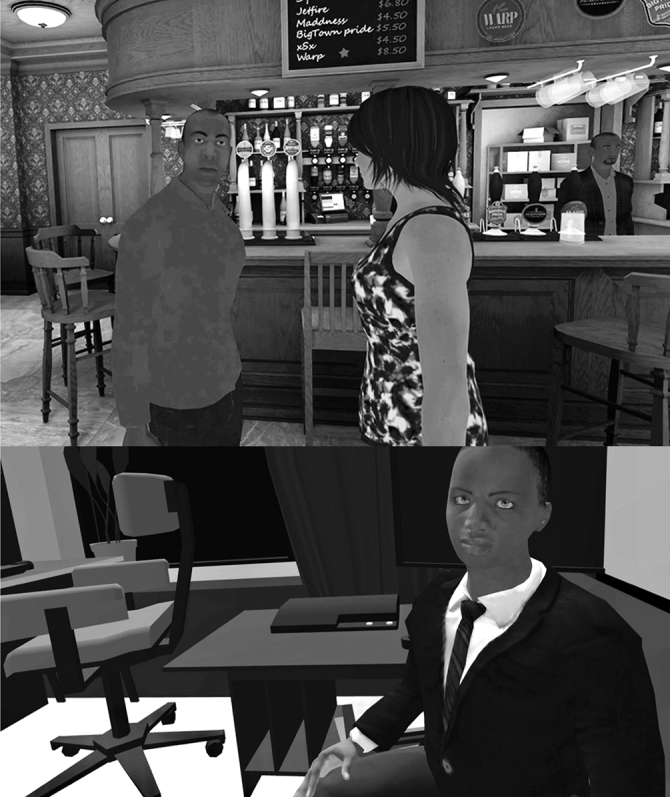
“VR/AR helps increase the ecological validity of highly controlled environments, enhance personalization and engagement, and automatically track multimodal data – such as participants’ movements and heart rate – throughout the ongoing research process (Bell et al., 2020).”
Virtual Reality: Challenges and Perspectives in Mental Health
Machado, S. E. D. C., Paes, F., Ferreira-Garcia, R., Gonçalves, L. L., Carta, M. G., Appolinário, J. C., & Nardi, A. E. (2025) · ALPHA PSYCHIATRY · doi:10.31083/ap47536 · Cited by 15
Izumi, M., Hagiya, H., Otsuka, Y., Soejima, Y., Fukushima, S., SHIBATA, M., Hirota, S., Koyama, T., Otsuka, F., & Gofuku, A. (2024) · American Journal of Infection Control · doi:10.1016/j.ajic.2024.08.003 · Cited by 13
Zhou, H., Chen, C., Liu, J., & Fan, C. (2024) · Brain and Behavior · doi:10.1002/brb3.70060 · Cited by 16
Gado, S., & Gamer, M. (2025) · Behavior Research Methods · doi:10.3758/s13428-025-02627-0 · Cited by 14
“At the same time, VR offers a higher degree of experimental control and between-subject standardization as compared to experiments including real persons, such as confederates (Bell et al., 2020).”
Metaverse and Psychiatry: A Review
Sönmez, D., & Hocaoğlu, Ç. (2024) · Psikiyatride Guncel Yaklasimlar - Current Approaches in Psychiatry · doi:10.18863/pgy.1283964 · Cited by 16
Blázquez‐González, P., González, R. M., Mesa, A. L., González, R. L., Mancebo‐Salas, N., Camacho‐Arroyo, M. T., & Martínez‐Hortelano, J. A. (2023) · Worldviews on Evidence-Based Nursing · doi:10.1111/wvn.12699 · Cited by 13
Brief Report: Virtual Reality to Raise Awareness About Autism
Koniou, I., Douard, E. A., & Lanovaz, M. J. (2023) · Journal of Autism and Developmental Disorders · doi:10.1007/s10803-023-06216-y · Cited by 14
“The Oculus Quest is a wireless virtual reality headset that does not require the use of a computer, which is affordable, accessible, and easy to use (Bell et al., 2020).”
Castanho, L., Martinho, D. V., Saial, A. C., de Gouveia, B. R. F. O., Gouveia, É. R., & Ribeiro, F. (2025) · Applied Psychophysiology and Biofeedback · doi:10.1007/s10484-025-09730-0 · Cited by 12
“However, researchers should consider the ecological validity, cost, access, scientific evidence, technical chal - lenges, and ethical implications of VR (Bell et al., 2020).”
Minissi, M. E., Landini, G. A. R., Maddalon, L., Cervera‐Torres, S., Giglioli, I. A. C., Sirera, M., Abad, L., Gómez-García, S., & Alcañíz, M. (2023) · SeGAH ... IEEE ... International Conference on Serious Games and Applications for Health/IEEE International Conference on Serious Games and Applications for Health · doi:10.1109/segah57547.2023.10253792 · Cited by 13
“Second, the activities in VR can be controlled and manipulated, tailoring the experience based on users' needs, abilities, and interests [3].”
BackgroundGiguère, S., Beaudoin, M., Dellazizzo, L., Phraxayavong, K., Potvin, S., & Dumais, A. (2024) · JMIR Mental Health · doi:10.2196/58499 · Cited by 12
Yaw, Q. P., Loh, Y. L., Lee, R., Ang, W. W., Lau, Y., & Wong, S. H. (2025) · Virtual Reality · doi:10.1007/s10055-025-01134-z · Cited by 11
“Thera-pists can control the VR sessions by adjusting the simula - tions and settings based on the specific requirements of the individuals at different stages of treatment, thereby allow - ing effective exposures and learnings for individuals (Bell et al. 2020; Riva et al. 2019).”
Metadata
- Authors
- Bell, I. H., Nicholas, J., Alvarez-Jimenez, M., Thompson, A., & Valmaggia, L.
- Affiliations
- The University of Melbourne (AU)
- Orygen, Melbourne, Australia; Centre for Youth Mental Health, The University of Melbourne, Australia
- King's College London (GB)
- Venue
- Dialogues in Clinical Neuroscience
- Publisher
- Informa UK Limited
- Published
- 2020-06-30
- Volume
- 22
- Issue
- 2
- Pages
- 169-177
- ISSN
- 1294-8322 (ISSN-L)
- 1958-5969
- PMC
- PMC7366939
- OpenAlex
- W3044670440
- Cited by
- 302
- References
- 76
- Citations by year
- 2026: 37 · 2025: 82 · 2024: 89 · 2023: 53 · 2022: 21 · 2021: 18 · 2020: 2
- FWCI
- 2.48
- Type
- journal article
- Language
- en
- Open access
- diamond
- doi.org
- Licence
- Locations
- Dialogues in Clinical Neuroscience (publishedVersion, cc-by-nc-nd)
- PubMed Central (publishedVersion, cc-by-nc-nd)
- PubMed (publishedVersion)
- Research Portal (King's College London) (publishedVersion, other-oa)
- Warwick Research Archive Portal (University of Warwick) (acceptedVersion)
- Minerva Access (University of Melbourne) (submittedVersion, cc-by-nc-nd)
- Lirias (submittedVersion, other-oa)
- Topics
- Physical Sciences › Computer Science › Human-Computer Interaction › Virtual Reality Applications and Impacts
- Social Sciences › Psychology › Applied Psychology › Digital Mental Health Interventions
- Social Sciences › Psychology › Experimental and Cognitive Psychology › Anxiety, Depression, Psychometrics, Treatment, Cognitive Processes
- Keywords
- virtual reality, mental health assessment, psychotherapy, ecological validity, personalization, immersive virtual environments, technology implementation, ethical implications, evidence base
- MeSH terms
- Mental Disorders, Clinical Trials as Topic, Computer Systems, Data Collection, Humans, Mental Health, Biomedical Research, Virtual Reality Exposure Therapy
About these checks
Registry, retraction, Cites and statistics results are computed, not judged, with one exception: a printed reference that no index lists is read once by a model before it counts as a citation error. Claims are extracted by a model and kept only when their quote appears verbatim in the text; each cited source is then checked, with a model’s help, for whether it says what the claim relies on. Those verdicts can be wrong — read the claim’s quote and the cited source before relying on one.
Statistics and arithmetic are recomputed, not judged.
Confidence bands are shown only for fields calibrated on our annotated test set. None is calibrated yet, so no band is shown.
What counts as a claim ›How we measure confidence ›How we check this ›
Are you an author, or do you see a problem with this page? Request a review
Data sources
Bibliographic data: Semantic Scholar, OpenAlex, Crossref.
Contains information from the Semantic Scholar Academic Graph Datasets, made available under the ODC Attribution License (ODC-BY 1.0).
Semantic Scholar’s data is described in: Kinney, R., et al. (2023). The Semantic Scholar Open Data Platform. arXiv:2301.10140.
