

The DOI matches its Crossref record; 3 of the 3 references it cites were found in a registry or an index.
Exosomes: efficient macrophage-related immunomodulators in chronic lung diseases
Abstract
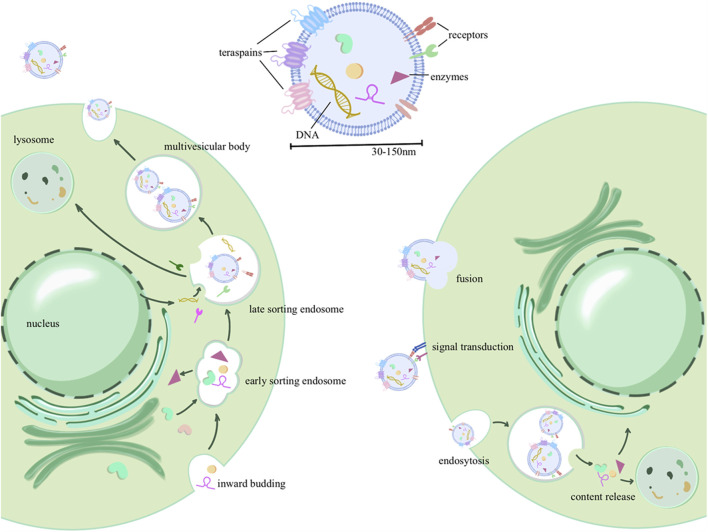
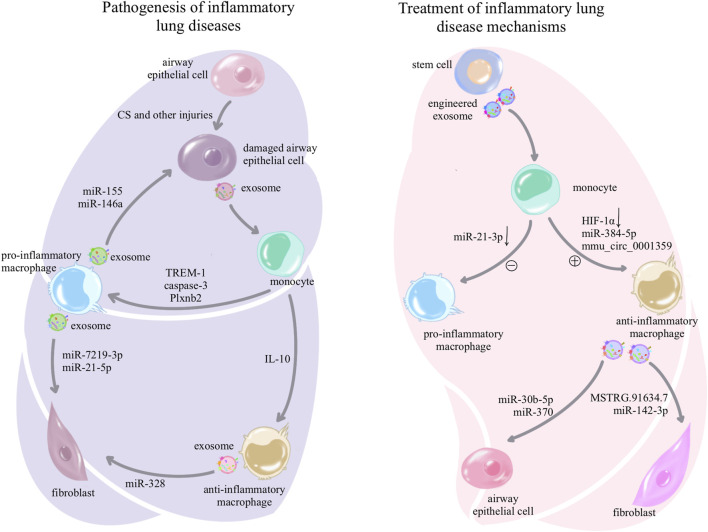
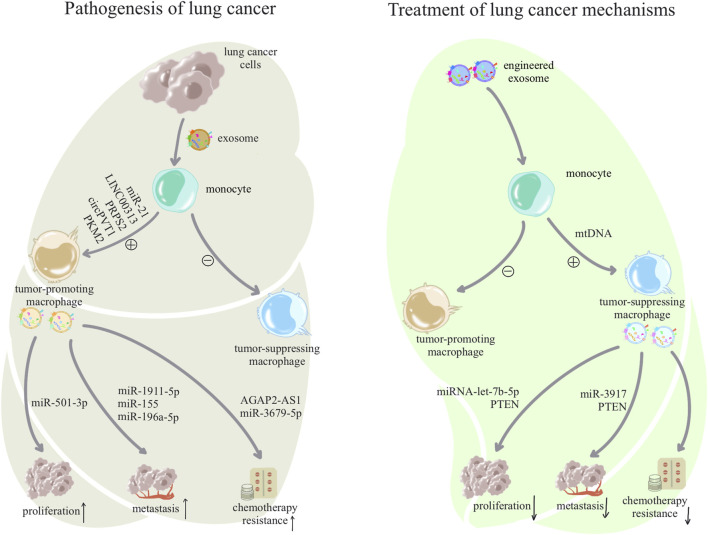
Macrophages, the predominant immune cells in the lungs, play a pivotal role in maintaining the delicate balance of the pulmonary immune microenvironment. However, in chronic inflammatory lung diseases and lung cancer, macrophage phenotypes undergo distinct transitions, with M1-predominant macrophages promoting inflammatory damage and M2-predominant macrophages fostering cancer progression. Exosomes, as critical mediators of intercellular signaling and substance exchange, participate in pathological reshaping of macrophages during development of pulmonary inflammatory diseases and lung cancer. Specifically, in inflammatory lung diseases, exosomes promote the pro-inflammatory phenotype of macrophages, suppress the anti-inflammatory phenotype, and subsequently, exosomes released by reshaped macrophages further exacerbate inflammatory damage. In cancer, exosomes promote pro-tumor tumor-associated macrophages (TAMs); inhibit anti-tumor TAMs; and exosomes released by TAMs further enhance tumor proliferation, metastasis, and resistance to chemotherapy. Simultaneously, exosomes exhibit a dual role, holding the potential to transmit immune-modulating molecules and load therapeutic agents and offering prospects for restoring immune dysregulation in macrophages during chronic inflammatory lung diseases and lung cancer. In chronic inflammatory lung diseases, this is manifested by exosomes reshaping anti-inflammatory macrophages, inhibiting pro-inflammatory macrophages, and alleviating inflammatory damage post-reshaping. In lung cancer, exosomes reshape anti-tumor macrophages, inhibit pro-tumor macrophages, and reshaped macrophages secrete exosomes that suppress lung cancer development. Looking ahead, efficient and targeted exosome-based therapies may emerge as a promising direction for treatment of pulmonary diseases.
Overview
The claims and statistics of this paper haven’t been checked yet.
Run the check — free, no account needed. It reads the open-access text and checks the sources it cites.
Integrity signals
Registry
Cites
Statistics
Figures
Verification
Claims the paper makes
The claims and statistics of this paper haven’t been checked yet.
Run the check — free, no account needed. It reads the open-access text and checks the sources it cites.
Claims other papers make about this one
Each is checked against this paper’s own text: does it say what the citing paper says it does?
In the citing paper
“By delivering immune checkpoint inhibitors (e.g., anti-PD-1, anti-PD-L1 antibodies) or cytokines (e.g., IL-2, IFN-γ), exosomes can boost immune cell responses against tumors. They can also effectively modulate the tumor microenvironment, activate T cells, inhibit Tregs, and reduce the accumulation of MDSCs [96].”
From Emerging role of exosomes in cancer therapy: progress and challenges (2025) · cites this paper as [96]
Self-check
Percentages, sums and reported differences re-computed from the paper’s own numbers.
The self-check needs the paper’s full text.
Citations
Cites
Yunna, C., Mengru, H., Lei, W., & Weidong, C. (2020) · European Journal of Pharmacology · doi:10.1016/j.ejphar.2020.173090 · Cited by 2,454 · cited 1×
“In addition, M1 macrophages OPEN ACCESS EDITED BY Dwijendra K. Gupta, Allahabad University, India present foreign pathogens, cell debris, aging cells, and tumor cell antigens and engulf them (Yunna et al., 2020).”
BackgroundMacrophage Polarization States in the Tumor Microenvironment
Boutilier, A. J., & Elsawa, S. F. (2021) · International Journal of Molecular Sciences · doi:10.3390/ijms22136995 · Cited by 1,631
Kim, Y.-B., Ahn, Y.-H., Jung, J.-H., Lee, Y.-J., Lee, J.-H., & Kang, J. L. (2019) · Cellular & Molecular Immunology · doi:10.1038/s41423-019-0209-1 · Cited by 45
Self-citation
Research works printed but not linked: 120
- Aegerter, 2022, Biology of lung macrophages in health and disease, Immunity, 55, 1564, 10.1016/j.immuni.2022.08.010 · DOI
- Ban, 2023, Macrophage-derived exosomal lncrna Mstrg.91634.7 inhibits fibroblasts activation by targeting Pink1 in silica-induced lung fibrosis, Toxicol. Lett., 372, 36, 10.1016/j.toxlet.2022.10.004 · DOI
- Basak, 2023, Tumor-associated macrophages: an effective player of the tumor microenvironment, Front. Immunol., 14, 1295257, 10.3389/fimmu.2023.1295257 · DOI
- Bebelman, 2018, Biogenesis and function of extracellular vesicles in cancer, Pharmacol. Ther., 188, 1, 10.1016/j.pharmthera.2018.02.013 · DOI
- Broad, 2023, Unraveling multilayered extracellular vesicles: speculation on cause, J. Extracell. Vesicles, 12, e12309, 10.1002/jev2.12309 · DOI
- Chen, Exosomal Circshkbp1 participates in non-small cell lung cancer progression through pkm2-mediated glycolysis, Mol. Ther. Oncolytics, 24, 470, 10.1016/j.omto.2022.01.012 · DOI
- Chen, 2020, Macrophage polarization and its role in the pathogenesis of acute lung injury/acute respiratory distress syndrome, Inflamm. Res., 69, 883, 10.1007/s00011-020-01378-2 · DOI
- Chen, 2023, Irradiated lung cancer cell-derived exosomes modulate macrophage polarization by inhibiting Mid1 via mir-4655-5p, Mol. Immunol., 155, 58, 10.1016/j.molimm.2023.01.009 · DOI
- Chen, Naringenin suppresses beas-2b-derived extracellular vesicular cargoes disorder caused by cigarette smoke extract thereby inhibiting M1 macrophage polarization, Front. Immunol., 13, 930476, 10.3389/fimmu.2022.930476 · DOI
- Cheng, Mettl3-Mediated M6a modification of Zbtb4 mrna is involved in the smoking-induced emt in cancer of the lung, Mol. Ther. Nucleic Acids, 23, 487, 10.1016/j.omtn.2020.12.001 · DOI
- Cheng, Macrophages in lung injury, repair, and fibrosis, Cells, 10, 436, 10.3390/cells10020436 · DOI
- Colombo, 2014, Biogenesis, secretion, and intercellular interactions of exosomes and other extracellular vesicles, Annu. Rev. Cell Dev. Biol., 30, 255, 10.1146/annurev-cellbio-101512-122326 · DOI · Paper page
- Cui, 2022, Lung-specific exosomes for Co-delivery of Cd47 blockade and cisplatin for the treatment of non-small cell lung cancer, Thorac. Cancer, 13, 2723, 10.1111/1759-7714.14606 · DOI
- Deng, 2020, Bone marrow mesenchymal stem cell-derived exosomes attenuate lps-induced ards by modulating macrophage polarization through inhibiting glycolysis in macrophages, Shock, 54, 828, 10.1097/SHK.0000000000001549 · DOI
- Deng, 2022, Differential lung protective capacity of exosomes derived from human adipose tissue, bone marrow, and umbilical cord mesenchymal stem cells in sepsis-induced acute lung injury, Oxid. Med. Cell Longev., 2022, 7837837, 10.1155/2022/7837837 · DOI
- Dong, Exosomes from human umbilical cord mesenchymal stem cells attenuate the inflammation of severe steroid-resistant asthma by reshaping macrophage polarization, Stem Cell Res. Ther., 12, 204, 10.1186/s13287-021-02244-6 · DOI
- Dong, 2022, Mitochondrial metabolism mediated macrophage polarization in chronic lung diseases, Pharmacol. Ther., 239, 108208, 10.1016/j.pharmthera.2022.108208 · DOI
- Dong, Glioma glycolipid metabolism: msi2-snord12b-fip1l1-zbtb4 feedback loop as a potential treatment target, Clin. Transl. Med., 11, e411, 10.1002/ctm2.411 · DOI
- Esser, 2010, Exosomes from human macrophages and dendritic cells contain enzymes for leukotriene biosynthesis and promote granulocyte migration, J. Allergy Clin. Immunol., 126, 1032, 10.1016/j.jaci.2010.06.039 · DOI
- Feng, 2023, Exosomal stimate derived from type ii alveolar epithelial cells controls metabolic reprogramming of tissue-resident alveolar macrophages, Theranostics, 13, 991, 10.7150/thno.82552 · DOI
- Feng, 2021, Epithelium- and endothelium-derived exosomes regulate the alveolar macrophages by targeting Rgs1 mediated calcium signaling-dependent immune response, Cell Death Differ., 28, 2238, 10.1038/s41418-021-00750-x · DOI
- Gan, 2022, The relationship between serum exosome hbv-mir-3 and current virological markers and its dynamics in chronic hepatitis B patients on antiviral treatment, Ann. Transl. Med., 10, 536, 10.21037/atm-22-2119 · DOI
- Gopalakrishnan, 2022, Protection against influenza-induced acute lung injury (ali) by enhanced induction of M2a macrophages: possible role of pparγ/Rxr ligands in il-4-induced M2a macrophage differentiation, Front. Immunol., 13, 968336, 10.3389/fimmu.2022.968336 · DOI
- Guan, 2023, M2 macrophage-derived exosomal mir-1911-5p promotes cell migration and invasion in lung adenocarcinoma by down-regulating Celf2 -activated Zbtb4 expression, Anticancer Drugs, 34, 238, 10.1097/CAD.0000000000001414 · DOI
- Guiot, 2020, Macrophage-derived exosomes attenuate fibrosis in airway epithelial cells through delivery of antifibrotic mir-142-3p, Thorax, 75, 870, 10.1136/thoraxjnl-2019-214077 · DOI
- Gunassekaran, 2021, M1 macrophage exosomes engineered to foster M1 polarization and target the il-4 receptor inhibit tumor growth by reprogramming tumor-associated macrophages into M1-like macrophages, Biomaterials, 278, 121137, 10.1016/j.biomaterials.2021.121137 · DOI
- Gurunathan, 2021, A comprehensive review on factors influences biogenesis, functions, therapeutic and clinical implications of exosomes, Int. J. Nanomedicine, 16, 1281, 10.2147/IJN.S291956 · DOI
- Harrell, 2020, Molecular and cellular mechanisms responsible for beneficial effects of mesenchymal stem cell-derived product "Exo-D-Mapps" in attenuation of chronic airway inflammation, Anal. Cell Pathol. (Amst), 2020, 3153891, 10.1155/2020/3153891 · DOI
- He, 2019, Bronchial epithelial cell extracellular vesicles ameliorate epithelial-mesenchymal transition in copd pathogenesis by alleviating M2 macrophage polarization, Nanomedicine, 18, 259, 10.1016/j.nano.2019.03.010 · DOI
- Hu, 2022, Cutting edges and therapeutic opportunities on tumor-associated macrophages in lung cancer, Front. Immunol., 13, 1007812, 10.3389/fimmu.2022.1007812 · DOI
- Hu, 2023, Linc00963 promotes the malignancy and metastasis of lung adenocarcinoma by stabilizing Zeb1 and exosomes-induced M2 macrophage polarization, Mol. Med., 29, 1, 10.1186/s10020-022-00598-y · DOI
- Jiang, 2022, Zeb1-Induced metabolic reprogramming of glycolysis is essential for macrophage polarization in breast cancer, Cell Death Dis., 13, 206, 10.1038/s41419-022-04632-z · DOI
- Jiang, 2023, Serum exosome-derived mir-7 exacerbates chronic obstructive pulmonary disease by regulating macrophage differentiation, Iran. J. Public Health, 52, 563, 10.18502/ijph.v52i3.12139 · DOI
- Jin, 2022, Hypoxic lung cancer cell-derived exosomal mir-21 mediates macrophage M2 polarization and promotes cancer cell proliferation through targeting Irf1, World J. Surg. Oncol., 20, 241, 10.1186/s12957-022-02706-y · DOI
- Junior, 2021, Mertk+/Hi M2c macrophages induced by baicalin alleviate non-alcoholic fatty liver disease, Int. J. Mol. Sci., 22, 10604, 10.3390/ijms221910604 · DOI
- Kalluri, 2020, The Biology, function, and biomedical applications of exosomes, Science, 367, eaau6977, 10.1126/science.aau6977 · DOI · Paper page
- Kaneda, 2016, Pi3kγ is a molecular switch that controls immune suppression, Nature, 539, 437, 10.1038/nature19834 · DOI
- Kim, 2018, Engineering macrophage-derived exosomes for targeted paclitaxel delivery to pulmonary metastases: in vitro and in vivo evaluations, Nanomedicine, 14, 195, 10.1016/j.nano.2017.09.011 · DOI · Paper page
- Kong, 2022, Cancer cell-derived exosomal Linc00313 induces M2 macrophage differentiation in non-small cell lung cancer, Clin. Transl. Oncol., 24, 2395, 10.1007/s12094-022-02907-7 · DOI
- Kulshreshtha, 2013, Proinflammatory role of epithelial cell-derived exosomes in allergic airway inflammation, J. Allergy Clin. Immunol., 131, 1194, 10.1016/j.jaci.2012.12.1565 · DOI
- Lee, 2021, The role of macrophages in the development of acute and chronic inflammatory lung diseases, Cells, 10, 897, 10.3390/cells10040897 · DOI
- Lei, 2021, M2 macrophages-derived exosomal microrna-501-3p promotes the progression of lung cancer via targeting wd repeat domain 82, Cancer Cell Int., 21, 91, 10.1186/s12935-021-01783-5 · DOI
- Li, Microrna-370 carried by M2 macrophage-derived exosomes alleviates asthma progression through inhibiting the fgf1/mapk/stat1 Axis, Int. J. Biol. Sci., 17, 1795, 10.7150/ijbs.59715 · DOI
- Li, 2020, M1 macrophage-derived exosome-encapsulated cisplatin can enhance its anti-lung cancer effect, Minerva Med., 114, 634, 10.23736/S0026-4806.20.06564-7 · DOI
- Li, Batf3 promotes malignant phenotype of colorectal cancer through the S1pr1/P-Stat3/Mir-155-3p/Wdr82 Axis, Cancer Gene Ther., 28, 400, 10.1038/s41417-020-00223-2 · DOI
- Li, Tumor-associated macrophages secret exosomal mir-155 and mir-196a-5p to promote metastasis of non-small-cell lung cancer, Transl. Lung Cancer Res., 10, 1338, 10.21037/tlcr-20-1255 · DOI
- Li, Mir-21-5p in macrophage-derived exosomes targets Smad7 to promote epithelial mesenchymal transition of airway epithelial cells, J. Asthma Allergy, 14, 513, 10.2147/JAA.S307165 · DOI
- Liang, 2020, Cancer-derived exosomal Trim59 regulates macrophage Nlrp3 inflammasome activation to promote lung cancer progression, J. Exp. Clin. Cancer Res., 39, 176, 10.1186/s13046-020-01688-7 · DOI
- Liang, 2022, M2-Phenotype tumour-associated macrophages upregulate the expression of prognostic predictors Mmp14 and inhba in pancreatic cancer, J. Cell Mol. Med., 26, 1540, 10.1111/jcmm.17191 · DOI
- Lin, 2023, Two birds with One stone" strategy for the lung cancer therapy with bioinspired aie aggregates, J. Nanobiotechnology, 21, 49, 10.1186/s12951-023-01799-1 · DOI
- Liu, An inhalable hybrid biomimetic nanoplatform for sequential drug release and remodeling lung immune homeostasis in acute lung injury treatment, ACS Nano, 17, 11626, 10.1021/acsnano.3c02075 · DOI
- Liu, Prps2 enhances resistance to cisplatin via facilitating exosomes-mediated macrophage M2 polarization in non-small cell lung cancer, Immunol. Invest., 51, 1423, 10.1080/08820139.2021.1952217 · DOI
- Liu, 2018, H3k4me3 and Wdr82 are associated with tumor progression and a favorable prognosis in human colorectal cancer, Oncol. Lett., 16, 2125, 10.3892/ol.2018.8902 · DOI
- Liu, Tumor cell-derived exosomal mir-770 inhibits M2 macrophage polarization via targeting Map3k1 to inhibit the invasion of non-small cell lung cancer cells, Front. Cell Dev. Biol., 9, 679658, 10.3389/fcell.2021.679658 · DOI
- Liu, Medicinal plant-derived mtdna via nanovesicles induces the cgas-sting pathway to remold tumor-associated macrophages for tumor regression, J. Nanobiotechnology, 21, 78, 10.1186/s12951-023-01835-0 · DOI · Paper page
- Liu, Bmsc-derived exosomes ameliorate lps-induced acute lung injury by mir-384-5p-controlled alveolar macrophage autophagy, Oxid. Med. Cell Longev., 2021, 9973457, 10.1155/2021/9973457 · DOI
- Liu, Exosomal Circpvt1 derived from lung cancer promotes the progression of lung cancer by targeting mir-124-3p/ezh2 Axis and regulating macrophage polarization, Cell Cycle, 21, 514, 10.1080/15384101.2021.2024997 · DOI
- Liu, 2023, A review of the regulatory mechanisms of extracellular vesicles-mediated intercellular communication, Cell Commun. Signal, 21, 77, 10.1186/s12964-023-01103-6 · DOI
- Long, 2021, Tumor-associated macrophages induced spheroid formation by ccl18-zeb1-M-csf feedback loop to promote transcoelomic metastasis of ovarian cancer, J. Immunother. Cancer, 9, e003973, 10.1136/jitc-2021-003973 · DOI
- Ma, 2010, The M1 form of tumor-associated macrophages in non-small cell lung cancer is positively associated with survival time, BMC Cancer, 10, 112, 10.1186/1471-2407-10-112 · DOI
- Mansouri, 2019, Mesenchymal stromal cell exosomes prevent and revert experimental pulmonary fibrosis through modulation of monocyte phenotypes, JCI Insight, 4, e128060, 10.1172/jci.insight.128060 · DOI
- Mathivanan, 2010, Exosomes: extracellular organelles important in intercellular communication, J. Proteomics, 73, 1907, 10.1016/j.jprot.2010.06.006 · DOI
- Melo, 2021, Pulmonary macrophages and their different roles in health and disease, Int. J. Biochem. Cell Biol., 141, 106095, 10.1016/j.biocel.2021.106095 · DOI
- Merten, 1999, Platelet microparticles promote platelet interaction with subendothelial Matrix in a glycoprotein iib/iiia-dependent mechanism, Circulation, 99, 2577, 10.1161/01.cir.99.19.2577 · DOI
- Mohapatra, 2021, Non-coding rnas regulation of macrophage polarization in cancer, Mol. Cancer, 20, 24, 10.1186/s12943-021-01313-x · DOI
- Mondal, 2023, Hybrid exosomes, exosome-like nanovesicles and engineered exosomes for therapeutic applications, J. Control Release, 353, 1127, 10.1016/j.jconrel.2022.12.027 · DOI · Paper page
- Moon, 2015, Lung epithelial cell-derived extracellular vesicles activate macrophage-mediated inflammatory responses via Rock1 pathway, Cell Death Dis., 6, e2016, 10.1038/cddis.2015.282 · DOI
- Morrissey, 2021, Tumor-derived exosomes drive immunosuppressive macrophages in a pre-metastatic niche through glycolytic dominant metabolic reprogramming, Cell Metab., 33, 2040, 10.1016/j.cmet.2021.09.002 · DOI
- Niu, 2022, Macrophage derived mir-7219-3p-containing exosomes mediate fibroblast trans-differentiation by targeting Spry1 in silicosis, Toxicology, 479, 153310, 10.1016/j.tox.2022.153310 · DOI
- Pegtel, 2019, Exosomes, Annu. Rev. Biochem., 88, 487, 10.1146/annurev-biochem-013118-111902 · DOI · Paper page
- Peng, 2023, Exosomes derived from M1 macrophages inhibit the proliferation of the A549 and H1299 lung cancer cell lines via the mirna-let-7b-5p-gng5 Axis, PeerJ, 11, e14608, 10.7717/peerj.14608 · DOI
- Pritchard, 2020, Lung tumor cell-derived exosomes promote M2 macrophage polarization, Cells, 9, 1303, 10.3390/cells9051303 · DOI
- Qian, 2010, Macrophage diversity enhances tumor progression and metastasis, Cell, 141, 39, 10.1016/j.cell.2010.03.014 · DOI
- Qian, 2023, Exosomal circ-adrm1 promotes lung adenocarcinoma progression and induces macrophage M2 polarization through regulating Mmp14 mrna and protein, Anticancer Drugs, 34, 333, 10.1097/CAD.0000000000001430 · DOI
- Qian, 2022, Downregulated mir-129-5p expression inhibits rat pulmonary fibrosis by upregulating Stat1 gene expression in macrophages, Int. Immunopharmacol., 109, 108880, 10.1016/j.intimp.2022.108880 · DOI
- Qin, 2021, Macrophage-derived exosomes mediate silica-induced pulmonary fibrosis by activating fibroblast in an endoplasmic reticulum stress-dependent manner, J. Cell Mol. Med., 25, 4466, 10.1111/jcmm.16524 · DOI
- Qiu, 2022, Gastric cancer-derived exosomal mir-519a-3p promotes liver metastasis by inducing intrahepatic M2-like macrophage-mediated angiogenesis, J. Exp. Clin. Cancer Res., 41, 296, 10.1186/s13046-022-02499-8 · DOI
- Rao, 2022, Nlrp6 is required for cancer-derived exosome-modified macrophage M2 polarization and promotes metastasis in small cell lung cancer, Cell Death Dis., 13, 891, 10.1038/s41419-022-05336-0 · DOI
- Ren, 2021, Intranasal delivery of msc-derived exosomes attenuates allergic asthma via expanding il-10 producing lung interstitial macrophages in mice, Int. Immunopharmacol., 91, 107288, 10.1016/j.intimp.2020.107288 · DOI
- Shang, 2020, Exosomes from Mmu_Circ_0001359-modified adscs attenuate airway remodeling by enhancing Foxo1 signaling-mediated M2-like macrophage activation, Mol. Ther. Nucleic Acids, 19, 951, 10.1016/j.omtn.2019.10.049 · DOI
- Shao, 2023, Macrophage-derived exosome promotes regulatory T cell differentiation in malignant pleural effusion, Front. Immunol., 14, 1161375, 10.3389/fimmu.2023.1161375 · DOI
- Shotland, 2021, Pulmonary macrophage cell death in lung health and disease, Am. J. Respir. Cell Mol. Biol., 64, 547, 10.1165/rcmb.2020-0420TR · DOI
- Song, 2019, Nets promote ali/ards inflammation by regulating alveolar macrophage polarization, Exp. Cell Res., 382, 111486, 10.1016/j.yexcr.2019.06.031 · DOI
- Song, 2023, M2 macrophages-derived exosomal mir-3917 promotes the progression of lung cancer via targeting Grk6, Biol. Chem., 404, 41, 10.1515/hsz-2022-0162 · DOI
- Sun, Clodronate-loaded liposomal and fibroblast-derived exosomal hybrid system for enhanced drug delivery to pulmonary fibrosis, Biomaterials, 271, 120761, 10.1016/j.biomaterials.2021.120761 · DOI
- Sun, Macrophage exosomes transfer angiotensin ii type 1 receptor to lung fibroblasts mediating bleomycin-induced pulmonary fibrosis, Chin. Med. J. Engl., 134, 2175, 10.1097/CM9.0000000000001605 · DOI
- Tang, 2022, Scorpion and centipede alleviates severe asthma through M2 macrophage-derived exosomal mir-30b-5p, Aging (Albany NY), 14, 3921, 10.18632/aging.204053 · DOI
- TJonck, 2023, The role of monocyte-derived macrophages in the lung: it's all about context, Int. J. Biochem. Cell Biol., 159, 106421, 10.1016/j.biocel.2023.106421 · DOI
- van der Pol, 2012, Classification, functions, and clinical relevance of extracellular vesicles, Pharmacol. Rev., 64, 676, 10.1124/pr.112.005983 · DOI
- Wan, 2022, Exosomes derived from M2 type tumor-associated macrophages promote osimertinib resistance in non-small cell lung cancer through mstrg.292666.16-mir-6836-5p-mapk8ip3 Axis, Cancer Cell Int., 22, 83, 10.1186/s12935-022-02509-x · DOI
- Wang, 2020, Exosomes derived from macrophages enhance aerobic glycolysis and chemoresistance in lung cancer by stabilizing C-myc via the inhibition of Nedd4l, Front. Cell Dev. Biol., 8, 620603, 10.3389/fcell.2020.620603 · DOI
- Wang, 2021, Cigarette smoke extract-treated airway epithelial cells-derived exosomes promote M1 macrophage polarization in chronic obstructive pulmonary disease, Int. Immunopharmacol., 96, 107700, 10.1016/j.intimp.2021.107700 · DOI
- Wang, 2023, A targeted exosome therapeutic confers both cfdna scavenging and macrophage polarization for ameliorating rheumatoid arthritis, Adv. Mater, 35, e2302503, 10.1002/adma.202302503 · DOI
- Willis, 2018, Mesenchymal stromal cell exosomes ameliorate experimental bronchopulmonary dysplasia and restore lung function through macrophage immunomodulation, Am. J. Respir. Crit. Care Med., 197, 104, 10.1164/rccm.201705-0925OC · DOI
- Wolf, 1967, The nature and significance of platelet products in human plasma, Br. J. Haematol., 13, 269, 10.1111/j.1365-2141.1967.tb08741.x · DOI
- Wu, 2022, Effect of modified jianpi yangzheng on regulating content of Pkm2 in gastric cancer cells-derived exosomes, Phytomedicine, 103, 154229, 10.1016/j.phymed.2022.154229 · DOI
- Xu, 2021, Progress of exosomes in the diagnosis and treatment of lung cancer, Biomed. Pharmacother. = Biomedecine Pharmacother., 134, 111111, 10.1016/j.biopha.2020.111111 · DOI
- Xu, 2022, Role of exosomal non-coding rnas from tumor cells and tumor-associated macrophages in the tumor microenvironment, Mol. Ther., 30, 3133, 10.1016/j.ymthe.2022.01.046 · DOI
- Yan, 2022, Tumor cell-derived exosomal microrna-146a promotes non-small cell lung cancer cell invasion and proliferation by inhibiting M1 macrophage polarization, Ann. Transl. Med., 10, 1307, 10.21037/atm-22-5565 · DOI
- Yang, 2019, Exosomes derived from M2b macrophages attenuate dss-induced colitis, Front. Immunol., 10, 2346, 10.3389/fimmu.2019.02346 · DOI
- Yang, 2023, Identification of Zbtb4 as an immunological biomarker that can inhibit the proliferation and invasion of pancreatic cancer, BMC Cancer, 23, 263, 10.1186/s12885-023-10749-x · DOI
- Yao, 2019, Microrna-328 in exosomes derived from M2 macrophages exerts a promotive effect on the progression of pulmonary fibrosis via Fam13a in a rat model, Exp. Mol. Med., 51, 1, 10.1038/s12276-019-0255-x · DOI
- Ye, 2020, Alveolar macrophage - derived exosomes modulate severity and outcome of acute lung injury, Aging (Albany NY), 12, 6120, 10.18632/aging.103010 · DOI
- Ye, 2018, Long non-coding rna cox-2 prevents immune evasion and metastasis of hepatocellular carcinoma by altering M1/M2 macrophage polarization, J. Cell Biochem., 119, 2951, 10.1002/jcb.26509 · DOI
- Yu, 2021, Increased airway epithelial cell-derived exosomes activate macrophage-mediated allergic inflammation via Cd100 shedding, J. Cell Mol. Med., 25, 8850, 10.1111/jcmm.16843 · DOI
- Yuan, 2022, Tumor-associated macrophage-derived exosomes promote egfr-tki resistance in non-small cell lung cancer by regulating the akt, erk1/2 and Stat3 signaling pathways, Oncol. Lett., 24, 356, 10.3892/ol.2022.13476 · DOI
- Yuan, 2018, Bronchoalveolar lavage exosomes in lipopolysaccharide-induced septic lung injury, J. Vis. Exp., 57737, 10.3791/57737 · DOI
- Zaiets, 2023, Sera of individuals chronically infected with hepatitis B virus (hbv) contain diverse rna types produced by hbv replication or derived from integrated hbv DNA, J. Virol., 97, e0195022, 10.1128/jvi.01950-22 · DOI
- Zhang, M2 macrophage-derived exosomal long non-coding rna agap2-as1 enhances radiotherapy immunity in lung cancer by reducing microrna-296 and elevating Notch2, Cell Death Dis., 12, 467, 10.1038/s41419-021-03700-0 · DOI
- Zhang, 2023, In situ reprogramming of tumor-associated macrophages with internally and externally engineered exosomes, Angew. Chem. Int. Ed. Engl., 62, e202217089, 10.1002/anie.202217089 · DOI
- Zhang, 2018, Macrophages: friend or foe in idiopathic pulmonary fibrosis?, Respir. Res., 19, 170, 10.1186/s12931-018-0864-2 · DOI
- Zhang, 2017, Rassf4 overexpression inhibits the proliferation, invasion, emt, and wnt signaling pathway in osteosarcoma cells, Oncol. Res., 25, 83, 10.3727/096504016X14719078133447 · DOI
- Zhang, 2023, Tumor-associated macrophage subsets: shaping polarization and targeting, Int. J. Mol. Sci., 24, 7493, 10.3390/ijms24087493 · DOI
- Zhang, Macrophage-mediated vascular permeability via vla4/vcam1 pathway dictates ascites development in ovarian cancer, J. Clin. Invest., 131, e140315, 10.1172/JCI140315 · DOI
- Zhang, Otud5-Mediated deubiquitination of yap in macrophage promotes M2 phenotype polarization and favors triple-negative breast cancer progression, Cancer Lett., 504, 104, 10.1016/j.canlet.2021.02.003 · DOI
- Zhao, 2022, Microfluidic-based exosome isolation and highly sensitive aptamer exosome membrane protein detection for lung cancer diagnosis, Biosens. Bioelectron., 214, 114487, 10.1016/j.bios.2022.114487 · DOI
- Zhou, 2022, Hypoxic tumor-derived exosomes induce M2 macrophage polarization via pkm2/ampk to promote lung cancer progression, Cell Transpl., 31, 9636897221106998, 10.1177/09636897221106998 · DOI
- Zhou, 2021, Exosomes derived from induced pluripotent stem cells suppresses M2-type macrophages during pulmonary fibrosis via mir-302a-3p/tet1 Axis, Int. Immunopharmacol., 99, 108075, 10.1016/j.intimp.2021.108075 · DOI
- Zhu, 2020, Isolation and characterization of exosomes for cancer research, J. Hematol. Oncol., 13, 152, 10.1186/s13045-020-00987-y · DOI
- Zhu, 2022, Exosomes derived from adipose-derived stem cells alleviate cigarette smoke-induced lung inflammation and injury by inhibiting alveolar macrophages pyroptosis, Respir. Res., 23, 5, 10.1186/s12931-022-01926-w · DOI
Cited by
Sorted by citations
Emerging role of exosomes in cancer therapy: progress and challenges
Li, J., Wang, J., & Chen, Z. (2025) · Molecular Cancer · doi:10.1186/s12943-024-02215-4 · Cited by 297
Metadata
- Authors
- Kang, J., Hua, P., Wu, X., & Wang, B.
- Venue
- Frontiers in Cell and Developmental Biology
- Publisher
- Frontiers Media SA
- Published
- 2024-04-09
- Volume
- 12
- ISSN
- 2296-634X
- PMC
- PMC11035777
- Cited by
- 22
- References
- 3
About these checks
Registry, retraction, Cites and statistics results are computed, not judged, with one exception: a printed reference that no index lists is read once by a model before it counts as a citation error. Claims are extracted by a model and kept only when their quote appears verbatim in the text; each cited source is then checked, with a model’s help, for whether it says what the claim relies on. Those verdicts can be wrong — read the claim’s quote and the cited source before relying on one.
Statistics and arithmetic are recomputed, not judged.
Confidence bands are shown only for fields calibrated on our annotated test set. None is calibrated yet, so no band is shown.
What counts as a claim ›How we measure confidence ›How we check this ›
Are you an author, or do you see a problem with this page? Request a review
