

The DOI matches its Crossref record; 10 of the 10 references it cites were found in a registry or an index.
Exosomes: a promising avenue for cancer diagnosis beyond treatment
Abstract
Exosomes, extracellular vesicles secreted by cells, have garnered significant attention in recent years for their remarkable therapeutic potential. These nanoscale carriers can be harnessed for the targeted delivery of therapeutic agents, such as pharmaceuticals, proteins, and nucleic acids, across biological barriers. This versatile attribute of exosomes is a promising modality for precision medicine applications, notably in the realm of cancer therapy. However, despite their substantial therapeutic potential, exosomes still confront challenges tied to standardization and scalability that impede their practice in clinical applications. Moreover, heterogeneity in isolation methodologies and limited cargo loading mechanisms pose obstacles to ensuring consistent outcomes, thereby constraining their therapeutic utility. In contrast, exosomes exhibit a distinct advantage in cancer diagnosis, as they harbor specific signatures reflective of the tumor’s genetic and proteomic profile. This characteristic endows them with the potential to serve as valuable liquid biopsies for non-invasive and real-time monitoring, making possible early cancer detection for the development of personalized treatment strategies. In this review, we provide an extensive evaluation of the advancements in exosome research, critically examining their advantages and limitations in the context of cancer therapy and early diagnosis. Furthermore, we present a curated overview of the most recent technological innovations utilizing exosomes, with a focus on enhancing the efficacy of early cancer detection.
Overview
The claims and statistics of this paper haven’t been checked yet.
Run the check — free, no account needed. It reads the open-access text and checks the sources it cites.
Integrity signals
Registry
Cites
Statistics
Figures
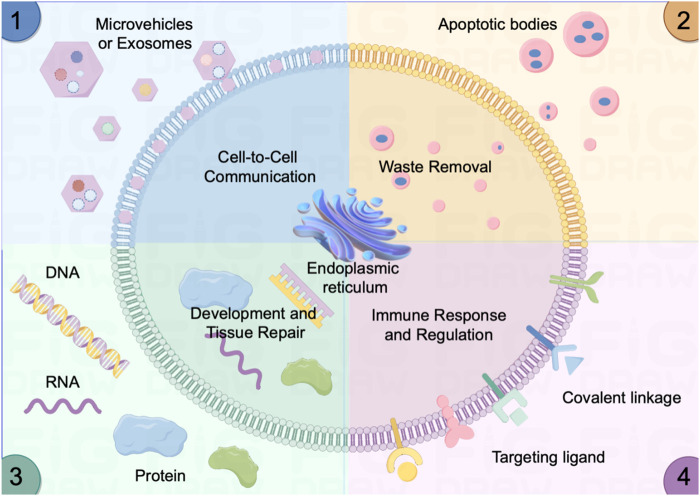
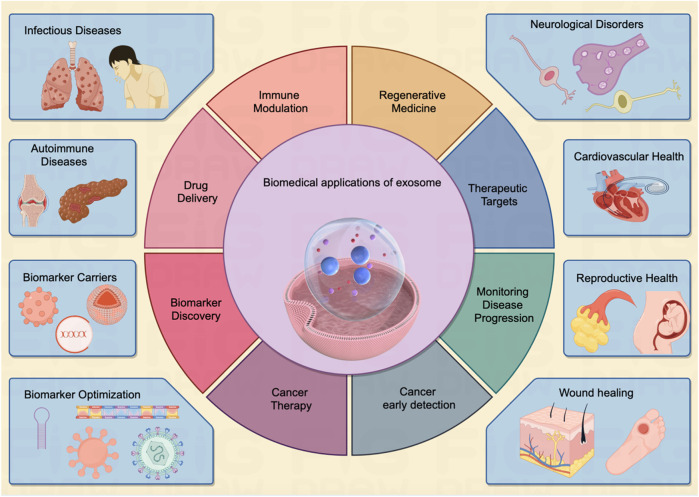
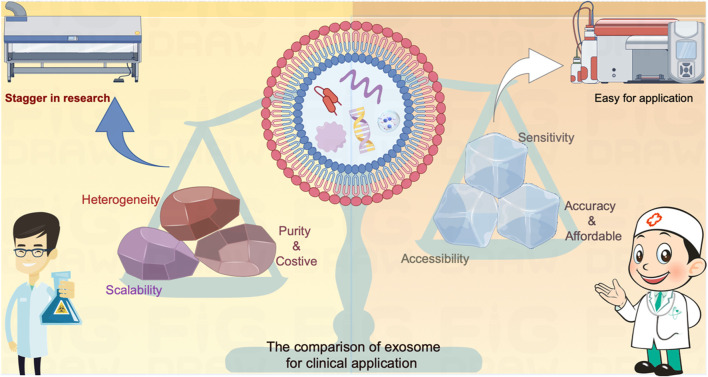
Verification
Claims the paper makes
The claims and statistics of this paper haven’t been checked yet.
Run the check — free, no account needed. It reads the open-access text and checks the sources it cites.
Claims other papers make about this one
Each is checked against this paper’s own text: does it say what the citing paper says it does?
In the citing paper
“Systematic clinical research is essential to build a strong foundation for integrating exosome-based therapies into standard cancer treatment paradigms [288].”
From Emerging role of exosomes in cancer therapy: progress and challenges (2025) · cites this paper as [288]
Self-check
Percentages, sums and reported differences re-computed from the paper’s own numbers.
The self-check needs the paper’s full text.
Citations
Cites
The biology , function , and biomedical applications of exosomes
Kalluri, R., & LeBleu, V. S. (2020) · Science · doi:10.1126/science.aau6977 · Cited by 10,770
Cancer-secreted miR-105 destroys vascular endothelial barriers to promote metastasis
Zhou, W., Fong, M. Y., Min, Y., Somlo, G., Liu, L., Palomares, M. R., Yu, Y., Chow, A., O’Connor, S. T. F., Chin, A. R., et al. (2014) · Cancer Cell · doi:10.1016/j.ccr.2014.03.007 · Cited by 1,476
Exosomes Mediate Stromal Mobilization of Autocrine Wnt-PCP Signaling in Breast Cancer Cell Migration
Luga, V., Zhang, L., Viloria-Petit, A. M., Ogunjimi, A. A., Inanlou, M. R., Chiu, E., Buchanan, M., Hosein, A. N., Basik, M., & Wrana, J. L. (2012) · Cell · doi:10.1016/j.cell.2012.11.024 · Cited by 1,311
Yang, M., Chen, J., Su, F., Yu, B., Su, F., Lin, L., Liu, Y., Huang, J.-D., & Song, E. (2011) · Molecular Cancer · doi:10.1186/1476-4598-10-117 · Cited by 693
Self-citationUmezu, T., Tadokoro, H., Azuma, K., Yoshizawa, S., Ohyashiki, K., & Ohyashiki, J. H. (2014) · Blood · doi:10.1182/blood-2014-05-576116 · Cited by 600
Exosomes Derived from HIV-1-infected Cells Contain Trans-activation Response Element RNA
Narayanan, A., Iordanskiy, S., Das, R., Van Duyne, R., Santos, S., Jaworski, E., Guendel, I., Sampey, G., Dalby, E., Iglesias-Ussel, M., et al. (2013) · Journal of Biological Chemistry · doi:10.1074/jbc.m112.438895 · Cited by 316
Moitra, K., Lou, H., & Dean, M. (2011) · Clinical Pharmacology & Therapeutics · doi:10.1038/clpt.2011.14 · Cited by 279
Sanz-Ros, J., Romero-García, N., Mas-Bargues, C., Monleón, D., Gordevicius, J., Brooke, R. T., Dromant, M., Díaz, A., Derevyanko, A., Guío-Carrión, A., et al. (2022) · Science Advances · doi:10.1126/sciadv.abq2226 · Cited by 131
BCR-ABL Independent Mechanisms of Resistance in Chronic Myeloid Leukemia
Loscocco, F., Visani, G., Galimberti, S., Curti, A., & Isidori, A. (2019) · Frontiers in Oncology · doi:10.3389/fonc.2019.00939 · Cited by 120
Sun, W., Xing, C., Zhao, L., Zhao, P., Yang, G., & Yuan, L. (2020) · Molecular Therapy Nucleic Acids · doi:10.1016/j.omtn.2020.03.016 · Cited by 62
Research works printed but not linked: 206
- Abd Elmageed, 2014, Neoplastic reprogramming of patient-derived adipose stem cells by prostate cancer cell-associated exosomes, Stem Cells, 32, 983, 10.1002/stem.1619 · DOI
- Agnoletto, 2023, Exosome-based liquid biopsy approaches in bone and soft tissue sarcomas: review of the literature, prospectives, and hopes for clinical application, Int. J. Mol. Sci., 24, 5159, 10.3390/ijms24065159 · DOI
- Ahn, 2022, Manufacturing therapeutic exosomes: from bench to industry, Mol. Cells, 45, 284, 10.14348/molcells.2022.2033 · DOI
- Aleksandrowicz, 2023, The complex role of thrombin in cancer and metastasis: focus on interactions with the immune system, Semin. Thromb. Hemost., 2023, 1776875, 10.1055/s-0043-1776875 · DOI
- Ali, 2010, Genetic characterization of HIV type 1 Nef-induced vesicle secretion, AIDS Res. Hum. Retroviruses, 26, 173, 10.1089/aid.2009.0068 · DOI
- Al-Nedawi, 2009, Endothelial expression of autocrine VEGF upon the uptake of tumor-derived microvesicles containing oncogenic EGFR, Proc. Natl. Acad. Sci. U. S. A., 106, 3794, 10.1073/pnas.0804543106 · DOI
- Al-Nedawi, 2008, Intercellular transfer of the oncogenic receptor EGFRvIII by microvesicles derived from tumour cells, Nat. Cell Biol., 10, 619, 10.1038/ncb1725 · DOI
- Alonso-Curbelo, 2014, RAB7 controls melanoma progression by exploiting a lineage-specific wiring of the endolysosomal pathway, Cancer Cell, 26, 61, 10.1016/j.ccr.2014.04.030 · DOI
- Altintas, 2023, Exploring the versatility of exosomes: a review on isolation, characterization, detection methods, and diverse applications, Anal. Chem., 95, 16029, 10.1021/acs.analchem.3c02224 · DOI
- Amini, 2022, American radium society appropriate use criteria for radiation therapy in oligometastatic or oligoprogressive non-small cell lung cancer, Int. J. Radiat. Oncol. Biol. Phys., 112, 361, 10.1016/j.ijrobp.2021.09.022 · DOI
- Anel, 2019, Role of exosomes in the regulation of T-cell mediated immune responses and in autoimmune disease, Cells, 8, 154, 10.3390/cells8020154 · DOI
- Anfossi, 2014, High serum miR-19a levels are associated with inflammatory breast cancer and are predictive of favorable clinical outcome in patients with metastatic HER2+ inflammatory breast cancer, PLoS One, 9, e83113, 10.1371/journal.pone.0083113 · DOI
- Arenaccio, 2014, Exosomes from human immunodeficiency virus type 1 (HIV-1)-infected cells license quiescent CD4+ T lymphocytes to replicate HIV-1 through a Nef- and ADAM17-dependent mechanism, J. Virol., 88, 11529, 10.1128/JVI.01712-14 · DOI
- Armstrong, 2018, Exosomes in pancreatic cancer: from early detection to treatment, J. Gastrointest. Surg., 22, 737, 10.1007/s11605-018-3693-1 · DOI
- Barile, 2017, Exosomes: therapy delivery tools and biomarkers of diseases, Pharmacol. Ther., 174, 63, 10.1016/j.pharmthera.2017.02.020 · DOI
- Bassani, 2023, From hype to reality: a narrative review on the promising role of artificial intelligence in larynx cancer detection and transoral microsurgery, Crit. Rev. Oncog., 28, 21, 10.1615/CritRevOncog.2023049134 · DOI
- Bernard, 2014, Novel HIV-1 miRNAs stimulate TNFα release in human macrophages via TLR8 signaling pathway, PLoS One, 9, e106006, 10.1371/journal.pone.0106006 · DOI
- Bozdag, 2016, The prevalence and phenotypic features of polycystic ovary syndrome: a systematic review and meta-analysis, Hum. Reprod., 31, 2841, 10.1093/humrep/dew218 · DOI · Paper page
- Butreddy, 2021, Exosomes as naturally occurring vehicles for delivery of biopharmaceuticals: insights from drug delivery to clinical perspectives, Nanomater. (Basel), 11, 1481, 10.3390/nano11061481 · DOI
- Cai, 2015, Accessing genetic information with liquid biopsies, Trends Genet., 31, 564, 10.1016/j.tig.2015.06.001 · DOI
- Cambier, 2021, Extracellular vesicle-associated repetitive element DNAs as candidate osteosarcoma biomarkers, Sci. Rep., 11, 94, 10.1038/s41598-020-77398-z · DOI
- Campanella, 2015, Heat shock protein 60 levels in tissue and circulating exosomes in human large bowel cancer before and after ablative surgery, Cancer, 121, 3230, 10.1002/cncr.29499 · DOI
- Chanteloup, 2020, Monitoring HSP70 exosomes in cancer patients' follow up: a clinical prospective pilot study, J. Extracell. Vesicles, 9, 1766192, 10.1080/20013078.2020.1766192 · DOI
- Che, 2020, PCOS serum-derived exosomal miR-27a-5p stimulates endometrial cancer cells migration and invasion, J. Mol. Endocrinol., 64, 1, 10.1530/JME-19-0159 · DOI
- Chen, 2017, Mast cell-derived exosomes at the stimulated acupoints activating the neuro-immune regulation, Chin. J. Integr. Med., 23, 878, 10.1007/s11655-016-2269-8 · DOI
- Chen, 2021, Exosomes, a new star for targeted delivery, Front. Cell Dev. Biol., 9, 751079, 10.3389/fcell.2021.751079 · DOI
- Chen, 2023, Engineered exosomes as drug and RNA co-delivery system: new hope for enhanced therapeutics?, Front. Bioeng. Biotechnol., 11, 1254356, 10.3389/fbioe.2023.1254356 · DOI
- Chen, 2023, Machine learning analyses constructed a novel model to predict recurrent thrombosis in adults with essential thrombocythemia, J. Thromb. Thrombolysis, 56, 291, 10.1007/s11239-023-02833-7 · DOI
- Chen, 2021, Review on strategies and technologies for exosome isolation and purification, Front. Bioeng. Biotechnol., 9, 811971, 10.3389/fbioe.2021.811971 · DOI · Paper page
- Cheng, 2022, Emerging advances of detection strategies for tumor-derived exosomes, Int. J. Mol. Sci., 23, 868, 10.3390/ijms23020868 · DOI
- Chung, 2014, Rab11 regulates E-cadherin expression and induces cell transformation in colorectal carcinoma, BMC Cancer, 14, 587, 10.1186/1471-2407-14-587 · DOI
- Corradetti, 2021, Editorial: exosomes as therapeutic systems, Front. Cell Dev. Biol., 9, 714743, 10.3389/fcell.2021.714743 · DOI
- Dai, 2020, Exosomes: key players in cancer and potential therapeutic strategy, Signal Transduct. Target Ther., 5, 145, 10.1038/s41392-020-00261-0 · DOI · Paper page
- Das, 2019, Exosome as a novel shuttle for delivery of therapeutics across biological barriers, Mol. Pharm., 16, 24, 10.1021/acs.molpharmaceut.8b00901 · DOI
- de Carvalho, 2014, Nef neutralizes the ability of exosomes from CD4+ T cells to act as decoys during HIV-1 infectionT Cells to Act as Decoys during HIV-1 Infection, PLoS One, 9, e113691, 10.1371/journal.pone.0113691 · DOI
- De La Pena, 2009, Artificial exosomes as tools for basic and clinical immunology, J. Immunol. Methods, 344, 121, 10.1016/j.jim.2009.03.011 · DOI
- Eassa, 2023, Exosomes: double-edged weapon in cancer therapy, Curr. Pharm. Des., 29, 2366, 10.2174/0113816128272352231013074525 · DOI
- Elliott, 2021, Unlocking the power of exosomes for crossing biological barriers in drug delivery, Pharmaceutics, 13, 122, 10.3390/pharmaceutics13010122 · DOI
- Fabbri, 2012, MicroRNAs bind to Toll-like receptors to induce prometastatic inflammatory response, Proc. Natl. Acad. Sci. U. S. A., 109, E2110, 10.1073/pnas.1209414109 · DOI · Paper page
- Feng, 2019, Exosomal miR-196a-1 promotes gastric cancer cell invasion and metastasis by targeting SFRP1, Nanomedicine (Lond), 14, 2579, 10.2217/nnm-2019-0053 · DOI
- Feng, 2023, Role of aggressive locoregional surgery in treatment strategies for ipsilateral supraclavicular lymph node metastasis of breast cancer: a real-world cohort study, Front. Mol. Biosci., 10, 1248410, 10.3389/fmolb.2023.1248410 · DOI
- Gangadaran, Interleukin-4 receptor targeting peptide decorated extracellular vesicles as a platform for in vivo drug delivery to thyroid cancer, Biomedicines, 10, 1978, 10.3390/biomedicines10081978 · DOI
- Gangadaran, The emerging role of exosomes in innate immunity, diagnosis and therapy, Front. Immunol., 13, 1085057, 10.3389/fimmu.2022.1085057 · DOI
- Gangadaran, Application of cell-derived extracellular vesicles and engineered nanovesicles for hair growth: from mechanisms to therapeutics, Front. Cell Dev. Biol., 10, 963278, 10.3389/fcell.2022.963278 · DOI
- Gao, 2023, Metastasis, characteristic, and treatment of breast cancer in young women and older women: a study from the Surveillance, Epidemiology, and End Results registration database, PLoS One, 18, e0293830, 10.1371/journal.pone.0293830 · DOI
- García-Romero, 2017, DNA sequences within glioma-derived extracellular vesicles can cross the intact blood-brain barrier and be detected in peripheral blood of patients, Oncotarget, 8, 1416, 10.18632/oncotarget.13635 · DOI · Paper page
- Geng, 2022, A multifunctional antibacterial and self-healing hydrogel laden with bone marrow mesenchymal stem cell-derived exosomes for accelerating diabetic wound healing, Biomater. Adv., 133, 112613, 10.1016/j.msec.2021.112613 · DOI
- Gera, 2023, Prognosis and treatment outcomes of bone metastasis in gallbladder adenocarcinoma: a SEER-based study, Cancers (Basel), 15, 5055, 10.3390/cancers15205055 · DOI
- Gobbo, 2016, Restoring anticancer immune response by targeting tumor-derived exosomes with a HSP70 peptide aptamer, J. Natl. Cancer Inst., 108, djv330, 10.1093/jnci/djv330 · DOI
- Greening, 2015, Exosomes and their roles in immune regulation and cancer, Semin. Cell Dev. Biol., 40, 72, 10.1016/j.semcdb.2015.02.009 · DOI
- Gudbergsson, 2019, Exosomes and autophagy: rekindling the vesicular waste hypothesis, J. Cell Commun. Signal, 13, 443, 10.1007/s12079-019-00524-8 · DOI
- Gyorgy, 2015, Therapeutic applications of extracellular vesicles: clinical promise and open questions, Annu. Rev. Pharmacol. Toxicol., 55, 439, 10.1146/annurev-pharmtox-010814-124630 · DOI
- Hasegawa, 2018, Mechanisms of tolerance induction by dendritic cells in vivo, Front. Immunol., 9, 350, 10.3389/fimmu.2018.00350 · DOI
- Hayashi, 2023, Long-term survival after surgical resection for bone metastasis from pancreatic cancer: a case report, Med. Baltim., 102, e35856, 10.1097/MD.0000000000035856 · DOI
- He, 2022, Exosomal targeting and its potential clinical application, Drug Deliv. Transl. Res., 12, 2385, 10.1007/s13346-021-01087-1 · DOI
- He, 2010, HIV-1 tat and host AFF4 recruit two transcription elongation factors into a bifunctional complex for coordinated activation of HIV-1 transcription, Mol. Cell, 38, 428, 10.1016/j.molcel.2010.04.013 · DOI
- Heitzer, 2019, Current and future perspectives of liquid biopsies in genomics-driven oncology, Nat. Rev. Genet., 20, 71, 10.1038/s41576-018-0071-5 · DOI · Paper page
- Hinestrosa, 2022, Early-stage multi-cancer detection using an extracellular vesicle protein-based blood test, Commun. Med. (Lond), 2, 29, 10.1038/s43856-022-00088-6 · DOI
- Holladay, 2023, Current and potential treatment of colorectal cancer metastasis to bone, Cancer Treat. Res. Commun., 37, 100763, 10.1016/j.ctarc.2023.100763 · DOI
- Hoshino, 2015, Tumour exosome integrins determine organotropic metastasis, Nature, 527, 329, 10.1038/nature15756 · DOI · Paper page
- Hsu, 2003, Exosomes as a tumor vaccine: enhancing potency through direct loading of antigenic peptides, J. Immunother., 26, 440, 10.1097/00002371-200309000-00007 · DOI
- Hu, 2022, Potentiality of exosomal proteins as novel cancer biomarkers for liquid biopsy, Front. Immunol., 13, 792046, 10.3389/fimmu.2022.792046 · DOI
- Hu, 2023, Neural grafts containing exosomes derived from Schwann cell-like cells promote peripheral nerve regeneration in rats, Burns Trauma, 11, tkad013, 10.1093/burnst/tkad013 · DOI
- Hu, 2023, Prevalence and risk factors of bone metastasis and the development of bone metastatic prognostic classification system: a pan-cancer population study, Aging (Albany NY), 15, 13134, 10.18632/aging.205224 · DOI
- Hyun, 2018, Salivary exosome and cell-free DNA for cancer detection, Micromachines (Basel), 9, 340, 10.3390/mi9070340 · DOI
- Jalalian, 2019, Exosomes, new biomarkers in early cancer detection, Anal. Biochem., 571, 1, 10.1016/j.ab.2019.02.013 · DOI
- Jayaseelan, 2022, Exosome engineering: a promising step toward cancer therapeutics, Epigenomics, 14, 503, 10.2217/epi-2021-0474 · DOI
- Ji, 2013, Proteome profiling of exosomes derived from human primary and metastatic colorectal cancer cells reveal differential expression of key metastatic factors and signal transduction components, Proteomics, 13, 1672, 10.1002/pmic.201200562 · DOI
- Jiang, 2021, Tumor-associated exosomes promote lung cancer metastasis through multiple mechanisms, Mol. Cancer, 20, 117, 10.1186/s12943-021-01411-w · DOI
- Jin, 2021, Exosomes: emerging therapy delivery tools and biomarkers for kidney diseases, Stem Cells Int., 2021, 7844455, 10.1155/2021/7844455 · DOI
- Kakiuchi, 2023, Exosomes as a drug delivery tool for cancer therapy: a new era for existing drugs and oncolytic viruses, Expert Opin. Ther. Targets, 27, 807, 10.1080/14728222.2023.2259102 · DOI
- Kaminski, 2019, Extracellular vesicles in host-pathogen interactions and immune regulation - exosomes as emerging actors in the immunological theater of pregnancy, Heliyon, 5, e02355, 10.1016/j.heliyon.2019.e02355 · DOI
- Kang, 2023, Role of dendritic cell-derived exosomes in allergic rhinitis (Review), Int. J. Mol. Med., 52, 117, 10.3892/ijmm.2023.5320 · DOI
- Kawada, 2023, Diagnostic accuracy of liquid biomarkers for clinically significant prostate cancer detection: a systematic review and diagnostic meta-analysis of multiple thresholds, Eur. Urol. Oncol., 2023, 29, 10.1016/j.euo.2023.10.029 · DOI
- Keseru, 2019, Detection of cell-free, exosomal and whole blood mitochondrial DNA copy number in plasma or whole blood of patients with serous epithelial ovarian cancer, J. Biotechnol., 298, 76, 10.1016/j.jbiotec.2019.04.015 · DOI
- Khan, 2012, Plasma-derived exosomal survivin, a plausible biomarker for early detection of prostate cancer, PLoS One, 7, e46737, 10.1371/journal.pone.0046737 · DOI
- Krishnan, 2022, Convalescent serum-derived exosomes: attractive niche as COVID-19 diagnostic tool and vehicle for mRNA delivery, Exp. Biol. Med. (Maywood), 247, 1244, 10.1177/15353702221092984 · DOI
- Kudinov, 2021, Antimicrobial and regenerative effects of placental multipotent mesenchymal stromal cell secretome-based chitosan gel on infected burns in rats, Pharm. (Basel), 14, 1263, 10.3390/ph14121263 · DOI
- Kumata, 2018, Exosome-encapsulated microRNA-23b as a minimally invasive liquid biomarker for the prediction of recurrence and prognosis of gastric cancer patients in each tumor stage, Oncol. Rep., 40, 319, 10.3892/or.2018.6418 · DOI
- Kurakevich, 2013, Milk oligosaccharide sialyl(α2,3)lactose activates intestinal CD11c+ cells through TLR4, Proc. Natl. Acad. Sci. U. S. A., 110, 17444, 10.1073/pnas.1306322110 · DOI
- Lai, 2023, Exosomes as a delivery tool of exercise-induced beneficial factors for the prevention and treatment of cardiovascular disease: a systematic review and meta-analysis, Front. Physiol., 14, 1190095, 10.3389/fphys.2023.1190095 · DOI
- Lakhal, 2011, Exosome nanotechnology: an emerging paradigm shift in drug delivery: exploitation of exosome nanovesicles for systemic in vivo delivery of RNAi heralds new horizons for drug delivery across biological barriers, Bioessays, 33, 737, 10.1002/bies.201100076 · DOI · Paper page
- Lee, 2023, Bone-targeting exosome mimetics engineered by bioorthogonal surface functionalization for bone tissue engineering, Nano Lett., 23, 1202, 10.1021/acs.nanolett.2c04159 · DOI
- Lema, 2019, Role of exosomes in tumour and transplant immune regulation, Scand. J. Immunol., 90, e12807, 10.1111/sji.12807 · DOI
- Lenassi, 2010, HIV Nef is secreted in exosomes and triggers apoptosis in bystander CD4+ T cellsT Cells, Traffic, 11, 110, 10.1111/j.1600-0854.2009.01006.x · DOI
- Li, 2020, The MSC-derived exosomal lncRNA H19 promotes wound healing in diabetic foot ulcers by upregulating PTEN via MicroRNA-152-3p, Mol. Ther. Nucleic Acids, 19, 814, 10.1016/j.omtn.2019.11.034 · DOI
- Li, 2020, Cancer liquid biopsy using integrated microfluidic exosome analysis platforms, Biotechnol. J., 15, e1900225, 10.1002/biot.201900225 · DOI
- Li, 2023, Integrating machine learning algorithms to systematically assess reactive oxygen species levels to aid prognosis and novel treatments for triple -negative breast cancer patients, Front. Immunol., 14, 1196054, 10.3389/fimmu.2023.1196054 · DOI
- Li, 2017, IL-12 stimulates CTLs to secrete exosomes capable of activating bystander CD8(+) T cells, Sci. Rep., 7, 13365, 10.1038/s41598-017-14000-z · DOI
- Li, 2023, Advanced technologies for molecular diagnosis of cancer: state of pre-clinical tumor-derived exosome liquid biopsies, Mater Today Bio, 18, 100538, 10.1016/j.mtbio.2022.100538 · DOI
- Li, 2023, Metastasis of endometrial adenocarcinoma masquerading as a primary rectal cancer: a rare case report with literature review, Med. Baltim., 102, e36170, 10.1097/MD.0000000000036170 · DOI
- Li, 2019, Exosomes: versatile nano mediators of immune regulation, Cancers (Basel), 11, 1557, 10.3390/cancers11101557 · DOI
- Li, 2014, Rab27A regulates exosome secretion from lung adenocarcinoma cells A549: involvement of EPI64, APMIS, 122, 1080, 10.1111/apm.12261 · DOI
- Li, 2015, Progress of mesenchymal stem cell-derived exosomes in tissue repair, Zhongguo Xiu Fu Chong Jian Wai Ke Za Zhi, 29, 234
- Lin, 2021, Microfluidic-based exosome analysis for liquid biopsy, Small Methods, 5, e2001131, 10.1002/smtd.202001131 · DOI
- Lin, 2015, Exosomes: novel biomarkers for clinical diagnosis, ScientificWorldJournal, 2015, 657086, 10.1155/2015/657086 · DOI
- Li N, 2023, Recent advances of using exosomes as diagnostic markers and targeting carriers for cardiovascular disease, Mol. Pharm., 20, 4354, 10.1021/acs.molpharmaceut.3c00268 · DOI
- Liu, 2018, Recent advances in exosomal protein detection via liquid biopsy biosensors for cancer screening, diagnosis, and prognosis, AAPS J., 20, 41, 10.1208/s12248-018-0201-1 · DOI
- Liu, 2022, Hypoxia-pretreated mesenchymal stem cell-derived exosomes-loaded low-temperature extrusion 3D-printed implants for neural regeneration after traumatic brain injury in canines, Front. Bioeng. Biotechnol., 10, 1025138, 10.3389/fbioe.2022.1025138 · DOI
- Liu, 2023, Low-temperature 3D-printed collagen/chitosan scaffolds loaded with exosomes derived from neural stem cells pretreated with insulin growth factor-1 enhance neural regeneration after traumatic brain injury, Neural Regen. Res., 18, 1990, 10.4103/1673-5374.366497 · DOI
- Liu, 2021, Exosomes in nasopharyngeal carcinoma, Clin. Chim. Acta, 523, 355, 10.1016/j.cca.2021.10.013 · DOI
- Logozzi, 2019, Increased plasmatic levels of PSA-expressing exosomes distinguish prostate cancer patients from benign prostatic hyperplasia: a prospective study, Cancers (Basel), 11, 1449, 10.3390/cancers11101449 · DOI
- Logozzi, 2023, The importance of detecting, quantifying, and characterizing exosomes as a new diagnostic/prognostic approach for tumor patients, Cancers (Basel), 15, 2878, 10.3390/cancers15112878 · DOI
- Lu, 2023, Harnessing exosomes as cutting-edge drug delivery systems for revolutionary osteoarthritis therapy, Biomed. Pharmacother., 165, 115135, 10.1016/j.biopha.2023.115135 · DOI
- Luo, 2023, The dual effects of exosomes on glioma: a comprehensive review, J. Cancer, 14, 2707, 10.7150/jca.86996 · DOI
- Luo, 2018, High-performance chemical isotope labeling liquid chromatography mass spectrometry for exosome metabolomics, Anal. Chem., 90, 8314, 10.1021/acs.analchem.8b01726 · DOI
- Ma, 2019, Exosomes released from neural progenitor cells and induced neural progenitor cells regulate neurogenesis through miR-21a, Cell Commun. Signal, 17, 96, 10.1186/s12964-019-0418-3 · DOI
- Mahmoud, 2023, Treatment modalities and survival outcomes in prostate cancer parenchymal brain metastasis, Prostate, 84, 237, 10.1002/pros.24643 · DOI
- Maia, 2018, Exosome-based cell-cell communication in the tumor microenvironment, Front. Cell Dev. Biol., 6, 18, 10.3389/fcell.2018.00018 · DOI
- Maji, 2017, Exosomal annexin II promotes angiogenesis and breast cancer metastasis, Mol. Cancer Res., 15, 93, 10.1158/1541-7786.MCR-16-0163 · DOI
- Malekian, 2023, Exosome engineering for efficient and targeted drug delivery: current status and future perspective, J. Physiol., 601, 4853, 10.1113/JP282799 · DOI
- Mallawaaratchy, 2017, Comprehensive proteome profiling of glioblastoma-derived extracellular vesicles identifies markers for more aggressive disease, J. Neurooncol, 131, 233, 10.1007/s11060-016-2298-3 · DOI
- Mason, 2020, Pathogenesis of COVID-19 from a cell biology perspective, Eur. Respir. J., 55, 2000607, 10.1183/13993003.00607-2020 · DOI
- Mathieu, 2019, Specificities of secretion and uptake of exosomes and other extracellular vesicles for cell-to-cell communication, Nat. Cell Biol., 21, 9, 10.1038/s41556-018-0250-9 · DOI
- Maumus, 2020, Mesenchymal stem cell-derived extracellular vesicles: opportunities and challenges for clinical translation, Front. Bioeng. Biotechnol., 8, 997, 10.3389/fbioe.2020.00997 · DOI · Paper page
- McAndrews, 2019, Mechanisms associated with biogenesis of exosomes in cancer, Mol. Cancer, 18, 52, 10.1186/s12943-019-0963-9 · DOI · Paper page
- Miaomiao, 2023, Cancer-associated fibroblast-derived exosome microRNA-21 promotes angiogenesis in multiple myeloma, Sci. Rep., 13, 9671, 10.1038/s41598-023-36092-6 · DOI
- Mitchell, 2022, Circulating exosome cargoes contain functionally diverse cancer biomarkers: from biogenesis and function to purification and potential translational utility, Cancers (Basel), 14, 3350, 10.3390/cancers14143350 · DOI
- Mukhtar, 2021, Application of nanotechnology for sensitive detection of low-abundance single-nucleotide variations in genomic DNA: a review, Nanomater. (Basel), 11, 1384, 10.3390/nano11061384 · DOI
- Munshi, 2022, Cost-effectiveness analysis of the 2019 American Society for Colposcopy and Cervical Pathology Risk-Based Management Consensus Guidelines for the management of abnormal cervical cancer screening tests and cancer precursors, Am. J. Obstet. Gynecol., 226, 228.e1, 10.1016/j.ajog.2021.09.012 · DOI
- Nik Mohamed Kamal, 2021, Salivary exosomes: from waste to promising periodontitis treatment, Front. Physiol., 12, 798682, 10.3389/fphys.2021.798682 · DOI
- Niu, 2019, Tumor-derived exosomal proteins as diagnostic biomarkers in non-small cell lung cancer, Cancer Sci., 110, 433, 10.1111/cas.13862 · DOI
- Okoye, 2014, MicroRNA-Containing T-regulatory-cell-derived exosomes suppress pathogenic T helper 1 cells, Immunity, 41, 503, 10.1016/j.immuni.2014.08.008 · DOI
- Ostenfeld, 2014, Cellular disposal of miR23b by RAB27-dependent exosome release is linked to acquisition of metastatic properties, Cancer Res., 74, 5758, 10.1158/0008-5472.Can-13-3512 · DOI
- Palmisano, 2012, Characterization of membrane-shed microvesicles from cytokine-stimulated β-cells using proteomics strategies, Mol. Cell Proteomics, 11, 230, 10.1074/mcp.M111.012732 · DOI
- Pan, 2023, Role of nano-hydrogels coated exosomes in bone tissue repair, Front. Bioeng. Biotechnol., 11, 1167012, 10.3389/fbioe.2023.1167012 · DOI
- Patel, 2019, Comparative analysis of exosome isolation methods using culture supernatant for optimum yield, purity and downstream applications, Sci. Rep., 9, 5335, 10.1038/s41598-019-41800-2 · DOI
- Patolsky, 2003, Magnetically amplified DNA assays (MADA): sensing of viral DNA and single-base mismatches by using nucleic acid modified magnetic particles, Angew. Chem. Int. Ed. Engl., 42, 2372, 10.1002/anie.200250379 · DOI
- Pols, 2009, Trafficking and function of the tetraspanin CD63, Exp. Cell Res., 315, 1584, 10.1016/j.yexcr.2008.09.020 · DOI · Paper page
- Pu, 2022, Exosome miRNA expression in umbilical cord blood of high-parity sows regulates their reproductive potential, Anim. (Basel), 12, 2456, 10.3390/ani12182456 · DOI
- Qian, 2013, Innate immune response of human alveolar type II cells infected with severe acute respiratory syndrome-coronavirus, Am. J. Respir. Cell Mol. Biol., 48, 742, 10.1165/rcmb.2012-0339OC · DOI
- Ranjbaran, 2019, Exosome-based intercellular communication in female reproductive microenvironments, J. Cell Physiol., 234, 19212, 10.1002/jcp.28668 · DOI
- Regev-Rudzki, 2013, Cell-cell communication between malaria-infected red blood cells via exosome-like vesicles, Cell, 153, 1120, 10.1016/j.cell.2013.04.029 · DOI · Paper page
- Rozmyslowicz, 2003, Platelet- and megakaryocyte-derived microparticles transfer CXCR4 receptor to CXCR4-null cells and make them susceptible to infection by X4-HIV, Aids, 17, 33, 10.1097/00002030-200301030-00006 · DOI
- Saad, 2021, Exosomes as powerful engines in cancer: isolation, characterization and detection techniques, Biosens. (Basel), 11, 518, 10.3390/bios11120518 · DOI
- Sadeghi, 2023, Exosome engineering in cell therapy and drug delivery, Inflammopharmacology, 31, 145, 10.1007/s10787-022-01115-7 · DOI · Paper page
- Sakwe, 2011, Annexin A6 contributes to the invasiveness of breast carcinoma cells by influencing the organization and localization of functional focal adhesions, Exp. Cell Res., 317, 823, 10.1016/j.yexcr.2010.12.008 · DOI
- Salciccia, 2023, Exosome analysis in prostate cancer: how they can improve biomarkers' performance, Curr. Issues Mol. Biol., 45, 6085, 10.3390/cimb45070384 · DOI
- Sancho-Albero, 2019, Exosome origin determines cell targeting and the transfer of therapeutic nanoparticles towards target cells, J. Nanobiotechnology, 17, 16, 10.1186/s12951-018-0437-z · DOI
- Scavo, 2020, Exosomes for diagnosis and therapy in gastrointestinal cancers, Int. J. Mol. Sci., 21, 367, 10.3390/ijms21010367 · DOI
- Schubert, 2020, A brief history of adherons: the discovery of brain exosomes, Int. J. Mol. Sci., 21, 7673, 10.3390/ijms21207673 · DOI
- Schwarzenbach, 2021, Exosomes in immune regulation, Noncoding RNA, 7, 4, 10.3390/ncrna7010004 · DOI
- Shang, 2023, Stem cell-derived exosomes for traumatic spinal cord injury: a systematic review and network meta-analysis based on a rat model, Cytotherapy, 26, 1, 10.1016/j.jcyt.2023.09.002 · DOI
- Sharma, 2019, Exosomes regulate neurogenesis and circuit assembly, Proc. Natl. Acad. Sci. U. S. A., 116, 16086, 10.1073/pnas.1902513116 · DOI
- Sharma, 2020, Techniques associated with exosome isolation for biomarker development: liquid biopsies for ovarian cancer detection, Methods Mol. Biol., 2055, 181, 10.1007/978-1-4939-9773-2_8 · DOI
- Sharma, 2017, Tumor-derived exosomes in ovarian cancer - liquid biopsies for early detection and real-time monitoring of cancer progression, Oncotarget, 8, 104687, 10.18632/oncotarget.22191 · DOI
- Shegekar, 2023, The emerging role of liquid biopsies in revolutionising cancer diagnosis and therapy, Cureus, 15, e43650, 10.7759/cureus.43650 · DOI
- Shen, 2019, Effects of gastric cancer cell-derived exosomes on the immune regulation of mesenchymal stem cells by the NF-kB signaling pathway, Stem Cells Dev., 28, 464, 10.1089/scd.2018.0125 · DOI
- Shenoda, 2016, Modulation of immune responses by exosomes derived from antigen-presenting cells, Clin. Med. Insights Pathol., 9, 1, 10.4137/CPath.S39925 · DOI
- Si, 2023, Exosomes in brain diseases: pathogenesis and therapeutic targets, MedComm, 4, e287, 10.1002/mco2.287 · DOI
- Silva, 2016, Hypoxia promotes Rab5 activation, leading to tumor cell migration, invasion and metastasis, Oncotarget, 7, 29548, 10.18632/oncotarget.8794 · DOI
- Smith, 2018, Liquid biopsy for investigation of cancer DNA in esophageal adenocarcinoma: cell-free plasma DNA and exosome-associated DNA, Methods Mol. Biol., 1756, 187, 10.1007/978-1-4939-7734-5_17 · DOI
- Sohn, 2015, Serum exosomal microRNAs as novel biomarkers for hepatocellular carcinoma, Exp. Mol. Med., 47, e184, 10.1038/emm.2015.68 · DOI
- Srivastava, 2018, Exosomes as theranostics for lung cancer, Adv. Cancer Res., 139, 1, 10.1016/bs.acr.2018.04.001 · DOI
- Steinbichler, 2019, Therapy resistance mediated by exosomes, Mol. Cancer, 18, 58, 10.1186/s12943-019-0970-x · DOI
- Sugimachi, 2015, Identification of a bona fide microRNA biomarker in serum exosomes that predicts hepatocellular carcinoma recurrence after liver transplantation, Br. J. Cancer, 112, 532, 10.1038/bjc.2014.621 · DOI · Paper page
- Tadokoro, 2013, Exosomes derived from hypoxic leukemia cells enhance tube formation in endothelial cells, J. Biol. Chem., 288, 34343, 10.1074/jbc.M113.480822 · DOI
- Tai, 2018, Exosomes in cancer development and clinical applications, Cancer Sci., 109, 2364, 10.1111/cas.13697 · DOI · Paper page
- Takenaka, 2017, Tolerogenic dendritic cells, Semin. Immunopathol., 39, 113, 10.1007/s00281-016-0587-8 · DOI
- Tan, 2023, Detection and therapeutic implications of homologous recombination repair deficiency in pancreatic cancer: a narrative review, J. Gastrointest. Oncol., 14, 2249, 10.21037/jgo-23-85 · DOI
- Tang, 2020, Combination of four serum exosomal MiRNAs as novel diagnostic biomarkers for early-stage gastric cancer, Front. Genet., 11, 237, 10.3389/fgene.2020.00237 · DOI
- Taylor, 2008, MicroRNA signatures of tumor-derived exosomes as diagnostic biomarkers of ovarian cancer, Gynecol. Oncol., 110, 13, 10.1016/j.ygyno.2008.04.033 · DOI
- Thakur, 2014, Double-stranded DNA in exosomes: a novel biomarker in cancer detection, Cell Res., 24, 766, 10.1038/cr.2014.44 · DOI
- Thill, 2023, AGO recommendations for the diagnosis and treatment of patients with locally advanced and metastatic breast cancer: update 2023, Breast Care (Basel), 18, 306, 10.1159/000531579 · DOI
- Thind, 2016, Exosomal miRNAs as cancer biomarkers and therapeutic targets, J. Extracell. Vesicles, 5, 31292, 10.3402/jev.v5.31292 · DOI
- Trams, 1981, Exfoliation of membrane ecto-enzymes in the form of micro-vesicles, Biochim. Biophys. Acta, 645, 63, 10.1016/0005-2736(81)90512-5 · DOI
- Valcz, 2016, Exosomes in colorectal carcinoma formation: ALIX under the magnifying glass, Mod. Pathol., 29, 928, 10.1038/modpathol.2016.72 · DOI · Paper page
- Wang, 2014, Expression of serum exosomal microRNA-21 in human hepatocellular carcinoma, Biomed. Res. Int., 2014, 864894, 10.1155/2014/864894 · DOI
- Wang, 2023, The role of exosomes in central nervous system tissue regeneration and repair, Biomed. Mater, 18, 052003, 10.1088/1748-605X/ace39c · DOI
- Wang, 2007, Down-regulation of CD9 expression during prostate carcinoma progression is associated with CD9 mRNA modifications, Clin. Cancer Res., 13, 2354, 10.1158/1078-0432.Ccr-06-1692 · DOI
- Wang, 2017, Exosomal proteins as prostate cancer biomarkers in urine: from mass spectrometry discovery to immunoassay-based validation, Eur. J. Pharm. Sci., 98, 80, 10.1016/j.ejps.2016.09.023 · DOI
- Wang, Enhanced chemo-immunotherapy strategy utilizing injectable thermosensitive hydrogel for the treatment of diffuse peritoneal metastasis in advanced colorectal cancer, Adv. Sci. (Weinh), 10, e2303819, 10.1002/advs.202303819 · DOI
- Wang, Diagnostic and predictive value of liquid biopsy-derived exosome miR-21 for breast cancer: a systematic review and meta-analysis, Expert Rev. Mol. Diagn, 23, 315, 10.1080/14737159.2023.2195552 · DOI
- Wang, 2023, Radiomics of metastatic brain tumor as a predictive image biomarker of progression-free survival in patients with non-small-cell lung cancer with brain metastasis receiving tyrosine kinase inhibitors, Transl. Oncol., 39, 101826, 10.1016/j.tranon.2023.101826 · DOI
- Wang, 2023, A novel disulfidptosis-associated expression pattern in breast cancer based on machine learning, Front. Genet., 14, 1193944, 10.3389/fgene.2023.1193944 · DOI
- Whiteside, 2017, The effect of tumor-derived exosomes on immune regulation and cancer immunotherapy, Future Oncol., 13, 2583, 10.2217/fon-2017-0343 · DOI
- Wolf, 2023, Colorectal cancer screening for average-risk adults: 2018 guideline update from the American Cancer Society, CA Cancer J. Clin., 68, 250, 10.3322/caac.21457 · DOI · Paper page
- Wu, 2021, Bone mesenchymal stem cells stimulation by magnetic nanoparticles and a static magnetic field: release of exosomal miR-1260a improves osteogenesis and angiogenesis, J. Nanobiotechnology, 19, 209, 10.1186/s12951-021-00958-6 · DOI
- Wu, 2019, Emerging roles and therapeutic value of exosomes in cancer metastasis, Mol. Cancer, 18, 53, 10.1186/s12943-019-0964-8 · DOI · Paper page
- Wu, 2019, CTL-derived exosomes enhance the activation of CTLs stimulated by low-affinity peptides, Front. Immunol., 10, 1274, 10.3389/fimmu.2019.01274 · DOI
- Wu, 2022, Engineering macrophage exosome disguised biodegradable nanoplatform for enhanced sonodynamic therapy of glioblastoma, Adv. Mater, 34, e2110364, 10.1002/adma.202110364 · DOI
- Xia, 2020, Combined detection of exosome concentration and tumor markers in gastric cancer, J. Biomed. Nanotechnol., 16, 252, 10.1166/jbn.2020.2887 · DOI
- Xiao, 2021, Function of exosomes in neurological disorders and brain tumors, Extracell. Vesicles Circ. Nucl. Acids, 2, 55, 10.20517/evcna.2021.04 · DOI
- Xiao, 2015, Screening, dignosis and follow-up in lung cancer in early stage, Zhonghua Yi Xue Za Zhi, 95, 3481
- Yang, 2017, Predictive role of GSTP1-containing exosomes in chemotherapy-resistant breast cancer, Gene, 623, 5, 10.1016/j.gene.2017.04.031 · DOI
- Yi, 2022, Current perspectives on clinical use of exosomes as novel biomarkers for cancer diagnosis, Front. Oncol., 12, 966981, 10.3389/fonc.2022.966981 · DOI
- Young, 2023, The role of artificial intelligence in colorectal cancer screening: lesion detection and lesion characterization, Cancers (Basel), 15, 5126, 10.3390/cancers15215126 · DOI
- Yu, 2022, Exosomes as a new frontier of cancer liquid biopsy, Mol. Cancer, 21, 56, 10.1186/s12943-022-01509-9 · DOI · Paper page
- Yu, 2021, Exosome-based liquid biopsies in cancer: opportunities and challenges, Ann. Oncol., 32, 466, 10.1016/j.annonc.2021.01.074 · DOI
- Zeng, 2020, Resistance mechanisms of anti-angiogenic therapy and exosomes-mediated revascularization in cancer, Front. Cell Dev. Biol., 8, 610661, 10.3389/fcell.2020.610661 · DOI
- Zhang, 2015, Exosomes released from human induced pluripotent stem cells-derived MSCs facilitate cutaneous wound healing by promoting collagen synthesis and angiogenesis, J. Transl. Med., 13, 49, 10.1186/s12967-015-0417-0 · DOI
- Zhang, 2023, Stem cell-derived exosome versus stem cell therapy, Nat. Rev. Bioeng., 1, 608, 10.1038/s44222-023-00064-2 · DOI
- Zhang, 2021, Engineering exosome-like nanovesicles derived from Asparagus cochinchinensis can inhibit the proliferation of hepatocellular carcinoma cells with better safety profile, Int. J. Nanomedicine, 16, 1575, 10.2147/IJN.S293067 · DOI
- Zhang, 2023, Engineered exosomes for tissue regeneration: from biouptake, functionalization and biosafety to applications, Biomater. Sci., 11, 7247, 10.1039/d3bm01169k · DOI
- Zhang, 2016, Role of exosome shuttle RNA in cell-to-cell communication, Zhongguo Yi Xue Ke Xue Yuan Xue Bao, 38, 480, 10.3881/j.issn.1000-503X.2016.04.020 · DOI
- Zhang, 2021, A "clue" to improving liquid biopsies for cancer: microfluidic multiparametric exosome analysis, Clin. Chem., 67, 335, 10.1093/clinchem/hvaa209 · DOI
- Zhang, 2013, Consensus on dignosis for ALK positive non-small cell lung cancer in China, the 2013 version, Zhonghua Bing Li Xue Za Zhi, 42, 402, 10.3760/cma.j.issn.0529-5807.2013.06.012 · DOI
- Zhang, 2023, Detection of clinically important BRCA gene mutations in ovarian cancer patients using next generation sequencing analysis, Am. J. Cancer Res., 13, 5005
- Zhao, 2023, Biomedical applications of artificial exosomes for intranasal drug delivery, Front. Bioeng. Biotechnol., 11, 1271489, 10.3389/fbioe.2023.1271489 · DOI
- Zhao, 2023, Optogenetic engineered umbilical cord MSC-derived exosomes for remodeling of the immune microenvironment in diabetic wounds and the promotion of tissue repair, J. Nanobiotechnology, 21, 176, 10.1186/s12951-023-01886-3 · DOI
200 of 206 shown
Cited by
Sorted by citations
Emerging role of exosomes in cancer therapy: progress and challenges
Li, J., Wang, J., & Chen, Z. (2025) · Molecular Cancer · doi:10.1186/s12943-024-02215-4 · Cited by 297
Metadata
- Authors
- Wang, Z., Wang, Q., Qin, F., & Chen, J.
- Venue
- Frontiers in Cell and Developmental Biology
- Publisher
- Frontiers Media SA
- Published
- 2024-02-13
- Volume
- 12
- ISSN
- 2296-634X
- PMC
- PMC10900531
- Cited by
- 66
- References
- 10
About these checks
Registry, retraction, Cites and statistics results are computed, not judged, with one exception: a printed reference that no index lists is read once by a model before it counts as a citation error. Claims are extracted by a model and kept only when their quote appears verbatim in the text; each cited source is then checked, with a model’s help, for whether it says what the claim relies on. Those verdicts can be wrong — read the claim’s quote and the cited source before relying on one.
Statistics and arithmetic are recomputed, not judged.
Confidence bands are shown only for fields calibrated on our annotated test set. None is calibrated yet, so no band is shown.
What counts as a claim ›How we measure confidence ›How we check this ›
Are you an author, or do you see a problem with this page? Request a review
