

The DOI matches its Crossref record; 198 of the 199 references it cites were found in a registry or an index.
Epigenetic Programming and Fetal Metabolic Programming
Open accessAbstract
Fetal metabolic programming caused by the adverse intrauterine environment can induce metabolic syndrome in adult offspring. Adverse intrauterine environment introduces fetal long-term relatively irreversible changes in organs and metabolism, and thus causes fetal metabolic programming leading metabolic syndrome in adult offspring. Fetal metabolic programming of obesity and insulin resistance plays a key role in this process. The mechanism of fetal metabolic programming is still not very clear. It is suggested that epigenetic programming, also induced by the adverse intrauterine environment, is a critical underlying mechanism of fetal metabolic programming. Fetal epigenetic programming affects gene expression changes and cellular function through epigenetic modifications without DNA nucleotide sequence changes. Epigenetic modifications can be relatively stably retained and transmitted through mitosis and generations, and thereby induce the development of metabolic syndrome in adult offspring. This manuscript provides an overview of the critical role of epigenetic programming in fetal metabolic programming.
Overview
The claims and statistics of this paper haven’t been checked yet.
Run the check — free, no account needed. It reads the open-access text and checks the sources it cites.
Integrity signals
Registry
Cites
Statistics
Figures
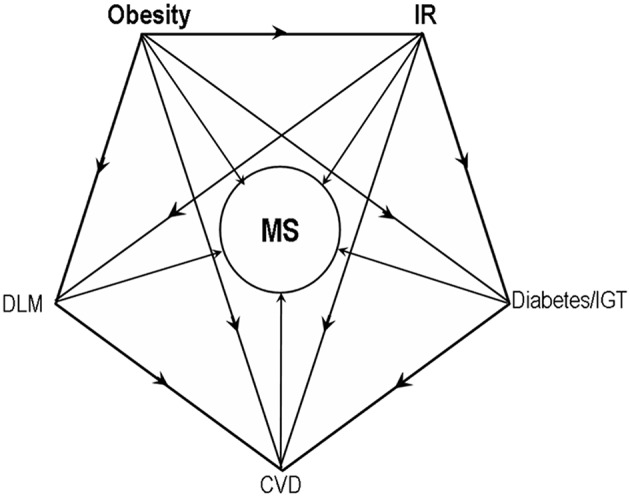
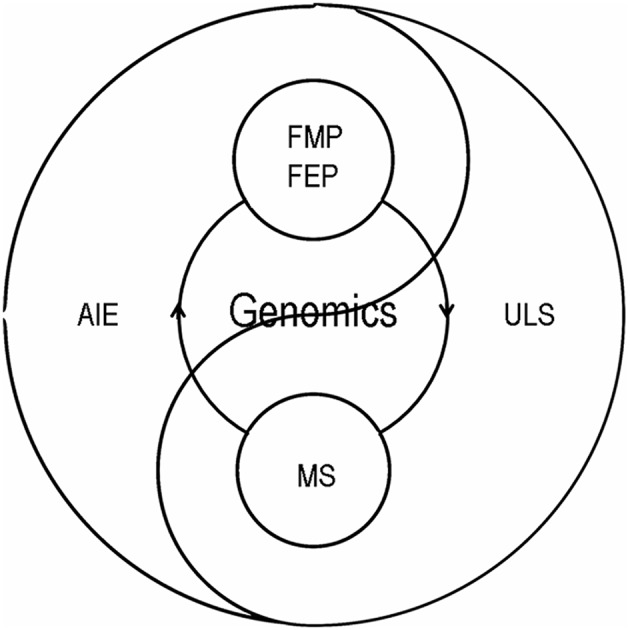
Verification
Claims the paper makes
The claims and statistics of this paper haven’t been checked yet.
Run the check — free, no account needed. It reads the open-access text and checks the sources it cites.
Claims other papers make about this one
Each is checked against this paper’s own text: does it say what the citing paper says it does?
The source backs part of the claim, not all of it — or backs it for a different population, condition or comparison.
In the citing paper
“Such changes may also modify placental nutrient transport, promote compensatory nutrient delivery and predispose offspring to metabolic disorders later in life [18,173,174].”
From Maternal Overnutrition and Fetal Programming: Long-Term Metabolic, Cognitive, and Epigenetic Consequences (2026) · cites this paper as [18]
Experimental — accuracy not yet measured
Self-check
Percentages, sums and reported differences re-computed from the paper’s own numbers.
The self-check needs the paper’s full text.
Citations
Cites
2 retracted
Warne, J. P., Alemi, F., Reed, A. S., Varonin, J. M., Chan, H., Piper, M., Mullin, M. E., Myers, M. G., Corvera, C., & Xu, A. W. (2011) · Cell Metabolism · doi:10.1016/j.cmet.2011.11.001 · Cited by 43
RetractedWarne, J. P., Alemi, F., Reed, A. S., Varonin, J. M., Chan, H., Piper, M. L., Mullin, M. E., Myers, M. G., Corvera, C. U., & Xu, A. W. (2015) · Cell Metabolism · doi:10.1016/j.cmet.2015.03.008 · Cited by 3
RetractedEffect of In Utero and Early-Life Conditions on Adult Health and Disease
Gluckman, P. D., Hanson, M. A., Cooper, C., & Thornburg, K. L. (2008) · New England Journal of Medicine · doi:10.1056/nejmra0708473 · Cited by 3,898
Persistent epigenetic differences associated with prenatal exposure to famine in humans
Heijmans, B. T., Tobi, E. W., Stein, A. D., Putter, H., Blauw, G. J., Susser, E. S., Slagboom, P. E., & Lumey, L. H. (2008) · Proceedings of the National Academy of Sciences · doi:10.1073/pnas.0806560105 · Cited by 3,082
Elective induction versus spontaneous labor after sonographic diagnosis of fetal macrosomia.
Combs, C. A., Singh, N. B., & Khoury, J. C. (1993) · PubMed · Cited by 2,463
In utero programming of chronic disease
BARKER, D. J. P. (1998) · Clinical Science · doi:10.1042/cs0950115 · Cited by 1,765
Obesity in Young Men after Famine Exposure in Utero and Early Infancy
Ravelli, G.-P., Stein, Z. A., & Susser, M. W. (1976) · New England Journal of Medicine · doi:10.1056/nejm197608122950701 · Cited by 1,647
Transgenerational epigenetic programming via sperm microRNA recapitulates effects of paternal stress
Rodgers, A. B., Morgan, C. P., Leu, N. A., & Bale, T. L. (2015) · Proceedings of the National Academy of Sciences · doi:10.1073/pnas.1508347112 · Cited by 751
Fetuses of obese mothers develop insulin resistance in utero
Catalano, P. M., Presley, L., Minium, J., & Hauguel-de Mouzon, S. (2009) · Diabetes Care · doi:10.2337/dc08-2077 · Cited by 655
DNA methylation signatures link prenatal famine exposure to growth and metabolism
Tobi, E. W., Goeman, J. J., Monajemi, R., Gu, H., Putter, H., Zhang, Y., Slieker, R. C., Stok, A. P., Thijssen, P. E., Müller, F., et al. (2014) · Nature Communications · doi:10.1038/ncomms6592 · Cited by 630
The interplay of epigenetic marks during stem cell differentiation and development
Atlasi, Y., & Stunnenberg, H. G. (2017) · Nature Reviews Genetics · doi:10.1038/nrg.2017.57 · Cited by 583
Babenko, O., Kovalchuk, I., & Metz, G. A. S. (2015) · Neuroscience & Biobehavioral Reviews · doi:10.1016/j.neubiorev.2014.11.013 · Cited by 513
Maternal nutrition at conception modulates DNA methylation of human metastable epialleles
Dominguez-Salas, P., Moore, S. E., Baker, M. S., Bergen, A. W., Cox, S. E., Dyer, R. A., Fulford, A. J., Guan, Y., Laritsky, E., Silver, M. J., et al. (2014) · Nature Communications · doi:10.1038/ncomms4746 · Cited by 506
Epigenetic and transgenerational reprogramming of brain development
Bale, T. L. (2015) · Nature Reviews Neuroscience · doi:10.1038/nrn3818 · Cited by 505
Specification and epigenetic programming of the human germ line
Tang, W. W. C., Kobayashi, T., Irie, N., Dietmann, S., & Surani, M. A. (2016) · Nature Reviews Genetics · doi:10.1038/nrg.2016.88 · Cited by 463
Aagaard-Tillery, K. M., Grove, K. L., Bishop, J. M., Ke, X., Fu, Q., McKnight, R. A., & Lane, R. H. (2008) · Journal of Molecular Endocrinology · doi:10.1677/jme-08-0025 · Cited by 449
Transgenerational inheritance: Models and mechanisms of non–DNA sequence–based inheritance
Miska, E. A., & Ferguson-Smith, A. C. (2016) · Science · doi:10.1126/science.aaf4945 · Cited by 367
Epigenetic germline inheritance of diet-induced obesity and insulin resistance
Huypens, P., Sass, S., Wu, M., Dyckhoff, D., Tschöp, M., Theis, F., Marschall, S., de Angelis, M. H., & Beckers, J. (2016) · Nature Genetics · doi:10.1038/ng.3527 · Cited by 366
Ding, G., Wang, F., Shu, J., Tian, S., Jiang, Y., Zhang, D., Wang, N., Luo, Q., Zhang, Y., Jin, F., et al. (2012) · Diabetes · doi:10.2337/db11-1314 · Cited by 295
Sharp, G. C., Salas, L. A., Monnereau, C., Allard, C., Yousefi, P., Everson, T. M., Bohlin, J., Xu, Z., Huang, R., Reese, S. E., et al. (2017) · Human Molecular Genetics · doi:10.1093/hmg/ddx290 · Cited by 287
Epigenetic reprogramming that prevents transgenerational inheritance of the vernalized state
Crevillén, P., Yang, H., Cui, X., Greeff, C., Trick, M., Qiu, Q., Cao, X., & Dean, C. (2014) · Nature · doi:10.1038/nature13722 · Cited by 280
Grundy, S. M. (2005) · Arteriosclerosis Thrombosis and Vascular Biology · doi:10.1161/01.atv.0000189155.75833.c7 · Cited by 252
Leptin Gene Epigenetic Adaptation to Impaired Glucose Metabolism During Pregnancy
Bouchard, L., Thibault, S., Guay, S., Santuré, M., Monpetit, A., St‐Pierre, J., Perron, P., & Brisson, D. (2010) · Diabetes Care · doi:10.2337/dc10-1024 · Cited by 245
Obesity-induced DNA hypermethylation of the adiponectin gene mediates insulin resistance
Kim, A. Y., Park, Y. J., Pan, X., Shin, K. C., Kwak, S., Bassas, A. F., Sallam, R. M., Park, K. S., Alfadda, A. A., Xu, A., et al. (2015) · Nature Communications · doi:10.1038/ncomms8585 · Cited by 241
Leptin resistance in obesity: An epigenetic landscape
Crujeiras, A. B., Carreira, M. C., Fernández, B. C., Andrade, S., Amil, M., & Casanueva, F. F. (2015) · Life Sciences · doi:10.1016/j.lfs.2015.05.003 · Cited by 238
Embryonic stem cell and induced pluripotent stem cell: an epigenetic perspective
Liang, G., & Zhang, Y. (2012) · Cell Research · doi:10.1038/cr.2012.175 · Cited by 232
Masuyama, H., & Hiramatsu, Y. (2012) · Endocrinology · doi:10.1210/en.2011-2161 · Cited by 212
Chromatin “Prepattern” and Histone Modifiers in a Fate Choice for Liver and Pancreas
Xu, C., Cole, P. A., Meyers, D. J., Kormish, J. D., Dent, S., & Zaret, K. S. (2011) · Science · doi:10.1126/science.1202845 · Cited by 210
Diabetes mellitus—advances and challenges in human β-cell proliferation
Wang, P., Fiaschi‐Taesch, N., Vasavada, R. C., Scott, D. K., García-Ocaña, A., & Stewart, A. F. (2015) · Nature Reviews Endocrinology · doi:10.1038/nrendo.2015.9 · Cited by 210
Dissecting neural differentiation regulatory networks through epigenetic footprinting
Ziller, M. J., Edri, R., Yaffe, Y., Donaghey, J., Pop, R., Mallard, W., Issner, R., Gifford, C. A., Goren, A., Xing, J. C., et al. (2014) · Nature · doi:10.1038/nature13990 · Cited by 203
The role of diet and exercise in the transgenerational epigenetic landscape of T2DM
Barrès, R., & Zierath, J. R. (2016) · Nature Reviews Endocrinology · doi:10.1038/nrendo.2016.87 · Cited by 198
Epigenetic transgenerational inheritance
Skinner, M. K. (2015) · Nature Reviews Endocrinology · doi:10.1038/nrendo.2015.206 · Cited by 186
Strakovsky, R. S., Wang, H., Engeseth, N. J., Flaws, J. A., Helferich, W. G., Pan, Y., & Lezmi, S. (2015) · Toxicology and Applied Pharmacology · doi:10.1016/j.taap.2015.02.021 · Cited by 180
Embryonic defects induced by maternal obesity in mice derive from Stella insufficiency in oocytes
Han, L., Ren, C., Li, L., Li, X., Ge, J., Wang, H., Miao, Y., Guo, X., Moley, K. H., Shu, W., et al. (2018) · Nature Genetics · doi:10.1038/s41588-018-0055-6 · Cited by 178
Self-citationMaternal Weight Gain in Pregnancy and Risk of Obesity among Offspring: A Systematic Review
Lau, E. Y., Liu, J., Archer, E., McDonald, S. M., & Liu, J. (2014) · Journal of Obesity · doi:10.1155/2014/524939 · Cited by 176
Suter, M., Chen, A., Burdine, M., Choudhury, M., Harris, R. A., Lane, R. H., Friedman, J. E., Grove, K. L., Tackett, A. J., & Aagaard, K. M. (2012) · The FASEB Journal · doi:10.1096/fj.12-212878 · Cited by 175
Kang, S. S., Kurti, A., Fair, D. A., & Fryer, J. D. (2014) · Journal of Neuroinflammation · doi:10.1186/s12974-014-0156-9 · Cited by 167
DNA methylation directs functional maturation of pancreatic β cells
Dhawan, S., Tschen, S.-I., Zeng, C., Guo, T., Hebrok, M., Matveyenko, A. V., & Bhushan, A. (2015) · Journal of Clinical Investigation · doi:10.1172/jci79956 · Cited by 164
Filiberto, A. C., Maccani, M. A., Koestler, D. C., Wilhelm-Benartzi, C. S., Avissar-Whiting, M., Banister, C. E., Gagne, L. A., & Marsit, C. J. (2011) · Epigenetics · doi:10.4161/epi.6.5.15236 · Cited by 162
Longitudinal analysis of DNA methylation associated with birth weight and gestational age
Simpkin, A. J., Suderman, M. J., Gaunt, T. R., Lyttleton, O., McArdle, W. L., Ring, S. M., Tilling, K. M., Smith, G. D., & Relton, C. L. (2015) · Human Molecular Genetics · doi:10.1093/hmg/ddv119 · Cited by 160
Stevens, A., Begum, G., Cook, A., Connor, K. L., Rumball, C. W. H., Oliver, M. H., Challis, J. R. G., Bloomfield, F. H., & White, A. E. (2010) · Endocrinology · doi:10.1210/en.2010-0094 · Cited by 157
Birthweight, Maternal Weight Trajectories and Global DNA Methylation of LINE-1 Repetitive Elements
Michels, K. B., Harris, H. R., & Barault, L. (2011) · PLoS ONE · doi:10.1371/journal.pone.0025254 · Cited by 157
Yang, Q.-Y., Liang, J.-F., Rogers, C. J., Zhao, J.-X., Zhu, M.-J., & Du, M. (2013) · Diabetes · doi:10.2337/db13-0433 · Cited by 152
Dhana, K., Haines, J., Liu, G., Zhang, C., Wang, X., Field, A. E., Chavarro, J. E., & Sun, Q. (2018) · BMJ · doi:10.1136/bmj.k2486 · Cited by 151
Benatti, R. O., Melo, A. M., Borges, F. O., Ignácio-Souza, L. M., Simino, L. A. D. P., Milanski, M., Velloso, L. A., Torsoni, M. A., & Torsoni, A. S. (2014) · British Journal Of Nutrition · doi:10.1017/s0007114514000579 · Cited by 149
Ancestral perinatal obesogen exposure results in a transgenerational thrifty phenotype in mice
Chamorro-García, R., Díaz-Castillo, C., Shoucri, B. M., Kaech, H., Leavitt, R., Shioda, T., & Blumberg, B. (2017) · Nature Communications · doi:10.1038/s41467-017-01944-z · Cited by 149
Increased global placental DNA methylation levels are associated with gestational diabetes
Reichetzeder, C., Dwi Putra, S. E., Pfab, T., Slowinski, T., Neuber, C., Kleuser, B., & Hocher, B. (2016) · Clinical Epigenetics · doi:10.1186/s13148-016-0247-9 · Cited by 144
Bröberg, K., Ahmed, S., Engström, K. S., Hossain, M. B., Mlakar, S. J., Bottai, M., Grandér, M., Raqib, R., & Vahter, M. (2014) · Journal of Developmental Origins of Health and Disease · doi:10.1017/s2040174414000221 · Cited by 143
Strakovsky, R. S., Zhang, X., Zhou, D., & Pan, Y. (2011) · The Journal of Physiology · doi:10.1113/jphysiol.2010.203950 · Cited by 141
Yokomizo, H., Inoguchi, T., Sonoda, N., Sakaki, Y., Maeda, Y., Inoue, T., Hirata, E., Takei, R., Ikeda, N., Fujii, M., et al. (2014) · American Journal of Physiology-Endocrinology and Metabolism · doi:10.1152/ajpendo.00688.2013 · Cited by 141
Tosh, D. N., Fu, Q., Callaway, C. W., McKnight, R. A., McMillen, I. C., Ross, M. G., Lane, R. H., & Desai, M. (2010) · American Journal of Physiology-Gastrointestinal and Liver Physiology · doi:10.1152/ajpgi.00052.2010 · Cited by 136
Epigenetic programming of obesity and diabetes by in utero exposure to gestational diabetes mellitus
Ruchat, S.-M., Hivert, M., & Bouchard, L. (2013) · Nutrition Reviews · doi:10.1111/nure.12057 · Cited by 135
van Dijk, S. J., Peters, T. J., Buckley, M. J., Zhou, J., Jones, P. A., Gibson, R. A., Makrides, M., Mühlhäusler, B. S., & Molloy, P. L. (2017) · International Journal of Obesity · doi:10.1038/ijo.2017.228 · Cited by 135
Dnmt3a is an epigenetic mediator of adipose insulin resistance
You, D., Nilsson, E., Tenen, D. E., Lyubetskaya, A., Lo, J. C., Jiang, R., Deng, J., Dawes, B. A., Vaag, A. A., Ling, C., et al. (2017) · eLife · doi:10.7554/elife.30766 · Cited by 126
Caffrey, A., Irwin, R. E., McNulty, H., Strain, J. J., Lees‐Murdock, D. J., McNulty, B. A., Ward, M., Walsh, C. P., & Pentieva, K. D. (2018) · American Journal of Clinical Nutrition · doi:10.1093/ajcn/nqx069 · Cited by 126
The inheritance of acquired epigenetic variations.
Jablonka, E., & Lamb, M. (2015) · International Journal of Epidemiology · doi:10.1093/ije/dyv020 · Cited by 123
Begum, G., Stevens, A., Smith, E. B., Connor, K. L., Challis, J. R. G., Bloomfield, F. H., & White, A. E. (2012) · The FASEB Journal · doi:10.1096/fj.11-198762 · Cited by 121
Deletion of leptin signaling in vagal afferent neurons results in hyperphagia and obesity
de Lartigue, G., Ronveaux, C. C., & Raybould, H. E. (2014) · Molecular Metabolism · doi:10.1016/j.molmet.2014.06.003 · Cited by 120
Epigenetic signatures of gestational diabetes mellitus on cord blood methylation
Haertle, L., Hajj, N. E., Dittrich, M. T., Müller, T., Nanda, I., Lehnen, H., & Haaf, T. (2017) · Clinical Epigenetics · doi:10.1186/s13148-017-0329-3 · Cited by 119
Nicholas, L. M., Rattanatray, L., MacLaughlin, S. M., Ozanne, S. E., Kleemann, D. O., Walker, S. K., Morrison, J. L., Zhang, S., Mühlhäusler, B. S., Martin‐Gronert, M. S., et al. (2013) · The FASEB Journal · doi:10.1096/fj.13-227918 · Cited by 115
Maternal obesity and gestational diabetes are associated with placental leptin DNA methylation
Lesseur, C., Armstrong, D. A., Paquette, A. G., Li, Z., Padbury, J. F., & Marsit, C. J. (2014) · American Journal of Obstetrics and Gynecology · doi:10.1016/j.ajog.2014.06.037 · Cited by 115
Impact of Maternal Obesity on Perinatal and Childhood Outcomes
Santangeli, L., Sattar, N. A., & Huda, S. S. (2014) · Best Practice & Research Clinical Obstetrics & Gynaecology · doi:10.1016/j.bpobgyn.2014.10.009 · Cited by 114
Maternal diet–induced microRNAs and mTOR underlie β cell dysfunction in offspring
Alejandro, E. U., Gregg, B. E., Wallen, T. E., Kumusoglu, D., Meister, D. L., Chen, A., Merrins, M. J., Satin, L. S., Liu, M. R., Arvan, P., et al. (2014) · Journal of Clinical Investigation · doi:10.1172/jci74237 · Cited by 114
Masuyama, H., Mitsui, T., Eguchi, T., Tamada, S., & Hiramatsu, Y. (2016) · American Journal of Physiology-Endocrinology and Metabolism · doi:10.1152/ajpendo.00095.2016 · Cited by 114
Murabayashi, N., Sugiyama, T., Zhang, L., Kamimoto, Y., Umekawa, T., Ma, N., & Sagawa, N. (2013) · European Journal of Obstetrics & Gynecology and Reproductive Biology · doi:10.1016/j.ejogrb.2013.02.003 · Cited by 114
Fernandez-Twinn, D. S., Alfaradhi, M. Z., Martin-Gronert, M. S., Duque-Guimaraes, D. E., Piekarz, A., Ferland-McCollough, D., Bushell, M., & Ozanne, S. E. (2014) · Molecular Metabolism · doi:10.1016/j.molmet.2014.01.007 · Cited by 114
Hjort, L., Martino, D., Grunnet, L. G., Naeem, H., Maksimovic, J., Olsson, A. H., Zhang, C., Ling, C., Olsen, S. F., Saffery, R., et al. (2018) · JCI Insight · doi:10.1172/jci.insight.122572 · Cited by 114
Nogues, P., Santos, E. D., Jammes, H., Berveiller, P., Arnould, L., Vialard, F., & Dieudonné, M. (2019) · Clinical Epigenetics · doi:10.1186/s13148-019-0612-6 · Cited by 114
Phthalate exposure in utero causes epigenetic changes and impairs insulin signalling
Parsanathan, R., & Balasubramanian, K. (2014) · Journal of Endocrinology · doi:10.1530/joe-14-0111 · Cited by 108
Saad, A. F., Dickerson, J., Kechichian, T. B., Yin, H., Gamble, P., Salazar, A. E., Patrikeev, I., Motamedi, M., Saade, G. R., & Costantine, M. M. (2016) · American Journal of Obstetrics and Gynecology · doi:10.1016/j.ajog.2016.03.038 · Cited by 106
Bricambert, J., Alves‐Guerra, M., Estèves, P., Prip‐Buus, C., Bertrand‐Michel, J., Guillou, H., Chang, C. J., Wal, M. N. V., Canonne‐Hergaux, F., Mathurin, P., et al. (2018) · Nature Communications · doi:10.1038/s41467-018-04361-y · Cited by 106
García-Cardona, M. C., Huang, F., García-Vivas, J. M., López‐Camarillo, C., Navarro, B. E. D. R., Navarro-Olivos, E., Hong‐Chong, E., Bolaños‐Jiménez, F., & Marchat, L. A. (2014) · International Journal of Obesity · doi:10.1038/ijo.2014.30 · Cited by 106
Masuyama, H., Mitsui, T., Nobumoto, E., & Hiramatsu, Y. (2015) · Endocrinology · doi:10.1210/en.2014-2020 · Cited by 104
In utero exposure to a maternal high-fat diet alters the epigenetic histone code in a murine model
Suter, M., Ma, J., Vuguin, P. M., Hartil, K., Fiallo, A., Harris, R. A., Charron, M. J., & Aagaard, K. M. (2014) · American Journal of Obstetrics and Gynecology · doi:10.1016/j.ajog.2014.01.045 · Cited by 103
Extracellular RNAs Are Associated With Insulin Resistance and Metabolic Phenotypes
Shah, R. V., Murthy, V. L., Pacold, M. E., Danielson, K., Tanrıverdi, K., Larson, M. G., Hanspers, K., Pico, A. R., Mick, E. O., Reis, J. P., et al. (2017) · Diabetes Care · doi:10.2337/dc16-1354 · Cited by 103
Chandrakumar, S., Paramasivam, P., Balakumar, M., Lenin, R. R., Prabhu, D., Anjana, R. M., Mohan, V., & Balasubramanyam, M. (2016) · Clinical Epigenetics · doi:10.1186/s13148-016-0293-3 · Cited by 96
DNA methylation patterns in newborns exposed to tobacco in utero
Ivorra, C., Fraga, M. F., Bayón, G. F., Fernández, A. F., García-Vicent, C., Chaves, F. J., Redón, J., & Lurbe, E. (2015) · Journal of Translational Medicine · doi:10.1186/s12967-015-0384-5 · Cited by 93
Crujeiras, A. B., Díaz‐Lagares, Á., Moreno‐Navarrete, J. M., Sandoval, J., Hervás, D., Gómez, A., Ricart, W., Casanueva, F. F., Esteller, M., & Fernández‐Real, J. M. (2016) · Translational research · doi:10.1016/j.trsl.2016.07.002 · Cited by 93
Aiken, C., Tarry‐Adkins, J. L., Penfold, N., Dearden, L., & Ozanne, S. E. (2015) · The FASEB Journal · doi:10.1096/fj.15-280800 · Cited by 92
Metabolic Programming, Epigenetics, and Gestational Diabetes Mellitus
Pinney, S. E., & Simmons, R. A. (2011) · Current Diabetes Reports · doi:10.1007/s11892-011-0248-1 · Cited by 90
ISGANAITIS, E. M., Woo, M., Ma, H., Chen, M., Kong, W., Lytras, A., Sales, V., DeCoste-Lopez, J., Lee, K.-J., Leatherwood, C. L., et al. (2013) · Diabetes · doi:10.2337/db13-0558 · Cited by 89
Exposure to the Chinese Famine in Childhood Increases Type 2 Diabetes Risk in Adults
Wang, J., Li, Y., Han, X., Liu, B., Hu, H., Wang, F., Li, X., YANG, K. Y., Yuan, J., Yao, P., et al. (2016) · Journal of Nutrition · doi:10.3945/jn.116.234575 · Cited by 89
Self-citationDíaz, M., García-Beltrán, C., Sebastiani, G., de Zegher, F., López‐Bermejo, A., & Ibáñez, L. (2016) · Diabetes · doi:10.2337/db16-0776 · Cited by 89
Su, R., Wang, C., Feng, H., Lin, L., Liu, X., Wei, Y., & Yang, H. (2016) · PLoS ONE · doi:10.1371/journal.pone.0148399 · Cited by 88
The epigenetic signature of systemic insulin resistance in obese women
Arner, P., Sahlqvist, A., Sinha, I., Xu, H. Y., Yao, X., Waterworth, D. M., Rajpal, D. K., Loomis, A. K., Freudenberg, J., Johnson, T., et al. (2016) · Diabetologia · doi:10.1007/s00125-016-4074-5 · Cited by 86
Differential methylation of genes in individuals exposed to maternal diabetes in utero
Chen, P., Piaggi, P., Traurig, M. T., Bogardus, C., Knowler, W. C., Baier, L. J., & Hanson, R. L. (2017) · Diabetologia · doi:10.1007/s00125-016-4203-1 · Cited by 86
Dynamics of genomic H3K27me3 domains and role of EZH2 during pancreatic endocrine specification
Xu, C., Li, L., Donahue, G., Ying, L., Zhang, Y., Gadue, P. J., & Zaret, K. S. (2014) · The EMBO Journal · doi:10.15252/embj.201488671 · Cited by 83
Panchenko, P. E., Voisin, S. A. C., Jouin, M., Jouneau, L., Prézelin, A., Lecoutre, S., Breton, C., Jammes, H., Junien, C., & Gabory, A. (2016) · Clinical Epigenetics · doi:10.1186/s13148-016-0188-3 · Cited by 83
Yan, X., Huang, Y., Jx, Z., Rogers, C. J., Zhu, M.-J., Ford, S. P., Nathanielsz, P. W., & Du, . (2012) · International Journal of Obesity · doi:10.1038/ijo.2012.69 · Cited by 82
Maternal Obesity Has Little Effect on the Immediate Offspring but Impacts on the Next Generation
King, V., Dakin, R. S., Liu, L., Hadoke, P. W. F., Walker, B. R., Seckl, J. R., Norman, J. E., & Drake, A. J. (2013) · Endocrinology · doi:10.1210/en.2013-1013 · Cited by 80
Srinivasan, M., Aalinkeel, R., Song, F., Mitrani, P., Pandya, J. D., Strutt, B. J., Hill, D. J., & Patel, M. S. (2005) · American Journal of Physiology-Endocrinology and Metabolism · doi:10.1152/ajpendo.00248.2005 · Cited by 80
Melo, A. M., Benatti, R. O., Ignácio-Souza, L. M., Okino, C., Torsoni, A. S., Milanski, M., Velloso, L. A., & Torsoni, M. A. (2014) · Metabolism · doi:10.1016/j.metabol.2014.02.002 · Cited by 79
Chen, J., Wu, S., Wen, S., Shen, L., Peng, J., Yan, C., Cao, X., Zhou, Y., Long, C., Lin, T., et al. (2015) · PLoS ONE · doi:10.1371/journal.pone.0126403 · Cited by 78
Shasa, D. R., Odhiambo, J. F., Long, N., Tuersunjiang, N., Nathanielsz, P. W., & Ford, S. P. (2014) · International Journal of Obesity · doi:10.1038/ijo.2014.190 · Cited by 77
Chen, P., Chu, A., Liao, W., Rubbi, L., Janzen, C., Hsu, F., Thamotharan, S., Ganguly, A., Lam, L., Montoya, D. J., et al. (2017) · Reproductive Sciences · doi:10.1177/1933719117716779 · Cited by 76
Westgate, J. A., Lindsay, R. S., Beattie, J., Pattison, N. S., Gamble, G. D., Mildenhall, L., Breier, B. H., & Johnstone, F. D. (2006) · Diabetes Care · doi:10.2337/dc05-1677 · Cited by 74
Attig, L., Vigé, A., Gabory, A., Karimi, M., Beauger, A. A., Gross, M., Athias, A., Gallou‐Kabani, C., Gambert, P., Ekström, T. J., et al. (2013) · PLoS ONE · doi:10.1371/journal.pone.0066816 · Cited by 73
Human liver epigenetic alterations in non-alcoholic steatohepatitis are related to insulin action
de Mello, V. D., Matte, A., Perfilyev, A., Männistö, V., Rönn, T., Nilsson, E., Käkelä, P., Ling, C., & Pihlajamäki, J. (2017) · Epigenetics · doi:10.1080/15592294.2017.1294305 · Cited by 73
Wang, D., Xu, S., Chen, H., Zhong, L., & Wang, Z. (2015) · Clinical Endocrinology · doi:10.1111/cen.12742 · Cited by 72
Ott, R., Stupin, J. H., Melchior, K., Schellong, K., Ziska, T., Dudenhausen, J. W., Henrich, W., Rancourt, R. C., & Plagemann, A. (2018) · Clinical Epigenetics · doi:10.1186/s13148-018-0567-z · Cited by 72
Maternal glucose tolerance in pregnancy affects fetal insulin sensitivity
Luo, Z.-C., Delvin, E., Fraser, W. D., Audibert, F., Deal, C. I., Julien, P., Girard, I., Shear, R., Levy, E., & Nuyt, A.-M. (2010) · Diabetes Care · doi:10.2337/dc10-0819 · Cited by 71
Genome-wide DNA methylation profiling in infants born to gestational diabetes mellitus
Weng, X., Liu, F., Zhang, H., Kan, M., Wang, T., Dong, M., & Liu, Y. (2018) · Diabetes Research and Clinical Practice · doi:10.1016/j.diabres.2018.03.016 · Cited by 70
Puppala, S., Li, C., Glenn, J. P., Saxena, R., Gawrieh, S., Quinn, A. R., Palarczyk, J., Dick, E. J., Nathanielsz, P. W., & Cox, L. A. (2018) · The Journal of Physiology · doi:10.1113/jp275422 · Cited by 69
Rajesh, P., & Balasubramanian, K. (2014) · Toxicology Letters · doi:10.1016/j.toxlet.2014.09.025 · Cited by 68
Ferreira, J. C., Choufani, S., Grafodatskaya, D., Butcher, D. T., Zhao, C., Chitayat, D. A., Shuman, C. T., Kingdom, J. C., Keating, S., & Weksberg, R. (2011) · Epigenetics · doi:10.4161/epi.6.4.14554 · Cited by 66
Changes in Leptin Signaling by SOCS3 Modulate Fasting-Induced Hyperphagia and Weight Regain in Mice
Pedroso, J. A. B., Silveira, M. A., Lima, L. B., Furigo, I. C., Zampieri, T. T., Ramos-Lobo, A. M., Buonfiglio, D. D. C., Teixeira, P. D. S., Frazão, R., & Donato, J. (2016) · Endocrinology · doi:10.1210/en.2016-1038 · Cited by 66
Genome-wide DNA methylation variation in maternal and cord blood of gestational diabetes population
Kang, J., Lee, C., Li, H., Hsu, K.-H., & Lin, S. (2017) · Diabetes Research and Clinical Practice · doi:10.1016/j.diabres.2017.07.034 · Cited by 66
del Rosario, M. C., Ossowski, V., Knowler, W. C., Bogardus, C., Baier, L. J., & Hanson, R. L. (2014) · Metabolism · doi:10.1016/j.metabol.2014.01.007 · Cited by 65
Shapiro, A. L. B., Schmiege, S. J., Brinton, J. T., Glueck, D. H., Crume, T., Friedman, J. E., & Dabelea, D. (2015) · Diabetologia · doi:10.1007/s00125-015-3505-z · Cited by 63
Gagné-Ouellet, V., Houde, A.-A., Guay, S.-P., Perron, P., Gaudet, D., Guérin, R., Jean-Patrice, B., Hivert, M.-F., Brisson, D., & Bouchard, L. (2017) · Epigenetics · doi:10.1080/15592294.2017.1322254 · Cited by 63
Yates, D. T., Cadaret, C. N., Beede, K. A., Riley, H. E., Macko, A. R., Anderson, M. J., Camacho, L. E., & Limesand, S. W. (2016) · American Journal of Physiology-Regulatory, Integrative and Comparative Physiology · doi:10.1152/ajpregu.00528.2015 · Cited by 61
ACSL1 Is Associated With Fetal Programming of Insulin Sensitivity and Cellular Lipid Content
Joseph, R., Poschmann, J., Sukarieh, R., Too, P. G., Julien, S. G., Xu, F., Teh, A. L., Holbrook, J. D., Ng, K. L., Chong, Y. S., et al. (2015) · Molecular Endocrinology · doi:10.1210/me.2015-1020 · Cited by 61
Zhang, H., Chu, X., Huang, Y., Li, G., Wang, Y., Li, Y., & Sun, C. (2014) · Diabetologia · doi:10.1007/s00125-014-3316-7 · Cited by 60
Westermeier, F., Sáez, P. J., Villalobos-Labra, R., Sobrevía, L., & Farías, M. (2014) · BioMed Research International · doi:10.1155/2014/917672 · Cited by 59
Huang, Y., Gao, S., Chen, J., Albrecht, E., Zhao, R., & Yang, X. (2016) · Oncotarget · doi:10.18632/oncotarget.14375 · Cited by 59
Sauder, K. A., Hockett, C. W., Ringham, B. M., Glueck, D. H., & Dabelea, D. (2017) · Diabetic Medicine · doi:10.1111/dme.13417 · Cited by 58
McPherson, N. O., Lane, M., Sandeman, L., Owens, J. A., & Fullston, T. (2017) · Nutrients · doi:10.3390/nu9020122 · Cited by 57
Leptin, fetal growth and insulin resistance in non-diabetic pregnancies
Walsh, J., Byrne, J., Mahony, R. M., Foley, M. E., & McAuliffe, F. M. (2014) · Early Human Development · doi:10.1016/j.earlhumdev.2014.03.007 · Cited by 57
Epigenetic inheritance of cell fates during embryonic development
Cheedipudi, S. M., Genolet, O., & Dobreva, G. D. (2014) · Frontiers in Genetics · doi:10.3389/fgene.2014.00019 · Cited by 55
Transgenerational effects of obesity and malnourishment on diabetes risk in F2 generation
Hanafi, M. Y., Saleh, M. M., Saad, M. I., Abdelkhalek, T. M., & Kamel, M. A. E.-N. (2015) · Molecular and Cellular Biochemistry · doi:10.1007/s11010-015-2633-6 · Cited by 54
Khalyfa, A., Mutskov, V. J., Carreras, A., Khalyfa, A. A., Hakim, F., & Gozal, D. (2014) · Diabetes · doi:10.2337/db14-0202 · Cited by 53
Maternal obesity and pregnancy outcome.
Begum, K. S., Sachchithanantham, K., & Somsubhra, S. D. (2011) · PubMed · Cited by 53
DNA Methylation of the LY86 Gene is Associated With Obesity, Insulin Resistance, and Inflammation
Su, S., Zhu, H., Xu, X., Wang, X., Dong, Y., Kapuku, G. K., Treiber, F. A., Gutin, B., Harshfield, G., Snieder, H., et al. (2014) · Twin Research and Human Genetics · doi:10.1017/thg.2014.22 · Cited by 51
Maternal insulin sensitivity is associated with oral glucose-induced changes in fetal brain activity
Linder, K., Schleger, F., Ketterer, C., Fritsche, L., Kiefer‐Schmidt, I., Hennige, A. M., Häring, H., Preissl, H. T., & Fritsche, A. (2014) · Diabetologia · doi:10.1007/s00125-014-3217-9 · Cited by 51
Houshmand‐Oeregaard, A. S., Schrölkamp, M., Kelstrup, L., Hansen, N. S., Hjort, L., Thuesen, A. C. B., Broholm, C., Mathiesen, E. R., Clausen, T. D., Vaag, A. A., et al. (2018) · Human Molecular Genetics · doi:10.1093/hmg/ddy085 · Cited by 51
Lorenzo, C., Haffner, S. M., Stančáková, A., Kuusisto, J., & Laakso, M. (2014) · The Journal of Clinical Endocrinology & Metabolism · doi:10.1210/jc.2014-2299 · Cited by 50
Effect of maternal chronic intermittent hypoxia during gestation on offspring growth in the rat
Iqbal, W., & Ciriello, J. (2013) · American Journal of Obstetrics and Gynecology · doi:10.1016/j.ajog.2013.08.027 · Cited by 49
Jiménez‐Chillarón, J. C., Ramon‐Krauel, M., Ribó, S., & Díaz, R. (2015) · Proceedings of The Nutrition Society · doi:10.1017/s0029665115004231 · Cited by 49
Contribution of the Long Noncoding RNA H19 to β-Cell Mass Expansion in Neonatal and Adult Rodents
Sanchez-Parra, C., Jacovetti, C., Dumortier, O., Lee, K., Peyot, M., Guay, C., Prentki, M., Laybutt, D. R., OBBERGHEN, E. V., & Regazzi, R. (2018) · Diabetes · doi:10.2337/db18-0201 · Cited by 49
Transgenerational Epigenetic Mechanisms in Adipose Tissue Development
Lecoutre, S., Petrus, P., Rydén, M., & Breton, C. (2018) · Trends in Endocrinology and Metabolism · doi:10.1016/j.tem.2018.07.004 · Cited by 48
Manti, M., Fornes, R., Qi, X., Folmerz, E., Hirschberg, A. L., Barbosa, T. D. C., Maliqueo, M. A., Benrick, A., & Stener‐Victorin, E. (2018) · The FASEB Journal · doi:10.1096/fj.201701263rr · Cited by 47
Larriba, E., & Del Mazo, J. (2016) · International Journal of Molecular Sciences · doi:10.3390/ijms17040452 · Cited by 47
Pregestational maternal obesity impairs endocrine pancreas in male F1 and F2 progeny
Graus‐Nunes, F., Frantz, E. D. C., Lannes, W. R., Menezes, M. C. D. S., Mandarim‐de‐Lacerda, C. A., & Souza‐Mello, V. (2014) · Nutrition · doi:10.1016/j.nut.2014.08.002 · Cited by 45
Holness, M. J., Caton, P., & Sugden, M. C. (2010) · Nutrition · doi:10.1016/j.nut.2009.09.012 · Cited by 44
High-glucose concentrations change DNA methylation levels in human IVM oocytes
Wang, Q., Tang, S., Song, X., Deng, T., Zhang, T., Yin, S., Luo, S., Shen, W., Zhang, C., & Ge, Z. (2018) · Human Reproduction · doi:10.1093/humrep/dey006 · Cited by 44
Epigenetic programming of adipose-derived stem cells in low birthweight individuals
Broholm, C., Olsson, A. H., Perfilyev, A., Hansen, N. S., Schrölkamp, M., Strasko, K. S., Scheele, C., Ribel-Madsen, R., Mortensen, B., Jørgensen, S. W., et al. (2016) · Diabetologia · doi:10.1007/s00125-016-4099-9 · Cited by 43
Ma, N., Nicholson, C. J., Wong, M., Holloway, A. C., & Hardy, D. B. (2013) · Toxicology and Applied Pharmacology · doi:10.1016/j.taap.2013.12.010 · Cited by 42
Main, A. M., Gillberg, L., Jacobsen, A. L., Nilsson, E., Gjesing, A. P., Hansen, T. F., Pedersen, O. B., Ribel‐Madsen, R., & Vaag, A. A. (2016) · Clinical Epigenetics · doi:10.1186/s13148-016-0258-6 · Cited by 42
Adiposopathy and epigenetics: an introduction to obesity as a transgenerational disease
Bays, H. E., & Scinta, W. (2015) · Current Medical Research and Opinion · doi:10.1185/03007995.2015.1087983 · Cited by 41
Houde, A.-A., Ruchat, S.-M., Allard, C., Baillargeon, J., St‐Pierre, J., Perron, P., Gaudet, D., Brisson, D., Hivert, M., & Bouchard, L. (2015) · Epigenomics · doi:10.2217/epi.15.72 · Cited by 40
Shao, W., Ling-yun, T., Gao, C., Xie, J.-Y., & Zhao, R. (2008) · PubMed Central · Cited by 39
Can Proopiomelanocortin Methylation Be Used as an Early Predictor of Metabolic Syndrome?
Yoo, J. Y., Lee, S., Lee, H. A., Park, H., Park, Y. J., Ha, E., & Kim, Y. J. (2013) · Diabetes Care · doi:10.2337/dc13-1012 · Cited by 39
Zhou, D., Wang, H., Cui, H., Chen, H., & Pan, Y. (2014) · The Journal of Nutritional Biochemistry · doi:10.1016/j.jnutbio.2014.10.009 · Cited by 39
Nakata, M., Yamamoto, S., Okada, T., Gantulga, D., Okano, H., Ozawa, K., & Yada, T. (2016) · International Journal of Obesity · doi:10.1038/ijo.2015.201 · Cited by 39
Gonzalez‐Rodriguez, P. J., Cantu, J., O’Neil, D. S., Seferovic, M. D., Goodspeed, D. M., Suter, M., & Aagaard, K. M. (2016) · American Journal of Obstetrics and Gynecology · doi:10.1016/j.ajog.2016.01.194 · Cited by 38
Epigenetic control of β-cell function and failure
Bernstein, D., Golson, M. L., & Kaestner, K. H. (2016) · Diabetes Research and Clinical Practice · doi:10.1016/j.diabres.2016.11.009 · Cited by 38
Gene‐specific DNA methylation may mediate atypical antipsychotic‐induced insulin resistance
Burghardt, K. J., Goodrich, J. M., Dolinoy, D. C., & Ellingrod, V. L. (2016) · Bipolar Disorders · doi:10.1111/bdi.12422 · Cited by 36
Maternal high-fat diet induces metabolic stress response disorders in offspring hypothalamus
Nguyen, L. T., Saad, S., Tan, Y., Pollock, C. A., & Chen, H. (2017) · Journal of Molecular Endocrinology · doi:10.1530/jme-17-0056 · Cited by 36
Wang, Q., Huang, R.-P., Yu, B., Cao, F., Wang, H., Zhang, M., Wang, X., Zhang, B., Zhou, H., & Zhu, Z. (2013) · PLoS ONE · doi:10.1371/journal.pone.0059845 · Cited by 35
Self-citationThe Combined Effect of Maternal Obesity and Fetal Macrosomia on Pregnancy Outcomes
Gaudet, L., Wen, S. W., & WALKER, M. C. (2014) · Journal of Obstetrics and Gynaecology Canada · doi:10.1016/s1701-2163(15)30479-5 · Cited by 34
Ramon‐Krauel, M., Pentinat, T., Bloks, V. W., Cebrià, J., Ribó, S., Pérez-Wienese, R., Vilà, M., Palacios‐Marin, I., Fernández-Pérez, A., Vallejo, M., et al. (2018) · The FASEB Journal · doi:10.1096/fj.201700717rr · Cited by 33
Transgenerational programming of nephron deficits and hypertension
Briffa, J. F., Wlodek, M. E., & Moritz, K. M. (2018) · Seminars in Cell and Developmental Biology · doi:10.1016/j.semcdb.2018.05.025 · Cited by 33
Gonzalez‐Bulnes, A., Astiz, S., Óvilo, C., López-Bote, C. J., Sánchez, R. S., Pérez-Solana, M. L., Torres-Rovira, L., Ayuso, M., & Gonzalez, J. (2014) · Journal of Endocrinology · doi:10.1530/joe-14-0217 · Cited by 33
Reynolds, C. M., Li, M., Gray, C. L., & Vickers, M. H. (2013) · Endocrinology · doi:10.1210/en.2013-1146 · Cited by 32
Maternal folate status and obesity/insulin resistance in the offspring: a systematic review
Xie, R.-H., Liu, Y.-J., Retnakaran, R. R., MacFarlane, A. J., Hamilton, J., Smith, G. N., WALKER, M. C., & Wen, S. W. (2015) · International Journal of Obesity · doi:10.1038/ijo.2015.189 · Cited by 32
Tabachnik, T., Kisliouk, T., Marco, A., Meiri, N., & Weller, A. (2017) · Endocrinology · doi:10.1210/en.2016-1854 · Cited by 30
Kasch, J., Kanzleiter, I., Saussenthaler, S., Schürmann, A., Keijer, J., van Schothorst, E. M., Klaus, S., & Schumann, S. (2018) · The Journal of Nutritional Biochemistry · doi:10.1016/j.jnutbio.2018.03.015 · Cited by 30
Potential epigenetic biomarkers of obesity-related insulin resistance in human whole-blood
Day, S. E., Coletta, R. L., Kim, J. Y., Garcia, L. A., Campbell, L. E., Benjamin, T. R., Roust, L. R., Filippis, E. A. D., Mandarino, L. J., & Coletta, D. K. (2017) · Epigenetics · doi:10.1080/15592294.2017.1281501 · Cited by 30
Wang, L.-F., Wang, H., Ao, D., Liu, Z., Wang, Y., & Yang, H.-X. (2015) · Journal of Perinatology · doi:10.1038/jp.2015.119 · Cited by 29
Yang, J., Chatterjee, N., Kim, Y., Roh, J.-Y., Kwon, J., Park, M., & Choi, J. (2018) · Chemosphere · doi:10.1016/j.chemosphere.2018.02.080 · Cited by 29
Xu, H., Xiong, J., Zhang, Y., Cao, X., Sun, P. G., Wu, J., & Chen, L. (2018) · Archives of Toxicology · doi:10.1007/s00204-018-2338-1 · Cited by 29
Ngo, S., Li, X., O’Neill, R., Bhoothpur, C., Gluckman, P. D., & Sheppard, A. M. (2014) · Diabetes · doi:10.2337/db13-1640 · Cited by 28
Self-citationTrzépizur, W., Khalyfa, A., Qiao, Z., Popko, B., & Gozal, D. (2017) · Metabolism · doi:10.1016/j.metabol.2017.01.026 · Cited by 28
Raff, H., Hoeynck, B., Jablonski, M., Leonovicz, C., Phillips, J. M., & Gehrand, A. L. (2017) · American Journal of Physiology-Regulatory, Integrative and Comparative Physiology · doi:10.1152/ajpregu.00271.2017 · Cited by 27
Ramos-López, O., Riezu‐Boj, J. I., Milagro, F. I., & Martínez, J. A. (2017) · Molecular Genetics and Metabolism · doi:10.1016/j.ymgme.2017.11.011 · Cited by 26
Liu, Z., Zhang, J., Cai, Q., Zhang, H.-X., Wang, Y., Yan, H., Wu, H., & Yang, X. (2014) · The Journal of Maternal-Fetal & Neonatal Medicine · doi:10.3109/14767058.2014.987749 · Cited by 26
Review: Bio-compartmentalization of microRNAs in exosomes during gestational diabetes mellitus
Iljas, J. D., Guanzon, D., Elfeky, O. W. M., Rice, G. E., & Salomón, C. (2016) · Placenta · doi:10.1016/j.placenta.2016.12.002 · Cited by 25
The Effects of Maternal Obesity on Neonates, Infants, Children, Adolescents, and Adults
Hemond, J., Robbins, R., & Young, P. C. (2015) · Clinical Obstetrics & Gynecology · doi:10.1097/grf.0000000000000179 · Cited by 24
Claycombe, K., Vomhof‐DeKrey, E. E., Garcia, R. A. G., Johnson, W. T., Uthus, E. O., & Roemmich, J. N. (2016) · The Journal of Nutritional Biochemistry · doi:10.1016/j.jnutbio.2016.01.008 · Cited by 24
DNA Methylation Changes in theIGF1RGene in Birth Weight Discordant Adult Monozygotic Twins
Tsai, P.-C., van Dongen, J., Tan, Q., Willemsen, G. A. H. M., Christiansen, L., Boomsma, D. I., Spector, T. D., Valdes, A. M., & Bell, J. T. (2015) · Twin Research and Human Genetics · doi:10.1017/thg.2015.76 · Cited by 24
Abuzgaia, A. M., Hardy, D. B., & Arany, E. J. (2014) · Reproduction · doi:10.1530/rep-14-0245 · Cited by 24
Dong, Y., Luo, Z., Nuyt, A. M., Audibert, F., Wei, S. Q., Abenhaim, H. A., Bujold, E., Julien, P., Huang, H., Levy, E. H., et al. (2018) · The Journal of Clinical Endocrinology & Metabolism · doi:10.1210/jc.2018-00917 · Cited by 24
A systems view of epigenetic networks regulating pancreas development and β‐cell function
Xie, R., Carrano, A. C., & Sander, M. (2015) · WIREs Systems Biology and Medicine · doi:10.1002/wsbm.1287 · Cited by 23
Insulin resistance, glucagon-like peptide-1 and factors influencing glucose homeostasis in neonates
Salis, E. R., Reith, D. M., Wheeler, B. J., Broadbent, R. S., & Medlicott, N. J. (2016) · Archives of Disease in Childhood Fetal & Neonatal · doi:10.1136/archdischild-2015-309174 · Cited by 23
Epigenetics and Fetal Metabolic Programming: A Call for Integrated Research on Larger Cohorts
Bouchard, L. (2013) · Diabetes · doi:10.2337/db12-1763 · Cited by 23
Martín, M. Á., Fernández‐Millán, E., Pascual-Leone, A. M., Escrivá, F., & Álvarez, C. (2004) · American Journal of Physiology-Endocrinology and Metabolism · doi:10.1152/ajpendo.00242.2003 · Cited by 23
Association Between Low Dairy Intake During Pregnancy and Risk of Small-for-Gestational-Age Infants
Olmedo‐Requena, R., Amezcua‐Prieto, C., Luna, J. D. D., Lewis-Mikhael, A.-M., Mozas‐Moreno, J., Bueno‐Cavanillas, A., & Jiménez‐Moleón, J. J. (2016) · Maternal and Child Health Journal · doi:10.1007/s10995-016-1931-2 · Cited by 22
Wang, X., Yang, T., Miao, J., Liu, H., Wu, K., Guo, J., Chen, J., & Li, T. (2018) · Clinical Laboratory · doi:10.7754/clin.lab.2018.171214 · Cited by 22
Estrogen deprivation in primate pregnancy leads to insulin resistance in offspring
Maniu, A., Aberdeen, G. W., Lynch, T. J., Nadler, J. L., Kim, S. O. K., Quon, M. J., Pepe, G. J., & Albrecht, E. D. (2016) · Journal of Endocrinology · doi:10.1530/joe-15-0530 · Cited by 21
Xie, X., Lin, T., Zhang, M., Liao, L., Yuan, G., Gao, H., Ning, Q., & Luo, X. (2015) · Pediatric Research · doi:10.1038/pr.2015.32 · Cited by 20
Salguero‐Aranda, C., Tapia‐Limonchi, R., Cahuana, G. M., Hitos, A. B., Diaz, I., Hmadcha, A., Fraga, M. F., Martı́n, F., Soria, B., Tejedo, J. R., et al. (2016) · Cell Transplantation · doi:10.3727/096368916x691178 · Cited by 17
Castellano‐Castillo, D., Moreno‐Indias, I., Fernández‐García, J. C., Clemente‐Postigo, M., Cabezas, M. C., Tinahones, F. J., Queipo‐Ortuño, M. I., & Cardona, F. (2018) · Genes · doi:10.3390/genes9080410 · Cited by 16
Su, R., Yan, J., & Yang, H. (2016) · Journal of Diabetes Research · doi:10.1155/2016/4952801 · Cited by 15
Insulin resistance elicited in postpubertal primate offspring deprived of estrogen in utero
Pepe, G. J., Maniu, A., Aberdeen, G. W., Lynch, T. J., Kim, S. O., Nadler, J. L., & Albrecht, E. D. (2016) · Endocrine · doi:10.1007/s12020-016-1145-9 · Cited by 15
Guo, W., Chen, J., Yang, Y., Zhu, J., & Wu, J. (2016) · Cell Death and Disease · doi:10.1038/cddis.2016.378 · Cited by 15
Yang, Y., Magnuson, M. A., Stein, R. W., & Wright, C. V. E. (2016) · Development · doi:10.1242/dev.143123 · Cited by 13
Adamu, H. A., Imam, M. U., Ooi, D. J., Esa, N. M., Rosli, R., & Ismail, M. (2017) · BMC Complementary and Alternative Medicine · doi:10.1186/s12906-017-1571-0 · Cited by 13
Kšiňanová, M., Číkoš, Š., Babeľová, J., Šefčíková, Z., Špirková, A., Koppel, J., & Fabián, D. (2017) · Frontiers in Endocrinology · doi:10.3389/fendo.2017.00233 · Cited by 11
Marshall, M. R., Paneth, N., Gerlach, J. A., Mudd, L. M., Biery, L., Ferguson, D. P., & Pivarnik, J. M. (2018) · Journal of Developmental Origins of Health and Disease · doi:10.1017/s2040174417001106 · Cited by 9
Santos, M. J., Fernandes, V., Marques, O., & Pereira, M. L. (2016) · Diabetes & Metabolism · doi:10.1016/j.diabet.2016.06.008 · Cited by 8
Intrauterine insulin resistance in fetuses of overweight mothers
Liu, B., Xu, Y., Liang, J., Voss, C., Huan-yu, X., Sheng, W., Sun, Y., & Wang, Z. (2012) · Journal of obstetrics and gynaecology research · doi:10.1111/j.1447-0756.2012.01919.x · Cited by 8
Komariah, K., Manalu, W., Kiranadi, B., Winarto, A., Handharyani, E., & Roeslan, M. O. (2018) · Toxicological Research · doi:10.5487/tr.2018.34.2.173 · Cited by 8
Xia, T., Zhang, X., Wang, Y., & Deng, D. (2018) · Bioscience Reports · doi:10.1042/bsr20171731 · Cited by 8
An, K., Du, F., Hao, M., Li, G., Zhang, M., Liu, Z. Z., Zhao, Z., Zhang, Z., Yu, D., Wang, D., et al. (2017) · Journal of genetics and genomics/Journal of Genetics and Genomics · doi:10.1016/j.jgg.2017.11.004 · Cited by 5
Taming the young and restless—epigenetic gene regulation in pancreas and beta‐cell precursors
Russ, H. A., & Hebrok, M. (2014) · The EMBO Journal · doi:10.15252/embj.201489751 · Cited by 4
Maternal and fetal insulin levels at birth in women with PCOS
Pasquali, R. (2014) · Nature Reviews Endocrinology · doi:10.1038/nrendo.2014.61 · Cited by 2
Sun, W., Dong, H., Becker, A. S., Dapito, D. H., Modica, S., Grandl, G., Opitz, L., Efthymiou, V., Straub, L. G., Sarker, G., et al. (2018) · Nature Medicine · doi:10.1038/s41591-018-0162-z · Cited by 2
Obésité maternelle et issue de grossesse
Asmar, J. T., & Sibiude, J. (2015) · Gynécologie Obstétrique & Fertilité · doi:10.1016/j.gyobfe.2015.03.001 · Cited by 1
Cited by
Sorted by citations
Metabolic regulation of kisspeptin — the link between energy balance and reproduction
Navarro, V. M. (2020) · Nature Reviews Endocrinology · doi:10.1038/s41574-020-0363-7 · Cited by 240
Short Chain Fatty Acid Metabolism in Relation to Gut Microbiota and Genetic Variability
Meyers, G. R., Samouda, H., & Bohn, T. (2022) · Nutrients · doi:10.3390/nu14245361 · Cited by 208
Obesity‐related glomerulopathy: Current approaches and future perspectives
Martínez‐Montoro, J. I., Morales, E., Cornejo-Pareja, I. M., Tinahones, F. J., & Fernández‐García, J. C. (2022) · Obesity Reviews · doi:10.1111/obr.13450 · Cited by 132
Delivery technologies for in utero gene therapy
Palanki, R., Peranteau, W. H., & Mitchell, M. J. (2021) · Advanced Drug Delivery Reviews · doi:10.1016/j.addr.2020.11.002 · Cited by 64
The effects of assisted reproduction technologies on metabolic health and disease†
Heber, M. F., & Ptak, G. (2020) · Biology of Reproduction · doi:10.1093/biolre/ioaa224 · Cited by 61
Metadata
- Authors
- Zhu, Z., Cao, F., & Li, X.
- Affiliations
- Soochow University (CN)
- Nanjing Medical University (CN)
- Corresponding author
- Li, Xiaozhong
- Venue
- Frontiers in Endocrinology
- Publisher
- Frontiers Media SA
- Published
- 2019-12-03
- Volume
- 10
- Pages
- 764-764
- ISSN
- 1664-2392 (ISSN-L)
- PMC
- PMC6901800
- OpenAlex
- W2981958174
- Cited by
- 158
- References
- 199
- Citations by year
- 2026: 27 · 2025: 24 · 2024: 24 · 2023: 23 · 2022: 21 · 2021: 22 · 2020: 17
- FWCI
- 3.16
- Type
- journal article
- Language
- en
- Open access
- gold
- doi.org
- Licence
- Locations
- Frontiers in Endocrinology (publishedVersion, cc-by)
- Europe PMC (PubMed Central) (publishedVersion, cc-by)
- PubMed Central (publishedVersion, cc-by)
- PubMed (publishedVersion)
- DOAJ (DOAJ: Directory of Open Access Journals) (submittedVersion, cc-by-sa)
- Funders
- Jiangsu Commission of Health
- Topics
- Health Sciences › Medicine › Pediatrics, Perinatology and Child Health › Birth, Development, and Health
- Life Sciences › Biochemistry, Genetics and Molecular Biology › Molecular Biology › Epigenetics and DNA Methylation
- Life Sciences › Biochemistry, Genetics and Molecular Biology › Genetics › Genetic Syndromes and Imprinting
- Keywords
- epigenetic programming, metabolic syndrome, adult offspring, obesity, insulin resistance, epigenetic modifications, transgenerational epigenetic inheritance, fetal development
About these checks
Registry, retraction, Cites and statistics results are computed, not judged, with one exception: a printed reference that no index lists is read once by a model before it counts as a citation error. Claims are extracted by a model and kept only when their quote appears verbatim in the text; each cited source is then checked, with a model’s help, for whether it says what the claim relies on. Those verdicts can be wrong — read the claim’s quote and the cited source before relying on one.
Statistics and arithmetic are recomputed, not judged.
Confidence bands are shown only for fields calibrated on our annotated test set. None is calibrated yet, so no band is shown.
What counts as a claim ›How we measure confidence ›How we check this ›
Are you an author, or do you see a problem with this page? Request a review
