

Gut microbiota-derived short-chain fatty acids regulate gastrointestinal tumor immunity: a novel therapeutic strategy?
Open accessThe DOI matches its Crossref record; 138 of the 140 references it cites were found in a registry or an index.
Abstract
Tumor immune microenvironment (TIME), a tumor-derived immune component, is proven to be closely related to the development, metastasis, and recurrence of tumors. Gut microbiota and its fermented-metabolites short-chain fatty acids (SCFAs) play a critical role in maintaining the immune homeostasis of gastrointestinal tumors. Consisting mainly of acetate, propionate, and butyrate, SCFAs can interact with G protein-coupled receptors 43 of T helper 1 cell or restrain histone deacetylases (HDACs) of cytotoxic T lymphocytes to exert immunotherapy effects. Studies have shed light on SCFAs can mediate the differentiation and function of regulatory T cells, as well as cytokine production in TIME. Additionally, SCFAs can alter epigenetic modification of CD8+ T cells by inhibiting HDACs to participate in the immune response process. In gastrointestinal tumors, the abundance of SCFAs and their producing bacteria is significantly reduced. Direct supplementation of dietary fiber and probiotics, or fecal microbiota transplantation to change the structure of gut microbiota can both increase the level of SCFAs and inhibit tumor development. The mechanism by which SCFAs modulate the progression of gastrointestinal tumors has been elucidated in this review, aiming to provide prospects for the development of novel immunotherapeutic strategies.
Overview
The claims and statistics of this paper haven’t been checked yet.
Free: it reads the open-access text and checks the first 5 claims that cite a source we can check. Create a free account to check every claim.
Integrity signals
Registry
Cites
Statistics
Figures
Verification
Claims the paper makes
The claims and statistics of this paper haven’t been checked yet.
Free: it reads the open-access text and checks the first 5 claims that cite a source we can check. Create a free account to check every claim.
Claims other papers make about this one
Each is checked against this paper’s own text: does it say what the citing paper says it does?
In the citing paper
“the biological plausibility of this diet-microbiota-immune axis rests on the idea that microbial breakdown of dietary fiber and other prebiotic foods results in the production of immunomodulatory metabolites.13,137,138”
From Melanoma and microbiota: Current understanding and future directions (2024) · cites this paper as [137]
Self-check
Percentages, sums and reported differences re-computed from the paper’s own numbers.
The self-check needs the paper’s full text.
Citations
Cites
Sung, H., Ferlay, J., Siegel, R. L., Laversanne, M., Soerjomataram, I., Jemal, A., & Bray, F. (2021) · CA: A Cancer Journal for Clinicians · doi:10.3322/caac.21660 · Cited by 108,699
Parada Venegas, D., De la Fuente, M. K., Landskron, G., González, M. J., Quera, R., Dijkstra, G., Harmsen, H. J. M., Faber, K. N., & Hermoso, M. A. (2019) · Frontiers in Immunology · doi:10.3389/fimmu.2019.00277 · Cited by 3,820 · cited 1×
“As key regulators of immune function, SCFAs can regulate T cells, B cells, macrophages, and other immune cells (3).”
BackgroundCarbohydrate quality and human health: a series of systematic reviews and meta-analyses
Reynolds, A., Mann, J., Cummings, J., Winter, N., Mete, E., & Te Morenga, L. (2019) · The Lancet · doi:10.1016/s0140-6736(18)31809-9 · Cited by 1,630
Park, J., Kim, M., Kang, S. G., Jannasch, A. H., Cooper, B., Patterson, J., & Kim, C. H. (2015) · Mucosal Immunology · doi:10.1038/mi.2014.44 · Cited by 1,307 · cited 1×
“Whatever the polarization conditions, SCFAs promoted interleukin (IL)-10 expression, but could only facilitate the production of IL-17 or interferon-g (IFN-g) under specific environments (54).”
BackgroundReck, M., Rodríguez-Abreu, D., Robinson, A. G., Hui, R., Csőszi, T., Fülöp, A., Gottfried, M., Peled, N., Tafreshi, A., Cuffe, S., et al. (2021) · Journal of Clinical Oncology · doi:10.1200/jco.21.00174 · Cited by 1,159 · cited 1×
“The treatment scheme based on the immune system, such as immune checkpoint inhibitors (ICIs), has been applied in the clinic (6, 7).”
MethodCD8+ T cell differentiation and dysfunction in cancer
Philip, M., & Schietinger, A. (2022) · Nature Reviews Immunology · doi:10.1038/s41577-021-00574-3 · Cited by 1,052 · cited 1×
“T cells are vital cells in TIME, especially decreased infiltration or dysfunction of T cells leads to poor clinical results in many cancer treatments (53).”
BackgroundYang, W., Yu, T., Huang, X., Bilotta, A. J., Xu, L., Lu, Y., Sun, J., Pan, F., Zhou, J., Zhang, W., et al. (2020) · Nature Communications · doi:10.1038/s41467-020-18262-6 · Cited by 1,042 · cited 1×
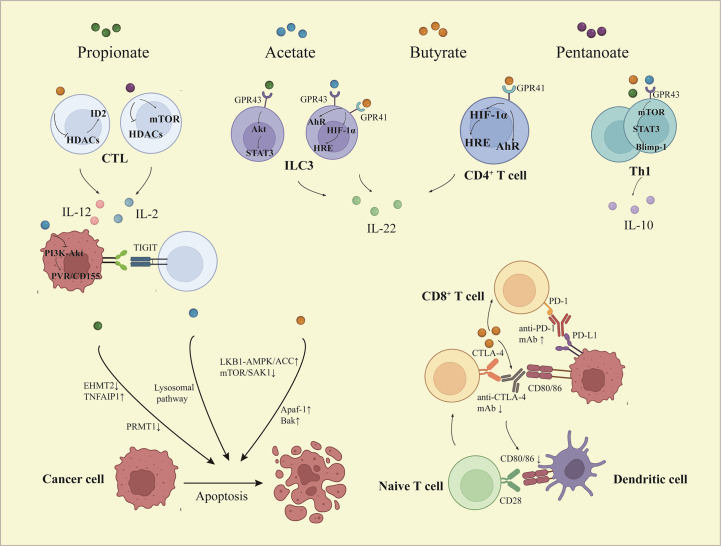
“Meanwhile, butyrate-promoted HIF-1a combination with the HRE of the IL-22 promoter involved histone acetylation (Figure 2) (57).”
BackgroundWild Mouse Gut Microbiota Promotes Host Fitness and Improves Disease Resistance
Rosshart, S. P., Vassallo, B. G., Angeletti, D., Hutchinson, D. S., Morgan, A. P., Takeda, K., Hickman, H. D., McCulloch, J. A., Badger, J. H., Ajami, N. J., et al. (2017) · Cell · doi:10.1016/j.cell.2017.09.016 · Cited by 862 · cited 1×
“Treatment of dextran sulfate sodium or azoxymethane can induce CRC in laboratory mice, and FMT from wild mice to experimental mice could improve this process (128).”
BackgroundLuu, M., Riester, Z., Baldrich, A., Reichardt, N., Yuille, S., Busetti, A., Klein, M., Wempe, A., Leister, H., Raifer, H., et al. (2021) · Nature Communications · doi:10.1038/s41467-021-24331-1 · Cited by 771 · cited 4×
“Pentanoate Clostridioides difficile; Megasphaera massiliensis (48) Increased the function of mTOR as a central cellular metabolic sensor and inhibited class I HDAC activity to enhance the anti-tumor activity of CTLs and CAR T cells (9), same as butyrate;”
BackgroundInfluentialHe, Y., Fu, L., Li, Y., Wang, W., Gong, M., Zhang, J., Dong, X., Huang, J., Wang, Q., Mackay, C. R., et al. (2021) · Cell Metabolism · doi:10.1016/j.cmet.2021.03.002 · Cited by 729 · cited 2×
“In addition, the level of butyrate was high in the serum of responder patients compared to nonresponder patients in CRC (61).”
BackgroundSun, M., Wu, W., Chen, L., Yang, W., Huang, X., Ma, C., Chen, F., Xiao, Y., Zhao, Y., Ma, C., et al. (2018) · Nature Communications · doi:10.1038/s41467-018-05901-2 · Cited by 658 · cited 1×
“In addition, SCFAs upregulated the expression of Blimp-1, which was associated with IL-10 production in Th1 cells and T cell function maintenance (Figure 2) (55).”
BackgroundWong, S. H., Zhao, L., Zhang, X., Nakatsu, G., Han, J., Xu, W., Xiao, X., Kwong, T. N. Y., Tsoi, H., Wu, W. K. K., et al. (2017) · Gastroenterology · doi:10.1053/j.gastro.2017.08.022 · Cited by 634 · cited 1×
“In carcinogen-inducing conventional mice or germ-free mice, FMT from patients with CRC reduced gut microbiota richness and promoted gastrointestinal tumor formation (127).”
BackgroundSalvi, P. S., & Cowles, R. A. (2021) · Cells · doi:10.3390/cells10071775 · Cited by 526
Systemic short chain fatty acids limit antitumor effect of CTLA-4 blockade in hosts with cancer
Coutzac, C., Jouniaux, J.-M., Paci, A., Schmidt, J., Mallardo, D., Seck, A., Asvatourian, V., Cassard, L., Saulnier, P., Lacroix, L., et al. (2020) · Nature Communications · doi:10.1038/s41467-020-16079-x · Cited by 513 · cited 1×
“By restraining dendritic cell maturation and T cell accumulation in TIME, SCFAs limited the therapeutic effect of anti-CTLA-4 mAb (Figure 2) (134).”
BackgroundChen, D., Jin, D., Huang, S., Wu, J., Xu, M., Liu, T., Dong, W., Liu, X., Wang, S., Zhong, W., et al. (2020) · Cancer Letters · doi:10.1016/j.canlet.2019.11.019 · Cited by 495 · cited 1×
“butyricum modulated Wnt/b-catenin signaling in Apc mice to reduce high-fat diet-induced CRC, suppressed colitis-associated colon cancer via inhibiting the NF-kB pathway, and enhanced the ICIs curative effect on lung cancer (85, 110, 111).”
BackgroundSelf-citationNomura, M., Nagatomo, R., Doi, K., Shimizu, J., Baba, K., Saito, T., Matsumoto, S., Inoue, K., & Muto, M. (2020) · JAMA Network Open · doi:10.1001/jamanetworkopen.2020.2895 · Cited by 396 · cited 1×
“Most recently, a cohort study has confirmed that SCFAs assumed potential biomarkers for identifying solid tumor patients who may benefit from PD-1 inhibitors (Nivolumab or Pembrolizumab) treatment (132).”
BackgroundEmens, L. A., Molinero, L., Loi, S., Rugo, H. S., Schneeweiss, A., Diéras, V., Iwata, H., Barrios, C. H., Nechaeva, M., Nguyen-Duc, A., et al. (2021) · JNCI: Journal of the National Cancer Institute · doi:10.1093/jnci/djab004 · Cited by 304 · cited 1×
“The treatment scheme based on the immune system, such as immune checkpoint inhibitors (ICIs), has been applied in the clinic (6, 7).”
The Microbial Metabolite Butyrate Induces Expression of Th1-Associated Factors in CD4+ T Cells
Kespohl, M., Vachharajani, N., Luu, M., Harb, H., Pautz, S., Wolff, S., Sillner, N., Walker, A., Schmitt-Kopplin, P., Boettger, T., et al. (2017) · Frontiers in Immunology · doi:10.3389/fimmu.2017.01036 · Cited by 294 · cited 1×
“Low butyrate concentration promoted the differentiation of CD4 T cells to Foxp3 Treg cells in a TGF-b1-dependent manner, while high butyrate concentration induced the T-bet expression and IFN-g release no matter what conditions and subpopulations (59).”
BackgroundDupraz, L., Magniez, A., Rolhion, N., Richard, M. L., Da Costa, G., Touch, S., Mayeur, C., Planchais, J., Agus, A., Danne, C., et al. (2021) · Cell Reports · doi:10.1016/j.celrep.2021.109332 · Cited by 274
Hou, H., Chen, D., Zhang, K., Zhang, W., Liu, T., Wang, S., Dai, X., Wang, B., Zhong, W., & Cao, H. (2022) · Cancer Letters · doi:10.1016/j.canlet.2021.11.027 · Cited by 263 · cited 1×
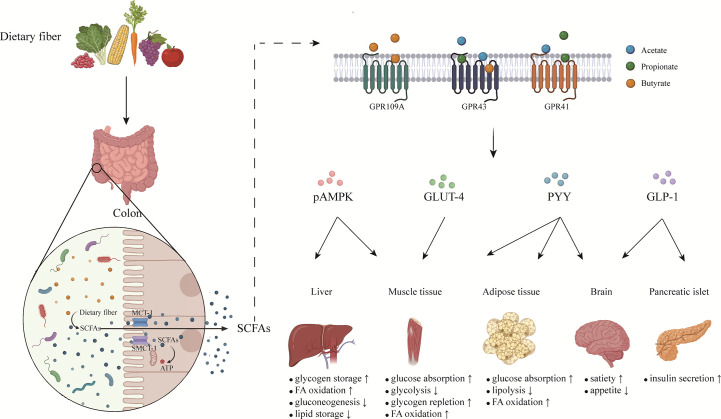
“Previous studies have summarized the role of SCFAs in regulating energy metabolism, protecting gut integrity, and ameliorating the inflammatory response (52), but the effects of SCFAs on the immune system have not attracted enough attention.”
BackgroundSelf-citationYuille, S., Reichardt, N., Panda, S., Dunbar, H., & Mulder, I. E. (2018) · PLOS ONE · doi:10.1371/journal.pone.0201073 · Cited by 257 · cited 1×
“Pentanoate Clostridioides difficile; Megasphaera massiliensis (48) Increased the function of mTOR as a central cellular metabolic sensor and inhibited class I HDAC activity to enhance the anti-tumor activity of CTLs and CAR T cells (9), same as butyrate;”
BackgroundTomita, Y., Ikeda, T., Sakata, S., Saruwatari, K., Sato, R., Iyama, S., Jodai, T., Akaike, K., Ishizuka, S., Saeki, S., et al. (2020) · Cancer Immunology Research · doi:10.1158/2326-6066.cir-20-0051 · Cited by 256 · cited 1×
“butyricum modulated Wnt/b-catenin signaling in Apc mice to reduce high-fat diet-induced CRC, suppressed colitis-associated colon cancer via inhibiting the NF-kB pathway, and enhanced the ICIs curative effect on lung cancer (85, 110, 111).”
BackgroundKong, C., Liang, L., Liu, G., Du, L., Yang, Y., Liu, J., Shi, D., Li, X., & Ma, Y. (2023) · Gut · doi:10.1136/gutjnl-2022-327156 · Cited by 254 · cited 1×
“In CRC patients, SCFAs were reduced and acetate metabolism was converted to acetyl-CoA (72).”
BackgroundZhang, S.-L., Mao, Y.-Q., Zhang, Z.-Y., Li, Z.-M., Kong, C.-Y., Chen, H.-L., Cai, P.-R., Han, B., Ye, T., & Wang, L.-S. (2021) · Theranostics · doi:10.7150/thno.54476 · Cited by 224 · cited 2×
“Furthermore, FMT confirmed the auxiliary effect of pectin on anti-PD-1 mAb (124).”
BackgroundChen, Y., Liu, Y., Wang, Y., Chen, X., Wang, C., Chen, X., Yuan, X., Liu, L., Yang, J., & Zhou, X. (2022) · Journal of Experimental & Clinical Cancer Research · doi:10.1186/s13046-021-02201-4 · Cited by 224 · cited 1×
“Supplementation of butyrate and recolonization of Prevotella loescheii relieved the cardiotoxicity and gut microbiota dysbiosis induced by BMS-1 (133).”
BackgroundChang, C.-W., Lee, H.-C., Li, L.-H., Chiang Chiau, J.-S., Wang, T.-E., Chuang, W.-H., Chen, M.-J., Wang, H.-Y., Shih, S.-C., Liu, C.-Y., et al. (2020) · International Journal of Molecular Sciences · doi:10.3390/ijms21020386 · Cited by 207 · cited 1×
“Transplanting the feces of healthy donor mice into FOLFOX-treated mice restored the composition of fecal intestinal microbiota destroyed after FOLFOX treatment and reduced the severity of diarrhea and intestinal mucosal inflammation (129).”
BackgroundHanus, M., Parada-Venegas, D., Landskron, G., Wielandt, A. M., Hurtado, C., Alvarez, K., Hermoso, M. A., López-Köstner, F., & De la Fuente, M. (2021) · Frontiers in Immunology · doi:10.3389/fimmu.2021.612826 · Cited by 199 · cited 1×
“Gut microbiota can influence the gut microenvironment by modulating specific bioactive metabolites of bacteria (2).”
BackgroundGut microbiota–derived short‐chain fatty acids regulate group 3 innate lymphoid cells in HCC
Hu, C., Xu, B., Wang, X., Wan, W., Lu, J., Kong, D., Jin, Y., You, W., Sun, H., Mu, X., et al. (2023) · Hepatology · doi:10.1002/hep.32449 · Cited by 199 · cited 12×
“The 16s RNA expression of butyrate-producing bacteria in HCC patients decreased, and butyrate supplementation could promote apoptosis and inhibit proliferation in HepG2 cells.”
BackgroundInfluentialSelf-citationFang, W., Xue, H., Chen, X., Chen, K., & Ling, W. (2019) · The Journal of Nutrition · doi:10.1093/jn/nxy324 · Cited by 163
Anticancer activity of lactic acid bacteria
Garbacz, K. (2022) · Seminars in Cancer Biology · doi:10.1016/j.semcancer.2021.12.013 · Cited by 162 · cited 1×
“Lactic acid-producing bacteria played a major role in controlling intestinal carcinogenesis because of SCFAs synthesis (118).”
Backgroundα-Ketoglutarate attenuates Wnt signaling and drives differentiation in colorectal cancer
Tran, T. Q., Hanse, E. A., Habowski, A. N., Li, H., Ishak Gabra, M. B., Yang, Y., Lowman, X. H., Ooi, A. M., Liao, S. Y., Edwards, R. A., et al. (2020) · Nature Cancer · doi:10.1038/s43018-020-0035-5 · Cited by 161 · cited 1×
“Meanwhile, a-KG attenuated methylation of DNA and histone H3K4me3, resulting in the Wnt signaling pathway being suppressed in CRC (94).”
BackgroundLi, Q., Cao, L., Tian, Y., Zhang, P., Ding, C., Lu, W., Jia, C., Shao, C., Liu, W., Wang, D., et al. (2018) · Molecular & Cellular Proteomics · doi:10.1074/mcp.ra118.000752 · Cited by 147 · cited 2×
“Butyrate-induced inhibition of aerobic glycolysis via promoting tetramerization and dephosphorylation of PKM2, thus reversing metabolic dominance in cancer cells (28).”
BackgroundRyu, T. Y., Kim, K., Han, T., Lee, M., Lee, J., Choi, J., Jung, K. B., Jeong, E.-J., An, D. M., Jung, C., et al. (2022) · The ISME Journal · doi:10.1038/s41396-021-01119-1 · Cited by 136 · cited 1×
“Promoted the proteasomal degradation of EHMT2 through HECTD2 upregulation to suppress CRC growth (19);”
BackgroundYue, X., Wen, S., Ding, L., Yan, M., Chang, S., Zhang, M., Shuang-yu, L., Qian, X., Ma, J., & Liang, W. (2022) · BMC Immunology · doi:10.1186/s12865-022-00495-3 · Cited by 133 · cited 1×
“Meanwhile, SCFAs impaired the pro-inflammatory effect of 5-FU and increased the expression of TJ protein in the mucosa (138).”
BackgroundMa, X., Zhou, Z., Zhang, X., Fan, M., Hong, Y., Feng, Y., Dong, Q., Diao, H., & Wang, G. (2020) · Cell Biology and Toxicology · doi:10.1007/s10565-020-09518-4 · Cited by 131
Marques, C., Oliveira, C. S., Alves, S., Chaves, S. R., Coutinho, O. P., Côrte‐Real, M., & Preto, A. (2013) · Cell Death and Disease · doi:10.1038/cddis.2013.29 · Cited by 129 · cited 2×
“From these, cathepsin D inhibitors may be considered a good option combined with acetate (12).”
BackgroundAwoniyi, M., Wang, J., Ngo, B., Meadows, V., Tam, J. W., Viswanathan, A., Lai, Y., Montgomery, S. A., Farmer, M., Kummen, M., et al. (2022) · Gut · doi:10.1136/gutjnl-2021-326500 · Cited by 129 · cited 1×
“It has been proved that oral SCFAs can inhibit fibrosis in mdr mice treated with vancomycin (98).”
BackgroundZhao, Z., Wang, Z., Zhou, D., Han, Y., Ma, F., Hu, Z., Xin, F., Liu, X., Ren, T., Zhang, F., et al. (2021) · Cellular and Molecular Gastroenterology and Hepatology · doi:10.1016/j.jcmgh.2021.05.006 · Cited by 126 · cited 1×
“Moreover, butyrate induced alteration of the hepatic lipid profile and alleviated hepatic steatosis to treat NAFLD relying on the regulation of the LKB1-AMPK-Insig signaling pathway (103).”
BackgroundImmune Regulatory Processes of the Tumor Microenvironment under Malignant Conditions
Pansy, K., Uhl, B., Krstić, J., Szmyra, M., Fechter, K., Santiso, A., Thüminger, L., Greinix, H., Kargl, J., Prochazka, K. T., et al. (2021) · International Journal of Molecular Sciences · doi:10.3390/ijms222413311 · Cited by 124 · cited 1×
“TIME, consisting of tumor-infiltrating immune cells, tumorassociated other cells, tumor cells, and extracellular matrix, attracts more andmore attention (5).”
BackgroundAvuthu, N., & Guda, C. (2022) · Microbiology Spectrum · doi:10.1128/spectrum.00013-22 · Cited by 123 · cited 1×
“CRC and intimately associated with its progression (82).”
BackgroundPanebianco, C., Villani, A., Pisati, F., Orsenigo, F., Ulaszewska, M., Latiano, T. P., Potenza, A., Andolfo, A., Terracciano, F., Tripodo, C., et al. (2022) · Biomedicine & Pharmacotherapy · doi:10.1016/j.biopha.2022.113163 · Cited by 123 · cited 2×
“Slowed proliferation, promoted apoptosis, improved intestinal integrity and microbiota composition, and affected cancer stromatogenesis, serum metabolome and lipidome in pancreatic cancer with or without gemcitabine (49).”
BackgroundSodium butyrate in both prevention and supportive treatment of colorectal cancer
Kaźmierczak-Siedlecka, K., Marano, L., Merola, E., Roviello, F., & Połom, K. (2022) · Frontiers in Cellular and Infection Microbiology · doi:10.3389/fcimb.2022.1023806 · Cited by 123 · cited 1×
“In addition, butyrate maintains the integrity of the intestinal barrier by promoting epithelial cell proliferation, increasing the mucus layer, and improving tight junctions (79).”
BackgroundThe role of key gut microbial metabolites in the development and treatment of cancer
Jaye, K., Li, C. G., Chang, D., & Bhuyan, D. J. (2022) · Gut Microbes · doi:10.1080/19490976.2022.2038865 · Cited by 122 · cited 1×
“Compared with other SCFAs, butyrate has a stronger inhibitory effect on CRC cell lines (78).”
BackgroundClostridium butyricum modulates gut microbiota and reduces colitis associated colon cancer in mice
Liu, M., Xie, W., Wan, X., & Deng, T. (2020) · International Immunopharmacology · doi:10.1016/j.intimp.2020.106862 · Cited by 118 · cited 1×
“butyricum modulated Wnt/b-catenin signaling in Apc mice to reduce high-fat diet-induced CRC, suppressed colitis-associated colon cancer via inhibiting the NF-kB pathway, and enhanced the ICIs curative effect on lung cancer (85, 110, 111).”
BackgroundGeng, H.-W., Yin, F.-Y., Zhang, Z.-F., Gong, X., & Yang, Y. (2021) · Frontiers in Molecular Biosciences · doi:10.3389/fmolb.2021.634874 · Cited by 118 · cited 3×
“The membrane content of GLUT1 and cytoplasmic level of G6PD were decreased in response to butyrate and contributed to decreased glucose absorption and utilization, and this process was dictated by the GPR109a-AKT pathway (39).”
BackgroundOmega-3 polyunsaturated fatty acids as adjuvant therapy of colorectal cancer
Volpato, M., & Hull, M. A. (2018) · Cancer and Metastasis Reviews · doi:10.1007/s10555-018-9744-y · Cited by 117 · cited 1×
“Studies have shown that some PUFAs can assist chemotherapeutic drugs 5-FU and oxaliplatin for colorectal cancer and reduce side effects (125, 126).”
BackgroundDikeocha, I. J., Al-Kabsi, A. M., Chiu, H.-T., & Alshawsh, M. A. (2022) · Biomedicines · doi:10.3390/biomedicines10051128 · Cited by 116
Gomes, S. D., Oliveira, C. S., Azevedo-Silva, J., Casanova, M. R., Barreto, J., Pereira, H., Chaves, S. R., Rodrigues, L. R., Casal, M., Côrte-Real, M., et al. (2020) · Current Medicinal Chemistry · doi:10.2174/0929867325666180530102050 · Cited by 115
Li, Q., Ding, C., Meng, T., Lu, W., Liu, W., Hao, H., & Cao, L. (2017) · Journal of Pharmacological Sciences · doi:10.1016/j.jphs.2017.11.004 · Cited by 113 · cited 4×
“AcK acetate thiokinase ACC 1-aminocyclopropane-1-carboxylic acid ACSS2 acetyl-CoA synthetase 2 AhR aryl hydrocarbon receptor a-KG a-ketoglutarate AFLD alcoholic fatty liver disease AKT the protein kinase B AMPK AMP-activated protein kinase ARE antioxidant response element BIRC5 baculoviral inhibitor of apoptosis repea…”
BackgroundInfluentialTargeting the acetylation signaling pathway in cancer therapy
Dang, F., & Wei, W. (2022) · Seminars in Cancer Biology · doi:10.1016/j.semcancer.2021.03.001 · Cited by 109 · cited 2×
“It is reported that abnormal activation of HDACs exists in several types of cancer (51).”
BackgroundKibbie, J. J., Dillon, S. M., Thompson, T. A., Purba, C. M., McCarter, M. D., & Wilson, C. C. (2021) · Immunobiology · doi:10.1016/j.imbio.2021.152126 · Cited by 109 · cited 1×
“This correlated strongly with histone acetylation and GPR43 activation (60).”
BackgroundZhou, W., Zhang, D., Li, Z., Jiang, H., Li, J., Ren, R., Gao, X., Li, J., Wang, X., Wang, W., et al. (2021) · Journal of Translational Medicine · doi:10.1186/s12967-021-02882-7 · Cited by 108 · cited 1×
“It is found that the levels of propionate and butyrate were reduced and the composition of fecal microbiota was altered in patients with pancreatic ductal adenocarcinoma compared to controls (104, 105).”
BackgroundSelf-citationChen, L., Zhou, X., Wang, Y., Wang, D., Ke, Y., & Zeng, X. (2021) · Molecular Nutrition & Food Research · doi:10.1002/mnfr.202100096 · Cited by 101 · cited 1×
“Treatment with VSL#3 probiotics increased the levels of propionate and butyrate, resulting in recruiting Th17 cells via the CCL20/CCR6 axis to attenuate lung metastasis of melanoma (119).”
BackgroundAlvandi, E., Wong, W. K. M., Joglekar, M. V., Spring, K. J., & Hardikar, A. A. (2022) · BMC Medicine · doi:10.1186/s12916-022-02529-4 · Cited by 101
Park, M., Kwon, J., Shin, H., Moon, S., Kim, S. W., Shin, U. S., Han, Y., & Kim, Y. (2020) · International Journal of Oncology · doi:10.3892/ijo.2020.5132 · Cited by 95 · cited 7×
“HDAC antagonist occurred a similar effect, while GPCRs agonists did not, whichmeans this function of SCFAs may be achieved by inhibiting HDAC activity (15).”
BackgroundInfluentialCousin, F. J., Jouan-Lanhouet, S., Théret, N., Brenner, C., Jouan, E., Le Moigne-Muller, G., Dimanche-Boitrel, M.-T., & Jan, G. (2016) · Oncotarget · doi:10.18632/oncotarget.6881 · Cited by 93
Butyrate Drives Metabolic Rewiring and Epigenetic Reprogramming in Human Colon Cancer Cells
Wang, L., Shannar, A., Wu, R., Chou, P. J., Sarwar, M. S., Kuo, H. D., Peter, R. M., Wang, Y., Su, X., & Kong, A. T. (2022) · Molecular Nutrition & Food Research · doi:10.1002/mnfr.202200028 · Cited by 88 · cited 2×
“Induced the apoptosis and autophagy and inhibited of CRC cell proliferation, invasion, and metastasis through the following mechanisms: Activating LKB1/AMPK/ACC axis (23); Inducing cell cycle arrest at the G2 phase with a drop in S-phase fraction (24); Enhancing miR-200c expression-mediated downregulation of BMI-1and…”
BackgroundCao, W., Zheng, C., Xu, X., Jin, R., Huang, F., Shi, M., He, Z., Luo, Y., Liu, L., Liu, Z., et al. (2022) · Frontiers in Immunology · doi:10.3389/fimmu.2022.1076245 · Cited by 87 · cited 1×
“butyricum) after gastrectomy could increase the concentrations of SCFAs, enhance immunity, reduce inflammation, and prevent postoperative complications (67).”
BackgroundSelf-citationPant, K., Saraya, A., & Venugopal, S. K. (2017) · Chemico-Biological Interactions · doi:10.1016/j.cbi.2017.06.001 · Cited by 83 · cited 1×
“Previous studies indicated that butyrate inhibited the AKT/ mTOR pathway by increasing ROS generation, thus contributing to apoptosis and autophagy of Huh 7 cells (97).”
BackgroundButyrate and propionate restore interleukin 13‐compromised esophageal epithelial barrier function
Kleuskens, M. T. A., Haasnoot, M. L., Herpers, B. M., van Ampting, M. T. J., Bredenoord, A. J., Garssen, J., Redegeld, F. A., & van Esch, B. C. A. M. (2021) · Allergy · doi:10.1111/all.15069 · Cited by 82 · cited 2×
“HDAC antagonist occurred a similar effect, while GPCRs agonists did not, whichmeans this function of SCFAs may be achieved by inhibiting HDAC activity (15).”
BackgroundHuang, J., Zheng, X., Kang, W., Hao, H., Mao, Y., Zhang, H., Chen, Y., Tan, Y., He, Y., Zhao, W., et al. (2022) · Frontiers in Immunology · doi:10.3389/fimmu.2022.874922 · Cited by 78 · cited 1×
“FMT enhanced the antiPD-1 therapy efficacy by increasing the diversity of microbiota and modulating immune function (130).”
BackgroundWang, W., Fang, D., Zhang, H., Xue, J., Wangchuk, D., Du, J., & Jiang, L. (2020) · OncoTargets and Therapy · doi:10.2147/ott.s235575 · Cited by 77 · cited 13×
“The membrane content of GLUT1 and cytoplasmic level of G6PD were decreased in response to butyrate and contributed to decreased glucose absorption and utilization, and this process was dictated by the GPR109a-AKT pathway (39).”
BackgroundInfluentialArayıcı, M. E., Mert-Ozupek, N., Yalçın, F., Başbınar, Y., & Ellıdokuz, H. (2021) · Nutrition and Cancer · doi:10.1080/01635581.2021.2008990 · Cited by 77
Short chain fatty acids delay the development of hepatocellular carcinoma in HBx transgenic mice
McBrearty, N., Arzumanyan, A. L., Bichenkov, E., Merali, S., Merali, C., & Feitelson, M. A. (2021) · Neoplasia · doi:10.1016/j.neo.2021.04.004 · Cited by 76 · cited 2×
“Along with the downregulation of HBx-related pathways, SCFAs resulted in the incremental expression of tumor suppressor DAB2, which suppressed RAS activity and thus delayed the progress of HCC (41).”
BackgroundLee, S. Y., Lee, D. Y., Kang, J. H., Kim, J. H., Jeong, J. W., Kim, H. W., Oh, D. H., Yoon, S. H., & Hur, S. J. (2022) · Food Research International · doi:10.1016/j.foodres.2022.111327 · Cited by 73 · cited 1×
“Probiotics can fight against gastrointestinal tumors by increasing the abundance of gut microbiota, regulating the activities of some enzymes that contribute to the production of carcinogenic compounds and improving the intestinal barrier (107).”
BackgroundKobayashi, M., Mikami, D., Uwada, J., Yazawa, T., Kamiyama, K., Kimura, H., Taniguchi, T., & Iwano, M. (2018) · Oncotarget · doi:10.18632/oncotarget.25809 · Cited by 72 · cited 1×
“Studies showed that propionate induced TNF-a expression by activating GPR41 and increased cisplatin-induced activation of caspase-3, thereby mediating HepG2 apoptosis (99).”
BackgroundZeng, H., Hamlin, S. K., Safratowich, B. D., Cheng, W., & Johnson, L. K. (2020) · Nutrition Research · doi:10.1016/j.nutres.2020.08.009 · Cited by 72
Mandaliya, D. K., Patel, S. J., & Seshadri, S. (2020) · Inflammation · doi:10.1007/s10753-020-01309-7 · Cited by 70
Short-chain fatty acid modulation of apoptosis in the kato III human gastric carcinoma cell line
Matthews, G. M., Howarth, G. S., & Butler, R. N. (2007) · Cancer Biology & Therapy · doi:10.4161/cbt.6.7.4318 · Cited by 66 · cited 1×
“Induced apoptosis and necrosis in Kato III cells and arrested cells in the G2-M phase by increasing OPP activity and decreasing GSH availability, coincided with butyrate (16);”
BackgroundThioredoxin-1 promotes colorectal cancer invasion and metastasis through crosstalk with S100P
Lin, F., Zhang, P., Zuo, Z., Wang, F., Bi, R., Shang, W., Wu, A., Ju, Y., Li, S., Sun, X., et al. (2017) · Cancer Letters · doi:10.1016/j.canlet.2017.04.036 · Cited by 64 · cited 14×
“The membrane content of GLUT1 and cytoplasmic level of G6PD were decreased in response to butyrate and contributed to decreased glucose absorption and utilization, and this process was dictated by the GPR109a-AKT pathway (39).”
BackgroundInfluentialSelf-citationCao, M., Zhang, Z., Han, S., & Lu, X. (2019) · Molecular Medicine Reports · doi:10.3892/mmr.2019.10002 · Cited by 62 · cited 2×
“Butyrate silenced SIRT-1 belonging to the HDAC family to deactivate mTOR/S6K1 signaling, thus attenuating growth and promoting apoptosis of HCT-116 cells (32).”
BackgroundYu, Q., Dai, W., Ji, J., Wu, L., Feng, J., Li, J., Zheng, Y., Li, Y., Cheng, Z., Zhang, J., et al. (2022) · Journal of Cellular and Molecular Medicine · doi:10.1111/jcmm.17322 · Cited by 62 · cited 2×
“By reducing HK2 dependent on c-myc signaling, butyrate resisted glycolysis to enhance the efficacy of sorafenib (44).”
BackgroundSelf-citationGaravaglia, B., Vallino, L., Ferraresi, A., Esposito, A., Salwa, A., Vidoni, C., Gentilli, S., & Isidoro, C. (2022) · Biomedicines · doi:10.3390/biomedicines10051131 · Cited by 61 · cited 2×
“Moreover, butyrate induced CRC cells autophagy through activation of the LKB1-AMPK/ACC signaling pathway and degradation of b-catenin (23, 34).”
BackgroundDikeocha, I. J., Al-Kabsi, A. M., Eid, E. E. M., Hussin, S., & Alshawsh, M. A. (2021) · Nutrition Reviews · doi:10.1093/nutrit/nuab006 · Cited by 60
Xu, Z., Tao, J., Chen, P., Chen, L., Sharma, S. P., Wang, G., & Dong, Q. (2018) · Molecular Nutrition & Food Research · doi:10.1002/mnfr.201700844 · Cited by 58 · cited 7×
“Butyrate and HDAC6 inhibitors have synergistic effects on preventing proliferation, migration, and EMT (45).”
BackgroundInfluentialBian, Z., Sun, X., Liu, L., Qin, Y., Zhang, Q., Liu, H., Mao, L., & Sun, S. (2023) · Cancers · doi:10.3390/cancers15020423 · Cited by 57 · cited 1×
“In addition, iron death is the way iron-dependent cells die programmatically, and butyrate induces iron death in CRC cells through the CD44/SLC7A11 signaling pathway (96).”
BackgroundHøgh, R. I., Møller, S. H., Jepsen, S. D., Mellergaard, M., Lund, A., Pejtersen, M., Fitzner, E., Andresen, L., & Skov, S. (2020) · The FASEB Journal · doi:10.1096/fj.202000162r · Cited by 56 · cited 2×
“This effect of propionate was closely related to the PEPCK-M enzyme and mTORC2/PDK1/AKT pathway which mediate tumor suppressor protein p21 expression (17).”
BackgroundZhang, C., Ma, K., Nie, K., Deng, M., Luo, W., Wu, X., Huang, Y., & Wang, X. (2022) · Frontiers in Microbiology · doi:10.3389/fmicb.2022.973046 · Cited by 54
Self-citationButyrate ameliorates colorectal cancer through regulating intestinal microecological disorders
Kang, J., Sun, M., Chang, Y., Chen, H., Zhang, J., Liang, X., & Xiao, T. (2022) · Anti-Cancer Drugs · doi:10.1097/cad.0000000000001413 · Cited by 54
Acetate Induces Growth Arrest in Colon Cancer Cells Through Modulation of Mitochondrial Function
Sahuri-Arisoylu, M., Mould, R. R., Shinjyo, N., Bligh, S. W. A., Nunn, A. V. W., Guy, G. W., Thomas, E. L., & Bell, J. D. (2021) · Frontiers in Nutrition · doi:10.3389/fnut.2021.588466 · Cited by 53 · cited 3×
“Reduced proliferation and glycolysis and increased both oxygen consumption and ROS levels in CRC cells (13);”
BackgroundSun, X., & Zhu, M. J. (2018) · Molecular Nutrition & Food Research · doi:10.1002/mnfr.201700932 · Cited by 51 · cited 1×
“Considering as a signaling molecule, a-KG affected the demethylation of MSH2 and MLH1 related to apoptosis (93).”
BackgroundSodium butyrate induces autophagy in colorectal cancer cells through LKB1/AMPK signaling
Luo, S., Li, Z., Mao, L., Chen, S., & Sun, S. (2018) · Journal of Physiology and Biochemistry · doi:10.1007/s13105-018-0651-z · Cited by 51 · cited 2×
“Moreover, butyrate induced CRC cells autophagy through activation of the LKB1-AMPK/ACC signaling pathway and degradation of b-catenin (23, 34).”
BackgroundRyu, T. Y., Kim, K., Son, M., Min, J., Kim, J., Han, T.-S., Kim, D., & Cho, H. (2018) · Oncology Reports · doi:10.3892/or.2018.6938 · Cited by 51 · cited 2×
“Propionate resulted in downregulated expression of PRMT1 by preventing p70 S6 kinase phosphorylation, leading to selective death of CRC cells (18).”
BackgroundButyrate, a new microbiota-dependent player in CD8+ T cells immunity and cancer therapy?
Danne, C., & Sokol, H. (2021) · Cell Reports Medicine · doi:10.1016/j.xcrm.2021.100328 · Cited by 51 · cited 1×
“The concentrations of SCFAs and the abundance of SCFAsproducing bacteria in patients who responded to anti-PD-1 immunotherapy were significantly higher than those in nonresponders (131).”
BackgroundGheorghe, A. S., Negru, S. M., Preda, M., Mihăilă, R. I., Komporaly, I. A., Dumitrescu, E. A., Lungulescu, C. V., Kajanto, L. A., Georgescu, B., Radu, E. A., et al. (2022) · Nutrients · doi:10.3390/nu14061152 · Cited by 50
Sánchez-Alcoholado, L., Laborda-Illanes, A., Otero, A., Ordóñez, R., González-González, A., Plaza-Andrades, I., Ramos-Molina, B., Gómez-Millán, J., & Queipo-Ortuño, M. I. (2021) · International Journal of Molecular Sciences · doi:10.3390/ijms22179549 · Cited by 49 · cited 1×
“Frontiers in Immunology 09 Clinical research found that after preoperative neoadjuvant radiochemotherapy, responder CRC patients show more enriched levels of butyrate-producing bacteria and SCFAs in the feces than those who did not (135).”
BackgroundPant, K., Mishra, A. K., Pradhan, S. M., Nayak, B., Das, P., Shalimar, S., Saraya, A., & Venugopal, S. K. (2018) · Molecular Carcinogenesis · doi:10.1002/mc.22946 · Cited by 47 · cited 2×
“Modulated SIRT-1/Ac-p53 regulatory axis to inhibit HBV replication and HCC cell proliferation (40);”
BackgroundZhang, T., Li, J., Liu, C., Guo, M., Gao, C., Zhou, L., Long, Y., & Xu, Y. (2021) · Annals of Translational Medicine · doi:10.21037/atm-21-2158 · Cited by 46 · cited 5×
“Moreover, butyrate induced alteration of the hepatic lipid profile and alleviated hepatic steatosis to treat NAFLD relying on the regulation of the LKB1-AMPK-Insig signaling pathway (103).”
BackgroundInfluentialMicrobiota-Derived Short-Chain Fatty Acids: New Road in Colorectal Cancer Therapy
Gomes, S., Baltazar, F., Silva, E., & Preto, A. (2022) · Pharmaceutics · doi:10.3390/pharmaceutics14112359 · Cited by 46
Xi, Y., Jing, Z., Wu, W., Zhang, C., Quan, Q., Zhou, Q., Jiamin, X., & Han, S. (2021) · BMC Cancer · doi:10.1186/s12885-021-07845-1 · Cited by 43 · cited 1×
“Moreover, butyrate triggered a cell cycle block at the G1 phase requiring a complicated lncRNA-miRNA-mRNA regulatory network (89).”
BackgroundAlterations in gut microbiota of esophageal squamous cell carcinoma patients
Cheung, M. K., Yue, G. G., Lauw, S., Li, C. S. Y., Yung, M. Y., Ng, S. C., Yip, H. C., Kwan, H. S., Chiu, P. W. Y., & Lau, C. B. (2022) · Journal of Gastroenterology and Hepatology · doi:10.1111/jgh.15941 · Cited by 43 · cited 1×
“The alterations of gut microbiota composition in patients with esophageal squamous cell carcinoma could be observed, butyrate-producing bacteria decreased, while pro-inflammatory and carcinogenic bacteria increased (63).”
BackgroundAoe, S., Yamanaka, C., Fuwa, M., Tamiya, T., Nakayama, Y., Miyoshi, T., & Kitazono, E. (2019) · PLoS ONE · doi:10.1371/journal.pone.0218118 · Cited by 42 · cited 14×
“The promotional effect of cytotoxic T lymphocytes (CTLs) mediated anti-tumor responses treated with butyrate was dependent on a transcriptional regulator called ID2, whose level was much higher in CD8+ T cells in TIME.”
BackgroundInfluentialLi, Y., He, P., Liu, Y., Qi, M., & Dong, W. (2021) · Frontiers in Pharmacology · doi:10.3389/fphar.2021.708093 · Cited by 41 · cited 2×
“In the nude mouse xenograft tumor model, butyrate-cisplatin treatment suppressed the growth, migration, and invasion of gastric cancer cells and accelerated apoptosis relying on the mitochondrial apoptotic pathway (20).”
BackgroundGut Microbiota Eubacterium callanderi Exerts Anti-Colorectal Cancer Activity
Ryu, S. W., Kim, J., Oh, B. S., Choi, W. J., Yu, S. Y., Bak, J. E., Park, S., Kang, S. W., Lee, J., Jung, W. Y., et al. (2022) · Microbiology Spectrum · doi:10.1128/spectrum.02531-22 · Cited by 41
Hashimoto, S., Tochio, T., Funasaka, K., Funahashi, K., Hartanto, T., Togashi, Y., Saito, M., Nishimoto, Y., Mizuguchi, Y., Nakaoka, K., et al. (2022) · Scandinavian Journal of Gastroenterology · doi:10.1080/00365521.2022.2114812 · Cited by 38
Botta, C., Spyridopoulou, K., Bertolino, M., Rantsiou, K., Chlichlia, K., & Cocolin, L. (2022) · Biomedicine & Pharmacotherapy · doi:10.1016/j.biopha.2022.112755 · Cited by 38
Kim, Y. L., Lee, W., Chung, S. H., Yu, B. M., Lee, Y. C., & Hong, J. (2022) · Life Sciences · doi:10.1016/j.lfs.2022.121010 · Cited by 38
Xu, Z., Zhou, Z., Zhang, J., Xuan, F., Fan, M., Zhou, D., Liuyang, Z., Ma, X., Hong, Y., Wang, Y., et al. (2020) · Acta Pharmaceutica Sinica B · doi:10.1016/j.apsb.2020.11.018 · Cited by 37
Klepinina, L., Klepinin, A., Truu, L., Chekulayev, V. A., Vija, H., Kuus, K., Teino, I., Pook, M., Maimets, T., & Käämbre, T. (2021) · PLoS ONE · doi:10.1371/journal.pone.0245348 · Cited by 37 · cited 2×
“For CRC cells, the metabolic change in response to butyrate was reflected in promoting oxidative metabolism rather than glycolysis (38).”
BackgroundRole of microbiota and microbiota‐derived short‐chain fatty acids in PDAC
TEMEL, H. Y., Kaymak, Ö., Kaplan, S., Bahcivanci, B., Gkoutos, G. V., & Acharjee, A. (2022) · Cancer Medicine · doi:10.1002/cam4.5323 · Cited by 36 · cited 1×
“Frontiers in Immunology 08 SCFAs can regulate multiple signal pathways to interfere with the progress of pancreatic cancer, and may also be used as early cancer predictive markers (106).”
BackgroundSałkowska, A., Karaś, K., Walczak‐Drzewiecka, A., Dastych, J., & Ratajewski, M. (2017) · Journal of Leukocyte Biology · doi:10.1189/jlb.6a0617-217r · Cited by 35 · cited 1×
“Butyrate increased the expression of RORgT in differentiated Th17 cells by acetylating H4K16 but had no response to naive CD4 T cells under the Th17 polarization condition (58).”
BackgroundZuo, Z., Zhang, P., Lin, F., Shang, W., Bi, R., Lu, F., Wu, J., & Jiang, L. (2018) · Journal of Cellular and Molecular Medicine · doi:10.1111/jcmm.13541 · Cited by 35 · cited 13×
“The membrane content of GLUT1 and cytoplasmic level of G6PD were decreased in response to butyrate and contributed to decreased glucose absorption and utilization, and this process was dictated by the GPR109a-AKT pathway (39).”
BackgroundInfluentialSelf-citationSynergistic effect of sodium butyrate and oxaliplatin on colorectal cancer
Han, S., Yangyanqiu, W., Chu, J., Boyang, H., Chen, G., & Jing, Z. (2022) · Translational Oncology · doi:10.1016/j.tranon.2022.101598 · Cited by 35 · cited 1×
“Butyrate can be used as the synergist of oxaliplatin to synergistically enhance the anti-cancer effect (136).”
BackgroundAbbati, G., Incerti, F., Boarini, C., Pileri, F., Bocchi, D., Ventura, P., Buzzetti, E., & Pietrangelo, A. (2018) · Internal and Emergency Medicine · doi:10.1007/s11739-018-1993-9 · Cited by 34 · cited 1×
“Regulated miRNAs and related oncogenic pathways to inhibit the proliferation and migration in KATO III cells (21);”
BackgroundRodríguez‐Enríquez, S., Robledo‐Cadena, D. X., Gallardo‐Pérez, J. C., Pacheco-Velázquez, S. C., Vázquez, C., Saavedra, E., Vargas-Navarro, J. L., Blanco-Carpintero, B. A., Marín‐Hernández, Á., Jasso‐Chávez, R., et al. (2021) · Frontiers in Oncology · doi:10.3389/fonc.2021.697408 · Cited by 33 · cited 1×
“Nevertheless, butyrate or propionate drove apoptosis of two cell lines via the mitochondrial pathway at physiological doses (74).”
BackgroundHernández-Rosas, F., Hernández‐Oliveras, A., Flores‐Peredo, L., Rodr�guez, G., Zarain‐Herzberg, �., Caba, M., & Santiago-García, J. (2018) · Oncology Letters · doi:10.3892/ol.2018.8851 · Cited by 31 · cited 17×
“Since naive T cells expressed without GPR41 and GPR43 at functional levels, SCFAs could directly affect the differentiation of naive T cells relying on HDACs inhibitor activity.”
BackgroundInfluentialKurata, N., Tokashiki, N., Fukushima, K., Misao, T., Hasuoka, N., Kitagawa, K., Mashimo, M., Regan, J. W., Murayama, T., & Fujino, H. (2019) · European Journal of Pharmacology · doi:10.1016/j.ejphar.2019.04.014 · Cited by 29 · cited 2×
“Distinguished from other SCFAs, butyrate reversed the excessive expression of prostaglandin EP4 receptors and the production of cyclooxygenase-2 to reduce phenotypic alteration from normal cells to cancer (43).”
BackgroundYu, T., Ji, L., Lou, L., Ye, S., Fang, X., Li, C., Jiang, F., Gao, H., Lou, Y., & Li, X. (2022) · Frontiers in Microbiology · doi:10.3389/fmicb.2022.841157 · Cited by 27 · cited 1×
“2 Propionate The content of propionate in colorectal cancer tissue decreased, and the addition of propionate to the SW480 cell line significantly inhibited growth (75).”
BackgroundChang, C., Kao, W., Liu, C., Su, H.-H., Kan, Y.-A., Lin, P., Ku, W., Chang, K., Yang, R., & Huang, C. (2022) · International Journal of Oncology · doi:10.3892/ijo.2022.5354 · Cited by 27 · cited 1×
“Butyrate supplementation reversed the overexpression of CSE1L and appeared to show synergy with p53, eventually arresting cancer cells at the G1 and G2/M phases (90).”
BackgroundBrody, L., Sahuri-Arisoylu, M., Parkinson, J. R. C., Parkes, H. G., So, P., Hajji, N., Thomas, E. L., Frost, G. S., Miller, A. D., & Bell, J. D. (2017) · International Journal of Nanomedicine · doi:10.2147/ijn.s135968 · Cited by 26 · cited 1×
“1 Acetate Acetate can enhance apoptosis and reduce proliferation in cancer cells and has been confirmed in different CRC cell lines (71), so it has become a key factor in the treatment of CRC, but the concrete mechanism remains unclear.”
BackgroundAcetate decreases PVR/CD155 expression via PI3K/AKT pathway in cancer cells
Tran, N. L., Lee, I. K., Choi, J., Kim, S., & Oh, S. J. (2021) · BMB Reports · doi:10.5483/bmbrep.2021.54.8.060 · Cited by 26 · cited 4×
“Based on the above discussion, the efficacy of ICIs may benefit from acetate (8).”
BackgroundInfluentialAcetic acid is an oxidative stressor in gastric cancer cells
Terasaki, M., Ito, H., Kurokawa, H., Tamura, M., Okabe, S., Matsui, H., & Hyodo, I. (2018) · Journal of Clinical Biochemistry and Nutrition · doi:10.3164/jcbn.17-49 · Cited by 25 · cited 2×
“A large amount of acetate intake increased ROS production and MCT1 expression in gastric cancer cells (10).”
BackgroundSrikham, K., & Thirabunyanon, M. (2022) · Biomedicine & Pharmacotherapy · doi:10.1016/j.biopha.2022.112871 · Cited by 24 · cited 1×
“Streptococcus salivarius adhered directly and induced apoptosis in cancer cells, promoted the production of SCFAs, and regulated the activated B and T lymphocytes (109).”
BackgroundSanaei, M., & Kavoosi, F. (2022) · Asian Pacific Journal of Cancer Prevention · doi:10.31557/apjcp.2022.23.3.795 · Cited by 24 · cited 2×
“After the treatment of butyrate, the upregulation of p16INK4a, p14ARF, and p15INK4b mediated by inhibiting HDACs activities can be observed in AsPC-1 (47).”
BackgroundButyrate Inhibits Gastric Cancer Cells by Inducing Mitochondriamediated Apoptosis
Wang, F., Huang, Y., Zhang, K., Ji, X., Song, Z., Wu, F., Qu, Y., Jin, X., & Xue, X. (2022) · Combinatorial Chemistry & High Throughput Screening · doi:10.2174/1386207325666220720114642 · Cited by 24 · cited 1×
“In addition, butyrate alone can induce apoptosis of gastric cancer cells by mitochondrial pathway, which has been confirmed in human cell lines BGC-823 and SGC-7901 (68).”
BackgroundSelf-citationShort‑chain fatty acid butyrate: A novel shield against chronic gastric ulcer
Zhou, Y., Ji, X., Chen, J., Fu, Y., Huang, J., Guo, R., Zhou, J., Cen, J., Zhang, Q., Chu, A., et al. (2021) · Experimental and Therapeutic Medicine · doi:10.3892/etm.2021.9760 · Cited by 23
Pyruvate kinase M1 regulates butyrate metabolism in cancerous colonocytes
Park, B., Kim, J. Y., Riffey, O. F., Dowker-Key, P. D., Bruckbauer, A., McLoughlin, J. M., Bettaieb, A., & Donohoe, D. R. (2022) · Scientific Reports · doi:10.1038/s41598-022-12827-9 · Cited by 23 · cited 1×
“Research showed that enhanced glycolysis and reduced utilization of butyrate in CRC resulted from the decrease of pyruvate kinase M1 (95).”
BackgroundKumar, M., Kaur, R., Kanthaje, S., Dhiman, R. K., & Chakraborti, A. (2022) · Journal of Cancer Research and Clinical Oncology · doi:10.1007/s00432-022-04544-7 · Cited by 22 · cited 13×
“Decreased the expression of both sorafenib-targeted miR-7641 and miR-199 in HCC (42);”
BackgroundInfluentialAcss2/HIF-2 signaling facilitates colon cancer growth and metastasis
Garcia, J. A., Chen, R., Xu, M., Comerford, S. A., Hammer, R. E., Melton, S. D., & Feagins, L. A. (2023) · PLoS ONE · doi:10.1371/journal.pone.0282223 · Cited by 22 · cited 1×
“At the same time, acetate promoted the growth of HCT-116- and HT-29-derived tumors by activating the ACSS2/HIF-2 signaling pathway in the presence of glucose deficiency (73).”
BackgroundPant, K., Richard, S., & Gradilone, S. A. (2022) · Frontiers in Cell and Developmental Biology · doi:10.3389/fcell.2021.809382 · Cited by 21 · cited 6×
“Butyrate and HDAC6 inhibitors have synergistic effects on preventing proliferation, migration, and EMT (45).”
BackgroundInfluentialDoublier, S., Cirrincione, S., Scardaci, R., Botta, C., Lamberti, C., Giuseppe, F. D., Angelucci, S., Rantsiou, K., Cocolin, L., & Pessione, E. (2022) · Microbiological Research · doi:10.1016/j.micres.2022.127012 · Cited by 21 · cited 1×
“Lactobacillus rhamnosusGGATCC 53103, Limosilactobacillus reuteri DSM 17938, Lactobacillus johnsonii LC1 and other probiotics not only inhibited CRC cells proliferation but also improved chemotherapy responsiveness (120).”
BackgroundPan, P., Zhu, Z. G., Oshima, K., Aldakkak, M., Tsai, S., Huang, Y., Dong, W., Zhang, J., Lin, C., Wang, Y., et al. (2020) · Food Frontiers · doi:10.1002/fft2.1 · Cited by 19 · cited 2×
“Reversed the CD11b+ cell-mediated T cell suppression to delay the progression of pancreatic ductal adenocarcinoma (46);”
BackgroundIntegrative Transcriptomic Network Analysis of Butyrate Treated Colorectal Cancer Cells
Ali, S. R., Orang, A., Marri, S., McKinnon, R. A., Meech, R., & Michael, M. (2021) · Cancers · doi:10.3390/cancers13040636 · Cited by 17 · cited 1×
“Specifically, they were conducted as collaborative objects of butyrate to modulate EIF4G2 and BIRC5 genes in the cell cycle (88).”
MethodForouzesh, F., Ghiaghi, M., & Rahimi, H. (2020) · EXCLI journal · doi:10.17179/excli2020-2010 · Cited by 16 · cited 3×
“Additionally, butyrate interacted with LHX1 to prevent HDAC8 which was up-regulated in tumor tissues.”
BackgroundHong, K. U., Salazar‐González, R. A., Walls, K. M., & Hein, D. W. (2022) · Toxicological Sciences · doi:10.1093/toxsci/kfac103 · Cited by 15 · cited 1×
“The latest research indicated that acetate supplementation could induce the level of NAT2 in HepG2 cells, similar to glucose and insulin which led to changes in metabolism-related genes (101).”
BackgroundMotoori, M., Tanaka, K., Sugimura, K., Miyata, H., Saito, T., Miyazaki, Y., Fujitani, K., Kado, Y., Asahara, T., & Yano, M. (2020) · BMC Gastroenterology · doi:10.1186/s12876-020-01217-y · Cited by 14 · cited 1×
“Additionally, clinical research showed that the concentrations of acetate and propionate in patients with complications after esophagectomy were significantly reduced, and preoperative supplementation of SCFAs may prevent infection and other complications (64).”
BackgroundJaiswal, S., Pradhan, S. N., Jain, D., Peter, M., & Antony, U. (2022) · Applied Biochemistry and Biotechnology · doi:10.1007/s12010-022-04041-0 · Cited by 14 · cited 2×
“The content of propionate in colorectal cancer tissue decreased, and the addition of propionate to the SW480 cell line significantly inhibited growth (75).”
BackgroundInukai, Y., Yamamoto, K., Honda, T., Ito, T., Imai, N., Ishizu, Y., Nakamura, M., Kawashima, H., & Ishigami, M. (2022) · Digestive Diseases · doi:10.1159/000524298 · Cited by 13 · cited 1×
“For HCC patients treated with lenvatinib, the metabolism of butyrate in patients without diarrhea and other adverse reactions was relatively rich and active (100).”
Further analysis of p300 in mediating effects of Butyrate in Colorectal Cancer Cells
Bordonaro, M. (2020) · Journal of Cancer · doi:10.7150/jca.47160 · Cited by 12 · cited 1×
“In HCT116 cells, butyratemediated apoptosis was inseparable from p300-Wnt signaling (80).”
BackgroundGhiaghi, M., Forouzesh, F., & Rahimi, H. (2019) · PubMed Central · Cited by 10
The fiber metabolite butyrate reduces gp130 by targeting TRAF5 in colorectal cancer cells
Yuan, Y., Li, B., Kuang, Y., Ni, S., Zhuge, A., Yang, J., Lv, L., Gu, S., Ren, Y. X., Li, Y., et al. (2020) · Cancer Cell International · doi:10.1186/s12935-020-01305-9 · Cited by 9 · cited 2×
“The binding site of IL-6 called gp130 was decreased and occupied by TRAFs which were upregulated by butyrate, leading to inhibition of the JAK2/STAT3 pathway beneficial for CRC (37).”
BackgroundSelf-citationKurokawa, H., Ito, H., Matano, D., Terasaki, M., & Matsui, H. (2022) · Journal of Clinical Biochemistry and Nutrition · doi:10.3164/jcbn.22-34 · Cited by 9 · cited 2×
“As a photosensitizer of photodynamic therapy, excessive absorption of porphyrin caused by acetate enhanced the efficacy (11).”
BackgroundAssociation between Dietary Fiber Intake and Colorectal Adenoma
Kim, H., Youn, J., Yang, S. Y., Song, J. H., Kim, Y. S., & Lee, J. E. (2022) · Nutrition and Cancer · doi:10.1080/01635581.2022.2083189 · Cited by 6
Oncogenic and Receptor-Mediated Wnt Signaling Influence the Sensitivity of Colonic Cells to Butyrate
Bordonaro, M. (2023) · Journal of Cancer · doi:10.7150/jca.82393 · Cited by 6
Zhang, D., Sun, G., Duan, H., & Meng, J. (2021) · Combinatorial Chemistry & High Throughput Screening · doi:10.2174/1386207325666211027154207 · Cited by 5 · cited 1×
“Besides, butyrate inhibited the proliferation and migration of the KATO III in a dose-dependent manner, which was associated with its effect on regulating microRNA (miRNA) regulatory networks (66).”
BackgroundLi, F., Wu, Y., Yan, Y., Wu, S., Zhu, J., Zhang, G., Zhang, P., Yuan, L., Zeng, Y., & Liu, Z. (2022) · Molecular Omics · doi:10.1039/d2mo00127f · Cited by 5 · cited 2×
“With the administration of butyrate, organoids demonstrated that the extracellular matrix-integrin/PI3K-Akt axis was involved in CRC cell morphology variation and apoptosis (36).”
BackgroundNittayaboon, K., Leetanaporn, K., Sangkhathat, S., Roytrakul, S., & Navakanitworakul, R. (2022) · BioMed Research International · doi:10.1155/2022/6565300 · Cited by 5
Lu, Y., Zhao, Y. C., Chang-Claude, J. C., Gruber, S. B., Gsur, A., Offit, K., Vodičková, Ľ., Woods, M. O., Nguyen, L. H., Wade, K. H., et al. (2022) · Cancer Epidemiology Biomarkers & Prevention · doi:10.1158/1055-9965.epi-22-0861 · Cited by 4
Research works printed but not linked: 1
- Kang J Sun M Chang Y Chen H Zhang J Liang X. Butyrate ameliorates colorectal cancer through regulating intestinal microecological disorders. Anticancer Drugs (2023) 34(2): 227–37. doi: 10.1097/cad.0000000000001413 PMC9815807 36305358 · DOI
Cited by
Effects of dietary intervention on human diseases: molecular mechanisms and therapeutic potential
Xiao, Y.-L., Gong, Y., Qi, Y.-J., Shao, Z.-M., & Jiang, Y.-Z. (2024) · Signal Transduction and Targeted Therapy · doi:10.1038/s41392-024-01771-x · Cited by 202
“285 Metabolic and epigenetic reprogramming enables pentanoate and butyrate to enhance the effectiveness of cancer immunotherapy by boosting the antitumor activity of antigen-speci fi c cytotoxic T lymphocytes and ROR1-targeting chimeric antigen receptor (CAR)-”
BackgroundA Comprehensive Review of the Triangular Relationship among Diet–Gut Microbiota–Inflammation
Randeni, N., Bordiga, M., & Xu, B. (2024) · International Journal of Molecular Sciences · doi:10.3390/ijms25179366 · Cited by 128
Peng, K., Xiao, S., Xia, S., Li, C.-L., Yu, H., & Yu, Q. (2024) · Journal of Agricultural and Food Chemistry · doi:10.1021/acs.jafc.4c04456 · Cited by 120
Melanoma and microbiota: Current understanding and future directions
Routy, B., Jackson, T., Mählmann, L., Baumgartner, C. K., Blaser, M., Byrd, A., Corvaia, N., Couts, K., Davar, D., Derosa, L., et al. (2024) · Cancer Cell · doi:10.1016/j.ccell.2023.12.003 · Cited by 89
Microbiome as a biomarker and therapeutic target in pancreatic cancer
Pourali, G., Kazemi, D., Chadeganipour, A. S., Arastonejad, M., Kashani, S. N., Pourali, R., Maftooh, M., Akbarzade, H., Fiuji, H., Hassanian, S. M., et al. (2024) · BMC Microbiology · doi:10.1186/s12866-023-03166-4 · Cited by 78
Metadata
- Authors
- Dong, Y., Zhang, K., Wei, J., Ding, Y., Wang, X., Hou, H., Wu, J., Liu, T., Wang, B., & Cao, H.
- Affiliations
- Tianjin Medical University General Hospital (CN)
- Corresponding author
- Cao, Hailong
- ORCID
- Venue
- Frontiers in Immunology
- Publisher
- Frontiers Media SA
- Published
- 2023-04-14
- Volume
- 14
- Pages
- 1158200-1158200
- ISSN
- 1664-3224 (ISSN-L)
- PMC
- PMC10140337
- OpenAlex
- W4365516124
- Cited by
- 107
- References
- 140
- Citations by year
- 2026: 36 · 2025: 41 · 2024: 25 · 2023: 5
- FWCI
- 2.82
- Type
- journal article
- Language
- en
- Open access
- gold
- doi.org
- Licence
- Locations
- Frontiers in Immunology (publishedVersion, cc-by)
- PubMed Central (publishedVersion, cc-by)
- PubMed (publishedVersion)
- DOAJ (DOAJ: Directory of Open Access Journals) (submittedVersion, cc-by-sa)
- Funders
- National Natural Science Foundation of China (82070545, 82100574, 81970477)
- Topics
- Life Sciences › Biochemistry, Genetics and Molecular Biology › Molecular Biology › Gut microbiota and health
- Life Sciences › Immunology and Microbiology › Immunology › Immune cells in cancer
- Health Sciences › Medicine › Oncology › Cancer Immunotherapy and Biomarkers
- Keywords
- gut microbiota, short-chain fatty acids, gastrointestinal cancer, tumor immune microenvironment, butyrate, histone deacetylase, GPR43, regulatory T cells, CD8+ T cells, epigenetic modifications, dietary fiber, probiotics, fecal microbiota transplantation, immunotherapy
- MeSH terms
- Gastrointestinal Microbiome, Butyrates, Fatty Acids, Volatile, Gastrointestinal Neoplasms, Humans, CD8-Positive T-Lymphocytes, Tumor Microenvironment
About these checks
Registry, retraction, Cites and statistics results are computed, not judged, with one exception: a printed reference that no index lists is read once by a model before it counts as a citation error. Claims are extracted by a model and kept only when their quote appears verbatim in the text; each cited source is then checked, with a model’s help, for whether it says what the claim relies on. Those verdicts can be wrong — read the claim’s quote and the cited source before relying on one.
Statistics and arithmetic are recomputed, not judged.
Confidence bands are shown only for fields calibrated on our annotated test set. None is calibrated yet, so no band is shown.
What counts as a claim ›How we measure confidence ›How we check this ›
Are you an author, or do you see a problem with this page? Request a review
Data sources
Bibliographic data: Semantic Scholar, OpenAlex, Crossref.
Contains information from the Semantic Scholar Academic Graph Datasets, made available under the ODC Attribution License (ODC-BY 1.0).
Semantic Scholar’s data is described in: Kinney, R., et al. (2023). The Semantic Scholar Open Data Platform. arXiv:2301.10140.
