

The DOI matches its Crossref record; 387 of the 390 references it cites were found in a registry or an index.
Interplay of Good Bacteria and Central Nervous System: Cognitive Aspects and Mechanistic Considerations
Open accessAbstract
The human gastrointestinal tract hosts trillions of microorganisms that is called "gut microbiota." The gut microbiota is involved in a wide variety of physiological features and functions of the body. Thus, it is not surprising that any damage to the gut microbiota is associated with disorders in different body systems. Probiotics, defined as living microorganisms with health benefits for the host, can support or restore the composition of the gut microbiota. Numerous investigations have proved a relationship between the gut microbiota with normal brain function as well as many brain diseases, in which cognitive dysfunction is a common clinical problem. On the other hand, increasing evidence suggests that the existence of a healthy gut microbiota is crucial for normal cognitive processing. In this regard, interplay of the gut microbiota and cognition has been under focus of recent researches. In the present paper, I review findings of the studies considering beneficial effects of either gut microbiota or probiotic bacteria on the brain cognitive function in the healthy and disease statuses.
Overview
The claims and statistics of this paper haven’t been checked yet.
Run the check — free, no account needed. It reads the open-access text and checks the sources it cites.
Integrity signals
Registry
Cites
Statistics
Figures
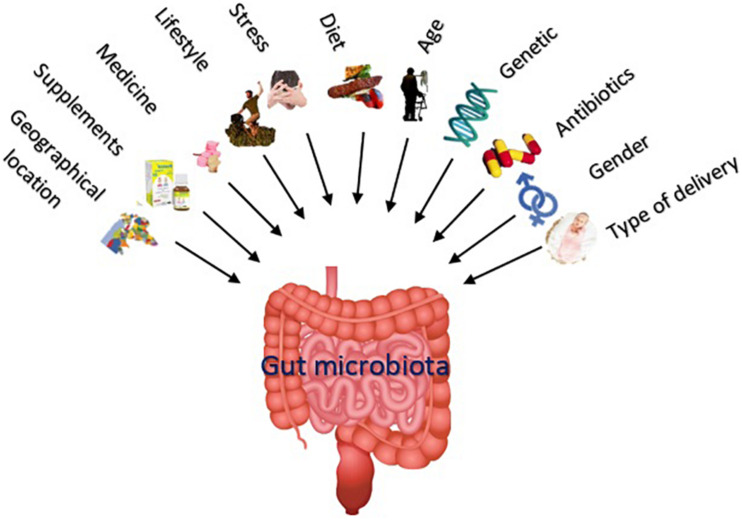
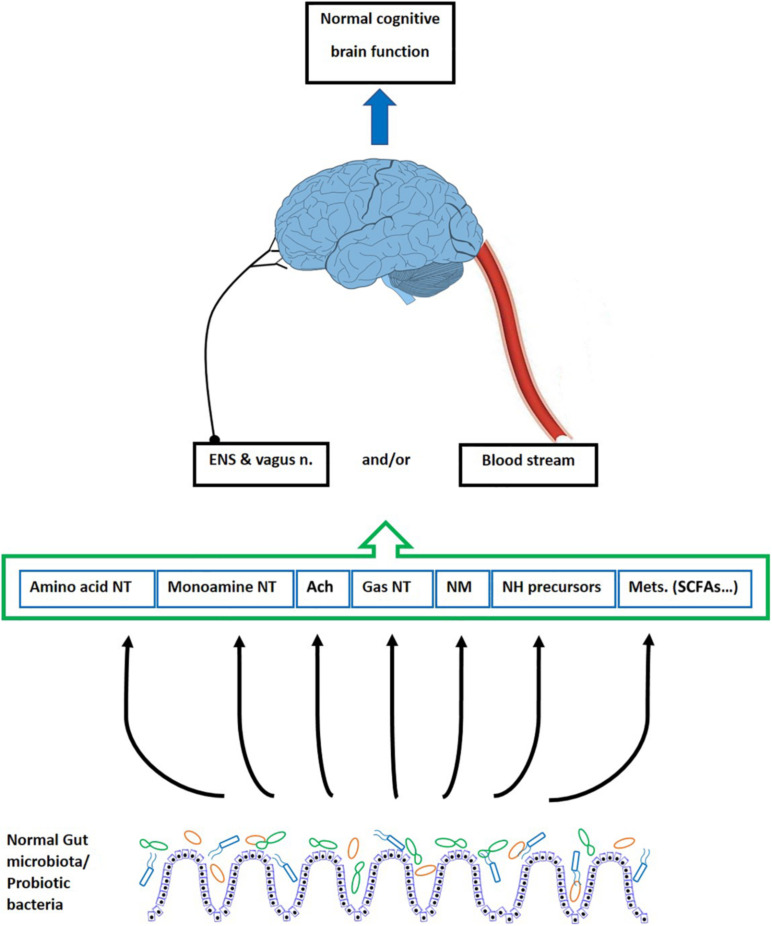
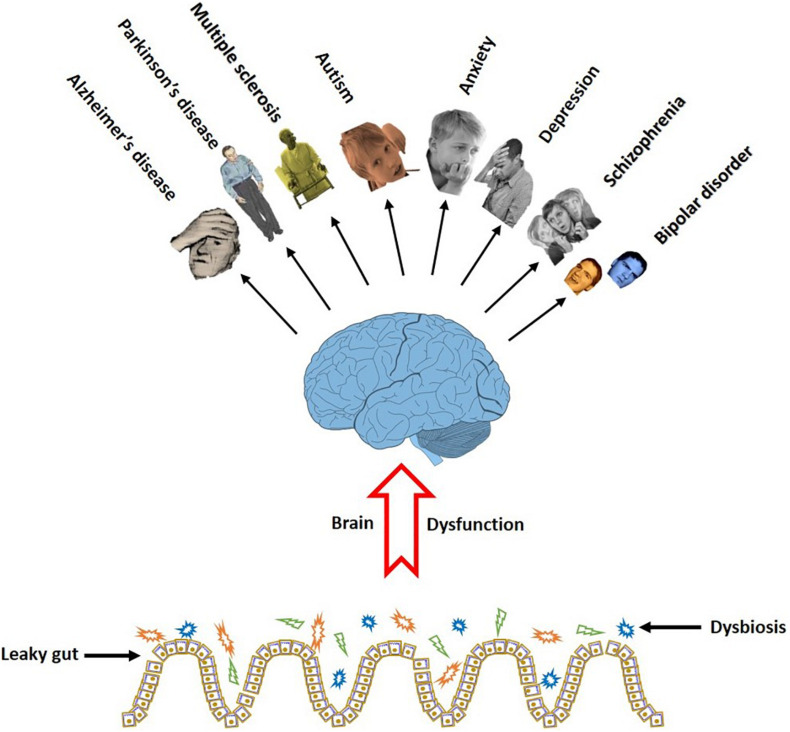
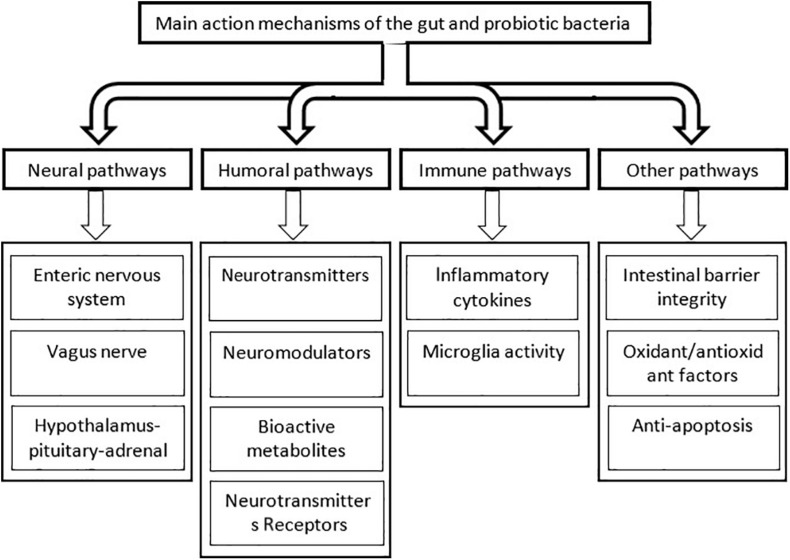
Verification
Claims the paper makes
The claims and statistics of this paper haven’t been checked yet.
Run the check — free, no account needed. It reads the open-access text and checks the sources it cites.
Claims other papers make about this one
Each is checked against this paper’s own text: does it say what the citing paper says it does?
In the citing paper
“Studies in animals have demonstrated the effect that the GM has on neural development and neurochemistry in the host, influencing the stress system, behavior, and cognition (42–47).”
From Signalling cognition: The gut microbiota and hypothalamic-pituitary-adrenal axis (2023) · cites this paper as [44]
Self-check
Percentages, sums and reported differences re-computed from the paper’s own numbers.
The self-check needs the paper’s full text.
Citations
Cites
3 retracted
Kouchaki, E., Tamtaji, O. R., Salami, M., Bahmani, F., Daneshvar Kakhaki, R., Akbari, E., Tajabadi-Ebrahimi, M., Jafari, P., & Asemi, Z. (2017) · Clinical Nutrition · doi:10.1016/j.clnu.2016.08.015 · Cited by 317
Self-citationRetractedTamtaji, O. R., Kouchaki, E., Salami, M., Aghadavod, E., Akbari, E., Ebrahimi, M. T., & Asemi, Z. (2017) · Journal of the American College of Nutrition · doi:10.1080/07315724.2017.1347074 · Cited by 116
Self-citationRetractedKaoutari, A. E., Armougom, F., Leroy, Q., Vialettes, B., Million, M., Raoult, D., & Henrissat, B. (2013) · PLoS ONE · doi:10.1371/journal.pone.0084033 · Cited by 56
RetractedAn obesity-associated gut microbiome with increased capacity for energy harvest
Turnbaugh, P. J., Ley, R. E., Mahowald, M. A., Magrini, V., Mardis, E. R., & Gordon, J. I. (2006) · Nature · doi:10.1038/nature05414 · Cited by 12,444
Structure, function and diversity of the healthy human microbiome
The Human Microbiome Project Consortium (2012) · Nature · doi:10.1038/nature11234 · Cited by 11,726
Diet rapidly and reproducibly alters the human gut microbiome
David, L. A., Maurice, C. F., Carmody, R. N., Gootenberg, D. B., Button, J. E., Wolfe, B. E., Ling, A. V., Devlin, A. S., Varma, Y., Fischbach, M. A., et al. (2014) · Nature · doi:10.1038/nature12820 · Cited by 10,100
Human gut microbes associated with obesity
Ley, R. E., Turnbaugh, P. J., Klein, S., & Gordon, J. I. (2006) · Nature · doi:10.1038/4441022a · Cited by 8,785
Human gut microbiome viewed across age and geography
Yatsunenko, T., Rey, F. E., Manary, M. J., Trehan, I., Dominguez-Bello, M. G., Contreras, M., Magris, M., Hidalgo, G., Baldassano, R. N., Anokhin, A. P., et al. (2012) · Nature · doi:10.1038/nature11053 · Cited by 7,815
From inflammation to sickness and depression: when the immune system subjugates the brain
Dantzer, R., O'Connor, J. C., Freund, G. G., Johnson, R. W., & Kelley, K. W. (2008) · Nature Reviews Neuroscience · doi:10.1038/nrn2297 · Cited by 7,395
Effects of stress throughout the lifespan on the brain, behaviour and cognition
Lupien, S. J., McEwen, B. S., Gunnar, M. R., & Heim, C. (2009) · Nature Reviews Neuroscience · doi:10.1038/nrn2639 · Cited by 6,256
Research works printed but not linked: 2
- Iversen, 2010, Dopamine Handbook.
- Parent, 1996, Carpenter’s Human Neuroanatomy [Online].
Cited by
Sorted by citations
Signalling cognition: The gut microbiota and hypothalamic-pituitary-adrenal axis
Rusch, J. A., Layden, B. T., & Dugas, L. R. (2023) · Frontiers in Endocrinology · doi:10.3389/fendo.2023.1130689 · Cited by 415
Microbiota medicine: towards clinical revolution
Gebrayel, P., Nicco, C., Khodor, S. A., Biliński, J., Caselli, E., Comelli, E. M., Egert, M., Giaroni, C., Karpiński, T. M. M., Łoniewski, I., et al. (2022) · Journal of Translational Medicine · doi:10.1186/s12967-022-03296-9 · Cited by 307
Fermented foods: An update on evidence-based health benefits and future perspectives
Diez‐Ozaeta, I., & Astiazaran, O. J. (2022) · Food Research International · doi:10.1016/j.foodres.2022.111133 · Cited by 176
Role of Microbiota-Derived Extracellular Vesicles in Gut-Brain Communication
Cuesta, C. M., Guerri, C., Ureña, J., & Pascual, M. (2021) · International Journal of Molecular Sciences · doi:10.3390/ijms22084235 · Cited by 142
Advances in Fecal Microbiota Transplantation for Gut Dysbiosis‐Related Diseases
Hou, S., Yu, J., Li, Y., Zhao, D., & Zhang, Z. (2025) · Advanced Science · doi:10.1002/advs.202413197 · Cited by 97
The influence of gut microbiota alteration on age-related neuroinflammation and cognitive decline
Shah, Z., & Alsegiani, A. S. (2022) · Neural Regeneration Research · doi:10.4103/1673-5374.335837 · Cited by 89
Design and Properties of Antimicrobial Biomaterials Surfaces
Mehrjou, B., Wu, Y., Liu, P., Wang, G., & Chu, P. K.-H. (2022) · Advanced Healthcare Materials · doi:10.1002/adhm.202202073 · Cited by 68
The potential role of mitochondria in the microbiota-gut-brain axis: Implications for brain health
Qiao, L., Yang, G., Wang, P., & Xu, C. (2024) · Pharmacological Research · doi:10.1016/j.phrs.2024.107434 · Cited by 73
Are We What We Eat? Impact of Diet on the Gut–Brain Axis in Parkinson’s Disease
Alfonsetti, M., Castelli, V., & d’Angelo, M. (2022) · Nutrients · doi:10.3390/nu14020380 · Cited by 61
Morales-Torres, R., Carrasco-Gubernatis, C., Grasso-Cladera, A., Cosmelli, D., Parada, F. J., & Palacios-García, I. (2023) · Nutrients · doi:10.3390/nu15071706 · Cited by 44
Pereira, T. D. M. C., Côco, L. Z., Ton, A. M. M., Meyrelles, S. S., Campos‐Toimil, M., Campagnaro, B. P., & Vasquez, E. C. (2021) · Antioxidants · doi:10.3390/antiox10111845 · Cited by 47
Lactic Acid Bacteria (LAB) and Neuroprotection, What Is New? An Up-To-Date Systematic Review
Mutalib, N. A., Mohamad, S. A. S., Jusril, N. A., Hasbullah, N. I., Amin, M. C. I. M., & Ismail, N. H. (2023) · Pharmaceuticals · doi:10.3390/ph16050712 · Cited by 47
Martin, F., Cominetti, O., Berger, B. W., Combremont, S., Marquis, J., Xie, G., Jia, W. P., Pinto-Sánchez, M. I., Berčík, P., & Bergonzelli, G. E. (2024) · Gut Microbes · doi:10.1080/19490976.2024.2347715 · Cited by 50
Influence of human gut microbiome on the healthy and the neurodegenerative aging
Borrego-Ruiz, A., & Borrego, J. J. (2024) · Experimental Gerontology · doi:10.1016/j.exger.2024.112497 · Cited by 43
Arslanova, A., Tarasova, A., Alexandrova, A., Novoselova, V., Shaidullov, I. F., Khusnutdinova, D. R., Grigoryeva, T. V., Рашидовна, Я. Д., Yakovleva, O. V., & Ситдикова, Г. Ф. (2021) · Life · doi:10.3390/life11080764 · Cited by 34
Pathophysiological Links Between Obesity and Dementia
Zhang, D. E. W., Tran, V., Vinh, A., Dinh, Q. N., Drummond, G. R., Sobey, C. G., Jelinic, M., & Silva, T. M. D. (2023) · NeuroMolecular Medicine · doi:10.1007/s12017-023-08746-1 · Cited by 36
Good bacteria, oxidative stress and neurological disorders: Possible therapeutical considerations
Soheili, M., Alinaghipour, A., & Salami, M. (2022) · Life Sciences · doi:10.1016/j.lfs.2022.120605 · Cited by 33
Self-citationGut-lung axis in allergic asthma: microbiota-driven immune dysregulation and therapeutic strategies
Lv, J., Zhang, Y., Liu, S., Wang, R., & Zhao, J. (2025) · Frontiers in Pharmacology · doi:10.3389/fphar.2025.1617546 · Cited by 32
Varied Composition and Underlying Mechanisms of Gut Microbiome in Neuroinflammation
Farooq, R. K., Alamoudi, W., Alhibshi, A., Rehman, S., Sharma, A. R., & Abdulla, F. A. (2022) · Microorganisms · doi:10.3390/microorganisms10040705 · Cited by 31
Nshimiyimana, S., Mustopa, A. Z., Budiarti, S., Meilina, L., Hertati, A., & Handayani, I. (2023) · Journal of Genetic Engineering and Biotechnology · doi:10.1186/s43141-023-00503-y · Cited by 29
Postbiotics versus probiotics in early-onset colorectal cancer
Feizi, H., Plotnikov, A. O., Rezaee, M. A., Ganbarov, K., Kamounah, F. S., Nikitin, S., Kadkhoda, H., Gholizadeh, P., Pagliano, P., & Kafil, H. S. (2022) · Critical Reviews in Food Science and Nutrition · doi:10.1080/10408398.2022.2132464 · Cited by 27
The microbiota-gut- hippocampus axis
Salami, M., & Soheili, M. (2022) · Frontiers in Neuroscience · doi:10.3389/fnins.2022.1065995 · Cited by 30
Self-citationThe role of nutrition and gut microbiome in childhood brain development and behavior
Jiang, Y., & Li, Y. (2025) · Frontiers in Nutrition · doi:10.3389/fnut.2025.1590172 · Cited by 35
Anghelescu, A., Onose, G., Popescu, C., Băilă, M., Stoica, S. I., POSTOIU, R. L., Brumă, E., Petcu, I., Ciobanu, V., & Munteanu, C. (2022) · Biomedicines · doi:10.3390/biomedicines10051000 · Cited by 22
Body roundness index and cognitive function in older adults: a nationwide perspective
Zhang, F., Ning, Z., & Wang, C. (2024) · Frontiers in Aging Neuroscience · doi:10.3389/fnagi.2024.1466464 · Cited by 15
Gut Microbiota: An Ally in the Mechanisms and Interventions of Healthy Aging
Chatterjee, S. S., Hebbani, A. V., & Syed, K. (2025) · Gastrointestinal Disorders · doi:10.3390/gidisord7040068 · Cited by 16
Sharma, S., Bashir, B., Kolekar, K. A., Acharya, A., Gupta, M., Jena, R., Vishwas, S., Kaur, J., Gupta, G., Kumbhar, P., et al. (2025) · Ageing Research Reviews · doi:10.1016/j.arr.2025.102888 · Cited by 15
Implications of Gut-Brain axis in the pathogenesis of Psychiatric disorders
Taniguchi, K., Ikeda, Y., Nagase, N., Tsuji, A., Kitagishi, Y., & Matsuda, S. (2021) · AIMS bioengineering · doi:10.3934/bioeng.2021021 · Cited by 12
Yeung, S. S. Y., Kwok, T. C. Y., & Woo, J. (2022) · European Journal of Nutrition · doi:10.1007/s00394-021-02774-y · Cited by 13
Transepithelial Effect of Probiotics in a Novel Model of Gut Lumen to Nerve Signaling
Piletz, J. E., Cooper, J., Chidester, K., Erson, K., Melton, S., Osemeka, A., Patterson, M., Strickland, K., Wan, J. X., & Williams, K. (2022) · Nutrients · doi:10.3390/nu14224856 · Cited by 11
Submission, H. E. (1997) · Journal of Geriatric Drug Therapy · doi:10.1300/j089v11n02_03 · Cited by 11
Lactic Acid Bacteria and Aging: Unraveling the Interplay for Healthy Longevity
Liu, R., & Sun, B. (2023) · Aging and Disease · doi:10.14336/ad.2023.0926 · Cited by 10
Lundervold, A. J., Hillestad, E. M. R., Lied, G. A., Billing, J., Johnsen, T. E., Steinsvik, E. K., Hausken, T., Berentsen, B., & Lundervold, A. (2023) · Journal of Clinical Medicine · doi:10.3390/jcm12113771 · Cited by 8
Akinluyi, E. T., Edem, E. E., Dakoru, K. M., Nnodim, C. J., Oladipupo, M. A., Adeoluwa, O. A., Obisesan, A. O., Ben‐Azu, B., & Adebayo, O. G. (2022) · Journal of Complementary and Integrative Medicine · doi:10.1515/jcim-2022-0353 · Cited by 8
ProbResist: a database for drug-resistant probiotic bacteria
Dou, W., Abdalla, H. B., Chen, X., Sun, C., Chen, X., Tian, Q., Wang, J., Zhou, W. J., Chi, W., Zhou, X., et al. (2022) · Database · doi:10.1093/database/baac064 · Cited by 7
Billing, J., Berentsen, B., Lundervold, A., Hillestad, E. M. R., Lied, G. A., Hausken, T., & Lundervold, A. J. (2023) · Scandinavian Journal of Gastroenterology · doi:10.1080/00365521.2023.2256916 · Cited by 7
Yousefalizadeh, S., Esmaili, H., & Jafarnejad, S. (2024) · Heart and Mind · doi:10.4103/hm.hm-d-23-00048 · Cited by 7
Bifidobacterium’s Influential Role in the Battle Against Obesity: Going Beyond Probiotics
Daneshpour, N., Rajabi, M., & Zafari, N. (2025) · Probiotics and Antimicrobial Proteins · doi:10.1007/s12602-025-10645-9 · Cited by 6
Bartoš, A., Weinerová, J., Diondet, S., & Valeš, K. (2022) · Frontiers in Aging Neuroscience · doi:10.3389/fnagi.2022.996234 · Cited by 6
Bidgoli, F. A., Talaei, S. A., Tameh, A. A., & Salami, M. (2025) · Neurobiology of Stress · doi:10.1016/j.ynstr.2025.100736 · Cited by 5
Self-citationNikolova, R., Donchev, D., Vaseva, K., & Ivanov, I. N. (2025) · International Journal of Molecular Sciences · doi:10.3390/ijms27010425 · Cited by 6
Effects of Probiotics, Prebiotics and Synbiotic Supplementation on Cognitive Impairment: A Review
Mukilan, M. (2022) · Journal of Experimental Biology and Agricultural Sciences · doi:10.18006/2022.10(1).1.11 · Cited by 5
(2017) · BENTHAM SCIENCE PUBLISHERS eBooks · doi:10.2174/9781681084213117010017 · Cited by 5
Gut Microbes in Parkinson's Disease
Markidi, A., Elford, J. D., Berkers, C. R., Kraneveld, A. D., & Perez‐Pardo, P. (2024) · Elsevier eBooks · doi:10.1016/b978-0-323-99971-7.00002-3 · Cited by 4
Bali, P., Lal, P., Sivapuram, M. S., Kutikuppala, L. V. S., Avti, P., Chanana, A., Kumar, S., & Anand, A. (2024) · Neuroepidemiology · doi:10.1159/000538416 · Cited by 4
Zhao, J., Liu, H., & Badehnoosh, B. (2025) · Antonie van Leeuwenhoek · doi:10.1007/s10482-025-02162-0 · Cited by 4
Research advances on gut microbiota dysbiosis and chronic liver diseases: a review
Yang, G., Zhu, J., Wang, M., She, S., & Dai, K. (2026) · Frontiers in Medicine · doi:10.3389/fmed.2026.1765047 · Cited by 3
Zhou, Y., Jiang, Y., Xia, A., Yang, B. K., Liu, X., Zhou, P., Zhao, J., & Chen, W. (2025) · Food Bioscience · doi:10.1016/j.fbio.2025.106746 · Cited by 3
Sanchetee, P. (2022) · IntechOpen eBooks · doi:10.5772/intechopen.98083 · Cited by 4
Probiotics Show Promise as a Novel Natural Treatment for Neurological Disorders
Jha, P., Dangi, N., & Sharma, S. (2023) · Current Pharmaceutical Biotechnology · doi:10.2174/0113892010261604230919170143 · Cited by 3
Mukilan, M., Mathew, M. T. A., Yaswanth, S., & Mallikarjun, V. (2024) · Journal of Experimental Biology and Agricultural Sciences · doi:10.18006/2024.12(1).36.48 · Cited by 4
Ernesto, J. T., Damásio, C. M., Gontijo, V. S., Gasparotto, J., & Viegas, C. (2023) · Exploration of Neuroprotective Therapy · doi:10.37349/ent.2023.00038 · Cited by 2
Kurinna, O. G., & Chernova, V. M. (2023) · Modern Gastroenterology · doi:10.30978/mg-2023-4-77 · Cited by 1
Psychoneuroimmunology and Gut Microbiota
Mayegowda, S. B., Shah, M. A., & Ray, K. (2025) · Advances in medical diagnosis, treatment, and care (AMDTC) book series · doi:10.4018/979-8-3693-7432-0.ch020 · Cited by 1
Microbiome-based dietary supplements for better development and healthy brain
Upadhyay, R., Mani, S., & Sevanan, M. (2025) · International review of neurobiology · doi:10.1016/bs.irn.2025.03.009 · Cited by 1
Abazari-Bozhgani, P., Esmaeili‐Mahani, S., Abbasnejad, M., Raoof, M., & Lobbezoo, F. (2025) · Archives of Oral Biology · doi:10.1016/j.archoralbio.2025.106382 · Cited by 1
Husain, A., Khanam, A., Khan, H., Rafi, Z., Shahab, U., Rab, S. O., Puri, P., & Ahmad, S. (2026) · Journal of Food Science · doi:10.1111/1750-3841.70817 · Cited by 2
Mandal, S., & Aran, K. R. (2026) · Inflammopharmacology · doi:10.1007/s10787-026-02180-y · Cited by 1
Momunova, A., Rahim, F., Alekesheva, L., Karlygash, T., Konstantinovich, S. D., Dzhusupov, K. O., & Zhumagaliuly, A. (2024) · Egyptian Journal of Veterinary Science · doi:10.21608/ejvs.2024.262801.1781 · Cited by 1
Microbiome-Based Interventions: A New Prospect in Post-Stroke Rehabilitation
Muhammad, M., Isah, R. M., & Muhammad, A. (2022) · IntechOpen eBooks · doi:10.5772/intechopen.103976
Mikrobiyotanın Enfeksiyon Hastalıklarındaki Rolü
Kaya, H., & Eyyüp, K. A. Y. A. (2023) · Black Sea Journal of Health Science · doi:10.19127/bshealthscience.1291875
Feghhi, Z., Khorasgani, M. R., Hadjighassem, M., Esmaeili, H., & Zarkesh‐Esfahani, S. H. (2025) · Probiotics and Antimicrobial Proteins · doi:10.1007/s12602-024-10438-6
Nutritional psychiatry for hypertensive older adults
Nagamine, T. (2025) · World Journal of Psychiatry · doi:10.5498/wjp.v15.i6.106262
Microalgae as a neuroprotective agent: potential and applications
Fagundes, M. B., & Solidade, L. S. (2025) · Elsevier eBooks · doi:10.1016/b978-0-443-22080-7.00039-9
Gut Microbiome-Centered Approaches in Modern Diagnostics and Clinical Impact
Kumarachari, R. K., Kasi, S., Veluru, H., Chandramouli, A., Krishnamoorthy, S., & Jayaseelan, M. (2026) · Advances in computational intelligence and robotics book series · doi:10.4018/979-8-3373-8172-5.ch001
Zakeri, N., Amirsasan, R., & sarraf, V. S. (2026) · Iranian Journal of Nutrition Sciences and Food Technology · doi:10.66224/nsft.21.3.13
Metadata
- Authors
- Salami, M.
- Affiliations
- Kashan University of Medical Sciences (IR)
- Corresponding author
- Salami, Mahmoud
- ORCID
- Salami, Mahmoud
- Venue
- Frontiers in Neuroscience
- Publisher
- Frontiers Media SA
- Published
- 2021-02-11
- Volume
- 15
- Pages
- 613120-613120
- ISSN
- 1662-453X (ISSN-L)
- PMC
- PMC7904897
- OpenAlex
- W3128788375
- Cited by
- 67
- References
- 390
- Citations by year
- 2026: 5 · 2025: 16 · 2024: 9 · 2023: 12 · 2022: 19 · 2021: 4
- FWCI
- 1.15
- Type
- journal article
- Language
- en
- Open access
- gold
- doi.org
- Licence
- Locations
- Frontiers in Neuroscience (publishedVersion, cc-by)
- PubMed Central (publishedVersion, cc-by)
- PubMed (publishedVersion)
- DOAJ (DOAJ: Directory of Open Access Journals) (submittedVersion, cc-by-sa)
- Topics
- Life Sciences › Biochemistry, Genetics and Molecular Biology › Molecular Biology › Gut microbiota and health
- Life Sciences › Agricultural and Biological Sciences › Food Science › Probiotics and Fermented Foods
- Health Sciences › Medicine › Gastroenterology › Gastrointestinal motility and disorders
- Keywords
- gut microbiota, probiotics, cognitive function, gut-brain axis, central nervous system, cognitive impairment, brain disorders, beneficial bacteria
About these checks
Registry, retraction, Cites and statistics results are computed, not judged, with one exception: a printed reference that no index lists is read once by a model before it counts as a citation error. Claims are extracted by a model and kept only when their quote appears verbatim in the text; each cited source is then checked, with a model’s help, for whether it says what the claim relies on. Those verdicts can be wrong — read the claim’s quote and the cited source before relying on one.
Statistics and arithmetic are recomputed, not judged.
Confidence bands are shown only for fields calibrated on our annotated test set. None is calibrated yet, so no band is shown.
What counts as a claim ›How we measure confidence ›How we check this ›
Are you an author, or do you see a problem with this page? Request a review
