

The DOI matches its Crossref record; 184 of the 184 references it cites were found in a registry or an index.
Cancer-Associated Fibroblasts and Tumor-Associated Macrophages in Cancer and Cancer Immunotherapy
Open accessAbstract
Our understanding of the tumor microenvironment (TME), including the interplay between tumor cells, stromal cells, immune cells, and extracellular matrix components, is mandatory for the innovation of new therapeutic approaches in cancer. The cell-cell communication within the TME plays a pivotal role in the evolution and progression of cancer. Cancer-associated fibroblasts (CAF) and tumor-associated macrophages (TAM) are major cell populations in the stroma of all solid tumors and often exert protumorigenic functions; however, the origin and precise functions of CAF and TAM are still incompletely understood. CAF and TAM hold significant potential as therapeutic targets to improve outcomes in oncology when combined with existing therapies. The regulation of CAF/TAM communication and/or their differentiation could be of high impact for improving the future targeted treatment strategies. Nevertheless, there is much scope for research and innovation in this field with regards to the development of novel drugs. In this review, we elaborate on the current knowledge on CAF and TAM in cancer and cancer immunotherapy. Additionally, by focusing on their heterogenous functions in different stages and types of cancer, we explore their role as potential therapeutic targets and highlight certain aspects of their functions that need further research.
Overview
The claims and statistics of this paper haven’t been checked yet.
Run the check — free, no account needed. It reads the open-access text and checks the sources it cites.
Integrity signals
Registry
Cites
Statistics
Figures
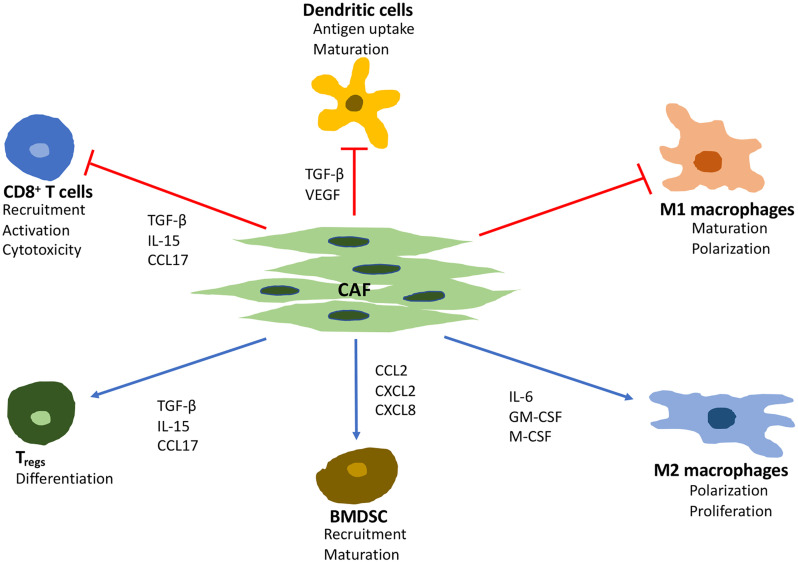
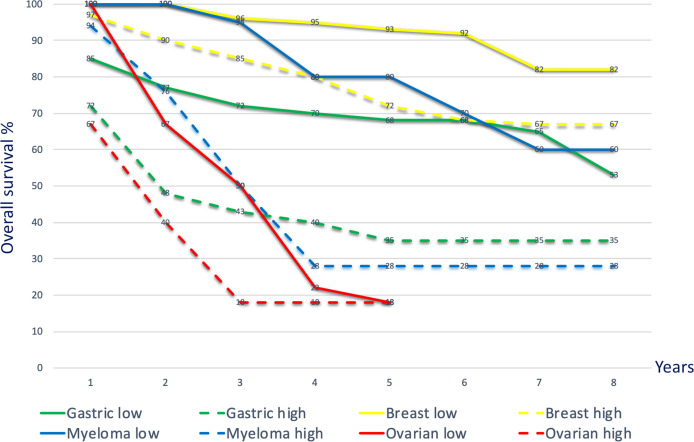
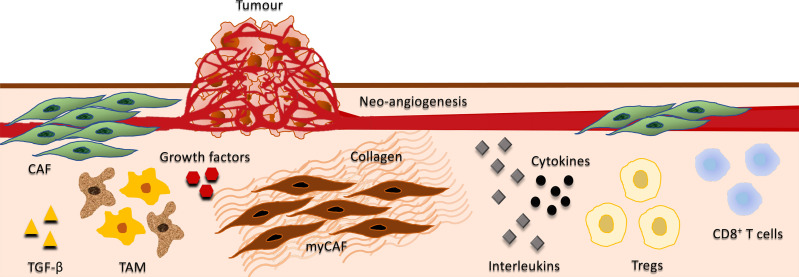
Verification
Claims the paper makes
The claims and statistics of this paper haven’t been checked yet.
Run the check — free, no account needed. It reads the open-access text and checks the sources it cites.
Claims other papers make about this one
Each is checked against this paper’s own text: does it say what the citing paper says it does?
The cited source says what the claim attributes to it.
In the citing paper
“Among the various stromal cells within the TME, fibroblasts constitute the dominant cellular mass [27,28,29,30].”
From Modeling Tumor Microenvironment Complexity In Vitro: Spheroids as Physiologically Relevant Tumor Models and Strategies for Their Analysis (2025) · cites this paper as [30]
Self-check
Percentages, sums and reported differences re-computed from the paper’s own numbers.
The self-check needs the paper’s full text.
Citations
Cites
Hallmarks of Cancer: The Next Generation
Hanahan, D., & Weinberg, R. A. (2011) · Cell · doi:10.1016/j.cell.2011.02.013 · Cited by 66,590
Macrophage plasticity and polarization: in vivo veritas
Sica, A., & Mantovani, A. (2012) · Journal of Clinical Investigation · doi:10.1172/jci59643 · Cited by 6,335
TGFβ attenuates tumour response to PD-L1 blockade by contributing to exclusion of T cells
Mariathasan, S., Turley, S. J., Nickles, D., Castiglioni, A., Yuen, K., Wang, Y., Kadel III, E. E., Koeppen, H., Astarita, J. L., Cubas, R., et al. (2018) · Nature · doi:10.1038/nature25501 · Cited by 5,400
Macrophage Diversity Enhances Tumor Progression and Metastasis
Qian, B., & Pollard, J. W. (2010) · Cell · doi:10.1016/j.cell.2010.03.014 · Cited by 5,349
The consensus molecular subtypes of colorectal cancer
Guinney, J., Dienstmann, R., Wang, X., de Reyniès, A., Schlicker, A., Soneson, C., Marisa, L., Roepman, P., Nyamundanda, G., Angelino, P., et al. (2015) · Nature Medicine · doi:10.1038/nm.3967 · Cited by 5,170
Tumour exosome integrins determine organotropic metastasis
Hoshino, A., Costa-Silva, B., Shen, T.-L., Rodrigues, G., Hashimoto, A., Tesic Mark, M., Molina, H., Kohsaka, S., Di Giannatale, A., Ceder, S., et al. (2015) · Nature · doi:10.1038/nature15756 · Cited by 5,101
Macrophage plasticity, polarization, and function in health and disease
Shapouri‐Moghaddam, A., Mohammadian, S., Vazini, H., Taghadosi, M., Esmaeili, S., Mardani, F., Seifi, B., Mohammadi, A., Afshari, J. T., & Sahebkar, A. (2018) · Journal of Cellular Physiology · doi:10.1002/jcp.26429 · Cited by 4,930
Remodelling the extracellular matrix in development and disease
Bonnans, C., Chou, J., & Werb, Z. (2014) · Nature Reviews Molecular Cell Biology · doi:10.1038/nrm3904 · Cited by 4,367
The biology and function of fibroblasts in cancer
Kalluri, R. (2016) · Nature Reviews Cancer · doi:10.1038/nrc.2016.73 · Cited by 4,366
A framework for advancing our understanding of cancer-associated fibroblasts
Sahai, E., Astsaturov, I., Cukierman, E., DeNardo, D. G., Egeblad, M., Evans, R. M., Fearon, D., Greten, F. R., Hingorani, S. R., Hunter, T., et al. (2020) · Nature Reviews Cancer · doi:10.1038/s41568-019-0238-1 · Cited by 3,863 · cited 5×
“Similarly, an initial expansion of local fibroblasts circumscribing early or premalignant lesions in response to tissue neoplasia was observed in mouse models and human tissue studies (14, 28, 29).”
BackgroundInfluentialOlive, K. P., Jacobetz, M. A., Davidson, C. J., Gopinathan, A., McIntyre, D., Honess, D., Madhu, B., Goldgraben, M. A., Caldwell, M. E., Allard, D., et al. (2009) · Science · doi:10.1126/science.1171362 · Cited by 3,170
The prognostic landscape of genes and infiltrating immune cells across human cancers
Gentles, A. J., Newman, A. M., Liu, C. L., Bratman, S. V., Feng, W., Kim, D., Nair, V. S., Xu, Y., Khuong, A., Hoang, C. D., et al. (2015) · Nature Medicine · doi:10.1038/nm.3909 · Cited by 3,163
Development of Monocytes, Macrophages, and Dendritic Cells
Geissmann, F., Manz, M. G., Jung, S., Sieweke, M. H., Merad, M., & Ley, K. (2010) · Science · doi:10.1126/science.1178331 · Cited by 3,049
Özdemir, B. C., Pentcheva-Hoang, T., Carstens, J. L., Zheng, X., Wu, C.-C., Simpson, T. R., Laklai, H., Sugimoto, H., Kahlert, C., Novitskiy, S. V., et al. (2014) · Cancer Cell · doi:10.1016/j.ccr.2014.04.005 · Cited by 2,681
Macrophages: Obligate Partners for Tumor Cell Migration, Invasion, and Metastasis
Condeelis, J. S., & Pollard, J. W. (2006) · Cell · doi:10.1016/j.cell.2006.01.007 · Cited by 2,677
Macrophages as regulators of tumour immunity and immunotherapy
DeNardo, D. G., & Ruffell, B. (2019) · Nature reviews. Immunology · doi:10.1038/s41577-019-0127-6 · Cited by 2,619
Distinct populations of inflammatory fibroblasts and myofibroblasts in pancreatic cancer
Öhlund, D., Handly-Santana, A., Biffi, G., Elyada, E., Almeida, A. S., Ponz-Sarvise, M., Corbo, V., Oni, T. E., Hearn, S. A., Lee, E. J., et al. (2017) · Journal of Experimental Medicine · doi:10.1084/jem.20162024 · Cited by 2,590
Circulating Tumor Cell Clusters Are Oligoclonal Precursors of Breast Cancer Metastasis
Aceto, N., Bardia, A., Miyamoto, D. T., Collier, M. D., Wittner, B. S., Spencer, J. A., Yu, M., Pely, A., Engstrom, A., Zhu, H., et al. (2014) · Cell · doi:10.1016/j.cell.2014.07.013 · Cited by 2,516
Stromal fibroblasts in cancer initiation and progression
Bhowmick, N. A., Neilson, E. G., & Moses, H. L. (2004) · Nature · doi:10.1038/nature03096 · Cited by 2,354
Hashimoto, D., Chow, A., Noizat, C., Teo, P., Beasley, M. B., Leboeuf, M., Becker, C. D., See, P., Price, J., Lucas, D., et al. (2013) · Immunity · doi:10.1016/j.immuni.2013.04.004 · Cited by 2,311
Concepts of extracellular matrix remodelling in tumour progression and metastasis
Winkler, J., Abisoye-Ogunniyan, A., Metcalf, K. J., & Werb, Z. (2020) · Nature Communications · doi:10.1038/s41467-020-18794-x · Cited by 2,296
The evolving landscape of biomarkers for checkpoint inhibitor immunotherapy
Havel, J. J., Chowell, D., & Chan, T. A. (2019) · Nature Reviews Cancer · doi:10.1038/s41568-019-0116-x · Cited by 2,286
PD-1 expression by tumour-associated macrophages inhibits phagocytosis and tumour immunity
Gordon, S. R., Maute, R. L., Dulken, B. W., Hutter, G., George, B. M., McCracken, M. N., Gupta, R., Tsai, J. M., Sinha, R., Corey, D., et al. (2017) · Nature · doi:10.1038/nature22396 · Cited by 2,247
Elyada, E., Bolisetty, M., Laise, P., Flynn, W. F., Courtois, E. T., Burkhart, R. A., Teinor, J. A., Belleau, P., Biffi, G., Lucito, M. S., et al. (2019) · Cancer Discovery · doi:10.1158/2159-8290.cd-19-0094 · Cited by 2,241
Feig, C., Jones, J. O., Kraman, M., Wells, R. J. B., Deonarine, A., Chan, D. S., Connell, C. M., Roberts, E. W., Zhao, Q., Caballero, O. L., et al. (2013) · Proceedings of the National Academy of Sciences · doi:10.1073/pnas.1320318110 · Cited by 2,100
Stromal Elements Act to Restrain, Rather Than Support, Pancreatic Ductal Adenocarcinoma
Rhim, A. D., Oberstein, P. E., Thomas, D. H., Mirek, E. T., Palermo, C. F., Sastra, S. A., Dekleva, E. N., Saunders, T., Becerra, C. P., Tattersall, I. W., et al. (2014) · Cancer Cell · doi:10.1016/j.ccr.2014.04.021 · Cited by 2,085
TGFβ drives immune evasion in genetically reconstituted colon cancer metastasis
Tauriello, D. V. F., Palomo-Ponce, S., Stork, D., Berenguer-Llergo, A., Badia-Ramentol, J., Iglesias, M., Sevillano, M., Ibiza, S., Cañellas, A., Hernando-Momblona, X., et al. (2018) · Nature · doi:10.1038/nature25492 · Cited by 1,851
DeNardo, D. G., Brennan, D. J., Rexhepaj, E., Ruffell, B., Shiao, S. L., Madden, S. F., Gallagher, W. M., Wadhwani, N., Keil, S. D., Junaid, S. A., et al. (2011) · Cancer Discovery · doi:10.1158/2159-8274.cd-10-0028 · Cited by 1,715
Fibroblast Heterogeneity and Immunosuppressive Environment in Human Breast Cancer
Costa, A., Kieffer, Y., Scholer-Dahirel, A., Pelon, F., Bourachot, B., Cardon, M., Sirven, P., Magagna, I., Fuhrmann, L., Bernard, C., et al. (2018) · Cancer Cell · doi:10.1016/j.ccell.2018.01.011 · Cited by 1,705 · cited 2×
“In human triple-negative breast cancer, a subset of CAF with myofibroblast characteristics (myCAF) (a-SMA/FAP or S1 CAF) was identified as a key player in immunosuppression through the attraction of Tregs and inhibition of effector T cell proliferation (36) and it was hypothesized that targeting the CAF-S1-mediated im…”
BackgroundPhenotype molding of stromal cells in the lung tumor microenvironment
Lambrechts, D., Wauters, E., Boeckx, B., Aibar, S., Nittner, D., Burton, O., Bassez, A., Decaluwé, H., Pircher, A., Van den Eynde, K., et al. (2018) · Nature Medicine · doi:10.1038/s41591-018-0096-5 · Cited by 1,648
Origin and functions of tissue macrophages
Epelman, S., Lavine, K. J., & Randolph, G. J. (2014) · Immunity · doi:10.1016/j.immuni.2014.06.013 · Cited by 1,585
Neutrophils escort circulating tumour cells to enable cell cycle progression
Szczerba, B. M., Castro-Giner, F., Vetter, M. H. F., Krol, I., Gkountela, S., Landin, J., Scheidmann, M. C., Donato, C., Scherrer, R., Singer, J., et al. (2019) · Nature · doi:10.1038/s41586-019-0915-y · Cited by 1,225
Targeting Tumor Microenvironment for Cancer Therapy
Roma-Rodrigues, C., Mendes, R., Baptista, P. V., & Fernandes, A. R. (2019) · International Journal of Molecular Sciences · doi:10.3390/ijms20040840 · Cited by 1,187
Suppression of Antitumor Immunity by Stromal Cells Expressing Fibroblast Activation Protein–α
Kraman, M., Bambrough, P. J., Arnold, J. N., Roberts, E. W., Magiera, L., Jones, J. O., Gopinathan, A., Tuveson, D. A., & Fearon, D. T. (2010) · Science · doi:10.1126/science.1195300 · Cited by 1,134
Targeting STAT3 in Cancer Immunotherapy
Zou, S., Tong, Q., Liu, B., Huang, W., Tian, Y., & Fu, X. (2020) · Molecular Cancer · doi:10.1186/s12943-020-01258-7 · Cited by 1,109
Stromal gene expression defines poor-prognosis subtypes in colorectal cancer
Calon, A., Lonardo, E., Berenguer-Llergo, A., Espinet, E., Hernando-Momblona, X., Iglesias, M., Sevillano, M., Palomo-Ponce, S., Tauriello, D. V. F., Byrom, D., et al. (2015) · Nature Genetics · doi:10.1038/ng.3225 · Cited by 1,070
Zhang, Q., Liu, L., Gong, C., Shi, H., Zeng, Y., Wang, X., Zhao, Y., & Wei, Y.-Q. (2012) · PLoS ONE · doi:10.1371/journal.pone.0050946 · Cited by 1,041
Zeng, Z., Li, Y., Pan, Y., Lan, X.-L., Song, F., Sun, J., Zhou, K., Liu, X., Ren, X., Wang, F., et al. (2018) · Nature Communications · doi:10.1038/s41467-018-07810-w · Cited by 1,009
Fibroblast heterogeneity in the cancer wound
Öhlund, D., Elyada, E., & Tuveson, D. A. (2014) · The Journal of Experimental Medicine · doi:10.1084/jem.20140692 · Cited by 982
Single-cell analysis reveals fibroblast clusters linked to immunotherapy resistance in cancer.
Kieffer, Y., Hocine, H. R., Gentric, G., Pelon, F., Bernard, C., Bourachot, B., Lameiras, S., Albergante, L., Bonneau, C., Guyard, A., et al. (2020) · Cancer Discovery · doi:10.1158/2159-8290.cd-19-1384 · Cited by 910
Anti-inflammatory M2, but not pro-inflammatory M1 macrophages promote angiogenesis in vivo
Jetten, N., Verbruggen, S. E. L., Gijbels, M. J., Post, M. J., de Winther, M. P. J., & Donners, M. M. P. C. (2013) · Angiogenesis · doi:10.1007/s10456-013-9381-6 · Cited by 878
Cancer-associated fibroblasts: an emerging target of anti-cancer immunotherapy
Liu, T., Han, C., Wang, S., Fang, P., Ma, Z., Xu, L., & Yin, R. (2019) · Journal of Hematology & Oncology · doi:10.1186/s13045-019-0770-1 · Cited by 860
Dominguez, C. X., Müller, S., Keerthivasan, S., Koeppen, H., Hung, J., Gierke, S., Breart, B., Foreman, O., Bainbridge, T. W., Castiglioni, A., et al. (2020) · Cancer Discovery · doi:10.1158/2159-8290.cd-19-0644 · Cited by 857
Nywening, T. M., Wang‐Gillam, A., Sanford, D. E., Belt, B. A., Panni, R. Z., Cusworth, B. M., Toriola, A. T., Nieman, R., Worley, L. A., Yano, M., et al. (2016) · The Lancet Oncology · doi:10.1016/s1470-2045(16)00078-4 · Cited by 847
Glutamine Metabolism in Cancer: Understanding the Heterogeneity
Cluntun, A. A., Lukey, M. J., Cerione, R. A., & Locasale, J. W. (2017) · Trends in Cancer · doi:10.1016/j.trecan.2017.01.005 · Cited by 796
Monocyte and Macrophage Plasticity in Tissue Repair and Regeneration
Das, A., Sinha, M., Datta, S., Abas, M., Chaffee, S. M., Sen, C. K., & Roy, S. (2015) · American Journal Of Pathology · doi:10.1016/j.ajpath.2015.06.001 · Cited by 770
Macrophages and cancer: from mechanisms to therapeutic implications
Ostuni, R., Kratochvill, F., Murray, P. J., & Natoli, G. (2015) · Trends in Immunology · doi:10.1016/j.it.2015.02.004 · Cited by 709
André, T., de Gramont, A., Vernerey, D., Chibaudel, B., Bonnetain, F., Tijeras-Raballand, A., Scriva, A., Hickish, T., Tabernero, J., Van Laethem, J. L., et al. (2015) · Journal of Clinical Oncology · doi:10.1200/jco.2015.63.4238 · Cited by 683
Matrix Metalloproteinase Inhibitors in Cancer Therapy: Turning Past Failures Into Future Successes
Winer, A., Adams, S., & Mignatti, P. (2018) · Molecular Cancer Therapeutics · doi:10.1158/1535-7163.mct-17-0646 · Cited by 682
Kumar, V., Donthireddy, L., Marvel, D., Condamine, T., Wang, F., Lavilla-Alonso, S., Hashimoto, A., Vonteddu, P., Behera, R., Goins, M. A., et al. (2017) · Cancer Cell · doi:10.1016/j.ccell.2017.10.005 · Cited by 653
Iliopoulos, D., Hirsch, H. A., Wang, G., & Struhl, K. (2011) · Proceedings of the National Academy of Sciences · doi:10.1073/pnas.1018898108 · Cited by 645
Loeffler, M. (2006) · Journal of Clinical Investigation · doi:10.1172/jci26532 · Cited by 633
Laklai, H., Miroshnikova, Y. A., Pickup, M. W., Collisson, E. A., Kim, G., Barrett, A., Hill, R. C., Lakins, J. N., Schlaepfer, D. D., Mouw, J. K., et al. (2016) · Nature Medicine · doi:10.1038/nm.4082 · Cited by 614
Malignant cells facilitate lung metastasis by bringing their own soil
Duda, D. G., Duyverman, A. M. M. J., Kohno, M., Snuderl, M., Steller, E. J. A., Fukumura, D., & Jain, R. K. (2010) · Proceedings of the National Academy of Sciences · doi:10.1073/pnas.1016234107 · Cited by 594
Xu, J., Escamilla, J., Mok, S., David, J., Priceman, S. J., West, B. L., Bollag, G. E., McBride, W. H., & Wu, L. (2013) · Cancer Research · doi:10.1158/0008-5472.can-12-3981 · Cited by 589
The impact of hypoxia on tumor-associated macrophages
Henze, A.-T., & Mazzone, M. (2016) · Journal of Clinical Investigation · doi:10.1172/jci84427 · Cited by 583
Lakins, M. A., Ghorani, E., Munir, H., Martins, C. P., & Shields, J. D. (2018) · Nature Communications · doi:10.1038/s41467-018-03347-0 · Cited by 578
Unraveling the therapeutic potential of the Hedgehog pathway in cancer
Amakye, D. D., Jagani, Z., & Dorsch, M. (2013) · Nature Medicine · doi:10.1038/nm.3389 · Cited by 547
Comito, G., Giannoni, E., Segura, C. P., Barcellos‐de‐Souza, P., Raspollini, M. R., Baroni, G., Lanciotti, M., Serni, S., & Chiarugi, P. (2013) · Oncogene · doi:10.1038/onc.2013.191 · Cited by 546
Tumor Angiogenesis and Anti-Angiogenic Strategies for Cancer Treatment
Teleanu, R. I., Chircov, C., Grumezescu, A. M., & Teleanu, D. M. (2019) · Journal of Clinical Medicine · doi:10.3390/jcm9010084 · Cited by 523
Tumor-Promoting Desmoplasia Is Disrupted by Depleting FAP-Expressing Stromal Cells
Lo, A., Wang, L.-C. S., Scholler, J., Monslow, J., Avery, D., Newick, K., O'Brien, S., Evans, R. A., Bajor, D. J., Clendenin, C., et al. (2015) · Cancer Research · doi:10.1158/0008-5472.can-14-3041 · Cited by 498
Yan, W., Wu, X., Zhou, W., Fong, M., Cao, M., Liu, J., Liu, X., Chen, C.-H., Fadare, O., Pizzo, D. P., et al. (2018) · Nature Cell Biology · doi:10.1038/s41556-018-0083-6 · Cited by 474
Jarnicki, A., Lysaght, J., Todryk, S. M., & Mills, K. H. G. (2006) · The Journal of Immunology · doi:10.4049/jimmunol.177.2.896 · Cited by 465
Chen, W.-J., Ho, C., Chang, Y., Chen, H., Ling, T., Ling, T., Yuan, S., Yuan, S.-S., Chen, Y.-J. L., Lin, C.-Y., et al. (2014) · Nature Communications · doi:10.1038/ncomms4472 · Cited by 448
Cazet, A. S., Hui, M. N., Elsworth, B. L., Wu, S. Z., Roden, D., Chan, C.-L., Skhinas, J. N., Collot, R., Yang, J., Harvey, K., et al. (2018) · Nature Communications · doi:10.1038/s41467-018-05220-6 · Cited by 437
Targeting LIF-mediated paracrine interaction for pancreatic cancer therapy and monitoring
Shi, Y., Gao, W., Lytle, N. K., Huang, P., Yuan, X., Dann, A. M., Ridinger-Saison, M., DelGiorno, K. E., Antal, C. E., Liang, G., et al. (2019) · Nature · doi:10.1038/s41586-019-1130-6 · Cited by 431
Tsuyada, A., Chow, A., Wu, J., Somlo, G., Chu, P. G., Loera, S., Luu, T. H., Li, A. X., Wu, X., Ye, W., et al. (2012) · Cancer Research · doi:10.1158/0008-5472.can-11-3567 · Cited by 420
ROCK and JAK1 Signaling Cooperate to Control Actomyosin Contractility in Tumor Cells and Stroma
Sanz-Moreno, V., Gaggioli, C., Yeo, M., Albrengues, J., Wallberg, F., Viros, A., Hooper, S., Mitter, R., Féral, C. C., Cook, M., et al. (2011) · Cancer Cell · doi:10.1016/j.ccr.2011.06.018 · Cited by 409
Cysteine Cathepsins and Their Extracellular Roles: Shaping the Microenvironment
Vidak, E., Javoršek, U., Vizovišek, M., & Turk, B. (2019) · Cells · doi:10.3390/cells8030264 · Cited by 408
Strachan, D. C., Ruffell, B., Oei, Y. A., Bissell, M. J., Coussens, L. M., Pryer, N., & Daniel, D. (2013) · OncoImmunology · doi:10.4161/onci.26968 · Cited by 392
Tumor macrophages are pivotal constructors of tumor collagenous matrix
Afik, R., Zigmond, E., Vugman, M., Klepfish, M., Shimshoni, E., Pasmanik‐Chor, M., Shenoy, A., Bassat, E., Halpern, Z., Geiger, T., et al. (2016) · The Journal of Experimental Medicine · doi:10.1084/jem.20151193 · Cited by 392
Extracellular Matrix Alterations in Metastatic Processes
Paolillo, M., & Schinelli, S. (2019) · International Journal of Molecular Sciences · doi:10.3390/ijms20194947 · Cited by 392
The Reprogramming of Tumor Stroma by HSF1 Is a Potent Enabler of Malignancy
Scherz-Shouval, R., Santagata, S., Mendillo, M. L., Sholl, L. M., Ben-Aharon, I., Beck, A. H., Dias-Santagata, D., Koeva, M., Stemmer, S. M., Whitesell, L., et al. (2014) · Cell · doi:10.1016/j.cell.2014.05.045 · Cited by 386
Albrengues, J., Bertero, T., Grasset, E. M., Bonan, S., Maiel, M., Bourget, I., Philippe, C., Herráiz, C., Benamar, S., Croce, O., et al. (2015) · Nature Communications · doi:10.1038/ncomms10204 · Cited by 383
Zheng, P., Luo, Q., Wang, W., Li, J., Wang, T., Wang, P., Chen, L., Zhang, P., Chen, H., Liu, Y., et al. (2018) · Cell Death & Disease · doi:10.1038/s41419-018-0465-5 · Cited by 381
Durable antitumor responses to CD47 blockade require adaptive immune stimulation
Sockolosky, J. T., Dougan, M., Ingram, J. R., Ho, C. C. M., Kauke, M. J., Almo, S. C., Ploegh, H. L., & Garcia, K. C. (2016) · Proceedings of the National Academy of Sciences · doi:10.1073/pnas.1604268113 · Cited by 366
Cancer-associated fibroblasts lead tumor invasion through integrin-β3–dependent fibronectin assembly
Atieh, Y., Clark, A. G., Graß, C., Richon, S., Pocard, M. D., Mariani, P., Elkhatib, N., Betz, T., Gurchenkov, B., & Vignjevic, D. M. (2017) · The Journal of Cell Biology · doi:10.1083/jcb.201702033 · Cited by 355
Binenbaum, Y., Fridman, E., Yaari, Z. A., Milman, N., Schroeder, A., David, G. B., Shlomi, T., & Gil, Z. (2018) · Cancer Research · doi:10.1158/0008-5472.can-18-0124 · Cited by 344
Zhang, R., Qi, F., Zhao, F., Li, G., Shao, S., Zhang, X., Yuan, L., & Feng, Y. (2019) · Cell Death & Disease · doi:10.1038/s41419-019-1435-2 · Cited by 343
Martinez‐Outschoorn, U., di Prisco, M., Ertel, A., Tsirigos, A., Lin, Z., Pavlides, S., Wang, C., Flomenberg, N., Knudsen, E. S., Howell, A., et al. (2011) · Cell Cycle · doi:10.4161/cc.10.8.15330 · Cited by 341
Loberg, R. D., Chi, Y., Craig, M., Day, L. L., Sargent, E., Neeley, C. K., Wojno, K. J., Snyder, L. A., Li, Y., & Pienta, K. J. (2007) · Cancer Research · doi:10.1158/0008-5472.can-07-1286 · Cited by 341
Metabolic changes in tumor cells and tumor-associated macrophages: A mutual relationship
Netea-Maier, R. T., Smit, J. W. A., & Netea, M. G. (2017) · Cancer Letters · doi:10.1016/j.canlet.2017.10.037 · Cited by 333
Goulet, C. R., Champagne, A., Bernard, G., Vandal, D., Chabaud, S., Pouliot, F., & Bolduc, S. (2019) · BMC Cancer · doi:10.1186/s12885-019-5353-6 · Cited by 333
Heichler, C., Koop, K., Schmied, A., Geppert, C. I., Schmid, B., Wirtz, S. J., Thoma, O., Kramer, V., Waldner, M. J., Büttner, C., et al. (2019) · Gut · doi:10.1136/gutjnl-2019-319200 · Cited by 330
Yoshida, G. J. (2020) · Journal of Experimental & Clinical Cancer Research · doi:10.1186/s13046-020-01611-0 · Cited by 328
The Promise of Targeting Macrophages in Cancer Therapy
Brown, J. M., Recht, L. D., & Strober, S. (2017) · Clinical Cancer Research · doi:10.1158/1078-0432.ccr-16-3122 · Cited by 326
Lee, H., Mullins, S., Franco‐Barraza, J., Valianou, M., Cukierman, E., & Cheng, J. D. (2011) · BMC Cancer · doi:10.1186/1471-2407-11-245 · Cited by 323
Chittezhath, M., Dhillon, M. K., Lim, J. Y., Laoui, D., Shalova, I. N., Teo, Y. L., Chen, J., Kamaraj, R., Raman, L. N. M., Lum, J., et al. (2014) · Immunity · doi:10.1016/j.immuni.2014.09.014 · Cited by 317
Exosomal Proteins as Diagnostic Biomarkers in Lung Cancer
Sandfeld‐Paulsen, B., Jakobsen, K. R., Bæk, R., Folkersen, B. H., Rasmussen, T. R., Meldgaard, P., Varming, K., Jørgensen, M. M., & Sørensen, B. S. (2016) · Journal of Thoracic Oncology · doi:10.1016/j.jtho.2016.05.034 · Cited by 317
Current Strategies to Target Tumor-Associated-Macrophages to Improve Anti-Tumor Immune Responses
Anfray, C., Ummarino, A., Andón, F. T., & Allavena, P. (2019) · Cells · doi:10.3390/cells9010046 · Cited by 315
Neuzillet, C., Tijeras‐Raballand, A., Ragulan, C., Cros, J. F., Patil, Y., Martinet, M., Erkan, M., Kleeff, J. H., Wilson, J. S., Apte, M. V., et al. (2018) · The Journal of Pathology · doi:10.1002/path.5224 · Cited by 310
Herrera, M., Herrera, A., Domínguez, G., Silva, J., García‐Barberán, V., García, J. M., Gómez, I., Soldevilla, B., Muñoz, C., Provencio, M., et al. (2013) · Cancer Science · doi:10.1111/cas.12096 · Cited by 298
Clinical Significance of Tumor-Associated Inflammatory Cells in Metastatic Neuroblastoma
Asgharzadeh, S., Salo, J., Ji, L., Oberthuer, A., Fischer, M., Berthold, F., Hadjidaniel, M. D., Liu, C. W.-Y., Metelitsa, L. S., Piqué-Regi, R., et al. (2012) · Journal of Clinical Oncology · doi:10.1200/jco.2011.40.9169 · Cited by 288
Fearon, D. T. (2014) · Cancer Immunology Research · doi:10.1158/2326-6066.cir-14-0002 · Cited by 288
Gong, J., Lin, Y., Zhang, H., Liu, C., Cheng, Z., Yang, X., Zhang, J., Xiao, Y., Jie, H., Qian, X., et al. (2020) · Cell Death and Disease · doi:10.1038/s41419-020-2434-z · Cited by 287
Targeting CXCL12/CXCR4 Axis in Tumor Immunotherapy
Zhou, W., Guo, S., Liu, M., Burow, M. E., & Wang, G. (2017) · Current Medicinal Chemistry · doi:10.2174/0929867324666170830111531 · Cited by 286
Caro, G. D., Cortese, N., Castino, G. F., Grizzi, F., Gavazzi, F., Ridolfi, C., Capretti, G. L., Mineri, R., Todoric, J., Zerbi, A., et al. (2015) · Gut · doi:10.1136/gutjnl-2015-309193 · Cited by 280
The Origin and Functions of Exosomes in Cancer
Rajagopal, C., & Harikumar, K. B. (2018) · Frontiers in Oncology · doi:10.3389/fonc.2018.00066 · Cited by 275
Circulating giant macrophages as a potential biomarker of solid tumors
Adams, D. L., Martin, S. S., Alpaugh, R. K., Charpentier, M. S., Tsai, S., Bergan, R. C., Ogden, I., Catàlona, W. J., Chumsri, S., Tang, C., et al. (2014) · Proceedings of the National Academy of Sciences · doi:10.1073/pnas.1320198111 · Cited by 272
Circulating exosomal microRNAs as prognostic biomarkers for non-small-cell lung cancer
Liu, Q., Yu, Z., Yuan, S., Xie, W., Li, C., Hu, Z., Xiang, Y., Wu, N., Wu, L., Bai, L., et al. (2016) · Oncotarget · doi:10.18632/oncotarget.14369 · Cited by 268
Loges, S., Schmidt, T., & Carmeliet, P. (2010) · Genes & Cancer · doi:10.1177/1947601909356574 · Cited by 259
Kong, J., Tian, H., Zhang, F., Zhang, Z., Li, J., Liu, X., Li, X., Liu, J., Li, X., Jin, D., et al. (2019) · Molecular Cancer · doi:10.1186/s12943-019-1101-4 · Cited by 251
Özdemir, B. C., Pentcheva-Hoang, T., Carstens, J. L., Zheng, X., Wu, C.-C., Simpson, T. R., Laklai, H., Sugimoto, H., Kahlert, C., Novitskiy, S. V., et al. (2015) · Cancer Cell · doi:10.1016/j.ccell.2015.11.002 · Cited by 245
Ao, Z., Shah, S. H., Machlin, L., Parajuli, R., Miller, P. C., Rawal, S., Williams, A. J., Côté, R. J., Lippman, M. E., Datar, R. H., et al. (2015) · Cancer Research · doi:10.1158/0008-5472.can-15-1633 · Cited by 238
Tumor-associated fibroblasts predominantly come from local and not circulating precursors
Arina, A., Idel, C., Hyjek, E. M., Alegre, M.-L., Wang, Y., Bindokas, V. P., Weichselbaum, R. R., & Schreiber, H. (2016) · Proceedings of the National Academy of Sciences · doi:10.1073/pnas.1600363113 · Cited by 238
Tiainen, S., Tumelius, R., Rilla, K. J., Hämäläinen, K. M., Tammi, M., Tammi, R., Kosma, V., Oikari, S., & Auvinen, P. (2014) · Histopathology · doi:10.1111/his.12607 · Cited by 234
Shabo, I., Stål, O., Olsson, H., Doré, S., & Svanvik, J. (2008) · International Journal of Cancer · doi:10.1002/ijc.23527 · Cited by 225
Extracellular Matrix, a Hard Player in Angiogenesis
Mongiat, M., Andreuzzi, E., Tarticchio, G., & Paulitti, A. (2016) · International Journal of Molecular Sciences · doi:10.3390/ijms17111822 · Cited by 225
Zheng, X., Weigert, A., Reu, S., Günther, S., Mansouri, S., Bassaly, B., Gattenlöhner, S., Grimminger, F., Pullamsetti, S. S., Seeger, W., et al. (2020) · Cancer Research · doi:10.1158/0008-5472.can-20-0069 · Cited by 221
Cancer-associated fibroblasts—heroes or villains?
Gieniec, K. A., Butler, L. M., Worthley, D. L., & Woods, S. L. (2019) · British Journal of Cancer · doi:10.1038/s41416-019-0509-3 · Cited by 216
Cho, H., Seo, Y., Loke, K. M., Kim, S.-W., Oh, S.-M., Kim, J.-H., Soh, J., Kim, H. S., Lee, H., Kim, J., et al. (2018) · Clinical Cancer Research · doi:10.1158/1078-0432.ccr-18-0125 · Cited by 214
Patsialou, A., Wyckoff, J. B., Wang, Y., Goswami, S., Stanley, E. R., & Condeelis, J. S. (2009) · Cancer Research · doi:10.1158/0008-5472.can-09-1868 · Cited by 207
TGF-β in fibrosis by acting as a conductor for contractile properties of myofibroblasts
Vallée, A., & Lecarpentier, Y. (2019) · Cell & Bioscience · doi:10.1186/s13578-019-0362-3 · Cited by 205
Shin, K., Lim, A. Y.-L., Zhao, C., Sahoo, D., Pan, Y., Spiekerkoetter, E. F., Liao, J. C., & Beachy, P. A. (2014) · Cancer Cell · doi:10.1016/j.ccell.2014.09.001 · Cited by 200
CAFs and TAMs: maestros of the tumour microenvironment
Komohara, Y., & Takeya, M. (2016) · The Journal of Pathology · doi:10.1002/path.4824 · Cited by 199
Myeloid WNT7b Mediates the Angiogenic Switch and Metastasis in Breast Cancer
Yeo, E.-J., Cassetta, L., Qian, B., Lewkowich, I. P., Li, J., Stefater, J. A., Smith, A. N., Wiechmann, L., Wang, Y., Pollard, J. W., et al. (2014) · Cancer Research · doi:10.1158/0008-5472.can-13-2421 · Cited by 198
Gorchs, L., Moro, C. F., Bankhead, P., Kern, K. P., Sadeak, I., Meng, Q., Rangelova, E. B., & Kaipe, H. (2019) · Frontiers in Immunology · doi:10.3389/fimmu.2019.00847 · Cited by 197
Argyle, D. J., & Kitamura, T. (2018) · Frontiers in Immunology · doi:10.3389/fimmu.2018.02629 · Cited by 195
Fujii, N., Shomori, K., Shiomi, T., Nakabayashi, M., Takeda, C., Ryoke, K., & Ito, H. (2012) · Journal of Oral Pathology and Medicine · doi:10.1111/j.1600-0714.2012.01127.x · Cited by 192
Metformin in colorectal cancer: molecular mechanism, preclinical and clinical aspects
Kamarudin, M. N. A., Sarker, M. M. R., Zhou, J., & Parhar, I. S. (2019) · Journal of Experimental & Clinical Cancer Research · doi:10.1186/s13046-019-1495-2 · Cited by 191
Hashimoto, O., Yoshida, M., Koma, Y., Yanai, T., Hasegawa, D., Kosaka, Y., Nishimura, N., & Yokozaki, H. (2016) · The Journal of Pathology · doi:10.1002/path.4769 · Cited by 190
Metformin-treated cancer cells modulate macrophage polarization through AMPK-NF-κB signaling
Chiang, C., Chao, T., Su, Y., Hsu, C., Chien, C., Chiu, K., Shiah, S., Lee, C.-H., Liu, S.-Y., & Shieh, Y. (2017) · Oncotarget · doi:10.18632/oncotarget.14982 · Cited by 188
Inhibition of the CCL2 receptor, CCR2, enhances tumor response to immune checkpoint therapy
Tu, M. M., Abdel-Hafiz, H. A., Jones, R. T., Jean, A., Hoff, K. J., Duex, J. E., Chauca-Diaz, A., Costello, J. C., Dancik, G. M., Tamburini, B. A. J., et al. (2020) · Communications Biology · doi:10.1038/s42003-020-01441-y · Cited by 185
Tokuhisa, M., Ichikawa, Y., Kosaka, N., Ochiya, T., Yashiro, M., Hirakawa, K., Kosaka, T., Makino, H., Akiyama, H., Kunisaki, C., et al. (2015) · PLoS ONE · doi:10.1371/journal.pone.0130472 · Cited by 183
Macciò, A., Gramignano, G., Cherchi, M. C., Tanca, L., Melis, L., & Madeddu, C. (2020) · Scientific Reports · doi:10.1038/s41598-020-63276-1 · Cited by 181
Alyosef, H. A., Roggendorf, H., Schneider, D., Inayat, A., Welscher, J., Schwieger, W., Münster, T., Kloess, G. H., Ibrahim, S. S., & Enke, D. (2017) · Molecules · doi:10.3390/molecules23010001 · Cited by 180
Bhagat, T. D., Ahrens, D. V., Dawlaty, M. M., Zou, Y., Baddour, J., Achreja, A., Zhao, H., Yang, L., Patel, B., Kwak, C., et al. (2019) · eLife · doi:10.7554/elife.50663 · Cited by 178
Lo, A., Li, C., Buza, E. L., Blomberg, R., Govindaraju, P. K., Avery, D., Monslow, J., Hsiao, M., & Puré, E. (2017) · JCI Insight · doi:10.1172/jci.insight.92232 · Cited by 164
Chemokines and Chemokine Receptors: Orchestrating Tumor Metastasization
Marcuzzi, E., Angioni, R., Molon, B., & Calì, B. (2018) · International Journal of Molecular Sciences · doi:10.3390/ijms20010096 · Cited by 162
Rai, A., Greening, D. W., Chen, M., Xu, R., Ji, H. L., & Simpson, R. J. (2018) · PROTEOMICS · doi:10.1002/pmic.201800148 · Cited by 157
Cancer Drug Development of Carbonic Anhydrase Inhibitors beyond the Active Site
Singh, S., Lomelino, C. L., Mboge, M. Y., Frost, S. C., & McKENNA, R. V. (2018) · Molecules · doi:10.3390/molecules23051045 · Cited by 156
Feng, Q., Chang, W., Mao, Y., He, G., Zheng, P., Tang, W., Wei, Y., Ren, L., Zhu, D., Ji, M., et al. (2019) · Clinical Cancer Research · doi:10.1158/1078-0432.ccr-18-2076 · Cited by 152
M2 macrophages promote NSCLC metastasis by upregulating CRYAB
Guo, Z., Song, J., Hao, J., Zhao, H., Du, X., Li, E., Kuang, Y., Yang, F., Wang, W. T., Deng, J., et al. (2019) · Cell Death and Disease · doi:10.1038/s41419-019-1618-x · Cited by 142
Serum exosomal miR-125b is a novel prognostic marker for hepatocellular carcinoma
Liu, W., Hu, J., Zhou, K., Chen, F., Wang, Z., Liao, B., Dai, Z., Cao, Y., Fan, J., & Zhou, J. (2017) · OncoTargets and Therapy · doi:10.2147/ott.s140062 · Cited by 141
Suppressing miR-21 activity in tumor-associated macrophages promotes an antitumor immune response
Sahraei, M., Chaube, B., Liu, Y., Sun, J., Kaplan, A. R., Price, N. L., Ding, W. Y., Oyaghire, S. N., García-Milian, R., Mehta, S. S., et al. (2019) · Journal of Clinical Investigation · doi:10.1172/jci127125 · Cited by 141
Gandellini, P., Andriani, F., Merlino, G., D’Aiuto, F., Roz, L., & Callari, M. (2015) · Seminars in Cancer Biology · doi:10.1016/j.semcancer.2015.08.008 · Cited by 140
Zhang, H., Wang, X., Shen, Z., Xu, J., Qin, J., & Sun, Y. (2014) · Gastric Cancer · doi:10.1007/s10120-014-0422-7 · Cited by 139
Frankenberger, C. A., Rabe, D. C., Bainer, R. O., Sankarasharma, D., Chada, K. K., Krausz, T. N., Gilad, Y., Becker, L., & Rosner, M. R. (2015) · Cancer Research · doi:10.1158/0008-5472.can-14-3394 · Cited by 138
Vindin, H., Mithieux, S. M., & Weiss, A. S. (2019) · Matrix Biology · doi:10.1016/j.matbio.2019.07.005 · Cited by 135
Gerling, M., Büller, N. V. J. A., Kirn, L. M., Joost, S., Frings, O., Englert, B., Bergström, Å., Kuiper, R., Blaas, L., Wielenga, M. C. B., et al. (2016) · Nature Communications · doi:10.1038/ncomms12321 · Cited by 129
Li, M., Zhou, Y., Xia, T., Xin Min, Z. H. O. U., Huang, Z., Zhang, H., Zhu, W., Ding, Q., & Wang, S. (2018) · Breast Cancer Research and Treatment · doi:10.1007/s10549-018-4757-3 · Cited by 129
Direct Conversion of Human Stem Cell-Derived Glial Progenitor Cells into GABAergic Interneurons
Giacomoni, J., Bruzelius, A., Stamouli, C. A., & Ottosson, D. R. (2020) · Cells · doi:10.3390/cells9112451 · Cited by 129
Kasashima, H., Durán, Á., Martínez-Ordóñez, A., Nakanishi, Y., Kinoshita, H., Linares, J. F., Reina‐Campos, M., Kudo, Y., L’Hermitte, A., Yashiro, M., et al. (2020) · Developmental Cell · doi:10.1016/j.devcel.2020.10.014 · Cited by 118
Wang, J., Yang, K., Yuan, W., & Gao, Z. (2018) · Medical Science Monitor · doi:10.12659/msm.912018 · Cited by 115
Pelekanou, V., Villarroel‐Espíndola, F., Schalper, K. A., Pusztai, L., & Rimm, D. L. (2018) · Breast Cancer Research · doi:10.1186/s13058-018-1076-x · Cited by 109
COX/mPGES-1/PGE 2 pathway depicts an inflammatory-dependent high-risk neuroblastoma subset
Larsson, K., Kock, A., Idborg, H., Arsenian‐Henriksson, M., Martinsson, T., Johnsen, J. I., Korotkova, M., Kogner, P., & Jakobsson, P. (2015) · Proceedings of the National Academy of Sciences · doi:10.1073/pnas.1424355112 · Cited by 108
Jia, C., Wang, G., Wang, T., Fu, B., Zhang, Y., Huang, L., Deng, Y., Chen, G., Wu, X., Chen, J., et al. (2020) · International Journal of Biological Sciences · doi:10.7150/ijbs.45446 · Cited by 108
Crosstalk between cancer‐associated fibroblasts and immune cells in cancer
An, Y.-Y., Liu, F., Chen, Y., & Yang, Q. (2019) · Journal of Cellular and Molecular Medicine · doi:10.1111/jcmm.14745 · Cited by 100
miR-454-3p Is an Exosomal Biomarker and Functions as a Tumor Suppressor in Glioma
Shao, N., Xue, L., Wang, R., Luo, K., Zhi, F., & Lan, Q. (2018) · Molecular Cancer Therapeutics · doi:10.1158/1535-7163.mct-18-0725 · Cited by 96
Katsuya, Y., Horinouchi, H., Asao, T., Kitahara, S., Goto, Y., Kanda, S., Fujiwara, Y., Nokihara, H., Yamamoto, N., WATANABE, S.-I. I., et al. (2016) · Lung Cancer · doi:10.1016/j.lungcan.2016.05.007 · Cited by 95
Cancer‐associated fibroblasts secrete Wnt2 to promote cancer progression in colorectal cancer
Aizawa, T., Karasawa, H., Funayama, R., Shirota, M., Suzuki, T., Maeda, S., Suzuki, H., Yamamura, A., Naitoh, T., Nakayama, K., et al. (2019) · Cancer Medicine · doi:10.1002/cam4.2523 · Cited by 95
Liu, B., Guo, H., Xu, J., Qin, T. G., Guo, Q., Gu, N., Zhang, D., Qian, W., Dai, J., Hou, S., et al. (2017) · mAbs · doi:10.1080/19420862.2017.1409319 · Cited by 94
Ortiz-Otero, N., Clinch, A. B., Hope, J. M., Wang, W., Reinhart‐King, C. A., & King, M. R. (2020) · Oncotarget · doi:10.18632/oncotarget.27510 · Cited by 92
Biology and therapeutic targeting of tumour‐associated macrophages
Beltraminelli, T., & Palma, M. D. (2020) · The Journal of Pathology · doi:10.1002/path.5403 · Cited by 87
Pro-tumorigenic functions of macrophages at the primary, invasive and metastatic tumor site
Nasrollahzadeh, E., Razi, S., Keshavarz‐Fathi, M., Mazzone, M., & Rezaei, N. (2020) · Cancer Immunology Immunotherapy · doi:10.1007/s00262-020-02616-6 · Cited by 83
Wang, H., Hu, W., Xia, Z., Liang, Y., Lu, Y., Lin, S.-X., & Tang, H. (2019) · Journal of Cancer · doi:10.7150/jca.30102 · Cited by 77
Gunderson, A. J., Yamazaki, T., McCarty, K., Phillips, M., Alice, A. F., Bambina, S., Zebertavage, L., Friedman, D. J., Cottam, B., Newell, P., et al. (2019) · PLoS ONE · doi:10.1371/journal.pone.0211117 · Cited by 75
Cancemi, P., Buttacavoli, M., Roz, E., & Feo, S. (2019) · International Journal of Molecular Sciences · doi:10.3390/ijms20163952 · Cited by 74
Kretzschmar, K., Weber, C., Driskell, R. R., Calonje, E., & Watt, F. M. (2016) · Cell Reports · doi:10.1016/j.celrep.2015.12.041 · Cited by 72
Cancer-associated fibroblasts suppress SOX2-induced dysplasia in a lung squamous cancer coculture
Chen, S., Giannakou, A., Wyman, S., Gruzas, J., Golas, J., Zhong, W., Loreth, C., Sridharan, L., Yamin, T.-T., Damelin, M. I., et al. (2018) · Proceedings of the National Academy of Sciences · doi:10.1073/pnas.1803718115 · Cited by 71
Rethinking the Combination of Proton Exchanger Inhibitors in Cancer Therapy
Iessi, E., Logozzi, M., Mizzoni, D., Raimo, R. D., Supuran, C. T., & Fais, S. (2017) · Metabolites · doi:10.3390/metabo8010002 · Cited by 65
Kidney function during acute tubular necrosis: clinical studies and a theory.
Wh, M., & Rubini, M. E. (1959) · PubMed · Cited by 59
Ren, C.-X., Leng, R., Fan, Y., Pan, H., Li, B., Wu, C., Wu, Q., Wang, N., Xiong, Q., Geng, X., et al. (2017) · Oncology Reports · doi:10.3892/or.2017.5738 · Cited by 57
Neutrophils: Homing in on the myeloid mechanisms of metastasis
Leach, J. D. G., Morton, J. P., & Sansom, O. J. (2017) · Molecular Immunology · doi:10.1016/j.molimm.2017.12.013 · Cited by 53
Mawalla, B. C., Yuan, X., Luo, X., & Chalya, P. L. (2018) · BMC Research Notes · doi:10.1186/s13104-018-3137-8 · Cited by 53
Determinants of Resistance to Checkpoint Inhibitors
Tran, L. L., & Theodorescu, D. (2020) · International Journal of Molecular Sciences · doi:10.3390/ijms21051594 · Cited by 43
Macrophage Infiltration Induces Gastric Cancer Invasiveness by Activating the β-Catenin Pathway
Wu, M., Lee, W.-J., Hua, K., Kuo, M., & Lin, M. (2015) · PLoS ONE · doi:10.1371/journal.pone.0134122 · Cited by 41
Raskov, H., Orhan, A., Salanti, A., & Gögenür, I. (2019) · International Journal of Cancer · doi:10.1002/ijc.32820 · Cited by 40
Self-citationNET silencing by let-7i in postural tachycardia syndrome
Khan, A. W., Ziemann, M., Corcoran, S. J., Kaipananickal, H., Okabe, J., Rafehi, H., Maxwell, S., Esler, M., & El‐Osta, A. (2017) · JCI Insight · doi:10.1172/jci.insight.90183 · Cited by 37
Hegab, A. E., Ozaki, M., Kagawa, S., Hamamoto, J., Yasuda, H., Naoki, K., Soejima, K., Yin, Y., Kinoshita, T., Yaguchi, T., et al. (2018) · Lung Cancer · doi:10.1016/j.lungcan.2018.02.015 · Cited by 34
Tokuda, K., Morine, Y., Miyazaki, K., Yamada, S., Saito, Y., Nishi, M., Tokunaga, T., Ikemoto, T., Imura, S., & Shimada, M. (2021) · Oncotarget · doi:10.18632/oncotarget.27881 · Cited by 33
Matteo, S. D., Nevi, L., Overi, D., Landolina, N., Faccioli, J., Giulitti, F., Napoletano, C., Oddi, A., Marziani, A. M., Costantini, D., et al. (2021) · Scientific Reports · doi:10.1038/s41598-021-81172-0 · Cited by 32
Shi, R., Chai, Y., Duan, X., Bi, X., Huang, Q., Wang, Q., Tan, S., Gao, G. F., Zhu, J., & Yan, J. (2020) · Signal Transduction and Targeted Therapy · doi:10.1038/s41392-020-0121-2 · Cited by 30
Schmid, B. C., & Oehler, M. K. (2015) · Current Treatment Options in Oncology · doi:10.1007/s11864-014-0318-0 · Cited by 27
Production of Chemokine/Chemokine Receptor Complexes for Structural Biophysical Studies
Gustavsson, M. B., Zheng, Y., & Handel, T. M. (2015) · Methods in enzymology on CD-ROM/Methods in enzymology · doi:10.1016/bs.mie.2015.10.003 · Cited by 27
Extracellular Matrix in Development and Disease
Oxford, J., Reeck, J., & Hardy, M. J. (2019) · International Journal of Molecular Sciences · doi:10.3390/ijms20010205 · Cited by 24
Marcuzzi, E., Angioni, R., Molon, B., & Calì, B. (2019) · International Journal of Molecular Sciences · doi:10.3390/ijms20112651 · Cited by 21
Eiró, N., Carrión, J. F., Cid, S., Andicoechea, A., García-Muñiz, J. L., González, L. O., & Vizoso, F. J. (2019) · Pathology & Oncology Research · doi:10.1007/s12253-019-00611-6 · Cited by 16
Olsson, P. O., Gustafsson, R., Zandt, R. I. ‘., Friman, T., Maccarana, M., Tykesson, E., Oldberg, Å., Rubin, K., & Kalamajski, S. (2016) · Molecular Cancer Therapeutics · doi:10.1158/1535-7163.mct-16-0026 · Cited by 14
Burmakin, M., van Wieringen, T., Olsson, P. O., Stuhr, L. E. B., Åhgren, A., Heldin, C., Reed, R. K., Rubin, K., & Hellberg, C. B. (2017) · Journal of Translational Medicine · doi:10.1186/s12967-017-1142-7 · Cited by 13
Hofheinz, R., Ronellenfitsch, U., Kubicka, S., Falcone, A., Burkholder, I., & Hacker, U. T. (2016) · Gastroenterology Research and Practice · doi:10.1155/2016/9189483 · Cited by 12
Lee, K., Park, J. W., Lee, K.-Y., Cho, S., Kwon, Y., Kim, M. J., Ryoo, S., Jeong, S., & Park, K. J. (2019) · Scientific Reports · doi:10.1038/s41598-019-48197-y · Cited by 12
Honda, H., Takamura, M., Yamagiwa, S., Genda, T., Horigome, R., Kimura, N., Setsu, T., Tominaga, K., Kamimura, H., Matsuda, Y., et al. (2017) · Scientific Reports · doi:10.1038/s41598-017-15800-z · Cited by 10
Gerling, M., Büller, N. V. J. A., Kirn, L. M., Joost, S., Frings, O., Englert, B., Bergström, Å., Kuiper, R., Blaas, L., Wielenga, M. C. B., et al. (2016) · Nature Communications · doi:10.1038/ncomms12936 · Cited by 7
Cited by
Sorted by citations
Macrophages at the interface of the co-evolving cancer ecosystem
Kloosterman, D. J., & Akkari, L. (2023) · Cell · doi:10.1016/j.cell.2023.02.020 · Cited by 452
Roles of tumor-associated macrophages in anti-PD-1/PD-L1 immunotherapy for solid cancers
Zhang, H., Liu, L., Liu, J., Dang, P., Hu, S., Yuan, W., Sun, Z., Liu, Y., & Wang, C. (2023) · Molecular Cancer · doi:10.1186/s12943-023-01725-x · Cited by 402
Nanoparticles in tumor microenvironment remodeling and cancer immunotherapy
Lu, Q., Kou, D., Lou, S., Ashrafizadeh, M., Aref, A. R., Canadas, I., Tian, Y., Niu, X., Wang, Y., Torabian, P., et al. (2024) · Journal of Hematology & Oncology · doi:10.1186/s13045-024-01535-8 · Cited by 373
Tumor-associated macrophages: an effective player of the tumor microenvironment
Basak, U., Sarkar, T., Mukherjee, S., Chakraborty, S., Dutta, A., Dutta, S., Nayak, D., Kaushik, S., Das, T., & Sa, G. (2023) · Frontiers in Immunology · doi:10.3389/fimmu.2023.1295257 · Cited by 356
Cancer-associated fibroblasts: The chief architect in the tumor microenvironment
Sarkar, M., Nguyen, T., Gundre, E., Ogunlusi, O., El-Sobky, M. H., Giri, B., & Sarkar, T. R. (2023) · Frontiers in Cell and Developmental Biology · doi:10.3389/fcell.2023.1089068 · Cited by 150
Metadata
- Authors
- Raskov, H., Orhan, A., Gaggar, S., & Gögenur, I.
- Affiliations
- Zealand University Hospital Køge (DK)
- University of Copenhagen (DK)
- Corresponding author
- Raskov, Hans
- Venue
- Frontiers in Oncology
- Publisher
- Frontiers Media SA
- Published
- 2021-05-20
- Volume
- 11
- Pages
- 668731-668731
- ISSN
- 2234-943X (ISSN-L)
- PMC
- PMC8172975
- OpenAlex
- W3163457197
- Cited by
- 150
- References
- 184
- Citations by year
- 2026: 29 · 2025: 32 · 2024: 37 · 2023: 26 · 2022: 20 · 2021: 6
- FWCI
- 2.30
- Type
- journal article
- Language
- en
- Open access
- gold
- doi.org
- Licence
- Locations
- Frontiers in Oncology (publishedVersion, cc-by)
- PubMed Central (publishedVersion, cc-by)
- PubMed (publishedVersion)
- Research at the University of Copenhagen (University of Copenhagen) (publishedVersion, cc-by)
- DOAJ (DOAJ: Directory of Open Access Journals) (submittedVersion, cc-by-sa)
- Topics
- Life Sciences › Immunology and Microbiology › Immunology › Immune cells in cancer
- Health Sciences › Medicine › Oncology › Cancer Cells and Metastasis
- Life Sciences › Biochemistry, Genetics and Molecular Biology › Molecular Biology › TGF-β signaling in diseases
- Keywords
- cancer-associated fibroblasts, tumor-associated macrophages, tumor microenvironment, cancer immunotherapy, tumor stroma, therapeutic target, intercellular communication, extracellular matrix
About these checks
Registry, retraction, Cites and statistics results are computed, not judged, with one exception: a printed reference that no index lists is read once by a model before it counts as a citation error. Claims are extracted by a model and kept only when their quote appears verbatim in the text; each cited source is then checked, with a model’s help, for whether it says what the claim relies on. Those verdicts can be wrong — read the claim’s quote and the cited source before relying on one.
Statistics and arithmetic are recomputed, not judged.
Confidence bands are shown only for fields calibrated on our annotated test set. None is calibrated yet, so no band is shown.
What counts as a claim ›How we measure confidence ›How we check this ›
Are you an author, or do you see a problem with this page? Request a review
