

Sigmar1’s Molecular, Cellular, and Biological Functions in Regulating Cellular Pathophysiology
The DOI matches its Crossref record; 19 of the 19 references it cites were found in a registry or an index.
Abstract
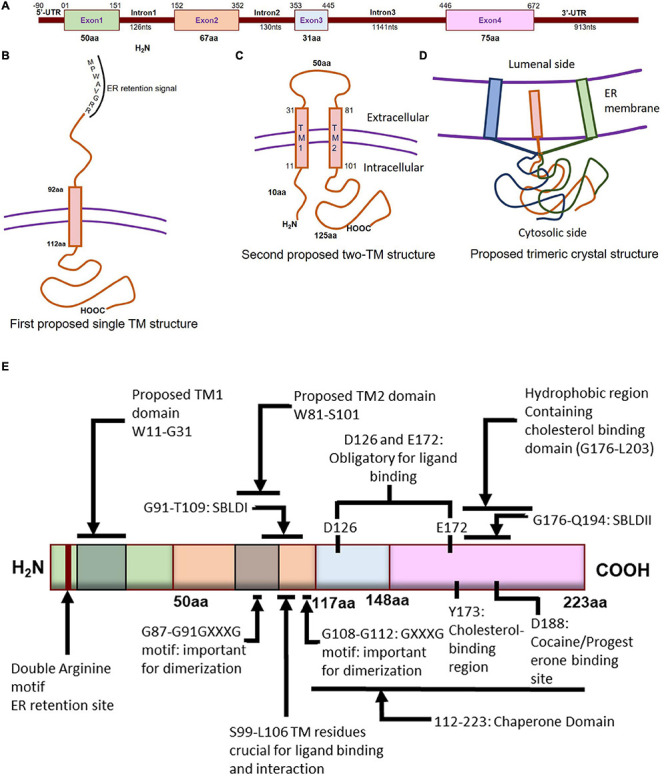
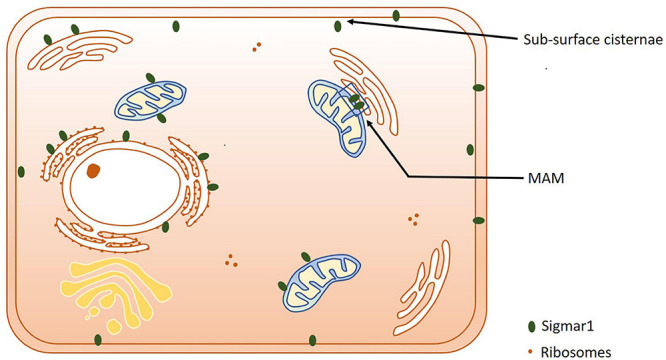
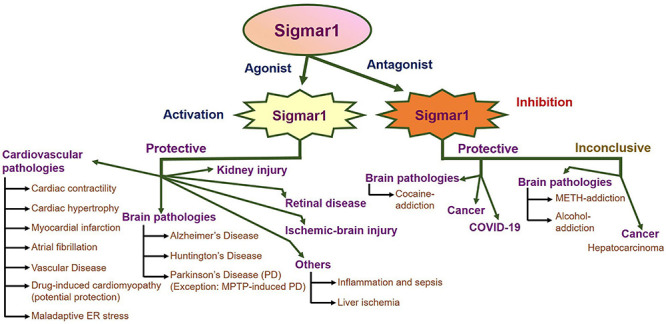
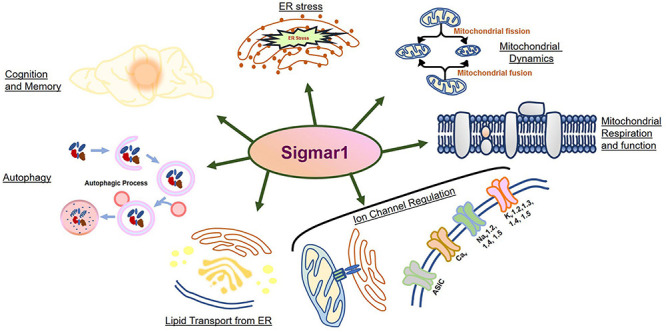
The Sigma 1 receptor (Sigmar1) is a ubiquitously expressed multifunctional inter-organelle signaling chaperone protein playing a diverse role in cellular survival. Recessive mutation in Sigmar1 have been identified as a causative gene for neuronal and neuromuscular disorder. Since the discovery over 40 years ago, Sigmar1 has been shown to contribute to numerous cellular functions, including ion channel regulation, protein quality control, endoplasmic reticulum-mitochondrial communication, lipid metabolism, mitochondrial function, autophagy activation, and involved in cellular survival. Alterations in Sigmar1’s subcellular localization, expression, and signaling has been implicated in the progression of a wide range of diseases, such as neurodegenerative diseases, ischemic brain injury, cardiovascular diseases, diabetic retinopathy, cancer, and drug addiction. The goal of this review is to summarize the current knowledge of Sigmar1 biology focusing the recent discoveries on Sigmar1’s molecular, cellular, pathophysiological, and biological functions.
Overview
The claims and statistics of this paper haven’t been checked yet.
Free: it reads the open-access text and checks the first 5 claims that cite a source we can check. Create a free account to check every claim.
Integrity signals
Registry
Cites
Statistics
Figures

Verification
Claims the paper makes
The claims and statistics of this paper haven’t been checked yet.
Free: it reads the open-access text and checks the first 5 claims that cite a source we can check. Create a free account to check every claim.
Claims other papers make about this one
Each is checked against this paper’s own text: does it say what the citing paper says it does?
In the citing paper
“Binding of SIGMAR1 agonists in the central nervous system (CNS) alters oligomeric forms of SIGMAR1 facilitating interaction with numerous client proteins to cause effect [14], [18], [19].”
From Blarcamesine for the treatment of Early Alzheimer's Disease: Results from the ANAVEX2-73-AD-004 Phase IIB/III trial (2025) · cites this paper as [14]
In the citing paper
“SIGMAR1 receptors are abundantly expressed in the brain [14]”
From Blarcamesine for the treatment of Early Alzheimer's Disease: Results from the ANAVEX2-73-AD-004 Phase IIB/III trial (2025) · cites this paper as [14]
In the citing paper
“Volumetric MRI improvements associated with blarcamesine appeared global and may be in response to restoration of cellular homeostasis [14].”
From Blarcamesine for the treatment of Early Alzheimer's Disease: Results from the ANAVEX2-73-AD-004 Phase IIB/III trial (2025) · cites this paper as [14]
Self-check
Percentages, sums and reported differences re-computed from the paper’s own numbers.
The self-check needs the paper’s full text.
Citations
Cites
A SARS-CoV-2 protein interaction map reveals targets for drug repurposing
Gordon, D. E., Jang, G. M., Bouhaddou, M., Xu, J., Obernier, K., White, K. M., O’Meara, M. J., Rezelj, V. V., Guo, J. Z., Swaney, D. L., et al. (2020) · Nature · doi:10.1038/s41586-020-2286-9 · Cited by 4,405
Martin, W. R., Eades, C. G., Thompson, J. A., Huppler, R. E., & Gilbert, P. E. (1976) · The Journal of Pharmacology and Experimental Therapeutics · doi:10.1016/s0022-3565(25)30536-7 · Cited by 2,992
Hayashi, T., & Su, T.-P. (2007) · Cell · doi:10.1016/j.cell.2007.08.036 · Cited by 1,826
Saudou, F., & Humbert, S. (2016) · Neuron · doi:10.1016/j.neuron.2016.02.003 · Cited by 951
Molecular Mechanisms and Potential Therapeutical Targets in Huntington's Disease
Zuccato, C., Valenza, M., & Cattaneo, E. (2010) · Physiological Reviews · doi:10.1152/physrev.00041.2009 · Cited by 848
The Hallucinogen N,N -Dimethyltryptamine (DMT) Is an Endogenous Sigma-1 Receptor Regulator
Fontanilla, D., Johannessen, M., Hajipour, A. R., Cozzi, N. V., Jackson, M. B., & Ruoho, A. E. (2009) · Science · doi:10.1126/science.1166127 · Cited by 535
Safety and Efficacy of Sertraline for Depression in Patients With Heart Failure
O'Connor, C. M., Jiang, W., Kuchibhatla, M., Silva, S. G., Cuffe, M. S., Callwood, D. D., Zakhary, B., Stough, W. G., Arias, R. M., Rivelli, S. K., et al. (2010) · Journal of the American College of Cardiology · doi:10.1016/j.jacc.2010.03.068 · Cited by 535
Lenze, E. J., Mattar, C., Zorumski, C. F., Stevens, A., Schweiger, J., Nicol, G. E., Miller, J. P., Yang, L., Yingling, M., Avidan, M. S., et al. (2020) · JAMA · doi:10.1001/jama.2020.22760 · Cited by 495
Crystal structure of the human σ1 receptor
Schmidt, H. R., Zheng, S., Gurpinar, E., Koehl, A., Manglik, A., & Kruse, A. C. (2016) · Nature · doi:10.1038/nature17391 · Cited by 482 · cited 2×
“…Transporters, Monoamine transporters (Siciliano et al., 2014; McFadden et al., 2015) − IPAG Sigmar1 (Ki 3 nM) > Sigmar2 (Ki 500–8000 nM) (Brimson et al., 2011; Schrock et al., 2013) Antagonist (Schrock et al., 2013; Maher et al., 2018) − − − review (Chu and Ruoho, 2016; Vavers et al., 2019).”
BackgroundMonnet, F. P., Mahé, V, Robel, P., & Baulieu, E. E. (1995) · Proceedings of the National Academy of Sciences · doi:10.1073/pnas.92.9.3774 · Cited by 429 · cited 1×
“…2011; Zampieri et al., 2016) − Inhibits Nav channels in Sigmar1 knockout cells (Johannessen et al., 2009, 2011) DHEA Moderate Sigmar1 (Ki 2.96 µM) (Maurice et al., 1996) Agonist (Monnet et al., 1995; Waterhouse et al., 2007) − Neurosteroid, NMDA receptors, GABA-A receptors, nuclear receptor (Wu…”
BackgroundInfluential
Research works printed but not linked: 338
- Abate C. Niso M. Abatematteo F. S. Contino M. Colabufo N. A. Berardi F. (2020). PB28, the Sigma-1 and Sigma-2 receptors modulator with potent Anti-SARS-CoV-2 activity: a review about its pharmacological properties and structure affinity relationships. Front. Pharmacol. 11: 589810. 10.3389/fphar.2020.589810 33364961 PMC7750835 · DOI
- Abdullah C. S. Aishwarya R. Alam S. Morshed M. Remex N. S. Nitu S. (2020). Methamphetamine induces cardiomyopathy by Sigmar1 inhibition-dependent impairment of mitochondrial dynamics and function. Commun. Biol. 3: 682. 10.1038/s42003-020-01408-z 33203971 PMC7673131 · DOI
- Abdullah C. S. Alam S. Aishwarya R. Miriyala S. Panchatcharam M. Bhuiyan M. A. N. (2018). Cardiac dysfunction in the sigma 1 receptor knockout mouse associated with impaired mitochondrial dynamics and bioenergetics. J. Am. Heart Assoc. 7: e009775. 10.1161/JAHA.118.009775 30371279 PMC6474981 · DOI
- Ablordeppey S. Y. Fischer J. B. Law H. Glennon R. A. (2002). Probing the proposed phenyl-A region of the sigma-1 receptor. Bioorg. Med. Chem. 10 2759– 2765. 10.1016/S0968-0896(02)00096-2 12057665 · doi:10.1016/s0968-0896(02)00096-2
- Abou-lovergne A. Collado-Hilly M. Monnet F. P. Koukoui O. Prigent S. Coquil J. F. (2011). Investigation of the role of sigma1-receptors in inositol 1,4,5-trisphosphate dependent calcium signaling in hepatocytes. Cell Calcium 50 62– 72. 10.1016/j.ceca.2011.05.008 21641033 · DOI
- Alam S. Abdullah C. S. Aishwarya R. Orr A. W. Traylor J. Miriyala S. (2017). Sigmar1 regulates endoplasmic reticulum stress-induced C/EBP-homologous protein expression in cardiomyocytes. Biosci. Rep. 37: BSR20170898. 10.1042/bsr20170898 28667101 PMC5518542 · DOI
- Allahtavakoli M. Jarrott B. (2011). Sigma-1 receptor ligand PRE-084 reduced infarct volume, neurological deficits, pro-inflammatory cytokines and enhanced anti-inflammatory cytokines after embolic stroke in rats. Brain Res. Bull. 85 219– 224. 10.1016/j.brainresbull.2011.03.019 21453760 · DOI
- Almendra L. Laranjeira F. Fernandez-Marmiesse A. Negrao L. (2018). SIGMAR1 gene mutation causing distal hereditary motor neuropathy in a portuguese family. Acta Myol. 37 2– 4. 30079398 PMC6060428
- Alon A. Schmidt H. R. Wood M. D. Sahn J. J. Martin S. F. Kruse A. C. (2017). Identification of the gene that codes for the sigma2 receptor. Proc. Natl. Acad. Sci. U.S.A 114 7160– 7165. 10.1073/pnas.1705154114 28559337 PMC5502638 · DOI · Paper page
- Alonso G. Phan V. Guillemain I. Saunier M. Legrand A. Anoal M. (2000). Immunocytochemical localization of the sigma(1) receptor in the adult rat central nervous system. Neuroscience 97 155– 170. 10.1016/s0306-4522(00)00014-2 10771347 · DOI · Paper page
- Al-Saif A. Al-Mohanna F. Bohlega S. (2011). A mutation in sigma-1 receptor causes juvenile amyotrophic lateral sclerosis. Annal. Neurol. 70 913– 919. 10.1002/ana.22534 21842496 · DOI · Paper page
- Amer M. S. McKeown L. Tumova S. Liu R. Seymour V. A. L. Wilson L. A. (2013). Inhibition of endothelial cell Ca2+ entry and transient receptor potential channels by Sigma-1 receptor ligands. Br. J. Pharmacol. 168 1445– 1455. 10.1111/bph.12041 23121507 PMC3596649 · DOI
- Asano M. Motoike S. Yokota C. Usuki N. Yamamoto H. Urabe T. (2019). SKF-10047, a prototype Sigma-1 receptor agonist, augmented the membrane trafficking and uptake activity of the serotonin transporter and its C-terminus-deleted mutant via a Sigma-1 receptor-independent mechanism. J. Pharmacol. Sci. 139 29– 36. 10.1016/j.jphs.2018.11.005 30522963 · DOI
- Aydar E. Palmer C. P. Klyachko V. A. Jackson M. B. (2002). The sigma receptor as a ligand-regulated auxiliary potassium channel subunit. Neuron 34 399– 410. 10.1016/s0896-6273(02)00677-3 11988171 · DOI · Paper page
- Aydar E. Stratton D. Fraser S. P. Djamgoz M. B. A. Palmer C. (2016). Sigma-1 receptors modulate neonatal Nav1.5 ion channels in breast cancer cell lines. Eur. Biophys. J. 45 671– 683. 10.1007/s00249-016-1135-0 27160185 · DOI
- Azzariti A. Colabufo N. A. Berardi F. Porcelli L. Niso M. Simone G. M. (2006). Cyclohexylpiperazine derivative PB28, a σ2 agonist and σ1 antagonist receptor, inhibits cell growth, modulates P-glycoprotein, and synergizes with anthracyclines in breast cancer. Mol. Cancer Ther. 5 1807– 1816. 10.1158/1535-7163.Mct-05-0402 16891467 · DOI · Paper page
- Bai T. Lei P. Zhou H. Liang R. Zhu R. Wang W. (2019). Sigma-1 receptor protects against ferroptosis in hepatocellular carcinoma cells. J. Cell Mol. Med. 23 7349– 7359. 10.1111/jcmm.14594 31507082 PMC6815844 · DOI
- Balasuriya D. Stewart A. P. Crottès D. Borgese F. Soriani O. Edwardson J. M. (2012). The sigma-1 receptor binds to the nav1.5 voltage-gated Na+ channel with 4-fold symmetry. J. Biol. Chem. 287 37021– 37029. 10.1074/jbc.M112.382077 22952230 PMC3481303 · DOI · Paper page
- Barbieri F. Sparatore A. Alama A. Novelli F. Bruzzo C. Sparatore F. (2003). Novel sigma binding site ligands as inhibitors of cell proliferation in breast cancer. Oncol. Res. 3 455– 461. 10.3727/000000003108747974 12812359 · DOI
- Barr J. L. Deliu E. Brailoiu G. C. Zhao P. Yan G. Abood M. E. (2015). Mechanisms of activation of nucleus accumbens neurons by cocaine via sigma-1 receptor–inositol 1,4,5-trisphosphate–transient receptor potential canonical channel pathways. Cell Calcium 58 196– 207. 10.1016/j.ceca.2015.05.001 26077147 PMC4501893 · DOI
- Battista T. Pascarella G. Staid D. S. Colotti G. Rosati J. Fiorillo A. (2021). Known drugs identified by structure-based virtual screening are able to bind sigma-1 receptor and increase growth of huntington disease patient-derived cells. Int. J. Mol. Sci. 22: 1293. PMC7865886 33525510 · DOI
- Beggiato S. Borelli A. C. Borroto-Escuela D. Corbucci I. Tomasini M. C. Marti M. (2017). Cocaine modulates allosteric D2-σ1 receptor-receptor interactions on dopamine and glutamate nerve terminals from rat striatum. Cell Signal. 40 116– 124. 10.1016/j.cellsig.2017.09.007 28923416 · DOI
- Belzil V. V. Daoud H. Camu W. Strong M. J. Dion P. A. Rouleau G. A. (2013). Genetic analysis of SIGMAR1 as a cause of familial ALS with dementia. Eur. J. Hum. Genet. 21 237– 239. 10.1038/ejhg.2012.135 22739338 PMC3548267 · DOI
- Bermack J. E. Debonnel G. (2005). Distinct modulatory roles of sigma receptor subtypes on glutamatergic responses in the dorsal hippocampus. Synapse 55 37– 44. 10.1002/syn.20085 15499608 · DOI · Paper page
- Bernard-Marissal N. Médard J.-J. Azzedine H. Chrast R. (2015). Dysfunction in endoplasmic reticulum-mitochondria crosstalk underlies SIGMAR1 loss of function mediated motor neuron degeneration. Brain 138 875– 890. 10.1093/brain/awv008 25678561 · DOI · Paper page
- Bhuiyan M. S. Fukunaga K. (2009). Stimulation of Sigma-1 receptor signaling by dehydroepiandrosterone ameliorates pressure overload-induced hypertrophy and dysfunctions in ovariectomized rats. Expert Opin. Ther. Targets 13 1253– 1265. 10.1517/14728220903264064 19769544 · DOI
- Bhuiyan M. S. Fukunaga K. (2011). Targeting sigma-1 receptor signaling by endogenous ligands for cardioprotection. Expert Opin. Ther. Targets 15 145– 155. 10.1517/14728222.2011.546350 21204730 · DOI
- Bhuiyan M. S. Tagashira H. Fukunaga K. (2011a). “Dehydroepiandrosterone-mediated stimulation of sigma-1 receptor activates Akt-eNOS signaling in the thoracic aorta of ovariectomized rats with abdominal aortic banding. Cardiovasc. Ther. 29 219– 230. 10.1111/j.1755-5922.2010.00196.x 20553277 · DOI
- Bhuiyan M. S. Tagashira H. Fukunaga K. (2011b). Sigma-1 receptor stimulation with fluvoxamine activates Akt-eNOS signaling in the thoracic aorta of ovariectomized rats with abdominal aortic banding. Eur. J. Pharmacol. 650 621– 628. 10.1016/j.ejphar.2010.10.055 21044620 · DOI
- Bhuiyan M. S. Tagashira H. Fukunaga K. (2013). Crucial interactions between selective serotonin uptake inhibitors and sigma-1 receptor in heart failure. J. Pharmacol. Sci. 121 177– 184. 10.1254/jphs.12r13cp 23428811 · DOI
- Bhuiyan M. S. Tagashira H. Shioda N. Fukunaga K. (2010). Targeting sigma-1 receptor with fluvoxamine ameliorates pressure-overload-induced hypertrophy and dysfunctions. Expert Opin. Ther. Targets 14 1009– 1022. 10.1517/14728222.2010.509348 20722474 · DOI
- Bhuiyan S. Fukunaga K. (2010). Stimulation of Sigma-1 receptor by dehydroepiandrosterone ameliorates hypertension-induced kidney hypertrophy in ovariectomized rats. Exp. Biol. Med. (Maywood) 235 356– 364. 10.1258/ebm.2009.009177 20404054 · DOI
- Blasio A. Valenza M. Iyer M. R. Rice K. C. Steardo L. Hayashi T. (2015). Sigma-1 receptor mediates acquisition of alcohol drinking and seeking behavior in alcohol-preferring rats. Behav. Brain Res. 287 315– 322. 10.1016/j.bbr.2015.03.065 25848705 PMC4424067 · DOI
- Brailoiu G. C. Deliu E. Console-Bram L. M. Soboloff J. Abood M. E. Unterwald E. M. (2015). Cocaine inhibits store-operated Ca2+ entry in brain microvascular endothelial cells: critical role for sigma-1 receptors. Biochem. J. 473 1– 5. 10.1042/bj20150934 26467159 PMC4679692 · DOI
- Brammer M. K. Gilmore D. L. Matsumoto R. R. (2006). Interactions between 3,4-methylenedioxymethamphetamine and σ1 receptors. Eur. J. Pharmacol. 553 141– 145. 10.1016/j.ejphar.2006.09.038 17070798 PMC1780037 · DOI
- Brimson J. Brown C. Safrany S. (2011). Antagonists show GTP-sensitive high-affinity binding to the sigma-1 receptor. Br. J. Pharmacol. 164 772– 780. 10.1111/j.1476-5381.2011.01417.x 21486275 PMC3188898 · DOI
- Brindley R. L. Bauer M. B. Hartley N. D. Horning K. J. Currie K. P. M. (2017). Sigma-1 receptor ligands inhibit catecholamine secretion from adrenal chromaffin cells due to block of nicotinic acetylcholine receptors. J. Neurochem. 143 171– 182. 10.1111/jnc.14149 28815595 PMC5630514 · DOI
- Campana G. Bucolo C. Murari G. Spampinato S. (2002). Ocular hypotensive action of topical flunarizine in the rabbit: role of sigma 1 recognition sites. J. Pharmacol. Exp. Ther. 303 1086– 1094. 10.1124/jpet.102.040584 12438531 · DOI
- Carnally S. M. Johannessen M. Henderson R. M. Jackson M. B. Edwardson J. M. (2010). Demonstration of a direct interaction between σ-1 receptors and acid-sensing ion channels. Biophys. J. 98 1182– 1191. 10.1016/j.bpj.2009.12.4293 20371317 PMC2849097 · DOI
- Cendan C. M. Pujalte J. M. Portillo-Salido E. Montoliu L. Baeyens J. M. (2005). Formalin-induced pain is reduced in sigma(1) receptor knockout mice. Eur. J. Pharmacol. 511 73– 74. 10.1016/j.ejphar.2005.01.036 15777781 · DOI
- Chen Y. Hajipour A. R. Sievert M. K. Arbabian M. Ruoho A. E. (2007). Characterization of the cocaine binding site on the sigma-1 receptor. Biochemistry 46 3532– 3542. 10.1021/bi061727o 17315983 · DOI · Paper page
- Chertkow Y. Weinreb O. Youdim M. B. Silver H. (2007). Dopamine and serotonin metabolism in response to chronic administration of fluvoxamine and haloperidol combined treatment. J. Neural. Transm. (Vienna) 114 1443– 1454. 10.1007/s00702-007-0753-1 17576515 · DOI
- Chevallier N. Keller E. Maurice T. (2011). Behavioural phenotyping of knockout mice for the sigma-1 chaperone protein revealed gender-related anxiety, depressive-like and memory alterations. J. Psychopharmacol. 25 960– 975. 10.1177/0269881111400648 21555330 · DOI
- Chien C. C. Pasternak G. W. (1994). Selective antagonism of opioid analgesia by a sigma system. J. Pharmacol. Exp. Ther. 271 1583– 1590. 7996472
- Choi S.-R. Roh D.-H. Yoon S.-Y. Kwon S.-G. Choi H.-S. Han H.-J. (2016). Astrocyte sigma-1 receptors modulate connexin 43 expression leading to the induction of below-level mechanical allodynia in spinal cord injured mice. Neuropharmacology 111 34– 46. 10.1016/j.neuropharm.2016.08.027 27567941 · DOI
- Choi S.-R. Yang B. Plössl K. Chumpradit S. Wey S.-P. Acton P. D. (2001). Development of a Tc-99m labeled sigma-2 receptor-specific ligand as a potential breast tumor imaging agent. Nucl. Med. Biol. 28 657– 666. 10.1016/S0969-8051(01)00234-7 11518647 · DOI
- Christ M. G. Huesmann H. Nagel H. Kern A. Behl C. (2019). Sigma-1 receptor activation induces autophagy and increases proteostasis capacity in vitro and in vivo. Cells 8: 211. 10.3390/cells8030211 30832324 PMC6468724 · DOI · Paper page
- Christodoulou K. Zamba E. Tsingis M. Mubaidin A. Horani K. Abu-Sheik S. (2000). A novel form of distal hereditary motor neuronopathy maps to chromosome 9p21.1-p12. Ann. Neurol. 48 877– 884. 10.1002/1531-8249(200012)48:6<877::AID-ANA8>3.0.CO;2-# 11117544 · doi:10.1002/1531-8249(200012)48:6<877::aid-ana8>3.0.co;2-#
- Chu U. B. Ruoho A. E. (2016). Biochemical pharmacology of the sigma-1 receptor. Mol. Pharmacol. 89 142– 153. 10.1124/mol.115.101170 26560551 · DOI
- Chu U. B. Ramachandran S. Hajipour A. R. Ruoho A. E. (2013). Photoaffinity labeling of the sigma-1 receptor with N-[3-(4-Nitrophenyl)propyl]-N-dodecylamine: evidence of receptor dimers. Biochemistry 52 859– 868. 10.1021/bi301517u 23324054 PMC3581363 · DOI
- Couly S. Goguadze N. Yasui Y. Kimura Y. Wang S.-M. Sharikadze N. (2020a). Knocking out sigma-1 receptors reveals diverse health problems. Cell Mol. Neurobiol. 10.1007/s10571-020-00983-3 [Epub ahead of print]. 33095392 PMC8062587 · DOI
- Couly S. Khalil B. Viguier V. Roussel J. Maurice T. Lievens J. C. (2020b). Sigma-1 receptor is a key genetic modulator in amyotrophic lateral sclerosis. Hum. Mol. Genet. 29 529– 540. 10.1093/hmg/ddz267 31696229 · DOI
- Crottes D. Martial S. Rapetti-Mauss R. Pisani D. F. Loriol C. Pellissier B. (2011). Sig1R protein regulates hERG channel expression through a post-translational mechanism in leukemic cells. J. Biol. Chem. 286 27947– 27958. 10.1074/jbc.M111.226738 21680736 PMC3151040 · DOI
- Crottes D. Rapetti-Mauss R. Alcaraz-Perez F. Tichet M. Gariano G. Martial S. (2016). SIGMAR1 regulates membrane electrical activity in response to extracellular matrix stimulation to drive cancer cell invasiveness. Cancer Res. 76 607– 618. 10.1158/0008-5472.CAN-15-1465 26645564 · DOI
- Delaunois A. De Ron P. Detrait E. Guyaux M. (2013). Inhibitory effects of sigma-1 ligands on handling-induced tachycardia in conscious tethered rats. Fundam. Clin. Pharmacol. 27 354– 363. 10.1111/j.1472-8206.2012.01042.x 22486521 · doi:10.1111/j.1472-8206.2012.01042.x
- Di T. Zhang S. Hong J. Zhang T. Chen L. (2017). Hyperactivity of hypothalamic-pituitary-adrenal axis due to dysfunction of the hypothalamic glucocorticoid receptor in sigma-1 receptor knockout mice. Front. Mol. Neurosci. 10: 287. 10.3389/fnmol.2017.00287 28932185 PMC5592243 · DOI
- Dyhring T. Nielsen E. Ø Sonesson C. Pettersson F. Karlsson J. Svensson P. (2010). The dopaminergic stabilizers pridopidine (ACR16) and (−)−OSU6162 display dopamine D2 receptor antagonism and fast receptor dissociation properties. Eur. J. Pharmacol. 628 19– 26. 10.1016/j.ejphar.2009.11.025 19919834 · DOI
- Ela C. Barg J. Vogel Z. Hasin Y. Eilam Y. (1994). Sigma receptor ligands modulate contractility, Ca++ influx and beating rate in cultured cardiac myocytes. J. Pharmacol. Exp. Ther. 269 1300– 1309. 8014874
- Ela C. Hasin Y. Eilam Y. (1996). Apparent desensitization of a sigma receptor sub-population in neonatal rat cardiac myocytes by pre-treatment with sigma receptor ligands. Eur. J. Pharmacol. 295 275– 280. 8720595 · doi:10.1016/0014-2999(95)00750-4
- Ellis D. Z. Li L. Park Y. He S. Mueller B. Yorio T. (2017). Sigma-1 receptor regulates mitochondrial function in glucose- and oxygen-deprived retinal ganglion cells. Invest Ophthalmol. Vis. Sci. 58 2755– 2764. 10.1167/iovs.16-19199 28549090 · DOI
- Feher A. Juhasz A. Laszlo A. Kalman J. Jr. Pakaski M. Kalman J. (2012). Association between a variant of the sigma-1 receptor gene and Alzheimer’s disease. Neurosci. Lett. 517 136– 139. 10.1016/j.neulet.2012.04.046 22561649 · DOI
- Fo Y. Zhang C. Chen X. Liu X. Ye T. Guo Y. (2020). Chronic sigma-1 receptor activation ameliorates ventricular remodeling and decreases susceptibility to ventricular arrhythmias after myocardial infarction in rats. Eur. J. Pharmacol. 889: 173614. 10.1016/j.ejphar.2020.173614 33010304 · DOI
- Fontanilla D. Hajipour A. R. Pal A. Chu U. B. Arbabian M. Ruoho A. E. (2008). Probing the steroid binding domain-like I (SBDLI) of the sigma-1 receptor binding site using N-substituted photoaffinity labels. Biochemistry 47 7205– 7217. 10.1021/bi800564j 18547058 PMC3250216 · DOI
- Förstl H. Kurz A. (1999). Clinical features of Alzheimer’s disease. Eur. Arch. Psychiatry Clin. Neurosci. 249 288– 290. 10.1007/s004060050101 10653284 · DOI · Paper page
- Fox C. A. Mansour A. Watson S. J. (1994). The effects of haloperidol on dopamine receptor gene expression. Exp. Neurol. 130 288– 303. 10.1006/exnr.1994.1207 7867758 · DOI
- Francardo V. Bez F. Wieloch T. Nissbrandt H. Ruscher K. Cenci M. A. (2014). Pharmacological stimulation of sigma-1 receptors has neurorestorative effects in experimental parkinsonism. Brain 137 1998– 2014. 10.1093/brain/awu107 24755275 · DOI · Paper page
- Francardo V. Geva M. Bez F. Denis Q. Steiner L. Hayden M. R. (2019). Pridopidine induces functional neurorestoration via the sigma-1 receptor in a mouse model of parkinson’s disease. Neurotherapeutics 16 465– 479. 10.1007/s13311-018-00699-9 30756361 PMC6554374 · DOI · Paper page
- Fu Y. Yu S. Guo X. Li X. Li T. Li H. (2012). Fluvoxamine increased glutamate release by activating both 5-HT(3) and sigma-1 receptors in prelimbic cortex of chronic restraint stress C57BL/6 mice. Biochim. Biophys. Acta 1823 826– 837. 10.1016/j.bbamcr.2012.01.008 22306004 · DOI
- Fukunaga K. Shinoda Y. Tagashira H. (2015). The role of SIGMAR1 gene mutation and mitochondrial dysfunction in amyotrophic lateral sclerosis. J. Pharmacol. Sci. 127 36– 41. 10.1016/j.jphs.2014.12.012 25704016 · DOI
- Ganapathy M. E. Prasad P. D. Huang W. Seth P. Leibach F. H. Ganapathy V. (1999). Molecular and ligand-binding characterization of the σ-receptor in the jurkat human T lymphocyte cell line. J. Pharmacol. Exp. Ther. 289 251– 260. 10087012
- Gao Q. J. Yang B. Chen J. Shi S. B. Yang H. J. Liu X. (2018). Sigma-1 receptor stimulation with PRE-084 Ameliorates myocardial ischemia-reperfusion injury in rats. Chin. Med. J. (Engl) 131 539– 543. 10.4103/0366-6999.226076 29483387 PMC5850669 · DOI
- Gao X. F. Yao J. J. He Y. L. Hu C. Mei Y. A. (2012). Sigma-1 receptor agonists directly inhibit Nav1.2/1.4 channels. PLoS One 7: e49384. 10.1371/journal.pone.0049384 23139844 PMC3489664 · DOI
- Garcés-Ramírez L. Green J. L. Hiranita T. Kopajtic T. A. Mereu M. Thomas A. M. (2011). Sigma receptor agonists: receptor binding and effects on mesolimbic dopamine neurotransmission assessed by microdialysis. Biol. Psychiatry 69 208– 217. 10.1016/j.biopsych.2010.07.026 20950794 PMC3015019 · DOI · Paper page
- Gasparre G. Abate C. Berardi F. Cassano G. (2012). The sigma-1 receptor antagonist PB212 reduces the Ca2+-release through the inositol (1, 4, 5)-trisphosphate receptor in SK-N-SH cells. Eur J Pharmacol 684 59– 63. 10.1016/j.ejphar.2012.03.021 22465185 · DOI
- Ghelardini C. Galeotti N. Bartolini A. (2000). Pharmacological identification of SM-21, the novel σ2 antagonist. Pharmacol. Biochem. Behav. 67 659– 662. 10.1016/S0091-3057(00)00405-6 11164098 · DOI
- Glassman A. H. Bigger J. T. Gaffney M. Shapiro P. A. Swenson J. R. (2006). Onset of major depression associated with acute coronary syndromes: relationship of onset, major depressive disorder history, and episode severity to sertraline benefit. Arch. Gen. Psychiatry 63 283– 288. 10.1001/archpsyc.63.3.283 16520433 · DOI · Paper page
- Glennon R. A. Yousif M. Y. Ismaiel A. M. el-Ashmawy M. B. Herndon J. L. Fischer J. B. (1991). Novel 1-phenylpiperazine and 4-phenylpiperidine derivatives as high-affinity sigma ligands. J. Med. Chem. 34 3360– 3365. 10.1021/jm00116a003 1662725 · doi:10.1021/jm00116a003
- Goguadze N. Zhuravliova E. Morin D. Mikeladze D. Maurice T. (2019). Sigma-1 receptor agonists induce oxidative stress in mitochondria and enhance complex i activity in physiological condition but protect against pathological oxidative stress. Neurotox Res. 35 1– 18. 10.1007/s12640-017-9838-2 29127580 · DOI · Paper page
- Gordon D. E. Hiatt J. Bouhaddou M. Rezelj V. V. Ulferts S. Braberg H. (2020a). Comparative host-coronavirus protein interaction networks reveal pan-viral disease mechanisms. Science 370: eabe9403. 10.1126/science.abe9403 33060197 PMC7808408 · DOI · Paper page
- Goyagi T. Goto S. Bhardwaj A. Dawson V. L. Hurn P. D. Kirsch J. R. (2001). Neuroprotective effect of sigma (1)-Receptor Ligand 4-Phenyl-1-(4-Phenylbutyl) Piperidine (PPBP) is linked to reduced neuronal nitric oxide production. Stroke 32 1613– 1620. 10.1161/01.STR.32.7.1613 11441209 · DOI
- Grachev I. D. Meyer P. M. Becker G. A. Bronzel M. Marsteller D. Pastino G. (2020). Sigma-1 and dopamine D2/D3 receptor occupancy of pridopidine in healthy volunteers and patients with Huntington disease: a [18F] fluspidine and [18F] fallypride PET study. Eur. J. Nucl. Med. Mol. Imaging 48 1103– 1115. 10.1007/s00259-020-05030-3 32995944 PMC8041674 · DOI
- Gregianin E. Pallafacchina G. Zanin S. Crippa V. Rusmini P. Poletti A. (2016). Loss-of-function mutations in the SIGMAR1 gene cause distal hereditary motor neuropathy by impairing ER-mitochondria tethering and Ca2+ signalling. Hum. Mol. Genet. 25 3741– 3753. 10.1093/hmg/ddw220 27402882 · DOI
- Gueguinou M. Crottès D. Chantôme A. Rapetti-Mauss R. Potier-Cartereau M. Clarysse L. (2017). The SigmaR1 chaperone drives breast and colorectal cancer cell migration by tuning SK3-dependent Ca 2+ homeostasis. Oncogene 36 3640– 3647. 10.1038/onc.2016.501 28114279 · DOI
- Guitart X. Codony X. Ballarín M. Dordal A. Farré A. J. (1998). E-5842: a new potent and preferential sigma ligand. Preclinical Pharmacological Profile. CNS Drug Rev. 4 201– 224. 10.1111/j.1527-3458.1998.tb00065.x · DOI
- Guitart X. Farré A. J. (1998). The effect of E-5842, a σ receptor ligand and potential atypical antipsychotic, on Fos expression in rat forebrain. Eur. J. Pharmacol. 363 127– 130. 10.1016/S0014-2999(98)00812-7 9881578 · DOI
- Guzmán A. Marín A.-P. García C. de Henestrosa A. R. F. Ruiz M. T. Tortajada A. (2008). Induction of hypothermic conditions associated with increased micronuclei formation in sigma-1 receptor knockout mice after administration of the antipsychotic compound E-5842. Environ. Mol. Mutagen. 49 727– 733. 10.1002/em.20428 18800345 · doi:10.1002/em.20428
- Ha Y. Saul A. Tawfik A. Williams C. Bollinger K. Smith R. (2011). Late-onset inner retinal dysfunction in mice lacking sigma receptor 1 (sigmaR1). Invest Ophthalmol. Vis. Sci. 52 7749– 7760. 10.1167/iovs.11-8169 21862648 PMC3183986 · DOI
- Ha Y. Saul A. Tawfik A. Zorrilla E. P. Ganapathy V. Smith S. B. (2012). Diabetes accelerates retinal ganglion cell dysfunction in mice lacking sigma receptor 1. Mol. Vis. 18 2860– 2870. 23233788 PMC3519370
- Hanner M. Moebius F. F. Flandorfer A. Knaus H. G. Striessnig J. Kempner E. (1996). Purification, molecular cloning, and expression of the mammalian sigma1-binding site. Proc. Natl. Acad. Sci. U.S.A. 93 8072– 8077. 10.1073/pnas.93.15.8072 8755605 PMC38877 · DOI · Paper page
- Harukuni I. Bhardwaj A. Shaivitz A. B. DeVries A. C. London E. D. Hurn P. D. (2000). sigma(1)-receptor ligand 4-phenyl-1-(4-phenylbutyl)-piperidine affords neuroprotection from focal ischemia with prolonged reperfusion. Stroke 31 976– 982. 10.1161/01.str.31.4.976 10754008 · DOI
- Hashimoto K. (2021). Repurposing of CNS drugs to treat COVID-19 infection: targeting the sigma-1 receptor. Eur. Arch. Psychiatry Clin. Neurosci. 271 249– 258. 10.1007/s00406-020-01231-x 33403480 PMC7785036 · DOI
- Hashimoto K. London E. D. (1993). Further characterization of [3H]ifenprodil binding to sigma receptors in rat brain. Eur. J. Pharmacol. 236 159– 163. 10.1016/0014-2999(93)90241-9 8319742 · DOI · Paper page
- Hashimoto K. Narita N. Tomitaka S.-I. Iyo M. Minabe Y. (1997). In vivo regulation of serotonin 5-HT2a receptors in rat brain by subchronic administration of σ receptor ligand NE-100. Life Sci. 60 2245– 2254. 10.1016/S0024-3205(97)00239-7 9188767 · DOI
- Hayashi T. Fujimoto M. (2010). Detergent-resistant microdomains determine the localization of sigma-1 receptors to the endoplasmic reticulum-mitochondria junction. Mol. Pharmacol. 77 517– 528. 10.1124/mol.109.062539 20053954 PMC2845942 · DOI · Paper page
- Hayashi T. Su T. P. (2001). Regulating ankyrin dynamics: roles of sigma-1 receptors. Proc. Natl. Acad. Sci. U.S.A. 98 491– 496. 10.1073/pnas.021413698 11149946 PMC14614 · DOI
- Hayashi T. Su T. P. (2003a). Intracellular dynamics of sigma-1 receptors (sigma(1) binding sites) in NG108-15 cells. J. Pharmacol. Exp. Ther. 306 726– 733. 10.1124/jpet.103.051292 12730356 · DOI · Paper page
- Hayashi T. Su T. P. (2004). Sigma-1 receptors at galactosylceramide-enriched lipid microdomains regulate oligodendrocyte differentiation. Proc. Natl. Acad. Sci. U.S.A. 101 14949– 14954. 10.1073/pnas.0402890101 15466698 PMC522002 · DOI · Paper page
- Hayashi T. Su T. P. (2005). The potential role of sigma-1 receptors in lipid transport and lipid raft reconstitution in the brain: implication for drug abuse. Life Sci. 77 1612– 1624. 10.1016/j.lfs.2005.05.009 16002098 · DOI
- Hayashi T. Hayashi E. Fujimoto M. Sprong H. Su T.-P. (2012). The Lifetime of UDP-galactose:ceramide galactosyltransferase is controlled by a distinct endoplasmic reticulum-associated degradation (ERAD) regulated by sigma-1 receptor chaperones. J. Biol. Chem. 287 43156– 43169. 10.1074/jbc.M112.380444 23105111 PMC3522309 · DOI · Paper page
- Hayashi T. Maurice T. Su T.-P. (2000). Ca2+ Signaling via ς1-receptors: novel regulatory mechanism affecting intracellular Ca2+concentration. J. Pharmacol. Exp. Ther. 293 788– 798. 10869377
- Hayashi T. Tsai S. Y. Mori T. Fujimoto M. Su T. P. (2011). Targeting ligand-operated chaperone sigma-1 receptors in the treatment of neuropsychiatric disorders. Expert Opin. Ther. Targets 15 557– 577. 10.1517/14728222.2011.560837 21375464 PMC3076924 · DOI · Paper page
- Hellewell S. B. Bowen W. D. (1990). A sigma-like binding site in rat pheochromocytoma (PC12) cells: decreased affinity for (+)-benzomorphans and lower molecular weight suggest a different sigma receptor form from that of guinea pig brain. Brain Res. 527 244– 253. 10.1016/0006-8993(90)91143-5 2174717 · DOI · Paper page
- Hellewell S. B. Bruce A. Feinstein G. Orringer J. Williams W. Bowen W. D. (1994). Rat liver and kidney contain high densities of σ1 and σ2 receptors: characterization by ligand binding and photoaffinity labeling. Eur. J. Pharmacol. 268 9– 18. 10.1016/0922-4106(94)90115-5 7925616 · DOI · Paper page
- Hernandez L. L. Appel J. B. (1979). Dopaminergic involvement in the mechanism of action of pentazocine. Behav. Neural Biol. 26 384– 400. 10.1016/s0163-1047(79)91392-x 227353 · doi:10.1016/s0163-1047(79)91392-x
- Herrera Y. Katnik C. Rodriguez J. D. Hall A. A. Willing A. Pennypacker K. R. (2008). σ-1 Receptor modulation of acid-sensing ion channel a (ASIC1a) and ASIC1a-Induced Ca2+ influx in rat cortical neurons. J. Pharmacol. Exp. Ther. 327 491– 502. 10.1124/jpet.108.143974 18723775 · DOI
- Hiramatsu M. Hoshino T. (2005). Improvement of memory impairment by (+)- and (−)−pentazocine via sigma, but not kappa opioid receptors. Brain Res. 1057 72– 80. 10.1016/j.brainres.2005.07.028 16125682 · doi:10.1016/j.brainres.2005.07.028
- Hoertel N. Sanchez-Rico M. Vernet R. Jannot A. S. Neuraz A. Blanco C. (2021). Observational study of haloperidol in hospitalized patients with COVID-19. PLoS One 16: e0247122. 10.1371/journal.pone.0247122 33606790 PMC7895415 · DOI
- Hong J. Sha S. Zhou L. Wang C. Yin J. Chen L. (2015). Sigma-1 receptor deficiency reduces MPTP-induced parkinsonism and death of dopaminergic neurons. Cell Death Dis. 6: e1832. 10.1038/cddis.2015.194 26203861 PMC4650739 · DOI · Paper page
- Hong W. C. Yano H. Hiranita T. Chin F. T. McCurdy C. R. Su T.-P. (2017). The sigma-1 receptor modulates dopamine transporter conformation and cocaine binding and may thereby potentiate cocaine self-administration in rats. J. Biol. Chem. 292 11250– 11261. 10.1074/jbc.M116.774075 28495886 PMC5500793 · DOI · Paper page
- Horga A. Tomaselli P. J. Gonzalez M. A. Laura M. Muntoni F. Manzur A. Y. (2016). SIGMAR1 mutation associated with autosomal recessive Silver-like syndrome. Neurology 87 1607– 1612. 10.1212/WNL.0000000000003212 27629094 PMC5067545 · DOI
- Hosszu A. Antal Z. Lenart L. Hodrea J. Koszegi S. Balogh D. B. (2017). σ1-Receptor Agonism protects against renal ischemia-reperfusion injury. J. Am. Soc. Nephrol. 28 152– 165. 10.1681/asn.2015070772 27056295 PMC5198266 · DOI
- Huang Y. Zheng L. Halliday G. Dobson-Stone C. Wang Y. Tang H. D. (2011). Genetic polymorphisms in sigma-1 receptor and apolipoprotein E interact to influence the severity of Alzheimer’s disease. Curr. Alzheimer Res. 8 765– 770. 10.2174/156720511797633232 21605063 · DOI
- Hyrskyluoto A. Pulli I. Törnqvist K. Huu Ho T. Korhonen L. Lindholm D. (2013). Sigma-1 receptor agonist PRE084 is protective against mutant huntingtin-induced cell degeneration: involvement of calpastatin and the NF-κB pathway. Cell Death Dis. 4: e646. 10.1038/cddis.2013.170 23703391 PMC3674377 · DOI · Paper page
- Inoue A. Sugita S. Shoji H. Ichimoto H. Hide I. Nakata Y. (2000). Repeated haloperidol treatment decreases sigma(1) receptor binding but does not affect its mRNA levels in the guinea pig or rat brain. Eur. J. Pharmacol. 401 307– 316. 10936488 · doi:10.1016/s0014-2999(00)00455-6
- Ishima T. Fujita Y. Hashimoto K. (2014). Interaction of new antidepressants with sigma-1 receptor chaperones and their potentiation of neurite outgrowth in PC12 cells. Eur. J. Pharmacol. 727 167– 173. 10.1016/j.ejphar.2014.01.064 24508523 · DOI
- Ito K. Hirooka Y. Sunagawa K. (2013). Brain sigma-1 receptor stimulation improves mental disorder and cardiac function in mice with myocardial infarction. J. Cardiovasc. Pharmacol. 62 222– 228. 10.1097/FJC.0b013e3182970b15 23615161 · DOI
- Ito K. Hirooka Y. Matsukawa R. Nakano M. Sunagawa K. (2011). Decreased brain sigma-1 receptor contributes to the relationship between heart failure and depression. Cardiovasc. Res. 93 33– 40. 10.1093/cvr/cvr255 21960687 · DOI
- Izumi Y. Morino H. Miyamoto R. Matsuda Y. Ohsawa R. Kurashige T. (2018). Compound heterozygote mutations in the SIGMAR1 gene in an oldest-old patient with amyotrophic lateral sclerosis. Geriatr. Gerontol. Int. 18 1519– 1520. 10.1111/ggi.13506 30311446 · doi:10.1111/ggi.13506
- Jansen K. L. Faull R. L. Storey P. Leslie R. A. (1993). Loss of sigma binding sites in the CA1 area of the anterior hippocampus in Alzheimer’s disease correlates with CA1 pyramidal cell loss. Brain Res. 623 299– 302. 10.1016/0006-8993(93)91441-t 8221112 · DOI
- Jiang G. Mysona B. Dun Y. Gnana-Prakasam J. P. Pabla N. Li W. (2006). Expression, subcellular localization, and regulation of sigma receptor in retinal muller cells. Invest Ophthalmol. Vis. Sci. 47 5576– 5582. 10.1167/iovs.06-0608 17122151 PMC3724475 · DOI
- Jiang W. Krishnan R. Kuchibhatla M. Cuffe M. S. Martsberger C. Arias R. M. (2011). Characteristics of depression remission and its relation with cardiovascular outcome among patients with chronic heart failure (from the SADHART-CHF Study). Am. J. Cardiol. 107 545– 551. 10.1016/j.amjcard.2010.10.013 21295172 PMC3073630 · DOI · Paper page
- Jiang W. O’Connor C. Silva S. G. Kuchibhatla M. Cuffe M. S. Callwood D. D. (2008). Safety and efficacy of sertraline for depression in patients with CHF (SADHART-CHF): a randomized, double-blind, placebo-controlled trial of sertraline for major depression with congestive heart failure. Am. Heart J. 156 437– 444. 10.1016/j.ahj.2008.05.003 18760123 PMC2659472 · DOI · Paper page
- Johannessen M. Fontanilla D. Mavlyutov T. Ruoho A. E. Jackson M. B. (2011). Antagonist action of progesterone at sigma-receptors in the modulation of voltage-gated sodium channels. Am. J. Physiol. Cell Physiol. 300 C328– C337. 10.1152/ajpcell.00383.2010 21084640 PMC3043630 · DOI · Paper page
- Johannessen M. Ramachandran S. Riemer L. Ramos-Serrano A. Ruoho A. E. Jackson M. B. (2009). Voltage-gated sodium channel modulation by sigma-receptors in cardiac myocytes and heterologous systems. Am. J. Physiol. Cell Physiol. 296 C1049– C1057. 10.1152/ajpcell.00431.2008 19279232 PMC2681379 · DOI · Paper page
- John C. S. Gulden M. E. Li J. Bowen W. D. McAfee J. G. Thakur M. L. (1998). Synthesis, In Vitro binding, and tissue distribution of radioiodinated 2-[125I]N-(N-Benzylpiperidin-4-yl)-2-Iodo Benzamide, 2-[125I]BP: a potential σ receptor marker for human prostate tumors. Nucl. Med. Biol. 25 189– 194. 10.1016/S0969-8051(97)00168-6 9620622 · DOI
- John C. S. Vilner B. J. Geyer B. C. Moody T. Bowen W. D. (1999). Targeting sigma receptor-binding benzamides as in vivo diagnostic and therapeutic agents for human prostate tumors. Cancer Res. 59 4578– 4583. 10493511
- John C. S. Vilner B. J. Gulden M. E. Efange S. M. N. Langason R. B. Moody T. W. (1995). Synthesis and pharmacological characterization of 4-[125I]- N-(N-Benzylpiperidin-4-yl)-4-iodobenzamide: a high affinity σ receptor ligand for potential imaging of breast cancer. Cancer Res. 55 3022– 3027. 7606722
- Johnston T. H. Geva M. Steiner L. Orbach A. Papapetropoulos S. Savola J.-M. (2019). Pridopidine, a clinic-ready compound, reduces 3,4-dihydroxyphenylalanine-induced dyskinesia in Parkinsonian macaques. Mov. Disord. 34 708– 716. 10.1002/mds.27565 30575996 · doi:10.1002/mds.27565
- Kahoun J. R. Ruoho A. E. (1992). (125I)iodoazidococaine, a photoaffinity label for the haloperidol-sensitive sigma receptor. Proc. Natl. Acad. Sci. U.S.A. 89 1393– 1397. 1311097 PMC48457 · DOI
- Kasahara R. Yamamoto N. Suzuki K. Sobue K. (2017). The σ1 receptor regulates accumulation of GM1 ganglioside-enriched autophagosomes in astrocytes. Neuroscience 340 176– 187. 10.1016/j.neuroscience.2016.10.058 27815022 · DOI
- Katnik C. Garcia A. Behensky A. A. Yasny I. E. Shuster A. M. Seredenin S. B. (2016). Activation of sigma1 and sigma2 receptors by afobazole increases glial cell survival and prevents glial cell activation and nitrosative stress after ischemic stroke. J. Neurochem. 139 497– 509. 10.1111/jnc.13756 27488244 · DOI
- Katnik C. Guerrero W. R. Pennypacker K. R. Herrera Y. Cuevas J. (2006). Sigma-1 receptor activation prevents intracellular calcium dysregulation in cortical neurons during in vitro ischemia. J. Pharmacol. Exp. Ther. 319 1355– 1365. 10.1124/jpet.106.107557 16988055 · DOI
- Kekuda R. Prasad P. D. Fei Y.-J. Leibach F. H. Ganapathy V. (1996). Cloning and functional expression of the human type 1 sigma receptor (hSigmaR1). Biochem. Biophys. Res. Commun. 229 553– 558. 10.1006/bbrc.1996.1842 8954936 · DOI · Paper page
- Kim F. J. Kovalyshyn I. Burgman M. Neilan C. Chien C.-C. Pasternak G. W. (2010). σ1 Receptor modulation of G-protein-coupled receptor signaling: potentiation of opioid transduction independent from receptor binding. Mol. Pharmacol. 77 695– 703. 10.1124/mol.109.057083 20089882 PMC2845939 · DOI
- Kim H.-J. Kwon M.-J. Choi W.-J. Oh K.-W. Oh S.-i. Ki C.-S. (2014). Mutations in UBQLN2 and SIGMAR1 genes are rare in Korean patients with amyotrophic lateral sclerosis. Neurobiol. Aging 35 1957.e1957– 1957.e1958. 10.1016/j.neurobiolaging.2014.03.001 24684794 · DOI
- Kim H. S. Li H. Kim H. W. Shin S. E. Choi I. W. Firth A. L. (2016). Selective serotonin reuptake inhibitor sertraline inhibits voltage-dependent K+ channels in rabbit coronary arterial smooth muscle cells. J. Biosci. 41 659– 666. 10.1007/s12038-016-9645-6 27966486 · DOI
- Kinoshita M. Matsuoka Y. Suzuki T. Mirrielees J. Yang J. (2012). Sigma-1 receptor alters the kinetics of Kv1.3 voltage gated potassium channels but not the sensitivity to receptor ligands. Brain Res. 1452 1– 9. 10.1016/j.brainres.2012.02.070 22433979 PMC3670091 · DOI · Paper page
- Klouz A. Saïd D. B. Ferchichi H. Kourda N. Ouanes L. Lakhal M. (2008). Protection of cellular and mitochondrial functions against liver ischemia by N-benzyl-N’-(2-hydroxy-3,4-dimethoxybenzyl)-piperazine (BHDP), a sigma1 ligand. Eur. J. Pharmacol. 578 292– 299. 10.1016/j.ejphar.2007.09.038 17964567 · DOI
- Klouz A. Sapena R. Liu J. Maurice T. Tillement J.-P. Papadopoulos V. (2002). Evidence for sigma-1-like receptors in isolated rat liver mitochondrial membranes. Br. J. Pharmacol. 135 1607– 1615. 10.1038/sj.bjp.0704626 11934800 PMC1573292 · DOI
- Klouz A. Tillement J.-P. Boussard M.-F. Wierzbicki M. Berezowski V. Cecchelli R. (2003). [3H]BHDP as a novel and selective ligand for σ1 receptors in liver mitochondria and brain synaptosomes of the rat. FEBS Lett. 553 157– 162. 10.1016/S0014-5793(03)01011-1 14550565 · doi:10.1016/s0014-5793(03)01011-1
- Kobayashi T. Matsuno K. Nakata K. Mita S. (1996). Enhancement of acetylcholine release by SA4503, a novel sigma 1 receptor agonist, in the rat brain. J. Pharmacol. Exp. Ther. 279 106– 113. 8858982
- Koe B. K. Burkhart C. A. Lebel L. A. (1989). (+)-[3H]3-(3-hydroxyphenyl)-N-(1-propyl)-piperidine binding to sigma receptors in mouse brain in vivo. Eur. J. Pharmacol. 161 263– 266. 10.1016/0014-2999(89)90857-1 2566491 · doi:10.1016/0014-2999(89)90857-1
- Kourrich S. Hayashi T. Chuang J.-Y. Tsai S.-Y. Su T.-P. Bonci A. (2013). Dynamic interaction between sigma-1 receptor and Kv1.2 shapes neuronal and behavioral responses to cocaine. Cell 152 236– 247. 10.1016/j.cell.2012.12.004 23332758 PMC4159768 · DOI · Paper page
- Kryzhanovskii S. A. Kozhevnikova L. M. Tsorin I. B. Sukhanova I. F. Ionova E. O. Stolyaruk V. N. (2018). On the mechanism of the cardioprotective action of sigma1 receptor agonist anxiolytic fabomotizole hydrochloride (Afobazole). Bull. Exp. Biol. Med. 165 660– 664. 10.1007/s10517-018-4236-1 30225699 · doi:10.1007/s10517-018-4236-1
- Kryzhanovskii S. A. Tsorin I. B. Stolyaruk V. N. Ionova E. O. Vititnova M. B. (2017). Delayed results of experimental afobazole therapy in rats after acute myocardial infarction. Bull. Exp. Biol. Med. 163 180– 183. 10.1007/s10517-017-3761-7 28726201 · DOI
- Kubickova J. Lencesova L. Csaderova L. Stracina T. Hudecova S. Babula P. (2018). Haloperidol affects plasticity of differentiated NG-108 cells through σ1R/IP3R1 Complex. Cell Mol. Neurobiol. 38 181– 194. 10.1007/s10571-017-0524-y 28786032 PMC5775985 · DOI
- Labit-Le Bouteiller C. Jamme M. F. David M. Silve S. Lanau C. Dhers C. (1998). Antiproliferative effects of SR31747A in animal cell lines are mediated by inhibition of cholesterol biosynthesis at the sterol isomerase step. Eur. J. Biochem. 256 342– 349. 10.1046/j.1432-1327.1998.2560342.x 9760173 · DOI
- Lahmy V. Long R. Morin D. Villard V. Maurice T. (2015). Mitochondrial protection by the mixed muscarinic/σ1 ligand ANAVEX2-73, a tetrahydrofuran derivative, in Aβ25–35 peptide-injected mice, a nontransgenic Alzheimer’s disease model. Front. Cell Neurosci. 8: 463. 10.3389/fncel.2014.00463 25653589 PMC4299448 · DOI · Paper page
- Langa F. Codony X. Tovar V. Lavado A. Gimenez E. Cozar P. (2003). Generation and phenotypic analysis of sigma receptor type I (sigma 1) knockout mice. Eur. J. Neurosci. 18 2188– 2196. 14622179 · DOI · Paper page
- Laurini E. Col V. D. Mamolo M. G. Zampieri D. Posocco P. Fermeglia M. (2011). Homology model and docking-based virtual screening for ligands of the σ1 receptor. ACS Med. Chem. Lett. 2 834– 839. 10.1021/ml2001505 24900272 PMC4017991 · DOI
- Lee J. J. Y. van Karnebeek C. D. M. Drogemoller B. Shyr C. Tarailo-Graovac M. Eydoux P. (2016). Further Validation of the SIGMAR1 c.151+1G>T mutation as cause of distal hereditary motor neuropathy. Child Neurol. Open. 3: 2329048X16669912. 10.1177/2329048X16669912 28503617 PMC5417346 · DOI
- Li X. Hu Z. Liu L. Xie Y. Zhan Y. Zi X. (2015). A SIGMAR1 splice-site mutation causes distal hereditary motor neuropathy. Neurology 84 2430– 2437. 10.1212/wnl.0000000000001680 26078401 · DOI
- Liu D.-Y. Chi T.-Y. Ji X.-F. Liu P. Qi X.-X. Zhu L. (2018a). Sigma-1 receptor activation alleviates blood-brain barrier dysfunction in vascular dementia mice. Exp. Neurol. 308 90– 99. 10.1016/j.expneurol.2018.07.002 30006137 · DOI
- Liu X. Fu Y. Yang H. Mavlyutov T. Li J. McCurdy C. R. (2017). Potential independent action of sigma receptor ligands through inhibition of the Kv2.1 channel. Oncotarget 8 59345– 59358. 10.18632/oncotarget.19581 28938641 PMC5601737 · DOI
- Liu X. Qu C. Shi S. Ye T. Wang L. Liu S. (2019). The reversal effect of sigma-1 receptor (S1R) Agonist, SA4503, on atrial fibrillation after depression and its underlying mechanism. Front. Physiol. 10: 1346. 10.3389/fphys.2019.01346 31803058 PMC6870537 · DOI
- Liu X. Qu C. Yang H. Shi S. Zhang C. Zhang Y. (2018b). Chronic stimulation of the sigma-1 receptor ameliorates autonomic nerve dysfunction and atrial fibrillation susceptibility in a rat model of depression. Am. J. Physiol. Heart Circ. Physiol. 315 H1521– H1531. 10.1152/ajpheart.00607.2017 30216117 · DOI
- Loeffler J. P. Picchiarelli G. Dupuis L. Gonzalez De Aguilar J. L. (2016). The role of skeletal muscle in amyotrophic lateral sclerosis. Brain Pathol. 26 227– 236. 10.1111/bpa.12350 26780251 PMC8029271 · DOI · Paper page
- Luty A. A. Kwok J. B. Dobson-Stone C. Loy C. T. Coupland K. G. Karlstrom H. (2010). Sigma nonopioid intracellular receptor 1 mutations cause frontotemporal lobar degeneration-motor neuron disease. Ann. Neurol. 68 639– 649. 10.1002/ana.22274 21031579 · DOI · Paper page
- Ma M. T. Chen D.-H. Raskind W. H. Bird T. D. (2020). Mutations in the SIGMAR1 gene cause a distal hereditary motor neuropathy phenotype mimicking ALS: report of two novel variants. Neuromuscul. Disord 30 572– 575. 10.1016/j.nmd.2020.05.005 32600828 PMC7387213 · DOI
- MacVicar T. D. Mannack L. V. Lees R. M. Lane J. D. (2015). Targeted siRNA screens identify ER-to-mitochondrial calcium exchange in autophagy and mitophagy responses in RPE1 Cells. Int. J. Mol. Sci. 16 13356– 13380. 10.3390/ijms160613356 26110381 PMC4490499 · DOI
- Maher C. M. Thomas J. D. Haas D. A. Longen C. G. Oyer H. M. Tong J. Y. (2018). Small-molecule sigma1 modulator induces autophagic degradation of PD-L1. Mol. Cancer Res. 16 243– 255. 10.1158/1541-7786.Mcr-17-0166 29117944 · DOI · Paper page
- Marrazzo A. Cobos E. J. Parenti C. Aricò G. Marrazzo G. Ronsisvalle S. (2011). Novel potent and selective σ ligands: evaluation of their agonist and antagonist properties. J. Med. Chem. 54 3669– 3673. 10.1021/jm200144j 21476493 · DOI
- Matsumoto R. R. Bowen W. D. Tom M. A. Vo V. N. Truong D. D. De Costa B. R. (1995). Characterization of two novel σ receptor ligands: antidystonic effects in rats suggest σ receptor antagonism. Eur. J. Pharmacol. 280 301– 310. 10.1016/0014-2999(95)00208-3 8566098 · DOI · Paper page
- Matsumoto R. R. Gilmore D. L. Pouw B. Bowen W. D. Williams W. Kausar A. (2004). Novel analogs of the sigma receptor ligand BD1008 attenuate cocaine-induced toxicity in mice. Eur. J. Pharmacol. 492 21– 26. 10.1016/j.ejphar.2004.03.037 15145701 · doi:10.1016/j.ejphar.2004.03.037
- Matsumoto R. R. McCracken K. A. Pouw B. Zhang Y. Bowen W. D. (2002). Involvement of sigma receptors in the behavioral effects of cocaine: evidence from novel ligands and antisense oligodeoxynucleotides. Neuropharmacology 42 1043– 1055. 10.1016/S0028-3908(02)00056-4 12128006 · DOI
- Matsumoto R. R. Nguyen L. Kaushal N. Robson M. J. (2014). Sigma (sigma) receptors as potential therapeutic targets to mitigate psychostimulant effects. Adv. Pharmacol. 69 323– 386. 10.1016/B978-0-12-420118-7.00009-3 24484982 · DOI
- Matsuno K. Nakazawa M. Okamoto K. Kawashima Y. Mita S. (1996). Binding properties of SA4503, a novel and selective sigma 1 receptor agonist. Eur. J. Pharmacol. 306 271– 279. 10.1016/0014-2999(96)00201-4 8813641 · DOI · Paper page
- Matsuno K. Senda T. Matsunaga K. Mita S. (1994). Ameliorating effects of sigma receptor ligands on the impairment of passive avoidance tasks in mice: involvement in the central acetylcholinergic system. Eur. J. Pharmacol. 261 43– 51. 10.1016/0014-2999(94)90298-4 8001652 · DOI
- Matsuno K. Senda T. Matsunaga K. Mita S. Kaneto H. (1993). Similar ameliorating effects of benzomorphans and 5-HT2 antagonists on drug-induced impairment of passive avoidance response in mice: comparison with acetylcholinesterase inhibitors. Psychopharmacology (Berl) 112 134– 141. 10.1007/BF02247374 7871003 · DOI
- Matsushima Y. Terada K. Kamei C. Sugimoto Y. (2019). Sertraline inhibits nerve growth factor-induced neurite outgrowth in PC12 cells via a mechanism involving the sigma-1 receptor. Eur. J. Pharmacol. 853 129– 135. 10.1016/j.ejphar.2019.03.032 30902656 · DOI
- Maurice T. Casalino M. Lacroix M. Romieu P. (2003). Involvement of the sigma 1 receptor in the motivational effects of ethanol in mice. Pharmacol. Biochem. Behav. 74 869– 876. 10.1016/s0091-3057(03)00002-9 12667901 · DOI
- Maurice T. Hiramatsu M. Itoh J. Kameyama T. Hasegawa T. Nabeshima T. (1994a). Behavioral evidence for a modulating role of sigma ligands in memory processes. I. Attenuation of dizocilpine (MK-801)-induced amnesia. Brain Res. 647 44– 56. 10.1016/0006-8993(94)91397-8 8069704 · DOI · Paper page
- Maurice T. Martin-Fardon R. Romieu P. Matsumoto R. R. (2002). Sigma1 (σ1) receptor antagonists represent a new strategy against cocaine addiction and toxicity. Neurosci. Biobehav. Rev. 26 499– 527. 10.1016/S0149-7634(02)00017-9 12204195 · DOI
- Maurice T. Phan V. L. Privat A. (2001). The anti-amnesic effects of sigma1 (sigma1) receptor agonists confirmed by in vivo antisense strategy in the mouse. Brain Res. 898 113– 121. 10.1016/s0006-8993(01)02152-7 11292454 · DOI
- Maurice T. Phan V. L. Noda Y. Yamada K. Privat A. Nabeshima T. (1999). The attenuation of learning impairments induced after exposure to CO or trimethyltin in mice by sigma (sigma) receptor ligands involves both sigma1 and sigma2 sites. Br. J. Pharmacol. 127 335– 342. 10.1038/sj.bjp.0702553 10385231 PMC1566026 · DOI
- Maurice T. Roman F. J. Su T. P. Privat A. (1996). Beneficial effects of sigma agonists on the age-related learning impairment in the senescence-accelerated mouse (SAM). Brain Res. 733 219– 230. 10.1016/0006-8993(96)00565-3 8891305 · DOI
- Maurice T. Strehaiano M. Duhr F. Chevallier N. (2018). Amyloid toxicity is enhanced after pharmacological or genetic invalidation of the sigma1 receptor. Behav. Brain Res. 339 1– 10. 10.1016/j.bbr.2017.11.010 29129596 · DOI
- Maurice T. Su T. P. Privat A. (1998). Sigma1 (sigma 1) receptor agonists and neurosteroids attenuate B25-35-amyloid peptide-induced amnesia in mice through a common mechanism. Neuroscience 83 413– 428. 10.1016/s0306-4522(97)00405-3 9460750 · DOI · Paper page
- Maurice T. Su T. P. Parish D. W. Privat A. (1995). Prevention of nimodipine-induced impairment of learning by the selective sigma ligand PRE-084. J. Neural. Transm. Gen. Sect. 102 1– 18. 10.1007/BF01276561 8785020 · DOI
- Maurice T. Su T.-P. Parish D. W. Nabeshima T. Privat A. (1994b). PRE-084, a σ selective PCP derivative, attenuates MK-801-induced impairment of learning in mice. Pharmacol. Biochem. Behav. 49 859– 869. 10.1016/0091-3057(94)90235-6 7886099 · DOI
- Maurice T. Volle J. N. Strehaiano M. Crouzier L. Pereira C. Kaloyanov N. (2019). Neuroprotection in non-transgenic and transgenic mouse models of Alzheimer’s disease by positive modulation of sigma1 receptors. Pharmacol. Res. 144 315– 330. 10.1016/j.phrs.2019.04.026 31048034 · DOI · Paper page
- Mavlyutov T. A. Guo L. W. (2017). Peeking into sigma-1 receptor functions through the retina. Adv. Exp. Med. Biol. 964 285– 297. 10.1007/978-3-319-50174-1_19 28315278 PMC6283661 · DOI
- Mavlyutov T. A. Ruoho A. E. (2007). Ligand-dependent localization and intracellular stability of sigma-1 receptors in CHO-K1 cells. J. Mol. Signal. 2: 8. 10.1186/1750-2187-2-8 17883859 PMC2045653 · DOI · Paper page
- Mavlyutov T. A. Duellman T. Kim H. T. Epstein M. L. Leese C. Davletov B. A. (2016). Sigma-1 receptor expression in the dorsal root ganglion: reexamination using a highly specific antibody. Neuroscience 331 148– 157. 10.1016/j.neuroscience.2016.06.030 27339730 PMC5047027 · DOI
- Mavlyutov T. A. Epstein M. Guo L. W. (2015a). Subcellular localization of the sigma-1 receptor in retinal neurons - an electron microscopy study. Sci. Rep. 5: 10689. 10.1038/srep10689 26033680 PMC4649997 · DOI
- Mavlyutov T. A. Epstein M. L. Andersen K. A. Ziskind-Conhaim L. Ruoho A. E. (2010). The sigma-1 receptor is enriched in postsynaptic sites of C-terminals in mouse motoneurons. An anatomical and behavioral study. Neuroscience 167 247– 255. 10.1016/j.neuroscience.2010.02.022 20167253 PMC2862368 · DOI · Paper page
- Mavlyutov T. A. Epstein M. L. Liu P. Verbny Y. I. Ziskind-Conhaim L. Ruoho A. E. (2012). Development of the sigma-1 receptor in C-terminals of motoneurons and colocalization with the N, N’-dimethyltryptamine forming enzyme, indole-N-methyl transferase. Neuroscience 206 60– 68. 10.1016/j.neuroscience.2011.12.040 22265729 PMC3321351 · DOI · Paper page
- Mavlyutov T. A. Epstein M. L. Verbny Y. I. Huerta M. S. Zaitoun I. Ziskind-Conhaim L. (2013). Lack of sigma-1 receptor exacerbates ALS progression in mice. Neuroscience 240 129– 134. 10.1016/j.neuroscience.2013.02.035 23458708 PMC3665351 · DOI · Paper page
- Mavlyutov T. A. Guo L. W. Epstein M. L. Ruoho A. E. (2015b). Role of the Sigma-1 receptor in Amyotrophic Lateral Sclerosis (ALS). J. Pharmacol. Sci. 127 10– 16. 10.1016/j.jphs.2014.12.013 25704013 PMC4489701 · DOI
- Mavlyutov T. A. Nickells R. W. Guo L. W. (2011). Accelerated retinal ganglion cell death in mice deficient in the Sigma-1 receptor. Mol. Vis. 17 1034– 1043. 21541278 PMC3084245
- Mavlyutov T. A. Yang H. Epstein M. L. Ruoho A. E. Yang J. Guo L. W. (2017). APEX2-enhanced electron microscopy distinguishes sigma-1 receptor localization in the nucleoplasmic reticulum. Oncotarget 8 51317– 51330. 10.18632/oncotarget.17906 28881650 PMC5584251 · DOI
- Mavylutov T. Chen X. Guo L. Yang J. (2018). APEX2- tagging of Sigma 1-receptor indicates subcellular protein topology with cytosolic N-terminus and ER luminal C-terminus. Protein Cell. 9 733– 737. 10.1007/s13238-017-0468-5 28929457 PMC6053353 · DOI
- McCann D. J. Su T. P. (1991). Solubilization and characterization of haloperidol-sensitive (+)-[3H]SKF-10,047 binding sites (sigma sites) from rat liver membranes. J. Pharmacol. Exp. Ther. 257 547– 554. 1851829
- McFadden L. M. Vieira-Brock P. L. Hanson G. R. Fleckenstein A. E. (2015). Prior methamphetamine self-administration attenuates the dopaminergic deficits caused by a subsequent methamphetamine exposure. Neuropharmacology 93 146– 154. 10.1016/j.neuropharm.2015.01.013 25645392 PMC4387067 · doi:10.1016/j.neuropharm.2015.01.013
- Mei J. Pasternak G. W. (2001). Molecular cloning and pharmacological characterization of the rat sigma1 receptor. Biochem. Pharmacol. 62 349– 355. 10.1016/s0006-2952(01)00666-9 11434908 · DOI
- Meunier J. Demeilliers B. Célérier A. Maurice T. (2006a). Compensatory effect by sigma1 (σ1) receptor stimulation during alcohol withdrawal in mice performing an object recognition task. Behav. Brain Res. 166 166– 176. 10.1016/j.bbr.2005.07.019 16191445 · DOI
- Meunier J. Ieni J. Maurice T. (2006b). The anti-amnesic and neuroprotective effects of donepezil against amyloid beta25-35 peptide-induced toxicity in mice involve an interaction with the sigma1 receptor. Br. J. Pharmacol. 149 998– 1012. 10.1038/sj.bjp.0706927 17057756 PMC2014636 · DOI · Paper page
- Miki Y. Mori F. Kon T. Tanji K. Toyoshima Y. Yoshida M. (2014). Accumulation of the sigma-1 receptor is common to neuronal nuclear inclusions in various neurodegenerative diseases. Neuropathology 34 148– 158. 10.1111/neup.12080 24313828 · DOI
- Miki Y. Tanji K. Mori F. Wakabayashi K. (2015). Sigma-1 receptor is involved in degradation of intranuclear inclusions in a cellular model of Huntington’s disease. Neurobiol. Dis. 74 25– 31. 10.1016/j.nbd.2014.11.005 25449906 · DOI
- Milardovic I. Vitlov Uljevic M. Vukojevic K. Kostic S. Filipovic N. (2020). Renal expression of sigma 1 receptors in diabetic rats. Acta Histochem. 122: 151580. 10.1016/j.acthis.2020.151580 32778242 · DOI
200 of 338 shown
Cited by
Macfarlane, S., Grimmer, T., Teo, K., O'Brien, T. J., Woodward, M., Grunfeld, J., Mander, A., Brodtmann, A., Brew, B. J., Morris, P., et al. (2025) · The Journal of Prevention of Alzheimer's Disease · doi:10.1016/j.tjpad.2024.100016 · Cited by 82
The sigma–1 receptor: a mechanistically–informed therapeutic target for antidepressants
Xiao, N., Yin, L., Teopiz, K. M., Kwan, A. T. H., Le, G. H., Wong, S., Valentino, K., Choi, H., Rosenblat, J. D., Ho, R., et al. (2025) · Expert Opinion on Therapeutic Targets · doi:10.1080/14728222.2025.2500424 · Cited by 6
“Regarding ion channels, S1Rs are known to directly regulate Na + , K + , and Ca 2+ voltage-gated ion channels [44].”
Metadata
- Authors
- Aishwarya, R., Abdullah, C. S., Morshed, M., Remex, N. S., & Bhuiyan, M. S.
- Venue
- Frontiers in Physiology
- Publisher
- Frontiers Media SA
- Published
- 2021-07-07
- Volume
- 12
- ISSN
- 1664-042X
- PMC
- PMC8293995
- Cited by
- 109
- References
- 19
About these checks
Registry, retraction, Cites and statistics results are computed, not judged, with one exception: a printed reference that no index lists is read once by a model before it counts as a citation error. Claims are extracted by a model and kept only when their quote appears verbatim in the text; each cited source is then checked, with a model’s help, for whether it says what the claim relies on. Those verdicts can be wrong — read the claim’s quote and the cited source before relying on one.
Statistics and arithmetic are recomputed, not judged.
Confidence bands are shown only for fields calibrated on our annotated test set. None is calibrated yet, so no band is shown.
What counts as a claim ›How we measure confidence ›How we check this ›
Are you an author, or do you see a problem with this page? Request a review
How to cite
Cite CoChat for the checks on this page, and the paper for its own findings.
- This page
- CoChat. (2026). Citation check: Sigmar1’s Molecular, Cellular, and Biological Functions in Regulating Cellular Pathophysiology. https://app.cochat.ai/papers/10.3389/fphys.2021.705575
- The paper
- Aishwarya, R., Abdullah, C. S., Morshed, M., Remex, N. S., & Bhuiyan, M. S. (2021). Sigmar1’s Molecular, Cellular, and Biological Functions in Regulating Cellular Pathophysiology. Frontiers in Physiology. https://doi.org/10.3389/fphys.2021.705575
Data sources
Bibliographic data: Semantic Scholar, OpenAlex, Crossref.
Contains information from the Semantic Scholar Academic Graph Datasets, made available under the ODC Attribution License (ODC-BY 1.0).
Semantic Scholar’s data is described in: Kinney, R., et al. (2023). The Semantic Scholar Open Data Platform. arXiv:2301.10140.
