

Clinical Features of Parkinson’s Disease: The Evolution of Critical Symptoms
Open accessThe DOI matches its Crossref record; 88 of the 89 references it cites were found in a registry or an index.
Abstract
Parkinson’s disease (PD) is a multi-attribute neurodegenerative disorder combining motor and nonmotor symptoms without well-defined diagnostic clinical markers. The presence of primary motor features (bradykinesia, rest tremor, rigidity and loss of postural reflexes) are the most characteristic signs of PD that are also utilized to identify patients in current clinical practice. The successful implementation of levodopa treatment revealed that nonmotor features are the main contributors of patient disability in PD, and their occurrence might be earlier than motor symptoms during disease progression. Targeted detection of prodromal PD symptoms can open up new possibilities in the identification of PD patients and provide potential patient populations for developing novel neuroprotective therapies. In this review, the evolution of critical features in PD diagnosis is described with special attention to nonmotor symptoms and their possible detection.
Overview
The claims and statistics of this paper haven’t been checked yet.
Free: it reads the open-access text and checks the first 5 claims that cite a source we can check. Create a free account to check every claim.
Integrity signals
Registry
Cites
Statistics
Figures
Verification
Claims the paper makes
The claims and statistics of this paper haven’t been checked yet.
Free: it reads the open-access text and checks the first 5 claims that cite a source we can check. Create a free account to check every claim.
Self-check
Percentages, sums and reported differences re-computed from the paper’s own numbers.
The self-check needs the paper’s full text.
Citations
Cites
Parkinsonism: onset, progression, and mortality
Hoehn, M. M., & Yahr, M. D. (1967) · Neurology · doi:10.1212/wnl.17.5.427 · Cited by 12,107 · cited 1×
“The first attempt to describe PD onset and progression was provided by Hoehn and Yahr in 1967 [66].”
BackgroundStaging of brain pathology related to sporadic Parkinson’s disease
Braak, H., Tredici, K. D., Rüb, U., de Vos, R. A. I., Jansen Steur, E. N. H., & Braak, E. (2003) · Neurobiology of Aging · doi:10.1016/s0197-4580(02)00065-9 · Cited by 10,777 · cited 2×
“In terms of clinical diagnosis, NMS have crucial importance, as Lewy body pathology and α-synuclein deposition is found to be originating from the olfactory bulb and lower brain stem, spreading to the midbrain and cortical regions [49] and potentially appearing earlier than motor symptoms during the progression of the…”
BackgroundMDS clinical diagnostic criteria for Parkinson’s disease
Postuma, R. B., Berg, D., Stern, M., Poewe, W., Olanow, C. W., Oertel, W., Obeso, J., Marek, K., Litvan, I., Lang, A. E., et al. (2015) · Movement Disorders · doi:10.1002/mds.26424 · Cited by 7,653
Kalia, L. V., & Lang, A. E. (2015) · The Lancet · doi:10.1016/s0140-6736(14)61393-3 · Cited by 6,184
Parkinson's disease: clinical features and diagnosis
Jankovic, J. (2008) · Journal of Neurology, Neurosurgery & Psychiatry · doi:10.1136/jnnp.2007.131045 · Cited by 5,720
Poewe, W., Seppi, K., Tanner, C. M., Halliday, G. M., Brundin, P., Volkmann, J., Schrag, A.-E., & Lang, A. E. (2017) · Nature Reviews Disease Primers · doi:10.1038/nrdp.2017.13 · Cited by 5,415
Overdependence on degraded gist memory in Alzheimer's disease.
Gallo, D. A., Shahid, K. R., Olson, M. A., Solomon, T. M., Schacter, D. L., & Budson, A. E. (2006) · Neuropsychology · doi:10.1037/0894-4105.20.6.625 · Cited by 4,732
The relevance of the Lewy body to the pathogenesis of idiopathic Parkinson's disease.
Gibb, W. R., & Lees, A. J. (1988) · Journal of Neurology, Neurosurgery & Psychiatry · doi:10.1136/jnnp.51.6.745 · Cited by 3,481
Diagnostic Criteria for Parkinson Disease
Gelb, D. J., Oliver, E., & Gilman, S. (1999) · Archives of Neurology · doi:10.1001/archneur.56.1.33 · Cited by 2,822
Hummel, T., Sekinger, B., Wolf, S. R., Pauli, E., & Kobal, G. (1997) · Chemical Senses · doi:10.1093/chemse/22.1.39 · Cited by 2,501
Research works printed but not linked: 1
- Schwab R.S. Projection technique for evaluating surgery in Parkinson’s disease Proceedings of the Third Symposium on Parkinson’s Disease Edinburgh, Scotland 20–22 May 1968 152 157
Cited by
Items 101–195 of 195
Elnageeb, M. E., Elfaki, I., Adam, K. M., Ahmed, E. M., Elkhalifa, E. M., Abuagla, H. A., MohamedAhmed, A. A. E., Ali, E. W., Eltieb, E. I., & Edris, A. M. M. (2023) · Diseases · doi:10.3390/diseases11030115 · Cited by 6
“PD can be identified by a range of motor symptoms, including rest tremors, rigidity, bradykinesia, and loss of postural reflexes [3,4].”
Yousefsani, B. S., Ghobadi, A., & Shirani, K. (2024) · Armaghan. · doi:10.61186/jmp.23.89.68 · Cited by 4
Chira, A., & Lorenzetti, S. (2025) · Antioxidants · doi:10.3390/antiox14070854 · Cited by 2
“Pathologically, this process involves neuronal loss in the substantia nigra and the presence of Lewy bodies, which are abnormal protein deposits in the neuron cyto-plasm [114].”
Jonny, J., Larasati, A. D., Sunjaya, Q. A., & Faried, A. (2025) · Chinese Neurosurgical Journal · doi:10.1186/s41016-025-00415-5 · Cited by 3
“Initial symptoms often manifest as mild tremors, progressing to bradykinesia, rigidity, and eventually postural instability, which significantly interferes with daily activities [2, 3].”
Li, F., Nie, S., Wang, B., Chen, R., Zhang, W., Zhang, B., & Wu, Y. (2025) · International Immunopharmacology · doi:10.1016/j.intimp.2025.115893 · Cited by 4
Challenges of Using Nanotechnology for Neurological Disorders and Alternate Solutions
Das, S., Ahmed, R., Samanta, S., Banerjee, J., & Dash, S. K. (2023) · Springer eBooks · doi:10.1007/978-981-99-9510-3_13 · Cited by 3
Wang, Y., Gong, T., Tao, N., Zeng, Y., Ma, H., Yuan, W., Luo, W., & Zhou, F. (2024) · Frontiers in Neurology · doi:10.3389/fneur.2024.1361063 · Cited by 4
“Individuals diagnosed with PD typically present with four primary symptoms: rigidity, postural instability, bradykinesia, and tremor (2).”
BackgroundEarly Detection of Parkinson's Disease Through Predictive Analytics and Machine Learning
Lakkshmanan, A., Karthik, V. V., & Prabhas, J. (2024) · International Conference on Sustainable Communication Networks and Application (ICSCNA) · doi:10.1109/icscna63714.2024.10864118 · Cited by 3
The Evolving Landscape of Parkinson's Disease Research: Current Challenges and Future OutlookPreprint
Tenchov, R., Sasso, J. M., & Zhou, Q. A. (2024) · ChemRxiv · doi:10.26434/chemrxiv-2024-fp9nj-v2 · Cited by 2
Goldman, C., Kareva, T., Sarrafha, L., Schuldt, B. R., Sahasrabudhe, A., Ahfeldt, T., & Blanchard, J. (2025) · iScience · doi:10.1016/j.isci.2025.112816 · Cited by 4
Liu, J., Wang, L., Su, L., Chen, J., & Su, R. (2025) · Frontiers in Microbiology · doi:10.3389/fmicb.2025.1654418 · Cited by 3
“In terms of clinical manifestations, PD is characterized by progressive motor and cognitive impairments and gastrointestinal dysfunctions, such as constipation and delayed gastric emptying; these gastrointestinal symptoms often precede the onset of motor symptoms by several years (Váradi, 2020).”
Zheng, Q., Lu, Y., Yu, D., Zhao, L., Wang, Y., Chen, P., Lü, F., & Liu, S. (2025) · Metabolic Brain Disease · doi:10.1007/s11011-025-01673-z · Cited by 4
“The clinical manifestations of PD may include quiescent tremors, muscle rigidity and bradykinesia (Váradi 2020 ), and the symptoms may deteriorate over time.”
Ghaith, W. Z., Wadie, W., & El-Yamany, M. F. (2026) · European Journal of Pharmacology · doi:10.1016/j.ejphar.2026.178831 · Cited by 2
Church, F., Rau, J. C., & Brotini, S. (2026) · NeuroSci · doi:10.3390/neurosci7040093 · Cited by 2
“It is important to note that certain sleep disorders may serve as early warning signs of PD. RBD can precede the clinical manifestation by one or even two decades and is considered a highly predictive prodromal marker of synucleinopathies [260,261].”
Priya, S., Tyagi, M., DHANDAYUTHAPANI, D., & Saravanan, J. (2023) · Ankara Universitesi Eczacilik Fakultesi Dergisi · doi:10.33483/jfpau.1340094 · Cited by 2
Functional foods and Parkinson's disease: A focus on omega-3 fatty acids
Li, P., & Song, C. (2024) · Elsevier eBooks · doi:10.1016/b978-0-323-91747-6.00007-x · Cited by 2
Azaiez, C., Chalghaf, N., Tannoubi, A., Guelmami, N., Srem‐Sai, M., Quansah, F., Hagan, J. E., Sneni, H., Boussayala, G., Ghalmi, I., et al. (2024) · BMC Public Health · doi:10.1186/s12889-024-20002-0 · Cited by 3
“PD is challenging to assess initially, with patients often unaware or reluctant to report their symptoms [14, 15].”
BackgroundBala, K., & Aran, K. R. (2024) · Aging and Health Research · doi:10.1016/j.ahr.2024.100206 · Cited by 3
Khan, M. R., Rahman, R. A., Rashid, M. H., & Islam, M. S. (2024) · Neuroprotection/Neuroprotection (Chichester, England. Print) · doi:10.1002/nep3.59 · Cited by 3
da Silva, R. M., Vila, S. A., Toque, E., Gutiérrez, C., Torres, S., Elías, D. A., & Abarca, V. E. (2025) · World Congress on Medical Physics and Biomedical Engineering, September 7 - 12, 2009, Munich, Germany · doi:10.1007/978-3-031-89510-4_5 · Cited by 2
Rizou, V., Grammalidis, N., Daras, P., & Dimitropoulos, K. (2025) · Scientific Reports · doi:10.1038/s41598-025-25812-9 · Cited by 3
Moldzio, R., Unterberger, A., Krewenka, C., Kranner, B., & Radad, K. (2021) · Planta Medica International Open · doi:10.1055/a-1516-4182 · Cited by 2
Aradski, A. A., Pavlović, M. O., Janković, S., Marin, P. D., & Duletić-Laušević, S. N. (2021) · Lekovite sirovine · doi:10.5937/leksir2141072a · Cited by 4
In silico analysis for potential proteins and microRNAs in Glioblastoma and ParkinsonismPreprint
Banerjee, S., Chakraborty, S., Maiti, T., & Bisawas, S. (2021) · bioRxiv (Cold Spring Harbor Laboratory) · doi:10.1101/2021.10.06.463376 · Cited by 2
The Evolving Landscape of Parkinson's Disease Research: Current Challenges and Future OutlookPreprint
Tenchov, R., Sasso, J. M., & Zhou, Q. A. (2024) · ChemRxiv · doi:10.26434/chemrxiv-2024-fp9nj · Cited by 3
Zippenfening, H. A., Amaricai, E. C., & Raducan, M. R. (2023) · Applied Sciences · doi:10.3390/app13158962 · Cited by 1
Shnayder, N. A., Владимировна, Г. В., Kissin, M. Y., & Nasyrova, R. F. (2025) · V M BEKHTEREV REVIEW OF PSYCHIATRY AND MEDICAL PSYCHOLOGY · doi:10.31363/2313-7053-2025-2-951 · Cited by 1
Wal, A., Rasheed, A., Wal, P., Bhise, M. R., Parmar, M., Nathiya, D., Sharma, R. K., & Gasmi, A. (2025) · Current Signal Transduction Therapy · doi:10.2174/0115743624339476250212114656 · Cited by 1
Anghelescu, A., Munteanu, C., Spînu, A., Ciobanu, V., Popescu, C., Cioca, I. E., Andone, I., Stoica, S. I., Mandu, M., Rebedea, A., et al. (2025) · Frontiers in Medicine · doi:10.3389/fmed.2025.1565275 · Cited by 4
“Considering the answers we have received from the two above interrogated AI models (and presented in the Supplementary Annexes 2, 4 – contained in the related Supplementary materials), we reckon they still cannot achieve systematic literature reviews at rigor standards – at specially regarding high…”
InfluentialDas, A., Das, R., Das, A., & Aich, P. (2026) · Experimental Neurology · doi:10.1016/j.expneurol.2026.115701 · Cited by 2
A Novel Personalized Federated Learning Method for Privacy-Preserving Smart Mobile Health Monitoring
Chai, Y., Liu, H., Liu, X., Wang, L., Liu, Y., & Wang, J. (2026) · INFORMS journal on computing · doi:10.1287/ijoc.2023.0521 · Cited by 1
Vij, R., Kim, H., Park, H., Lotfi, D., Cheng, T., & Chang, D. (2026) · Parkinson s Disease · doi:10.1155/padi/9934417 · Cited by 4
Machine Learning Assessment of Parkinson’s Disease Using a Novel Free-Living Egg-Beating Motor Task
Polvorinos-Fernández, C., Sigcha, L., Valero, M. M., Grande, M. M., de Arcas, G., & Pavón, I. (2026) · Technologies · doi:10.3390/technologies14060345 · Cited by 1
Pawłowski, P., Ziętara, K. J., Orzechowska, A., Pawlina, M., Pawełczak, N., OSKROBA, A., STAWIKOWSKI, C., Raksa, K., KOWALCZYK, I., & ZIELONKA, B. (2023) · Journal of Education Health and Sport · doi:10.12775/jehs.2023.13.04.031 · Cited by 1
A descriptive study on symptoms of Parkinson’s disease in an Indian cohort from Karnataka
Pavan, S., Prabhu, A., & Ballal, M. (2023) · Biomedicine · doi:10.51248/.v43i01.2651 · Cited by 1
Yang, Z., Ai, Y., Wu, G., Guo, F., Yang, Z., Cheng, B., Zhang, L., Li, M., Chen, J., Zhang, T., et al. (2023) · Bioorganic & Medicinal Chemistry · doi:10.1016/j.bmc.2023.117532 · Cited by 2
Dutta, D., Tripathi, D., Asthana, P., Rana, K., Jain, N., Sharma, R., Naithani, U., Jauhari, D., & Rachana, R. (2024) · Springer eBooks · doi:10.1007/978-981-99-7779-6_23 · Cited by 1
Rahman, R. A., Zaman, B., Islam, M. S., & Rashid, M. H. (2024) · Biochemistry and Biophysics Reports · doi:10.1016/j.bbrep.2024.101866 · Cited by 1
Coleman, C., Smiley, A., Rosenfeld, S., & Brooks, A. (2025) · Frontiers in Aging Neuroscience · doi:10.3389/fnagi.2025.1693827 · Cited by 2
“Though most recognized by its motor symptoms, non-motor neuropsychiatric and cognitive impairment symptoms, such as deficits in attention, arousal, memory, language, and executive function, are also common in PD (Gerakios et al., 2024; Varadi, 2020).”
A recurrent approach for predicting Parkinson stage from multimodal videos
Archila, J. F., Antoine Manzanera, B., & Martínez, F. (2021) · International Symposium on Medical Information Processing and Analysis (SIPAIM) · doi:10.1117/12.2606293 · Cited by 1
Martínez, A. B. N., & Frontado, Y. M. M. (2023) · Acta neurológica colombiana · doi:10.22379/24224022428 · Cited by 1
“La EP cursa con síntomas motores (bradicinesia, temblor, rigidez, alteraciones de la marcha) (6-8), los cuales han permitido clasificarla desde el punto de vista de su fenotipo motor en 3 grupos: a) tremórica dominante (TD), b) dificultad para la marcha/inestabilidad postural (DMI) y c) fenotipo indeterminado (9,10),…”
BackgroundMitchell, C. L., Matveyenka, M., Brown, H. C., Aldape, J., Moore, P., Nguyen, K.-T., Walker, J. C., Pearson, B., Skrehot, J. T., & Kurouski, D. (2025) · bioRxiv (Cold Spring Harbor Laboratory) · doi:10.1101/2025.09.29.679305 · Cited by 1
“In vitro aggregation of -syn in the presence of different concentrations of MoS 2 or MoSe 2 NFs did not reveal any inhibition properties of TMD NFs (Figure S1).”
InfluentialAnosmia in Parkinson’s Disease in Pakistan: A Matched Case – Control Study
Mukhtar, S. M., Wadd, I. H., Haider, A., Zaheer, M., & Imran, R. (2022) · Pakistan Journal Of Neurological Surgery · doi:10.36552/pjns.v25i4.617
THE USAGE OF ELECTRONEUROMYOGRAPHY FOR OPTIMIZATION DIAGNOSTIC APPROACHES TO PARKINSON’S DISEASE
Shkodina, A. D., & Tarianyk, K. А. (2022) · World of Medicine and Biology · doi:10.26724/2079-8334-2022-3-81-196-200
Tiempo hasta la modificación de la terapia antiparkinsoniana en un grupo de pacientes de Colombia
Valencia-Vásquez, A., Gaviria‐Mendoza, A., Ayala-Torres, J. D., Calvo-Torres, L. F., & Machado‐Alba, J. E. (2023) · Revista de Neurología · doi:10.33588/rn.7601.2022162
Xu, M., Hu, B., Zhou, W., Wang, Z., Zhu, L., Lin, J., & Wang, D. (2023) · Mathematical Biosciences & Engineering · doi:10.3934/mbe.2023281
The role of the Blood-Brain Barrier in cellular communication: A review
Fernando, A., Shahib, A. K., Raghu, R., & Ganapathy, M. (2023) · World Journal of Biology Pharmacy and Health Sciences · doi:10.30574/wjbphs.2023.13.1.0027
“Lewy bodies, which are intracellular inclusion bodies, rich in ⍺-synuclein, and the loss of the neurotransmitter dopamine in the substantia nigra pars compacta (SNpc) are characteristics of Parkinson's disease [121-124].”
BackgroundПАЛІАТИВНА ДОПОМОГА У ВЕДЕННІ ПАЦІЄНТІВ З ХВОРОБОЮ ПАРКІНСОНА
Растворов, О. (2023) · ГРААЛЬ НАУКИ · doi:10.36074/grail-of-science.17.03.2023.081 · Cited by 1
EVALUATION OF ANTI-PARKINSONIAN ACTIVITY OF CONVOLVULUS PLURICAULIS ON EXPERIMENTAL ANIMALS
(2023) · International Journal of Biology Pharmacy and Allied Sciences · doi:10.31032/ijbpas/2023/12.9.7404
Lê, V. M., Diệp, T. Đ., Tran, T. T. T., Pham, T. K. A., Trần, B. L. T., & Nguyen, T. N. (2024) · Russian Open Medical Journal · doi:10.15275/rusomj.2024.0107
“Therefore, early diagnosis and appropriate treatment are crucial in minimizing the adverse effects of the disease and its associated medication side effects [6].”
BackgroundКОМОРБІДНІСТЬ АВТОІМУННОГО ТИРЕОЇДИТУ ТА ХВОРОБИ ПАРКІНСОНА
Гончарова, О. А., & Zavalna, О. P. (2024) · PROBLEMS OF ENDOCRINE PATHOLOGY · doi:10.21856/j-pep.2024.2.02
Goldman, C., Kareva, T., Sarrafha, L., Schuldt, B. R., Sahasrabudhe, A., Ahfeldt, T., & Blanchard, J. (2024) · SSRN Electronic Journal · doi:10.2139/ssrn.4886465
Andersson, N., Iwarsson, S., Ullén, S., Slaug, B., & Nilsson, M. H. (2024) · Gerontology and Geriatric Medicine · doi:10.1177/23337214241299084
“The prevalence is 1% to 2% for people over 65 years (Váradi, 2020), and the PD population is expected to double by 2040 (Dorsey et al., 2018).”
BackgroundInfluentialSpeech Recording Analysis for Parkinson’s Detection Using Machine Learning Approach
Deepika, G., & Vinothiyalakshmi, P. (2024) · IFIP advances in information and communication technology · doi:10.1007/978-3-031-73617-9_8
Hoque, K. S., Khan, M. R., & Rashid, M. H. (2024) · Molecular Simulation · doi:10.1080/08927022.2024.2445645
“Regardless of initial intensity, the issues are progressive and worsen with age [3,4].”
Rodríguez, L. C., Casanovas, M. M., & Solís, S. R. (2025) · Revista Española de Medicina Nuclear e Imagen Molecular · doi:10.1016/j.remn.2024.500092
Rodríguez, L. C., Casanovas, M. M., & Solís, S. R. (2025) · Revista Española de Medicina Nuclear e Imagen Molecular (English Edition) · doi:10.1016/j.remnie.2025.500092
Baiamonte, G., Cappetti, N., Fontana, C., Laudani, G., & Calì, M. (2025) · Lecture notes in mechanical engineering · doi:10.1007/978-3-031-76594-0_17
Research Progress of Deep Brain Stimulation in the Treatment of Parkinson’s Disease
赵, 德. (2025) · Advances in Clinical Medicine · doi:10.12677/acm.2025.153781
Yoosuf, B. T., Jain, S., Muhammed Favas, K. T., & Bansal, D. (2025) · Journal of Geriatric Psychiatry and Neurology · doi:10.1177/08919887251343608
Aguilar-Roldán, A., Rentería, M. E., & García‐Marín, L. M. (2025) · medRxiv · doi:10.1101/2025.06.19.25329954
Deeh, P. B. D., Yeo, J.-H., Kim, H.-Y., Ryu, S.-J., & Wang, M. (2025) · Chemistry & Biodiversity · doi:10.1002/cbdv.202502363
“This condition significantly contributes to motor symptoms, including difficulty in initiating movement, resting tremors, and balance [2].”
Iluppangama, M., Abeywardana, D., & Tsokos, C. P. (2025) · medRxiv · doi:10.64898/2025.12.18.25342612 · Cited by 3
Keleş, İ., & Bayrakdar, A. (2025) · Bitlis Eren Üniversitesi Fen Bilimleri Dergisi · doi:10.17798/bitlisfen.1740835
Torghabeh, F. A., Moghadam, E. A., Hosseini, S. A., & Houshmand, M. (2026) · Network Modeling Analysis in Health Informatics and Bioinformatics · doi:10.1007/s13721-025-00720-0
“It often leads to a reduced quality of life, increased dependence on institutional care, and higher mortality rates (Váradi 2020).”
Baishya, H. J., Nargish, J., & Sola, P. (2026) · DARU Journal of Pharmaceutical Sciences · doi:10.1007/s40199-026-00592-3
“PD is characterized by core motor symptoms such as bradykinesia, rigidity, postural instability, and resting tremors [31].”
The psychosocial dimension of Parkinson’s: A phenomenological study on patient experiences
Çakmak, S., Uzun, S., Çam, S. D., & Tamam, Y. (2026) · Current Psychology · doi:10.1007/s12144-026-09147-w
“…sweating abnormalities, orthostatic hypotension) and gastrointestinal symptoms (salivary dribbling, dysphagia, agusia, constipa - tion, nausea, vomiting) (Shalash et al., 2020; Sveinbjorn - sdottir, 2016; Tibar et al., 2018 ; Tran et al., 2021 ; Váradi, 2020 ; van der Meer et al., 2025 ).”
Liu, C., Jin, Y., Lin, H., Zheng, Y., Gao, Q., & Huang, T. (2026) · Journal of Neurology · doi:10.1007/s00415-026-13738-9
A single-nucleus RNA-seq dataset of the colon in Pink1-deficient and wild-type mice
Junaid, M., Park, S. J., Bae, Y., Lee, E. J., & Lim, S. B. (2026) · Scientific Data · doi:10.1038/s41597-026-07193-4 · Cited by 1
“Parkinson’s disease (PD) is a progressive neurodegenerative disorder characterized by both motor and non-motor symptoms 1–3 .”
Methotrexate-induced hepatotoxicity-mechanism, clinical cases and treatment approaches
Shah, A. K., Banerjee, S., Singh, S., Subramaniyan, V., & Singh, T. G. (2026) · Toxicological Research · doi:10.1007/s43188-026-00345-z
“In patients with MASLD or diabetes, concurrent management of metabolic risk factors through weight optimization, glycemic control and lipid-lowering therapy further mitigates hepatic stress [141].”
Culicetto, L., Triolo, G., Lombardo, R., Ivaldi, D., Bonanno, L., Giambò, F. M., Lorenzo, G. D., Sorbera, C., Quartarone, A., Marino, S., et al. (2026) · IBRO Neuroscience Reports · doi:10.1016/j.ibneur.2026.05.003
Lee, E.-J., Choi, H., Lee, M., Springer, G., & Kim, Y. (2026) · Clinical Parkinsonism & Related Disorders · doi:10.1016/j.prdoa.2026.100459
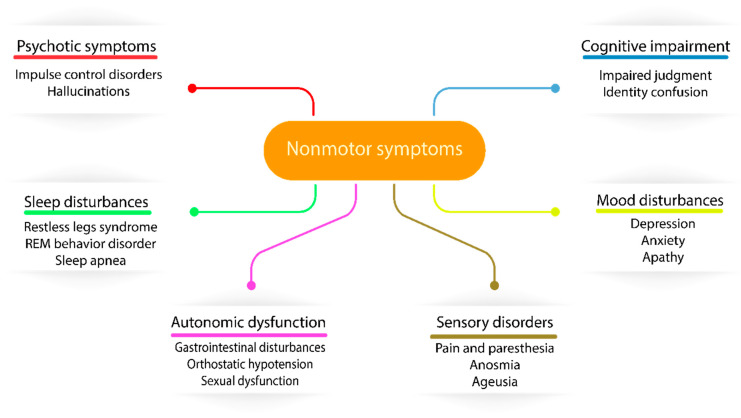
“Motor symptoms include dysarthria, bradykinesia, tremor, and muscle rigidity, while non-motor symptoms can include mood disorders, cognitive impairment or decline, sleep disturbance, or psychotic symptoms (2).”
Shareef, D. K., Ahmed, S. R., Mueed, S. A., Sreekar, S., Raj, P. H., & Achari, K. S. (2026) · International Conference on Trends in Electronics and Informatics (ICOEI) · doi:10.1109/icoei68323.2026.11541734
“Parkinson disease (PD) is a progressive neurodegenerative disease, which is marked by motor dysfunctions that include tremors, rigidity, bradykinesia, and postural instability [1].”
Mohammed, S. F., Goyal, A., Kakde, S. P., Mishra, A. P., Kumar, A. K. A., Koske, D. C., Imam, B., Abraham, J., Cruz, J. R. R., Jacob, A. M., et al. (2026) · Cureus · doi:10.7759/cureus.110371
Pedak, K., Toomsoo, T., Margato, M. I. D. M. C. O., & Pehk, A. (2026) · Journal of Physical Medicine and Rehabilitation · doi:10.33696/rehabilitation.8.065
Zulfiqar, O., Nazeer, H., Abid, U., & Naseer, N. (2026) · International Conference on Robotics and Automation in Industry (ICRAI) · doi:10.1109/icrai70912.2026.11551965
“The hallmark signs of the clinical manifestation of the PD include bradykinesia, tremor during rest, rigor, and postural instability, which have a devastating effect on the quality of life of people with the disease [3].”
Morciano, G., Gorgoglione, R., Porcelli, V., Ahmed, A., Scarcia, P., Vozza, A., Lasorsa, F. M., Fiermonte, G., & Palmieri, L. (2026) · Biomolecules · doi:10.3390/biom16060842 · Cited by 1
“Clinically, PD is characterized by motor symptoms such as resting tremor, bradykinesia, rigidity and postural instability, as well as a broad range of non-motor symptoms including cognitive impairment, sleep disturbances, mood disorders and autonomic dysfunction [143,144].”
Liao, H., Tan, C., Shen, Q., Liu, Q., Cai, S., Niu, Y., Lin, Y., Deng, S., Qiu, Z., Zheng, Z., et al. (2026) · Neuroscience · doi:10.1016/j.neuroscience.2026.06.034
Akhila, N., Ekbal, A., & Pomeroy, D. (2026) · medRxiv · doi:10.64898/2026.07.03.26357258
Ahammad, I. (2026) · Digital Health · doi:10.1177/20552076261467837
“4 This process is often time-consuming, resource-intensive, and inaccessible in under-resourced or remote settings.”
Non-neutrality in Machine Learning Models for Detection of Parkinson’s Disease
Pandey, K., Mazumdar, B. D., Tiwari, S., Choubey, A., Abid, N., & Khan, S. (2026) · International Conference on Frontiers of Engineering and Emerging Technologies (FET) · doi:10.1109/fet68771.2026.11601890
“Clinically, the primary motor symptoms of PD are tremor, rigidity, bradykinesia, postural instability, and walking or gait difficulties [2].”
Lopez, J., Claros, E., & Kahanda, G. (2026) · Cognitive Models and Artificial Intelligence Conference (AICCONF) · doi:10.1109/aicconf69182.2026.11600679
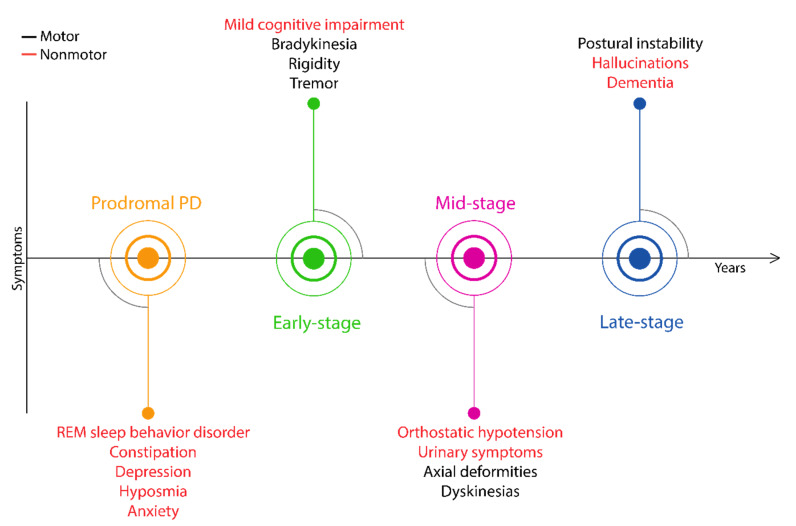
“It has been proven that individuals afflicted with PD experience prodromal symptoms, such as sleep disturbances, olfactory dysfunction, and neuropsychiatric conditions that greatly affect autonomous functionality prior to actual diagnosis [6].”
Coles, D., Kalyana, A., Khalil, S., Chauhan, D., Rupasinghe, T., Costello, C., Batla, A., & Young, T. (2026) · Parkinson s Disease · doi:10.1155/padi/8540084
Multimodel Diffusion MRI Signatures in Atypical Parkinsonian Disorders
Tian, Y., Ali, F., Machulda, M. M., Lowe, V. J., Josephs, K. A., & Whitwell, J. L. (2026) · Human Brain Mapping · doi:10.1002/hbm.70616 · Cited by 3
“PD presents with resting tremor, rigidity, bradykinesia and postural instability, underpinned by α-synuclein pathology in the nigrostriatal system (Varadi 2020).”
Analyzing the Growth and Impact of Metaverse Research Through Bibliometric Insights
Al-Obaidi, A. S. I., Al-Hatab, M. M. M., Ali, R. R., & Al-Zubair, K. S. A. (2026) · Lecture notes in networks and systems · doi:10.1007/978-3-032-25694-2_20
Pakkhesal, S., Leilabadi, S. P., Hamzehzadeh, S., Zare, F., Gholipour-khalili, E., Malekinejad, F., Fakhkhari, S., Talebi, M., & Naseri, A. (2026) · Parkinson s Disease · doi:10.1155/padi/6914112
Intrathecal Therapies for Neurodegenerative Diseases
Menéndez‐González, M. (2026) · Neuromethods · doi:10.1007/978-1-0716-5241-1_10
LRRK2 G2019S mutation: Implications for autophagy, metabolism, and Parkinson’s disease pathogenesis
Ojalvo-Pacheco, J., Rojo, N. D., Casares-Refolio, J. D., Pedro, J. M. B., & Fuentes, J. M. (2026) · International review of cytology · doi:10.1016/bs.ircmb.2026.08.001
Khalili, M., Sohrabi, M. R., & Abdolmaleki, P. (2026) · Journal of Applied Spectroscopy · doi:10.1007/s10812-026-02167-1
Vocal emotion recognition in Parkinson’s disease: Beyond a general deficit
Baglione, H., Martel‐Sauvageau, V., Coulombe, V., & Monetta, L. (2026) · Clinical Linguistics & Phonetics · doi:10.1080/02699206.2026.2723296
Kulkarni, S. R., & Yarajarla, R. B. (2026) · In Silico Pharmacology · doi:10.1007/s40203-026-00751-z
“The clinical features of PD include resting tremor, bradykinesia, muscle rigidity, postural instability and cognitive impairment (Váradi 2020 ; Safarpour et al. 2026 ).”
Николаев, С. В., Антипова, Т. А., Filippova, M. Y., Melnikova, M. V., Sazonova, N. M., Povarnina, P. Y., Гудашева, Т. А., & Дорофеев, В. Л. (2026) · Pharmacokinetics and Pharmacodynamics · doi:10.37489/2587-7836-2026-3-46-54
Unani pharmacotherapy in the management of Parkinson's disease: A therapeutic approach
Alam, M. A., Nikhat, S., Khan, A. A., Haider, N., & Sofi, G. (2026) · Elsevier eBooks · doi:10.1016/b978-0-443-54032-5.00014-0
Metadata
- Authors
- Váradi, C.
- Affiliations
- University of Miskolc (HU)
- Corresponding author
- Váradi, Csaba
- ORCID
- Váradi, Csaba
- Venue
- Biology
- Publisher
- MDPI AG
- Published
- 2020-05-19
- Volume
- 9
- Issue
- 5
- Pages
- 103
- ISSN
- 2079-7737 (ISSN-L)
- PMC
- PMC7285080
- OpenAlex
- W3026274149
- Cited by
- 196
- References
- 89
- Citations by year
- 2026: 38 · 2025: 42 · 2024: 49 · 2023: 34 · 2022: 13 · 2021: 17 · 2020: 3
- FWCI
- 1.89
- Type
- journal article
- Language
- en
- Open access
- gold
- dx.doi.org
- Licence
- Locations
- Biology (publishedVersion, cc-by)
- PubMed Central (publishedVersion, cc-by)
- PubMed (publishedVersion)
- DOAJ (DOAJ: Directory of Open Access Journals) (submittedVersion, cc-by-sa)
- Funders
- European Regional Development Fund (GINOP-2.3.4-15-2016-00004)
- Topics
- Health Sciences › Medicine › Clinical Neurology › Parkinson's Disease Mechanisms and Treatments
- Health Sciences › Medicine › Psychiatry and Mental health › Dementia and Cognitive Impairment Research
- Health Sciences › Medicine › Clinical Neurology › Deep Brain Stimulation and Movement Disorders
- Keywords
- Parkinson's disease, motor symptoms, non-motor symptoms, prodromal Parkinson's disease, bradykinesia, resting tremor, rigidity, postural reflexes, levodopa therapy, disease progression, neurodegeneration, neuroprotective therapy, diagnosis
About these checks
Registry, retraction, Cites and statistics results are computed, not judged, with one exception: a printed reference that no index lists is read once by a model before it counts as a citation error. Claims are extracted by a model and kept only when their quote appears verbatim in the text; each cited source is then checked, with a model’s help, for whether it says what the claim relies on. Those verdicts can be wrong — read the claim’s quote and the cited source before relying on one.
Statistics and arithmetic are recomputed, not judged.
Confidence bands are shown only for fields calibrated on our annotated test set. None is calibrated yet, so no band is shown.
What counts as a claim ›How we measure confidence ›How we check this ›
Are you an author, or do you see a problem with this page? Request a review
Data sources
Bibliographic data: Semantic Scholar, OpenAlex, Crossref.
Contains information from the Semantic Scholar Academic Graph Datasets, made available under the ODC Attribution License (ODC-BY 1.0).
Semantic Scholar’s data is described in: Kinney, R., et al. (2023). The Semantic Scholar Open Data Platform. arXiv:2301.10140.
