

Essential Oils: Chemistry and Pharmacological Activities
Open accessThe DOI matches its Crossref record; 221 of the 222 references it cites were found in a registry or an index.
Abstract
In this review, we provide an overview of the current understanding of the main mechanisms of pharmacological action of essential oils and their components in various biological systems. A brief introduction on essential oil chemistry is presented to better understand the relationship of chemical aspects with the bioactivity of these products. Next, the antioxidant, anti-inflammatory, antitumor, and antimicrobial activities are discussed. The mechanisms of action against various types of viruses are also addressed. The data show that the multiplicity of pharmacological properties of essential oils occurs due to the chemical diversity in their composition and their ability to interfere with biological processes at cellular and multicellular levels via interaction with various biological targets. Therefore, these natural products can be a promising source for the development of new drugs.
Overview
The claims and statistics of this paper haven’t been checked yet.
Free: it reads the open-access text and checks the first 5 claims that cite a source we can check. Create a free account to check every claim.
Integrity signals
Registry
Cites
Statistics
Figures
Verification
Claims the paper makes
The claims and statistics of this paper haven’t been checked yet.
Free: it reads the open-access text and checks the first 5 claims that cite a source we can check. Create a free account to check every claim.
Claims other papers make about this one
Each is checked against this paper’s own text: does it say what the citing paper says it does?
The source backs part of the claim, not all of it — or backs it for a different population, condition or comparison.
In the citing paper
“The most abundant compounds (> 10% composition (De Sousa et al. 2023)) varied widely across oils.”
From Linking chemical-composition to antimicrobial efficacy: development of an essential oil-based topical gel prototype (2025) · cites this paper as De Sousa et al. 2023
Experimental — accuracy not yet measuredIn the citing paper
“TD-GCMS data for minor components (< 10% composition) revealed a varied chemical composition for all ten oils (Table 6); compounds present at below 0.1% were regarded as negligible (De Sousa et al 2023).”
From Linking chemical-composition to antimicrobial efficacy: development of an essential oil-based topical gel prototype (2025) · cites this paper as De Sousa et al 2023
In the citing paper
“The different clustering despite similarities in the major compound profiles (abundance > 10%) might be the result of minor compounds (abundance between 0.1 and 9.9%) (De Sousa et al. 2023).”
From Linking chemical-composition to antimicrobial efficacy: development of an essential oil-based topical gel prototype (2025) · cites this paper as De Sousa et al. 2023
In the citing paper
“A concentration of greater than 10% was taken to indicate compounds with the highest abundance, based on the recommendation of de Sousa et al. (De Sousa et al. 2023) (Table 5).”
From Linking chemical-composition to antimicrobial efficacy: development of an essential oil-based topical gel prototype (2025) · cites this paper as De Sousa et al. 2023
Self-check
Percentages, sums and reported differences re-computed from the paper’s own numbers.
The self-check needs the paper’s full text.
Citations
Cites
2 retracted
Bilia, A. R., Guccione, C., Isacchi, B., Righeschi, C., Firenzuoli, F., & Bergonzi, M. C. (2014) · Evidence-Based Complementary and Alternative Medicine · doi:10.1155/2014/651593 · Cited by 514
RetractedPoma, P., Labbozzetta, M., Ramarosandratana, A. V., Rosselli, S., Tutone, M., Sajeva, M., & Notarbartolo, M. (2021) · Pharmaceuticals · doi:10.3390/ph14020111 · Cited by 20
RetractedNF-κB signaling in inflammation
Liu, T., Zhang, L., Joo, D., & Sun, S.-C. (2017) · Signal Transduction and Targeted Therapy · doi:10.1038/sigtrans.2017.23 · Cited by 8,791
Biological effects of essential oils—A review
Bakkali, F., Averbeck, S., Averbeck, D., & Idaomar, M. (2008) · Food and Chemical Toxicology · doi:10.1016/j.fct.2007.09.106 · Cited by 7,929 · cited 3×
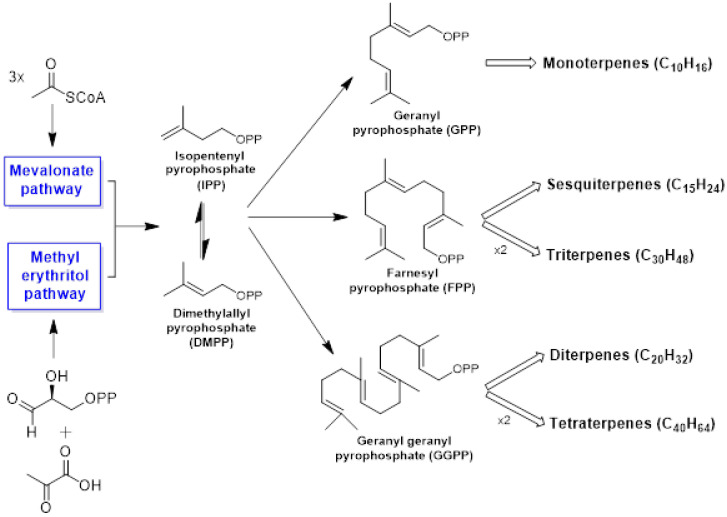
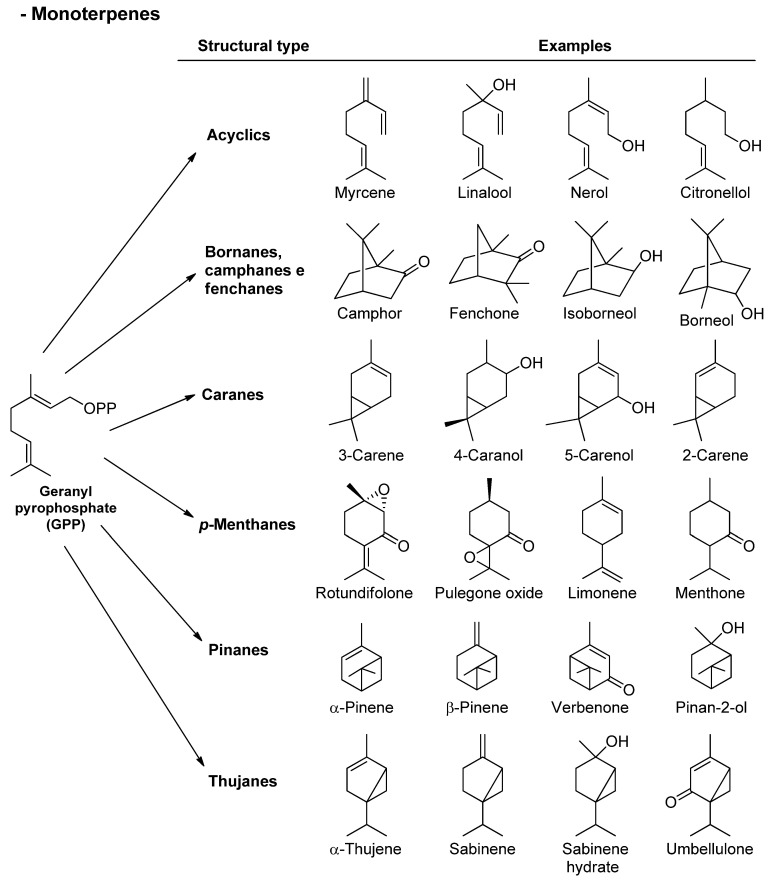
“The variety of possibilities in which these basic skeletons can be rearranged results in amazing structural diversity observed in nature, in which p-menthane-type monoterpenes are the largest group of naturally occurring monoterpenes [21,32].”
Mizgerd, J. P., Kubo, H., Kutkoski, G. J., Bhagwan, S. D., Scharffetter-Kochanek, K., Beaudet, A. L., & Doerschuk, C. M. (1997) · The Journal of Experimental Medicine · doi:10.1084/jem.186.8.1357 · Cited by 7,306
Inflammatory responses and inflammation-associated diseases in organs
Chen, L., Deng, H., Cui, H., Fang, J., Zuo, Z., Deng, J., Li, Y., Wang, X., & Zhao, L. (2018) · Oncotarget · doi:10.18632/oncotarget.23208 · Cited by 5,143
Getting to the site of inflammation: the leukocyte adhesion cascade updated
Ley, K., Laudanna, C., Cybulsky, M. I., & Nourshargh, S. (2007) · Nature Reviews Immunology · doi:10.1038/nri2156 · Cited by 4,354
Vogt, T. (2010) · Molecular Plant · doi:10.1093/mp/ssp106 · Cited by 3,072
Cytokines in inflammatory bowel disease
Neurath, M. F. (2014) · Nature Reviews Immunology · doi:10.1038/nri3661 · Cited by 2,706
Mechanisms of membrane toxicity of hydrocarbons
Sikkema, J., de Bont, J. A., & Poolman, B. (1995) · Microbiological Reviews · doi:10.1128/mr.59.2.201-222.1995 · Cited by 2,685
Research works printed but not linked: 2
- Croteau R. Kutchan T.M. Lewis N.G. Natural products Biochemistry and Molecular Biology of Plants Buchanan B. Gruissem W. Jones R. American Society of Plant Physiology Rockville, MD, USA 2000 Volume 24 1250 1318
- Saranraj P. Devi V.D. Essential oils and its antibacterial properties—A review Life Sci. Arch. 2017 3 994 1011
Cited by
Items 101–200 of 646
Jannesar, N., Bassiri, A., Ghavami, M., Chenarbon, H. A., & Tarzi, B. G. (2024) · Food Chemistry: X · doi:10.1016/j.fochx.2024.101708 · Cited by 10
Sivamaruthi, B. S., Kesika, P., Sisubalan, N., & Chaiyasut, C. (2024) · Mini-Reviews in Medicinal Chemistry · doi:10.2174/0113895575315700240821054716 · Cited by 10
SEZENER, M. G., İNAL, S., Gökmen, S., ERGÜDEN, V. E., Fındık, A., Güvenç, T., Kayhan, H., & Güvenç, D. (2024) · Pharmaceuticals · doi:10.3390/ph17111494 · Cited by 10
Essential oils cause membrane disruption and autoaggregation of MDR Acinetobacter baumannii cells
Sabo, V. A., Mimica–Dukić, N., Kostanjšek, R., & Knežević, P. (2024) · South African Journal of Botany · doi:10.1016/j.sajb.2024.09.016 · Cited by 10
Baskaran, D., Sathiamoorthy, M., Govindarasu, R., & Byun, H. (2024) · RSC Advances · doi:10.1039/d4ra06050d · Cited by 10
KHOLIF, A. E., Rahman, M. A., El-Nor, S. A. H. A., Morsy, T. A., Gouda, G. A., Fahmy, M., & Chahine, M. (2024) · Animals · doi:10.3390/ani14111648 · Cited by 10
Jamshidi-kia, F., Saeidi, K., Lorigooini, Z., & Samani, B. H. (2024) · Heliyon · doi:10.1016/j.heliyon.2024.e40531 · Cited by 10
Kellil, A., Suhag, R., Tenuta, M. C., Bolchini, S., Merkytė, V., Scampicchio, M., Morozova, K., & Ferrentino, G. (2025) · Food Chemistry X · doi:10.1016/j.fochx.2025.102448 · Cited by 10
Bsharat, O., Salama, Y., Saed, E., Al-Hajj, N., & Al‐Maharik, N. (2025) · Scientific Reports · doi:10.1038/s41598-025-17062-6 · Cited by 10
Mouada, H., Stiti, M. Z., Zafar, I., Boutarfaia, A., Djellaili, L., Berregouba, F. L., & Aissani, S. (2025) · Journal of Computational Biophysics and Chemistry · doi:10.1142/s2737416525500073 · Cited by 10
Spigarelli, R., Valerii, M. C., Bernacchi, A., Dussias, N. K., Mbirki, L., & Spisni, E. (2026) · International Journal of Molecular Sciences · doi:10.3390/ijms27104379 · Cited by 9
Antioxidant and Antibacterial Properties of Rosmarinus officinalis Essential Oil
Hassan, O. M., & Khalil, D. (2024) · Journal of university of Anbar for pure science · doi:10.37652/juaps.2024.146060.1177 · Cited by 9
Muhoza, B., & Uriho, A. (2025) · Food Biophysics · doi:10.1007/s11483-025-09974-7 · Cited by 9
Targeting the Gut–Brain Axis with Plant-Derived Essential Oils: Phytocannabinoids and Beyond
Camarda, L., Mattioli, L., Corazza, I., Marzetti, C., & Budriesi, R. (2025) · Nutrients · doi:10.3390/nu17091578 · Cited by 9
Júnior, A. Q. D. S., Rodrigues, G. D. S., Barroso, A. D. S., Figueiredo, P. L. B., Machado, F. P., Ferreira, M. A. J. F., Fernandes, C. P., dos Santos, G. B., & Mourão, R. H. V. (2025) · Molecules · doi:10.3390/molecules30071554 · Cited by 9
Orzuna‐Orzuna, J. F., & Rivera, L. D. G. (2024) · Research in Veterinary Science · doi:10.1016/j.rvsc.2024.105353 · Cited by 9
Advances in essential oils for metabolic diseases
Li, X., Tong, M., Cao, H., Sun, X., & Zhang, F. (2025) · Frontiers in Endocrinology · doi:10.3389/fendo.2025.1684179 · Cited by 9
Punniyamoorthy, S., Adhikari, A., Baral, J., Singh, G., & Pokharel, Y. R. (2025) · Results in Chemistry · doi:10.1016/j.rechem.2025.102618 · Cited by 9
Sheashea, A. A., Ahmed, F. A., Zayat, E. E., Ebeed, B. W., Elberry, M. H., Hassan, Z. K., & Hafez, M. M. (2024) · Asian Pacific Journal of Cancer Prevention · doi:10.31557/apjcp.2024.25.4.1457 · Cited by 9
Cometto, M. J., Naranjo-Viteri, A. J., Champarini, L. G., Hereñú, C. B., & Crespo, R. (2025) · Plants · doi:10.3390/plants14070999 · Cited by 8
sCentInDB: a database of essential oil chemical profiles of Indian medicinal plants
Baskaran, S. P., Ranganathan, G., Sahoo, A. K., Kumar, K., Amaresan, J., Ramesh, K., Vivek-Ananth, R. P., & Samal, A. (2025) · Molecular Diversity · doi:10.1007/s11030-025-11215-5 · Cited by 8
Yasaghi, M., Dolatabadi, S. B., Yamchi, A., Tabarraei, A., Moradi, A., & Hosseini, S. D. (2025) · BMC Complementary Medicine and Therapies · doi:10.1186/s12906-025-04964-1 · Cited by 8
Therapeutic Management of Ebola Virus: Targeting Oxidative Stress and Inflammatory Pathways
Ndayambaje, M., Wahnou, H., Naya, A., & Oudghiri, M. (2025) · BioChem · doi:10.3390/biochem5010003 · Cited by 8
Bargali, P., Kumar, R., Joshi, S., Karakoti, H., Gautam, S., Rawat, S., & Rawat, D. S. (2025) · International Journal of Biological Macromolecules · doi:10.1016/j.ijbiomac.2025.144221 · Cited by 8
Shahhoseini, R. (2025) · Environmental Technology & Innovation · doi:10.1016/j.eti.2025.104063 · Cited by 8
Rahman, N. A. A., Sopian, N. A., Hussin, N. H. M., Adam, F., Fandi, N. F. M., Jalaludin, J., & Tualeka, A. R. (2024) · Building and Environment · doi:10.1016/j.buildenv.2024.112514 · Cited by 8
Corzo, F. L., Calvo, F. E., Lizárraga, E., Marcial, G., & Mercado, M. I. (2025) · ChemistryOpen · doi:10.1002/open.202500203 · Cited by 8
Srivastava, A., Verma, N., Gupta, R., & Agarwal, V. C. (2026) · Archives of Microbiology · doi:10.1007/s00203-026-04871-0 · Cited by 8
Rosa, A., Piras, F., Piras, A., Porcedda, S., Sogos, V., & Masala, C. (2025) · Molecules · doi:10.3390/molecules30173591 · Cited by 8
Zheng, Y., Zhang, M., Wu, X., Tan, R., & Jiang, H. (2024) · Current Topics in Medicinal Chemistry · doi:10.2174/0115680266305274240723120426 · Cited by 8
Mehidi, I. N., Ouazzou, A. A., Belbahi, A., Lebrun, M., Kherbache, A., Seghiri, K., Sarri, D., & Siguemoto, É. S. (2025) · Food Bioscience · doi:10.1016/j.fbio.2025.107135 · Cited by 8
Upadhyay, R., & Andiappan, S. (2025) · Journal of Industrial Textiles · doi:10.1177/15280837251325489 · Cited by 8
Naccari, C., Ginestra, G., Micale, N., Palma, E., Galletta, B., Costa, R., Vadalà, R., Nostro, A., & Cristani, M. (2025) · Molecules · doi:10.3390/molecules30030438 · Cited by 8
Recent Progress in Terrestrial Biota-Derived Anti-Biofilm Agents for Medical Applications
Vladkova, T. G., Smani, Y., Martinov, B. L., & Gospodinova, D. N. (2024) · Applied Microbiology · doi:10.3390/applmicrobiol4030094 · Cited by 8
Orchel, A., Skrobek, J., Kaps, A., Paduszyński, P., & Chodurek, E. (2025) · International Journal of Molecular Sciences · doi:10.3390/ijms262311622 · Cited by 8
Nguyen, H. M., Pham, T. V., Vo, H. Q., Nguyen, H. T., Nguyen, L. T. K., Bảo, N. C., Chung, K. L., & Hồ, Đ. V. (2024) · Molecules · doi:10.3390/molecules29122808 · Cited by 8
Pulsed Electric Energy-Assisted Biorefinery of Oil Crops and Residues
Vorobiev, E., & Lebovka, N. (2017) · Springer eBooks · doi:10.1007/978-3-319-26779-1_159-2 · Cited by 7
Pandur, E., Heilmann, L., Utczás, M., Rák, T., Sipos, K., Csutak, A., & Horváth, G. (2025) · BMC Complementary Medicine and Therapies · doi:10.1186/s12906-025-05215-z · Cited by 7
Harnessing Essential Oils for Acetylcholinesterase Inhibition: A Literature Review
Asnaashari, S., Jahanban‐Esfahlan, A., & Amarowicz, R. (2025) · Phytotherapy Research · doi:10.1002/ptr.8512 · Cited by 7
Froldi, G., Benetti, F., Mondin, A., Roverso, M., Pangrazzi, E., Djeujo, F. M., & Pastore, P. (2023) · Molecules · doi:10.3390/molecules28227494 · Cited by 7
Allaoui, H. E., Ahmadi, K. E., Elabdouni, A., Bouhrim, M., Eto, B., Hussein, A. A. S., Herqash, R. N., Haboubi, K., Bastrioui, M. E., & Hammoudani, Y. E. (2025) · Journal of King Saud University - Science · doi:10.25259/jksus_296_2024 · Cited by 7
Lima, A. C. V. M. D. R., Arruda, F., Frías, J., Wortham, T., Janeiro, A., Rodrigues, T., Baptista, J., & Lima, E. (2024) · International Journal of Molecular Sciences · doi:10.3390/ijms252212328 · Cited by 7
Different in vivo administration routes of essential oil for various therapies: A review
Monith Raj, G., Wilson, D. D., Jenitha, V., Babu, K. N., Srividhya, M., Vijay, N., & Grace, V. M. B. (2025) · Fitoterapia · doi:10.1016/j.fitote.2025.106577 · Cited by 7
The Role of Essential Oils in Sports Recovery and Performance
Ivanova, S., Dzhakova, Z., Gvozdeva, Y., Петкова, Г., Ivanova, A., & Dzhambazova, E. (2025) · Molecules · doi:10.3390/molecules30183771 · Cited by 7
Swathika, N., Subramanian, K. S., Subramanian, M., & Chandrakumar, K. (2025) · BioNanoScience · doi:10.1007/s12668-025-02102-2 · Cited by 7
Kamenova, K., Iliev, I. A., Prancheva, A., Tuleshkov, P., Rusanov, K., Atanassov, I. I., & Petrov, P. D. (2024) · Gels · doi:10.3390/gels10100627 · Cited by 7
Nwanade, C. F., Wang, M., Pei, T., Meng, J., Yu, Z., & Liu, J. (2024) · Pesticide Biochemistry and Physiology · doi:10.1016/j.pestbp.2024.106113 · Cited by 7
Singh, R., Borlace, G. N., Sringam, P., Thongkham, E., & Aiemsaard, J. (2024) · Veterinary World · doi:10.14202/vetworld.2024.2975-2984 · Cited by 7
Optimization of Nanostructured Lipid Carriers for Essential Oil of Artemisia herba-alba
Nafisah, U., Wikantyasning, E. R., & Sukmawati, A. (2024) · Tropical Journal of Natural Product Research · doi:10.26538/tjnpr/v8i12.33 · Cited by 7
Alla, K. A., Faqer, O. E., Jahjah, S., Labhar, A., Jamali, C. A., Kasrati, A., Souhail, B., Legssyer, M., Maouni, A., & Saïdi, R. (2025) · Compounds · doi:10.3390/compounds5040049 · Cited by 7
Krchňák, D., Balážová, Ľ., Hanko, M., Žigrayová, D., & Špaglová, M. (2025) · Gels · doi:10.3390/gels11010026 · Cited by 7
Campos, S., Espinoza, J., Fuentes, J. M., Jofré, I., Tortella, G., Navarro-López, D. E., Quiróz, A., Diez, M. C., Rubilar, O., & Fincheira, P. (2025) · Plants · doi:10.3390/plants14121859 · Cited by 7
Naimat, S. A., Abu-Odeh, A., & Talib, W. H. (2024) · Pharmacia · doi:10.3897/pharmacia.71.e116195 · Cited by 7
Turci, D. A., Lourenço, É., & Souza, G. M. D. (2021) · Educação em Foco · doi:10.36704/eef.v24i44.5452 · Cited by 7
Cherif, M. C., Boughendjioua, H., Caputo, L., Camele, I., Tahraoui, T., Feo, V. D., & Elshafie, H. S. (2025) · Chemistry & Biodiversity · doi:10.1002/cbdv.202500720 · Cited by 6
Radice, M., Durofil, A., Ríos‐Núñez, S. M., Tardugno, R., Manfredini, S., Abreu-Naranjo, R., & Scalvenzi, L. (2025) · ACS Agricultural Science & Technology · doi:10.1021/acsagscitech.5c00151 · Cited by 6
From Nature to Nanotech: Customizing Essential Oil Delivery for a Reduced Fungicide in Agriculture
Terra, M. C., Campos, E. V. R., Preisler, A. C., Pereira, A. D. E. S., de Oliveira, J. L., & Fraceto, L. F. (2025) · ACS Omega · doi:10.1021/acsomega.5c07651 · Cited by 6
Sustainable techniques for extracting essential oils from spices and herbs: A comprehensive review
Panigrahi, A., Shams, R., & Dash, K. K. (2025) · Food Science and Biotechnology · doi:10.1007/s10068-025-02004-9 · Cited by 6
Wu, H., Yu, X., Zhang, X., Ipemba, E., Bakala, G. B., Leveut, L. G. D., Peng, W., Ji, F., Li, H., Cao, T., et al. (2025) · Frontiers in Veterinary Science · doi:10.3389/fvets.2025.1563498 · Cited by 6
Ranaldi, R., Rugnini, L., Migliore, G., Tasso, F., Gabriele, F., Spreti, N., Scuderi, F., Braglia, R., Martino, P. D., Pujia, A., et al. (2025) · Applied Microbiology and Biotechnology · doi:10.1007/s00253-025-13433-1 · Cited by 6
Jaradat, N. A., Hawash, M., Al‐Maharik, N., Atiani, R., Omariyah, G., Hamodi, L., Mosa, H., Hussein, F., Issa, L., Shakhshir, M. S., et al. (2024) · Chemical and Biological Technologies in Agriculture · doi:10.1186/s40538-024-00659-w · Cited by 6
Karousa, M. M. M., Kalath, H., Karam, L., Suleman, M., Ayoub, M. M., Fathima, A., Rocha, M. A. M., Mechmechani, S., Pinto, D. C. G. A., Yassine, H. M., et al. (2026) · Plants · doi:10.3390/plants15050784 · Cited by 6
Hartman, K., Świerczyńska, M., Wieczorek, A., Baszuk, P., Wojciechowska‐Koszko, I., Sienkiewicz, M., & Kwiatkowski, P. A. (2025) · Applied Sciences · doi:10.3390/app15031287 · Cited by 6
Bình, H. T., & Nghia, V. V. (2025) · Chemistry & Biodiversity · doi:10.1002/cbdv.202403430 · Cited by 6
Reyer, H., Oster, M., Zentek, J., Männer, K., Trakooljul, N., Aumiller, T., & Wimmers, K. (2025) · Poultry Science · doi:10.1016/j.psj.2025.106219 · Cited by 6
Peng, B., Zhou, Z., Wang, R., Fu, C., Wang, W., Li, Y., Qin, X., Zhang, L., & Zhao, H. (2024) · Journal of Food Bioactives · doi:10.31665/jfb.2024.18382 · Cited by 6
Annaz, H., Cacciola, F., Ouabou, M., Bouadid, I., Ezzanad, A., Kounnoun, A., Jbilou, R., Eddouks, M., Bouayad, N., & Rharrabe, K. (2025) · Journal of Stored Products Research · doi:10.1016/j.jspr.2025.102839 · Cited by 6
Fouad, T. A., & Ahmed, G. M. (2025) · Bulletin of the National Research Centre/Bulletin of the National Research Center · doi:10.1186/s42269-025-01328-0 · Cited by 6
Afassi, F., Charki, A., Youssfi, C. E., Loukili, E. H., Labhar, A., Ahari, M., Amhamdi, H., Mourabit, F., zoubi, Y. E., Salhi, A., et al. (2026) · Results in Engineering · doi:10.1016/j.rineng.2026.112439 · Cited by 5
Allouani, M., Hendel, N., Moutassem, D., Sarri, M., Sarri, D., D’Anneo, A., Gallo, G., & Piccionello, A. P. (2025) · Molecules · doi:10.3390/molecules30193906 · Cited by 5
Bezerra, J. J. L., Alves, J. V. D. O., de Aguiar, J. C. R. D. O. F., SILVA, M. R. S. D., Maria, T. D. S. C., Navarro, D. M. D. A. F., & de Oliveira, A. F. M. (2026) · Journal of Ethnopharmacology · doi:10.1016/j.jep.2026.121371 · Cited by 5
Zaharioudakis, K., Salmas, C. E., Ανδρίτσος, Ν. Δ., Leontiou, A. A., Moschovas, D., Karydis‐Messinis, A., Triantafyllou, E., Avgeropoulos, A., Zafeiropoulos, N. E., Proestos, C., et al. (2024) · Gels · doi:10.3390/gels10110722 · Cited by 5
The Anticancer Potential of Plant Essential Oils: Mechanisms, Applications, and Challenges
Yuseri, M. N., Wahab, A. N., Asmara, H., Taib, W. R. W., & Manap, A. S. A. (2025) · Tropical Journal of Natural Product Research · doi:10.26538/tjnpr/v9i7.6 · Cited by 5
Conventional Techniques for Extracting Essential Oil: Steam Distillation and Hydrodistillation
Sandhya, S., Sah, H., & Joshi, P. (2025) · Methods and protocols in food science · doi:10.1007/978-1-0716-4634-2_2 · Cited by 5
Huang, Y., Cheng, S., Shi, J., He, P., Ma, Y., Yang, R., Zhang, X., Cao, Y., & Lei, Z. (2025) · Animal Microbiome · doi:10.1186/s42523-025-00415-x · Cited by 5
Keceli, T. M., & Mertoğlu, T. Ş. (2024) · Journal of the Science of Food and Agriculture · doi:10.1002/jsfa.13791 · Cited by 5
Chen, Y.-J., Chen, F.-H., Liu, T., Huang, Y., Chen, Y.-C., & Hsu, F. (2025) · Molecules · doi:10.3390/molecules30071515 · Cited by 5
Muntean, I., Rusu, L. C., Ardelean, L. C., Țigmeanu, C. V., Roi, A., Dinu, Ş., & Mirea, A. A. (2025) · Oral · doi:10.3390/oral5040096 · Cited by 5
Borromeo, I., Giordani, C., & Forni, C. (2025) · Plants · doi:10.3390/plants14243789 · Cited by 5
Conifer Essential Oils Modulate Oxidative Stress and Erythrocyte Stability in Human Blood in Vitro
Tkaczenko, H., Wróblewski, T., Ushakou, D. V., Mochalski, P., Buyun, L., & Kurhaluk, N. (2025) · Cellular Physiology and Biochemistry · doi:10.33594/000000835 · Cited by 5
Bava, R., Bulotta, R. M., Castagna, F., Ruga, S., Lupia, C., Conforti, F., Statti, G. A., Crupi, R., Musella, V., & Palma, E. (2026) · Antibiotics · doi:10.3390/antibiotics15030312 · Cited by 5
Torres, M. M., Pires, J. B., Lemos, G. S., da Silva, F. T., de Souza, E. J. D., dos Santos, F. N., Siebeneichler, T. J., Gandra, E. Á., Colussi, R., & Zavareze, E. D. R. (2025) · Journal of Drug Delivery Science and Technology · doi:10.1016/j.jddst.2025.106997 · Cited by 5
Safakas, K., Lainioti, G. C., Koutsodima, P., Stathopoulou, P. M., & Ladavos, A. K. (2025) · Foods · doi:10.3390/foods14122069 · Cited by 5
Owolabi, T. A., Okubor, P., Danga, J., & Onimisi, I. (2025) · Acta Biologica Slovenica · doi:10.14720/abs.68.2.19582 · Cited by 5
Ranaldi, R., Gabriele, F., Rugnini, L., Martino, P. D., Agniel, R., Scuderi, F., Braglia, R., Canini, A., & Spreti, N. (2025) · International Biodeterioration & Biodegradation · doi:10.1016/j.ibiod.2025.106128 · Cited by 5
Brandão, C. M., dos Santos, D. R., SILVA, L. C. A. D. M. P. S. D., Ferreira, M. C., Mesquita, J. M., Souza, M. P., Holanda, C. A., Gonçalves, R. S., Costa, E. V., Marques, G. E. D. C., et al. (2025) · Journal of Agricultural and Food Chemistry · doi:10.1021/acs.jafc.5c04690 · Cited by 5
Suryani, S. D., Wiarni, N. P., Syahroni, M. A., Syafri, S., & Dachriyanus, D. (2025) · Prospects in Pharmaceutical Sciences · doi:10.56782/pps.673 · Cited by 5
Ratajac, R., Štrbac, F., Petrović, J., Stojanov, I., Pušić, I., Kačarević, T., Simin, N. Đ., Orčić, D., Stojanović, D., Ali Hailan, W., et al. (2025) · Pakistan Veterinary Journal · doi:10.29261/pakvetj/2025.266 · Cited by 5
Naccari, C., Cicero, N., Orlandella, B. M., Naccari, V., & Palma, E. (2024) · Natural Product Research · doi:10.1080/14786419.2023.2300041 · Cited by 5
Alvarado-García, P. A. A., Vásquez, M. R. S., Aguilar, D. R. J., Gavídia-Valencia, J. G., Rodríguez, N. M. G., Villanueva, E. M. R., & Alfaro-Beltrán, I. M. (2025) · Pharmacognosy Journal · doi:10.5530/pj.2024.16.203 · Cited by 5
Liu, Q., Kuerbanjiang, H., Ren, X. Y., Shi, Y., Kang, L., Liu, Y., Liang, Q., Zhong, M., Sun, Y., Chen, X., et al. (2026) · Foods · doi:10.3390/foods15132395 · Cited by 5
Rungqu, P., & Oyedeji, O. O. (2025) · Pharmaceuticals · doi:10.3390/ph18101428 · Cited by 5
Kabbashi, A. S., Shuaib, M. J. A., Shailabi, T. I. M., Zahran, D. R., Abdulwahed, T. F., Bosharah, H. H., Mohammed, M. S., Saleh, B. M., Elshikh, A. A., Elhag, O. O., et al. (2026) · Scientific Reports · doi:10.1038/s41598-026-44797-7 · Cited by 5
GC-MS analysis of Essential oil Components of the Libyan Thymus capitatus
Suwaydan, A. S., & Altraiki, M. S. (2025) · Lebda Medical Journal · doi:10.65137/lmj.v10i1.220 · Cited by 5
da Silva, F. S., Matos, B. N., dos Santos, R. D., Amaral, V. A., de Araújo, M. O., do Prado, B. A., Martins, C. M., da Câmara, C. A. G., de Moraes, M. M., Dias, D. J. S., et al. (2026) · Pharmaceutics · doi:10.3390/pharmaceutics18030313 · Cited by 5
Ebadollahi, A., Setzer, W. N., & Palla, F. (2024) · Plants · doi:10.3390/plants13131725 · Cited by 5
Potentialities of Monodora myristica active components as functional ingredients in food formulation
Okpoghono, J., Isoje, E. F., Igbuku, U. A., Ekayoda, O., Uwague, A., Ojebah, K. C., Eguvbe, P. M., Omoike, G. O., Adonor, T. O., Igue, U. B., et al. (2025) · Food Chemistry Advances · doi:10.1016/j.focha.2024.100884 · Cited by 5
Essential oils from Amorpha fruticosa against hepatocellular carcinoma based on network pharmacology
Liu, Y., Zhang, X., Hao, J., Zhao, Y., Zou, M., Chen, H., & Zhang, J. (2025) · BMC Complementary Medicine and Therapies · doi:10.1186/s12906-025-04766-5 · Cited by 5
Yong, L. X., Li, W., Conway, P. L., & Loo, S. C. J. (2025) · ACS Applied Bio Materials · doi:10.1021/acsabm.4c01742 · Cited by 4
Pribac, M., Moțățăianu, A., Andone, S. R., Mardale, E., & Nemeth, S. (2024) · Current Issues in Molecular Biology · doi:10.3390/cimb46050271 · Cited by 4
Metadata
- Authors
- de Sousa, D. P., Damasceno, R. O. S., Amorati, R., Elshabrawy, H. A., de Castro, R. D., Bezerra, D. P., Nunes, V. R. V., Gomes, R. C., & Lima, T. C.
- Venue
- Biomolecules
- Publisher
- MDPI AG
- Published
- 2023-07-18
- Volume
- 13
- Issue
- 7
- Pages
- 1144
- ISSN
- 2218-273X (ISSN-L)
- PMC
- PMC10377445
- OpenAlex
- W4384826655
- Cited by
- 459
- References
- 222
- FWCI
- 58.54
- Type
- journal article
- Language
- en
- Open access
- gold
- Funders
- Federal University of Paraíba (CHAMADA INTERNA PROPESQ/UFPB No 01/2023)
About these checks
Registry, retraction, Cites and statistics results are computed, not judged, with one exception: a printed reference that no index lists is read once by a model before it counts as a citation error. Claims are extracted by a model and kept only when their quote appears verbatim in the text; each cited source is then checked, with a model’s help, for whether it says what the claim relies on. Those verdicts can be wrong — read the claim’s quote and the cited source before relying on one.
Statistics and arithmetic are recomputed, not judged.
Confidence bands are shown only for fields calibrated on our annotated test set. None is calibrated yet, so no band is shown.
What counts as a claim ›How we measure confidence ›How we check this ›
Are you an author, or do you see a problem with this page? Request a review
Data sources
Bibliographic data: Semantic Scholar, OpenAlex, Crossref.
Contains information from the Semantic Scholar Academic Graph Datasets, made available under the ODC Attribution License (ODC-BY 1.0).
Semantic Scholar’s data is described in: Kinney, R., et al. (2023). The Semantic Scholar Open Data Platform. arXiv:2301.10140.
