

The DOI matches its Crossref record; 169 of the 172 references it cites were found in a registry or an index, and 1 are not checked yet.
Advanced Glycation End Products and Oxidative Stress in Type 2 Diabetes Mellitus
Open accessAbstract
Type 2 diabetes mellitus (T2DM) is a very complex and multifactorial metabolic disease characterized by insulin resistance and β cell failure leading to elevated blood glucose levels. Hyperglycemia is suggested to be the main cause of diabetic complications, which not only decrease life quality and expectancy, but are also becoming a problem regarding the financial burden for health care systems. Therefore, and to counteract the continually increasing prevalence of diabetes, understanding the pathogenesis, the main risk factors, and the underlying molecular mechanisms may establish a basis for prevention and therapy. In this regard, research was performed revealing further evidence that oxidative stress has an important role in hyperglycemia-induced tissue injury as well as in early events relevant for the development of T2DM. The formation of advanced glycation end products (AGEs), a group of modified proteins and/or lipids with damaging potential, is one contributing factor. On the one hand it has been reported that AGEs increase reactive oxygen species formation and impair antioxidant systems, on the other hand the formation of some AGEs is induced per se under oxidative conditions. Thus, AGEs contribute at least partly to chronic stress conditions in diabetes. As AGEs are not only formed endogenously, but also derive from exogenous sources, i.e., food, they have been assumed as risk factors for T2DM. However, the role of AGEs in the pathogenesis of T2DM and diabetic complications—if they are causal or simply an effect—is only partly understood. This review will highlight the involvement of AGEs in the development and progression of T2DM and their role in diabetic complications.
Overview
The claims and statistics of this paper haven’t been checked yet.
Run the check — free, no account needed. It reads the open-access text and checks the sources it cites.
Integrity signals
Registry
Cites
Statistics
Figures
Verification
Claims the paper makes
The claims and statistics of this paper haven’t been checked yet.
Run the check — free, no account needed. It reads the open-access text and checks the sources it cites.
Claims other papers make about this one
Each is checked against this paper’s own text: does it say what the citing paper says it does?
The source backs part of the claim, not all of it — or backs it for a different population, condition or comparison.
In the citing paper
“The formation and accumulation of glycoxidation products occurs during normal, but especially under certain physiological conditions, such as hyperglycemia, hyperlipidemia, and oxidative stress.”
From Protein oxidation - Formation mechanisms, detection and relevance as biomarkers in human diseases (2021) · cites this paper as [152]
Experimental — accuracy not yet measuredThe source backs part of the claim, not all of it — or backs it for a different population, condition or comparison.
In the citing paper
“This indicates their relevance in the progression of metabolic diseases, including neurodegenerative disease, chronic kidney disease (CDK), CVD, and cancer, but in particular, T2D and related complications as reviewed elsewhere [152].”
From Protein oxidation - Formation mechanisms, detection and relevance as biomarkers in human diseases (2021) · cites this paper as [152]
Experimental — accuracy not yet measuredThe source backs part of the claim, not all of it — or backs it for a different population, condition or comparison.
In the citing paper
“a growing body of evidence reveals that levels of glycoxidation products increase as a function of age in several tissues, dependent on the dietary intake and the presence of hyperglycemic conditions [152,153]”
From Protein oxidation - Formation mechanisms, detection and relevance as biomarkers in human diseases (2021) · cites this paper as [152]
Experimental — accuracy not yet measuredIn the citing paper
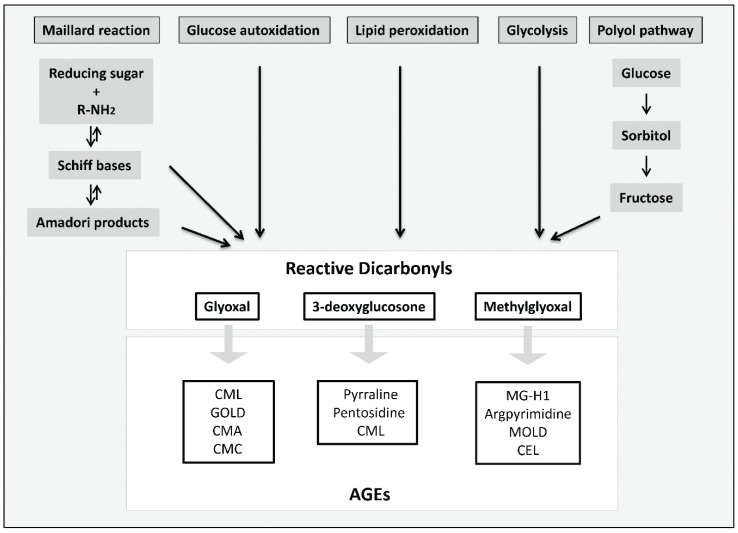
“These molecules can also be generated from glucose autoxidation, lipid peroxidation, and the polyol pathway.[18]”
From The Role of Dietary Advanced Glycation End Products in Metabolic Dysfunction (2021) · cites this paper as [18]
In the citing paper
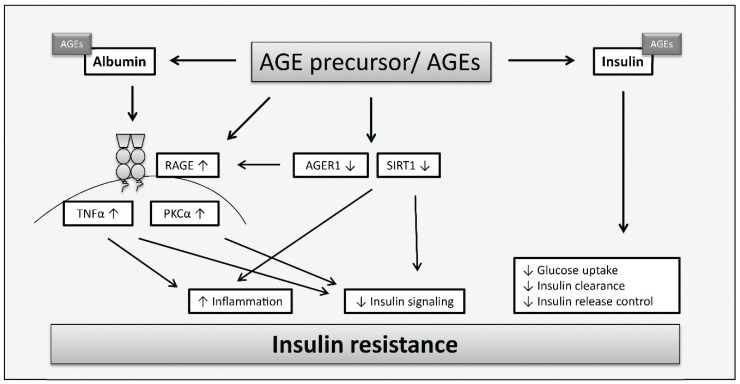
“AGEs can contribute to both pathogenetic features of T2DM by promoting inflammation and oxidative stress in humans. [18]”
From The Role of Dietary Advanced Glycation End Products in Metabolic Dysfunction (2021) · cites this paper as [18]
Self-check
Percentages, sums and reported differences re-computed from the paper’s own numbers.
The self-check needs the paper’s full text.
Citations
Cites
Matthews, D. R., Hosker, J. P., Rudenski, A. S., Naylor, B. A., Treacher, D. F., & Turner, R. C. (1985) · Diabetologia · doi:10.1007/bf00280883 · Cited by 31,502
Toprak, Ö., Kurt, H., Sarı, Y., Şarkış, C., Us, H., & Kırık, A. (2017) · Kidney & Blood Pressure Research · doi:10.1159/000468530 · Cited by 29,772
Global and societal implications of the diabetes epidemic
Zimmet, P., Alberti, K. G. M. M., & Shaw, J. (2001) · Nature · doi:10.1038/414782a · Cited by 5,883
Oxidative stress and diabetic complications
Giacco, F., & Brownlee, M. (2010) · Circulation Research · doi:10.1161/circresaha.110.223545 · Cited by 5,461
The Emerging Risk Factors Collaboration (2010) · The Lancet · doi:10.1016/s0140-6736(10)60484-9 · Cited by 5,125
Gupta, A., & Uribarri, J. (2016) · Hormone Research in Paediatrics · doi:10.1159/000444053 · Cited by 4,023
Role of Oxidative Stress in Development of Complications in Diabetes
Baynes, J. (1991) · Diabetes · doi:10.2337/diab.40.4.405 · Cited by 3,791
Oxidative stress: a concept in redox biology and medicine
Sies, H. (2015) · Redox Biology · doi:10.1016/j.redox.2015.01.002 · Cited by 3,208
Advanced glycation end-products: A review
Singh, R., Barden, A., Mori, T., & Beilin, L. (2001) · Diabetologia · doi:10.1007/s001250051591 · Cited by 2,597
Dehydrated Foods, Chemistry of Browning Reactions in Model Systems
Hodge, J. E. (1953) · Journal of Agricultural and Food Chemistry · doi:10.1021/jf60015a004 · Cited by 1,979
Cited by
Sorted by citations
Items 601–700 of 1,001
From diabetes to renal aging: the therapeutic potential of adiponectin
Karamian, M., Moossavi, M., & Hemmati, M. (2021) · Journal of Physiology and Biochemistry · doi:10.1007/s13105-021-00790-4 · Cited by 9
Lou, Y., Zhang, Y., Zhao, P., Qin, P., Wang, C., Ma, J., Peng, X., Chen, H., Zhao, D., Xu, S., et al. (2021) · Endocrine Connections · doi:10.1530/ec-21-0464 · Cited by 10
Sroga, G. E., Stephen, S. J., Wang, B., & Vashishth, D. (2022) · Current Opinion in Endocrinology Diabetes and Obesity · doi:10.1097/med.0000000000000736 · Cited by 10
Fu, T., Zhu, Q., Lou, F., Cai, S., Peng, S., & Xiao, J. (2023) · Cellular Signalling · doi:10.1016/j.cellsig.2023.110694 · Cited by 10
Emelyanov, V. V. (2017) · Advances in Gerontology · doi:10.1134/s2079057017010064 · Cited by 10
Takács, K., Wiczkowski, W., Cattaneo, S., Szerdahelyi, E., Stuknytė, M., Casiraghi, M. C., El, S. N., & Noni, I. D. (2018) · Journal of Functional Foods · doi:10.1016/j.jff.2018.03.001 · Cited by 10
Kamalrudin, A., Jasamai, M., & Noor, M. M. (2018) · Pharmacognosy Journal · doi:10.5530/pj.2018.6s.10 · Cited by 10
JURNAK, F. A. (2015) · Nutrition and Metabolic Insights · doi:10.4137/nmi.s29531 · Cited by 10
Li, J.-Q., Shi, Y.-H., MinXu, Shi, C.-X., Teng-Wang, Wang, T., Zuo, Z., & Liu, X. (2024) · Gene · doi:10.1016/j.gene.2024.148219 · Cited by 10
The dynamic roles of advanced glycation end products
Khalid, M., & Adem, A. (2024) · Vitamins and hormones · doi:10.1016/bs.vh.2024.02.008 · Cited by 11
The possible therapeutic role of advanced glycation end-product inhibitors in ischemic stroke
Aljarba, N. H., Al-Kuraishy, H. M., Al-Gareeb, A. I., Shokr, M. M., Papadakis, M., Alexiou, A. T., Alruwaili, M., Alrouji, M., Alshammari, M. S., & Batiha, G. E. (2025) · Brain Research Bulletin · doi:10.1016/j.brainresbull.2025.111236 · Cited by 9
Venuti, M. T., Roda, E., Brandalise, F., Sarkar, M., Cappelletti, M., Speciani, A. F., Soffientini, I., Priori, E. C., Giammello, F., Ratto, D., et al. (2025) · Frontiers in Physiology · doi:10.3389/fphys.2025.1455434 · Cited by 11
Bacterial Adaptation to Stress Induced by Glyoxal/Methylglyoxal and Advanced Glycation End Products
Kuczyńska‐Wiśnik, D., Stojowska‐Swędrzyńska, K., & Laskowska, E. (2025) · Microorganisms · doi:10.3390/microorganisms13122778 · Cited by 9
Rutkowska, M., Kołodziejczyk-Czepas, J., & Olszewska, M. A. (2021) · Antioxidants · doi:10.3390/antiox10122009 · Cited by 9
El deterioro cognitivo como una complicación de la Diabetes Mellitus Tipo 2
Matar-Khalil, S., & Rubio-Sandoval, F. C. (2021) · Nova · doi:10.22490/24629448.5473 · Cited by 13
COVID-19 Outcomes and Diabetes Mellitus: A Comprehensive Multicenter Prospective Cohort Study
Akinosoglou, K., Schinas, G., Bletsa, E., Bristianou, M., Lanaras, L., Michailides, C., Katsikas, T., Barkas, F., Liberopoulos, E. N., Kotsis, V., et al. (2023) · Microorganisms · doi:10.3390/microorganisms11061416 · Cited by 9
Shi, A., Dong, L., Wu, Y., Liu, X., Li, W., Wang, J., Ji, X., Lv, H., Zhang, Y., & Wang, S. (2023) · Journal of Functional Foods · doi:10.1016/j.jff.2023.105690 · Cited by 9
Antiglycative Activity and RAGE Expression in Rett Syndrome
Cordone, V., Pecorelli, A., Benedusi, M., Santini, S. J., Falone, S., Hayek, J., Amicarelli, F., & Valacchi, G. (2019) · Cells · doi:10.3390/cells8020161 · Cited by 9
Metabolic signature of methylone in primary mouse hepatocytes, at subtoxic concentrations
Araújo, A. M., Carvalho, M. C., Bastos, M. D. L., Carvalho, F. D., & de Pinho, P. G. (2019) · Archives of Toxicology · doi:10.1007/s00204-019-02566-8 · Cited by 9
Patil, G. V., Joshi, R. S., Kazi, R. S., Kulsange, S. E., & Kulkarni, M. J. (2020) · Medical Hypotheses · doi:10.1016/j.mehy.2020.109799 · Cited by 9
Sharma, A. K., Yerrabelli, D., Sagili, H., Sahoo, J., Gaur, G. S., & Kumar, A. (2021) · The Journal of Maternal-Fetal & Neonatal Medicine · doi:10.1080/14767058.2021.1937111 · Cited by 9
Selvakumar, G., Venu, D., Kuttalam, I., & Suguna, L. (2021) · Applied Biochemistry and Biotechnology · doi:10.1007/s12010-021-03762-y · Cited by 9
Yap, C.-S. A., Razif, M. F. M., Ng, S. T., Tan, C.-S., Jamil, A. H. A., & Fung, S. Y. (2022) · Food Bioscience · doi:10.1016/j.fbio.2022.101944 · Cited by 9
Liu, C., Yang, X. Y., Mao, Y., Zhang, X., Wu, X., Wang, S.-H., Fan, Y., & Sun, L. (2023) · Acta Astronautica · doi:10.1016/j.actaastro.2023.02.019 · Cited by 9
Woolley, W., Obata, Y., Martin, K., & Acevedo, C. (2023) · JOM · doi:10.1007/s11837-023-05882-8 · Cited by 9
Mir, A. R., Moinuddin, M., & Habib, S. (2016) · International Journal of Biological Macromolecules · doi:10.1016/j.ijbiomac.2016.12.060 · Cited by 9
Zhu, S., Gu, Y., Wang, W., Bai, J., Ge, G., Zhang, W., Wang, Q., Guo, X., Xiao, L., Tao, Y., et al. (2019) · PubMed Central · Cited by 9
Cognitive impairment and reduced antioxidant capacity in patients with type 2 diabetes
Mukhtar, I. G., & Yarube, I. (2019) · Sahel Medical Journal · doi:10.4103/smj.smj_37_18 · Cited by 9
Renoprotective effect of umbelliferone in high-fat diet/streptozotocin-induced type 2 diabetic rats
Naowaboot, J., Somparn, N., & Saenthaweesuk, S. (2019) · Asian Pacific Journal of Tropical Biomedicine · doi:10.4103/2221-1691.273089 · Cited by 9
Bryk, A. H., Zettl, K., Wiśniewski, J. R., & Undas, A. (2020) · Thrombosis Research · doi:10.1016/j.thromres.2020.11.031 · Cited by 9
Mohamadizadeh, M., Dehghan, P., Azizi-Soleiman, F., & Maleki, P. (2024) · Nutrition and Diabetes · doi:10.1038/s41387-024-00287-1 · Cited by 8
Are strategies to increase muscle mass and strength as effective in people with type 2 diabetes?
Al-Awadi, A. A., Gray, S. R., & Al‐Ozairi, E. (2025) · Reviews in Endocrine and Metabolic Disorders · doi:10.1007/s11154-025-09947-8 · Cited by 8
Wu, Z., Gao, Y., Zuo, C.-Y., Wang, X.-R., Chen, X., Zhou, X., & Gao, W. (2025) · Diabetology & Metabolic Syndrome · doi:10.1186/s13098-025-01718-4 · Cited by 10
Multi-dimensional role of AGEs in periodontitis: from matrix remodeling to neuro-immune crosstalk
Dong, Y., Lin, H. Y., Wen, T., & Guo, Z.-L. (2025) · Frontiers in Immunology · doi:10.3389/fimmu.2025.1643685 · Cited by 8
Dubey, P., Pooja, Sharma, D., Bhadauriya, M., & Nalini, S. (2021) · Journal of Herbal Medicine · doi:10.1016/j.hermed.2021.100529 · Cited by 8
Relevance of Diabetic Retinopathy with AGEs and Carotenoid Levels Assessed by Skin Sensors
Sasaki, J., Takayanagi, Y., Kadoh, Y., & Tanito, M. (2022) · Antioxidants · doi:10.3390/antiox11071370 · Cited by 8
Low, S. K., Pek, S. L. T., Moh, A. M. C., Khoo, J., Ang, K., Tang, W. E., Lim, Z., Subramaniam, T., Sum, C. F., & Lim, S. C. (2023) · Annals of the Academy of Medicine Singapore · doi:10.47102/annals-acadmedsg.2022350 · Cited by 8
Mehmood, H., Akhtar, T., Haroon, M., Shah, M., Rashid, U., & Woodward, S. (2023) · Future Medicinal Chemistry · doi:10.4155/fmc-2023-0136 · Cited by 8
Elksnis, A., Welsh, N., Wikström, P., Lau, J., & Carlsson, P. (2023) · Free Radical Research · doi:10.1080/10715762.2023.2284637 · Cited by 10
Urinary stone analysis and clinical characteristics of 496 patients in Taiwan
Cheng, W.-Y., & Tseng, J. (2024) · Scientific Reports · doi:10.1038/s41598-024-64869-w · Cited by 8
Honma, A., Ogawa, C., Sugahara, M., Fujimura, S., & Kita, K. (2017) · The Journal of Poultry Science · doi:10.2141/jpsa.0160146 · Cited by 10
Guo, Y., Lv, J. Y., Zhang, Y., Zhao, Y., Bai, B., & Liu, L. (2019) · Journal of Food Processing and Preservation · doi:10.1111/jfpp.14155 · Cited by 8
Comparative study of different glycating agents on human plasma and vascular cells
Tupe, R. S., Bangar, N. S., Diwan, A. G., Changale, D., Choudhary, S., & Chaware, S. (2019) · Molecular Biology Reports · doi:10.1007/s11033-019-05158-y · Cited by 8
Shoukheba, M. Y. M., & Kholy, S. E. (2019) · Egyptian Dental Journal /Egyptian Dental Journal · doi:10.21608/edj.2015.71409 · Cited by 8
The role of type 2 Diabetes mellitus as a risk factor for Alzheimer's and Parkinson's diseases
Rocha, K. M. A., Goulart, A. D. S., Costa, M. T., Salgueiro, A. C. F., & Folmer, V. (2021) · Research Society and Development · doi:10.33448/rsd-v10i1.11673 · Cited by 9
Galectins in the Pathogenesis of Common Retinal Disease
Caridi, B., Doncheva, D., Sivaprasad, S., & Turowski, P. (2021) · Frontiers in Pharmacology · doi:10.3389/fphar.2021.687495 · Cited by 8
roozi, H., Boojar, M. M. A., Eidi, A., & Khavari-Nejad, R.-A. (2021) · Egyptian Journal of Basic and Applied Sciences · doi:10.1080/2314808x.2021.1877889 · Cited by 8
Chiew, Y., Tan, S. M. Q., Ahmad, B., Khor, S. E., & Kadir, K. A. (2021) · Asian Journal of Ophthalmology · doi:10.35119/asjoo.v17i4.698 · Cited by 8
Justino, A. B., Santana, E. C., Franco, R. R., Queiroz, J. S., Silva, H. C. G., Júnior, J. P. D. L., Saraiva, A. L., Martins, M. M., Morais, S. A. L., de Oliveira, A., et al. (2021) · Journal of Pharmaceutical and Biomedical Analysis · doi:10.1016/j.jpba.2021.114387 · Cited by 9
Yaman, M. (2021) · European Journal of Science and Technology · doi:10.31590/ejosat.990119 · Cited by 8
Liu, S., Yin, X., Hou, C., Liu, X., Ma, H., Zhang, X., Xu, M., Xie, Y., Li, Y., & Wang, J. (2021) · Frontiers in Nutrition · doi:10.3389/fnut.2021.762277 · Cited by 8
Patil, N. A., Kelkar, A., & Sivaram, A. (2022) · BioNanoScience · doi:10.1007/s12668-022-00954-6 · Cited by 8
Buckert, M., Hartmann, M., Monzer, N., Wolff, K., Nawroth, P. P., Fleming, T. H., Streibel, C., Henningsen, N. C., & Wild, B. (2022) · Hormones and Behavior · doi:10.1016/j.yhbeh.2022.105120 · Cited by 13
Uğur, H., Görünmek, M., Çatak, J., Esra, E. F. E., ÖZGÜR, B., DUMAN, S., & Yaman, M. (2022) · Food Science and Technology · doi:10.1590/fst.08522 · Cited by 8
Changkakoti, L., Das, J. M., Borah, R., Rajabalaya, R., David, S. R. N., Balaraman, A. K., Pramanik, S., Haldar, P. K., & Bala, A. (2023) · Endocrine Metabolic & Immune Disorders - Drug Targets · doi:10.2174/0118715303262824231024104849 · Cited by 8
Khedr, N. F. (2016) · Journal of Diabetes · doi:10.1111/1753-0407.12518 · Cited by 8
Kandavel, S., & Kumar, P. (2019) · European Journal of Dentistry · doi:10.1055/s-0039-1692018 · Cited by 8
Advanced Glycation End Products in Chinese Medicine Mediated Aging Diseases: A Review
Zhang, W., Zhao, T., Zhao, Y., Gui, D., & Xu, Y. (2019) · Current Vascular Pharmacology · doi:10.2174/1570161117666190507112157 · Cited by 8
Protein Glycation: An Old Villain is Shedding Secrets
Lushington, G. H., & Barnes, A. C. (2019) · Combinatorial Chemistry & High Throughput Screening · doi:10.2174/1386207322666190704094356 · Cited by 8
Khazaei, M., Ebrahimi, Z., khazaei, M., & Ghanbari, E. (2019) · Advanced Biomedical Research · doi:10.4103/abr.abr_65_19 · Cited by 8
Kato, Y., Uchiumi, H., Usami, R., Takatsu, H., Aoki, Y., Yanai, S., Endo, S., & Fukui, K. (2021) · Journal of Clinical Biochemistry and Nutrition · doi:10.3164/jcbn.21-10 · Cited by 8
Lee, Y. J., Lee, Y. P., Seo, C., Choi, E. S., Han, B. H., Yoon, J. J., Jang, S. H., Jeong, C. G., Mun, Y. J., Kang, D. G., et al. (2021) · Plants · doi:10.3390/plants10122795 · Cited by 8
Developing a Portable Autofluorescence Detection System and Its Application in Biological Samples
Zhou, J., Li, Y., Zhang, J., & Cai, F. (2024) · Sensors · doi:10.3390/s24113351 · Cited by 7
Oral bacterium contributes to periodontal inflammation by forming advanced glycation end products
Settem, R. P., & Sharma, A. (2025) · Infection and Immunity · doi:10.1128/iai.00560-24 · Cited by 7
Dańkowska, K., Nesterowicz, M., Lauko, K. K., Trocka, D., Żendzian‐Piotrowska, M., Ładny, J. R., Zalewska, A., Żebrowska-Gamdzyk, M., & Maciejczyk, M. (2025) · Scientific Reports · doi:10.1038/s41598-025-18925-8 · Cited by 7
Zhang, S., Ma, P., & Chen, Q. (2022) · Evidence-based Complementary and Alternative Medicine · doi:10.1155/2022/5193944 · Cited by 7
Bošković, M., Živković, M., Korićanac, G., Tepavčević, S., Zec, M. M., Debeljak-Martačić, J., & Stanković, A. (2022) · Frontiers in Physiology · doi:10.3389/fphys.2022.942459 · Cited by 7
Chiang, H., Lyu, J.-L., Lu, M., Lin, Y.-H., Chan, S.-T., Lin, Y.-K., & Chiang, C. (2023) · Journal of Functional Foods · doi:10.1016/j.jff.2022.105398 · Cited by 7
Aurori, M., Novac, C. Ș., Nadăş, G., Crăciun, S., Nicodim Iosif, F. I. T., & Andrei, S. (2024) · Pharmaceuticals · doi:10.3390/ph17060814 · Cited by 7
Han, Y., Hai, J., Yang, X., Lu, D., Li, J., Yan, X., Bu, P., Ti, Y., & Li, X. (2024) · Scientific Reports · doi:10.1038/s41598-024-70213-z · Cited by 7
Advanced glycation end products impair the repair of injured tendon: a study in rats
Yang, J., He, J., & Yang, L. (2024) · BMC Musculoskeletal Disorders · doi:10.1186/s12891-024-07760-z · Cited by 7
Hussain, M. S., Hassan, M. N., Rao, W., Siddiqui, W. A., & Khan, R. H. (2025) · Archives of Biochemistry and Biophysics · doi:10.1016/j.abb.2025.110604 · Cited by 7
Mestry, S. N., Gawali, N. B., Gursahani, M., Pai, S. A., Dhodi, J. B., & Juvekar, A. R. (2018) · Oriental Pharmacy and Experimental Medicine · doi:10.1007/s13596-018-0309-y · Cited by 7
Determination of Amadori Product in Glycated Human Serum Albumin by Spectroscopy Methods
Bohlooli, M., Ghaffari‐Moghaddam, M., Khajeh, M., & Sheibani, N. (2018) · ChemistrySelect · doi:10.1002/slct.201800207 · Cited by 7
Pringle, N. A., van de Venter, M., & Koekemoer, T. (2018) · Experimental Dermatology · doi:10.1111/exd.13774 · Cited by 7
Widjaja, S. S., Rusdiana, R., & Savira, M. (2018) · Open Access Macedonian Journal of Medical Sciences · doi:10.3889/oamjms.2018.347 · Cited by 7
Tirwomwe, M., Echoru, I., Maseruka, R., Kimanje, K. R., & Byarugaba, W. (2019) · Evidence-based Complementary and Alternative Medicine · doi:10.1155/2019/6712178 · Cited by 7
Impact of endogenous stress on albumin structure in systemic lupus erythematosus (SLE) patients
Arif, Z., Tarannum, A., Arfat, M. Y., Arif, B., Shahab, S., Arif, M., Neelofar, K., Badar, A., Islam, S. N., Zaman, A., et al. (2020) · International Journal of Biological Macromolecules · doi:10.1016/j.ijbiomac.2020.01.295 · Cited by 7
Protein Kinases Signaling in Pancreatic Beta-cells Death and Type 2 Diabetes
Engin, A. B., & Engin, A. (2021) · Advances in experimental medicine and biology · doi:10.1007/978-3-030-49844-3_8 · Cited by 6
Shi, Z., Huo, Y., Hou, J., Zhang, R., Jian-qin, W., Wang, W., Yu, J., Wang, H., Liu, Y., Song, G., et al. (2022) · Free Radical Biology and Medicine · doi:10.1016/j.freeradbiomed.2022.09.029 · Cited by 7
Borriello, M., Lauria, F., Sirangelo, I., Aleksandrova, K., Hebestreit, A., Siani, A., & Russo, P. (2022) · Nutrients · doi:10.3390/nu14194135 · Cited by 7
Anastasiou, I. A., Tentolouris, K. N., Lambadiari, V., Eleftheriadou, I., Tektonidou, M. G., & Tentolouris, N. (2023) · Mini-Reviews in Medicinal Chemistry · doi:10.2174/1389557523666230510123038 · Cited by 8
Alzheimer’s Disease in Diabetic Patients: A Lipidomic Prospect
Makki, B. E., & Rahman, S. B. (2023) · Neuroscience · doi:10.1016/j.neuroscience.2023.08.033 · Cited by 7
Antioxidant and anti-glycation activity of eight Moroccan honeys from different botanical origins
Lakhmili, H., Warda, K., El‐Abbassi, A., & Hafidi, A. (2024) · Discover Food · doi:10.1007/s44187-024-00074-y · Cited by 7
Liu, J., Liu, J., Li, H., Liu, L., Zheng, J., Huang, Z., Cao, X., Xiao, H., & Li, Y. (2017) · International Journal of Endocrinology · doi:10.1155/2017/6180904 · Cited by 7
Bayatpoor, M. E., Mirzaee, S., Abd, M. K., Mohammadi, M. T., Shahyad, S., Bahari, Z., & Sarshoori, J. R. (2019) · Journal of Complementary and Integrative Medicine · doi:10.1515/jcim-2019-0117 · Cited by 7
Consequences of Dicarbonyl Stress on Skeletal Muscle Proteins in Type 2 Diabetes
Ahmad, K., Shaikh, S., Lee, E. J., Lee, Y., & Choi, I. (2019) · Current Protein and Peptide Science · doi:10.2174/1389203720666191119100759 · Cited by 7
Legiawati, L., Fadilah, F., Kusmarinah, B., Setiati, S., & Yunir, E. (2020) · Journal of Applied Pharmaceutical Science · doi:10.7324/japs.2020.10801 · Cited by 8
Ghasemi, S., Torab, Z., Shirmohammadi, A., Babaloo, A., Johari, R., Farhadi, F., Mobasseri, M., & Mohammadi, H. (2022) · Journal of Advanced Periodontology & Implant Dentistry · doi:10.34172/japid.2022.003 · Cited by 7
Jadhav, V. B., & Vaghela, J. S. (2022) · Future Journal of Pharmaceutical Sciences · doi:10.1186/s43094-022-00444-2 · Cited by 7
Reduced soluble Toll-like receptors 2 in type 2 diabetes
Zaharieva, E., Velikova, T. V., Tsakova, A. D., & Kamenov, Z. A. (2017) · Archives of Physiology and Biochemistry · doi:10.1080/13813455.2017.1401642 · Cited by 7
Faingold, I. I., Soldatova, Y. V., Poletaeva, D. A., Klimanova, E. N., & Санина, Н. А. (2023) · Membranes · doi:10.3390/membranes13070615 · Cited by 6
Weber, D., Thimm, J., Seiz, T., Kochlik, B., Raupbach, J., Bürkle, A., Grune, T., Grüber, M., & Moreno‐Villanueva, M. (2025) · Redox Biology · doi:10.1016/j.redox.2025.103764 · Cited by 6
Self-citationSilva, M. A. P., Grassi, T. F., Mur, L. A. J., Zainurin, N. A. A., Beckmann, M., de Souza, H. J. B. C., Destro, M. V., Damasceno, D. C., Corrêa, C. R., Golim, M. D. A., et al. (2025) · Free Radical Biology and Medicine · doi:10.1016/j.freeradbiomed.2025.11.029 · Cited by 6
Glycation restrains open-closed conformation of Insulin
Jeevanandam, J., Esackimuthu, P., & Saraswathi, N. T. (2022) · Computational Biology and Chemistry · doi:10.1016/j.compbiolchem.2022.107803 · Cited by 6
Skrajewski, L., Soule, L. D., Geiger, M. K., & Spence, D. M. (2023) · Analytical Methods · doi:10.1039/d3ay01817b · Cited by 6
Suzuki, S., Hayashi, T., & Egawa, T. (2024) · The Journal of Physiological Sciences · doi:10.1186/s12576-024-00944-1 · Cited by 6
Wani, M. J., Zofair, S. F. F., Salman, K. A., Moin, S., & Hasan, A. (2024) · International Journal of Biological Macromolecules · doi:10.1016/j.ijbiomac.2024.138823 · Cited by 6
Bronowicka-Szydełko, A., Krzystek‐Korpacka, M., Kuzan, A., Gostomska‐Pampuch, K., Gacka, M., Jakobsche-Policht, U., Adamiec, R., & Gamian, A. (2020) · Advances in Clinical and Experimental Medicine · doi:10.17219/acem/112611 · Cited by 6
Xie, X., Chen, C., Fu, X., & Liu, R. (2021) · Food & Function · doi:10.1039/d1fo01886h · Cited by 6
Metadata
- Authors
- Nowotny, K., Jung, T., Höhn, A., Weber, D., & Grune, T.
- Affiliations
- German Institute of Human Nutrition (DE)
- Corresponding author
- Grune, Tilman
- Venue
- Biomolecules
- Publisher
- MDPI AG
- Published
- 2015-03-16
- Volume
- 5
- Issue
- 1
- Pages
- 194-222
- ISSN
- 2218-273X (ISSN-L)
- PMC
- PMC4384119
- OpenAlex
- W1986014108
- Cited by
- 1,095
- References
- 172
- Citations by year
- 2026: 59 · 2025: 93 · 2024: 106 · 2023: 138 · 2022: 132 · 2021: 118 · 2020: 106 · 2019: 99 · 2018: 99 · 2017: 68 · 2016: 61 · 2015: 14
- FWCI
- 8.00
- Type
- journal article
- Language
- en
- Open access
- gold
- dx.doi.org
- Licence
- Locations
- Biomolecules (publishedVersion, cc-by)
- Europe PMC (PubMed Central) (publishedVersion, cc-by)
- PubMed Central (publishedVersion, cc-by)
- PubMed (publishedVersion)
- Informationszentrum Lebenswissenschaften (ZB MED) (submittedVersion, cc-by)
- DOAJ (DOAJ: Directory of Open Access Journals) (submittedVersion, cc-by-sa)
- Topics
- Life Sciences › Biochemistry, Genetics and Molecular Biology › Clinical Biochemistry › Advanced Glycation End Products research
- Life Sciences › Agricultural and Biological Sciences › Food Science › Potato Plant Research
- Health Sciences › Medicine › Nephrology › Chronic Kidney Disease and Diabetes
- Keywords
- advanced glycation end products, oxidative stress, type 2 diabetes, hyperglycemia, reactive oxygen species, antioxidant defense, diabetes complications, insulin resistance, beta-cell failure
- MeSH terms
- Animals, Diabetes Mellitus, Type 2, Humans, Insulin Resistance, Cell Death, Glycation End Products, Advanced, Oxidative Stress, Insulin-Secreting Cells
About these checks
Registry, retraction, Cites and statistics results are computed, not judged, with one exception: a printed reference that no index lists is read once by a model before it counts as a citation error. Claims are extracted by a model and kept only when their quote appears verbatim in the text; each cited source is then checked, with a model’s help, for whether it says what the claim relies on. Those verdicts can be wrong — read the claim’s quote and the cited source before relying on one.
Statistics and arithmetic are recomputed, not judged.
Confidence bands are shown only for fields calibrated on our annotated test set. None is calibrated yet, so no band is shown.
What counts as a claim ›How we measure confidence ›How we check this ›
Are you an author, or do you see a problem with this page? Request a review
