

The DOI matches its Crossref record; 169 of the 172 references it cites were found in a registry or an index, and 1 are not checked yet.
Advanced Glycation End Products and Oxidative Stress in Type 2 Diabetes Mellitus
Open accessAbstract
Type 2 diabetes mellitus (T2DM) is a very complex and multifactorial metabolic disease characterized by insulin resistance and β cell failure leading to elevated blood glucose levels. Hyperglycemia is suggested to be the main cause of diabetic complications, which not only decrease life quality and expectancy, but are also becoming a problem regarding the financial burden for health care systems. Therefore, and to counteract the continually increasing prevalence of diabetes, understanding the pathogenesis, the main risk factors, and the underlying molecular mechanisms may establish a basis for prevention and therapy. In this regard, research was performed revealing further evidence that oxidative stress has an important role in hyperglycemia-induced tissue injury as well as in early events relevant for the development of T2DM. The formation of advanced glycation end products (AGEs), a group of modified proteins and/or lipids with damaging potential, is one contributing factor. On the one hand it has been reported that AGEs increase reactive oxygen species formation and impair antioxidant systems, on the other hand the formation of some AGEs is induced per se under oxidative conditions. Thus, AGEs contribute at least partly to chronic stress conditions in diabetes. As AGEs are not only formed endogenously, but also derive from exogenous sources, i.e., food, they have been assumed as risk factors for T2DM. However, the role of AGEs in the pathogenesis of T2DM and diabetic complications—if they are causal or simply an effect—is only partly understood. This review will highlight the involvement of AGEs in the development and progression of T2DM and their role in diabetic complications.
Overview
The claims and statistics of this paper haven’t been checked yet.
Run the check — free, no account needed. It reads the open-access text and checks the sources it cites.
Integrity signals
Registry
Cites
Statistics
Figures
Verification
Claims the paper makes
The claims and statistics of this paper haven’t been checked yet.
Run the check — free, no account needed. It reads the open-access text and checks the sources it cites.
Claims other papers make about this one
Each is checked against this paper’s own text: does it say what the citing paper says it does?
The source backs part of the claim, not all of it — or backs it for a different population, condition or comparison.
In the citing paper
“The formation and accumulation of glycoxidation products occurs during normal, but especially under certain physiological conditions, such as hyperglycemia, hyperlipidemia, and oxidative stress.”
From Protein oxidation - Formation mechanisms, detection and relevance as biomarkers in human diseases (2021) · cites this paper as [152]
Experimental — accuracy not yet measuredThe source backs part of the claim, not all of it — or backs it for a different population, condition or comparison.
In the citing paper
“This indicates their relevance in the progression of metabolic diseases, including neurodegenerative disease, chronic kidney disease (CDK), CVD, and cancer, but in particular, T2D and related complications as reviewed elsewhere [152].”
From Protein oxidation - Formation mechanisms, detection and relevance as biomarkers in human diseases (2021) · cites this paper as [152]
Experimental — accuracy not yet measuredThe source backs part of the claim, not all of it — or backs it for a different population, condition or comparison.
In the citing paper
“a growing body of evidence reveals that levels of glycoxidation products increase as a function of age in several tissues, dependent on the dietary intake and the presence of hyperglycemic conditions [152,153]”
From Protein oxidation - Formation mechanisms, detection and relevance as biomarkers in human diseases (2021) · cites this paper as [152]
Experimental — accuracy not yet measuredIn the citing paper
“These molecules can also be generated from glucose autoxidation, lipid peroxidation, and the polyol pathway.[18]”
From The Role of Dietary Advanced Glycation End Products in Metabolic Dysfunction (2021) · cites this paper as [18]
In the citing paper
“AGEs can contribute to both pathogenetic features of T2DM by promoting inflammation and oxidative stress in humans. [18]”
From The Role of Dietary Advanced Glycation End Products in Metabolic Dysfunction (2021) · cites this paper as [18]
Self-check
Percentages, sums and reported differences re-computed from the paper’s own numbers.
The self-check needs the paper’s full text.
Citations
Cites
Matthews, D. R., Hosker, J. P., Rudenski, A. S., Naylor, B. A., Treacher, D. F., & Turner, R. C. (1985) · Diabetologia · doi:10.1007/bf00280883 · Cited by 31,502
Toprak, Ö., Kurt, H., Sarı, Y., Şarkış, C., Us, H., & Kırık, A. (2017) · Kidney & Blood Pressure Research · doi:10.1159/000468530 · Cited by 29,772
Global and societal implications of the diabetes epidemic
Zimmet, P., Alberti, K. G. M. M., & Shaw, J. (2001) · Nature · doi:10.1038/414782a · Cited by 5,883
Oxidative stress and diabetic complications
Giacco, F., & Brownlee, M. (2010) · Circulation Research · doi:10.1161/circresaha.110.223545 · Cited by 5,461
The Emerging Risk Factors Collaboration (2010) · The Lancet · doi:10.1016/s0140-6736(10)60484-9 · Cited by 5,125
Gupta, A., & Uribarri, J. (2016) · Hormone Research in Paediatrics · doi:10.1159/000444053 · Cited by 4,023
Role of Oxidative Stress in Development of Complications in Diabetes
Baynes, J. (1991) · Diabetes · doi:10.2337/diab.40.4.405 · Cited by 3,791
Oxidative stress: a concept in redox biology and medicine
Sies, H. (2015) · Redox Biology · doi:10.1016/j.redox.2015.01.002 · Cited by 3,208
Advanced glycation end-products: A review
Singh, R., Barden, A., Mori, T., & Beilin, L. (2001) · Diabetologia · doi:10.1007/s001250051591 · Cited by 2,597
Dehydrated Foods, Chemistry of Browning Reactions in Model Systems
Hodge, J. E. (1953) · Journal of Agricultural and Food Chemistry · doi:10.1021/jf60015a004 · Cited by 1,979
RAGE Mediates a Novel Proinflammatory Axis
Hofmann, M. A., Drury, S., Fu, C., Qu, W., Taguchi, A., Lu, Y., Avila, C., Kambham, N., Bierhaus, A., Nawroth, P., et al. (1999) · Cell · doi:10.1016/s0092-8674(00)80801-6 · Cited by 1,864
Activation of Interleukin-6 Gene Expression through the NF-κB Transcription Factor
Libermann, T. A., & Baltimore, D. (1990) · Molecular and Cellular Biology · doi:10.1128/mcb.10.5.2327 · Cited by 1,403
Mortality and causes of death in the WHO Multinational Study of Vascular Disease in Diabetes
and the WHO Multinational Study Group, Morrish, N. J., Wang, S.-L., Stevens, L. K., Fuller, J. H., & Keen, H. (2001) · Diabetologia · doi:10.1007/pl00002934 · Cited by 1,288
Formation of glyoxal, methylglyoxal and 3-deoxyglucosone in the glycation of proteins by glucose
Thornalley, P. J., LANGBORG, A., & Minhas, H. S. (1999) · Biochemical Journal · doi:10.1042/bj3440109 · Cited by 1,209
Bucala, R., Tracey, K. J., & Cerami, A. (1991) · Journal of Clinical Investigation · doi:10.1172/jci115014 · Cited by 1,162
The Receptor for Advanced Glycation End Products (RAGE) Is a Cellular Binding Site for Amphoterin
Hori, O., Brett, J., Slattery, T., Cao, R., Zhang, J., Chen, J. X., Nagashima, M., Lundh, E. R., Vijay, S., Nitecki, D., et al. (1995) · Journal of Biological Chemistry · doi:10.1074/jbc.270.43.25752 · Cited by 1,151
Role of advanced glycation end products in cellular signaling
Ott, C., Jacobs, K., Haucke, E., Navarrete Santos, A., Grune, T., & Simm, A. (2014) · Redox Biology · doi:10.1016/j.redox.2013.12.016 · Cited by 1,150
Self-citationStructure Elucidation of a Senescence Cross-Link from Human Extracellular Matrix
Sell, D. R., & Monnier, V. M. (1989) · Journal of Biological Chemistry · doi:10.1016/s0021-9258(20)88225-8 · Cited by 1,082
Schmidt, A. M., Hori, O., Chen, J. X., Li, J. F., Crandall, J., Zhang, J., Cao, R., Yan, S. D., Brett, J., & Stern, D. (1995) · Journal of Clinical Investigation · doi:10.1172/jci118175 · Cited by 896
Diabetes-Associated Sustained Activation of the Transcription Factor Nuclear Factor-κB
Bierhaus, A., Schiekofer, S., Schwaninger, M., Andrassy, M., Humpert, P. M., Chen, J., Hong, M., Luther, T., Henle, T., Klöting, I., et al. (2001) · Diabetes · doi:10.2337/diabetes.50.12.2792 · Cited by 826
Fu, M.-X., Requena, J. R., Jenkins, A. J., Lyons, T. J., Baynes, J. W., & Thorpe, S. R. (1996) · Journal of Biological Chemistry · doi:10.1074/jbc.271.17.9982 · Cited by 822
Koschinsky, T., He, C.-J., Mitsuhashi, T., Bucala, R., Liu, C., Buenting, C., Heitmann, K., & Vlassara, H. (1997) · Proceedings of the National Academy of Sciences · doi:10.1073/pnas.94.12.6474 · Cited by 792
Simple non-invasive assessment of advanced glycation endproduct accumulation
Meerwaldt, R., Graaff, R., Oomen, P. H. N., Links, T. P., Jager, J. J., Alderson, N. L., Thorpe, S. R., Baynes, J., Gans, R. O. B., & Smit, A. J. (2004) · Diabetologia · doi:10.1007/s00125-004-1451-2 · Cited by 767
Advanced glycation endproducts in food and their effects on health
Poulsen, M. W., Hedegaard, R. V., Andersen, J. M., de Courten, B., Bügel, S., Nielsen, J., Skibsted, L. H., & Dragsted, L. O. (2013) · Food and Chemical Toxicology · doi:10.1016/j.fct.2013.06.052 · Cited by 751
Advanced glycoxidation end products in commonly consumed foods
Goldberg, T., Cai, W., Peppa, M., Dardaine, V., Baliga, B. S., Uribarri, J., & Vlassara, H. (2004) · Journal of the American Dietetic Association · doi:10.1016/j.jada.2004.05.214 · Cited by 744
Schleicher, E. D., Wagner, E., & Nerlich, A. G. (1997) · Journal of Clinical Investigation · doi:10.1172/jci119180 · Cited by 714
Vlassara, H., Cai, W., Crandall, J., Goldberg, T., Oberstein, R., Dardaine, V., Peppa, M., & Rayfield, E. J. (2002) · Proceedings of the National Academy of Sciences · doi:10.1073/pnas.242407999 · Cited by 668
Ahmed, M. U., Frye, E. B., Degenhardt, T. P., Thorpe, S. R., & Baynes, J. (1997) · Biochemical Journal · doi:10.1042/bj3240565 · Cited by 605
Oxidative stress and the etiology of insulin resistance and type 2 diabetes
Henriksen, E. J., Diamond-Stanic, M. K., & Marchionne, E. M. (2011) · Free Radical Biology and Medicine · doi:10.1016/j.freeradbiomed.2010.12.005 · Cited by 600
Wells‐Knecht, K. J., Zyzak, D. V., Litchfield, J., Thorpe, S. R., & Baynes, J. (1995) · Biochemistry · doi:10.1021/bi00011a027 · Cited by 594
Advanced Glycation End Products (AGE) and Diabetes: Cause, Effect, or Both?
Vlassara, H., & Uribarri, J. (2014) · Current Diabetes Reports · doi:10.1007/s11892-013-0453-1 · Cited by 594
The Pattern Recognition Receptor (RAGE) Is a Counterreceptor for Leukocyte Integrins
Chavakis, T., Bierhaus, A., Al‐Fakhri, N., Schneider, D., Witte, S., Linn, T., Nagashima, M., Morser, J., Arnold, B., Preissner, K. T., et al. (2003) · The Journal of Experimental Medicine · doi:10.1084/jem.20030800 · Cited by 583
Uribarri, J., Cai, W., Peppa, M., Goodman, S., Ferrucci, L., Striker, G., & Vlassara, H. (2007) · The Journals of Gerontology Series A: Biological Sciences and Medical Sciences · doi:10.1093/gerona/62.4.427 · Cited by 570
Maillard reaction products in tissue proteins: New products and new perspectives
Thorpe, S. R., & Baynes, J. (2003) · Amino Acids · doi:10.1007/s00726-003-0017-9 · Cited by 543
Dyer, D. G., Blackledge, J. A., Thorpe, S. R., & Baynes, J. (1991) · Journal of Biological Chemistry · doi:10.1016/s0021-9258(18)99007-1 · Cited by 535
Li, J., & Schmidt, A. M. (1997) · Journal of Biological Chemistry · doi:10.1074/jbc.272.26.16498 · Cited by 525
Eto, K., Tsubamoto, Y., Terauchi, Y., 杉山, 拓., Kishimoto, T. E., Takahashi, N. K., Yamauchi, N., Kubota, N., Murayama, S., Aizawa, T., et al. (1999) · Science · doi:10.1126/science.283.5404.981 · Cited by 492
Pathogenesis of Type 2 Diabetes Mellitus
Leahy, J. L. (2005) · Archives of Medical Research · doi:10.1016/j.arcmed.2005.01.003 · Cited by 469
Oldfield, M. D., Bach, L. A., Forbes, J. M., Nikolic‐Paterson, D. J., McRobert, E. A., Thallas, V., Atkins, R. C., Osicka, T. M., Jerums, G., & Cooper, M. E. (2001) · Journal of Clinical Investigation · doi:10.1172/jci11951 · Cited by 464
Advanced glycation end products increase retinal vascular endothelial growth factor expression.
Lu, M., Kuroki, M., Amano, S., Tolentino, M. J., Keough, K. C., Kim, I. K., Bucala, R., & Adamis, A. P. (1998) · Journal of Clinical Investigation · doi:10.1172/jci1277 · Cited by 422
Further identification of the nature and linkage of the carbohydrate in hemoglobin A1c
Bunn, H. F., Haney, D. N., Gabbay, K. H., & Gallop, P. M. (1975) · Biochemical and Biophysical Research Communications · doi:10.1016/0006-291x(75)90289-2 · Cited by 403
Jung, T., Catalgol, B., & Grune, T. (2009) · Molecular Aspects of Medicine · doi:10.1016/j.mam.2009.04.001 · Cited by 401
Self-citationAn abnormal hemoglobin in red cells of diabetics
Rahbar, S. (1968) · Clinica Chimica Acta · doi:10.1016/0009-8981(68)90372-0 · Cited by 380
The Role of TNF-α in Insulin Resistance
Borst, S. E. (2004) · Endocrine · doi:10.1385/endo:23:2-3:177 · Cited by 375
Pongor, S., Ulrich, P. C., Bencsath, F. A., & Cerami, A. (1984) · Proceedings of the National Academy of Sciences · doi:10.1073/pnas.81.9.2684 · Cited by 372
Liang, F.-X., Kume, S., & Koya, D. (2009) · Nature Reviews Endocrinology · doi:10.1038/nrendo.2009.101 · Cited by 358
Cai, W., Ramdas, M., Zhu, L., Chen, X., Striker, G. E., & Vlassara, H. (2012) · Proceedings of the National Academy of Sciences · doi:10.1073/pnas.1205847109 · Cited by 337
Uribarri, J., Peppa, Μ., Cai, W., Goldberg, T., Lu, M. M., He, C., & Vlassara, H. (2003) · Journal of the American Society of Nephrology · doi:10.1097/01.asn.0000051593.41395.b9 · Cited by 331
Restriction of Advanced Glycation End Products Improves Insulin Resistance in Human Type 2 Diabetes
Uribarri, J., Cai, W., Ramdas, M., Goodman, S., Pyzik, R., Chen, X., Zhu, L., Striker, G. E., & Vlassara, H. (2011) · Diabetes Care · doi:10.2337/dc11-0091 · Cited by 320
Transcriptional Regulation of The Human Monocyte Chemoattractant Protein-1 Gene
Ueda, A., Ishigatsubo, Y., Okubo, T., & Yoshimura, T. (1997) · Journal of Biological Chemistry · doi:10.1074/jbc.272.49.31092 · Cited by 309
Protein Cross-linking by the Maillard Reaction
Nagaraj, R. H., Shipanova, I. N., & Faust, F. M. (1996) · Journal of Biological Chemistry · doi:10.1074/jbc.271.32.19338 · Cited by 308
Yamagishi, S., Inagaki, Y., Okamoto, T., Amano, S., Koga, K., Takeuchi, M., & Makita, Z. (2002) · Journal of Biological Chemistry · doi:10.1074/jbc.m202634200 · Cited by 308
Regulation of insulin secretion: role of mitochondrial signalling
Jitrapakdee, S., Wutthisathapornchai, A., Wallace, J. C., & MacDonald, M. J. (2010) · Diabetologia · doi:10.1007/s00125-010-1685-0 · Cited by 302
Kume, S., Takeya, M., Mori, T., Araki, N., Suzuki, H., Horiuchi, S., Kodama, T., Miyauchi, Y., & Takahashi, K. (1995) · Europe PMC (PubMed Central) · Cited by 295
Advanced glycation end products up-regulate gene expression found in diabetic glomerular disease.
Yang, C., Vlassara, H., Peten, E. P., He, C., Striker, G. E., & Striker, L. J. (1994) · Proceedings of the National Academy of Sciences · doi:10.1073/pnas.91.20.9436 · Cited by 293
Quehenberger, P., Bierhaus, A., Fasching, P., Muellner, C., Klevesath, M. S., Hong, M., Stier, G., Sattler, M., Schleicher, E., Speiser, W., et al. (2000) · Diabetes · doi:10.2337/diabetes.49.9.1561 · Cited by 290
Skin Autofluorescence Is a Strong Predictor of Cardiac Mortality in Diabetes
Meerwaldt, R., Lutgers, H. L., Links, T. P., Graaff, R., Baynes, J., Gans, R. O. B., & Smit, A. J. (2006) · Diabetes Care · doi:10.2337/dc06-1391 · Cited by 287
Shipanova, I. N., Glomb, M. A., & Nagaraj, R. H. (1997) · Archives of Biochemistry and Biophysics · doi:10.1006/abbi.1997.0195 · Cited by 277
Diabetes-Induced Oxidative Stress and Low-Grade Inflammation in Porcine Coronary Arteries
Zhang, L., Zalewski, A. A., Liu, Y., Mazurek, T., Cowan, S., Martin, J. L., Hofmann, S. M., Vlassara, H., & Shi, Y. (2003) · Circulation · doi:10.1161/01.cir.0000080378.96063.23 · Cited by 277
Dobler, D., Ahmed, N., Song, L., Eboigbodin, K. E., & Thornalley, P. J. (2006) · Diabetes · doi:10.2337/db05-1634 · Cited by 275
Kilhovd, B. K., Berg, T. J., Birkeland, K. I., Thorsby, P. M., & Hanssen, K. F. (1999) · Diabetes Care · doi:10.2337/diacare.22.9.1543 · Cited by 269
Burns, W. C., Twigg, S. M., Forbes, J. M., Pete, J., Tikellis, C., Thallas‐Bonke, V., Thomas, M. C., Cooper, M. E., & Kantharidis, P. (2006) · Journal of the American Society of Nephrology · doi:10.1681/asn.2006050525 · Cited by 243
Formation of glyoxal, methylglyoxal and 3-deoxyglucosone in the glycation of proteins by glucose
Thornalley, P. J., LANGBORG, A., & Minhas, H. S. (1999) · Biochemical Journal · doi:10.1042/0264-6021:3440109 · Cited by 243
Vlassara, H., Fuh, H., Donnelly, T. M., & Cybulsky, M. I. (1995) · Molecular Medicine · doi:10.1007/bf03401582 · Cited by 242
Chakravarthy, U., Hayes, R., Stitt, A. W., McAuley, E., & Archer, D. B. (1998) · Diabetes · doi:10.2337/diabetes.47.6.945 · Cited by 237
Lu, C., He, J. C., Cai, W., Liu, H., Zhu, L., & Vlassara, H. (2004) · Proceedings of the National Academy of Sciences · doi:10.1073/pnas.0401588101 · Cited by 228
Vlassara, H., Cai, W., Goodman, S., Pyzik, R., Yong, A., Chen, X., Zhu, L., Neade, T., Beeri, M. S., Silverman, J. M., et al. (2009) · The Journal of Clinical Endocrinology & Metabolism · doi:10.1210/jc.2009-0089 · Cited by 227
Guimarães, E. L. M., Empsen, C., Geerts, A. E., & van Grunsven, L. A. (2009) · Journal of Hepatology · doi:10.1016/j.jhep.2009.12.007 · Cited by 226
AGEs activate mesangial TGF-β–Smad signaling via an angiotensin II type I receptor interaction
Fukami, K., Ueda, S., Yamagishi, S., Kato, S., Inagaki, Y., Takeuchi, M., Motomiya, Y., Bucala, R., Iida, S., Tamaki, K., et al. (2004) · Kidney International · doi:10.1111/j.1523-1755.2004.66004.x · Cited by 221
Ravichandran, L. V., Esposito, D. L., Chen, J. Y. ‐., & Quon, M. J. (2001) · Journal of Biological Chemistry · doi:10.1074/jbc.m007231200 · Cited by 217
Li, J., Wang, W., Huang, X. R., Oldfield, M. D., Schmidt, A. M., Cooper, M. E., & Lan, H. Y. (2004) · American Journal Of Pathology · doi:10.1016/s0002-9440(10)63225-7 · Cited by 217
Glucosepane Is a Major Protein Cross-link of the Senescent Human Extracellular Matrix
Sell, D. R., Biemel, K. M., Reihl, O., Lederer, M. O., Strauch, C., & Monnier, V. M. (2005) · Journal of Biological Chemistry · doi:10.1074/jbc.m500733200 · Cited by 212
Yamagishi, S., Amano, S., Inagaki, Y., Okamoto, T., Koga, K., Sasaki, N., Yamamoto, H., Takeuchi, M., & Makita, Z. (2002) · Biochemical and Biophysical Research Communications · doi:10.1006/bbrc.2001.6312 · Cited by 210
Biemel, K. M., Friedl, D. A., & Lederer, M. O. (2002) · Journal of Biological Chemistry · doi:10.1074/jbc.m202681200 · Cited by 210
Assar, S. H., Moloney, C., Lima, M., Magee, R., & Ames, J. M. (2009) · Amino Acids · doi:10.1007/s00726-008-0071-4 · Cited by 206
Impairment of vascular endothelial nitric oxide synthase activity by advanced glycation end products
Biao, X., Chibber, R., Ruggiero, D., Kohner, E., Ritter, J., & Ferro, A. (2003) · The FASEB Journal · doi:10.1096/fj.02-0490fje · Cited by 195
Haitoglou, C., Tsilibary, E. C., Brownlee, M., & CHARONIS, A. S. (1992) · Journal of Biological Chemistry · doi:10.1016/s0021-9258(18)42287-9 · Cited by 194
Yamagishi, S., Fujimori, H., Yonekura, H., Yamamoto, Y., & Yamamoto, H. (1998) · Diabetologia · doi:10.1007/s001250051089 · Cited by 193
Tanikawa, T., Okada, Y., Tanikawa, R., & Tanaka, Y. (2009) · Journal of Vascular Research · doi:10.1159/000226225 · Cited by 191
Duran-Jimenez, B., Dobler, D., Moffatt, S., Rabbani, N., Streuli, C. H., Thornalley, P. J., Tomlinson, D. R., & Gardiner, N. J. (2009) · Diabetes · doi:10.2337/db09-0320 · Cited by 191
Glycated Proteins Stimulate Reactive Oxygen Species Production in Cardiac Myocytes
Zhang, M., Kho, A. L., Anilkumar, N. P., Chibber, R., Pagano, P. J., Shah, A. M., & Cave, A. C. (2006) · Circulation · doi:10.1161/circulationaha.105.581397 · Cited by 190
Kilhovd, B. K., Giardino, I., Torjesen, P. A., Birkeland, K. I., Berg, T. J., Thornalley, P. J., Brownlee, M., & Hanssen, K. F. (2003) · Metabolism · doi:10.1053/meta.2003.50035 · Cited by 187
AGEs in foods: do they play a role in uremia?
Henle, T. (2003) · Kidney International · doi:10.1046/j.1523-1755.63.s84.16.x · Cited by 184
Scheijen, J. L. J. M., & Schalkwijk, C. G. (2013) · Clinical Chemistry and Laboratory Medicine (CCLM) · doi:10.1515/cclm-2012-0878 · Cited by 184
Glycation Products as Markers and Predictors of the Progression of Diabetic Complications
Monnier, V. M., Sell, D. R., & GENUTH, S. M. (2005) · Annals of the New York Academy of Sciences · doi:10.1196/annals.1333.065 · Cited by 182
Advanced Glycation End-Products Induce Tubular CTGF via TGF-β–Independent Smad3 Signaling
Chung, A. C. K., Zhang, H., Kong, Y.-Z., Jia-ju, T., Huang, X. R., Kopp, J. B., & Lan, H. Y. (2009) · Journal of the American Society of Nephrology · doi:10.1681/asn.2009010018 · Cited by 180
Throckmorton, D. C., Brogden, A. P., Min, B., Rasmussen, H., & Kashgarian, M. J. (1995) · Kidney International · doi:10.1038/ki.1995.274 · Cited by 174
Ishibashi, Y., Matsui, T., Takeuchi, M., & Yamagishi, S. (2009) · Biochemical and Biophysical Research Communications · doi:10.1016/j.bbrc.2009.12.075 · Cited by 173
The Role of Advanced Glycation End Products in Retinal Microvascular Leukostasis
Moore, T., Moore, J. E., Kaji, Y., Frizzell, N., Usui, T., Poulaki, V., Campbell, I. L., Stitt, A. W., Gardiner, T. A., ARCHER, D. B., et al. (2003) · Investigative Ophthalmology & Visual Science · doi:10.1167/iovs.02-1063 · Cited by 172
Kilhovd, B. K., Juutilainen, A., Lehto, S., Rönnemaa, T., Torjesen, P. A., Hanssen, K. F., & Laakso, M. (2007) · Diabetologia · doi:10.1007/s00125-007-0687-z · Cited by 167
Ishibashi, Y., Matsui, T., Maeda, S., Higashimoto, Y., & Yamagishi, S. (2013) · Cardiovascular Diabetology · doi:10.1186/1475-2840-12-125 · Cited by 164
Nitric oxide and arterial disease
Barbato, J. E., & Tzeng, E. (2004) · Journal of Vascular Surgery · doi:10.1016/j.jvs.2004.03.043 · Cited by 162
Aso, Y., Inukai, T., Tayama, K., & Takemura, Y. (2000) · Acta Diabetologica · doi:10.1007/s005920070025 · Cited by 157
An update on advanced glycation endproducts and atherosclerosis
Turco, S. D., & Basta, G. (2012) · BioFactors · doi:10.1002/biof.1018 · Cited by 157
Hanssen, N. M. J., Beulens, J. W. J., van Dieren, S., Scheijen, J. L. J. M., van der A, D. L., Spijkerman, A. M. W., van der Schouw, Y. T., Stehouwer, C. D. A., & Schalkwijk, C. G. (2014) · Diabetes · doi:10.2337/db13-1864 · Cited by 156
Advanced Glycation End Products Are Direct Modulators of β-Cell Function
Coughlan, M. T., Yap, F. Y. T., Tong, D. C. K., Andrikopoulos, S., Gasser, A., Thallas‐Bonke, V., Webster, D. E., Miyazaki, J., Kay, T. W. H., Slattery, R. M., et al. (2011) · Diabetes · doi:10.2337/db10-1033 · Cited by 154
Yamagishi, S., Inagaki, Y., Okamoto, T., Amano, S., Koga, K., & Takeuchi, M. (2003) · Kidney International · doi:10.1046/j.1523-1755.2003.00752.x · Cited by 151
Miele, C., Riboulet, A., Maitan, M. A., Oriente, F., Romano, C., Formisano, P., Giudicelli, J., Bèguinot, F., & OBBERGHEN, E. V. (2003) · Journal of Biological Chemistry · doi:10.1074/jbc.m301088200 · Cited by 141
Zhao, Z., Zhao, C., Zhang, X. H., Zheng, F., Cai, W., Vlassara, H., & Ma, Z. A. (2009) · Endocrinology · doi:10.1210/en.2008-1342 · Cited by 132
Hirose, A., Tanikawa, T., Mori, H., Okada, Y., & Tanaka, Y. (2010) · FEBS Letters · doi:10.1016/j.febslet.2009.11.082 · Cited by 129
Increased serum levels of advanced glycation end-products and diabetic complications
Ono, Y., Aoki, S., Ohnishi, K., Yasuda, T., Kawano, K., & Tsukada, Y. (1998) · Diabetes Research and Clinical Practice · doi:10.1016/s0168-8227(98)00074-6 · Cited by 128
Advanced Glycation End Products Induce Blood–Retinal Barrier Dysfunction in Normoglycemic Rats
Stitt, A. W., Bhaduri, T., McMullen, C. B. T., Gardiner, T. A., & ARCHER, D. B. (2000) · Molecular Cell Biology Research Communications · doi:10.1006/mcbr.2000.0243 · Cited by 127
Kiuchi, K., Nejima, J., Takano, T., Ohta, M., & Hashimoto, H. (2001) · Heart · doi:10.1136/heart.85.1.87 · Cited by 127
Nakamura, K., Nakazawa, Y., & Ienaga, K. (1997) · Biochemical and Biophysical Research Communications · doi:10.1006/bbrc.1997.6262 · Cited by 122
Fosmark, D. S., Torjesen, P. A., Kilhovd, B. K., Berg, T. J., Sandvik, L., Hanssen, K. F., Agardh, C., & Agardh, E. (2006) · Metabolism · doi:10.1016/j.metabol.2005.08.017 · Cited by 122
Structural and functional changes in human insulin induced by methylglyoxal
Jia, X., Olson, D. J. H., Ross, A. R. S., & Wu, L. (2006) · The FASEB Journal · doi:10.1096/fj.05-5478fje · Cited by 122
Xu, X., & Stern, D. F. (2003) · The FASEB Journal · doi:10.1096/fj.03-0310com · Cited by 121
N(carboxymethyl)lysine as a biomarker for microvascular complications in type 2 diabetic patients
Wautier, M.-P., Massin, P., Guillausseau, P.-J., Huijberts, M. S., Levy, B. I., Boulanger, É., Laloi-Michelin, M., & Wautier, J. (2003) · Diabetes & Metabolism · doi:10.1016/s1262-3636(07)70006-x · Cited by 120
Boehm, B. O., Schilling, S., Rosinger, S., Lang, G. E., Lang, G. K., Kientsch-Engel, R., & Stahl, P. (2004) · Diabetologia · doi:10.1007/s00125-004-1455-y · Cited by 119
Inagaki, Y., Yamagishi, S., Okamoto, T., Takeuchi, M., & Amano, S. (2003) · Diabetologia · doi:10.1007/s00125-002-1013-4 · Cited by 119
Study of the urinary and faecal excretion of N ε-carboxymethyllysine in young human volunteers
Delgado‐Andrade, C., Tessier, F. J., Niquet‐Léridon, C., Seiquer, I., & Navarro, M. P. (2011) · Amino Acids · doi:10.1007/s00726-011-1107-8 · Cited by 118
Hanssen, N. M. J., Engelen, L., Ferreira, I., Scheijen, J. L. J. M., Huijberts, M. S., van Greevenbroek, M. M. J., Kallen, C., Dekker, J. M., Nijpels, G., Stehouwer, C. D. A., et al. (2013) · The Journal of Clinical Endocrinology & Metabolism · doi:10.1210/jc.2013-1068 · Cited by 117
Tahara, N., Yamagishi, S., Matsui, T., Takeuchi, M., Nitta, Y., Kodama, N., Mizoguchi, M., & Imaizumi, T. (2012) · Cardiovascular Therapeutics · doi:10.1111/j.1755-5922.2010.00177.x · Cited by 116 · cited 3×
“Insulin resistance was estimated by the homeostatic model assessment index (HOMA-IR) which is based on the calculation of fasting insulin and glucose concentration [76].”
BackgroundCassese, A., Esposito, I., Fiory, F., Barbagallo, A., Paturzo, F., Mirra, P., Ulianich, L., Giacco, F., Iadicicco, C., Lombardi, A., et al. (2008) · Journal of Biological Chemistry · doi:10.1074/jbc.m801698200 · Cited by 116
Serum advanced glycation end products (AGEs) are associated with insulin resistance
Tan, K. C. B., Shiu, S. W. M., Wong, Y., & Tam, X. (2011) · Diabetes/Metabolism Research and Reviews · doi:10.1002/dmrr.1188 · Cited by 111
Hunter, S. J., Boyd, A. C., O'Harte, F. P. M., McKillop, A. M., Wiggam, M. I., Mooney, M. H., McCluskey, J. T., Lindsay, J. R., Ennis, C. N., Gamble, R., et al. (2003) · Diabetes · doi:10.2337/diabetes.52.2.492 · Cited by 111
α11 integrin stimulates myofibroblast differentiation in diabetic cardiomyopathy
Talior‐Volodarsky, I., Connelly, K. A., Arora, P. D., Gullberg, D., & McCulloch, C. A. (2012) · Cardiovascular Research · doi:10.1093/cvr/cvs259 · Cited by 110
Isolation and Characterization of Glyoxal−Arginine Modifications
Glomb, M. A., & Lang, G. (2001) · Journal of Agricultural and Food Chemistry · doi:10.1021/jf001082d · Cited by 109
Connective Tissue Growth Factor Is Increased in Plasma of Type 1 Diabetic Patients With Nephropathy
Roestenberg, P., van Nieuwenhoven, F. A., Wieten, L., de Boer, P., Diekman, T., Tiller, A. M., Wiersinga, W. M., Oliver, N., Usinger, W. R., Weitz, S., et al. (2004) · Diabetes Care · doi:10.2337/diacare.27.5.1164 · Cited by 108
Henle, T., Walter, A. W., Hae�ner, R., & Klostermeyer, H. (1994) · European Food Research and Technology · doi:10.1007/bf01192954 · Cited by 107
Schalkwijk, C. G., Baidoshvili, A., Stehouwer, C. D. A., van Hinsbergh, V. W. M., & Niessen, H. W. M. (2004) · Biochimica et Biophysica Acta (BBA) - Molecular and Cell Biology of Lipids · doi:10.1016/j.bbalip.2003.07.002 · Cited by 107
Chen, J., Song, M., Yu, S., Gao, P., Yu, Y., Wang, H., & Huang, L. J. (2009) · Molecular and Cellular Biochemistry · doi:10.1007/s11010-009-0250-y · Cited by 105
Advanced glycation end-products induce injury to pancreatic beta cells through oxidative stress
Lin, N., Zhang, H., & Su, Q. (2012) · Diabetes & Metabolism · doi:10.1016/j.diabet.2012.01.003 · Cited by 103
Guo, Q., Mori, T., Jiang, Y., Hu, C., Osaki, Y., Yoneki, Y., Sun, Y., Hosoya, T., Kawamata, A., Ogawa, S., et al. (2009) · Journal of Hypertension · doi:10.1097/hjh.0b013e32832c419a · Cited by 103
Nakajima, K., Yamauchi, K., Shigematsu, S., Ikeo, S., Komatsu, M., Aizawa, T., & Hashizume, K. (2000) · Journal of Biological Chemistry · doi:10.1074/jbc.m905410199 · Cited by 103
Wells‐Knecht, K. J., Brinkmann, E., & Baynes, J. (1995) · The Journal of Organic Chemistry · doi:10.1021/jo00125a001 · Cited by 93
Grimm, S., Ott, C., Hörlacher, M., Weber, D., Höhn, A., & Grune, T. (2012) · Biochemical Journal · doi:10.1042/bj20120298 · Cited by 87
Self-citationChromatographic evidence for pyrraline formation during protein glycation in vitro and in vivo
Portero‐Otín, M., Nagaraj, R. H., & Monnier, V. M. (1995) · Biochimica et Biophysica Acta (BBA) - Protein Structure and Molecular Enzymology · doi:10.1016/0167-4838(94)00209-y · Cited by 86
Nɛ-(carboxymethyl)lysine in atherosclerotic vascular lesions as a marker for local oxidative stress
Nerlich, M. L. (1999) · Atherosclerosis · doi:10.1016/s0021-9150(99)00038-6 · Cited by 84
Glycation of Insulin in the Islets of Langerhans of Normal and Diabetic Animals
Abdel‐Wahab, Y. H. A., O'Harte, F. P. M., Ratcliff, H., McClenaghan, N. H., Barnett, C. R., & Flatt, P. R. (1996) · Diabetes · doi:10.2337/diab.45.11.1489 · Cited by 83
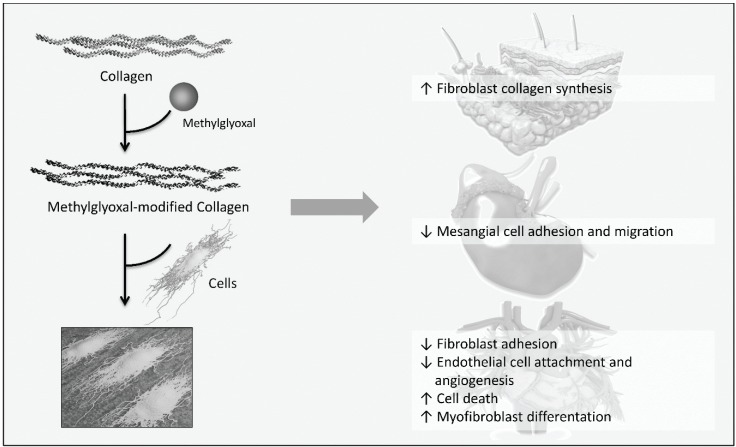
Methylglyoxal-modified collagen promotes myofibroblast differentiation
Yuen, A., Laschinger, C. A., Talior‐Volodarsky, I., Lee, W., Chan, M. K. W., Birek, J., Young, E. W. K., Sivagurunathan, K. S., Won, E., Simmons, C. A., et al. (2010) · Matrix Biology · doi:10.1016/j.matbio.2010.04.004 · Cited by 81
Lim, M., Park, L., Shin, G., Hong, H., Kang, I., & Park, Y. (2008) · Annals of the New York Academy of Sciences · doi:10.1196/annals.1447.011 · Cited by 81
Inhibition of the receptor for advanced glycation endproducts (RAGE) protects pancreatic β-cells
Zhu, Y., Shu, T., Yan, L., Wang, H., Yang, J., Shi, Y., & Han, X. (2010) · Biochemical and Biophysical Research Communications · doi:10.1016/j.bbrc.2010.11.085 · Cited by 79
Cai, W., Torreggiani, M., Zhu, L., Chen, X., He, C., Striker, G. E., & Vlassara, H. (2009) · American Journal of Physiology-Cell Physiology · doi:10.1152/ajpcell.00463.2009 · Cited by 79
CHARONIS, A. S., Tsilibary, E. C., Saku, T., & Furthmayr, H. (1986) · The Journal of Cell Biology · doi:10.1083/jcb.103.5.1689 · Cited by 72
Identification of the site of glycation of human insulin
O'Harte, F. P. M., Højrup, P., Barnett, C. R., & Flatt, P. R. (1996) · Peptides · doi:10.1016/s0196-9781(96)00231-8 · Cited by 69
Mamputu, J., & Renier, G. (2002) · Journal of Diabetes and its Complications · doi:10.1016/s1056-8727(01)00229-x · Cited by 68
Sell, D. R., Carlson, E. C., & Monnier, V. M. (1993) · Diabetologia · doi:10.1007/bf02374476 · Cited by 67
Busch, M., Franke, S., Wolf, G., Brandstädt, A., Ott, U., Gerth, J., Hunsicker, L. G., & Stein, G. (2006) · American Journal of Kidney Diseases · doi:10.1053/j.ajkd.2006.07.009 · Cited by 63
Torreggiani, M., Liu, H., Wu, J. C., Zheng, F., Cai, W., Striker, G. E., & Vlassara, H. (2009) · American Journal Of Pathology · doi:10.2353/ajpath.2009.090138 · Cited by 62
Stitt, A. W., Hughes, S.-J., Canning, P., Lynch, O. T., Cox, Ó. T., Frizzell, N., Thorpe, S. R., Cotter, T. G., Curtis, T. M., & Gardiner, T. A. (2004) · Diabetologia · doi:10.1007/s00125-004-1523-3 · Cited by 62
Thornalley, P. J. (2007) · Molecular Nutrition & Food Research · doi:10.1002/mnfr.200700017 · Cited by 62
Grimm, S., Ernst, L., Grötzinger, N., Höhn, A., Breusing, N., Reinheckel, T., & Grune, T. (2010) · Free Radical Research · doi:10.3109/10715762.2010.495127 · Cited by 59
Self-citationArguing for the motion: yes, RAGE is a receptor for advanced glycation endproducts
Ramasamy, R., Yan, S. F., & Schmidt, A. M. (2007) · Molecular Nutrition & Food Research · doi:10.1002/mnfr.200700008 · Cited by 58
Boyd, A. C., Abdel‐Wahab, Y. H. A., McKillop, A. M., McNulty, H., Barnett, C. R., O'Harte, F. P. M., & Flatt, P. R. (2000) · Biochimica et Biophysica Acta (BBA) - General Subjects · doi:10.1016/s0304-4165(00)00113-6 · Cited by 58
Methylglyoxal Inhibits the Binding Step of Collagen Phagocytosis
Chong, S., Lee, W., Arora, P. D., Laschinger, C. A., Young, E. W. K., Simmons, C. A., Manolson, M. F., Sodek, J., & McCulloch, C. A. (2007) · Journal of Biological Chemistry · doi:10.1074/jbc.m609859200 · Cited by 58
Unoki‐Kubota, H., Yamagishi, S., Takeuchi, M., Bujo, H., & Saitō, Y. (2010) · Protein and Peptide Letters · doi:10.2174/092986610791760423 · Cited by 54
Cathepsins D and L reduce the toxicity of advanced glycation end products
Grimm, S., Hörlacher, M., Catalgol, B., Höhn, A., Reinheckel, T., & Grune, T. (2012) · Free Radical Biology and Medicine · doi:10.1016/j.freeradbiomed.2011.12.021 · Cited by 53
Self-citationShu, T., Zhu, Y., Wang, H., Lin, Y., Ma, Z., & Han, X. (2011) · PLoS ONE · doi:10.1371/journal.pone.0018782 · Cited by 51
Jono, T. (2004) · The Journal of Biochemistry · doi:10.1093/jb/mvh124 · Cited by 51
Effect of Dicarbonyl Modification of Fibronectin on Retinal Capillary Pericytes
Liu, B.-F., Bhat, M. B., Padival, A. K., Smith, D. G., & Nagaraj, R. H. (2004) · Investigative Ophthalmology & Visual Science · doi:10.1167/iovs.03-0995 · Cited by 46
Modification of Collagen IV by Glucose or Methylglyoxal Alters Distinct Mesangial Cell Functions
Pozzi, A., Zent, R., Chetyrkin, S. V., Borza, C. M., Bulus, N. M., Chuang, P., Chen, D., Hudson, B. G., & Voziyan, P. (2009) · Journal of the American Society of Nephrology · doi:10.1681/asn.2008080900 · Cited by 43
Glycated fetal calf serum affects the viability of an insulin-secreting cell line in vitro
Viviani, G. L., Puddu, A., Sacchi, G., Garuti, A., Storace, D., Durante, A., Monacelli, F., & Odetti, P. R. (2008) · Metabolism · doi:10.1016/j.metabol.2007.08.020 · Cited by 42
Characterization of insulin glycation in insulin-secreting cells maintained in tissue culture
Abdel‐Wahab, Y. H. A., O'Harte, F. P. M., Barnett, C. R., & Flatt, P. R. (1997) · Journal of Endocrinology · doi:10.1677/joe.0.1520059 · Cited by 41
Degradation of oxidized and glycoxidized collagen: Role of collagen cross-linking
Nowotny, K., & Grune, T. (2013) · Archives of Biochemistry and Biophysics · doi:10.1016/j.abb.2013.12.007 · Cited by 41
Self-citationGlycated Collagen Induces α11 Integrin Expression Through TGF‐β2 and Smad3
Talior‐Volodarsky, I., Arora, P. D., Wang, Y., Zeltz, C., Connelly, K. A., Gullberg, D., & McCulloch, C. A. (2014) · Journal of Cellular Physiology · doi:10.1002/jcp.24708 · Cited by 40
Advanced Glycation End-Products affect transcription factors regulating insulin gene expression
Puddu, A., Storace, D., Odetti, P. R., & Viviani, G. L. (2010) · Biochemical and Biophysical Research Communications · doi:10.1016/j.bbrc.2010.03.152 · Cited by 40
Inhibition of Fibronectin Binding to Matrix Components by Nonenzymatic Glycosylation
Cohen, M. P., & Ku, L. (1984) · Diabetes · doi:10.2337/diab.33.10.970 · Cited by 35
Miwa, S. (2008) · Humana Press eBooks · doi:10.1007/978-1-59745-420-9 · Cited by 34
Heizmann, C. W. (2007) · Molecular Nutrition & Food Research · doi:10.1002/mnfr.200600284 · Cited by 32
Naitoh, T., Kitahara, M., & Tsuruzoe, N. (2001) · Cellular Signalling · doi:10.1016/s0898-6568(01)00152-8 · Cited by 32
Sassi‐Gaha, S., Loughlin, D. T., Kappler, F., Schwartz, M. L., Su, B.-W., Tobia, A. M., & Artlett, C. M. (2009) · Matrix Biology · doi:10.1016/j.matbio.2009.09.007 · Cited by 31
Zhou, Y., Wang, J. H., & Zhang, J. (2006) · Biochemical and Biophysical Research Communications · doi:10.1016/j.bbrc.2006.03.167 · Cited by 28
Al‐Abed, Y., & Bucala, R. (1995) · Bioorganic & Medicinal Chemistry Letters · doi:10.1016/0960-894x(95)00375-4 · Cited by 27
N-Terminal pyrazinones: a new class of peptide-bound advanced glycation end-products
Krause, R., K�hn, J., Penndorf, I., Knoll, K., & Henle, T. (2004) · Amino Acids · doi:10.1007/s00726-004-0102-8 · Cited by 26
Ghayur, M. N., Krepinsky, J. C., & Janssen, L. J. (2008) · PubMed · Cited by 21
Eye vessels saved by rescuing their pericyte partners
Antonetti, D. A. (2009) · Nature Medicine · doi:10.1038/nm1109-1248 · Cited by 19
Inhibitory effect of atorvastatin on AGE-induced HCAEC apoptosis by upregulating HSF-1 protein
Li, Y., Li, J., Cui, L., Lai, Y., Yao, Y., Zhang, Y., Pang, X., Wang, J., & Liu, X. (2013) · International Journal of Biological Macromolecules · doi:10.1016/j.ijbiomac.2013.03.035 · Cited by 17
Oxidative Stress in Type 2 Diabetes Mellitus
Abdul‐Ghani, M. A., & DeFronzo, R. A. (2008) · Humana Press eBooks · doi:10.1007/978-1-59745-420-9_11 · Cited by 10
Advanced glycation end products impair glucose‐induced insulin secretion from rat pancreatic β‐cells
Hachiya, H., Miura, Y., Inoue, K.-I., Park, K. H., Takeuchi, M., & Kubota, K. (2013) · Journal of Hepato-Biliary-Pancreatic Sciences · doi:10.1002/jhbp.12 · Cited by 10
Cited by
Sorted by citations
Association between insulin resistance and the development of cardiovascular disease
Ormazábal, V., Nair, S., Elfeky, O. W. M., Aguayo, C. R., Salomón, C., & Zuñiga, F. A. (2018) · Cardiovascular Diabetology · doi:10.1186/s12933-018-0762-4 · Cited by 2,432
Advanced Glycation End Products and Diabetes Mellitus: Mechanisms and Perspectives
Khalid, M., Petroianu, G. A., & Adem, A. (2022) · Biomolecules · doi:10.3390/biom12040542 · Cited by 972
González, P., Lozano, P., Ros, G., & Solano, F. (2023) · International Journal of Molecular Sciences · doi:10.3390/ijms24119352 · Cited by 948
Twarda‐Clapa, A., Olczak, A., Białkowska, A. M., & Koziołkiewicz, M. (2022) · Cells · doi:10.3390/cells11081312 · Cited by 829
Giri, B., Dey, S., Das, T., Sarkar, M., Banerjee, J., & Dash, S. K. (2018) · Biomedicine & Pharmacotherapy · doi:10.1016/j.biopha.2018.07.157 · Cited by 706
Metadata
- Authors
- Nowotny, K., Jung, T., Höhn, A., Weber, D., & Grune, T.
- Affiliations
- German Institute of Human Nutrition (DE)
- Corresponding author
- Grune, Tilman
- Venue
- Biomolecules
- Publisher
- MDPI AG
- Published
- 2015-03-16
- Volume
- 5
- Issue
- 1
- Pages
- 194-222
- ISSN
- 2218-273X (ISSN-L)
- PMC
- PMC4384119
- OpenAlex
- W1986014108
- Cited by
- 1,095
- References
- 172
- Citations by year
- 2026: 59 · 2025: 93 · 2024: 106 · 2023: 138 · 2022: 132 · 2021: 118 · 2020: 106 · 2019: 99 · 2018: 99 · 2017: 68 · 2016: 61 · 2015: 14
- FWCI
- 8.00
- Type
- journal article
- Language
- en
- Open access
- gold
- dx.doi.org
- Licence
- Locations
- Biomolecules (publishedVersion, cc-by)
- Europe PMC (PubMed Central) (publishedVersion, cc-by)
- PubMed Central (publishedVersion, cc-by)
- PubMed (publishedVersion)
- Informationszentrum Lebenswissenschaften (ZB MED) (submittedVersion, cc-by)
- DOAJ (DOAJ: Directory of Open Access Journals) (submittedVersion, cc-by-sa)
- Topics
- Life Sciences › Biochemistry, Genetics and Molecular Biology › Clinical Biochemistry › Advanced Glycation End Products research
- Life Sciences › Agricultural and Biological Sciences › Food Science › Potato Plant Research
- Health Sciences › Medicine › Nephrology › Chronic Kidney Disease and Diabetes
- Keywords
- advanced glycation end products, oxidative stress, type 2 diabetes, hyperglycemia, reactive oxygen species, antioxidant defense, diabetes complications, insulin resistance, beta-cell failure
- MeSH terms
- Animals, Diabetes Mellitus, Type 2, Humans, Insulin Resistance, Cell Death, Glycation End Products, Advanced, Oxidative Stress, Insulin-Secreting Cells
About these checks
Registry, retraction, Cites and statistics results are computed, not judged, with one exception: a printed reference that no index lists is read once by a model before it counts as a citation error. Claims are extracted by a model and kept only when their quote appears verbatim in the text; each cited source is then checked, with a model’s help, for whether it says what the claim relies on. Those verdicts can be wrong — read the claim’s quote and the cited source before relying on one.
Statistics and arithmetic are recomputed, not judged.
Confidence bands are shown only for fields calibrated on our annotated test set. None is calibrated yet, so no band is shown.
What counts as a claim ›How we measure confidence ›How we check this ›
Are you an author, or do you see a problem with this page? Request a review
