

The DOI matches its Crossref record; 169 of the 172 references it cites were found in a registry or an index, and 1 are not checked yet.
Advanced Glycation End Products and Oxidative Stress in Type 2 Diabetes Mellitus
Open accessAbstract
Type 2 diabetes mellitus (T2DM) is a very complex and multifactorial metabolic disease characterized by insulin resistance and β cell failure leading to elevated blood glucose levels. Hyperglycemia is suggested to be the main cause of diabetic complications, which not only decrease life quality and expectancy, but are also becoming a problem regarding the financial burden for health care systems. Therefore, and to counteract the continually increasing prevalence of diabetes, understanding the pathogenesis, the main risk factors, and the underlying molecular mechanisms may establish a basis for prevention and therapy. In this regard, research was performed revealing further evidence that oxidative stress has an important role in hyperglycemia-induced tissue injury as well as in early events relevant for the development of T2DM. The formation of advanced glycation end products (AGEs), a group of modified proteins and/or lipids with damaging potential, is one contributing factor. On the one hand it has been reported that AGEs increase reactive oxygen species formation and impair antioxidant systems, on the other hand the formation of some AGEs is induced per se under oxidative conditions. Thus, AGEs contribute at least partly to chronic stress conditions in diabetes. As AGEs are not only formed endogenously, but also derive from exogenous sources, i.e., food, they have been assumed as risk factors for T2DM. However, the role of AGEs in the pathogenesis of T2DM and diabetic complications—if they are causal or simply an effect—is only partly understood. This review will highlight the involvement of AGEs in the development and progression of T2DM and their role in diabetic complications.
Overview
The claims and statistics of this paper haven’t been checked yet.
Run the check — free, no account needed. It reads the open-access text and checks the sources it cites.
Integrity signals
Registry
Cites
Statistics
Figures
Verification
Claims the paper makes
The claims and statistics of this paper haven’t been checked yet.
Run the check — free, no account needed. It reads the open-access text and checks the sources it cites.
Claims other papers make about this one
Each is checked against this paper’s own text: does it say what the citing paper says it does?
The source backs part of the claim, not all of it — or backs it for a different population, condition or comparison.
In the citing paper
“The formation and accumulation of glycoxidation products occurs during normal, but especially under certain physiological conditions, such as hyperglycemia, hyperlipidemia, and oxidative stress.”
From Protein oxidation - Formation mechanisms, detection and relevance as biomarkers in human diseases (2021) · cites this paper as [152]
Experimental — accuracy not yet measuredThe source backs part of the claim, not all of it — or backs it for a different population, condition or comparison.
In the citing paper
“This indicates their relevance in the progression of metabolic diseases, including neurodegenerative disease, chronic kidney disease (CDK), CVD, and cancer, but in particular, T2D and related complications as reviewed elsewhere [152].”
From Protein oxidation - Formation mechanisms, detection and relevance as biomarkers in human diseases (2021) · cites this paper as [152]
Experimental — accuracy not yet measuredThe source backs part of the claim, not all of it — or backs it for a different population, condition or comparison.
In the citing paper
“a growing body of evidence reveals that levels of glycoxidation products increase as a function of age in several tissues, dependent on the dietary intake and the presence of hyperglycemic conditions [152,153]”
From Protein oxidation - Formation mechanisms, detection and relevance as biomarkers in human diseases (2021) · cites this paper as [152]
Experimental — accuracy not yet measuredIn the citing paper
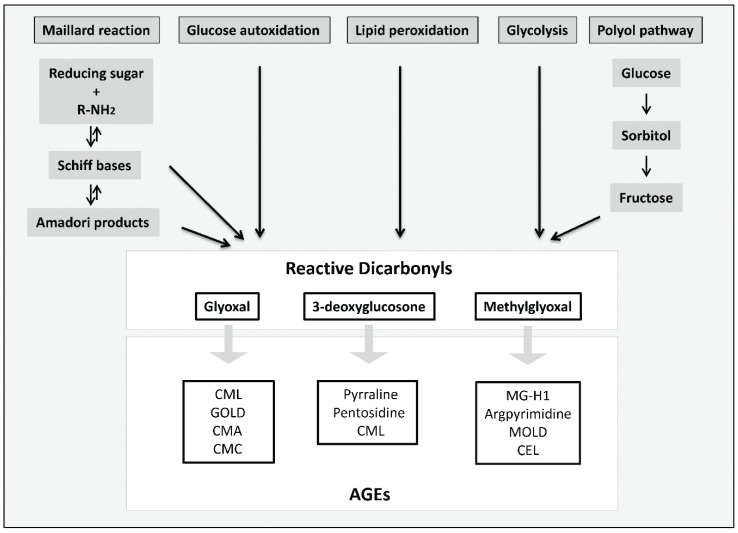
“These molecules can also be generated from glucose autoxidation, lipid peroxidation, and the polyol pathway.[18]”
From The Role of Dietary Advanced Glycation End Products in Metabolic Dysfunction (2021) · cites this paper as [18]
In the citing paper
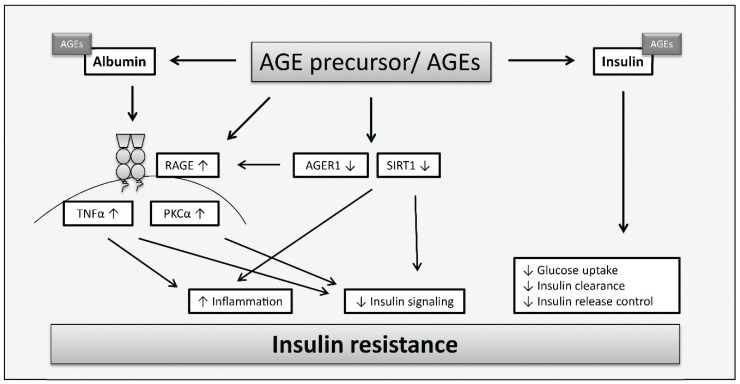
“AGEs can contribute to both pathogenetic features of T2DM by promoting inflammation and oxidative stress in humans. [18]”
From The Role of Dietary Advanced Glycation End Products in Metabolic Dysfunction (2021) · cites this paper as [18]
Self-check
Percentages, sums and reported differences re-computed from the paper’s own numbers.
The self-check needs the paper’s full text.
Citations
Cites
Matthews, D. R., Hosker, J. P., Rudenski, A. S., Naylor, B. A., Treacher, D. F., & Turner, R. C. (1985) · Diabetologia · doi:10.1007/bf00280883 · Cited by 31,502
Toprak, Ö., Kurt, H., Sarı, Y., Şarkış, C., Us, H., & Kırık, A. (2017) · Kidney & Blood Pressure Research · doi:10.1159/000468530 · Cited by 29,772
Global and societal implications of the diabetes epidemic
Zimmet, P., Alberti, K. G. M. M., & Shaw, J. (2001) · Nature · doi:10.1038/414782a · Cited by 5,883
Oxidative stress and diabetic complications
Giacco, F., & Brownlee, M. (2010) · Circulation Research · doi:10.1161/circresaha.110.223545 · Cited by 5,461
The Emerging Risk Factors Collaboration (2010) · The Lancet · doi:10.1016/s0140-6736(10)60484-9 · Cited by 5,125
Gupta, A., & Uribarri, J. (2016) · Hormone Research in Paediatrics · doi:10.1159/000444053 · Cited by 4,023
Role of Oxidative Stress in Development of Complications in Diabetes
Baynes, J. (1991) · Diabetes · doi:10.2337/diab.40.4.405 · Cited by 3,791
Oxidative stress: a concept in redox biology and medicine
Sies, H. (2015) · Redox Biology · doi:10.1016/j.redox.2015.01.002 · Cited by 3,208
Advanced glycation end-products: A review
Singh, R., Barden, A., Mori, T., & Beilin, L. (2001) · Diabetologia · doi:10.1007/s001250051591 · Cited by 2,597
Dehydrated Foods, Chemistry of Browning Reactions in Model Systems
Hodge, J. E. (1953) · Journal of Agricultural and Food Chemistry · doi:10.1021/jf60015a004 · Cited by 1,979
Cited by
Sorted by citations
Items 201–300 of 1,001
Nasif, W. A., Mukhtar, M. H., Eldein, M. M. N., & Ashgar, S. S. (2016) · Diabetology & Metabolic Syndrome · doi:10.1186/s13098-016-0149-1 · Cited by 43
Huang, J., Wang, X., Tao, G., Song, Y., Ho, C., Zheng, J., & Ou, S. (2018) · Food & Function · doi:10.1039/c7fo01825h · Cited by 43
Elksnis, A., Martinell, M., Eriksson, O., & Espes, D. (2019) · Frontiers in Physiology · doi:10.3389/fphys.2019.00107 · Cited by 45
Rebollo‐Hernanz, M., Fernández-Gómez, B., Herrero, M., Aguilera, Y., Martin-Cabrejas, M. A., Uribarri, J., & del Castillo, M. D. (2019) · Foods · doi:10.3390/foods8100438 · Cited by 44
Greater Carboxy-Methyl-Lysine Is Associated With Increased Fracture Risk in Type 2 Diabetes
Dhaliwal, R., Ewing, S. K., Vashishth, D., Semba, R. D., & Schwartz, A. V. (2020) · Journal of Bone and Mineral Research · doi:10.1002/jbmr.4466 · Cited by 47
Advanced Glycation End Products: A Sweet Flavor That Embitters Cardiovascular Disease
Pinto, R. D. S., Minanni, C. A., Lira, A. L. D. A., & Passarelli, M. (2022) · International Journal of Molecular Sciences · doi:10.3390/ijms23052404 · Cited by 44
Wahab, N. A. A., Giribabu, N., Kilari, E. K., & Salleh, N. (2022) · Phytomedicine · doi:10.1016/j.phymed.2022.154464 · Cited by 43
Wen, J. J., Porter, C. C., & Garg, N. J. (2017) · Antioxidants and Redox Signaling · doi:10.1089/ars.2016.6831 · Cited by 42
Anti-glycation, Carbonyl Trapping and Anti-inflammatory Activities of Chrysin Derivatives
Hwang, S. H., Kim, H.-Y., Zuo, G., Wang, Z., Lee, J., & Lim, S. S. (2018) · Molecules · doi:10.3390/molecules23071752 · Cited by 42
Ciavarella, A., Gnocchi, D., Custodero, C., Lenato, G. M., Fiore, G., Sabbà, C., & Mazzocca, A. (2020) · Thrombosis Research · doi:10.1016/j.thromres.2020.12.002 · Cited by 43
Dozio, E., Vettoretti, S., Lungarella, G., Messa, P., & Romanelli, M. M. C. (2021) · Biomedicines · doi:10.3390/biomedicines9040405 · Cited by 45
Velichkova, S., Foubert, K., & Pieters, L. A. C. (2021) · Planta Medica · doi:10.1055/a-1527-7611 · Cited by 42
COVID-19: Diabetes Perspective—Pathophysiology and Management
Dallavalasa, S., Tulimilli, S. V., Janhavi, P., Ramachandra, R., Madhunapantula, S. V., & Veeranna, R. P. (2023) · Pathogens · doi:10.3390/pathogens12020184 · Cited by 45
Effects of four bamboo derived flavonoids on advanced glycation end products formation in vitro
Lan, M., Li, H., Tao, G., Lin, J., Lu, M., Yan, R., & Huang, J. (2020) · Journal of Functional Foods · doi:10.1016/j.jff.2020.103976 · Cited by 41
Hwang, S. H., Wang, Z., Quispe, Y. N. G., Lim, S. S., & Yu, J. M. (2018) · Journal of Diabetes Research · doi:10.1155/2018/3276162 · Cited by 40
Receptor for the Advanced Glycation End Products (RAGE) Pathway in Adipose Tissue Metabolism
Gutowska, K., Czajkowski, K., & Kuryłowicz, A. (2023) · International Journal of Molecular Sciences · doi:10.3390/ijms241310982 · Cited by 40
The entrancing role of dietary polyphenols against the most frequent aging‐associated diseases
Shah, M. A., Faheem, H. I., Hamid, A., Yousaf, R., Haris, M., Saleem, U., Shah, G. M., Alhasani, R. H., Althobaiti, N. A., Alsharif, I., et al. (2023) · Medicinal Research Reviews · doi:10.1002/med.21985 · Cited by 43
Teng, J., Hu, X., Tao, N., & Wang, M. (2018) · Frontiers of Agricultural Science and Engineering · doi:10.15302/j-fase-2017182 · Cited by 40
Lamb, L. S., Alfonso, H. S., Norman, P. E., Davis, T. M. E., Forbes, J. M., Muench, G. W., Irrgang, F., Almeida, O. P., Golledge, J., Hankey, G. J., et al. (2018) · The Journal of Clinical Endocrinology & Metabolism · doi:10.1210/jc.2018-00674 · Cited by 40
Pedroso, T. F. D. M., Bonamigo, T. R., da Silva, J., Vasconcelos, P., Félix, J. M., Cardoso, C. A. L., Souza, R. I. C., dos Santos, A. C., Volobuff, C. R. F., Formagio, A. S. N., et al. (2019) · Biomedicine & Pharmacotherapy · doi:10.1016/j.biopha.2019.01.005 · Cited by 40
Zhang, C., Luo, D., Li, T., Yang, Q., Xie, Y., Chen, H., Lv, L., Yao, J., Deng, C., Liang, X., et al. (2019) · Stem Cells International · doi:10.1155/2019/2168709 · Cited by 40
Protective effect of hydrogen sulfide on oxidative stress-induced neurodegenerative diseases
Jeong, N., Jung, J., & Tabassum, R. (2019) · Neural Regeneration Research · doi:10.4103/1673-5374.265543 · Cited by 40
Cellular mechanisms and recommended drug-based therapeutic options in diabetic cardiomyopathy
Dannenberg, L., Weske, S., Kelm, M., Levkau, B., & Polzin, A. (2021) · Pharmacology & Therapeutics · doi:10.1016/j.pharmthera.2021.107920 · Cited by 40
Antioxidant Activities of Natural Compounds from Caribbean Plants to Enhance Diabetic Wound Healing
Accipe, L., Abadie, A., Nevière, R., & Bercion, S. (2023) · Antioxidants · doi:10.3390/antiox12051079 · Cited by 40
Glucose-induced abnormal egg-laying rate inCaenorhabditis elegans
eri, T., Miyahara, K., & Takeya, H. (2016) · Bioscience Biotechnology and Biochemistry · doi:10.1080/09168451.2016.1158634 · Cited by 38
Aikawa, E., Fujita, R., Asai, M., Kaneda, Y., & Tamai, K. (2016) · Stem Cells and Development · doi:10.1089/scd.2016.0067 · Cited by 39
The influence of metabolic syndrome and its components on the development of nephrolithiasis
Boyd, C. J., Wood, K. D., Whitaker, D. L., & Assimos, D. G. (2018) · Asian journal of urology · doi:10.1016/j.ajur.2018.06.002 · Cited by 39
Xia Shuang, Z. H. U., Cheng, Y., Lü, Q., Du, L., Yin, X., & Liu, Y. (2018) · Naunyn-Schmiedeberg s Archives of Pharmacology · doi:10.1007/s00210-018-1543-z · Cited by 39
Babu, K. A., Sen, P., & Angayarkanni, N. (2019) · PLoS ONE · doi:10.1371/journal.pone.0216899 · Cited by 39
How do macrophages sense modified low-density lipoproteins?
Chistiakov, D. A., Melnichenko, A. А., Orekhov, A. N., & Bobryshev, Y. V. (2016) · International Journal of Cardiology · doi:10.1016/j.ijcard.2016.12.164 · Cited by 39
Maietta, M., Colombo, R., Lavecchia, R., Sorrenti, M., Zuorro, A., & Papetti, A. (2017) · Food Research International · doi:10.1016/j.foodres.2017.08.007 · Cited by 38
Chen, Z., Kondrashina, A. V., Greco, I., Gamon, L. F., Lund, M. N., Giblin, L. M., & Davies, M. J. (2019) · Journal of Agricultural and Food Chemistry · doi:10.1021/acs.jafc.9b01324 · Cited by 38
Advanced glycation end products and diabetes and other metabolic indicators
Jiang, T., Zhang, Y., Dai, F., Liu, C., Hu, H., & Zhang, Q. (2022) · Diabetology & Metabolic Syndrome · doi:10.1186/s13098-022-00873-2 · Cited by 38
Pena-Rodriguez, L. M., Guerra, W. D. C. D., Escalante‐Erosa, F., García‐Sosa, K., Derbré, S., Blanchard, P., & Richomme, P. (2016) · Pharmacognosy Research · doi:10.4103/0974-8490.188883 · Cited by 39
Síndrome metabólica, aterosclerose e inflamação: tríade indissociável?
Barbalho, S. M., Bechara, M. D., Quesada, K. R., Gabaldi, M. R., Goulart, R. D. Á., Tofano, R. J., & Gasparini, R. G. (2015) · Jornal Vascular Brasileiro · doi:10.1590/1677-5449.04315 · Cited by 37
Lipedema and Nutrition: What’s the Link?
Cannataro, R., & Cione, E. (2020) · Acta Scientifci Nutritional Health · doi:10.31080/asnh.2020.04.0781 · Cited by 37
Sengani, M., & Rajeswari, V. D. (2017) · Environmental Toxicology and Pharmacology · doi:10.1016/j.etap.2017.01.007 · Cited by 37
Age-related oxidative changes in pancreatic islets are predominantly located in the vascular system
Kehm, R., König, J., Nowotny, K., Jung, T., Deubel, S., Gohlke, S., Schulz, T. J., & Höhn, A. (2017) · Redox Biology · doi:10.1016/j.redox.2017.12.015 · Cited by 41
Self-citationWu, M., Li, S., Yu, X., Chen, W., Ma, H., Shao, C., Zhang, Y., Zhang, A., Huang, S., & Jia, Z. (2019) · American Journal of Physiology-Renal Physiology · doi:10.1152/ajprenal.00076.2019 · Cited by 38
Suicidal Erythrocyte Death in Metabolic Syndrome
Restivo, I., Attanzio, A., Tesoriere, L., & Allegra, M. (2021) · Antioxidants · doi:10.3390/antiox10020154 · Cited by 37
Skinner, S. C., Diaw, M., Pialoux, V., Mbaye, M. N., Mury, P., Lopez, P., Bousquet, D., Gueye, F., Diédhiou, D., Joly, P., et al. (2018) · Diabetes Care · doi:10.2337/dc18-1289 · Cited by 37
Lee, K. J., Hur, J., Yang, K., Lee, M.-K., & Lee, S. J. (2017) · Environment and Behavior · doi:10.1177/0013916517700957 · Cited by 36
Zhong, C., Tan, S., & Langrish, T. A. G. (2018) · Journal of Food Engineering · doi:10.1016/j.jfoodeng.2018.09.020 · Cited by 36
Kazemi, F., Divsalar, A., Saboury, A. A., & Seyedarabi, A. (2019) · Colloids and Surfaces B Biointerfaces · doi:10.1016/j.colsurfb.2019.01.046 · Cited by 36
Gotō, K., & Kitazono, T. (2019) · International Journal of Molecular Sciences · doi:10.3390/ijms20153737 · Cited by 38
Fraisse, D., Bred, A., Felgines, C., & Sénéjoux, F. (2020) · Antioxidants · doi:10.3390/antiox9060512 · Cited by 36
Liu, H., Huo, X., Wang, S., & Yin, Z. (2022) · Colloids and Surfaces B Biointerfaces · doi:10.1016/j.colsurfb.2022.112360 · Cited by 35
Yang, F., Zhu, D., Wang, Z., Ma, Y., Huang, L., Kang, X., & Ma, B. (2022) · Oxidative Medicine and Cellular Longevity · doi:10.1155/2022/7299005 · Cited by 35
Advanced Glycation End Products and Health: A Systematic Review
Zhu, J., Wang, Z., Lv, C., Li, M., Wang, K., & Chen, Z. (2024) · Annals of Biomedical Engineering · doi:10.1007/s10439-024-03499-9 · Cited by 35
Thilavech, T., Ngamukote, S., Belobrajdic, D. P., Abeywardena, M. Y., & Adisakwattana, S. (2016) · BMC Complementary and Alternative Medicine · doi:10.1186/s12906-016-1133-x · Cited by 35
Dietary Advanced Glycation Endproducts and the Gastrointestinal Tract
van der Lugt, T., Opperhuizen, A., Bast, A., & Vrolijk, M. F. (2020) · Nutrients · doi:10.3390/nu12092814 · Cited by 36
Alshanwani, A. R., Hagar, H., Shaheen, S. Y., Alhusaini, A. M., Arafah, M., Faddah, L. M., Alharbi, F., Sharma, A. K., Fayed, A. A., & Badr, A. M. (2022) · European Journal of Pharmacology · doi:10.1016/j.ejphar.2022.174910 · Cited by 37
Demirer, B., Yardımcı, H., & Basmaz, S. E. (2022) · Journal of Diabetes and its Complications · doi:10.1016/j.jdiacomp.2022.108354 · Cited by 36
Karakas, M., Schäfer, S., Appelbaum, S., Ojeda, F., Kuulasmaa, K., Brueckmann, B.-E., Berisha, F., Schulte-Steinberg, B., Jousilahti, P., Blankenberg, S., et al. (2018) · Biomolecules · doi:10.3390/biom8030076 · Cited by 35
Matsumoto, T., Hatakeyama, S., Imai, A., Tanaka, T. D., Hagiwara, K., Konishi, S., Okita, K., Yamamoto, H., Tobisawa, Y., Yoneyama, T., et al. (2018) · British Journal of Urology · doi:10.1111/bju.14535 · Cited by 34
Huang, J., Ren, J., Tao, G., Chen, Y., Yao, S., Han, D., & Qiu, R. (2019) · Food Research International · doi:10.1016/j.foodres.2019.04.040 · Cited by 34
Leonova, T. S., Popova, V., Tsarev, A. A., Henning, C., Antonova, K. A., Rogovskaya, N. Y., Vikhnina, M., Baldensperger, T., Soboleva, A., Dinastia, E., et al. (2020) · International Journal of Molecular Sciences · doi:10.3390/ijms21020567 · Cited by 34
Takayanagi, Y., Yamanaka, M., Fujihara, J., Matsuoka, Y., Gohto, Y., Obana, A., & Tanito, M. (2020) · Antioxidants · doi:10.3390/antiox9111100 · Cited by 34
Júnior, J. P. D. L., Franco, R. R., Saraiva, A. L., Moraes, I. B., & Espíndola, F. S. (2020) · Journal of Ethnopharmacology · doi:10.1016/j.jep.2020.113667 · Cited by 38
Gowd, V., Xiao, J., Wang, M., Chen, F., & Cheng, K. (2021) · Molecular Nutrition & Food Research · doi:10.1002/mnfr.202100252 · Cited by 35
Pant, T., Uche, N., Juric, M., & Bosnjak, Z. J. (2023) · Antioxidants · doi:10.3390/antiox12040898 · Cited by 37
Influence of circulating nesfatin-1, GSH and SOD on insulin secretion in the development of T2DM
Huang, K., Liang, Y., Wang, K., Wu, J., Luo, H., & Yi, B. (2022) · Frontiers in Public Health · doi:10.3389/fpubh.2022.882686 · Cited by 33
Sharma, M., Chan, H., Lavilla, C., Uy, M., Froemming, G., & Okechukwu, P. (2023) · Fundamental & Clinical Pharmacology · doi:10.1111/fcp.12892 · Cited by 32
Vianello, E., Beltrami, A. P., Aleksova, A., Janjusevic, M., Fluca, A. L., Romanelli, M. M. C., Sala, L. L., & Dozio, E. (2025) · International Journal of Molecular Sciences · doi:10.3390/ijms26083707 · Cited by 43
Current concepts regarding developmental mechanisms in diabetic retinopathy in Taiwan
Chen, S., Hsu, Y., Lin, Y., Huang, Y.-C., Chen, C., Lin, W.-D., Liao, W.-L., Chen, Y., Lin, W., Liu, Y.-H., et al. (2016) · Biomedicine · doi:10.7603/s40681-016-0007-3 · Cited by 33
Marques, C. M. S., Nunes, E. A., Lago, L., Pedron, C. N., Manieri, T. M., Sato, R. H., Oliveira, V. X., & Cerchiaro, G. (2017) · Mutation Research/Genetic Toxicology and Environmental Mutagenesis · doi:10.1016/j.mrgentox.2017.10.005 · Cited by 33
Azarova, I. E., Bushueva, O. Y., Konoplya, A. I., & Polonikov, A. (2017) · Journal of Diabetes · doi:10.1111/1753-0407.12623 · Cited by 34
Li, H., Cao, J., Wu, X., Deng, Y., Ning, N., Geng, C., Lei, T., Lin, R., Wu, D., Wang, S., et al. (2020) · Journal of Ethnopharmacology · doi:10.1016/j.jep.2020.113045 · Cited by 33
Sisay, M., Edessa, D., Ali, T., Mekuria, A. N., & Gebrie, A. (2020) · PLoS ONE · doi:10.1371/journal.pone.0240382 · Cited by 33
Mustafa, I., Faisal, M. N., Hussain, G., Muzaffar, H., Imran, M., Ijaz, M. U., Sohail, M. U., Iftikhar, A., Shaukat, A., & Anwar, H. (2021) · BMC Complementary Medicine and Therapies · doi:10.1186/s12906-021-03237-x · Cited by 33
Ameliorative potential of phloridzin in type 2 diabetes-induced memory deficits in rats
Kamdi, S. P., Badwaik, H. R., Raval, A., Ajazuddin, M., & Nakhate, K. T. (2021) · European Journal of Pharmacology · doi:10.1016/j.ejphar.2021.174645 · Cited by 33
Baldensperger, T., Jost, T., Zipprich, A., & Glomb, M. A. (2018) · Journal of Agricultural and Food Chemistry · doi:10.1021/acs.jafc.7b05813 · Cited by 31
Therapeutic Potentials of Microalgae and Their Bioactive Compounds on Diabetes Mellitus
Tamel Selvan, K., Goon, J. A., Makpol, S., & Tan, J. K. (2023) · Marine Drugs · doi:10.3390/md21090462 · Cited by 32
Genetic analysis of advanced glycation end products in the DHS MIND study
Adams, J. N., Raffield, L. M., Martelle, S. E., Freedman, B. I., Langefeld, C. D., Carr, J. J., Cox, A. J., & Bowden, D. W. (2016) · Gene · doi:10.1016/j.gene.2016.02.029 · Cited by 32
Molecular hallmarks of ageing in amyotrophic lateral sclerosis
Jagaraj, C. J., Shadfar, S., Kashani, S. A., Saravanabavan, S., Farzana, F., & Atkin, J. D. (2024) · Cellular and Molecular Life Sciences · doi:10.1007/s00018-024-05164-9 · Cited by 39
Maietta, M., Colombo, R., Corana, F., & Papetti, A. (2018) · Food & Function · doi:10.1039/c7fo01930k · Cited by 32
Antidiabetic, antioxidant and antimicrobial activities of extracts of Tephrosia bracteolata leaves
Egharevba, G. O., Dosumu, O. O., Oguntoye, S. O., Njinga, N. S., Dahunsi, S. O., Hamid, A. A., Anand, A., Zehra, A., & Priyanka, U. (2019) · Heliyon · doi:10.1016/j.heliyon.2019.e02275 · Cited by 32
Tayab, M. A., Chowdhury, K. A. A., Jabed, M., Tareq, S. M., Kamal, A. T. M. M., Islam, M. N., Uddin, A. M. K., Hossain, M. A., Emran, T. B., & Simal‐Gándara, J. (2021) · Plants · doi:10.3390/plants10020287 · Cited by 32
Al‐Amarat, W., Abukhalil, M. H., Althunibat, O. Y., Alfwuaires, M. A., Alnamshan, M. M., Alqosaibi, A. I., Ahmeda, A. F., Kamel, E. M., Arab, H. H., & Mahmoud, A. M. (2021) · Processes · doi:10.3390/pr9091562 · Cited by 31
NLRP3 inflammasome links vascular senescence to diabetic vascular lesions
Tai, G., Yu, Q., Li, J., Wei, W., Ji, X., Zheng, R., Li, X.-X., Wei, L., & Xu, M. (2022) · Pharmacological Research · doi:10.1016/j.phrs.2022.106143 · Cited by 32
Opportunistic cancers in patients with immunodeficiency syndromes.
Purtilo, D. (1987) · PubMed · Cited by 32
Nicotinamide N-methyltransferase (NNMT): a novel therapeutic target for metabolic syndrome
Sun, W.-D., Zhu, X., Li, J., Mei, Y.-Z., Li, J.-H., & Li, J.-H. (2024) · Frontiers in Pharmacology · doi:10.3389/fphar.2024.1410479 · Cited by 32
Mirnić, J., Djuric, M., Brkic, S. V., Gušić, I., Stojilković, M., Tadić, A., & Veljović, T. (2024) · International Journal of Molecular Sciences · doi:10.3390/ijms25189806 · Cited by 31
Pyridoxamine reduces postinjury fibrosis and improves functional recovery after acute kidney injury
Skrypnyk, N. I., Voziyan, P., Yang, H., de Caestecker, C. R., Théberge, M.-C., Drouin, M., Hudson, B. G., Harris, R. C., & de Caestecker, M. P. (2016) · American Journal of Physiology-Renal Physiology · doi:10.1152/ajprenal.00056.2016 · Cited by 31
Islam, S., Moinuddin, M., Mir, A. R., Arfat, M. Y., Alam, K., & Ali, A. (2017) · International Journal of Biological Macromolecules · doi:10.1016/j.ijbiomac.2017.05.190 · Cited by 31
Oguntibeju, O., Aboua, Y. G., & Goboza, M. (2019) · Biomedicines · doi:10.3390/biomedicines7030059 · Cited by 25
An update on the potential role of advanced glycation end products in glycolipid metabolism
Wang, X., Liu, J., Ying, Y., & Zhang, X. (2020) · Life Sciences · doi:10.1016/j.lfs.2020.117344 · Cited by 32
Rahman, N., O’Neill, E. C., Irnaten, M., Wallace, D., & O'Brien, C. J. (2020) · Journal of Ocular Pharmacology and Therapeutics · doi:10.1089/jop.2019.0118 · Cited by 31
Zhang, J., Zhang, J., Song, J., Bai, Y., Deng, L., Feng, C., Xu, X., Guo, H.-X., Wang, Y., Gao, X., et al. (2021) · The American Journal of Chinese Medicine · doi:10.1142/s0192415x21500658 · Cited by 33
Revealing Advanced Glycation End Products Associated Structural Changes in Serum Albumin
Naftaly, A., Izgilov, R., Omari, E., & Benayahu, D. (2021) · ACS Biomaterials Science & Engineering · doi:10.1021/acsbiomaterials.1c00387 · Cited by 31
Dozio, E., Massaccesi, L., & Romanelli, M. M. C. (2021) · Journal of Clinical Medicine · doi:10.3390/jcm10204792 · Cited by 32
Justino, A. B., Silva, H. C. G., Franco, R. R., Pimentel, I. D. O. C., Silva, N. F., Saraiva, A. L., & Espíndola, F. S. (2021) · Journal of Ethnopharmacology · doi:10.1016/j.jep.2021.114902 · Cited by 31
Association of hemoglobin A1c with the incidence of hypertension: A large prospective study
Huang, X. S., Qin, C., Guo, X., Cao, F., & Tang, C. (2023) · Frontiers in Endocrinology · doi:10.3389/fendo.2022.1098012 · Cited by 31
Abeysekera, W. P. K. M., Premakumara, G. A. S., Abeysekera, W. K. S. M., Ratnasooriya, W. D., & Medawatta, H. M. U. I. (2019) · Evidence-based Complementary and Alternative Medicine · doi:10.1155/2019/2693795 · Cited by 31
Role of Glucose-Lowering Medications in Erectile Dysfunction
Cignarelli, A., Genchi, V. A., D’Oria, R., Giordano, F., Caruso, I., Perrini, S., Natalicchio, A., Laviola, L., & Giorgino, F. (2021) · Journal of Clinical Medicine · doi:10.3390/jcm10112501 · Cited by 30
Stimulus-Responsive Bioactive Hydrogels in Diabetic Wound Healing
Xu, G., Xu, P., Gao, B., Chu, J., & He, B. (2024) · ACS Applied Nano Materials · doi:10.1021/acsanm.4c01917 · Cited by 30
Gu, M. J., Lee, Y. R., Kim, D., Kim, Y., & Ha, S. K. (2024) · Comprehensive Reviews in Food Science and Food Safety · doi:10.1111/1541-4337.13412 · Cited by 34
Amri, M. D. A., Abduljabbar, T. S., Al‐Johany, S. S., Rifaiy, M. Q. A., Aldosari, A. M. A., & Kheraif, A. A. A. (2016) · Clinical Oral Implants Research · doi:10.1111/clr.12938 · Cited by 30
Gholami, M., Rezvanfar, M. R., Delavar, M., Abdollahi, M., & Khosrowbeygi, A. (2018) · Experimental and Clinical Endocrinology & Diabetes · doi:10.1055/s-0043-124183 · Cited by 30
Glycation and Antioxidants: Hand in the Glove of Antiglycation and Natural Antioxidants
Khanam, A., Ahmad, S., Husain, A., Rehman, S., Farooqui, A., & Yusuf, M. A. (2020) · Current Protein and Peptide Science · doi:10.2174/1389203721666200210103304 · Cited by 30
Metadata
- Authors
- Nowotny, K., Jung, T., Höhn, A., Weber, D., & Grune, T.
- Affiliations
- German Institute of Human Nutrition (DE)
- Corresponding author
- Grune, Tilman
- Venue
- Biomolecules
- Publisher
- MDPI AG
- Published
- 2015-03-16
- Volume
- 5
- Issue
- 1
- Pages
- 194-222
- ISSN
- 2218-273X (ISSN-L)
- PMC
- PMC4384119
- OpenAlex
- W1986014108
- Cited by
- 1,095
- References
- 172
- Citations by year
- 2026: 59 · 2025: 93 · 2024: 106 · 2023: 138 · 2022: 132 · 2021: 118 · 2020: 106 · 2019: 99 · 2018: 99 · 2017: 68 · 2016: 61 · 2015: 14
- FWCI
- 8.00
- Type
- journal article
- Language
- en
- Open access
- gold
- dx.doi.org
- Licence
- Locations
- Biomolecules (publishedVersion, cc-by)
- Europe PMC (PubMed Central) (publishedVersion, cc-by)
- PubMed Central (publishedVersion, cc-by)
- PubMed (publishedVersion)
- Informationszentrum Lebenswissenschaften (ZB MED) (submittedVersion, cc-by)
- DOAJ (DOAJ: Directory of Open Access Journals) (submittedVersion, cc-by-sa)
- Topics
- Life Sciences › Biochemistry, Genetics and Molecular Biology › Clinical Biochemistry › Advanced Glycation End Products research
- Life Sciences › Agricultural and Biological Sciences › Food Science › Potato Plant Research
- Health Sciences › Medicine › Nephrology › Chronic Kidney Disease and Diabetes
- Keywords
- advanced glycation end products, oxidative stress, type 2 diabetes, hyperglycemia, reactive oxygen species, antioxidant defense, diabetes complications, insulin resistance, beta-cell failure
- MeSH terms
- Animals, Diabetes Mellitus, Type 2, Humans, Insulin Resistance, Cell Death, Glycation End Products, Advanced, Oxidative Stress, Insulin-Secreting Cells
About these checks
Registry, retraction, Cites and statistics results are computed, not judged, with one exception: a printed reference that no index lists is read once by a model before it counts as a citation error. Claims are extracted by a model and kept only when their quote appears verbatim in the text; each cited source is then checked, with a model’s help, for whether it says what the claim relies on. Those verdicts can be wrong — read the claim’s quote and the cited source before relying on one.
Statistics and arithmetic are recomputed, not judged.
Confidence bands are shown only for fields calibrated on our annotated test set. None is calibrated yet, so no band is shown.
What counts as a claim ›How we measure confidence ›How we check this ›
Are you an author, or do you see a problem with this page? Request a review
