

Comparative Analysis of Proximal Tubule Cell Sources for In Vitro Studies of Renal Proximal Tubule Toxicity
Open accessThe DOI matches its Crossref record; 74 of the 75 references it cites were found in a registry or an index.
Abstract
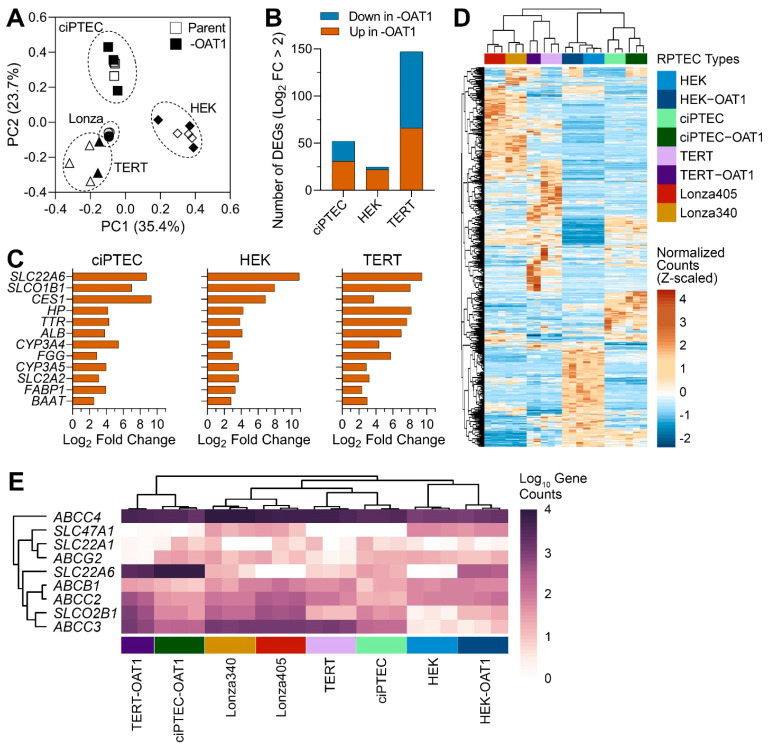
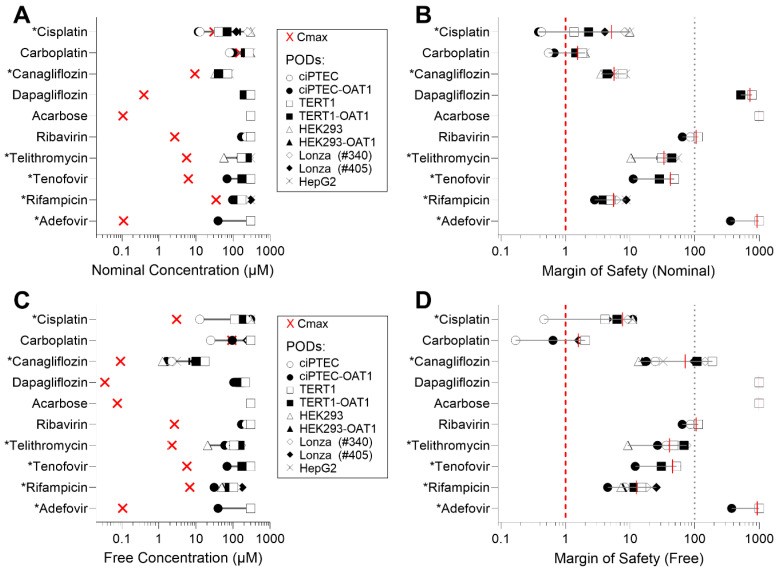
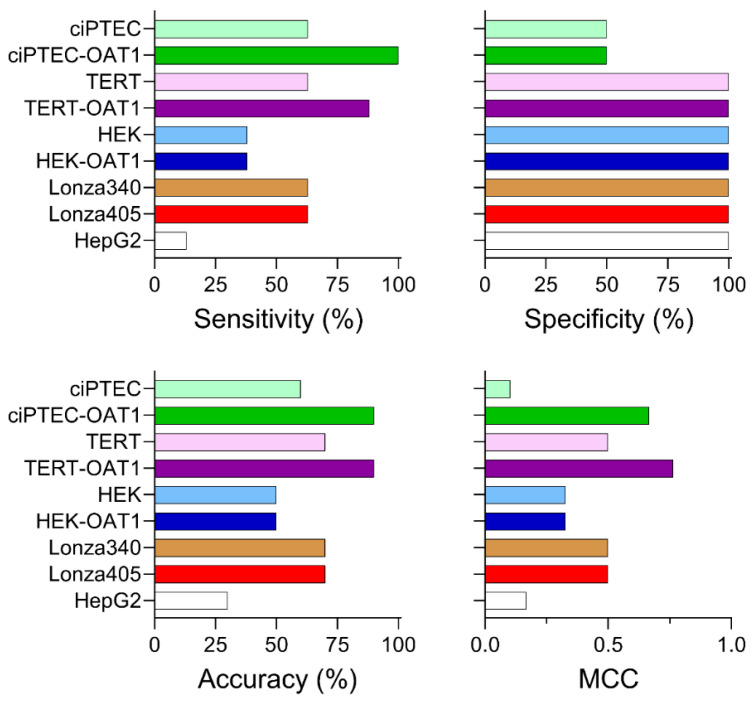
Background/Objectives: The kidneys are essential for eliminating drugs and chemicals from the human body and renal epithelial cells are particularly vulnerable to damage caused by xenobiotics and their metabolites. Drug-induced kidney toxicity is a major cause of drug attrition during preclinical and clinical development and the ability to predict renal toxicity remains a pressing challenge, necessitating more predictive in vitro models. However, the abundance of commercially available renal proximal tubule epithelial cell (RPTEC) sources complicates the selection of the most predictive cell types. Methods: This study compared a wide range of RPTEC sources, including primary cells (Lonza) and various RPTEC lines from different vendors, such as ciPTECs (Cell4Pharma), TERT1/RPTECs (ATCC), and HEK293 (GenoMembrane), including OAT1-overexpressing variants. HepG2 cells were included for a comparison of organ specificity. The different cells were cultured in 96- or 384-well plates and exposed to 12 drugs for 72 h at a concentration yielding a response (0.3–300 µM) to evaluate their ability to predict clinical outcomes. The CellTiterGlo® assay was used to measure cell viability, and transcriptome data from unexposed cells was analyzed using the TempO-seq® S1500+ platform. Results: Gene expression data showed that the primary kidney cells most closely matched the transcriptome of the human kidney medulla, followed by the TERT1 and ciPTEC lines, with the HEK lines showing the lowest similarity. The RPTEC sources showed clustering by cell type, with OAT1 overexpression driving changes in metabolic, detoxification, and immune pathways, especially in TERT1 cells. Cell viability data were used to determine points of departure (PODs) which were compared to human serum Cmax values to assess safety margins. The TERT1 and ciPTEC RPTEC lines demonstrated the highest predictive performance for nephrotoxicity, with OAT1 overexpression significantly enhancing sensitivity, accuracy, and overall predictive power (MCC scores: 0.764 and 0.667, respectively). In contrast, HepG2 cells showed the lowest performance across all metrics, highlighting the critical role of cell type and transporter expression in nephrotoxicity prediction. Conclusions: This study highlights important differences among RPTEC sources and their utility in drug safety studies of the renal proximal tubule. We show that while improved cell options for renal proximal tubule are needed, OAT1-overexpressing RPTECs are a superior model to the background cell type.
Overview
The claims and statistics of this paper haven’t been checked yet.
Free: it reads the open-access text and checks the first 5 claims that cite a source we can check. Create a free account to check every claim.
Integrity signals
Registry
Cites
Statistics
Figures
Verification
Claims the paper makes
The claims and statistics of this paper haven’t been checked yet.
Free: it reads the open-access text and checks the first 5 claims that cite a source we can check. Create a free account to check every claim.
Claims other papers make about this one
Each is checked against this paper’s own text: does it say what the citing paper says it does?
The source backs part of the claim, not all of it — or backs it for a different population, condition or comparison.
In the citing paper
“Sakolish et al. (2025) further confirmed that primary renal cells more accurately modeled druginduced renal injury than RPTEC/TERT or HEK293 lines.”
From Primary cell cultures versus immortalized cell lines: critical comparative insights into biological fidelity and translational applications (2026) · cites this paper as Sakolish et al. (2025)
Experimental — accuracy not yet measured
Self-check
Percentages, sums and reported differences re-computed from the paper’s own numbers.
The self-check needs the paper’s full text.
Citations
Cites
Moderated estimation of fold change and dispersion for RNA-seq data with DESeq2
Love, M. I., Huber, W., & Anders, S. (2014) · Genome Biology · doi:10.1186/s13059-014-0550-8 · Cited by 95,106
fastp: an ultra-fast all-in-one FASTQ preprocessor
Chen, S., Zhou, Y., Chen, Y., & Gu, J. (2018) · Bioinformatics · doi:10.1093/bioinformatics/bty560 · Cited by 29,721 · cited 1×
“Next, the Fastp (version 0.21.0) approach [39] was used to process the FASTQ files, trimming the sequencing reads to 50 base pairs with default parameters.”
InfluentialChicco, D., & Jurman, G. (2020) · BMC Genomics · doi:10.1186/s12864-019-6413-7 · Cited by 6,143 · cited 1×
“…accuracy, and Matthew’s correlation coefficient (MCC) were calculated through confusion matrixes using the following formulas as detailed in [45]: These four parameters were used as representative values to rank the overall predictive power of each cell line in accurately identifying…”
Characteristics of a human cell line transformed by DNA from human adenovirus type 5
Graham, F. L., Russell, W. C., Smiley, J., & Nairn, R. (1977) · Journal of General Virology · doi:10.1099/0022-1317-36-1-59 · Cited by 4,793 · cited 1×
“Several cell lines, such as HEK293 [21], RPTEC/TERT1 [22], and ciPTEC [23], have been particularly popular choices for studies of drug-associated renal toxicity because they were derived from normal human kidney tissues.”
Membrane transporters in drug development
The International Transporter Consortium, Giacomini, K. M., Huang, S.-M., Tweedie, D. J., Benet, L. Z., Brouwer, K. L. R., Chu, X., Dahlin, A., Evers, R., Fischer, V., et al. (2010) · Nature Reviews Drug Discovery · doi:10.1038/nrd3028 · Cited by 3,340 · cited 3×
“Because human OAT1 and OAT3 have substantial overlap in their substrate specificity [53], which has also been observed across most basolateral and apical transporters [35], OAT1-overexpressing RPTECs have been a common in vitro model for studies of drug transport and toxicity.”
Concordance of the toxicity of pharmaceuticals in humans and in animals
Olson, H., Betton, G., Robinson, D., Thomas, K., Monro, A., Kolaja, G., Lilly, P., Sanders, J., Sipes, G., Bracken, W., et al. (2000) · Regulatory Toxicology and Pharmacology · doi:10.1006/rtph.2000.1399 · Cited by 2,050
Lessons learned from the fate of AstraZeneca's drug pipeline: a five-dimensional framework
Cook, D., Brown, D., Alexander, R., March, R., Morgan, P., Satterthwaite, G., & Pangalos, M. N. (2014) · Nature Reviews Drug Discovery · doi:10.1038/nrd4309 · Cited by 1,344 · cited 1×
“Kidney toxicity contributes to approximately 9% of drug termination in the clinical phase [8] and is often identified late in drug development due to the inadequate sensitivity of preclinical models and the limitations of the human blood and urine biomarkers of nephrotoxicity [9–11].”
HEK293 cell line: A vehicle for the expression of recombinant proteins
Thomas, P., & Smart, T. G. (2005) · Journal of Pharmacological and Toxicological Methods · doi:10.1016/j.vascn.2004.08.014 · Cited by 771 · cited 1×
“Stably overexpressing variants of these cell types are available for several key transporter genes to improve the physiological and toxicological relevance of these human cell-based models [24–26].”
Meng, W., Ellsworth, B. A., Nirschl, A. A., McCann, P. J., Patel, M., Girotra, R. N., Wu, G., Sher, P. M., Morrison, E. P., Biller, S. A., et al. (2008) · Journal of Medicinal Chemistry · doi:10.1021/jm701272q · Cited by 634 · cited 1×
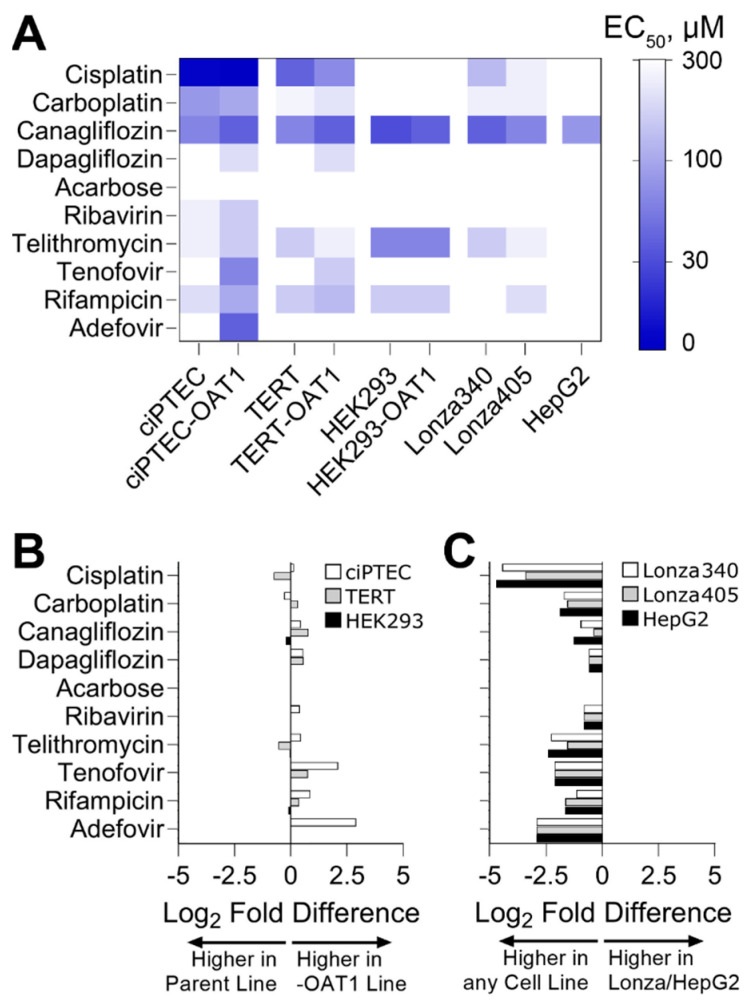
“While Tenofovir is an OAT1 substrate [62], OAT1 plays no role in Dapagliflozin pharmacokinetics [64] because it is a P-gp substrate [65] and an SGLT2 (SLC5A2) inhibitor [66]. ciPTEC-OAT1 cells were also able to correctly predict Adefovir as a toxic compound.”
The Organic Anion Transporter (OAT) Family: A Systems Biology Perspective
Nigam, S. K., Bush, K. T., Martovetsky, G., Ahn, S.-Y., Liu, H. C., Richard, E., Bhatnagar, V., & Wu, W. (2015) · Physiological Reviews · doi:10.1152/physrev.00025.2013 · Cited by 502 · cited 1×
“This may be the result of the phenomenon of the dynamic co-expression of functionally relevant metabolism genes in the kidney upon injury or drug treatment [60], or in this case due to supra-physiological levels of OAT1 expression.”
Antiviral Drug-Induced Nephrotoxicity
Izzedine, H., Launay-Vacher, V., & Deray, G. (2005) · American Journal of Kidney Diseases · doi:10.1053/j.ajkd.2005.02.010 · Cited by 423 · cited 1×
“Adefovir is known to exert renal toxicity through an increase in intracellular influx through an OAT1-controlled mechanism [67] and cell line-dependent sensitivity to its effects is an important consideration for the future selection of cell types for screening.”
Kidney-on-a-Chip technology for drug-induced nephrotoxicity screening
Wilmer, M. J., Ng, C. P., Lanz, H. L., Vulto, P., Suter-Dick, L., & Masereeuw, R. (2016) · Trends in Biotechnology · doi:10.1016/j.tibtech.2015.11.001 · Cited by 354 · cited 1×
“…complex in vitro systems, such as organoids and microphysiological systems, are becoming available for studies of kidney function and disease, cell type selection becomes a critical decision because the throughput of these models is rarely amenable to extensive comparisons of performance [54,55].”
Renal Transporters in Drug Development
Morrissey, K. M., Stocker, S. L., Wittwer, M. B., Xu, L., & Giacomini, K. M. (2013) · Annual Review of Pharmacology and Toxicology · doi:10.1146/annurev-pharmtox-011112-140317 · Cited by 324 · cited 2×
“Indeed, given that the kidneys are frequently the primary site for the elimination of various compounds, and with 32% of the top 200 prescribed drugs in 2010 undergoing renal elimination, nephro-toxicity is a common concern [5].”
Wieser, M., Stadler, G., Jennings, P., Streubel, B., Pfaller, W., Ambros, P., Riedl, C., Katinger, H., Grillari, J., & Grillari-Voglauer, R. (2008) · American Journal of Physiology-Renal Physiology · doi:10.1152/ajprenal.90405.2008 · Cited by 316 · cited 1×
“Several cell lines, such as HEK293 [21], RPTEC/TERT1 [22], and ciPTEC [23], have been particularly popular choices for studies of drug-associated renal toxicity because they were derived from normal human kidney tissues.”
Drug-induced acute kidney injury
Schetz, M., Dasta, J., Goldstein, S., & Golper, T. (2005) · Current Opinion in Critical Care · doi:10.1097/01.ccx.0000184300.68383.95 · Cited by 313 · cited 1×
“Drug-induced toxicity is an important cause of acute kidney injury; between 20 and 60% of acute kidney toxicity cases have been attributed to nephrotoxic drugs, especially in cohorts of patients with co-morbidities and impaired kidney function [6,7].”
Choosing the right cell line for renal cell cancer research
Brodaczewska, K. K., Szczylik, C., Fiedorowicz, M., Porta, C., & Czarnecka, A. M. (2016) · Molecular Cancer · doi:10.1186/s12943-016-0565-8 · Cited by 267 · cited 3×
“A wide range of renal proximal tubule cells (RPTECs) are available to study the effects of drugs and xenobiotics on this critical region in the nephron [1,14,16].”
McKim Jr., J. (2010) · Combinatorial Chemistry & High Throughput Screening · doi:10.2174/138620710790596736 · Cited by 231 · cited 1×
“Another determinant of the utility of in vitro models is their ability to correctly predict human toxicity within the preclinical stages of drug development [61].”
Wilmer, M. J., Saleem, M. A., Masereeuw, R., Ni, L., van der Velden, T. J., Russel, F. G., Mathieson, P. W., Monnens, L. A., van den Heuvel, L. P., & Levtchenko, E. N. (2010) · Cell and Tissue Research · doi:10.1007/s00441-009-0882-y · Cited by 214 · cited 1×
“Several cell lines, such as HEK293 [21], RPTEC/TERT1 [22], and ciPTEC [23], have been particularly popular choices for studies of drug-associated renal toxicity because they were derived from normal human kidney tissues.”
Drug-Induced Nephrotoxicity: Clinical Impact and Preclinical in Vitro Models
Tiong, H. Y., Huang, P., Xiong, S., Li, Y., Vathsala, A., & Zink, D. (2014) · Molecular Pharmaceutics · doi:10.1021/mp400720w · Cited by 192 · cited 4×
“The development of improved pre-clinical models for experimental and computational prediction of drug-related nephrotoxicity has been a subject of active research [1,12–14].”
InfluentialObermeier, M., Yao, M., Khanna, A., Koplowitz, B., Zhu, M., Li, W., Komoroski, B., Kasichayanula, S., Discenza, L., Washburn, W., et al. (2010) · Drug Metabolism and Disposition · doi:10.1124/dmd.109.029165 · Cited by 183 · cited 1×
“While Tenofovir is an OAT1 substrate [62], OAT1 plays no role in Dapagliflozin pharmacokinetics [64] because it is a P-gp substrate [65] and an SGLT2 (SLC5A2) inhibitor [66]. ciPTEC-OAT1 cells were also able to correctly predict Adefovir as a toxic compound.”
Lombardo, F., Berellini, G., & Obach, R. S. (2018) · Drug Metabolism and Disposition · doi:10.1124/dmd.118.082966 · Cited by 174 · cited 1×
“Values for f ub,plasma for each chemical were primarily obtained from previous publications [43] or sourced from the CompTox Dashboard (https://comptox.epa.gov/dashboard/, accessed on 17 February 2025) (Table S2).”
Fang, H., Knezevic, B., Burnham, K. L., & Knight, J. C. (2016) · Genome Medicine · doi:10.1186/s13073-016-0384-y · Cited by 172 · cited 1×
“…was conducted for pairwise comparisons between the OAT1 -overexpressing lines and the parent lines, as well as for gene clusters derived from the unsupervised heatmap of the union of DEGs across cell types, using the R package xgr [41] with the command xEnricherGenes (ontology = “MsigdbC5BP”).”
Multiparameter In Vitro Assessment of Compound Effects on Cardiomyocyte Physiology Using iPSC Cells
Sirenko, O., Crittenden, C., Callamaras, N., Hesley, J., Chen, Y.-W., Funes, C., Rusyn, I., Anson, B., & Cromwell, E. F. (2013) · SLAS Discovery · doi:10.1177/1087057112457590 · Cited by 170 · cited 1×
“Curve fitting was performed us-ing a script as previously reported [42].”
Self-citationTenofovir renal proximal tubular toxicity is regulated By OAT1 and MRP4 transporters
Kohler, J. J., Hosseini, S. H., Green, E., Abuin, A., Ludaway, T., Russ, R., Santoianni, R., & Lewis, W. (2011) · Laboratory Investigation · doi:10.1038/labinvest.2011.48 · Cited by 159 · cited 1×
“Indeed, the actions of multiple transporters are known to be responsible for the nephrotoxicity of Tenofovir and other tested drugs [63].”
Evaluation of Drugs With Specific Organ Toxicities in Organ-Specific Cell Lines
Lin, Z., & Will, Y. (2012) · Toxicological Sciences · doi:10.1093/toxsci/kfr339 · Cited by 158
Mav, D., Shah, R. R., Howard, B. E., Auerbach, S. S., Bushel, P. R., Collins, J. B., Gerhold, D. L., Judson, R. S., Karmaus, A. L., Maull, E. A., et al. (2018) · PLOS ONE · doi:10.1371/journal.pone.0191105 · Cited by 155 · cited 2×
“The detailed protocols for TempO-seq, provided by the manufacturer and previously described [37], involved preparing TempO-seq libraries using the human S1500+ targeted transcriptome panel [38], which includes 2982 unique probes for human transcripts.”
Prasad, B., Johnson, K., Billington, S. F., Lee, C. G. L., Chung, G., Brown, C., Kelly, E. J., Himmelfarb, J., & Unadkat, J. D. (2016) · Drug Metabolism and Disposition · doi:10.1124/dmd.116.072066 · Cited by 151 · cited 1×
“Among uptake transporters, OAT1/3, and OCT2 have the highest number of interacting drugs and OAT1 shows the highest expression at both the mRNA and protein level [52].”
Baudy, A. R., Otieno, M. A., Hewitt, P., Gan, J., Roth, A., Keller, D., Sura, R., Van Vleet, T. R., & Proctor, W. R. (2020) · Lab on a Chip · doi:10.1039/c9lc00768g · Cited by 150
Self-citationAnimal models of chronic kidney disease: useful but not perfect
Becker, G. J., & Hewitson, T. D. (2013) · Nephrology Dialysis Transplantation · doi:10.1093/ndt/gft071 · Cited by 143 · cited 1×
“Kidney toxicity contributes to approximately 9% of drug termination in the clinical phase [8] and is often identified late in drug development due to the inadequate sensitivity of preclinical models and the limitations of the human blood and urine biomarkers of nephrotoxicity [9–11].”
Nieskens, T. T. G., Peters, J. G. P., Schreurs, M. J., Smits, N., Woestenenk, R., Jansen, K., van der Made, T. K., Röring, M., Hilgendorf, C., Wilmer, M. J., et al. (2016) · The AAPS Journal · doi:10.1208/s12248-016-9871-8 · Cited by 124
Emerging Kidney Models to Investigate Metabolism, Transport, and Toxicity of Drugs and Xenobiotics
Bajaj, P., Chowdhury, S. K., Yucha, R. W., Kelly, E. J., & Xiao, G. (2018) · Drug Metabolism and Disposition · doi:10.1124/dmd.118.082958 · Cited by 124
Self-citationA Quantitative Approach to Screen for Nephrotoxic Compounds In Vitro
Adler, M., Ramm, S., Hafner, M., Muhlich, J. L., Gottwald, E. M., Weber, E., Jaklic, A., Ajay, A. K., Svoboda, D., Auerbach, S., et al. (2016) · Journal of the American Society of Nephrology · doi:10.1681/asn.2015010060 · Cited by 123 · cited 1×
“Gene expression profiling has been an invaluable tool for determining the relevance of in vitro models to humans in general [46], and for RPTECs in particular [19,26–28 , 47 ].”
Efficient Drug Screening and Nephrotoxicity Assessment on Co-culture Microfluidic Kidney Chip
Yin, L., Du, G., Zhang, B., Zhang, H., Yin, R., Zhang, W., & Yang, S.-M. (2020) · Scientific Reports · doi:10.1038/s41598-020-63096-3 · Cited by 112 · cited 1×
“…complex in vitro systems, such as organoids and microphysiological systems, are becoming available for studies of kidney function and disease, cell type selection becomes a critical decision because the throughput of these models is rarely amenable to extensive comparisons of performance [54,55].”
Expression of xenobiotic transporters in the human renal proximal tubule cell line RPTEC/TERT1
Aschauer, L., Carta, G., Vogelsang, N., Schlatter, E., & Jennings, P. (2014) · Toxicology in Vitro · doi:10.1016/j.tiv.2014.12.003 · Cited by 89 · cited 1×
“Gene expression profiling has been an invaluable tool for determining the relevance of in vitro models to humans in general [46], and for RPTECs in particular [19,26–28 , 47 ].”
Drugdrug interactions involving membrane transporters in the human kidney
Li, M., Anderson, G. D., & Wang, J. (2006) · Expert Opinion on Drug Metabolism & Toxicology · doi:10.1517/17425255.2.4.505 · Cited by 84 · cited 2×
“Because human OAT1 and OAT3 have substantial overlap in their substrate specificity [53], which has also been observed across most basolateral and apical transporters [35], OAT1-overexpressing RPTECs have been a common in vitro model for studies of drug transport and toxicity.”
Sakolish, C., Weber, E. J., Kelly, E. J., Himmelfarb, J., Mouneimne, R., Grimm, F. A., House, J. S., Wade, T., Han, A., Chiu, W. A., et al. (2018) · Scientific Reports · doi:10.1038/s41598-018-33099-2 · Cited by 82 · cited 1×
“Second, these studies were performed in static cultures and some studies have demonstrated that media flow and shear stress may improve the function and physiological relevance of RPTECs in culture [71–73].”
Self-citationTissue Culture Models of AKI: From Tubule Cells to Human Kidney Organoids
Bejoy, J., Qian, E. S., & Woodard, L. E. (2022) · Journal of the American Society of Nephrology · doi:10.1681/asn.2021050693 · Cited by 79 · cited 1×
“In addition, RPTECs can be cultured in a variety of ways, from monolayers in multi-well plates to Transwells TM and various organ-on-chip configurations [17–20].”
Maaß, C., Sorensen, N. B., Himmelfarb, J., Kelly, E. J., Stokes, C. L., & Cirit, M. (2019) · CPT Pharmacometrics & Systems Pharmacology · doi:10.1002/psp4.12400 · Cited by 72 · cited 1×
“Second, these studies were performed in static cultures and some studies have demonstrated that media flow and shear stress may improve the function and physiological relevance of RPTECs in culture [71–73].”
Huang, J. X., Kaeslin, G., Ranall, M. V., Blaskovich, M. A., Becker, B., Butler, M. S., Little, M. H., Lash, L. H., & Cooper, M. A. (2015) · Pharmacology Research & Perspectives · doi:10.1002/prp2.148 · Cited by 70 · cited 1×
“Most previous studies used limited gene sets probed using polymerase-chain reactions [29–32, 34 ], and some recent For example, only certain in vitro kidney models are known to retain functional transporter expression [59] and if OAT1 -mediated drug transport is required, then using cell types that…”
Walton, K., Dorne, J. L. C. M., & Renwick, A. G. C. (2003) · Food and Chemical Toxicology · doi:10.1016/j.fct.2003.09.001 · Cited by 69 · cited 1×
“Significant inter-individual differences in renal clearance likely exist among humans, similar to the large inter-species variations observed [69].”
Li, Y., Kandasamy, K., Chuah, J. K. C., Lam, Y. N., Toh, W. S., Oo, Z. Y., & Zink, D. (2014) · Molecular Pharmaceutics · doi:10.1021/mp400637s · Cited by 69
A Pipeline for High-Throughput Concentration Response Modeling of Gene Expression for Toxicogenomics
House, J. S., Grimm, F. A., Jima, D. D., Zhou, Y.-H., Rusyn, I., & Wright, F. A. (2017) · Frontiers in Genetics · doi:10.3389/fgene.2017.00168 · Cited by 69 · cited 2×
“These processed FASTQ files served as input for the TempO-Seq data analysis pipeline [36], which utilized the human S1500+ probe manifest file.”
Self-citationBushel, P. R., Paules, R. S., & Auerbach, S. S. (2018) · Frontiers in Genetics · doi:10.3389/fgene.2018.00485 · Cited by 69
An in vitro method for the prediction of renal proximal tubular toxicity in humans
Li, Y., Oo, Z. Y., Chang, S., Huang, P., Eng, K. G., Zeng, J., Kaestli, A. J., Gopalan, B., Kandasamy, K., Tasnim, F., et al. (2013) · Toxicology Research · doi:10.1039/c3tx50042j · Cited by 68 · cited 2×
“# Human Nephrotoxicity Risk for each drug was defined in [30,33].”
Update and Evaluation of a High-Throughput In Vitro Mass Balance Distribution Model: IV-MBM EQP v2.0
Armitage, J. M., Sangion, A., Parmar, R., Looky, A., & Arnot, J. A. (2021) · Toxics · doi:10.3390/toxics9110315 · Cited by 58 · cited 1×
“To calculate f ub,media , the in vitro mass balance model (IVMBM) [44] was employed.”
Secker, P. F., Schlichenmaier, N., Beilmann, M., Deschl, U., & Dietrich, D. R. (2019) · Archives of Toxicology · doi:10.1007/s00204-019-02469-8 · Cited by 56 · cited 2×
“…close to 200 µ M) may also be a considerable confounding factor for studies of their nephrotoxicity in vitro [50,51]. of these antibiotics in cell culture media (at concentrations close to 200 µM) may also be a considerable confounding factor for studies of their nephrotox-icity in vitro [50,51].”
Cellular Distribution of Cytochromes P-450 in the Rat Kidney
Cummings, B. S., Zangar, R. C., Novak, R. C., & Lash, L. H. (1999) · Drug Metabolism and Disposition · doi:10.1016/s0090-9556(24)11826-0 · Cited by 52 · cited 1×
“…for the physiological processes regulated by the kidneys, the proximal tubule plays an especially critical role in the disposition of various xenobiotics, it is also a common site for toxicity because of the abundance of uptake and efflux transporters and drug-metabolizing enzymes [2,15].”
Protein Abundance of Clinically Relevant Drug Transporters in The Human Kidneys
Oswald, S., Müller, J., Neugebauer, U., Schröter, R., Herrmann, E., Pavenstädt, H. J., & Ciarimboli, G. (2019) · International Journal of Molecular Sciences · doi:10.3390/ijms20215303 · Cited by 52 · cited 1×
“Although OAT1 is one of the most abundant renal transporters in human kidneys, it exhibits relatively low variability [70].”
Sakolish, C., Chen, Z., Dalaijamts, C., Mitra, K., Liu, Y., Fulton, T., Wade, T. L., Kelly, E. J., Rusyn, I., & Chiu, W. A. (2020) · Toxicology in Vitro · doi:10.1016/j.tiv.2019.104752 · Cited by 51
Self-citationZou, L., Stecuła, A., Gupta, A., Prasad, B., Chien, H., Yee, S. W., Wang, L., Unadkat, J. D., Stahl, S. H., Fenner, K. S., et al. (2018) · Molecular Pharmacology · doi:10.1124/mol.117.111153 · Cited by 48 · cited 1×
“…reactions [29–32, 34 ], and some recent For example, only certain in vitro kidney models are known to retain functional transporter expression [59] and if OAT1 -mediated drug transport is required, then using cell types that exhibit a high expression of OAT1 (or other transporters) may be…”
Microphysiological system modeling of ochratoxin A-associated nephrotoxicity
Imaoka, T., Yang, J., Wang, L., McDonald, M. G., Afsharinejad, Z., Bammler, T. K., Ness, K. P. V., Yeung, C. K., Rettie, A. E., Himmelfarb, J., et al. (2020) · Toxicology · doi:10.1016/j.tox.2020.152582 · Cited by 46
Casellas, C. P., Jansen, K., Rookmaaker, M. B., Clevers, H. C., Verhaar, M. C., & Masereeuw, R. (2021) · Physiological Reviews · doi:10.1152/physrev.00009.2021 · Cited by 45
Microphysiological Systems Evaluation: Experience of TEX-VAL Tissue Chip Testing Consortium
Rusyn, I., Sakolish, C., Kato, Y., Stephan, C., Vergara, L., Hewitt, P., Bhaskaran, V., Davis, M., Hardwick, R. N., Ferguson, S. S., et al. (2022) · Toxicological Sciences · doi:10.1093/toxsci/kfac061 · Cited by 43
Self-citationSjogren, A.-K. M., Breitholtz, K., Ahlberg, E., Milton, L., Forsgard, M., Persson, M., Stahl, S. H., Wilmer, M. J. G., & Hornberg, J. J. (2018) · Archives of Toxicology · doi:10.1007/s00204-018-2284-y · Cited by 42 · cited 1×
“# Human Nephrotoxicity Risk for each drug was defined in [30,33].”
Grouping of UVCB substances with dose-response transcriptomics data from human cell-based assays
House, J. S., Grimm, F. A., Klaren, W. D., Dalzell, A., Kuchi, S., Zhang, S., Lenz, K., Boogaard, P. J., Ketelslegers, H. B., Gant, T. W., et al. (2022) · ALTEX · doi:10.14573/altex.2107051 · Cited by 42 · cited 1×
“The detailed protocols for TempO-seq, provided by the manufacturer and previously described [37], involved preparing TempO-seq libraries using the human S1500+ targeted transcriptome panel [38], which includes 2982 unique probes for human transcripts.”
Self-citationIn silico prediction of potential drug‐induced nephrotoxicity with machine learning methods
Gong, Y., Teng, D., Wang, Y., Gu, Y., Wu, Z., Li, W., Tang, Y., & Liu, G. (2022) · Journal of Applied Toxicology · doi:10.1002/jat.4331 · Cited by 42
Bajaj, P., Chung, G., Pye, K., Yukawa, T., Imanishi, A., Takai, Y., Brown, C., & Wagoner, M. P. (2020) · Toxicology · doi:10.1016/j.tox.2020.152535 · Cited by 41 · cited 3×
“…of recent reports presented data on comparative analyses of panels (typically several dozen) of nephrotoxic compounds in several cell types, most often using freshly isolated RPTECs, or immortalized RPTEC lines and their organic anion transporter 1 (OAT1/SLC22A6)-overexpressing variants [27–34].”
Self-citationMarineci, C. D., Chiriţă, C., & Negreș, S. (2022) · Farmacist ro · doi:10.26416/farm.205.2.2022.6287 · Cited by 39
Phillips, J. A., Grandhi, T. S. P., Davis, M., Gautier, J.-C., Hariparsad, N., Keller, D., Sura, R., & Van Vleet, T. R. (2020) · Lab on a Chip · doi:10.1039/c9lc00925f · Cited by 38 · cited 1×
“In addition, RPTECs can be cultured in a variety of ways, from monolayers in multi-well plates to Transwells TM and various organ-on-chip configurations [17–20].”
Possibility of pharmacokinetic drug interaction between a DPP-4 inhibitor and a SGLT2 inhibitor
Gu, N., Park, S., Chung, H., Jin, X., Lee, S., & Kim, T. (2020) · Translational and Clinical Pharmacology · doi:10.12793/tcp.2020.28.e4 · Cited by 38 · cited 1×
“While Tenofovir is an OAT1 substrate [62], OAT1 plays no role in Dapagliflozin pharmacokinetics [64] because it is a P-gp substrate [65] and an SGLT2 (SLC5A2) inhibitor [66]. ciPTEC-OAT1 cells were also able to correctly predict Adefovir as a toxic compound.”
Intracellular concentrations determine the cytotoxicity of adefovir, cidofovir and tenofovir
Zhang, X., Wang, R., Piotrowski, M. A., Zhang, H., & Leach, K. L. (2014) · Toxicology in Vitro · doi:10.1016/j.tiv.2014.10.019 · Cited by 36 · cited 1×
“Most previous studies used limited gene sets probed using polymerase-chain reactions [29–32, 34 ], and some recent For example, only certain in vitro kidney models are known to retain functional transporter expression [59] and if OAT1 -mediated drug transport is required, then using cell types that…”
A Systems Toxicology Approach for the Prediction of Kidney Toxicity and Its Mechanisms In Vitro
Ramm, S., Todorov, P. V., Chandrasekaran, V., Dohlman, A. B., Monteiro, M. B., Pavkovic, M., Muhlich, J. L., Shankaran, H., Chen, W. W., Mettetal, J. T., et al. (2019) · Toxicological Sciences · doi:10.1093/toxsci/kfz021 · Cited by 34 · cited 3×
“…of recent reports presented data on comparative analyses of panels (typically several dozen) of nephrotoxic compounds in several cell types, most often using freshly isolated RPTECs, or immortalized RPTEC lines and their organic anion transporter 1 (OAT1/SLC22A6)-overexpressing variants [27–34].”
Drug-induced kidney injury: challenges and opportunities
Connor, S., Roberts, R. A., & Tong, W. (2024) · Toxicology Research · doi:10.1093/toxres/tfae119 · Cited by 33
Can Transcriptomic Profiles from Cancer Cell Lines Be Used for Toxicity Assessment?
Liu, Z., Zhu, L., Thakkar, S., Roberts, R. A., & Tong, W. (2019) · Chemical Research in Toxicology · doi:10.1021/acs.chemrestox.9b00288 · Cited by 32 · cited 1×
“Gene expression profiling has been an invaluable tool for determining the relevance of in vitro models to humans in general [46], and for RPTECs in particular [19,26–28 , 47 ].”
Tubular transporters and clearance of adefovir
Servais, A., Lechat, P. P., Zahr, N., Urien, S., Aymard, G., Jaudon, M. C., Deray, G., & Bagnis, C. I. (2006) · European Journal of Pharmacology · doi:10.1016/j.ejphar.2006.04.047 · Cited by 31 · cited 2×
“While Tenofovir is an OAT1 substrate [62], OAT1 plays no role in Dapagliflozin pharmacokinetics [64] because it is a P-gp substrate [65] and an SGLT2 (SLC5A2) inhibitor [66]. ciPTEC-OAT1 cells were also able to correctly predict Adefovir as a toxic compound.”
Industry Adoption of Organoids and Organs‐on‐Chip Technology: Toward a Paradox of Choice
Homan, K. A. (2023) · Advanced Biology · doi:10.1002/adbi.202200334 · Cited by 22 · cited 2×
“One path towards the wider adoption of in vitro models in toxicology in general, and in regulatory science in particular, is the availability of high-dimensional datasets, termed model-omics, on existing model systems, and storing them in publicly accessible databases [56].”
Connor, S., Li, T., Qu, Y., Roberts, R. A., & Tong, W. (2024) · Drug Discovery Today · doi:10.1016/j.drudis.2024.103938 · Cited by 21
Evaluation of biomarkers for in vitro prediction of drug-induced nephrotoxicity in RPTEC/TERT1 cells
Qiu, X., Miao, Y., Geng, X., Zhou, X., & Li, B. (2020) · Toxicology Research · doi:10.1093/toxres/tfaa005 · Cited by 21 · cited 1×
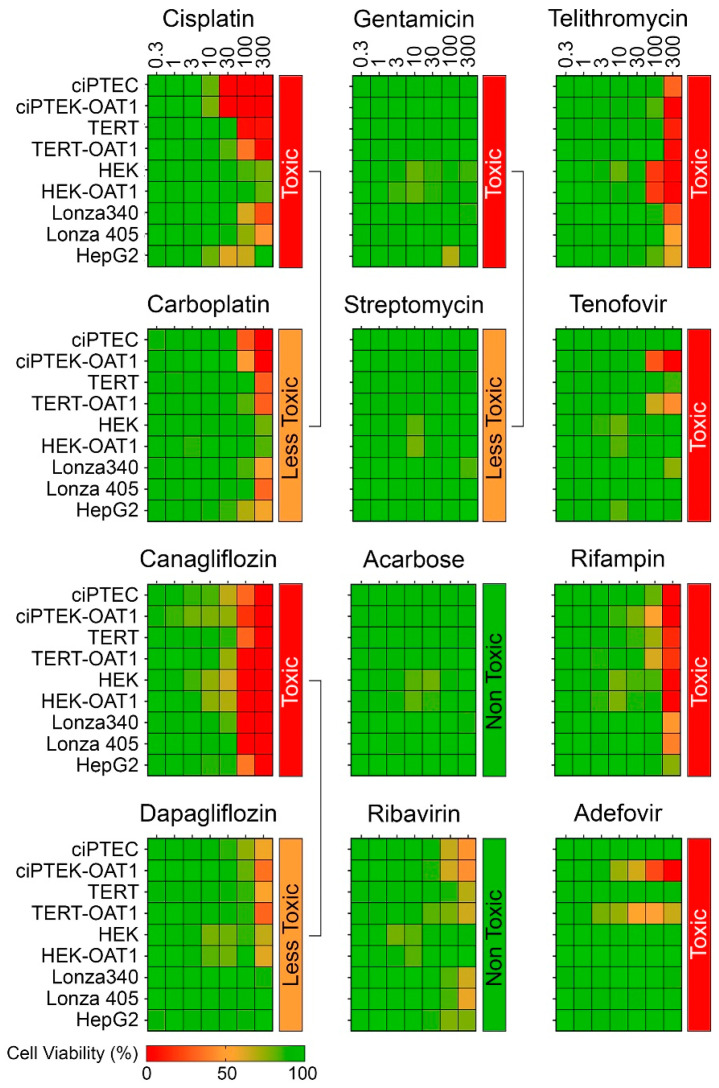
“It is of note is of note that no effects were observed for Gentamicin and Streptomycin because they are known to be non-cytotoxic below 300 µ M [48,49]. that no e ff ects were observed for Gentamicin and Streptomycin because they are known to be non-cytotoxic below 300 µM [48,49].”
Sakolish, C., Moyer, H. L., Tsai, H.-H. D., Ford, L. C., Dickey, A. N., Wright, F. A., Han, G., Bajaj, P., Baltazar, M. T., Carmichael, P. L., et al. (2023) · Toxicological Sciences · doi:10.1093/toxsci/kfad080 · Cited by 21 · cited 1×
“Gene expression profiling has been an invaluable tool for determining the relevance of in vitro models to humans in general [46], and for RPTECs in particular [19,26–28 , 47 ].”
Self-citationRenal regulation of extracellular fluid volume and osmolality.
Candela, L. L., & Yucha, C. B. (2004) · PubMed · Cited by 14
Martínez-Liarte, J. H., Solano, F., & Lozano, J. A. (1995) · Pigment Cell Research · doi:10.1111/j.1600-0749.1995.tb00646.x · Cited by 13
Atherton, J. C. (1972) · British Journal of Anaesthesia · doi:10.1093/bja/44.3.236 · Cited by 9 · cited 1×
“The kidney is also a vital organ that maintains overall blood composition, pH balance, and electrolyte levels; it filters 150–180 L of blood daily to produce 1–2 L of urine [3,4].”
Sakolish, C., Moyer, H. L., Tsai, H.-H. D., Ford, L. C., Dickey, A. N., Bajaj, P., Villenave, R., Hewitt, P. G., Ferguson, S., Stanko, J. P., et al. (2024) · Drug Metabolism and Disposition · doi:10.1124/dmd.124.001488 · Cited by 8 · cited 3×
“Stably overexpressing variants of these cell types are available for several key transporter genes to improve the physiological and toxicological relevance of these human cell-based models [24–26].”
Self-citationThe therapeutic effect of Cilastatin on drug-induced nephrotoxicity: a new perspective.
Becerir, T., Tokgün, O., & Yüksel, S. (2021) · PubMed · doi:10.26355/eurrev_202109_26651 · Cited by 5 · cited 1×
“It is of note is of note that no effects were observed for Gentamicin and Streptomycin because they are known to be non-cytotoxic below 300 µ M [48,49]. that no e ff ects were observed for Gentamicin and Streptomycin because they are known to be non-cytotoxic below 300 µM [48,49].”
Cited by
Gillings, H. L., Rojas‐Canales, D. M., Wong, S. W., Bhuskute, K. R., Kaur, A., Delcheva, I., Gleadle, J., & MacGregor, M. (2026) · Cell Biology and Toxicology · doi:10.1007/s10565-025-10135-2 · Cited by 12
“A recent study comparing the gene expression profiles of renal proximal tubule epithelial cells found that HEK293 cells had the least similarity to the human kidney medulla and were among the lowest performing cell lines for nephrotoxicity predictability (Sakolish et al. 2025).”
Ma, C., Koh, D., Nishimura, T., Takata, Y., Kameda, Y., Negoro, R., Ishiguro, N., Shibuta, M., Namatame, I., Tetsuka, K., et al. (2026) · Advanced Drug Delivery Reviews · doi:10.1016/j.addr.2026.115887 · Cited by 3
Suali, L., Chia, Y., Rustin, C., Lem, F. F., Ching, X. J., Mansur, M. A. B., Henry, Z. A., Chan, M. K. S., Wong, M. B. F., & Pan, S. Y. (2026) · Biotechnic & Histochemistry · doi:10.1080/10520295.2026.2714776 · Cited by 2
“Sakolish et al. (2025) further confirmed that primary renal cells more accurately modeled drug-induced renal injury than RPTEC/TERT or HEK293 lines.”
New Frontiers of Drug Development Through the Use of New Approach Methodologies
Martínez, M. S. E., Mochel, J. P., Allenspach, K., Zdyrski, C., Krishna, S., & Rusyn, I. (2026) · The AAPS Journal · doi:10.1208/s12248-026-01263-6 · Cited by 2
Self-citationLeveraging multi-organ models for drug combination therapy safety
Mieville, V., Gubała, J., Han, S., Ota, M., Andreu‐Carbó, M., Molica, F., Benamran, D. A., Kwak, B. R., Valério, M., & Nowak-Sliwinska, P. M. (2025) · Biomedicine & Pharmacotherapy · doi:10.1016/j.biopha.2025.118847 · Cited by 3
Metadata
- Authors
- Sakolish, C., Tsai, H.-H. D., Lin, H.-C., Bajaj, P., Villenave, R., Ferguson, S. S., Stanko, J. P., Becker, R. A., Hewitt, P., Chiu, W. A., & Rusyn, I.
- Affiliations
- Texas A&M University (US)
- Sanofi (United States) (US)
- Roche Pharma Research and Early Development, Roche Innovation Center Basel, F. Hoffmann-La Roche Ltd., 4070 Basel, Switzerland
- National Institutes of Health (US)
- American Chemistry Council (US)
- Merck Healthcare KGaA, Darmstadt (Germany) (DE)
- Corresponding author
- Rusyn, Ivan
- ORCID
- Venue
- Biomedicines
- Publisher
- MDPI AG
- Published
- 2025-02-24
- Volume
- 13
- Issue
- 3
- Pages
- 563
- ISSN
- 2227-9059 (ISSN-L)
- PMC
- PMC11940618
- OpenAlex
- W4407901921
- Semantic Scholar
- ea34a58dcebd4ae8a460764b9f3311cfed78b0fb
- Cited by
- 11
- References
- 75
- Citations by year
- 2026: 8 · 2025: 3
- FWCI
- 13.17
- Type
- journal article
- Language
- en
- Open access
- gold
- doi.org
- Licence
- Locations
- Biomedicines (publishedVersion, cc-by)
- PubMed Central (publishedVersion, cc-by)
- PubMed (publishedVersion)
- DOAJ (DOAJ: Directory of Open Access Journals) (submittedVersion)
- Funders
- National Institutes of Health (RD84003201)
- American Chemistry Council, Bristol-Myers Squibb, Merck KGaA, National Institute of Environmental Health Sciences, Sanofi, Unilever, Roche, and United States Environmental Protection Agency (RD84003201)
- Topics
- Health Sciences › Veterinary › Small Animals › Animal testing and alternatives
- Health Sciences › Medicine › Nephrology › Acute Kidney Injury Research
- Health Sciences › Medicine › Oncology › Drug Transport and Resistance Mechanisms
- Keywords
- proximal tubular epithelial cells, in vitro toxicity models, cell line comparison, transcriptome, point of departure, drug safety, HepG2 cells, drug-induced nephrotoxicity, TempO-Seq, cell viability
About these checks
Registry, retraction, Cites and statistics results are computed, not judged, with one exception: a printed reference that no index lists is read once by a model before it counts as a citation error. Claims are extracted by a model and kept only when their quote appears verbatim in the text; each cited source is then checked, with a model’s help, for whether it says what the claim relies on. Those verdicts can be wrong — read the claim’s quote and the cited source before relying on one.
Statistics and arithmetic are recomputed, not judged.
Confidence bands are shown only for fields calibrated on our annotated test set. None is calibrated yet, so no band is shown.
What counts as a claim ›How we measure confidence ›How we check this ›
Are you an author, or do you see a problem with this page? Request a review
Data sources
Bibliographic data: Semantic Scholar, OpenAlex, Crossref.
Contains information from the Semantic Scholar Academic Graph Datasets, made available under the ODC Attribution License (ODC-BY 1.0).
Semantic Scholar’s data is described in: Kinney, R., et al. (2023). The Semantic Scholar Open Data Platform. arXiv:2301.10140.
