

Mesenchymal Stem Cell-Derived Exosomes Ameliorate Alzheimer’s Disease Pathology and Improve Cognitive Deficits
Open accessThe DOI matches its Crossref record; 67 of the 67 references it cites were found in a registry or an index.
Abstract
The accumulation of extracellular β-amyloid (Aβ) plaques within the brain is unique to Alzheimer’s disease (AD) and thought to induce synaptic deficits and neuronal loss. Optimal therapies should tackle the core AD pathophysiology and prevent the decline in memory and cognitive functions. This study aimed to evaluate the therapeutic performance of mesenchymal stem cell-derived exosomes (MSC-exosomes), which are secreted membranous elements encapsulating a variety of MSC factors, on AD. A human neural cell culture model with familial AD (FAD) mutations was established and co-cultured with purified MSC-exosomes. 2-[18F]Fluoro-2-deoxy-d-glucose ([18F]FDG) and novel object recognition (NOR) testing were performed before/after treatment to evaluate the therapeutic effect in vivo. The AD-related pathology and the expression of neuronal memory/synaptic plasticity-related genes were also evaluated. The results showed that MSC-exosomes reduced Aβ expression and restored the expression of neuronal memory/synaptic plasticity-related genes in the cell model. [18F]FDG-PET imaging and cognitive assessment revealed a significant improvement in brain glucose metabolism and cognitive function in AD transgenic mice. The phase of neurons and astrocytes in the brain of AD mice were also found to be regulated after treatment with MSC-exosomes. Our study demonstrates the therapeutic mechanism of MSC-exosomes and provides an alternative therapeutic strategy based on cell-free MSC-exosomes for the treatment of AD.
Overview
The claims and statistics of this paper haven’t been checked yet.
Free: it reads the open-access text and checks the first 5 claims that cite a source we can check. Create a free account to check every claim.
Integrity signals
Registry
Cites
Statistics
Figures
Verification
Claims the paper makes
The claims and statistics of this paper haven’t been checked yet.
Free: it reads the open-access text and checks the first 5 claims that cite a source we can check. Create a free account to check every claim.
Claims other papers make about this one
Each is checked against this paper’s own text: does it say what the citing paper says it does?
The cited source says what the claim attributes to it.
In the citing paper
“Furthermore, MSC-derived exosomes have been shown to significantly improve brain glucose metabolism and cognitive function compared to controls in AD mice [228].”
From The Impact of Neurotoxin Proteins Trafficked by Primary Cilia and Extracellular Vesicles in Neurodegenerative Diseases (2025) · cites this paper as [228]
Self-check
Percentages, sums and reported differences re-computed from the paper’s own numbers.
The self-check needs the paper’s full text.
Citations
Cites
Théry, C., Witwer, K. W., Aikawa, E., Alcaraz, M. J., Anderson, J. D., Andriantsitohaina, R., Antoniou, A., Arab, T., Archer, F., Atkin‐Smith, G. K., et al. (2018) · Journal of Extracellular Vesicles · doi:10.1080/20013078.2018.1535750 · Cited by 11,099 · cited 2×
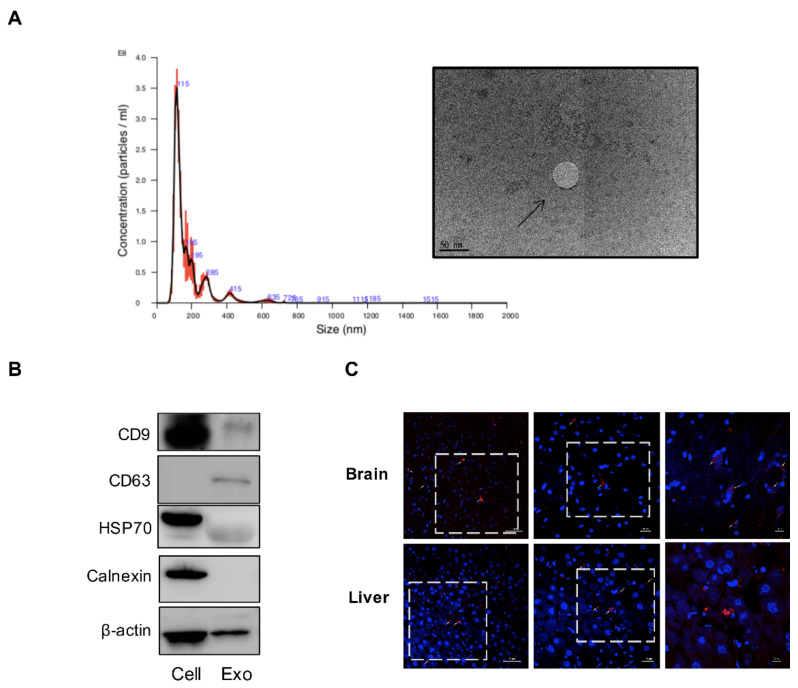
“Louis, MO, USA) in each batch of the exosome preparation was verified following the standards recommended by the International Society of Extracellular Vesicles (ISEV) [31]; calnexin (AB2301, Millipore, Bedford, MA, USA) served as a negative marker.”
MethodTumour exosome integrins determine organotropic metastasis
Hoshino, A., Costa-Silva, B., Shen, T.-L., Rodrigues, G., Hashimoto, A., Tesic Mark, M., Molina, H., Kohsaka, S., Di Giannatale, A., Ceder, S., et al. (2015) · Nature · doi:10.1038/nature15756 · Cited by 5,101 · cited 1×
“Finally, to confirm whether intravenously injected MSC-exosomes crossed the BBB and entered the brain with AD, we tracked MSC-exosomes labeled with PKH26 fluorescent dye and assessed their biodistribution by ex vivo fluorescent imaging [38,39].”
MethodDelivery of siRNA to the mouse brain by systemic injection of targeted exosomes
Alvarez-Erviti, L., Seow, Y., Yin, H., Betts, C., Lakhal, S., & Wood, M. J. A. (2011) · Nature Biotechnology · doi:10.1038/nbt.1807 · Cited by 4,930
The antibody aducanumab reduces Aβ plaques in Alzheimer’s disease
Sevigny, J., Chiao, P., Bussière, T., Weinreb, P. H., Williams, L., Maier, M., Dunstan, R., Salloway, S., Chen, T., Ling, Y., et al. (2016) · Nature · doi:10.1038/nature19323 · Cited by 3,059
Haberland, M., Montgomery, R. L., & Olson, E. N. (2009) · Nature Reviews Genetics · doi:10.1038/nrg2485 · Cited by 2,526 · cited 1×
“To date, 18 HDACs have been identified in humans and are typically classified into four major classes [66].”
BackgroundExosomes: biogenesis, biologic function and clinical potential
Zhang, Y., Liu, Y., Liu, H., & Tang, W. H. (2019) · Cell & Bioscience · doi:10.1186/s13578-019-0282-2 · Cited by 2,119
Drug Transport across the Blood–Brain Barrier
Pardridge, W. M. (2012) · Journal of Cerebral Blood Flow & Metabolism · doi:10.1038/jcbfm.2012.126 · Cited by 1,994
Amyloid Beta: Structure, Biology and Structure-Based Therapeutic Development
Chen, G.-F., Xu, T.-H., Yan, Y., Zhou, Y.-R., Jiang, Y., Melcher, K., & Xu, H. E. (2017) · Acta Pharmacologica Sinica · doi:10.1038/aps.2017.28 · Cited by 1,965 · cited 1×
“During the long process of Aβ aggregation, more than one physiological pathway crosstalk with each other to induce AD pathology [13].”
BackgroundConcise review: MSC-derived exosomes for cell-free therapy
Phinney, D. G., & Pittenger, M. F. (2017) · Stem Cells · doi:10.1002/stem.2575 · Cited by 1,834
The exosome journey: from biogenesis to uptake and intracellular signalling
Gurung, S., Perocheau, D., Touramanidou, L., & Baruteau, J. (2021) · Cell Communication and Signaling · doi:10.1186/s12964-021-00730-1 · Cited by 1,791
Cited by
Clinical applications of stem cell-derived exosomes
Tan, F., Li, X., Wang, Z., Li, J., Shahzad, K., & Zheng, J. (2024) · Signal Transduction and Targeted Therapy · doi:10.1038/s41392-023-01704-0 · Cited by 708
Xu, M., Feng, T., Liu, B., Qiu, F., Xu, Y., Zhao, Y., & Zheng, Y. (2021) · Theranostics · doi:10.7150/thno.62330 · Cited by 229
Yang, C., Xue, Y., Duan, Y., Mao, C., & Wan, M. (2024) · Journal of Controlled Release · doi:10.1016/j.jconrel.2023.11.057 · Cited by 217
Exosomes as therapeutic and drug delivery vehicle for neurodegenerative diseases
Nouri, Z., Barfar, A., Perseh, S., Motasadizadeh, H., Maghsoudian, S., Fatahi, Y., Nouri, K., Yektakasmaei, M. P., Dinarvand, R., & Atyabi, F. (2024) · Journal of Nanobiotechnology · doi:10.1186/s12951-024-02681-4 · Cited by 114
“Additionally, in an AD mouse model, the total level of HDAC4 (both cytoplasmic and nuclear) is elevated [175].”
BackgroundYin, T., Liu, Y., Ji, W., Zhuang, J., Chen, X., Gong, B., Chu, J., Liang, W., Gao, J., & Yin, Y. (2023) · Theranostics · doi:10.7150/thno.81860 · Cited by 98
Giovannelli, L., Bari, E., Jommi, C., Tartara, F., Armocida, D., Garbossa, D., Cofano, F., Torre, M. L., & Segale, L. (2023) · Bioactive Materials · doi:10.1016/j.bioactmat.2023.06.013 · Cited by 102
“[90] JAX-006293 transgenic mice EVs from hWJ-MSCs Intravenous injection of 50 μg of EVs Improvement in cognitive function.”
MethodYari, H., Mikhailova, M. V., Mardasi, M., Jafarzadehgharehziaaddin, M., Shahrokh, S., Thangavelu, L. P., Ahmadi, H., Shomali, N., Yaghoubi, Y., Zamani, M., et al. (2022) · Stem Cell Research & Therapy · doi:10.1186/s13287-022-03122-5 · Cited by 107
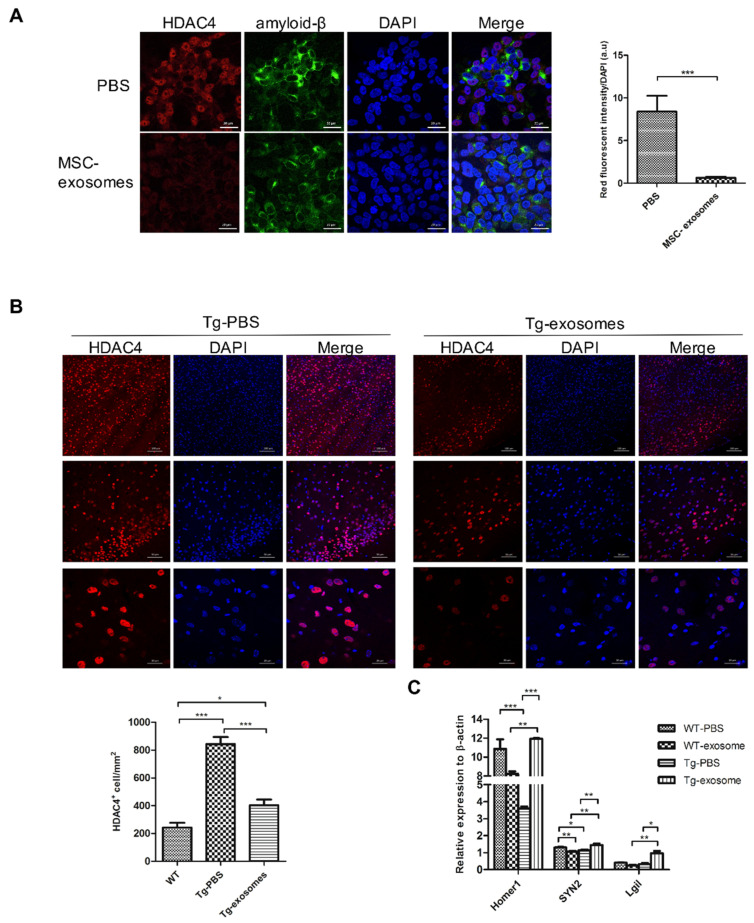
“It was found that these effects were mediated by down-regulation of histone deacetylase 4 (HDAC4), a negative regulator of neural plasticity gene expression [209].”
BackgroundExtracellular vesicles, from the pathogenesis to the therapy of neurodegenerative diseases
Xia, X., Wang, Y., & Zheng, J. C. (2022) · Translational Neurodegeneration · doi:10.1186/s40035-022-00330-0 · Cited by 92
Exosome-mediated delivery and regulation in neurological disease progression
Singh, G., Mehra, A., Arora, S., Gugulothu, D. B., Vora, L. K., Prasad, R., & Khatri, D. K. (2024) · International Journal of Biological Macromolecules · doi:10.1016/j.ijbiomac.2024.130728 · Cited by 90
Rahbaran, M., Zekiy, A. O., Bahramali, M., Jahangir, M., Mardasi, M., Sakhaei, D., Thangavelu, L. P., Shomali, N., Zamani, M., Mohammadi, A., et al. (2022) · Cellular & Molecular Biology Letters · doi:10.1186/s11658-022-00359-z · Cited by 90
Soliman, H. M., Ghonaim, G. A., Gharib, S. M., Chopra, H., Farag, A. K., Hassanin, M. H., Nagah, A., Emad-Eldin, M., Hashem, N. E., Yahya, G., et al. (2021) · International Journal of Molecular Sciences · doi:10.3390/ijms221910794 · Cited by 81
“Chen et al., 2021 illustrated the curative mechanism of MSC-EXOs and proposed a cell-free MSC-EXO-based therapy method for treating AD.”
BackgroundMethodEbrahim, N., AlSaihati, H., Alali, Z., Aleniz, F. Q., Mahmoud, S. Y., Badr, O. A. M., Dessouky, A. A., Mostafa, O., Hussien, N. I., Farid, A. S., et al. (2024) · Biomedicine & Pharmacotherapy · doi:10.1016/j.biopha.2024.116836 · Cited by 79
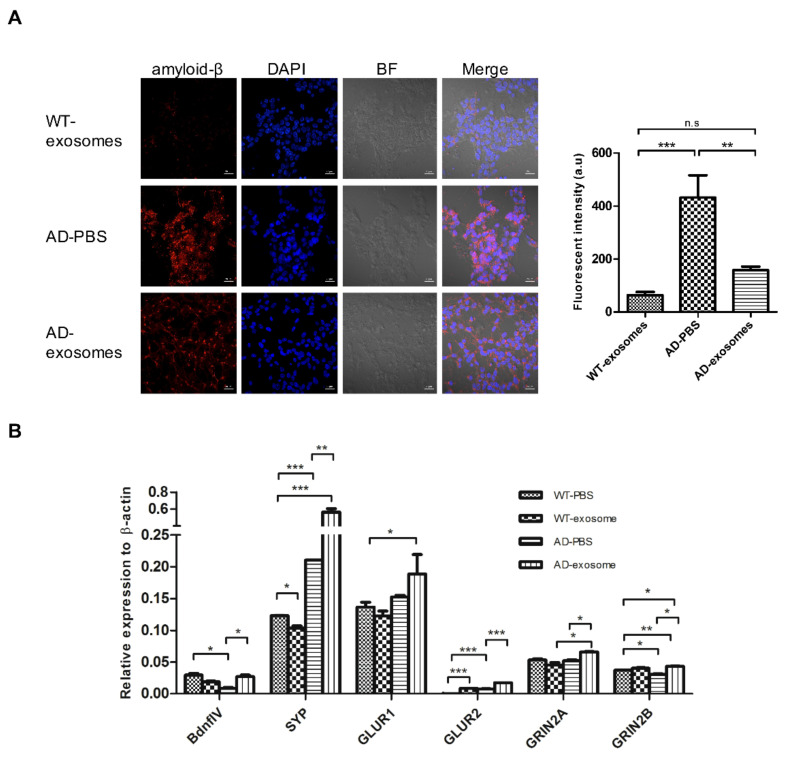
“Recently, Chen et al. reported that exosomes generated from mesenchymal stem cells restored synaptic plasticity and neural memory in AD transgenic mice and decreased A β levels in an in vitro model of AD [30].”
BackgroundRetractedThe future of stem cell therapies of Alzheimer’s disease
Wang, Z., Wang, Z.-T., Sun, Y., Tan, L., & Yu, J. (2022) · Ageing Research Reviews · doi:10.1016/j.arr.2022.101655 · Cited by 70
Promoting Alzheimer’s disease research and therapy with stem cell technology
Cao, Z., Kong, F., Ding, J., Chen, C., He, F., & Deng, W. (2024) · Stem Cell Research & Therapy · doi:10.1186/s13287-024-03737-w · Cited by 67
“Researchers in Taiwan [22] Chen, et al. recently established a mouse FAD model and showed that the level of Aβ in mouse cells after exosome treatment was significantly reduced.”
BackgroundGomes, P., Tzouanou, F., Skolariki, K., Vamvaka-Iakovou, A., Noguera-Ortiz, C., Tsirtsaki, K., Waites, C. L., Vlamos, P., Sousa, N., Costa-Silva, B., et al. (2022) · Experimental Neurology · doi:10.1016/j.expneurol.2022.114183 · Cited by 55
“MSC-derived exosomes have been shown to decrease A β levels but also inhibit the A β -driven downregulation of synaptic plasticity-related genes (Chen et al., 2021) or microglial activation (Kaniowska et al., 2022).”
Mesenchymal stem cell therapy for neurological disorders: The light or the dark side of the force?
Isaković, J., Šerer, K., Barišić, B., & Mitrečić, D. (2023) · Frontiers in Bioengineering and Biotechnology · doi:10.3389/fbioe.2023.1139359 · Cited by 67
Wang, L., Zhang, X., Yang, Z., Wang, B., Gong, H., Zhang, K., Lin, Y., & Sun, M. (2024) · Translational Neurodegeneration · doi:10.1186/s40035-024-00453-6 · Cited by 59
Exosome: From biology to drug delivery
Baruah, H., Sarma, A., Basak, D., & Das, M. (2024) · Drug Delivery and Translational Research · doi:10.1007/s13346-024-01515-y · Cited by 57
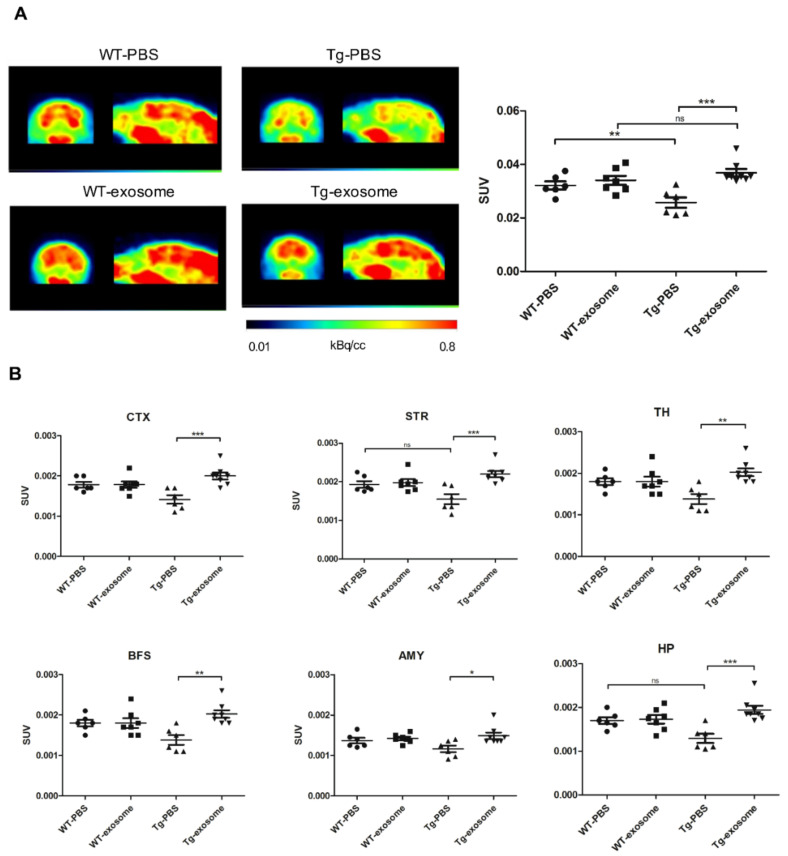
“It was observed that MSC exosomes exert various therapeutic benefits in the cell model, such as degradation of Aβ expression, enhancement in cognitive function or glucose metabolism in the brain and modulation of epigenetics and genetic expression [114].”
Dehghani, S., Ocakcı, O., Hatipoglu, P. T., Özalp, V. C., & Tevlek, A. (2025) · Molecular Neurobiology · doi:10.1007/s12035-025-04825-5 · Cited by 55
Exosomes-Based Nanomedicine for Neurodegenerative Diseases: Current Insights and Future Challenges
Cano, A. C., Muñoz-Morales, Á., Sánchez‐López, E., Ettcheto, M., Souto, E. B., Camins, A., Boada, M., & Ruiz, A. (2023) · Pharmaceutics · doi:10.3390/pharmaceutics15010298 · Cited by 53
“recently evaluated the therapeutic performance of mesenchymal stem cell (MSC)derived exosomes in both a human neural cell culture model and an in vivo mouse model of familial AD [121].”
BackgroundMesenchymal and Neural Stem Cell-Derived Exosomes in Treating Alzheimer’s Disease
Wang, H., Huber, C. C., & Li, X. (2023) · Bioengineering · doi:10.3390/bioengineering10020253 · Cited by 46
“found that exosomes directly isolated from MSCs reduced Aβ expression and restored the expression of neuronal memory and synaptic plasticity-related genes [70].”
BackgroundRole of mesenchymal stem cell-derived exosomes in the regeneration of different tissues
Huang, D., Shen, H., Xie, F., Hu, D., Jin, Q., Hu, Y., & Zhong, T. (2024) · Journal of Biological Engineering · doi:10.1186/s13036-024-00431-6 · Cited by 48
“Adipose MSC-Exo are able to carry high levels of enkephalinase and reduce intracellular and extracellular β-amylopeptides when co-cultured with adult neuroblastoma cells that highly express β-amylopeptides, suggesting that adipose MSC-Exos may be effective in treating AD [27, 28].”
BackgroundBiomarker and therapeutic potential of peripheral extracellular vesicles in Alzheimer’s disease
Vandendriessche, C., Kapogiannis, D., & Vandenbroucke, R. E. (2022) · Advanced Drug Delivery Reviews · doi:10.1016/j.addr.2022.114486 · Cited by 43
Extracellular vesicle therapy in neurological disorders
Putthanbut, N., Lee, J.-Y., & Borlongan, C. V. (2024) · Journal of Biomedical Science · doi:10.1186/s12929-024-01075-w · Cited by 48
Yadav, S., Maity, P. P., & Kapat, K. (2024) · Cells · doi:10.3390/cells13231956 · Cited by 47
Li, J., Peng, H., Zhang, W., Li, M., Wang, N., Peng, C., Zhang, X., & Li, Y. (2023) · ACS Applied Materials & Interfaces · doi:10.1021/acsami.3c08756 · Cited by 43
Extracellular vesicles in Alzheimer’s disease: from pathology to therapeutic approaches
Thakor, A., & Garcia-Contreras, M. (2023) · Neural Regeneration Research · doi:10.4103/1673-5374.343882 · Cited by 41
“Chen et al., 2021 Bone marrow MSC-EVs BM-MSC-EVs delivered miR-29c-3p to neurons remove to inhibit BACE1 expression and activate the Wnt/β-catenin pathway.”
BackgroundSun, M., Qin, F., Bu, Q., Zhao, Y., Yang, X., Zhang, D., & Cen, X. (2025) · MedComm · doi:10.1002/mco2.70386 · Cited by 47
Unveiling the Complex Role of Exosomes in Alzheimer’s Disease
Sun, M., & Chen, Z. (2024) · Journal of Inflammation Research · doi:10.2147/jir.s466821 · Cited by 39
“218 By correcting BDNF-associated neuropathology, bone-MSC exosomes slow cognitive decline in AD-like mice.”
BackgroundRecent Progress in Nanomedicine for the Diagnosis and Treatment of Alzheimer’s Diseases
Yang, H., Tan, H., Wen, H., Xin, P., Liu, Y., Deng, Z., Xu, Y., Gao, F., Zhang, L., Ye, Z., et al. (2024) · ACS Nano · doi:10.1021/acsnano.4c11966 · Cited by 39
Self-citationStem Cell Therapy for Alzheimer’s Disease: A Scoping Review for 2017–2022
Duan, Y., Lyu, L., & Zhan, S. (2023) · Biomedicines · doi:10.3390/biomedicines11010120 · Cited by 42
“2021 MSC Culture MSC-exosomes into human neural cell with AD mutations Human neural cells without culturing MSC-exosomes Improvement in brain glucose metabolism and cognitive functioning [57]”
BackgroundLu, C.-H., Chen, Y., Ke, C., & Liu, R.-S. (2021) · International Journal of Molecular Sciences · doi:10.3390/ijms222312750 · Cited by 41
Self-citationThe emerging double-edged sword role of exosomes in Alzheimer’s disease
Liang, T., Wu, Z., Li, J., Wu, S., Shi, W., & Wang, L. (2023) · Frontiers in Aging Neuroscience · doi:10.3389/fnagi.2023.1209115 · Cited by 37
“Further study indicates that mesenchymal stem cell (MSC)-derived exosomes can also significantly improve the pathological and cognitive deficits of AD (Chen et al., 2021).”
BackgroundYang, Y., Nicol, C. J. B., & Chiang, M. (2025) · International Journal of Molecular Sciences · doi:10.3390/ijms26083915 · Cited by 38
“[96]”
Jeong, H., Kim, O. J., Oh, S., Lee, S., Lee, H. A. R., Lee, K. O., Lee, B.-Y., & Kim, N. K. (2021) · Stem Cells International · doi:10.1155/2021/5548630 · Cited by 36
Therapeutic Potential of Extracellular Vesicles in Aging and Age-Related Diseases
Sanz‐Ros, J., Mas‐Bargues, C., Romero-García, N., Huete-Acevedo, J., Dromant, M., & Borrás, C. (2022) · International Journal of Molecular Sciences · doi:10.3390/ijms232314632 · Cited by 37
Shi, X., Zhang, L., Wu, S., Zhang, C., Mamtilahun, M., Li, Y.-F., Zhang, Z., Zuo, C., Cui, F., Li, W., et al. (2025) · Journal of Extracellular Vesicles · doi:10.1002/jev2.70031 · Cited by 36
“Here we chose 125 I due to its relatively long half-life and easy to be labelled compared with other radioisotopes such as 111 In (Ailuno et al., 2020), and 18 F (Chen, Lu et al., 2021), enabling long-term tracking of labelled EVs.”
Engineering Extracellular Microenvironment for Tissue Regeneration
Hao, D., Lopez, J.-M., Chen, J., Iavorovschi, A. M., Lelivelt, N. M., & Wang, A. (2022) · Bioengineering · doi:10.3390/bioengineering9050202 · Cited by 36
“EVs derived from various types of cells have shown therapeutic potentials for diff rent kinds of diseases, s ch as ischemia injury [90, 1], wound h aling [92,93], graftversus-host di ea [94], Alzheimer’s disease [95], ar hritis [96], bone defects [97,98], liver disease [99], kidney injury [100], pancreatic islet trans…”
BackgroundExosomes in neurodegenerative diseases: Therapeutic potential and modification methods
Chen, H., Li, N., Cai, Y., Ma, C., Ye, Y., Shi, X., Guo, J., Han, Z., Liu, Y., & Wei, X. (2024) · Neural Regeneration Research · doi:10.4103/nrr.nrr-d-24-00720 · Cited by 33
Therapeutic Potential of Human Stem Cell Implantation in Alzheimer’s Disease
Chan, H. J., Yanshree, Roy, J., Tipoe, G. L., Fung, M., & Lim, L. W. (2021) · International Journal of Molecular Sciences · doi:10.3390/ijms221810151 · Cited by 35
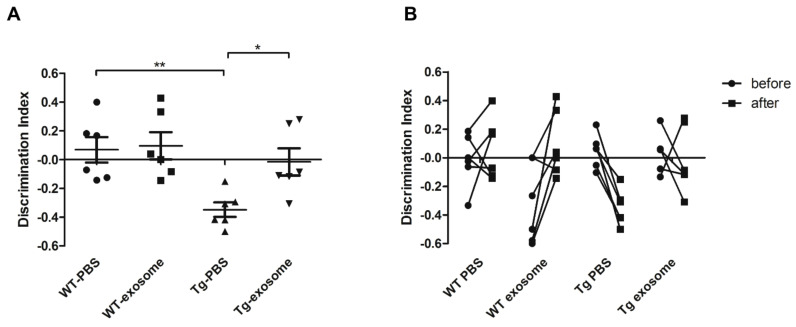
“Chen et al., 2021 [138] J20 transgenic mouse model of C57BL/6 type (JAX-006293) and age-matched control group One intravenous injection of 50 µg of purified MSC-exosomes (number not specified) MSCsh Cognitive function improved in the NOR test MSC-exosomes decreased Aβ levels.”
BackgroundReview on the roles of specific cell-derived exosomes in Alzheimer's disease
Zou, Y., Mu, D., Ma, X., Wang, D., Zhong, J., Gao, J., Yu, S., & Qiu, L. (2022) · Frontiers in Neuroscience · doi:10.3389/fnins.2022.936760 · Cited by 33
Matsuzaka, Y., & Yashiro, R. (2022) · Membranes · doi:10.3390/membranes12121244 · Cited by 32
Exosomes in neuron-glia communication: A review on neurodegeneration
Akbari‐Gharalari, N., Khodakarimi, S., Nezhadshahmohammad, F., Karimipour, M., Kalan, A. E., & Wu, J. (2024) · Bioimpacts · doi:10.34172/bi.2023.30153 · Cited by 33
“10 Furthermore, ongoing research increasingly unveils their involvement in pathological processes within the nervous system.”
BackgroundDual Role of Exosome in Neurodegenerative Diseases: A Review Study
Sheykhhasan, M., Heidari, F., Farsani, M. E., Azimzadeh, M., Kalhor, N., Ababzadeh, S., & Seyedebrahimi, R. (2023) · Current Stem Cell Research & Therapy · doi:10.2174/1574888x18666230726161035 · Cited by 32
Small Extracellular Vesicles as a New Class of Medicines
Lee, I., Choi, Y., Shin, D.-U., Kwon, M., Kim, S., Jung, H., Nam, G., & Kwon, M. (2023) · Pharmaceutics · doi:10.3390/pharmaceutics15020325 · Cited by 31
“Wharton’s jelly Ultracentrifugation, Exo-Prep kit Alzheimer’s disease 50 μg MSC-sEVs, intravenous injection, weekly for 4 weeks Downregulated HDAC4, improved AD pathology [45]”
Yadav, D., & Malviya, R. (2023) · Medicine in Drug Discovery · doi:10.1016/j.medidd.2023.100163 · Cited by 29
Odehnalová, N., Šandriková, V., Hromádka, R., Skaličková, M., Dytrych, P., Hoskovec, D., Kejík, Z., Hajduch, J., Vellieux, F. M. D., Vašáková, M., et al. (2025) · Frontiers in Medicine · doi:10.3389/fmed.2025.1539714 · Cited by 31
Fallahi, S., Zangbar, H. S., Farajdokht, F., Rahbarghazi, R., Mohaddes, G., & Ghiasi, R. (2024) · CNS Neuroscience & Therapeutics · doi:10.1111/cns.14752 · Cited by 28
Mesenchymal stem cell-derived extracellular vesicles for human diseases
Zhang, X., Che, X., Zhang, S., Wang, R., Li, M., Jin, Y., Wang, T., & Song, Y. (2024) · Extracellular Vesicles and Circulating Nucleic Acids · doi:10.20517/evcna.2023.47 · Cited by 30
Harnessing the Potential of Exosomes in Therapeutic Interventions for Brain Disorders
Bai, L., Yu, L., Ran, M., Zhong, X., Sun, M., Xu, M., Wang, Y., Yan, X., Lee, R. J., Tang, Y., et al. (2025) · International Journal of Molecular Sciences · doi:10.3390/ijms26062491 · Cited by 28
“Yang et al. administered exosomes loaded with the antisense oligonucleotide sequence ASO4 into the brain ventricles of PD mice, resulting in a significant reduction in α -synuclein aggregation, attenuated degeneration of dopaminergic neurons, and a subsequent improvement in motor function [187].”
Marei, H. E. S., Khan, M. U. A., & Hasan, A. (2023) · Cellular & Molecular Biology Letters · doi:10.1186/s11658-023-00504-2 · Cited by 29
“MSC-derived EVs have been shown to improve cognitive function and reduce AD pathology when transplanted into animal models of the disease [144, 145].”
BackgroundLiving Cells and Cell-Derived Vesicles: A Trojan Horse Technique for Brain Delivery
Ou, A., Wang, Y., Zhang, J., & Huang, Y. (2023) · Pharmaceutics · doi:10.3390/pharmaceutics15041257 · Cited by 26
“In an experimental Alzheimer’s disease treatment, mesenchymal stem cell-derived exosomes (MSC-Exos) were utilized to decrease the Aβs plaque burden and rescue the neuronal memory/synaptic plasticity-related gene downregulation [71].”
BackgroundMethodInfluentialMesenchymal stem cell-derived exosomes as cell free nanotherapeutics and nanocarriers
Abid, A. I., Conzatti, G., Toti, F., Anton, N., & Vandamme, T. (2024) · Nanomedicine Nanotechnology Biology and Medicine · doi:10.1016/j.nano.2024.102769 · Cited by 33
Brianna, B., Ling, A. P. K., & Wong, Y. P. (2022) · Stem Cell Investigation · doi:10.21037/sci-2022-021 · Cited by 30
“AD, a progressive neurodegenerative disease, is characterised by accumulation of beta-amyloid plaques that induces neuronal loss and death (19,63).”
BackgroundResultExosomal MicroRNAs as Novel Cell-Free Therapeutics in Tissue Engineering and Regenerative Medicine
Zeng, E. Z., Chen, I., Chen, X., & Yuan, X. (2022) · Biomedicines · doi:10.3390/biomedicines10102485 · Cited by 27
“A reduction in Aβ expression and improved cognitive recovery were observed after MSC EVs treatment, and a significant decrease in nuclear HDAC4, with a certain amount of HDAC4-related gene fluctuation [135,136].”
BackgroundChen, Y., Lu, C.-H., Ke, C., & Liu, R.-S. (2021) · Membranes · doi:10.3390/membranes11100796 · Cited by 26
“study, WJ-MSCs-derived EVs also expressed active NEP on their membranes by means of Western blot and NEP-specific activity assay [71].”
BackgroundMethodResultInfluentialSelf-citationZhang, A., Li, Q., & Chen, Z. (2024) · International Journal of Molecular Sciences · doi:10.3390/ijms26010225 · Cited by 26
“The core pathophysiology lays a foundation for the therapeutic efficacy of HUCMSC-EVs in AD models, illustrated by the restoration of memory and cognitive dysfunction [56,57].”
Metabolic Profiling of Brain Tissue and Brain‐Derived Extracellular Vesicles in Alzheimer's Disease
Hernandez, P., Rackles, E., Albóniga, O. E., Martínez‐Lage, P., Camacho, E. N., Onaindía, A., Fernandez, M., Talamillo, A., & Falcón‐Pérez, J. M. (2025) · Journal of Extracellular Vesicles · doi:10.1002/jev2.70043 · Cited by 22
Non-pharmacological treatment of Alzheimer’s disease: an update
Wang, S., Xu, H., Liu, G., & Chen, L.-M. (2025) · Frontiers in Aging Neuroscience · doi:10.3389/fnagi.2025.1527242 · Cited by 25
Exosomes in multiple sclerosis and Alzheimer's disease – Adversary and ally
Tang, N. (2023) · Biomedical Journal · doi:10.1016/j.bj.2023.100665 · Cited by 22
“[99] Human neural stem cell (hNSC)-derived EVs targets of miRs (125b-5p, 124-3p, 125a-5p) Ameliorate AD pathology: 5xFAD transgenic AD mice intravenously injected with hNSC-EVs had improved cognition (assessed by behavioral testing), ↓ synaptic loss ( ↑ synaptophysin expression), ↓ A β plaque, and…”
BackgroundPedersen, C., Chen, V. T., Herbst, P., Zhang, R., Elfert, A., Krishan, A., Azar, D. T., Chang, J., Hu, W., Kremsmayer, T. P., et al. (2024) · The Ocular Surface · doi:10.1016/j.jtos.2024.10.005 · Cited by 22
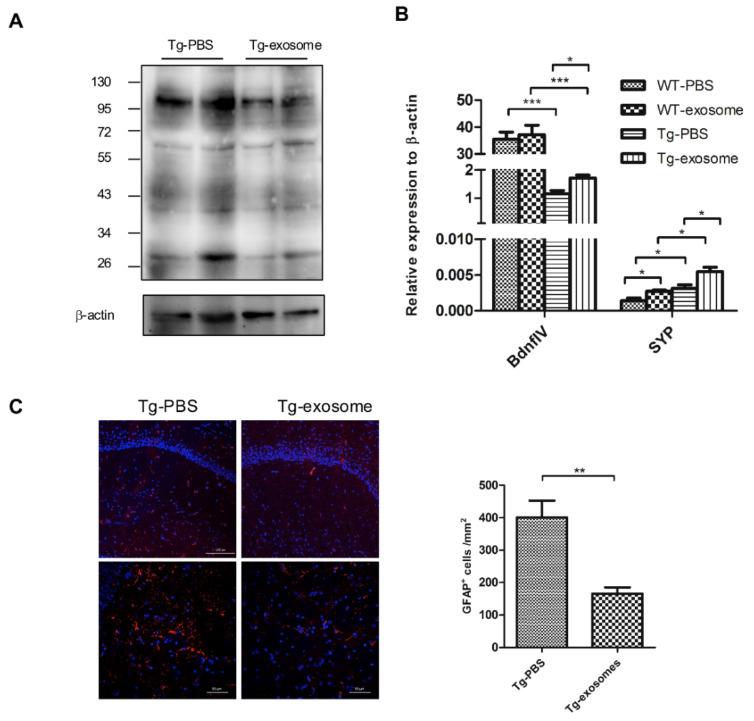
“Their study highlighted the potential of MSC-exosomes to reduce amyloid-β production and prevent the downregulation of genes involved in memory and neuroplasticity, such as BdnflV, GluR1, and Syp [153].”
Exosomes as Neurological Nanosized Machines
Pishavar, E., Trentini, M., Zanotti, F., Camponogara, F., Tiengo, E., Zanolla, I., Bonora, M., & Zavan, B. (2022) · ACS Nanoscience Au · doi:10.1021/acsnanoscienceau.1c00062 · Cited by 22
Lu, C.-H., Chen, Y.-A., Ke, C.-C., Chiu, S.-J., Jeng, F.-S., Chen, C.-C., Hsieh, Y.-J., Yang, B.-H., Chang, C.-W., Wang, F.-S., et al. (2021) · International Journal of Nanomedicine · doi:10.2147/ijn.s335757 · Cited by 20
“Sample preparation was without duplicates.(46)”
Self-citationHe, C., Chen, B., Yan, C., & Zhou, X. (2025) · Frontiers in Genome Editing · doi:10.3389/fgeed.2025.1612868 · Cited by 22
Kanojia, N., Thapa, K., Kaur, G., Sharma, A., Puri, V., & Verma, N. (2022) · Journal of Drug Delivery Science and Technology · doi:10.1016/j.jddst.2022.104074 · Cited by 21
Mehryab, F., Taghizadeh, F., Goshtasbi, N., Merati, F., Rabbani, S., & Haeri, A. (2023) · Biochimie · doi:10.1016/j.biochi.2023.05.010 · Cited by 21
Chang, J., Feng, Z., Li, Y., Lv, H., Liu, S., Luo, Y., Hao, N., Zhao, L., & Liu, J. (2024) · Biochemical Pharmacology · doi:10.1016/j.bcp.2024.116064 · Cited by 21
Xiao, H., Yu, X., Yushan, L., Jiang, W., Meng, X., Dong, Z., & Wang, F. (2025) · Stem Cell Research & Therapy · doi:10.1186/s13287-025-04457-5 · Cited by 20
Exosomes for the diagnosis and treatment of dementia
Joo, H. S., Jeon, H. Y., Hong, E. B., Kim, H.-Y., & Lee, J. M. (2023) · Current Opinion in Psychiatry · doi:10.1097/yco.0000000000000842 · Cited by 18
“Copyright © 2023 Wolters Kluwe MSC-derived exosomes alleviated AD pathology and improved cognitive dysfunction by downregulation of HDAC4 expression [39].”
BackgroundMa, Y., Hu, X., Karako, K., Song, P., Tang, W., & Xia, Y. (2024) · BioScience Trends · doi:10.5582/bst.2024.01306 · Cited by 23
Application of mesenchymal stem cells for neurodegenerative diseases therapy discovery
Trinh, Q. D., Nhu, H., & Pham, D. T. (2024) · Regenerative Therapy · doi:10.1016/j.reth.2024.09.014 · Cited by 19
The role of exosomes in diagnosis, pathophysiology, and management of Alzheimer's Disease
Daksh, R., Mathew, M. S., Bosco, A. M., Sojan, C., Tom, A. A., Bojja, S. L., & Nampoothiri, M. (2025) · Biochemical and Biophysical Research Communications · doi:10.1016/j.bbrc.2025.151526 · Cited by 26
Salivary Exosomes in Health and Disease: Future Prospects in the Eye
Liu, A., Hefley, B. S., Escandon, P., Nicholas, S. E., & Karamichos, D. (2023) · International Journal of Molecular Sciences · doi:10.3390/ijms24076363 · Cited by 16
“Exosomal miR-29a enhanced the expression of the genes that are involved in synaptic plasticity, by downregulating the expression of histone deacetylase 4, which is markedly increased in AD patients [151,155].”
BackgroundJeyaraman, M., Rajendran, R. L., Muthu, S., Jeyaraman, N., Sharma, S., Jha, S. K., Muthukanagaraj, P., Hong, C. M., da Fonseca, L. F., Lana, J. F., et al. (2023) · Heliyon · doi:10.1016/j.heliyon.2023.e17808 · Cited by 18
Mesenchymal Stem Cells-based Cell-free Therapy Targeting Neuroinflammation
Xu, H., Wang, B., Li, A., Wen, J., Su, H., & Qin, D. (2023) · Aging and Disease · doi:10.14336/ad.2023.0904 · Cited by 19
“Remarkably, MSC-derived exosomes procured from three-dimensional cultures have demonstrated the capability to eliminate Aβ plaque and neuropathology in 5 × FAD mice [98].”
BackgroundEmerging role of mesenchymal stem cells-derived extracellular vesicles in vascular dementia
Liu, Z., Cheng, L., Zhang, L., Shen, C., Wei, S., Wang, L., Qiu, Y., Li, C., Xiong, Y., & Zhang, X. (2024) · Frontiers in Aging Neuroscience · doi:10.3389/fnagi.2024.1329357 · Cited by 18
“Thus, MSC-EVs present a promising therapeutic avenue for VD. MSC-EVs can restore neuronal memory and synaptic plasticity by releasing small vesicles containing bioactive molecules (Chen et al., 2021).”
BackgroundDiagnostic and Therapeutic Roles of Extracellular Vesicles in Aging‐Related Diseases
Sun, Z., Hou, X., Zhang, J., Li, J., Wu, P., Yan, L., & Qian, H. (2022) · Oxidative Medicine and Cellular Longevity · doi:10.1155/2022/6742792 · Cited by 17
“MSCs J20 AD transgenic (Tg) mice Improved brain metabolism and cognitive function; reduced Aβ plaque load and inhibited astrocyte activation [48]”
BackgroundHou, X., Jiang, H., Liu, T., Yan, J., Zhang, F., Zhang, X., Zhao, J., Mu, X., & Jiang, J. (2023) · Biomedicine & Pharmacotherapy · doi:10.1016/j.biopha.2023.114455 · Cited by 19
Cell primitive-based biomimetic nanomaterials for Alzheimer's disease targeting and therapy
Yin, T., Liu, Y., He, B., Gong, B., Chu, J., Gao, C., Liang, W., Hao, M., Sun, W., Zhuang, J., et al. (2023) · Materials Today Bio · doi:10.1016/j.mtbio.2023.100789 · Cited by 17
Yang, X., Gao, X., Jiang, X., Yue, K., & Luo, P. (2024) · Neural Regeneration Research · doi:10.4103/nrr.nrr-d-24-00462 · Cited by 16
“Reductions in Aβ and histone deacetylase 4 levels are observed in AD transgenic mice (Chen et al., 2021).”
Shahlaei, M., Afkhami, H., Ahmadieh-Yazdi, A., Mirmazloumi, S. H., Sahraei, S. S., Akbari, M., Yang, P., Manoochehri, H., Tanzadehpanah, H., Mahaki, H., et al. (2025) · Biomedicine & Pharmacotherapy · doi:10.1016/j.biopha.2025.118548 · Cited by 22
Zou, Y., Gao, B., Lu, J., Zhang, K., Zhai, M., Yuan, Z., Aschner, M., Chen, J., Luo, W., Wang, L., et al. (2024) · Exploration · doi:10.1002/exp.20230154 · Cited by 17
Liu, Z., Cheng, L., Cao, W., Shen, C., Qiu, Y., Li, C., Xiong, Y., Yang, S., Chen, Z., Yin, X., et al. (2024) · International Journal of Biological Macromolecules · doi:10.1016/j.ijbiomac.2024.135826 · Cited by 14
Li, W., Lu, M., Shang, J., Zhou, J., Lin, L., Liu, Y., Zhao, D., & Zhu, X. (2024) · Stem Cell Research & Therapy · doi:10.1186/s13287-024-04098-0 · Cited by 16
Sun, S., Rong, J., Wang, C., Li, R., Zhang, H., Wang, W., Duan, H., Nie, Z., Xiang, D., & Liu, Z. (2025) · Journal of Affective Disorders · doi:10.1016/j.jad.2025.04.059 · Cited by 14
Seki, I., Izumi, H., Okamoto, N., Ikenouchi, A., Morimoto, Y., Horie, S., & Yoshimura, R. (2023) · International Journal of Molecular Sciences · doi:10.3390/ijms241813902 · Cited by 13
“[51], it was confirmed that exosomes derived from mesenchymal stem cells (MSC) enhance the function of astrocytes in an Alzheimer’s disease model.”
BackgroundThe potential link between the development of Alzheimer’s disease and osteoporosis
Nasme, F., Behera, J., Tyagi, P., Debnath, N., Falcone, J. C., & Tyagi, N. (2025) · Biogerontology · doi:10.1007/s10522-024-10181-z · Cited by 15
“Remark-ably, studies in AD animal models have shown that MSC-derived exosomes can reduce Aβ deposits and activate microglia to clear harmful plaques (Chen et al. 2021c; Shah et al. 2024; Wang et al. 2023c).”
Exploring Exosome-Based Approaches for Early Diagnosis and Treatment of Neurodegenerative Diseases
Varshney, V., Gabble, B. C., Bishoyi, A. K., Varma, P., Qahtan, S. A., Kashyap, A., Panigrahi, R., Nathiya, D., & Chauhan, A. S. (2025) · Molecular Neurobiology · doi:10.1007/s12035-025-05026-w · Cited by 14
“Downregulation of HDAC4 by MSC-exosomes has been shown to restore gene expression and improve neuronal survival in AD [139].”
Hua, Z., Zhou, N., Zhou, Z., Fu, Z., Guo, R., Akogo, H. Y., Yang, J.-Y., Yu, M., Jiang, Y., Lan, S., et al. (2025) · Stem Cell Research & Therapy · doi:10.1186/s13287-025-04555-4 · Cited by 12
Zhang, Y., Zhang, F., Yin, H., Sun, Y., Wang, Y., Ren, Z., Jiang, J., & ZENG, L. (2026) · Alzheimer s Research & Therapy · doi:10.1186/s13195-026-01954-4 · Cited by 13
“1B, C) [14, 15].”
Li, Y., Zhang, J., Ma, B., Yu, W., Xu, M., Luan, W., Yu, Q., Zhang, L., Rong, R., Fu, Y., et al. (2024) · International Journal of Pharmaceutics · doi:10.1016/j.ijpharm.2024.124786 · Cited by 11
Zhao, T., Mu, Y., Deng, H., Liang, K., Zhou, F., Lin, Q., Cao, F., Zhou, F., & Yang, Z. (2024) · Frontiers in Cell and Developmental Biology · doi:10.3389/fcell.2024.1412363 · Cited by 11
Li, J., Wang, Z., Wei, Y., Li, W., He, M., Kang, J., Xu, J., & Liu, D. (2025) · Chemical & Biomedical Imaging · doi:10.1021/cbmi.4c00085 · Cited by 11
Advancing Alzheimer’s disease therapy through engineered exosomal Macromolecules
Jain, S., Murmu, A., & Chauhan, A. (2025) · Brain Research · doi:10.1016/j.brainres.2025.149590 · Cited by 11
Mesenchymal stem cell-derived exosomes: Shaping the next era of Alzheimer’s disease treatment
Shan, X., He, M., Gao, W., Li, Y., Liu, S., Liu, Y., Wang, C., Zhao, L., & Xu, S. (2025) · World Journal of Stem Cells · doi:10.4252/wjsc.v17.i8.109006 · Cited by 10
Extracellular Vesicles for the Treatment of Alzheimer's Disease: A Systematic Review
Phelps, J., Orr, A., Elvira, K. S., & Willerth, S. M. (2025) · Journal of Extracellular Biology · doi:10.1002/jex2.70077 · Cited by 11
“…et al. 2023; Ma et al. 2020), axonal length (Marzano et al. 2019), gene and protein expression related to synaptic plasticity (Évora et al. 2025; Ma et al. 2022; Wang et al. 2025; Chen et al. 2021), or intracellular calcium oscillations using calcium indicator Fluo-8 AM (Wang, Liu, et al. 2021).”
InfluentialZhang, J., He, S., Xiao, Q., Jiang, W., Wang, B., Lu, J., Gu, H., Liao, Y., Wang, Z., Xu, Y., et al. (2026) · PubMed Central · doi:10.4103/nrr.nrr-d-25-00404 · Cited by 16
Mazahir, F., Alam, M. I., & Yadav, A. K. (2024) · Ageing Research Reviews · doi:10.1016/j.arr.2024.102318 · Cited by 11
Emerging Role of Mesenchymal Stromal Cell and Exosome Therapies in Treating Cognitive Impairment
Tew, V. K., Barathan, M., Nordin, F., Law, J. X., & Ng, M. H. (2025) · Pharmaceutics · doi:10.3390/pharmaceutics17030284 · Cited by 9
“A study also found that MSC-exosomes could inhibit reactive astrocytes and activated microglia, and modulate microRNA levels affecting histone deacetylase 4 (HDAC4), which is implicated in AD [146].”
Raj, R., Agrawal, P., Bhutani, U., Bhowmick, T., & Chandru, A. (2024) · Biomedical Materials · doi:10.1088/1748-605x/ad3cab · Cited by 9
Metadata
- Authors
- Chen, Y.-A., Lu, C.-H., Ke, C.-C., Chiu, S.-J., Jeng, F.-S., Chang, C.-W., Yang, B.-H., & Liu, R.-S.
- Affiliations
- National Yang Ming Chiao Tung University (TW)
- Kaohsiung Medical University (TW)
- Taiwan Mouse Clinic (TW)
- Taipei Veterans General Hospital (TW)
- Corresponding author
- Ke, Chien-Chih
- Liu, Ren-Shyan
- Venue
- Biomedicines
- Publisher
- MDPI AG
- Published
- 2021-05-24
- Volume
- 9
- Issue
- 6
- Pages
- 594
- ISSN
- 2227-9059 (ISSN-L)
- PMC
- PMC8225157
- OpenAlex
- W3165350824
- Cited by
- 167
- References
- 67
- Citations by year
- 2026: 28 · 2025: 38 · 2024: 49 · 2023: 25 · 2022: 20 · 2021: 7
- FWCI
- 15.87
- Type
- journal article
- Language
- en
- Open access
- gold
- doi.org
- Licence
- Locations
- Biomedicines (publishedVersion, cc-by)
- PubMed Central (publishedVersion, cc-by)
- PubMed (publishedVersion)
- DOAJ (DOAJ: Directory of Open Access Journals) (submittedVersion, cc-by-sa)
- Funders
- Ministry of Science and Technology (MOST-107-2321-B-075-001, MOST 108-2319-B-001-003)
- Topics
- Life Sciences › Neuroscience › Cellular and Molecular Neuroscience › Alzheimer's disease research and treatments
- Life Sciences › Biochemistry, Genetics and Molecular Biology › Molecular Biology › Extracellular vesicles in disease
- Life Sciences › Neuroscience › Neurology › Neuroinflammation and Neurodegeneration Mechanisms
- Keywords
- mesenchymal stem cell-derived exosomes, Alzheimer's disease, amyloid plaques, familial Alzheimer's disease, cognitive impairment, synaptic plasticity, brain glucose metabolism, cell-free therapy, astrocytes, transgenic mouse model, novel object recognition
About these checks
Registry, retraction, Cites and statistics results are computed, not judged, with one exception: a printed reference that no index lists is read once by a model before it counts as a citation error. Claims are extracted by a model and kept only when their quote appears verbatim in the text; each cited source is then checked, with a model’s help, for whether it says what the claim relies on. Those verdicts can be wrong — read the claim’s quote and the cited source before relying on one.
Statistics and arithmetic are recomputed, not judged.
Confidence bands are shown only for fields calibrated on our annotated test set. None is calibrated yet, so no band is shown.
What counts as a claim ›How we measure confidence ›How we check this ›
Are you an author, or do you see a problem with this page? Request a review
Data sources
Bibliographic data: Semantic Scholar, OpenAlex, Crossref.
Contains information from the Semantic Scholar Academic Graph Datasets, made available under the ODC Attribution License (ODC-BY 1.0).
Semantic Scholar’s data is described in: Kinney, R., et al. (2023). The Semantic Scholar Open Data Platform. arXiv:2301.10140.
