

Mesenchymal Stem Cell-Derived Exosomes Ameliorate Alzheimer’s Disease Pathology and Improve Cognitive Deficits
Open accessThe DOI matches its Crossref record; 67 of the 67 references it cites were found in a registry or an index.
Abstract
The accumulation of extracellular β-amyloid (Aβ) plaques within the brain is unique to Alzheimer’s disease (AD) and thought to induce synaptic deficits and neuronal loss. Optimal therapies should tackle the core AD pathophysiology and prevent the decline in memory and cognitive functions. This study aimed to evaluate the therapeutic performance of mesenchymal stem cell-derived exosomes (MSC-exosomes), which are secreted membranous elements encapsulating a variety of MSC factors, on AD. A human neural cell culture model with familial AD (FAD) mutations was established and co-cultured with purified MSC-exosomes. 2-[18F]Fluoro-2-deoxy-d-glucose ([18F]FDG) and novel object recognition (NOR) testing were performed before/after treatment to evaluate the therapeutic effect in vivo. The AD-related pathology and the expression of neuronal memory/synaptic plasticity-related genes were also evaluated. The results showed that MSC-exosomes reduced Aβ expression and restored the expression of neuronal memory/synaptic plasticity-related genes in the cell model. [18F]FDG-PET imaging and cognitive assessment revealed a significant improvement in brain glucose metabolism and cognitive function in AD transgenic mice. The phase of neurons and astrocytes in the brain of AD mice were also found to be regulated after treatment with MSC-exosomes. Our study demonstrates the therapeutic mechanism of MSC-exosomes and provides an alternative therapeutic strategy based on cell-free MSC-exosomes for the treatment of AD.
Overview
The claims and statistics of this paper haven’t been checked yet.
Free: it reads the open-access text and checks the first 5 claims that cite a source we can check. Create a free account to check every claim.
Integrity signals
Registry
Cites
Statistics
Figures
Verification
Claims the paper makes
The claims and statistics of this paper haven’t been checked yet.
Free: it reads the open-access text and checks the first 5 claims that cite a source we can check. Create a free account to check every claim.
Claims other papers make about this one
Each is checked against this paper’s own text: does it say what the citing paper says it does?
The cited source says what the claim attributes to it.
In the citing paper
“Furthermore, MSC-derived exosomes have been shown to significantly improve brain glucose metabolism and cognitive function compared to controls in AD mice [228].”
From The Impact of Neurotoxin Proteins Trafficked by Primary Cilia and Extracellular Vesicles in Neurodegenerative Diseases (2025) · cites this paper as [228]
Self-check
Percentages, sums and reported differences re-computed from the paper’s own numbers.
The self-check needs the paper’s full text.
Citations
Cites
Théry, C., Witwer, K. W., Aikawa, E., Alcaraz, M. J., Anderson, J. D., Andriantsitohaina, R., Antoniou, A., Arab, T., Archer, F., Atkin‐Smith, G. K., et al. (2018) · Journal of Extracellular Vesicles · doi:10.1080/20013078.2018.1535750 · Cited by 11,099 · cited 2×
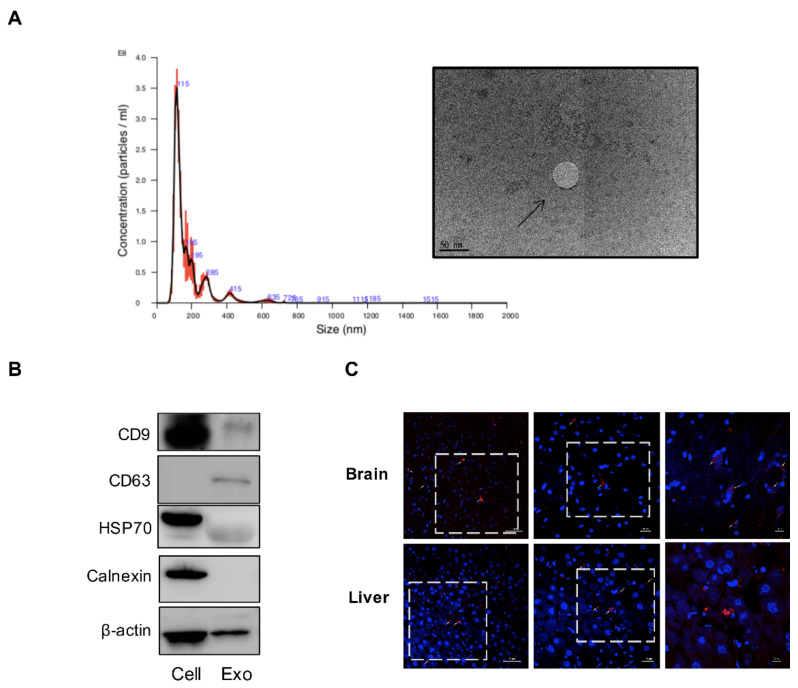
“Louis, MO, USA) in each batch of the exosome preparation was verified following the standards recommended by the International Society of Extracellular Vesicles (ISEV) [31]; calnexin (AB2301, Millipore, Bedford, MA, USA) served as a negative marker.”
MethodTumour exosome integrins determine organotropic metastasis
Hoshino, A., Costa-Silva, B., Shen, T.-L., Rodrigues, G., Hashimoto, A., Tesic Mark, M., Molina, H., Kohsaka, S., Di Giannatale, A., Ceder, S., et al. (2015) · Nature · doi:10.1038/nature15756 · Cited by 5,101 · cited 1×
“Finally, to confirm whether intravenously injected MSC-exosomes crossed the BBB and entered the brain with AD, we tracked MSC-exosomes labeled with PKH26 fluorescent dye and assessed their biodistribution by ex vivo fluorescent imaging [38,39].”
MethodDelivery of siRNA to the mouse brain by systemic injection of targeted exosomes
Alvarez-Erviti, L., Seow, Y., Yin, H., Betts, C., Lakhal, S., & Wood, M. J. A. (2011) · Nature Biotechnology · doi:10.1038/nbt.1807 · Cited by 4,930
The antibody aducanumab reduces Aβ plaques in Alzheimer’s disease
Sevigny, J., Chiao, P., Bussière, T., Weinreb, P. H., Williams, L., Maier, M., Dunstan, R., Salloway, S., Chen, T., Ling, Y., et al. (2016) · Nature · doi:10.1038/nature19323 · Cited by 3,059
Haberland, M., Montgomery, R. L., & Olson, E. N. (2009) · Nature Reviews Genetics · doi:10.1038/nrg2485 · Cited by 2,526 · cited 1×
“To date, 18 HDACs have been identified in humans and are typically classified into four major classes [66].”
BackgroundExosomes: biogenesis, biologic function and clinical potential
Zhang, Y., Liu, Y., Liu, H., & Tang, W. H. (2019) · Cell & Bioscience · doi:10.1186/s13578-019-0282-2 · Cited by 2,119
Drug Transport across the Blood–Brain Barrier
Pardridge, W. M. (2012) · Journal of Cerebral Blood Flow & Metabolism · doi:10.1038/jcbfm.2012.126 · Cited by 1,994
Amyloid Beta: Structure, Biology and Structure-Based Therapeutic Development
Chen, G.-F., Xu, T.-H., Yan, Y., Zhou, Y.-R., Jiang, Y., Melcher, K., & Xu, H. E. (2017) · Acta Pharmacologica Sinica · doi:10.1038/aps.2017.28 · Cited by 1,965 · cited 1×
“During the long process of Aβ aggregation, more than one physiological pathway crosstalk with each other to induce AD pathology [13].”
BackgroundConcise review: MSC-derived exosomes for cell-free therapy
Phinney, D. G., & Pittenger, M. F. (2017) · Stem Cells · doi:10.1002/stem.2575 · Cited by 1,834
The exosome journey: from biogenesis to uptake and intracellular signalling
Gurung, S., Perocheau, D., Touramanidou, L., & Baruteau, J. (2021) · Cell Communication and Signaling · doi:10.1186/s12964-021-00730-1 · Cited by 1,791
Clearance systems in the brain—implications for Alzheimer disease
Tarasoff-Conway, J. M., Carare, R. O., Osorio, R. S., Glodzik, L., Butler, T., Fieremans, E., Axel, L., Rusinek, H., Nicholson, C., Zlokovic, B. V., et al. (2015) · Nature Reviews Neurology · doi:10.1038/nrneurol.2015.119 · Cited by 1,678
Therapeutic microRNA Delivery Suppresses Tumorigenesis in a Murine Liver Cancer Model
Kota, J., Chivukula, R. R., O'Donnell, K. A., Wentzel, E. A., Montgomery, C. L., Hwang, H.-W., Chang, T.-C., Vivekanandan, P., Torbenson, M., Clark, K. R., et al. (2009) · Cell · doi:10.1016/j.cell.2009.04.021 · Cited by 1,452 · cited 1×
“In the past decade, synthetic miRNA mimics that imitate the function of endogenous miRNAs delivered by adenovirus-associated virus were used for cancer treatment [62].”
Reactive Gliosis and the Multicellular Response to CNS Damage and Disease
Burda, J. E., & Sofroniew, M. V. (2014) · Neuron · doi:10.1016/j.neuron.2013.12.034 · Cited by 1,438 · cited 1×
“Additionally, in AD, in response to toxic materials, reactive astrocyte (known as astrogliosis) exhibited morphological hypertrophy, proliferation, process ramification, and augmented expression of intermediate filaments (GFAP, vimentin, and nestin) [54].”
BackgroundA three-dimensional human neural cell culture model of Alzheimer’s disease
Choi, S. H., Kim, Y. H., Hebisch, M., Sliwinski, C., Lee, S., D’Avanzo, C., Chen, H., Hooli, B., Asselin, C., Muffat, J., et al. (2014) · Nature · doi:10.1038/nature13800 · Cited by 1,195 · cited 1×
“Herein, we generated a FAD human neural cell culture model that mimicked AD pathology by overexpressing human APP with both Swedish (K670N/M671L) and London (V717I) FAD mutations in a human neuroblastoma cell line to investigate the therapeutic effect of MSC-exosomes in vitro [28].”
MethodMolecular and cellular mechanisms underlying the pathogenesis of Alzheimer’s disease
Guo, T., Zhang, D., Zeng, Y., Huang, T. Y., Xu, H., & Zhao, Y. (2020) · Molecular Neurodegeneration · doi:10.1186/s13024-020-00391-7 · Cited by 994 · cited 1×
“These deficits are attributed to widespread neuronal loss, glial dysfunction, synaptic degeneration and brain atrophy, and gradual propagation of hallmarks of AD, including amyloid plaques and neurofibrillary tangles (NFTs), throughout the brain [4].”
BackgroundSala Frigerio, C., Wolfs, L., Fattorelli, N., Thrupp, N., Voytyuk, I., Schmidt, I., Mancuso, R., Chen, W.-T., Woodbury, M. E., Srivastava, G., et al. (2019) · Cell Reports · doi:10.1016/j.celrep.2019.03.099 · Cited by 926 · cited 2×
“IRM is defined by the specific expression of Ifit2 and Ifitm3 [61].”
BackgroundDynamic Biodistribution of Extracellular Vesicles in Vivo Using a Multimodal Imaging Reporter
Lai, C. P., Mardini, O., Ericsson, M., Prabhakar, S., Maguire, C. A., Chen, J. W., Tannous, B. A., & Breakefield, X. O. (2014) · ACS Nano · doi:10.1021/nn404945r · Cited by 902 · cited 2×
“We characterized Wharton’s jelly MSCs-derived exosomes by means of physical (NTA and TEM), biological (cell trafficking), and biochemical (western blot, NGS, and enzymatic ability) assays.”
MethodAn epigenetic blockade of cognitive functions in the neurodegenerating brain
Gräff, J., Rei, D., Guan, J.-S., Wang, W.-Y., Seo, J., Hennig, K. M., Nieland, T. J. F., Fass, D. M., Kao, P. F., Kahn, M., et al. (2012) · Nature · doi:10.1038/nature10849 · Cited by 853 · cited 1×
“Notably, global HDAC inhibitor (HDACi) treatments significantly restored impaired cognitive functions in mice [65].”
BackgroundExosomes as Critical Agents of Cardiac Regeneration Triggered by Cell Therapy
Ibrahim, A. G.-E., Cheng, K., & Marbán, E. (2014) · Stem Cell Reports · doi:10.1016/j.stemcr.2014.04.006 · Cited by 826
The case for rejecting the amyloid cascade hypothesis
Herrup, K. (2015) · Nature Neuroscience · doi:10.1038/nn.4017 · Cited by 768 · cited 1×
“Amyloid plaques, a unique signature of AD, are deposits of excess aggregated amyloid-β (Aβ) peptides that are considered to initiate the pathogenic cascade that eventually leads to AD [5].”
BackgroundClinical trials of new drugs for Alzheimer disease
Huang, L.-K., Chao, S.-P., & Hu, C.-J. (2020) · Journal of Biomedical Science · doi:10.1186/s12929-019-0609-7 · Cited by 702
Randomized trial of verubecestat for mild-to-moderate Alzheimer's disease
Egan, M. F., Kost, J., Tariot, P. N., Aisen, P. S., Cummings, J. L., Vellas, B., Sur, C., Mukai, Y., Voss, T., Furtek, C., et al. (2018) · New England Journal of Medicine · doi:10.1056/nejmoa1706441 · Cited by 685
Hu, Y., Rao, S.-S., Wang, Z.-X., Cao, J., Tan, Y.-J., Luo, J., Li, H.-M., Zhang, W.-S., Chen, C.-Y., & Xie, H. (2018) · Theranostics · doi:10.7150/thno.21234 · Cited by 574
Anti-Amyloid-β Monoclonal Antibodies for Alzheimer’s Disease: Pitfalls and Promise
van Dyck, C. H. (2018) · Biological Psychiatry · doi:10.1016/j.biopsych.2017.08.010 · Cited by 568
Human adipose tissue-derived mesenchymal stem cells secrete functional neprilysin-bound exosomes
Katsuda, T., Tsuchiya, R., Kosaka, N., Yoshioka, Y., Takagaki, K., Oki, K., Takeshita, F., Sakai, Y., Kuroda, M., & Ochiya, T. (2013) · Scientific Reports · doi:10.1038/srep01197 · Cited by 565 · cited 1×
“Interestingly, the expression and function of NEP are decreased significantly in AD patients [33].”
BackgroundAlzheimer's disease drug development pipeline: 2017
Cummings, J., Lee, G., Mortsdorf, T., Ritter, A., & Zhong, K. (2017) · Alzheimer's & Dementia: Translational Research & Clinical Interventions · doi:10.1016/j.trci.2017.05.002 · Cited by 549 · cited 1×
“Alzheimer’s disease (AD) is a progressive neurodegenerative disorder that accounts for 50–70% of the cases of dementia [1].”
BackgroundElucidation of Exosome Migration Across the Blood–Brain Barrier Model In Vitro
Chen, C. C., Liu, L., Ma, F., Wong, C. W., Guo, X. E., Chacko, J. V., Farhoodi, H. P., Zhang, S. X., Zimak, J., Ségaliny, A., et al. (2016) · Cellular and Molecular Bioengineering · doi:10.1007/s12195-016-0458-3 · Cited by 537
Pant, S., Hilton, H., & Burczynski, M. E. (2012) · Biochemical Pharmacology · doi:10.1016/j.bcp.2011.12.037 · Cited by 473 · cited 1×
“Exosomes are released by a variety of cells when multivesicular endosomes fuse with the plasma membrane and further serve as intercellular mediators [20,27,63].”
Mesenchymal stem cell-derived exosomes for clinical use
Mendt, M., Rezvani, K., & Shpall, E. (2019) · Bone Marrow Transplantation · doi:10.1038/s41409-019-0616-z · Cited by 465
Carter, S. F., Schöll, M., Almkvist, O., Wall, A., Engler, H., Långström, B., & Nordberg, A. (2012) · Journal of Nuclear Medicine · doi:10.2967/jnumed.110.087031 · Cited by 442 · cited 1×
“PET imaging with various radiotracers can be used to reveal astrogliosis in detail [55,56].”
MethodCui, G., Wu, J., Mou, F., Xie, W., Wang, F., Wang, Q., Fang, J., Xu, Y., Dong, Y., Liu, J., et al. (2018) · The FASEB Journal · doi:10.1096/fj.201700600r · Cited by 387 · cited 2×
“MSC-exosomes are considered to accumulate in the liver more efficiently; however, in our study, the fluorescent signals were also detected in the brain of AD mice (Figure S1C).”
ResultOvarian cancer cell-secreted exosomal miR-205 promotes metastasis by inducing angiogenesis
He, L., Zhu, W., Chen, Q., Yuan, Y., Wang, Y., Wang, J., & Wu, X. (2019) · Theranostics · doi:10.7150/thno.37455 · Cited by 367
Attenuating astrocyte activation accelerates plaque pathogenesis in APP/PS1 mice
Kraft, A. W., Hu, X., Yoon, H., Yan, P., Xiao, Q., Wang, Y., Gil, S. C., Brown, J., Wilhelmsson, U., Restivo, J. L., et al. (2013) · The FASEB Journal · doi:10.1096/fj.12-208660 · Cited by 355 · cited 1×
“Increased expression of GFAP and decreased level of GLT-1 and GLUT1 are the signatures of reactive astrocytes in the brain of AD patients as well as in AD mouse models [48,51,52].”
BackgroundAstrocyte Biomarkers in Alzheimer’s Disease
Carter, S. F., Herholz, K., Rosa-Neto, P., Pellerin, L., Nordberg, A., & Zimmer, E. R. (2019) · Trends in Molecular Medicine · doi:10.1016/j.molmed.2018.11.006 · Cited by 355 · cited 1×
“Increased expression of GFAP and decreased level of GLT-1 and GLUT1 are the signatures of reactive astrocytes in the brain of AD patients as well as in AD mouse models [48,51,52].”
BackgroundCui, G.-H., Guo, H.-D., Li, H., Zhai, Y., Gong, Z.-B., Wu, J., Liu, J.-S., Dong, Y.-R., Hou, S.-X., & Liu, J.-R. (2019) · Immunity & Ageing · doi:10.1186/s12979-019-0150-2 · Cited by 347
[18F]FDG PET signal is driven by astroglial glutamate transport
Zimmer, E. R., Parent, M. J., Souza, D. G., Leuzy, A., Lecrux, C., Kim, H.-I., Gauthier, S., Pellerin, L., Hamel, E., & Rosa-Neto, P. (2017) · Nature Neuroscience · doi:10.1038/nn.4492 · Cited by 343
Hodson, R. (2018) · Nature · doi:10.1038/d41586-018-05717-6 · Cited by 320 · cited 1×
“Clinical symptoms of AD include cognitive decline, shortterm memory failure, orientation problems, and motor abnormalities [2,3].”
BackgroundHeneka, M. T., Sastre, M., Dumitrescu-Ozimek, L., Dewachter, I., Walter, J., Klockgether, T., & Van Leuven, F. (2005) · Journal of Neuroinflammation · doi:10.1186/1742-2094-2-22 · Cited by 309 · cited 2×
“Increased expression of GFAP and decreased level of GLT-1 and GLUT1 are the signatures of reactive astrocytes in the brain of AD patients as well as in AD mouse models [48,51,52].”
Exosomes Derived from Mesenchymal Stromal Cells Promote Axonal Growth of Cortical Neurons
Zhang, Y., Chopp, M., Liu, X. S., Katakowski, M., Wang, X., Tian, X., Wu, D., & Zhang, Z. G. (2017) · Molecular Neurobiology · doi:10.1007/s12035-016-9851-0 · Cited by 300
Novel Alzheimer risk genes determine the microglia response to amyloid-β but not to TAU pathology
Sierksma, A., Lu, A., Mancuso, R., Fattorelli, N., Thrupp, N., Salta, E., Zoco, J., Blum, D., Buée, L., De Strooper, B., et al. (2020) · EMBO Molecular Medicine · doi:10.15252/emmm.201910606 · Cited by 291
Astrocytic adenosine receptor A2A and Gs-coupled signaling regulate memory
Orr, A. G., Hsiao, E. C., Wang, M. M., Ho, K., Kim, D. H., Wang, X., Guo, W., Kang, J., Yu, G.-Q., Adame, A., et al. (2015) · Nature Neuroscience · doi:10.1038/nn.3930 · Cited by 289 · cited 1×
“PET imaging with various radiotracers can be used to reveal astrogliosis in detail [55,56].”
MethodMatsumoto, J., Stewart, T., Sheng, L., Li, N., Bullock, K., Song, N., Shi, M., Banks, W. A., & Zhang, J. (2017) · Acta Neuropathologica Communications · doi:10.1186/s40478-017-0470-4 · Cited by 279
A 3D human neural cell culture system for modeling Alzheimer's disease
Kim, Y. H., Choi, S. H., D'Avanzo, C., Hebisch, M., Sliwinski, C., Bylykbashi, E., Washicosky, K. J., Klee, J. B., Brüstle, O., Tanzi, R. E., et al. (2015) · Nature Protocols · doi:10.1038/nprot.2015.065 · Cited by 269 · cited 1×
“354234, Corning, Tewksbury, MA, USA) and dispensed into each tissue culture insert in 24-well plates at a density of 5 × 10⁴ cells/well for thick-layer culture [32].”
Exosome as a Novel Shuttle for Delivery of Therapeutics across Biological Barriers
Das, C. K., Jena, B. C., Banerjee, I., Das, S., Parekh, A., Bhutia, S. K., & Mandal, M. (2019) · Molecular Pharmaceutics · doi:10.1021/acs.molpharmaceut.8b00901 · Cited by 263 · cited 1×
“Exosomes are released by a variety of cells when multivesicular endosomes fuse with the plasma membrane and further serve as intercellular mediators [20,27,63].”
BackgroundReza-Zaldivar, E. E., Hernández-Sapiéns, M. A., Gutiérrez-Mercado, Y. K., Sandoval-Ávila, S., Gomez-Pinedo, U., Márquez-Aguirre, A. L., Vázquez-Méndez, E., Padilla-Camberos, E., & Canales-Aguirre, A. A. (2019) · Neural Regeneration Research · doi:10.4103/1673-5374.255978 · Cited by 256
A molecular approach in drug development for Alzheimer’s disease
Agatonovic-Kustrin, S., Kettle, C., & Morton, D. W. (2018) · Biomedicine & Pharmacotherapy · doi:10.1016/j.biopha.2018.06.147 · Cited by 233 · cited 1×
“So far, FDA has approved only five medications for AD, including three cholinesterase inhibitors, one N-methyl-d-aspartate (NMDA) receptor antagonist, and a combination that targets the cholinergic and glutamatergic systems simultaneously [12].”
BackgroundRegenerative Stem Cell Therapy for Neurodegenerative Diseases: An Overview
Sivandzade, F., & Cucullo, L. (2021) · International Journal of Molecular Sciences · doi:10.3390/ijms22042153 · Cited by 224 · cited 1×
“AD, as a neurodegenerative disorder, is characterized by mass neuronal and synaptic loss; therefore, regeneration of neuronal circuits by exogenous MSCs is a rational therapeutic strategy [17].”
BackgroundMesenchymal stem cell-derived exosome: a promising alternative in the therapy of Alzheimer’s disease
Guo, M., Yin, Z., Chen, F., & Lei, P. (2020) · Alzheimer's Research & Therapy · doi:10.1186/s13195-020-00670-x · Cited by 200 · cited 1×
“Studies have indicated that MSC-exosomes can induce anti-inflammatory effects by the inhibition of reactive astrocytes and activated microglia, the conversion of Th2 and Treg cells, as well as the release of cytokines [57].”
BackgroundHistone deacetylases in memory and cognition
Penney, J., & Tsai, L.-H. (2014) · Science Signaling · doi:10.1126/scisignal.aaa0069 · Cited by 190 · cited 1×
“The dynamic modification of histone acetylation is associated with synaptic plasticity and memory formation, and the importance of histone deacetylase (HDAC) enzymes in various cognitive processes has been emphasized [64].”
BackgroundPotential Effects of MSC-Derived Exosomes in Neuroplasticity in Alzheimer’s Disease
Reza-Zaldivar, E. E., Hernández-Sapiéns, M. A., Minjarez, B., Gutiérrez-Mercado, Y. K., Márquez-Aguirre, A. L., & Canales-Aguirre, A. A. (2018) · Frontiers in Cellular Neuroscience · doi:10.3389/fncel.2018.00317 · Cited by 165
Oh, S. H., Kim, H. N., Park, H.-J., Shin, J. Y., & Lee, P. H. (2015) · Cell Transplantation · doi:10.3727/096368914x679237 · Cited by 152
β-secretase inhibitor; a promising novel therapeutic drug in Alzheimer’s disease
Menting, K. W., & Claassen, J. A. H. R. (2014) · Frontiers in Aging Neuroscience · doi:10.3389/fnagi.2014.00165 · Cited by 139
Teixeira, F. G., Carvalho, M. M., Neves‐Carvalho, A., Panchalingam, K. M., Behie, L. A., Pinto, L., Sousa, N., & Salgado, A. J. (2014) · Stem Cell Reviews and Reports · doi:10.1007/s12015-014-9576-2 · Cited by 124 · cited 1×
“The neuroprotective paracrine effects of mesenchymal stem cells (MSCs) are able to stimulate proliferation, neuronal differentiation, and survival in endogenous neurogenic niches in cellular models of AD [14,15].”
BackgroundIlluminating the physiology of extracellular vesicles
Choi, H., & Lee, D. S. (2016) · Stem Cell Research & Therapy · doi:10.1186/s13287-016-0316-1 · Cited by 121 · cited 1×
“Finally, to confirm whether intravenously injected MSC-exosomes crossed the BBB and entered the brain with AD, we tracked MSC-exosomes labeled with PKH26 fluorescent dye and assessed their biodistribution by ex vivo fluorescent imaging [38,39].”
MethodNeurons in Vulnerable Regions of the Alzheimer’s Disease Brain Display Reduced ATM Signaling
Shen, X., Chen, J., Li, J., Kofler, J., & Herrup, K. (2016) · eneuro · doi:10.1523/eneuro.0124-15.2016 · Cited by 119 · cited 1×
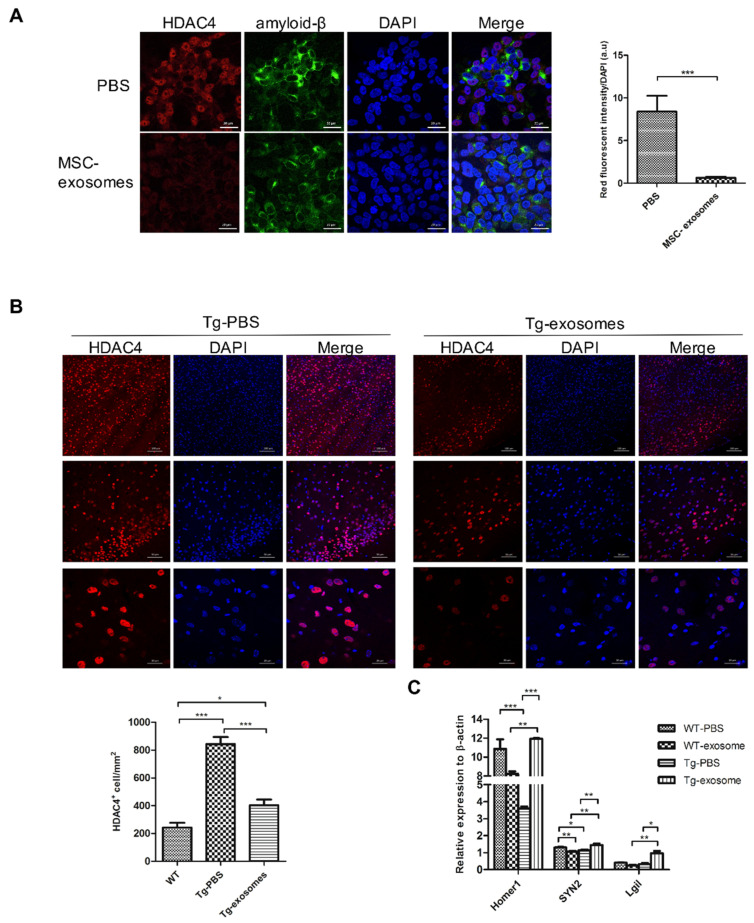
“The nuclear HDAC4 level is markedly increased in the brains of AD patients, and the total HDAC4 level (cytoplasm and nuclear) is high in the AD mouse model [42,43], suggesting that abnormal HDAC4 expression or its nuclear localization may contribute to learning and memory deficits.”
BackgroundSafety profile of semagacestat, a gamma-secretase inhibitor: IDENTITY trial findings
Henley, D. B., Sundell, K. L., Sethuraman, G., Dowsett, S. A., & May, P. C. (2014) · Current Medical Research and Opinion · doi:10.1185/03007995.2014.939167 · Cited by 98
Ginsberg, S. D., Alldred, M. J., & Che, S. (2012) · Neurobiology of Disease · doi:10.1016/j.nbd.2011.07.013 · Cited by 83 · cited 1×
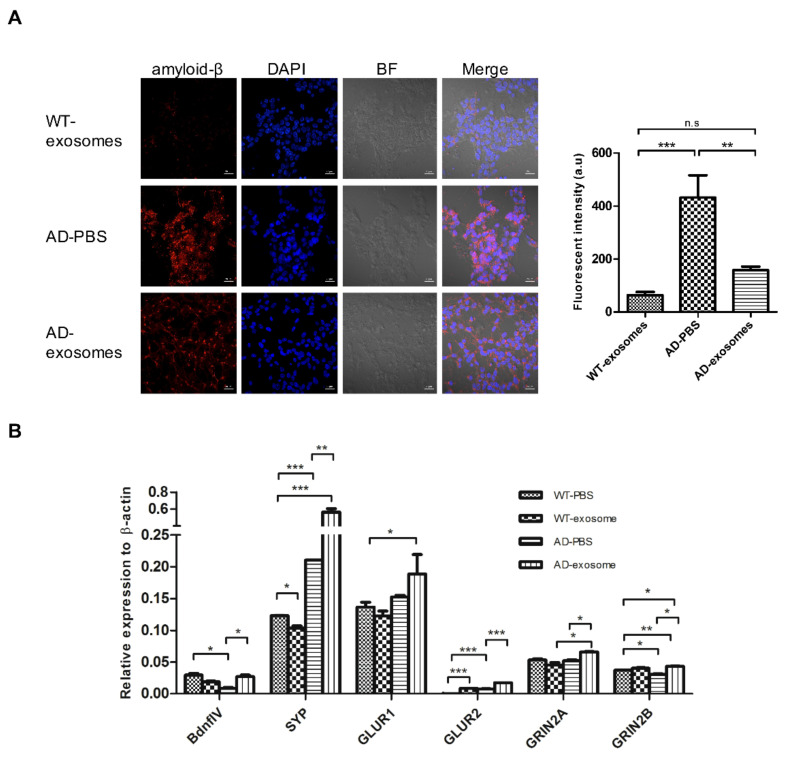
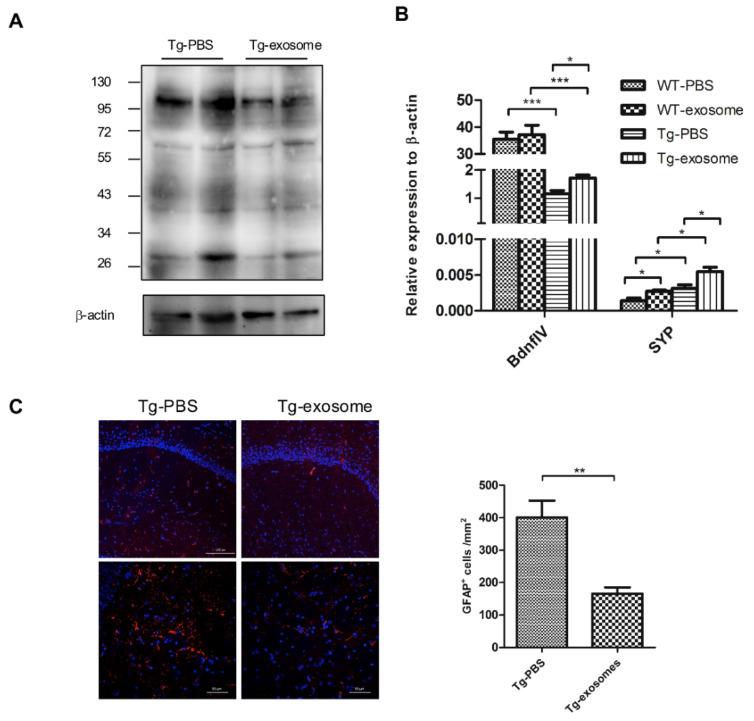
“We first evidenced the obvious Aβ expression, Tau phosphorylation, and downregulation of learning, memory, and synaptic plasticity-related genes including brain-derived neurotrophic factor (Bdnf exon IV) and Homer1, that are involved in learning and memory formation, and of genes implicated in synaptic plasticity, suc…”
BackgroundŽilka, N., Žilková, M., Kazmerova, Z., Šarišský, M., Cigánková, V., & Novák, M. (2011) · Neuroscience · doi:10.1016/j.neuroscience.2011.06.088 · Cited by 80 · cited 1×
“The neuroprotective paracrine effects of mesenchymal stem cells (MSCs) are able to stimulate proliferation, neuronal differentiation, and survival in endogenous neurogenic niches in cellular models of AD [14,15].”
BackgroundGlucose utilization: still in the synapse
Stoessl, A. J. (2017) · Nature Neuroscience · doi:10.1038/nn.4513 · Cited by 80
Anderson, K. W., Chen, J., Wang, M., Mast, N., Pikuleva, I. A., & Turko, I. V. (2015) · PLOS ONE · doi:10.1371/journal.pone.0126592 · Cited by 69 · cited 1×
“The nuclear HDAC4 level is markedly increased in the brains of AD patients, and the total HDAC4 level (cytoplasm and nuclear) is high in the AD mouse model [42,43], suggesting that abnormal HDAC4 expression or its nuclear localization may contribute to learning and memory deficits.”
BackgroundYang, H. S., Onos, K. D., Choi, K., Keezer, K. J., Skelly, D. A., Carter, G. W., & Howell, G. R. (2021) · Cell Reports · doi:10.1016/j.celrep.2021.108739 · Cited by 69 · cited 1×
“IRM is defined by the specific expression of Ifit2 and Ifitm3 [61].”
Background(2019) · Springer eBooks · doi:10.1007/978-3-319-56015-1 · Cited by 68
Cognitive phenotyping of amyloid precursor protein transgenic J20 mice
Karl, T., Bhatia, S., Cheng, D., Kim, W. S., & Garner, B. (2011) · Behavioural Brain Research · doi:10.1016/j.bbr.2011.12.021 · Cited by 63 · cited 1×
“J20 AD transgenic (Tg) mice, harboring Swedish (K670N/M671L) and the Indiana (V717F) mutations of the amyloid precursor protein, exhibit an age-related and progressive neuropathological phenotype that presents both plaque and tangle pathology [41].”
BackgroundTranscriptional signatures of tau and amyloid neuropathology
Castanho, I., Murray, T. K., Hannon, E., Jeffries, A., Walker, E., Laing, E., Baulf, H., Harvey, J., Bradshaw, L., Randall, A., et al. (2020) · Cell Reports · doi:10.1016/j.celrep.2020.01.063 · Cited by 62 · cited 1×
“Since we used J20 AD transgenic mice harboring APP mutations to evaluate the therapeutic effect of MSC-exosomes, the upregulated activated microglia marker genes in J20 mice are suitable for the investigation of the microglial response [59].”
Method7T MRI for neurodegenerative dementias in vivo: a systematic review of the literature
McKiernan, E. F., & O’Brien, J. T. (2017) · Journal of Neurology, Neurosurgery & Psychiatry · doi:10.1136/jnnp-2016-315022 · Cited by 40 · cited 1×
“Magnetic resonance imaging (MRI) is a more powerful diagnostic tool to create a brain connectivity map for the evaluation of the integrity of neuronal signal transduction [53].”
Novel PET Biomarkers to Disentangle Molecular Pathways across Age-Related Neurodegenerative Diseases
Wilson, H., Politis, M., Rabiner, E. A., & Middleton, L. T. (2020) · Cells · doi:10.3390/cells9122581 · Cited by 37 · cited 1×
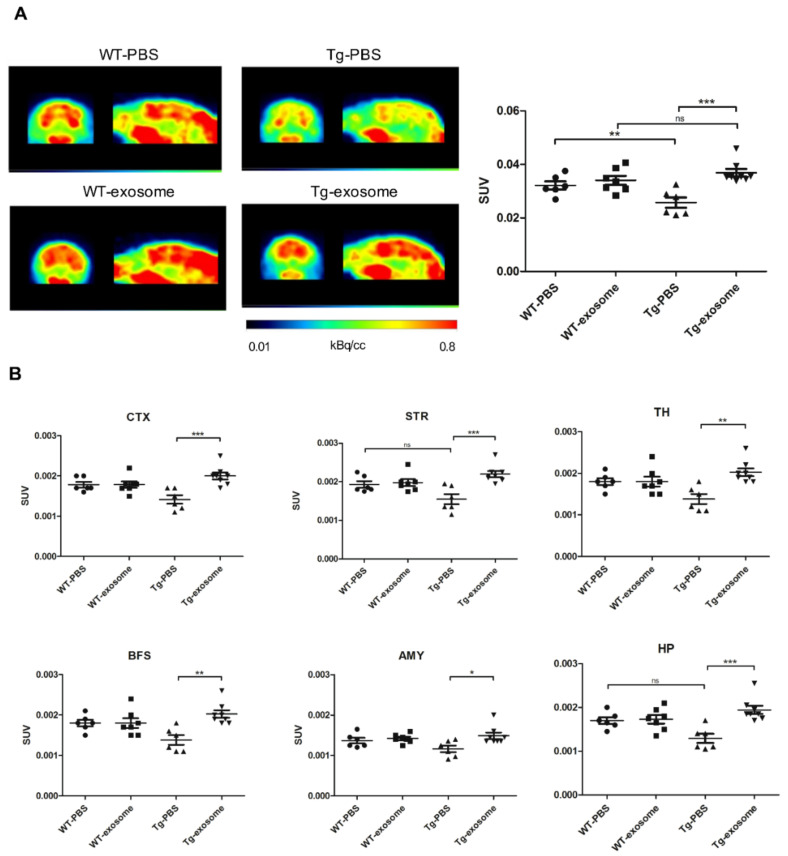
“The reduction of brain glucose metabolism correlates well with the degree of cognitive impairment [29].”
BackgroundNovel Pharmaceutical Approaches in Dementia
Tanaka, M., Török, N., & Vécsei, L. (2021) · Springer eBooks · doi:10.1007/978-3-319-56015-1_444-1 · Cited by 23 · cited 1×
“Clinical symptoms of AD include cognitive decline, shortterm memory failure, orientation problems, and motor abnormalities [2,3].”
Background
Cited by
Clinical applications of stem cell-derived exosomes
Tan, F., Li, X., Wang, Z., Li, J., Shahzad, K., & Zheng, J. (2024) · Signal Transduction and Targeted Therapy · doi:10.1038/s41392-023-01704-0 · Cited by 708
Xu, M., Feng, T., Liu, B., Qiu, F., Xu, Y., Zhao, Y., & Zheng, Y. (2021) · Theranostics · doi:10.7150/thno.62330 · Cited by 229
Yang, C., Xue, Y., Duan, Y., Mao, C., & Wan, M. (2024) · Journal of Controlled Release · doi:10.1016/j.jconrel.2023.11.057 · Cited by 217
Exosomes as therapeutic and drug delivery vehicle for neurodegenerative diseases
Nouri, Z., Barfar, A., Perseh, S., Motasadizadeh, H., Maghsoudian, S., Fatahi, Y., Nouri, K., Yektakasmaei, M. P., Dinarvand, R., & Atyabi, F. (2024) · Journal of Nanobiotechnology · doi:10.1186/s12951-024-02681-4 · Cited by 114
“Additionally, in an AD mouse model, the total level of HDAC4 (both cytoplasmic and nuclear) is elevated [175].”
BackgroundYin, T., Liu, Y., Ji, W., Zhuang, J., Chen, X., Gong, B., Chu, J., Liang, W., Gao, J., & Yin, Y. (2023) · Theranostics · doi:10.7150/thno.81860 · Cited by 98
Metadata
- Authors
- Chen, Y.-A., Lu, C.-H., Ke, C.-C., Chiu, S.-J., Jeng, F.-S., Chang, C.-W., Yang, B.-H., & Liu, R.-S.
- Affiliations
- National Yang Ming Chiao Tung University (TW)
- Kaohsiung Medical University (TW)
- Taiwan Mouse Clinic (TW)
- Taipei Veterans General Hospital (TW)
- Corresponding author
- Ke, Chien-Chih
- Liu, Ren-Shyan
- Venue
- Biomedicines
- Publisher
- MDPI AG
- Published
- 2021-05-24
- Volume
- 9
- Issue
- 6
- Pages
- 594
- ISSN
- 2227-9059 (ISSN-L)
- PMC
- PMC8225157
- OpenAlex
- W3165350824
- Semantic Scholar
- 7b7613351569a22be73a079cd487a7f3ca1b0245
- Cited by
- 167
- References
- 67
- Citations by year
- 2026: 28 · 2025: 38 · 2024: 49 · 2023: 25 · 2022: 20 · 2021: 7
- FWCI
- 15.87
- Type
- journal article
- Language
- en
- Open access
- gold
- doi.org
- Licence
- Locations
- Biomedicines (publishedVersion, cc-by)
- PubMed Central (publishedVersion, cc-by)
- PubMed (publishedVersion)
- DOAJ (DOAJ: Directory of Open Access Journals) (submittedVersion, cc-by-sa)
- Funders
- Ministry of Science and Technology (MOST-107-2321-B-075-001, MOST 108-2319-B-001-003)
- Topics
- Life Sciences › Neuroscience › Cellular and Molecular Neuroscience › Alzheimer's disease research and treatments
- Life Sciences › Biochemistry, Genetics and Molecular Biology › Molecular Biology › Extracellular vesicles in disease
- Life Sciences › Neuroscience › Neurology › Neuroinflammation and Neurodegeneration Mechanisms
- Keywords
- mesenchymal stem cell-derived exosomes, Alzheimer's disease, amyloid plaques, familial Alzheimer's disease, cognitive impairment, synaptic plasticity, brain glucose metabolism, cell-free therapy, astrocytes, transgenic mouse model, novel object recognition
About these checks
Registry, retraction, Cites and statistics results are computed, not judged, with one exception: a printed reference that no index lists is read once by a model before it counts as a citation error. Claims are extracted by a model and kept only when their quote appears verbatim in the text; each cited source is then checked, with a model’s help, for whether it says what the claim relies on. Those verdicts can be wrong — read the claim’s quote and the cited source before relying on one.
Statistics and arithmetic are recomputed, not judged.
Confidence bands are shown only for fields calibrated on our annotated test set. None is calibrated yet, so no band is shown.
What counts as a claim ›How we measure confidence ›How we check this ›
Are you an author, or do you see a problem with this page? Request a review
Data sources
Bibliographic data: Semantic Scholar, OpenAlex, Crossref.
Contains information from the Semantic Scholar Academic Graph Datasets, made available under the ODC Attribution License (ODC-BY 1.0).
Semantic Scholar’s data is described in: Kinney, R., et al. (2023). The Semantic Scholar Open Data Platform. arXiv:2301.10140.
