

Mechanical Stimulation Modulates Osteocyte Regulation of Cancer Cell Phenotype
Open accessThe DOI matches its Crossref record; 57 of the 57 references it cites were found in a registry or an index.
Abstract
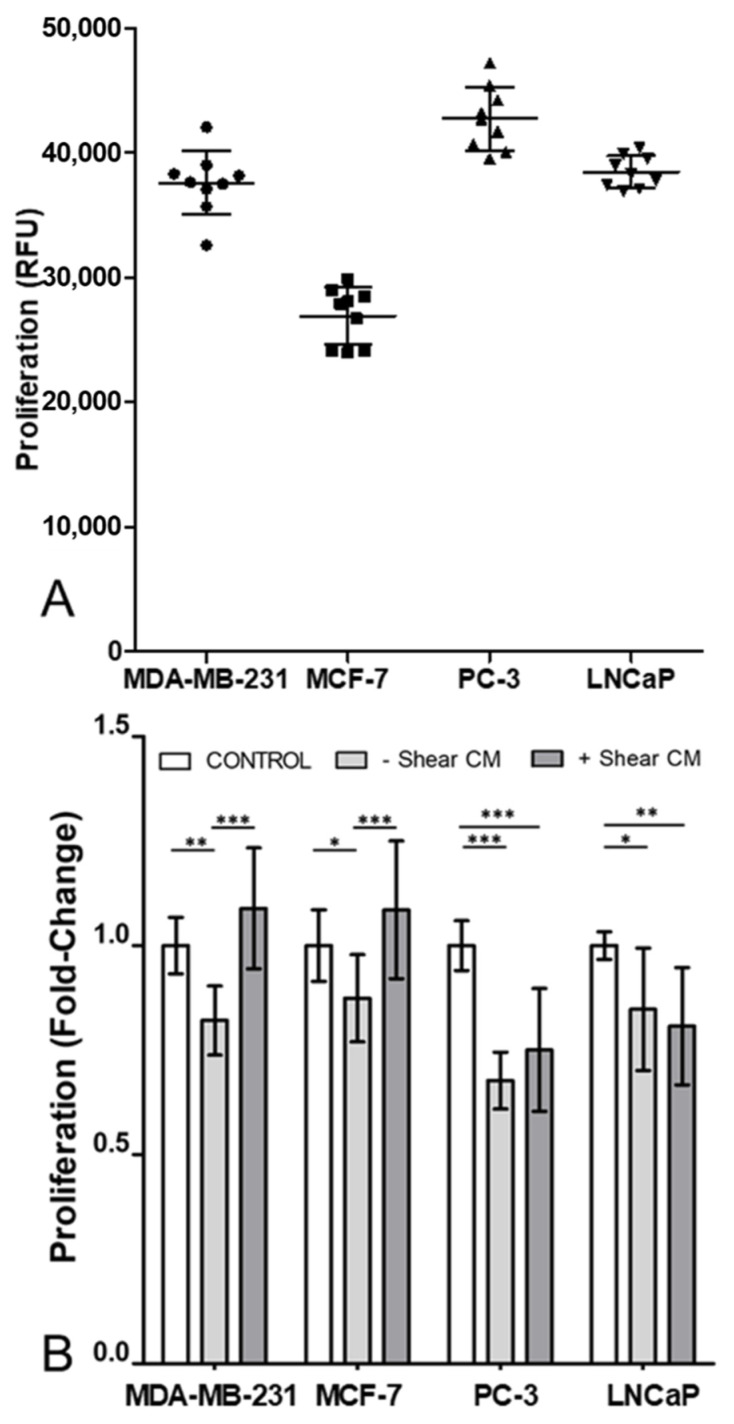
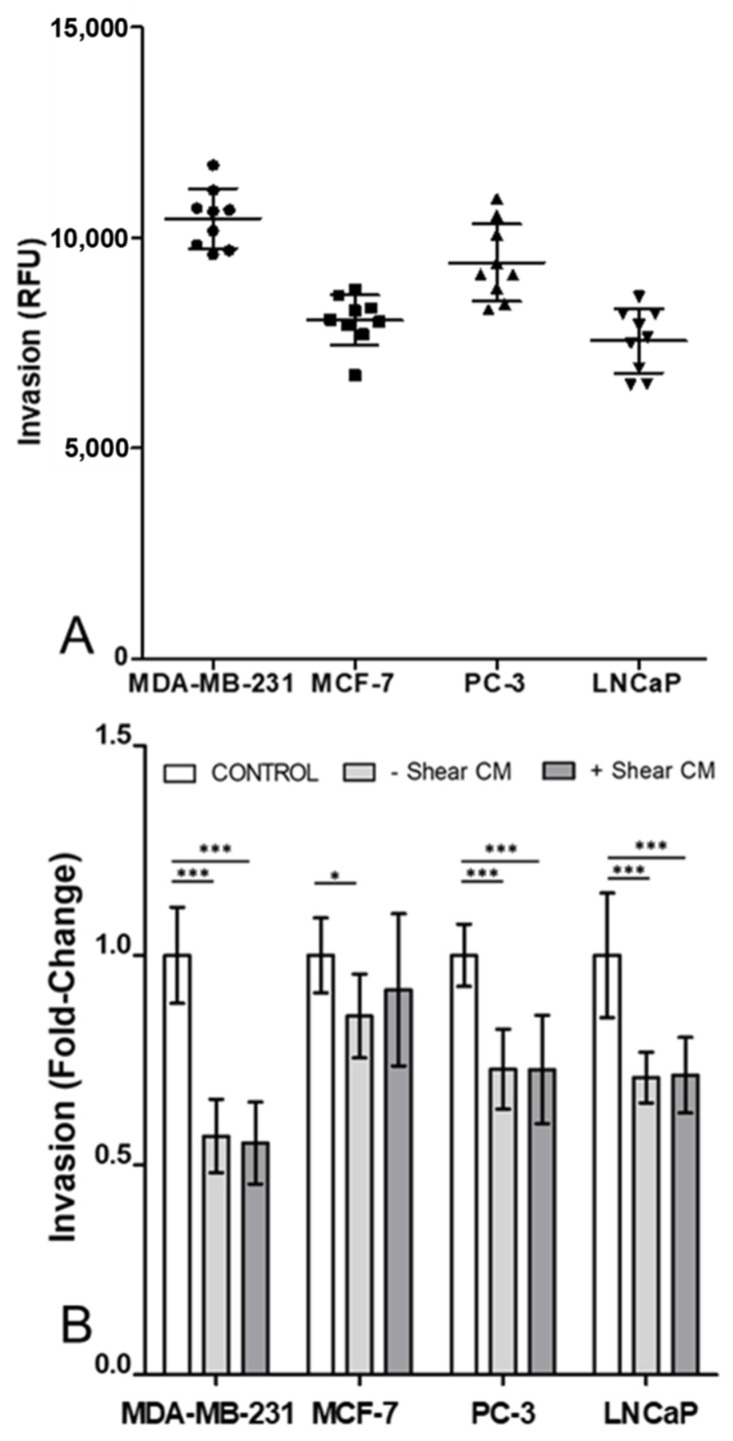
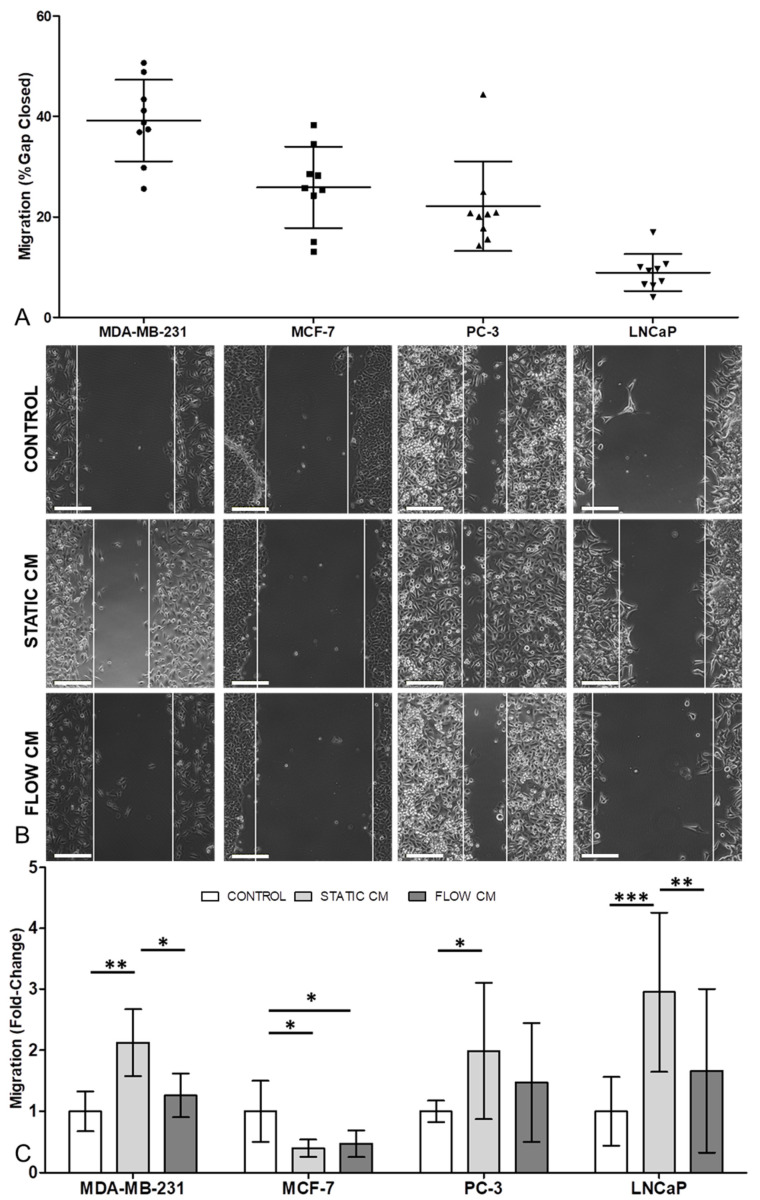
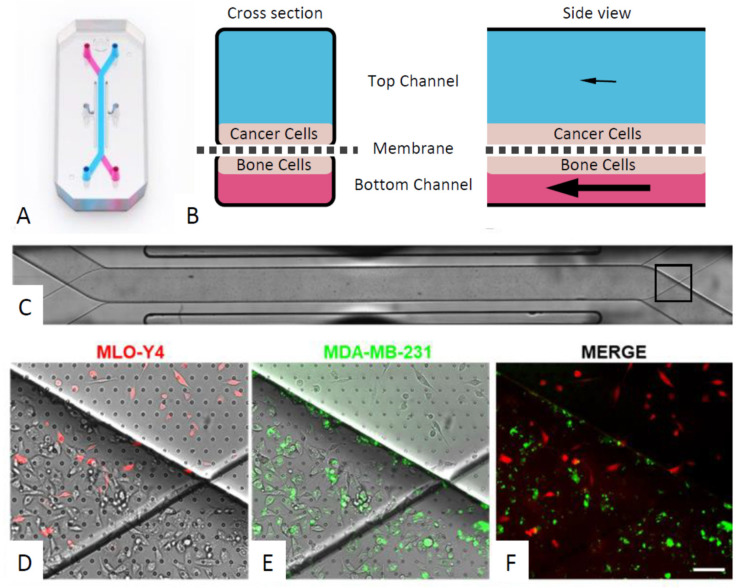
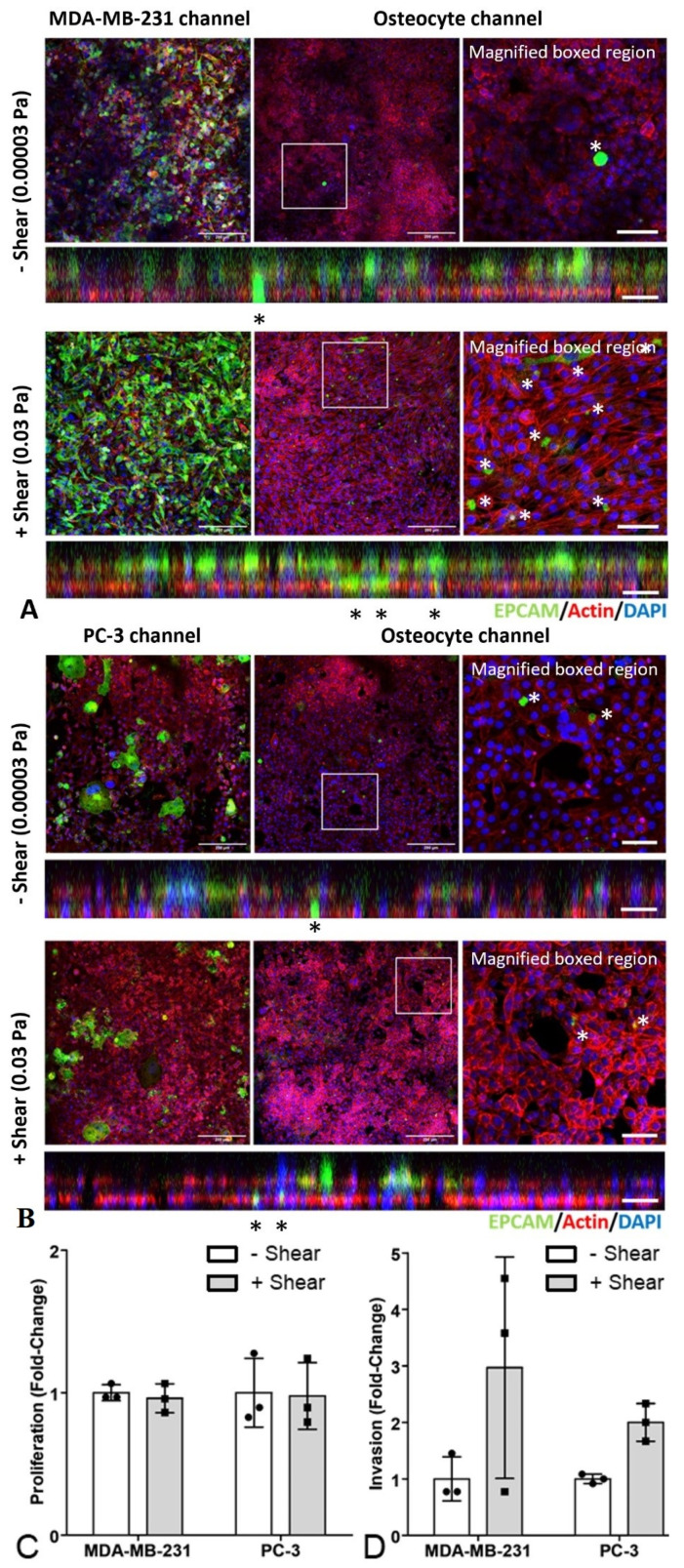
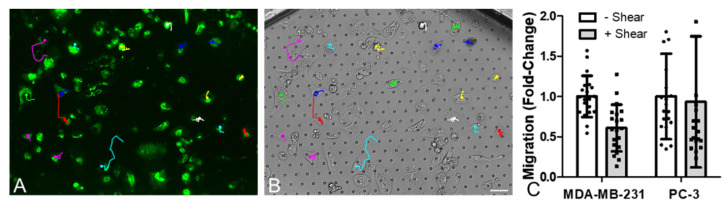
Breast and prostate cancers preferentially metastasise to bone tissue, with metastatic lesions forming in the skeletons of most patients. On arriving in bone tissue, disseminated tumour cells enter a mechanical microenvironment that is substantially different to that of the primary tumour and is largely regulated by bone cells. Osteocytes, the most ubiquitous bone cell type, orchestrate healthy bone remodelling in response to physical exercise. However, the effects of mechanical loading of osteocytes on cancer cell behaviour is still poorly understood. The aim of this study was to characterise the effects of osteocyte mechanical stimulation on the behaviour of breast and prostate cancer cells. To replicate an osteocyte-controlled environment, this study treated breast (MDA-MB-231 and MCF-7) and prostate (PC-3 and LNCaP) cancer cell lines with conditioned media from MLO-Y4 osteocyte-like cells exposed to mechanical stimulation in the form of fluid shear stress. We found that osteocyte paracrine signalling acted to inhibit metastatic breast and prostate tumour growth, characterised by reduced proliferation and invasion and increased migration. In breast cancer cells, these effects were largely reversed by mechanical stimulation of osteocytes. In contrast, conditioned media from mechanically stimulated osteocytes had no effect on prostate cancer cells. To further investigate these interactions, we developed a microfluidic organ-chip model using the Emulate platform. This new organ-chip model enabled analysis of cancer cell migration, proliferation and invasion in the presence of mechanical stimulation of osteocytes by fluid shear stress, resulting in increased invasion of breast and prostate cancer cells. These findings demonstrate the importance of osteocytes and mechanical loading in regulating cancer cell behaviour and the need to incorporate these factors into predictive in vitro models of bone metastasis.
Overview
The claims and statistics of this paper haven’t been checked yet.
Free: it reads the open-access text and checks the first 5 claims that cite a source we can check. Create a free account to check every claim.
Integrity signals
Registry
Cites
Statistics
Figures
Verification
Claims the paper makes
The claims and statistics of this paper haven’t been checked yet.
Free: it reads the open-access text and checks the first 5 claims that cite a source we can check. Create a free account to check every claim.
Claims other papers make about this one
Each is checked against this paper’s own text: does it say what the citing paper says it does?
The source backs part of the claim, not all of it — or backs it for a different population, condition or comparison.
In the citing paper
“Interestingly, exerting mechanical fluid shear on osteocyte cells had no effect on PC3 proliferation, however, it did stimulate their invasion and migration.”
From Microphysiological systems as models for immunologically ‘cold’ tumors (2024) · cites this paper as Verbruggen et al., 2021
Experimental — accuracy not yet measuredThe cited source says what the claim attributes to it.
In the citing paper
“To establish metastatic lesions in the bone marrow prostate cancer must adapt to a microenvironment that is primarily dominated by bone cells, such as osteocytes (Verbruggen et al., 2021).”
From Microphysiological systems as models for immunologically ‘cold’ tumors (2024) · cites this paper as Verbruggen et al., 2021
Self-check
Percentages, sums and reported differences re-computed from the paper’s own numbers.
The self-check needs the paper’s full text.
Citations
Cites
Roodman, G. D. (2004) · New England Journal of Medicine · doi:10.1056/nejmra030831 · Cited by 2,755 · cited 1×
“Bone tissue is generally one of the most common tumour metastasis sites, with over 450,000 patients currently suffering from this condition in the US [2].”
BackgroundBonewald, L. F. (2011) · Journal of Bone and Mineral Research · doi:10.1002/jbmr.320 · Cited by 2,287 · cited 1×
“These cells, osteocytes, reside within the bone matrix in a series of interconnected cavities and channels, known as the lacunocanalicular network [22,23].”
BackgroundMetastatic bone disease: clinical features, pathophysiology and treatment strategies
Coleman, R. E. (2001) · Cancer Treatment Reviews · doi:10.1053/ctrv.2000.0210 · Cited by 1,920 · cited 2×
“This is particularly true for breast and prostate cancer, with 65–75% of breast and prostate metastatic patients developing skeletal lesions, together accounting for more than 80% of all cases of metastatic bone disease [3,4].”
BackgroundA Pooled Analysis of Bone Marrow Micrometastasis in Breast Cancer
Braun, S., Vogl, F. D., Naume, B., Janni, W., Osborne, M. P., Coombes, R. C., Schlimok, G., Diel, I. J., Gerber, B., Gebauer, G., et al. (2005) · New England Journal of Medicine · doi:10.1056/nejmoa050434 · Cited by 1,379 · cited 1×
“Furthermore, we now know that metastatic spread is an early event in breast cancer development [5,6], with disseminated tumour cells already detectable in bone marrow by the time primary tumours are found [7].”
BackgroundCancer to bone: a fatal attraction
Weilbaecher, K. N., Guise, T. A., & McCauley, L. K. (2011) · Nature Reviews Cancer · doi:10.1038/nrc3055 · Cited by 1,285 · cited 1×
“To date, much of the literature has focused on interactions between disseminated tumour cells, extracellular matrix components in the tumour microenvironment [14,15], and the varied bone cell types residing in the bone marrow [16,17] and vascular niches [18].”
BackgroundA model for the excitation of osteocytes by mechanical loading-induced bone fluid shear stresses
Weinbaum, S., Cowin, S. C., & Zeng, Y. (1994) · Journal of Biomechanics · doi:10.1016/0021-9290(94)90010-8 · Cited by 1,277
Systemic Spread Is an Early Step in Breast Cancer
Hüsemann, Y., Geigl, J. B., Schubert, F., Musiani, P., Meyer, M., Burghart, E., Forni, G., Eils, R., Fehm, T., Riethmüller, G., et al. (2008) · Cancer Cell · doi:10.1016/j.ccr.2007.12.003 · Cited by 1,188 · cited 1×
“Furthermore, we now know that metastatic spread is an early event in breast cancer development [5,6], with disseminated tumour cells already detectable in bone marrow by the time primary tumours are found [7].”
BackgroundIn vitro cell migration and invasion assays
Kramer, N., Walzl, A., Unger, C., Rosner, M., Krupitza, G., Hengstschläger, M., & Dolznig, H. (2013) · Mutation Research/Reviews in Mutation Research · doi:10.1016/j.mrrev.2012.08.001 · Cited by 1,170 · cited 1×
“Invasiveness of cancer cells was measured using an in vitro Matrigel invasion assay [53].”
MethodEffects of exercise on breast cancer patients and survivors: a systematic review and meta-analysis
McNeely, M. L. (2006) · Canadian Medical Association Journal · doi:10.1503/cmaj.051073 · Cited by 1,078 · cited 1×
“Clinical trials have suggested that combined aerobic and resistance exercise programs result in reliable and meaningful improvements in quality of life, fatigue, aerobic fitness, bone mineral density and muscular strength in breast cancer patients [9,10].”
BackgroundThe Osteocyte: An Endocrine Cell … and More
Dallas, S. L., Prideaux, M., & Bonewald, L. F. (2013) · Endocrine Reviews · doi:10.1210/er.2012-1026 · Cited by 1,042
Cited by
Cancer-on-a-Chip: Models for Studying Metastasis
Zhang, X., Karim, M., Hasan, M. M., Hooper, J., Wahab, R., Roy, S., & Al-Hilal, T. A. (2022) · Cancers · doi:10.3390/cancers14030648 · Cited by 71
“Osteocytes generally inhibit metastatic breast and prostate tumor growth and turn metastatic cancer cells towards a mesenchymal phenotype [59]; however, mechanical stimulation by constant high flow rate 1000 μL/h (shear stress ~0.”
BackgroundBone-on-a-Chip: Biomimetic Models Based on Microfluidic Technologies for Biomedical Applications
Kim, M. K., Paek, K., Woo, S., & Kim, J. A. (2023) · ACS Biomaterials Science & Engineering · doi:10.1021/acsbiomaterials.3c00066 · Cited by 48
Cancer-on-chip: a 3D model for the study of the tumor microenvironment
Cauli, E., Polidoro, M. A., Marzorati, S., Bernardi, C., Rasponi, M., & Lleò, A. (2023) · Journal of Biological Engineering · doi:10.1186/s13036-023-00372-6 · Cited by 52
Li, B., Tang, Y., Huang, Z., Ma, L., Song, J., & Xue, L. (2025) · Protein & Cell · doi:10.1093/procel/pwaf058 · Cited by 57
“…liver-on-a-chip systems for cross-species drug hepatotoxicity assessment (Jang et al., 2019), alcoholic liver disease-on-a-chip for fibrosis research (2021) (Nawroth et al., 2021), and bone metastasis-on-a-chip investigating mechanical regulation of cancer invasion (Verbruggen et al., 2021).”
Organ-on-a-Chip and Microfluidic Platforms for Oncology in the UK
Nolan, J., Pearce, O. M. T., Screen, H. R. C., Knight, M. M., & Verbruggen, S. W. (2023) · Cancers · doi:10.3390/cancers15030635 · Cited by 39
“This may partially explain the difference in the clinical presentation of metastatic lesions between these two types of cancer, and demonstrates advantages of chips over traditional monolayer cultures in mechanobiological studies [38].”
BackgroundInfluentialLin, C.-Y., Song, X., Ke, Y., Raha, A., Wu, Y., Wasi, M., Wang, L., Geng, F., & You, L. (2022) · Cancers · doi:10.3390/cancers14143395 · Cited by 42
Verbruggen, S. W., Nolan, J., Duffy, M. P., Pearce, O. M. T., Jacobs, C. R., & Knight, M. M. (2023) · Advanced Science · doi:10.1002/advs.202305842 · Cited by 35
Zhao, Y., Wang, J., Xu, L., Xu, H., Yan, Y., Zhao, H., & Yan, Y. (2025) · Biomedicines · doi:10.3390/biomedicines13061443 · Cited by 45
Zhang, S., Lv, C., Niu, Y., Li, C.-Q., Li, X., Shang, Y., Zhang, Y., Zhang, Y., Zhang, Y., & Zeng, Y. (2023) · Cell Death and Disease · doi:10.1038/s41419-023-05627-0 · Cited by 31
Towards single-cell bioprinting: micropatterning tools for organ-on-chip development
Bosmans, C., Rodriguez, N. G., Karperien, M., Malda, J., Teixeira, L. M., Levato, R., & Leijten, J. (2024) · Trends in biotechnology · doi:10.1016/j.tibtech.2023.11.014 · Cited by 30
Kumar, V., Naqvi, S. M., Verbruggen, A. S. K., McEvoy, E., & McNamara, L. M. (2024) · Cell Reports · doi:10.1016/j.celrep.2024.114043 · Cited by 27
Bone microphysiological models for biomedical research
Verdugo-Avello, F., Wychowaniec, J. K., Villacis-Aguirre, C. A., D’Este, M., & Toledo, J. R. (2025) · Lab on a Chip · doi:10.1039/d4lc00762j · Cited by 25
Reduction of breast cancer extravasation via vibration activated osteocyte regulation
Song, X., Lin, C.-Y., Mei, X., Wang, L., & You, L. (2022) · iScience · doi:10.1016/j.isci.2022.105500 · Cited by 25
Embracing Mechanobiology in Next Generation Organ-On-A-Chip Models of Bone Metastasis
Slay, E., Meldrum, F. C., Pensabene, V., & Amer, M. H. (2021) · Frontiers in Medical Technology · doi:10.3389/fmedt.2021.722501 · Cited by 22
Osteocytes: New Kids on the Block for Cancer in Bone Therapy
Anloague, A., & Delgado‐Calle, J. (2023) · Cancers · doi:10.3390/cancers15092645 · Cited by 20
“In prostate cancer cells, applying hydrostatic pressure to osteocytes stimulated their migration [26].”
BackgroundBiomimetic cell culture for cell adhesive propagation for tissue engineering strategies
Luo, Q., Shang, K., Zhu, J. F., Wu, Z., Cao, T., Ahmed, A. A. Q., Huang, C., & Xiao, L. J. (2023) · Materials Horizons · doi:10.1039/d3mh00849e · Cited by 19
Role of the osteocyte in bone metastasis – The importance of networking
Verbruggen, S. W. (2024) · Journal of bone oncology · doi:10.1016/j.jbo.2024.100526 · Cited by 16
“…applied S.W. Verbruggen selective mechanical stimulation of just osteocyte cells in co-culture, without stimulating cancer cells, also investigated breast cancer cell-osteocyte crosstalk, finding that shear loading of osteocytes can actually increase breast and prostate cancer cell invasion [22].”
BackgroundEmerging microfluidics for the modeling and treatment of arthritis
Yang, N., Sun, C., Dong, C., Huang, Y., Zhu, Y., & Gu, Z. (2024) · Engineered Regeneration · doi:10.1016/j.engreg.2024.02.002 · Cited by 14
Microphysiological systems as models for immunologically ‘cold’ tumors
Gaebler, D., Hachey, S. J., & Hughes, C. C. W. (2024) · Frontiers in Cell and Developmental Biology · doi:10.3389/fcell.2024.1389012 · Cited by 14
Yuze, M., Hu, J., Lv, J., Cheng, X., Tianwen, X., & Junqiang, Z. (2025) · Frontiers in Physiology · doi:10.3389/fphys.2025.1629273 · Cited by 13
Microenvironmental and Molecular Pathways Driving Dormancy Escape in Bone Metastases
Bakir, M. A., Dabaliz, A., Dawalibi, A., & Mohammad, K. S. (2025) · International Journal of Molecular Sciences · doi:10.3390/ijms262411893 · Cited by 19
“The multiplication of tumors within the inflexible bone elevates intraosseous pressure, prompting osteocytes (bone mechanosensors) to release substances (e.g., CCL5, MMPs) that facilitate cancer cell invasion and proliferation [11,111].”
Novel insights into osteocyte and inter-organ/tissue crosstalk
Zhang, Y., & Chen, Q. (2024) · Frontiers in Endocrinology · doi:10.3389/fendo.2023.1308408 · Cited by 11
Biomimetic Hydrogel Strategies for Cancer Therapy
Alshehri, A. M., & Wilson, O. C. (2024) · Gels · doi:10.3390/gels10070437 · Cited by 14
“In this section, we discuss cancer metastasis models that use biopolymer nanocomposites to administer controlled mechanical stress fields to cancer cells and their surrounding tumor stroma microenvironment.”
BackgroundOuyang, P., Cheng, B., He, X., Lou, J., Li, X., Guo, H., & Xu, F. (2024) · Trends in cancer · doi:10.1016/j.trecan.2024.07.003 · Cited by 14
Lin, C.-Y., Song, X., Seaman, K., & You, L. (2022) · Current Osteoporosis Reports · doi:10.1007/s11914-022-00748-5 · Cited by 10
Recent progress of mechanosensitive mechanism on breast cancer
Chai, X., Liu, J., Yu, T., Zhang, G., Sun, W., Zhou, Y., Ren, L., Cao, H.-L., Yin, D., & Zhang, C. (2023) · Progress in Biophysics and Molecular Biology · doi:10.1016/j.pbiomolbio.2023.09.003 · Cited by 9
Microfluidic Applications in Prostate Cancer Research
Szewczyk, K., Jiang, L., Khawaja, H., Miranti, C. K., & Zohar, Y. (2024) · Micromachines · doi:10.3390/mi15101195 · Cited by 9
Invasion/chemotaxis- and extravasation-chip models for breast cancer bone metastasis
Yildirir, B. F., Bati‐Ayaz, G., Nonappa, N., Pesen‐Okvur, D., & Yalcin-Ozuysal, Ö. (2024) · PLoS ONE · doi:10.1371/journal.pone.0309285 · Cited by 8
Biomaterials meet organ-on-chips – a perspective on tumor modeling
Monteiro, C. F., Deus, I. A., Custódio, C. A., & Mano, J. F. (2024) · International Materials Reviews · doi:10.1177/09506608241303436 · Cited by 10
“…potential of tumor cells, from the simplistic scratch wound healing assay and Boyden chamber membrane transmigration, to more complex models including conventional micro fl uidic chips with channels separated by a porous membrane, 394 scaffold in fi l-tration, 209,395 and in-gel invasion assays.”
Multi-omics qualification of an organ-on-a-chip model of osteolytic bone metastasis
Castro, N. M., Nolan, J., Maniati, E., Agrawal, A., Gauthier, V., Pearce, O. M. T., Verbruggen, S. W., & Knight, M. M. (2025) · Acta Biomaterialia · doi:10.1016/j.actbio.2025.11.018 · Cited by 8
Wasi, M., Wang, S., Guerra, R. M., Chu, T., Kooker, R., Seaman, K., Song, X., Sassi, A., Li, X., Xiong, J., et al. (2025) · Bone · doi:10.1016/j.bone.2025.117517 · Cited by 9
Seaman, K., Lin, C., Song, X., Sassi, A., Du, W. W., Yang, B. B., Sun, Y., & You, L. (2025) · Advanced Biology · doi:10.1002/adbi.202400824 · Cited by 7
Role of prostate and bone stromal cells on prostate cancer progression.
Karkampouna, S., Julio, M. K.-D., & Thalmann, G. N. (2022) · PubMed Central · Cited by 8
Translating Structural Hierarchy and Mechanobiology of Bone in Microphysiological Systems
Dhandapani, R., Sathyanarayanan, K., & Pradhan, S. (2025) · Small · doi:10.1002/smll.202509536 · Cited by 8
DIAMOND, T. H., Bryant, C., Quinn, R. J., Mohanty, S. T., Bonar, F., Baldock, P. A. J., & McDonald, M. M. (2023) · JBMR Plus · doi:10.1002/jbm4.10734 · Cited by 3
Seaman, K., Guo, B., Du, W. W., Yang, B. B., Sun, Y., & You, L. (2025) · Advanced Biology · doi:10.1002/adbi.202500379 · Cited by 3
Advances in Bone-on-a-Chips for In Vitro Modeling of Bone Physiology and Pathology
Cheng, X., Lu, M., Ma, M., Zhou, S., Xu, J., Li, Y., & Lu, H. (2026) · Biomedicines · doi:10.3390/biomedicines14030710 · Cited by 2
“[45].”
InfluentialLow-magnitude high-frequency vibration reduces prostate cancer growth and extravasation in vitro
Sassi, A., Seaman, K., Song, X., Lin, C.-Y., Sun, Y., & You, L. (2024) · Mechanobiology in Medicine · doi:10.1016/j.mbm.2024.100095 · Cited by 2
“59 However, following mechanical stimulation with oscillatory fl uid fl ow mechanical stimulation reversed such effects on breast cancer cells, and had no effect on prostate cancer cells.”
Kumar, V., Naqvi, S. M., Verbruggen, A. S. K., McEvoy, E., & McNamara, L. M. (2022) · bioRxiv (Cold Spring Harbor Laboratory) · doi:10.1101/2022.09.19.508588 · Cited by 2
Song, X., Seaman, K., Sassi, A., Lin, C., Chu, T., Wang, L., Sun, Y., & You, L. (2025) · Advanced Healthcare Materials · doi:10.1002/adhm.202501689 · Cited by 4
Nano, S., Naqvi, S. M., Weiner, I., Volz, N. B., Kumar, V., Littlepage, L. E., McNamara, L. M., & Niebur, G. L. (2026) · Journal of The Royal Society Interface · doi:10.1098/rsif.2025.0753 · Cited by 3
Nano, S., Naqvi, S. M., Weiner, I., Volz, N. B., Kumar, V., Littlepage, L. E., McNamara, L. M., & Niebur, G. L. (2025) · bioRxiv (Cold Spring Harbor Laboratory) · doi:10.1101/2025.11.26.690859
Dhal, A., Aviña, A. E., Peng, P.-W., & Yang, T. (2026) · ACS Applied Engineering Materials · doi:10.1021/acsaenm.6c00402
Multifunctional Microtubule Nanocomposite Models in Medicine
Wilson, O. C., Alsheri, A., Morgan, J. J., Anderson, W. A., & Gugssa, A. (2026) · Springer eBooks · doi:10.1007/978-3-032-16316-5_4
Metadata
- Authors
- Verbruggen, S. W., Thompson, C. L., Duffy, M. P., Lunetto, S., Nolan, J., Pearce, O. M. T., Jacobs, C. R., & Knight, M. M.
- Affiliations
- Queen Mary University of London (GB)
- Columbia University (US)
- Corresponding author
- Verbruggen, Stefaan W.
- ORCID
- Venue
- Cancers
- Publisher
- MDPI AG
- Published
- 2021-06-10
- Volume
- 13
- Issue
- 12
- Pages
- 2906
- ISSN
- 2072-6694 (ISSN-L)
- PMC
- PMC8230361
- OpenAlex
- W3172116349
- Cited by
- 44
- References
- 57
- Citations by year
- 2026: 4 · 2025: 12 · 2024: 12 · 2023: 9 · 2022: 6 · 2021: 1
- FWCI
- 3.65
- Type
- journal article
- Language
- en
- Open access
- gold
- doi.org
- Licence
- Locations
- Cancers (publishedVersion, cc-by)
- PubMed Central (publishedVersion, cc-by)
- PubMed (publishedVersion)
- White Rose Research Online (University of Leeds, The University of Sheffield, University of York) (acceptedVersion)
- DOAJ (DOAJ: Directory of Open Access Journals) (submittedVersion, cc-by-sa)
- Queen Mary Research Online (Queen Mary University of London) (submittedVersion, cc-by)
- Funders
- H2020 Marie Skłodowska-Curie Actions (748305)
- National Institutes of Health (R01AR062177)
- Cancer Research UK (C56133)
- Topics
- Life Sciences › Biochemistry, Genetics and Molecular Biology › Cell Biology › Cellular Mechanics and Interactions
- Health Sciences › Medicine › Oncology › Cancer Cells and Metastasis
- Health Sciences › Medicine › Oncology › Bone health and treatments
- Keywords
- osteocytes, mechanical stimulation, bone metastasis, breast cancer, prostate cancer, fluid shear stress, paracrine signaling, tumor invasion, tumor cell migration, tumor cell proliferation, organ-on-a-chip, MLO-Y4 cells, MDA-MB-231 cells, PC-3 cells, LNCaP cells
About these checks
Registry, retraction, Cites and statistics results are computed, not judged, with one exception: a printed reference that no index lists is read once by a model before it counts as a citation error. Claims are extracted by a model and kept only when their quote appears verbatim in the text; each cited source is then checked, with a model’s help, for whether it says what the claim relies on. Those verdicts can be wrong — read the claim’s quote and the cited source before relying on one.
Statistics and arithmetic are recomputed, not judged.
Confidence bands are shown only for fields calibrated on our annotated test set. None is calibrated yet, so no band is shown.
What counts as a claim ›How we measure confidence ›How we check this ›
Are you an author, or do you see a problem with this page? Request a review
Data sources
Bibliographic data: Semantic Scholar, OpenAlex, Crossref.
Contains information from the Semantic Scholar Academic Graph Datasets, made available under the ODC Attribution License (ODC-BY 1.0).
Semantic Scholar’s data is described in: Kinney, R., et al. (2023). The Semantic Scholar Open Data Platform. arXiv:2301.10140.
