

Conditionally Reprogrammed Cells as Preclinical Model for Rare Cancers
Open accessThe DOI matches its Crossref record; 171 of the 171 references it cites were found in a registry or an index.
Abstract
Despite their disadvantages, preclinical models in vitro are still crucial for every area of biomedical science. They remain a necessary basis for biological, biochemical, and mechanistic studies of pathophysiology of human disease, evaluation of diagnostic tests, assessment of vaccines, as well as screening of potential and repurposed drugs before they are adapted to clinical use. In contrast to animal models in vivo, preclinical in vitro models are cost and time effective. They are easier to use, and, in most cases, they are not associated with ethical concerns. Therefore, they are extensively used in cancer research. Conditional cell reprogramming (CCR) has been one of the novel technologies utilized as a preclinical model in vitro for various common cancers and other diseases. It may be even more important for the research related to rare cancers—elusive, difficult to study, and with insufficient number of relevant models available. Applications of this technology for the basic and translational studies of rare cancers are described in this article. Evaluation of the mechanisms of tumorigenicity and metastasis in neuroblastoma, neuroendocrine cervical carcinoma, ependymoma and astrocytoma, as well as screening of potential drugs and other therapeutic approaches for the laryngeal and hypopharyngeal carcinoma and adenoid cystic carcinoma, demonstrate that the CCR technology is a potential reliable model for various aspects of rare cancer research in the future.
Overview
The claims and statistics of this paper haven’t been checked yet.
Free: it reads the open-access text and checks the first 5 claims that cite a source we can check. Create a free account to check every claim.
Integrity signals
Registry
Cites
Statistics
Figures
Verification
Claims the paper makes
The claims and statistics of this paper haven’t been checked yet.
Free: it reads the open-access text and checks the first 5 claims that cite a source we can check. Create a free account to check every claim.
Claims other papers make about this one
Each is checked against this paper’s own text: does it say what the citing paper says it does?
The cited source says what the claim attributes to it.
In the citing paper
“Similarly, Krawczyk (2025) reported that CR could be applied to rare cancer cell types to generate patientderived preclinical models that retain donor-specific features.”
From Primary cell cultures versus immortalized cell lines: critical comparative insights into biological fidelity and translational applications (2026) · cites this paper as Krawczyk (2025)
Self-check
Percentages, sums and reported differences re-computed from the paper’s own numbers.
The self-check needs the paper’s full text.
Citations
Cites
The Cancer Cell Line Encyclopedia enables predictive modelling of anticancer drug sensitivity
Barretina, J., Caponigro, G., Stransky, N., Venkatesan, K., Margolin, A. A., Kim, S., Wilson, C. J., Lehár, J., Kryukov, G. V., Sonkin, D., et al. (2012) · Nature · doi:10.1038/nature11003 · Cited by 7,950
Rheinwatd, J. G., & Green, H. (1975) · Cell · doi:10.1016/s0092-8674(75)80001-8 · Cited by 4,537 · cited 3×
“…airway disorders and functions [131–138], asthma and cystic fibrosis [139,140], reproductive tract functions and diseases [141–144], kidney injury [145], regenerative medicine [146], studies on cell proliferation [46,47,52,71,147,148], and development of new diagnostic assays and therapies [149].”
Abbott, A. (2003) · Nature · doi:10.1038/424870a · Cited by 1,234
Formation of a keratinizing epithelium in culture by a cloned cell line derived from a teratoma
Rheinwald, J. G., & Green, H. (1975) · Cell · doi:10.1016/0092-8674(75)90183-x · Cited by 1,122 · cited 1×
“Cell cultures confirmed that the proliferation and growth of fibroblast/stromal cells is inhibited by J2 feeder cells, as observed before [47,169].”
Genetic and transcriptional evolution alters cancer cell line drug response
Ben-David, U., Siranosian, B., Ha, G., Tang, H., Oren, Y., Hinohara, K., Strathdee, C. A., Dempster, J., Lyons, N. J., Burns, R., et al. (2018) · Nature · doi:10.1038/s41586-018-0409-3 · Cited by 931
Hayflick, his limit, and cellular ageing
Shay, J. W., & Wright, W. E. (2000) · Nature Reviews Molecular Cell Biology · doi:10.1038/35036093 · Cited by 764 · cited 1×
“There is also limited number of control cell lines, since normal (tumor-corresponding) cells cannot be grown in laboratory settings indefinitely [26].”
ROCK Inhibitor and Feeder Cells Induce the Conditional Reprogramming of Epithelial Cells
Liu, X., Ory, V., Chapman, S., Yuan, H., Albanese, C., Kallakury, B., Timofeeva, O. A., Nealon, C., Dakic, A., Simic, V., et al. (2012) · The American Journal of Pathology · doi:10.1016/j.ajpath.2011.10.036 · Cited by 726
Precision medicine for cancer with next-generation functional diagnostics
Friedman, A. A., Letai, A., Fisher, D. E., & Flaherty, K. T. (2015) · Nature Reviews Cancer · doi:10.1038/nrc4015 · Cited by 570 · cited 1×
“Deemed a “valuable” model for precision oncology [4], “high-quality laboratory model” [37], “new generation functional diagnostic” [40], and “exciting technological development” [12], the CCR technology became a “major breakthrough system that enables generation of the first inexhaustible…”
(2003) · PubMed · Cited by 523
Induced pluripotent stem cells (iPSCs): molecular mechanisms of induction and applications
Cerneckis, J., Cai, H., & Shi, Y. (2024) · Signal Transduction and Targeted Therapy · doi:10.1038/s41392-024-01809-0 · Cited by 452
The Costs of using Unauthenticated, Over-Passaged Cell Lines: How Much more Data do we Need?
Hughes, P., Marshall, D., Reid, Y., Parkes, H., & Gelber, C. (2007) · BioTechniques · doi:10.2144/000112598 · Cited by 434
Biobanking in health care: evolution and future directions
Coppola, L., Cianflone, A., Grimaldi, A. M., Incoronato, M., Bevilacqua, P., Messina, F., Baselice, S., Soricelli, A., Mirabelli, P., & Salvatore, M. (2019) · Journal of Translational Medicine · doi:10.1186/s12967-019-1922-3 · Cited by 394 · cited 1×
“…cells enable high-throughput research [15]: the researchers can obtain very large numbers of cells within relatively short periods of time; the cells can be then biobanked [16]; they are widely available at low cost; and their use does not require particularly high experience from the researchers.”
Hickman, J. A., Graeser, R., de Hoogt, R., Vidic, S., Brito, C., Gutekunst, M., van der Kuip, H., & IMI PREDECT consortium (2014) · Biotechnology Journal · doi:10.1002/biot.201300492 · Cited by 380 · cited 1×
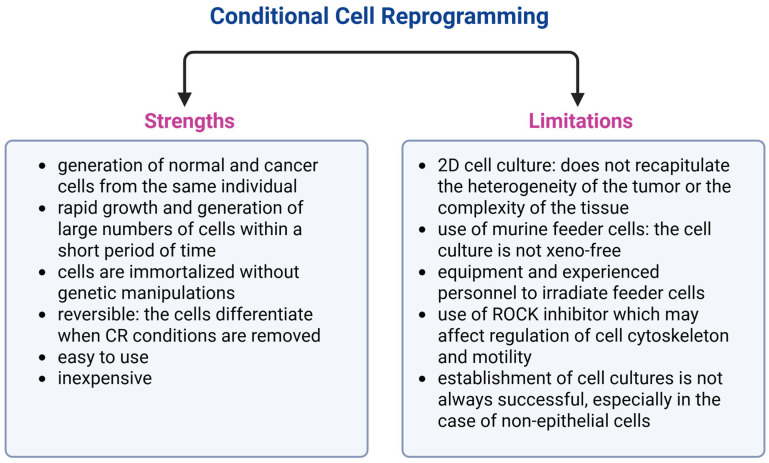
“Two-dimensional cell lines do not recapitulate the interconnection and interactivity of tumor microenvironment [20] and do not correctly reflect tumor complexity [21].”
What's wrong with our cancer models?
Kamb, A. (2005) · Nature Reviews Drug Discovery · doi:10.1038/nrd1635 · Cited by 335 · cited 1×
“Importantly, cell lines kept in the laboratories for many passages accumulate various mutations, as well as karyotype and phenotype changes, and they do not resemble (genetically, physiologically, metabolically, etc.) the original cell line/tissue they were collected from anymore [6,22–25].”
Use and properties of ROCK-specific inhibitor Y-27632
Narumiya, S., Ishizaki, T., & Ufhata, M. (2000) · Methods in Enzymology · doi:10.1016/s0076-6879(00)25449-9 · Cited by 331 · cited 1×
“Irra-diated Irra-diated feeder cells and Y-27632 ROCK inhibitor stimulate cell proliferation by hTERT gene induction and increasing telomerase activity, as well as by cytoskeleton remodeling and deregulation of p16/Rb (retinoblastoma protein) pathway, respectively [38,42,45,66,70,71].”
Human keratinocytes are efficiently immortalized by a Rho kinase inhibitor
Chapman, S., Liu, X., Meyers, C., Schlegel, R., & McBride, A. A. (2010) · Journal of Clinical Investigation · doi:10.1172/jci42297 · Cited by 315 · cited 2×
“Irra-diated Irra-diated feeder cells and Y-27632 ROCK inhibitor stimulate cell proliferation by hTERT gene induction and increasing telomerase activity, as well as by cytoskeleton remodeling and deregulation of p16/Rb (retinoblastoma protein) pathway, respectively [38,42,45,66,70,71].”
The ethics of animal research: Talking Point on the use of animals in scientific research
Festing, S., & Wilkinson, R. (2007) · EMBO reports · doi:10.1038/sj.embor.7400993 · Cited by 312 · cited 1×
“…commercially available, can be cultivated in laboratories at a relatively low cost, are easy to use, and usually no ethical concerns (in contrast to the problems associated with experimental animals use [10]) are associated with them (with the notable exception of human embryonal cell lines [11]).”
Clinical and Biological Features of Neuroendocrine Prostate Cancer
Yamada, Y., & Beltran, H. (2021) · Current Oncology Reports · doi:10.1007/s11912-020-01003-9 · Cited by 305 · cited 1×
“It is an extremely aggressive disease, with its mechanisms not very well known because of lack of adequate models in vitro [167].”
Conditional reprogramming and long-term expansion of normal and tumor cells from human biospecimens
Liu, X., Krawczyk, E., Suprynowicz, F. A., Palechor-Ceron, N., Yuan, H., Dakic, A., Simic, V., Zheng, Y.-L., Sripadhan, P., Chen, C., et al. (2017) · Nature Protocols · doi:10.1038/nprot.2016.174 · Cited by 299
Self-citationConditionally reprogrammed cells represent a stem-like state of adult epithelial cells
Suprynowicz, F. A., Upadhyay, G., Krawczyk, E., Kramer, S. C., Hebert, J. D., Liu, X., Yuan, H., Cheluvaraju, C., Clapp, P. W., Boucher, R. C., et al. (2012) · Proceedings of the National Academy of Sciences · doi:10.1073/pnas.1213241109 · Cited by 291 · cited 5×
“They also show a decreased Notch signaling and an increased level of nuclear β -catenin [48,52].”
InfluentialSelf-citationCell line misidentification: the beginning of the end
American Type Culture Collection Standards Development Organization Workgroup ASN-0002 (2010) · Nature Reviews Cancer · doi:10.1038/nrc2852 · Cited by 266
Phosphoinositide 3-Kinase Signaling to Akt Promotes Keratinocyte Differentiation Versus Death
Calautti, E., Li, J., Saoncella, S., Brissette, J. L., & Goetinck, P. F. (2005) · Journal of Biological Chemistry · doi:10.1074/jbc.m506119200 · Cited by 217 · cited 1×
“Irra-diated 3T3-J2 mouse fibroblasts activate EGFR, VEGFR, HGF, and HER2 receptors [74], subsequently affecting the STAT, MAPK, and PI3K/AKT signaling pathways [75].”
False leukemia–lymphoma cell lines: an update on over 500 cell lines
Drexler, H. G., Dirks, W. G., Matsuo, Y., & MacLeod, R. A. F. (2003) · Leukemia · doi:10.1038/sj.leu.2402799 · Cited by 202 · cited 1×
“…on 2D cell lines is further jeopardized by cross-contaminations, misidentification, and misla-beling of cells used in laboratories on a daily basis [27–32], and it has to be emphasized that cell lines should be frequently authenticated to make sure that the experiments are performed using the…”
Precision Oncology: The Road Ahead
Senft, D., Leiserson, M. D. M., Ruppin, E., & Ronai, Z. A. (2017) · Trends in Molecular Medicine · doi:10.1016/j.molmed.2017.08.003 · Cited by 195 · cited 1×
“Deemed a “valuable” model for precision oncology [4], “high-quality laboratory model” [37], “new generation functional diagnostic” [40], and “exciting technological development” [12], the CCR technology became a “major breakthrough system that enables generation of the first inexhaustible…”
3D Bioprinted cancer models: Revolutionizing personalized cancer therapy
Augustine, R., Kalva, S. N., Ahmad, R., Zahid, A. A., Hasan, S., Nayeem, A., McClements, L., & Hasan, A. (2021) · Translational Oncology · doi:10.1016/j.tranon.2021.101015 · Cited by 195
Primary Patient-Derived Cancer Cells and Their Potential for Personalized Cancer Patient Care
Kodack, D. P., Farago, A. F., Dastur, A., Held, M. A., Dardaei, L., Friboulet, L., von Flotow, F., Damon, L. J., Lee, D., Parks, M., et al. (2017) · Cell Reports · doi:10.1016/j.celrep.2017.11.051 · Cited by 193
Rapid reprogramming of epigenetic and transcriptional profiles in mammalian culture systems
Nestor, C. E., Ottaviano, R., Reinhardt, D., Cruickshanks, H. A., Mjoseng, H. K., McPherson, R. C., Lentini, A., Thomson, J. P., Dunican, D. S., Pennings, S., et al. (2015) · Genome Biology · doi:10.1186/s13059-014-0576-y · Cited by 173 · cited 1×
“Importantly, cell lines kept in the laboratories for many passages accumulate various mutations, as well as karyotype and phenotype changes, and they do not resemble (genetically, physiologically, metabolically, etc.) the original cell line/tissue they were collected from anymore [6,22–25].”
Use of Reprogrammed Cells to Identify Therapy for Respiratory Papillomatosis
Yuan, H., Myers, S., Wang, J., Zhou, D., Woo, J. A., Kallakury, B., Ju, A., Bazylewicz, M., Carter, Y. M., Albanese, C., et al. (2012) · New England Journal of Medicine · doi:10.1056/nejmoa1203055 · Cited by 169
Persistent use of “false” cell lines
Lacroix, M. (2008) · International Journal of Cancer · doi:10.1002/ijc.23233 · Cited by 151
A Beginner’s Guide to Cell Culture: Practical Advice for Preventing Needless Problems
Weiskirchen, S., Schröder, S. K., Buhl, E. M., & Weiskirchen, R. (2023) · Cells · doi:10.3390/cells12050682 · Cited by 148
Pharmacological Rescue of Conditionally Reprogrammed Cystic Fibrosis Bronchial Epithelial Cells
Gentzsch, M., Boyles, S. E., Cheluvaraju, C., Chaudhry, I. G., Quinney, N. L., Cho, C., Dang, H., Liu, X., Schlegel, R., & Randell, S. H. (2017) · American Journal of Respiratory Cell and Molecular Biology · doi:10.1165/rcmb.2016-0276ma · Cited by 145 · cited 1×
“…CR cultures are being used in other areas, such as virology [69,124–130], airway disorders and functions [131–138], asthma and cystic fibrosis [139,140], reproductive tract functions and diseases [141–144], kidney injury [145], regenerative medicine [146], studies on cell proliferation…”
Ye, F., Chen, C., Qin, J., Liu, J., & Zheng, C. (2015) · The FASEB Journal · doi:10.1096/fj.14-266718 · Cited by 144
Extracellular matrix proteins of human epidermal keratinocytes and feeder 3T3 cells.
Alitalo, K., Kuismanen, E., Myllylä, R., Kiistala, U., Asko-Seljavaara, S., & Vaheri, A. (1982) · The Journal of cell biology · doi:10.1083/jcb.94.3.497 · Cited by 140 · cited 1×
“Moreover, irradiated feeders enable attachment of CR cells by producing extracellular matrix proteins, such as laminins, glycoproteins, and collagen [76].”
Updates in the classification of ependymal neoplasms: The 2021 WHO Classification and beyond
Kresbach, C., Neyazi, S., & Schüller, U. (2022) · Brain Pathology · doi:10.1111/bpa.13068 · Cited by 125 · cited 1×
“Because of their rarity, there are no sufficient preclinical models available [170].”
Palechor-Ceron, N., Suprynowicz, F. A., Upadhyay, G., Dakic, A., Minas, T., Simic, V., Johnson, M., Albanese, C., Schlegel, R., & Liu, X. (2013) · The American Journal of Pathology · doi:10.1016/j.ajpath.2013.08.009 · Cited by 120
Stem Cells: A Historical Review about Biological, Religious, and Ethical Issues
Charitos, I. A., Ballini, A., Cantore, S., Boccellino, M., Domenico, M. D., Borsani, E., Nocini, R., Cosola, M. D., Santacroce, L., & Bottalico, L. (2021) · Stem Cells International · doi:10.1155/2021/9978837 · Cited by 115 · cited 1×
“…commercially available, can be cultivated in laboratories at a relatively low cost, are easy to use, and usually no ethical concerns (in contrast to the problems associated with experimental animals use [10]) are associated with them (with the notable exception of human embryonal cell lines [11]).”
Rare cancers: a sea of opportunity
Boyd, N., Dancey, J. E., Gilks, C. B., & Huntsman, D. D. (2016) · The Lancet Oncology · doi:10.1016/s1470-2045(15)00386-1 · Cited by 114 · cited 2×
“The main challenges of the burden of rare cancers are insufficient patient numbers and therefore difficulty in establishment of clinical trials for potential drugs, and, consequently, inadequate numbers of effective therapies and poor disease prognosis for patients [33,36].”
Aljitawi, O. S., Li, D., Xiao, Y., Zhang, D., Ramachandran, K., Stehno-Bittel, L., Van Veldhuizen, P., Lin, T. L., Kambhampati, S., & Garimella, R. (2014) · Leukemia & Lymphoma · doi:10.3109/10428194.2013.793323 · Cited by 112
Hollevoet, K., Mason‐Osann, E., Liu, X., Imhof-Jung, S., Niederfellner, G. J., & Pastan, I. H. (2014) · Molecular Cancer Therapeutics · doi:10.1158/1535-7163.mct-14-0089-t · Cited by 106 · cited 1×
“Conditionally reprogrammed cells have also been used in digestive system oncology [113], including gastrointestinal cancer [114], colorectal cancer [115–117], pancreatic carcinoma [118–120], hepatocellular carcinoma, and other liver diseases [121–123].”
Tian, X., Zhou, D., Chen, L., Tian, Y., Zhong, B., Cao, Y., Dong, Q., Zhou, M., Yan, J. Y., Wang, Y., et al. (2018) · Cell Death and Disease · doi:10.1038/s41419-017-0088-2 · Cited by 101 · cited 1×
“Hence, there is an urgent need for the development of preclinical neuroblastoma models facilitating preclinical evaluations of potential therapies, especially for therapies effective against disease initiation and metastasis [152–154].”
Long-term differentiating primary human airway epithelial cell cultures: how far are we?
Bukowy‐Bieryłło, Z. (2021) · Cell Communication and Signaling · doi:10.1186/s12964-021-00740-z · Cited by 98 · cited 1×
“Besides cancer research, CR cultures are being used in other areas, such as virology [69,124–130], airway disorders and functions [131–138], asthma and cystic fibrosis [139,140], reproductive tract functions and diseases [141–144], kidney injury [145], regenerative medicine [146], studies on cell…”
JI, H., TANG, H., LIN, H., MAO, J., GAO, L., LIU, J., & WU, T. (2014) · Biomedical Reports · doi:10.3892/br.2014.323 · Cited by 98 · cited 1×
“It is also involved in regulating cell differentiation by interference with the TGF-β /SMAD pathway [73].”
Martinovich, K. M., Iosifidis, T., Buckley, A. G., Looi, K., Ling, K.-M., Sutanto, E. N., Kicic-Starcevich, E., Garratt, L. W., Shaw, N. C., Montgomery, S., et al. (2017) · Scientific Reports · doi:10.1038/s41598-017-17952-4 · Cited by 96 · cited 1×
“…CR cultures are being used in other areas, such as virology [69,124–130], airway disorders and functions [131–138], asthma and cystic fibrosis [139,140], reproductive tract functions and diseases [141–144], kidney injury [145], regenerative medicine [146], studies on cell proliferation…”
Saeed, K., Rahkama, V., Eldfors, S., Bychkov, D., Mpindi, J. P., Yadav, B., Paavolainen, L., Aittokallio, T., Heckman, C., Wennerberg, K., et al. (2017) · European Urology · doi:10.1016/j.eururo.2016.04.019 · Cited by 89
Conditional Reprogramming for Patient-Derived Cancer Models and Next-Generation Living Biobanks
Palechor-Ceron, N., Krawczyk, E., Dakic, A., Simić, V., Yuan, H., Blancato, J. K., Wang, W., Hubbard, F. A., Zheng, Y., Dan, H., et al. (2019) · Cells · doi:10.3390/cells8111327 · Cited by 85 · cited 8×
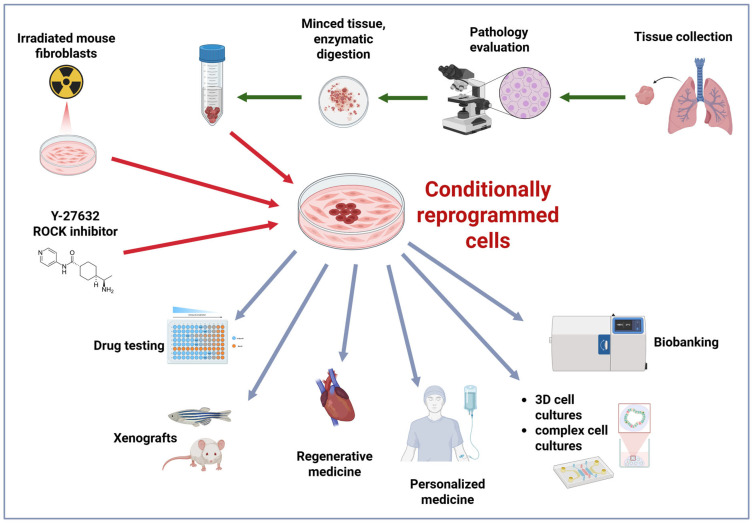
“Generated cell lines can be cultivated in the laboratory for numerous passages without accumulation of chromosomal [15] or genetic changes [65], subsequently biobanked [15], and used for a variety of applications [42,66] (Figure 1).”
InfluentialSelf-citationYu, W., Biyik‐Sit, R., Uzun, Y., Chen, C.-H., Thadi, A., Sussman, J., Pang, M., Wu, C.-Y., Grossmann, L. D., Gao, P., et al. (2025) · Nature Genetics · doi:10.1038/s41588-025-02158-6 · Cited by 79 · cited 1×
“…RNA sequencing and bulk whole-genome sequencing [162,163], multiomic detection of cellular and molecular interactions of cells within the neuroblastoma tumor for potential use of immunotherapies [164,165], as well as 3D in vitro models for neuroblastoma microenvironment studies [166].”
An ecosystem of cancer cell line factories to support a cancer dependency map
Boehm, J. S., & Golub, T. R. (2015) · Nature Reviews Genetics · doi:10.1038/nrg3967 · Cited by 72 · cited 2×
“…precision oncology [4], “high-quality laboratory model” [37], “new generation functional diagnostic” [40], and “exciting technological development” [12], the CCR technology became a “major breakthrough system that enables generation of the first inexhaustible patient-specific biobank of primary…”
Parasido, E., Avetian, G. S., Naeem, A., Graham, G. T., Pishvaian, M. J., Glasgow, E. F., Mudambi, S., Lee, Y., Ihemelandu, C. U., Choudhry, M. U., et al. (2019) · Molecular Cancer Research · doi:10.1158/1541-7786.mcr-19-0191 · Cited by 72 · cited 1×
“Conditionally reprogrammed cells have also been used in digestive system oncology [113], including gastrointestinal cancer [114], colorectal cancer [115–117], pancreatic carcinoma [118–120], hepatocellular carcinoma, and other liver diseases [121–123].”
Chromosomal instability and its effect on cell lines
He, Z., Wilson, A., Rich, F. J., Kenwright, D., Stevens, A. J., Low, Y. S., & Thunders, M. C. (2023) · Cancer Reports · doi:10.1002/cnr2.1822 · Cited by 68 · cited 1×
“Importantly, cell lines kept in the laboratories for many passages accumulate various mutations, as well as karyotype and phenotype changes, and they do not resemble (genetically, physiologically, metabolically, etc.) the original cell line/tissue they were collected from anymore [6,22–25].”
Chalak, M., Hesaraki, M., Mirbahari, S. N., Yeganeh, M., Abdi, S., Rajabi, S., & Hemmatzadeh, F. (2024) · Life · doi:10.3390/life14030417 · Cited by 66 · cited 1×
“Conventional methods used for immortalization of primary cells include introduction of viral genes (SV40 virus large T antigen, HPV E6/E7 oncoproteins), overexpression of hTERT and other genes, and induction of pluripotent stem cells (iPSc) [53–55].”
Timofeeva, O. A., Palechor-Ceron, N., Li, G., Yuan, H., Krawczyk, E., Zhong, X., Liu, G., Upadhyay, G., Dakic, A., Yu, S., et al. (2017) · Oncotarget · doi:10.18632/oncotarget.13937 · Cited by 65 · cited 4×
“For example, prostate cancer CR cells, in contrast to normal prostate cells, form tumors in SCID mice, thus providing a new functional platform to study prostate cancer [38,49].”
InfluentialSelf-citationPeters-Hall, J. R., Coquelin, M. L., Torres, M. J., LaRanger, R., Alabi, B. R., Sho, S., Calva-Moreno, J. F., Thomas, P. J., & Shay, J. W. (2018) · American Journal of Physiology-Lung Cellular and Molecular Physiology · doi:10.1152/ajplung.00355.2017 · Cited by 64
Conditional reprogramming: next generation cell culture
Wu, X., Wang, S., Li, M., Li, J., Shen, J., Zhao, Y., Pang, J., Wen, Q., Chen, M., Wei, B., et al. (2020) · Acta Pharmaceutica Sinica B · doi:10.1016/j.apsb.2020.01.011 · Cited by 61 · cited 4×
“Irra-diated Irra-diated feeder cells and Y-27632 ROCK inhibitor stimulate cell proliferation by hTERT gene induction and increasing telomerase activity, as well as by cytoskeleton remodeling and deregulation of p16/Rb (retinoblastoma protein) pathway, respectively [38,42,45,66,70,71].”
InfluentialBeglyarova, N., Banina, E., Zhou, Y., Mukhamadeeva, R., Andrianov, G., Bobrov, E., Lysenko, E., Skobeleva, N., Gabitova, L., Restifo, D., et al. (2016) · Clinical Cancer Research · doi:10.1158/1078-0432.ccr-16-0149 · Cited by 61
Panaccione, A., Chang, M. T., Carbone, B. E., Guo, Y. P., Moskaluk, C. A., Virk, R. K., Chiriboga, L. A., Prasad, M. L., Judson, B. L., Mehra, S., et al. (2016) · Clinical Cancer Research · doi:10.1158/1078-0432.ccr-15-2208 · Cited by 58 · cited 1×
“Establishment of six ACC conditionally reprogrammed cell lines (1 from primary tumor and 5 from xenografts) has been described [159].”
Yugawa, T., Nishino, K., Ohno, S.-I., Nakahara, T., Fujita, M., Goshima, N., Umezawa, A., & Kiyono, T. (2013) · Molecular and Cellular Biology · doi:10.1128/mcb.00577-13 · Cited by 56 · cited 1×
“Thus, the necessary conditions for conditional cell reprogramming require a collective activity of Y-27632 ROCK inhibitor and irradiated feeder cells [79,80].”
Roberts, N., Mubarak, R. A., Francisco, D., Kraft, M., & Chu, H. W. (2018) · Clinical and Translational Medicine · doi:10.1186/s40169-018-0189-2 · Cited by 52
Emerging Opportunities for Target Discovery in Rare Cancers
Sharifnia, T., Hong, A. L., Painter, C. A., & Boehm, J. S. (2017) · Cell Chemical Biology · doi:10.1016/j.chembiol.2017.08.002 · Cited by 51 · cited 2×
“Thus, designing and developing new disease models, including two-dimensional in vitro models, becomes crucial for rare and unique malignancies [34–37].”
Chen, C., Choudhury, S., Wangsa, D., Lescott, C. J., Wilkins, D. J., Sripadhan, P., Liu, X., Wangsa, D., Ried, T., Moskaluk, C. A., et al. (2017) · Scientific Reports · doi:10.1038/s41598-017-11764-2 · Cited by 51 · cited 3×
“** ACC medium consists of CR medium supplemented with noggin, SB202190, rhFGF, CHIR-99021 and Wnt-3a [84].”
Jin, L., Qu, Y., Gomez, L. J., Chung, S., Han, B., Gao, B., Yue, Y., Gong, Y., Liu, X., Amersi, F. F., et al. (2017) · Oncotarget · doi:10.18632/oncotarget.23817 · Cited by 50 · cited 1×
“…airway disorders and functions [131–138], asthma and cystic fibrosis [139,140], reproductive tract functions and diseases [141–144], kidney injury [145], regenerative medicine [146], studies on cell proliferation [46,47,52,71,147,148], and development of new diagnostic assays and therapies [149].”
Xia, S., Wu, M. T., Chen, S., Zhang, T., Ye, L., Liu, J., & Li, H. (2020) · Virologica Sinica · doi:10.1007/s12250-020-00253-y · Cited by 49 · cited 2×
“…airway disorders and functions [131–138], asthma and cystic fibrosis [139,140], reproductive tract functions and diseases [141–144], kidney injury [145], regenerative medicine [146], studies on cell proliferation [46,47,52,71,147,148], and development of new diagnostic assays and therapies [149].”
Human ex vivo 3D bone model recapitulates osteocyte response to metastatic prostate cancer
Choudhary, S., Ramasundaram, P., Dziopa, E., Mannion, C. M., Kissin, Y., Tricoli, L., Albanese, C., Lee, W., & Zilberberg, J. (2018) · Scientific Reports · doi:10.1038/s41598-018-36424-x · Cited by 46
HPV positive neuroendocrine cervical cancer cells are dependent on Myc but not E6/E7 viral oncogenes
Yuan, H., Krawczyk, E., Blancato, J. K., Albanese, C., Zhou, D., Wang, N., Paul, S., Alkhilaiwi, F., Palechor-Ceron, N., Dakic, A., et al. (2017) · Scientific Reports · doi:10.1038/srep45617 · Cited by 46 · cited 3×
“In some cases, the CCR method is optimized, i.e., modified depending on specific in vitro culture requirements of the particular cell line [39,59,60].”
Self-citationGrossmann, L. D., Chen, C.-H., Uzun, Y., Thadi, A., Wolpaw, A. J., Louault, K., Goldstein, Y., Surrey, L. F., Martínez, D., Calafatti, M., et al. (2024) · Cancer Discovery · doi:10.1158/2159-8290.cd-24-0046 · Cited by 45 · cited 1×
“…include identification of residual malignant persister cells in tumor samples using single-nucleus RNA sequencing and bulk whole-genome sequencing [162,163], multiomic detection of cellular and molecular interactions of cells within the neuroblastoma tumor for potential use of immunotherapies…”
ROCK inhibitor reduces Myc-induced apoptosis and mediates immortalization of human keratinocytes
Dakic, A., DiVito, K. A., Fang, S., Suprynowicz, F. A., Gaur, A., Li, X., Palechor-Ceron, N., Simić, V., Choudhury, S., Yu, S., et al. (2016) · Oncotarget · doi:10.18632/oncotarget.11458 · Cited by 44 · cited 3×
“The conditionally reprogrammed (CR) cells are immortalized not by genetic manipulations, but by application of a cell culture medium containing Y-27632, a Rho-kinase (ROCK) inhibitor [44–46], and co-culture with irradiated Swiss-3T3-J2 murine fibroblasts (feeder cells) [47].”
Novelli, G., Spitalieri, P., Murdocca, M., Centanini, E., & Sangiuolo, F. (2023) · Frontiers in Cell and Developmental Biology · doi:10.3389/fcell.2022.1059579 · Cited by 43
Ringer, L., Sirajuddin, P., Tricoli, L., Waye, S. E., Choudhry, M. U., Parasido, E., Sivakumar, A., Heckler, M. M., Naeem, A., Abdelgawad, I. A., et al. (2014) · Oncotarget · doi:10.18632/oncotarget.2528 · Cited by 42 · cited 1×
“CR cells have been used in research on breast cancer [61,85–89], prostate cancer [49,58,90–97], head, neck and salivary gland cancers [15,50,98,99], various urological cancers [62,64,100–104], melanoma [105], cervical cancer [106], and lung and respiratory tract cancers [81,107–111], although it…”
Kettunen, K., Boström, P. J., Lamminen, T., Heinosalo, T., West, G., Saarinen, I., Kaipio, K., Rantala, J., Albanese, C., POUTANEN, M. H., et al. (2019) · European Urology · doi:10.1016/j.eururo.2019.06.016 · Cited by 42
Patient-derived conditionally reprogrammed cells maintain intra-tumor genetic heterogeneity
Corrêa, B., Hu, J., Penalva, L. O. F., Schlegel, R., Rimm, D. L., Galante, P. A. F., & Agarwal, S. (2018) · Scientific Reports · doi:10.1038/s41598-018-22427-1 · Cited by 41 · cited 2×
“…the morphology and histologic characteristics of the tumor of origin after inoculation into immunodeficient mice [15]; and non-small cell lung cancers cells as well as breast cancer cells generated using CCR technology faithfully maintained the molecular characteristics of original tumors [65,81].”
Neuroblastoma: Emerging trends in pathogenesis, diagnosis, and therapeutic targets
Katta, S. S., Nagati, V., Paturi, A. S. V., Murakonda, S. P., Murakonda, A. B., Pandey, M. K., Gupta, S. C., Pasupulati, A. K., & Challagundla, K. B. (2023) · Journal of Controlled Release · doi:10.1016/j.jconrel.2023.04.001 · Cited by 38 · cited 1×
“…non-coding RNA, targeting cancer stem cells and epithelial-to-mesenchymal transition (EMT), various monoclonal antibodies, a combination of chemotherapeutic agents and developmental retinoids, as well as numerous types of drug delivery strategies constitute new promising therapeutic options [151].”
Generation of stable PDX derived cell lines using conditional reprogramming
Borodovsky, A., McQuiston, T. J., Stetson, D., Ahmed, A., Whitston, D., Zhang, J., Grondine, M., Lawson, D., Challberg, S. S., Zinda, M., et al. (2017) · Molecular Cancer · doi:10.1186/s12943-017-0745-1 · Cited by 38 · cited 3×
“As shown in Figure 1 and described previously in detail [39], the procedure requires collection of patient tissue, including clinical biopsies [61], patient-derived xenografts (PDXs) [62,63], or liquid tissue samples, such as urine [64].”
Simbulan-Rosenthal, C. M., Dougherty, R., Vakili, S., Ferraro, A., Kuo, L., Alobaidi, R., Aljehane, L., Gaur, A., Sykora, P., Glasgow, E. F., et al. (2019) · Cancers · doi:10.3390/cancers11101490 · Cited by 36 · cited 1×
“…prostate cancer [49,58,90–97], head, neck and salivary gland cancers [15,50,98,99], various urological cancers [62,64,100–104], melanoma [105], cervical cancer [106], and lung and respiratory tract cancers [81,107–111], although it has to be noted that the attempts of using CCR…”
The Transformative Role of 3D Culture Models in Triple-Negative Breast Cancer Research
Bittman-Soto, X. S., Thomas, E. S., Ganshert, M., Mendez‐Santacruz, L. L., & Harrell, J. C. (2024) · Cancers · doi:10.3390/cancers16101859 · Cited by 35 · cited 1×
“Two-dimensional cell lines do not recapitulate the interconnection and interactivity of tumor microenvironment [20] and do not correctly reflect tumor complexity [21].”
Mondal, A. M., Zhou, H., Horikawa, I., Suprynowicz, F. A., Li, G., Dakic, A., Rosenthal, B., Ye, L., Harris, C. C., Schlegel, R., et al. (2018) · Cell Death & Disease · doi:10.1038/s41419-018-0767-7 · Cited by 34
Sáenz, F., Ory, V., AlOtaiby, M., Rosenfield, S. M., Furlong, M., Cavalli, L. R., Johnson, M. D., Liu, X., Schlegel, R., Wellstein, A., et al. (2014) · PLoS ONE · doi:10.1371/journal.pone.0097666 · Cited by 34 · cited 1×
“The cells are reprogrammed to the phenotype of adult stem cells [51].”
Expansion of airway basal epithelial cells from primary human non‐small cell lung cancer tumors
Hynds, R. E., Aïssa, A. B., Gowers, K. H. C., Watkins, T. B. K., Bosshard‐Carter, L., Rowan, A., Veeriah, S., Wilson, G. A., Quezada, S. A., Swanton, C., et al. (2018) · International Journal of Cancer · doi:10.1002/ijc.31383 · Cited by 34 · cited 1×
“…cancers [15,50,98,99], various urological cancers [62,64,100–104], melanoma [105], cervical cancer [106], and lung and respiratory tract cancers [81,107–111], although it has to be noted that the attempts of using CCR technology for lung and pharyngeal cancer samples were not always successful…”
Mahajan, A., Sugita, B. M., Duttargi, A., Sáenz, F., Krawczyk, E., McCutcheon, J. N., Fonseca, A. S., Kallakury, B., Pohlmann, P. R., Gusev, Y., et al. (2017) · PLoS ONE · doi:10.1371/journal.pone.0186190 · Cited by 32 · cited 2×
“…the morphology and histologic characteristics of the tumor of origin after inoculation into immunodeficient mice [15]; and non-small cell lung cancers cells as well as breast cancer cells generated using CCR technology faithfully maintained the molecular characteristics of original tumors [65,81].”
Self-citationCi, X., Hao, J., Dong, X., Xue, H., Wu, R., Choi, S. Y. C., Haegert, A. M., Collins, C. C., Liu, X., Lin, D., et al. (2020) · Cells · doi:10.3390/cells9061398 · Cited by 30
Kondo, T. (2021) · Cancer Science · doi:10.1111/cas.14669 · Cited by 30 · cited 1×
“The main challenges of the burden of rare cancers are insufficient patient numbers and therefore difficulty in establishment of clinical trials for potential drugs, and, consequently, inadequate numbers of effective therapies and poor disease prognosis for patients [33,36].”
Conditional reprogramming culture conditions facilitate growth of lower-grade glioma models
Yuan, M., White, D., Resar, L., Bar, E., Groves, M., Cohen, A., Jackson, E., Bynum, J., Rubens, J., Mumm, J., et al. (2021) · Neuro-Oncology · doi:10.1093/neuonc/noaa263 · Cited by 29 · cited 3×
“Among them were anaplastic pleomorphic xanthoastrocytoma (this CR cell line forms orthotopic tumors in nude mice); anaplastic gliomas grade III and III/IV; gangliogliomas grade I and III; low grade neuroepithelial tumors; and low-grade gliomas with pilomyxoid and ependymal features [156].”
InfluentialAlamri, A. M., Liu, X., Blancato, J. K., Haddad, B. R., Wang, W., Zhong, X., Choudhary, S., Krawczyk, E., Kallakury, B., Davidson, B. J., et al. (2018) · Disease Models & Mechanisms · doi:10.1242/dmm.031716 · Cited by 29 · cited 2×
“Conditionally reprogrammed cancer cells form tumors when injected into adequate mouse model [15,38,49,50].”
Self-citationNeuropeptide Y/Y5 Receptor Pathway Stimulates Neuroblastoma Cell Motility Through RhoA Activation
Abualsaud, N., Caprio, L., Galli, S., Krawczyk, E., Alamri, L. A., Zhu, S., Gallicano, G. I., & Kitlinska, J. B. (2021) · Frontiers in Cell and Developmental Biology · doi:10.3389/fcell.2020.627090 · Cited by 29 · cited 2×
“Passaged for numerous passages and biobanked, neuroblastoma CR cells were subsequently utilized to discover the role of neuropeptide Y receptor in neuroblastoma cell motility [83], as well as tested for their ability to grow in 3D cell culture settings [82].”
Self-citationKim, B., Nam, S. W., Min, B. S., Ban, H. S., Paik, S., Lee, K., Im, J., Lee, Y., Park, J.-T., Kim, S., et al. (2018) · British Journal of Cancer · doi:10.1038/s41416-018-0289-1 · Cited by 28 · cited 1×
“Conditionally reprogrammed cells have also been used in digestive system oncology [113], including gastrointestinal cancer [114], colorectal cancer [115–117], pancreatic carcinoma [118–120], hepatocellular carcinoma, and other liver diseases [121–123].”
Sette, G., Salvati, V., Giordani, I., Pilozzi, E., Quacquarini, D., Duranti, E., Nicola, F. D., Pallocca, M., Fanciulli, M., Falchi, M., et al. (2018) · International Journal of Cancer · doi:10.1002/ijc.31260 · Cited by 28 · cited 1×
“…[15,50,98,99], various urological cancers [62,64,100–104], melanoma [105], cervical cancer [106], and lung and respiratory tract cancers [81,107–111], although it has to be noted that the attempts of using CCR technology for lung and pharyngeal cancer samples were not always successful [56,57,112].”
Cell-based drug testing; this world is not flat
Grainger, D. W. (2014) · Advanced Drug Delivery Reviews · doi:10.1016/j.addr.2014.04.001 · Cited by 27 · cited 1×
“They are normally used as monolayers in two-dimensional settings; hence, they do not represent the structure of the tissue (or the cancer) they were collected from [17,18].”
Piltti, J., Varjosalo, M. T., Qu, C., Häyrinen, J., & Lammi, M. J. (2015) · PROTEOMICS · doi:10.1002/pmic.201400417 · Cited by 27 · cited 2×
“…airway disorders and functions [131–138], asthma and cystic fibrosis [139,140], reproductive tract functions and diseases [141–144], kidney injury [145], regenerative medicine [146], studies on cell proliferation [46,47,52,71,147,148], and development of new diagnostic assays and therapies [149].”
Gao, B., Huang, C., Kernstine, K. H., Pelekanou, V., Kluger, Y., Jiang, T., Peters‐Hall, J. R., Coquelin, M. L., Girard, L., Zhang, W., et al. (2016) · Oncotarget · doi:10.18632/oncotarget.14366 · Cited by 26 · cited 2×
“…[15,50,98,99], various urological cancers [62,64,100–104], melanoma [105], cervical cancer [106], and lung and respiratory tract cancers [81,107–111], although it has to be noted that the attempts of using CCR technology for lung and pharyngeal cancer samples were not always successful [56,57,112].”
Su, S., Poto, C. D., Roy, R., Liu, X., Cui, W., Kroemer, A., & Ressom, H. W. (2019) · Experimental Biology and Medicine · doi:10.1177/1535370219855398 · Cited by 25 · cited 1×
“Conditionally reprogrammed cells have also been used in digestive system oncology [113], including gastrointestinal cancer [114], colorectal cancer [115–117], pancreatic carcinoma [118–120], hepatocellular carcinoma, and other liver diseases [121–123].”
Yu, F., Lu, Y., Tao, L., Jiang, Y., Lin, D., Wang, L., Petersson, F., Yoshiyama, H., Koeffler, H. P., Goh, B.-C., et al. (2017) · Scientific Reports · doi:10.1038/s41598-017-17628-z · Cited by 25
Liu, X., Wu, Y., & Rong, L. (2020) · Virologica Sinica · doi:10.1007/s12250-020-00244-z · Cited by 24
Murine models for experimental therapy of pediatric solid tumors with poor prognosis
Beltinger, C. P., & Debatin, K. (2001) · International Journal of Cancer · doi:10.1002/ijc.1210 · Cited by 24 · cited 1×
“Thus, designing and developing new disease models, including two-dimensional in vitro models, becomes crucial for rare and unique malignancies [34–37].”
Developing in vitro models of human ductal carcinoma in situ from primary tissue explants
Brown, D. D., Dabbs, D. J., Lee, A. V., McGuire, K. P., Ahrendt, G. M., Bhargava, R., Davidson, N. E., Brufsky, A., Johnson, R. R., Oesterreich, S., et al. (2015) · Breast Cancer Research and Treatment · doi:10.1007/s10549-015-3551-8 · Cited by 24
Primary cancer cell culture: mammary-optimized vs conditional reprogramming
Alamri, A. M., Kang, K., Groeneveld, S., Wang, W., Zhong, X., Kallakury, B., Hennighausen, L. G., Liu, X., & Furth, P. A. (2016) · Endocrine Related Cancer · doi:10.1530/erc-16-0071 · Cited by 23 · cited 1×
“CR cells have been used in research on breast cancer [61,85–89], prostate cancer [49,58,90–97], head, neck and salivary gland cancers [15,50,98,99], various urological cancers [62,64,100–104], melanoma [105], cervical cancer [106], and lung and respiratory tract cancers [81,107–111], although it…”
Suprynowicz, F. A., Kamonjoh, C. M., Krawczyk, E., Agarwal, S., Wellstein, A., Agboke, F. A., Choudhury, S., Liu, X., & Schlegel, R. (2017) · PLoS ONE · doi:10.1371/journal.pone.0180897 · Cited by 23
Self-citationMultifactorial Analysis of Conditional Reprogramming of Human Keratinocytes
Ligaba, S. B., Khurana, A., Graham, G., Krawczyk, E., Jablonski, S., Petricoin, E. F., Glazer, R. I., & Upadhyay, G. (2015) · PLOS ONE · doi:10.1371/journal.pone.0116755 · Cited by 22 · cited 4×
“…airway disorders and functions [131–138], asthma and cystic fibrosis [139,140], reproductive tract functions and diseases [141–144], kidney injury [145], regenerative medicine [146], studies on cell proliferation [46,47,52,71,147,148], and development of new diagnostic assays and therapies [149].”
InfluentialSelf-citationKolb, E. A., Houghton, P. J., Kurmasheva, R. T., Mossé, Y. P., Maris, J. M., Erickson, S. W., Guo, Y., Teicher, B. A., Smith, M. A., & Gorlick, R. G. (2020) · Pediatric Blood & Cancer · doi:10.1002/pbc.28098 · Cited by 22
Fidelity of a PDX-CR model for bladder cancer
Mondal, A. M., Ma, A., Li, G., Krawczyk, E., Yuan, R., Lu, J., Schlegel, R., Stamatakis, L., Kowalczyk, K. J., Philips, G. K., et al. (2019) · Biochemical and Biophysical Research Communications · doi:10.1016/j.bbrc.2019.06.165 · Cited by 22 · cited 4×
“As shown in Figure 1 and described previously in detail [39], the procedure requires collection of patient tissue, including clinical biopsies [61], patient-derived xenografts (PDXs) [62,63], or liquid tissue samples, such as urine [64].”
InfluentialSelf-citationSaffari, P. S., Vapniarsky, N., Pollack, A. S., Gong, X., Vennam, S., Pollack, A. J., Verstraete, F. J. Μ., West, R. B., Arzi, B., & Pollack, J. R. (2019) · Oncogenesis · doi:10.1038/s41389-019-0119-1 · Cited by 21 · cited 1×
“Before human ameloblastoma cell lines, the same team successfully generated cells from an analog of human ameloblastoma, namely canine acanthomatous ameloblas-toma [158].”
Developing preclinical models of neuroblastoma: driving therapeutic testing
Ornell, K. J., & Coburn, J. M. (2019) · BMC Biomedical Engineering · doi:10.1186/s42490-019-0034-8 · Cited by 21 · cited 1×
“Hence, there is an urgent need for the development of preclinical neuroblastoma models facilitating preclinical evaluations of potential therapies, especially for therapies effective against disease initiation and metastasis [152–154].”
The Neuroblastoma Microenvironment, Heterogeneity and Immunotherapeutic Approaches
Polychronopoulos, P. A., Bedoya-Reina, O. C., & Johnsen, J. I. (2024) · Cancers · doi:10.3390/cancers16101863 · Cited by 21
Peters‐Hall, J. R., Min, J., Tedone, E., Sho, S., Siteni, S., Mender, I., & Shay, J. W. (2019) · The FASEB Journal · doi:10.1096/fj.201902376r · Cited by 20
Tricoli, L., Naeem, A., Parasido, E., Mikhaiel, J. P., Choudhry, M. U., Berry, D. L., Abdelgawad, I. A., Lee, R. J., Feldman, A. S., Ihemelandu, C. U., et al. (2017) · Oncotarget · doi:10.18632/oncotarget.23363 · Cited by 20 · cited 2×
“Importantly, tumor-associated fibroblasts and stromal cells are inhibited in the co-culture [39], and conditionally reprogrammed cells do not always recapitulate all properties of differentiated cells of tissue of origin [58].”
Zhang, Z., Bai, Q., Chen, Y., Ye, L., Wu, X., Long, X., Ye, L., Liu, J., & Li, H. (2018) · Biochemical and Biophysical Research Communications · doi:10.1016/j.bbrc.2018.08.001 · Cited by 20
Alkhilaiwi, F., Wang, L., Zhou, D., Raudsepp, T., Ghosh, S., Paul, S., Palechor-Ceron, N., Brandt, S., Luff, J., Liu, X., et al. (2018) · Stem Cell Research & Therapy · doi:10.1186/s13287-018-0918-x · Cited by 20
Conditional reprogramming: Modeling urological cancer and translation to clinics
Liu, W., Ju, L., Cheng, S., Wang, G., Qian, K., Liu, X., Xiao, Y., & Wang, X. (2020) · Clinical and Translational Medicine · doi:10.1002/ctm2.95 · Cited by 18 · cited 2×
“Some excellent reviews on CCR technology in general, or focusing on particular cancer types, were published recently [42,64,85,100,104,150].”
Cao, J., Chan, W. H., & Chow, M. (2022) · International Journal of Oncology · doi:10.3892/ijo.2022.5342 · Cited by 17
Preclinical Models of Neuroblastoma—Current Status and Perspectives
Krawczyk, E., & Kitlinska, J. B. (2023) · Cancers · doi:10.3390/cancers15133314 · Cited by 17 · cited 3×
“Passaged for numerous passages and biobanked, neuroblastoma CR cells were subsequently utilized to discover the role of neuropeptide Y receptor in neuroblastoma cell motility [83], as well as tested for their ability to grow in 3D cell culture settings [82].”
Self-citationCulture and application of conditionally reprogrammed primary tumor cells
Zhong, M., & Fu, L. (2020) · Gastroenterology report · doi:10.1093/gastro/goaa023 · Cited by 17 · cited 2×
“Irra-diated Irra-diated feeder cells and Y-27632 ROCK inhibitor stimulate cell proliferation by hTERT gene induction and increasing telomerase activity, as well as by cytoskeleton remodeling and deregulation of p16/Rb (retinoblastoma protein) pathway, respectively [38,42,45,66,70,71].”
Y-27632 acts beyond ROCK inhibition to maintain epidermal stem-like cells in culture
Witkowski, T. A., Li, B., Andersen, J. G., Kumar, B., Mroz, E. A., & Rocco, J. W. (2023) · Journal of Cell Science · doi:10.1242/jcs.260990 · Cited by 17 · cited 1×
“Thus, the necessary conditions for conditional cell reprogramming require a collective activity of Y-27632 ROCK inhibitor and irradiated feeder cells [79,80].”
New Ameloblastoma Cell Lines Enable Preclinical Study of Targeted Therapies
Nguyen, J., Saffari, P. S., Pollack, A. S., Vennam, S., Gong, X., West, R. B., & Pollack, J. R. (2022) · Journal of Dental Research · doi:10.1177/00220345221100773 · Cited by 17
Rare cancers in Japan: definition, clinical features and future perspectives
Kawai, A., Higashi, T., Shibata, T., Yoshida, A., Katoh, Y., Fujiwara, Y., & Nishida, T. (2020) · Japanese Journal of Clinical Oncology · doi:10.1093/jjco/hyaa121 · Cited by 17
Zhao, Z., Feng, X., Wu, H., Chen, S., Ma, C., Guan, Z., Lei, L., Tang, K., Chen, X., Dong, Y. Q., et al. (2024) · Translational Lung Cancer Research · doi:10.21037/tlcr-24-490 · Cited by 16 · cited 1×
“…[15,50,98,99], various urological cancers [62,64,100–104], melanoma [105], cervical cancer [106], and lung and respiratory tract cancers [81,107–111], although it has to be noted that the attempts of using CCR technology for lung and pharyngeal cancer samples were not always successful…”
Conditional cell reprogramming for modeling host‐virus interactions and human viral diseases
Liu, X., & Mondal, A. M. (2020) · Journal of Medical Virology · doi:10.1002/jmv.26093 · Cited by 16 · cited 1×
“Besides cancer research, CR cultures are being used in other areas, such as virology [69,124–130], airway disorders and functions [131–138], asthma and cystic fibrosis [139,140], reproductive tract functions and diseases [141–144], kidney injury [145], regenerative medicine [146], studies on cell…”
Li, Y., Guo, D., Zhang, Y., Wang, L., Sun, T., Li, Z., Zhang, X., Wang, S., Chen, Y., & Wu, A. (2020) · Translational Oncology · doi:10.1016/j.tranon.2020.100935 · Cited by 16 · cited 1×
“Conditionally reprogrammed cells have also been used in digestive system oncology [113], including gastrointestinal cancer [114], colorectal cancer [115–117], pancreatic carcinoma [118–120], hepatocellular carcinoma, and other liver diseases [121–123].”
Naeem, A., Dakshanamurthy, S., Walthieu, H., Parasido, E., Avantaggiati, M. L., Tricoli, L., Kumar, D., Lee, R. J., Feldman, A. S., Noon, M. S., et al. (2020) · The Prostate · doi:10.1002/pros.24050 · Cited by 15
Hynds, R. E., Gowers, K. H. C., Nigro, E., Butler, C. R., Bonfanti, P., Giangreco, A., Prêle, C. M., & Janes, S. M. (2018) · PLoS ONE · doi:10.1371/journal.pone.0197129 · Cited by 15 · cited 1×
“Irra-diated 3T3-J2 mouse fibroblasts activate EGFR, VEGFR, HGF, and HER2 receptors [74], subsequently affecting the STAT, MAPK, and PI3K/AKT signaling pathways [75].”
Jensen, T., Foster, C., Sayej, W. N., & Finck, C. M. (2017) · Journal of Visualized Experiments · doi:10.3791/55243 · Cited by 15 · cited 1×
“…airway disorders and functions [131–138], asthma and cystic fibrosis [139,140], reproductive tract functions and diseases [141–144], kidney injury [145], regenerative medicine [146], studies on cell proliferation [46,47,52,71,147,148], and development of new diagnostic assays and therapies [149].”
Wang, Y., Liao, H., Zheng, T., Wang, J., Guo, D., Lü, Z., Li, Z., Chen, Y., Shen, L., Zhang, Y., et al. (2020) · PubMed · Cited by 15
Changes in Biophysical Properties of Undifferentiated SH-SY5Y Cells During Long-term Cultures
Santillo, S. (2021) · Neuroscience · doi:10.1016/j.neuroscience.2021.10.033 · Cited by 14
Li, D., Thomas, C., Shrivastava, N., Gersten, A., Gadsden, N. J., Schlecht, N. F., Kawachi, N., Schiff, B. A., Smith, R. V., Rosenblatt, G., et al. (2022) · Journal of Medical Virology · doi:10.1002/jmv.28388 · Cited by 14 · cited 1×
“CR cells have been used in research on breast cancer [61,85–89], prostate cancer [49,58,90–97], head, neck and salivary gland cancers [15,50,98,99], various urological cancers [62,64,100–104], melanoma [105], cervical cancer [106], and lung and respiratory tract cancers [81,107–111], although it…”
Bhuker, S., Sinha, A. K., Arora, A., Tuli, H. S., Datta, S., Saini, A. K., Saini, R. V., & Ramniwas, S. (2025) · Cytotechnology · doi:10.1007/s10616-025-00714-w · Cited by 14 · cited 1×
“Therefore, studies researching the interactions between different cell types within the tissue or the tumor are not possible [19].”
Wang, Z., Bi, B., Song, H., Liu, L., Zheng, H., Wang, S., & Shen, Z. (2019) · Molecular Medicine Reports · doi:10.3892/mmr.2019.10160 · Cited by 14 · cited 1×
“Conditionally reprogrammed cells have also been used in digestive system oncology [113], including gastrointestinal cancer [114], colorectal cancer [115–117], pancreatic carcinoma [118–120], hepatocellular carcinoma, and other liver diseases [121–123].”
Kabbesh, H., Riaz, M. A., Jensen, A. D., Scheiner‐Bobis, G., & Konrad, L. (2021) · Cells · doi:10.3390/cells10092405 · Cited by 13 · cited 1×
“…as virology [69,124–130], airway disorders and functions [131–138], asthma and cystic fibrosis [139,140], reproductive tract functions and diseases [141–144], kidney injury [145], regenerative medicine [146], studies on cell proliferation [46,47,52,71,147,148], and development of new diagnostic…”
Conditional Cell Reprogramming in Modeling Digestive System Diseases
Zhao, R., Li, R., An, T., & Liu, X. (2021) · Frontiers in Cell and Developmental Biology · doi:10.3389/fcell.2021.669756 · Cited by 12 · cited 1×
“Conditionally reprogrammed cells have also been used in digestive system oncology [113], including gastrointestinal cancer [114], colorectal cancer [115–117], pancreatic carcinoma [118–120], hepatocellular carcinoma, and other liver diseases [121–123].”
Kaneko, Y., Konno, T., Kohno, T., Kakuki, T., Miyata, R., Ohkuni, T., Kakiuchi, A., Yajima, R., Ohwada, K., Kurose, M., et al. (2019) · Europe PMC (PubMed Central) · Cited by 12
Rani, A. Q., Nurmemet, D., Liffick, J., Khan, A., Mitchell, D., Li, J., Zhao, B., & Liu, X. (2023) · Viruses · doi:10.3390/v15061388 · Cited by 11
Zhou, X., Kang, Y., Chang, Y., Xia, S., Wu, M. T., Liu, J., Dong, D., Zhang, W., Chen, H., & Li, H. (2022) · Cells · doi:10.3390/cells11244053 · Cited by 11
Krawczyk, E., Hong, S.-H., Galli, S., Trinh, E., Wietlisbach, L. E., Misiukiewicz, S., Tilan, J. U., Chen, Y., Schlegel, R., & Kitlinska, J. B. (2019) · Laboratory Investigation · doi:10.1038/s41374-019-0297-7 · Cited by 11 · cited 6×
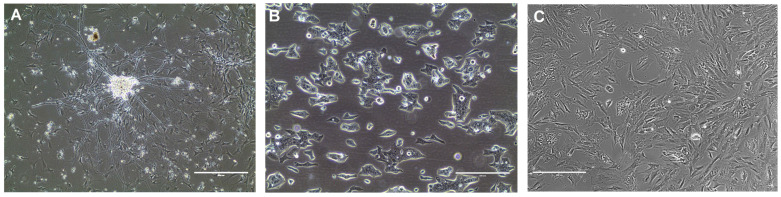
“Murine neuroblastoma cell lines that were generated using CCR technology were described in 2020 for the first time ([59], Figure 3A).”
InfluentialSelf-citationJung, M., Kowalczyk, K. J., Hankins, R. A., Bandi, G., Kallakury, B., Carrasquilla, M. A., Banerjee, P. P., Grindrod, S. C., & Dritschilo, A. (2022) · Cancer Research Communications · doi:10.1158/2767-9764.crc-22-0203 · Cited by 11 · cited 1×
“CR cells have been used in research on breast cancer [61,85–89], prostate cancer [49,58,90–97], head, neck and salivary gland cancers [15,50,98,99], various urological cancers [62,64,100–104], melanoma [105], cervical cancer [106], and lung and respiratory tract cancers [81,107–111], although it…”
Complex in vitro model systems to understand the biointerfaces of dental implants
Krattiger, L. A., & Guex, A. G. (2025) · Dental Materials · doi:10.1016/j.dental.2025.05.001 · Cited by 10 · cited 1×
“Therefore, there is a constant and urgent need to develop new, advanced, and more accurate preclinical disease models [1–8].”
Jeong, Y. J., Park, S.-M., & Jeon, C. (2020) · Oncology Letters · doi:10.3892/ol.2020.11939 · Cited by 10
Kurokawa, A., Kondo, M., Honda, N., Orimo, M., Miyoshi, A., Kobayashi, F., Abe, K., Akaba, T., Tsuji, M., Arimura, K., et al. (2022) · Respiratory Investigation · doi:10.1016/j.resinv.2022.02.003 · Cited by 10
Xing, B., Pu, C., Chen, Y., Sheng, Y., Zhang, B., Cui, J., Wu, G., & Zhao, Y. (2023) · Human Cell · doi:10.1007/s13577-023-00882-x · Cited by 10 · cited 1×
“…[49,58,90–97], head, neck and salivary gland cancers [15,50,98,99], various urological cancers [62,64,100–104], melanoma [105], cervical cancer [106], and lung and respiratory tract cancers [81,107–111], although it has to be noted that the attempts of using CCR technology for lung and…”
Peng, H., & Ge, P. (2021) · Molecular Medicine Reports · doi:10.3892/mmr.2021.12562 · Cited by 10
Translational Discoveries, Personalized Medicine, and Living Biobanks of the Future
Lisanti, M. P., & Tanowitz, H. B. (2012) · American Journal Of Pathology · doi:10.1016/j.ajpath.2012.02.003 · Cited by 10 · cited 1×
“…“new generation functional diagnostic” [40], and “exciting technological development” [12], the CCR technology became a “major breakthrough system that enables generation of the first inexhaustible patient-specific biobank of primary epithelial cells and cancer cells from the same patient” [41].”
Alothman, S. J., Kang, K., Liu, X., Krawczyk, E., Azhar, R. I., Hu, R., Goerlitz, D. S., Kallakury, B., & Furth, P. A. (2022) · Scientific Reports · doi:10.1038/s41598-022-10246-4 · Cited by 9 · cited 3×
“As shown in Figure 1 and described previously in detail [39], the procedure requires collection of patient tissue, including clinical biopsies [61], patient-derived xenografts (PDXs) [62,63], or liquid tissue samples, such as urine [64].”
Self-citationDetection of Circulating Gastrointestinal Cancer Cells in Conditionally Reprogrammed Cell Culture
Yang, C., Kim, I., Chae, H., Kim, D., & Jeon, C. (2021) · In Vivo · doi:10.21873/invivo.12404 · Cited by 9 · cited 1×
“Conditionally reprogrammed cells have also been used in digestive system oncology [113], including gastrointestinal cancer [114], colorectal cancer [115–117], pancreatic carcinoma [118–120], hepatocellular carcinoma, and other liver diseases [121–123].”
Wu, M. T., Xiu, Z., Kang, Y., Zhu, Y., Su, Z., Liu, J., Zhang, W., Chen, H., & Li, H. (2022) · Viruses · doi:10.3390/v14092054 · Cited by 9
Long-Term Culture of Canine Ocular Cells That Maintain Canine Papillomaviruses
Zhou, D., Wang, A., Maxwell, S., Schlegel, R., & Yuan, H. (2022) · Viruses · doi:10.3390/v14122675 · Cited by 9 · cited 2×
“Conditional reprogramming is most commonly applied to generate human cells [39,43]; however, it has been utilized for animal (e.g., murine, canine, equine) cells as well [67–69].”
Stover, E. H., Oh, C., Keskula, P., Choudhury, A. D., Tseng, Y., Adalsteinsson, V. A., Lohr, J. G., Thorner, A. R., Ducar, M. D., Kryukov, G. V., et al. (2022) · The Prostate · doi:10.1002/pros.24305 · Cited by 8
Conditional Reprogramming Modeling of Bladder Cancer for Clinical Translation
Daneshdoust, D., Yin, M., Luo, M., Sundi, D., Dang, Y., Lee, C. Q. E., Li, J., & Liu, X. (2023) · Cells · doi:10.3390/cells12131714 · Cited by 8 · cited 3×
“As shown in Figure 1 and described previously in detail [39], the procedure requires collection of patient tissue, including clinical biopsies [61], patient-derived xenografts (PDXs) [62,63], or liquid tissue samples, such as urine [64].”
Sayej, W. N., Foster, C., Jensen, T., Chatfield, S., & Finck, C. M. (2018) · Pediatric Research · doi:10.1038/s41390-018-0033-9 · Cited by 8 · cited 1×
“…airway disorders and functions [131–138], asthma and cystic fibrosis [139,140], reproductive tract functions and diseases [141–144], kidney injury [145], regenerative medicine [146], studies on cell proliferation [46,47,52,71,147,148], and development of new diagnostic assays and therapies [149].”
The importance of preclinical models for cholangiocarcinoma drug discovery
Krendl, F. J., Primavesi, F., Oberhuber, R., Neureiter, D., Ocker, M., Bekric, D., Kiesslich, T., & Mayr, C. (2025) · Expert Opinion on Drug Discovery · doi:10.1080/17460441.2025.2457637 · Cited by 7 · cited 1×
“Therefore, there is a constant and urgent need to develop new, advanced, and more accurate preclinical disease models [1–8].”
Dong, Y., Jian, W. A. N. G., Ji, W., Zheng, M., Wang, P., Liu, L., & Li, S. (2021) · Frontiers in Cell and Developmental Biology · doi:10.3389/fcell.2021.744969 · Cited by 7 · cited 1×
“Dong et al. [161] describe establishment of cell lines from patients with a rare type of namely laryngeal and hypopharyngeal squamous cell carcinomas (LHSCC).”
Tumor Models and Drug Targeting In Vitro—Where Are We Today? Where Do We Go from Here?
Krüger, M., & Kopp, S. (2023) · Cancers · doi:10.3390/cancers15061768 · Cited by 7
Patient-Derived Conditionally Reprogrammed Cells in Prostate Cancer Research
Elbialy, A., Kappala, D., Desai, D. N., Wang, P., Fadiel, A., Wang, S.-J., Makary, M. S., Lenobel, S. S., Sood, A., Gong, M., et al. (2024) · Cells · doi:10.3390/cells13121005 · Cited by 7
Schmidt, H., Guthjahr, L., Sauter, A., Zech, F., Nchioua, R., Stenger, S., Frick, M., Kirchhoff, F., Dietl, P., & Wittekindt, O. H. (2022) · American Journal of Physiology-Cell Physiology · doi:10.1152/ajpcell.00363.2021 · Cited by 7
Characterization of a Diverse Set of Conditionally Reprogrammed Head and Neck Cancer Cell Cultures
Ow, T. J., Mehta, V., Li, D., Thomas, C., Shrivastava, N., Kawachi, N., Gersten, A. J., Zhu, J., Schiff, B. A., Smith, R. V., et al. (2024) · The Laryngoscope · doi:10.1002/lary.31236 · Cited by 7 · cited 1×
“CR cells have been used in research on breast cancer [61,85–89], prostate cancer [49,58,90–97], head, neck and salivary gland cancers [15,50,98,99], various urological cancers [62,64,100–104], melanoma [105], cervical cancer [106], and lung and respiratory tract cancers [81,107–111], although it…”
Daneshdoust, D., He, K., Wang, Q., Li, J., & Liu, X. (2024) · Cell Insight · doi:10.1016/j.cellin.2024.100201 · Cited by 6 · cited 1×
“Some excellent reviews on CCR technology in general, or focusing on particular cancer types, were published recently [42,64,85,100,104,150].”
Wu, M. T., Hong, G., Chen, Y., Ye, L., Zhang, K., Cai, K., Yang, H., Long, X., Gao, W., & Li, H. (2020) · Journal of International Medical Research · doi:10.1177/0300060520955058 · Cited by 6
Veerati, P. C., Nichol, K., Read, J. M., Bartlett, N. W., Wark, P. A. B., Knight, D. A., Grainge, C., & Reid, A. T. (2022) · American Journal of Physiology-Lung Cellular and Molecular Physiology · doi:10.1152/ajplung.00230.2022 · Cited by 6 · cited 1×
“Besides cancer research, CR cultures are being used in other areas, such as virology [69,124–130], airway disorders and functions [131–138], asthma and cystic fibrosis [139,140], reproductive tract functions and diseases [141–144], kidney injury [145], regenerative medicine [146], studies on cell…”
Protocol for 3D bioprinting of a 3D in vitro model of neuroblastoma
Amoli, M. S., Rezapourdamanab, S., Jin, L., Cadena, M., Kaw, K., Sridhar, V., Meselhe, M., Krikor, S., Mahmoudi, M., Ning, L., et al. (2025) · STAR Protocols · doi:10.1016/j.xpro.2025.103725 · Cited by 6 · cited 1×
“…RNA sequencing and bulk whole-genome sequencing [162,163], multiomic detection of cellular and molecular interactions of cells within the neuroblastoma tumor for potential use of immunotherapies [164,165], as well as 3D in vitro models for neuroblastoma microenvironment studies [166].”
Su, S., Poto, C. D., Kroemer, A., Cui, W., Roy, R., Liu, X., & Ressom, H. W. (2019) · Experimental Cell Research · doi:10.1016/j.yexcr.2019.111621 · Cited by 6
Daneshdoust, D., Luo, M., Li, Z., Mo, X. M., Alothman, S. J., Kallakury, B., Schlegel, R., Zhang, J., Guo, D., Furth, P. A., et al. (2023) · Cells · doi:10.3390/cells12192388 · Cited by 5 · cited 2×
“Some excellent reviews on CCR technology in general, or focusing on particular cancer types, were published recently [42,64,85,100,104,150].”
Chemical reprogramming culture for the expansion of salivary gland epithelial basal progenitor cells
Jeong, Y. J., Hong, Y., Yoon, Y., Sim, N. S., Hong, S.-M., & Lim, J. (2025) · Stem Cell Research & Therapy · doi:10.1186/s13287-025-04295-5 · Cited by 5 · cited 1×
“However, their technique preferentially stimulated the growth of basal ductal progenitor cell population [78].”
Liu, L., Mondal, A. M., & Liu, X. (2022) · Journal of Biochemical and Molecular Toxicology · doi:10.1002/jbt.23262 · Cited by 5 · cited 1×
“…airway disorders and functions [131–138], asthma and cystic fibrosis [139,140], reproductive tract functions and diseases [141–144], kidney injury [145], regenerative medicine [146], studies on cell proliferation [46,47,52,71,147,148], and development of new diagnostic assays and therapies [149].”
He, Z., Cole, K. D., & He, H. (2025) · Tissue and Cell · doi:10.1016/j.tice.2025.102908 · Cited by 5 · cited 1×
“Conventional methods used for immortalization of primary cells include introduction of viral genes (SV40 virus large T antigen, HPV E6/E7 oncoproteins), overexpression of hTERT and other genes, and induction of pluripotent stem cells (iPSc) [53–55].”
Wolf, A. B., Reynolds, C. P., & Barbieri, E. (2024) · Cancer Discovery · doi:10.1158/2159-8290.cd-24-1357 · Cited by 5 · cited 1×
“…identification of residual malignant persister cells in tumor samples using single-nucleus RNA sequencing and bulk whole-genome sequencing [162,163], multiomic detection of cellular and molecular interactions of cells within the neuroblastoma tumor for potential use of immunotherapies…”
Gastrointestinal Stromal Tumor:A Rare Abdominal Tumor
Shaheen, S., & Guddati, A. K. (2013) · Case Reports in Oncology · doi:10.1159/000350061 · Cited by 5 · cited 1×
“Histologically, most of them consist of spindle-shaped, mesenchymal cells [168].”
Vaclová, T., Maguire, S. L., Pugh, M., Barry, P. A., & Orr, N. (2017) · Cancer Research · doi:10.1158/1538-7445.am2017-816 · Cited by 5
Mucus secretions from a conditionally reprogrammed primary endocervical cell culture
Park, D., Reddy, A. P., Wilmarth, P. A., Jensen, J. T., & Han, L. L. (2022) · F&S Science · doi:10.1016/j.xfss.2022.03.003 · Cited by 4
Biobanked tracheal basal cells retain the capacity to differentiate
Kelly, N. A., Shontz, K. M., Bergman, M. J., Manning, A. M., Reynolds, S. D., & Chiang, T. (2022) · Laryngoscope Investigative Otolaryngology · doi:10.1002/lio2.925 · Cited by 3
Wu, G., XIAO, Y. G., FANG, F. Y., YAO, D., Liu, J., Cao, Y., Mao, Y. J., Yu, B., Yao, T., Wu, Y., et al. (2020) · Neoplasma · doi:10.4149/neo_2020_190730n690 · Cited by 3
Elafibranor emerged as a potential chemotherapeutic drug for non-muscle invasive bladder cancer
Wang, W., Shan, D., Wang, G., Mao, X., You, W., Wang, X., & Wang, Z. (2024) · Cell Insight · doi:10.1016/j.cellin.2024.100149 · Cited by 3
Conditional reprogramming technology: a new tool for personalized medicine in bladder cancer?
Miyamoto, H. (2019) · Translational Cancer Research · doi:10.21037/tcr.2019.12.20 · Cited by 2 · cited 2×
“Some excellent reviews on CCR technology in general, or focusing on particular cancer types, were published recently [42,64,85,100,104,150].”
HPV6 ‐Induced Gene Expression Signature in Recurrent Respiratory Papillomatosis
Matsumoto, N., Ueha, S., Ueha, R., Koyama, M., Yamakawa, K., Sato, T., Goto, T., Kono, T., Shichino, S., Matsushima, K., et al. (2025) · The Laryngoscope · doi:10.1002/lary.32325 · Cited by 2
Luo, L., Krawczyk, E., Lourdusamy, A., Storer, L. C. D., Xian, L., Cohen, K. J., Schlegel, R., Grundy, R. G., & Resar, L. M. S. (2017) · Cancer Research · doi:10.1158/1538-7445.am2017-lb-224 · Cited by 2 · cited 1×
“A novel preclinical ependymoma model was described in 2017 [155].”
Self-citationMovia, D., & Prina-Mello, A. (2023) · Methods in molecular biology · doi:10.1007/978-1-0716-3056-3 · Cited by 2
Ge, Q., Wang, P., Wang, S.-J., Sood, A., Meng, L., Lee, C. Q. E., Parwani, A. V., Li, J., & Liu, X. (2025) · Advances in Biomarker Sciences and Technology · doi:10.1016/j.abst.2025.05.001 · Cited by 1
Conditional reprogrammed human limbal epithelial cell model for anti-SARS-CoV-2 drug screening
Xiao, Y., Wang, L., Li, S.-X., Fang, S.-S., Luo, F., Chen, S., Zou, X., Ye, L., & Hou, W. (2024) · Heliyon · doi:10.1016/j.heliyon.2024.e30044 · Cited by 1 · cited 1×
“Besides cancer research, CR cultures are being used in other areas, such as virology [69,124–130], airway disorders and functions [131–138], asthma and cystic fibrosis [139,140], reproductive tract functions and diseases [141–144], kidney injury [145], regenerative medicine [146], studies on cell…”
In vitro inhibition of the CFTR ion channel in the Macaca mulatta cervix thickens cervical mucus
Looney, R. J., Roberts, M., Markovetz, M. R., Godiah, R., Yao, S., Golgotiu, K., Wei, S., Cellucci, C., & Han, L. L. (2025) · Biology of Reproduction · doi:10.1093/biolre/ioaf103 · Cited by 1
Cited by
Suali, L., Chia, Y., Rustin, C., Lem, F. F., Ching, X. J., Mansur, M. A. B., Henry, Z. A., Chan, M. K. S., Wong, M. B. F., & Pan, S. Y. (2026) · Biotechnic & Histochemistry · doi:10.1080/10520295.2026.2714776 · Cited by 2
“Similarly, Krawczyk (2025) reported that CR could be applied to rare cancer cell types to generate patient-derived preclinical models that retain donor-specific features.”
Metadata
- Authors
- Krawczyk, E.
- Affiliations
- Georgetown University Medical Center (US)
- Corresponding author
- Krawczyk, Ewa
- ORCID
- Krawczyk, Ewa
- Venue
- Cancers
- Publisher
- MDPI AG
- Published
- 2025-08-29
- Volume
- 17
- Issue
- 17
- Pages
- 2834
- ISSN
- 2072-6694 (ISSN-L)
- PMC
- PMC12427407
- OpenAlex
- W4413826514
- Cited by
- 1
- References
- 170
- Citations by year
- 2026: 1
- FWCI
- 0.12
- Type
- journal article
- Language
- en
- Open access
- gold
- doi.org
- Licence
- Locations
- Cancers (publishedVersion, cc-by)
- PubMed (publishedVersion)
- PubMed Central (publishedVersion, cc-by)
- Funders
- Center for Cell Reprogramming at Georgetown University Medical Center
- Topics
- Health Sciences › Medicine › Oncology › Cancer Cells and Metastasis
- Life Sciences › Biochemistry, Genetics and Molecular Biology › Molecular Biology › Pluripotent Stem Cells Research
- Health Sciences › Medicine › Oncology › Glioma Diagnosis and Treatment
- Keywords
- rare tumor, neuroblastoma, ependymoma, astrocytoma, laryngeal cancer, hypopharyngeal cancer, adenoid cystic carcinoma, tumorigenicity, metastasis, drug screening, translational oncology
About these checks
Registry, retraction, Cites and statistics results are computed, not judged, with one exception: a printed reference that no index lists is read once by a model before it counts as a citation error. Claims are extracted by a model and kept only when their quote appears verbatim in the text; each cited source is then checked, with a model’s help, for whether it says what the claim relies on. Those verdicts can be wrong — read the claim’s quote and the cited source before relying on one.
Statistics and arithmetic are recomputed, not judged.
Confidence bands are shown only for fields calibrated on our annotated test set. None is calibrated yet, so no band is shown.
What counts as a claim ›How we measure confidence ›How we check this ›
Are you an author, or do you see a problem with this page? Request a review
Data sources
Bibliographic data: Semantic Scholar, OpenAlex, Crossref.
Contains information from the Semantic Scholar Academic Graph Datasets, made available under the ODC Attribution License (ODC-BY 1.0).
Semantic Scholar’s data is described in: Kinney, R., et al. (2023). The Semantic Scholar Open Data Platform. arXiv:2301.10140.
