

Explainable AI: A Review of Machine Learning Interpretability Methods
Open accessThe DOI matches its Crossref record; 170 of the 170 references it cites were found in a registry or an index.
Abstract
Recent advances in artificial intelligence (AI) have led to its widespread industrial adoption, with machine learning systems demonstrating superhuman performance in a significant number of tasks. However, this surge in performance, has often been achieved through increased model complexity, turning such systems into “black box” approaches and causing uncertainty regarding the way they operate and, ultimately, the way that they come to decisions. This ambiguity has made it problematic for machine learning systems to be adopted in sensitive yet critical domains, where their value could be immense, such as healthcare. As a result, scientific interest in the field of Explainable Artificial Intelligence (XAI), a field that is concerned with the development of new methods that explain and interpret machine learning models, has been tremendously reignited over recent years. This study focuses on machine learning interpretability methods; more specifically, a literature review and taxonomy of these methods are presented, as well as links to their programming implementations, in the hope that this survey would serve as a reference point for both theorists and practitioners.
Overview
The claims and statistics of this paper haven’t been checked yet.
Free: it reads the open-access text and checks the first 5 claims that cite a source we can check. Create a free account to check every claim.
Integrity signals
Registry
Cites
Statistics
Figures




Verification
Claims the paper makes
The claims and statistics of this paper haven’t been checked yet.
Free: it reads the open-access text and checks the first 5 claims that cite a source we can check. Create a free account to check every claim.
Claims other papers make about this one
Each is checked against this paper’s own text: does it say what the citing paper says it does?
The source backs part of the claim, not all of it — or backs it for a different population, condition or comparison.
In the citing paper
“While valuable, these techniques can sometimes be inconsistent or fail to capture the true decision-making process of highly complex models, potentially leading to a false sense of interpretability66.”
From Bias recognition and mitigation strategies in artificial intelligence healthcare applications (2025) · cites this paper as [66]
Experimental — accuracy not yet measuredThe source backs part of the claim, not all of it — or backs it for a different population, condition or comparison.
In the citing paper
“These methods facilitate a deeper understanding of the model’s internal logic, support debugging and optimization processes, and help identify key variables that most strongly influence students’ behavioral intentions toward GenAI adoption (Linardatos et al., 2020).”
From A two-step structural equation modeling and explainable machine learning framework for understanding university students’ adoption of generative AI: balancing intrinsic motivations and perceived risks (2026) · cites this paper as Linardatos et al., 2020
Experimental — accuracy not yet measuredThe source backs part of the claim, not all of it — or backs it for a different population, condition or comparison.
In the citing paper
“Yet, there is no common taxonomy neither within one field (such as data science) nor between different fields (law and data science).”
From Transparency of AI in Healthcare as a Multilayered System of Accountabilities: Between Legal Requirements and Technical Limitations (2022) · cites this paper as Linardatos et al., 2021
Experimental — accuracy not yet measuredThe source backs part of the claim, not all of it — or backs it for a different population, condition or comparison.
In the citing paper
“Despite the substantial amount of research devoted to solving the black-box issue of AI, many scholars in the field agree that a clear relevant taxonomy is missing (Doshi-Velez and Kim, 2017; Adadi and Berrada, 2018; Linardatos et al., 2021).”
From Transparency of AI in Healthcare as a Multilayered System of Accountabilities: Between Legal Requirements and Technical Limitations (2022) · cites this paper as Linardatos et al., 2021
Experimental — accuracy not yet measuredThe source backs part of the claim, not all of it — or backs it for a different population, condition or comparison.
In the citing paper
“Prior research on XAI across industries, has also found that the perceived quality of explanations is closely tied to their actionability and practical relevance for end users [8].”
From Explainable AI in hospital clinical decision support systems: A scoping review of healthcare professionals’ perspectives (2026) · cites this paper as [8]
Experimental — accuracy not yet measured
5 more claims about this paper
Create a free account to see every claim other papers make about this one.
Self-check
Percentages, sums and reported differences re-computed from the paper’s own numbers.
The self-check needs the paper’s full text.
Citations
Cites
ImageNet classification with deep convolutional neural networks
Krizhevsky, A., Sutskever, I., & Hinton, G. E. (2017) · Communications of the ACM · doi:10.1145/3065386 · Cited by 112,155 · cited 1×
“An improvement over the initial method was proposed in [24], where the well-known Krizhevsky network [25] was utilised in order to outperform state-of-the-art saliency models by a large margin, increasing the amount of explained information by 67% when compared to state-of-the art.”
LeCun, Y., Bengio, Y., & Hinton, G. (2015) · Nature · doi:10.1038/nature14539 · Cited by 84,126
XGBoost: A Scalable Tree Boosting System
Chen, T., & Guestrin, C. (2016) · Proceedings of the 22nd ACM SIGKDD International Conference on Knowledge Discovery and Data Mining · doi:10.1145/2939672.2939785 · Cited by 54,569 · cited 1×
“On the one hand, there are the so called black-box models, which include deep learning [2] and ensembles [8–10].”
Greedy function approximation: A gradient boosting machine
Friedman, J. H. (2001) · The Annals of Statistics · doi:10.1214/aos/1013203451 · Cited by 30,731 · cited 3×
“[59] PDPbox InterpretML Skater PH G Agnostic tab 589.”
Grad-CAM: Visual Explanations from Deep Networks via Gradient-Based Localization
Selvaraju, R. R., Cogswell, M., Das, A., Vedantam, R., Parikh, D., & Batra, D. (2017) · 2017 IEEE International Conference on Computer Vision (ICCV) · doi:10.1109/iccv.2017.74 · Cited by 24,513
A Unified Approach to Interpreting Model Predictions
Lundberg, S., & Lee, S.-I. (2017) · arXiv · doi:10.48550/arxiv.1705.07874 · Cited by 23,707 · cited 3×
“The breakDown method, as proposed in [62], is similar to SHAP [48], as both, based on the conditioned responses of a black-box model, attempt to attribute them proportionally to the input features.”
Classification and Regression by randomForest
Liaw, A. I., & Wiener, M. C. (2007) · Cited by 18,594
"Why Should I Trust You?": Explaining the Predictions of Any Classifier
Ribeiro, M. T., Singh, S., & Guestrin, C. (2016) · Proceedings of the 22nd ACM SIGKDD International Conference on Knowledge Discovery and Data Mining · doi:10.1145/2939672.2939778 · Cited by 17,555
Visualizing and understanding convolutional networks
Zeiler, M. D., & Fergus, R. (2014) · Lecture Notes in Computer Science · doi:10.1007/978-3-319-10590-1_53 · Cited by 15,839 · cited 8×
“[44] showed that, while the Deconvolution [32], Guided BackPropagation [31], and LRP [37] methods help in interpreting deep neural networks, they do not produce the theoretically correct interpretation, even in the simplest neural network setting; a linear model developed while using data that were produced by a linea…”
InfluentialLearning Deep Features for Discriminative Localization
Zhou, B., Khosla, A., Lapedriza, A., Oliva, A., & Torralba, A. (2016) · 2016 IEEE Conference on Computer Vision and Pattern Recognition (CVPR) · doi:10.1109/cvpr.2016.319 · Cited by 11,428 · cited 2×
“In many cases, this is achieved through exploiting the gradient information flowing through the layers of the network, Grad-CAM [35], a direct extension of [34], being a prime and most influential example in terms of citations per year.”
Research works printed but not linked: 3
- Luss, R., Chen, P.Y., Dhurandhar, A., Sattigeri, P., Zhang, Y., Shanmugam, K., and Tu, C.C. (2019). Generating contrastive explanations with monotonic attribute functions. arXiv.
- Van Looveren, A., and Klaise, J. (2019). Interpretable counterfactual explanations guided by prototypes. arXiv.
- Wang, X., Jin, H., and He, K. (2019). Natural language adversarial attacks and defenses in word level. arXiv.
Cited by
Items 501–600 of 1,016
Gerlach, J., Hoppe, P. E., Jagels, S., Licker, L., & Breitner, M. H. (2022) · Electronic Markets · doi:10.1007/s12525-022-00603-6 · Cited by 39
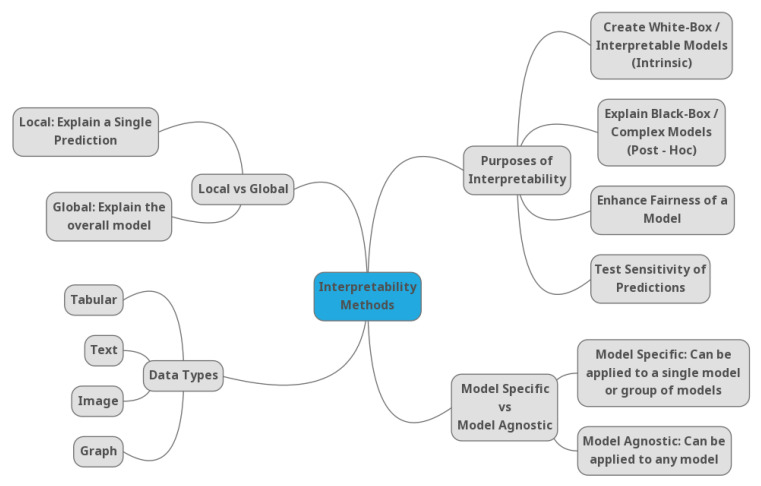
“Some models can be applied to data in tabular (C8,1), image (C8,2), text (C8,3), or graphical (C8,4) form (Li et al., 2020; Linardatos et al., 2021).”
MethodExplaining a Deep Reinforcement Learning (DRL)-Based Automated Driving Agent in Highway Simulations
Bellotti, F., Lazzaroni, L., Capello, A., Cossu, M., Gloria, A. D., & Berta, R. (2023) · IEEE Access · doi:10.1109/access.2023.3259544 · Cited by 35
“The framework unifies six existing methods, including LIME [10], DeepLIFT [15], and Layer-Wise Rele-vance Propagation [16], which have been shown to use all the same explanation models [17].”
BackgroundMethodInfluentialExplainable automated pain recognition in cats
Feighelstein, M., Henze, L., Meller, S., Shimshoni, I., Hermoni, B., Berko, M., Twele, F., Schütter, A., Dorn, N., Kästner, S., et al. (2023) · Scientific Reports · doi:10.1038/s41598-023-35846-6 · Cited by 48
Liu, J., Xu, Y., Cao, M., Gao, F., He, J., & Lin, J. (2023) · Mechanical Systems and Signal Processing · doi:10.1016/j.ymssp.2023.110819 · Cited by 33
AI-readiness Criteria for Biomedical Data
Clark, T., Caufield, H., Parker, J. A., Al Manir, S., Amorim, E., Eddy, J., Gim, N., Gow, B., Goar, W., Hansen, J. N., et al. (2024) · doi:10.1101/2024.10.23.619844 · Cited by 32
“…supporting research integrity, ensuring compliance with regulations, facilitating debugging and improvement of AI/ML models, and informing assessments of the trustworthiness of model predictions/outputs, especially for clinical decisions or therapeutic recommendations involving patients 30,47–50 .”
A Nano-QSTR model to predict nano-cytotoxicity: an approach using human lung cells data
Meneses, J., González‐Durruthy, M., Gortari, E. F., Toropova, A. P., Toropov, A. A., & Alfaro‐Moreno, E. (2023) · Particle and Fibre Toxicology · doi:10.1186/s12989-023-00530-0 · Cited by 34
Safety and Reliability of Artificial Intelligence Systems
Nguyễn, T. H., Saghir, A., Tran, K. D., Nguyen, D. H., Luong, N. A., & Tran, K. P. (2024) · Springer series in reliability engineering · doi:10.1007/978-3-031-71495-5_9 · Cited by 37
Recent Advances in Deep Learning for Channel Coding: A Survey
Matsumine, T., & Ochiai, H. (2024) · IEEE Open Journal of the Communications Society · doi:10.1109/ojcoms.2024.3472094 · Cited by 44
A Roadmap of Explainable Artificial Intelligence: Explain to Whom, When, What and How?
Wang, Z., Huang, C., & Yao, X. (2024) · ACM Transactions on Autonomous and Adaptive Systems · doi:10.1145/3702004 · Cited by 51
Which LIME Should I Trust? Concepts, Challenges, and Solutions
Knab, P., Marton, S., Schlegel, U., & Bartelt, C. (2025) · Communications in computer and information science · doi:10.1007/978-3-032-08324-1_2 · Cited by 57
Galazzo, I. B., Cruciani, F., Brusini, L., Salih, A. M., Radeva, P. I., Storti, S. F., & Menegaz, G. (2022) · IEEE Signal Processing Magazine · doi:10.1109/msp.2021.3126573 · Cited by 34
Explainability of Image Semantic Segmentation Through SHAP Values
Dardouillet, P., Benoît, A., Amri, E., Bolon, P., Dubucq, D., & Crédoz, A. (2023) · Lecture notes in computer science · doi:10.1007/978-3-031-37731-0_19 · Cited by 40
Advances in Machine Learning for Sensing and Condition Monitoring
Ao, S.-I., Gelman, L., Karimi, H. R., & Tiboni, M. (2022) · Applied Sciences · doi:10.3390/app122312392 · Cited by 34
Explainable AI: To Reveal the Logic of Black-Box Models
Chinu, & Bansal, U. (2023) · New Generation Computing · doi:10.1007/s00354-022-00201-2 · Cited by 40
“The field of Explainable artificial intelligence (XAI) has expanded tremendously in subsequent years [2].”
Wang, J., Wang, Z., Li, K., Li, C., Wen, F., & Shi, Z. (2023) · Land Use Policy · doi:10.1016/j.landusepol.2023.106761 · Cited by 33
Hurvitz, N., & Ilan, Y. (2023) · Clinics and Practice · doi:10.3390/clinpract13040089 · Cited by 36
Explainable machine learning model to predict refeeding hypophosphatemia
Choi, T. Y., Chang, M.-Y., Heo, S., & Jang, J. Y. (2021) · Clinical Nutrition ESPEN · doi:10.1016/j.clnesp.2021.08.022 · Cited by 33
Papacharalampous, G., Tyralis, H., Doulamis, A. D., & Doulamis, N. D. (2023) · Hydrology · doi:10.3390/hydrology10020050 · Cited by 36
“…XGBoost in a cross-validation setting for its comparison to the remaining algorithms, we also utilized it with the same hyperparameter values for ensuring some degree of explainability in terms of variable importance under the more general explainable machine learning culture (Linardatos et”
Affective Design Analysis of Explainable Artificial Intelligence (XAI): A User-Centric Perspective
Bernardo, E. L., & Seva, R. R. (2023) · Informatics · doi:10.3390/informatics10010032 · Cited by 48
“In return, it restricts how trust [4–8] and subsequent reliance [9] can be calibrated accurately, given that users are unaware of AI’s actual inner workings.”
Multi-task learning with dynamic re-weighting to achieve fairness in healthcare predictive modeling
Li, C., Ding, S., Zou, N., Hu, X., Jiang, X., & Zhang, K. (2023) · Journal of Biomedical Informatics · doi:10.1016/j.jbi.2023.104399 · Cited by 39
Optimizing Electric Vehicle Battery Life: A Machine Learning Approach for Sustainable Transportation
Karthick, K., Shanmugasundaram, R., & Priyanka, R. (2024) · World Electric Vehicle Journal · doi:10.3390/wevj15020060 · Cited by 31
Advancing materials science through next-generation machine learning
Unni, R., Zhou, M., Wiecha, P. R., & Zheng, Y. (2024) · Current Opinion in Solid State and Materials Science · doi:10.1016/j.cossms.2024.101157 · Cited by 37
Explainable AI models for predicting liquefaction-induced lateral spreading
Hsiao, C.-H., Kumar, K., & Rathje, E. M. (2024) · Frontiers in Built Environment · doi:10.3389/fbuil.2024.1387953 · Cited by 41
“To enhance the transparency and interpretability of ML models, researchers have developed a variety of explainable AI (XAI) methodologies (Arrieta et al., 2020; Linardatos et al., 2020).”
MethodDoumèche, N., Gérard Biau, A., & Boyer, C. (2025) · Bernoulli · doi:10.3150/24-bej1799 · Cited by 53
Explainable AI for trustworthy intelligent process monitoring
Johannssen, A., Qiu, P., Yeganeh, A., & Chukhrova, N. (2025) · Computers & Industrial Engineering · doi:10.1016/j.cie.2025.111407 · Cited by 43
Advancing Organic Chemistry Using High‐Throughput Experimentation
Nsouli, R., Galiyan, G., & Ackerman, L. K. G. (2025) · Angewandte Chemie International Edition · doi:10.1002/anie.202506588 · Cited by 37
Ethics of trustworthy AI in healthcare: Challenges, principles, and practical pathways
Ahadian, P., Xu, W. F., Liu, D., & Guan, Q. (2025) · Neurocomputing · doi:10.1016/j.neucom.2025.131942 · Cited by 45
Ning, Y., Li, S., Ong, M. E. H., Xie, F., Chakraborty, B., Ting, D. S. W., & Liu, N. (2022) · PLOS Digital Health · doi:10.1371/journal.pdig.0000062 · Cited by 35
“, neural networks and tree ensembles such as the RF and XGBoost [15]) limits the interpretability of the variable selection steps.”
BackgroundA method for AI assisted human interpretation of neonatal EEG
Gómez-Quintana, S., O’Shea, A., Factor, A., Popovici, E. M., & Temko, A. (2022) · Scientific Reports · doi:10.1038/s41598-022-14894-4 · Cited by 35
DeepFixCX : Explainable privacy‐preserving image compression for medical image analysis
Gaudio, A., Smailagic, A., Faloutsos, C., Mohan, S., Johnson, E., Liu, Y., Costa, P., & Campilho, A. (2023) · Wiley Interdisciplinary Reviews Data Mining and Knowledge Discovery · doi:10.1002/widm.1495 · Cited by 45
“Table 1 offers our definition of an explanation based on our analysis of the xML survey literature (Adadi & Berrada, 2018; Arrieta et al., 2019; Gilpin et al., 2018; Graziani et al., 2022; Linardatos et al., 2020; Speith, 2022).”
MethodBrugere, L., Kwon, Y., Frazier, A. E., & Kedron, P. (2022) · Forest Ecology and Management · doi:10.1016/j.foreco.2023.120972 · Cited by 37
An Explanation of the LSTM Model Used for DDoS Attacks Classification
Bashaiwth, A., Binsalleeh, H., & AsSadhan, B. (2023) · Applied Sciences · doi:10.3390/app13158820 · Cited by 31
Singh, J., Sandhu, J. K., & Kumar, Y. (2024) · Service Oriented Computing and Applications · doi:10.1007/s11761-023-00382-8 · Cited by 35
A Brief Review of Machine Learning-Based Bioactive Compound Research
Park, J., Beck, B. R., Kim, H. H., Lee, S.-B., & Kang, K. (2022) · Applied Sciences · doi:10.3390/app12062906 · Cited by 32
“For example, scientific interest in the field of explainable artificial intelligence (XAI) is emerging to explain and interpret ML models [86], while automated machine learning (AutoML) seeks to automate the entire pipeline of ML model building: automatically select, compose, and parametrize ML…”
BackgroundHu, Z., Zhang, L., Shen, Q., Chen, X., Wang, W., & Li, K. (2023) · Alexandria Engineering Journal · doi:10.1016/j.aej.2023.08.049 · Cited by 35
Karthick, K., K, A. S., Shanmugasundaram, R., Safran, M., Alfarhood, S., & Al-Rajhi, W. (2023) · Sustainability · doi:10.3390/su151813424 · Cited by 31
Gong, Z., Shen, L., Zhang, Y., Zhang, L. Y., Wang, J., Bai, G., & Xiang, Y. (2023) · IEEE Transactions on Information Forensics and Security · doi:10.1109/tifs.2023.3333555 · Cited by 33
“The AGRXAI is motivated by recent progress in the integration of XAI within the cybersecurity domain [25], [26] and applies the concept of Explainable AI (XAI) [27] to amplify the difference between benign gradients and malicious gradients.”
BackgroundMethodMirza, N., Rizvi, S. K. A., Naqvi, B., & Umar, M. (2024) · International Review of Financial Analysis · doi:10.1016/j.irfa.2024.103238 · Cited by 43
Disagreement amongst counterfactual explanations: how transparency can be misleading
Brughmans, D., Melis, L., & Martens, D. (2024) · Top · doi:10.1007/s11750-024-00670-2 · Cited by 46
“In contrast to intrinsic explanation methods, they do not try to create interpretable white-box models, but are focused on explaining existing complex models (Linardatos et al. 2020).”
A Review on Intelligent Recognition with Logging Data: Tasks, Current Status and Challenges
Zhu, X., Zhang, H., Ren, Q., Zhang, L., Huang, G., Shang, Z., & Sun, J. (2024) · Surveys in Geophysics · doi:10.1007/s10712-024-09853-9 · Cited by 32
“However, the realistic problem is that researchers need to make a trade-off between model performance and interpretability, as the increase in complexity of machine learning models usually implies the weakening of interpretability (Linardatos et al. 2020).”
Unraveling Microplastic Effects on Gut Microbiota across Various Animals Using Machine Learning
Yin, L., Yang, M., Teng, A., Ni, C., Wang, P., & Tang, S. (2024) · ACS Nano · doi:10.1021/acsnano.4c07885 · Cited by 34
Machine learning prediction of materials properties from chemical composition: Status and prospects
Alghadeer, M., Aisyah, N. D., Hezam, M., Alqahtani, S. M., Baloch, A. A. B., & Alharbi, F. H. (2024) · Chemical Physics Reviews · doi:10.1063/5.0235541 · Cited by 37
Explainable AI in Digestive Healthcare and Gastrointestinal Endoscopy
Mascarenhas, M., Mendes, F., Martins, M., Ribeiro, T., Afonso, J. P. L., Cardoso, P., Ferreira, J. P. S., Fonseca, J., & Macedo, G. (2025) · Journal of Clinical Medicine · doi:10.3390/jcm14020549 · Cited by 35
“When determining the most appropriate method to adopt, it is important to identify the model type (e.g., linear models, neural networks, and decision trees) as some methods are better suited to different types of models [12].”
Cybersecurity Knowledge Extraction Using XAI
Šarčević, A., Pintar, D., Vranić, M., & Krajna, A. (2022) · Applied Sciences · doi:10.3390/app12178669 · Cited by 41
Hussaine, S. M., & Mu, L. (2022) · Mathematics · doi:10.3390/math10244637 · Cited by 30
González‐Nóvoa, J. A., Campanioni, S., Busto, L., Fariña, J., Rodriguez-Andina, J. J., Vila, D., Íñiguez, A., & Veiga, C. (2023) · International Journal of Environmental Research and Public Health · doi:10.3390/ijerph20043455 · Cited by 34
“Currently, the field of explainable machine learning is increasing in interest [17], allowing models to be analyzed and to easily perceive, detect, and understand its decision process, i.e., turning them into “white boxes”.”
BackgroundPfeuffer, N., Baum, L., Stammer, W., Abdel-Karim, B. M., Schramowski, P., Bucher, A. M., Hügel, C., Rohde, G. G. U., Kersting, K., & Hinz, O. F. (2023) · Business & Information Systems Engineering · doi:10.1007/s12599-023-00806-x · Cited by 41
“There is an ongoing discussion on how interpretability, explainability, and transparency are related to each other and whether explanations (see Gregor and Benbasat 1999) help to better understand AI-based systems (e.g., Rudin 2019; Linardatos et al. 2020).”
BackgroundPredicting Good Quantum Circuit Compilation Options
Quetschlich, N., Burgholzer, L., & Wille, R. (2023) · IEEE International Conference on Quantum Software (QSW) · doi:10.1109/qsw59989.2023.00015 · Cited by 50
Phan, S., Torrejon, D., Furseth, J., Mee, E., & Luscombe, C. K. (2023) · The Science of The Total Environment · doi:10.1016/j.scitotenv.2023.163786 · Cited by 35
Development of an explainable artificial intelligence model for Asian vascular wound images
Lo, Z. J., Mak, M. H. W., Liang, S., Chan, Y. M., Goh, C. C., Lai, T. P., Tan, A. H. M., Thng, P., Rodriguez, J., Weyde, T., et al. (2023) · International Wound Journal · doi:10.1111/iwj.14565 · Cited by 38
“Interpreting XAI remains a challenge in healthcare applications, 40 and its adoption into clinical practice presently presents technological, ethical and medicolegal challenges.”
BackgroundNakamura, Y., Sato, S., & Ohnishi, N. (2024) · Computer Methods in Applied Mechanics and Engineering · doi:10.1016/j.cma.2024.117340 · Cited by 31
AI-powered liquid biopsy for early detection of gastrointestinal cancers
Hussain, M. S., Rejili, M. S., Khan, A., Alshammari, S. O., Tan, C. S., Haouala, F., Ashique, S., & Alshammari, Q. A. (2025) · Clinica Chimica Acta · doi:10.1016/j.cca.2025.120484 · Cited by 31
Census-independent population estimation using representation learning
Neal, I., Seth, S., Watmough, G. R., & Diallo, M. S. (2022) · Scientific Reports · doi:10.1038/s41598-022-08935-1 · Cited by 34
Explainable Artificial Intelligence: An Updated Perspective
Krajna, A., Kovač, M., Brčić, M., & Šarčević, A. (2022) · International Convention on Information and Communication Technology, Electronics and Microelectronics · doi:10.23919/mipro55190.2022.9803681 · Cited by 36
Li, X., Wang, Y., & Xu, J. (2022) · Journal of Affective Disorders · doi:10.1016/j.jad.2022.07.045 · Cited by 33
Tasnim, N., Al Mamun, S. A., Shahidul Islam, M. S., Kaiser, M. S., & Mahmud, M. (2023) · Applied Sciences · doi:10.3390/app13106138 · Cited by 27
Nakhle, F., & Harfouche, A. L. (2021) · Patterns · doi:10.1016/j.patter.2021.100323 · Cited by 28
“LIME is one of the most popular X-AI post hoc algorithms that can generate explanations for predictions produced by any AI black box models.(115) Its performance turned out to be the best one when compared with Shapley additive explanations (SHAP)(116) and model agnostic supervised local explanations (MAPLE)(117) to e…”
BackgroundYu, H., Liu, S., Qin, H., Zhou, Z., Zhao, H., Zhang, S., & Mao, J. (2022) · Critical Reviews in Food Science and Nutrition · doi:10.1080/10408398.2022.2128034 · Cited by 34
“Explainable Artificial Intelligence (Samek, Wiegand, and Müller 2017; Linardatos, Papastefanopoulos, and Kotsiantis 2020; Samek, Wiegand, and Muller 2017) is a set of math techniques that help humans to fully understand the decision-making process of the model in safety-sensitive tasks, such as…”
BackgroundEnabling interpretable machine learning for biological data with reliability scores
Ahlquist, K. D., Sugden, L. A., & Ramachandran, S. (2023) · PLoS Computational Biology · doi:10.1371/journal.pcbi.1011175 · Cited by 30
Сергеевич, С. К., Bardamova, M., Олегович, С. М., Koryshev, N., Ostapenko, R., Hodashinskaya, A., & Hodashinsky, I. A. (2023) · Decision Analytics Journal · doi:10.1016/j.dajour.2023.100274 · Cited by 28
Transparency Enhances Positive Perceptions of Social Artificial Intelligence
Xu, Y., Bradford, N., & Garg, R. (2023) · Human Behavior and Emerging Technologies · doi:10.1155/2023/5550418 · Cited by 42
“Indeed, the technical complexity of providing learn-as-yougo transparency contributes to the industry’s hesitancy to adopt transparency practices [40].”
BackgroundExplainable AI for Cybersecurity
Sindiramutty, S. R., Tan, C. E., Lau, S. P., Thangaveloo, R., Gharib, A. H., Manchuri, A. R., Khan, N. A., Tee, W. J., & Muniandy, L. (2024) · Advances in computational intelligence and robotics book series · doi:10.4018/978-1-6684-6361-1.ch002 · Cited by 34
Chakravorty, A., Hussain, A., Cervantes, L. F., Lai, T. T., & Brooks, C. L. (2024) · Journal of Chemical Information and Modeling · doi:10.1021/acs.jcim.4c00126 · Cited by 29
Nguyen, V. G., Paramasivam, P., Dzida, M., Osman, S. M., Le, D. T. N., Cao, D. N., Truong, T. H., & Trần, V. D. (2024) · Case Studies in Thermal Engineering · doi:10.1016/j.csite.2024.104743 · Cited by 32
Teoh, Y. X., Othmani, A., Goh, S. L., Usman, J., & Lai, K. W. (2024) · IEEE Access · doi:10.1109/access.2024.3439096 · Cited by 31
“In this field, the terms ‘‘interpretability’’ and ‘‘explainability’’ are closely related and often used interchangeably [38], but they do have subtle differences in the context of deep learning.”
BackgroundMethodInclusive Technology Co-design for Participatory AI
Ahrweiler, P., Späth, E., García, J. M. S., Capellas, B. L., & Wurster, D. (2025) · Artificial intelligence, simulation and society · doi:10.1007/978-3-031-71678-2_2 · Cited by 38
Haghighat, M., MohammadiSavadkoohi, E., & Shafiabady, N. (2025) · Journal of Building Engineering · doi:10.1016/j.jobe.2025.112542 · Cited by 42
Reicherts, L., Zhang, Z. T., von Oswald, E., Liu, Y., Rogers, Y., & Hassib, M. E. (2025) · CHI Conference on Human Factors in Computing Systems · doi:10.1145/3706598.3713295 · Cited by 63
“Recommendations are either presented on their own or combined with additional AI support elements such as various types of model explanations [28, 40] or uncertainty [1, 50, 66].”
Rahman, M. S., & Shiddik, M. A. B. (2025) · Global Epidemiology · doi:10.1016/j.gloepi.2025.100210 · Cited by 35
“The interpretability of these models ensures that epidemiological fore-casts are transparent and actionable, empowering public health officials with data-driven interventions rather than relying on opaque predictive models [32].”
Local Explanations via Necessity and Sufficiency: Unifying Theory and Practice
Watson, D., Gultchin, L., Taly, A., & Floridi, L. (2022) · Minds and Machines · doi:10.1007/s11023-022-09598-7 · Cited by 35
“Necessity and sufficiency have a long philosophical tradition [Mackie, 1965; Lewis, 1973; Halpern and Pearl, 2005b], spanning logical, probabilistic, and causal variants.”
BackgroundTama, B. A., Vania, M., Kim, I., & Lim, S. (2022) · IEEE Access · doi:10.1109/access.2022.3160179 · Cited by 30
BubblEX: An Explainable Deep Learning Framework for Point-Cloud Classification
Matrone, F., Paolanti, M., Felicetti, A., Martini, M., & Pierdicca, R. (2022) · IEEE Journal of Selected Topics in Applied Earth Observations and Remote Sensing · doi:10.1109/jstars.2022.3195200 · Cited by 34
“The perception of DNNs as “black box” algorithms makes it difficult to ethically justify their use in high-stake decisions, especially in case of failure [14].”
BackgroundAlam, M. U., Baldvinsson, J. R., & Wang, Y. (2022) · Proceedings - IEEE Symposium on Computer-Based Medical Systems · doi:10.1109/cbms55023.2022.00052 · Cited by 34
“To tackle this issue, various deep neural network (DNN) based interpretable methods have been proposed to guide us in understanding the DNN’s inherent decision-making mechanisms [2], [3].”
MethodPapacharalampous, G., Tyralis, H., Doulamis, A. D., & Doulamis, N. D. (2023) · Water · doi:10.3390/w15040634 · Cited by 33
Towards systems immunology of critical illness at scale: from single cell ‘omics to digital twins
Vodovotz, Y. (2023) · Trends in Immunology · doi:10.1016/j.it.2023.03.004 · Cited by 29
Advice from artificial intelligence: a review and practical implications
Baines, J. I., Dalal, R. S., Ponce, L. P., & Tsai, H.-C. (2024) · Frontiers in Psychology · doi:10.3389/fpsyg.2024.1390182 · Cited by 28
Kasani, P. H., Lee, J. E., Park, C., Yun, C., Jang, J., & Lee, S. (2023) · Frontiers in Nutrition · doi:10.3389/fnut.2023.1165854 · Cited by 28
“Thus, explainable AI algorithms have been developed for healthcare applications (89).”
BackgroundKumar, Y., Brar, T. P. S., Kaur, C., & Singh, C. (2024) · Archives of Computational Methods in Engineering · doi:10.1007/s11831-024-10112-8 · Cited by 42
“Moreover, AI systems improve the accuracy of detection by providing reliable and consistent interpreta - tions of complex imaging results and aid healthcare professionals to make precise diagnoses [ 6].”
Real-Time Fraud Detection Using Machine Learning
Borketey, B., & Borketey, D. (2024) · Journal of Data Analysis and Information Processing · doi:10.4236/jdaip.2024.122011 · Cited by 32
T-cell receptor binding prediction: A machine learning revolution
Weber, A., Pélissier, A., & Martínez, M. R. (2024) · ImmunoInformatics · doi:10.1016/j.immuno.2024.100040 · Cited by 36
“Homonymy, on the other hand, refers to distinct sequences that have evolved to appear identical but have different functions in different protein contexts, i.e. identical motifs in different proteins or organisms that have different functions.”
BackgroundCè, M., Chiriac, M. D., Cozzi, A., Macrì, L., Rabaiotti, F. L., Irmici, G., Fazzini, D., Carrafiello, G., & Cellina, M. I. (2024) · Diagnostics · doi:10.3390/diagnostics14222473 · Cited by 35
“A high-quality reference standard is essential for robust outcome measures (METRICS item 3 [20]) [28].”
InfluentialTrotsyuk, A. A., Waeiss, Q., Bhatia, R. T., Aponte, B. J., Heffernan, I. M. L., Madgavkar, D., Felder, R. M., Lehmann, L. S., Palmer, M. J., Greely, H. T., et al. (2024) · Nature Machine Intelligence · doi:10.1038/s42256-024-00926-3 · Cited by 36
Towards a Better Understanding of Evaluating Trustworthiness in AI Systems
Kemmerzell, N., Schreiner, A., Khalid, H., Schalk, M., & Bordoli, L. (2025) · ACM Computing Surveys · doi:10.1145/3721976 · Cited by 45
“It encompasses the degree to which humans can understand the internal procedures while the model is training or making decisions [152].”
Katzmann, A., Taubmann, O., Ahmad, S., Mühlberg, A., Sühling, M., & Groß, H. (2021) · Neurocomputing · doi:10.1016/j.neucom.2021.05.081 · Cited by 34
“[22] suggested to categorize different approaches with respect to four main determinants, namely the provision of local vs.”
BackgroundMachine learning-guided design and development of metallic structural materials
Yu, J., Xi, S., Pan, S., Wang, Y., Peng, Q., Shi, R., Wang, C., & Liu, X. (2021) · Journal of Materials Informatics · doi:10.20517/jmi.2021.08 · Cited by 32
Data-driven causal inference of process-structure relationships in nanocatalysis
Ting, J. Y. C., & Barnard, A. S. (2022) · Current Opinion in Chemical Engineering · doi:10.1016/j.coche.2022.100818 · Cited by 33
Believe the HiPe: Hierarchical perturbation for fast, robust, and model-agnostic saliency mapping
Cooper, J. R., Arandjelović, O., & Harrison, D. J. (2022) · Pattern Recognition · doi:10.1016/j.patcog.2022.108743 · Cited by 37
“It is important to note that interpretability research, also known as XAI (eXplainable Artificial Intelligence) research, is relatively nascent and as such is as yet somewhat ill-defined: the terms ‘interpretability’ and ‘explainability’ are typically used interchangeably, and there is a lack of consensus regarding fo…”
BackgroundPrivacy-Preserving and Explainable AI in Industrial Applications
Ogrezeanu, I. A., Vizitiu, A., Ciusdel, C. F., Puiu, A., Coman, S., Boldișor, C., Itu, A., Demeter, R., Moldoveanu, F. D., Suciu, C., et al. (2022) · Applied Sciences · doi:10.3390/app12136395 · Cited by 40
“Algorithmic decisions should, however, ide‐ ally provide a form of explainability [20].”
BackgroundMascarenhas, M., Afonso, J. P. L., Ribeiro, T., Andrade, P., Cardoso, H., & Macedo, G. (2023) · Medicina · doi:10.3390/medicina59040790 · Cited by 33
“Another critical issue with regards to the application of DL algorithms is that of explainability (Figure 2; [64,65]) and interpretability [41,42,50,66].”
BackgroundCredit scoring prediction leveraging interpretable ensemble learning
Liu, Y., Huang, F., Ma, L., Zeng, Q., & Shi, J. (2023) · Journal of Forecasting · doi:10.1002/for.3033 · Cited by 30
Sokhansanj, B. A., Zhao, Z., & ROSEN, G. L. (2022) · Biology · doi:10.3390/biology11121786 · Cited by 31
Validating Automatic Concept-Based Explanations for AI-Based Digital Histopathology
Sauter, D., Lodde, G., Nensa, F., Schadendorf, D., Livingstone, E., & Kukuk, M. (2022) · Sensors · doi:10.3390/s22145346 · Cited by 26
“Therefore, we provide a qualitative evaluation of a classifier that we trained to distinguish between melanoma and non-melanoma tissue.”
BackgroundRaissi-Dehkordi, N., Raissi-Dehkordi, N., Toudeshki, K. K., & Farjoo, M. H. (2023) · Mayo Clinic Proceedings Digital Health · doi:10.1016/j.mcpdig.2023.11.003 · Cited by 31
“33 Interpret-ability is crucial for assessing prediction models, as it helps understand the model ’ s recommendations and determine which clinical features were most predictive, helping clinicians construct a meaningful decision support approach and reduces the risk of bias due to data shifts.”
Ma, K., Shen, C., Xu, Z., & He, D. (2024) · Journal of Geographical Sciences · doi:10.1007/s11442-024-2235-x · Cited by 28
“On the other hand, there has been rising concern over the interpretability of ML models due to their strength and complexity (Carvalho et al ., 2019; Linardatos et al ., 2020), and some progress has been made to reveal potential patterns by constraining the training process with physical…”
Raghavan, K., Sivaselvan, B., & Veezhinathan, K. (2024) · Computational Intelligence · doi:10.1111/coin.12660 · Cited by 30
Ebrahimi, S., Abdelhalim, E., Hassanein, K., & Head, M. M. (2024) · European Journal of Information Systems · doi:10.1080/0960085x.2024.2395531 · Cited by 38
“The extant literature provides several methods of model explanations (for a review, see Guidotti et al., 2018; Linardatos et al., 2020).”
Hashemi, N., Mose, M., Østergaard, L. R., Bjerrum, F., Hashemi, M., Svendsen, M. B. S., Friis, M. L., Tolsgaard, M. G., & Rasmussen, S. (2025) · Surgical Endoscopy · doi:10.1007/s00464-024-11486-3 · Cited by 34
Bashir, Z., Lin, M., Feragen, A., Mikolaj, K. W., Taksøe‐Vester, C., Christensen, A. N., Svendsen, M. B. S., Fabricius, M. H., Andreasen, L. A., Nielsen, M., et al. (2025) · Scientific Reports · doi:10.1038/s41598-025-86536-4 · Cited by 29
Alkhatib, F. Y., Allam, M., Swarnakar, V., Alsadi, J., & Maalouf, M. (2025) · Scientific Reports · doi:10.1038/s41598-025-10226-4 · Cited by 33
Mannini, A., Hakiki, B., Liuzzi, P., Campagnini, S., Romoli, A., Draghi, F., Macchi, C., & Carrozza, M. C. (2021) · Computer Methods and Programs in Biomedicine · doi:10.1016/j.cmpb.2021.106345 · Cited by 27
Metadata
- Authors
- Linardatos, P., Papastefanopoulos, V., & Kotsiantis, S.
- Affiliations
- University of Patras (GR)
- Corresponding author
- Linardatos, Pantelis
- Venue
- Entropy
- Publisher
- MDPI AG
- Published
- 2020-12-25
- Volume
- 23
- Issue
- 1
- Pages
- 18
- ISSN
- 1099-4300 (ISSN-L)
- PMC
- PMC7824368
- OpenAlex
- W3116286104
- Cited by
- 2,922
- References
- 162
- Citations by year
- 2026: 485 · 2025: 702 · 2024: 701 · 2023: 565 · 2022: 370 · 2021: 97 · 2020: 1
- FWCI
- 8.89
- Type
- journal article
- Language
- en
- Open access
- gold
- doi.org
- Licence
- Locations
- Entropy (publishedVersion, cc-by)
- PubMed Central (publishedVersion, cc-by)
- PubMed (publishedVersion)
- DOAJ (DOAJ: Directory of Open Access Journals) (submittedVersion, cc-by-sa)
- Topics
- Physical Sciences › Computer Science › Artificial Intelligence › Explainable Artificial Intelligence (XAI)
- Physical Sciences › Computer Science › Software › Software Testing and Debugging Techniques
- Physical Sciences › Computer Science › Artificial Intelligence › Adversarial Robustness in Machine Learning
- Keywords
- explainable AI, model interpretability, black-box models, medical applications
About these checks
Registry, retraction, Cites and statistics results are computed, not judged, with one exception: a printed reference that no index lists is read once by a model before it counts as a citation error. Claims are extracted by a model and kept only when their quote appears verbatim in the text; each cited source is then checked, with a model’s help, for whether it says what the claim relies on. Those verdicts can be wrong — read the claim’s quote and the cited source before relying on one.
Statistics and arithmetic are recomputed, not judged.
Confidence bands are shown only for fields calibrated on our annotated test set. None is calibrated yet, so no band is shown.
What counts as a claim ›How we measure confidence ›How we check this ›
Are you an author, or do you see a problem with this page? Request a review
Data sources
Bibliographic data: Semantic Scholar, OpenAlex, Crossref.
Contains information from the Semantic Scholar Academic Graph Datasets, made available under the ODC Attribution License (ODC-BY 1.0).
Semantic Scholar’s data is described in: Kinney, R., et al. (2023). The Semantic Scholar Open Data Platform. arXiv:2301.10140.
