

Natural Bioactive Compounds from Food Waste: Toxicity and Safety Concerns
Open accessThe DOI matches its Crossref record; 120 of the 120 references it cites were found in a registry or an index.
Abstract
Although synthetic bioactive compounds are approved in many countries for food applications, they are becoming less and less welcome by consumers. Therefore, there has been an increasing interest in replacing these synthetic compounds by natural bioactive compounds. These natural compounds can be used as food additives to maintain the food quality, food safety and appeal, and as food supplements or nutraceuticals to correct nutritional deficiencies, maintain a suitable intake of nutrients, or to support physiological functions, respectively. Recent studies reveal that numerous food wastes, particularly fruit and vegetables byproducts, are a good source of bioactive compounds that can be extracted and reintroduced into the food chain as natural food additives or in food matrices for obtaining nutraceuticals and functional foods. This review addresses general questions concerning the use of fruit and vegetables byproducts as new sources of natural bioactive compounds that are being addressed to foods as natural additives and supplements. Those bioactive compounds must follow the legal requirements and evaluations to assess the risks for human health and their toxicity must be considered before being launched into the market. To overcome the potential health risk while increasing the biological activity, stability and biodistribution of the supplements’ technological alternatives have been studied such as encapsulation of bioactive compounds into micro or nanoparticles or nanoemulsions. This will allow enhancing the stability and release along the gastrointestinal tract in a controlled manner into the specific tissues. This review summarizes the valorization path that a bioactive compound recovered from an agro-food waste can face from the moment their potentialities are exhibited until it reaches the final consumer and the safety and toxicity challenges, they may overcome.
Overview
The claims and statistics of this paper haven’t been checked yet.
Free: it reads the open-access text and checks the first 5 claims that cite a source we can check. Create a free account to check every claim.
Integrity signals
Registry
Cites
Statistics
Figures
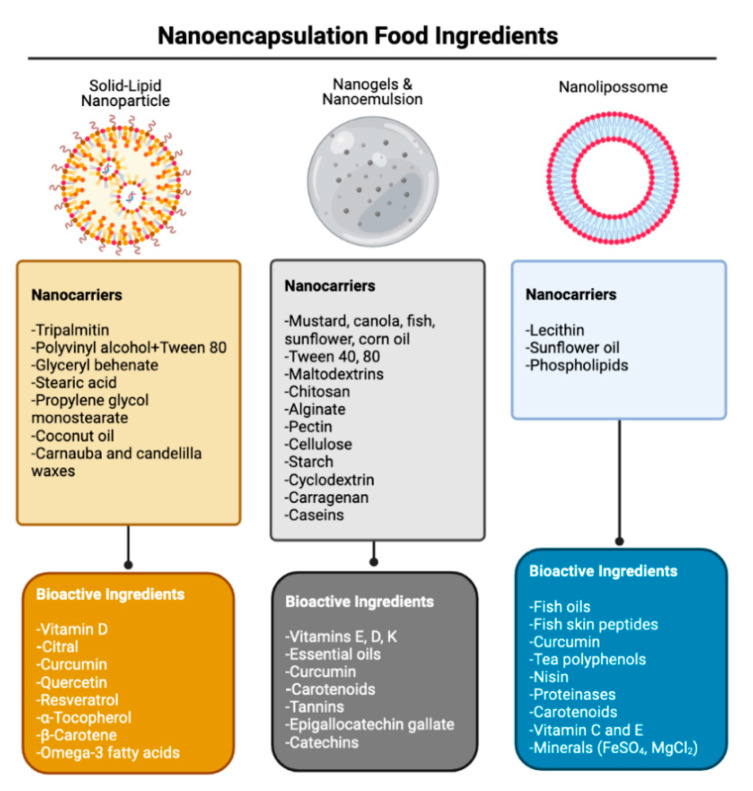
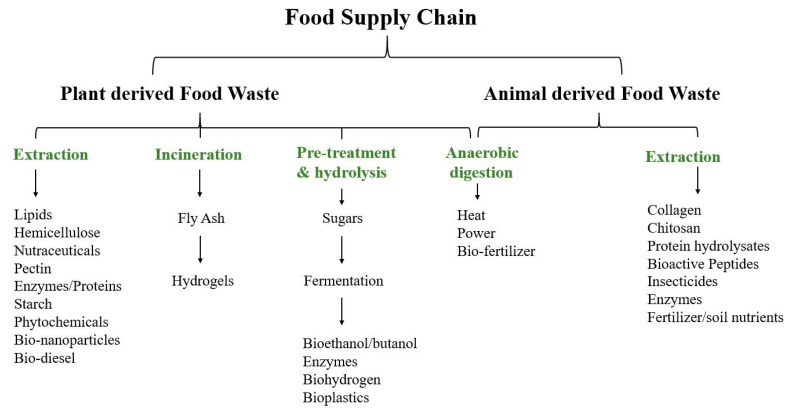
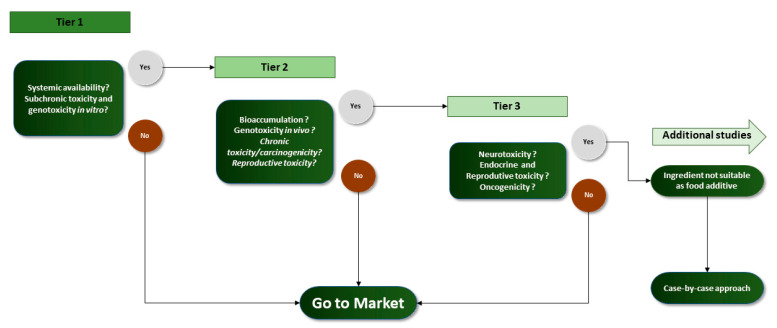
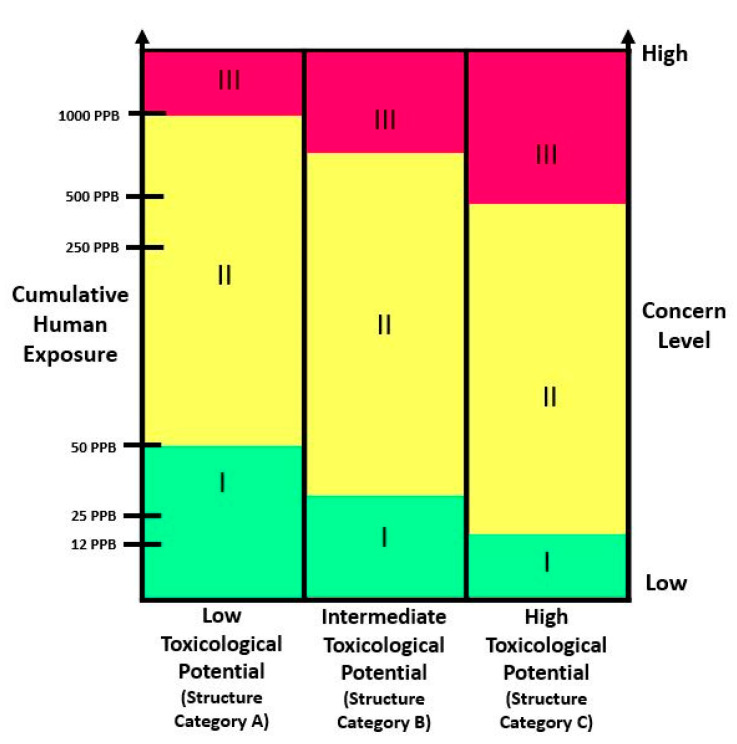
Verification
Claims the paper makes
The claims and statistics of this paper haven’t been checked yet.
Free: it reads the open-access text and checks the first 5 claims that cite a source we can check. Create a free account to check every claim.
Claims other papers make about this one
Each is checked against this paper’s own text: does it say what the citing paper says it does?
The source backs part of the claim, not all of it — or backs it for a different population, condition or comparison.
In the citing paper
“These bioactive compounds, such as polyphenols, vitamins, minerals, and prebiotics, bring numerous health benefits and increase the value of the products [4]”
From Valorization of Food Waste to Produce Value-Added Products Based on Its Bioactive Compounds (2023) · cites this paper as [4]
Experimental — accuracy not yet measuredThe cited source says what the claim attributes to it.
In the citing paper
“FW, for example, may contain polyphenols, fiber, vitamins, minerals, and other substances that are well-known for their health-promoting properties [4].”
From Valorization of Food Waste to Produce Value-Added Products Based on Its Bioactive Compounds (2023) · cites this paper as [4]
Self-check
Percentages, sums and reported differences re-computed from the paper’s own numbers.
The self-check needs the paper’s full text.
Citations
Cites
Food and Agriculture Organization of the United Nations
(2022) · Permanent Missions to the United Nations · doi:10.18356/9789210018289c230 · Cited by 5,384
Rebitzer, G., Ekvall, T., Frischknecht, R., Hunkeler, D., Norris, G., Rydberg, T., Schmidt, W.-P., Suh, S., Weidema, B. P., & Pennington, D. W. (2004) · Environment International · doi:10.1016/j.envint.2003.11.005 · Cited by 2,753
Li, Y., Guo, C., Yang, J., Wei, J., Xu, J., & Cheng, S. (2006) · Food Chemistry · doi:10.1016/j.foodchem.2005.02.033 · Cited by 1,058 · cited 1×
“Moreover, the antimicrobial capacity of pomegranate peel extract were investigated in chicken products [37,38] and, the extract showed good antimicrobial activity against S.”
BackgroundJayathilakan, K., Sultana, K., Radhakrishna, K., & Bawa, A. S. (2012) · Journal of Food Science and Technology · doi:10.1007/s13197-011-0290-7 · Cited by 1,001 · cited 1×
“In many types of agro-food waste, enzymes are still active which accelerate or intensify the reactions related with spoilage [73].”
BackgroundBioavailability and Delivery of Nutraceuticals Using Nanotechnology
Huang, Q., Yu, H., & Ru, Q. (2010) · Journal of Food Science · doi:10.1111/j.1750-3841.2009.01457.x · Cited by 793
The 2018 European Union report on pesticide residues in food
(EFSA), E. F. S. A., Medina‐Pastor, P., & Triacchini, G. (2020) · EFSA Journal · doi:10.2903/j.efsa.2020.6057 · Cited by 655 · cited 1×
“396/2005), EFSA is responsible for the annual report of pesticide residue levels analysis in foods in the European market [64].”
BackgroundGreen extraction of natural products. Origins, current status, and future challenges
Chemat, F., Abert-Vian, M., Fabiano-Tixier, A. S., Strube, J., Uhlenbrock, L., Gunjevic, V., & Cravotto, G. (2019) · TrAC Trends in Analytical Chemistry · doi:10.1016/j.trac.2019.05.037 · Cited by 644
Nano- and micro-structured assemblies for encapsulation of food ingredients
Augustin, M. A., & Hemar, Y. (2009) · Chem. Soc. Rev. · doi:10.1039/b801739p · Cited by 627
Agro-industrial potential of exotic fruit byproducts as a source of food additives
Ayala-Zavala, J. F., Vega-Vega, V., Rosas-Domínguez, C., Palafox-Carlos, H., Villa-Rodriguez, J. A., Siddiqui, M. W., Dávila-Aviña, J. E., & González-Aguilar, G. A. (2011) · Food Research International · doi:10.1016/j.foodres.2011.02.021 · Cited by 616 · cited 1×
“In general, addition of pomegranate peel extract to popular chicken and meat products enhanced its shelf-life by 2–3 weeks, during chilling temperature [39].”
BackgroundAssadpour, E., & Mahdi Jafari, S. (2019) · Critical Reviews in Food Science and Nutrition · doi:10.1080/10408398.2018.1484687 · Cited by 536
Research works printed but not linked: 2
- 15. Mateos-Aparicio, I.; Matias, A. Chapter 9-Food Industry Processing By-Products in the Role of Alternative and Innovative Food Ingredients and Products in Consumers Wellness ; Galanakis, C.M., Ed.; Academic Press: Cambridge, MA, USA, 2019; pp. 239-281. ISBN 978-0-12-816453-2.
- 100. EFSA Directive 2004/10/EC of the European Parliament and of the Council of 11 February 2004 on the Harmonization of Laws, Regulations and Administrative Provisions Relating to the Application of the Principles of Good Laboratory Practice and the Verification ; Official Journal of the European Union: Luxembourg, 2004.
Cited by
Valorization of Food Waste to Produce Value-Added Products Based on Its Bioactive Compounds
Liu, Z., de Souza, T. S. P., Holland, B., Dunshea, F., Barrow, C., & Suleria, H. A. R. (2023) · Processes · doi:10.3390/pr11030840 · Cited by 254
Emerging Trends in Green Extraction Techniques for Bioactive Natural Products
Usman, M., Nakagawa, M., & Cheng, S. (2023) · Processes · doi:10.3390/pr11123444 · Cited by 210
“…to this sustainable pursuit [29]. encapsulates a concise overview of potential classes of bioactive agro-food and agricultural waste streams [21,30,34], serving as a Figure 1 encapsulates a concise overview of potential classes of bioactive NPs derived from agro-food and agricultural waste…”
Bala, S., Garg, D., Sridhar, K., Inbaraj, B. S., Singh, R., Kamma, S., Tripathi, M., & Sharma, M. (2023) · Bioengineering · doi:10.3390/bioengineering10020152 · Cited by 215
“Numerous studies have been conducted on the bioactive compounds found in agricultural residues [49,53].”
Lemes, A. C., Egea, M. B., Oliveira Filho, J. G. D., Gautério, G. V., Ribeiro, B. D., & Coelho, M. A. Z. (2022) · Frontiers in Bioengineering and Biotechnology · doi:10.3389/fbioe.2021.802543 · Cited by 176
Valorization of Starch to Biobased Materials: A Review
Falua, K. J., Pokharel, A., Babaei‐Ghazvini, A., Ai, Y., & Acharya, B. (2022) · Polymers · doi:10.3390/polym14112215 · Cited by 154
Ezeorba, T. P. C., Okeke, E. S., Mayel, M. H., Nwuche, C. O., & Ezike, T. C. (2024) · Bioresource Technology Reports · doi:10.1016/j.biteb.2024.101823 · Cited by 167
Chatzimitakos, T. G., Athanasiadis, V., Kalompatsios, D., Mantiniotou, M., Bozinou, E., & Lalas, S. I. (2023) · Biomass · doi:10.3390/biomass3040022 · Cited by 144
“The food industry extensively utilizes bioactive compounds derived from food processing by-products for various purposes, such as preservatives, antibrowning agents, thickeners, and colorants [16–18].”
Salazar‐López, N. J., Barco-Mendoza, G. A., Zuñiga-Martínez, B. S., Domínguez-Avila, J. A., Robles-Sánchez, R. M., Villegas‐Ochoa, M. A., & González-Aguilar, G. A. (2022) · Bioengineering · doi:10.3390/bioengineering9110623 · Cited by 120
“Regarding substrate, food residues are a source of carbohydrates, lipids, proteins, vitamins, minerals, and bioactive compounds [13,15].”
BackgroundMunteanu, B. S., & Vasile, C. (2021) · Polymers · doi:10.3390/polym13213771 · Cited by 118
“There are also recent studies which reveal that numerous food wastes, particularly fruit and vegetables by-products, are a good source of bioactive compounds that can be extracted and reintroduced into the food chain as natural food additives or in food matrices for obtaining nutraceuticals and functional foods [222].”
BackgroundMessinese, E., Pitirollo, O., Grimaldi, M., Milanese, D., Sciancalepore, C., & Cavazza, A. (2023) · Food and Bioprocess Technology · doi:10.1007/s11947-023-03158-2 · Cited by 114
El‐Saadony, M. T., Saad, A. M., Mohammed, D. M., Alkafaas, S. S., El-Mageed, T. A. A., Fahmy, M. A., Ahmed, A. E., Algopishi, U. B., Abu-Elsaoud, A. M., Mosa, W. F. A., et al. (2025) · Frontiers in Nutrition · doi:10.3389/fnut.2025.1659743 · Cited by 148
Arshad, Z., Shahid, S., Hasnain, A., Yaseen, E., & Rahimi, M. (2025) · Food Science & Nutrition · doi:10.1002/fsn3.71024 · Cited by 154
Ansari, P., Khan, J. T., Choudhary, S., Reberio, A. D., Kumar, S., Seidel, V., Abdel-Wahab, Y. H. A., & Flatt, P. R. (2024) · doi:10.20944/preprints202408.1739.v1 · Cited by 89
Ansari, P., Khan, J. T., Chowdhury, S., Reberio, A. D., Kumar, S., Seidel, V., Abdel‐Wahab, Y. H. A., & Flatt, P. R. (2024) · Nutrients · doi:10.3390/nu16213709 · Cited by 137
Arruda, T. R., Bernardes, P. C., Moraes, A. R. F. E., & Soares, N. D. F. F. (2022) · Food Research International · doi:10.1016/j.foodres.2022.111160 · Cited by 96
Using plant-based compounds as preservatives for meat products: A review
Olvera-Aguirre, G., Piñeiro-Vázquez, Á. T., Sanginés-García, J. R., Sánchez-Zárate, A., Ochoa-Flores, A. A., Campos, M. R. S., Vargas‐Bello‐Pérez, E., & Chay‐Canul, A. J. (2023) · Heliyon · doi:10.1016/j.heliyon.2023.e17071 · Cited by 83
Hasan, M. M., Islam, M. R., Haque, A. R., Kabir, M. R., Khushe, K. J., & Hasan, S. M. K. (2024) · Bioresources and Bioprocessing · doi:10.1186/s40643-023-00722-8 · Cited by 114
“The most well-known contaminants referred to are pesticides, mycotoxins, anti-nutritional constituents, bacterial constituents, heavy metals, and biogenic amines (Vilas-Boas et al. 2021), some examples are presented in Table 2.”
BackgroundInfluentialThe road ahead for functional foods: Promising opportunities amidst industry challenges
Rashidinejad, A. (2024) · Future Postharvest and Food · doi:10.1002/fpf2.12022 · Cited by 96
Lactic Acid Bacteria in Dairy Foods: Prime Sources of Antimicrobial Compounds
Ahansaz, N., Tarrah, A., Pakroo, S., Corich, V., & Giacomini, A. (2023) · Fermentation · doi:10.3390/fermentation9110964 · Cited by 95
Valorization of tea waste: Composition, bioactivity, extraction methods, and utilization
Çakmak, T. G., Sarıcaoğlu, B., Özkan, G., Tomaş, M., & Çapanoğlu, E. (2024) · Food Science & Nutrition · doi:10.1002/fsn3.4011 · Cited by 82
Dark fermentation and microalgae cultivation coupled systems: Outlook and challenges
Lacroux, J., Llamas, M., Dauptain, K., Avila, R., Steyer, J., van Lis, R., & Trably, É. (2022) · The Science of The Total Environment · doi:10.1016/j.scitotenv.2022.161136 · Cited by 72
Saini, R. K., Khan, M. I., Kumar, V., Shang, X., Lee, J., & Ko, E. Y. (2025) · Antioxidants · doi:10.3390/antiox14060650 · Cited by 92
“…several challenges, including the presence of pesticides, mycotoxins (e.g., aflatoxins, ochratoxin A, deoxynivalenol, and zearalenone), foodborne pathogens (e.g., Salmonella spp. and E. coli ) and molds, heavy metals (e.g., mercury, lead, cadmium, and arsenic), and biogenic amines [23,201].”
InfluentialBekavac, N., Krog, K., Stanić, A., Šamec, D., Šalić, A., Benković, M., Jurina, T., Kljusurić, J. G., Valinger, D., & Tušek, A. J. (2025) · Antioxidants · doi:10.3390/antiox14060714 · Cited by 87
“The substitution of synthetic supplements and food additives with natural alternatives is a growing trend, driven by increasing consumer awareness of product safety and health concerns [115].”
Singh, P., Pandey, V. K., Singh, R., Singh, K., Dash, K. K., & Malik, S. (2024) · Journal of Agriculture and Food Research · doi:10.1016/j.jafr.2024.101065 · Cited by 62
Lavanya, M., Namasivayam, S. K. R., & John, A. (2024) · Applied Biochemistry and Biotechnology · doi:10.1007/s12010-024-04943-1 · Cited by 61
“These tests aim to gather data on changes in blood, urine, and clinical biochemistry parameters that are associated with the treatment, as well as any histopathological alterations in organs and tissues following long-term exposure to the compounds [60].”
Shahbaz, M., Riaz, M., Momal, U., Rasool, I. F. U., Naeem, H., Raza, N., Moreno, A., Khalid, W., & Esatbeyoglu, T. (2025) · Applied Food Research · doi:10.1016/j.afres.2025.101434 · Cited by 67
Sha, S. P., Modak, D., Sarkar, S., Roy, S. K., Sah, S. P., Ghatani, K., & Bhattacharjee, S. (2023) · Frontiers in Microbiology · doi:10.3389/fmicb.2023.1260071 · Cited by 81
Obahiagbon, E. G., & Ogwu, M. C. (2024) · Springer eBooks · doi:10.1007/978-981-97-2428-4_10 · Cited by 52
Olennikov, D. N., Chemposov, V. V., & Chirikova, N. K. (2022) · Foods · doi:10.3390/foods11182801 · Cited by 55
“A possible way to use the capacity of the secondary raw material is isolation of valuable compounds and the development of new products [9].”
BackgroundGrispoldi, L., Ianni, F., Blasi, F., Pollini, L., Crotti, S., Cruciani, D., Cenci-Goga, B. T., & Cossignani, L. (2022) · Antioxidants · doi:10.3390/antiox11071221 · Cited by 53
“In fact, recent studies have reported that these compounds possess health-promoting effects, including antioxidant, anti-inflammatory, and immunomodulatory properties [3].”
BackgroundValorisation of food processing wastes using PEF and its economic advances – recent update
Velusamy, M., Rajan, A., & Radhakrishnan, M. (2023) · International Journal of Food Science & Technology · doi:10.1111/ijfs.16297 · Cited by 45
Zhang, J., & Wu, H. (2025) · Food Chemistry · doi:10.1016/j.foodchem.2025.144277 · Cited by 45
Vilas-Boas, A. A., Magalhães, D., Campos, D. A., Porretta, S., Dellapina, G., Poli, G., Istanbullu, Y., Demir, S., Martín, Á. M. S., García-Gómez, P., et al. (2022) · Foods · doi:10.3390/foods11233859 · Cited by 49
“tion of functional foods does not exist, a consensus on the main aspects has been reported in the literature, where functional foods are defined as foods that may provide health benefits beyond the fundamental nutrition values because they are rich in certain bioactive compounds [4].”
BackgroundSelf-citationValisakkagari, H., Chaturvedi, C., & Rupasinghe, H. P. V. (2024) · Processes · doi:10.3390/pr12040742 · Cited by 49
Mateus, A. R. S., Pena, A., & Sanches-Silva, A. T. (2024) · Current Opinion in Green and Sustainable Chemistry · doi:10.1016/j.cogsc.2024.100938 · Cited by 59
Intrasook, J., Tsusaka, T. W., & Anal, A. K. (2024) · Journal of Food and Drug Analysis · doi:10.38212/2224-6614.3499 · Cited by 68
“…by-products or food wastes which are not commonly consumed, hazardous contamination in botanicals may raise concerns about food safety such as pathogens developed during improper post-harvest practices and processing, pesticides, heavy metals, and organic matter contaminated from environments [29].”
Valorization of agri-food waste and by-products in cheese and other dairy foods: An updated review
Tarchi, I., Boudalia, S., Özoğul, F., Câmara, J. S., Bhat, Z. F., Hassoun, A., Perestrelo, R., Bouaziz, M. A., Nurmilah, S., Cahyana, Y., et al. (2024) · Food Bioscience · doi:10.1016/j.fbio.2024.103751 · Cited by 48
Inhibitory mechanisms of promising antimicrobials from plant byproducts: A review
Qian, M., Ismail, B. B., He, Q., Zhang, X., Yang, Z., Ding, T., Ye, X., Liu, D., & Guo, M. (2023) · Comprehensive Reviews in Food Science and Food Safety · doi:10.1111/1541-4337.13152 · Cited by 47
The prospect of fruit wastes in bioethanol production: A review
Mgeni, S. T., Mero, H. R., Mtashobya, L., & Emmanuel, J. (2024) · Heliyon · doi:10.1016/j.heliyon.2024.e38776 · Cited by 32
“This integrated approach supports efficient FWs utilisation, reduces environmental impact, and promotes circular economy principles by maximising resource recovery from fruit processing residues [67].”
BackgroundZhang, Q., & Zhang, H. (2024) · Sustainability · doi:10.3390/su16146169 · Cited by 48
Zhang, Y., Liu, Y., Ni, G., Xu, J., Tian, Y., Liu, X., Gao, J., Gao, Q., Shen, Y., & Yan, Z. (2023) · Arabian Journal of Chemistry · doi:10.1016/j.arabjc.2023.104812 · Cited by 37
Bioactive compounds as an alternative for the sugarcane industry: Towards an integrative approach
Molina-Cortés, A., Quimbaya, M., Toro-Gomez, A., & Tobar-Tosse, F. (2023) · Heliyon · doi:10.1016/j.heliyon.2023.e13276 · Cited by 46
“However, recent studies have shown that agro-industrial residues from different crops, including sugarcane, should be considered a renewable source of BCs with added value [4,6].”
BackgroundSustainable and Health-Protecting Food Ingredients from Bioprocessed Food by-Products and Wastes
Minervini, F., Comitini, F., De Boni, A., Fiorino, G. M., Rodrigues, F., Tlais, A. Z. A., Carafa, I., & De Angelis, M. (2022) · Sustainability · doi:10.3390/su142215283 · Cited by 31
Horned Melon Pulp, Peel, and Seed: New Insight into Phytochemical and Biological Properties
Šovljanski, O., Šeregelj, V., Pezo, L. L., Šaponjac, V. T., Vulić, J., Cvanić, T., Markov, S. L., Ćetković, G., & Čanadanović‐Brunet, J. M. (2022) · Antioxidants · doi:10.3390/antiox11050825 · Cited by 31
“Waste accumulation is a serious ecological and economical problem, and a potential solution is the reuse of plant-based waste as a rich source of phytochemicals, with antimicrobial and antioxidant effects [3].”
BackgroundRai, P., Mehrotra, S., & Sharma, S. (2022) · LWT · doi:10.1016/j.lwt.2022.113999 · Cited by 32
Rui, X., Fu, K. G., Wang, H., Pan, T., & Wang, W. (2025) · Foods · doi:10.3390/foods14030512 · Cited by 35
Sustainable agriculture through environmental adaptation engineering for waste management
Behera, D., Fathima, J., Saady, N. M. C., Zendehboudi, S., Albayati, T. M., Al‐Nayili, A., Chatterjee, P., Venkatachalam, P., Peach, B., & Espinoza, J. E. R. (2025) · Green Technologies and Sustainability · doi:10.1016/j.grets.2025.100242 · Cited by 54
Nemli, E., Günal‐Köroğlu, D., Apak, R., & Çapanoğlu, E. (2025) · Foods · doi:10.3390/foods14152718 · Cited by 35
“Finally, it is important to mention that there is limited research and patent activity in the utilization of food waste and by-products in the scientific field and industry due to a lack of legislation [220].”
Šeregelj, V., Šovljanski, O., Šaponjac, V. T., Vulić, J., Ćetković, G., Markov, S. L., & Čanadanović‐Brunet, J. M. (2022) · Processes · doi:10.3390/pr10010094 · Cited by 35
“Recent studies reveal that numerous food wastes and non-edible parts are a good source of phytochemicals that can be extracted and reintroduced into the food chain as natural food additives [3].”
BackgroundRevolution of Bioactive Compound Extraction: Impacts on Food Safety, Health, and Sustainability
Zaky, A. A., Witrowa‐Rajchert, D., & Nowacka, M. (2025) · Food Safety and Health · doi:10.1002/fsh3.70012 · Cited by 35
Andrade, R. A. M. D. S., da Silva, D. C., de Souza, M. M. B., de Oliveira, R. L., Maciel, M. I. S., Porto, T. S., Mélo, E. D. A., Arruda, L. L. D. A. L., & Porto, T. S. (2023) · Food Chemistry Advances · doi:10.1016/j.focha.2023.100364 · Cited by 26
An Upcycling Approach from Fruit Processing By-Products: Flour for Use in Food Products
Benvenutti, L., Moura, F. M., Zanghelini, G., Barrera, C., Seguí, L., & Zielinski, A. A. F. (2025) · Foods · doi:10.3390/foods14020153 · Cited by 34
“Pasteurization and membrane processes, such as microfiltration, ultrafiltration, and nanofiltration, are also suitable alternatives to remove contaminants from plant extracts [13].”
Panda, J., Amrit, R., Mishra, A. K., Chakraborty, A., Rustagi, S., Nath, P. C., Sarabandi, K., Sarma, H., Wagh, M. S., & Mohanta, Y. K. (2025) · Waste and Biomass Valorization · doi:10.1007/s12649-025-02937-6 · Cited by 36
“All these biological hazards pose a significant risk of diseases; therefore, several factors must be evaluated when determining the appropriateness of FVW for extracting essential constituents [127].”
Bejenaru, L. E., Radu, A., Segneanu, A., Biţă, A., Manda, C. V., Mogoşanu, G. D., & Bejenaru, C. (2024) · Plants · doi:10.3390/plants13152133 · Cited by 31
“…antibacterial, antioxidant, and anticancer properties. enhanced by various Moreover, their antibacterial effect is enhanced by various antibiotics produced from microbes cultivated on agricultural waste [70,74]. antibiotics produced from microbes cultivated on agricultural [70,74].”
BackgroundLang, X., Lan, W., Liu, S., & Sun, X. (2025) · Chemical Engineering Journal · doi:10.1016/j.cej.2025.160259 · Cited by 28
Al-Mijalli, S. H., Mrabti, N. N., Ouassou, H., Sheikh, R. A., Assaggaf, H. M., Bakrim, S., Abdallah, E. M., Alshahrani, M. M., Awadh, A. A. A., Lee, L., et al. (2022) · Molecules · doi:10.3390/molecules27217329 · Cited by 27
“Therefore, based on our current and prior investigation, we can affirm that the contents of an herbʹs essential oils are influenced by environmental conditions and geographical lo‐ cation, and as a result, the degree of antibacterial activity of a plant is also influenced [16].”
BackgroundInfluentialDietary Bioactive Compounds: Implications for Oxidative Stress and Inflammation
Cuffaro, D., Digiacomo, M., & Macchia, M. (2023) · Nutrients · doi:10.3390/nu15234966 · Cited by 31
Marinho, L. D. F., Sganzerla, W. G., Ferreira, V. C., Moreno, J. A. J., Rostagno, M. A., & Forster‐Carneiro, T. (2023) · Biocatalysis and Agricultural Biotechnology · doi:10.1016/j.bcab.2023.102744 · Cited by 25
Zhang, L., Rocchetti, G., Zengin, G., Buono, D. D., Trevisan, M., & Lucini, L. (2023) · Antioxidants · doi:10.3390/antiox12020313 · Cited by 21
“Replacing synthetic additives with natural bioactive compounds extracted from plants is an important strategy for food manufacturers [9].”
BackgroundRadić, K., Galić, E., Vinković, T., Golub, N., & Čepo, D. V. (2024) · Sustainability · doi:10.3390/su16219158 · Cited by 27
Andronachi, V.-C., Simeanu, C., Matei, M., Radu-Rusu, R. M., & Simeanu, D. (2025) · Agriculture · doi:10.3390/agriculture15030273 · Cited by 30
Stefanidis, S., Ordoudi, S. A., Nenadis, N., & Pyrka, I. (2023) · Food Research International · doi:10.1016/j.foodres.2023.113599 · Cited by 20
Chatzimitakos, T. G., Athanasiadis, V., Kalompatsios, D., Κωτσού, Κ., Mantiniotou, M., Bozinou, E., & Lalas, S. I. (2023) · Sustainability · doi:10.3390/su16010032 · Cited by 25
Karmakar, R., Aggarwal, S., Kathuria, D., Singh, N., Tripathi, V. S., Sharma, P. K., Mitra, D., Kumar, S., & Bhattacharya, S. (2025) · Food Bioscience · doi:10.1016/j.fbio.2025.106833 · Cited by 27
Superhydrophobic Materials from Waste: Innovative Approach
Cannio, M., Boccaccini, D. N., Caporali, S., & Taurino, R. (2024) · Clean Technologies · doi:10.3390/cleantechnol6010015 · Cited by 23
Bhatia, L., Kaladhar, D. S., Sarkar, T., Jha, H., & Kumar, B. (2024) · Energy Ecology and Environment · doi:10.1007/s40974-024-00321-z · Cited by 26
“There is a significant amount of waste produced when vegetables and fruits like potatoes, carrots, tomatoes, onions, oranges, pineapples, grapes, apples, and lemons are used for pulp or juice extraction (Vilas-Boas et al. 2021).”
Davoudi, M., Gavlighi, H. A., Javanmardi, F., Benjakul, S., & Nikoo, M. (2024) · Comprehensive Reviews in Food Science and Food Safety · doi:10.1111/1541-4337.13422 · Cited by 22
Apple pomace as a functional component of sustainable set-type yogurts
Klojdová, I., Ngasakul, N., Kozlu, A., & Baigts-Allende, D. K. (2024) · LWT · doi:10.1016/j.lwt.2024.116909 · Cited by 24
Upcycling technologies for food waste management: safety, limitations, and current trends
Isaac-Bamgboye, F. J., Onyeaka, H., Isaac-Bamgboye, I. T., Chukwugozie, D. C., & Afolayan, M. (2025) · Green Chemistry Letters and Reviews · doi:10.1080/17518253.2025.2533894 · Cited by 86
“…conversion of food waste into valuable products hinges on the presence of bioactive compounds, like polyphenols, vitamins, minerals, and prebiotics (92), which are now finding applications in sectors spanning nutritional foods, bioplastics, bioenergy, biosurfactants, biofertilizers, and…”
Idowu, P. A., Mbambalala, L., Akinmoladun, O. F., & Idowu, A. P. (2025) · Applied Microbiology · doi:10.3390/applmicrobiol5040149 · Cited by 27
“Consumer safety assessments focus on potential accumulation of fermentation by-products in edible tissues and require genotoxicity testing, such as bacterial reverse mutation and in vitro mammalian clastogenicity assays, alongside a 90-day oral toxicity study in rodents [123].”
Estimation of betalain content in beetroot peel powder
Shakir, B. K., & Vincenzi, S. (2024) · Italian Journal of Food Science · doi:10.15586/ijfs.v36i1.2438 · Cited by 27
Schiebel, C. S., Bueno, L. R., Pargas, R. B., Braga, L. L. V. D. M., da Silva, K. S., Fernandes, A. C. V. U., Maia, M. H. D. S., de Oliveira, N. M. T., Bach, C., & Ferreira, D. M. (2024) · The Science of The Total Environment · doi:10.1016/j.scitotenv.2024.175317 · Cited by 21
Jasim, S. A., Rachchh, N. V., Pallathadka, H., Sanjeevi, R., Bokov, D. O., Formanova, S. B., Jabbar, H. S., Mahajan, S., Mustafa, Y. F., & Alhadrawi, M. (2024) · RSC Advances · doi:10.1039/d4ra07693a · Cited by 19
Bayoï, J. R., Foundikou, B. Y., & Etoa, F. (2021) · Journal of Agriculture and Food Research · doi:10.1016/j.jafr.2021.100241 · Cited by 22
Farousha, K., Vengatesan, M. R., Rambabu, K., Haija, M. A., & BANAT, F. A. (2023) · Food Bioscience · doi:10.1016/j.fbio.2023.102563 · Cited by 19
Nutraceutical and functional foods: developmental of toxicity testing and safety assessment
Ali, D. S., Elfalleh, W., & Smaoui, S. (2025) · Euro-Mediterranean Journal for Environmental Integration · doi:10.1007/s41207-024-00717-7 · Cited by 22
“This step is essential to be performed, especially for functional foods and nutraceuti-cals, because a substance within the product may produce some harmful activities suss under specific conditions of use (Vilas-Boas et al. 2021).”
Chellamboli, C., Muthamizhi, K., Ramalakshmi, S., Karthikeyan, C., Lo, S. C., & Rajkumar, S. (2025) · Discover Food · doi:10.1007/s44187-025-00613-1 · Cited by 22
“However, liposomes are susceptible to oxidative degradation, potentially leading to the formation of harmful substances [153].”
Contreras-Pacheco, Y. V., Vallejo-Espinosa, G., Alberto, S.-B. J., Ghotekar, S. K., Fellah, M., & Larios, A. P. (2025) · Food Research International · doi:10.1016/j.foodres.2025.117853 · Cited by 29
Yang, J., Lin, J., Luo, Y., Chen, X., Shen, M., Wang, Y., & Xie, J. (2024) · Food Science and Human Wellness · doi:10.26599/fshw.2024.9250207 · Cited by 16
“Many studies have shown that these food-derived bioactives have low toxicity and good biocompatibility, which can avoid side effects and also promote high value applications [5] .”
Yadav, V. K., Sharma, A. K., Gacem, A., Pandit, J., Wany, A., Kumar, A., Arshad, M., Alreshidi, M. A., Punetha, V. D., Mesfer, M. K. A., et al. (2025) · Waste and Biomass Valorization · doi:10.1007/s12649-025-03002-y · Cited by 22
Food Waste Valorization: Leveraging Singapore’s Zero Waste Master Plan and 30-by-30 Goal
Heng, K., Tan, K., Chan, A., & Lee, C. C. (2024) · Sustainability · doi:10.3390/su16177321 · Cited by 15
Danciu, C., Mag, A. G., Stanciu, C., Vidu, L., & Stanciu, M. C. (2026) · Molecules · doi:10.3390/molecules31040646 · Cited by 19
“Robust quality control systems must implement HACCP (Hazard Analysis and Critical Control Points) principles throughout production, as demonstrated in studies of fermented milk products and other functional foods [150].”
Emerging risk identification in the food chain – A systematic procedure and data analytical options
Farkas, Z., Országh, E., Engelhardt, T., Zentai, A., Süth, M., Csorba, S., & Jóźwiak, Á. B. (2023) · Innovative Food Science & Emerging Technologies · doi:10.1016/j.ifset.2023.103366 · Cited by 14
Toro, M. T., Ortíz, J., Becerra, J., Nelson Zapata, S. M., Fierro, P., Illanes, M., & López, M. D. (2021) · Plants · doi:10.3390/plants10122759 · Cited by 20
“this, safety issues related to bioactive compounds can be controversial due to the great potential they have for rapid auto-oxidation, and to trigger high levels of active enzymes [31].”
BackgroundBagri, F., Priyadarshi, R., Pircheraghi, G., Imani, M., & Rhim, J. (2025) · Materials Today Communications · doi:10.1016/j.mtcomm.2025.113549 · Cited by 15
M’be, C. U., Scher, J., Gaïani, C., Amani, N. G., & Burgain, J. (2023) · Foods · doi:10.3390/foods12162984 · Cited by 13
“As a result, attention is also being paid to the substitution of synthetic antioxidant products with natural antioxidants [2] or antioxidant-rich natural products, even though the current market offers mostly synthetic vitamins and antioxidants.”
BackgroundSabaghi, M., Tavasoli, S., Jamali, S. N., Katouzian, I., & Esfanjani, A. F. (2022) · Food and Bioprocess Technology · doi:10.1007/s11947-022-02837-w · Cited by 15
Sharma, V., Gupta, P., & Sharma, P. (2023) · International Journal of Peptide Research and Therapeutics · doi:10.1007/s10989-023-10565-8 · Cited by 15
“This involves adhering to safety assessment protocols and procedures as outlined in regulations designed to ascertain the health implications of the novel food or ingredient (Vilas-Boas et al. 2021).”
MethodDikmetaş, D. N., Devecioğlu, D., Özünal, Z. G., Demiröz, A., Yavuz, E., Sirkeci, C. B., Karbancıoğlu‐Güler, F., & Kahveci, D. (2024) · Trends in Food Science & Technology · doi:10.1016/j.tifs.2024.104347 · Cited by 14
Papoutsis, K., Shams, Z., Yazdani, M., Muneer, F., Rahmatov, M., Shariatipour, N., Villanueva-Gutierrez, E. E., & Sahoo, M. (2025) · Food Chemistry X · doi:10.1016/j.fochx.2025.102917 · Cited by 16
New Challenges and Opportunities from Secondary Metabolites
de Oliveira, I., de Albuquerque, B. R., Ueda, J. M., Alves, M. J., Ferreira, I. C. F. R., Barros, L., & Heleno, S. A. (2023) · Springer eBooks · doi:10.1007/978-3-031-18587-8_29 · Cited by 18
Roila, R., Primavilla, S., Ranucci, D., Galarini, R., Paoletti, F., Altissimi, C., Valiani, A., & Branciari, R. (2024) · Molecules · doi:10.3390/molecules29071441 · Cited by 11
“Nevertheless, bioactive compounds must be assessed for any hazard to human health and meet legal requirements by force before entering the market [52].”
BackgroundKim, H., Nam, J.-Y., Kim, H.-W., & Jwa, E. (2024) · The Science of The Total Environment · doi:10.1016/j.scitotenv.2024.176884 · Cited by 13
Narayana, G. P., Singh, D. K., Chudasama, M. H., Deotale, S. M., Reddy, N. B. P., & Perumal, T. (2025) · Bioresource Technology Reports · doi:10.1016/j.biteb.2025.102449 · Cited by 15
Rajeshkumar, R. R., Theivendren, P., Pavadai, P., Pandian, S. R. K., Kumar, A. S. K., Murugesan, S., Kabilan, S. J., & Kunjiappan, S. (2024) · Journal of Polymers and the Environment · doi:10.1007/s10924-024-03391-6 · Cited by 12
“Numerous natu-ral compounds, such as resveratrol, vincristine, vinblastine, curcumin, capsaicin, piperine, etc., are already established for breast cancer treatment therapy [27, 28].”
Oliveira, M. T. D. S., Madureira-Carvalho, Á., Dinis‐Oliveira, R. J., & da Silva, D. D. (2025) · Frontiers in Antibiotics · doi:10.3389/frabi.2025.1554061 · Cited by 14
Toxicological qualities and detoxification trends of fruit by-products for valorization: A review
Tsegay, Z. T., Smaoui, S., & Varzakas, T. H. (2025) · Open Life Sciences · doi:10.1515/biol-2025-1105 · Cited by 17
“These contaminants are the main causes of the extracted product ’ s safety, such as biological instability, potential for rapid auto-oxidation, potential pathogenic contaminations, high levels of active enzymes, and high water activity [26].”
Ribeiro, T. B., de Melo, A. N. F., Vilas-Boas, A. A., & Pintado, M. (2023) · Springer eBooks · doi:10.1007/978-3-031-18587-8_4 · Cited by 16
Self-citationVega‐Baudrit, J. R., Camacho, M., Batista-Menezes, D., Corrales-Ureña, Y. R., Zúñiga, J. M., Chacón, A. M., Lecot, N., Henríquez, L. C., & Lopretti, M. I. (2023) · Recycling · doi:10.3390/recycling8060096 · Cited by 12
Wastes from Fruits and Vegetables Processing Industry for Value-Added Products
Ayele, A., Masi, C., Abda, E. M., & Korsa, G. (2024) · Springer eBooks · doi:10.1007/978-3-031-48143-7_7 · Cited by 11
Metadata
- Authors
- Vilas-Boas, A. A., Pintado, M., & Oliveira, A. L. S.
- Affiliations
- Universidade Católica Portuguesa (PT)
- Corresponding author
- Oliveira, Ana L. S.
- Venue
- Foods
- Publisher
- MDPI AG
- Published
- 2021-07-06
- Volume
- 10
- Issue
- 7
- Pages
- 1564
- ISSN
- 2304-8158 (ISSN-L)
- PMC
- PMC8304211
- OpenAlex
- W3180496135
- Semantic Scholar
- 0253986e9372b9f1701d2b1735386f0f996c2933
- Cited by
- 217
- References
- 120
- Citations by year
- 2026: 40 · 2025: 59 · 2024: 57 · 2023: 36 · 2022: 22 · 2021: 3
- FWCI
- 2.68
- Type
- journal article
- Language
- en
- Open access
- gold
- doi.org
- Licence
- Locations
- Foods (publishedVersion, cc-by)
- PubMed Central (publishedVersion, cc-by)
- PubMed (publishedVersion)
- Portuguese National Funding Agency for Science, Research and Technology (RCAAP Project by FCT) (submittedVersion, cc-by)
- DOAJ (DOAJ: Directory of Open Access Journals) (submittedVersion, cc-by-sa)
- Funders
- Fundação para a Ciência e a Tecnologia (UIDB/50016/2020, UIDB/50016)
- Topics
- Health Sciences › Medicine › Biochemistry (medical) › Phytochemicals and Antioxidant Activities
- Life Sciences › Agricultural and Biological Sciences › Food Science › Agricultural and Biological Research
- Life Sciences › Agricultural and Biological Sciences › Food Science › Agricultural safety and regulations
- Keywords
- food waste valorization, bioactive compounds, natural food additives, nutraceuticals, functional foods, dietary supplements, toxicity prediction, food safety, encapsulation, nanoparticles, nanoemulsions, controlled release, agri-food waste
About these checks
Registry, retraction, Cites and statistics results are computed, not judged, with one exception: a printed reference that no index lists is read once by a model before it counts as a citation error. Claims are extracted by a model and kept only when their quote appears verbatim in the text; each cited source is then checked, with a model’s help, for whether it says what the claim relies on. Those verdicts can be wrong — read the claim’s quote and the cited source before relying on one.
Statistics and arithmetic are recomputed, not judged.
Confidence bands are shown only for fields calibrated on our annotated test set. None is calibrated yet, so no band is shown.
What counts as a claim ›How we measure confidence ›How we check this ›
Are you an author, or do you see a problem with this page? Request a review
Data sources
Bibliographic data: Semantic Scholar, OpenAlex, Crossref.
Contains information from the Semantic Scholar Academic Graph Datasets, made available under the ODC Attribution License (ODC-BY 1.0).
Semantic Scholar’s data is described in: Kinney, R., et al. (2023). The Semantic Scholar Open Data Platform. arXiv:2301.10140.
