

Natural Bioactive Compounds from Food Waste: Toxicity and Safety Concerns
Open accessThe DOI matches its Crossref record; 120 of the 120 references it cites were found in a registry or an index.
Abstract
Although synthetic bioactive compounds are approved in many countries for food applications, they are becoming less and less welcome by consumers. Therefore, there has been an increasing interest in replacing these synthetic compounds by natural bioactive compounds. These natural compounds can be used as food additives to maintain the food quality, food safety and appeal, and as food supplements or nutraceuticals to correct nutritional deficiencies, maintain a suitable intake of nutrients, or to support physiological functions, respectively. Recent studies reveal that numerous food wastes, particularly fruit and vegetables byproducts, are a good source of bioactive compounds that can be extracted and reintroduced into the food chain as natural food additives or in food matrices for obtaining nutraceuticals and functional foods. This review addresses general questions concerning the use of fruit and vegetables byproducts as new sources of natural bioactive compounds that are being addressed to foods as natural additives and supplements. Those bioactive compounds must follow the legal requirements and evaluations to assess the risks for human health and their toxicity must be considered before being launched into the market. To overcome the potential health risk while increasing the biological activity, stability and biodistribution of the supplements’ technological alternatives have been studied such as encapsulation of bioactive compounds into micro or nanoparticles or nanoemulsions. This will allow enhancing the stability and release along the gastrointestinal tract in a controlled manner into the specific tissues. This review summarizes the valorization path that a bioactive compound recovered from an agro-food waste can face from the moment their potentialities are exhibited until it reaches the final consumer and the safety and toxicity challenges, they may overcome.
Overview
The claims and statistics of this paper haven’t been checked yet.
Free: it reads the open-access text and checks the first 5 claims that cite a source we can check. Create a free account to check every claim.
Integrity signals
Registry
Cites
Statistics
Figures
Verification
Claims the paper makes
The claims and statistics of this paper haven’t been checked yet.
Free: it reads the open-access text and checks the first 5 claims that cite a source we can check. Create a free account to check every claim.
Claims other papers make about this one
Each is checked against this paper’s own text: does it say what the citing paper says it does?
The source backs part of the claim, not all of it — or backs it for a different population, condition or comparison.
In the citing paper
“These bioactive compounds, such as polyphenols, vitamins, minerals, and prebiotics, bring numerous health benefits and increase the value of the products [4]”
From Valorization of Food Waste to Produce Value-Added Products Based on Its Bioactive Compounds (2023) · cites this paper as [4]
Experimental — accuracy not yet measuredThe cited source says what the claim attributes to it.
In the citing paper
“FW, for example, may contain polyphenols, fiber, vitamins, minerals, and other substances that are well-known for their health-promoting properties [4].”
From Valorization of Food Waste to Produce Value-Added Products Based on Its Bioactive Compounds (2023) · cites this paper as [4]
Self-check
Percentages, sums and reported differences re-computed from the paper’s own numbers.
The self-check needs the paper’s full text.
Citations
Cites
Food and Agriculture Organization of the United Nations
(2022) · Permanent Missions to the United Nations · doi:10.18356/9789210018289c230 · Cited by 5,384
Rebitzer, G., Ekvall, T., Frischknecht, R., Hunkeler, D., Norris, G., Rydberg, T., Schmidt, W.-P., Suh, S., Weidema, B. P., & Pennington, D. W. (2004) · Environment International · doi:10.1016/j.envint.2003.11.005 · Cited by 2,753
Li, Y., Guo, C., Yang, J., Wei, J., Xu, J., & Cheng, S. (2006) · Food Chemistry · doi:10.1016/j.foodchem.2005.02.033 · Cited by 1,058 · cited 1×
“Moreover, the antimicrobial capacity of pomegranate peel extract were investigated in chicken products [37,38] and, the extract showed good antimicrobial activity against S.”
BackgroundJayathilakan, K., Sultana, K., Radhakrishna, K., & Bawa, A. S. (2012) · Journal of Food Science and Technology · doi:10.1007/s13197-011-0290-7 · Cited by 1,001 · cited 1×
“In many types of agro-food waste, enzymes are still active which accelerate or intensify the reactions related with spoilage [73].”
BackgroundBioavailability and Delivery of Nutraceuticals Using Nanotechnology
Huang, Q., Yu, H., & Ru, Q. (2010) · Journal of Food Science · doi:10.1111/j.1750-3841.2009.01457.x · Cited by 793
The 2018 European Union report on pesticide residues in food
(EFSA), E. F. S. A., Medina‐Pastor, P., & Triacchini, G. (2020) · EFSA Journal · doi:10.2903/j.efsa.2020.6057 · Cited by 655 · cited 1×
“396/2005), EFSA is responsible for the annual report of pesticide residue levels analysis in foods in the European market [64].”
BackgroundGreen extraction of natural products. Origins, current status, and future challenges
Chemat, F., Abert-Vian, M., Fabiano-Tixier, A. S., Strube, J., Uhlenbrock, L., Gunjevic, V., & Cravotto, G. (2019) · TrAC Trends in Analytical Chemistry · doi:10.1016/j.trac.2019.05.037 · Cited by 644
Nano- and micro-structured assemblies for encapsulation of food ingredients
Augustin, M. A., & Hemar, Y. (2009) · Chem. Soc. Rev. · doi:10.1039/b801739p · Cited by 627
Agro-industrial potential of exotic fruit byproducts as a source of food additives
Ayala-Zavala, J. F., Vega-Vega, V., Rosas-Domínguez, C., Palafox-Carlos, H., Villa-Rodriguez, J. A., Siddiqui, M. W., Dávila-Aviña, J. E., & González-Aguilar, G. A. (2011) · Food Research International · doi:10.1016/j.foodres.2011.02.021 · Cited by 616 · cited 1×
“In general, addition of pomegranate peel extract to popular chicken and meat products enhanced its shelf-life by 2–3 weeks, during chilling temperature [39].”
BackgroundAssadpour, E., & Mahdi Jafari, S. (2019) · Critical Reviews in Food Science and Nutrition · doi:10.1080/10408398.2018.1484687 · Cited by 536
McClements, D. J., & Xiao, H. (2017) · npj Science of Food · doi:10.1038/s41538-017-0005-1 · Cited by 535
Nano-encapsulation as a promising approach for targeted delivery and controlled release of vitamins
Katouzian, I., & Jafari, S. M. (2016) · Trends in Food Science & Technology · doi:10.1016/j.tifs.2016.05.002 · Cited by 533
Rezaei, A., Fathi, M., & Jafari, S. M. (2019) · Food Hydrocolloids · doi:10.1016/j.foodhyd.2018.10.003 · Cited by 531
Bioactives from Agri-Food Wastes: Present Insights and Future Challenges
Ben-Othman, S., Jõudu, I., & Bhat, R. (2020) · Molecules · doi:10.3390/molecules25030510 · Cited by 482 · cited 1×
“Bioactive compounds isolated include mainly polyphenols, tannins, flavonoids, flavanols, vitamins (A and E), essential minerals, fatty acids, volatiles, anthocyanins, and pigments [24].”
BackgroundFood waste: a potential bioresource for extraction of nutraceuticals and bioactive compounds
Kumar, K., Yadav, A. N., Kumar, V., Vyas, P., & Dhaliwal, H. S. (2017) · Bioresources and Bioprocessing · doi:10.1186/s40643-017-0148-6 · Cited by 481
Regulatory aspects of nanotechnology in the agri/feed/food sector in EU and non-EU countries
Amenta, V., Aschberger, K., Arena, M., Bouwmeester, H., Botelho Moniz, F., Brandhoff, P., Gottardo, S., Marvin, H. J. P., Mech, A., Quiros Pesudo, L., et al. (2015) · Regulatory Toxicology and Pharmacology · doi:10.1016/j.yrtph.2015.06.016 · Cited by 456
Panzella, L., Moccia, F., Nasti, R., Marzorati, S., Verotta, L., & Napolitano, A. (2020) · Frontiers in Nutrition · doi:10.3389/fnut.2020.00060 · Cited by 448 · cited 2×
“The green extraction technologies that have been the focus are the microwave-assisted extraction (MAE), ultrasound-assisted extractions (UAE), and supercritical fluid extraction (SFE) [4].”
BackgroundAntioxidants: Reviewing the chemistry, food applications, legislation and role as preservatives
Carocho, M., Morales, P., & Ferreira, I. C. F. R. (2018) · Trends in Food Science & Technology · doi:10.1016/j.tifs.2017.11.008 · Cited by 418 · cited 2×
“Waterinsoluble fibers as pectin are also considered a functional food that are used to improve gut microbiota health [29,43].”
BackgroundEFSA Scientific Committee, Hardy, A., Benford, D., Halldorsson, T., Jeger, M. J., Knutsen, H. K., More, S., Naegeli, H., Noteborn, H., Ockleford, C., et al. (2018) · EFSA Journal · doi:10.2903/j.efsa.2018.5327 · Cited by 416
Nutraceuticals: opening the debate for a regulatory framework
Santini, A., Cammarata, S. M., Capone, G., Ianaro, A., Tenore, G. C., Pani, L., & Novellino, E. (2018) · British Journal of Clinical Pharmacology · doi:10.1111/bcp.13496 · Cited by 401
Akhavan, S., Assadpour, E., Katouzian, I., & Jafari, S. M. (2018) · Trends in Food Science & Technology · doi:10.1016/j.tifs.2018.02.001 · Cited by 392
Nanotechnology Approaches for Increasing Nutrient Bioavailability
Jafari, S. M., & McClements, D. J. (2017) · Advances in Food and Nutrition Research · doi:10.1016/bs.afnr.2016.12.008 · Cited by 386
Osorio, L. L. D. R., Flórez-López, E., & Grande-Tovar, C. D. (2021) · Molecules · doi:10.3390/molecules26020515 · Cited by 367 · cited 3×
“The current linear economy model is based on the one acquired concepts from the industrial revolution, which implied a constant supply of products with a short life span, forcing an ever so increasing production to face the consumers’ needs [6].”
BackgroundInfluentialAgro-Food Byproducts as a New Source of Natural Food Additives
Faustino, M., Veiga, M., Sousa, P., Costa, E. M., Silva, S., & Pintado, M. (2019) · Molecules · doi:10.3390/molecules24061056 · Cited by 361 · cited 6×
“The most common preservatives in the food industry are nitrates (E240-E259) and nitrites (E249-E250) and they are related to the development of carcinogenic compounds responsible for developing cancer [5].”
BackgroundInfluentialSelf-citationKanatt, S. R., Chander, R., & Sharma, A. (2010) · International Journal of Food Science & Technology · doi:10.1111/j.1365-2621.2009.02124.x · Cited by 357 · cited 1×
“Moreover, the antimicrobial capacity of pomegranate peel extract were investigated in chicken products [37,38] and, the extract showed good antimicrobial activity against S.”
BackgroundAhmad, M., Mudgil, P., Gani, A., Hamed, F., Masoodi, F. A., & Maqsood, S. (2019) · Food Chemistry · doi:10.1016/j.foodchem.2018.07.024 · Cited by 334
Management of Fruit Industrial By-Products—A Case Study on Circular Economy Approach
Campos, D. A., Gómez-García, R., Vilas-Boas, A. A., Madureira, A. R., & Pintado, M. M. (2020) · Molecules · doi:10.3390/molecules25020320 · Cited by 331 · cited 5×
“One of the most reported potential was the fruit and vegetable waste, since it generates a high amount of residue in the food supply chain and is rich in different types of compounds that can be used for different purposes [3].”
BackgroundInfluentialSelf-citationEssien, S. O., Young, B., & Baroutian, S. (2020) · Trends in Food Science & Technology · doi:10.1016/j.tifs.2020.01.014 · Cited by 330 · cited 1×
“Bioactive compounds (BCs) definition is not consensual in the literature, however, one of the most well-accepted describes that they are “natural or synthetic compounds with the capacity to interact with one or more components in the living tissues and exerting a wide range of effects [17].”
BackgroundGuidance for submission for food additive evaluations
(ANS), E. P. O. F. A. A. N. S. A. T. F. (2012) · EFSA Journal · doi:10.2903/j.efsa.2012.2760 · Cited by 329
Bioactive potential of fruit and vegetable wastes
(2020) · Advances in Food and Nutrition Research · doi:10.1016/bs.afnr.2019.07.001 · Cited by 317 · cited 2×
“Current trends in the food industry and the continuous search for healthy products suggest that consumer’s interest in natural and high-quality foods is increasing [8].”
BackgroundVila-Donat, P., Marín, S., Sanchis, V., & Ramos, A. J. (2018) · Food and Chemical Toxicology · doi:10.1016/j.fct.2018.02.044 · Cited by 305
Inorganic Arsenic in Rice Bran and Its Products Are an Order of Magnitude Higher than in Bulk Grain
Sun, G.-X., Williams, P. N., Carey, A.-M., Zhu, Y.-G., Deacon, C., Raab, A., Feldmann, J., Islam, R. M., & Meharg, A. A. (2008) · Environmental Science & Technology · doi:10.1021/es801238p · Cited by 303 · cited 1×
“One example is the rice bran used as a health food supplement still it contains levels of inorganic arsenic considered carcinogen (∼1 mg/kg dry weight), which are around 10–20 fold higher than the concentrations found in bulk grain [76].”
BackgroundNanoliposome technology for the food and nutraceutical industries
Khorasani, S., Danaei, M., & Mozafari, M. R. (2018) · Trends in Food Science & Technology · doi:10.1016/j.tifs.2018.07.009 · Cited by 293
Nanotechnology: current uses and future applications in the food industry
Thiruvengadam, M., Rajakumar, G., & Chung, I.-M. (2018) · 3 Biotech · doi:10.1007/s13205-018-1104-7 · Cited by 290
The Link between the Consumer and the Innovations in Food Product Development
Guiné, R. P. F., Florença, S. G., Barroca, M. J., & Anjos, O. (2020) · Foods · doi:10.3390/foods9091317 · Cited by 281 · cited 1×
“Hence, attention to natural BCs has increased in the past year especially due to the consumers’ awareness regarding the evidence that a healthy and balanced diet has a positive impact on health therefore, consumers worldwide have become more health-conscious [10].”
BackgroundValorization of fruits and vegetable wastes and by-products to produce natural pigments
Sharma, M., Usmani, Z., Gupta, V. K., & Bhat, R. (2021) · Critical Reviews in Biotechnology · doi:10.1080/07388551.2021.1873240 · Cited by 275 · cited 1×
“Some examples of anthocyanins sources are winery byproducts, red cabbage, black carrots, purple sweet potatoes, and berries [41].”
BackgroundDefining ‘nutraceuticals’: neither nutritious nor pharmaceutical
Aronson, J. K. (2017) · British Journal of Clinical Pharmacology · doi:10.1111/bcp.12935 · Cited by 273 · cited 1×
“A deep analysis of the definitions and the inconsistencies found can be studied in a recent review work of Aronson [20].”
BackgroundReactive oxygen species-related activities of nano-iron metal and nano-iron oxides
Wu, H., Yin, J.-J., Wamer, W. G., Zeng, M., & Lo, Y. M. (2014) · Journal of Food and Drug Analysis · doi:10.1016/j.jfda.2014.01.007 · Cited by 257
Martínez-Ballesta, M., Gil-Izquierdo, Á., García-Viguera, C., & Domínguez-Perles, R. (2018) · Foods · doi:10.3390/foods7050072 · Cited by 256
Phenolic compounds recovered from agro-food by-products using membrane technologies: An overview
Castro-Muñoz, R., Yáñez-Fernández, J., & Fíla, V. (2016) · Food Chemistry · doi:10.1016/j.foodchem.2016.07.030 · Cited by 238 · cited 1×
“Those can be used to recover, separate and fractionate-specific BCs specially wastewaters, while assuring safety [84].”
MethodCoppens, P., da Silva, M. F., & Pettman, S. (2006) · Toxicology · doi:10.1016/j.tox.2005.12.022 · Cited by 228 · cited 1×
“To protect public health, when a novel food or ingredient is proposed is necessary to ensure consumer health, and for that safety assessments, procedures are proposed in regulations [94].”
BackgroundCytotoxicity of Nanoparticles Contained in Food on Intestinal Cells and the Gut Microbiota
Fröhlich, E., & Fröhlich, E. (2016) · International Journal of Molecular Sciences · doi:10.3390/ijms17040509 · Cited by 223
Validation of Coffee By-Products as Novel Food Ingredients
Iriondo-DeHond, A., Aparicio García, N., Fernandez-Gomez, B., Guisantes-Batan, E., Velázquez Escobar, F., Blanch, G. P., San Andres, M. I., Sanchez-Fortun, S., & del Castillo, M. D. (2019) · Innovative Food Science & Emerging Technologies · doi:10.1016/j.ifset.2018.06.010 · Cited by 214 · cited 1×
“Mycotoxins Aflatoxin B1 Fumonisin B1 Ochratoxin A (OTA) Coffee husk and silverskin [90] Orange peel extracts [80] Grape skin extract [77]”
BackgroundDesign of Nano‐Laminated Coatings to Control Bioavailability of Lipophilic Food Components
McClements, D. J. (2010) · Journal of Food Science · doi:10.1111/j.1750-3841.2009.01452.x · Cited by 211
Mycotoxins, general view, chemistry and structure
Steyn, P. S. (1995) · Toxicology Letters · doi:10.1016/0378-4274(95)03525-7 · Cited by 204 · cited 1×
“Some of the troubleshooting caused by micotoxins in other organisms like humas and/or animals involves effects like carcinogenic, genotoxic, hepatotoxic, teratogenic, estrogenic, immunosuppressive, nephrotoxic, or neurotoxic [68,69].”
BackgroundPlant Food Residues as a Source of Nutraceuticals and Functional Foods
Varzakas, T., Zakynthinos, G., & Verpoort, F. (2016) · Foods · doi:10.3390/foods5040088 · Cited by 202 · cited 1×
“In the United States, depending on the product application the ingredients can have the nutritional label and be regulated as food, food supplement, diet constituent, or nutritional supplement which the product is marketed [53,54].”
BackgroundThe 2017 European Union report on pesticide residues in food
(EFSA), E. F. S. A. (2019) · EFSA Journal · doi:10.2903/j.efsa.2019.5743 · Cited by 201
Solid lipid nanoparticles as carriers for lipophilic compounds for applications in foods
da Silva Santos, V., Badan Ribeiro, A. P., & Andrade Santana, M. H. (2019) · Food Research International · doi:10.1016/j.foodres.2019.01.032 · Cited by 198
Authority, E. F. S., & EFSA Scientific Committee (2009) · EFSA Journal · doi:10.2903/j.efsa.2009.1249 · Cited by 196
Smart advanced solvents for bioactive compounds recovery from agri-food by-products: A review
Gullón, P., Gullón, B., Romaní, A., Rocchetti, G., & Lorenzo, J. M. (2020) · Trends in Food Science & Technology · doi:10.1016/j.tifs.2020.05.007 · Cited by 193 · cited 1×
“Recently the use of natural deep eutectic solvents for the bioactive compounds recovery received great attention as an alternative to the conventional extraction which uses organic solvents that may contribute to toxicity, presenting high volatility and non-renewability [28].”
BackgroundGenotoxicity assessment of chemical mixtures
EFSA Scientific Committee, More, S., Bampidis, V., Benford, D., Boesten, J., Bragard, C., Halldorsson, T., Hernandez‐Jerez, A., Hougaard‐Bennekou, S., Koutsoumanis, K., et al. (2019) · EFSA Journal · doi:10.2903/j.efsa.2019.5519 · Cited by 188 · cited 1×
“Regulation advices to focus toxicity studies on each specific constituent of the nutraceutical [48].”
BackgroundSubramani, T., & Ganapathyswamy, H. (2020) · Journal of Food Science and Technology · doi:10.1007/s13197-020-04360-2 · Cited by 186
Effects on poultry and livestock of feed contamination with bacteria and fungi
Maciorowski, K. G., Herrera, P., Jones, F. T., Pillai, S. D., & Ricke, S. C. (2007) · Animal Feed Science and Technology · doi:10.1016/j.anifeedsci.2006.08.006 · Cited by 183 · cited 1×
“and E coli O157:H7) and the application of contaminated fertilizer especially from animal source is on the basis of that [74].”
BackgroundHayes, J. E., Stepanyan, V., Allen, P. D., O’Grady, M. N., & Kerry, J. P. (2009) · Meat Science · doi:10.1016/j.meatsci.2009.10.020 · Cited by 181 · cited 1×
“Meat products quality and shelf-life was increased [35] and the capacity to delay fish microbiological spoilage (E.”
BackgroundCapriotti, A. L., Caruso, G., Cavaliere, C., Foglia, P., Samperi, R., & Laganà, A. (2011) · Mass Spectrometry Reviews · doi:10.1002/mas.20351 · Cited by 175 · cited 1×
“Some of the troubleshooting caused by micotoxins in other organisms like humas and/or animals involves effects like carcinogenic, genotoxic, hepatotoxic, teratogenic, estrogenic, immunosuppressive, nephrotoxic, or neurotoxic [68,69].”
BackgroundCoecke, S., Pelkonen, O., Leite, S. B., Bernauer, U., Bessems, J. G. M., Bois, F. Y., Gundert‐Remy, U., Loizou, G. D., Testai, E., & Zaldívar, J. M. (2012) · Toxicology in Vitro · doi:10.1016/j.tiv.2012.06.012 · Cited by 173
The environmental impact of reducing food loss and waste: A critical assessment
Cattaneo, A., Federighi, G., & Vaz, S. (2020) · Food Policy · doi:10.1016/j.foodpol.2020.101890 · Cited by 165 · cited 1×
“The large amounts of agro-food waste represent a challenge for the food processors, but also an important issue for both environment and international economy since they are one of the causes for landfilling to be no longer sustainable [2,3].”
BackgroundDomínguez Díaz, L., Fernández-Ruiz, V., & Cámara, M. (2020) · Critical Reviews in Food Science and Nutrition · doi:10.1080/10408398.2019.1592107 · Cited by 164 · cited 2×
“On the contrary, food supplements have a statutory definition in the US [56].”
BackgroundMelon (Cucumis melo L.) by-products: Potential food ingredients for novel functional foods?
Silva, M. A., Albuquerque, T. G., Alves, R. C., Oliveira, M. B. P. P., & Costa, H. S. (2018) · Trends in Food Science & Technology · doi:10.1016/j.tifs.2018.07.005 · Cited by 161
Lai, W. T., Khong, N. M. H., Lim, S. S., Hee, Y. Y., Sim, B. I., Lau, K. Y., & Lai, O. M. (2017) · Trends in Food Science & Technology · doi:10.1016/j.tifs.2016.11.014 · Cited by 159
Comparison of the performance of UF membranes in olive mill wastewaters treatment
Cassano, A., Conidi, C., & Drioli, E. (2011) · Water Research · doi:10.1016/j.watres.2011.03.041 · Cited by 158 · cited 1×
“Integrated processes of microfiltration followed by ultrafiltration have been proposed to recover phenolic compounds such as chlorogenic acid and apigenin-7-O-glucoside from artichoke wastewaters [85], polyphenols from orange press liquor [86], hydroxytyrosol, procatechuic acid, tyrosol, caffeic acid, p-coumaric acid…”
BackgroundExcipient Nanoemulsions for Improving Oral Bioavailability of Bioactives
Salvia‐Trujillo, L., Martín‐Belloso, O., & McClements, D. J. (2016) · Nanomaterials · doi:10.3390/nano6010017 · Cited by 151
Walia, N., Dasgupta, N., Ranjan, S., Chen, L., & Chidambaram, R. (2017) · Ultrasonics Sonochemistry · doi:10.1016/j.ultsonch.2017.05.021 · Cited by 145
Martins, N. A., & Ferreira, I. C. F. R. (2017) · Trends in Food Science & Technology · doi:10.1016/j.tifs.2017.01.014 · Cited by 144 · cited 1×
“Similarly, the market growth of dietary supplements and nutraceuticals has been driven by consumer interest in health and well-being [21].”
BackgroundFood Byproducts as Sustainable Ingredients for Innovative and Healthy Dairy Foods
Iriondo-DeHond, M., Miguel, E., & Del Castillo, M. D. (2018) · Nutrients · doi:10.3390/nu10101358 · Cited by 143 · cited 1×
“The authorization procedure for food additives is laid down in Regulation (EC) No 1331/2008 and the safety is regulated by the EFSA [50].”
BackgroundCurrent trends in the analysis and quality control of food supplements based on plant extracts
Fibigr, J., Šatínský, D., & Solich, P. (2018) · Analytica Chimica Acta · doi:10.1016/j.aca.2018.08.017 · Cited by 142 · cited 1×
“The smallest micro-fungi infestation of the plants can lead to contamination with mycotoxins, persisting in the final products which can compromise their use for the production of high-quality supplements and the safety of their consumption [67].”
BackgroundElectrospun medicated shellac nanofibers for colon-targeted drug delivery
Wang, X., Yu, D.-G., Li, X.-Y., Bligh, S. W. A., & Williams, G. R. (2015) · International Journal of Pharmaceutics · doi:10.1016/j.ijpharm.2015.05.077 · Cited by 138
Thakali, A., & MacRae, J. D. (2021) · Environmental Research · doi:10.1016/j.envres.2020.110635 · Cited by 138 · cited 1×
“coli Meat, poultry, dairy, fruits, vegetables, seafood, grains, and nuts [91]”
Contaminants: a dark side of food supplements?
Costa, J. G., Vidović, B. B., Saraiva, N., Costa, M. D. C., Favero, G. D., Marko, D., Oliveira, N., & Fernandes, A. S. (2019) · Free Radical Research · doi:10.1080/10715762.2019.1636045 · Cited by 133 · cited 1×
“Factors that are based on metal contamination, in plant-based supplements, are the chemical soil composition, the plant characteristics, and its growing conditions, as well as the lack of purity, extraction techniques, formulation/manufacturing, transport, and storage conditions [75].”
BackgroundAdvances on Food-Derived Peptidic Antioxidants—A Review
Pan, M., Liu, K., Yang, J., Liu, S., Wang, S., & Wang, S. (2020) · Antioxidants · doi:10.3390/antiox9090799 · Cited by 133
Corrêa, A. P. F., Daroit, D. J., Fontoura, R., Meira, S. M. M., Segalin, J., & Brandelli, A. (2014) · Peptides · doi:10.1016/j.peptides.2014.09.001 · Cited by 131 · cited 1×
“The dairy industry is another valuable source of proteins and peptides, specially from cheese production [26].”
BackgroundZarrabi, A., Abadi, M. A. A., Khorasani, S., Mohammadabadi, M., Jamshidi, A., Torkaman, S., Taghavi, E., Mozafari, M. R., & Rasti, B. (2020) · Molecules · doi:10.3390/molecules25030638 · Cited by 130 · cited 2×
“The stability and ingredients performance in a food system faces many challenges while designing the appropriate delivery systems for food additives, nutraceuticals, and dietary supplements [16].”
BackgroundCitrinin in Foods and Supplements: A Review of Occurrence and Analytical Methodologies
Silva, L. J. G., Pereira, A. M. P. T., Pena, A., & Lino, C. M. (2020) · Foods · doi:10.3390/foods10010014 · Cited by 120 · cited 2×
“Among all mycotoxins, aflatoxins (AFs), ochratoxin A (OTA), deoxynivalenol (DON), and zearalenone (ZEN) have gained much attention due to their high frequency and severe health effects in humans and animals [66].”
BackgroundAntioxidant and Antimicrobial Activity of Rosemary, Pomegranate and Olive Extracts in Fish Patties
Martínez, L., Castillo, J., Ros, G., & Nieto, G. (2019) · Antioxidants · doi:10.3390/antiox8040086 · Cited by 111 · cited 1×
“aureus) resulted in extending fish shelf-life under retail conditions [36].”
BackgroundMorsy, M. K., Mekawi, E. M., & Elsabagh, R. (2017) · LWT · doi:10.1016/j.lwt.2017.11.022 · Cited by 109
European Regulatory Framework and Safety Assessment of Food-Related Bioactive Compounds
Vettorazzi, A., López de Cerain, A., Sanz-Serrano, J., Gil, A. G., & Azqueta, A. (2020) · Nutrients · doi:10.3390/nu12030613 · Cited by 109 · cited 5×
“Accordingly the guidelines provided by EFSA [95], there are several general issues that should be considered in the design, conduct, and interpretation of toxicological studies for submission to approval, the most important are: (1) The studies should be performed with the additive according to the proposed specificat…”
BackgroundMethodInfluentialFood additive safety: A review of toxicologic and regulatory issues
Pressman, P., Clemens, R., Hayes, W., & Reddy, C. (2017) · Toxicology Research and Application · doi:10.1177/2397847317723572 · Cited by 107
Okino Delgado, C. H., & Fleuri, L. F. (2016) · Food Reviews International · doi:10.1080/87559129.2015.1041183 · Cited by 102 · cited 1×
“Nonetheless, the wastes are still rich in other valuable compounds such as pigments, sugars, organic acids, flavors, phytochemicals, enzymes, antimicrobial compounds, and fibers that could be extracted in order to use as food additive or supplement with higher added value [27].”
BackgroundFunctional foods and health: a US perspective
Milner, J. A. (2002) · British Journal Of Nutrition · doi:10.1079/bjn2002680 · Cited by 101 · cited 1×
“The ingredients used for functional foods should meet all the requirements described for conventional food in Federal Food, Drug and Cosmetic Act (1938) (latest amendment in 2018) [55].”
Backgroundda Fonseca Machado, A. P., Alves Rezende, C., Alexandre Rodrigues, R., Fernández Barbero, G., de Tarso Vieira e Rosa, P., & Martínez, J. (2018) · Powder Technology · doi:10.1016/j.powtec.2018.09.063 · Cited by 96
Emerging roles of engineered nanomaterials in the food industry
Morris, V. J. (2011) · Trends in biotechnology · doi:10.1016/j.tibtech.2011.04.010 · Cited by 94
Ahmed, A. M., Rabii, N. S., Garbaj, A. M., & Abolghait, S. K. (2014) · International Journal of Veterinary Science and Medicine · doi:10.1016/j.ijvsm.2014.04.002 · Cited by 90 · cited 1×
“For instance, olive leaf extract was used to reduce bacteria contamination in shrimp and organic leafy greens [33,34].”
MethodValorization of artichoke wastewaters by integrated membrane process
Conidi, C., Cassano, A., & Garcia-Castello, E. M. (2013) · Water Research · doi:10.1016/j.watres.2013.09.047 · Cited by 89 · cited 1×
“Integrated processes of microfiltration followed by ultrafiltration have been proposed to recover phenolic compounds such as chlorogenic acid and apigenin-7-O-glucoside from artichoke wastewaters [85], polyphenols from orange press liquor [86], hydroxytyrosol, procatechuic acid, tyrosol, caffeic acid, p-coumaric acid…”
BackgroundLow, T. Y., Wong, K. O., Yap, A. L. L., de Haan, L. H. J., & Rietjens, I. M. C. M. (2017) · Comprehensive Reviews in Food Science and Food Safety · doi:10.1111/1541-4337.12289 · Cited by 84 · cited 2×
“New dietary ingredients must contain only dietary ingredients which are present in the food supply and are not chemically altered and also have history of use and evidence of safety [58].”
BackgroundRuby‐Figueroa, R., Cassano, A., & Drioli, E. (2011) · Separation and Purification Technology · doi:10.1016/j.seppur.2011.03.030 · Cited by 79 · cited 1×
“Integrated processes of microfiltration followed by ultrafiltration have been proposed to recover phenolic compounds such as chlorogenic acid and apigenin-7-O-glucoside from artichoke wastewaters [85], polyphenols from orange press liquor [86], hydroxytyrosol, procatechuic acid, tyrosol, caffeic acid, p-coumaric acid…”
BackgroundTowards a comprehensive exploitation of citrus
Ledesma-Escobar, C., & de Castro, M. (2014) · Trends in Food Science & Technology · doi:10.1016/j.tifs.2014.07.002 · Cited by 77 · cited 2×
“Waterinsoluble fibers as pectin are also considered a functional food that are used to improve gut microbiota health [29,43].”
BackgroundAre olive pomace powders a safe source of bioactives and nutrients?
Ribeiro, T. B., Oliveira, A. L. S., Coelho, M. C., Veiga, M., Costa, E. M., Silva, S., Nunes, J., Vicente, A. A., & Pintado, M. (2020) · Journal of the Science of Food and Agriculture · doi:10.1002/jsfa.10812 · Cited by 77
Self-citationUtpott, M., Assis, R. Q., Pagno, C. H., Krigger, S. P., Rodrigues, E., Rios, A. D. O., & Flôres, S. H. (2020) · Food and Bioprocess Technology · doi:10.1007/s11947-020-02529-3 · Cited by 76
Households’ Food Waste Behavior at Local Scale: A Cluster Analysis after the COVID-19 Lockdown
Amicarelli, V., Tricase, C., Spada, A., & Bux, C. (2021) · Sustainability · doi:10.3390/su13063283 · Cited by 76 · cited 1×
“Moreover, the worldwide health crisis created by the COVID-19 redirected the current consumer attitude, perception, and behavioral patterns to reduction of food waste and also regarding the food products consumed [9].”
BackgroundMoore, K. L., Patel, J., Jaroni, D., Friedman, M., & Ravishankar, S. (2011) · Journal of Food Protection · doi:10.4315/0362-028x.jfp-11-174 · Cited by 74 · cited 1×
“For instance, olive leaf extract was used to reduce bacteria contamination in shrimp and organic leafy greens [33,34].”
MethodMycotoxins: The Hidden Danger in Foods
Çınar, A., & ONBAŞI, E. (2019) · IntechOpen eBooks · doi:10.5772/intechopen.89001 · Cited by 74 · cited 1×
“The HACCP implementation is an effective strategy for prevention, control, and periodic monitoring of mycotoxin in all stages from field to the consumer [88].”
MethodNatural-Based Antioxidant Extracts as Potential Mitigators of Fruit Browning
Dias, C., Fonseca, A. M. A., Amaro, A. L., Vilas-Boas, A. A., Oliveira, A. L. S., Santos, S. A. O., Silvestre, A. J. D., Rocha, S. M., Isidoro, N., & Pintado, M. (2020) · Antioxidants · doi:10.3390/antiox9080715 · Cited by 73 · cited 2×
“The resulted decrease in fresh produce quality and shelf-life results from enzymatic browning [40] and consequently negatively impacts product color, taste, flavor, and nutritional value.”
BackgroundSelf-citationKang, F., Ge, Y., Hu, X., Goikavi, C., Waigi, M. G., Gao, Y., & Ling, W. (2016) · Journal of Hazardous Materials · doi:10.1016/j.jhazmat.2016.08.006 · Cited by 70
Challenges in developing delivery systems for food additives, nutraceuticals and dietary supplements
Augustin, M. A., & Sanguansri, L. (2012) · Elsevier eBooks · doi:10.1533/9780857095909.1.19 · Cited by 69 · cited 3×
“Overall, the interest of the food industry for more stable, functional, and user-friendly food additives that can be added to a high diversity of food products is increasing [13].”
BackgroundInfluentialMuíño, I., Díaz, M. T., Apeleo, E., Pérez-Santaescolástica, C., Rivas-Cañedo, A., Pérez, C., Cañeque, V., Lauzurica, S., & Fuente, J. D. L. (2017) · Journal of Cleaner Production · doi:10.1016/j.jclepro.2016.06.175 · Cited by 69 · cited 2×
“[31] described the use of an olive oil waste extract rich in polyphenols as a potential natural antioxidant applied to lamb meat patties, delaying the lipid and protein oxidation while maintaining acceptable color for a prolonged ti e, extending the product shelf-life to 3 days.”
MethodRaei, M., Rajabzadeh, G., Zibaei, S., Jafari, S. M., & Sani, A. M. (2015) · International Journal of Biological Macromolecules · doi:10.1016/j.ijbiomac.2015.05.048 · Cited by 68
Decreasing consumers’ risk perception of food additives by knowledge enhancement in China
Miao, P., Chen, S., Li, J., & Xie, X. (2019) · Food Quality and Preference · doi:10.1016/j.foodqual.2019.103781 · Cited by 60 · cited 1×
“Bioactive compounds can enter the market as food additives to improve technological and sensory functions [49], as a supplement or being presented as a functional food.”
BackgroundRasheed, U., Ain, Q. U., Muhammad, Y., Fan, X., Yao, X., Tong, Z., & Liu, B. (2020) · Journal of Cleaner Production · doi:10.1016/j.jclepro.2020.122105 · Cited by 57 · cited 2×
“Orange peels extract modified with an hybrid bentonite was employed for the adsorptive removal of carcinogenic mycotoxins [80].”
BackgroundMethodCreton, S. K., Billington, R., Davies, W., Dent, M. P., HAWKSWORTH, G. M., Parry, S., & Travis, K. Z. (2009) · Regulatory Toxicology and Pharmacology · doi:10.1016/j.yrtph.2009.08.001 · Cited by 56
Nutraceuticals and Food Additives
Moldes, A. B., Vecino, X., & Cruz, J. M. (2016) · Elsevier eBooks · doi:10.1016/b978-0-444-63666-9.00006-6 · Cited by 52 · cited 3×
“These compounds may contribute to enhancing the health benefits, being considered qualitatively more than conventional food [12].”
BackgroundMoncalvo, A., Marinoni, L., Dordoni, R., Duserm Garrido, G., Lavelli, V., & Spigno, G. (2016) · Food Additives & Contaminants: Part A · doi:10.1080/19440049.2016.1191320 · Cited by 50 · cited 5×
“Mycotoxins Aflatoxin B1 Fumonisin B1 Ochratoxin A (OTA) Coffee husk and silverskin [90] Orange peel extracts [80] Grape skin extract [77]”
BackgroundInfluentialSharayei, P., Azarpazhooh, E., & Ramaswamy, H. S. (2019) · Journal of Food Science and Technology · doi:10.1007/s13197-019-04105-w · Cited by 50
Altin, G., Gültekin-Özgüven, M., & Ozcelik, B. (2018) · Food Hydrocolloids · doi:10.1016/j.foodhyd.2018.02.051 · Cited by 47
Presence of Mycotoxins in Milk Thistle (Silybum marianum) Food Supplements: A Review
Pickova, D., Ostrý, V., Toman, J., & Malíř, F. (2020) · Toxins · doi:10.3390/toxins12120782 · Cited by 47 · cited 1×
“There is still required the exposure assessment because there are only a few studies on this topic [72].”
BackgroundBitalebi, S., Nikoo, M., Rahmanifarah, K., Noori, F., & Gavlighi, H. A. (2019) · International aquatic research. · doi:10.1007/s40071-019-0224-y · Cited by 44 · cited 2×
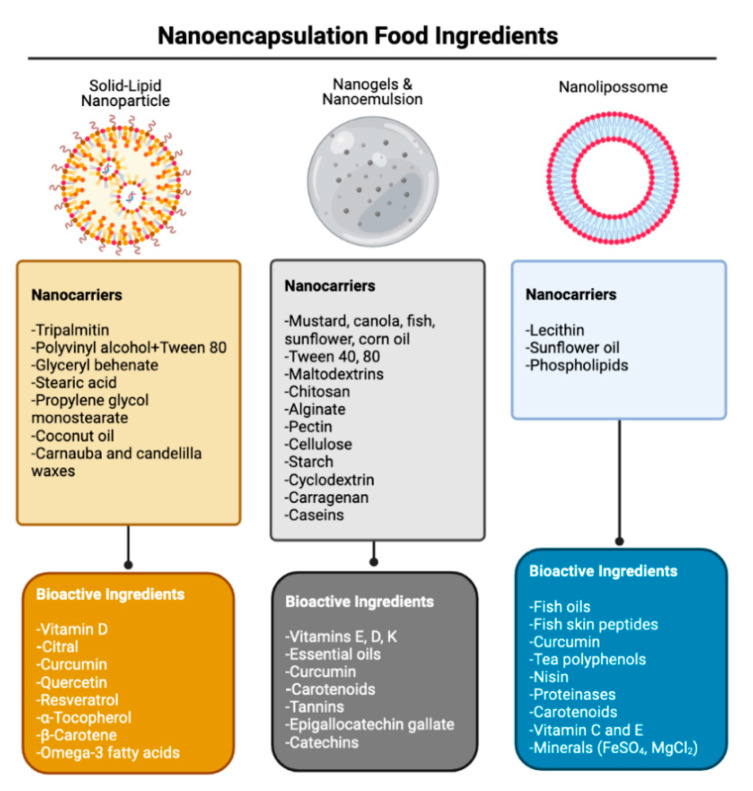
“[32] observed that apple peel extract (APE) Figure 1.”
BackgroundThe safety evaluation of food flavoring substances: the role of genotoxicity studies
Gooderham, N. J., Cohen, S. M., Eisenbrand, G., Fukushima, S., Guengerich, F. P., Hecht, S. S., Rietjens, I. M. C. M., Rosol, T. J., Bastaki, M., Linman, M. J., et al. (2020) · Critical Reviews in Toxicology · doi:10.1080/10408444.2020.1712589 · Cited by 44
Télessy, I. G. (2018) · Elsevier eBooks · doi:10.1016/b978-0-12-813148-0.00024-4 · Cited by 38
Badr, A. N., Gromadzka, K., Shehata, M. G., Stuper‐Szablewska, K., Drzewiecka, K., Abdel-Razek, A., & Youssef, M. (2020) · Journal of Food Processing and Preservation · doi:10.1111/jfpp.15112 · Cited by 35
Bartkienė, E., Bartkevičs, V., Pugajeva, I., Borisova, A., Zokaitytė, E., Lėlė, V., Šakienė, V., Zavistanavičiūtė, P., Klupšaitė, D., Žadeikė, D., et al. (2020) · Foods · doi:10.3390/foods9050614 · Cited by 34 · cited 1×
“Phenylethylamine Rice, soy, almond, coconut and oat press cake [93]”
BackgroundCortés, J. M., Vázquez, A., Santa‐María, G., Blanch, G. P., & Villén, J. (2008) · Food Chemistry · doi:10.1016/j.foodchem.2008.07.010 · Cited by 28 · cited 1×
“Dimetoathe Diazinon Fenitrothion Chlorpyrifos Methidathion Tomato carotenoid extract [89]”
BackgroundZayats, M. F., Leschev, S. M., Petrashkevich, N. V., Zayats, M. A., Kadenczki, L., Szitás, R., Szemánné-Dobrik, H., & Keresztény, N. (2013) · Analytica Chimica Acta · doi:10.1016/j.aca.2013.03.003 · Cited by 28 · cited 1×
“, n-hexane and acetonitrile) for the extraction procedures is of maximum importance because they can selectively solubilize and even concentrate pesticides [65].”
BackgroundAnimal-free strategies in food safety & nutrition: What are we waiting for? Part I: Food safety
de Boer, A., Krul, L., Fehr, M., Geurts, L., Kramer, N. I., Urbieta, M. A. T., van der Harst, J. E., van de Water, B., Venema, K., Schütte, K., et al. (2020) · Trends in Food Science & Technology · doi:10.1016/j.tifs.2020.10.034 · Cited by 28 · cited 2×
“The European regulatory framework considers that functional foods must match the general food laws [45].”
BackgroundSolventless separation of underivatized biogenic amines by sequential injection chromatography
Gama, M. R., & Rocha, F. R. P. (2020) · Microchemical Journal · doi:10.1016/j.microc.2020.104839 · Cited by 19 · cited 1×
“They are found in a broad range of protein-rich foodstuff from either vegetal or animal sources, such as dairy products, meat, fish, and alcoholic beverages and represent markers of food freshness and indicators of inadequate food processing and storage conditions [78].”
BackgroundDehalu, V., Weigel, S., Rebe, S., Grombe, R., Löbenberg, R., & Delahaut, P. (2012) · Analytical and Bioanalytical Chemistry · doi:10.1007/s00216-012-5793-1 · Cited by 18
Jiang, Y., Wang, P., Yang, H., & Chen, Y. (2014) · Toxins · doi:10.3390/toxins6072008 · Cited by 18
Medrano‐Padial, C., Puerto, M., Prieto, A. I., Ayala-Soldado, N., Beaumont, P., Rouger, C., Krisa, S., & Pichardo, S. (2021) · Foods · doi:10.3390/foods10020439 · Cited by 18
Badolati, N., Masselli, R., Maisto, M., Minno, A. D., Tenore, G. C., Stornaiuolo, M., & Novellino, E. (2020) · Foods · doi:10.3390/foods9101461 · Cited by 14 · cited 2×
“The Ames test (OECD, guideline 471) was also used to prove the non-mutagenicity of three nutraceuticals, already commercialized, that were obtained from grape pomace, vitis vinifera, and apple extract representing natural extracts rich in polyphenols [47].”
BackgroundMethodExtraction Efficiencies of Heavy Metals in Hydroethanolic Solvent from Herbs of Commerce
Sullivan, J., Greenfield, J., Cumberford, G., Grant, J., & Stewart, J. (2010) · Journal of AOAC International · doi:10.1093/jaoac/93.2.496 · Cited by 12 · cited 1×
“Heavy metals Cadmium (Cd) Lead (Pb) Grape skin extract [77] Green tea extract [92]”
BackgroundRegulatory and Legislative Issues for Food Waste Utilization
Devkota, L., Montēt, D., & Anal, A. K. (2017) · Wiley eBooks · doi:10.1002/9781118432921.ch22 · Cited by 8
Challenges and initiatives in reducing food losses and waste: Latin America and the Caribbean
Instituto Tecnológico de Costa Rica, C. R., Brenes-Peralta, L., Jiménez-Morales, M. F., Instituto Tecnológico de Costa Rica, C. R., Júnior, M. F., Empresa Brasileira de Pesquisa Agropecuária (EMBRAPA), B., Belik, W., Universidad Estadual de Campinas (UNICAMP), B., Basso, N. M., Ministry of Agriculture Livestock and Fisheries, A., et al. (2020) · Burleigh Dodds series in agricultural science · doi:10.19103/as.2019.0053.33 · Cited by 6 · cited 1×
“and East Asia and North Africa with 32%, European countries represents 20% while Latin America generates 6% of the FLW worldwide [7], which imply a significant impact on biodiversity, human health, and climate change.”
Background
Research works printed but not linked: 2
- 15. Mateos-Aparicio, I.; Matias, A. Chapter 9-Food Industry Processing By-Products in the Role of Alternative and Innovative Food Ingredients and Products in Consumers Wellness ; Galanakis, C.M., Ed.; Academic Press: Cambridge, MA, USA, 2019; pp. 239-281. ISBN 978-0-12-816453-2.
- 100. EFSA Directive 2004/10/EC of the European Parliament and of the Council of 11 February 2004 on the Harmonization of Laws, Regulations and Administrative Provisions Relating to the Application of the Principles of Good Laboratory Practice and the Verification ; Official Journal of the European Union: Luxembourg, 2004.
Cited by
Valorization of Food Waste to Produce Value-Added Products Based on Its Bioactive Compounds
Liu, Z., de Souza, T. S. P., Holland, B., Dunshea, F., Barrow, C., & Suleria, H. A. R. (2023) · Processes · doi:10.3390/pr11030840 · Cited by 254
Emerging Trends in Green Extraction Techniques for Bioactive Natural Products
Usman, M., Nakagawa, M., & Cheng, S. (2023) · Processes · doi:10.3390/pr11123444 · Cited by 210
“…to this sustainable pursuit [29]. encapsulates a concise overview of potential classes of bioactive agro-food and agricultural waste streams [21,30,34], serving as a Figure 1 encapsulates a concise overview of potential classes of bioactive NPs derived from agro-food and agricultural waste…”
Bala, S., Garg, D., Sridhar, K., Inbaraj, B. S., Singh, R., Kamma, S., Tripathi, M., & Sharma, M. (2023) · Bioengineering · doi:10.3390/bioengineering10020152 · Cited by 215
“Numerous studies have been conducted on the bioactive compounds found in agricultural residues [49,53].”
Lemes, A. C., Egea, M. B., Oliveira Filho, J. G. D., Gautério, G. V., Ribeiro, B. D., & Coelho, M. A. Z. (2022) · Frontiers in Bioengineering and Biotechnology · doi:10.3389/fbioe.2021.802543 · Cited by 176
Valorization of Starch to Biobased Materials: A Review
Falua, K. J., Pokharel, A., Babaei‐Ghazvini, A., Ai, Y., & Acharya, B. (2022) · Polymers · doi:10.3390/polym14112215 · Cited by 154
Metadata
- Authors
- Vilas-Boas, A. A., Pintado, M., & Oliveira, A. L. S.
- Affiliations
- Universidade Católica Portuguesa (PT)
- Corresponding author
- Oliveira, Ana L. S.
- Venue
- Foods
- Publisher
- MDPI AG
- Published
- 2021-07-06
- Volume
- 10
- Issue
- 7
- Pages
- 1564
- ISSN
- 2304-8158 (ISSN-L)
- PMC
- PMC8304211
- OpenAlex
- W3180496135
- Semantic Scholar
- 0253986e9372b9f1701d2b1735386f0f996c2933
- Cited by
- 217
- References
- 120
- Citations by year
- 2026: 40 · 2025: 59 · 2024: 57 · 2023: 36 · 2022: 22 · 2021: 3
- FWCI
- 2.68
- Type
- journal article
- Language
- en
- Open access
- gold
- doi.org
- Licence
- Locations
- Foods (publishedVersion, cc-by)
- PubMed Central (publishedVersion, cc-by)
- PubMed (publishedVersion)
- Portuguese National Funding Agency for Science, Research and Technology (RCAAP Project by FCT) (submittedVersion, cc-by)
- DOAJ (DOAJ: Directory of Open Access Journals) (submittedVersion, cc-by-sa)
- Funders
- Fundação para a Ciência e a Tecnologia (UIDB/50016/2020, UIDB/50016)
- Topics
- Health Sciences › Medicine › Biochemistry (medical) › Phytochemicals and Antioxidant Activities
- Life Sciences › Agricultural and Biological Sciences › Food Science › Agricultural and Biological Research
- Life Sciences › Agricultural and Biological Sciences › Food Science › Agricultural safety and regulations
- Keywords
- food waste valorization, bioactive compounds, natural food additives, nutraceuticals, functional foods, dietary supplements, toxicity prediction, food safety, encapsulation, nanoparticles, nanoemulsions, controlled release, agri-food waste
About these checks
Registry, retraction, Cites and statistics results are computed, not judged, with one exception: a printed reference that no index lists is read once by a model before it counts as a citation error. Claims are extracted by a model and kept only when their quote appears verbatim in the text; each cited source is then checked, with a model’s help, for whether it says what the claim relies on. Those verdicts can be wrong — read the claim’s quote and the cited source before relying on one.
Statistics and arithmetic are recomputed, not judged.
Confidence bands are shown only for fields calibrated on our annotated test set. None is calibrated yet, so no band is shown.
What counts as a claim ›How we measure confidence ›How we check this ›
Are you an author, or do you see a problem with this page? Request a review
Data sources
Bibliographic data: Semantic Scholar, OpenAlex, Crossref.
Contains information from the Semantic Scholar Academic Graph Datasets, made available under the ODC Attribution License (ODC-BY 1.0).
Semantic Scholar’s data is described in: Kinney, R., et al. (2023). The Semantic Scholar Open Data Platform. arXiv:2301.10140.
