

Innovative Non-Thermal Technologies for Recovery and Valorization of Value-Added Products from Crustacean Processing By-Products—An Opportunity for a Circular Economy Approach
Open accessThe DOI matches its Crossref record; 130 of the 133 references it cites were found in a registry or an index.
Abstract
The crustacean processing industry has experienced significant growth over recent decades resulting in the production of a great number of by-products. Crustacean by-products contain several valuable components such as proteins, lipids, and carotenoids, especially astaxanthin and chitin. When isolated, these valuable compounds are characterized by bioactivities such as anti-microbial, antioxidant, and anti-cancer ones, and that could be used as nutraceutical ingredients or additives in the food, pharmaceutical, and cosmetic industries. Different innovative non-thermal technologies have appeared as promising, safe, and efficient tools to recover these valuable compounds. This review aims at providing a summary of the main compounds that can be extracted from crustacean by-products, and of the results obtained by applying the main innovative non-thermal processes for recovering such high-value products. Moreover, from the perspective of the circular economy approach, specific case studies on some current applications of the recovered compounds in the seafood industry are presented. The extraction of valuable components from crustacean by-products, combined with the development of novel technological strategies aimed at their recovery and purification, will allow for important results related to the long-term sustainability of the seafood industry to be obtained. Furthermore, the reuse of extracted components in seafood products is an interesting strategy to increase the value of the seafood sector overall. However, to date, there are limited industrial applications for this promising approach.
Overview
The claims and statistics of this paper haven’t been checked yet.
Free: it reads the open-access text and checks the first 5 claims that cite a source we can check. Create a free account to check every claim.
Integrity signals
Registry
Cites
Statistics
Figures
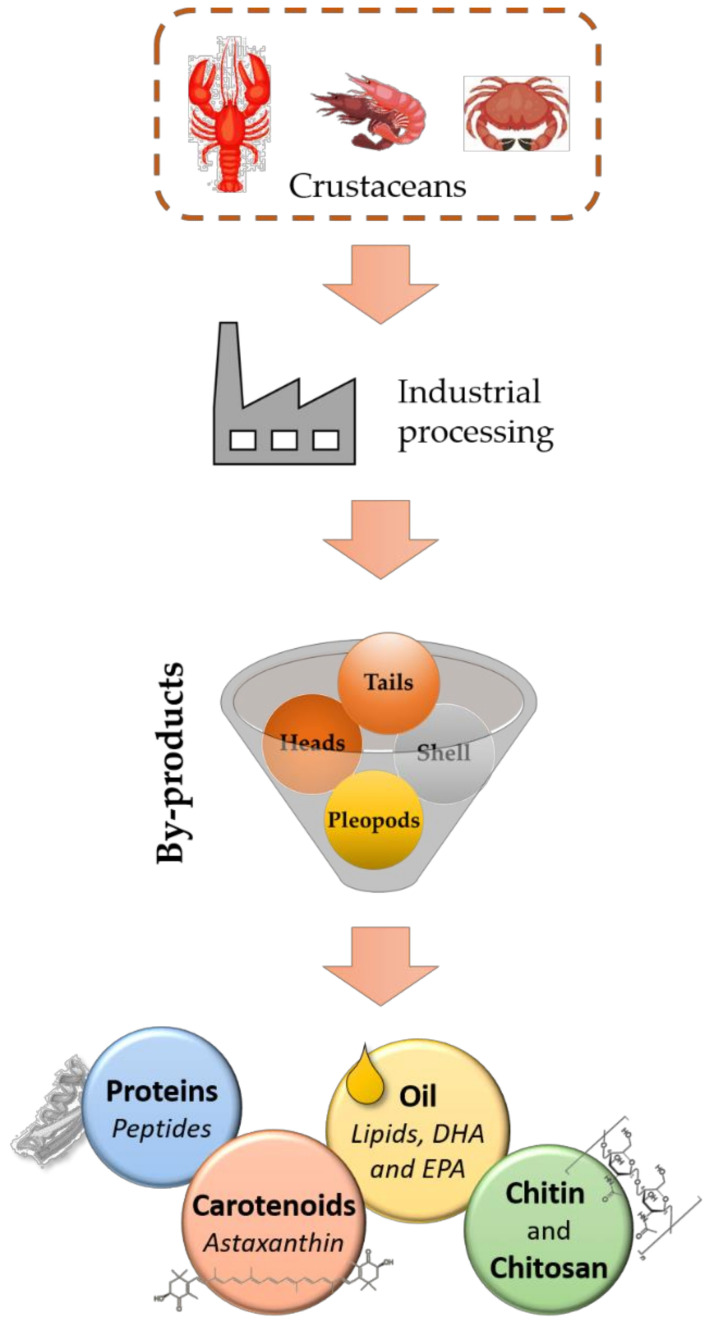
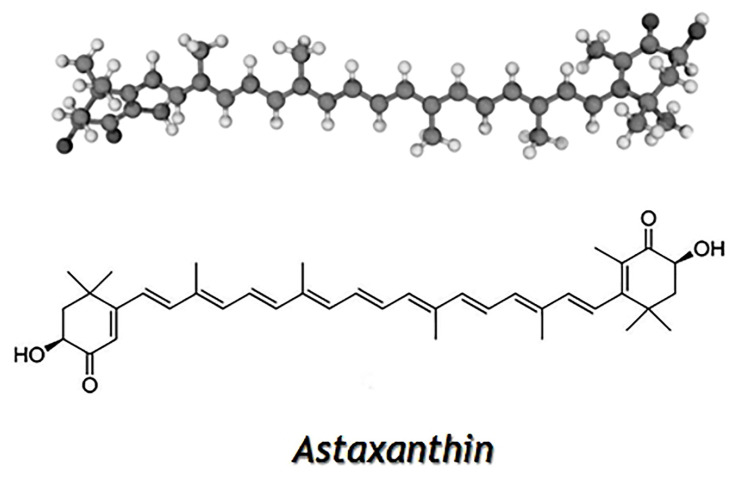
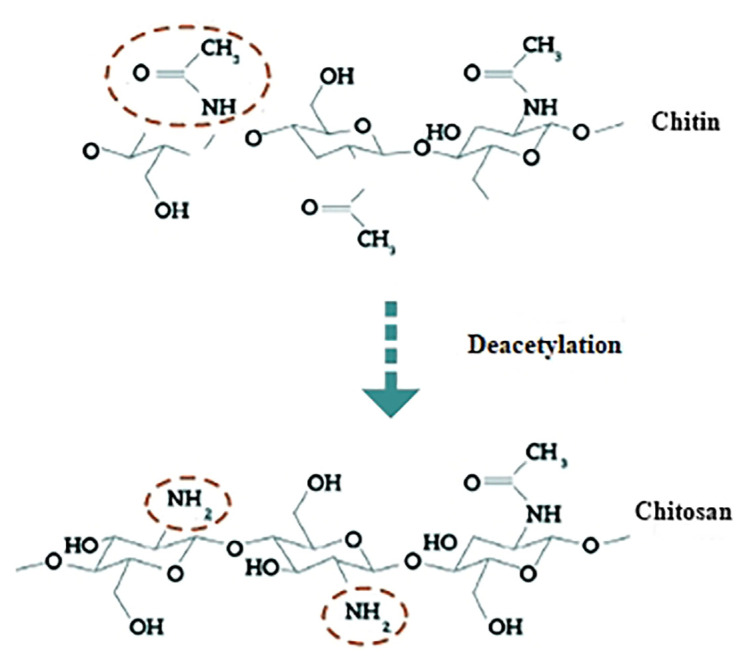
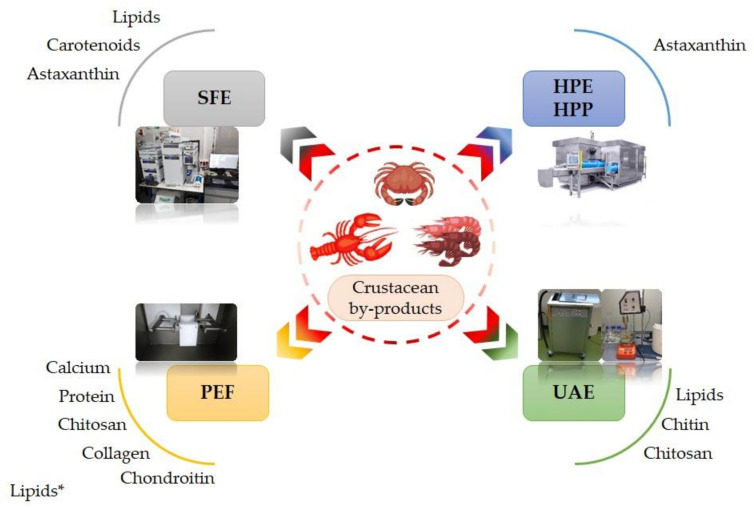
Verification
Claims the paper makes
The claims and statistics of this paper haven’t been checked yet.
Free: it reads the open-access text and checks the first 5 claims that cite a source we can check. Create a free account to check every claim.
Claims other papers make about this one
Each is checked against this paper’s own text: does it say what the citing paper says it does?
The cited source says what the claim attributes to it.
In the citing paper
“Crustaceans generate approximately 6 to 8 million tons of waste during processing each year, and chitin can be obtained from their exoskeletons [64].”
From Innovative Approaches to an Eco-Friendly Cosmetic Industry: A Review of Sustainable Ingredients (2024) · cites this paper as [64]
Self-check
Percentages, sums and reported differences re-computed from the paper’s own numbers.
The self-check needs the paper’s full text.
Citations
Cites
Chitin and Chitosan Preparation from Marine Sources. Structure, Properties and Applications
Younes, I., & Rinaudo, M. (2015) · Marine Drugs · doi:10.3390/md13031133 · Cited by 2,562
Applications of ultrasound in food technology: Processing, preservation and extraction
Chemat, F., Zill-e-Huma, & Khan, M. K. (2011) · Ultrasonics Sonochemistry · doi:10.1016/j.ultsonch.2010.11.023 · Cited by 2,533
Astaxanthin: a review of its chemistry and applications
Higuera-Ciapara, I., Félix-Valenzuela, L., & Goycoolea, F. M. (2006) · Critical Reviews in Food Science and Nutrition · doi:10.1080/10408690590957188 · Cited by 1,287 · cited 3×
“In crustaceans, it is found in complexes with proteins and is the pigment that gives the typical animals’ color, and it is responsible for many biological properties such as protection from oxidative damage and the stimulation of growth and reproduction [47,48].”
BackgroundGalanakis, C. M. (2012) · Trends in Food Science & Technology · doi:10.1016/j.tifs.2012.03.003 · Cited by 1,240 · cited 1×
“, ultrasound, high-pressure processing, pulsed electric fields, cold plasma, supercritical fluid extraction) have been proposed for use within the food industry including the extraction of valuable components from wastes and by-products [11].”
BackgroundCurrent options for the valorization of food manufacturing waste: a review
Mirabella, N., Castellani, V., & Sala, S. (2014) · Journal of Cleaner Production · doi:10.1016/j.jclepro.2013.10.051 · Cited by 1,166 · cited 1×
“Moreover, concepts such as circular economy have been regarded as leading principles for eco-innovation, that aims a “zero waste” society and economy, in which waste and by-products are exploited as raw material for the development of new products and applications [10].”
BackgroundChitin/chitosan: modifications and their unlimited application potential—an overview
Harish Prashanth, K. V., & Tharanathan, R. N. (2007) · Trends in Food Science & Technology · doi:10.1016/j.tifs.2006.10.022 · Cited by 1,147
Hamed, I., Özogul, F., & Regenstein, J. M. (2016) · Trends in Food Science & Technology · doi:10.1016/j.tifs.2015.11.007 · Cited by 1,144 · cited 2×
“These compounds have been correlated to important biological activities, such as antioxidants, antimicrobial, and various other properties that could be exploited for food formulation to improve safety, quality, and shelf-life [6].”
BackgroundSustainability: Don’t waste seafood waste
Yan, N., & Chen, X. (2015) · Nature · doi:10.1038/524155a · Cited by 1,076 · cited 1×
“Moreover, on account of its optimal essential amino acid profile, the nutritional value of crustacean protein is similar or even higher compared to red meat [21] or soya bean [22].”
BackgroundNovel chitin and chitosan nanofibers in biomedical applications
Jayakumar, R., Prabaharan, M., Nair, S. V., & Tamura, H. (2010) · Biotechnology Advances · doi:10.1016/j.biotechadv.2009.11.001 · Cited by 1,013 · cited 1×
“Moreover, other valuable components could be applied in the food and pharmaceutical industries, in particular, crustacean by-products can be exploited for the extraction of enzymes, products of protein hydrolysis (hydrolysates), lipids rich in polyunsaturated fatty acids (PUFA), and carotenoids could be also recovered…”
BackgroundAider, M. (2010) · LWT - Food Science and Technology · doi:10.1016/j.lwt.2010.01.021 · Cited by 881 · cited 1×
“Considering the information obtained by the published literature, although antimicrobial properties of chitosan are variable, and many conflicting results have been presented, it seems widely accepted that the most sensitive group to chitosan are yeasts and molds, and then bacteria, Gram-positive and Gram-negative [66…”
Background
Research works printed but not linked: 1
- Osheba A. Sorour M. Abdou S. Effect of chitosan nanoparticles as active coating on chemical quality and oil uptake of fish fingers J. Agric. Environ. Sci. 2013 2 1 14
Cited by
Rather, J. A., Akhter, N., Ashraf, Q. S., Mir, S. A., Makroo, H. A., Majid, D., Barba, F. J., Khaneghah, A. M., & Dar, B. N. (2022) · Food Packaging and Shelf Life · doi:10.1016/j.fpsl.2022.100945 · Cited by 302
Self-citationResearch Progress on Nutritional Value, Preservation and Processing of Fish—A Review
Ali, A., Wei, S., Ali, A., Khan, I., Sun, Q., Xia, Q., Wang, Z., Han, Z., Liu, Y., & Liu, S. (2022) · Foods · doi:10.3390/foods11223669 · Cited by 162
Innovative Approaches to an Eco-Friendly Cosmetic Industry: A Review of Sustainable Ingredients
Sasounian, R., Martinez, R. M., Lopes, A. M., Giarolla, J., Rosado, C., Magalhães, W. V., Velasco, M. V. R., & Baby, A. R. (2024) · Clean Technologies · doi:10.3390/cleantechnol6010011 · Cited by 96
Turning waste into value: Extraction and effective valorization strategies of seafood by-products
Xia, F. L. W., Supri, S., Djamaludin, H., Nurdiani, R., Seng, L. L., Yin, K. W., & Rovina, K. (2024) · Waste Management Bulletin · doi:10.1016/j.wmb.2024.06.008 · Cited by 107
Zhang, Z., Ma, Z., Song, L., & Farag, M. A. (2023) · Journal of Advanced Research · doi:10.1016/j.jare.2023.11.002 · Cited by 95
“A comparison of the advantages and disadvantages of lipids and pigments extraction methods is shown in Table 1 [180,182].”
MethodTransformation of Seafood Side-Streams and Residuals into Valuable Products
Siddiqui, S. A., Schulte, H., Pleißner, D., Schönfelder, S., Kvangarsnes, K., Daukšas, E., Rustad, T., Cropotova, J., Heinz, V., & Smetana, S. M. (2023) · Foods · doi:10.3390/foods12020422 · Cited by 70
From the problem to the solution: Chitosan valorization cycle
Junceda-Mena, I., García‐Junceda, E., & Revuelta, J. (2023) · Carbohydrate Polymers · doi:10.1016/j.carbpol.2023.120674 · Cited by 67
“…have the potential to be used not only for the extraction of chitin but also other compounds from crustacean byproducts, these techniques are poorly developed or tailored for use with crustacean byproducts and lack standardization on an industrial scale (De Aguiar Saldanha Pinheiro et al., 2021).”
Azelee, N. I. W., Dahiya, D., Ayothiraman, S., Noor, N. M., Rasid, Z. I. A., Ramli, A. N. M., Ravindran, B., Iwuchukwu, F. U., & Selvasembian, R. (2023) · International Journal of Biological Macromolecules · doi:10.1016/j.ijbiomac.2023.126492 · Cited by 69
Aziz, A. H. A., Rizkiyah, D. N., Qomariyah, L., Irianto, I., Yunus, M. A. C., & Putra, N. R. (2023) · Processes · doi:10.3390/pr11082453 · Cited by 82
Sacramento, M. M. A., Borges, J., Correia, F., Calado, R., Rodrigues, J. M. M., Patrício, S. G., & Mano, J. F. (2022) · Frontiers in Bioengineering and Biotechnology · doi:10.3389/fbioe.2022.1041102 · Cited by 56
“This is an excellent example of a circular bio-based approach that aims to add value to a side-stream (the exoskeletons) of a perfectly wellestablished value chain associated with the global processing of wild and farmed shrimp (De Aguiar et al., 2021).”
BackgroundNaseem, S., Imam, A., Sreepada, R. A., Ray, A., & Suman, S. K. (2023) · Critical Reviews in Food Science and Nutrition · doi:10.1080/10408398.2023.2211167 · Cited by 56
Valorisation of food processing wastes using PEF and its economic advances – recent update
Velusamy, M., Rajan, A., & Radhakrishnan, M. (2023) · International Journal of Food Science & Technology · doi:10.1111/ijfs.16297 · Cited by 45
Monteiro, J. P., Domingues, M. R., & Calado, R. (2024) · Marine Drugs · doi:10.3390/md22020073 · Cited by 44
Salgado-Ramos, M., Martí-Quijal, F. J., Huertas-Alonso, A. J., Sánchez‐Verdú, P., Moreno, A., & Barba, F. J. (2023) · LWT · doi:10.1016/j.lwt.2023.114725 · Cited by 37
Self-citationValorization of Rose Hip (Rosa canina) Puree Co-Product in Enriched Corn Extrudates
Igual, M., Chiș, M. S., Păucean, A., Vodnar, D. C., MUSTE, S., Simona, M. A. N., Martínez-Monzó, J., & García‐Segovia, P. (2021) · Foods · doi:10.3390/foods10112787 · Cited by 61
Arena, R., Renda, G., Aalmo, G. O., Debeaufort, F., Messina, C. M., & Santulli, A. (2024) · Marine Drugs · doi:10.3390/md22090430 · Cited by 36
Koirala, P., Bhandari, Y., Khadka, A., Kumar, S. R., & Nirmal, N. P. (2024) · International Journal of Biological Macromolecules · doi:10.1016/j.ijbiomac.2024.130008 · Cited by 35
Tkaczewska, J., Kulawik, P., Jamróz, E., Čagalj, M., Matas, R. F., & Šimat, V. (2023) · Journal of the Science of Food and Agriculture · doi:10.1002/jsfa.12969 · Cited by 33
Zhu, K., Yan, W., Dai, Z., & Zhang, Y. (2022) · Foods · doi:10.3390/foods11142122 · Cited by 27
“In contrast, astaxanthin extracted from shrimp by-products by ultrasonicassisted vegetable oil may have high food safety and processing value as a food additive [17,18].”
BackgroundPinheiro, A. C. D. A. S., Martí-Quijal, F. J., Barba, F. J., Benítez-González, A. M., Meléndez‐Martínez, A. J., Castagnini, J. M., Tappi, S., & Rocculi, P. (2023) · Antioxidants · doi:10.3390/antiox12020406 · Cited by 25
Self-citationYan, B., Yang, H., Zhang, N., Cheng, J., Huang, J., Zhao, J., Zhang, H., Chen, W., & Fan, D. (2023) · International Journal of Biological Macromolecules · doi:10.1016/j.ijbiomac.2023.126296 · Cited by 22
Astaxanthin in Aquaculture: Enhancing abalone health through oxidative stress management
Khan, F. (2025) · Fish & Shellfish Immunology · doi:10.1016/j.fsi.2025.110502 · Cited by 19
Duppeti, H., Manjabhatta, S. N., & Kempaiah, B. B. (2023) · Critical Reviews in Food Science and Nutrition · doi:10.1080/10408398.2023.2268708 · Cited by 24
Hopkins, D. T., Berrué, F., Khiari, Z., & Hawboldt, K. (2024) · Process Biochemistry · doi:10.1016/j.procbio.2024.12.024 · Cited by 18
Hamdi, M., Sun, H., Pan, L., Wang, D., Sun, M., Zeng, Z., Li, S., Dong, Q., & Su, F. (2025) · European Polymer Journal · doi:10.1016/j.eurpolymj.2025.113882 · Cited by 16
Kotsoni, E., Daukšas, E., Hansen, G., Rustad, T., Tiwari, B. K., & Cropotova, J. (2024) · Frontiers in Sustainable Food Systems · doi:10.3389/fsufs.2024.1313975 · Cited by 16
Sinthusamran, S., Pongsetkul, J., Rungchawala, N., Thongpiboon, N., Mazumder, M. A. R., Rawdkuen, S., & Sai‐Ut, S. (2023) · Future Foods · doi:10.1016/j.fufo.2023.100283 · Cited by 17
Dayakar, B., Xavier, K. A. M., Ngasotter, S., Dhanabalan, V., Porayil, L., Balange, A. K., & Nayak, B. B. (2023) · Environmental Science and Pollution Research · doi:10.1007/s11356-023-30232-1 · Cited by 14
“The circular economy method entails considerable material savings throughout value chains and production processes and the creation of additional value and opens up new economic prospects (Pinheiro et al. 2021).”
Bushra, R., & Ahmad, M. (2025) · Food Hydrocolloids · doi:10.1016/j.foodhyd.2025.111139 · Cited by 11
Briones-Labarca, V., & Giovagnoli-Vicuña, C. (2024) · Processes · doi:10.3390/pr13010010 · Cited by 9
“…(CE), ultrasound-assisted extraction (UAE), and high hydrostatic pressure extraction (HHPE) on the initial mineral content (calcium, magnesium, sodium, and potassium) of red lobster by-products and assessed their bioaccessibility following simulated gastrointestinal (GI) digestion (Table 3).”
Production Methods, Biological Activity and Potential Application Prospects of Astaxanthin
Ren, F., Rao, C., Xiang, Q., Wen, J., Dai, Q., Li, H., Liang, J., Chen, Y., & Peng, C. (2025) · Foods · doi:10.3390/foods14122103 · Cited by 10
de Carvalho, M. C., Freitas, P. A. V., Jagus, R. J., Agüero, M. V., & Chiralt, A. (2025) · Molecules · doi:10.3390/molecules30091928 · Cited by 7
“…extraction [10], high-pressure processing [11], pulsed electric fields [12], and ultrasound [13], have been suggested as interesting alternatives due to their ability to shorten the processing time, increase recovery yield, improve product quality, and enhance the functionality of extracts [14].”
Cropotova, J., Kvangarsnes, K., Hansen, G., Tappi, S., & Rustad, T. (2023) · Elsevier eBooks · doi:10.1016/b978-0-323-91739-1.00006-4 · Cited by 11
Self-citationFang, N., Wang, J., Ju, F., Wang, C., Wang, Y., Du, Y., Chen, Y. Q., Zhang, Z., Tian, T., & Zhang, H. (2025) · Industrial Crops and Products · doi:10.1016/j.indcrop.2025.120480 · Cited by 5
Суйчинов, А. К., Акимова, Д. А., Какимов, А. К., Zharykbasov, Y., Baikadamova, A., Курметовна, О. Э., Bakiyeva, A., & Ибрагимов, Н. К. (2024) · Potravinarstvo Slovak Journal of Food Sciences · doi:10.5219/1957 · Cited by 5
“These studies demonstrate the increasing interest and continued study in the topic of circular economy methods for by-product valuation in several industries, such as the processing of vegetables, meat, and seafood [31] , [32] , [33] .”
BackgroundPromoting sustainable growth and renewable energy through food waste valorization
Tan, E. T. T., Chua, L. S., & Yusoff, I. M. (2024) · Elsevier eBooks · doi:10.1016/b978-0-443-14039-6.00004-x · Cited by 5
Sebastià, A., Calleja-Gómez, M., Pallarés, N., Castagnini, J. M., Ferrer, E., & Berrada, H. (2025) · Applied Food Research · doi:10.1016/j.afres.2025.100963 · Cited by 6
Arena, R., Manuguerra, S., Gonzalez, M. M., Petrosillo, E., Lanzoni, D., Poulain, C., Debeaufort, F., Giromini, C., Francesca, N., Messina, C. M., et al. (2025) · Animals · doi:10.3390/ani15202952 · Cited by 6
“Overall, lipid content in crustacean by-products has been reported to range from 0.2 to 17% [48,49] with variability depending on the species, the geographical location of the fishery, and the nature of the by-products [48].”
InfluentialKhan, N., Vishvakarma, R., Sharma, S., Islam, T., Raheja, Y., Gaur, V. K., & Sharma, P. (2025) · Waste and Biomass Valorization · doi:10.1007/s12649-025-03442-6 · Cited by 5
“…used for efficient collagen extraction from skin of Japanese sea bass ( Lateolabrax japonicus ) and fish scales, yeilding higher output in lesser processing time [53, 54] In UAE, extraction qualtity and quantity is dependent upon ultrasound waves amplitude, treatment time and pH conditions [13].”
Torsabo, D., Danba, E. P., Akange, E. T., Ariffin, H. K., Luthada-Raswiswi, R., Jimoh, J. O., Pius, A. F., Ishak, S. D., & Noordin, N. M. (2025) · Journal of Aquatic Food Product Technology · doi:10.1080/10498850.2025.2592663 · Cited by 3
Maragoni-Santos, C., Matheus, J. R. V., de Souza, T. S. P., Barone, A. S., de Farias, P. M., Schmid, M., & Fai, A. E. C. (2026) · Discover Food · doi:10.1007/s44187-026-00900-5 · Cited by 3
Industry 4.0 and food sustainability: role of automation, digitalization, and green technologies
Bigliardi, B., Filippelli, S., Pini, B., Falch, E., Gündüz, C. P. B., & Hassoun, A. (2024) · Elsevier eBooks · doi:10.1016/b978-0-443-15516-1.00002-5 · Cited by 7
Marine waste for nutraceutical and cosmeceutical production
Azelee, N. I. W., Noor, N. M., Rasid, Z. I. A., Suhaimi, S. H., Salamun, N., Jasman, S. M., Manas, N. H. A., & Hasham, R. (2023) · Elsevier eBooks · doi:10.1016/b978-0-323-95417-4.00010-x · Cited by 3
Mechri, S., Jaballi, I., Taheur, F. B., Jabeur, F., Elloumi‐Mseddi, J., Bejar, W., Mansour, C., Hajji, M., Fetoui, H., Mzoughi, R., et al. (2022) · Waste and Biomass Valorization · doi:10.1007/s12649-022-01722-z · Cited by 3
“Nowadays, the marine organisms materials are an underutilized resource [2, 3].”
BackgroundNaibaho, J., Manikyaparambil, H., Hannon, S., Pathania, S., McDonagh, C., & Tiwari, B. K. (2026) · Cleaner Food Systems · doi:10.1016/j.clfs.2026.100017 · Cited by 2
Scaling Black Soldier Fly Bioconversion of Seafood Processing Waste to Beneficial Use Materials
Upadhyaya, S., Hayes, M., Vail, V., Tweedy, D., Neff, E., Plumlee, J., & Abdi, D. E. (2026) · ACS Sustainable Resource Management · doi:10.1021/acssusresmgt.6c00058 · Cited by 2
Chitin, Chitosan, and their Derivatives from Seafood Waste and Processing Byproducts
Mittal, A., Singh, A. K., Xavier, K. A. M., Ravishankar, C. N., & Benjakul, S. (2024) · Sustainable materials and technology · doi:10.1007/978-981-99-8593-7_11 · Cited by 2
Trilaksani, W., Nur, W. O. N. A. L. D., & Ramadhan, W. (2024) · Current Research in Nutrition and Food Science Journal · doi:10.12944/crnfsj.12.2.15 · Cited by 1
Gosai, A., Jhajharia, P., Dhamecha, M., Chand, R., Neogi, S., & Meena, R. (2025) · International Journal of Biological Macromolecules · doi:10.1016/j.ijbiomac.2025.143729 · Cited by 1
From shrimp processing waste to value-added bioproducts: Integrated biorefinery pathways
Shaibani, M. E., & Pazooki, J. (2026) · Food and Bioproducts Processing · doi:10.1016/j.fbp.2026.04.016 · Cited by 1
Gautam, A. R., Benjakul, S., Boonchoosri, R., Surasani, V. K. R., Nirmal, N. P., Jing, S., & Singh, A. K. (2026) · International Journal of Molecular Sciences · doi:10.3390/ijms27156959 · Cited by 2
“These processing streams contain sarcoplasmic proteins and other soluble compounds but also significant amounts of functional myofibrillar proteins [56].”
Jafari, S. H., Sourki, A. H., & Pashangeh, S. (2025) · Iṭṭilā’āt-i māhiyānah. · doi:10.61186/nsft.19.4.65
Janani, S., Hemalatha, M., Dipshika, D. S., & Sukumar, M. (2025) · Aquaculture and Fisheries · doi:10.1016/j.aaf.2025.11.009
Foudah, A. I., Ahmad, A., & Alam, A. (2026) · Green Chemistry Letters and Reviews · doi:10.1080/17518253.2026.2652200 · Cited by 2
Chauhan, P., Mohite, A. M., Pathare, P. B., & Sharma, N. (2026) · Sustainable development and biodiversity · doi:10.1007/978-981-95-7777-4_18
Encapsulation of Marine Compounds in Lipid Nanoparticles for Healthcare Products
Favas, R., Peixoto, A. F., Almeida, H., & Silva, A. C. (2026) · Springer handbooks · doi:10.1007/978-3-032-01636-2_38
Protein recovery and utilization from aquatic resources
Esmaeily, A., Mohammadi, P., Ishak, S. D., Liew, H. J., Chang, J.-J., Hsu, C. W., & Tabatabaei, M. (2026) · Elsevier eBooks · doi:10.1016/b978-0-443-33034-6.00006-6 · Cited by 1
Ficano, G., Cigognini, I. M., Peluso, E., Zurlini, C., & Cacace, D. (2026) · AppliedChem · doi:10.3390/appliedchem6030046
“To date, few studies [13,14] have addressed the challenge of valorizing Aristeus antennatus by-products, for instance by recovering carotenoids using environmentally friendly GRAS solvents [13] or microwave-assisted extraction (MAE) [14].”
Nargotra, P., Sharma, V., Hsieh, C., Shieh, C., Liu, Y., & Kuo, C. (2026) · Catalysts · doi:10.3390/catal16090771
Zeng, X., Yu, L., Zhang, C., Lei, K., Li, X., Shao, Y., Chen, L., Fang, Y., Liu, J., & Ma, L. (2026) · Research Square · doi:10.21203/rs.3.rs-10497275/v1
Li, X., Matsuoka, R., Shi, W., Wang, X., & Yin, M. (2026) · Food Bioscience · doi:10.1016/j.fbio.2026.109967 · Cited by 1
Water-efficient recovery of value-added ingredients from shrimp shells for circular biorefineries
Naibaho, J. (2026) · Next Sustainability · doi:10.1016/j.nxsust.2026.100515
Gharibzahedi, S. M. T., Yu, J., & Ahmadigol, A. (2026) · Elsevier eBooks · doi:10.1016/b978-0-443-44049-6.00006-5
Patel, I. R., Patel, S. R., Patel, B. V., & Patel, N. H. (2026) · Journal of Applied Polymer Science · doi:10.1002/app.71580
Seafood By‐Product Valorization: Emerging Extraction Technologies and Applications
Mamat, H., Ronie, M. E., Aziz, A. H. A., Ridhwan, N. M., Bakar, M. F. A., Lal, M. T. M., Sabullah, M. K., Zainol, M. K. M., & Putra, N. R. (2026) · Applied Research · doi:10.1002/appl.70234
Advanced biopolymer-based filter paper for biomedical applications
Kanwal, Q., Kousar, A., Hamza, M., Ahmad, M., & Athar, N. (2026) · Elsevier eBooks · doi:10.1016/b978-0-443-27795-5.00004-3
Metadata
- Authors
- De Aguiar Saldanha Pinheiro, A. C., Martí-Quijal, F. J., Barba, F. J., Tappi, S., & Rocculi, P.
- Affiliations
- Department of Agricultural and Food Science, Campus of Food Science, Alma Mater Studiorum, University of Bologna, Piazza Goidanich, 60, 47522 Cesena, FC, Italy
- Universitat de València (ES)
- University of Bologna (IT)
- Corresponding author
- Barba, Francisco J.
- ORCID
- Venue
- Foods
- Publisher
- MDPI AG
- Published
- 2021-08-29
- Volume
- 10
- Issue
- 9
- Pages
- 2030
- ISSN
- 2304-8158 (ISSN-L)
- PMC
- PMC8465042
- OpenAlex
- W3197005391
- Semantic Scholar
- 62b3da1b6ccee961ec03f53d52ff299a6aedd525
- Cited by
- 66
- References
- 133
- Citations by year
- 2026: 18 · 2025: 13 · 2024: 13 · 2023: 16 · 2022: 5 · 2021: 1
- FWCI
- 0.79
- Type
- journal article
- Language
- en
- Open access
- gold
- doi.org
- Licence
- Locations
- Foods (publishedVersion, cc-by)
- Europe PMC (PubMed Central) (publishedVersion, other-oa)
- PubMed Central (publishedVersion, cc-by)
- PubMed (publishedVersion)
- Archivio istituzionale della ricerca (Alma Mater Studiorum Università di Bologna) (submittedVersion, cc-by)
- DOAJ (DOAJ: Directory of Open Access Journals) (submittedVersion, cc-by-sa)
- Topics
- Life Sciences › Agricultural and Biological Sciences › Food Science › Food Industry and Aquatic Biology
- Life Sciences › Agricultural and Biological Sciences › Food Science › Protein Hydrolysis and Bioactive Peptides
- Life Sciences › Biochemistry, Genetics and Molecular Biology › Biotechnology › Microbial Inactivation Methods
- Keywords
- value-added products, circular economy, astaxanthin, chitin, carotenoids, seafood proteins, lipid extraction, nutraceutical ingredients, by-product utilization
About these checks
Registry, retraction, Cites and statistics results are computed, not judged, with one exception: a printed reference that no index lists is read once by a model before it counts as a citation error. Claims are extracted by a model and kept only when their quote appears verbatim in the text; each cited source is then checked, with a model’s help, for whether it says what the claim relies on. Those verdicts can be wrong — read the claim’s quote and the cited source before relying on one.
Statistics and arithmetic are recomputed, not judged.
Confidence bands are shown only for fields calibrated on our annotated test set. None is calibrated yet, so no band is shown.
What counts as a claim ›How we measure confidence ›How we check this ›
Are you an author, or do you see a problem with this page? Request a review
Data sources
Bibliographic data: Semantic Scholar, OpenAlex, Crossref.
Contains information from the Semantic Scholar Academic Graph Datasets, made available under the ODC Attribution License (ODC-BY 1.0).
Semantic Scholar’s data is described in: Kinney, R., et al. (2023). The Semantic Scholar Open Data Platform. arXiv:2301.10140.
