

Innovative Non-Thermal Technologies for Recovery and Valorization of Value-Added Products from Crustacean Processing By-Products—An Opportunity for a Circular Economy Approach
Open accessThe DOI matches its Crossref record; 130 of the 133 references it cites were found in a registry or an index.
Abstract
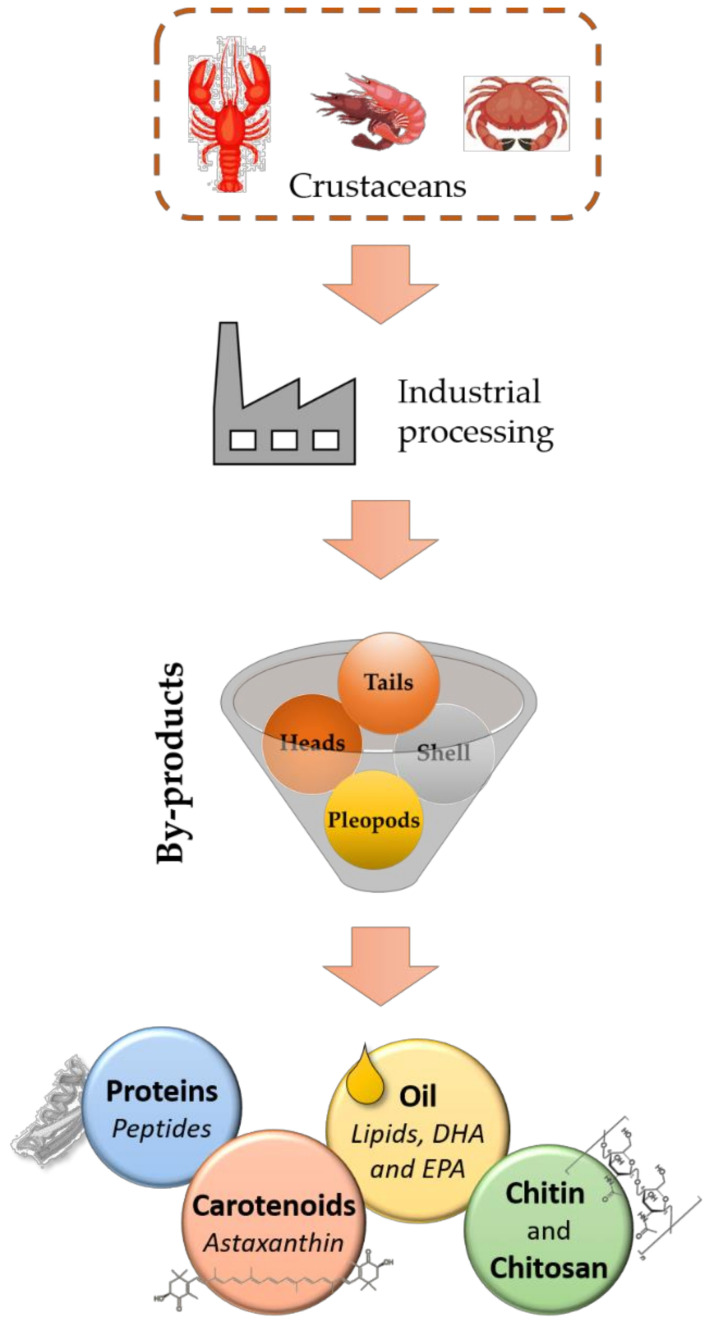
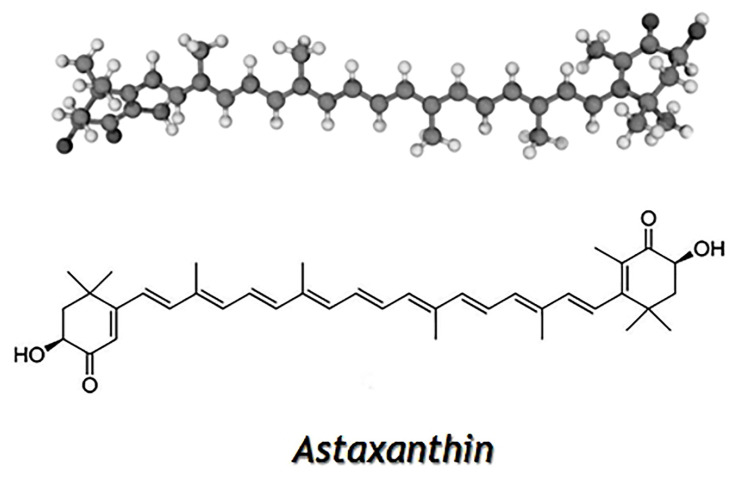
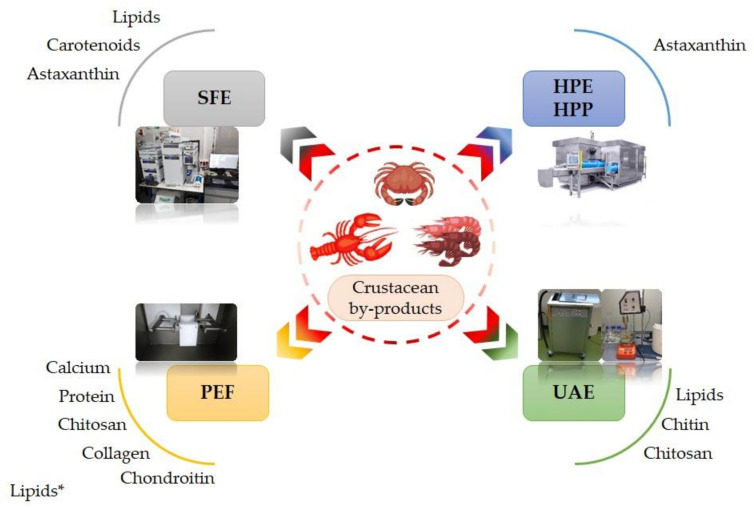
The crustacean processing industry has experienced significant growth over recent decades resulting in the production of a great number of by-products. Crustacean by-products contain several valuable components such as proteins, lipids, and carotenoids, especially astaxanthin and chitin. When isolated, these valuable compounds are characterized by bioactivities such as anti-microbial, antioxidant, and anti-cancer ones, and that could be used as nutraceutical ingredients or additives in the food, pharmaceutical, and cosmetic industries. Different innovative non-thermal technologies have appeared as promising, safe, and efficient tools to recover these valuable compounds. This review aims at providing a summary of the main compounds that can be extracted from crustacean by-products, and of the results obtained by applying the main innovative non-thermal processes for recovering such high-value products. Moreover, from the perspective of the circular economy approach, specific case studies on some current applications of the recovered compounds in the seafood industry are presented. The extraction of valuable components from crustacean by-products, combined with the development of novel technological strategies aimed at their recovery and purification, will allow for important results related to the long-term sustainability of the seafood industry to be obtained. Furthermore, the reuse of extracted components in seafood products is an interesting strategy to increase the value of the seafood sector overall. However, to date, there are limited industrial applications for this promising approach.
Overview
The claims and statistics of this paper haven’t been checked yet.
Free: it reads the open-access text and checks the first 5 claims that cite a source we can check. Create a free account to check every claim.
Integrity signals
Registry
Cites
Statistics
Figures
Verification
Claims the paper makes
The claims and statistics of this paper haven’t been checked yet.
Free: it reads the open-access text and checks the first 5 claims that cite a source we can check. Create a free account to check every claim.
Claims other papers make about this one
Each is checked against this paper’s own text: does it say what the citing paper says it does?
The cited source says what the claim attributes to it.
In the citing paper
“Crustaceans generate approximately 6 to 8 million tons of waste during processing each year, and chitin can be obtained from their exoskeletons [64].”
From Innovative Approaches to an Eco-Friendly Cosmetic Industry: A Review of Sustainable Ingredients (2024) · cites this paper as [64]
Self-check
Percentages, sums and reported differences re-computed from the paper’s own numbers.
The self-check needs the paper’s full text.
Citations
Cites
Chitin and Chitosan Preparation from Marine Sources. Structure, Properties and Applications
Younes, I., & Rinaudo, M. (2015) · Marine Drugs · doi:10.3390/md13031133 · Cited by 2,562
Applications of ultrasound in food technology: Processing, preservation and extraction
Chemat, F., Zill-e-Huma, & Khan, M. K. (2011) · Ultrasonics Sonochemistry · doi:10.1016/j.ultsonch.2010.11.023 · Cited by 2,533
Astaxanthin: a review of its chemistry and applications
Higuera-Ciapara, I., Félix-Valenzuela, L., & Goycoolea, F. M. (2006) · Critical Reviews in Food Science and Nutrition · doi:10.1080/10408690590957188 · Cited by 1,287 · cited 3×
“In crustaceans, it is found in complexes with proteins and is the pigment that gives the typical animals’ color, and it is responsible for many biological properties such as protection from oxidative damage and the stimulation of growth and reproduction [47,48].”
BackgroundGalanakis, C. M. (2012) · Trends in Food Science & Technology · doi:10.1016/j.tifs.2012.03.003 · Cited by 1,240 · cited 1×
“, ultrasound, high-pressure processing, pulsed electric fields, cold plasma, supercritical fluid extraction) have been proposed for use within the food industry including the extraction of valuable components from wastes and by-products [11].”
BackgroundCurrent options for the valorization of food manufacturing waste: a review
Mirabella, N., Castellani, V., & Sala, S. (2014) · Journal of Cleaner Production · doi:10.1016/j.jclepro.2013.10.051 · Cited by 1,166 · cited 1×
“Moreover, concepts such as circular economy have been regarded as leading principles for eco-innovation, that aims a “zero waste” society and economy, in which waste and by-products are exploited as raw material for the development of new products and applications [10].”
BackgroundChitin/chitosan: modifications and their unlimited application potential—an overview
Harish Prashanth, K. V., & Tharanathan, R. N. (2007) · Trends in Food Science & Technology · doi:10.1016/j.tifs.2006.10.022 · Cited by 1,147
Hamed, I., Özogul, F., & Regenstein, J. M. (2016) · Trends in Food Science & Technology · doi:10.1016/j.tifs.2015.11.007 · Cited by 1,144 · cited 2×
“These compounds have been correlated to important biological activities, such as antioxidants, antimicrobial, and various other properties that could be exploited for food formulation to improve safety, quality, and shelf-life [6].”
BackgroundSustainability: Don’t waste seafood waste
Yan, N., & Chen, X. (2015) · Nature · doi:10.1038/524155a · Cited by 1,076 · cited 1×
“Moreover, on account of its optimal essential amino acid profile, the nutritional value of crustacean protein is similar or even higher compared to red meat [21] or soya bean [22].”
BackgroundNovel chitin and chitosan nanofibers in biomedical applications
Jayakumar, R., Prabaharan, M., Nair, S. V., & Tamura, H. (2010) · Biotechnology Advances · doi:10.1016/j.biotechadv.2009.11.001 · Cited by 1,013 · cited 1×
“Moreover, other valuable components could be applied in the food and pharmaceutical industries, in particular, crustacean by-products can be exploited for the extraction of enzymes, products of protein hydrolysis (hydrolysates), lipids rich in polyunsaturated fatty acids (PUFA), and carotenoids could be also recovered…”
BackgroundAider, M. (2010) · LWT - Food Science and Technology · doi:10.1016/j.lwt.2010.01.021 · Cited by 881 · cited 1×
“Considering the information obtained by the published literature, although antimicrobial properties of chitosan are variable, and many conflicting results have been presented, it seems widely accepted that the most sensitive group to chitosan are yeasts and molds, and then bacteria, Gram-positive and Gram-negative [66…”
BackgroundCarotenoid extraction methods: A review of recent developments
Saini, R. K., & Keum, Y.-S. (2018) · Food Chemistry · doi:10.1016/j.foodchem.2017.07.099 · Cited by 857 · cited 2×
“For the SFE of carotenoids, the five most critical parameters are processing temperature, pressure, time, CO2 density (solvent power) and flow rate, and entrainers concentration [54].”
BackgroundSupercritical fluid extraction: Recent advances and applications
Herrero, M., Mendiola, J. A., Cifuentes, A., & Ibáñez, E. (2010) · Journal of Chromatography A · doi:10.1016/j.chroma.2009.12.019 · Cited by 849 · cited 2×
“For seafood by-products, much research is focused on the recovery of components producing high added value products, principally lipids and lipophilic components, such as carotenoids [73].”
BackgroundEnzymatic production and biological activities of chitosan oligosaccharides (COS): A review
KIM, S., & RAJAPAKSE, N. (2005) · Carbohydrate Polymers · doi:10.1016/j.carbpol.2005.08.012 · Cited by 844 · cited 1×
“Nevertheless, this method leads to low yields and the production of a large quantity of monomeric D-glucosamine units [64].”
BackgroundApplications of Chitosan for Improvement of Quality and Shelf Life of Foods: A Review
No, H. K., Meyers, S. P., Prinyawiwatkul, W., & Xu, Z. (2007) · Journal of Food Science · doi:10.1111/j.1750-3841.2007.00383.x · Cited by 794
Bioactive compounds from marine processing byproducts – A review
Kim, S.-K., & Mendis, E. (2006) · Food Research International · doi:10.1016/j.foodres.2005.10.010 · Cited by 737
Supercritical fluid extraction of bioactive compounds
da Silva, R. P. F. F., Rocha-Santos, T. A. P., & Duarte, A. C. (2016) · TrAC Trends in Analytical Chemistry · doi:10.1016/j.trac.2015.11.013 · Cited by 704
Application of supercritical CO2 in lipid extraction – A review
Sahena, F., Zaidul, I. S. M., Jinap, S., Karim, A. A., Abbas, K. A., Norulaini, N. A. N., & Omar, A. K. M. (2009) · Journal of Food Engineering · doi:10.1016/j.jfoodeng.2009.06.026 · Cited by 643 · cited 2×
“SC-CO2 shows good solvent characteristics for non-polar or slightly polar compounds and shows great affinity with oxygenated organic compounds of medium molecular weight [32].”
BackgroundIndustrial applications of supercritical fluids: A review
Knez, Ž., Markočič, E., Leitgeb, M., Primožič, M., Knez Hrnčič, M., & Škerget, M. (2014) · Energy · doi:10.1016/j.energy.2014.07.044 · Cited by 573 · cited 1×
“Recently, the development of novel technological processes characterized by reduced energy consumption and impact on the environment increased the quality and safety of the final products, that can be applied for by-product valorization, have gained growing interest [67].”
BackgroundUltrasound-assisted extraction for food and environmental samples
Picó, Y. (2013) · TrAC Trends in Analytical Chemistry · doi:10.1016/j.trac.2012.12.005 · Cited by 379
TSAI, G.-J., SU, W.-H., CHEN, H.-C., & PAN, C.-L. (2002) · Fisheries Science · doi:10.1046/j.1444-2906.2002.00404.x · Cited by 369
Antioxidative activity of chitosans with varying molecular weights
Kim, K. W., & Thomas, R. L. (2007) · Food Chemistry · doi:10.1016/j.foodchem.2006.01.038 · Cited by 349
Gallego, R., Bueno, M., & Herrero, M. (2019) · TrAC Trends in Analytical Chemistry · doi:10.1016/j.trac.2019.04.030 · Cited by 292 · cited 1×
“SFE has also been largely investigated for the valorization of food industry byproducts [72].”
BackgroundComprehensive utilization of shrimp waste based on biotechnological methods: A review
Mao, X., Guo, N., Sun, J., & Xue, C. (2017) · Journal of Cleaner Production · doi:10.1016/j.jclepro.2016.12.042 · Cited by 277 · cited 3×
“The extraction efficiency of protein from crustacean by-products varies depending on the processing methods [26].”
BackgroundMethodInfluentialReview of Antimicrobial and Antioxidative Activities of Chitosans in Food
Friedman, M., & Juneja, V. K. (2010) · Journal of Food Protection · doi:10.4315/0362-028x-73.9.1737 · Cited by 275
Polyphenol-chitosan conjugates: Synthesis, characterization, and applications
Hu, Q., & Luo, Y. (2016) · Carbohydrate Polymers · doi:10.1016/j.carbpol.2016.05.109 · Cited by 275 · cited 1×
“However, the study of their effects has been mainly carried out in in-vitro studies [63].”
BackgroundApplications of Chitosan in the Seafood Industry and Aquaculture: A Review
Alishahi, A., & Aïder, M. (2012) · Food and Bioprocess Technology · doi:10.1007/s11947-011-0664-x · Cited by 268
Natural Preservatives for Extending the Shelf‐Life of Seafood: A Revisit
Olatunde, O. O., & Benjakul, S. (2018) · Comprehensive Reviews in Food Science and Food Safety · doi:10.1111/1541-4337.12390 · Cited by 260
Innovative Green Technologies of Intensification for Valorization of Seafood and Their By-Products
Al Khawli, F., Pateiro, M., Domínguez, R., Lorenzo, J. M., Gullón, P., Kousoulaki, K., Ferrer, E., Berrada, H., & Barba, F. J. (2019) · Marine Drugs · doi:10.3390/md17120689 · Cited by 260
Self-citationNgo, D.-H., Wijesekara, I., Vo, T.-S., Van Ta, Q., & Kim, S.-K. (2011) · Food Research International · doi:10.1016/j.foodres.2010.12.030 · Cited by 259
Supercritical fluid extraction: a critical review of its analytical usefulness
Zougagh, M., Valcárcel, M., & Rı́os, A. (2004) · TrAC Trends in Analytical Chemistry · doi:10.1016/s0165-9936(04)00524-2 · Cited by 233
Trends in shrimp processing waste utilization: An industrial prospective
Nirmal, N. P., Santivarangkna, C., Rajput, M. S., & Benjakul, S. (2020) · Trends in Food Science & Technology · doi:10.1016/j.tifs.2020.07.001 · Cited by 215
Kamil, J. (2002) · Food Chemistry · doi:10.1016/s0308-8146(02)00180-2 · Cited by 213
Current and future prospects for the use of pulsed electric field in the meat industry
Bhat, Z. F., Morton, J. D., Mason, S. L., & Bekhit, A. E.-D. A. (2019) · Critical Reviews in Food Science and Nutrition · doi:10.1080/10408398.2018.1425825 · Cited by 187
Ramezani, Z., Zarei, M., & Raminnejad, N. (2015) · Food Control · doi:10.1016/j.foodcont.2014.11.015 · Cited by 186
Puértolas, E., & Barba, F. J. (2016) · Food and Bioproducts Processing · doi:10.1016/j.fbp.2016.06.020 · Cited by 186
Self-citationRecovery of Components from Shrimp ( Xiphopenaeus kroyeri ) Processing Waste by Enzymatic Hydrolysis
De Holanda, H. D., & Netto, F. M. (2006) · Journal of Food Science · doi:10.1111/j.1750-3841.2006.00040.x · Cited by 178
Composition of the Commercially Important Mediterranean Finfish, Crustaceans, and Molluscs
Karakoltsidis, P. A., Zotos, A., & Constantinides, S. M. (1995) · Journal of Food Composition and Analysis · doi:10.1006/jfca.1995.1019 · Cited by 168
Novel high pressure extraction technology
Shouqin, Z., Junjie, Z., & Changzhen, W. (2004) · International Journal of Pharmaceutics · doi:10.1016/j.ijpharm.2004.02.029 · Cited by 163 · cited 2×
“Recently, the use of high pressure has been suggested for extraction purposes (High-Pressure Extraction—HPE) with the aim of reducing extraction time, solvent consumption, increasing extraction yields, and improving the quality of the obtained extracts [81].”
BackgroundLin, S., Lin, Y., & Chen, H. (2009) · Food Chemistry · doi:10.1016/j.foodchem.2009.02.002 · Cited by 161 · cited 1×
“On the other side, the use of the enzymatic process, based on non-specific enzymes, like proteases, lipases, and cellulases, and specific ones like chitosanases, is considered safe and easy to control [65].”
BackgroundMolecular weight and degree of acetylation of high-intensity ultrasonicated chitosan
Baxter, S. R., Zivanovic, S., & Weiß, J. (2004) · Food Hydrocolloids · doi:10.1016/j.foodhyd.2004.11.002 · Cited by 157
Effect of ultrasonic treatment on the biochemphysical properties of chitosan
Liu, H., Bao, J., Du, Y., Zhou, X., & Kennedy, J. F. (2005) · Carbohydrate Polymers · doi:10.1016/j.carbpol.2005.11.007 · Cited by 143
Chitosan coatings enriched with active shrimp waste for shrimp preservation
Arancibia, M. Y., López-Caballero, M. E., Gómez-Guillén, M. C., & Montero, P. (2015) · Food Control · doi:10.1016/j.foodcont.2015.02.004 · Cited by 139
Nikoo, M., & Benjakul, S. (2015) · Journal of Functional Foods · doi:10.1016/j.jff.2015.10.014 · Cited by 138
Gulzar, S., & Benjakul, S. (2019) · Food Chemistry · doi:10.1016/j.foodchem.2019.125916 · Cited by 135
Sánchez‐Camargo, A. D. P., Martínez‐Correa, H. A., Paviani, L. C., & Cabral, F. A. (2010) · The Journal of Supercritical Fluids · doi:10.1016/j.supflu.2010.12.009 · Cited by 134 · cited 3×
“21%) Possibility to fractionate oil [70]”
BackgroundResultGomez-Estaca, J., Comunian, T. A., Montero, P., Ferro-Furtado, R., & Favaro-Trindade, C. S. (2016) · Food Hydrocolloids · doi:10.1016/j.foodhyd.2016.05.005 · Cited by 134
Green extraction technologies for high‐value metabolites from algae: a review
Esquivel‐Hernández, D. A., Ibarra‐Garza, I. P., Rodríguez‐Rodríguez, J., Cuéllar‐Bermúdez, S. P., Rostro‐Alanis, M. D. J., Alemán‐Nava, G. S., García‐Pérez, J. S., & Parra‐Saldívar, R. (2017) · Biofuels, Bioproducts and Biorefining · doi:10.1002/bbb.1735 · Cited by 132 · cited 1×
“Other disadvantages of SFE include the limited sample size, extraction efficiency affected by matrix type, analyte type and moisture content of the matrix, and the high cost of SFE equipment [79].”
BackgroundAhmadkelayeh, S., & Hawboldt, K. (2020) · Trends in Food Science & Technology · doi:10.1016/j.tifs.2020.07.016 · Cited by 128
Nguyen, T. T., Barber, A. R., Corbin, K. R., & Zhang, W. Y. (2017) · Bioresources and Bioprocessing · doi:10.1186/s40643-017-0157-5 · Cited by 126 · cited 8×
“SC-CO2 extraction at 35 MPa and 40 ◦C resulted in deep red oil, with a high content ofω-3 PUFAs, in particular 7.8 ± 0.06% EPA and 8.0 ± 0.07% DHA.”
BackgroundInfluentialGómez-Estaca, J., Calvo, M. M., Álvarez-Acero, I., Montero, P., & Gómez-Guillén, M. C. (2017) · Food Chemistry · doi:10.1016/j.foodchem.2016.08.016 · Cited by 116 · cited 2×
“The presence of astaxanthin and α-tocopherol seems to increase lipidic extract stability on account of their antioxidant properties [39].”
BackgroundCudennec, B., Ravallec‐Plé, R., Courois, E., & Fouchereau‐Péron, M. (2008) · Food Chemistry · doi:10.1016/j.foodchem.2008.05.016 · Cited by 114
Mahmoud, N. S., Ghaly, A. E., & Arab, F. (2007) · American journal of biochemistry & biotechnology/American journal of biochemistry and biotechnology · doi:10.3844/ajbbsp.2007.1.9 · Cited by 111 · cited 1×
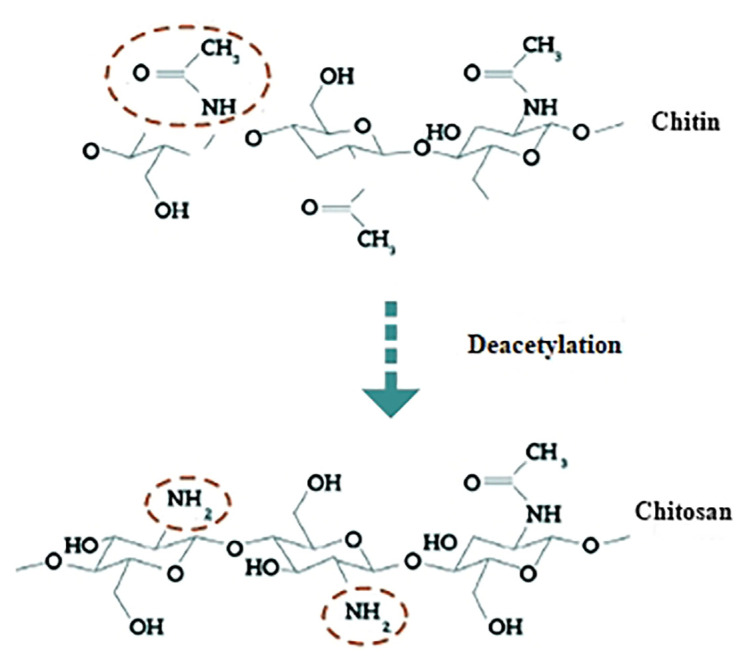
“The most common strategy to recover chitin and chitosan from crustacean by-products is still the use of chemical treatments (mainly involving strong alkali and acid), resulting, however, in negative economic and environmental consequences due to high costs and the production of harmful effluent wastewater [9].”
BackgroundBabu, C. M., Chakrabarti, R., & Sambasivarao, K. R. S. (2007) · LWT · doi:10.1016/j.lwt.2007.03.006 · Cited by 109 · cited 1×
“In crustaceans, it is found in complexes with proteins and is the pigment that gives the typical animals’ color, and it is responsible for many biological properties such as protection from oxidative damage and the stimulation of growth and reproduction [47,48].”
BackgroundSevenich, R., & Mathys, A. (2018) · Comprehensive Reviews in Food Science and Food Safety · doi:10.1111/1541-4337.12348 · Cited by 106 · cited 1×
“High-pressure processing (HPP) is a non-thermal food processing technique that involves the application of high pressure to solid or liquid foods with the aim of microbial inactivation but also of quality improvement [80].”
BackgroundTaksima, T., Limpawattana, M., & Klaypradit, W. (2015) · LWT · doi:10.1016/j.lwt.2015.01.011 · Cited by 103
Takeungwongtrakul, S., Benjakul, S., & H‐Kittikun, A. (2012) · Food Chemistry · doi:10.1016/j.foodchem.2012.04.003 · Cited by 102 · cited 2×
“Among crustacean waste products, cephalothorax and hepatopancreas have also been used as an excellent source of lipids with high PUFAs content [34,35] with a yield of approximately 2.”
BackgroundMarine Products for Healthcare: Functional and Bioactive Nutraceutical Compounds from the Ocean
Venugopal, V. (2008) · CRC Press eBooks · doi:10.1201/9781420052640 · Cited by 102 · cited 1×
“Moreover, on account of its optimal essential amino acid profile, the nutritional value of crustacean protein is similar or even higher compared to red meat [21] or soya bean [22].”
BackgroundDegradation of chitosan by sonication in very-low-concentration acetic acid
Savitri, E., Juliastuti, S. R., Handaratri, A., Sumarno, S., & Roesyadi, A. (2014) · Polymer Degradation and Stability · doi:10.1016/j.polymdegradstab.2014.09.010 · Cited by 100
Sonication-Assisted Extraction of Chitin from North Atlantic Shrimps (Pandalus borealis)
Kjartansson, G. T., Zivanovic, S., Kristbergsson, K., & Weiß, J. (2006) · Journal of Agricultural and Food Chemistry · doi:10.1021/jf060646w · Cited by 100
State of the Art Manufacturing of Protein Hydrolysates
Pasupuleti, V. K., & Braun, S. (2008) · Springer eBooks · doi:10.1007/978-1-4020-6674-0_2 · Cited by 99 · cited 1×
“Enzymatic hydrolysis allows proteins to break down, altering their functional, chemical, and sensorial characteristics but maintaining the nutritional value [27].”
BackgroundAmiguet, V. T., Kramp, K. L., Mao, J., McRae, C., Goulah, A., Kimpe, L. E., Blais, J. M., & Arnason, J. T. (2011) · Food Chemistry · doi:10.1016/j.foodchem.2011.07.098 · Cited by 97
Kandra, P., Venkatesh, K., Immandi, S. B., Kasturi, A. P. K., Krishna, C. R., & Mohan, C. M. (2017) · Food Chemistry · doi:10.1016/j.foodchem.2017.05.097 · Cited by 92 · cited 1×
“Supercritical fluids are particularly suited for the extraction process because they are characterized by physicochemical properties that fall between those of a liquid and those of a gas, for instance, low viscosity, high diffusivity, and low surface tension [69].”
BackgroundMontero, P., Calvo, M. M., Gómez-Guillén, M. C., & Gómez‐Estaca, J. (2016) · LWT · doi:10.1016/j.lwt.2016.02.040 · Cited by 91 · cited 1×
“The use of microencapsulation has shown great potential for the use of AX as a food ingredient for maintaining its coloring ability and overcoming some of its drawbacks such as odor [51] and improving its bio-accessibility and antioxidant capacity [52].”
BackgroundSelective extraction of astaxanthin from crustaceans by use of supercritical carbon dioxide
López, M. Á. A., Arce, L., Garrido, J., Ríos, Á., & Valcárcel, M. (2004) · Talanta · doi:10.1016/j.talanta.2004.03.048 · Cited by 89 · cited 1×
“A variety of solvents have been used, including hexane, acetone, isopropanol, ethyl acetate, methylethylketone, methanol, and ethanol, however, this method is considered costly, time-consuming, and not environmentally friendly [53].”
MethodMezzomo, N., Martínez, J., Maraschin, M., & Ferreira, S. R. S. (2012) · The Journal of Supercritical Fluids · doi:10.1016/j.supflu.2012.11.020 · Cited by 88
Ruiz‐Salmón, I., Margallo, M., Laso, J., Villanueva-Rey, P., Mariño, D., Quinteiro, P. S. G. N., Dias, A. C., Nunes, M. L., Marques, A., Feijóo, G., et al. (2020) · Current Opinion in Environmental Science & Health · doi:10.1016/j.coesh.2020.01.004 · Cited by 85
Radzali, S. A., Baharin, B. S., Othman, R., Markom, M., & Rahman, R. A. (2014) · Journal of Oleo Science · doi:10.5650/jos.ess13184 · Cited by 82 · cited 1×
“[75] investigated the use of different concentrations of different co-solvents (ethanol, water, methanol) for SFE of astaxanthin from the by-products of the shrimp Penaeus monodon.”
BackgroundAn Effective Method for Producing a Nutritive Protein Extract Powder from Shrimp-head Waste
Mizani, M., Aminlari, M., & Khodabandeh, M. (2005) · Food Science and Technology International · doi:10.1177/1082013205051271 · Cited by 76 · cited 1×
“Shrimp heads are characterized by high amounts of protein (50–65% dry weight) and are a very good source of essential amino acids, which is the reason they are used in aquatic animal feeds and are also included in livestock and poultry diets [13].”
BackgroundSánchez‐Camargo, A. D. P., Meireles, M. A. A., Ferreira, A. L. K., Saito, É., & Cabral, F. A. (2011) · The Journal of Supercritical Fluids · doi:10.1016/j.supflu.2011.09.017 · Cited by 76
Effect of chitin and chitosan on gelling properties of surimi from barred garfish (Hemiramphus far)
Benjakul, S., Visessanguan, W., Tanaka, M., Ishizaki, S., Suthidham, R., & Sungpech, O. (2000) · Journal of the Science of Food and Agriculture · doi:10.1002/1097-0010(20010101)81:1<102::aid-jsfa792>3.0.co;2-o · Cited by 76
Dey, S. S., & Dora, K. C. (2011) · Journal of Food Science and Technology · doi:10.1007/s13197-011-0512-z · Cited by 75
Li, M., Lin, J., Chen, J., & Fang, T. (2016) · Journal of Food Process Engineering · doi:10.1111/jfpe.12262 · Cited by 74
Ultrasound-assisted conversion of alpha-chitin into chitosan
Birolli, W. G., Delezuk, J. A. D. M., & Campana-Filho, S. P. (2016) · Applied Acoustics · doi:10.1016/j.apacoust.2015.10.002 · Cited by 73 · cited 1×
“However, this process presents some drawbacks, such as a long reaction time, the use of high temperatures, low reproducibility of heterogeneous processes, which, in turn, leads to changes of chitosan characteristics, the possibility of depolymerization reactions caused by the use of highly concentrated alkali, and the…”
BackgroundShrimp Waste Extract and Astaxanthin: Rat Alveolar Macrophage, Oxidative Stress and Inflammation
Santos, S. D., Cahú, T. B., Firmino, G. O., de Castro, C. M. M. B., Carvalho, L. B., Bezerra, R. D. S., & Filho, J. L. L. (2012) · Journal of Food Science · doi:10.1111/j.1750-3841.2012.02762.x · Cited by 72 · cited 1×
“Carotenoprotein isolated from shrimp by-products has shown high antioxidant activity, as well as being a rich source of essential amino acids and carotenoids [18,19], and has the potential for use as an additive to enrich foods and promote human health benefits [20].”
BackgroundGulzar, S., & Benjakul, S. (2018) · European Journal of Lipid Science and Technology · doi:10.1002/ejlt.201700495 · Cited by 72
Study on the degradation of chitosan by pulsed electric fields treatment
Luo, W., Han, Z., Zeng, X., Yu, S., & Kennedy, J. F. (2010) · Innovative Food Science & Emerging Technologies · doi:10.1016/j.ifset.2010.04.002 · Cited by 70
Kim, Y., Zhao, Y., Oh, K.-T., Nguyen, V.-N., & Park, R. (2008) · PubMed · Cited by 66
Comparative studies on the yield and quality of solvent-extracted oil from salmon skin
Aryee, A. N. A., & Simpson, B. K. (2008) · Journal of Food Engineering · doi:10.1016/j.jfoodeng.2008.12.011 · Cited by 62 · cited 1×
“Therefore, to expand their industrial application and utilization, recovery strategies that can improve yields without causing detriment to the quality of the extracted oil are necessary [41].”
BackgroundEffects of chitosan on the gel properties of salt-soluble meat proteins from silver carp
Li, X., & Xia, W. (2010) · Carbohydrate Polymers · doi:10.1016/j.carbpol.2010.06.026 · Cited by 61
Li, J., Sun, W., Ramaswamy, H. S., Yu, Y., Zhu, S., Wang, J., & Li, H. (2017) · Journal of Food Process Engineering · doi:10.1111/jfpe.12353 · Cited by 61
Xavier, K. A. M., Hauzoukim, Kannuchamy, N., Balange, A. K., Chouksey, M. K., & Gudipati, V. (2017) · Carbohydrate Polymers · doi:10.1016/j.carbpol.2017.04.041 · Cited by 61
Tsiaka, T., Zoumpoulakis, P. G., Sinanoglou, V. J., Makris, C., Heropoulos, G. A., & Calokerinos, A. C. (2015) · Analytica Chimica Acta · doi:10.1016/j.aca.2015.03.051 · Cited by 60
Somjit, K., Ruttanapornvareesakul, Y., Hara, K., & Nozaki, Y. (2004) · Food Research International · doi:10.1016/j.foodres.2004.10.017 · Cited by 60
Shrimp (Litopenaeus vannamei) muscle proteins as source to develop edible films
Gómez‐Estaca, J., Montero, P., & Gómez-Guillén, M. C. (2014) · Food Hydrocolloids · doi:10.1016/j.foodhyd.2014.03.032 · Cited by 59
Studies on the enzymatic hydrolysis of Brazilian lobster (Panulirus spp) processing wastes
Vieira, G. H. F., Martin, A. M., Saker‐Sampaiao, S., Omar, S., & Goncalves, R. C. F. (1995) · Journal of the Science of Food and Agriculture · doi:10.1002/jsfa.2740690110 · Cited by 58 · cited 1×
“In lobster liver, proteins represent up to 41% of the dry matter [15], while the head retaining fleshy parts (body, breast, and leg) is approximately 20% of the total weight [16].”
BackgroundSustainable Valorization of Seafood Processing By-Product/Discard
Suresh, P. V., Kudre, T. G., & Johny, L. C. (2017) · Energy, environment, and sustainability · doi:10.1007/978-981-10-7431-8_7 · Cited by 58 · cited 1×
“These compounds show important biological activities, for instance, antioxidant, antimicrobial, and various other effects which can be exploited by the food industry with the aim of improving safety, quality, and shelf-life [12].”
BackgroundChitosan role for shelf-life extension of seafood
Kulawik, P., Jamróz, E., & Özoğul, F. (2019) · Environmental Chemistry Letters · doi:10.1007/s10311-019-00935-4 · Cited by 58
Arancibia, M. Y., Alemán, A., López-Caballero, M. E., Gómez-Guillén, M. C., & Montero, P. (2014) · Food Hydrocolloids · doi:10.1016/j.foodhyd.2014.05.006 · Cited by 57
Sinthusamran, S., Benjakul, S., Kijroongrojana, K., & Prodpran, T. (2019) · Journal of Food Science and Technology · doi:10.1007/s13197-019-03575-2 · Cited by 56 · cited 1×
“products, such as biscuits [23] and bread [24].”
BackgroundAstaxanthin Extraction from Crawfish Shells by Supercritical CO 2 with Ethanol as Cosolvent
Charest, D. J., Balaban, M. O., Marshall, M. R., & Cornell, J. A. (2001) · Journal of Aquatic Food Product Technology · doi:10.1300/j030v10n03_08 · Cited by 54 · cited 1×
“Most of the published results showed that, when SC-CO2 was used alone, pressure and temperature did not impact the yield of oil extraction leading to the low quantity of recovered lipids and astaxanthin [70,74].”
ResultAlemán, A., González, F., Arancibia, M. Y., López-Caballero, M. E., Montero, P., & Gómez-Guillén, M. C. (2016) · Food Control · doi:10.1016/j.foodcont.2016.06.007 · Cited by 54
An Autolytic Process for Recovery of Antioxidant Activity Rich Carotenoprotein from Shrimp Heads
Sowmya, R., Rathinaraj, K., & Sachindra, N. M. (2011) · Marine Biotechnology · doi:10.1007/s10126-010-9353-4 · Cited by 52
Seafood research from fish to dish
Porsgaard, T., Xu, X., & Mu, H. (2006) · Wageningen Academic Publishers eBooks · doi:10.3920/978-90-8686-581-9 · Cited by 52 · cited 1×
“vannamei) by-products (cephalothorax, shells, tails, and pleopods), the lipid extract showed an appreciable amount of cholesterol (65 ± 1 mg/g) [39], in raw shrimp this value is usually greater than 100 mg/100 g of the edible portion of shrimp [40].”
BackgroundGómez-Estaca, J., Calvo, M. M., Sánchez-Faure, A., Montero, P., & Gómez-Guillén, M. C. (2015) · LWT - Food Science and Technology · doi:10.1016/j.lwt.2015.05.052 · Cited by 51 · cited 2×
“, represent a more environmentally friendly choice, requiring less use of less toxic chemical compounds (green technologies) [25].”
BackgroundTakeungwongtrakul, S., Benjakul, S., Santoso, J., Trilaksani, W., & Nurilmala, M. (2015) · Journal of Food Processing and Preservation · doi:10.1111/jfpp.12203 · Cited by 51
Valorization of snow crab (Chionoecetes opilio) cooking effluents for food applications
Tremblay, A., Corcuff, R., Goulet, C., Godefroy, S. B., Doyen, A., & Beaulieu, L. (2019) · Journal of the Science of Food and Agriculture · doi:10.1002/jsfa.10066 · Cited by 51
Compositional properties and bioactive potential of waste material from shrimp cooking juice
Pérez‐Santín, E., Calvo, M. M., López-Caballero, M. E., Montero, P., & Gómez-Guillén, M. C. (2013) · LWT · doi:10.1016/j.lwt.2013.05.038 · Cited by 49
Irna, C., Jaswir, I., Othman, R., & Jimat, D. N. (2017) · Journal of Dietary Supplements · doi:10.1080/19390211.2017.1387885 · Cited by 48
Jeyakumari, A., Ninan, G., Joshy, C. G., Parvathy, U., Zynudheen, A. A., & Lalitha, K. V. (2016) · Journal of Food Science and Technology · doi:10.1007/s13197-016-2174-3 · Cited by 47
Gulzar, S., & Benjakul, S. (2018) · LWT · doi:10.1016/j.lwt.2018.10.051 · Cited by 47
Cost and safety issues of emerging technologies against conventional techniques
Galanakis, C. M., Barba, F. J., & Prasad, K. N. (2015) · Elsevier eBooks · doi:10.1016/b978-0-12-800351-0.00014-6 · Cited by 45
Self-citationShelf-life of smoked eel fillets treated with chitosan or thyme oil
Elobeid, T., Yehia, H. M., Sakkas, H., Lambrianidi, L., Tsiraki, M. I., & Savvaidis, I. N. (2018) · International Journal of Biological Macromolecules · doi:10.1016/j.ijbiomac.2018.03.125 · Cited by 45
Effects of low–frequency ultrasound on heterogenous deacetylation of chitin
Ngo, T. H. D., & Ngo, D. N. (2017) · International Journal of Biological Macromolecules · doi:10.1016/j.ijbiomac.2017.03.117 · Cited by 43
Takeungwongtrakul, S., Benjakul, S., & H‐Kittikun, A. (2014) · European Journal of Lipid Science and Technology · doi:10.1002/ejlt.201400235 · Cited by 42
CHITOSAN AFFECTS TRANSGLUTAMINASE-INDUCED SURIMI GELATION
Benjakul, S., Visessanguan, W., PHATCHRAT, S., & Tanaka, M. (2003) · Journal of Food Biochemistry · doi:10.1111/j.1745-4514.2003.tb00266.x · Cited by 41
Sinthusamran, S., Benjakul, S., Kijroongrojana, K., Prodpran, T., & Agustini, T. W. (2018) · Food Bioscience · doi:10.1016/j.fbio.2018.10.009 · Cited by 41
Gómez‐Estaca, J., Comunian, T. A., Montero, P., & Fávaro-Trindade, C. S. (2018) · Food and Bioprocess Technology · doi:10.1007/s11947-018-2116-3 · Cited by 40 · cited 1×
“The use of microencapsulation has shown great potential for the use of AX as a food ingredient for maintaining its coloring ability and overcoming some of its drawbacks such as odor [51] and improving its bio-accessibility and antioxidant capacity [52].”
BackgroundRuttanapornvareesakul, Y., Somjit, K., OTSUKA, A., Hara, K., Osatomi, K., Osako, K., Kongpun, O., & Nozaki, Y. (2006) · Fisheries Science · doi:10.1111/j.1444-2906.2006.01166.x · Cited by 39
Nguyen, T. T., Zhang, W. Y., Barber, A. R., Su, P. H., & He, S. (2015) · Journal of Agricultural and Food Chemistry · doi:10.1021/jf5059396 · Cited by 38 · cited 3×
“434 kg/h Time: 240 min 35 MPa and 50 ◦C for 4 h: 94% of lipid yield, 4 and 7 times higher content of DHA and EPA, respectively, compared to those obtained by Soxhlet extraction [15]”
BackgroundMethodResultBioprocessing of marine crustacean side‐streams into bioactives: a review
Zou, Y., Robbens, J., Heyndrickx, M., Debode, J., & Raes, K. (2021) · Journal of Chemical Technology & Biotechnology · doi:10.1002/jctb.6690 · Cited by 34 · cited 1×
“To isolate chitin, first demineralization and deproteinization are applied, for both chemical and enzymatic treatments [56].”
MethodBioactive and technological functionality of a lipid extract from shrimp (L. vannamei) cephalothorax
Gómez-Guillén, M. C., Montero, P., López-Caballero, M. E., Baccan, G. C., & Gómez‐Estaca, J. (2017) · LWT · doi:10.1016/j.lwt.2017.11.052 · Cited by 31 · cited 2×
“[36] reported that the encapsulation process improved different functional properties, especially the antioxidant and anti-inflammatory properties and the water solubility, and maximized the bioaccessibility of astaxanthin.”
BackgroundKarimi, N., Nikoo, M., Gavlighi, H. A., Gheshlaghi, S. P., Regenstein, J. M., & Xu, X. (2020) · LWT · doi:10.1016/j.lwt.2020.109800 · Cited by 30 · cited 1×
“products, such as biscuits [23] and bread [24].”
BackgroundEFFECTS OF CHITOSAN ON GELLING PROPERTIES OF LOW QUALITY SURIMI
KATAOKA, J., Ishizaki, S., & Tanaka, M. (1998) · Journal of Muscle Foods · doi:10.1111/j.1745-4573.1998.tb00656.x · Cited by 28
Jacob, C., Noirot, C., Anglada, C., & Binet, T. (2021) · Current Opinion in Environmental Science & Health · doi:10.1016/j.coesh.2021.100255 · Cited by 27
Carotenoproteins from lobster waste as a potential feed supplement for cultured salmonids
Ya, T., Simpson, B. K., Ramaswamy, H. S., Yaylayan, V. A., Smith, J. P., & Hudon, C. (1991) · Food Biotechnology · doi:10.1080/08905439109549794 · Cited by 26 · cited 1×
“Additionally, the nutritional value of the lobster protein is greatly enhanced by its natural binding with a large amount of astaxanthin (295 μg/g), a powerful antioxidant to form a protein–carotenoid complex known as carotenoprotein [17].”
BackgroundTsiligianni, M., Papavergou, E., Soultos, N., MAGRA, T. I., & Savvaidis, I. N. (2012) · International Journal of Food Microbiology · doi:10.1016/j.ijfoodmicro.2012.08.010 · Cited by 26
Shrimp Lipids: A Source of Cancer Chemopreventive Compounds
López‐Saiz, C. M., Suárez-Jiménez, G. M., Plascencia‐Jatomea, M., & Burgos‐Hernández, A. (2013) · Marine Drugs · doi:10.3390/md11103926 · Cited by 24
Pattanaik, S. S., Sawant, P. B., Xavier, K. A. M., Srivastava, P. P., Dube, K., Sawant, B. T., & Chadha, N. K. (2021) · Aquaculture · doi:10.1016/j.aquaculture.2020.736303 · Cited by 24
Marin, D. R., Alemán, A., Montero, P., & Gómez-Guillén, M. C. (2021) · Food & Function · doi:10.1039/d0fo02922j · Cited by 22 · cited 1×
“Various encapsulation techniques have been described for the oil obtained by crustacean by-products, such as complex coacervation [42], microencapsulation [43], spray-drying [44], and nano-liposomes [45,46].”
BackgroundAlbalat, A., Nadler, L. E., Foo, N., Dick, J., Watts, A. J. R., Philp, H., Neil, D. M., & Monroig, Ó. (2016) · Marine Drugs · doi:10.3390/md14120219 · Cited by 19
Gulzar, S., & Benjakul, S. (2020) · Journal of the American Oil Chemists Society · doi:10.1002/aocs.12371 · Cited by 17 · cited 1×
“Various encapsulation techniques have been described for the oil obtained by crustacean by-products, such as complex coacervation [42], microencapsulation [43], spray-drying [44], and nano-liposomes [45,46].”
BackgroundRecovery and Functionality of Wash Water Protein from Krill Processing
Montero, P., & Gómez-Guillén, M. C. (1998) · Journal of Agricultural and Food Chemistry · doi:10.1021/jf980150h · Cited by 16 · cited 1×
“, from the washing process used to obtain surimi and from the peeling of shellfish and krill [28], but also from industrial cooking of crustaceans such as shrimp [29].”
MethodKumar, K., Chrisolite, B., Sugumar, G., Bindu, J., & Venkateshwarlu, G. (2018) · Fishery Technology · doi:10.56093/ft.v55i2.79026 · Cited by 15
Dmytrów, I., Szymczak, M., Szkolnicka, K., & Kamiński, P. (2021) · Foods · doi:10.3390/foods10040895 · Cited by 15 · cited 1×
“The main application of AX is as a coloring agent added in the formulation of diets for various aquaculture species, in particular salmon, and it has been used for functional foods development [50], but it also finds various uses in the cosmetic and pharmaceutical industries [48].”
BackgroundPotential Recovery of Protein from Shrimp Waste in Aqueous two Phase System
Saravanan, S. (2012) · Cited by 14
Gómez‐Estaca, J., Montero, P., & Gómez-Guillén, M. C. (2017) · Journal of Food Science and Technology · doi:10.1007/s13197-017-2532-9 · Cited by 10 · cited 1×
“For example, proteins recovered from shrimp surimi processing have been successfully exploited for the production of edible films [31].”
BackgroundIrna, C., Jaswir, I., Othman, R., & Jimat, D. N. (2017) · Cited by 10
Du, J., He, J., Yu, Y., Zhu, S., & Li, J. (2013) · 2013 Kansas City, Missouri, July 21 - July 24, 2013 · doi:10.13031/aim.20131597720 · Cited by 9
Antimutagenic Compounds of White Shrimp (Litopenaeus vannamei): Isolation and Structural Elucidation
López‐Saiz, C. M., Hernández, J., Cinco-Moroyoqui, F. J., Velázquez, C. A., Ocaño-Higuera, V.-M., Plascencia‐Jatomea, M., Robles‐Sánchez, M., Machi-Lara, L., & Burgos‐Hernández, A. (2016) · Evidence-based Complementary and Alternative Medicine · doi:10.1155/2016/8148215 · Cited by 8
Application of Pulsed Electric Field for Treatment of Fish and Seafood
He, G., Yin, Y., Yan, X., & Wang, Y. (2016) · Springer eBooks · doi:10.1007/978-3-319-26779-1_200-1 · Cited by 4
Research works printed but not linked: 1
- Osheba A. Sorour M. Abdou S. Effect of chitosan nanoparticles as active coating on chemical quality and oil uptake of fish fingers J. Agric. Environ. Sci. 2013 2 1 14
Cited by
Rather, J. A., Akhter, N., Ashraf, Q. S., Mir, S. A., Makroo, H. A., Majid, D., Barba, F. J., Khaneghah, A. M., & Dar, B. N. (2022) · Food Packaging and Shelf Life · doi:10.1016/j.fpsl.2022.100945 · Cited by 302
Self-citationResearch Progress on Nutritional Value, Preservation and Processing of Fish—A Review
Ali, A., Wei, S., Ali, A., Khan, I., Sun, Q., Xia, Q., Wang, Z., Han, Z., Liu, Y., & Liu, S. (2022) · Foods · doi:10.3390/foods11223669 · Cited by 162
Innovative Approaches to an Eco-Friendly Cosmetic Industry: A Review of Sustainable Ingredients
Sasounian, R., Martinez, R. M., Lopes, A. M., Giarolla, J., Rosado, C., Magalhães, W. V., Velasco, M. V. R., & Baby, A. R. (2024) · Clean Technologies · doi:10.3390/cleantechnol6010011 · Cited by 96
Turning waste into value: Extraction and effective valorization strategies of seafood by-products
Xia, F. L. W., Supri, S., Djamaludin, H., Nurdiani, R., Seng, L. L., Yin, K. W., & Rovina, K. (2024) · Waste Management Bulletin · doi:10.1016/j.wmb.2024.06.008 · Cited by 107
Zhang, Z., Ma, Z., Song, L., & Farag, M. A. (2023) · Journal of Advanced Research · doi:10.1016/j.jare.2023.11.002 · Cited by 95
“A comparison of the advantages and disadvantages of lipids and pigments extraction methods is shown in Table 1 [180,182].”
Method
Metadata
- Authors
- De Aguiar Saldanha Pinheiro, A. C., Martí-Quijal, F. J., Barba, F. J., Tappi, S., & Rocculi, P.
- Affiliations
- Department of Agricultural and Food Science, Campus of Food Science, Alma Mater Studiorum, University of Bologna, Piazza Goidanich, 60, 47522 Cesena, FC, Italy
- Universitat de València (ES)
- University of Bologna (IT)
- Corresponding author
- Barba, Francisco J.
- ORCID
- Venue
- Foods
- Publisher
- MDPI AG
- Published
- 2021-08-29
- Volume
- 10
- Issue
- 9
- Pages
- 2030
- ISSN
- 2304-8158 (ISSN-L)
- PMC
- PMC8465042
- OpenAlex
- W3197005391
- Cited by
- 66
- References
- 133
- Citations by year
- 2026: 18 · 2025: 13 · 2024: 13 · 2023: 16 · 2022: 5 · 2021: 1
- FWCI
- 0.79
- Type
- journal article
- Language
- en
- Open access
- gold
- doi.org
- Licence
- Locations
- Foods (publishedVersion, cc-by)
- Europe PMC (PubMed Central) (publishedVersion, other-oa)
- PubMed Central (publishedVersion, cc-by)
- PubMed (publishedVersion)
- Archivio istituzionale della ricerca (Alma Mater Studiorum Università di Bologna) (submittedVersion, cc-by)
- DOAJ (DOAJ: Directory of Open Access Journals) (submittedVersion, cc-by-sa)
- Topics
- Life Sciences › Agricultural and Biological Sciences › Food Science › Food Industry and Aquatic Biology
- Life Sciences › Agricultural and Biological Sciences › Food Science › Protein Hydrolysis and Bioactive Peptides
- Life Sciences › Biochemistry, Genetics and Molecular Biology › Biotechnology › Microbial Inactivation Methods
- Keywords
- value-added products, circular economy, astaxanthin, chitin, carotenoids, seafood proteins, lipid extraction, nutraceutical ingredients, by-product utilization
About these checks
Registry, retraction, Cites and statistics results are computed, not judged, with one exception: a printed reference that no index lists is read once by a model before it counts as a citation error. Claims are extracted by a model and kept only when their quote appears verbatim in the text; each cited source is then checked, with a model’s help, for whether it says what the claim relies on. Those verdicts can be wrong — read the claim’s quote and the cited source before relying on one.
Statistics and arithmetic are recomputed, not judged.
Confidence bands are shown only for fields calibrated on our annotated test set. None is calibrated yet, so no band is shown.
What counts as a claim ›How we measure confidence ›How we check this ›
Are you an author, or do you see a problem with this page? Request a review
Data sources
Bibliographic data: Semantic Scholar, OpenAlex, Crossref.
Contains information from the Semantic Scholar Academic Graph Datasets, made available under the ODC Attribution License (ODC-BY 1.0).
Semantic Scholar’s data is described in: Kinney, R., et al. (2023). The Semantic Scholar Open Data Platform. arXiv:2301.10140.
