

Machine-Learning-Based Disease Diagnosis: A Comprehensive Review
Open accessThe DOI matches its Crossref record; 135 of the 135 references it cites were found in a registry or an index.
Abstract
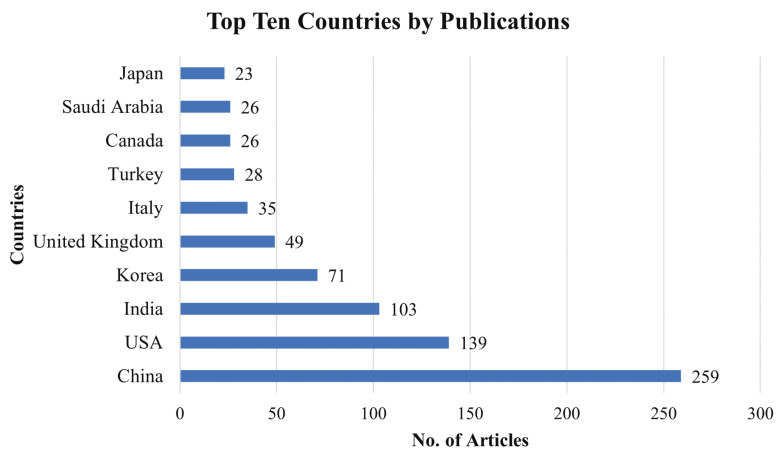
Globally, there is a substantial unmet need to diagnose various diseases effectively. The complexity of the different disease mechanisms and underlying symptoms of the patient population presents massive challenges in developing the early diagnosis tool and effective treatment. Machine learning (ML), an area of artificial intelligence (AI), enables researchers, physicians, and patients to solve some of these issues. Based on relevant research, this review explains how machine learning (ML) is being used to help in the early identification of numerous diseases. Initially, a bibliometric analysis of the publication is carried out using data from the Scopus and Web of Science (WOS) databases. The bibliometric study of 1216 publications was undertaken to determine the most prolific authors, nations, organizations, and most cited articles. The review then summarizes the most recent trends and approaches in machine-learning-based disease diagnosis (MLBDD), considering the following factors: algorithm, disease types, data type, application, and evaluation metrics. Finally, in this paper, we highlight key results and provides insight into future trends and opportunities in the MLBDD area.
Overview
The claims and statistics of this paper haven’t been checked yet.
Free: it reads the open-access text and checks the first 5 claims that cite a source we can check. Create a free account to check every claim.
Integrity signals
Registry
Cites
Statistics
Figures
Verification
Claims the paper makes
The claims and statistics of this paper haven’t been checked yet.
Free: it reads the open-access text and checks the first 5 claims that cite a source we can check. Create a free account to check every claim.
Claims other papers make about this one
Each is checked against this paper’s own text: does it say what the citing paper says it does?
The source backs part of the claim, not all of it — or backs it for a different population, condition or comparison.
In the citing paper
“While the advancement of manual diagnosis through the Placenta Accreta Index (PAI) process does improve the accuracy of diagnosis, it does not improve upon the PAS diagnostic issues of manual time consumption, proper symptom identification, and other complexities introduced via human error [10]”
From Machine Learning in Maternity: Early Diagnosis of Placenta Accreta Spectrum (2026) · cites this paper as [10]
Experimental — accuracy not yet measured
Self-check
Percentages, sums and reported differences re-computed from the paper’s own numbers.
The self-check needs the paper’s full text.
Citations
Cites
1 retracted
Saw, M., Saxena, T. K., Kaithwas, S., Yadav, R., & Lal, N. (2020) · International Conference on Computer Communication and Informatics (ICCCI) · doi:10.1109/iccci48352.2020.9104210 · Cited by 73 · cited 1×
“[41, 134, 135, 42, 43, 44, 45] Heart disease Cleveland database https://archive.”
RetractedSome Studies in Machine Learning Using the Game of Checkers
Samuel, A. L. (1959) · IBM Journal of Research and Development · doi:10.1147/rd.33.0210 · Cited by 4,443 · cited 1×
“The core principle of ML is to learn from data in order to forecast or make decisions depending on the assigned task [9].”
BackgroundWang, L., Lin, Z. Q., & Wong, A. (2020) · Scientific Reports · doi:10.1038/s41598-020-76550-z · Cited by 3,113 · cited 1×
“However, the model’s network activity and region of interest were poorly explained [93] .”
BackgroundDiscriminatory Analysis. Nonparametric Discrimination: Consistency Properties
Fix, E., & Hodges, J. L. (1989) · International Statistical Review / Revue Internationale de Statistique · doi:10.2307/1403797 · Cited by 2,516 · cited 10×
“They demonstrated that by fine-tuning the settings, it is feasible to get 94.35% accuracy, whereas the default KNN achieved around 90% accuracy [61].”
MethodInfluentialApostolopoulos, I. D., & Mpesiana, T. A. (2020) · Physical and Engineering Sciences in Medicine · doi:10.1007/s13246-020-00865-4 · Cited by 2,338
Green supply chain management: A review and bibliometric analysis
Fahimnia, B., Sarkis, J., & Davarzani, H. (2015) · International Journal of Production Economics · doi:10.1016/j.ijpe.2015.01.003 · Cited by 2,131 · cited 1×
“Due to their high quality and peer review paper index, Scopus and WOS are prominent databases for article searching, as many academics and scholars utilized them for systematic review [25,26].”
BackgroundNarin, A., Kaya, C., & Pamuk, Z. (2021) · Pattern Analysis and Applications · doi:10.1007/s10044-021-00984-y · Cited by 2,054 · cited 2×
“Several studies investigated and advised screening COVID-19 patients utilizing chest X-ray images in parallel, with major contributions in [95, 96, 97].”
BackgroundMethodEffective Heart Disease Prediction Using Hybrid Machine Learning Techniques
Mohan, S., Thirumalai, C., & Srivastava, G. (2019) · IEEE Access · doi:10.1109/access.2019.2923707 · Cited by 1,951 · cited 1×
“(2019) [29] Effective Heart disease prediction Using hybrid Machine Learning techniques 214”
BackgroundLi, L., Qin, L., Xu, Z., Yin, Y., Wang, X., Kong, B., Bai, J., Lu, Y., Fang, Z., Song, Q., et al. (2020) · Radiology · doi:10.1148/radiol.2020200905 · Cited by 1,927 · cited 1×
“Li et al. (2020) suggested the COVNet model and obtain 96% accuracy utilizing a large dataset of 4356 chest CT images of Pneumonia patients, 1296 of which were verified COVID-19 cases [94].”
MethodLevey, A. S., & Coresh, J. (2012) · The Lancet · doi:10.1016/s0140-6736(11)60178-5 · Cited by 1,841 · cited 1×
“The recent advancement of ML and DL-based kidney disease diagnosis may provide a possibility for those countries that are unable to handle the kidney disease diagnostic related tests [49].”
BackgroundSupport vector machines for spam categorization
Drucker, H., Wu, D., & Vapnik, V. N. (1999) · IEEE Transactions on Neural Networks · doi:10.1109/72.788645 · Cited by 1,471 · cited 1×
“SVM was introduced by Vapnik in the late twentieth century [17].”
MethodBig data and machine learning algorithms for health-care delivery
Ngiam, K. Y., & Khor, I. W. (2019) · The Lancet Oncology · doi:10.1016/s1470-2045(19)30149-4 · Cited by 1,424
A deep convolutional neural network model to classify heartbeats
Acharya, U. R., Oh, S. L., Hagiwara, Y., Tan, J. H., Adam, M., Gertych, A., & Tan, R. S. (2017) · Computers in Biology and Medicine · doi:10.1016/j.compbiomed.2017.08.022 · Cited by 1,421 · cited 1×
“Transfer learning is also gaining popularity since it does not necessitate constructing a CNN model from scratch and produces better results than typical ML methods [91, 47].”
ResultImproving Diagnosis in Health Care
Committee on Diagnostic Error in Health Care, Board on Health Care Services, Institute of Medicine, & The National Academies of Sciences, E. (2015) · doi:10.17226/21794 · Cited by 1,376
Real-time RT-PCR in COVID-19 detection: issues affecting the results
Tahamtan, A., & Ardebili, A. (2020) · Expert Review of Molecular Diagnostics · doi:10.1080/14737159.2020.1757437 · Cited by 1,217 · cited 1×
“The gold standard for diagnosing COVID-19 infection is now Real-Time Reverse Transcription-Polymerase Chain Reaction (RT-PCR) [89, 90].”
MethodDeep learning for brain MRI segmentation: state of the art and future directions
Akkus, Z., Galimzianova, A., Hoogi, A., Rubin, D. L., & Erickson, B. J. (2017) · Journal of Digital Imaging · doi:10.1007/s10278-017-9983-4 · Cited by 1,129 · cited 1×
“Furthermore, collecting valuable information from molecular state and determining disease progression or therapy sensitivity are practical uses of DL that are frequently unidentified by human investigations [23].”
BackgroundAutomated breast ultrasound lesions detection using convolutional neural networks
Yap, M. H., Pons, G., Martí, J., Ganau, S., Sentís, M., Zwiggelaar, R., Davison, A. K., & Martí, R. (2018) · IEEE Journal of Biomedical and Health Informatics · doi:10.1109/jbhi.2017.2731873 · Cited by 1,086 · cited 1×
“CNN is widely employed in face identification, text analysis, human organ localization, and biological image detection or recognition [24].”
BackgroundDeep convolutional neural network based medical image classification for disease diagnosis
Yadav, S. S., & Jadhav, S. M. (2019) · Journal of Big Data · doi:10.1186/s40537-019-0276-2 · Cited by 1,069 · cited 1×
“Yadav & Jadvav (2019) [30] Deep Convolutional Neural Network based medical image classification for disease diagnosis 155”
BackgroundSchapire, R. E. (2013) · Empirical Inference · doi:10.1007/978-3-642-41136-6_5 · Cited by 1,013 · cited 1×
“It may be used for categorization as well as regression analysis [20].”
MethodDeep Learning Enables Accurate Diagnosis of Novel Coronavirus (COVID-19) With CT Images
Song, Y., Zheng, S., Li, L., Zhang, X., Zhang, X., Huang, Z., Chen, J., Wang, R., Zhao, H., Chong, Y., et al. (2021) · IEEE/ACM Transactions on Computational Biology and Bioinformatics · doi:10.1109/tcbb.2021.3065361 · Cited by 957 · cited 1×
“(2021) [101] COVID-19 disease detection CNN Mixed dataset Image Accuracy- 86%”
BackgroundCOVIDX-Net: A Framework of Deep Learning Classifiers to Diagnose COVID-19 in X-Ray Images
Hemdan, E. E., Shouman, M. A., & Karar, M. E. (2020) · arXiv (Cornell University) · doi:10.48550/arxiv.2003.11055 · Cited by 913 · cited 2×
“(2020) used a small dataset of only 50 images to identify COVID-19 patients from chest X-ray images with an accuracy of 90% and 95%, respectively, using VGG19 and ResNet50 models [95].”
BackgroundMethodArdakani, A. A., Kanafi, A. R., Acharya, U. R., Khadem, N., & Mohammadi, A. (2020) · Computers in Biology and Medicine · doi:10.1016/j.compbiomed.2020.103795 · Cited by 851 · cited 1×
“(2020) used a small dataset of 108 COVID-19 and 86 non-COVID-19 patients to evaluate ten different DL models and achieved a 99% overall accuracy [92].”
MethodUsing Machine Learning Algorithms for Breast Cancer Risk Prediction and Diagnosis
Asri, H., Mousannif, H., Moatassime, H. A., & Noel, T. (2016) · Procedia Computer Science · doi:10.1016/j.procs.2016.04.224 · Cited by 772 · cited 1×
“edu/ml/datasets/parkinsons [58, 59, 60] Breast cancer WDBC dataset https://archive.”
Effect of Data Scaling Methods on Machine Learning Algorithms and Model Performance
Ahsan, M., Mahmud, M., Saha, P., Gupta, K., & Siddique, Z. (2021) · Technologies · doi:10.3390/technologies9030052 · Cited by 744 · cited 1×
“Most researchers and practitioners use Machine Learning (ML) approaches to identify cardiac disease [37, 38].”
BackgroundSelf-citationMotwani, M., Dey, D., Berman, D. S., Germano, G., Achenbach, S., Al-Mallah, M. H., Andreini, D., Budoff, M. J., Cademartiri, F., Callister, T. Q., et al. (2016) · European Heart Journal · doi:10.1093/eurheartj/ehw188 · Cited by 692 · cited 2×
“(2017) [27] earned the most citations (257), with 51.”
BackgroundChen, J., Wu, L., Zhang, J., Zhang, L., Gong, D., Zhao, Y., Chen, Q., Huang, S., Yang, M., Yang, X., et al. (2020) · Scientific Reports · doi:10.1038/s41598-020-76282-0 · Cited by 675 · cited 1×
“Transfer learning is also gaining popularity since it does not necessitate constructing a CNN model from scratch and produces better results than typical ML methods [91, 47].”
ResultExplainable Deep Learning for Pulmonary Disease and Coronavirus COVID-19 Detection from X-rays
Brunese, L., Mercaldo, F., Reginelli, A., & Santone, A. (2020) · Computer Methods and Programs in Biomedicine · doi:10.1016/j.cmpb.2020.105608 · Cited by 623 · cited 1×
“For example, Brunese et al. (2020) employed 6505 images with a data ratio of 1:1.17, with 3003 images classified as COVID-19 symptoms and 3520 as "other patients" for the objectives of that study [98].”
MethodInfluentialPrediction of Heart Disease Using a Combination of Machine Learning and Deep Learning
Bharti, R., Khamparia, A., Shabaz, M., Dhiman, G., Pande, S., & Singh, P. (2021) · Computational Intelligence and Neuroscience · doi:10.1155/2021/8387680 · Cited by 602 · cited 1×
“[41, 134, 135, 42, 43, 44, 45] Heart disease Cleveland database https://archive.”
Development and evaluation of an artificial intelligence system for COVID-19 diagnosis
Jin, C., Chen, W., Cao, Y., Xu, Z., Tan, Z., Zhang, X., Deng, L., Zheng, C., Zhou, J., Shi, H., et al. (2020) · Nature Communications · doi:10.1038/s41467-020-18685-1 · Cited by 592 · cited 1×
“(2021) [102] COVID-19 disease detection CNN Cohen’s dataset Image Accuracy- 94.”
BackgroundZheng, B., Yoon, S. W., & Lam, S. S. (2014) · Expert Systems with Applications · doi:10.1016/j.eswa.2013.08.044 · Cited by 549 · cited 2×
“38% using Wisconsin Diagnostic Breast Cancer (WDBC) dataset [58].”
MethodRandom forest-based similarity measures for multi-modal classification of Alzheimer's disease
Gray, K. R., Aljabar, P., Heckemann, R. A., Hammers, A., & Rueckert, D. (2013) · NeuroImage · doi:10.1016/j.neuroimage.2012.09.065 · Cited by 456
Blockchain Technology Use Cases in Healthcare
Zhang, P., Schmidt, D. C., White, J., & Lenz, G. (2018) · Advances in Computers · doi:10.1016/bs.adcom.2018.03.006 · Cited by 441
Khan, M. A., Ashraf, I., Alhaisoni, M., Damaševičius, R., Scherer, R., Rehman, A., & Bukhari, S. A. C. (2020) · Diagnostics · doi:10.3390/diagnostics10080565 · Cited by 424
Machine learning-based heart disease diagnosis: A systematic literature review
Ahsan, M. M., & Siddique, Z. (2022) · Artificial Intelligence in Medicine · doi:10.1016/j.artmed.2022.102289 · Cited by 416
Self-citationDeep and machine learning techniques for medical imaging-based breast cancer: A comprehensive review
Houssein, E. H., Emam, M. M., Ali, A. A., & Suganthan, P. N. (2021) · Expert Systems with Applications · doi:10.1016/j.eswa.2020.114161 · Cited by 404 · cited 3×
“To overcome such problems, selecting appropriate kernel and parameters is two key factors when applying SVM in data analysis [11].”
BackgroundMethodHitching Healthcare to the Chain: An Introduction to Blockchain Technology in the Healthcare Sector
Engelhardt, M. A. (2017) · Technology Innovation Management Review · doi:10.22215/timreview/1111 · Cited by 390
Detection of coronavirus Disease (COVID-19) based on Deep Features and Support Vector Machine
Sethy, P. K., Behera, S. K., Ratha, P. K., & Biswas, P. (2020) · International Journal of Mathematical, Engineering and Management Sciences · doi:10.33889/ijmems.2020.5.4.052 · Cited by 375
Deep learning approach for diabetes prediction using PIMA Indian dataset
Naz, H., & Ahuja, S. (2020) · Journal of Diabetes & Metabolic Disorders · doi:10.1007/s40200-020-00520-5 · Cited by 348 · cited 3×
“Naz & Ahuja (2020) employed a variety of ML techniques, including Artificial neural networks (ANN), NB, DT, and DL, to analyze open-source PIMA Diabetes datasets.”
BackgroundMethodInfluentialAustin, P. C., Tu, J. V., Ho, J. E., Levy, D., & Lee, D. S. (2013) · Journal of Clinical Epidemiology · doi:10.1016/j.jclinepi.2012.11.008 · Cited by 338 · cited 1×
“(2013) [32] Using methods from the data-mining and Machine-Learning literature for disease classification and prediction: a case study examining classification of Heart failure subtypes 139”
MethodDWT Based Detection of Epileptic Seizure From EEG Signals Using Naive Bayes and k-NN Classifiers
Sharmila, A., & Geethanjali, P. (2016) · IEEE Access · doi:10.1109/access.2016.2585661 · Cited by 321 · cited 1×
“Sharmila & Geethanjali (2016 )[33] DWT based detection of Epileptic Seizure From EEG signals using Naive Bayes and k-NN classifiers 134”
MethodLebedev, A. V., Westman, E., Van Westen, G. J. P., Kramberger, M. G., Lundervold, A., Aarsland, D., Soininen, H., Kłoszewska, I., Mecocci, P., Tsolaki, M., et al. (2014) · NeuroImage: Clinical · doi:10.1016/j.nicl.2014.08.023 · Cited by 305 · cited 1×
“(2014) [34] Random Forest ensembles for detection and prediction of Alzheimer’s disease with a good between-cohort robustness 129”
BackgroundZhang, Y., Dong, Z., Phillips, P., Wang, S., Ji, G., Yang, J., & Yuan, T.-F. (2015) · Frontiers in Computational Neuroscience · doi:10.3389/fncom.2015.00066 · Cited by 279 · cited 1×
“(2015 )[31] Detection of subjects and brain regions related to Alzheimer’s disease using 3D MRI scans based on Eigenbrain and Machine Learning 147”
BackgroundMa, F., Sun, T., Liu, L., & Jing, H. (2020) · Future Generation Computer Systems · doi:10.1016/j.future.2020.04.036 · Cited by 276 · cited 2×
“(2020) utilizes a collection of datasets containing data from many sources [52].”
BackgroundStafford, I. S., Kellermann, M., Mossotto, E., Beattie, R. M., MacArthur, B. D., & Ennis, S. (2020) · npj Digital Medicine · doi:10.1038/s41746-020-0229-3 · Cited by 272 · cited 1×
“Machine learning (ML) is a subset of AI that uses data as an input resource [7].”
BackgroundPerformance Analysis of Classifier Models to Predict Diabetes Mellitus
Kandhasamy, J. P., & Balamurali, S. (2015) · Procedia Computer Science · doi:10.1016/j.procs.2015.03.182 · Cited by 260 · cited 3×
“[136, 72, 71, 74] Diabetics Pima diabetic dataset https://www.”
BackgroundMethodChen, M., Zhang, B., Topatana, W., Cao, J., Zhu, H., Juengpanich, S., Mao, Q., Yu, H., & Cai, X. (2020) · npj Precision Oncology · doi:10.1038/s41698-020-0120-3 · Cited by 244 · cited 2×
“According to the overall research, CNN is one of the most emerging algorithms, outperforming all other ML algorithms due to its solid performance with both image and tabular data [94, 128, 137, 123].”
BackgroundMethodBrain tumor classification from multi-modality MRI using wavelets and machine learning
Usman, K., & Rajpoot, K. (2017) · Pattern Analysis and Applications · doi:10.1007/s10044-017-0597-8 · Cited by 243 · cited 1×
“Usman & Rajpoot (2017) [124] Brain tumor segmentation for multi-modality MRI RF MICCAI, BraTS 2013 Image 88% disc overlap”
BackgroundPredicting Severity Of Parkinson’s Disease Using Deep Learning
Grover, S., Bhartia, S., Akshama, Yadav, A., & K.R., S. (2018) · Procedia Computer Science · doi:10.1016/j.procs.2018.05.154 · Cited by 237 · cited 2×
“67% accuracy in diagnosing patients with Parkinson’s disease symptoms [80].”
BackgroundYahyaoui, A., Jamil, A., Rasheed, J., & Yesiltepe, M. (2019) · 2019 1st International Informatics and Software Engineering Conference (UBMYK) · doi:10.1109/ubmyk48245.2019.8965556 · Cited by 237 · cited 1×
“RF outperformed all other algorithms in their computations, obtaining an accuracy of 83.67%, while DL and SVM scored 76.81% and 65.38% accuracy, respectively [73].”
MethodInfluentialHomecare robotic systems for healthcare 4.0: visions and enabling technologies
Yang, G., Pang, Z., Jamal Deen, M., Dong, M., Zhang, Y.-T., Lovell, N., & Rahmani, A. M. (2020) · IEEE Journal of Biomedical and Health Informatics · doi:10.1109/jbhi.2020.2990529 · Cited by 213
Overdiagnosis: How Our Compulsion for Diagnosis May Be Harming Children
Coon, E. R., Quinonez, R. A., Moyer, V. A., & Schroeder, A. R. (2014) · Pediatrics · doi:10.1542/peds.2014-1778 · Cited by 205 · cited 1×
“If overdiagnosis, problems such as unnecessary treatment will arise, impacting individuals’ health and economy [3].”
BackgroundDas, A., Acharya, U. R., Panda, S. S., & Sabut, S. (2019) · Cognitive Systems Research · doi:10.1016/j.cogsys.2018.12.009 · Cited by 199 · cited 1×
“(2019) [129] Identification of liver cancer Watershed gaussian based DL (WGDL) Privately owned Image Accuracy- 99.”
BackgroundAnalysis of Breast Cancer Detection Using Different Machine Learning Techniques
Mohammed, S. A., Darrab, S., Noaman, S. A., & Saake, G. (2020) · Communications in computer and information science · doi:10.1007/978-981-15-7205-0_10 · Cited by 189 · cited 2×
“Their findings showed that the SMO algorithms exceeded the other two classifiers, attaining more than 95% accuracy on both datasets [60].”
BackgroundDaghrir, J., Tlig, L., Bouchouicha, M., & Sayadi, M. (2020) · 2020 5th International Conference on Advanced Technologies for Signal and Image Processing (ATSIP) · doi:10.1109/atsip49331.2020.9231544 · Cited by 189
Fitriyani, N. L., Syafrudin, M., Alfian, G., & Rhee, J. (2019) · IEEE Access · doi:10.1109/access.2019.2945129 · Cited by 188 · cited 1×
“(2019) [76] Diabetes and hypertension DPM Privately owned Tabular Accuracy- 96.”
BackgroundA Survey on Decision Tree Algorithm for Classification
nbspPatel Brijain, R., & Rana, N. K. (2014) · International Journal of Engineering Development and Research · Cited by 186
Detection of Brain Tumor based on Features Fusion and Machine Learning
Amin, J., Sharif, M., Raza, M., & Yasmin, M. (2024) · Journal of Ambient Intelligence and Humanized Computing · doi:10.1007/s12652-018-1092-9 · Cited by 185 · cited 1×
“BRATS 2013, BRATS 2014, BRATS 2015, and ISLES 2015 dataset, respectively [117].”
BackgroundCOVID-CXNet: Detecting COVID-19 in frontal chest X-ray images using deep learning
Haghanifar, A., Majdabadi, M. M., Choi, Y., Deivalakshmi, S., & Ko, S. (2022) · Multimedia Tools and Applications · doi:10.1007/s11042-022-12156-z · Cited by 183 · cited 1×
“The gold standard for diagnosing COVID-19 infection is now Real-Time Reverse Transcription-Polymerase Chain Reaction (RT-PCR) [89, 90].”
MethodPredictive analytics for chronic kidney disease using machine learning techniques
Charleonnan, A., Fufaung, T., Niyomwong, T., Chokchueypattanakit, W., Suwannawach, S., & Ninchawee, N. (2016) · 2016 Management and Innovation Technology International Conference (MITicon) · doi:10.1109/miticon.2016.8025242 · Cited by 181 · cited 3×
“edu/ml/datasets/heart+ disease [13, 54, 50, 51] Kidney disease Chronic kidney disease dataset https://archive.”
BackgroundMethodInfluentialNithya, A., Appathurai, A., Venkatadri, N., Ramji, D. R., & Anna Palagan, C. (2020) · Measurement · doi:10.1016/j.measurement.2019.106952 · Cited by 180 · cited 1×
“(2020) [53] Kidney disease detection and segmentation ANN and multi-kernel k-means clustering 100 collected image data of patients Ultrasound Image Accuracy99.”
BackgroundChallis, E., Hurley, P., Serra, L., Bozzali, M., Oliver, S., & Cercignani, M. (2015) · NeuroImage · doi:10.1016/j.neuroimage.2015.02.037 · Cited by 179 · cited 1×
“(2015) [36] Gaussian process classification of Alzheimer’s disease and mild cognitive impairment from resting-state fMRI 107”
BackgroundGreen supply chain management (GSCM): a structured literature review and research implications
Malviya, R. K., & Kant, R. (2015) · Benchmarking An International Journal · doi:10.1108/bij-01-2014-0001 · Cited by 177 · cited 1×
“Due to their high quality and peer review paper index, Scopus and WOS are prominent databases for article searching, as many academics and scholars utilized them for systematic review [25, 26].”
BackgroundECG arrhythmia classification based on optimum-path forest
Luz, E. J. D. S., Nunes, T. M., de Albuquerque, V. H. C., Papa, J. P., & Menotti, D. (2013) · Expert Systems with Applications · doi:10.1016/j.eswa.2012.12.063 · Cited by 177 · cited 1×
“(2013) [35] ECG Arrhythmia classification based on optimum-path forest 111”
BackgroundEarly Prediction of Chronic Kidney Disease Using Machine Learning Supported by Predictive Analytics
Aljaaf, A. J., Al-Jumeily, D., Haglan, H. M., Alloghani, M., Baker, T., Hussain, A. J., & Mustafina, J. (2018) · 2018 IEEE Congress on Evolutionary Computation (CEC) · doi:10.1109/cec.2018.8477876 · Cited by 173 · cited 3×
“edu/ml/datasets/heart+ disease [13, 54, 50, 51] Kidney disease Chronic kidney disease dataset https://archive.”
BackgroundYang, W., Si, Y., Wang, D., & Guo, B. (2018) · Computers in Biology and Medicine · doi:10.1016/j.compbiomed.2018.08.003 · Cited by 171 · cited 1×
“(2018) [48] Novel heartbeat recognition method is presented SVM MIT-BIH Tabular Accuracy- 97.”
MethodA deep feature-based real-time system for Alzheimer disease stage detection
Nawaz, H., Maqsood, M., Afzal, S., Aadil, F., Mehmood, I., & Rho, S. (2021) · Multimedia Tools and Applications · doi:10.1007/s11042-020-09087-y · Cited by 162
Alshayeji, M. H., Ellethy, H., Abed, S., & Gupta, R. (2021) · Biomedical Signal Processing and Control · doi:10.1016/j.bspc.2021.103141 · Cited by 155 · cited 1×
“85% properly without selecting characteristics or tweaking the algorithms [63].”
BackgroundDeep MLP-CNN Model Using Mixed-Data to Distinguish between COVID-19 and Non-COVID-19 Patients
Ahsan, M. M., Alam, T. E., Trafalis, T. B., & Huebner, P. (2020) · Symmetry · doi:10.3390/sym12091526 · Cited by 150 · cited 2×
“On the other hand, the second layer will construct and encode the nose and eyes, and the third layer may recognize the face by merging all of the information gathered from the previous two layers [6].”
BackgroundSelf-citationReduction of Overfitting in Diabetes Prediction Using Deep Learning Neural Network
Ashiquzzaman, A., Tushar, A. K., Islam, M. R., Shon, D., Im, K., Park, J., Lim, D.-S., & Kim, J.-M. (2017) · Lecture notes in electrical engineering · doi:10.1007/978-981-10-6451-7_5 · Cited by 147
Tsao, H.-Y., Chan, P.-Y., & Su, E. C.-Y. (2018) · BMC Bioinformatics · doi:10.1186/s12859-018-2277-0 · Cited by 136 · cited 1×
“DT is used extensively by following reference literature: [13, 14, 15, 16].”
MethodAlzheimer Disease Prediction using Machine Learning Algorithms
Neelaveni, J., & Devasena, M. S. G. (2020) · International Conference on Advanced Computing and Communication Systems (ICACCS) · doi:10.1109/icaccs48705.2020.9074248 · Cited by 134 · cited 1×
“For instance,Neelaveni & Devasana (2020) proposed a model that can detect Alzheimer patients using SVM and DT, and achieved an accuracy of 85% and 83% respectively [104].”
BackgroundGürüler, H. (2016) · Neural Computing and Applications · doi:10.1007/s00521-015-2142-2 · Cited by 133 · cited 2×
“com/uciml/ pima-indians-diabetes-database [86, 85, 16, 81] Parkinson disease Parkinsons Dataset https://archive.”
BackgroundComputer-aided diagnosis system based on fuzzy logic for breast cancer categorization
Miranda, G., & Felipe, J. C. (2014) · Computers in Biology and Medicine · doi:10.1016/j.compbiomed.2014.10.006 · Cited by 130
Recognizing Abnormal Heart Sounds Using Deep LearningPreprint
Rubin, J., Abreu, R., Ganguli, A., Nelaturi, S., Matei, I., & Sricharan, K. (2017) · arXiv (Cornell University) · doi:10.48550/arxiv.1707.04642 · Cited by 125
SVM based machine learning approach to identify Parkinson's disease using gait analysis
Shetty, S., & Rao, Y. S. (2016) · 2016 International Conference on Inventive Computation Technologies (ICICT) · doi:10.1109/inventive.2016.7824836 · Cited by 124 · cited 1×
“(2016) [87] identify Parkinson’s disease SVM NIHS Speech and sound Accuracy- 83.”
BackgroundAn optimized K-Nearest Neighbor based breast cancer detection
Assegie, T. A. (2020) · Journal of Robotics and Control (JRC) · doi:10.18196/jrc.2363 · Cited by 119 · cited 2×
“Assegie (2021) used the grid search approach to identify the best K-Nearest Neighbor (KNN) settings.”
MethodInfluentialComputer-Aided Diagnosis of Malignant Mammograms using Zernike Moments and SVM
Sharma, S., & Khanna, P. (2014) · Journal of Imaging Informatics in Medicine · doi:10.1007/s10278-014-9719-7 · Cited by 115 · cited 1×
“For example, some research reported their results with accuracy [45]; others provided with accuracy, precision, recall, and F1-score [42]; while a few studies emphasized sensitivity, specificity, and true positive [67].”
ResultMachine Learning on Mobile: An On-device Inference App for Skin Cancer Detection
Dai, X., Spasić, I., Meyer, B., Chapman, S., & Andres, F. (2019) · 2019 Fourth International Conference on Fog and Mobile Edge Computing (FMEC) · doi:10.1109/fmec.2019.8795362 · Cited by 115 · cited 1×
“(2019) used CNN in developing a device inference app for Skin cancer detection [118];Fathi et al.”
MethodHaft-Javaherian, M., Fang, L., Muse, V., Schaffer, C. B., Nishimura, N., & Sabuncu, M. R. (2019) · PLOS ONE · doi:10.1371/journal.pone.0213539 · Cited by 109
An efficient machine learning approach for the detection of melanoma using dermoscopic images
Waheed, Z., Waheed, A., Zafar, M., & Riaz, F. (2017) · International Conference on Communication, Computing and Digital Systems (C-CODE) · doi:10.1109/c-code.2017.7918949 · Cited by 108 · cited 1×
“(2017) [125] Melanoma detection with dermoscopic images SVM with color and feature extractor PH2 Image Accuracy- 96%”
BackgroundDeriving tumor detection models using convolutional neural networks from MRI of human brain scans
Kalaiselvi, T., Padmapriya, S., Sriramakrishnan, P., & Somasundaram, K. (2020) · International Journal of Information Technology · doi:10.1007/s41870-020-00438-4 · Cited by 106
Detecting SARS-CoV-2 From Chest X-Ray Using Artificial Intelligence
Ahsan, M. M., Ahad, M. T., Soma, F. A., Paul, S., Chowdhury, A., Luna, S. A., Yazdan, M. M. S., Rahman, A., Siddique, Z., & Huebner, P. (2021) · IEEE Access · doi:10.1109/access.2021.3061621 · Cited by 99 · cited 2×
“edu/ml/datasets/ Breast+Cancer+Wisconsin+ (Diagnostic) [2, 97] COVID-19 Covidchest X-ray dataset https://github.”
BackgroundSelf-citationAhsan, M. M., Gupta, K. D., Islam, M. M., Sen, S., Rahman, M. L., & Shakhawat Hossain, M. (2020) · Machine Learning and Knowledge Extraction · doi:10.3390/make2040027 · Cited by 97
Self-citationDetection of COVID-19 Patients from CT Scan and Chest X-ray Data Using Modified MobileNetV2 and LIME
Ahsan, M. M., Nazim, R., Siddique, Z., & Huebner, P. (2021) · Healthcare · doi:10.3390/healthcare9091099 · Cited by 95 · cited 1×
“Despite the fact that a vaccine had been advanced in distribution because to the global emergency, it was unavailable to the majority of people for the duration of the crisis [88].”
BackgroundSelf-citationImran, A. A., Amin, M. N., & Johora, F. T. (2018) · doi:10.1109/ciet.2018.8660844 · Cited by 90 · cited 2×
“edu/ml/datasets/heart+ disease [13, 54, 50, 51] Kidney disease Chronic kidney disease dataset https://archive.”
BackgroundDIABETES DIAGNOSIS BASED ON KNN
Ali, A. H., Alrubei, M. A. T., Al-Rammahi, L. F. M. H., Al-Ja’afari, M. A. M., & Abdulwahid, S. H. (2020) · IIUM Engineering Journal · doi:10.31436/iiumej.v21i1.1206 · Cited by 85 · cited 1×
“(2020) [78] Diabetes classification KNN Privately owned4900 samples Tabular Accuracy- 99.”
BackgroundCollij, L. E., Heeman, F., Kuijer, J. P. A., Ossenkoppele, R., Benedictus, M. R., Möller, C., Verfaillie, S. C. J., Sanz-Arigita, E. J., van Berckel, B. N. M., van der Flier, W. M., et al. (2016) · Radiology · doi:10.1148/radiol.2016152703 · Cited by 78 · cited 1×
“(2016) also used SVM to detect single-subject Alzheimer’s disease and Mild Cognitive Impairment (MCI) prediction and achieved an accuracy of 82% [105].”
MethodEnd-to-End Parkinson Disease Diagnosis using Brain MR-Images by 3D-CNNPreprint
Esmaeilzadeh, S., Yang, Y., & Adeli, E. (2018) · arXiv (Cornell University) · doi:10.48550/arxiv.1806.05233 · Cited by 77 · cited 1×
“(2018) proposed a Deep CNN-based model to diagnose Parkinson’s disease and achieved almost 100% accuracy on train and test set [82].”
BackgroundAbdel‐Nasser, M., Rashwan, H. A., Puig, D., & Moreno, A. (2015) · Expert Systems with Applications · doi:10.1016/j.eswa.2015.07.072 · Cited by 71 · cited 1×
“(2015) [66] Classification of breast density and mass SVM MiniMIAS, INBreast Image Mini-MIAS: Accuracy- 99%, AUC- 0.”
BackgroundDisease Classification Based on Eye Movement Features With Decision Tree and Random Forest
Mao, Y., He, Y., Liu, L., & Chen, X. (2020) · Frontiers in Neuroscience · doi:10.3389/fnins.2020.00798 · Cited by 71 · cited 1×
“(2020) used Decision Tree (DT) and Random Forest (RF) to disease classification based on eye movement [114].”
MethodMiao, J. H., & Kathleen, H. (2018) · International Journal of Advanced Computer Science and Applications · doi:10.14569/ijacsa.2018.090501 · Cited by 70
Parkinson’s Disease Identification using KNN and ANN Algorithms based on Voice Disorder
Ouhmida, A., Raihani, A., Cherradi, B., Sara, S., & Khalili, T. (2020) · International Conference on Innovative Research in Applied Science, Engineering and Technology (IRASET) · doi:10.1109/iraset48871.2020.9092228 · Cited by 67 · cited 2×
“(2020)[85] Parkinson’s disease identification KNN and ANN Parkinson’s UI machine learning dataset Tabular ANN (Accuracy96.”
BackgroundA Performance Based Study on Deep Learning Algorithms in the Effective Prediction of Breast Cancer
Ghosh, P., Azam, S., Hasib, K. M., Karim, A., Jonkman, M., & Anwar, A. (2021) · International Joint Conference on Neural Networks (IJCNN) · doi:10.1109/ijcnn52387.2021.9534293 · Cited by 67 · cited 1×
“Long short-term memory (LSTM) and Gated recurrent unit (GRU) demonstrated the best performance among all DL models, achieving an accuracy of roughly 99% [65].”
BackgroundBack-Propagation Neural Network Versus Logistic Regression in Heart Disease Classification
Desai, S. D., Giraddi, S. G., Narayankar, P. M., Pudakalakatti, N. R., & Sulegaon, S. (2018) · Advances in intelligent systems and computing · doi:10.1007/978-981-13-0680-8_13 · Cited by 65 · cited 2×
“(2019) [44] Heart disease classification Back-propagation NN, LR Cleveland dataset Tabular Accuracy (BNN85.”
BackgroundAhmed, S., Kim, B. C., Lee, K. H., Jung, H. Y., & Initiative, A. D. N. (2020) · PLoS ONE · doi:10.1371/journal.pone.0242712 · Cited by 64
Moon, W. K., Chen, I., Chang, J. M., Shin, S. U., Lo, C., & Chang, R. (2016) · Ultrasonics · doi:10.1016/j.ultras.2016.12.017 · Cited by 62 · cited 2×
“(2017) [68] Classification of breast cancers by tumor size LR - ANN 156 Privately owned cases Image Accuracy- 81.”
BackgroundAn Intelligent Scoring System and Its Application to Cardiac Arrest Prediction
Liu, N., Lin, Z., Cao, J., Koh, Z. X., Zhang, T., Huang, G.-B., Ser, W., & Ong, M. E. H. (2012) · IEEE Transactions on Information Technology in Biomedicine · doi:10.1109/titb.2012.2212448 · Cited by 61 · cited 2×
“(2012) [46] Intelligent scoring system for the prediction of cardiac arrest within 72h SVM Privately ownend Tabular Specificity- 78.”
BackgroundA Color-Based Approach for Melanoma Skin Cancer Detection
Shalu, & Kamboj, A. (2018) · International Conference on Secure Cyber Computing and Communications (ICSCCC) · doi:10.1109/icsccc.2018.8703309 · Cited by 59 · cited 1×
“(2018) [126] Melanoma skin cancer detection NB, DT, and KNN MEDNODE Image DT (Accuracy82.”
BackgroundPredicting Breast Cancer via Supervised Machine Learning Methods on Class Imbalanced Data
Rajendran, K., Jayabalan, M., & Thiruchelvam, V. (2020) · International Journal of Advanced Computer Science and Applications · doi:10.14569/ijacsa.2020.0110808 · Cited by 58 · cited 2×
“(2020) [14] Breast cancer NB, BN, RF and DT (C4.”
BackgroundMethodA dynamic pooling based convolutional neural network approach to detect chronic kidney disease
Bhaskar, N., & Suchetha, M. (2020) · Biomedical Signal Processing and Control · doi:10.1016/j.bspc.2020.102068 · Cited by 55 · cited 2×
“(2018) [54] Classification of Chronic kidney disease LR, Feedforward NN and Wide DL Chronic kidney disease dataset Tabular Feedforward NN (F1score- 99%, Precision97%, Recall99%, and AUC-99%) Navaneeth & Suchetha (2020 [55] Chronic kidney disease CNN-SVM Privately own dataset Tabular Accuracy97.”
BackgroundFernández-Edreira, D., Liñares-Blanco, J., & Fernandez-Lozano, C. (2021) · Expert Systems with Applications · doi:10.1016/j.eswa.2021.115648 · Cited by 55 · cited 1×
“(2021) [77] Type 1 diabetes RF DIABIMMUNE Tabular AUC- 0.”
BackgroundComparison of machine learning strategies for infrared thermography of skin cancer
Magalhaes, C., Tavares, J. M. R. S., Mendes, J., & Vardasca, R. (2021) · Biomedical Signal Processing and Control · doi:10.1016/j.bspc.2021.102872 · Cited by 54 · cited 1×
“Furthermore, several researchers are emphasizing ensemble techniques in MLBDD [127, 130].”
BackgroundAutomated diagnosis of coronary heart disease using neuro-fuzzy integrated system
Ansari, A. Q., & Gupta, N. K. (2011) · World Congress on Information and Communication Technologies · doi:10.1109/wict.2011.6141450 · Cited by 52 · cited 2×
“Most researchers and practitioners use Machine Learning (ML) approaches to identify cardiac disease [37, 38].”
BackgroundBemando, C., Miranda, E., & Aryuni, M. (2021) · International Conference on Software Engineering and Computer Systems · doi:10.1109/icsecs52883.2021.00049 · Cited by 45 · cited 3×
“(2021 )[41] Predict coronary heart disease Gaussian NB, Bernoulli NB and RF Cleveland dataset Tabular Accuracy- 85.”
BackgroundMethodAderghal, K., Benois-Pineau, J., & Afdel, K. (2017) · Proceedings of the 2017 ACM on International Conference on Multimedia Retrieval · doi:10.1145/3078971.3079010 · Cited by 43 · cited 1×
“(2017) [110] are some of the CNN based study that also demonstrates the robustness of CNN based approach in Alzheimer disease diagnosis.”
BackgroundDhaliwal, J., Erdman, L., Drysdale, E., Rinawi, F., Muir, J., Walters, T. D., Siddiqui, I. F. S., Griffiths, A. M., & Church, P. C. (2020) · Journal of Pediatric Gastroenterology and Nutrition · doi:10.1097/mpg.0000000000002956 · Cited by 43
Kuang, J., Zhang, P., Cai, T., Zou, Z., Li, L., Wang, N., & Wu, L. (2020) · Geriatrics and gerontology international/Geriatrics & gerontology international · doi:10.1111/ggi.14097 · Cited by 41 · cited 1×
“(2021) [112] Predicting transition from mild cognitive impairment to alzheimer’s LR,ARN,DT 1913 privately owned cases Tabular Accuracy- (89.”
BackgroundVenkatesh, S. S., Levenback, B. J., Sultan, L. R., Bouzghar, G., & Sehgal, C. M. (2015) · Ultrasound in Medicine & Biology · doi:10.1016/j.ultrasmedbio.2015.07.020 · Cited by 38 · cited 2×
“(2015) [70] Differentiating malignant and benign masses NB, LR - AdaBoost 246 Privately owned image Image Sensitivity- 90%, Specificity- 97.”
BackgroundHayashi, Y. (2019) · Frontiers in Robotics and AI · doi:10.3389/frobt.2019.00024 · Cited by 37 · cited 1×
“Radiology and pathology are two wellknown medical fields that have widely used DL in disease diagnosis over the years [22].”
BackgroundManzak, D., Çetinel, G., & Manzak, A. (2019) · International Conference on Computer Science & Education (ICCSE) · doi:10.1109/iccse.2019.8845325 · Cited by 34 · cited 1×
“(2019) [113] Automatic classification of alzheimer’s DNN+ RF Tabular Accuracy67%”
BackgroundHuang, Z., Sun, M., & Guo, C. (2021) · Computational Intelligence and Neuroscience · doi:10.1155/2021/9121770 · Cited by 34
Kumar, R., & Polepaka, S. (2020) · Advances in intelligent systems and computing · doi:10.1007/978-981-15-1480-7_59 · Cited by 33 · cited 4×
“For example, some research reported their results with accuracy [45]; others provided with accuracy, precision, recall, and F1-score [42]; while a few studies emphasized sensitivity, specificity, and true positive [67].”
BackgroundResultInfluentialCOVID-CXNet: Detecting COVID-19 in Frontal Chest X-ray Images using Deep LearningPreprint
Haghanifar, A., Molahasani, M., Choi, Y., et al. (2020) · arXiv (Cornell University) · doi:10.48550/arxiv.2006.13807 · Cited by 32
A MACHINE LEARNING APPROACH BASED ON SVM FOR CLASSIFICATION OF LIVER DISEASES
Fathi, M., Nemati, M., Mohammadi, S. M., & Abbasi‐Kesbi, R. (2020) · Biomedical Engineering Applications Basis and Communications · doi:10.4015/s1016237220500180 · Cited by 30
Early Breast Cancer Detection Utilizing Artificial Neural Network
Sultana, Z., Khan, M. A. R., & Jahan, N. (2021) · WSEAS TRANSACTIONS ON BIOLOGY AND BIOMEDICINE · doi:10.37394/23208.2021.18.4 · Cited by 30 · cited 1×
“24% accuracy outperforms the other NN models utilized in that study [64].”
MethodWang, A., An, N., Xia, Y., Li, L., & Chen, G. (2014) · IEEE International Conference on Internet of Things (iThings) and IEEE Green Computing and Communications (GreenCom) and IEEE Cyber, Physical and Social Computing (CPSCom) and IEEE Smart Data (SmartData) · doi:10.1109/ithings.2014.16 · Cited by 28 · cited 1×
“(2014) [122] Hypertension LR and ANN BRFSS Tabular Accuracy- 72%, AUC> 0.”
BackgroundType-2 Diabetes Mellitus Diagnosis from Time Series Clinical Data Using Deep Learning Models
Alhassan, Z., McGough, A. S., Alshammari, R., Daghistani, T., Budgen, D., & Moubayed, N. A. (2018) · Lecture notes in computer science · doi:10.1007/978-3-030-01424-7_46 · Cited by 27 · cited 2×
“During that experiment, the author presented a CDSS architecture based on LSTM and GRU-based Deep Neural Networks, which obtained up to 97% accuracy [75].”
MethodSun, G., Hakozaki, Y., Abe, S., Vịnh, N. Q., & Matsui, T. (2012) · Journal of Infection · doi:10.1016/j.jinf.2012.10.010 · Cited by 25 · cited 1×
“According to the overall research, CNN is one of the most emerging algorithms, outperforming all other ML algorithms due to its solid performance with both image and tabular data [94, 128, 137, 123].”
MethodDetection of anaemia disease in human red blood cells using cell signature, neural networks and SVM
Elsalamony, H. A. (2017) · Multimedia Tools and Applications · doi:10.1007/s11042-017-5088-9 · Cited by 23
Predicting postoperative liver cancer death outcomes with machine learning
Wang, Y., Ji, C., Wang, Y., Ji, M., Yang, J., & Zhou, C.-M. (2021) · Current Medical Research and Opinion · doi:10.1080/03007995.2021.1885361 · Cited by 23 · cited 1×
“Furthermore, several researchers are emphasizing ensemble techniques in MLBDD [127, 130].”
BackgroundSaxena, R., Johri, A., Deep, V., & Sharma, P. (2018) · Advances in intelligent systems and computing · doi:10.1007/978-981-13-1498-8_71 · Cited by 21
Brunetti, A., Cascarano, G. D., Feudis, I. D., Moschetta, M., Gesualdo, L., & Bevilacqua, V. (2019) · Lecture notes in computer science · doi:10.1007/978-3-030-26969-2_60 · Cited by 21 · cited 2×
“(2019) [56] Detection and localization of kidneys in patients with autosomal dominant polycystic CNN Privately own data Image Accuracy95%”
BackgroundMultisurface Proximal SVM Based Decision Trees For Heart Disease Classification
Singh, H., Navaneeth, N. V., & Pillai, G. N. (2019) · IEEE Region 10 Conference (TENCON) · doi:10.1109/tencon.2019.8929618 · Cited by 20 · cited 3×
“(2019) used SVM to classify the patients with Heart disease symptoms [43];and Basheer et al.”
BackgroundMethodMachine Learning-Based Heart Disease Diagnosis: A Systematic Literature Review
Ahsan, M. M., & Siddique, Z. (2021) · arXiv (Cornell University) · doi:10.48550/arxiv.2112.06459 · Cited by 19 · cited 2×
“Many researchers and practitioners illustrate the promise of machine-learning-based disease diagnosis (MLBDD), which is inexpensive and time-efficient [5].”
BackgroundSelf-citationWalse, R. S., Kurundkar, G. D., Khamitkar, S., Muley, A. A., Bhalchandra, P. U., & Lokhande, S. (2020) · Smart innovation, systems and technologies · doi:10.1007/978-981-15-7078-0_22 · Cited by 18 · cited 3×
“edu/ml/datasets/heart+ disease [13, 54, 50, 51] Kidney disease Chronic kidney disease dataset https://archive.”
BackgroundMethodPatil, D. D., Singh, R. P., Thakare, V. M., & Gulve, A. K. (2018) · International Journal of Engineering & Technology · doi:10.14419/ijet.v7i2.17.11553 · Cited by 17 · cited 3×
“(2018) [45] ECG arrhythmia for heart disease detection SVM and Cuckoo search optimized NN Cleveland dataset Tabular Accuracy (SVM94.”
BackgroundResultAutomatic Classifier for Skin Disease Using k-NN and SVM
Nosseir, A., & Shawky, M. A. (2019) · International Conference on Software and Information Engineering (ICSIE) · doi:10.1145/3328833.3328862 · Cited by 17
Classification Approach for Breast Cancer Detection Using Back Propagation Neural Network
Bhattacherjee, A., Roy, S. D., Paul, S., Roy, P., Kausar, N., & Dey, N. (2019) · IGI Global eBooks · doi:10.4018/978-1-7998-0414-7.ch079 · Cited by 15
Lo, C., Chan, S., Yang, Y., Chang, Y., Huang, C., Jou, Y.-S., & Chang, R. (2016) · Ultrasound in Medicine & Biology · doi:10.1016/j.ultrasmedbio.2015.12.006 · Cited by 11 · cited 1×
“(2016) [69] CAD tumor Binary-LR 18 Privately owned cases Image Accuracy- 80.”
BackgroundBasheer, S., Mathew, R. M., & Devi, M. S. (2019) · International Journal of Innovative Technology and Exploring Engineering · doi:10.35940/ijitee.l3473.1081219 · Cited by 10 · cited 1×
“(2019) used Logistic Regression to detect Heart disease [133].”
MethodNurrohman, A., Abdullah, S., & Murfi, H. (2020) · AIP conference proceedings · doi:10.1063/5.0007880 · Cited by 8 · cited 3×
“(2021) [16] Parkinson’s disease subtype classification DT, LR PPMI Tabular Accuracy- 98.”
BackgroundMethodSun, M., Huang, Z., & Guo, C. (2021) · International Conference on Advanced Computational Intelligence (ICACI) · doi:10.1109/icaci52617.2021.9435894 · Cited by 8 · cited 2×
“(2021) [111] Automatic diagnosis of alzheimer’s disease and mild cognitive impairment CNN+SVM F-FDG PET :PET Image Accuracy- 74%-90%”
BackgroundMethodA Study on Brain Tumor and Parkinson’s Disease Diagnosis and Detection using Deep Learning
Warjurkar, S. V., & Ridhorkar, S. (2021) · Atlantis Highlights in Computer Sciences/Atlantis highlights in computer sciences · doi:10.2991/ahis.k.210913.044 · Cited by 8
A Novel Diagnosis System for Parkinson’s Disease Using K-means Clustering and Decision Tree
Annabel, L. S. P., Sreenidhi, S., & Vishali, N. (2021) · Lecture notes in networks and systems · doi:10.1007/978-981-16-1089-9_48 · Cited by 6 · cited 1×
“(2021) [84] Parkinson’s disease KMC and DT Privately owned Speech Accuracy- 95.”
BackgroundReduction of Overfitting in Diabetes Prediction Using Deep Learning Neural NetworkPreprint
Ashiquzzaman, A., Tushar, A. K., Islam, M. R., et al. (2017) · arXiv (Cornell University) · doi:10.48550/arxiv.1707.08386 · Cited by 1 · cited 2×
“The authors claimed that performance improved significantly when dropout techniques were utilized and the overfitting problems were reduced [74].”
Research works printed but not linked: 8
- McPhee, S.J.; Papadakis, M.A.; Rabow, M.W. (Eds.) Current Medical Diagnosis & Treatment; McGraw-Hill Medical: New York, NY, USA, 2010.
- Brownlee, J. Machine learning mastery with Python. Mach. Learn. Mastery Pty Ltd. 2016, 527, 100-120.
- Goodfellow, I.; Bengio, Y.; Courville, A. Deep Learning; MIT Press: Cambridge, MA, USA, 2016.
- Qtea, H.; Awad, M. Using Hybrid Model of Particle Swarm Optimization and Multi-Layer Perceptron Neural Networks for Classification of Diabete. Int. J. Intell. Eng. Syst. 2021, 14, 11-22.
- Sriram, T.V.; Rao, M.V.; Narayana, G.S.; Kaladhar, D.; Vital, T.P.R. Intelligent Parkinson disease prediction using machine learning algorithms. Int. J. Eng. Innov. Technol. (IJEIT) 2013, 3, 1568-1572.
- Ghoshal, B., and Tucker, A. (2020). Estimating uncertainty and interpretability in deep learning for coronavirus (COVID-19) detection. arXiv.
- Vidushi, A.R.; Shrivastava, A.K. Diagnosis of Alzheimer disease using machine learning approaches. Int. J. Adv. Sci. Technol. 2019, 29, 7062-7073. 107.
- Gill, N.S.; Mittal, P. A computational hybrid model with two level classification using SVM and neural network for predicting the diabetes disease. J. Theor. Appl. Inf. Technol 2016, 87, 1-10. 137.
Cited by
Revolutionizing healthcare: the role of artificial intelligence in clinical practice
Alowais, S. A., Alghamdi, S. S., Alsuhebany, N., Alqahtani, T., Alshaya, A. I., Almohareb, S. N., Aldairem, A., Alrashed, M., Bin Saleh, K., Badreldin, H. A., et al. (2023) · BMC Medical Education · doi:10.1186/s12909-023-04698-z · Cited by 3,146
“These tools are highly applicable in healthcare systems for diagnosing, predicting, or classifying diseases [10].”
BackgroundIqbal, S., N. Qureshi, A., Li, J., & Mahmood, T. (2023) · Archives of Computational Methods in Engineering · doi:10.1007/s11831-023-09899-9 · Cited by 210
“Both the Digital Imaging and Communications in Medicine (DICOM) metadata and the images must be cleared of any sensitive healthcare facts [345, 346].”
Dixon, D., Sattar, H., Moros, N., Kesireddy, S. R., Ahsan, H., Lakkimsetti, M., Fatima, M., Doshi, D., Sadhu, K., & Junaid Hassan, M. (2024) · Cureus · doi:10.7759/cureus.59954 · Cited by 203
“Reproduced under the terms of the Creative Commons CC-BY license from Ahsan et al. [24].”
MethodFeigerlova, E., Hani, H., & Hothersall-Davies, E. (2025) · BMC Medical Education · doi:10.1186/s12909-025-06719-5 · Cited by 166
“Many AI-based tools used in clinical settings are designed to provide assistance to clinicians rather than increase their knowledge [11, 12].”
Ramadan, O. M. E., Alruwaili, M. M., Alruwaili, A. N., Elsehrawy, M. G., & Alanazi, S. (2024) · BMC Nursing · doi:10.1186/s12912-024-02571-y · Cited by 184
Metadata
- Authors
- Ahsan, M. M., Luna, S. A., & Siddique, Z.
- Affiliations
- University of Oklahoma (US)
- Dhaka Medical College and Hospital (BD)
- Corresponding author
- Ahsan, Md Manjurul
- Venue
- Healthcare
- Publisher
- MDPI AG
- Published
- 2022-03-15
- Volume
- 10
- Issue
- 3
- Pages
- 541
- ISSN
- 2227-9032 (ISSN-L)
- PMC
- PMC8950225
- OpenAlex
- W4220862305
- Cited by
- 603
- References
- 131
- Citations by year
- 2026: 102 · 2025: 203 · 2024: 182 · 2023: 91 · 2022: 24
- FWCI
- 18.24
- Type
- journal article
- Language
- en
- Open access
- gold
- doi.org
- Licence
- Locations
- Healthcare (publishedVersion, cc-by)
- PubMed Central (publishedVersion, cc-by)
- PubMed (publishedVersion)
- arXiv (Cornell University) (submittedVersion)
- arXiv (Cornell University) (cc-by)
- Topics
- Health Sciences › Health Professions › Health Information Management › Artificial Intelligence in Healthcare
- Health Sciences › Medicine › Health Informatics › Artificial Intelligence in Healthcare and Education
- Physical Sciences › Computer Science › Artificial Intelligence › AI in cancer detection
- Keywords
- machine learning, disease diagnosis, early diagnosis, artificial intelligence in healthcare, diagnostic algorithm, evaluation metrics, bibliometric analysis
About these checks
Registry, retraction, Cites and statistics results are computed, not judged, with one exception: a printed reference that no index lists is read once by a model before it counts as a citation error. Claims are extracted by a model and kept only when their quote appears verbatim in the text; each cited source is then checked, with a model’s help, for whether it says what the claim relies on. Those verdicts can be wrong — read the claim’s quote and the cited source before relying on one.
Statistics and arithmetic are recomputed, not judged.
Confidence bands are shown only for fields calibrated on our annotated test set. None is calibrated yet, so no band is shown.
What counts as a claim ›How we measure confidence ›How we check this ›
Are you an author, or do you see a problem with this page? Request a review
Data sources
Bibliographic data: Semantic Scholar, OpenAlex, Crossref.
Contains information from the Semantic Scholar Academic Graph Datasets, made available under the ODC Attribution License (ODC-BY 1.0).
Semantic Scholar’s data is described in: Kinney, R., et al. (2023). The Semantic Scholar Open Data Platform. arXiv:2301.10140.
