

Machine-Learning-Based Disease Diagnosis: A Comprehensive Review
Open accessThe DOI matches its Crossref record; 135 of the 135 references it cites were found in a registry or an index.
Abstract
Globally, there is a substantial unmet need to diagnose various diseases effectively. The complexity of the different disease mechanisms and underlying symptoms of the patient population presents massive challenges in developing the early diagnosis tool and effective treatment. Machine learning (ML), an area of artificial intelligence (AI), enables researchers, physicians, and patients to solve some of these issues. Based on relevant research, this review explains how machine learning (ML) is being used to help in the early identification of numerous diseases. Initially, a bibliometric analysis of the publication is carried out using data from the Scopus and Web of Science (WOS) databases. The bibliometric study of 1216 publications was undertaken to determine the most prolific authors, nations, organizations, and most cited articles. The review then summarizes the most recent trends and approaches in machine-learning-based disease diagnosis (MLBDD), considering the following factors: algorithm, disease types, data type, application, and evaluation metrics. Finally, in this paper, we highlight key results and provides insight into future trends and opportunities in the MLBDD area.
Overview
The claims and statistics of this paper haven’t been checked yet.
Free: it reads the open-access text and checks the first 5 claims that cite a source we can check. Create a free account to check every claim.
Integrity signals
Registry
Cites
Statistics
Figures
Verification
Claims the paper makes
The claims and statistics of this paper haven’t been checked yet.
Free: it reads the open-access text and checks the first 5 claims that cite a source we can check. Create a free account to check every claim.
Claims other papers make about this one
Each is checked against this paper’s own text: does it say what the citing paper says it does?
The source backs part of the claim, not all of it — or backs it for a different population, condition or comparison.
In the citing paper
“While the advancement of manual diagnosis through the Placenta Accreta Index (PAI) process does improve the accuracy of diagnosis, it does not improve upon the PAS diagnostic issues of manual time consumption, proper symptom identification, and other complexities introduced via human error [10]”
From Machine Learning in Maternity: Early Diagnosis of Placenta Accreta Spectrum (2026) · cites this paper as [10]
Experimental — accuracy not yet measured
Self-check
Percentages, sums and reported differences re-computed from the paper’s own numbers.
The self-check needs the paper’s full text.
Citations
Cites
1 retracted
Saw, M., Saxena, T. K., Kaithwas, S., Yadav, R., & Lal, N. (2020) · International Conference on Computer Communication and Informatics (ICCCI) · doi:10.1109/iccci48352.2020.9104210 · Cited by 73 · cited 1×
“[41, 134, 135, 42, 43, 44, 45] Heart disease Cleveland database https://archive.”
RetractedSome Studies in Machine Learning Using the Game of Checkers
Samuel, A. L. (1959) · IBM Journal of Research and Development · doi:10.1147/rd.33.0210 · Cited by 4,443 · cited 1×
“The core principle of ML is to learn from data in order to forecast or make decisions depending on the assigned task [9].”
BackgroundWang, L., Lin, Z. Q., & Wong, A. (2020) · Scientific Reports · doi:10.1038/s41598-020-76550-z · Cited by 3,113 · cited 1×
“However, the model’s network activity and region of interest were poorly explained [93] .”
BackgroundDiscriminatory Analysis. Nonparametric Discrimination: Consistency Properties
Fix, E., & Hodges, J. L. (1989) · International Statistical Review / Revue Internationale de Statistique · doi:10.2307/1403797 · Cited by 2,516 · cited 10×
“They demonstrated that by fine-tuning the settings, it is feasible to get 94.35% accuracy, whereas the default KNN achieved around 90% accuracy [61].”
MethodInfluentialApostolopoulos, I. D., & Mpesiana, T. A. (2020) · Physical and Engineering Sciences in Medicine · doi:10.1007/s13246-020-00865-4 · Cited by 2,338
Green supply chain management: A review and bibliometric analysis
Fahimnia, B., Sarkis, J., & Davarzani, H. (2015) · International Journal of Production Economics · doi:10.1016/j.ijpe.2015.01.003 · Cited by 2,131 · cited 1×
“Due to their high quality and peer review paper index, Scopus and WOS are prominent databases for article searching, as many academics and scholars utilized them for systematic review [25,26].”
BackgroundNarin, A., Kaya, C., & Pamuk, Z. (2021) · Pattern Analysis and Applications · doi:10.1007/s10044-021-00984-y · Cited by 2,054 · cited 2×
“Several studies investigated and advised screening COVID-19 patients utilizing chest X-ray images in parallel, with major contributions in [95, 96, 97].”
BackgroundMethodEffective Heart Disease Prediction Using Hybrid Machine Learning Techniques
Mohan, S., Thirumalai, C., & Srivastava, G. (2019) · IEEE Access · doi:10.1109/access.2019.2923707 · Cited by 1,951 · cited 1×
“(2019) [29] Effective Heart disease prediction Using hybrid Machine Learning techniques 214”
BackgroundLi, L., Qin, L., Xu, Z., Yin, Y., Wang, X., Kong, B., Bai, J., Lu, Y., Fang, Z., Song, Q., et al. (2020) · Radiology · doi:10.1148/radiol.2020200905 · Cited by 1,927 · cited 1×
“Li et al. (2020) suggested the COVNet model and obtain 96% accuracy utilizing a large dataset of 4356 chest CT images of Pneumonia patients, 1296 of which were verified COVID-19 cases [94].”
MethodLevey, A. S., & Coresh, J. (2012) · The Lancet · doi:10.1016/s0140-6736(11)60178-5 · Cited by 1,841 · cited 1×
“The recent advancement of ML and DL-based kidney disease diagnosis may provide a possibility for those countries that are unable to handle the kidney disease diagnostic related tests [49].”
Background
Research works printed but not linked: 8
- McPhee, S.J.; Papadakis, M.A.; Rabow, M.W. (Eds.) Current Medical Diagnosis & Treatment; McGraw-Hill Medical: New York, NY, USA, 2010.
- Brownlee, J. Machine learning mastery with Python. Mach. Learn. Mastery Pty Ltd. 2016, 527, 100-120.
- Goodfellow, I.; Bengio, Y.; Courville, A. Deep Learning; MIT Press: Cambridge, MA, USA, 2016.
- Qtea, H.; Awad, M. Using Hybrid Model of Particle Swarm Optimization and Multi-Layer Perceptron Neural Networks for Classification of Diabete. Int. J. Intell. Eng. Syst. 2021, 14, 11-22.
- Sriram, T.V.; Rao, M.V.; Narayana, G.S.; Kaladhar, D.; Vital, T.P.R. Intelligent Parkinson disease prediction using machine learning algorithms. Int. J. Eng. Innov. Technol. (IJEIT) 2013, 3, 1568-1572.
- Ghoshal, B., and Tucker, A. (2020). Estimating uncertainty and interpretability in deep learning for coronavirus (COVID-19) detection. arXiv.
- Vidushi, A.R.; Shrivastava, A.K. Diagnosis of Alzheimer disease using machine learning approaches. Int. J. Adv. Sci. Technol. 2019, 29, 7062-7073. 107.
- Gill, N.S.; Mittal, P. A computational hybrid model with two level classification using SVM and neural network for predicting the diabetes disease. J. Theor. Appl. Inf. Technol 2016, 87, 1-10. 137.
Cited by
Revolutionizing healthcare: the role of artificial intelligence in clinical practice
Alowais, S. A., Alghamdi, S. S., Alsuhebany, N., Alqahtani, T., Alshaya, A. I., Almohareb, S. N., Aldairem, A., Alrashed, M., Bin Saleh, K., Badreldin, H. A., et al. (2023) · BMC Medical Education · doi:10.1186/s12909-023-04698-z · Cited by 3,146
“These tools are highly applicable in healthcare systems for diagnosing, predicting, or classifying diseases [10].”
BackgroundIqbal, S., N. Qureshi, A., Li, J., & Mahmood, T. (2023) · Archives of Computational Methods in Engineering · doi:10.1007/s11831-023-09899-9 · Cited by 210
“Both the Digital Imaging and Communications in Medicine (DICOM) metadata and the images must be cleared of any sensitive healthcare facts [345, 346].”
Dixon, D., Sattar, H., Moros, N., Kesireddy, S. R., Ahsan, H., Lakkimsetti, M., Fatima, M., Doshi, D., Sadhu, K., & Junaid Hassan, M. (2024) · Cureus · doi:10.7759/cureus.59954 · Cited by 203
“Reproduced under the terms of the Creative Commons CC-BY license from Ahsan et al. [24].”
MethodFeigerlova, E., Hani, H., & Hothersall-Davies, E. (2025) · BMC Medical Education · doi:10.1186/s12909-025-06719-5 · Cited by 166
“Many AI-based tools used in clinical settings are designed to provide assistance to clinicians rather than increase their knowledge [11, 12].”
Ramadan, O. M. E., Alruwaili, M. M., Alruwaili, A. N., Elsehrawy, M. G., & Alanazi, S. (2024) · BMC Nursing · doi:10.1186/s12912-024-02571-y · Cited by 184
Artificial intelligence-based traffic flow prediction: a comprehensive review
Sayed, S. A., Abdel-Hamid, Y., & Hefny, H. A. (2023) · Journal of Electrical Systems and Information Technology · doi:10.1186/s43067-023-00081-6 · Cited by 158
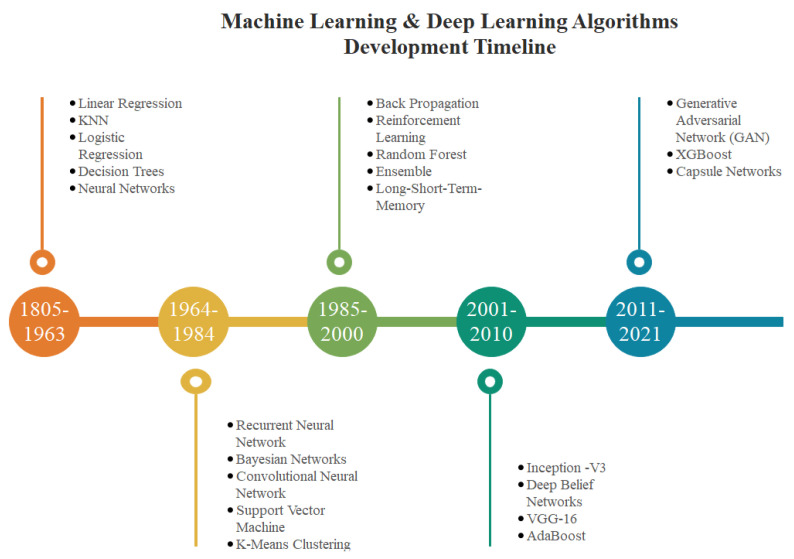
“Figure 12 displays a timeline showing the evolution of deep models along with the classic model [26].”
BackgroundMethodApplication of Artificial Intelligence in Orthodontics: Current State and Future Perspectives
Liu, J., Zhang, C., & Shan, Z. (2023) · Healthcare · doi:10.3390/healthcare11202760 · Cited by 177
“For example, random forest (RF) and support vector machine (SVM) are often used for classification and regression tasks, and logistic regression (LR) is more suitable for binary classification tasks [143–145].”
Alkahtani, H. S., Aldhyani, T. H. H., & Alzahrani, M. Y. (2023) · Applied Sciences · doi:10.3390/app13084855 · Cited by 151
“MobileNet is a deep learning model developed to effectively conduct image classifi-cations in different technology platforms, such as mobile devices, embedded systems, or low-power PCs that do not have a GPU [38].”
BackgroundRetractedWekesa, J. S., & Kimwele, M. W. (2023) · Frontiers in Genetics · doi:10.3389/fgene.2023.1199087 · Cited by 165
“Generally, the immense growth of ML over the years is attributed to the advancement of technology and availability of data generated by academics and practitioners (Ahsan et al., 2022).”
BackgroundA Comparative Analysis on Suicidal Ideation Detection Using NLP, Machine, and Deep Learning
Haque, R., Islam, N., Islam, M., & Ahsan, M. M. (2022) · Technologies · doi:10.3390/technologies10030057 · Cited by 166
Self-citationNaser, M. A., Majeed, A. A., Alsabah, M. Q., Al-Shaikhli, T. R., & Kaky, K. M. (2024) · Algorithms · doi:10.3390/a17020078 · Cited by 168
“The choice of machine learning model can significantly impact the quality and trustworthiness of cardiovascular disease prediction [31].”
InfluentialIndustry 4.0 in Healthcare: A systematic review
Ahsan, M. M., & Siddique, Z. (2022) · International Journal of Information Management Data Insights · doi:10.1016/j.jjimei.2022.100079 · Cited by 97
Self-citationRazzaq, K., & Shah, M. (2025) · Computers · doi:10.3390/computers14030093 · Cited by 119
“For instance, DL models are used for diagnosis and even screening of diseases such as cancer from images of a patient’s organs or organs of other patients [28].”
Alam, M. S., Rashid, M. M., Roy, R., Faizabadi, A. R., Gupta, K., & Ahsan, M. M. (2022) · Bioengineering · doi:10.3390/bioengineering9110710 · Cited by 106
Self-citationRetractedDangi, R. R., Sharma, A., & Vageriya, V. (2024) · Public Health Nursing · doi:10.1111/phn.13500 · Cited by 126
Alsabah, M. Q., Naser, M. A., Albahri, A. S., Albahri, A. S., Alamoodi, A. H., Abdulhussain, S. H., & Alzubaidi, L. (2025) · Artificial Intelligence Review · doi:10.1007/s10462-025-11342-3 · Cited by 115
Shea, Y.-F., Lee, C. M. Y., Ip, W. C. T., Luk, D. W. A., & Wong, S. S. W. (2023) · JAMA Network Open · doi:10.1001/jamanetworkopen.2023.25000 · Cited by 80
Delving into Machine Learning's Influence on Disease Diagnosis and Prediction
Shivahare, B. D., Singh, J., Ravi, V., Chandan, R. R., Alahmadi, T. J., Singh, P., & Diwakar, M. (2024) · The Open Public Health Journal · doi:10.2174/0118749445297804240401061128 · Cited by 86
Artificial intelligence empowering public health education: prospects and challenges
Wang, J., & Li, J. (2024) · Frontiers in Public Health · doi:10.3389/fpubh.2024.1389026 · Cited by 103
“These algorithms enhance learning efficiency and educational quality in medical education and practice, and provide new perspectives and tools for medical research, especially in optimizing disease diagnostics and treatment strategies (16–18).”
BackgroundDeep learning-based object detection algorithms in medical imaging: Systematic review
Albuquerque, C., Henriques, R., & Castelli, M. (2024) · Heliyon · doi:10.1016/j.heliyon.2024.e41137 · Cited by 98
Monkeypox Diagnosis With Interpretable Deep Learning
Ahsan, M. M., Ali, M. S., Hassan, M. M., Abdullah, T. A., Gupta, K. D., Bağcı, U., Kaushal, C., & Soliman, N. F. (2023) · IEEE Access · doi:10.1109/access.2023.3300793 · Cited by 86
“In the recent past, Machine learning (ML) demonstrated promising results in medical imaging and disease diagnosis [20], which means that diseases such as cancer, pneumonia, and COVID-19 can be detected without doctor intervention [21].”
BackgroundSelf-citationBotha, N. N., Segbedzi, C. E., Dumahasi, V. K., Maneen, S., Kodom, R. V., Tsedze, I. S., Akoto, L. A., Atsu, F. S., Lasim, O. U., & Ansah, E. W. (2024) · Archives of Public Health · doi:10.1186/s13690-024-01414-1 · Cited by 95
“Almost halve (9 articles) of these recent reviews [30–38] explored the positives impacts of AI tools on healthcare services while almost halve (9 articles) [39– 47] also examined both the positive and potential threats.”
BackgroundAttention to Monkeypox: An Interpretable Monkeypox Detection Technique Using Attention Mechanism
Raha, A. D., Gain, M., Debnath, R., Adhikary, A., Qiao, Y., Hassan, M. M., Bairagi, A. K., & Islam, S. M. S. (2024) · IEEE Access · doi:10.1109/access.2024.3385099 · Cited by 88
“This advancement implies that conditions like thyroid [10] cancer, pneumonia [11], and COVID-19 [12] can now be identified autonomously, without the direct involvement of a doctor [13].”
BackgroundEvaluating Generative AI in Mental Health: Systematic Review of Capabilities and Limitations
Wang, L., Bhanushali, T., Huang, Z., Yang, J., Badami, S., & Hightow-Weidman, L. (2025) · JMIR Mental Health · doi:10.2196/70014 · Cited by 73
“Medical diagnostic instruments or tools using predictive machine learning algorithms have long existed and accumulated evidence for their accuracy in diagnosing a range of health conditions [37].”
Rani, G. J., Hashmi, M. F., & Gupta, A. D. (2023) · IEEE Access · doi:10.1109/access.2023.3316509 · Cited by 84
“Medical databases have been analyzed by ML [72] algorithms.”
Kumareswaran, K., & Jayasinghe, G. Y. (2022) · Discover Sustainability · doi:10.1007/s43621-022-00096-5 · Cited by 77
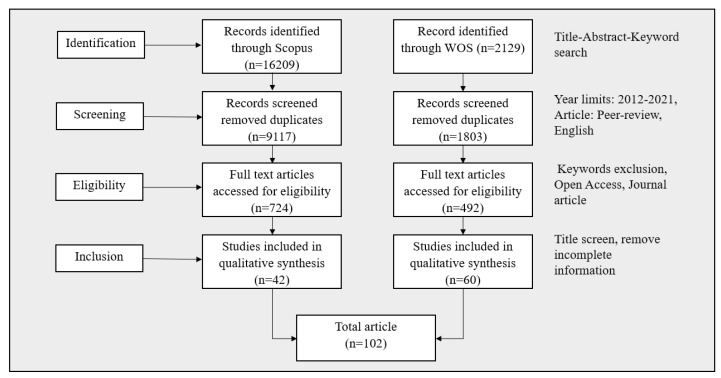
“The title search was conducted as follows, using keywords and the Boolean operators [66].”
MethodRole of artificial intelligence in early diagnosis and treatment of infectious diseases
Srivastava, V., Kumar, R., Wani, M. Y., Robinson, K. M., & Ahmad, A. (2024) · Scandinavian Journal of Infectious Diseases · doi:10.1080/23744235.2024.2425712 · Cited by 82
Pan, M., Li, R., Wei, J., Peng, H., Hu, Z., Xiong, Y., Li, N., Guo, Y., Gu, W., & Liu, H. (2025) · Frontiers in Medicine · doi:10.3389/fmed.2024.1506641 · Cited by 82
Deep learning in bioinformatics
Yousef, M., & Allmer, J. (2023) · TURKISH JOURNAL OF BIOLOGY · doi:10.55730/1300-0152.2671 · Cited by 72
He, M., Cao, Y., Chi, C., Yang, X., Rzayev, R. T., Wang, S., Yang, G., Mukhtorov, O. S., Zhang, L., Kazantsev, A. N., et al. (2023) · Frontiers in Oncology · doi:10.3389/fonc.2023.1189370 · Cited by 75
Machine Learning Approach for Diabetes Detection Using Fine-Tuned XGBoost Algorithm
Maulana, A., Faisal, F. R., Noviandy, T. R., Rizkia, T., Idroes, G. M., Tallei, T. E., El‐Shazly, M., & Idroes, R. (2023) · Infolitika Journal of Data Science · doi:10.60084/ijds.v1i1.72 · Cited by 65
Alruwaili, A. N., Alshammari, A. M., Alhaiti, A., Elsharkawy, N. B., Ali, S. I., & Ramadan, O. M. E. (2025) · BMC Nursing · doi:10.1186/s12912-025-03044-6 · Cited by 64
“AI in clinical decision-making specifically refers to using these advanced technologies to support health-care professionals in analyzing patient data, predicting outcomes, and guiding interventions [16, 17].”
A scoping review of fair machine learning techniques when using real-world data
Huang, Y., Guo, J., Chen, W.-H., Lin, H.-Y., Tang, H., Wang, F., Xu, H., & Bian, J. (2024) · Journal of Biomedical Informatics · doi:10.1016/j.jbi.2024.104622 · Cited by 61
Reddy, P., & Andrew, J. (2024) · doi:10.3390/engproc2023059198 · Cited by 61
RetractedDetection of Mycotoxin Contamination in Foods Using Artificial Intelligence: A Review
Aggarwal, A., Mishra, A., Tabassum, N., Kim, Y., & Khan, F. (2024) · Foods · doi:10.3390/foods13203339 · Cited by 67
“AI has garnered attention for its capacity to automatically extract intricate features from large data volumes, making it particularly suitable for image recognition, spectroscopic analysis, and the interpretation of sensor data for mycotoxin detection [15,16].”
BackgroundVisconti, P., Rausa, G., Del-Valle-Soto, C., Velázquez, R., Cafagna, D., & Fazio, R. D. (2024) · Future Internet · doi:10.3390/fi16110394 · Cited by 71
“Another subcategory of AI is deep learning (DL), which uses deep neural networks to handle complex types of data [49].”
InfluentialAutomatic Early Diagnosis of Alzheimer’s Disease Using 3D Deep Ensemble Approach
Gamal, A., Elattar, M., & Selim, S. (2022) · IEEE Access · doi:10.1109/access.2022.3218621 · Cited by 65
“Over the last few decades, machine learning and deep learning have gained immense potential in computer-aided diagnosis systems [39].”
BackgroundAlam, M. S., Rashid, M. M., Faizabadi, A. R., Zaki, H. F. M., Alam, T. E., Ali, M. S., Gupta, K. D., & Ahsan, M. M. (2023) · Technologies · doi:10.3390/technologies11050115 · Cited by 69
“AI can improve the accuracy and efficiency of medical diagnoses by providing doctors with valuable information and insights that can aid in their decision-making processes [5].”
BackgroundSelf-citationInterpretable machine learning for predicting chronic kidney disease progression risk
Zheng, J., Li, X., Zhu, J., Guan, S., Zhang, S.-X., & Wang, W.-M. (2024) · Digital Health · doi:10.1177/20552076231224225 · Cited by 62
“11 By leveraging ML ’ s computational power, we can potentially improve the predictive capabilities of CKD risk models, and with high accurate prediction, offering a more holistic and personalized approach to patient care and early intervention strategies.”
BackgroundAhsan, M. M., Ali, M. S., & Siddique, Z. (2024) · Neural Networks · doi:10.1016/j.neunet.2024.106157 · Cited by 58
Self-citationDetection of Alzheimer's disease using deep learning models: A systematic literature review
Mohammed, E. M., Fakhrudeen, A. M., & Alani, O. (2024) · Informatics in Medicine Unlocked · doi:10.1016/j.imu.2024.101551 · Cited by 64
Surface Enhanced Raman Scattering for Biomolecular Sensing in Human Healthcare Monitoring
Laing, S., Sloan‐Dennison, S., Faulds, K., & Graham, D. (2025) · ACS Nano · doi:10.1021/acsnano.4c15877 · Cited by 52
Diagnosis of heart disease using oversampling methods and decision tree classifier in cardiology
Albert, A. J., Murugan, R., & Sripriya, T. (2022) · Research on Biomedical Engineering · doi:10.1007/s42600-022-00253-9 · Cited by 54
Methods in DNA methylation array dataset analysis: A review
Sahoo, K., & Sundararajan, V. (2024) · Computational and Structural Biotechnology Journal · doi:10.1016/j.csbj.2024.05.015 · Cited by 51
“These models are often enhanced by feature selection algorithms like MCFS, LightGBM, IFS, ANOVA, mRMR, and LASSO to improve diagnostic accuracy [194].”
MethodMolla, M. A. M., & Ahsan, M. M. (2025) · Computers in Human Behavior Reports · doi:10.1016/j.chbr.2025.100830 · Cited by 56
Self-citationMachine Learning Algorithm-Based Prediction of Diabetes Among Female Population Using PIMA Dataset
Ahmed, A., Khan, J. A., Arsalan, M., Ahmed, K., Shahat, A. A., Alhalmi, A., & Naaz, S. (2024) · Healthcare · doi:10.3390/healthcare13010037 · Cited by 55
“…computational tools are used to diagnose and predict the development of a disease using analysis of digital data that we are generating every day [14] ML is not only helpful in the diagnosis and prediction of disease but also for every aspect of drug development, from the discovery of a new…”
Prediction and Detection of Cervical Malignancy Using Machine Learning Models
Devi, S., Ramnath, G. S., & Harikrishnan, R. (2023) · Asian Pacific Journal of Cancer Prevention · doi:10.31557/apjcp.2023.24.4.1419 · Cited by 52
“Rather than just making predictions, the NB classification projects probabilities (Ahsan et al., 2022).”
BackgroundGarg, P. K., Mohanty, A. R., Ramisetty, S. K., Kulkarni, P., Horne, D. A., Pisick, E. P., Salgia, R., & Singhal, S. S. (2023) · Biochimica et Biophysica Acta (BBA) - Reviews on Cancer · doi:10.1016/j.bbcan.2023.189026 · Cited by 51
REVIEW OF AI APPLICATIONS IN HEALTHCARE: COMPARATIVE INSIGHTS FROM THE USA AND AFRICA
Babarinde, A. O., Ayo-Farai, O., Maduka, C. P., Okongwu, C. C., Ogundairo, O., & Sodamade, O. (2023) · International Medical Science Research Journal · doi:10.51594/imsrj.v3i3.641 · Cited by 42
Multiclass liver disease prediction with adaptive data preprocessing and ensemble modeling
Ahad, A. A., Das, B., Khan, M. R., Saha, N., Zahid, A., & Ahmad, M. (2024) · Results in Engineering · doi:10.1016/j.rineng.2024.102059 · Cited by 47
Xu, H., Xie, W., Pang, M., Li, Y., Jin, L., Huang, F., & Shao, X. (2025) · Frontiers in Aging Neuroscience · doi:10.3389/fnagi.2025.1586273 · Cited by 41
A machine learning approach for non-invasive PCOS diagnosis from ultrasound and clinical features
Agirsoy, M., & Oehlschlaeger, M. A. (2025) · Scientific Reports · doi:10.1038/s41598-025-10453-9 · Cited by 52
“By harnessing advanced data analysis, ML enables healthcare professionals to detect patterns, predict outcomes, and personalize treatment plans with greater precision 12,13 .”
Overview of machine learning-based traffic flow prediction
Xing, Z., Huang, M., & Peng, D. (2023) · Digital Transportation and Safety · doi:10.48130/dts-2023-0013 · Cited by 44
A Machine Learning Approach for Early Diagnosis of Cognitive Impairment Using Population-Based Data
Tan, W. Y., Hargreaves, C. A., Chen, C., & Hilal, S. (2022) · Journal of Alzheimer s Disease · doi:10.3233/jad-220776 · Cited by 42
Serial Block Face‐Scanning Electron Microscopy as a Burgeoning Technology
Marshall, A. G., Neikirk, K., Stephens, D. C., Vang, L., Vue, Z., Beasley, H. K., Crabtree, A., Scudese, E., Lopez, E. G., Shao, B., et al. (2023) · Advanced Biology · doi:10.1002/adbi.202300139 · Cited by 37
DocOnTap: AI-based disease diagnostic system and recommendation system
Abideen, Z. U., Khan, T. A., Ali, R. H., Ali, N., Baig, M. M., & Ali, M. S. (2022) · International Conference on Emerging Technologies · doi:10.1109/icet56601.2022.10004621 · Cited by 36
Critical review of self‐diagnosis of mental health conditions using artificial intelligence
Wimbarti, S., Kairupan, B. H. R., & Tallei, T. E. (2024) · International Journal of Mental Health Nursing · doi:10.1111/inm.13303 · Cited by 42
The history, current state and future possibilities of the non-invasive brain computer interfaces
Caiado, F., & Ukolov, A. (2025) · Medicine in Novel Technology and Devices · doi:10.1016/j.medntd.2025.100353 · Cited by 49
A comprehensive review on data-level methods for imbalanced data classification
Nikpour, B., Rahmati, F., Mirzaei, B., & Nezamabadi–pour, H. (2025) · Expert Systems with Applications · doi:10.1016/j.eswa.2025.128920 · Cited by 40
Alqudah, A. M., & Moussavi, Z. (2025) · Applied Sciences · doi:10.3390/app152212036 · Cited by 40
Lee, Y., Won, J. H., Auh, Q., Noh, Y., & Lee, S. (2024) · Scientific Reports · doi:10.1038/s41598-024-54120-x · Cited by 37
“Importantly, various machine learning algorithms have their strengths and weaknesses in terms of the amount of data required, impact of outliers, computation speed, dimensionality, handling of missing data, overfitting tendency, and explanatory power 20,48 .”
BackgroundAdvancing materials science through next-generation machine learning
Unni, R., Zhou, M., Wiecha, P. R., & Zheng, Y. (2024) · Current Opinion in Solid State and Materials Science · doi:10.1016/j.cossms.2024.101157 · Cited by 37
A review of reinforcement learning for natural language processing and applications in healthcare
Liu, Y., Wang, H., Zhou, H., Li, M., Hou, Y., Zhou, S., Wang, F., Hoetzlein, R., & Zhang, R. (2024) · Journal of the American Medical Informatics Association · doi:10.1093/jamia/ocae215 · Cited by 34
Ki, M., Kim, D. H., Abdelhamid, M. A. A., & Pack, S. P. (2025) · Biosensors · doi:10.3390/bios15110737 · Cited by 35
A review on the use of machine learning techniques in monkeypox disease prediction
Rampogu, S. D. (2023) · Science in One Health · doi:10.1016/j.soh.2023.100040 · Cited by 36
Identifying diseases symptoms and general rules using supervised and unsupervised machine learning
Sogandi, F. (2024) · Scientific Reports · doi:10.1038/s41598-024-69029-8 · Cited by 41
“The research work 4 conducted a comprehensive review of ML-based disease diagnosis, examining the most recent trends and approaches in ML for disease diagnosis.”
MethodXu, D., & Xu, Z. (2024) · Artificial Intelligence in Medicine · doi:10.1016/j.artmed.2024.102950 · Cited by 37
Puniya, B. L. (2025) · Journal of Molecular Biology · doi:10.1016/j.jmb.2025.169181 · Cited by 31
Eken, A., Nassehi, F., & Eroğul, O. (2024) · Reviews in the Neurosciences · doi:10.1515/revneuro-2023-0117 · Cited by 32
Malignant and non-malignant oral lesions classification and diagnosis with deep neural networks
Liyanage, V., Tao, M., Park, J., Wang, K., & Azimi, S. (2023) · Journal of Dentistry · doi:10.1016/j.jdent.2023.104657 · Cited by 30
An explainable machine learning approach for automated medical decision support of heart disease
Mesquita, F., & Marques, G. (2024) · Data & Knowledge Engineering · doi:10.1016/j.datak.2024.102339 · Cited by 32
Prediction and feature selection of low birth weight using machine learning algorithms
Reza, T. B., & Salma, N. (2024) · Journal of Health Population and Nutrition · doi:10.1186/s41043-024-00647-8 · Cited by 32
Tripathi, D., Hajra, K., Mulukutla, A., Shreshtha, R., & Maity, D. (2025) · Bioengineering · doi:10.3390/bioengineering12020163 · Cited by 42
“Accurate disease diagnosis often requires substantial time and testing, which can be prohibitively expensive, placing a financial strain on patients and their families [57].”
Continual Learning in Medical Imaging: A Survey and Practical Analysis
Qazi, M. A., Hashmi, A. U. R., Sanjeev, S., Almakky, I., Saeed, N., González, C., & Yaqub, M. K. (2025) · ACM Computing Surveys · doi:10.1145/3785663 · Cited by 35
Application of Machine Learning in Healthcare and Medicine: A Review
Furizal, F., Ma’arif, A., & Rifaldi, D. (2023) · Journal of Robotics and Control (JRC) · doi:10.18196/jrc.v4i5.19640 · Cited by 31
Battineni, G., Chintalapudi, N., & Amenta, F. (2024) · JMIR Aging · doi:10.2196/59370 · Cited by 31
“The early diagnosis of AD can be aided by the identification of novel biomarkers, the identification of hidden data patterns, and the generation of hypotheses [13-16].”
Saadoon, Y. A., Khalil, M. A., & Battikh, D. (2025) · Applied Sciences · doi:10.3390/app15116279 · Cited by 28
“Classical ML models such as decision trees [8], support vector machines (SVMs) [9,10], k-nearest neighbors (KNNs) [11], and random forests [12] were among the first approaches used to classify epileptic events based on engineered features extracted from EEG.”
Machine learning approaches in the diagnosis of infectious diseases: a review
Mishra, S., Kumar, R., Tiwari, S., & Ranjan, P. (2022) · Bulletin of Electrical Engineering and Informatics · doi:10.11591/eei.v11i6.4225 · Cited by 35
“Ensemble technique became state of art that produces better results than the existing models [48], [49].”
Huang, K., Hsu, Y., Chen, H., Horng, M.-H., Chung, C.-L., Lin, C., Xu, J.-L., & Hou, M. (2023) · Frontiers in Medicine · doi:10.3389/fmed.2023.1167445 · Cited by 33
Data Preprocessing For Machine Learning Applications in Healthcare: A Review
Chahid, I., Elmiad, A. K., & Badaoui, M. (2023) · International Conference on Intelligent Systems: Theories and Applications · doi:10.1109/sita60746.2023.10373591 · Cited by 31
“ML/DL approaches aid in extracting specific attributes and utilizing trained models for accurate diagnoses, prognoses, and interpretation of medical data and images [7].”
BackgroundKumar, G., Singh, R. K., Arya, V., & Mishra, S. K. (2024) · Global Journal of Flexible Systems Management · doi:10.1007/s40171-024-00373-4 · Cited by 30
“According to a study, around 93% healthcare establishments of U.S experienced a major security breach and as a result of that they faced several issues such as deny-service attacks, malware, cyber-intrusions, etc. (Ahsan and Siddique, 2022).”
One decade of “English as a medium of instruction” (EMI) in healthcare education
Alhamami, M. (2024) · Frontiers in Medicine · doi:10.3389/fmed.2024.1296563 · Cited by 27
Anh, N. K., Phat, N. K., Thu, N. Q., Tien, N. T. N., Eunsu, C., Kim, H.-S., Nguyen, D. N., Kim, D. H., Long, N. P., & Oh, J. Y. (2024) · Scientific Reports · doi:10.1038/s41598-024-66113-x · Cited by 28
The Impact and Role of Artificial Intelligence (AI) in Healthcare: Systematic Review
Singh, K., Prabhu, A. A., & Kaur, N. (2025) · Current Topics in Medicinal Chemistry · doi:10.2174/0115680266339394250225112747 · Cited by 29
The Convergence of FTIR and EVs: Emergence Strategy for Non-Invasive Cancer Markers Discovery
Wong, L.-W., Mak, S.-H., Goh, B. H., & Lee, W.-L. (2022) · Diagnostics · doi:10.3390/diagnostics13010022 · Cited by 27
“Machine learningbased techniques allow the creation of models to review large sizes of multivariate data and produce an automated output that humans can hardly accomplish in an automated manner [153].”
BackgroundHamida, S., Lamrani, D., Gannour, O. E., Saleh, S., & Cherradi, B. (2023) · Bulletin of Electrical Engineering and Informatics · doi:10.11591/eei.v13i1.6313 · Cited by 29
“It is essential to address class imbalance in the dataset to prevent bias and ensure that all skin disease types are represented fairly [14].”
BackgroundShahsavari, Y., Baseri, Y., Hafid, A. S., Dambri, O. A., & Makrakis, D. (2026) · Journal of Medical Internet Research · doi:10.2196/80178 · Cited by 31
Consumption after dark exploring spatio-temporal patterns of spending in the night-time economy
Sampériz, J. D. L. O.-L., Palomares, J. C. G., Fariñas, D. R., Martín-Caro, M. S. H., & Puebla, J. G. (2025) · Cities · doi:10.1016/j.cities.2025.105726 · Cited by 30
Tsakanika, E., Tsoukas, V., Kakarountas, A. P., & Kokkinos, V. (2025) · BioMedInformatics · doi:10.3390/biomedinformatics5010014 · Cited by 28
“The application of ML in healthcare has contributed to the creation of advanced and effective methods of treating diseases [16,17], testing and approving drug discovery [18,19], optimizing and managing vast amounts of health data [20], offering data security and privacy [21,22], and enhancing…”
Gürcan, F., & Soylu, A. (2024) · Cancers · doi:10.3390/cancers16234046 · Cited by 26
“Lastly, we explored Non-linear models, such as KNeighbors and SVC, which are adept at capturing intricate relationships within the data [3,49].”
Artificial intelligence applied in cardiovascular disease: a bibliometric and visual analysis
Zhang, J., Zhang, J., Jin, J., Jiang, X., Yang, L., Fan, S., Zhang, Q., & Chi, M. (2024) · Frontiers in Cardiovascular Medicine · doi:10.3389/fcvm.2024.1323918 · Cited by 37
The impact of AI on modern oncology from early detection to personalized cancer treatment
Li, J., Zhang, L., Yu, Z., Bao, Z., Li, D., & Wang, L. (2026) · npj Precision Oncology · doi:10.1038/s41698-026-01276-6 · Cited by 24
Zhen, J., Li, J., Liao, F., Zhang, J., Liu, C., Xie, H., Tan, C., & Dong, W. (2024) · npj Precision Oncology · doi:10.1038/s41698-024-00719-2 · Cited by 28
“Application of arti fi cial intelligence (AI) in medical fi eld is rapidly developing, and machine learning (ML) is a major branch of AI 14 .”
BackgroundDu, J., Tao, X., Zhu, L., Qi, W., Min, X., Deng, H., Wei, S., Zhang, X., & Chang, X. (2025) · Frontiers in Public Health · doi:10.3389/fpubh.2025.1606316 · Cited by 27
Machine learning's role in personalized medicine & treatment optimization
Kumar, D., Pawar, P. P., Gonaygunta, H., Nadella, G. S., Meduri, K., & Singh, S. (2024) · World Journal of Advanced Research and Reviews · doi:10.30574/wjarr.2024.21.2.0641 · Cited by 29
“This enables healthcare providers to intervene and adjust treatment plans accordingly to improve patient outcomes(Ahsan et al., 2022).”
BackgroundInfluentialRoșca, C.-M., Bold, R.-A., & Gerea, A.-E. (2025) · Lecture notes in networks and systems · doi:10.1007/978-981-97-5703-9_13 · Cited by 23
Kumar, S. (2025) · International Journal of Scientific Research and Management (IJSRM) · doi:10.18535/ijsrm/v13i04.mp02 · Cited by 22
Measuring Heart Rate Variability Using Facial Video
Martinez-Delgado, G. H., Correa-Balan, A. J., May-Chan, J. A., Parra-Elizondo, C. E., Guzman-Rangel, L. A., & Martínez‐Torteya, A. (2022) · Sensors · doi:10.3390/s22134690 · Cited by 21
“Considering instances when a diagnosis can be prone to human error, such as rare diseases or lack of proper symptoms or omissions, AI and machine learning (ML) can play a big role in reducing the occurrence and probability of a misdiagnosis or overdiagnosis [20].”
BackgroundSimpson, S., Zhong, W., Mehdipour, S., Armaneous, M., Sathish, V., Walker, N., Said, E. T., & Gabriel, R. A. (2024) · Anesthesia & Analgesia · doi:10.1213/ane.0000000000006832 · Cited by 21
“14 Machine learning has emerged as a transformative tool to address complex clinical conditions, revo-lutionizing the way medical practitioners approach diagnosis, 15 treatment, 16 and patient care.”
AI for Manufacturing and Healthcare: a chemistry and engineering perspectivePreprint
Chen, J., Yuan, Y., Ziabari, A., Xu, X., Zhang, H., Christakopoulos, P., Bonnesen, P. V., Ivanov, I. N., Ganesh, P., Chen, W., et al. (2024) · arXiv (Cornell University) · doi:10.48550/arxiv.2405.01520 · Cited by 25
Metadata
- Authors
- Ahsan, M. M., Luna, S. A., & Siddique, Z.
- Affiliations
- University of Oklahoma (US)
- Dhaka Medical College and Hospital (BD)
- Corresponding author
- Ahsan, Md Manjurul
- Venue
- Healthcare
- Publisher
- MDPI AG
- Published
- 2022-03-15
- Volume
- 10
- Issue
- 3
- Pages
- 541
- ISSN
- 2227-9032 (ISSN-L)
- PMC
- PMC8950225
- OpenAlex
- W4220862305
- Cited by
- 603
- References
- 131
- Citations by year
- 2026: 102 · 2025: 203 · 2024: 182 · 2023: 91 · 2022: 24
- FWCI
- 18.24
- Type
- journal article
- Language
- en
- Open access
- gold
- doi.org
- Licence
- Locations
- Healthcare (publishedVersion, cc-by)
- PubMed Central (publishedVersion, cc-by)
- PubMed (publishedVersion)
- arXiv (Cornell University) (submittedVersion)
- arXiv (Cornell University) (cc-by)
- Topics
- Health Sciences › Health Professions › Health Information Management › Artificial Intelligence in Healthcare
- Health Sciences › Medicine › Health Informatics › Artificial Intelligence in Healthcare and Education
- Physical Sciences › Computer Science › Artificial Intelligence › AI in cancer detection
- Keywords
- machine learning, disease diagnosis, early diagnosis, artificial intelligence in healthcare, diagnostic algorithm, evaluation metrics, bibliometric analysis
About these checks
Registry, retraction, Cites and statistics results are computed, not judged, with one exception: a printed reference that no index lists is read once by a model before it counts as a citation error. Claims are extracted by a model and kept only when their quote appears verbatim in the text; each cited source is then checked, with a model’s help, for whether it says what the claim relies on. Those verdicts can be wrong — read the claim’s quote and the cited source before relying on one.
Statistics and arithmetic are recomputed, not judged.
Confidence bands are shown only for fields calibrated on our annotated test set. None is calibrated yet, so no band is shown.
What counts as a claim ›How we measure confidence ›How we check this ›
Are you an author, or do you see a problem with this page? Request a review
Data sources
Bibliographic data: Semantic Scholar, OpenAlex, Crossref.
Contains information from the Semantic Scholar Academic Graph Datasets, made available under the ODC Attribution License (ODC-BY 1.0).
Semantic Scholar’s data is described in: Kinney, R., et al. (2023). The Semantic Scholar Open Data Platform. arXiv:2301.10140.
