

Economics of Artificial Intelligence in Healthcare: Diagnosis vs. Treatment
Open accessThe DOI matches its Crossref record; 195 of the 198 references it cites were found in a registry or an index.
Abstract
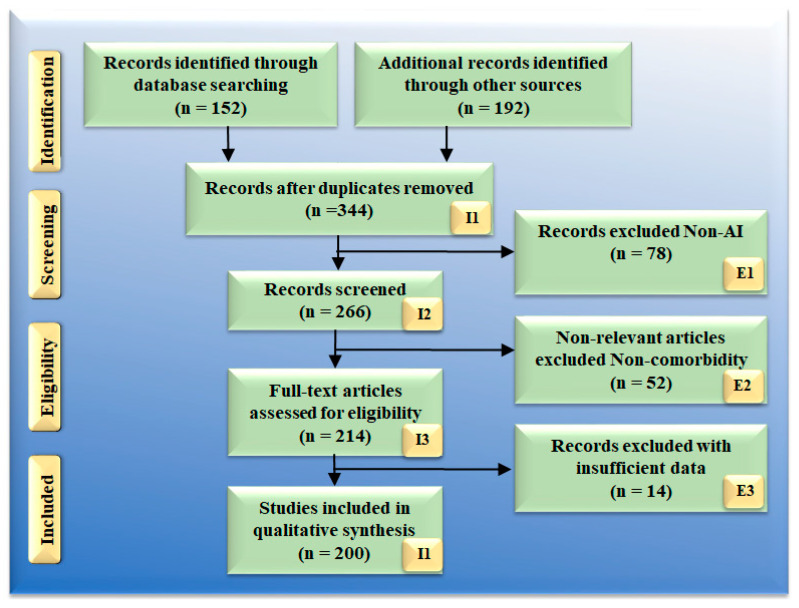
Motivation: The price of medical treatment continues to rise due to (i) an increasing population; (ii) an aging human growth; (iii) disease prevalence; (iv) a rise in the frequency of patients that utilize health care services; and (v) increase in the price. Objective: Artificial Intelligence (AI) is already well-known for its superiority in various healthcare applications, including the segmentation of lesions in images, speech recognition, smartphone personal assistants, navigation, ride-sharing apps, and many more. Our study is based on two hypotheses: (i) AI offers more economic solutions compared to conventional methods; (ii) AI treatment offers stronger economics compared to AI diagnosis. This novel study aims to evaluate AI technology in the context of healthcare costs, namely in the areas of diagnosis and treatment, and then compare it to the traditional or non-AI-based approaches. Methodology: PRISMA was used to select the best 200 studies for AI in healthcare with a primary focus on cost reduction, especially towards diagnosis and treatment. We defined the diagnosis and treatment architectures, investigated their characteristics, and categorized the roles that AI plays in the diagnostic and therapeutic paradigms. We experimented with various combinations of different assumptions by integrating AI and then comparing it against conventional costs. Lastly, we dwell on three powerful future concepts of AI, namely, pruning, bias, explainability, and regulatory approvals of AI systems. Conclusions: The model shows tremendous cost savings using AI tools in diagnosis and treatment. The economics of AI can be improved by incorporating pruning, reduction in AI bias, explainability, and regulatory approvals.
Overview
The claims and statistics of this paper haven’t been checked yet.
Free: it reads the open-access text and checks the first 5 claims that cite a source we can check. Create a free account to check every claim.
Integrity signals
Registry
Cites
Statistics
Figures
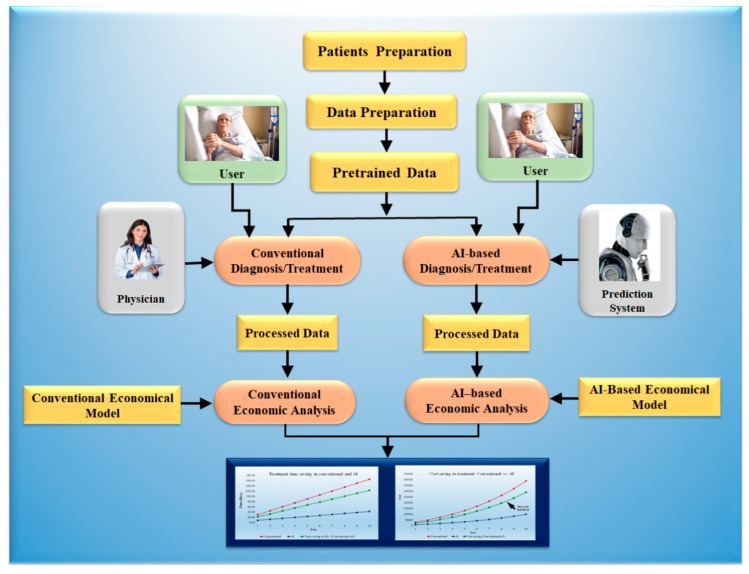
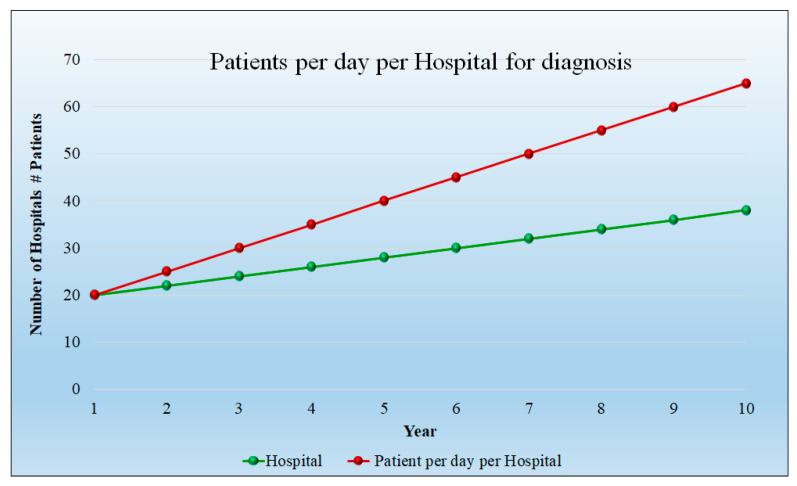
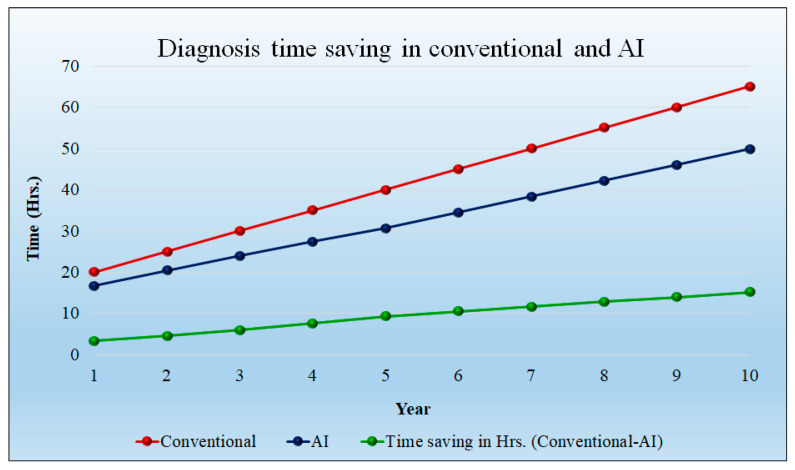
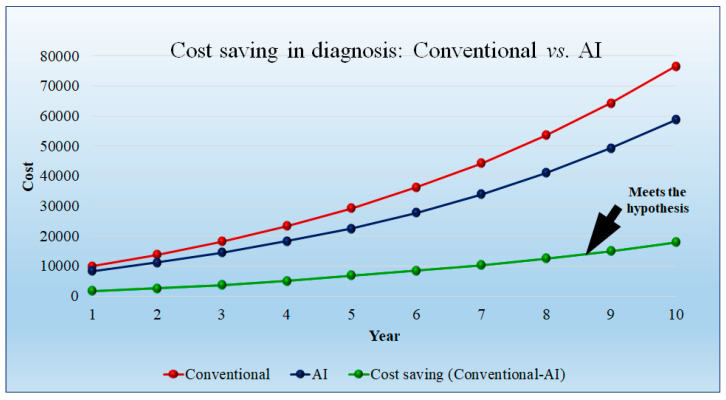
Verification
Claims the paper makes
The claims and statistics of this paper haven’t been checked yet.
Free: it reads the open-access text and checks the first 5 claims that cite a source we can check. Create a free account to check every claim.
Claims other papers make about this one
Each is checked against this paper’s own text: does it say what the citing paper says it does?
The cited source says what the claim attributes to it.
In the citing paper
“Regulatory constraints may also play a role, as seen in sectors like healthcare, where AI integration faces compliance hurdles.26”
From The widespread adoption of large language model-assisted writing across society (2025) · cites this paper as [26]
Self-check
Percentages, sums and reported differences re-computed from the paper’s own numbers.
The self-check needs the paper’s full text.
Citations
Cites
Deep learning in medical image analysis
Shen, D., Wu, G., & Suk, H.-I. (2017) · Annual Review of Biomedical Engineering · doi:10.1146/annurev-bioeng-071516-044442 · Cited by 4,968 · cited 2×
“CNN can employ high‐level features to diagnose medical conditions [39,134].”
BackgroundMethodThe potential for artificial intelligence in healthcare
Davenport, T., & Kalakota, R. (2019) · Future Healthcare Journal · doi:10.7861/futurehosp.6-2-94 · Cited by 3,800
An introduction to kernel-based learning algorithms
Muller, K.-R., Mika, S., Ratsch, G., Tsuda, K., & Scholkopf, B. (2001) · IEEE Transactions on Neural Networks · doi:10.1109/72.914517 · Cited by 3,473
(1989) · Cited by 3,214
ARTIFICIAL INTELLIGENCE FOR THE REAL WORLD
(2023) · International Research Journal of Modernization in Engineering Technology and Science · doi:10.56726/irjmets42512 · Cited by 1,434 · cited 1×
“However, static or increasing human employment means that AI technologies are unlikely to significantly cut the costs of medical diagnosis and treatment throughout that timeframe [197].”
BackgroundLiu, X., Cruz Rivera, S., Moher, D., Calvert, M. J., Denniston, A. K., The SPIRIT-AI and CONSORT-AI Working Group, SPIRIT-AI and CONSORT-AI Steering Group, Chan, A.-W., Darzi, A., Holmes, C., et al. (2020) · Nature Medicine · doi:10.1038/s41591-020-1034-x · Cited by 1,421
Can machine-learning improve cardiovascular risk prediction using routine clinical data?
Weng, S. F., Reps, J., Kai, J., Garibaldi, J. M., & Qureshi, N. (2017) · PLOS ONE · doi:10.1371/journal.pone.0174944 · Cited by 1,346
Lung pattern classification for interstitial lung diseases using a deep convolutional neural network
Anthimopoulos, M., Christodoulidis, S., Ebner, L., Christe, A., & Mougiakakou, S. (2016) · IEEE Transactions on Medical Imaging · doi:10.1109/tmi.2016.2535865 · Cited by 1,343 · cited 2×
“Medical image analysis can benefit from DL techniques such as classification and feature extraction [132].”
MethodBenjamens, S., Dhunnoo, P., & Meskó, B. (2020) · npj Digital Medicine · doi:10.1038/s41746-020-00324-0 · Cited by 1,215
Global healthcare expenditure on diabetes for 2010 and 2030
Zhang, P., Zhang, X., Brown, J., Vistisen, D., Sicree, R., Shaw, J., & Nichols, G. (2010) · Diabetes Research and Clinical Practice · doi:10.1016/j.diabres.2010.01.026 · Cited by 1,145
Research works printed but not linked: 6
- Suri J.S. Mind of An Innovator Stalk. Artic. 2022 1 1
- Johri A.M. Mantella L.E. Jamthikar A.D. Saba L. Suri J.S. Artificial Intelligence-based Survival Analysis and Coronary Artery Disease Prediction using a combination of Carotid B-model Image Phenotypes and Intraplaque Neovascularization Int. J. Cardiovasc. Imaging 2021 112–121 2021
- Dick R.S. Steen E.B. Detmer D.E. The Computer-Based Patient Record: An Essential Technology for Health Care National Academies Press Washington, DC, USA 1997 112 123 25121222
- Saba L. Suri J.S. Multi-Detector CT Imaging: ABDOMEN, Pelvis, and CAD Applications CRC Press Boca Raton, FL, USA 2013
- Zhu M. Gupta S. To prune, or not to prune: Exploring the efficacy of pruning for model compression arXiv 2017 1710.01878
- Smith A. Anderson J. AI, Robotics, and the Future of Jobs Pew Res. Cent. 2014 6 51
Cited by
Items 101–200 of 449
Banatwala, U. E. S. S., Ibrahim, M., Shaikh, R. H., Shahzad, H., Hoodbhoy, Z. A., & Noordin, S. (2024) · Journal of the Pakistan Medical Association · doi:10.47391/jpma.aku-9s-14 · Cited by 13
“28”
Kumari, V., Katiyar, A., Bhagawati, M., Maindarkar, M. A., Gupta, S., Paul, S., Chhabra, T., Boi, A., Tiwari, E., Rathore, V., et al. (2025) · Diagnostics · doi:10.3390/diagnostics15070848 · Cited by 13
“When used with complementary imaging modalities like OCT or MRI, these models could significantly enhance the robustness and accuracy of IVUS segmentation.”
Self-citationApplications of machine learning and deep learning in musculoskeletal medicine: a narrative review
Feierabend, M., Wolfgart, J. M., Praster, M., Danalache, M., Migliorini, F., & Hofmann, U. K. (2025) · European journal of medical research · doi:10.1186/s40001-025-02511-9 · Cited by 13
“Therefore, although initial setup may be associated with financial investment, it can eventually reduce local and global costs [53].”
Curriculum check, 2025—equipping radiology residents for AI challenges of tomorrow
Venugopal, V. K., Kumar, A., Tan, M. O., & Szarf, G. (2025) · Abdominal Radiology · doi:10.1007/s00261-025-05016-5 · Cited by 13
Adám, H., Schuyver, P. R. V., Economopoulos, K. J., Bingham, J. S., & Chhabra, A. (2024) · JBJS Open Access · doi:10.2106/jbjs.oa.24.00100 · Cited by 13
Embracing AI: The Imperative Tool for Echo Labs to Stay Ahead of the Curve
Vasile, C. M., & Iriart, X. (2023) · Diagnostics · doi:10.3390/diagnostics13193137 · Cited by 12
“Overall, AI’s contribution to financial sustainability in echo labs is expected to grow as the technology advances and matures, benefiting both patients and healthcare providers [60].”
BackgroundPurohit, R., Saineni, S., Chalise, S., Mathai, R., Sambandam, R., Medina-Perez, R., & Bhanusali, N. (2024) · Rheumatology International · doi:10.1007/s00296-024-05737-8 · Cited by 14
Saba, L., Maindarkar, M. A., Khanna, N. N., Puvvula, A., Faa, G., Isenović, E. R., Johri, A. M., Fouda, M. M., Tiwari, E., Kalra, M. K., et al. (2024) · Reviews in Cardiovascular Medicine · doi:10.31083/j.rcm2512463 · Cited by 12
Self-citationHinck, D., Segeroth, M., Miazza, J., Berdajs, D. A., Bremerich, J., Wasserthal, J., & Pradella, M. (2025) · European Journal of Radiology · doi:10.1016/j.ejrad.2025.112006 · Cited by 12
Vidiyala, N., Sunkishala, P., Parupathi, P. R., & Nyavanandi, D. (2025) · AAPS PharmSciTech · doi:10.1208/s12249-025-03134-3 · Cited by 14
“During the time of pandemic, the COVID-19 vaccine target was identified by employing virtual screening [64, 65].”
Distributed Edge-Cloud Healthcare Architecture: A Technical Overview
Surabhi, P. K. (2025) · Journal of Computer Science and Technology Studies · doi:10.32996/jcsts.2025.7.4.83 · Cited by 12
“The protection of sensitive healthcare data has become increasingly critical as healthcare organizations face an average of 1,410 attacks per week, representing a 60% year-over-year increase according to recent industry analyses [12].”
InfluentialGPSai: A Clinically Validated AI Tool for Tissue of Origin Prediction during Routine Tumor Profiling
Ghani, H., Helmstetter, A., Ribeiro, J. R., Maney, T., Rock, S. L., Feldman, R. A., Swensen, J. J., Abdulla, F. R., Spetzler, D. B., Florento, E., et al. (2025) · Cancer Research Communications · doi:10.1158/2767-9764.crc-25-0171 · Cited by 12
“In addition, whereas AI tools have the potential to incur significant cost savings through increasing accuracy of diagnosis and treatment and reducing inefficiencies (62), studies to address the economic impact of incorporating GPSai into the routine tumor profiling workflow are also required.”
Garcia, E., Diaz, J. G., Kundu, I., Kelly, M., & Soles, R. (2025) · American Journal of Clinical Pathology · doi:10.1093/ajcp/aqaf101 · Cited by 12
Depression diagnosis from patient interviews using multimodal machine learning
Weber, J., Weber, M., & Alcaraz, J. M. L. (2025) · Frontiers in Psychiatry · doi:10.3389/fpsyt.2025.1694762 · Cited by 12
Mathes, S., Ferber, D., Dreyer, T. F., Borm, K. J., Modersohn, L., Willem, T., Dirven, R. J., Vibert, J., Kreutzfeldt, S., Pérez-López, R., et al. (2025) · npj Precision Oncology · doi:10.1038/s41698-025-01180-5 · Cited by 12
Oluwadare, A., Akintayo, B. D., Babatunde, O. M., & Olanrewaju, O. A. (2024) · Logistics · doi:10.3390/logistics8020044 · Cited by 12
Özmen, B. B., Pandey, S. K., & Schwarz, G. S. (2024) · Plastic & Reconstructive Surgery Global Open · doi:10.1097/gox.0000000000006132 · Cited by 12
“35,36 Explainability and interpretability of the AI model are crucial aspects to consider, especially in clinical applications.”
BackgroundArtificial intelligence in allergy practice: Digital transformation and the future of clinical care
Díaz, S. N. G., Morais‐Almeida, M., Ansotegui, I. J., Macouzet-Sánchez, C., Azuara, Y. G. O., Camarena-Galván, J., & Alanís-Alvarez, J. M. (2025) · World Allergy Organization Journal · doi:10.1016/j.waojou.2025.101078 · Cited by 11
Nzeako, T. R., Elendu, C., Echefu, G. C., Olanisa, O., Kiladejo, A., & Bob-Manuel, E. D. (2025) · Annals of Medicine and Surgery · doi:10.1097/ms9.0000000000003602 · Cited by 11
Scoping review on the economic aspects of machine learning applications in healthcare
von Gerich, H., Helenius, M., Hörhammer, I., Moen, H., & Peltonen, L. (2025) · International Journal of Medical Informatics · doi:10.1016/j.ijmedinf.2025.106103 · Cited by 11
Eskandar, K. (2025) · AI and Ethics · doi:10.1007/s43681-025-00872-9 · Cited by 11
“Surveys and program evaluations show strong pro - fessional support for institutional and funder-level governance measures: RRI experiments report uptake when funders codify expectations (Khanna et al. 2022 ).”
Artificial intelligence for breast cancer management
Chua, B. N., Thng, D. K. H., Toh, T. B., & Ho, D. (2026) · Communications Medicine · doi:10.1038/s43856-025-01342-3 · Cited by 12
“More speci fi cally, in areas that are related to breast cancer management, AI has been predicted or modelled to achieve cost savings in mam-mogramscreening 152 – 154 ,MRI 155 ,avoidingunnecessarybiopsies 156 ,diagnosis and treatment 157 , as detailed in Table 4.”
Sihotang, R. C., Agustino, C., Huang, F., Parikesit, D., Rahman, F., & Hamid, A. R. A. H. (2023) · Medical Journal of Indonesia · doi:10.13181/mji.oa.236765 · Cited by 11
“34 A systematic review by Khanna et al 35 reported that AI models demonstrated significant cost savings for medical diagnosis and treatment, and this is applicable to PCa diagnosis.”
BackgroundEvaluating the Explainability of Attributes and Prototypes for a Medical Classification Model
Gallée, L., Lisson, C. S., Lisson, C. G., Drees, D., Weig, F., Vogele, D., Beer, M., & GOETZ, M. A. (2024) · Communications in computer and information science · doi:10.1007/978-3-031-63787-2_3 · Cited by 11
“As time savings go hand in hand with cost reductions, AI is of great interest in medicine [19].”
BackgroundOng, J., Jang, K. J., Baek, S. J., Hu, D., Lin, V., Jang, S., Thaler, A., Sabbagh, N., Saeed, A., Kwon, M., et al. (2024) · Asia-Pacific Journal of Ophthalmology · doi:10.1016/j.apjo.2024.100095 · Cited by 12
AI for BPH Surgical Decision-Making: Cost Effectiveness and Outcomes
Lama, J., Winograd, J., Codelia-Anjum, A. J., Bhojani, N., Elterman, D., Zorn, K. C., & Chughtai, B. I. (2024) · Current Urology Reports · doi:10.1007/s11934-024-01240-6 · Cited by 11
Nehme, M., Schneider, F., Perrin, A., Yu, W. S., Schmitt, S., Violot, G., Ducrot, A., Tissandier, F., Posfay-Barbe, K. M., & Guessous, I. (2023) · Journal of Medical Internet Research · doi:10.2196/43113 · Cited by 11
“The use of machine learning could enable us to quickly and accurately deploy scalable, low-cost, and efficient tools in health care [31].”
Artificial Intelligence Applications in Interventional Radiology
Lanza, C., Angileri, S. A., Carriero, S., Triggiani, S., Ascenti, V., Mortellaro, S., Ginolfi, M., Leo, A., Arnone, F., Torcia, P., et al. (2025) · Journal of Personalized Medicine · doi:10.3390/jpm15120569 · Cited by 10
“As automation increases and technology matures, implementation costs are anticipated to decline, facilitating broader clinical adoption [121,122].”
AI-based neoadjuvant immunotherapy response prediction across pan-cancer: a comprehensive review
Deng, Y., Li, T., Wang, Y., Chen, S., Tang, F., Zhu, T., Ran, J., Yang, B., Zhang, X., Xu, R., et al. (2025) · Cancer Cell International · doi:10.1186/s12935-025-04063-8 · Cited by 12
“In addition, AI holds promise for reducing labor and time costs associated with conventional biomarker evaluation pipelines [232, 233].”
Ahmed, A. E., Fatani, D. R., Vargas, J. M., AlMutlak, M., Helayel, H. B., Fairaq, R., & Alabdulhadi, H. (2025) · Cureus · doi:10.7759/cureus.78069 · Cited by 10
“Nevertheless, this investment has the potential to yield long-term cost reductions [13,14].”
Davis, V. H., Pinto, A. D., & Patel, M. R. (2025) · Journal of Advanced Nursing · doi:10.1111/jan.16874 · Cited by 10
“The use of AI in these settings can potentially improve efficiency, accuracy, and decrease healthcare costs (Khanna et al. 2022).”
Bulut, C. (2025) · Acta Infologica · doi:10.26650/acin.1631851 · Cited by 10
“…healthcare institutions must adopt the following strategic actions: Strengthening Data Infrastructure and Security: Robust data governance and cybersecurity frameworks must be established to safeguard patient privacy and enhance AI accuracy in predictive analytics (Khanna et al., 2022).”
InfluentialLakkimsetti, M., Devella, S. G., Patel, K. B., Dhandibhotla, S., Kaur, J., Mathew, M., Kataria, J., Nallani, M., Farwa, U. E., Patel, T. D., et al. (2024) · Cureus · doi:10.7759/cureus.58400 · Cited by 12
“Merging imperfect data with existing knowledge yields novel insights [56].”
BackgroundInfluentialHatzikou, M., Latsou, D., Apostolidis, G. K., Billis, A. S., Charisis, V. S., Rigas, E. S., Bamidis, P. D., & Hadjileontiadis, L. J. (2025) · Healthcare · doi:10.3390/healthcare13141661 · Cited by 9
“The findings highlight significant cost savings from AI implementation and emphasize that future gains can be enhanced through strategies such as pruning, reducing algorithmic bias, improving explainability, and achieving regulatory approval [27].”
Fahmy, A. M. (2025) · Premier journal of public health. · doi:10.70389/pjph.100021 · Cited by 9
Barrett, J. J., & Jones, C. B. (2025) · Nursing Outlook · doi:10.1016/j.outlook.2025.102524 · Cited by 9
Taietti, I., Votto, M., Colaneri, M., Passerini, M., Leoni, J., Marseglia, G. L., Licari, A., & Castagnoli, R. (2025) · Journal of Clinical Medicine · doi:10.3390/jcm14175958 · Cited by 9
“Therefore, the application of AI in IEI supports the findings of a recent systematic review that evaluated the potential of AI in reducing healthcare-related costs, especially those associated with unnecessary diagnostic tests and inappropriate treatment [52].”
Tsiartas, E., Nayak, D., & Meade, A. M. (2025) · Open Heart · doi:10.1136/openhrt-2025-003657 · Cited by 9
Applying artificial intelligence in neurodevelopmental disorders management and research
Mohamed, S., Ben-Jaafar, A., Frimpong, M., Roy, S., Sanker, V., Nkrumah-Boateng, P. A., Imran, S., Mumeen, A. A., Mohamed, S., & Awuah, W. A. (2026) · European journal of medical research · doi:10.1186/s40001-025-03740-8 · Cited by 9
“While initial implementation costs may be high, long-term benefits in efficiency, early detection, and resource allocation are increasingly being documented [184, 185].”
Cai, X., Li, W., Shi, W., Cai, Y., & Zhou, J. (2026) · Journal of Medical Internet Research · doi:10.2196/82170 · Cited by 9
“This tendency is especially common when medical care is expensive, time-consuming, or perceived as untrustworthy [35].”
Just how transformative will AI/ML be for immuno-oncology?
Bottomly, D., & McWeeney, S. K. (2024) · Journal for ImmunoTherapy of Cancer · doi:10.1136/jitc-2023-007841 · Cited by 9
“34 Another challenge for healthcare systems is the management of adverse drug reactions, estimated to cost US$30.1 billion annually in the USA alone.”
BackgroundInfluentialQayyum, S. N., Iftikhar, M., Rehan, M., Khan, G. A., Khan, M., Naeem, R., Ansari, R. S., Ullah, I., & Noori, S. (2025) · Annals of Medicine and Surgery · doi:10.1097/ms9.0000000000002778 · Cited by 9
“DBN and SVM are hybrid models useful when labeled data is scarce, but these models tend to be computationally heavy during training especially when applied to large-scale ECG datasets, but are less computationally intensive than CNN-based models [ 13 ] .”
Karthikeyan, E., & Srinivasan, S. (2025) · Biomedical Materials & Devices · doi:10.1007/s44174-025-00320-6 · Cited by 9
“Patient understanding of AI advantages including precise medical diagnosis and customized therapeutic options leads to trust formation and enhances their decision-making capacity [79].”
Artificial intelligence and pneumonia: a rapidly evolving frontier
Ginsburg, A. S., & McCollum, E. D. (2023) · The Lancet Global Health · doi:10.1016/s2214-109x(23)00463-1 · Cited by 9
AI Integration in Behavioral Healthcare: A Practical Framework for Clinicians
Sadeh‐Sharvit, S., & Hollon, S. D. (2025) · Journal of Technology in Behavioral Science · doi:10.1007/s41347-025-00532-z · Cited by 9
Alakmeh, A., Zanier, O., BOTTINI, M., Gandía-González, M. L., Burström, G. L., Edström, E., Terander, A. E., Schonfeld, E., Veeravagu, A., Regli, L., et al. (2025) · Journal of Neurosurgical Sciences · doi:10.23736/s0390-5616.25.06506-3 · Cited by 8
Fajkis-Zajączkowska, N., Zawada, A., Bojko, M., & Kolasa, K. (2025) · Computers in Biology and Medicine · doi:10.1016/j.compbiomed.2025.110750 · Cited by 8
Mollica, F., Metz, C., Anders, M. S., Wismayer, K. K., Schmid, A., Niehues, S. M., & Veldhoen, S. (2025) · European Radiology · doi:10.1007/s00330-025-11947-w · Cited by 8
Mevik, K., Woldaregay, A. Z., Jonsson, E. L., Hernández, M. Á. T., & Temple‐Oberle, C. F. (2026) · JMIR AI · doi:10.2196/75064 · Cited by 8
“The development, testing, and deployment of AI models require substantial financial resources, which can be a barrier for less well-funded health care institutions [74].”
Building Trustworthy AI systems for secure digital health services
Alahmed, Y., & Mazroub, M. (2024) · International Arab Conference on Information Technology (ACIT) · doi:10.1109/acit62805.2024.10876871 · Cited by 8
Aliyev, E., Ugur, Y., Çam, V., Bayındır, Y., Ünal, D., Balık, Z., Şener, S., Bilginer, Y., & Özen, S. (2025) · Scientific Reports · doi:10.1038/s41598-025-92964-z · Cited by 8
Sarvari, P., Al-Fagih, Z., Abou-Chedid, A., Jewell, P., Taylor, R., & Imtiaz, A. (2025) · JMIR Biomedical Engineering · doi:10.2196/66691 · Cited by 7
“AI-powered tools have been shown to have the potential to automate rote tasks [11], reduce errors [12,13], cut costs for everyone [14], improve clinician well-being and their patient-centered-ness [15], and ultimately deliver better patient outcomes [12, 16].”
Vrettos, K., Giouroukou, K., Isaac, A., Raissaki, M., & Klontzas, M. E. (2025) · Pediatric Radiology · doi:10.1007/s00247-025-06497-8 · Cited by 7
ATEŞ, A. Y., & ÇETİN, G. (2026) · Public Health Nursing · doi:10.1111/phn.70080 · Cited by 7
“These concerns primarily reflect ethical issues such as algorithmic bias and data privacy, as well as operational challenges related to clinical integration and system complexity (Abdullah and Fakieh 2020 ; Kaplan and Uçar 2024 ; Khanna et al. 2022 ).”
Proceedings of the 2024 Transplant AI Symposium
Naimimohasses, S., Keshavjee, S. H., Wang, B., Brudno, M., Sidhu, A., & Bhat, M. (2024) · Frontiers in Transplantation · doi:10.3389/frtra.2024.1399324 · Cited by 7
Progress in the application of machine learning in CT diagnosis of acute appendicitis
Li, J., Ye, J., Luo, Y., Xu, T., & Jia, Z. (2025) · Abdominal Radiology · doi:10.1007/s00261-025-04864-5 · Cited by 7
“Image segmentation is also labor-intensive [68, 69].”
Ahluwalia, V. S., Schapira, M. M., Weissman, G. E., & Parikh, R. B. (2025) · MDM Policy & Practice · doi:10.1177/23814683251329007 · Cited by 5
“50,73,74 From a practice standpoint, a clear framework for AI models and improved AI training in medical education should allow the PCP to better engage the patient in shared decision-making regarding their cancer screening.”
Pandian, V., & Brenner, M. J. (2025) · Tracheostomy Official Journal of the Global Tracheostomy Collaborative · doi:10.62905/001c.133583 · Cited by 7
An overview of the applications of AI for detecting anatomical configurations in endodontics
Fouad, E. M., Abu‐Seida, A. M., & Al-Sheshtawi, K. A. (2025) · Annals of Anatomy - Anatomischer Anzeiger · doi:10.1016/j.aanat.2025.152671 · Cited by 7
Aremu, S. O., Oruye, M. L., Adamu, E. I., Vuetkung, N. M., Jonathan, D. A., Janjaro, A. G., Matthew, G., Adepoju, E. O., Jiji, P. J., Gimba, P. L., et al. (2025) · Discover Public Health · doi:10.1186/s12982-025-00689-1 · Cited by 8
“Incorporating these digital tools and AI into diagnostic networks can lead to faster diagnoses, reduced costs, and improved patient outcomes [93].”
Health economics evaluation of artificial intelligence in the field of oncology: a scoping review
Tun, H. M., Rahman, H. A., Naing, L., & Malik, O. A. (2026) · Health Economics Review · doi:10.1186/s13561-026-00751-x · Cited by 8
“The cost of medical care is rising due to several factors, including an ageing and expanding population, rising illness rates, an increase in the number of patients utilizing healthcare services, and rising expenses [2].”
Santana, G. O., Couto, R. D. M., Loureiro, R. M., Silva, B. C. R., de Paula, L. G. N., Rother, E. T., de Paiva, J. P. Q., & Correia, L. R. (2025) · Interactive Journal of Medical Research · doi:10.2196/56240 · Cited by 7
Brioschi, G. C., Brioschi, M. L., Neto, C. D., & O'Young, B. J. (2023) · Lecture notes in computer science · doi:10.1007/978-3-031-44511-8_1 · Cited by 7
Atçeken, Z., Çelik, Y., Atasoy, Ç., & Peker, Y. (2023) · Journal of Clinical Medicine · doi:10.3390/jcm12227039 · Cited by 7
Lee, J. T., Liu, V. T. N., Ali, S., Chen, P., Lee, C., Huang, C.-W., Li, V. C.-S., Chen, H.-H., Duh, W.-J., Marthias, T., et al. (2025) · medRxiv · doi:10.1101/2025.10.05.25337345 · Cited by 7
Navigating the Challenges of Medical Laboratory Diagnosis in Contemporary Healthcare Settings
Alum, B. N. (2024) · IAA Journal of Applied Sciences · doi:10.59298/iaajas/2024/113.5359 · Cited by 6
“Although technological solutions typically require a capital investment upfront, they yield long-term benefits by increasing efficiency, reducing resource usage, and enhancing patient care [6].”
The Impact of Artificial Intelligence on Diagnostic Medicine
Wheatley, M. (2024) · Premier Journal of Artificial Intelligence · doi:10.70389/pjai.100007 · Cited by 6
Artificial intelligence based disease diagnosis using ultrasound imaging
Maindarkar, M. A., & Kumar, A. (2025) · Elsevier eBooks · doi:10.1016/b978-0-443-32862-6.00007-9 · Cited by 6
Self-citationWang, J., & Wang, L. (2025) · Scientific Reports · doi:10.1038/s41598-025-06627-0 · Cited by 6
“Some scholars also believe that the use of intelligent devices in medical diagnosis and treatment can help health systems save significant costs and reduce the burden on healthcare systems 16,17 .”
Singh, N., Dubey, A. K., Khanna, N. N., Tiwari, E., Singh, I. M., Isenović, E. R., Johri, A. M., Mantella, L. E., Laird, J. R., Faa, G., et al. (2026) · Measurement · doi:10.1016/j.measurement.2026.120311 · Cited by 6
Self-citationApplications of 3D Printing and Artificial Intelligence in Healthcare Management: A Narrative Review
Trujillo, C. D., Monopoli, D., Quintana, C. D. D., & Mora-Delgado, J. (2026) · Bioengineering · doi:10.3390/bioengineering13020196 · Cited by 6
“Incorporating intangible benefits such as improved patient satisfaction and enhanced brand reputation into the value assessment framework is crucial [42].”
Advantages and Disadvantages of Using AI in Dermatology
Gholizadeh, N., Rokni, G. R., & Babaei, M. (2024) · Dermatological Reviews · doi:10.1002/der2.248 · Cited by 6
“Future AI advancements promise additional savings and regulatory compliance [27].”
Harnessing Artificial Intelligence for the Detection and Management of Colorectal Cancer Treatment
Jacob, M., Reddy, R. P., Garcia, R. I., Reddy, A. P., Khemka, S., Roghani, A. K., Pattoor, V., Sehar, U., & Reddy, P. H. (2024) · Cancer Prevention Research · doi:10.1158/1940-6207.capr-24-0178 · Cited by 6
Itoe, O., Bomba, F. D. T., Kibu, O. D., Kwalar, G. I., Tanue, E. A., Nkweteyim, D. L., Nyamsi, M. L., Achankeng, P. L., Tchapga, C. T., Ayuk, J., et al. (2025) · Frontiers in Digital Health · doi:10.3389/fdgth.2025.1575633 · Cited by 5
Webb, C., Thavanesan, N., Naiseh, M., Dewar-Haggart, R., Underwood, T., & Vigneswaran, G. (2025) · Computers in Biology and Medicine · doi:10.1016/j.compbiomed.2025.111373 · Cited by 5
Vincent, V. U., Vincent, N. E., & Prieto, L. C. (2025) · American Journal of Business · doi:10.1108/ajb-01-2025-0014 · Cited by 6
Thomas, N. R., Anitha, J., Popîrlan, C., Popirlan, C.-I., & Hemanth, D. J. (2025) · Computers, materials & continua/Computers, materials & continua (Print) · doi:10.32604/cmc.2025.070689 · Cited by 5
“Continuous monitoring is important to determine whether drift is occurring, and retraining requires competency that many institutional resources may not contain [153–156].”
Ulizio, C., Dua, D., Mukul, N. M., Areti, S., Kostick, K. M., & Rahimzadeh, V. N. (2026) · JMIR AI · doi:10.2196/85163 · Cited by 5
“Furthermore, implementing AI to help streamline diagnostic testing and monitor service use saves hospitals millions of dollars annually [4,5].”
Praveenkumar, R., Vijayakumar, S. D., Vijayakumari, G., Kumar, V. V., Velmurugan, T., & Manimala, V. (2026) · Elsevier eBooks · doi:10.1016/b978-0-443-40379-8.00014-4 · Cited by 5
Ismail, M. A. (2026) · Cost Effectiveness and Resource Allocation · doi:10.1186/s12962-026-00730-3 · Cited by 6
Artificial Intelligence in Transcriptomics: From Human-in-the-Loop to Agentic AI
Gentile, G., Morello, G., Cognata, V. L., Guarnaccia, M. C., & Cavallaro, S. (2026) · Journal of Personalized Medicine · doi:10.3390/jpm16040181 · Cited by 5
“These benefits include shorter waiting times for accurate diagnosis and treatment, as well as a more efficient patient management [64].”
Artificial Intelligence in Head and Neck Surgical Oncology: A State-of-the-Art Review
Chen, S., Feucht, M., Bhatt, A. M., & Farlow, J. L. (2026) · Journal of Clinical Medicine · doi:10.3390/jcm15072767 · Cited by 5
Li, X., Yue, X., Zhang, L., Zheng, X., & Shang, N. (2025) · Frontiers in Pharmacology · doi:10.3389/fphar.2025.1534552 · Cited by 5
Okwudiri, N.-O., Nwafor, A. E., & Umetiti, C. B. (2025) · African Journal of Advances in Science and Technology Research · doi:10.62154/ajastr.2025.019.01022 · Cited by 5
“Additionally, the high cost of integrating AI solutions may limit accessibility, particularly in low-resource settings, potentially widening global healthcare disparities (Khanna, Maindarkar, Viswanathan, Fernandes, Paul, Bhagawati, et al, 2022).”
Robotics Use in the Care and Management of People Living With Diabetes Mellitus: A Scoping Review
Bayrakdar, A. A., Dragone, M., Colquhoun, G., McConnell, A. C., King, M., & Paterson, R. (2025) · Journal of Diabetes Science and Technology · doi:10.1177/19322968251356298 · Cited by 5
“66 Some reviewed papers explored ways to facilitate access to expensive robotic hardware by exploiting virtual avatars and/or video calls, as seen in the PAL project.”
Alenezi, A. M. (2025) · Cancer Management and Research · doi:10.2147/cmar.s520224 · Cited by 5
Artificial Intelligence in medicine: Potential applications and barriers to deployment
Sonawane, U., & Komorowski, M. (2023) · AI critique · doi:10.1515/9783839467664-009 · Cited by 5
Survival-Based Treatment Planning Using Stage-Specific Machine Learning Models
Farrag, A., Fadlullah, Z. M., Fouda, M. M., & Almalki, N. S. (2023) · IEEE Access · doi:10.1109/access.2023.3337117 · Cited by 5
“Hence, it is crucial for artificial intelligence (AI) models to adequately integrate this extensive array of diversity, while considering individual variances, in order to provide substantial prognostications and tailored therapeutic strategies [7], [8].”
BackgroundSelf-citationThe Intersection of Technology and Health Economics: Innovations and Challenges
Shah, S. S. (2024) · Premier journal of public health. · doi:10.70389/pjph.100004 · Cited by 5
Artificial Intelligence and cancer: Profile of registered clinical trials
Avellar, W. D. O., Ferreira, É. A., & Aran, V. (2024) · Journal of Cancer Policy · doi:10.1016/j.jcpo.2024.100503 · Cited by 4
Gomase, V. S., VISOKAR, D. L., & Chopade, V. V. (2025) · Current Drug Discovery Technologies · doi:10.2174/0115701638361312250402125556 · Cited by 4
AI-Driven Automation of Patient Data Integration in Complex Healthcare Systems
Patel, D. P. (2025) · European Journal of Biology and Medical Science Research · doi:10.37745/ejbmsr.2013/vol13n23649 · Cited by 4
Sachdeva, C., & -, P. J. (2025) · International Journal For Multidisciplinary Research · doi:10.36948/ijfmr.2025.v07i03.37788 · Cited by 4
Sallam, M., Beaini, C., Mijwil, M. M., & Sallam, M. (2025) · Journal of Studies in Medical Sciences · doi:10.20849/jsms.v1i1.1515 · Cited by 4
Cheong, S. C., So, S. L., Lal, A., & Coveliers-Munzi, J. (2025) · Frontiers in Pediatrics · doi:10.3389/fped.2025.1581578 · Cited by 4
“Economic evaluations examining implementation costs should be standard practice across machine learning healthcare applications, extending beyond CS-AKI research (62).”
Veneziano, F. A., Mistrulli, R., Gioia, F. A., & Luca, L. D. (2025) · Mini-invasive Surgery · doi:10.20517/2574-1225.2025.119 · Cited by 4
Regulatory Compliance and Data Governance in AI‐Driven Healthcare
Rahul, S. S., & Kakade, S. V. (2026) · Wiley eBooks · doi:10.1002/9781394389131.ch4 · Cited by 5
Fundamentals applications of blockchain impact on intelligent healthcare systems
Houssein, E. H., Reda, M., Wazery, Y. M., & Younan, M. (2026) · Discover Internet of Things · doi:10.1007/s43926-025-00252-z · Cited by 4
Artificial intelligence accelerates drug discovery and enhances commercialization efficiency
Pipada, V. S., Bikkina, D. J. B., Joshi, S. K., Tharigoppala, N. R., Zade, S., & Vooturi, R. (2026) · Discover Artificial Intelligence · doi:10.1007/s44163-026-00859-3 · Cited by 4
“McKinsey Global Institute (MGI) estimates growth of about $60 billion to $110 billion if able to efficiently scale up generative AI in drug discovery in pharmaceutical industry [28].”
Advancements and Challenges in AI Applications for Movement Disorders
Ashour, A. F., & Fouda, M. M. (2023) · IEEE International Conference on Internet of Things and Intelligence Systems (IoTaIS) · doi:10.1109/iotais60147.2023.10346039 · Cited by 4
“The utilization of Artificial Intelligence (AI) in the medical field is rapidly emerging as a way to streamline decision-making and remedy inadequacies, such as misdiagnoses and long-drawn-out treatments [1], [2].”
BackgroundSelf-citation
Metadata
- Authors
- Khanna, N. N., Maindarkar, M. A., Viswanathan, V., Fernandes, J. F. E., Paul, S., Bhagawati, M., Ahluwalia, P., Ruzsa, Z., Sharma, A., Kolluri, R., Singh, I. M., Laird, J. R., Fatemi, M., Alizad, A., Saba, L., Agarwal, V., Sharma, A., Teji, J. S., Al-Maini, M., Rathore, V., Naidu, S., Liblik, K., Johri, A. M., Turk, M., Mohanty, L., Sobel, D. W., Miner, M., Viskovic, K., Tsoulfas, G., Protogerou, A. D., Kitas, G. D., Fouda, M. M., Chaturvedi, S., Kalra, M. K., & Suri, J. S.
- Affiliations
- Indraprastha Apollo Hospitals (IN)
- North Eastern Hill University (IN)
- M.V. Hospital for Diabetes and Diabetes Research Centre (IN)
- Department of Vascular Surgery, University of Lisbon, 1649-004 Lisbon, Portugal
- Max Super Speciality Hospital (IN)
- Invasive Cardiology Division, Faculty of Medicine, University of Szeged, 6720 Szeged, Hungary
- Sanjay Gandhi Post Graduate Institute of Medical Sciences (IN)
- OhioHealth (US)
- Stroke Monitoring and Diagnostic Division, AtheroPoint™, Roseville, CA 95661, USA
- St. Helena Hospital (US)
- Mayo Clinic (US)
- Azienda Ospedaliero-Universitaria Cagliari (IT)
- Lurie Children's Hospital (US)
- Allergy, Clinical Immunology and Rheumatology Institute, Toronto, ON L4Z 4C4, Canada
- AtheroPoint LLC, Roseville, CA 95661, USA
- University of Minnesota, Duluth (US)
- Queen's University (CA)
- Institute for Advanced Study (DE)
- ABES Engineering College (IN)
- National and Kapodistrian University of Athens (GR)
- Miriam Hospital (US)
- Department of Radiology and Ultrasound, University Hospital for Infectious Diseases, 10000 Zagreb, Croatia
- Aristotle University of Thessaloniki (GR)
- Cardiovascular Prevention and Research Unit, Department of Pathophysiology, National & Kapodistrian University of Athens, 15772 Athens, Greece
- Dudley Group NHS Foundation Trust (GB)
- Idaho State University (US)
- University of Maryland, Baltimore (US)
- Harvard University (US)
- Corresponding author
- Suri, Jasjit S.
- ORCID
- Khanna, Narendra N.
- Maindarkar, Mahesh A.
- Viswanathan, Vijay
- Paul, Sudip
- Bhagawati, Mrinalini
- Ahluwalia, Puneet
- Ruzsa, Zoltan
- Sharma, Aditya
- Kolluri, Raghu
- Singh, Inder M.
- Laird, John R.
- Fatemi, Mostafa
- Alizad, Azra
- Saba, Luca
- Agarwal, Vikas
- Sharma, Aman
- Teji, Jagjit S.
- Al-Maini, Mustafa
- Rathore, Vijay
- Naidu, Subbaram
- Liblik, Kiera
- Johri, Amer M.
- Mohanty, Lopamudra
- Sobel, David W.
- Miner, Martin
- Tsoulfas, George
- Protogerou, Athanasios D.
- Kitas, George D.
- Fouda, Mostafa M.
- Chaturvedi, Seemant
- Kalra, Mannudeep K.
- Suri, Jasjit S.
- Venue
- Healthcare
- Publisher
- MDPI AG
- Published
- 2022-12-09
- Volume
- 10
- Issue
- 12
- Pages
- 2493
- ISSN
- 2227-9032 (ISSN-L)
- PMC
- PMC9777836
- OpenAlex
- W4312000342
- Semantic Scholar
- ceccd431fe9588ad93821e8aaf3ec1e076bb3010
- Cited by
- 347
- References
- 198
- Citations by year
- 2026: 65 · 2025: 157 · 2024: 70 · 2023: 54 · 2022: 1
- FWCI
- 21.26
- Type
- journal article
- Language
- en
- Open access
- gold
- doi.org
- Licence
- Locations
- Healthcare (publishedVersion, cc-by)
- PubMed Central (publishedVersion, cc-by)
- PubMed (publishedVersion)
- SZTE Publicatio Repozitórium (University of Szeged) (acceptedVersion, other-oa)
- DOAJ (DOAJ: Directory of Open Access Journals) (submittedVersion, cc-by-sa)
- UNICA IRIS Institutional Research Information System (University of Cagliari) (submittedVersion, other-oa)
- Topics
- Health Sciences › Medicine › Health Informatics › Artificial Intelligence in Healthcare and Education
- Health Sciences › Health Professions › Health Information Management › Artificial Intelligence in Healthcare
- Social Sciences › Economics, Econometrics and Finance › Economics and Econometrics › Health Systems, Economic Evaluations, Quality of Life
- Keywords
- artificial intelligence in healthcare, health care costs, diagnosis, medical treatment, cost reduction, model pruning, algorithmic bias, explainability, comparison with conventional methods
About these checks
Registry, retraction, Cites and statistics results are computed, not judged, with one exception: a printed reference that no index lists is read once by a model before it counts as a citation error. Claims are extracted by a model and kept only when their quote appears verbatim in the text; each cited source is then checked, with a model’s help, for whether it says what the claim relies on. Those verdicts can be wrong — read the claim’s quote and the cited source before relying on one.
Statistics and arithmetic are recomputed, not judged.
Confidence bands are shown only for fields calibrated on our annotated test set. None is calibrated yet, so no band is shown.
What counts as a claim ›How we measure confidence ›How we check this ›
Are you an author, or do you see a problem with this page? Request a review
Data sources
Bibliographic data: Semantic Scholar, OpenAlex, Crossref.
Contains information from the Semantic Scholar Academic Graph Datasets, made available under the ODC Attribution License (ODC-BY 1.0).
Semantic Scholar’s data is described in: Kinney, R., et al. (2023). The Semantic Scholar Open Data Platform. arXiv:2301.10140.
