

Mental Health Benefits of Long-Term Exposure to Residential Green and Blue Spaces: A Systematic Review
Open accessThe DOI matches its Crossref record; 63 of the 64 references it cites were found in a registry or an index.
Abstract
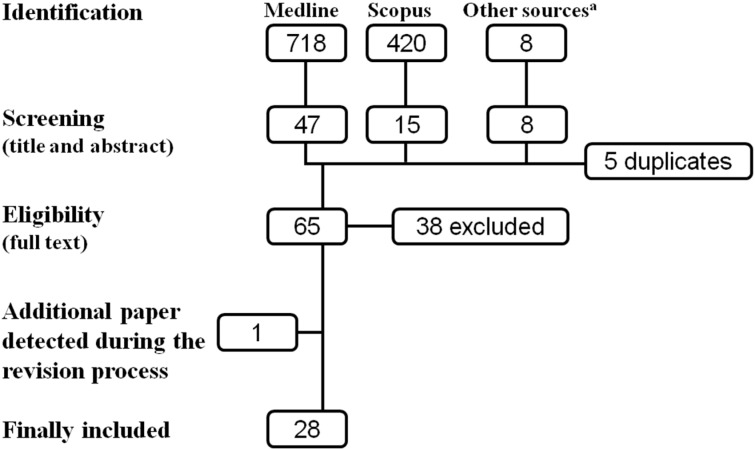
Many studies conducted during the last decade suggest the mental health benefits of green and blue spaces. We aimed to systematically review the available literature on the long-term mental health benefits of residential green and blue spaces by including studies that used standardized tools or objective measures of both the exposures and the outcomes of interest. We followed the PRISMA statement guidelines for reporting systematic reviews and meta-analysis. In total 28 studies were included in the systematic review. We found limited evidence for a causal relationship between surrounding greenness and mental health in adults, whereas the evidence was inadequate in children. The evidence was also inadequate for the other exposures evaluated (access to green spaces, quality of green spaces, and blue spaces) in both adults and children. The main limitation was the limited number of studies, together with the heterogeneity regarding exposure assessment. Given the increase in mental health problems and the current rapid urbanization worldwide, results of the present systematic review should be taken into account in future urban planning. However, further research is needed to provide more consistent evidence and more detailed information on the mechanisms and the characteristics of the green and blue spaces that promote better mental health. We provide recommendations for future studies in order to provide consistent and evidence-based recommendations for policy makers.
Overview
The claims and statistics of this paper haven’t been checked yet.
Free: it reads the open-access text and checks the first 5 claims that cite a source we can check. Create a free account to check every claim.
Integrity signals
Registry
Cites
Statistics
Figures
Verification
Claims the paper makes
The claims and statistics of this paper haven’t been checked yet.
Free: it reads the open-access text and checks the first 5 claims that cite a source we can check. Create a free account to check every claim.
Claims other papers make about this one
Each is checked against this paper’s own text: does it say what the citing paper says it does?
The cited source says what the claim attributes to it.
In the citing paper
“Although Attention Restoration Theory has been cited in relation to work with younger people (Gascon et al., 2015), there is a lack of theoretical underpinning for the development of interventions in relation to exposure to green and blue space and how this operates to impact mental health.”
From Exploring the role of exposure to green and blue spaces in preventing anxiety and depression among young people aged 14–24 years living in urban settings: A systematic review and conceptual framework (2022) · cites this paper as Gascon et al., 2015
The cited source says what the claim attributes to it.
In the citing paper
“but reviews including blue spaces do not focus on the age range of interest (Gascon et al., 2015).”
From Exploring the role of exposure to green and blue spaces in preventing anxiety and depression among young people aged 14–24 years living in urban settings: A systematic review and conceptual framework (2022) · cites this paper as Gascon et al., 2015
Self-check
Percentages, sums and reported differences re-computed from the paper’s own numbers.
The self-check needs the paper’s full text.
Citations
Cites
Preferred Reporting Items for Systematic Reviews and Meta-Analyses: the PRISMA statement
Moher, D., Liberati, A., Tetzlaff, J., Altman, D. G., & for the PRISMA Group (2009) · BMJ · doi:10.1136/bmj.b2535 · Cited by 83,823
Preferred Reporting Items for Systematic Reviews and Meta-Analyses: The PRISMA Statement
Moher, D., Liberati, A., Tetzlaff, J., & Altman, D. G. (2009) · Journal of Clinical Epidemiology · doi:10.1016/j.jclinepi.2009.06.005 · Cited by 19,575
Preferred reporting items for systematic reviews and meta-analyses: The PRISMA statement
Moher, D., Liberati, A., Tetzlaff, J., & Altman, D. G. (2010) · International Journal of Surgery · doi:10.1016/j.ijsu.2010.02.007 · Cited by 12,156
Hartig, T., Mitchell, R., de Vries, S., & Frumkin, H. (2014) · Annual Review of Public Health · doi:10.1146/annurev-publhealth-032013-182443 · Cited by 3,638 · cited 1×
“One of the main limitations to elucidate these questions is that many of the studies included in previous reviews used non-objective or non-standard tools to assess both residential green/blue spaces and mental health condition [5,9,10].”
ResultA systematic review of evidence for the added benefits to health of exposure to natural environments
Bowler, D. E., Buyung-Ali, L. M., Knight, T. M., & Pullin, A. S. (2010) · BMC Public Health · doi:10.1186/1471-2458-10-456 · Cited by 1,993 · cited 3×
“Additionally, many studies available are experimental and evaluate the short-term health effects of exposure to green/blue spaces [5,11,12] but not the health effects of long-term exposure to residential “greenness/blueness”, which is an essential information for policy makers to take appropriate decisions in urban pl…”
BackgroundResult(2012) · RePEc: Research Papers in Economics · Cited by 1,951
de Vries, S., Verheij, R. A., Groenewegen, P. P., & Spreeuwenberg, P. (2003) · Environment and Planning A: Economy and Space · doi:10.1068/a35111 · Cited by 1,258 · cited 15×
“Author (Year, Country) Study Design Age of the Study Population (Stratifications/Interactions) N Tools to Measure Mental Health Mental Health Item Greenness Data Source Surrounding Greenness Indicator Risk of Mental Health Problems Adults (or population irrespective of age) Triguero-Mas et al. 2015, Spain [14] Cross-…”
BackgroundResultInfluentialWhat are the benefits of interacting with nature?
Keniger, L., Gaston, K., Irvine, K., & Fuller, R. (2013) · International Journal of Environmental Research and Public Health · doi:10.3390/ijerph10030913 · Cited by 1,204 · cited 1×
“For instance, it could be that the use of green spaces or the mental health benefits of green spaces are influenced by their quality and characteristics [52] or by how these spaces are perceived.”
BackgroundSocial contacts as a possible mechanism behind the relation between green space and health
Maas, J., van Dillen, S. M. E., Verheij, R. A., & Groenewegen, P. P. (2009) · Health & Place · doi:10.1016/j.healthplace.2008.09.006 · Cited by 1,195 · cited 8×
“Author (Year, Country) Study Design Age of the Study Population (Stratifications/Interactions) N Tools to Measure Mental Health Mental Health Item Greenness Data Source Surrounding Greenness Indicator Risk of Mental Health Problems Adults (or population irrespective of age) Triguero-Mas et al. 2015, Spain [14] Cross-…”
BackgroundInfluentialThe relationship between nature connectedness and happiness: a meta-analysis
Capaldi, C. A., Dopko, R. L., & Zelenski, J. M. (2014) · Frontiers in Psychology · doi:10.3389/fpsyg.2014.00976 · Cited by 1,183 · cited 1×
“One of the main limitations to elucidate these questions is that many of the studies included in previous reviews used non-objective or non-standard tools to assess both residential green/blue spaces and mental health condition [5,9,10].”
Result
Cited by
Items 301–400 of 1,000
Implementing Car-Free Cities: Rationale, Requirements, Barriers and Facilitators
Nieuwenhuijsen, M. J., Bastiaanssen, J., Sersli, S., Waygood, E. O. D., & Khreis, H. (2018) · Springer eBooks · doi:10.1007/978-3-319-74983-9_11 · Cited by 70
Self-citationMarkevych, I., Feng, X., Astell‐Burt, T., Standl, M., Sugiri, D., Schikowski, T., Koletzko, S., Herberth, G., Bauer, C., Berg, A. V., et al. (2018) · Environmental Pollution · doi:10.1016/j.envpol.2018.10.053 · Cited by 69
Tao, Y., Yang, J., & Chai, Y. (2019) · International Journal of Environmental Research and Public Health · doi:10.3390/ijerph17010013 · Cited by 68
“In this study, we find that after controlling neighborhood perceptions and social interaction, proximity to parks is the sole indicator exerting a direct and independent effect on mental health, which indicates the immense psychological benefits of exposure to large-scale green space around neighborhoods [24].”
BackgroundMethodResultInfluentialRibeiro, A. I., Tavares, C. S. D., Guttentag, A., & Barros, H. (2019) · Environment International · doi:10.1016/j.envint.2019.105070 · Cited by 73
Olszewska-Guizzo, A., Fogel, A. M., Escoffier, N., & Ho, R. (2021) · Journal of Environmental Psychology · doi:10.1016/j.jenvp.2021.101590 · Cited by 68
“At the same time, a growing body of evidence confirms the salutogenic effects of nature exposure on mental health and well-being on urban residents (van den Berg et al., 2007; Gascon et al., 2015; Hartig et al., 1991; Nath et al., 2018; Olszewska-Guizzo et al., 2020).”
BackgroundGonzales‐Inca, C., Pentti, J., Stenholm, S., Suominen, S., Vahtera, J., & Käyhkö, N. (2022) · Health & Place · doi:10.1016/j.healthplace.2022.102760 · Cited by 71
van Dinter, M., Kools, M., Dane, G. Z., Weijs-Perrée, M., Chamilothori, K., Leeuwen, E. S. V., Borgers, A. W. J., & van den Berg, P. (2022) · Sustainability · doi:10.3390/su14094911 · Cited by 67
“Furthermore, views of nature have been found to improve people’s mental health and subjective well‐ being [16,17].”
BackgroundSong, S., Tu, R., Lu, Y., Yin, S., Lin, H., & Xiao, Y. (2022) · International Journal of Environmental Research and Public Health · doi:10.3390/ijerph192114506 · Cited by 67
“Many earlier systematic review studies included only narrative summaries of the results of many studies [17], lowering their usefulness for the determination of which green space exposure strategies are likely to be the most successful.”
BackgroundBatterham, P. J., Brown, K., Trias, A., Poyser, C., Kazan, D., & Calear, A. L. (2022) · Australian Journal of Rural Health · doi:10.1111/ajr.12851 · Cited by 66
Schebella, M. F., Weber, D., Lindsey, K., & Daniels, C. B. (2017) · Frontiers in Psychology · doi:10.3389/fpsyg.2017.02094 · Cited by 66
“Despite concerns raised by researchers regarding the methodological limitations and lack of consistency in the results of some nature-health research (Lee and Maheswaran, 2011; Hartig et al., 2014; Gascon et al., 2015), studies into human interactions with nature are generally supportive of the premise that natural en…”
BackgroundResultEffect of changes in green spaces on mental health in older adults: a fixed effects analysis
Noordzij, J. M., Beenackers, M. A., Groeniger, J. O., & van Lenthe, F. J. (2019) · Journal of Epidemiology & Community Health · doi:10.1136/jech-2019-212704 · Cited by 66
Nawrath, M., Guenat, S., Elsey, H., & Dallimer, M. (2020) · Environmental Research · doi:10.1016/j.envres.2020.110625 · Cited by 70
The effect of urban nature exposure on mental health—a case study of Guangzhou
Liu, H., Ren, H., Remme, R. P., Nong, H., & Sui, C. (2021) · Journal of Cleaner Production · doi:10.1016/j.jclepro.2021.127100 · Cited by 67
Environmental exposure during travel: A research review and suggestions forward
Poom, A., Willberg, E. S., & Toivonen, T. (2021) · Health & Place · doi:10.1016/j.healthplace.2021.102584 · Cited by 66
Li, H., Ta, N., Yu, B., & Wu, J. (2023) · Landscape and Urban Planning · doi:10.1016/j.landurbplan.2023.104807 · Cited by 66
Wang, P., Meng, Y.-Y., Lam, V., & Ponce, N. (2019) · Health & Place · doi:10.1016/j.healthplace.2019.02.002 · Cited by 64
Bonilla‐Bedoya, S., Estrella, A., Santos, F., & Herrera, M. Á. (2020) · Applied Geography · doi:10.1016/j.apgeog.2020.102343 · Cited by 64
Yue, Y., Dong-feng, Y., & Dyck, D. V. (2022) · Health & Place · doi:10.1016/j.healthplace.2022.102856 · Cited by 64
Costello, L. N., McDermott, M., Patel, P., & Dare, J. (2019) · Health & Place · doi:10.1016/j.healthplace.2019.102212 · Cited by 64
Overview of “Systematic Reviews” of the Built Environment’s Effects on Mental Health
Núñez-González, S., Delgado‐Ron, J. A., Gault, C., Lara-Vinueza, A., Calle-Celi, D., Porreca, R., & Simancas‐Racines, D. (2020) · Journal of Environmental and Public Health · doi:10.1155/2020/9523127 · Cited by 64
“’s review reported that the evidence for the impact of built environment interventions on mental health and well-being is weak, as the primary studies reported a very small or no effect of the built environment on mental health and well-being [45].”
BackgroundLong-term exposure to fine particulate matter and dementia incidence: A cohort study in Hong Kong
Ran, J., Schooling, C. M., Han, L., Sun, S., Zhao, S., Zhang, X., Chan, K.-P., Guo, F., Lee, R. S.-Y., Qiu, Y., et al. (2021) · Environmental Pollution · doi:10.1016/j.envpol.2020.116303 · Cited by 59
Nature exposure predicts well-being trajectory groups among employees across two years
Korpela, K., Nummi, T., Lipiäinen, L., de Bloom, J., Sianoja, M., Pasanen, T., & Kinnunen, U. M. (2017) · Journal of Environmental Psychology · doi:10.1016/j.jenvp.2017.06.002 · Cited by 65
Long-Term Exposure to Greenspace and Cognitive Function during the Lifespan: A Systematic Review
Ricciardi, E., Spano, G., Lopez, A., Tinella, L., Clemente, C., Elia, G., Dadvand, P., Sanesi, G., Bosco, A., & Caffò, A. O. (2022) · International Journal of Environmental Research and Public Health · doi:10.3390/ijerph191811700 · Cited by 64
“The score was based on 11 criteria for quality assessment of the studies that were adopted from similar previous systematic reviews of the health impacts of long-term exposure to green space (Table S2, Supplementary Materials) [8,26,31].”
BackgroundMethodResultSelf-citationVirtual Reality Representations of Nature to Improve Well-Being amongst Older Adults: a Rapid Review
van Houwelingen-Snippe, J., Allouch, S. B., & van Rompay, T. J. L. (2021) · Journal of Technology in Behavioral Science · doi:10.1007/s41347-021-00195-6 · Cited by 62
Analyzing spatial inequalities in use and experience of urban green spaces
Phillips, A., Canters, F., & Khan, A. Z. (2022) · Urban forestry & urban greening · doi:10.1016/j.ufug.2022.127674 · Cited by 65
Characterisation of the natural environment: quantitative indicators across Europe
Smith, G., Cirach, M., Swart, W., Dėdelė, A., Gidlow, C., van Kempen, E., Kruize, H., Gražulevičienė, R., & Nieuwenhuijsen, M. J. (2017) · International Journal of Health Geographics · doi:10.1186/s12942-017-0090-z · Cited by 61
“NDVI has shown associations with health outcomes with relative consistency [9, 15].”
BackgroundSelf-citationDo greener areas promote more equitable child health?
Feng, X., & Astell‐Burt, T. (2017) · Health & Place · doi:10.1016/j.healthplace.2017.05.006 · Cited by 62
Browning, M. H. E. M., & Locke, D. H. (2019) · Landscape and Urban Planning · doi:10.1016/j.landurbplan.2019.103706 · Cited by 62
“More generally, exposure to greenspace improves emotional regulation and mental health for children (Chawla, 2015; Gascon et al., 2015; Gill, 2014; McCormick, 2017; Vanaken & Danckaerts, 2018).”
BackgroundPolemiti, E., Hese, S., Schepanski, K., Yuan, J., & Schumann, G. (2024) · Molecular Psychiatry · doi:10.1038/s41380-024-02557-x · Cited by 60
Feng, X., & Astell-Burt, T. (2017) · International Journal of Environmental Research and Public Health · doi:10.3390/ijerph14050543 · Cited by 59
Xie, B., Lü, Y., & Zheng, Y. (2021) · Urban forestry & urban greening · doi:10.1016/j.ufug.2021.127419 · Cited by 60
Planning, Aging, and Loneliness: Reviewing Evidence About Built Environment Effects
Lyu, Y., & Forsyth, A. (2021) · Journal of Planning Literature · doi:10.1177/08854122211035131 · Cited by 59
“Green space Many studies have examined the connections between green space and mental or physical health (Gascon et al. 2015; Di Nardo, Saulle, and La Torre 2010), but few have explored loneliness, especially among older people.”
BackgroundGender disparities in exposure to green space: An empirical study of suburban Beijing
Wu, J., Xu, Z., Jin, Y., Chai, Y., Newell, J. P., & Ta, N. (2022) · Landscape and Urban Planning · doi:10.1016/j.landurbplan.2022.104381 · Cited by 59
Exposure to greenspace and bluespace and cognitive functioning in children – A systematic review
Buczyłowska, D., Zhao, T., Singh, N., Jurczak, A., Siry, A. M., & Markevych, I. (2023) · Environmental Research · doi:10.1016/j.envres.2023.115340 · Cited by 60
A Neuroecosocial Perspective on Adolescent Development
Choudhury, S., Pi‐Sunyer, B. P., & Blakemore, S. (2023) · Annual Review of Developmental Psychology · doi:10.1146/annurev-devpsych-120321-011511 · Cited by 61
Zhang, X., Lin, E. S., Tan, P. Y., Qi, J., Ho, R., Sia, A., Waykool, R., Song, X. P., Olszewska-Guizzo, A., Meng, L., et al. (2024) · Landscape and Urban Planning · doi:10.1016/j.landurbplan.2024.105044 · Cited by 60
Chang, L., Moyle, B., Vada, S., Filep, S., Dupré, K., & Liu, B. (2024) · International Journal of Tourism Research · doi:10.1002/jtr.2644 · Cited by 60
Mas, M. T., Donaire-González, D., Seto, E., Valentín, A., Smith, G., Martinez, D. R., Carrasco‐Turigas, G., Masterson, D., van den Berg, M., Ambrós, A., et al. (2017) · International Journal of Environmental Research and Public Health · doi:10.3390/ijerph14101162 · Cited by 59
“The 300 m buffer was chosen for consistency with recommended indicators to be used across Europe [4,6], and on evidence that use of NOE might decline at distances greater than 300–400 m [53].”
MethodSelf-citationLuca, C. D., Langemeyer, J., Vaňo, S., Baró, F., & Andersson, E. (2021) · Ecology and Society · doi:10.5751/es-12535-260438 · Cited by 58
“…(Güneralp et al. 2017, UN 2019), ecosystem services (ES) provided by urban green and blue infrastructure (GBI) offer multiple health and well-being benefits necessary to cope with present and future urban challenges (Gómez-Baggethun and Barton 2013, Gascon et al. 2015, van den Berg et al. 2015).”
BackgroundBoers, S. J., Hagoort, K., Scheepers, F. E., & Helbich, M. (2018) · International Journal of Environmental Research and Public Health · doi:10.3390/ijerph15102195 · Cited by 59
“In accordance with prior studies [6,25], we considered the amount of green and blue space within a circular buffer of 300 m centered on a patient’s home address (in %).”
BackgroundMethodInfluentialSikorska, D., Sikorski, P., Archiciński, P., Chormański, J., & Hopkins, R. J. (2019) · Sustainability · doi:10.3390/su11205838 · Cited by 59
Zhou, Y., Yuan, Y., Chen, Y., & Lai, S. (2020) · Frontiers in Public Health · doi:10.3389/fpubh.2020.551453 · Cited by 59
Aerts, R., Vanlessen, N., Dujardin, S., Nemery, B., Nieuwenhuyse, A. V., Bauwelinck, M., Casas, L., Demoury, C., Plusquin, M., & Nawrot, T. S. (2022) · Environmental Research · doi:10.1016/j.envres.2022.113056 · Cited by 57
Waterscapes for Promoting Mental Health in the General Population
Zhang, X., Zhang, Y., Zhai, J., Wu, Y., & Mao, A. (2021) · International Journal of Environmental Research and Public Health · doi:10.3390/ijerph182211792 · Cited by 57
“Waterscapes are an important resource for wellbeing and health, while benefitting psychological and mental fitness [35,51] with cultural ecosystems services [112].”
BackgroundHenderson‐Wilson, C., Sia, K.-L., Veitch, J., Staiger, P. K., Davidson, P., & Nicholls, P. (2017) · International Journal of Environmental Research and Public Health · doi:10.3390/ijerph14050529 · Cited by 57
Pearson, A. L., Bottomley, R., Chambers, T. J., Thornton, L. E., Stanley, J., Smith, M., Barr, M., & Signal, L. N. (2017) · International Journal of Environmental Research and Public Health · doi:10.3390/ijerph14060563 · Cited by 56
“, lakes, rivers, canals, coastal water) [1,2].”
Are public open space attributes associated with walking and depression?
Koohsari, M. J., Badland, H. M., Mavoa, S., Villanueva, K., Francis, J., Hooper, P., Owen, N. G., & Giles‐Corti, B. (2017) · Cities · doi:10.1016/j.cities.2017.11.011 · Cited by 58
McHale, S., Pearsons, A., Neubeck, L., & Hanson, C. L. (2020) · International Journal of Environmental Research and Public Health · doi:10.3390/ijerph17186832 · Cited by 57
Lin, M., Dong, J., Jones, L., Liu, J., Lin, T., Zuo, J., Ye, H., Zhang, G., & Zhou, T. (2021) · Journal of Cleaner Production · doi:10.1016/j.jclepro.2021.128277 · Cited by 55
The relationship between urban greenness and mental health: A national-level study of China
Zhu, W., Wang, J., & Qin, B. (2023) · Landscape and Urban Planning · doi:10.1016/j.landurbplan.2023.104830 · Cited by 56
An approach to the asthma‐protective farm effect by geocoding: Good farms and better farms
Müller‐Rompa, S. E. K., Markevych, I., Hose, A. J., Loss, G., Wouters, I. M., Genuneit, J., Braun‐Fahrländer, C., Horak, E., Boznanski, A., Heederik, D., et al. (2018) · Pediatric Allergy and Immunology · doi:10.1111/pai.12861 · Cited by 50
Parkes, A., Sweeting, H. N., & Wight, D. (2016) · Social Psychiatry and Psychiatric Epidemiology · doi:10.1007/s00127-016-1246-z · Cited by 54
“Rurality might also benefit children via closer proximity to green spaces; but although there is some evidence of benefits of green spaces within residential environments for adult mental health, little is known in relation to children [51].”
BackgroundBonaccorsi, G., Milani, C., Giorgetti, D., Setola, N., Naldi, E., Manzi, F., Riccio, M. D., Dellisanti, C., & Lorini, C. (2023) · Annali di Igiene Medicina Preventiva e di Comunità · doi:10.7416/ai.2022.2534 · Cited by 55
López-Aparicio, S., Grythe, H., Drabicki, A., Chwastek, K., Toboła, K., Górska-Niemas, L., Kierpiec, U., Markelj, M., Strużewska, J., Kud, B., et al. (2025) · Environment International · doi:10.1016/j.envint.2025.109310 · Cited by 56
Residential surrounding greenspace and age at menopause: A 20-year European study (ECRHS)
Triebner, K., Markevych, I., Hustad, S., Benediktsdóttir, B., Forsberg, B., Franklin, K. A., Blanco, J. A. G., Holm, M., Jaquemin, B., Jarvis, D., et al. (2019) · Environment International · doi:10.1016/j.envint.2019.105088 · Cited by 56
“Evidence on the potential influence of environmental factors on the timing of menopause is still scarce, but exposure to greenspace has been associated with improvement of physical and mental health and wellbeing (Twohig-Bennett and Jones, 2018; Gascon et al., 2015; Kondo et al., 2018; Gidlow et al., 2016; Roe et al.,…”
BackgroundSelf-citationEgorov, A. I., Griffin, S. M., Converse, R. R., Styles, J. N., Klein, J., Scott, J., Sams, E. A., Hudgens, E., & Wade, T. J. (2020) · Environmental Research · doi:10.1016/j.envres.2020.109435 · Cited by 54
Wang, P., Han, L., Hao, R., & Mei, R. (2022) · Urban forestry & urban greening · doi:10.1016/j.ufug.2022.127784 · Cited by 54
Outdoor Learning Across the Curriculum: Theory and Guidelines for Practice
Beames, S. K., Higgins, P., Nicol, R., & Smith, H. (2023) · Routledge eBooks · doi:10.4324/9781003010890 · Cited by 55
de Bell, S., Alejandre, J. C., Menzel, C., Sousa‐Silva, R., Straka, T. M., Berzborn, S., Bürck-Gemassmer, M., Dallimer, M., Dayson, C., Fisher, J. C., et al. (2024) · Environment International · doi:10.1016/j.envint.2024.108801 · Cited by 54
Zhang, X., Zhang, Y., & Zhai, J. (2021) · Frontiers in Public Health · doi:10.3389/fpubh.2021.740187 · Cited by 55
Lomas, T., & VanderWeele, T. J. (2022) · International Journal of Environmental Research and Public Health · doi:10.3390/ijerph192114544 · Cited by 52
“These range from, in a positive sense, the value of proximity and access to green and blue spaces [65] to, in a negative sense, the detrimental impact of issues such as poor air quality [66], as well as the burden imposed by people’s concern about the environment, as reflected in emergent phenomena such as ecoanxiety…”
BackgroundBarboza, E. P., Montana, F., Cirach, M., Iungman, T., Khomenko, S., Gallagher, J., Thondoo, M., Mueller, N., Keune, H., Macintyre, T. E., et al. (2023) · Environmental Research · doi:10.1016/j.envres.2023.116891 · Cited by 54
Self-citationMarshall, J., Kelly, P., & Niven, A. (2019) · International Journal of Environmental Research and Public Health · doi:10.3390/ijerph16122159 · Cited by 38
“The lack of discussion may not be surprising given evidence into the relationship between “blue space” and children’s mental health is currently lacking [21] while a stronger link to improved mental health is noted in older adults [23].”
BackgroundWon, J., & Lee, J.-S. (2020) · Landscape and Urban Planning · doi:10.1016/j.landurbplan.2020.103882 · Cited by 52
Foreign tourists’ experiences under air pollution: Evidence from big data
Yang, Y., Zhang, X., & Fu, Y. (2021) · Tourism Management · doi:10.1016/j.tourman.2021.104423 · Cited by 52
The Regeneration of Urban Blue Spaces: A Public Health Intervention? Reviewing the Evidence
Brückner, A., Falkenberg, T., Heinzel, C., & Kistemann, T. (2022) · Frontiers in Public Health · doi:10.3389/fpubh.2021.782101 · Cited by 52
Xie, X., Zhou, H., & Gou, Z. (2023) · Ecological Indicators · doi:10.1016/j.ecolind.2023.110557 · Cited by 51
Luca, C. D., Naumann, S., Davis, M., & Tondelli, S. (2021) · Sustainability · doi:10.3390/su13095021 · Cited by 53
Kasdagli, M., Katsouyanni, K., de Hoogh, K., Λάγιου, Π., & Samoli, E. (2021) · Environmental Pollution · doi:10.1016/j.envpol.2021.118372 · Cited by 51
Perrins, S. P., Varanasi, U., Seto, E., & Bratman, G. N. (2021) · Urban forestry & urban greening · doi:10.1016/j.ufug.2021.127404 · Cited by 50
Li, C., Zhang, T., Wang, X., & Lian, Z. (2022) · International Journal of Environmental Research and Public Health · doi:10.3390/ijerph192013159 · Cited by 51
“pertinent to the study objectives, were also considered, in addition to the essential functions of parks, such as the accessibility of the parks and their distance from the population centers [79].”
BackgroundArriazu-Ramos, A., Santamaría, J. M., Monge-Barrio, A., Bes‐Rastrollo, M., Gutiérrez, S., Frias, N. B., & Gutiérrez, A. S.-O. (2025) · Sustainability · doi:10.3390/su17104336 · Cited by 50
What Motivates Participants to Adhere to Green Exercise?
Fraser, M., Muñoz, S., & MacRury, S. M. (2019) · International Journal of Environmental Research and Public Health · doi:10.3390/ijerph16101832 · Cited by 50
“(2015) [18] notes that not only is it important to understand the types of activities conducted in green spaces but also the motivations behind the decisions to conduct this form of exercise and use these areas.”
BackgroundLiu, Y., Xiao, T., Liu, Y., Yao, Y., & Wang, R. (2021) · Urban forestry & urban greening · doi:10.1016/j.ufug.2021.127027 · Cited by 50
Vos, S., Bijnens, E. M., Renaers, E., Croons, H., Stukken, C. V. D., Martens, D. S., Plusquin, M., & Nawrot, T. S. (2022) · Environmental Research · doi:10.1016/j.envres.2021.112603 · Cited by 50
Association of the built environment with childhood psychosocial stress
Franklin, M., Yin, X., McConnell, R., & Fruin, S. (2020) · JAMA Network Open · doi:10.1001/jamanetworkopen.2020.17634 · Cited by 49
Effects of urbanization and vegetation on bird diversity in a megacity of central China
Peng, L., Liu, Q., Wang, Q., Si, X., Niu, H., & Zhang, H. (2024) · Biological Conservation · doi:10.1016/j.biocon.2024.110718 · Cited by 49
Consideration of urban green space in impact assessments for health
Fischer, T. B., Jha‐Thakur, U., Fawcett, P., Clément, S., Hayes, S. J., & Nowacki, J. (2017) · Impact Assessment and Project Appraisal · doi:10.1080/14615517.2017.1364021 · Cited by 51
“While physical health may appear to be a readily observable benefit of green space, some strong statistically significant evidence exists around the links between green spaces and mental health (de Vries 2010; van den Berg and van den Berg 2015; Gascon et al. 2015).”
BackgroundActEarly: a City Collaboratory approach to early promotion of good health and wellbeing
Wright, J., Hayward, A. C., West, J., Pickett, K. E., McEachan, R., Mon-Williams, M. A., Christie, N., Vaughan, L., Sheringham, J., Haklay, M., et al. (2019) · Wellcome Open Research · doi:10.12688/wellcomeopenres.15443.1 · Cited by 49
Hematian, H., & Ranjbar, E. (2022) · Journal of Transport & Health · doi:10.1016/j.jth.2022.101532 · Cited by 48
Mizen, A., Thompson, D. A., Watkins, A. J., Akbari, A., Garrett, J. K., Geary, R. S., Lovell, R., Lyons, R. A., Nieuwenhuijsen, M. J., Parker, S. C., et al. (2024) · Journal of Exposure Science & Environmental Epidemiology · doi:10.1038/s41370-024-00650-5 · Cited by 48
Self-citationWhat prevents people accessing urban bluespaces? A qualitative study
Pitt, H. (2019) · Urban forestry & urban greening · doi:10.1016/j.ufug.2019.02.013 · Cited by 48
“It may be expected that those living nearest bluespaces are most likely to use them, as proximity strongly influences outdoor recreation (Gascon et al. 2015; Morelle et al., 2018).”
BackgroundMueller, N., Daher, C., Rojas‐Rueda, D., Delgado‐Ortiz, L., Vicioso, H., Gascón, M., Marquet, O., Vert, C., Martin, I., & Nieuwenhuijsen, M. J. (2021) · International Journal of Hygiene and Environmental Health · doi:10.1016/j.ijheh.2021.113772 · Cited by 48
Self-citationAsim, F., Chani, P. S., & Shree, V. (2021) · Building and Environment · doi:10.1016/j.buildenv.2021.108107 · Cited by 49
“The variables include color scheme [32,33], presence and intensity of indoor plants [34,35], view of greenery [36,37], view of sky [38], the quality of outdoor view from room window [22], perceived Indoor Environment Quality [39,40] and presence of Visual Artworks [41,42].”
BackgroundHiggins, S. L., Thomas, F., Goldsmith, B., Brooks, S. J., Hassall, C., Harlow, J., Stone, D., Völker, S., & White, P. (2019) · WIREs Water · doi:10.1002/wat2.1339 · Cited by 47
“…are increasingly seeking to address a range of amenities through aquatic management, most urban freshwaters research to date has focused either on ecological functioning, or on human health and well-being, with limited studies examining both (Gascon et al., 2015; Völker & Kistemann, 2011).”
BackgroundHsieh, C.-H., & Li, D. (2022) · Frontiers in Psychiatry · doi:10.3389/fpsyt.2022.1007396 · Cited by 48
Murrin, E., Taylor, N. M., Peralta, L. R., Dudley, D. A., Cotton, W. G., & White, R. L. (2023) · BMC Public Health · doi:10.1186/s12889-023-15101-3 · Cited by 48
“A systematic review examining associations between green and blue spaces and mental health included 28 studies, yet only three observational studies examined blue space and mental health [5].”
BackgroundGeary, R. S., Thompson, D. A., Garrett, J. K., Mizen, A., Rowney, F. M., Song, J., White, M. P., Lovell, R., Watkins, A. J., Lyons, R. A., et al. (2023) · Public Health Research · doi:10.3310/lqpt9410 · Cited by 48
Self-citationMental health is positively associated with biodiversity in Canadian cities
Buxton, R. T., Hudgins, E. J., Lavigne, É., Villeneuve, P. J., Prince, S. A., Pearson, A. L., Halsall, T., Robichaud, C., & Bennett, J. (2024) · Communications Earth & Environment · doi:10.1038/s43247-024-01482-9 · Cited by 49
“Urban environments can contribute to stress 4 and limit opportunities for people to engage with the natural environment 5 , which is problematic because exposure to nature is associated with a broad array of health and well-being bene fi ts 6 .”
Urban public parks and mental health in adult women: Mediating and moderating factors
Bojórquez, I., & Ojeda-Revah, L. (2018) · International Journal of Social Psychiatry · doi:10.1177/0020764018795198 · Cited by 49
“The mental health of urban residents could also benefit from contact with green spaces, and three types of mechanisms have been proposed to explain this association (de Vries, Verheij, Groenewegen, & Spreeuwenberg, 2003; Gascon et al., 2015).”
BackgroundInfluentialThe nexus between urban green space, housing type, and mental health
Feng, X., Toms, R., & Astell‐Burt, T. (2022) · Social Psychiatry and Psychiatric Epidemiology · doi:10.1007/s00127-022-02266-2 · Cited by 47
“However, consistent magnitude and direction of association between green space and health is not always observed [5].”
BackgroundZhou, S., Chen, F., & Xu, Z. (2022) · Urban forestry & urban greening · doi:10.1016/j.ufug.2022.127731 · Cited by 47
Zijlema, W. L., Cerin, E., Cirach, M., Bartoll, X., Borrell, C., Dadvand, P., & Nieuwenhuijsen, M. J. (2024) · Environmental Pollution · doi:10.1016/j.envpol.2024.123559 · Cited by 48
“…studies that observed a higher prevalence of mental health problems in urbanized areas (Hoare et al., 2019; Peen et al., 2010; Zijlema et al., 2015), and with the growing evidence on the mental health benefits of green space (Bratman et al., 2019; Gascon et al., 2015; Kivim ¨ aki et al., 2021).”
Self-citationTaheri, S., Sichani, M. G., & Shabani, A. (2021) · Social Science & Medicine · doi:10.1016/j.socscimed.2021.113820 · Cited by 48
The mental health benefits of visiting canals and rivers: An ecological momentary assessment study
Bergou, N., Hammoud, R., Smythe, M., Gibbons, J., Davidson, N., Tognin, S., Reeves, G., Shepherd, J., & Mechelli, A. (2022) · PLoS ONE · doi:10.1371/journal.pone.0271306 · Cited by 46
“green spaces), likely leading to an aggregation of the benefits associated with green and blue spaces [1, 2].”
BackgroundRamakreshnan, L., & Aghamohammadi, N. (2024) · Current Environmental Health Reports · doi:10.1007/s40572-023-00427-2 · Cited by 45
“Nonetheless, other reviews provided inconclusive evidence on the causal relationship between urban greeneries and mental health due to a limited number of studies and the heterogeneity in exposure assessments [117].”
The impact of outdoor blue spaces on the health of the elderly: A systematic review
Wang, L., & Sani, N. M. (2024) · Health & Place · doi:10.1016/j.healthplace.2023.103168 · Cited by 45
White, M. P., Pahl, S., Ashbullby, K. J., Burton, F. L., & Depledge, M. H. (2015) · International Journal of Environmental Research and Public Health · doi:10.3390/ijerph120911929 · Cited by 47
“This may explain why coastal inhabitants have higher overall levels of self-reported health and well-being ([7,39], although see [40]).”
BackgroundHigh Biodiversity of Green Infrastructure Does Not Contribute to Recreational Ecosystem Services
Sikorska, D., Sikorski, P., & Hopkins, R. J. (2017) · Sustainability · doi:10.3390/su9030334 · Cited by 45
“It is even accepted that the presence of green areas affects life expectancy [11,13,14,16].”
BackgroundThe influence of greenspace characteristics and building configuration on depression in the elderly
Wu, Z., & Yin, R. (2020) · Building and Environment · doi:10.1016/j.buildenv.2020.107477 · Cited by 45
Metadata
- Authors
- Gascon, M., Triguero-Mas, M., Martínez, D., Dadvand, P., Forns, J., Plasència, A., & Nieuwenhuijsen, M.
- Affiliations
- ISGlobal, Barcelona Ctr. Int. Health Res. (CRESIB), Hospital Clínic-Universitat de Barcelona, Barcelona 08036, Spain
- Parc de Recerca Biomèdica de Barcelona (PRBB), Centre for Research in Environmental Epidemiology (CREAL). Doctor Aiguader, 88, 08003 Barcelona, Catalonia, Spain
- Barcelona Biomedical Research Park (ES)
- Norwegian Institute of Public Health (NO)
- Hospital Clínic de Barcelona (ES)
- Venue
- International Journal of Environmental Research and Public Health
- Publisher
- MDPI AG
- Published
- 2015-04-22
- Volume
- 12
- Issue
- 4
- Pages
- 4354-4379
- ISSN
- 1660-4601 (ISSN-L)
- PMC
- PMC4410252
- OpenAlex
- W2128386614
- Cited by
- 1,171
- References
- 64
- Citations by year
- 2026: 113 · 2025: 139 · 2024: 136 · 2023: 128 · 2022: 118 · 2021: 153 · 2020: 107 · 2019: 114 · 2018: 79 · 2017: 56 · 2016: 26 · 2015: 2
- FWCI
- 5.14
- Type
- journal article
- Language
- en
- Open access
- gold
- dx.doi.org
- Licence
- Locations
- International Journal of Environmental Research and Public Health (publishedVersion, cc-by)
- Europe PMC (PubMed Central) (publishedVersion, cc-by)
- PubMed Central (publishedVersion, cc-by)
- PubMed (publishedVersion)
- Dipòsit Digital de la Universitat de Barcelona (Universitat de Barcelona) (publishedVersion, cc-by)
- Research Bank (Australian Catholic University) (submittedVersion, cc-by)
- RePEc: Research Papers in Economics (submittedVersion)
- DOAJ (DOAJ: Directory of Open Access Journals) (submittedVersion, cc-by-sa)
- RECERCAT (Consorci de Serveis Universitaris de Catalunya) (submittedVersion, cc-by)
- Funders
- Secretariat for Universities and Research of the Ministry Economy and Knowledge of the Government of Catalonia (SUR), the Agency for Management of University and Research Grants (AGAUR) and the CERCA Institute (SUMA 2013)
- Spanish Ministry of Economy and Competitiveness (RYC-2012-10995)
- Catalan Government (AGAUR FI-DGR-2013)
- Topics
- Social Sciences › Urban Studies › Urban Green Space and Health
- Social Sciences › Sociology and Political Science › Environmental Justice and Health Disparities
- Physical Sciences › Environmental Science › Management, Monitoring, Policy and Law › Urban Arborization and Environmental Studies
- Keywords
- mental health, residential green space, blue spaces, long-term exposure, vegetation greenness, green space accessibility, green space quality, child mental health, urban planning, urbanization, environmental exposure assessment
- MeSH terms
- Environment, Humans, Mental Health, Urban Health
About these checks
Registry, retraction, Cites and statistics results are computed, not judged, with one exception: a printed reference that no index lists is read once by a model before it counts as a citation error. Claims are extracted by a model and kept only when their quote appears verbatim in the text; each cited source is then checked, with a model’s help, for whether it says what the claim relies on. Those verdicts can be wrong — read the claim’s quote and the cited source before relying on one.
Statistics and arithmetic are recomputed, not judged.
Confidence bands are shown only for fields calibrated on our annotated test set. None is calibrated yet, so no band is shown.
What counts as a claim ›How we measure confidence ›How we check this ›
Are you an author, or do you see a problem with this page? Request a review
Data sources
Bibliographic data: Semantic Scholar, OpenAlex, Crossref.
Contains information from the Semantic Scholar Academic Graph Datasets, made available under the ODC Attribution License (ODC-BY 1.0).
Semantic Scholar’s data is described in: Kinney, R., et al. (2023). The Semantic Scholar Open Data Platform. arXiv:2301.10140.
