

Mental Health Benefits of Long-Term Exposure to Residential Green and Blue Spaces: A Systematic Review
Open accessThe DOI matches its Crossref record; 63 of the 64 references it cites were found in a registry or an index.
Abstract
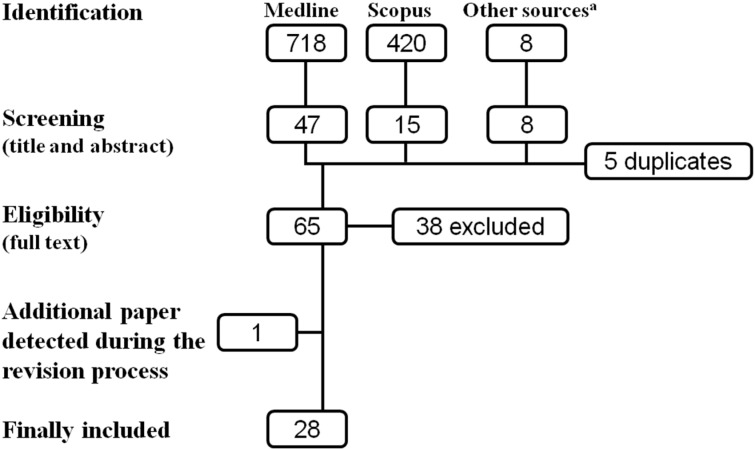
Many studies conducted during the last decade suggest the mental health benefits of green and blue spaces. We aimed to systematically review the available literature on the long-term mental health benefits of residential green and blue spaces by including studies that used standardized tools or objective measures of both the exposures and the outcomes of interest. We followed the PRISMA statement guidelines for reporting systematic reviews and meta-analysis. In total 28 studies were included in the systematic review. We found limited evidence for a causal relationship between surrounding greenness and mental health in adults, whereas the evidence was inadequate in children. The evidence was also inadequate for the other exposures evaluated (access to green spaces, quality of green spaces, and blue spaces) in both adults and children. The main limitation was the limited number of studies, together with the heterogeneity regarding exposure assessment. Given the increase in mental health problems and the current rapid urbanization worldwide, results of the present systematic review should be taken into account in future urban planning. However, further research is needed to provide more consistent evidence and more detailed information on the mechanisms and the characteristics of the green and blue spaces that promote better mental health. We provide recommendations for future studies in order to provide consistent and evidence-based recommendations for policy makers.
Overview
The claims and statistics of this paper haven’t been checked yet.
Free: it reads the open-access text and checks the first 5 claims that cite a source we can check. Create a free account to check every claim.
Integrity signals
Registry
Cites
Statistics
Figures
Verification
Claims the paper makes
The claims and statistics of this paper haven’t been checked yet.
Free: it reads the open-access text and checks the first 5 claims that cite a source we can check. Create a free account to check every claim.
Claims other papers make about this one
Each is checked against this paper’s own text: does it say what the citing paper says it does?
The cited source says what the claim attributes to it.
In the citing paper
“Although Attention Restoration Theory has been cited in relation to work with younger people (Gascon et al., 2015), there is a lack of theoretical underpinning for the development of interventions in relation to exposure to green and blue space and how this operates to impact mental health.”
From Exploring the role of exposure to green and blue spaces in preventing anxiety and depression among young people aged 14–24 years living in urban settings: A systematic review and conceptual framework (2022) · cites this paper as Gascon et al., 2015
The cited source says what the claim attributes to it.
In the citing paper
“but reviews including blue spaces do not focus on the age range of interest (Gascon et al., 2015).”
From Exploring the role of exposure to green and blue spaces in preventing anxiety and depression among young people aged 14–24 years living in urban settings: A systematic review and conceptual framework (2022) · cites this paper as Gascon et al., 2015
Self-check
Percentages, sums and reported differences re-computed from the paper’s own numbers.
The self-check needs the paper’s full text.
Citations
Cites
Preferred Reporting Items for Systematic Reviews and Meta-Analyses: the PRISMA statement
Moher, D., Liberati, A., Tetzlaff, J., Altman, D. G., & for the PRISMA Group (2009) · BMJ · doi:10.1136/bmj.b2535 · Cited by 83,823
Preferred Reporting Items for Systematic Reviews and Meta-Analyses: The PRISMA Statement
Moher, D., Liberati, A., Tetzlaff, J., & Altman, D. G. (2009) · Journal of Clinical Epidemiology · doi:10.1016/j.jclinepi.2009.06.005 · Cited by 19,575
Preferred reporting items for systematic reviews and meta-analyses: The PRISMA statement
Moher, D., Liberati, A., Tetzlaff, J., & Altman, D. G. (2010) · International Journal of Surgery · doi:10.1016/j.ijsu.2010.02.007 · Cited by 12,156
Hartig, T., Mitchell, R., de Vries, S., & Frumkin, H. (2014) · Annual Review of Public Health · doi:10.1146/annurev-publhealth-032013-182443 · Cited by 3,638 · cited 1×
“One of the main limitations to elucidate these questions is that many of the studies included in previous reviews used non-objective or non-standard tools to assess both residential green/blue spaces and mental health condition [5,9,10].”
ResultA systematic review of evidence for the added benefits to health of exposure to natural environments
Bowler, D. E., Buyung-Ali, L. M., Knight, T. M., & Pullin, A. S. (2010) · BMC Public Health · doi:10.1186/1471-2458-10-456 · Cited by 1,993 · cited 3×
“Additionally, many studies available are experimental and evaluate the short-term health effects of exposure to green/blue spaces [5,11,12] but not the health effects of long-term exposure to residential “greenness/blueness”, which is an essential information for policy makers to take appropriate decisions in urban pl…”
BackgroundResult(2012) · RePEc: Research Papers in Economics · Cited by 1,951
de Vries, S., Verheij, R. A., Groenewegen, P. P., & Spreeuwenberg, P. (2003) · Environment and Planning A: Economy and Space · doi:10.1068/a35111 · Cited by 1,258 · cited 15×
“Author (Year, Country) Study Design Age of the Study Population (Stratifications/Interactions) N Tools to Measure Mental Health Mental Health Item Greenness Data Source Surrounding Greenness Indicator Risk of Mental Health Problems Adults (or population irrespective of age) Triguero-Mas et al. 2015, Spain [14] Cross-…”
BackgroundResultInfluentialWhat are the benefits of interacting with nature?
Keniger, L., Gaston, K., Irvine, K., & Fuller, R. (2013) · International Journal of Environmental Research and Public Health · doi:10.3390/ijerph10030913 · Cited by 1,204 · cited 1×
“For instance, it could be that the use of green spaces or the mental health benefits of green spaces are influenced by their quality and characteristics [52] or by how these spaces are perceived.”
BackgroundSocial contacts as a possible mechanism behind the relation between green space and health
Maas, J., van Dillen, S. M. E., Verheij, R. A., & Groenewegen, P. P. (2009) · Health & Place · doi:10.1016/j.healthplace.2008.09.006 · Cited by 1,195 · cited 8×
“Author (Year, Country) Study Design Age of the Study Population (Stratifications/Interactions) N Tools to Measure Mental Health Mental Health Item Greenness Data Source Surrounding Greenness Indicator Risk of Mental Health Problems Adults (or population irrespective of age) Triguero-Mas et al. 2015, Spain [14] Cross-…”
BackgroundInfluentialThe relationship between nature connectedness and happiness: a meta-analysis
Capaldi, C. A., Dopko, R. L., & Zelenski, J. M. (2014) · Frontiers in Psychology · doi:10.3389/fpsyg.2014.00976 · Cited by 1,183 · cited 1×
“One of the main limitations to elucidate these questions is that many of the studies included in previous reviews used non-objective or non-standard tools to assess both residential green/blue spaces and mental health condition [5,9,10].”
Result
Cited by
Items 501–600 of 1,000
Ricciardi, E., Spano, G., Tinella, L., Lopez, A., Clemente, C., Bosco, A., & Caffò, A. O. (2023) · International Journal of Environmental Research and Public Health · doi:10.3390/ijerph20085540 · Cited by 29
“Lastly, mental health benefits provided by contact with urban greenspace were widely proved [21,58,59].”
BackgroundZhou, L., Liu, A., Wang, L., Li, Y., & Cheng, X. (2023) · International Journal of Tourism Research · doi:10.1002/jtr.2597 · Cited by 29
Greenness and job-related chronic stress in young adults: a prospective cohort study in Germany
Herrera, R., Markevych, I., Berger, U., Genuneit, J., Gerlich, J., Nowak, D., Schlotz, W., Vogelberg, C., von Mutius, E., Weinmayr, G., et al. (2018) · BMJ Open · doi:10.1136/bmjopen-2018-021599 · Cited by 30
“Mechanisms explaining the restorative effect of a green environment are attributed mainly to physical activity, social contact and deliberately seeking environments to recover from demanding situations and tasks.(10) 12 18–21 Restorative niches were associated with emotional wellbeing, as well as increments of project…”
Mizen, A., Song, J., Fry, R. J., Akbari, A., Berridge, D. M., Parker, S. C., Johnson, R. D., Lovell, R., Lyons, R. A., Nieuwenhuijsen, M. J., et al. (2019) · BMJ Open · doi:10.1136/bmjopen-2018-027289 · Cited by 29
Self-citationHall, C. R., & Knuth, M. J. (2019) · Journal of Environmental Horticulture · doi:10.24266/0738-2898-37.2.63 · Cited by 31
“The amount of ‘‘green’’ landscaped spaces in neighborhoods also has an impact on all-cause mortality (Coutts et al. 2010, Gascon et al. 2015, James et al. 2016, Mitchell et al. 2011, van den Berg et al. 2015a, Villeneuve et al. 2012).”
BackgroundZhang, Y., Wang, Z., Lü, Y., & Li, Z. (2022) · Frontiers in Ecology and Evolution · doi:10.3389/fevo.2022.1086408 · Cited by 29
“Connections and mutual benefits among natural environment, biodiversity, ecosystem services, and human health and wellbeing have been thoroughly explored and assessed (Gascon et al., 2015; Frumkin et al., 2017; Bratman et al., 2019), with great potential for further investigation into the mechanisms that deliver such…”
BackgroundCastillo, M. D., Anenberg, S. C., Chafe, Z. A., Huxley, R., Johnson, L. S., Kheirbek, I., Malik, M., Marshall, J. D., Naidoo, S., Nelson, M. L., et al. (2021) · Frontiers in Sustainable Cities · doi:10.3389/frsc.2021.768227 · Cited by 29
“Due in great part to the limited number of studies and the heterogeneity of existing ones, the relationship between green space and mental health outcomes (Gascon et al., 2015) and social health determinants (Kabisch et al.”
BackgroundMascherek, A., Weber, S., Riebandt, K., Cassanello, C. R., Leicht, G., Brick, T. R., Gallinat, J., & Kühn, S. (2022) · European Psychiatry · doi:10.1192/j.eurpsy.2022.9 · Cited by 28
Domaradzka, A., Biesaga, M., Domaradzka, E., & Kołodziejczyk, M. (2022) · Sustainability · doi:10.3390/su14169887 · Cited by 30
Sharma, T., & Jain, S. (2023) · Journal of Cleaner Production · doi:10.1016/j.jclepro.2023.137744 · Cited by 28
Five urban health research traditions: A meta-narrative review
Kim, J., de Leeuw, E., Harris‐Roxas, B., & Sainsbury, P. (2023) · Social Science & Medicine · doi:10.1016/j.socscimed.2023.116265 · Cited by 28
Wu, Y., Zhou, W., Zhang, H., Liu, Q., Yan, Z., & Lan, S. (2024) · Buildings · doi:10.3390/buildings14061544 · Cited by 28
Khozaei, F., Kim, M. J., Nematipour, N., & Ali, A. (2021) · Journal of Facilities Management · doi:10.1108/jfm-09-2020-0065 · Cited by 27
Egorov, A. I., Griffin, S. M., Styles, J. N., Kobylanski, J., Klein, J., Wickersham, L. C., Ritter, R., Sams, E., Hudgens, E., & Wade, T. J. (2024) · Environmental Pollution · doi:10.1016/j.envpol.2024.123408 · Cited by 27
Li, J., & Trivic, Z. (2024) · The Science of The Total Environment · doi:10.1016/j.scitotenv.2024.171397 · Cited by 27
Impacts of urban landscapes on students’ academic performance
Lin, M., & Stan, J. T. V. (2020) · Landscape and Urban Planning · doi:10.1016/j.landurbplan.2020.103840 · Cited by 27
Long-Term Greenspace Exposure and Progression of Arterial Stiffness: The Whitehall II Cohort Study
de Keijzer, C., Foraster, M., Basagaña, X., Tonne, C. C., Alonso, L., Valentín, A., Kivimäki, M., Nieuwenhuijsen, M. J., Alonso, J., Antó, J. M., et al. (2020) · Environmental Health Perspectives · doi:10.1289/ehp6159 · Cited by 27
“Furthermore, greenspace in the neighborhood may foster social support and cohesion, reduce feelings of stress, and improve mental health (de Vries et al. 2013; Gascon et al. 2015).”
Self-citationHou, Y.-R., Masoudi, M., Chadala, A., & Olszewska-Guizzo, A. (2020) · Remote Sensing · doi:10.3390/rs12213517 · Cited by 23
“, [31,47]), and amount of green space area per capita (e.”
BackgroundLifestyle psychiatry for depression and anxiety: Beyond diet and exercise
Piotrowski, M. C., Lunsford, J., & Gaynes, B. N. (2021) · Lifestyle Medicine · doi:10.1002/lim2.21 · Cited by 28
Editorial: The Benefits of Nature-Based Solutions to Psychological Health
Spano, G., Dadvand, P., & Sanesi, G. (2021) · Frontiers in Psychology · doi:10.3389/fpsyg.2021.646627 · Cited by 27
“More recently, large-scale epidemiological studies have provided further evidence of the long-term effects of sustained exposure to green spaces on mental health and well-being throughout the life course (Hartig et al., 2014; Gascon et al., 2015; McCormick, 2017; de Keijzer et al., 2020).”
BackgroundSelf-citationPouso, S., Borja, Á., Fleming, L. E., Gómez‐Baggethun, E., White, M. P., & Uyarra, M. C. (2020) · SocArXiv (OSF Preprints) · doi:10.31235/osf.io/gpt3r · Cited by 28
Ogwu, M. C., Kosoe, E. A., Alaka, A. C., & Xu, J. (2025) · Environmental science and engineering · doi:10.1007/978-3-031-81966-7_9 · Cited by 26
Kwok, S. W. H., Wu, C. S. T., Tong, H. T., Ho, C. N., Leung, K. L., Leung, Y. C. P., Lui, K. C., & Wong, C. K. C. (2021) · Frontiers in Public Health · doi:10.3389/fpubh.2021.740102 · Cited by 26
“Although cross-sectional or ecological evidence suggested that greenness is protective against mental health issues, NCDs, and related deaths (19), there was limited evidence of causality between greenness exposure and these problems, particularly mental health, in the population (21).”
BackgroundHu, C., Zhu, K., Huang, K., Yu, B., Jiang, W., Peng, K., & Wang, F. (2021) · Journal of Environmental Psychology · doi:10.1016/j.jenvp.2021.101745 · Cited by 26
Jiang, L., Xie, Y., Xu, J., Zhang, C., Wang, H., Huang, D., Li, G., & Tian, J. (2023) · Environmental Science and Pollution Research · doi:10.1007/s11356-023-28461-5 · Cited by 26
Commentary: How to Create Healthy Environments in Cities
Khreis, H., van Nunen, E. J. H. M., Mueller, N., Zandieh, R., & Nieuwenhuijsen, M. J. (2016) · Epidemiology · doi:10.1097/ede.0000000000000550 · Cited by 27
“In its own right, providing “access” to green space is not enough; “surrounding greenness” in terms of street trees, sidewalk vegetation, and building-envelope greening has been proposed as more important for providing health benefits.(14) Providing surrounding greenness could potentially be a cost-effective policy th…”
BackgroundSelf-citationSun, X., Yang, W., Sun, T., & Wang, Y. P. (2018) · International Journal of Environmental Research and Public Health · doi:10.3390/ijerph16010086 · Cited by 26
“Although it is proven that the improvement of living conditions [26], such as increasing green and blue spaces in the neighborhood [27,28], is beneficial to mental health, the challenges from climate change are still non-negligible [29–31].”
BackgroundAssociation Between Surrounding Greenness and Schizophrenia: A Taiwanese Cohort Study
Chang, H.-T., Wu, C., Pan, W., Lung, S. C., & Su, H.-J. J. (2019) · International Journal of Environmental Research and Public Health · doi:10.3390/ijerph16081415 · Cited by 26
“Researchers have increasingly examined the link between exposure to greenness and mental health outcomes [11,12,15].”
BackgroundExamining the relationship between urban liveability and gender-based violence: A systematic review.
Alderton, A., Henry, N., Foster, S. A., & Badland, H. M. (2020) · Health & Place · doi:10.1016/j.healthplace.2020.102365 · Cited by 26
Rodríguez, M. P., Friis, C., Andriatsitohaina, R. N. N., Boillat, S., Roig-Boixeda, P., Cortinovis, C., Geneletti, D., Ibarrola‐Rivas, M., Kelley, L. C., Llopis, J. C., et al. (2023) · Landscape Ecology · doi:10.1007/s10980-023-01604-2 · Cited by 25
“Physical and mental health benefits of contact with nature are well documented (WHO 2017), and access to public green spaces is especially important for vulnerable groups (Gascon et al. 2015; Lee and Lee 2019).”
BackgroundKanelli, A. A., Kokkinaki, M., Sinvare, M. D., Malesios, C., Dimitrakopoulos, P. G., & Kalantzi, O. (2023) · Sustainability · doi:10.3390/su15118831 · Cited by 27
Xu, J., Ma, Y. J., Xu, X., Zhang, X., Liu, Y., He, H., Chen, F., & Liu, Y. (2023) · Health & Place · doi:10.1016/j.healthplace.2023.103048 · Cited by 25
Huang, Y., Chen, T., Hu, D., Lin, T., Zhu, W., Zhang, G., & Xue, X. (2023) · Ecological Indicators · doi:10.1016/j.ecolind.2023.110757 · Cited by 25
Li, J., Hou, J., Zhang, L., Dou, S., Liu, Y., Teng, V., Zhang, C., Sun, H., Lu, P., & Guo, Y. (2023) · Environmental Research · doi:10.1016/j.envres.2023.117765 · Cited by 26
Martin, L., White, M. P., Elliott, L. R., Grellier, J., Astell‐Burt, T., Bratman, G. N., Lima, M. L., Nieuwenhuijsen, M. J., Ojala, A., Roiko, A. H., et al. (2024) · Environmental Research · doi:10.1016/j.envres.2024.118522 · Cited by 26
Self-citationMonitoring and perception of allergenic pollen in urban park environments
Kabisch, N., Hornick, T., Bumberger, J., Krämer, R., Legg, R., Masztalerz, O., Bastl, M., Simon, J. C., Treudler, R., & Dunker, S. (2024) · Landscape and Urban Planning · doi:10.1016/j.landurbplan.2024.105133 · Cited by 26
“…provide opportunities for social interaction and physical exercise, which have been observed to benefit both physical and mental health in numerous ways (Besser & Lovasi, 2023; Bratman et al., 2019; Gascon et al., 2015; Kabisch, Basu, et al., 2023; Mueller et al., 2020; van den Bosch & Sang, 2017).”
BackgroundMegacities, migration, and mental health
Bhugra, D., Castaldelli-Maia, J. M., Torales, J. C., & Ventriglio, A. (2019) · The Lancet Psychiatry · doi:10.1016/s2215-0366(19)30294-9 · Cited by 25
Recreational Services from Green Space in Beijing: Where Supply and Demand Meet?
Chen, T., Zhao, Y., Yang, H., Wang, G., & Mi, F. (2021) · Forests · doi:10.3390/f12121625 · Cited by 25
Wang, J., Liu, N., Zou, J., Guo, Y., & Chen, H. (2023) · Frontiers in Public Health · doi:10.3389/fpubh.2023.1232216 · Cited by 24
Hwang, B., Ko, C., Im, D., & Kang, W. (2025) · Urban forestry & urban greening · doi:10.1016/j.ufug.2025.128781 · Cited by 25
Mental Health Outcomes in Barcelona: The Interplay between Gentrification and Greenspace
Zayas-Costa, M., Cole, H. V. S., Anguelovski, I., Connolly, J. J., Bartoll, X., & Mas, M. T. (2021) · International Journal of Environmental Research and Public Health · doi:10.3390/ijerph18179314 · Cited by 25
“Although the buffer covered areas next to bluespace, including direct measures of bluespaces, would be important as they may also have a positive effect on health [11].”
BackgroundBalanzá‐Martínez, V., & Cervera-Martínez, J. (2022) · International Journal of Environmental Research and Public Health · doi:10.3390/ijerph19095094 · Cited by 25
Raap, S., Knibbe, M., & Horstman, K. (2022) · Journal of Urban Health · doi:10.1007/s11524-022-00644-4 · Cited by 24
Urban green spaces and suicide mortality in Belgium (2001–2011): A census-based longitudinal study
Mendoza, H., Loureiro, L. R., Gadeyne, S., Lefebvre, W., Vanpoucke, C., & Casas, L. (2022) · Environmental Research · doi:10.1016/j.envres.2022.114517 · Cited by 24
Finnemann, A., Huth, K. B. S., Borsboom, D., Epskamp, S., & van der Maas, H. L. J. (2024) · Science Advances · doi:10.1126/sciadv.adn1636 · Cited by 24
“Furthermore, the scarcity of green and blue spaces together with noise induces urban stress ( 18 , 27 – 32 ).”
BackgroundFleming, L. E., Leonardi, G. S., White, M. P., Medlock, J. M., Alcock, I., Macintyre, H. L., Maguire, K., Nichols, G. L., Wheeler, B. W., Morris, G., et al. (2018) · Atmosphere · doi:10.3390/atmos9070245 · Cited by 24
Green dementia care in accommodation and care settings: a literature review
Barrett, J., Evans, S. C., & Mapes, N. (2019) · Housing Care and Support · doi:10.1108/hcs-04-2019-0010 · Cited by 24
Wu, J., & Jackson, L. E. (2021) · Earth · doi:10.3390/earth2010009 · Cited by 24
“The beneficial effects of proximity to blue space may also be related to the promotion of physical activities and social interaction, and stress reduction [22,24,53].”
BackgroundResidential open space and the perception of health benefits: How much is the public willing to pay?
Luo, W., Chen, C., Li, H., Hou, Y., Xia, Y., Liu, J., Wu, L., & Yao, J. (2022) · Journal of Environmental Management · doi:10.1016/j.jenvman.2022.115273 · Cited by 24
Li, Y., Sun, Y., Zhao, Y., Wang, Y., & Cheng, S. (2022) · Frontiers in Ecology and Evolution · doi:10.3389/fevo.2022.969538 · Cited by 24
“Wetlands comprise green and blue spaces in a synthesis of terrestrial and aquatic environments (Gascon et al., 2015; Childers et al., 2019; Zhang et al., 2021; Li et al., 2022a) (Table 1).”
BackgroundAnabitarte, A., Subiza‐Pérez, M., Ibarluzea, J. M., Azkona, K., García‐Baquero, G., Miralles‐Guasch, C., Irazusta, J., Whitworth, K. W., Vich, G., & Lertxundi, A. (2020) · International Journal of Environmental Research and Public Health · doi:10.3390/ijerph17124520 · Cited by 25
“Current evidence supports the benefits of greenness (measured as availability of green spaces and/or normalized difference vegetation index (NDVI) near the residence), including, among others, improving cardiovascular (CV) health and reducing CV-related mortality [3], reducing obesity rates [4], increasing physical an…”
BackgroundWang, X., Gong, X.-F., Xiong, K.-X., Guo, D.-S., Liu, L., Lin, C.-M., & Chang, W. (2022) · Frontiers in Psychology · doi:10.3389/fpsyg.2022.930713 · Cited by 23
Assessment of green space benefits and burdens for urban health with spatial modeling
Oosterbroek, B., de Kraker, J., Huynen, M. M. T. E., Martens, P., & Verhoeven, K. J. F. (2023) · Urban forestry & urban greening · doi:10.1016/j.ufug.2023.128023 · Cited by 23
Bolanis, D., Vergunst, F., Mavoa, S., Schmelefske, E., Khoury, B., Turecki, G., Orri, M., & Geoffroy, M. (2023) · The Science of The Total Environment · doi:10.1016/j.scitotenv.2023.167451 · Cited by 23
Grace, M. J., Dickie, J., Brown, C., Bartie, P., & Oliver, D. M. (2023) · Landscape and Urban Planning · doi:10.1016/j.landurbplan.2023.104904 · Cited by 23
Spano, G., Nobile, F., Giannico, V., Elia, M., Michelozzi, P., Bosco, A., Dadvand, P., Sanesi, G., & Stafoggia, M. (2023) · Environment International · doi:10.1016/j.envint.2023.108320 · Cited by 23
Self-citationWedyan, M., & Saeidi-Rizi, F. (2024) · Journal of Urban Health · doi:10.1007/s11524-024-00830-6 · Cited by 23
“[4, 5] showed that the increasing exposure to green and blue spaces has been linked to improved mental health outcomes, in low-or middle-income communities and youths.”
Peng, Z., Zhang, R., Dong, Y., & Liang, Z. (2024) · Buildings · doi:10.3390/buildings14092849 · Cited by 23
“An analysis by Gascon et al. (2015) [19,37] found that exposure to green spaces was associated with lower levels of depression.”
Urban greenspace under a changing climate: Benefit or harm for allergies and respiratory health?
Zhao, T., Heinrich, J., Brauer, M. D., Fulman, N., Idrose, N. S., Baumbach, C., Buters, J., Markevych, I., Ritz, B. R., Tham, R., et al. (2025) · Environmental Epidemiology · doi:10.1097/ee9.0000000000000372 · Cited by 24
“54,55 Health effects of greenspace with co-exposure to pollen”
Farrier, A., Dooris, M., & Morley, A. (2019) · Landscape and Urban Planning · doi:10.1016/j.landurbplan.2019.103663 · Cited by 23
“3 empowering local people, including providing space for marginalised groups (White and Bunn, 2017); improving psychological health and wellbeing (Gascon et al., 2015) increasing levels of exercise (Çelik, 2017); addressing ecology and sustainability challenges (Purcell and Tyman, 2015); tackling inequalities (Barron,…”
BackgroundFalcón, C., Gascón, M., Molinuevo, J. L., Operto, G., Cirach, M., Gotsens, X., Fauria, K., Arenaza‐Urquijo, E. M., Pujol, J., Sunyer, J., et al. (2021) · Alzheimer s & Dementia Diagnosis Assessment & Disease Monitoring · doi:10.1002/dad2.12205 · Cited by 25
Self-citationTriebner, K., Markevych, I., Bertelsen, R. J., Skottvoll, B. S., Hustad, S., Forsberg, B., Franklin, K. A., Holm, M., Lindberg, E., Heinrich, J., et al. (2021) · Environment International · doi:10.1016/j.envint.2021.106975 · Cited by 24
Self-citationRojas‐Rueda, D., Vaught, E., & Buss, D. F. (2021) · International Journal of Environmental Research and Public Health · doi:10.3390/ijerph18115839 · Cited by 22
Designing virtual natural environments for older adults in residential care facilities
Lundstedt, R., Håkansson, C., Lõhmus, M., & Wallergård, M. (2021) · Technology and Disability · doi:10.3233/tad-210344 · Cited by 23
Dobbs, C., Vásquez, A. E., Víctor Alegría, C., & Cifuentes-Ibarra, M. (2023) · Urban forestry & urban greening · doi:10.1016/j.ufug.2023.127948 · Cited by 25
Willis, M. D., Wesselink, A. K., Hystad, P., Jimenez, M. P., Coleman, C. M., Kirwa, K., Hatch, E. E., & Wise, L. A. (2023) · Environmental Health Perspectives · doi:10.1289/ehp10648 · Cited by 22
“Child Obes Print 8(5):423–428, PMID: 23061497, https://doi.”
BackgroundInfluentialTate, C., O’Neill, C., Ngan, T. T., Heron, L., Kee, F., Tully, M. A., Dallat, M., & Hunter, R. F. (2023) · Cities & Health · doi:10.1080/23748834.2023.2211226 · Cited by 23
Cruells, A., Cabrera‐Rubio, R., Bustamante, M., Pelegrí-Sisó, D., Cirach, M., Jiménez-Arenas, P., Samarra, A., Martínez‐Costa, C., Collado, M. C., & Gascón, M. (2024) · Environmental Research · doi:10.1016/j.envres.2024.119283 · Cited by 22
Lee, D. H., Chamberlain, B. C., & Park, H.-Y. (2025) · Land · doi:10.3390/land14030517 · Cited by 23
Chang, H.-T., Wu, C., Wang, J., Chen, P. S., & Su, H.-J. J. (2020) · Environmental Pollution · doi:10.1016/j.envpol.2020.115864 · Cited by 22
Noël, C., Loureiro, L. R., Vanroelen, C., & Gadeyne, S. (2021) · Frontiers in Sustainable Cities · doi:10.3389/frsc.2021.668443 · Cited by 22
Dai, X., Yang, B., Zhou, Y., Hu, J., Chen, J., Ren, Y., Zhan, B., & Zhang, J. (2026) · Building and Environment · doi:10.1016/j.buildenv.2026.114428 · Cited by 21
Friend or Foe? An Overview of the Services and Disservices from Urban Green Spaces
Jennings, V. L., Browning, M. H. E. M., & Rigolon, A. (2019) · Springer briefs in geography · doi:10.1007/978-3-030-10469-6_2 · Cited by 21
Carreño, A., Fontdecaba, E., Izquierdo, A., Enciso, O., Daunis‐i‐Estadella, P., Mateu‐Figueras, G., Palarea‐Albaladejo, J., Gascón, M., Vendrell, C., Lloveras, M., et al. (2023) · Heliyon · doi:10.1016/j.heliyon.2023.e17713 · Cited by 21
“There is growing evidence showing that exposure to blue spaces has potential benefits for mental health, well-being and the promotion of physical activity [8,22,24,25,37,39,82], and a wide range of programs have been developed to engage people in water sports - or so called “blue gym” or “blue care” activities [5,15,8…”
BackgroundCognitive Learning Theory and Development: Higher Education Case Study
Khan, Z. A., Adnan, J., & Raza, S. A. (2023) · Education and human development · doi:10.5772/intechopen.110629 · Cited by 21
Li, H., Browning, M. H. E. M., Bardhan, M., Ying, M., Zhang, X., Cao, Y., & Zhang, G. (2024) · International Journal of Environmental Health Research · doi:10.1080/09603123.2024.2334767 · Cited by 21
“However, existing observational studies often rely on indicators such as the amount of greenness (e.g. vegetation indices) in residential neighborhoods or self-reported visitation to green-space to measure exposure (Gascon et al. 2015; Zhang et al. 2020).”
Beyer, M., Brick, T. R., & Kühn, S. (2024) · Journal of Environmental Psychology · doi:10.1016/j.jenvp.2024.102293 · Cited by 22
“…into exposure and access to residential green (vegetation) and blue spaces (water bodies), which have both been found to benefit mental health (Gascon et al., 2015, 2017; Kondo et al., 2018; McCormick, 2017; V ¨ olker & Kistemann, 2011) and decrease the risk of psychosis (Chang et al., 2019;…”
BackgroundMeasuring urban nature for pedestrian health: Systematic review and expert survey
Lee, C., Park, A. H., Lee, H., Bratman, G. N., Hankey, S., & Li, D. (2024) · Landscape and Urban Planning · doi:10.1016/j.landurbplan.2024.105129 · Cited by 21
DDRC Healthcare, P., Dowse, M. S. L., Whalley, B., Waterman, M. K., DDRC Healthcare, P., Conway, R. M., Smerdon, G. R., & DDRC Healthcare, P. (2019) · Diving and Hyperbaric Medicine Journal · doi:10.28920/dhm49.4.291-297 · Cited by 21
A walk on the wild side: How interactions with non‐companion animals might help reduce human stress
Sumner, R. C., & Goodenough, A. E. (2020) · People and Nature · doi:10.1002/pan3.10074 · Cited by 21
“Proximity to nature has been associated with reduced morbidity and mortality (Gascon et al., 2015; James, Banay, Hart, & Laden, 2015), improved cognitive function (Cassarino & Setti, 2015) and a variety of cellularand systems-level improvements supported by psychobiological processes such as…”
BackgroundCOLLABORATIVE EMOTIONAL MAPPING AS A TOOL FOR URBAN MOBILITY PLANNING
Camara, G. S., Camboim, S. P., & Bravo, J. V. M. (2021) · Boletim de Ciências Geodésicas · doi:10.1590/s1982-21702021000s00011 · Cited by 21
“This specific type of feeling has occurred near to the Botanical Garden of Curitiba (Figures 10a, 10b).”
BackgroundResultInfluentialThe Role of Urban Environment Design on Health During the COVID-19 Pandemic: A Scoping Review
Faedda, S., Plaisant, A., Talu, V., & Tola, G. (2022) · Frontiers in Public Health · doi:10.3389/fpubh.2022.791656 · Cited by 21
Grigoletto, A., Mauro, M., Oppio, A., Greco, G., Fischetti, F., Cataldi, S., & Toselli, S. (2022) · International Journal of Environmental Research and Public Health · doi:10.3390/ijerph19127433 · Cited by 21
Zordan, M., Talamini, G., & Villani, C. (2019) · International Journal of Environmental Research and Public Health · doi:10.3390/ijerph16244934 · Cited by 21
“Moreover, regarding outdoor environments, POS spatial attributes have been explored in association with mental health [12], green spaces have been investigated in association with cognitive functions [13], green and blue spaces have been studied in relation to mental benefits [14].”
BackgroundWilkie, L., Fisher, Z., Geidel, A., Goodall, I., Kamil, S., Wyn-Davies, E., & Kemp, A. H. (2026) · Nature Human Behaviour · doi:10.1038/s41562-025-02369-1 · Cited by 20
Ekamby, E. S. H. L., & Mudu, P. (2022) · Urban Science · doi:10.3390/urbansci6030059 · Cited by 20
Disparities in Self-Reported Neighborhood Park Access Among Adults in Philadelphia
McIntire, R. K., Halstead, T., Dajee, D., Buckley, M. E., McGregor, K. A., & Larson, S. L. (2022) · Urban forestry & urban greening · doi:10.1016/j.ufug.2022.127790 · Cited by 20
Global Trends in Green Space and Senior Mental Health Studies: Bibliometric Review
Wu, X., Shen, Y.-S., & Cui, S. (2023) · International Journal of Environmental Research and Public Health · doi:10.3390/ijerph20021316 · Cited by 21
Zhou, C., Zhang, S., Zhao, M., Wang, L., Chen, J., & Liu, B. (2023) · Urban forestry & urban greening · doi:10.1016/j.ufug.2023.128130 · Cited by 20
Costa, M. S., Almeida, D. Q., Silva, J. P., Barros, H., Ribeiro, A. I., & Leão, T. I. C. (2024) · Cities & Health · doi:10.1080/23748834.2024.2313927 · Cited by 21
“The beneficial effects of green space on mental health are the best documented (Gascon et al .”
A Nature-Based Intervention and Mental Health of Schoolchildren: A Cluster Randomized Clinical Trial
Loose, T., Fuoco, J., Malboeuf‐Hurtubise, C., Ayotte‐Beaudet, J., Gauvin, L. I., Chadi, N., Ouellet‐Morin, I., Mâsse, B. R., Côté, S. M., & Geoffroy, M. (2024) · JAMA Network Open · doi:10.1001/jamanetworkopen.2024.44824 · Cited by 20
Zhang, X., Zhou, S., Lin, R., & Su, L. (2020) · International Journal of Environmental Research and Public Health · doi:10.3390/ijerph17238955 · Cited by 21
“Besides, there are still other uncertainties in the relationship between green environment and mental health that may affect the final outcome of the relationship, such as the assessment of the green environment [23], where common measurement indicators include greenness, proportion of green area, and accessibility of…”
BackgroundPlascak, J. J., Llanos, A. A. M., Qin, B., Chavali, L., Lin, Y., Pawlish, K. S., Goldman, N., Hong, C., Demissie, K., & Bandera, E. V. (2020) · Health & Place · doi:10.1016/j.healthplace.2020.102498 · Cited by 20
Lu, J., Luo, X., Yang, N., & Shen, Y. (2021) · Land · doi:10.3390/land10040339 · Cited by 20
Green Spaces with Fewer People Improve Self-Reported Affective Experience and Mood
Honey‐Rosés, J., & Zapata, O. (2023) · International Journal of Environmental Research and Public Health · doi:10.3390/ijerph20021219 · Cited by 20
Kasdagli, M., Katsouyanni, K., de Hoogh, K., Zafeiratou, S., Dimakopoulou, K., & Samoli, E. (2023) · International Journal of Hygiene and Environmental Health · doi:10.1016/j.ijheh.2023.114137 · Cited by 20
Development of Ahmedabad’s Air Information and Response (AIR) Plan to Protect Public Health
Limaye, V. S., Knowlton, K., Sarkar, S., Ganguly, P. S., Pingle, S., Dutta, P., Sathish, L., Tiwari, A. S., Solanki, B., Shah, C., et al. (2018) · International Journal of Environmental Research and Public Health · doi:10.3390/ijerph15071460 · Cited by 20
“Such actions include concerted efforts to expand vegetated areas within the city [162], which have been shown to reduce air pollution and extreme temperatures in urban areas [163–165] and could also improve mental health outcomes [166,167].”
BackgroundAssociation between green areas and allergic disease in Korean adults: a cross-sectional study
Kim, H., Min, J., Kim, H., & Min, K. (2020) · Annals of Occupational and Environmental Medicine · doi:10.35371/aoem.2020.32.e5 · Cited by 20
Examining the effects of green space accessibility on school performance for 3421 elementary schools
Rakowska, S. B., Lutz, K. L., Réquia, W. J., & Adams, M. D. (2023) · Landscape and Urban Planning · doi:10.1016/j.landurbplan.2023.104731 · Cited by 19
Designing Virtual Natural Environments for Older Adults: Think-Aloud Study
Lundstedt, R., Persson, J., Håkansson, C., Frennert, S., & Wallergård, M. (2023) · JMIR Human Factors · doi:10.2196/40932 · Cited by 19
Metadata
- Authors
- Gascon, M., Triguero-Mas, M., Martínez, D., Dadvand, P., Forns, J., Plasència, A., & Nieuwenhuijsen, M.
- Affiliations
- ISGlobal, Barcelona Ctr. Int. Health Res. (CRESIB), Hospital Clínic-Universitat de Barcelona, Barcelona 08036, Spain
- Parc de Recerca Biomèdica de Barcelona (PRBB), Centre for Research in Environmental Epidemiology (CREAL). Doctor Aiguader, 88, 08003 Barcelona, Catalonia, Spain
- Barcelona Biomedical Research Park (ES)
- Norwegian Institute of Public Health (NO)
- Hospital Clínic de Barcelona (ES)
- Venue
- International Journal of Environmental Research and Public Health
- Publisher
- MDPI AG
- Published
- 2015-04-22
- Volume
- 12
- Issue
- 4
- Pages
- 4354-4379
- ISSN
- 1660-4601 (ISSN-L)
- PMC
- PMC4410252
- OpenAlex
- W2128386614
- Cited by
- 1,171
- References
- 64
- Citations by year
- 2026: 113 · 2025: 139 · 2024: 136 · 2023: 128 · 2022: 118 · 2021: 153 · 2020: 107 · 2019: 114 · 2018: 79 · 2017: 56 · 2016: 26 · 2015: 2
- FWCI
- 5.14
- Type
- journal article
- Language
- en
- Open access
- gold
- dx.doi.org
- Licence
- Locations
- International Journal of Environmental Research and Public Health (publishedVersion, cc-by)
- Europe PMC (PubMed Central) (publishedVersion, cc-by)
- PubMed Central (publishedVersion, cc-by)
- PubMed (publishedVersion)
- Dipòsit Digital de la Universitat de Barcelona (Universitat de Barcelona) (publishedVersion, cc-by)
- Research Bank (Australian Catholic University) (submittedVersion, cc-by)
- RePEc: Research Papers in Economics (submittedVersion)
- DOAJ (DOAJ: Directory of Open Access Journals) (submittedVersion, cc-by-sa)
- RECERCAT (Consorci de Serveis Universitaris de Catalunya) (submittedVersion, cc-by)
- Funders
- Secretariat for Universities and Research of the Ministry Economy and Knowledge of the Government of Catalonia (SUR), the Agency for Management of University and Research Grants (AGAUR) and the CERCA Institute (SUMA 2013)
- Spanish Ministry of Economy and Competitiveness (RYC-2012-10995)
- Catalan Government (AGAUR FI-DGR-2013)
- Topics
- Social Sciences › Urban Studies › Urban Green Space and Health
- Social Sciences › Sociology and Political Science › Environmental Justice and Health Disparities
- Physical Sciences › Environmental Science › Management, Monitoring, Policy and Law › Urban Arborization and Environmental Studies
- Keywords
- mental health, residential green space, blue spaces, long-term exposure, vegetation greenness, green space accessibility, green space quality, child mental health, urban planning, urbanization, environmental exposure assessment
- MeSH terms
- Environment, Humans, Mental Health, Urban Health
About these checks
Registry, retraction, Cites and statistics results are computed, not judged, with one exception: a printed reference that no index lists is read once by a model before it counts as a citation error. Claims are extracted by a model and kept only when their quote appears verbatim in the text; each cited source is then checked, with a model’s help, for whether it says what the claim relies on. Those verdicts can be wrong — read the claim’s quote and the cited source before relying on one.
Statistics and arithmetic are recomputed, not judged.
Confidence bands are shown only for fields calibrated on our annotated test set. None is calibrated yet, so no band is shown.
What counts as a claim ›How we measure confidence ›How we check this ›
Are you an author, or do you see a problem with this page? Request a review
Data sources
Bibliographic data: Semantic Scholar, OpenAlex, Crossref.
Contains information from the Semantic Scholar Academic Graph Datasets, made available under the ODC Attribution License (ODC-BY 1.0).
Semantic Scholar’s data is described in: Kinney, R., et al. (2023). The Semantic Scholar Open Data Platform. arXiv:2301.10140.
