

Mental Health Benefits of Long-Term Exposure to Residential Green and Blue Spaces: A Systematic Review
Open accessThe DOI matches its Crossref record; 63 of the 64 references it cites were found in a registry or an index.
Abstract
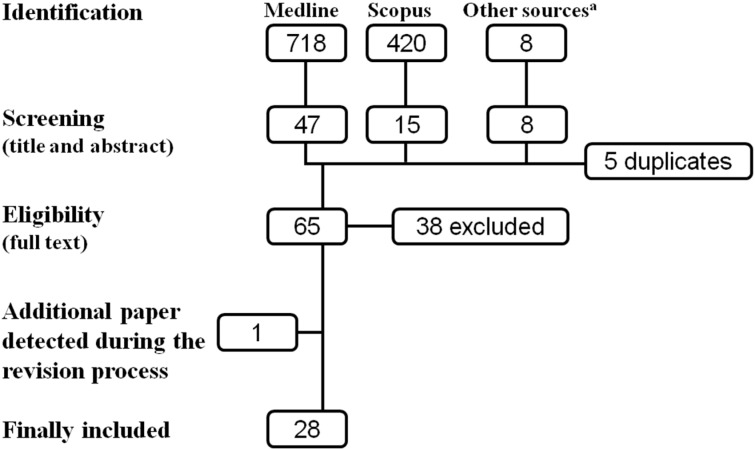
Many studies conducted during the last decade suggest the mental health benefits of green and blue spaces. We aimed to systematically review the available literature on the long-term mental health benefits of residential green and blue spaces by including studies that used standardized tools or objective measures of both the exposures and the outcomes of interest. We followed the PRISMA statement guidelines for reporting systematic reviews and meta-analysis. In total 28 studies were included in the systematic review. We found limited evidence for a causal relationship between surrounding greenness and mental health in adults, whereas the evidence was inadequate in children. The evidence was also inadequate for the other exposures evaluated (access to green spaces, quality of green spaces, and blue spaces) in both adults and children. The main limitation was the limited number of studies, together with the heterogeneity regarding exposure assessment. Given the increase in mental health problems and the current rapid urbanization worldwide, results of the present systematic review should be taken into account in future urban planning. However, further research is needed to provide more consistent evidence and more detailed information on the mechanisms and the characteristics of the green and blue spaces that promote better mental health. We provide recommendations for future studies in order to provide consistent and evidence-based recommendations for policy makers.
Overview
The claims and statistics of this paper haven’t been checked yet.
Free: it reads the open-access text and checks the first 5 claims that cite a source we can check. Create a free account to check every claim.
Integrity signals
Registry
Cites
Statistics
Figures
Verification
Claims the paper makes
The claims and statistics of this paper haven’t been checked yet.
Free: it reads the open-access text and checks the first 5 claims that cite a source we can check. Create a free account to check every claim.
Claims other papers make about this one
Each is checked against this paper’s own text: does it say what the citing paper says it does?
The cited source says what the claim attributes to it.
In the citing paper
“Although Attention Restoration Theory has been cited in relation to work with younger people (Gascon et al., 2015), there is a lack of theoretical underpinning for the development of interventions in relation to exposure to green and blue space and how this operates to impact mental health.”
From Exploring the role of exposure to green and blue spaces in preventing anxiety and depression among young people aged 14–24 years living in urban settings: A systematic review and conceptual framework (2022) · cites this paper as Gascon et al., 2015
The cited source says what the claim attributes to it.
In the citing paper
“but reviews including blue spaces do not focus on the age range of interest (Gascon et al., 2015).”
From Exploring the role of exposure to green and blue spaces in preventing anxiety and depression among young people aged 14–24 years living in urban settings: A systematic review and conceptual framework (2022) · cites this paper as Gascon et al., 2015
Self-check
Percentages, sums and reported differences re-computed from the paper’s own numbers.
The self-check needs the paper’s full text.
Citations
Cites
Preferred Reporting Items for Systematic Reviews and Meta-Analyses: the PRISMA statement
Moher, D., Liberati, A., Tetzlaff, J., Altman, D. G., & for the PRISMA Group (2009) · BMJ · doi:10.1136/bmj.b2535 · Cited by 83,823
Preferred Reporting Items for Systematic Reviews and Meta-Analyses: The PRISMA Statement
Moher, D., Liberati, A., Tetzlaff, J., & Altman, D. G. (2009) · Journal of Clinical Epidemiology · doi:10.1016/j.jclinepi.2009.06.005 · Cited by 19,575
Preferred reporting items for systematic reviews and meta-analyses: The PRISMA statement
Moher, D., Liberati, A., Tetzlaff, J., & Altman, D. G. (2010) · International Journal of Surgery · doi:10.1016/j.ijsu.2010.02.007 · Cited by 12,156
Hartig, T., Mitchell, R., de Vries, S., & Frumkin, H. (2014) · Annual Review of Public Health · doi:10.1146/annurev-publhealth-032013-182443 · Cited by 3,638 · cited 1×
“One of the main limitations to elucidate these questions is that many of the studies included in previous reviews used non-objective or non-standard tools to assess both residential green/blue spaces and mental health condition [5,9,10].”
ResultA systematic review of evidence for the added benefits to health of exposure to natural environments
Bowler, D. E., Buyung-Ali, L. M., Knight, T. M., & Pullin, A. S. (2010) · BMC Public Health · doi:10.1186/1471-2458-10-456 · Cited by 1,993 · cited 3×
“Additionally, many studies available are experimental and evaluate the short-term health effects of exposure to green/blue spaces [5,11,12] but not the health effects of long-term exposure to residential “greenness/blueness”, which is an essential information for policy makers to take appropriate decisions in urban pl…”
BackgroundResult(2012) · RePEc: Research Papers in Economics · Cited by 1,951
de Vries, S., Verheij, R. A., Groenewegen, P. P., & Spreeuwenberg, P. (2003) · Environment and Planning A: Economy and Space · doi:10.1068/a35111 · Cited by 1,258 · cited 15×
“Author (Year, Country) Study Design Age of the Study Population (Stratifications/Interactions) N Tools to Measure Mental Health Mental Health Item Greenness Data Source Surrounding Greenness Indicator Risk of Mental Health Problems Adults (or population irrespective of age) Triguero-Mas et al. 2015, Spain [14] Cross-…”
BackgroundResultInfluentialWhat are the benefits of interacting with nature?
Keniger, L., Gaston, K., Irvine, K., & Fuller, R. (2013) · International Journal of Environmental Research and Public Health · doi:10.3390/ijerph10030913 · Cited by 1,204 · cited 1×
“For instance, it could be that the use of green spaces or the mental health benefits of green spaces are influenced by their quality and characteristics [52] or by how these spaces are perceived.”
BackgroundSocial contacts as a possible mechanism behind the relation between green space and health
Maas, J., van Dillen, S. M. E., Verheij, R. A., & Groenewegen, P. P. (2009) · Health & Place · doi:10.1016/j.healthplace.2008.09.006 · Cited by 1,195 · cited 8×
“Author (Year, Country) Study Design Age of the Study Population (Stratifications/Interactions) N Tools to Measure Mental Health Mental Health Item Greenness Data Source Surrounding Greenness Indicator Risk of Mental Health Problems Adults (or population irrespective of age) Triguero-Mas et al. 2015, Spain [14] Cross-…”
BackgroundInfluentialThe relationship between nature connectedness and happiness: a meta-analysis
Capaldi, C. A., Dopko, R. L., & Zelenski, J. M. (2014) · Frontiers in Psychology · doi:10.3389/fpsyg.2014.00976 · Cited by 1,183 · cited 1×
“One of the main limitations to elucidate these questions is that many of the studies included in previous reviews used non-objective or non-standard tools to assess both residential green/blue spaces and mental health condition [5,9,10].”
Result
Cited by
Items 401–500 of 1,000
Pearson, A. L., Clevenger, K. A., Horton, T. H., Gardiner, J. C., Asana, V., Dougherty, B. V., & Pfeiffer, K. A. (2021) · International Journal of Health Geographics · doi:10.1186/s12942-021-00271-3 · Cited by 45
“, higher amounts of greenery) in low-income neighborhoods yield larger benefits, particularly for mental health [65], than those in more advantaged neighborhoods.”
BackgroundLoureiro, L. R., Verdoodt, F., Lefebvre, W., Vanpoucke, C., Casas, L., & Gadeyne, S. (2022) · Environment International · doi:10.1016/j.envint.2022.107571 · Cited by 45
Opportunities for soil sustainability in Europe
van der Putten, W. H., & Setälä, H. M. (2018) · Socio-Environmental Systems Modeling · Cited by 45
Green Space and Health in Mainland China: A Systematic Review
Rahimi‐Ardabili, H., Astell‐Burt, T., Nguyen, P., Zhang, J., Jiang, Y., Dong, G., & Feng, X. (2021) · International Journal of Environmental Research and Public Health · doi:10.3390/ijerph18189937 · Cited by 44
“Green space can be important for children and adolescents’ development [23,123].”
BackgroundTherapeutic Hospital Gardens: Literature Review and Working Definition
Nieberler-Walker, K., Desha, C., Bosman, C., Roiko, A. H., & Caldera, S. (2023) · HERD Health Environments Research & Design Journal · doi:10.1177/19375867231187154 · Cited by 46
“…2011; Ward Thompson et al., 2016), (2) improved mental health by reducing depression and enhancing mood and self-worth (Astell-Burt et al., 2014; Gascon et al., 2015; White et al., 2013), (3) better cognitive and creative function by restoring the ability to think deeply and be creative…”
BackgroundWang, S., & Li, A. (2024) · Heliyon · doi:10.1016/j.heliyon.2024.e27925 · Cited by 44
“Positive emotional changes, increased physical activities, the relief of psychological stress, and enhanced social support have all been associated with exposure to UGS [10,11].”
BackgroundIt is time to investigate integrative approaches to enhance treatment outcomes for depression?
Lopresti, A. L. (2019) · Medical Hypotheses · doi:10.1016/j.mehy.2019.03.008 · Cited by 36
“This finding was supported by a systematic review of 28 studies demonstrating a positive relationship between surrounding greenness and mental health in adults [109].”
ResultNordbø, E. C. A., Raanaas, R. K., Nordh, H., & Aamodt, G. (2020) · Health & Place · doi:10.1016/j.healthplace.2020.102360 · Cited by 44
Qiao, Y., Chen, Z., Chen, Y., & Zheng, T. (2021) · Frontiers in Public Health · doi:10.3389/fpubh.2021.561809 · Cited by 44
“First, according to restoration theory, the inherent quality of green space can enhance health or well-being; simply viewing green space can elicit positive effects (51).”
BackgroundMethodVertical distribution of antibiotic resistance genes in an urban green facade
Zhou, S., Zhang, Q., Neilson, R., Giles, M. E., Li, H., Yang, X., Su, J., & Zhu, Y. (2021) · Environment International · doi:10.1016/j.envint.2021.106502 · Cited by 44
Green roof ecosystem services in various urban development types: A case study in Graz, Austria
Hoeben, A. D., & Posch, A. (2021) · Urban forestry & urban greening · doi:10.1016/j.ufug.2021.127167 · Cited by 44
Almeida, D. Q., Barros, H., & Ribeiro, A. I. (2021) · The Science of The Total Environment · doi:10.1016/j.scitotenv.2021.151859 · Cited by 44
REA, R. (2022) · Revista de Estudios Andaluces · doi:10.12795/rea.2022.i43 · Cited by 44
Wang, Z., Cheng, H., Li, Z., & Wang, G. (2024) · Urban forestry & urban greening · doi:10.1016/j.ufug.2024.128543 · Cited by 43
Nilsson, K., Bentsen, P., Grahn, P., & Mygind, L. (2019) · Santé Publique · doi:10.3917/spub.190.0219 · Cited by 45
Tuofu, H., Qing-yun, H., Dongxiao, Y., & Xiao, O. (2021) · Frontiers in Environmental Science · doi:10.3389/fenvs.2021.696626 · Cited by 44
“Given the clear relations between the natural environment and human health (Gascon et al., 2015), numerous articles have found a positive capitalization effect of green spaces using the hedonic approach (Kong et al.”
BackgroundGreen-Blue Spaces and Population Density versus COVID-19 Cases and Deaths in Poland
Ciupa, T., & Suligowski, R. (2021) · International Journal of Environmental Research and Public Health · doi:10.3390/ijerph18126636 · Cited by 43
Giacinto, J. J., Fricker, G. A., Ritter, M. K., Yost, J., & Doremus, J. M. (2021) · PLoS ONE · doi:10.1371/journal.pone.0254973 · Cited by 43
Simulating crowding of urban green areas to manage access during lockdowns
Geneletti, D., Cortinovis, C., & Zardo, L. (2021) · Landscape and Urban Planning · doi:10.1016/j.landurbplan.2021.104319 · Cited by 43
Therapeutic Landscapes and Psychiatric Care Facilities: A Qualitative Meta-Analysis
Oeljeklaus, L., Schmid, H., Kornfeld, Z., Hornberg, C., Norra, C., Zerbe, S., & McCall, T. (2022) · International Journal of Environmental Research and Public Health · doi:10.3390/ijerph19031490 · Cited by 43
“This has been criticised before, concerning health benefits of nature in other settings and target populations [4,20,77].”
BackgroundCardinali, M., Beenackers, M. A., van Timmeren, A., & Pottgiesser, U. (2023) · Environmental Research · doi:10.1016/j.envres.2023.115893 · Cited by 43
Zhang, T., Liu, H., Lu, Y., Wang, Q., Loh, Y. C., & Li, Z. (2024) · Environmental Research · doi:10.1016/j.envres.2024.118405 · Cited by 43
Difficult Family Relationships, Residential Greenspace, and Childhood Asthma
Chen, E., Miller, G. E., Shalowitz, M. U., Story, R. E., Levine, C. S., Hayen, R., Sbihi, H., & Brauer, M. D. (2017) · PEDIATRICS · doi:10.1542/peds.2016-3056 · Cited by 43
Gislason, M., Morgan, V. S., Mitchell‐Foster, K., & Parkes, M. W. (2018) · Health & Place · doi:10.1016/j.healthplace.2018.08.024 · Cited by 42
Greenspace and Atopic Sensitization in Children and Adolescents—A Systematic Review
Lambert, K. A., Bowatte, G., Tham, R., Lodge, C. J., Prendergast, L. A., Heinrich, J., Abramson, M. J., Dharmage, S. C., & Erbas, B. (2018) · International Journal of Environmental Research and Public Health · doi:10.3390/ijerph15112539 · Cited by 40
“In the last decade, greenspace has been shown to be beneficial to human health, particularly mental health [4], birth weight [5] and cardiovascular disease and all-cause mortality [6].”
BackgroundUrban quality in the city of the future: A bibliometric multicriteria assessment model
D’Alpaos, C., & Andreolli, F. (2020) · Ecological Indicators · doi:10.1016/j.ecolind.2020.106575 · Cited by 42
“In detail, Gascon et al. (2015) investigated the existence of a bene fi cial relationship between existing green and blue spaces and mental health.”
Green space and suicide mortality in Japan: An ecological study
Jiang, W., Stickley, A., & Ueda, M. (2021) · Social Science & Medicine · doi:10.1016/j.socscimed.2021.114137 · Cited by 43
O’Regan, A. C., Hunter, R. F., & Nyhan, M. (2021) · Environmental Science & Technology · doi:10.1021/acs.est.1c01326 · Cited by 44
Beute, F., Andreucci, M. B., Lammel, A., Davies, Z. G., Glanville, J., Keune, H., Marselle, M. R., O’Brien, L., Olszewska-Guizzo, A., Remmen, R., et al. (2020) · Kent Academic Repository (University of Kent) · Cited by 43
Marx, V., & More, K. R. (2022) · Frontiers in Psychology · doi:10.3389/fpsyg.2022.817803 · Cited by 42
Ghasemi, K., Behzadfar, M., Borhani, K., & Nouri, Z. (2022) · Ecological Indicators · doi:10.1016/j.ecolind.2022.109455 · Cited by 43
Musculoskeletal disorders and level of physical activity in welders
Weyh, C., Pilat, C., & Krüger, K. (2020) · Occupational Medicine · doi:10.1093/occmed/kqaa169 · Cited by 42
Qiu, M., Sha, J., & Utomo, S. B. (2020) · Sustainability · doi:10.3390/su13010293 · Cited by 43
“Longitudinal studies through the panel data would assist in investigating the impact of the perceived restorative capacity of natural soundscapes on mental health and well-being [67].”
BackgroundTrammell, J. P., & Aguilar, S. C. (2021) · Frontiers in Psychology · doi:10.3389/fpsyg.2020.575245 · Cited by 44
Zhang, C., Wang, C., Chen, C., Tao, L., Jin, J., Wang, Z., & Jia, B. (2021) · Environmental Research · doi:10.1016/j.envres.2021.111795 · Cited by 42
Exploring the beliefs and perceptions of spending time in nature among U.S. youth
Zamora, A. N., Waselewski, M. E., Frank, A., Nawrocki, J. R., Hanson, A., & Chang, T. (2021) · BMC Public Health · doi:10.1186/s12889-021-11622-x · Cited by 41
“, outdoor environments that feature water and are accessible either proximally or distally/virtually) and mental and physical health [18].”
BackgroundAn Exploration of Psychosocial Pathways of Parks’ Effects on Health: A Qualitative Study
Swierad, E., & Huang, T. T. ‐. (2018) · International Journal of Environmental Research and Public Health · doi:10.3390/ijerph15081693 · Cited by 41
“Moreover, urban green space protects people from the detrimental effects of stress on their health [15,16] by decreasing heart rate, muscle tension, skin conductance, blood pressure, and inflammatory markers [17].”
BackgroundWeeland, J., Laceulle, O. M., Nederhof, E., Overbeek, G. J., & Reijneveld, S. A. (2019) · Health & Place · doi:10.1016/j.healthplace.2019.102163 · Cited by 41
“that high “neighborhood greenness” (overall vegetation of, and/or access to public natural areas such as parks, in the residential area) is associated with better mental health outcomes in general (Gascon et al., 2015), and with less externalizing problems (maladaptive behaviors”
BackgroundDas, M., Das, A., & Pereira, P. A. D. S. (2024) · Urban Climate · doi:10.1016/j.uclim.2024.101818 · Cited by 40
Current methodologies of greenspace exposure and mental health research—a scoping review
Freymüller, J., Schmid, H., Senkler, B., Lumbi, S. L., Zerbe, S., Hornberg, C., & McCall, T. (2024) · Frontiers in Public Health · doi:10.3389/fpubh.2024.1360134 · Cited by 40
Human health and sustainable forest management
Marušáková, Ľ., Sallmannshofer, M., Kašpar, J., Schwarz, M., Tyrväinen, L., & Bauer, N. (2019) · DORA WSL (Swiss Federal Institute for Forest, Snow and Landscape Research) · Cited by 40
Anthun, K. S., Maass, R. E. K., Hope, S., Espnes, G. A., Bell, R., Khan, M., & Lillefjell, M. (2019) · International Journal of Environmental Research and Public Health · doi:10.3390/ijerph16245015 · Cited by 42
Li, R., Chen, G., Jiao, A., Lu, Y., Guo, Y., Li, S., Wang, C., & Xiang, H. (2021) · Toxics · doi:10.3390/toxics9010011 · Cited by 42
“In addition, due to the lack of high-quality residential exposure data and detailed baseline population information, certain potential confounding factors have not been controlled in previous studies [24,25].”
Hooyberg, A., Michels, N., Allaert, J., Vandegehuchte, M., Everaert, G., Henauw, S. D., & Roose, H. (2022) · Landscape and Urban Planning · doi:10.1016/j.landurbplan.2022.104551 · Cited by 40
Planetary Health and Mental Health Nexus: Benefit of Environmental Management
Kumar, P., Brander, L., Kumar, M., & Cuijpers, P. J. (2023) · Annals of Global Health · doi:10.5334/aogh.4079 · Cited by 39
Shrestha, T., Chi, C. V. Y., Cassarino, M., Foley, S., & Blasi, Z. D. (2025) · Environment International · doi:10.1016/j.envint.2024.109217 · Cited by 40
The restorative potential of coastal walks and implications of sound
Nicolosi, V., Wilson, J. D., Yoshino, A., & Viren, P. P. (2020) · Journal of Leisure Research · doi:10.1080/00222216.2020.1741329 · Cited by 39
Schmid, H., & Säumel, I. (2021) · Urban forestry & urban greening · doi:10.1016/j.ufug.2021.127231 · Cited by 40
The Role of Blue and Green Exercise in Planetary Health and Well-Being
Loureiro, N., Calmeiro, L., Marques, A., Gómez‐Baya, D., & de Matos, M. G. (2021) · Sustainability · doi:10.3390/su131910829 · Cited by 39
“In this paper, we will discuss exercise as a form of physical activity performed to increase fitness, health, and well‐being [8], and examine the concepts of “green” and “blue” exercise [3,9], connecting the aim of being fit with the protection and sustainability of natural (green and blue) scenarios.”
BackgroundRusso, A. (2024) · Sustainability · doi:10.3390/su16135751 · Cited by 39
Carver, A., Lorenzon, A., Veitch, J., Macleod, A., & Sugiyama, T. (2018) · Aging & Mental Health · doi:10.1080/13607863.2018.1516193 · Cited by 38
Weimann, H., Björk, J., & Håkansson, C. (2019) · International Journal of Environmental Research and Public Health · doi:10.3390/ijerph16142464 · Cited by 42
Is living near green areas beneficial to mental health? Results of the Pró-Saúde Study
Barreto, P. A., Lopes, C. D. S., da Silveira, I. H., Faerstein, E., & Junger, W. L. (2019) · Revista de Saúde Pública · doi:10.11606/s1518-8787.2019053001008 · Cited by 40
Globalization and Neoliberalism: Structural Determinants of Global Mental Health?
Roberts, M. T. (2020) · Humanity & Society · doi:10.1177/0160597620951949 · Cited by 39
Are actual and perceived environmental conditions associated with variation in mental health?
Gomm, S., & Bernauer, T. (2023) · Environmental Research · doi:10.1016/j.envres.2023.115398 · Cited by 38
Huang, B., Liu, Y., Feng, Z., Pearce, J. R., Wang, R., Zhang, Y., & Chen, J. (2019) · International Journal for Equity in Health · doi:10.1186/s12939-019-1081-4 · Cited by 38
Hossain, M. M., Sultana, A., Ma, P., Fan, Q., Sharma, R., Purohit, N., & Sharmin, D. F. (2020) · PsyArXiv (OSF Preprints) · doi:10.31234/osf.io/4r3mh · Cited by 38
Uneven Distribution of Urban Green Spaces in Relation to Marginalization in Mexico City
Ayala-Azcárraga, C., Díaz, D., Fernández, T., Córdova‐Tapia, F., & Zambrano, L. (2023) · Sustainability · doi:10.3390/su151612652 · Cited by 37
“Vegetation promotes physical activity, mitigates stress levels, and contributes to mitigating mental exhaustion, depression, decreased productivity, reduced irritability, and the potential for aggressive or hostile actions [22,28].”
BackgroundCities, biodiversity and health: we need healthy urban microbiome initiatives
Flies, E. J., Skelly, C., Lovell, R., Breed, M. F., Phillips, D. R., & Weinstein, P. (2018) · Cities & Health · doi:10.1080/23748834.2018.1546641 · Cited by 38
“The strongest evidence is perhaps for green space positively impacting mental health and wellbeing, including reductions in stress, fatigue, anxiety and rates of depression (Gascon et al. 2015).”
BackgroundRugel, E. J., & Brauer, M. D. (2020) · Environmental Research · doi:10.1016/j.envres.2020.109388 · Cited by 38
Maharja, C., Praptiwi, R. A., Roberts, B. R., Morrissey, K., White, M. P., Sari, N. M., Cholifatullah, F., Sugardjito, J., & Fleming, L. E. (2022) · Journal of Outdoor Recreation and Tourism · doi:10.1016/j.jort.2022.100584 · Cited by 37
The significance of green spaces for protecting health of urban population
Revich, B. A. (2023) · Health Risk Analysis · doi:10.21668/health.risk/2023.2.17 · Cited by 39
Long-term exposure to greenspace and anxiety from preschool and primary school children
de la Osa, N., Navarro, J. B., Penelo, E., Valentí, A., Ezpeleta, L., & Dadvand, P. (2023) · Journal of Environmental Psychology · doi:10.1016/j.jenvp.2023.102207 · Cited by 37
Self-citationIdentifying critical green structure characteristics for reducing the suicide rate
Shen, Y.-S., & Lung, S. C. (2018) · Urban forestry & urban greening · doi:10.1016/j.ufug.2018.06.005 · Cited by 36
Hobbs, M., Kingham, S., Wiki, J., Marek, L., & Campbell, M. H. (2021) · Preventive Medicine · doi:10.1016/j.ypmed.2020.106416 · Cited by 37
Hassen, N. (2021) · Health Promotion International · doi:10.1093/heapro/daab128 · Cited by 36
“Migration and settlement patterns have resulted in ‘spatial distinctions, where separate racialized inner-city ghettos exist in contrast to predominantly white suburban areas’ (Gosine and Teelucksingh, 2008: 49).”
BackgroundBereziartua, A., Chen, J., de Hoogh, K., Rodopoulou, S., Andersen, Z. J., Bellander, T., Brandt, J. G., Fecht, D., Forastiere, F., Gulliver, J., et al. (2022) · Environment International · doi:10.1016/j.envint.2022.107341 · Cited by 37
Zhang, H., Nijhuis, S., & Newton, C. (2022) · Environmental Impact Assessment Review · doi:10.1016/j.eiar.2022.106859 · Cited by 35
Greenspaces and Health: Scoping Review of studies in Europe
Banwell, N., Michel, S., & Senn, N. (2024) · Public health reviews · doi:10.3389/phrs.2024.1606863 · Cited by 36
Iungman, T., Ventura, S., Segura, R., Cirach, M., Mueller, N., Daher, C., Villalba, G., Barboza, E. P., & Nieuwenhuijsen, M. J. (2025) · Environment International · doi:10.1016/j.envint.2025.109313 · Cited by 35
Self-citationCoping with post-hurricane mental distress: The role of neighborhood green space
Li, D., Newman, G., Zhang, T., Zhu, R., & Horney, J. A. (2021) · Social Science & Medicine · doi:10.1016/j.socscimed.2021.114084 · Cited by 36
“The role of neighborhood greenness Over the past decade, a growing body of research has identified mental health benefits of green space, including positive mood, less stress and anxiety, less aggression, and improved life satisfaction and psychological well-being (Bratman et al., 2012; Craig and Prescott, 2017; Gasco…”
BackgroundLoureiro, L. R., Casas, L., Bauwelinck, M., Lefebvre, W., Vanpoucke, C., Vanroelen, C., & Gadeyne, S. (2021) · Health & Place · doi:10.1016/j.healthplace.2021.102603 · Cited by 35
Huang, L., Said, R., Goh, H. C., & Cao, Y. (2023) · International Journal of Environmental Research and Public Health · doi:10.3390/ijerph20042968 · Cited by 35
“Given that a review of the current literature informs a comprehensive understanding of the effect of the residential environment on migrants’ health and well-being and analyses the limitations of and future research directions in this field, the study adopted a similar three-stage methodological approach following PRI…”
MethodDíaz-Martínez, F., Sánchez-Sauco, M. F., Cabrera-Rivera, L. T., Sánchez, C. O., Hidalgo-Albadalejo, M. D., Cláudio, L., & Ortega-García, J. A. (2023) · International Journal of Environmental Research and Public Health · doi:10.3390/ijerph20053958 · Cited by 35
“Some studies following this trend have found changes in salivary cortisol and an increase in cellular and humoral immunity related to the natural killer cells (NK) [59,60]; (b) intrinsic qualities of green and blue spaces that improve health or well-being (restoration theory) and that have a direct or indirect effect,…”
BackgroundMirsafa, M., Castaldo, A. G., & de Oliveira, F. L. (2025) · Environment Development and Sustainability · doi:10.1007/s10668-025-06256-7 · Cited by 34
Cassarino, M., Tuohy, E., & Setti, A. (2019) · Experimental Aging Research · doi:10.1080/0361073x.2019.1627497 · Cited by 34
“…indicates that exposure to nature can have salutogenic effects on both physical and cognitive health (Berto, 2014; Beute & de Kort, 2014; Bratman, Hamilton, & Daily, 2012; de Keijzer, Gascon, Nieuwenhuijsen, & Dadvand, 2016; Gascon et al., 2015; Ohly et al., 2016; van Den Bosch & Ode Sang, 2017).”
BackgroundKarasch, O., Schmitz-Buhl, M., Mennicken, R., Zielasek, J., & Gouzoulis‐Mayfrank, E. (2020) · BMC Psychiatry · doi:10.1186/s12888-020-02803-w · Cited by 35
Place-Keeping for Health? Charting the Challenges for Urban Park Management in Practice
Nam, J., & Dempsey, N. (2019) · Sustainability · doi:10.3390/su11164383 · Cited by 34
“As we have already outlined, there is a potential for green spaces to be considered active and positive places for young people to develop healthy physical activities [93], mental health [94], and social relationships [95], as well as an overall health-related quality of life [96].”
BackgroundResidential green space and seasonal distress in a cohort of tree pollen allergy patients
Aerts, R., Stas, M., Vanlessen, N., Hendrickx, M., Bruffaerts, N., Hoebeke, L., Dendoncker, N., Dujardin, S., Saenen, N. D., Nieuwenhuyse, A. V., et al. (2019) · International Journal of Hygiene and Environmental Health · doi:10.1016/j.ijheh.2019.10.004 · Cited by 36
Hammoud, R., Tognin, S., Smythe, M., Gibbons, J., Davidson, N., Bakolis, I., & Mechelli, A. (2024) · Scientific Reports · doi:10.1038/s41598-024-55940-7 · Cited by 34
Sunken courtyards as educational environments: Occupant's perception and environmental satisfaction
Tafti, F. A., Rezaeian, M., & Razavi, S. Z. E. (2018) · Tunnelling and Underground Space Technology · doi:10.1016/j.tust.2018.04.023 · Cited by 33
Schoner, J. E., Chapman, J., Brookes, A. F., MacLeod, K. E., Fox, E. H., Iroz‐Elardo, N., & Frank, L. D. (2018) · Journal of Transport & Health · doi:10.1016/j.jth.2018.04.008 · Cited by 34
Neighbourhood greenness and income of occupants in four German areas: GINIplus and LISAplus
Markevych, I., Maier, W., Fuertes, E., Lehmann, I., Berg, A. V., Bauer, C., Koletzko, S., Berdel, D., Sugiri, D., Standl, M., et al. (2016) · Urban forestry & urban greening · doi:10.1016/j.ufug.2016.11.011 · Cited by 32
Buffoli, M., Rebecchi, A., Gola, M., Favotto, A., Procopio, G. P., & Capolongo, S. (2018) · Green energy and technology · doi:10.1007/978-3-319-78271-3_36 · Cited by 31
Urban environment and mental health: the NAMED project, protocol for a mixed-method study
Lauwers, L., Trabelsi, S., Pelgrims, I., Bastiaens, H., Clercq, E. M. D., Guilbert, A., Guyot, M., Leone, M., Nawrot, T. S., Nieuwenhuyse, A. V., et al. (2020) · BMJ Open · doi:10.1136/bmjopen-2019-031963 · Cited by 32
Impact of greenspace exposure on residents’ mental health: A case study of Nanjing City
Zhixuan, L. I., He, Z., Zhang, Y., Shuangshuang, J. I. N., Xuemei, W. A. N. G., Zhu, J., & Shicen, L. I. U. (2020) · 地理科学进展 · doi:10.18306/dlkxjz.2020.05.007 · Cited by 31
Godara, M., Silveira, S., Matthaeus, H., & Singer, T. (2022) · Adversity and Resilience Science · doi:10.1007/s42844-022-00069-7 · Cited by 32
Tree Canopy Cover Is Best Associated with Perceptions of Greenspace: A Short Communication
Mazumdar, S., Dunshea, A., Chong, S., & Jalaludin, B. B. (2020) · International Journal of Environmental Research and Public Health · doi:10.3390/ijerph17186501 · Cited by 31
“A recent systematic review on mental health and greenspace found that a quarter of studies utilized buffers between 100 m to 800 m, or census geographies [20].”
BackgroundLorenzi, C., Apoux, F., Grinfeder, E., Krause, B. L., Miller, N., & Sueur, J. (2023) · Trends in Hearing · doi:10.1177/23312165231212032 · Cited by 31
“…(rivers, lakes, coastal water) has been suggested to contribute to quality of life for city dwellers, although the evidence is limited because of the insuf fi cient number of studies and heterogeneity of exposure assessment (for critical reviews, see Gascon et al., 2015, and Erfanian et al., 2019).”
BackgroundHow Does Nature Exposure Affect Adults With Symptoms of Mental Illness? A Meta‐Analysis
Bettmann, J. E., Speelman, E. A., Blumenthal, E., Couch, S., & McArthur, T. (2024) · International Journal of Mental Health Nursing · doi:10.1111/inm.13400 · Cited by 31
Huang, Y., Lin, T., Zhang, G., Zhu, Y., Zeng, Z., & Ye, H. (2021) · Big Earth Data · doi:10.1080/20964471.2021.1939990 · Cited by 30
“people’s physical and psychological health (Carter and Horwitz, 2014; Gascon et al., 2015), which is essential to the improvement of human well-being.”
BackgroundSocial equity in shore-based fisheries: Identifying and understanding barriers to access
Furman, K. L., Harlan, S. L., Barbieri, L. R., & Scyphers, S. B. (2022) · Marine Policy · doi:10.1016/j.marpol.2022.105355 · Cited by 30
McCartan, C. J., Davidson, G., Bradley, L., Greer, K., Knifton, L., Mulholland, A., Webb, P., & White, C. (2023) · Health Expectations · doi:10.1111/hex.13773 · Cited by 30
Amegah, A. K., Yeboah, K., Owusu, V., Afriyie, L. T., Kyere-Gyeabour, E., Appiah, D. C., Osei-Kufuor, P., Annim, S. K., Agyei‐Mensah, S., & Mudu, P. (2023) · PLoS ONE · doi:10.1371/journal.pone.0286332 · Cited by 30
Mental wellbeing in the Anthropocene: Socio-ecological approaches to capability enhancement
White, R. G. (2018) · Transcultural Psychiatry · doi:10.1177/1363461518786559 · Cited by 30
“A systematic review conducted by Gascon et al. (2015) synthesized 28 studies that investigated the impact that green (vegetation, including grass, parks and forests) and blue (water surfaces, including lakes and rivers) spaces can have on mental health.”
BackgroundPicton, C., Fernandez, R. S., Moxham, L. J., & Patterson, C. (2019) · The JBI Database of Systematic Reviews and Implementation Reports · doi:10.11124/jbisrir-d-19-00046 · Cited by 30
Governance conditions to overcome the challenges of realizing safe urban bathing water sites
Wuijts, S., Friederichs, L., Hin, J., Schets, F. M., van Rijswick, H. F. M. W., & Driessen, P. (2020) · International Journal of Water Resources Development · doi:10.1080/07900627.2020.1755617 · Cited by 30
“…benefits of urban blue spaces (including coasts, rivers and lakes, as well as canals and water features) for physical health and well-being are opportunities for physical exercise and a healthier lifestyle, as well as social interactions and stress relief (Björk et al., 2008; Gascon et al., 2015).”
BackgroundAssociation of greenspace exposure with telomere length in preschool children
Miri, M., de Prado-Bert, P., Alahabadi, A., Najafi, M. L., Rad, A., Moslem, A., Aval, H. E., Ehrampoush, M. H., Bustamante, M., Sakhvidi, M. J. Z., et al. (2020) · Environmental Pollution · doi:10.1016/j.envpol.2020.115228 · Cited by 30
Self-citationKadić, A., Maljković, B., Rogulj, K., & Kilić, J. (2025) · Sustainability · doi:10.3390/su17094178 · Cited by 30
Fang, Y., Que, Q., Tu, R., Liu, Y., & Gao, W. (2021) · Building and Environment · doi:10.1016/j.buildenv.2021.108336 · Cited by 29
Metadata
- Authors
- Gascon, M., Triguero-Mas, M., Martínez, D., Dadvand, P., Forns, J., Plasència, A., & Nieuwenhuijsen, M.
- Affiliations
- ISGlobal, Barcelona Ctr. Int. Health Res. (CRESIB), Hospital Clínic-Universitat de Barcelona, Barcelona 08036, Spain
- Parc de Recerca Biomèdica de Barcelona (PRBB), Centre for Research in Environmental Epidemiology (CREAL). Doctor Aiguader, 88, 08003 Barcelona, Catalonia, Spain
- Barcelona Biomedical Research Park (ES)
- Norwegian Institute of Public Health (NO)
- Hospital Clínic de Barcelona (ES)
- Venue
- International Journal of Environmental Research and Public Health
- Publisher
- MDPI AG
- Published
- 2015-04-22
- Volume
- 12
- Issue
- 4
- Pages
- 4354-4379
- ISSN
- 1660-4601 (ISSN-L)
- PMC
- PMC4410252
- OpenAlex
- W2128386614
- Cited by
- 1,171
- References
- 64
- Citations by year
- 2026: 113 · 2025: 139 · 2024: 136 · 2023: 128 · 2022: 118 · 2021: 153 · 2020: 107 · 2019: 114 · 2018: 79 · 2017: 56 · 2016: 26 · 2015: 2
- FWCI
- 5.14
- Type
- journal article
- Language
- en
- Open access
- gold
- dx.doi.org
- Licence
- Locations
- International Journal of Environmental Research and Public Health (publishedVersion, cc-by)
- Europe PMC (PubMed Central) (publishedVersion, cc-by)
- PubMed Central (publishedVersion, cc-by)
- PubMed (publishedVersion)
- Dipòsit Digital de la Universitat de Barcelona (Universitat de Barcelona) (publishedVersion, cc-by)
- Research Bank (Australian Catholic University) (submittedVersion, cc-by)
- RePEc: Research Papers in Economics (submittedVersion)
- DOAJ (DOAJ: Directory of Open Access Journals) (submittedVersion, cc-by-sa)
- RECERCAT (Consorci de Serveis Universitaris de Catalunya) (submittedVersion, cc-by)
- Funders
- Secretariat for Universities and Research of the Ministry Economy and Knowledge of the Government of Catalonia (SUR), the Agency for Management of University and Research Grants (AGAUR) and the CERCA Institute (SUMA 2013)
- Spanish Ministry of Economy and Competitiveness (RYC-2012-10995)
- Catalan Government (AGAUR FI-DGR-2013)
- Topics
- Social Sciences › Urban Studies › Urban Green Space and Health
- Social Sciences › Sociology and Political Science › Environmental Justice and Health Disparities
- Physical Sciences › Environmental Science › Management, Monitoring, Policy and Law › Urban Arborization and Environmental Studies
- Keywords
- mental health, residential green space, blue spaces, long-term exposure, vegetation greenness, green space accessibility, green space quality, child mental health, urban planning, urbanization, environmental exposure assessment
- MeSH terms
- Environment, Humans, Mental Health, Urban Health
About these checks
Registry, retraction, Cites and statistics results are computed, not judged, with one exception: a printed reference that no index lists is read once by a model before it counts as a citation error. Claims are extracted by a model and kept only when their quote appears verbatim in the text; each cited source is then checked, with a model’s help, for whether it says what the claim relies on. Those verdicts can be wrong — read the claim’s quote and the cited source before relying on one.
Statistics and arithmetic are recomputed, not judged.
Confidence bands are shown only for fields calibrated on our annotated test set. None is calibrated yet, so no band is shown.
What counts as a claim ›How we measure confidence ›How we check this ›
Are you an author, or do you see a problem with this page? Request a review
Data sources
Bibliographic data: Semantic Scholar, OpenAlex, Crossref.
Contains information from the Semantic Scholar Academic Graph Datasets, made available under the ODC Attribution License (ODC-BY 1.0).
Semantic Scholar’s data is described in: Kinney, R., et al. (2023). The Semantic Scholar Open Data Platform. arXiv:2301.10140.
