

Focus on UV-Induced DNA Damage and Repair—Disease Relevance and Protective Strategies
Open accessThe DOI matches its Crossref record; 187 of the 193 references it cites were found in a registry or an index; 110 of the 356 sources its claims cite were checked for support.
Abstract
The protective ozone layer is continually depleting due to the release of deteriorating environmental pollutants. The diminished ozone layer contributes to excessive exposure of cells to ultraviolet (UV) radiation. This leads to various cellular responses utilized to restore the homeostasis of exposed cells. DNA is the primary chromophore of the cells that absorbs sunlight energy. Exposure of genomic DNA to UV light leads to the formation of multitude of types of damage (depending on wavelength and exposure time) that are removed by effectively working repair pathways. The aim of this review is to summarize current knowledge considering cellular response to UV radiation with special focus on DNA damage and repair and to give a comprehensive insight for new researchers in this field. We also highlight most important future prospects considering application of the progressing knowledge of UV response for the clinical control of diverse pathologies.
Overview
CoChat Summary
TL;DR
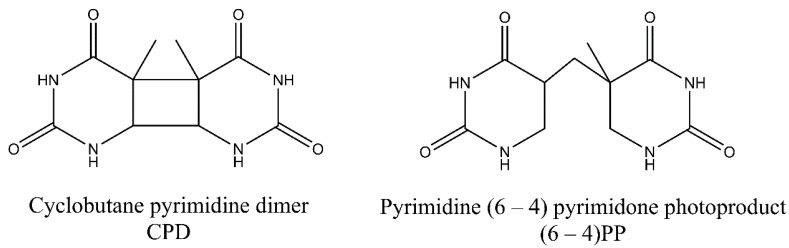
This review summarizes UV-induced DNA damage—mainly cyclobutane-pyrimidine dimers (CPDs) and 6-4 photoproducts (6-4PPs)—and the cellular DNA damage response, repair pathways, disease relevance, and protective strategies. It emphasizes that CPDs are major cytotoxic and mutagenic lesions, that humans rely on nucleotide excision repair (NER), and that repair defects underlie diseases such as xeroderma pigmentosum and skin cancers.
Key findings
- UV radiation predominantly forms CPDs and 6-4PPs, with CPDs considered the main cytotoxic lesions and major contributors to UV-induced mutagenesis and carcinogenesis; in mouse cell lines, CPDs accounted for nearly 80% of UV-B-induced mutations.
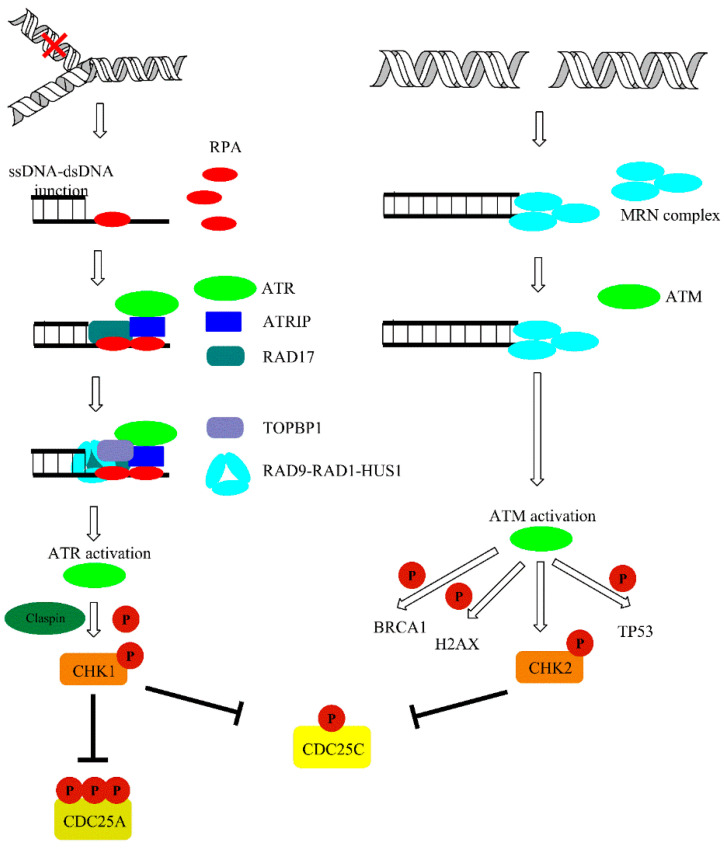
- The DNA damage response involves ATM, ATR, DNA-PKcs, PARPs, and cell-cycle checkpoints; one study identified 216 SQ/TQ sites phosphorylated in UV-damaged cells, with 39 additional sites more highly phosphorylated in ATR-wild type versus ATR-deficient cells, totaling 231 ATR-dependent or ATR/both-dependent SQ/TQ sites.
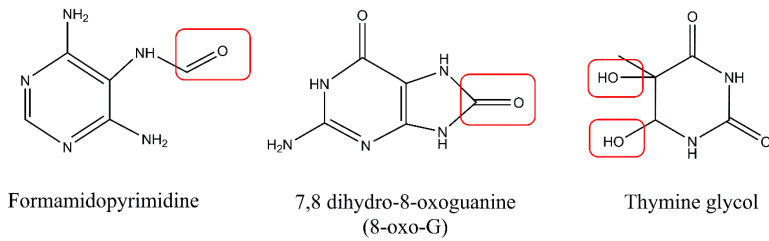
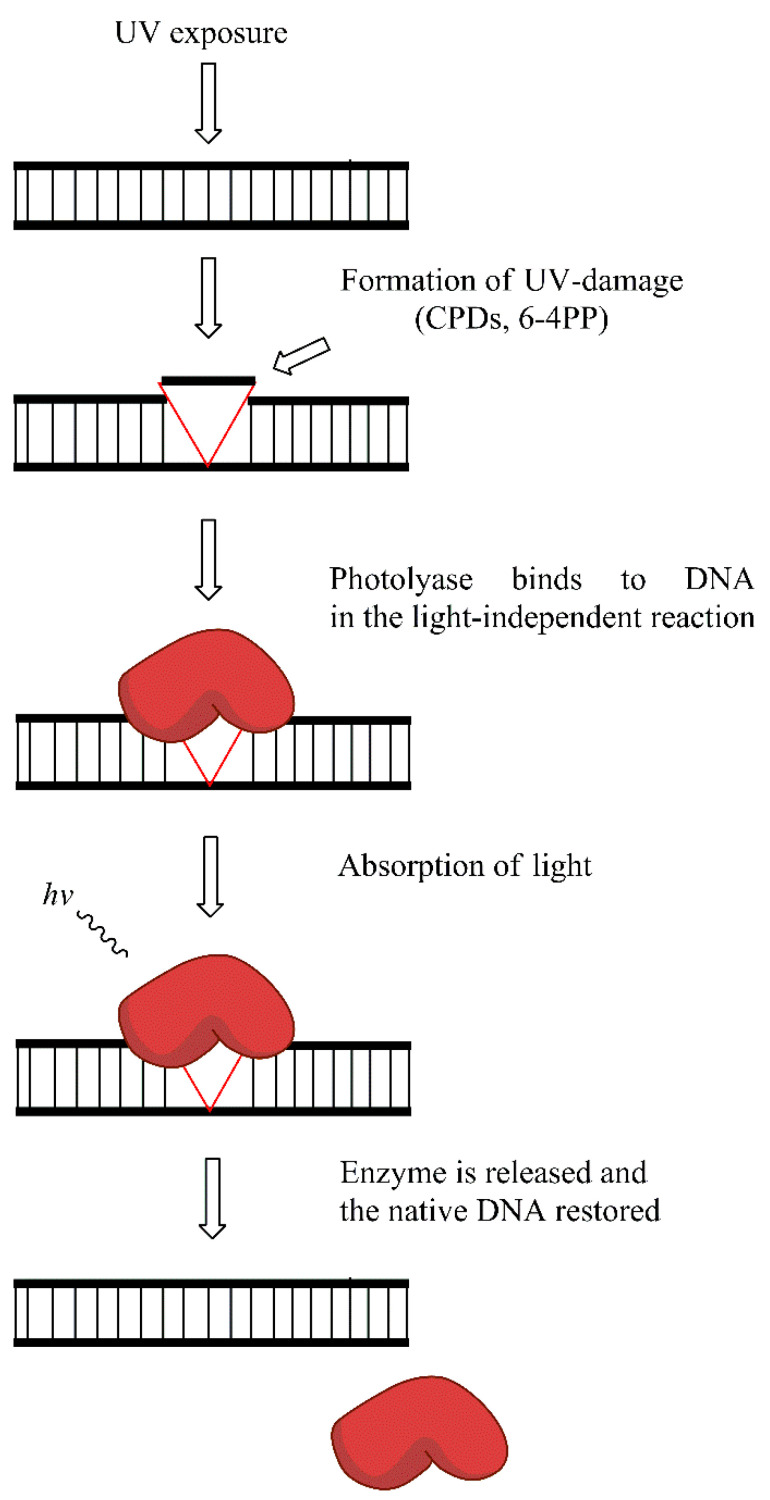
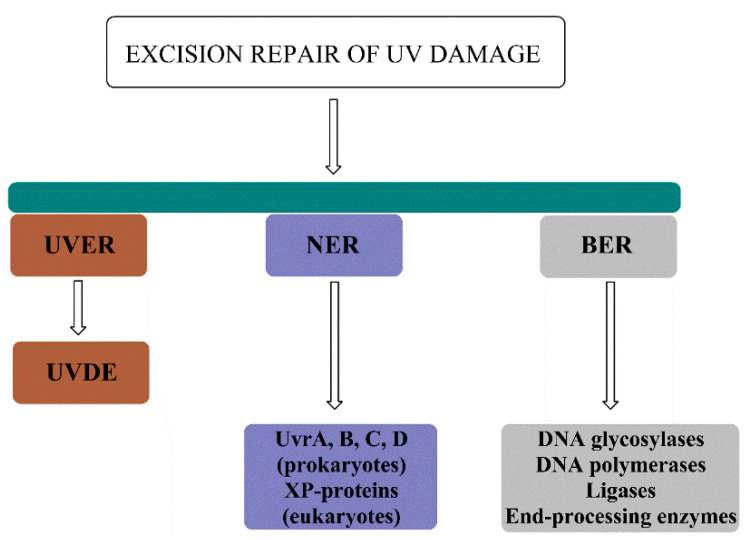
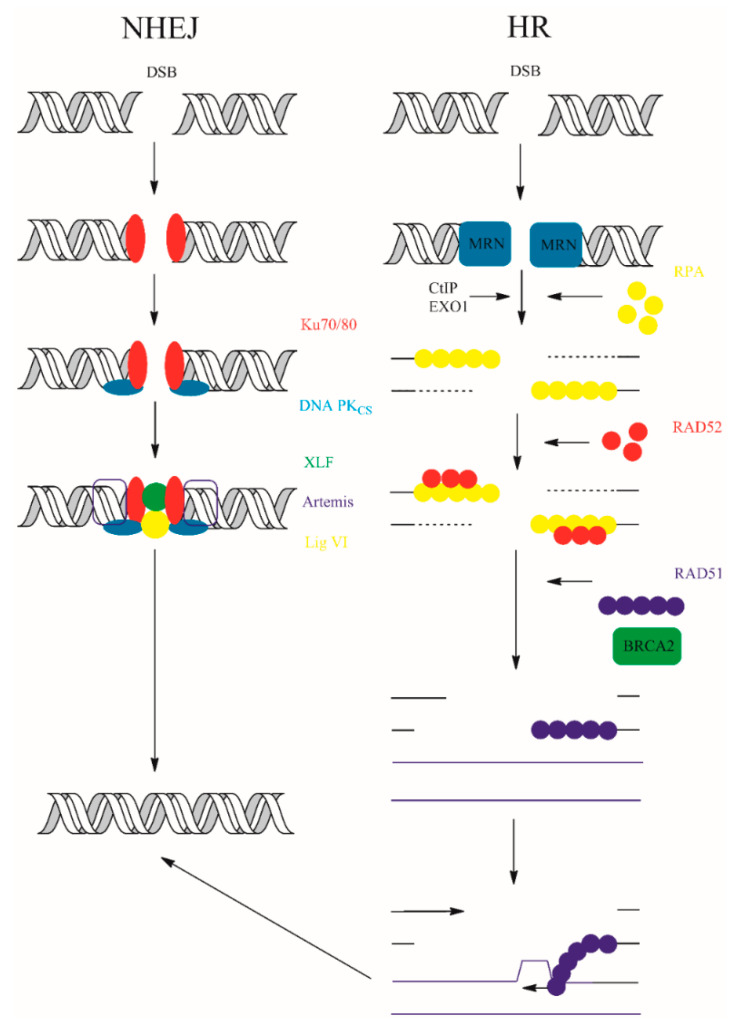
- Humans lack photolyase and repair dipyrimidine lesions mainly by NER, which releases a 25–32-nt damaged fragment; BER handles ROS-induced base damage, DSBs are repaired by HR/NHEJ, and TLS provides mutagenic bypass. Mitochondria lack NER, and UVR causes approximately a 10-fold higher mutation load in mtDNA than nuclear DNA.
- NER defects cause xeroderma pigmentosum (XP), Cockayne syndrome, trichothiodystrophy, UV-sensitive syndrome, and cerebro-oculo-facioskeletal syndrome; XP patients with defective XPC or XPE genes have >1000 times higher cancer incidence, and excessive UV exposure is linked to basal cell carcinoma, squamous cell carcinoma, and malignant melanoma.
Methods
- Narrative review aiming to summarize current knowledge on cellular responses to UV radiation, with special focus on DNA damage and repair, disease relevance, and protective strategies.
- No primary experimental data are reported; the paper synthesizes cited literature and includes figures and tables, such as comparisons of NER components, DSB repair mechanisms, and NER-related diseases.
- Main analysis is qualitative synthesis of molecular mechanisms, signaling pathways, repair pathways, and clinical associations; no systematic search strategy or meta-analysis is described.
Limitations
- Stated: many questions remain unanswered about topical DNA repair enzymes, including whether they work, penetrate skin, repair DNA, lower skin cancer incidence, act preventatively or repair past damage, and affect photoaging; sunscreen safety with natural antioxidants needs elucidation; standardized/unified testing methods for UV effects on skin are needed; and the extent to which ROS and chromatin factors influence UV damage remains to be elucidated.
- Evident: as a narrative review, it lacks a systematic search and inclusion criteria, does not quantitatively pool evidence, and relies on cited studies rather than primary data.
Model-written summary. Check it against the paper before relying on it.
Integrity signals
Registry
Cites
Statistics
Figures
Verification
Claims the paper makes
52 Valid · 0 Not valid · 129 Not checked · 16 Own results and interpretations
Every source the paper cites for this claim was checked and supports it.
In the paper
“Furthermore, the study confirmed 39 sites more highly phosphorylated in UV-damaged ATR-wild type cells compared UV-damaged ATR-deficient cells.”
§ Focus on UV-Induced DNA Damage and Repair—Disease Relevance and Protective Strategies > 7. Cellular Response to UV Radiation > 7.3. Canonical DNA Damage Response and UV Radiation
What the sources say
- Supportedcites [70] Stokes M. Comb M. A wide-ranging cellular response to UV damage of DNA Cell Cycle 2008 7 2097 2099 10.4161/cc.7.14.6326 18635954 source
The Results and Discussion section (p. 1 of our copy) states plainly that comparing phosphopeptide levels between ATR-wild type and ATR-deficient cell lines after UV damage 'resulted in 39 sites more highly phosphorylated in UV damaged ATR-wild type cells than UV damaged ATR-deficient cells' — matching the claim's number, direction and comparison. The only softness is the verb 'confirmed': the paper's explicit validation steps (SILAC, IP-Western) are described as confirming differential phosphorylation of 'a number of these sites', while the 39 arise from label-free quantitation; this is a wording difference, not a substantive one. (LLM, conf=0.88)
plainstates a cause- Asserted: passes — The authors put it forward as true.
- Checkable: passes — It can be checked against evidence.
- Load-bearing: unclear — It is unclear whether the paper’s conclusions depend on it.
- Based: passes — The paper gives a reason why it holds.
- Supported
Every source the paper cites for this claim was checked and supports it.
In the paper
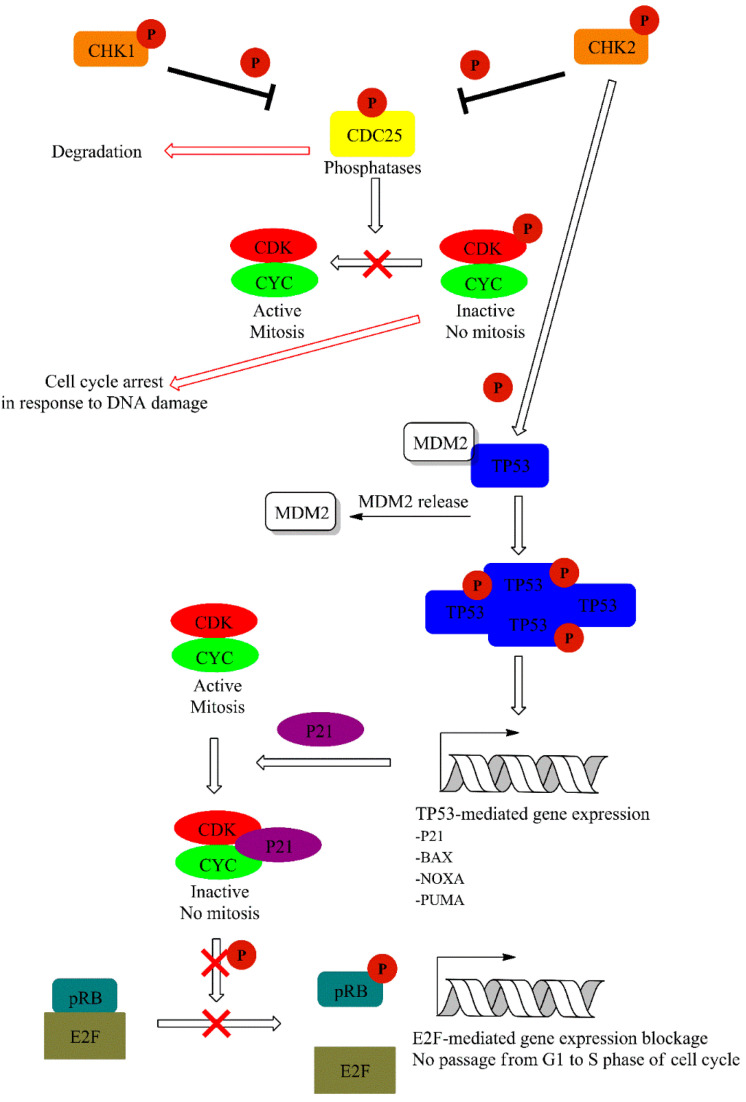
“The damage response to UV radiation involved multiple versatile proteins including those involved in cell cycle progression, chromatin binding, transcriptional regulation, DNA repair, and many other functions considered not typical for the damage response [70].”
§ Focus on UV-Induced DNA Damage and Repair—Disease Relevance and Protective Strategies > 7. Cellular Response to UV Radiation > 7.3. Canonical DNA Damage Response and UV Radiation
What the sources say
- Supportedcites [70] Stokes M. Comb M. A wide-ranging cellular response to UV damage of DNA Cell Cycle 2008 7 2097 2099 10.4161/cc.7.14.6326 18635954 source
The Results and Discussion passage states that the 231 UV-inducible/ATR-dependent SQ/TQ sites spanned 22 protein classes, with increases in expected classes such as cell cycle proteins, chromatin/DNA binding, DNA repair, DNA replication and transcriptional regulators, plus classes 'not previously appreciated to be involved in ATM/R-mediated DNA damage signaling' (cytoskeletal, nuclear envelope). The Abstract (and Table 1, listing e.g. Cell cycle regulation 13, Chromatin/DNA-binding/-repair/-replication 43, Transcriptional regulator 36) reinforces that the DDR affects a much wider range of cellular processes than previously appreciated. This matches the claim's paraphrase, including the 'other functions not typical for the damage response' element. (LLM, conf=0.90)
plainstates an association- Asserted: passes — The authors put it forward as true.
- Checkable: passes — It can be checked against evidence.
- Load-bearing: unclear — It is unclear whether the paper’s conclusions depend on it.
- Based: passes — The paper gives a reason why it holds.
- Supported
Every source the paper cites for this claim was checked and supports it.
In the paper
“ATM and ATR phosphorylate serine or threonine residues in the context of glutamine at the +1 position (the SQ/TQ motif).”
§ Focus on UV-Induced DNA Damage and Repair—Disease Relevance and Protective Strategies > 7. Cellular Response to UV Radiation > 7.3. Canonical DNA Damage Response and UV Radiation
What the sources say
- Supportedcites [70] Stokes M. Comb M. A wide-ranging cellular response to UV damage of DNA Cell Cycle 2008 7 2097 2099 10.4161/cc.7.14.6326 18635954 source
The Introduction states the claim directly: ATM and ATR phosphorylate serine or threonine residues when glutamine is at the +1 position, the SQ/TQ motif. No page number is provided in our copy. (LLM, conf=0.95)
plainstates a cause- Asserted: passes — The authors put it forward as true.
- Checkable: passes — It can be checked against evidence.
- Load-bearing: passes — The paper’s conclusions depend on it.
- Based: passes — The paper gives a reason why it holds.
- Supported
None of the sources cited for this claim have been checked yet.
In the paper
“One of the critical factors that influence both damage occurrence and repair capacity is certainly the chromatin condensation status and existing chromatin dynamics.”
§ Focus on UV-Induced DNA Damage and Repair—Disease Relevance and Protective Strategies > 6. Factors That Affect Formation of UV Damage
What the sources say
- Not checked yetcites [30] Morales V. Giamarchi C. Chailleux C. Moro F. Marsaud V. Le Ricousse S. Richard-Foy H. Chromatin structure and dynamics: Functional implications Biochimie 2001 83 1029 1039 10.1016/S0300-9084(01)01347-5 11879731 source
- Could not verifycites [31] Woodcock C.L. Ghosh R.P. Chromatin Higher-order Structure and Dynamics Cold Spring Harb. Perspect. Biol. 2010 2 a000596 10.1101/cshperspect.a000596 20452954 PMC2857170 sourceExperimental — accuracy not yet measured
The Chromatin Dynamics passage (page unavailable) discusses compaction and movement in relation to transcriptional regulation, not UV damage or repair. Searches for UV damage, repair capacity, and chromatin condensation found no passage in our copy linking condensation or dynamics to either damage occurrence or repair capacity. (LLM, conf=0.72)
- Could not verifycites [32] Li G. Reinberg D. Chromatin higher-order structures and gene regulation Curr. Opin. Genet. Dev. 2011 21 175 186 10.1016/j.gde.2011.01.022 21342762 PMC3124554 sourceExperimental — accuracy not yet measured
The Nucleosome dynamics and gene regulation section says chromatin compaction limits DNA access during replication and transcription, and Higher-order chromatin dynamics and transcription discusses opening and compaction. Neither those passages nor searches for UV damage and repair address whether chromatin status affects UV damage occurrence or repair capacity. (LLM, conf=0.75)
- Not checked yetcites [33] Widom J. Role of DNA sequence in nucleosome stability and dynamics Q. Rev. Biophys. 2001 34 269 324 10.1017/S0033583501003699 11838235 source
- Not checked yetcites [34] Tessarz P. Kouzarides T. Histone core modifications regulating nucleosome structure and dynamics Nat. Rev. Mol. Cell Biol. 2014 15 703 708 10.1038/nrm3890 25315270 source
- Not checked yetcites [35] Swygert S.G. Peterson C.L. Chromatin dynamics: Interplay between remodeling enzymes and histone modifications Biochim. Biophys. Acta (BBA)-Bioenerg. 2014 1839 728 736 10.1016/j.bbagrm.2014.02.013 PMC4099280 24583555
boostedstates a cause- Asserted: passes — The authors put it forward as true.
- Checkable: passes — It can be checked against evidence.
- Load-bearing: unclear — It is unclear whether the paper’s conclusions depend on it.
- Based: passes — The paper gives a reason why it holds.
Every source the paper cites for this claim was checked and supports it.
In the paper
“In contrast, poly [ADP-ribose] polymerases (PARPs) work as signaling molecules in single-strand break repair.”
§ Focus on UV-Induced DNA Damage and Repair—Disease Relevance and Protective Strategies > 7. Cellular Response to UV Radiation > 7.3. Canonical DNA Damage Response and UV Radiation
What the sources say
- Supportedcites [55] Ciccia A. Elledge S.J. The DNA Damage Response: Making It Safe to Play with Knives Mol. Cell 2010 40 179 204 10.1016/j.molcel.2010.09.019 20965415 PMC2988877 source
The Single-Strand Break Repair section describes PARP1 and PARP2 as sensors activated by single-strand breaks. Its PAR Recruitment subsection says PAR structures recruit repair factors and that XRCC1 and LIG3 are recruited to single-strand breaks in a PARP1-dependent manner. This supports the paraphrase that PARPs have a signaling role in single-strand break repair. (LLM, conf=0.92)
- Supportedcites [66] Canto C. Sauve A.A. Bai P. Crosstalk between poly(ADP-ribose) polymerase and sirtuin enzymes Mol. Asp. Med. 2013 34 1168 1201 10.1016/j.mam.2013.01.004 23357756 PMC3676863 source
Section 1.3 states that PARP-1 and PARP-2 participate in resolving single-strand breaks. It also describes PAR polymers as scaffolds at DNA damage sites to which repair enzymes bind, supporting the sentence’s broad description of a signaling role in repair. No page number is available in our copy. (LLM, conf=0.86)
plainstates a cause- Asserted: passes — The authors put it forward as true.
- Checkable: passes — It can be checked against evidence.
- Load-bearing: unclear — It is unclear whether the paper’s conclusions depend on it.
- Based: passes — The paper gives a reason why it holds.
- Supported
97 more claims · 23 with their cited sources checked
Create a free account to see all 197 claims and to verify the 246 references still open.
- It may state two separate claims as one. 51
- Probably not a substantial claim. 48
Self-check
Percentages, sums and reported differences re-computed from the paper’s own numbers.
Each contradiction between two passages listed here was confirmed by an independent check.
Rated minor: it would not touch a result — a value no result rests on, a p-value that stays on the same side of the significance level, or a conflict that is clerical, resolved elsewhere in the paper, or outside its own findings.
In the paper
§ Focus on UV-Induced DNA Damage and Repair—Disease Relevance and Protective Strategies > 8. UV Damage Repair > 8.7. DNA Repair in Mitochondria
“thus leaving mtDNA without an alternative to repair UV damage.”
§ Focus on UV-Induced DNA Damage and Repair—Disease Relevance and Protective Strategies > 8. UV Damage Repair > 8.7. DNA Repair in Mitochondria
“certain photoproducts such as CPDs and 6-4PPs can be repaired via UVDE-mediated repair in mitochondria”
Rated minor: it would not touch a result — a value no result rests on, a p-value that stays on the same side of the significance level, or a conflict that is clerical, resolved elsewhere in the paper, or outside its own findings.
In the paper
“What they found was the potential 216 SQ/TQ sites that were phosphorylated in UV-damaged cells. Furthermore, the study confirmed 39 sites more highly phosphorylated in UV-damaged ATR-wild type cells compared UV-damaged ATR-deficient cells. This gave a total of 231 SQ/TQ sites induced by UV damage dependent on ATR or both.”
§ Focus on UV-Induced DNA Damage and Repair—Disease Relevance and Protective Strategies > 7. Cellular Response to UV Radiation > 7.3. Canonical DNA Damage Response and UV Radiation
Reported 231 · recomputed 255
Citations
Cites
The DNA-damage response in human biology and disease
Jackson, S. P., & Bartek, J. (2009) · Nature · doi:10.1038/nature08467 · Cited by 6,092 · cited 2×
“The DNA damage response (DDR) includes multitude damage signaling pathways and repair mechanisms that allow the preservation of genomic stability of cells [4,5].”
BackgroundThe DNA Damage Response: Making It Safe to Play with Knives
Ciccia, A., & Elledge, S. J. (2010) · Molecular Cell · doi:10.1016/j.molcel.2010.09.019 · Cited by 4,368 · cited 4×
“ssDNA is then coated with RPA protein that comprise to the stability of DNA fragments and form a platform for DNA repair protein RAD51 (RAD51) protein [55].”
BackgroundInfluentialOxidative DNA damage: mechanisms, mutation, and disease
Cooke, M. S., Evans, M. D., Dizdaroglu, M., & Lunec, J. (2003) · The FASEB Journal · doi:10.1096/fj.02-0752rev · Cited by 3,245 · cited 1×
“Excellent reviews on the formation of ROS-induced DNA damage exist [15,24,29].”
BackgroundReconciling the chemistry and biology of reactive oxygen species
Winterbourn, C. C. (2008) · Nature Chemical Biology · doi:10.1038/nchembio.85 · Cited by 2,504 · cited 1×
“One of the most reactive oxygen species (ROS) is hydroxyl radical (OH*), with its high DNA damaging capacity [21].”
BackgroundMechanisms of DNA damage, repair, and mutagenesis
Chatterjee, N., & Walker, G. C. (2017) · Environmental and Molecular Mutagenesis · doi:10.1002/em.22087 · Cited by 2,039 · cited 1×
“In GG-NER, damage is recognized by the XPC protein working in concert with the UV excision repair protein RAD23 homolog B (RAD23B) and centrin 2 (CETN2) [23].”
BackgroundUV-induced DNA damage and repair: a review
Sinha, R. P., & Häder, D.-P. (2002) · Photochemical & Photobiological Sciences · doi:10.1039/b201230h · Cited by 1,978 · cited 4×
“Nucleosomes play the pivotal role in protecting those T-T rich sequences from UV light [1,16].”
BackgroundInfluentialNon-homologous DNA end joining and alternative pathways to double-strand break repair
Chang, H. H. Y., Pannunzio, N. R., Adachi, N., & Lieber, M. R. (2017) · Nature Reviews Molecular Cell Biology · doi:10.1038/nrm.2017.48 · Cited by 1,757
The Protective Role of Melanin Against UV Damage in Human Skin †
Brenner, M., & Hearing, V. J. (2008) · Photochemistry and Photobiology · doi:10.1111/j.1751-1097.2007.00226.x · Cited by 1,741
The DNA Damage Response: Ten Years After
Harper, J. W., & Elledge, S. J. (2007) · Molecular Cell · doi:10.1016/j.molcel.2007.11.015 · Cited by 1,705 · cited 2×
“Sci. 2020, 21, 7264 24 of 33 MCM7 DNA replication licensing factor 7 MDC1 Mediator of DNA damage checkpoint protein 1 MDM2 E3 ubiquitin-protein ligase MDM2 MM Malignant melanoma MMEJ Microhomology-mediated end-joining MRN MRE11-RAD50-NBS1 complexes mtDNA Mitochondrial DNA MTHF 5,10-methyl tetrahydrofolate NAD+ Nicotin…”
BackgroundMolecular Mechanisms of Ultraviolet Radiation‐Induced DNA Damage and Repair
Rastogi, R. P., Richa, Kumar, A., Tyagi, M. B., & Sinha, R. P. (2010) · Journal of Nucleic Acids · doi:10.4061/2010/592980 · Cited by 1,329 · cited 5×
“CPDs may also be reverted to original bases following exposure to UV-C light [2,7,16].”
BackgroundInfluential
Cited by
Doxorubicin—An Agent with Multiple Mechanisms of Anticancer Activity
Kciuk, M., Gielecińska, A., Mujwar, S., Kołat, D., Kałuzińska-Kołat, Ż., Celik, I., & Kontek, R. (2023) · Cells · doi:10.3390/cells12040659 · Cited by 810
“Moreover, CHK2 phosphorylates TP53, a protein regarded as the guardian of the genome, which controls the expression of proapoptotic genes (including proapoptotic protein BAX) and inhibitors of antiapoptotic proteins (including phorbol-12-myristate-13-acetate-induced protein 1 (NOXA) and isoform 1 of Bcl-2-binding comp…”
BackgroundInfluentialSelf-citationTang, X., Yang, T., Yu, D., Xiong, H., & Zhang, S. (2024) · Environment International · doi:10.1016/j.envint.2024.108535 · Cited by 371
Redox dysregulation as a driver for DNA damage and its relationship to neurodegenerative diseases
Shadfar, S., Parakh, S., Jamali, M. S., & Atkin, J. D. (2023) · Translational Neurodegeneration · doi:10.1186/s40035-023-00350-4 · Cited by 158
“To repair UV radiation-based damage, cells employ several defence mechanisms, including nucleotide excision repair (NER), homologous recombination, direct reversal of UV-damaged bases, and ICL repair [94, 95].”
BackgroundCyclin-dependent kinases in DNA damage response
Kciuk, M., Gielecińska, A., Mujwar, S., Mojzych, M., & Kontek, R. (2022) · Biochimica et Biophysica Acta (BBA) - Reviews on Cancer · doi:10.1016/j.bbcan.2022.188716 · Cited by 122
Self-citationUltraviolet Radiation Biological and Medical Implications
Al-Sadek, T., & Yusuf, N. (2024) · Current Issues in Molecular Biology · doi:10.3390/cimb46030126 · Cited by 143
“ROS primarily inflict DNA damage by oxidizing nucleotide bases, notably converting guanine to thymine, producing 8-hydroxy-2 ′ -deoxyguanine (8-OHdG) [15].”
BackgroundExosomes: A Promising Strategy for Repair, Regeneration and Treatment of Skin Disorders
Tienda-Vázquez, M. A., Hanel, J. M., Márquez-Arteaga, E. M., Salgado-Álvarez, A. P., Scheckhuber, C. Q., Alanís-Gómez, J. R., Espinoza-Silva, J. I., Ramos-Kuri, M., Hernández-Rosas, F., Melchor-Martínez, E. M., et al. (2023) · Cells · doi:10.3390/cells12121625 · Cited by 122
“It is a downstream factor for the PI3K/Akt signaling pathway (Figure 6) [91].”
BackgroundResearch progress of stimuli-responsive ZnO-based nanomaterials in biomedical applications
Weng, Z., Xu, Y., Gao, J., & Wang, X. (2023) · Biomaterials Science · doi:10.1039/d2bm01460b · Cited by 65
Antioxidants in Photoaging: From Molecular Insights to Clinical Applications
Calvo, M. C. C., Navarro, C., Durán, P., Galán‐Freyle, N. J., Hernández, L. A. P., Pacheco‐Londoño, L. C., Castelanich, D., Bermúdez, V., & Chacín, M. (2024) · International Journal of Molecular Sciences · doi:10.3390/ijms25042403 · Cited by 72
“However, it has been reported that 6-4PPs are the most associated with mutagenesis processes, making them more lethal and severe [43].”
BackgroundA Comprehensive Review of Various Therapeutic Strategies for the Management of Skin Cancer
Dachani, S. R., Kaleem, M., Mujtaba, M. A., Mahajan, N. M., Ali, S. A., Almutairy, A. F., Mahmood, D., Anwer, M. K., Ali, M. D., & Kumar, S. (2024) · ACS Omega · doi:10.1021/acsomega.3c09780 · Cited by 47
PD-1/PD-L1 and DNA Damage Response in Cancer
Kciuk, M., Kołat, D., Kałuzińska‐Kołat, Ż., Gawrysiak, M., Drozda, R., Çelik, İ., & Kontek, R. (2023) · Cells · doi:10.3390/cells12040530 · Cited by 50
“Moreover, full activation requires the presence of other factors including topoisomerase 2-binding protein 1 (TOPBP1) and a cell cycle checkpoint control protein complex 9-1-1 (composed of RAD9-RAD1-HUS1) [69,71].”
BackgroundInfluentialSelf-citationWeng, Z., Wei, Q., Ye, C., Xu, Y., Gao, J., Zhang, W., Liu, L., Zhang, Y., Hu, J., Zhong, Q., et al. (2024) · ACS Nano · doi:10.1021/acsnano.3c13164 · Cited by 44
Photoaging: Current Concepts on Molecular Mechanisms, Prevention, and Treatment
Kaltchenko, M. V., & Chien, A. L.-L. (2025) · American Journal of Clinical Dermatology · doi:10.1007/s40257-025-00933-z · Cited by 71
Wang, J., Bu, L., Wu, Y., Sun, J., Li, G., & Zhou, S. (2022) · Separation and Purification Technology · doi:10.1016/j.seppur.2022.120584 · Cited by 40
Gao, S., Guo, K., Chen, Y., Zhao, J., Jing, R., Wang, L., Li, X., Hu, Z., Xu, N., & Li, X. (2021) · Frontiers in Pharmacology · doi:10.3389/fphar.2021.655281 · Cited by 43
Chen, K., Zhou, X., Wang, D., Li, J., & Qi, D. (2022) · International Journal of Biological Macromolecules · doi:10.1016/j.ijbiomac.2022.06.190 · Cited by 39
Clark-Hachtel, C. M., Hibshman, J. D., Buysscher, T. D., Stair, E. R., Hicks, L. M., & Goldstein, B. (2024) · Current Biology · doi:10.1016/j.cub.2024.03.019 · Cited by 41
Nucleotide excision repair: a versatile and smart toolkit
Zhang, X., Yin, M., & Hu, J. (2022) · Acta Biochimica et Biophysica Sinica · doi:10.3724/abbs.2022054 · Cited by 46
“The former contain metabolic products such as reactive oxygen species (ROS) and aldehydes [2]; while the latter have a long list including ultraviolet (UV) in the sunlight [3], polycyclic aromatic hydrocarbons from air pollutants [4], aflatoxin from contaminated food [5], chemotherapeutic drugs like cisplatin [6], and…”
BackgroundCancer Vulnerabilities Through Targeting the ATR/Chk1 and ATM/Chk2 Axes in the Context of DNA Damage
Fernandez, A., Artola, M., Leon, S., Otegui, N., Jimeno, A., Serrano, D., & Calvo, A. (2025) · Cells · doi:10.3390/cells14100748 · Cited by 53
“UV light has been described to produce bulky lesions, such as cyclobutane-pyrimidine dimers (CPDs) and 6-4 photoproducts (6-4PPs), generate free radicals and induce DNA strand breaks [15,16].”
Qiu, C., Sun, Y., Li, J., Zhou, J., Xu, Y., Qiu, C., Kang, Y., Liu, J., Jiang, Y., Cui, W., et al. (2023) · Advanced Science · doi:10.1002/advs.202301639 · Cited by 33
Alvares, B. A., Miola, A. C., Schmitt, J. V., Miot, H. A., & Abbade, L. P. F. (2022) · Anais Brasileiros de Dermatologia · doi:10.1016/j.abd.2021.06.005 · Cited by 28
Conditional PROTAC: Recent Strategies for Modulating Targeted Protein Degradation
Yim, J., Park, J., Kim, G., Lee, H. H., Chung, J. S., Jo, A., Koh, M., & Park, J. (2024) · ChemMedChem · doi:10.1002/cmdc.202400326 · Cited by 36
Impact of Vitamin D on Skin Aging, and Age-Related Dermatological Conditions
Ambagaspitiya, S. S., Appuhamillage, G. A., & Wimalawansa, S. J. (2025) · Frontiers in Bioscience-Landmark · doi:10.31083/fbl25463 · Cited by 35
“UV radiation predominantly causes the formation of cyclobutane-pyrimidine dimers (CPD) and 6-4 pyrimidine-pyrimidone (6-4PP) photoproducts in DNA [92,93].”
Yang, P., Chen, X., Qin, Y., Yu, L., Ge, G., Yin, W., Zhang, W., Li, W., Li, W., Xia, W., et al. (2025) · Biomaterials · doi:10.1016/j.biomaterials.2025.123273 · Cited by 30
Cancer-associated transcription factors in DNA damage response
Kciuk, M., Gielecińska, A., Kołat, D., Kałuzińska‐Kołat, Ż., & Kontek, R. (2022) · Biochimica et Biophysica Acta (BBA) - Reviews on Cancer · doi:10.1016/j.bbcan.2022.188757 · Cited by 27
Self-citationThe role of gut microbial β-glucuronidases in carcinogenesis and cancer treatment: a scoping review
Hillege, L. E., Stevens, M. A. M., Kristen, P. A. J., de Vos‐Geelen, J., Penders, J., Redinbo, M. R., & Smidt, M. L. (2024) · Journal of Cancer Research and Clinical Oncology · doi:10.1007/s00432-024-06028-2 · Cited by 23
Ashayeri, H., Sobhi, N., Pławiak, P., Pedrammehr, S., Alizadehsani, R., & Jafarizadeh, A. (2024) · Cancers · doi:10.3390/cancers16112138 · Cited by 24
“Some of these are congenital (e.g., Noonan syndrome) and some are acquired later in life (e.g., UV-induced DNA damage) [22,23].”
BackgroundNanocatalytic medicine enabled next-generation therapeutics for bacterial infections
Ge, M., Jiang, F., & Lin, H. (2024) · Materials Today Bio · doi:10.1016/j.mtbio.2024.101255 · Cited by 25
“However, this not only poses risks to normal tissues but also suffers from limitations like low photo-catalytic efficiency and poor penetration depth, restricting its use in photocatalytic therapy [101].”
BackgroundWiedbrauk, S., McKinnon, H., Swann, L., & Boase, N. R. B. (2023) · Advanced Materials Technologies · doi:10.1002/admt.202201918 · Cited by 19
Gorti, V., McCubbins, K., Houston, D., Trenkle, A. D. S., Holberton, A. L., Serafini, C. E., Wood, L. B., Kwong, G. A., & Robles, F. E. (2024) · Biomedical Optics Express · doi:10.1364/boe.544778 · Cited by 20
Salminen, A., Kaarniranta, K., & Kauppinen, A. (2025) · Biogerontology · doi:10.1007/s10522-025-10268-1 · Cited by 25
“There is convincing evidence that UVR, especially UVB exposure, induces both nuclear and mitochondrial DNA damage in the cells of the skin (Birch-Machin et al. 2013; Kciuk et al. 2020; Cadet et al. 2024).”
Surviving bacteria in non-thermally processed foods
Yang, D. J., Shangguan, Y., Rao, L., Zhao, L., & Liao, X. (2025) · Trends in Food Science & Technology · doi:10.1016/j.tifs.2025.105067 · Cited by 18
Lignin Nanoparticles Deliver Novel Thymine Biomimetic Photo-Adducts with Antimelanoma Activity
Gabellone, S., Piccinino, D., Filippi, S., Castrignanò, T., Zippilli, C., Buono, D. D., & Saladino, R. (2022) · International Journal of Molecular Sciences · doi:10.3390/ijms23020915 · Cited by 15
“damage, or in alternative, apoptosis [14].”
ATR-CHK1 Axis Inhibitors in Gastric Cancer Treatment
Kciuk, M., Gruszka, R., Aleksandrowicz, M., Śliwińska, A., & Kontek, R. (2025) · International Journal of Molecular Sciences · doi:10.3390/ijms26167709 · Cited by 16
“This topic was previously reviewed by our group [92,93] and others [94–96].”
Self-citationLiu, S., Quek, S. Y., & Huang, K. (2024) · Small · doi:10.1002/smll.202403465 · Cited by 18
miR-146a is a critical target associated with multiple biological pathways of skin aging
Stafa, K., Rella, A., Whitby, E., Dong, K. K., Morris, K., Layman, D., Corallo, K., Trivero, J., Maidhof, R., Goyarts, E. C., et al. (2024) · Frontiers in Physiology · doi:10.3389/fphys.2024.1291344 · Cited by 19
Huo, H., He, Y., Chen, W., Wu, L., Yi, X., & Wang, J. (2021) · Talanta · doi:10.1016/j.talanta.2021.123081 · Cited by 14
Radical-free photopolymerizable composites of hyaluronic acid and gelatin for tissue engineering
Miklosic, G., Bektas, E. I., Hangartner, A., Pavan, M., Garofolin, G., Galesso, D., Beninatto, R., & D’Este, M. (2025) · Acta Biomaterialia · doi:10.1016/j.actbio.2025.03.017 · Cited by 15
Zhang, Y., Zhang, J., Li, J., Shen, J., & Zhang, X. (2024) · Materials Today Chemistry · doi:10.1016/j.mtchem.2024.102039 · Cited by 13
Mu, Y., Wang, Y., Huang, L., Weng, Z., Zhong, T., Yu, S., Wen, Y., Xu, Y., & Wang, X. (2025) · Bioactive Materials · doi:10.1016/j.bioactmat.2025.01.029 · Cited by 20
“Ultraviolet light can cause damage to biological tissues, including human skin [20].”
Cutaneous Squamous Cell Carcinoma: From Diagnosis to Follow-Up
Comune, R., Ruggiero, A., Portarapillo, A., et al. (2024) · Cancers · doi:10.3390/cancers16172960 · Cited by 11
“Furthermore, ROS could lead to single strand breaks [15].”
BackgroundWarnig, C., & Wollina, U. (2021) · Dermatologic Therapy · doi:10.1111/dth.14992 · Cited by 13
“UVA induces the formation of highly reactive oxygen specimen, which can be responsible for single-strand and lethal double-strand breaks.(11) Chronic sunlight exposure impairs DNA repair mechanisms.”
BackgroundZayoud, K., Kraoua, I., Chikhaoui, A., Calmels, N., Bouchoucha, S., Obringer, C., Crochemore, C., Najjar, D., Zarrouk‐Mahjoub, S., Miladi, N., et al. (2021) · Genes · doi:10.3390/genes12121922 · Cited by 10
Current Status and Future Prospects of Photocatalytic Technology for Water Sterilization
Hanada, N., Kiguchi, M., & Fujishima, A. (2026) · Catalysts · doi:10.3390/catal16010040 · Cited by 13
“However, UV-A exposure generates ROS that can damage cellular proteins alongside DNA, potentially affecting repair enzyme function and suppressing bacterial recovery after UV damage [35].”
Flavonoids-in-Lignin Coextraction Strategy for Developing Long-Lasting UVA-Enhanced Sunscreens
Zhang, S., Hu, S., Zhou, Y., Xie, M., Liao, Y., & Yue, F. (2025) · ACS Sustainable Chemistry & Engineering · doi:10.1021/acssuschemeng.4c10603 · Cited by 12
Roles of lncRNAs related to the p53 network in breast cancer progression
Song, J., Cui, Q., & Gao, J. (2024) · Frontiers in Oncology · doi:10.3389/fonc.2024.1453807 · Cited by 12
Microbial inhibition and shelf-life extension of longan (Dimocarpus longan) juice by UV radiation
Kijpatanasilp, I., Narumonlittikrai, P., Sheikh, K. A., et al. (2023) · Food Control · doi:10.1016/j.foodcont.2023.109694 · Cited by 9
Venezia, V., Pota, G., Argenziano, R., Alfieri, M. L., Moccia, F., Ferrara, F., Pecorelli, A., Esposito, R., Girolamo, R. D., D’Errico, G., et al. (2024) · International Journal of Biological Macromolecules · doi:10.1016/j.ijbiomac.2024.135946 · Cited by 8
Sjodin, B. M. F., & Russello, M. A. (2022) · G3 Genes Genomes Genetics · doi:10.1093/g3journal/jkac241 · Cited by 9
“DNA2 is involved in the 50 resection of DNA during DSB repair (Kciuk et al. 2020; Zhao et al. 2020), while MLH1 is part of the MutL alpha complex, a key component of the DNA mismatch repair system (Martin et al. 2010).”
BackgroundZhao, Q., Chen, Y., & Qu, L. (2022) · Photochemistry and Photobiology · doi:10.1111/php.13658 · Cited by 10
“Many of the deleterious effects that result from UV exposure are associated with a chain of events that begin with the formation of DNA damage (10).”
BackgroundEfthymiou, G., Compare, C., Lohmann, E., Kousteridou, P., Bertrand, P. M., Carr, H. S., Ben‐Sahra, I., Nemazanyy, I., Tubiana, S.-S., Hussain, Z., et al. (2025) · Science Advances · doi:10.1126/sciadv.adu2276 · Cited by 11
“4C and table S8) ( 49 ).”
Liu, H., Zhang, C., Wei, L., Yao, C., & Li, X. (2025) · Colloids and Surfaces A Physicochemical and Engineering Aspects · doi:10.1016/j.colsurfa.2025.136665 · Cited by 8
Mmbando, G. S. (2024) · International Journal of Radiation Biology · doi:10.1080/09553002.2024.2398081 · Cited by 7
“Cyclobutane pyrimidine dimers (CPDs) and 6-4 photoproducts (6-4PPs) are the main ways that UV-B radiation damages DNA in both humans and plants (Kciuk et al. 2020).”
Li, X. Y., Cheng, J., Guo, K., Wan, J., Wang, C., Lu, C., Xu, N., & Chen, M. (2024) · Photodermatology Photoimmunology & Photomedicine · doi:10.1111/phpp.12993 · Cited by 8
“39 Not repaired SSBs form DSBs which are often accompanied by the first production of γ - H2AX 40 Therefore, the detection of UVB-induced CPD and γ - H2AX production and their removal is important for assessing DNA damage and repair.”
Lewandowska, A., Lewandowski, T., Rudzki, G., Próchnicki, M., Laskowska, B. J., Pavlov, S. V., Власенко, О. В., Rudzki, S., & Wójcik, W. (2023) · Asian Pacific Journal of Cancer Prevention · doi:10.31557/apjcp.2023.24.7.2259 · Cited by 10
“Accumulation of DNA damage caused by UV rays has a complex mutagenic effect: on one hand, it impairs pathways leading to apoptosis of damaged cells, and on the other hand it promotes proliferation of altered, immature cells (Kciuk et al., 2020; Rastogi et al.,2010).”
BackgroundEffects of native and particulate polyphenols on DNA damage and cell viability after UV-C exposure
Potapovich, A. I., Kostyuk, T. V., Ishutina, O. V., Shutava, T. G., & Kostyuk, V. A. (2023) · Naunyn-Schmiedeberg s Archives of Pharmacology · doi:10.1007/s00210-023-02443-3 · Cited by 9
Sonnenschutz der menschlichen Haut: Grundlagen
Kurz, B., Berneburg, M., & Singer, S. (2022) · Der Hautarzt · doi:10.1007/s00105-022-04953-2 · Cited by 7
“sche Basenmodifikationen, die korrigiert werden können [12].”
Liu, Y., Hu, W., Pei, X., Zhu, J., Meng, H., Lyu, Y., & Qu, Z. (2025) · International Journal of Biological Macromolecules · doi:10.1016/j.ijbiomac.2025.146984 · Cited by 11
Mercer, S. D., McBain, A. J., & O’Neill, C. A. (2025) · Experimental Dermatology · doi:10.1111/exd.70142 · Cited by 8
“Its mutagenic effects can damage bacterial DNA, leading to cell death [105] which often results in lysis [106].”
Zhong, J., Liang, L., Zhao, N., Wang, J., & Shu, P. (2025) · Frontiers in Pharmacology · doi:10.3389/fphar.2025.1562244 · Cited by 8
“In contrast, treatment with R+R shifted the cell cycle into the S phase, indicating enhanced repair of DSBs (Figure 3D).”
InfluentialLotfi, R., Dolatyar, B., Zandi, N., Tamjid, E., Pourjavadi, A., & Simchi, A. (2025) · Biomaterials Advances · doi:10.1016/j.bioadv.2025.214197 · Cited by 7
CUL4-Based Ubiquitin Ligases in Chromatin Regulation: An Evolutionary Perspective
Nakagawa, M., & Nakagawa, T. (2025) · Cells · doi:10.3390/cells14020063 · Cited by 9
“Light encompasses a spectrum of different wavelengths, among which UV light can cause DNA damage by inducing the formation of cyclobutane pyrimidine dimers (CPDs) and pyrimidine (6-4) pyrimidone photoproducts (6,4-PPs) [189].”
UV-induzierte Pathogenese des Lupus erythematodes
Kurz, B., Klein, B., Berneburg, M., & Meller, S. (2024) · Die Dermatologie · doi:10.1007/s00105-024-05369-w · Cited by 8
Subramaniyam, S., & Srinivasan, S. (2023) · Genes · doi:10.3390/genes14091803 · Cited by 6
Targeting ATR-CHK1 and ATM-CHK2 Axes in Pancreatic Cancer—A Comprehensive Review of Literature
Kciuk, M., Wanke, K., Marciniak, B., Kołat, D., Aleksandrowicz, M., Mujwar, S., Ainane, T., & Kontek, R. (2026) · International Journal of Molecular Sciences · doi:10.3390/ijms27031152 · Cited by 9
“…of inactive dimers to active monomers at the damage sites and triggers a robust phosphorylation cascade targeting a wide range of substrates, including mediator of DNA damage checkpoint protein 1 (MDC1), nibrin (NBS1), TP53-binding protein 1 (53BP1), BRCA1, and the histone variant H2AX [35–37].”
Self-citationReticulated mesoporous TiO2 scaffold for self-cleaning surfaces
Beşleagă, C., Tomulescu, A. G., Zgura, I., Stepanova, A., Galca, A. C., Laafar, S., Zorilă, F. L., Alexandru, M., Pintilie, I., & Iliescu, M. (2024) · Ceramics International · doi:10.1016/j.ceramint.2024.08.072 · Cited by 6
Polar Fungi Pseudogymnoascus: Secondary Metabolites and Ecological Significance
Satriawan, H., Teoh, T. C., Rizman‐Idid, M., Krishnan, A., Bakar, N. A., & Alias, S. A. (2024) · Chiang Mai Journal of Science · doi:10.12982/cmjs.2024.043 · Cited by 7
MOLINA-CARRILLO, L. M., Bassaglia, Y., Schires, G., et al. (2023) · Royal Society Open Science · doi:10.1098/rsos.230602 · Cited by 5
Shaba, E., Landi, C., Marzocchi, C., et al. (2023) · bioRxiv (Cold Spring Harbor Laboratory) · doi:10.1101/2023.06.19.545547 · Cited by 5
Pham, T. T., Le, T. C., Nguyen, M. H., Le, T. N. T., Tra, V.-T., & Bui, X. (2023) · Case Studies in Chemical and Environmental Engineering · doi:10.1016/j.cscee.2023.100389 · Cited by 5
DNA Damage and Repair in Pancreatic Cancer—The Latest Findings
Kozłowska, M., Mik, M., Nowicki, M., & Śliwińska, A. (2025) · International Journal of Molecular Sciences · doi:10.3390/ijms262010106 · Cited by 4
“In turn, the formation of 6-4PP occurs during a two-step process, where two intermediate products can be formed [81].”
Musielak, E., & Krajka‐Kuźniak, V. (2025) · Cosmetics · doi:10.3390/cosmetics12040172 · Cited by 8
“The two main types of such dimers are cyclobutane pyrimidine dimers (CPDs) and 6—4 photoproducts [12].”
de Farias, B. O., Saggioro, E. M., Montenegro, K. S., Magaldi, M., Santos, H. S. O., Pimenta, R. L., Bianco, K., & Clementino, M. M. (2025) · Chemosphere · doi:10.1016/j.chemosphere.2025.144109 · Cited by 7
Asrıl, M., Astuti, R. I., Rusmana, İ., & Wahyudi, A. T. (2024) · Journal of Photochemistry and Photobiology B Biology · doi:10.1016/j.jphotobiol.2024.113085 · Cited by 9
Douki, T., Caillat, S., Bacqueville, D., Géniès, C., Huyghe, C., Duplan, H., Digabel, J. L., Lauze, C., Filiol, J., Marinescu, R., et al. (2023) · JID Innovations · doi:10.1016/j.xjidi.2023.100227 · Cited by 5
Ge, S., Zhang, S., Li, X., et al. (2023) · ChemPlusChem · doi:10.1002/cplu.202300287 · Cited by 4
Chernov, K. G., Manoilov, K. Y., Oliinyk, O. S., Shcherbakova, D. M., & Verkhusha, V. V. (2023) · International Journal of Molecular Sciences · doi:10.3390/ijms24076526 · Cited by 3
“For example, UV light causes DNA damage, such as cyclobutane-pyrimidine dimers (CPDs) and 6-4 photoproducts (6-4PPs), leading to double-strand breaks and apoptosis induction [24].”
BackgroundHe, Y., Chen, S., Xie, G., Yi, X., & Wang, J. (2022) · The Analyst · doi:10.1039/d2an01847k · Cited by 4
Miranda-Carrazco, A., Torres‐Salas, V., Cruz-Monterrosa, R. G., Rosas-Espejel, M., Guerrero-Encinas, I., González-González, J. N., Quihui‐Cota, L., Liceaga, A. M., & Aguilar-Toalá, J. E. (2025) · Antioxidants · doi:10.3390/antiox14091127 · Cited by 4
“…oxidized biomolecules entails the restoration of oxidatively damaged nucleic acids by specific enzymes (e.g., DNA glyco-sylases, DNA polymerases) [13], the removal of oxidized proteins by proteolytic systems (e.g., proteasomal and lysosomal) [14], and the repair of oxidized lipids by…”
Yadav, N., Xiao, A., Zhong, Q., Kumar, P., Konduru, G. V., Hart, W. L., Lazzara, M. J., & Purow, B. W. (2025) · Journal of Neuro-Oncology · doi:10.1007/s11060-025-05089-8 · Cited by 7
The DNA damage tolerance factor Rad5 and telomere replication
Mattarocci, S. (2025) · Current Genetics · doi:10.1007/s00294-025-01315-y · Cited by 5
“Similarly, exogenous factors, such as exposure to UV or chemical agents, induce DNA lesions that, if not repaired, can also challenge replication (Kciuk et al. 2020).”
Chen, W., Ye, Z., Gao, L., Jiang, Y., Wei, Y., Chen, X., Li, L., Mao, T., & Li, Z. (2025) · Biomacromolecules · doi:10.1021/acs.biomac.4c01789 · Cited by 3
Karyoptosis as a novel type of UVB-induced regulated cell death
Chen, W., Byun, J., Kang, H. C., Lee, H. S., Lee, J. Y., Kwon, Y. J., & Cho, Y. (2024) · Free Radical Research · doi:10.1080/10715762.2024.2433986 · Cited by 5
“…these cPDs and 6-4 photoproducts break topologically smooth double-helical strands, blocking replication and transcription if not repaired [26]. in addition to UvB, UvA-mediated ROS generation causes oxidative DNA damage, resulting in p53 activation [3,27,28]. the activated p53 protein…”
Vijayakumar, S., Yesudhason, B. V., Anandharaj, J. L., Vedakumari, S. W., & Christyraj, J. R. S. S. (2024) · Molecular Biology Reports · doi:10.1007/s11033-024-09693-1 · Cited by 4
“This elevated ROS level also affects proteins and lipids, causing lipid peroxidation to form 4-hydroxy-2-none (4-HNE) [19].”
Shaba, E., Landi, C., Marzocchi, C., Vantaggiato, L., Bini, L., Ricci, C., & Cantara, S. (2023) · International Journal of Molecular Sciences · doi:10.3390/ijms241411463 · Cited by 8
“DSBs might also occur in UV-C irradiated cells as a consequence of single-strand breaks (SSBs) repair failure by Base Excision Repair (BER) [31,32].”
BackgroundInfluentialThe concept of UV radiation hormesis: evidence, mechanisms and implications
Trela-Makowej, A., Olbińska, E., Orzechowska, A., & Szymańska, R. (2026) · Biological reviews/Biological reviews of the Cambridge Philosophical Society · doi:10.1002/brv.70159 · Cited by 5
“DNA damage, particularly the formation of CPDs and (6 – 4)-photoproducts, is one of the primary effects of UV radiation exposure (Rastogi et al ., 2010; Douki, von Koschembahr & Cadet, 2017; Kciuk et al ., 2020).”
Ancient metagenomics reveals subglacial microbiomes driven by oxygen availabilityPreprint
Sanctis, B. D., Dragone, N. B., Wanket, C., de Mesquita, C. P. B., Crump, S. E., Piccione, G. G., Nirula, B., Bender, H., Corbett-Detig, R. B., Rasbury, E. T., et al. (2025) · bioRxiv (Cold Spring Harbor Laboratory) · doi:10.64898/2025.12.03.692186 · Cited by 2
“Key drivers of DNA degradation are oxidative, thermal, and hydrolytic stressors, and UV radiation [20, 21, 22, 23], all of which may be limited in these dark, cold subglacial environments, especially if water penetration is limited after precipitate formation.”
Jurzak, M., Ramos, P., Pilawa, B., & Bednarek, I. A. (2025) · Pharmaceuticals · doi:10.3390/ph18101497 · Cited by 2
“Moreover, ATM activation leads to phosphorylation of downstream signal transducers, including serine/threonine-protein kinases CHK1/2 and P53, and results in subsequent inhibition of cyclin-dependent kinases (CDKs) that break the cell cycle in the G1-S, S, or G2-M phase of the cell cycle [55].”
InfluentialRejeeth, C., Singhal, P., Pundir, R. K., & Prakash, D. V. S. (2025) · Particulate Science And Technology · doi:10.1080/02726351.2025.2557442 · Cited by 2
“Direct exposure of skin to UVB radiation is well known to cause DNA damages trough the formation pyrimidine dimers (PDs), cytosine photo hydrates, CPDs, and purine derived photoproducts (Bohm and Wyrick 2022; Kciuk et al. 2020).”
Chen, L., & Ma, L. (2025) · Radiation Medicine and Protection · doi:10.1016/j.radmp.2025.04.003 · Cited by 4
Mejías, D., Seballos, V., & Lafon-Hughes, L. (2025) · Biophysical Reviews · doi:10.1007/s12551-025-01294-x · Cited by 2
“Alternatively, it may accumulate mutations, enter senescence or die (Kciuk et al. 2020; Tang et al. 2024).”
Wang, Y., Yan, L., Yan, L., et al. (2024) · Journal of Drug Delivery Science and Technology · doi:10.1016/j.jddst.2024.106509 · Cited by 2
Role of APE1 in hepatocellular carcinoma and its prospects as a target in clinical settings (Review)
Yang, L., & Sun, Z. (2024) · Molecular and Clinical Oncology · doi:10.3892/mco.2024.2780 · Cited by 2
“Furthermore, the chemical reactivity of AP sites can cause the breakage of cross‑links between DNA molecules, as well as DNA‑protein and DNA‑DNA cross‑links (38,39).”
BackgroundFemtosecond laser technology: A new approach for water disinfection
Abdulbaky, S., Taha, S., EL-Gendy, A. O., Mohamed, T. A., & Wahed, M. S. M. A. (2024) · Journal of Water Process Engineering · doi:10.1016/j.jwpe.2024.105977 · Cited by 2
Yoon, J. H., Kim, D.-O., Lee, S., Lee, B.-H., Kim, E. S., Son, Y. K., Kopalli, S. R., Lee, J. H., Ju, Y., Lee, J., et al. (2024) · Journal of Ethnopharmacology · doi:10.1016/j.jep.2024.118374 · Cited by 3
Protocol for the generation of Symbiodiniaceae mutants using UV mutagenesis
Russo, J. A., Xiang, T., & Jinkerson, R. E. (2023) · STAR Protocols · doi:10.1016/j.xpro.2023.102627 · Cited by 4
SUBRAMANI, P., & Das, R. K. (2023) · Biocell · doi:10.32604/biocell.2023.030383 · Cited by 3
Chen, W., Tang, Z., Hu, S., Yi, X., & Wang, J. (2022) · Langmuir · doi:10.1021/acs.langmuir.2c02231 · Cited by 2
Yang, L., Ma, D.-Y., Tang, S., Jiang, T., Yu, J., Wang, L., & Zou, L. (2022) · Computational and Mathematical Methods in Medicine · doi:10.1155/2022/9130958 · Cited by 2
“UV response mainly re fl ects DNA damage [51].”
How much energy is needed to keep the stored cellular mass and energy free of errors: Case studies
Semerciöz, A. S., & Özilgen, M. (2022) · Energy Storage · doi:10.1002/est2.389 · Cited by 2
“It is the main UV-damage removal pathway both in prokaryotes and eukaryotes.58 Kciuk et al.59 summarize the NER mechanism steps as damage detection; damage verification; incision; excision, and repair synthesis and ligation.”
BackgroundPorfireva, A. V., Adadurova, A., Malanina, A. N., Kuzin, Y. I., Kulikova, T., & Shamagsumova, R. (2026) · Chimica Techno Acta · doi:10.15826/chimtech.9980 · Cited by 1
“The type of damage depends on wavelength and exposure time [5].”
Metadata
- Authors
- Kciuk, M., Marciniak, B., Mojzych, M., & Kontek, R.
- Affiliations
- University of Łódź (PL)
- University of Siedlce (PL)
- Corresponding author
- Kciuk, Mateusz
- Venue
- International Journal of Molecular Sciences
- Publisher
- MDPI AG
- Published
- 2020-10-01
- Volume
- 21
- Issue
- 19
- Pages
- 7264
- ISSN
- 1422-0067 (ISSN-L)
- PMC
- PMC7582305
- OpenAlex
- W3089657300
- Cited by
- 168
- References
- 193
- Citations by year
- 2026: 41 · 2025: 51 · 2024: 37 · 2023: 19 · 2022: 15 · 2021: 5
- FWCI
- 0.93
- Type
- journal article
- Language
- en
- Open access
- gold
- doi.org
- Licence
- Locations
- International Journal of Molecular Sciences (publishedVersion, cc-by)
- PubMed Central (publishedVersion, cc-by)
- PubMed (publishedVersion)
- DOAJ (DOAJ: Directory of Open Access Journals) (submittedVersion, cc-by-sa)
- Topics
- Life Sciences › Biochemistry, Genetics and Molecular Biology › Molecular Biology › DNA Repair Mechanisms
- Health Sciences › Medicine › Dermatology › Skin Protection and Aging
- Life Sciences › Biochemistry, Genetics and Molecular Biology › Cancer Research › Carcinogens and Genotoxicity Assessment
- Keywords
- ultraviolet radiation, UV-induced DNA damage, DNA repair, ozone depletion, DNA photoproducts, photoprotection
- MeSH terms
- Checkpoint Kinase 1, Cell Cycle, DNA, DNA Damage, DNA Repair, Escherichia coli, Gene Expression Regulation, Humans, Pyrimidine Dimers, Sunlight, Ultraviolet Rays, Signal Transduction, Mitogen-Activated Protein Kinases, Stratospheric Ozone, Ataxia Telangiectasia Mutated Proteins
About these checks
Registry, retraction, Cites and statistics results are computed, not judged, with one exception: a printed reference that no index lists is read once by a model before it counts as a citation error. Claims are extracted by a model and kept only when their quote appears verbatim in the text; each cited source is then checked, with a model’s help, for whether it says what the claim relies on. Those verdicts can be wrong — read the claim’s quote and the cited source before relying on one.
The claim verdicts this report counts are experimental: their accuracy is not yet measured.
A language model drew the claims from the paper on 2026-09-28, under version 3 of the claim definition (prompt extract-v3).
A second model labelled each claim on 2026-09-28 (model jev-1.13-20260917, definition revision gold-guideline-v0.2).
Cited sources are checked with a language model’s help (qwen3.8-omni-flash and gpt-6-sol).
Statistics and arithmetic are recomputed, not judged.
Confidence bands are shown only for fields calibrated on our annotated test set. None is calibrated yet, so no band is shown.
What counts as a claim ›How we measure confidence ›How we check this ›
Are you an author, or do you see a problem with this page? Request a review
Data sources
Bibliographic data: Semantic Scholar, OpenAlex, Crossref.
Contains information from the Semantic Scholar Academic Graph Datasets, made available under the ODC Attribution License (ODC-BY 1.0).
Semantic Scholar’s data is described in: Kinney, R., et al. (2023). The Semantic Scholar Open Data Platform. arXiv:2301.10140.
