

Explainable Deep Learning Models in Medical Image Analysis
Open accessThe DOI matches its Crossref record; 76 of the 77 references it cites were found in a registry or an index, and 1 are not checked yet.
Abstract
Deep learning methods have been very effective for a variety of medical diagnostic tasks and have even outperformed human experts on some of those. However, the black-box nature of the algorithms has restricted their clinical use. Recent explainability studies aim to show the features that influence the decision of a model the most. The majority of literature reviews of this area have focused on taxonomy, ethics, and the need for explanations. A review of the current applications of explainable deep learning for different medical imaging tasks is presented here. The various approaches, challenges for clinical deployment, and the areas requiring further research are discussed here from a practical standpoint of a deep learning researcher designing a system for the clinical end-users.
Overview
The claims and statistics of this paper haven’t been checked yet.
Free: it reads the open-access text and checks the first 5 claims that cite a source we can check. Create a free account to check every claim.
Integrity signals
Registry
Cites
Statistics
Figures

Verification
Claims the paper makes
The claims and statistics of this paper haven’t been checked yet.
Free: it reads the open-access text and checks the first 5 claims that cite a source we can check. Create a free account to check every claim.
Self-check
Percentages, sums and reported differences re-computed from the paper’s own numbers.
The self-check needs the paper’s full text.
Citations
Cites
Vaswani, A., Shazeer, N., Parmar, N., Uszkoreit, J., Jones, L., Gomez, A. N., Kaiser, L., & Polosukhin, I. (2017) · arXiv · doi:10.48550/arxiv.1706.03762 · Cited by 120,404 · cited 1×
“More details about attention mechanisms in neural networks is discussed in [51].”
BackgroundImageNet classification with deep convolutional neural networks
Krizhevsky, A., Sutskever, I., & Hinton, G. E. (2017) · Communications of the ACM · doi:10.1145/3065386 · Cited by 112,155 · cited 1×
“An earlier study for breast mass classification from mammograms [40] using two different CNNs - AlexNet [41] and GoogleNet [42] - employed saliency maps to visualize the image features.”
MethodU-Net: Convolutional Networks for Biomedical Image Segmentation
Ronneberger, O., Fischer, P., & Brox, T. (2015) · Lecture notes in computer science · doi:10.1007/978-3-319-24574-4_28 · Cited by 99,404
ImageNet: A large-scale hierarchical image database
Deng, J., Dong, W., Socher, R., Li, L.-J., Li, K., & Fei-Fei, L. (2009) · 2009 IEEE Conference on Computer Vision and Pattern Recognition · doi:10.1109/cvpr.2009.5206848 · Cited by 65,333 · cited 1×
“Both approaches are beneficial for medical imaging datasets which tend to be relatively smaller than computer vision benchmarks like ImageNet [33].”
BackgroundGoing deeper with convolutions
Szegedy, C., Liu, W., Jia, Y., Sermanet, P., Reed, S., Anguelov, D., Erhan, D., Vanhoucke, V., & Rabinovich, A. (2015) · 2015 IEEE Conference on Computer Vision and Pattern Recognition (CVPR) · doi:10.1109/cvpr.2015.7298594 · Cited by 48,562
(2008) · Journal of Machine Learning Research · Cited by 33,051
Grad-CAM: Visual Explanations from Deep Networks via Gradient-Based Localization
Selvaraju, R. R., Cogswell, M., Das, A., Vedantam, R., Parikh, D., & Batra, D. (2017) · 2017 IEEE International Conference on Computer Vision (ICCV) · doi:10.1109/iccv.2017.74 · Cited by 24,513
Visualizing and understanding convolutional networks
Zeiler, M. D., & Fergus, R. (2014) · Lecture Notes in Computer Science · doi:10.1007/978-3-319-10590-1_53 · Cited by 15,839 · cited 2×
“rey patch and hence occluding them from the system’s view. It can provide both positive and negative evidence by highlighting the responsible features. This technique was applied by Zeiler and Fergus [18] to the CNN for the image classification task. Occlusion is the benchmark for any attribution study as it is a simpl…”
MethodWold, S., Esbensen, K., & Geladi, P. (1987) · Chemometrics and Intelligent Laboratory Systems · doi:10.1016/0169-7439(87)80084-9 · Cited by 11,606 · cited 1×
“Principal component analysis (PCA) [12], t-Distributed Stochastic Neighbor Embedding (t-SNE) [13] are some common examples of these methods.”
MethodArrieta, A. B., Díaz-Rodríguez, N., Del Ser, J., Bennetot, A., Tabik, S., Barbado, A., García, S., Gil-López, S., Molina, D., Benjamins, R., et al. (2019) · arXiv · doi:10.48550/arxiv.1910.10045 · Cited by 11,321 · cited 2×
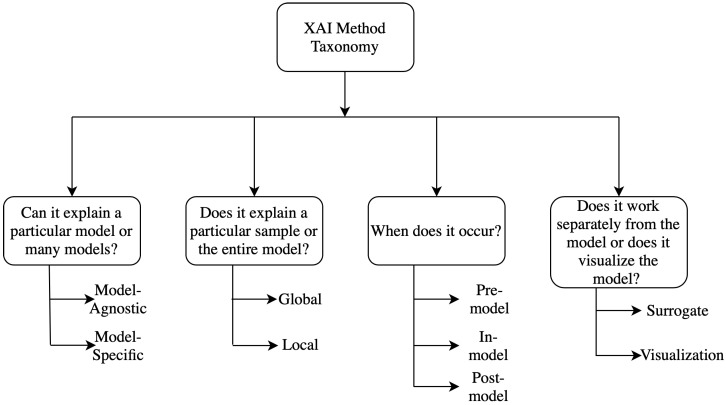
“Different kinds of taxonomies and classification methods are discussed briefly here and a detailed analysis of the taxonomies can be found in [8,9] and a flow chart for them is shown in 1.”
Background
Research works printed but not linked: 2
- El-Baz, A.S. (2020). Recent Advances in Deep Learning Applications for Retinal Diagnosis using OCT. State of the Art in Neural Networks, Elsevier. in press.
- Goodfellow, I.J., Shlens, J., and Szegedy, C. (2014). Explaining and harnessing adversarial examples. arXiv.
Cited by
Items 701–772 of 772
Mittal, S., Sagar, P., Srivastava, S. K., & Mahto, M. K. (2025) · IEEE Uttar Pradesh Section Women in Engineering International Conference on Electrical, Electronics and Computer Engineering (UPWIECON) · doi:10.1109/upwiecon67212.2025.11390264
“Some part of the corpus was preprocessed with the Reddit Mental Health Corpus, one of the peer-to-peer narratives supporting content-filtered CBT expressions [9].”
Explainable AI for Medical Image Analysis: Enhancing Diagnostic Transparency and Clinical Trust
Shaheena, K. V., Nambiar, A. R., Alabdeli, H. M., Singh, N., Kalra, R., & Mittal, P. (2025) · International Conference on Artificial Intelligence for Innovations in Healthcare Industries (ICAIIHI) · doi:10.1109/icaiihi67124.2025.11403355
Explainable AI Techniques on CBCT Image Quality Improvement model for Breast Cancer Surgery Patients
Banerjee, P., Barik, K., & Nayak, R. (2025) · International Conference on Intelligent Systems and Embedded Design (ISED) · doi:10.1109/ised67359.2025.11404905
SECURITY THREATS AND PROTECTION STRATEGIES IN LARGE LANGUAGE MODELS
Sağınç, S., AYATA, F., & Uçkan, T. (2025) · Van Yüzüncü Yıl University Academic Data Management System
Valóban feketedoboz az orvosi mesterséges intelligencia?
Balkányi, L. (2026) · Lege Artis Medicinae · doi:10.33616/lam.36.0035
Ning, L., Gao, Z., Lan, H., Zeng, B., Xu, L., Guan, W., Chen, X., Zheng, L., Wang, Q., Wang, B., et al. (2025) · International Conference on Pattern Recognition and Artificial Intelligence (PRAI) · doi:10.1109/prai67447.2025.11412753
“Additionally, DL heavily rely on vast amounts of accurately labeled training data [9].”
TDN-PPO: An Automatic Control Framework of a Surgical Robot for Posterior Segment Ophthalmic Surgery
Wang, N., Zhang, X., Bano, S., Stoyanov, D. V., Liang, Z., & Stilli, A. (2026) · IEEE Transactions on Automation Science and Engineering · doi:10.1109/tase.2026.3671981
Machine Learning in Medical Image Analysis: A Review of Techniques and Applications
Alduhoki, W., & Tuncer, S. A. (2026) · Milky Way Scientific Journal · doi:10.65021/mwsj.v1.i2.28
Hu, L., Peng, Y., Zhang, H., Wang, J., Bin, Y., & Chang, R. (2026) · IEEE Transactions on Consumer Electronics · doi:10.1109/tce.2026.3676209
“The researchers Singh et al. [11] demonstrate that Grad-CAM-based explanation of diabetic retinopathy models is consistent with clinician annotation of diabetic retinopathy, although some of the models may utilize spurious correlations.”
ExplainMed++: Generating Human-Centered Medical QA Summaries with Explanations
Dubey, S. K., Nirkhi, S. M., Joshi, V. K., Motghare, M., Sood, R., & Rastogi, S. (2025) · International Conference on Artificial Intelligence and Quantum Computation-Based Sensor Application (ICAIQSA) · doi:10.1109/icaiqsa67794.2025.11440552
Unsupervised AI-Based Morphological Analysis of Kidney Tissue from CT Imaging
Sokoya, A. A., Jones, C. M., Sharif, M. S., & Smart, J. (2025) · International Conference on Innovation and Intelligence for Informatics, Computing, and Technologies (3ICT) · doi:10.1109/3ict68299.2025.11442078
“Prior reviews highlight the need for interpretability, standardized workflows, and integration with existing systems to build trust among clinicians [5], [10], [13].”
A study of machine learning and deep learning methods and their application to medical imaging
Wallis, D. (2021) · theses.fr (ABES) · doi:10.70675/136c540fz5d49z41f4zb634zbd9663332582 · Cited by 1
Analyse intelligente des images pour la surveillance dans une agriculture de précision
Coulibaly, S. (2021) · theses.fr (ABES) · doi:10.70675/8f9fafa8ze5b3z4e4bz8f34z71736b1eefc7 · Cited by 2
Transfer Learning-Based Deep Feature Extraction with XGBoost and xAI for Melanoma Detection
Mukherjee, R., Roy, S., Mondal, K., Nayek, S., Halder, A., & CHATTERJEE, T. K. (2026) · IEEE International Conference on Interdisciplinary Approaches in Technology and Management for Social Innovation (IATMSI) · doi:10.1109/iatmsi68868.2026.11465740
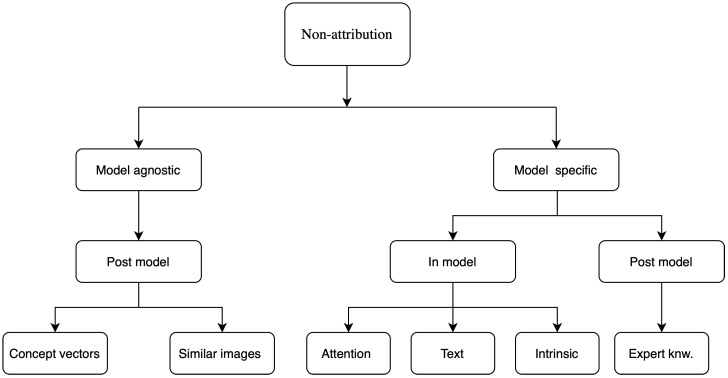
“Singh et al. [21] conducted a review of xAI methods in medical imaging and classifying them as Non-Attribution Based (such as Attention and Concept Vectors) and Attribution-Based (such as LRP, Grad-CAM, and Deep SHAP) methods, which also reveal significant input features.”
Arega, T. W. (2023) · theses.fr (ABES) · doi:10.70675/6f691b31z766dz4a4azb504za7b14d4cf213 · Cited by 3
Apprentissage neuronal profond pour la détection du mélanome
Gouabou, A. C. F. (2023) · theses.fr (ABES) · doi:10.70675/bf284d1ez880ez4770za748zf9ffb611ffbe · Cited by 1
Kibet., V. (2026) · International Journal of Research and Innovation in Social Science · doi:10.47772/ijriss.2026.100300361
Effective adversarial example detection with DeepSHAP summary
Lin, Y.-C., & Yu, F. (2026) · Neural Computing and Applications · doi:10.1007/s00521-026-11975-7
Digital Tools and Artificial Intelligence in Alzheimer’s diagnosis
Yadav, S. D., Goel, S., Tyagi, A., & Bansal, K. (2026) · BENTHAM SCIENCE PUBLISHERS eBooks · doi:10.2174/9798898814953126010008
Chhabra, C., Saroha, R., Kosvi, M., Singh, S. P., Gautam, V. S., & Kumari, P. (2026) · Journal of Family Medicine and Primary Care · doi:10.4103/jfmpc.jfmpc_1586_25 · Cited by 1
“[67,68] XAI plays a crucial role in medical imaging and urgent decision‑making scenarios, where doctors need to evaluate AI decisions quickly due to time limitations.”
Gradient Aware Attention Networks for Interpretable Chest X Ray Pathology Identification
Kodeeswari, K., Aarthi, D., Goyal, P. D. B., Arulmozhiarasu, K., Praveena, H. D., & Anandaram, H. (2026) · International Conference on Expert Clouds and Applications (ICOECA) · doi:10.1109/icoeca68095.2026.11485323
“Various gradient attribution strategies such as Grad CAM, Grad CAM++ and integrated gradients are employed effectively to produce visualizations of the regions of the image, also known as localization maps, based on the predictions of the method [8], [9].”
Bolpagni, M., Pozza, M., & Gabrielli, S. (2026) · medRxiv · doi:10.64898/2026.04.24.26351717
Rastogi, R. (2026) · De Gruyter eBooks · doi:10.1515/9783112226223-002
Optimized Machine Learning-Assisted Deep Vision Models for Robust Image Understanding and Analysis
Swedha, M., Sujatha, G., Priyadarshini, G. K., Devi, U., Madhanmohan, S., & Preethika, C. (2026) · World Conference on Computational Science and Technology (WcCST) · doi:10.1109/wccst67302.2026.11495974
Wu, B., Gu, J., & Chen, T. (2026) · International Journal of General Medicine · doi:10.2147/ijgm.s593911
“148 Without absolute transparency, model outputs are unlikely to elicit clinical trust.”
Gorugantu, A., Kapur, P., Londhe, R., Gujarathi, N., & Goenka, A. (2026) · Lecture notes in networks and systems · doi:10.1007/978-3-032-23219-9_5
Arul, K. (2026) · International Conference on Artificial Intelligence and Machine Learning Applications Theme: Healthcare and Internet of Things (AIMLA) · doi:10.1109/aimla67915.2026.11522433
“Deep neural networks have shown promise for complex pattern recognition but suffer from opacity and lack of clinical interpretability [11].”
AI-Based Alzheimer’s Detection and Severity Classification with Explainable Models and Blockchain
Deep, E. M., Jukuntla, A., Kumar, P. V. V., & Yashwanth, K. S. (2026) · International Conference on Recent Advancement in Electrical, Computer and Communication Technologies (IECCT) · doi:10.1109/iecct68664.2026.11542024
Explainable AI for HCI: a systematic review of a decade of studies on XAI tools
Alaqsam, A., & Sas, C. (2026) · Interacting with Computers · doi:10.1093/iwc/iwag022
Explainable AI in osteosarcoma image analysis: A deep learning and visualization approach
Nandhini, A., Sengaliappan, M., Sowmiyapriya, V., & Varsha, C. (2026) · E-Learning and Digital Media · doi:10.1177/20427530261449477
AI in Pulmonary Oncology: Early Detection, Personalized Therapy, and Radiomics
Lokeshwari, B., Saranraj, P., Nagarajan, P., Vidhya, A., Reshma, J., & Kanshiya, S. (2026) · Advances in computational intelligence and robotics book series · doi:10.4018/979-8-3373-7759-9.ch006
Diagnosi precoce dell’Alzheimer mediante analisi di neuroimmagini e Deep Learning
Monte, M. D. (2026) · AMS Degree Thesis (University of Bologna)
Exploring Attribution Methods for the Interpretation of Deep Learning Models for OCT Diagnoses
Albasu, F. B., & Dolganov, A. Y. (2026) · Ural Symposium on Biomedical Engineering, Radioelectronics and Information Technology (USBEREIT) · doi:10.1109/usbereit70063.2026.11580980
“…studies have been published over the past few years on the application of interpretability techniques in OCT and medical imaging in general [12], [13], one significant gap that still exists in the literature is the absence of the evaluation of these methods quantitatively based on objective…”
Daole, M., Ducange, P., Marcelloni, F., Miglionico, G. C., & Schiavo, A. (2026) · Studies in computational intelligence · doi:10.1007/978-3-032-22633-4_6
Zafaranchi, A., Lizzi, F., Retico, A., Scapicchio, C., & Fantacci, M. E. (2026) · Studies in computational intelligence · doi:10.1007/978-3-032-22633-4_7
Feng, L., Chen, G., Chen, H., Luo, T., Li, X., Liu, A., Li, J., Liu, H., Wang, Y., He, F., et al. (2026) · npj Digital Medicine · doi:10.1038/s41746-026-02859-0 · Cited by 1
“However,thisapproach is inherently invasive, resource-intensive, and impractical for widespread screening or longitudinal monitoring of lesion evolution 7 .”
Li, X., Zhao, X., Hao, Q., Gao, K., Feng, H., Sun, S., Liu, S., Sun, D., Cheng, L., Shen, Z., et al. (2026) · European Journal of Radiology · doi:10.1016/j.ejrad.2026.113059
Balancing Accuracy and Interpretability in Explainable Ai for Breast Disease Diagnosis
Abdigaliyev, Z., Shayakhmetov, A., Shpakovskiy, R., Kenbay, I., Omirgaliyev, R., & Makatov, A. (2026) · IEEE International Conference on Smart Information Systems and Technologies (SIST) · doi:10.1109/sist61674.2026.11596172
“SHAP provides global and local explanations grounded in Shapley game theory [11], [12], while LIME generates local surrogate models for individual predictions [12].”
Ganitidis, T. (2026) · DSpace - NTUA (National Technical University of Athens) · doi:10.26240/heal.ntua.33226
Quazi, S., Bhagat, N., Ruhi, S., Bagde, S., Deshmukh, P., Bambodkar, R. V., Keswani, V., Jaronde, P., Nakhate, R. T., Chirwatkar, R., et al. (2026) · International Conference on Secure Cyber Computing and Communications (ICSCCC) · doi:10.1109/icsccc69031.2026.11600024
“Singh et al. [22] emphasized XAI importance in healthcare applications for building clinician trust.”
Lu, X., Ali, H. B. B. Y., & Wang, J. (2026) · Scientific Research Bulletin · doi:10.71052/srb2024/ebwx3831
Kumar, A., Mala, D. J., Sai, A., & Guleria, A. (2026) · PeerJ Computer Science · doi:10.7717/peerj-cs.3911
Shojaeinia, M., & Moghaddasi, H. (2026) · International Interdisciplinary Conference on Artificial Intelligence: Engineering, Health, Finance and Humanities (IICAI) · doi:10.1109/iicai70155.2026.11620614
“Proactive dataset diversification, continuous bias audits, and fairness ‑ aware algorithms are essential [10], [11].”
Fast concept-based counterfactual explanations for image classification
Zhang, R.-H., Miller, T., Ehinger, K. A., & Rubinstein, B. I. P. (2026) · Artificial Intelligence · doi:10.1016/j.artint.2026.104599
Human-in-the-Loop Approach Based on MRI and ECG for Healthcare Diagnosis
Радюк, П. М., Radiuk, P., Kovalchuk, O., Slobodzian, V., Barmak, O., Krak, I., & Manziuka, E. (2022) · Electronic Archive of the National University "Odessa Law Academy" (Scientific Library of the Odessa Law Academy) · Cited by 7
Poornachander, I., Jatoth, R. K., & Pawar, S. (2026) · Cognitive Computation · doi:10.1007/s12559-026-10646-y
“The medical imaging field benefits from Computer Vision (CV) and explainable DL techniques which enhance diagnostic imaging analysis [29, 30], while MCMICRO modular pipe - lines enable organizations to extend their tissue imaging capabilities [ 31].”
Automatic knee joint detection for Kellgren–Lawrence osteoarthritis grading in plain X-rays
Castillo, D., Espinós-Morató, H., Durán, D., Cueva, J. H., & Lakshminarayanan, V. (2026) · Computer Methods and Programs in Biomedicine Update · doi:10.1016/j.cmpbup.2026.100266
Self-citationPneumonia Detection from Chest X-Ray Images Using Deep Learning with Grad CAM Explainability
Kumar, S. J. N., Gowda, J. K., Shree, K. T., & Khan, B. G. (2026) · International Conference on Advanced Computing and Knowledge Engineering (ICACKE) · doi:10.1109/icacke65470.2026.11651238
From Tones to Types: Classifying Music Genres with PCA-Driven Classical ML Models
Li, N. (2026) · Franklin Open · doi:10.1016/j.fraope.2026.100745
Dharanika, S., Dharsana Dharani, V. G., Ramala, T., Jenitha, T., & Preethi, M. (2026) · International Conference on Modern Sustainable Systems (CMSS) · doi:10.1109/cmss69636.2026.11689287
“Singh et al. conducted a survey on explainable DL models for medical image analysis applications [17].”
Mehandiratta, Y., & Anubhuti, P. (2026) · Intelligent Hospital · doi:10.1016/j.inhs.2026.100116
Huang, Y., & Wang, X. (2026) · arXiv (Cornell University) · doi:10.48550/arxiv.2609.23204
“Surveys of XAI adoption across application domains report that LIME and SHAP dominate practitioner use owing to their model-agnostic nature [38], [47].”
Interpretable Medical Image Diagnosis via VLM-Based Concept Alignment and Graph Reasoning
Hu, Y., Xie, H., Liang, D., Wei, X., Zhou, H., Zhou, H., & Huang, B. (2026) · Lecture notes in computer science · doi:10.1007/978-3-032-38098-2_32
Arumugam, S., Sindhu, A., Saroja, M. N., Kannan, D. S., & Esakkiammal, A. (2026) · Machine Learning · doi:10.1007/s10994-026-07174-z
“Singh et al. (2020 ) surveyed explainable deep learning methods for medical imaging, identifying SHAP and GradCAM as the most clinically relevant due to their visual inter - pretability and model-agnostic applicability.”
Faithful, Interpretable Chest X-ray Diagnosis with Artifact-Free B-cos Networks
Arya, S., Agnihotri, S., Kleinmann, M., Schiele, B., & Keuper, M. (2026) · Lecture notes in computer science · doi:10.1007/978-3-032-38079-1_28
Park, M., Kim, H., Park, S. W., Lee, M., & Lee, Y. (2026) · Diagnostics · doi:10.3390/diagnostics16193186
“Opaque model behavior also raises concerns regarding the generation of anatomically nonexistent structures, particularly when subtle findings carry substantial diagnostic importance [53,54].”
Combining artificial intelligence and neuroscience to diagnose and predict neurological disorders
Rahaman, S. A., Babu, M. R., Patel, S., Kumar, R., Löebenberg, R., & Chettupalli, A. K. (2026) · Elsevier eBooks · doi:10.1016/b978-0-443-27722-1.00015-8
Artificial intelligence in microfluidic biosensors: From signal processing to closed-loop detection
Xu, R., Le, V., Abbasi, M., Shakeel, M., Ma, S., Jiale, G., Wan, X., Ni, G., Liu, F., Luo, A., et al. (2026) · TrAC Trends in Analytical Chemistry · doi:10.1016/j.trac.2026.119189
Zaki, A., Manzella, I., Lazecký, M., Hooper, A., Ghaffarian, S., Chang, L., van der Meijde, M., Mohammad, A. T., & Fadel, I. (2026) · Engineering Geology · doi:10.1016/j.enggeo.2026.109148
Stefani, M., Parpaiola, E., Bino, M., Caregnato, G., Roncolato, F., Fusaro, D., Nanni, L., & Pretto, A. (2026) · arXiv (Cornell University) · doi:10.48550/arxiv.2610.12703
Sparse-Selective Similarity Regularisation for Enhanced ExplanationsPreprint
Alarab, I., Naiseh, M., & Prakoonwit, S. (2026) · Research Square · doi:10.21203/rs.3.rs-7316975/v1
Post-Processing Matters: Enhancing Post-Hoc Explanation Methods in Medical Imaging
Repetto, S., Ciná, A. E., Anguita, D., Roli, F., & Oneto, L. (2026) · International Joint Conference on Neural Networks (IJCNN) · doi:10.1109/ijcnn69854.2026.11728537
“…described in [31]. c) Explanation Techniques : In this work, we employ a broad set of attribution-based explainability methods [18] for CNNs [54], including Integrated Gradients (IG) [58], DeepLIFT (DL) [51], Guided Backpropagation (GB) [57], Saliency (SA) [53], Input × Gradient (IxG) [52],…”
Explainable Vision Transformers for Candida Species Identification from Brightfield Microscopy
Sá, R., Torres, L. H. M., Pimentel, C., & Ribeiro, B. (2026) · International Joint Conference on Neural Networks (IJCNN) · doi:10.1109/ijcnn69854.2026.11729013
“High classification metrics do not guarantee biological validity, as deep models may exploit non-causal shortcuts such as staining artifacts [16].”
Explainable Deep Neural Network Model for Biomedical Image Processing and Disease Diagnosis
Bawankar, D. S., & Dubey, S. (2026) · International Conference on Next-Gen Intelligent Computing and Applications (ICONICA) · doi:10.1109/iconica70605.2026.11736554
“Image Processing Deep Neural Network (DNN) models have transformed the medical image processing by making it possible to extract complex and high-level features of medical data using automated methods[1].”
Invisible hands of AI: How statistical methods shape trustworthy and ethical healthcare technologies
Kalina, J. (2026) · Elsevier eBooks · doi:10.1016/b978-0-443-45156-0.00005-4
Oladele, M. O., Alimi, O. A., & Olugbara, O. O. (2026) · Diagnostics · doi:10.3390/diagnostics16213546
Explainable CNN for Brain Tumor Detection and Classification
Byreddy, S. R., & Balaraju, J. (2026) · International Engineering Data Analytics and Management Conference (EAMCON) · doi:10.68337/cpsm.v1.i2.2026-024
Mali, P., & More, P. (2026) · International Conference on Information, Implementation, and Innovation in Technology (I2ITCON) · doi:10.1109/i2itcon69735.2026.11747488
“The explainability of the models is a key issue to be adopted in clinical application, and Gradient-weighted Class Activation Mapping (Grad-CAM) is popularly applied to display the disease-related parts of the chest radiographs [8], [9].”
Lista, S., Emanuele, E., Čuperlović‐Culf, M., Mahdi, A., Singh, V., López‐Ortiz, S., Khoramipour, K., Merino-País, M., Minoretti, P., Cisale, G. Y., et al. (2026) · Journal of Alzheimer s Disease · doi:10.1177/13872877261500124
Development and Machine Learning-Based Optimisation of a Microfluidic Bone-on Chip Model
Collins, B. (2026) · Dublin City University Open Access Institutional Repository (Dublin City University)
Bottura, L. D. O., Mendes, A. C. A. E., Menegollo, Y. N., Vigato, J. M., Alves, N. D. P., Matos, B. H. F., & Garcia, F. D. M. (2026) · Research Society and Development · doi:10.33448/rsd-v15i11.51930
Pagonis, N., Plomaritis, K., Kogias, E., Foroglou, N., & Chouvarda, I. (2026) · Italian National Conference on Sensors · doi:10.3390/s26216993
Metadata
- Authors
- Singh, A., Sengupta, S., & Lakshminarayanan, V.
- Affiliations
- University of Waterloo (CA)
- Corresponding author
- Singh, Amitojdeep
- Venue
- Journal of Imaging
- Publisher
- MDPI AG
- Published
- 2020-06-20
- Volume
- 6
- Issue
- 6
- Pages
- 52
- ISSN
- 2313-433X (ISSN-L)
- PMC
- PMC8321083
- OpenAlex
- W3031116957
- Semantic Scholar
- af6af40155860ac2fd36680e63686473803b5f52
- Cited by
- 718
- References
- 75
- Citations by year
- 2026: 82 · 2025: 135 · 2024: 132 · 2023: 154 · 2022: 130 · 2021: 77 · 2020: 8
- FWCI
- 3.17
- Type
- journal article
- Language
- en
- Open access
- gold
- dx.doi.org
- Licence
- Locations
- Journal of Imaging (publishedVersion, cc-by)
- PubMed Central (publishedVersion, cc-by)
- PubMed (publishedVersion)
- arXiv (Cornell University) (submittedVersion)
- DOAJ (DOAJ: Directory of Open Access Journals) (submittedVersion, cc-by-sa)
- arXiv (Cornell University) (cc-by)
- Funders
- Nvidia
- Compute Canada
- Natural Sciences and Engineering Research Council of Canada
- Topics
- Physical Sciences › Computer Science › Artificial Intelligence › Explainable Artificial Intelligence (XAI)
- Health Sciences › Medicine › Health Informatics › Artificial Intelligence in Healthcare and Education
- Health Sciences › Medicine › Radiology, Nuclear Medicine and Imaging › Radiomics and Machine Learning in Medical Imaging
- Keywords
- explainable deep learning, medical image analysis, model interpretability, black-box models, clinical deployment, feature importance, diagnosis
About these checks
Registry, retraction, Cites and statistics results are computed, not judged, with one exception: a printed reference that no index lists is read once by a model before it counts as a citation error. Claims are extracted by a model and kept only when their quote appears verbatim in the text; each cited source is then checked, with a model’s help, for whether it says what the claim relies on. Those verdicts can be wrong — read the claim’s quote and the cited source before relying on one.
Statistics and arithmetic are recomputed, not judged.
Confidence bands are shown only for fields calibrated on our annotated test set. None is calibrated yet, so no band is shown.
What counts as a claim ›How we measure confidence ›How we check this ›
Are you an author, or do you see a problem with this page? Request a review
Data sources
Bibliographic data: Semantic Scholar, OpenAlex, Crossref.
Contains information from the Semantic Scholar Academic Graph Datasets, made available under the ODC Attribution License (ODC-BY 1.0).
Semantic Scholar’s data is described in: Kinney, R., et al. (2023). The Semantic Scholar Open Data Platform. arXiv:2301.10140.
