

Small and Random Peptides: An Unexplored Reservoir of Potentially Functional Primitive Organocatalysts. The Case of Seryl-Histidine
Open accessThe DOI matches its Crossref record; 136 of the 136 references it cites were found in a registry or an index.
Abstract
Catalysis is an essential feature of living systems biochemistry, and probably, it played a key role in primordial times, helping to produce more complex molecules from simple ones. However, enzymes, the biocatalysts par excellence, were not available in such an ancient context, and so, instead, small molecule catalysis (organocatalysis) may have occurred. The best candidates for the role of primitive organocatalysts are amino acids and short random peptides, which are believed to have been available in an early period on Earth. In this review, we discuss the occurrence of primordial organocatalysts in the form of peptides, in particular commenting on reports about seryl-histidine dipeptide, which have recently been investigated. Starting from this specific case, we also mention a peptide fragment condensation scenario, as well as other potential roles of peptides in primordial times. The review actually aims to stimulate further investigation on an unexplored field of research, namely one that specifically looks at the catalytic activity of small random peptides with respect to reactions relevant to prebiotic chemistry and early chemical evolution.
Overview
The claims and statistics of this paper haven’t been checked yet.
Free: it reads the open-access text and checks the first 5 claims that cite a source we can check. Create a free account to check every claim.
Integrity signals
Registry
Cites
Statistics
Figures
Verification
Claims the paper makes
The claims and statistics of this paper haven’t been checked yet.
Free: it reads the open-access text and checks the first 5 claims that cite a source we can check. Create a free account to check every claim.
Claims other papers make about this one
Each is checked against this paper’s own text: does it say what the citing paper says it does?
The cited source says what the claim attributes to it.
In the citing paper
“The first strategy can rely on bottom-up or reconstitution SB approaches and transcription-translation systems, or on organocatalysis (Gorlero et al., 2009; Wieczorek et al., 2017; Rout et al., 2025)”
From Wetware network-based AI: a chemical approach to embodied cognition for robotics and artificial intelligence (2026) · cites this paper as Wieczorek et al., 2017
Self-check
Percentages, sums and reported differences re-computed from the paper’s own numbers.
The self-check needs the paper’s full text.
Citations
Cites
The Origins of Order: Self-Organization and Selection in Evolution
Kauffman, S. A. (1993) · doi:10.1093/oso/9780195079517.001.0001 · Cited by 7,855
The origins of order; self organization and selection in evolution
(1994) · International Journal of Biochemistry · doi:10.1016/0020-711x(94)90119-8 · Cited by 6,649
A Production of Amino Acids Under Possible Primitive Earth Conditions
Miller, S. L. (1953) · Science · doi:10.1126/science.117.3046.528 · Cited by 3,522 · cited 2×
“The well-known Miller–Urey experiment, for example, produced a mixture of simple amino acids [16].”
BackgroundMethodProline-Catalyzed Direct Asymmetric Aldol Reactions
List, B., Lerner, R. A., & Barbas, C. F. (2000) · Journal of the American Chemical Society · doi:10.1021/ja994280y · Cited by 2,873 · cited 1×
“However, the real renaissance of organocatalysis in the practice of organic chemistry should be attributed to List’s breakthrough concerning the first proline-catalyzed direct asymmetric aldol reaction in 2000 (yield 97%, enantiomeric excess 96%) [26] and to the first report on an enantioselective organocatalytic Diel…”
BackgroundGilbert, W. (1986) · Nature · doi:10.1038/319618a0 · Cited by 2,721 · cited 2×
“The catalytic role of RNA in the modern ribosome has been Life 2017, 7, 19; doi:10.3390/life7020019 www.mdpi.com/journal/life adopted to validate the theory of a pure ‘RNA World’ [13], but the well-known chemical instability of RNA suggests more complex scenarios of the co-evolution of RNA and small peptides [11,14].”
InfluentialThe advent and development of organocatalysis
MacMillan, D. W. C. (2008) · Nature · doi:10.1038/nature07367 · Cited by 2,411 · cited 2×
“A growing amount of publications has appeared since, and asymmetric organocatalysis has been designated the third general approach to the catalytic production of enantiomerically-pure compounds [25].”
BackgroundAhrendt, K. A., Borths, C. J., & MacMillan, D. W. C. (2000) · Journal of the American Chemical Society · doi:10.1021/ja000092s · Cited by 1,701 · cited 1×
“However, the real renaissance of organocatalysis in the practice of organic chemistry should be attributed to List’s breakthrough concerning the first proline-catalyzed direct asymmetric aldol reaction in 2000 (yield 97%, enantiomeric excess 96%) [26] and to the first report on an enantioselective organocatalytic Diel…”
BackgroundPrebiotic chemistry and the origin of the RNA world.
Leslie E., O. (2004) · Critical Reviews in Biochemistry and Molecular Biology · doi:10.1080/10409230490460765 · Cited by 1,124 · cited 2×
“Prebiotically-plausible conditions are usually understood as water environments in mild temperature regimes [88].”
BackgroundMethodSynthesis of Native Proteins by Chemical Ligation
Dawson, P. E., & Kent, S. B. H. (2000) · Annual Review of Biochemistry · doi:10.1146/annurev.biochem.69.1.923 · Cited by 1,082 · cited 1×
“Some of these spontaneously-formed peptides could be endowed with special structural features, like with Ser-His, and could be capable of catalyzing the condensation of the other peptides, according to a fragment condensation pattern, which is reminiscent of the practice of peptide ‘chemical ligation’ operated by prot…”
BackgroundCommon origins of RNA, protein and lipid precursors in a cyanosulfidic protometabolism
Patel, B. H., Percivalle, C., Ritson, D. J., Duffy, C. D., & Sutherland, J. D. (2015) · Nature Chemistry · doi:10.1038/nchem.2202 · Cited by 949 · cited 1×
“The cyanine-rich reducing environment has been shown to yield arginine, an amino acid involved in many peptide interactions with nucleic acids [53].”
BackgroundThe Depth of Chemical Time and the Power of Enzymes as Catalysts
Wolfenden, R., & Snider, M. J. (2001) · Accounts of Chemical Research · doi:10.1021/ar000058i · Cited by 930 · cited 1×
“Are these really random? What did early peptides look like? Peptides, in contrast to nucleic acids, are stable and year-persistent molecules in the absence of catalysts (the half-life for uncatalyzed peptide hydrolysis has been estimated to be 450 years [126,127]).”
BackgroundPrebiotic Systems Chemistry: New Perspectives for the Origins of Life
Ruiz-Mirazo, K., Briones, C., & de la Escosura, A. (2014) · Chemical Reviews · doi:10.1021/cr2004844 · Cited by 930 · cited 2×
“A detailed review of the principal results in the field has been recently published [17].”
BackgroundProtein Design by Binary Patterning of Polar and Nonpolar Amino Acids
Kamtekar, S., Schiffer, J. M., Xiong, H., Babik, J. M., & Hecht, M. H. (1993) · Science · doi:10.1126/science.8259512 · Cited by 730 · cited 1×
“Other reports also suggest that peptides formed by random sequences [31], or polar/non-polar alternate sequences [130], or from a reduced amino acid alphabet [131] can fold in well-defined three-dimensional structures; hence, they would be potentially catalytic.”
Background3D-Jury: a simple approach to improve protein structure predictions
Ginalski, K., Elofsson, A., Fischer, D., & Rychlewski, L. (2003) · Bioinformatics · doi:10.1093/bioinformatics/btg124 · Cited by 719 · cited 1×
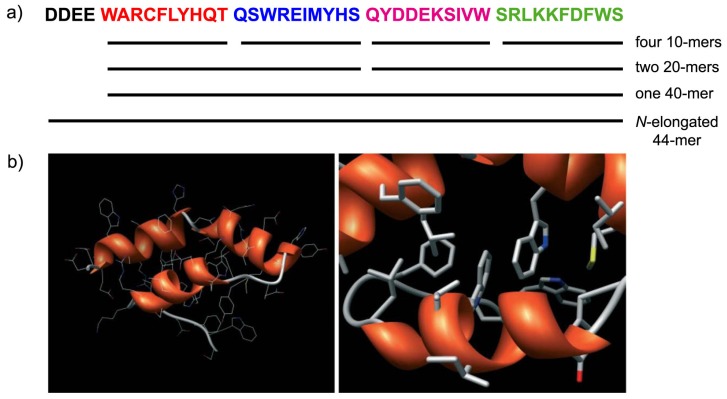
“Three-dimensional modeling (ROKKY protein folding suite [105]) suggests that the peptide folds as three α-helices around a hydrophobic core (Figure 10b).”
BackgroundShort peptides self-assemble to produce catalytic amyloids
Rufo, C. M., Moroz, Y. S., Moroz, O. V., Stöhr, J., Smith, T. A., Hu, X., DeGrado, W. F., & Korendovych, I. V. (2014) · Nature Chemistry · doi:10.1038/nchem.1894 · Cited by 663 · cited 1×
“Furthermore, the possibility of peptides that self-assemble in the form of a complex that has a function (only as a complex) [132,133] should not be discarded.”
BackgroundAmino acids and peptides as asymmetric organocatalysts
Jarvo, E. R., & Miller, S. J. (2002) · Tetrahedron · doi:10.1016/s0040-4020(02)00122-9 · Cited by 655
The Emergence of Life: From Chemical Origins to Synthetic Biology
Luisi, P. L. (2006) · Cambridge University Press eBooks · doi:10.1017/cbo9780511817540 · Cited by 547 · cited 3×
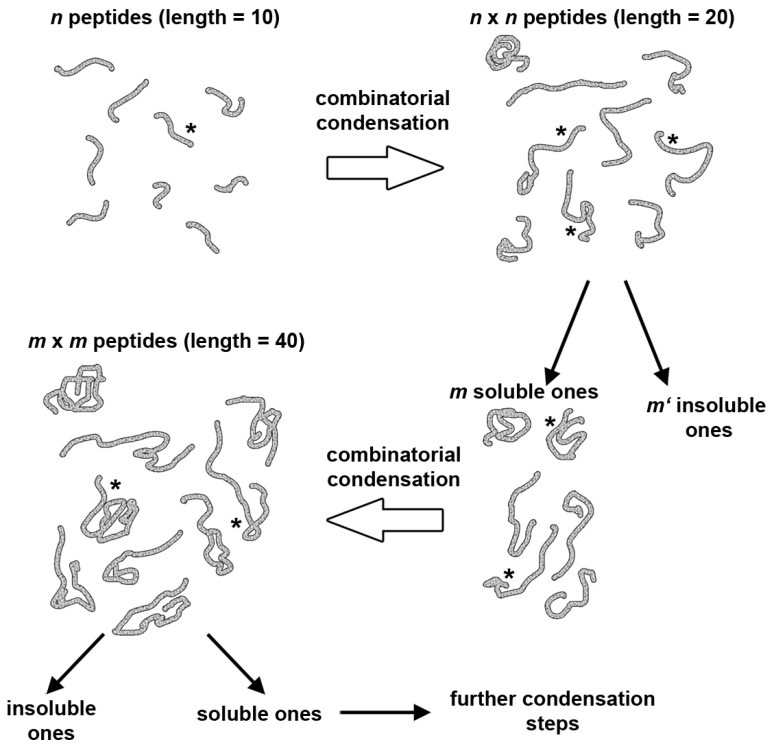
“A qualitative account has been recently depicted by Luisi [101] and illustrated by means of an artificial procedure that led to one folded peptide (44 amino acids long) [102].”
MethodStructural Basis of Perturbed pKa Values of Catalytic Groups in Enzyme Active Sites
Harris, T. K., & Turner, G. J. (2002) · IUBMB Life · doi:10.1080/15216540211468 · Cited by 535 · cited 1×
“Although it is not surprising that in many proteins the imidazole pKa can differ (also largely) from the standard value of about six, depending on the micro-environment [95], in this specific case, it seems that the protonation status of imidazole of Ser-His does not play a key role.”
BackgroundAdsorption and Polymerization of Amino Acids on Mineral Surfaces: A Review
Lambert, J.-F. (2008) · Origins of Life and Evolution of Biospheres · doi:10.1007/s11084-008-9128-3 · Cited by 443 · cited 1×
“In addition to inorganic factors, such as mineral surfaces [1,2], light [3], the reducing environment of hydrothermal vents [4] and spark discharges [5], the role of organic molecules as early catalysts has been widely recognized in origin of life scenarios.”
BackgroundCarbonyl Sulfide-Mediated Prebiotic Formation of Peptides
Leman, L., Orgel, L., & Ghadiri, M. R. (2004) · Science · doi:10.1126/science.1102722 · Cited by 428 · cited 1×
“A more general, prebiotically-plausible peptide synthesis mechanism was proposed, involving 2-thiono-5-oxazolidones generated in reactions of amino acids with carbon disulfide [55] or N-carboxyanhydrides (Leuchs anhydrides) [56–58] from carbonyl sulfide [59].”
BackgroundPrebiotic Amino Acids as Asymmetric Catalysts
Pizzarello, S., & Weber, A. L. (2004) · Science · doi:10.1126/science.1093057 · Cited by 385 · cited 1×
“Even if of the availability of some amino acids is considered possible and it was demonstrated that some of them could also act as organocatalysts [44,45], their oligomerization to form early peptides is more difficult to predict.”
BackgroundHistone Modifications and Nuclear Architecture: A Review
Bártová, E., Krejčí, J., Harničarová, A., Galiová, G., & Kozubek, S. (2008) · Journal of Histochemistry & Cytochemistry · doi:10.1369/jhc.2008.951251 · Cited by 364 · cited 1×
“Nuclear DNA binding histones and protamines are mostly composed of such cationic proteins [113,114].”
BackgroundThe eightfold path to non-enzymatic RNA replication
Szostak, J. W. (2012) · Journal of Systems Chemistry · doi:10.1186/1759-2208-3-2 · Cited by 359 · cited 1×
“The emergence of self-replicating nucleic acids likely required some form of templating of nucleic acid synthesis [119].”
BackgroundUnconventional serine proteases: Variations on the catalytic Ser/His/Asp triad configuration
Ekici, Ö. D., Paetzel, M., & Dalbey, R. E. (2008) · Protein Science · doi:10.1110/ps.035436.108 · Cited by 334 · cited 1×
“Indeed, this is reminiscent of the Lys-Ser catalytic dyad observed for instance in bacterial Type I signal peptidases [97]).”
BackgroundActivity-based Proteomics of Enzyme Superfamilies: Serine Hydrolases as a Case Study
Simon, G. M., & Cravatt, B. F. (2010) · Journal of Biological Chemistry · doi:10.1074/jbc.r109.097600 · Cited by 325 · cited 1×
“Serine hydrolases comprise approximately 1% of the genes in the human proteome [72].”
BackgroundA chiroselective peptide replicator
Saghatelian, A., Yokobayashi, Y., Soltani, K., & Ghadiri, M. R. (2001) · Nature · doi:10.1038/35057238 · Cited by 310 · cited 1×
“There is a prolific field of study involving self-replicating networks of helical peptide replicators as demonstrated in the labs of Ghadiri [64,65], Chmielewski [66,67] and Ashkenasy [68,69].”
BackgroundCompetition between model protocells driven by an encapsulated catalyst
Adamala, K., & Szostak, J. W. (2013) · Nature Chemistry · doi:10.1038/nchem.1650 · Cited by 300 · cited 4×
“Combined, this creates a system where encapsulated small peptide catalysts can impact the fitness of model protocells, providing insight into the emergence of Darwinian selection [90].”
BackgroundInfluentialSelf-citationProteases in Organic Synthesis
Bordusa, F. (2002) · Chemical Reviews · doi:10.1021/cr010164d · Cited by 292 · cited 1×
“This second strategy (kinetic control) [84] has been exploited in the application of enzymes in organic synthesis [86,87].”
MethodCatalytic Proficiency: The Unusual Case of OMP Decarboxylase
Miller, B. G., & Wolfenden, R. (2002) · Annual Review of Biochemistry · doi:10.1146/annurev.biochem.71.110601.135446 · Cited by 285 · cited 1×
“Are these really random? What did early peptides look like? Peptides, in contrast to nucleic acids, are stable and year-persistent molecules in the absence of catalysts (the half-life for uncatalyzed peptide hydrolysis has been estimated to be 450 years [126,127]).”
BackgroundBasic Principles of Protease‐Catalyzed Peptide Bond Formation
Jakubke, H., Kuhl, P., & Könnecke, A. (1985) · Angewandte Chemie International Edition in English · doi:10.1002/anie.198500851 · Cited by 267
The Chemistry of Life's Origin: A Carbonaceous Meteorite Perspective
Pizzarello, S. (2006) · Accounts of Chemical Research · doi:10.1021/ar050049f · Cited by 253 · cited 1×
“Amino acids have even been found in meteorites [30].”
BackgroundProteinase‐Catalyzed Synthesis of Peptide Bonds
Fruton, J. S. (1982) · Advances in enzymology and related areas of molecular biology/Advances in enzymology and related subjects · doi:10.1002/9780470122983.ch7 · Cited by 244
New insights into prebiotic chemistry from Stanley Miller's spark discharge experiments
Bada, J. L. (2013) · Chemical Society Reviews · doi:10.1039/c3cs35433d · Cited by 209 · cited 1×
“In addition to inorganic factors, such as mineral surfaces [1,2], light [3], the reducing environment of hydrothermal vents [4] and spark discharges [5], the role of organic molecules as early catalysts has been widely recognized in origin of life scenarios.”
BackgroundThe origin of the genetic code: amino acids as cofactors in an RNA world
Szathmáry, E. (1999) · Trends in Genetics · doi:10.1016/s0168-9525(99)01730-8 · Cited by 207
Wolman, Y., Haverland, W. J., & Miller, S. L. (1972) · Proceedings of the National Academy of Sciences · doi:10.1073/pnas.69.4.809 · Cited by 198
Protease‐Catalyzed Kinetically Controlled Peptide Synthesis
Schellenberger, V., & Jakubke, H. (1991) · Angewandte Chemie International Edition in English · doi:10.1002/anie.199114371 · Cited by 197 · cited 3×
“This second strategy (kinetic control) [84] has been exploited in the application of enzymes in organic synthesis [86,87].”
BackgroundMethodChiral amplification of oligopeptides in two-dimensional crystalline self-assemblies on water
Zepik, H., Shavit, E., Tang, M., Jensen, T. R., Kjaer, K., Bolbach, G., Leiserowitz, L., Weissbuch, I., & Lahav, M. (2002) · Science · doi:10.1126/science.1065625 · Cited by 192 · cited 1×
“It was proposed that racemic mixtures of amino acid alkyl and thio-alkyl esters self-assembled on the water/air interface can undergo spontaneous condensation, forming randomly-sequenced peptide chains [47].”
Backgroundα-Hydroxy and α-Amino Acids Under Possible Hadean, Volcanic Origin-of-Life Conditions
Huber, C., & Wächtershäuser, G. (2006) · Science · doi:10.1126/science.1130895 · Cited by 191
Structural variety of arginine-rich RNA-binding peptides.
Tan, R., & Frankel, A. D. (1995) · Proceedings of the National Academy of Sciences · doi:10.1073/pnas.92.12.5282 · Cited by 190 · cited 7×
“For example, Arg-Arg-Arg tripeptides can aid DNA condensation via electrostatic interactions [112].”
BackgroundInfluentialSelf‐Replicating Amphiphilic β‐Sheet Peptides
Rubinov, B., Wagner, N., Rapaport, H., & Ashkenasy, G. (2009) · Angewandte Chemie International Edition · doi:10.1002/anie.200902790 · Cited by 168 · cited 1×
“There is a prolific field of study involving self-replicating networks of helical peptide replicators as demonstrated in the labs of Ghadiri [64,65], Chmielewski [66,67] and Ashkenasy [68,69].”
BackgroundBuller, A. R., & Townsend, C. A. (2013) · Proceedings of the National Academy of Sciences · doi:10.1073/pnas.1221050110 · Cited by 166
Permeability of lipid bilayers to amino acids and phosphate
Chakrabarti, A. C., & Deamer, D. W. (1992) · Biochimica et Biophysica Acta (BBA) - Biomembranes · doi:10.1016/0005-2736(92)90308-9 · Cited by 158 · cited 2×
“It has been demonstrated that pH-gradients mediated amino acid transport and provided a solution to this problem [121].”
BackgroundWhich Amino Acids Should Be Used in Prebiotic Chemistry Studies?
Zaia, D. A. M., Zaia, C. T. B. V., & De Santana, H. (2008) · Origins of Life and Evolution of Biospheres · doi:10.1007/s11084-008-9150-5 · Cited by 157
Cooperatively folded proteins in random sequence libraries
Davidson, A. R., Lumb, K. J., & Sauer, R. T. (1995) · Nature Structural Biology · doi:10.1038/nsb1095-856 · Cited by 152 · cited 1×
“Other reports also suggest that peptides formed by random sequences [31], or polar/non-polar alternate sequences [130], or from a reduced amino acid alphabet [131] can fold in well-defined three-dimensional structures; hence, they would be potentially catalytic.”
BackgroundTena‐Solsona, M., Nanda, J., Díaz‐Oltra, S., Chotera, A., Ashkenasy, G., & Escuder, B. (2016) · Chemistry – A European Journal · doi:10.1002/chem.201600344 · Cited by 148 · cited 1×
“There is a prolific field of study involving self-replicating networks of helical peptide replicators as demonstrated in the labs of Ghadiri [64,65], Chmielewski [66,67] and Ashkenasy [68,69].”
BackgroundZou, W., Ibrahem, I., Dziedzic, P., Sundén, H., & Córdova, A. (2005) · Chemical Communications · doi:10.1039/b509920j · Cited by 144 · cited 1×
“Even if of the availability of some amino acids is considered possible and it was demonstrated that some of them could also act as organocatalysts [44,45], their oligomerization to form early peptides is more difficult to predict.”
BackgroundAutocatalytic networks: the transition from molecular self-replication to molecular ecosystems
Lee, D. H., Severin, K., & Ghadiri, M. R. (1997) · Current Opinion in Chemical Biology · doi:10.1016/s1367-5931(97)80043-9 · Cited by 134 · cited 1×
“There is a prolific field of study involving self-replicating networks of helical peptide replicators as demonstrated in the labs of Ghadiri [64,65], Chmielewski [66,67] and Ashkenasy [68,69].”
BackgroundSpontaneous Protein Crowding in Liposomes: A New Vista for the Origin of Cellular Metabolism
Luisi, P. L., Allegretti, M., Pereira de Souza, T., Steiniger, F., Fahr, A., & Stano, P. (2010) · ChemBioChem · doi:10.1002/cbic.201000381 · Cited by 130
Self-citationDeRouchey, J. E., Hoover, B., & Rau, D. C. (2013) · Biochemistry · doi:10.1021/bi4001408 · Cited by 129 · cited 5×
“For example, Arg-Arg-Arg tripeptides can aid DNA condensation via electrostatic interactions [112].”
BackgroundInfluentialEutectic Phases in Ice Facilitate Nonenzymatic Nucleic Acid Synthesis
Kanavarioti, A., Monnard, P.-A., & Deamer, D. W. (2001) · Astrobiology · doi:10.1089/15311070152757465 · Cited by 126 · cited 1×
“−18 ◦C), the fragile imidazole-activated nucleotides have a prolonged half-life [93].”
BackgroundThermodynamics of Oligoarginines Binding to RNA and DNA
Mascotti, D. P., & Lohman, T. M. (1997) · Biochemistry · doi:10.1021/bi970272n · Cited by 126 · cited 1×
“Shorter oligopeptides rich in Arg and Lys residues are also capable of interactions with nucleic acids [98,115].”
BackgroundCleaves, H. J., Aubrey, A. D., & Bada, J. L. (2008) · Origins of Life and Evolution of Biospheres · doi:10.1007/s11084-008-9154-1 · Cited by 125 · cited 1×
“In addition to inorganic factors, such as mineral surfaces [1,2], light [3], the reducing environment of hydrothermal vents [4] and spark discharges [5], the role of organic molecules as early catalysts has been widely recognized in origin of life scenarios.”
BackgroundStudies in Prebiotic Synthesis. I. Aminomalononitrile and 4-Amino-5-cyanoimidazole1,2
Ferris, J. P., & Orgel, L. E. (1966) · Journal of the American Chemical Society · doi:10.1021/ja00968a028 · Cited by 120
A pH-Modulated, Self-Replicating Peptide
Yao, S., Ghosh, I., Zutshi, R., & Chmielewski, J. (1997) · Journal of the American Chemical Society · doi:10.1021/ja9710619 · Cited by 117 · cited 1×
“There is a prolific field of study involving self-replicating networks of helical peptide replicators as demonstrated in the labs of Ghadiri [64,65], Chmielewski [66,67] and Ashkenasy [68,69].”
BackgroundRole of Backbone Hydration and Salt-Bridge Formation in Stability of α-Helix in Solution
Ghosh, T., Garde, S., & García, A. E. (2003) · Biophysical Journal · doi:10.1016/s0006-3495(03)74736-5 · Cited by 114 · cited 1×
“Poly-Arg and poly-Lys residues form salt bridges with nucleic acid and provide charge shielding of the nucleic acid backbones [116].”
BackgroundSimplified protein design biased for prebiotic amino acids yields a foldable, halophilic protein
Longo, L. M., Lee, J., & Blaber, M. (2013) · Proceedings of the National Academy of Sciences · doi:10.1073/pnas.1219530110 · Cited by 111
Chemistry and Physics of Primitive Membranes
Deamer, D. W., & Dworkin, J. P. (2005) · Springer eBooks · doi:10.1007/b136806 · Cited by 111 · cited 1×
“However, as early life moved from leaky and unstable fatty acid membranes to modern phospholipid membranes, the permeability decreased sharply [122].”
BackgroundDipeptide seryl-histidine and related oligopeptides cleave DNA, protein, and a carboxyl ester
Li, Y., Zhao, Y., Hatfield, S., Wan, R., Zhu, Q., Li, X., McMills, M. C., Ma, Y., Li, J., Brown, K. L., et al. (2000) · Bioorganic & Medicinal Chemistry · doi:10.1016/s0968-0896(00)00208-x · Cited by 104 · cited 4×
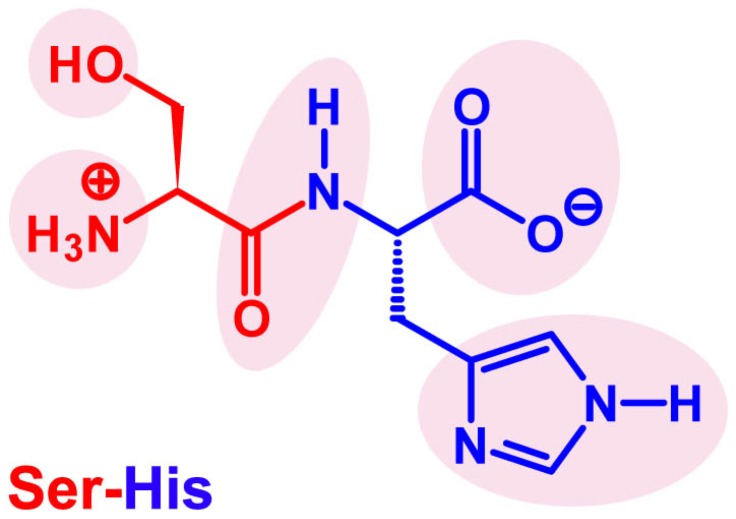
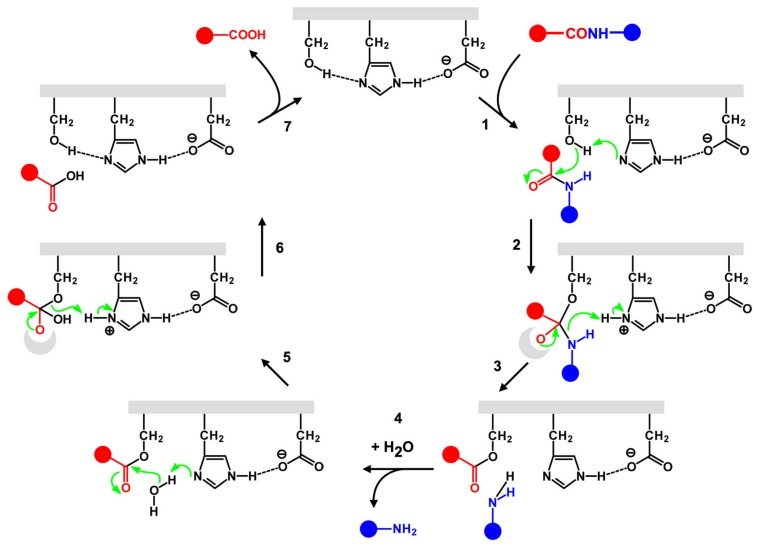
“The most obvious postulate is that it is a minimalistic analogue of serine hydrolases [21].”
BackgroundInfluentialA Plausible Simultaneous Synthesis of Amino Acids and Simple Peptides on the Primordial Earth
Parker, E. T., Zhou, M., Burton, A. S., Glavin, D. P., Dworkin, J. P., Krishnamurthy, R., Fernández, F. M., & Bada, J. L. (2014) · Angewandte Chemie International Edition · doi:10.1002/anie.201403683 · Cited by 103 · cited 1×
“In this respect, the roles of small organic molecules, which arose in abiotic syntheses [6], RNA [7] or other simple nucleic acids [8], and small peptides [9–11], whose chemical formation is viable under various routes [12], have been discussed.”
BackgroundN,N′-carbonyldiimidazole-induced peptide formation in aqueous solution
Ehler, K. W., & Orgel, L. E. (1976) · Biochimica et Biophysica Acta (BBA) - Protein Structure · doi:10.1016/0005-2795(76)90055-6 · Cited by 97
Prebiotic chemistry: A bioorganic perspective
Sutherland, J. D., & Whitfield, J. N. (1997) · Tetrahedron · doi:10.1016/s0040-4020(97)00438-9 · Cited by 96 · cited 1×
“In this respect, the roles of small organic molecules, which arose in abiotic syntheses [6], RNA [7] or other simple nucleic acids [8], and small peptides [9–11], whose chemical formation is viable under various routes [12], have been discussed.”
BackgroundSchoonen, M. A. A., Xu, Y., & Bebié, J. (1999) · Origins of Life and Evolution of Biospheres · doi:10.1023/a:1006558802113 · Cited by 93 · cited 1×
“Amino acids and other simple carboxylic acids can be synthesized in iron-catalyzed redox reactions [52].”
BackgroundSer-His catalyses the formation of peptides and PNAs
Gorlero, M., Wieczorek, R., Adamala, K., Giorgi, A., Schininà, M. E., Stano, P., & Luisi, P. L. (2009) · FEBS Letters · doi:10.1016/j.febslet.2008.11.052 · Cited by 93 · cited 6×
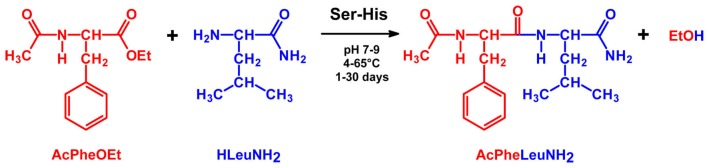
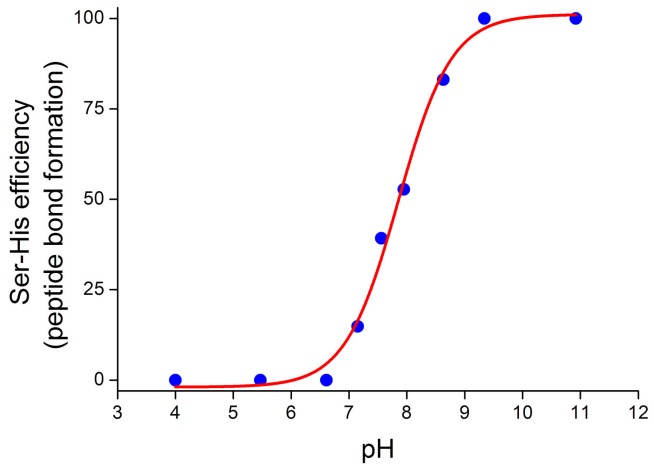
“In this case, the pH dependence of peptide formation has been determined [18] for the system of Figure 4.”
BackgroundInfluentialSelf-citationProtein design at the interface of the pre-biotic and biotic worlds
Longo, L. M., & Blaber, M. (2012) · Archives of Biochemistry and Biophysics · doi:10.1016/j.abb.2012.06.009 · Cited by 90
Spontaneous Formation of RNA Strands, Peptidyl RNA, and Cofactors
Jauker, M., Griesser, H., & Richert, C. (2015) · Angewandte Chemie International Edition · doi:10.1002/anie.201506593 · Cited by 86 · cited 1×
“Recently, it has also been demonstrated that peptidyl-RNA complexes could form under conditions simulating prebiotic RNA oligomerization and that such hybrid molecules could extend RNA’s stability, thus hinting at early reasons for RNA-peptide interactions, which eventually led to the translation system of modern life…”
BackgroundAminoacylating Urzymes Challenge the RNA World Hypothesis
Li, L., Francklyn, C., & Carter, C. W. (2013) · Journal of Biological Chemistry · doi:10.1074/jbc.m113.496125 · Cited by 86 · cited 1×
“adopted to validate the theory of a pure ‘RNA World’ [13], but the well-known chemical instability of RNA suggests more complex scenarios of the co-evolution of RNA and small peptides [11,14].”
The discovery of catalytically active peptides through combinatorial chemistry
Berkessel, A. (2003) · Current Opinion in Chemical Biology · doi:10.1016/s1367-5931(03)00065-6 · Cited by 84 · cited 1×
“Such reactions can be catalyzed by a few catalysts, such as Ser-His or other similar compounds, which might themselves be components of the pool or have been generated after fragment condensation (examples are known of peptide catalysts produced by combinatorial chemistry [103,104]).”
BackgroundEnzyme-like proteins from an unselected library of designed amino acid sequences
Wei, Y., & Hecht, M. H. (2004) · Protein Engineering Design and Selection · doi:10.1093/protein/gzh007 · Cited by 82 · cited 1×
“Such reactions can be catalyzed by a few catalysts, such as Ser-His or other similar compounds, which might themselves be components of the pool or have been generated after fragment condensation (examples are known of peptide catalysts produced by combinatorial chemistry [103,104]).”
BackgroundEnzyme-catalyzed peptide synthesis in ice
Schuster, M., Aaviksaar, A., & Jakubke, H. (1990) · Tetrahedron · doi:10.1016/s0040-4020(01)81466-6 · Cited by 81 · cited 1×
“This second strategy (kinetic control) [84] has been exploited in the application of enzymes in organic synthesis [86,87].”
MethodDeRose, V. J. (2002) · Chemistry & Biology · doi:10.1016/s1074-5521(02)00217-x · Cited by 81 · cited 10×
“In this respect, the roles of small organic molecules, which arose in abiotic syntheses [6], RNA [7] or other simple nucleic acids [8], and small peptides [9–11], whose chemical formation is viable under various routes [12], have been discussed.”
BackgroundInfluentialUse of enzymes in peptide synthesis
CHAIKEN, I. M., Komoriya, A., Ohno, M., & Widmer, F. (1982) · Applied Biochemistry and Biotechnology · doi:10.1007/bf02798320 · Cited by 80
Electrostatic Localization of RNA to Protocell Membranes by Cationic Hydrophobic Peptides
Kamat, N. P., Tobé, S., Hill, I. T., & Szostak, J. W. (2015) · Angewandte Chemie International Edition · doi:10.1002/anie.201505742 · Cited by 77 · cited 1×
“It has been recently shown that hydrophobic peptides can promote localization of RNA to the liposome membrane, therefore providing templating surfaces for RNA activity [120].”
BackgroundHigh solubility of random-sequence proteins consisting of five kinds of primitive amino acids
Doi, N., Kakukawa, K., Oishi, Y., & Yanagawa, H. (2005) · Protein Engineering, Design and Selection · doi:10.1093/protein/gzi034 · Cited by 76 · cited 1×
“Other reports also suggest that peptides formed by random sequences [31], or polar/non-polar alternate sequences [130], or from a reduced amino acid alphabet [131] can fold in well-defined three-dimensional structures; hence, they would be potentially catalytic.”
BackgroundPereira de Souza, T., Steiniger, F., Stano, P., Fahr, A., & Luisi, P. L. (2011) · ChemBioChem · doi:10.1002/cbic.201100306 · Cited by 75
Self-citationDanger, G., Boiteau, L., Cottet, H., & Pascal, R. (2006) · Journal of the American Chemical Society · doi:10.1021/ja061339+ · Cited by 71
A Remarkable Self‐Organization Process as the Origin of Primitive Functional Cells
Stano, P., D’Aguanno, E., Bolz, J., Fahr, A., & Luisi, P. L. (2013) · Angewandte Chemie International Edition · doi:10.1002/anie.201306613 · Cited by 71
Self-citationLerner, N. R., Peterson, E. R., & Chang, S. (1993) · Geochimica et Cosmochimica Acta · doi:10.1016/0016-7037(93)90195-3 · Cited by 67
The design of self-replicating helical peptides
Issac, R. (2001) · Current Opinion in Structural Biology · doi:10.1016/s0959-440x(00)00233-5 · Cited by 65 · cited 1×
“There is a prolific field of study involving self-replicating networks of helical peptide replicators as demonstrated in the labs of Ghadiri [64,65], Chmielewski [66,67] and Ashkenasy [68,69].”
Backgroundpolymerization on the Rocks: β-amino Acids and Arginine
Liu, R., & Orgel, L. E. (1998) · Origins of Life and Evolution of Biospheres · doi:10.1023/a:1006576213220 · Cited by 64
Prebiotic synthesis of histidine
Shen, C., Yang, L., Miller, S. L., & Oro, J. A. (1990) · Journal of Molecular Evolution · doi:10.1007/bf02109492 · Cited by 64 · cited 2×
“Based on the premise of the Strecker process through an imidazole intermediate, the prebiotic synthesis of histidine has been reported starting from erythrose and formamide [43].”
BackgroundTowards Supramolecular Catalysis with Small Self‐assembled Peptides
Singh, N., Tena‐Solsona, M., Miravet, J. F., & Escuder, B. (2015) · Israel Journal of Chemistry · doi:10.1002/ijch.201400185 · Cited by 62 · cited 1×
“Furthermore, the possibility of peptides that self-assemble in the form of a complex that has a function (only as a complex) [132,133] should not be discarded.”
BackgroundChiarabelli, C., Vrijbloed, J. W., De Lucrezia, D., Thomas, R. M., Stano, P., Polticelli, F., Ottone, T., Papa, E., & Luisi, P. L. (2006) · Chemistry & Biodiversity · doi:10.1002/cbdv.200690088 · Cited by 61
Self-citationHitz, T., Blocher, M., Walde, P., & Luisi, P. L. (2001) · Macromolecules · doi:10.1021/ma001946w · Cited by 60 · cited 1×
“Interestingly, liposomes can assist sequence-specific, stereoselective peptide formation on the surface of the bilayer [60,61].”
BackgroundShort Peptides in Minimalistic Biocatalyst Design
Duncan, K., & Ulijn, R. V. (2015) · Biocatalysis · doi:10.1515/boca-2015-0005 · Cited by 60 · cited 2×
“The common feature, however, will be the same: conditioning the course of a reaction by close interaction with the reaction partners, in agreement with a minimalistic version of the lock-and-key paradigm of enzyme action [28].”
BackgroundThe prebiotic synthesis and catalytic role of imidazoles and other condensing agents
Or�, J., Basile, B., Cortes, S., Shen, C., & Yamrom, T. (1984) · Origins of Life and Evolution of Biospheres · doi:10.1007/bf00933663 · Cited by 59
How Amino Acids and Peptides Shaped the RNA World
Van der Gulik, P., & Speijer, D. (2015) · Life · doi:10.3390/life5010230 · Cited by 55 · cited 1×
“For example, recent theoretical investigations based on the activity and function of aminoacyl-tRNA suggest that an RNA-only metabolism may never have existed [15].”
BackgroundIdentification of the ligand-binding site of the BMP type IA receptor for BMP-4
Hatta, T., Konishi, H., Katoh, E., Natsume, T., Ueno, N., Kobayashi, Y., & Yamazaki, T. (2000) · Biopolymers · doi:10.1002/1097-0282(2000)55:5<399::aid-bip1014>3.0.co;2-9 · Cited by 54
Taillades, J., Collet, H., Garrel, L., Beuzelin, I., Boiteau, L., Choukroun, H., & Commeyras, A. (1999) · Journal of Molecular Evolution · doi:10.1007/pl00006507 · Cited by 53
Fatty acids' double role in the prebiotic formation of a hydrophobic dipeptide
Murillo-Sánchez, S., Beaufils, D., González Mañas, J. M., Pascal, R., & Ruiz-Mirazo, K. (2016) · Chemical Science · doi:10.1039/c5sc04796j · Cited by 53
Formation of RNA Phosphodiester Bond by Histidine‐Containing Dipeptides
Wieczorek, R., Dörr, M., Chotera, A., Luisi, P. L., & Monnard, P. (2013) · ChemBioChem · doi:10.1002/cbic.201200643 · Cited by 52 · cited 3×
“[19] with the permission of John Wiley and Sons.”
BackgroundMethodSelf-citationModulation of Reactivity in the Cavity of Liposomes Promotes the Formation of Peptide Bonds
Grochmal, A., Prout, L., Makin-Taylor, R., Prohens, R., & Tomas, S. (2015) · Journal of the American Chemical Society · doi:10.1021/jacs.5b06207 · Cited by 49 · cited 2×
“The lipid membrane can favor growing reactions only inside the liposome lumen, owing to its semi-permeability, and provides a matrix for the peptide formation at the same time [110].”
BackgroundMethodPrebiotic Chemistry: The Amino Acid and Peptide World
Plankensteiner, K., Reiner, H., & Rode, B. (2005) · Current Organic Chemistry · doi:10.2174/1385272054553640 · Cited by 46
Biochemical Constraints in a Protobiotic Earth Devoid of Basic Amino Acids: The “BAA(-) World”
McDonald, G. D., & Storrie-Lombardi, M. C. (2010) · Astrobiology · doi:10.1089/ast.2010.0484 · Cited by 43
A System of Two Polymerases – A Model for the Origin of Life
Kunin, V. (2000) · Origins of Life and Evolution of Biospheres · doi:10.1023/a:1006672126867 · Cited by 43 · cited 1×
“adopted to validate the theory of a pure ‘RNA World’ [13], but the well-known chemical instability of RNA suggests more complex scenarios of the co-evolution of RNA and small peptides [11,14].”
Walde, P., & Boiteau, L. (2005) · Springer eBooks · doi:10.1007/b105128 · Cited by 40
Volume Exclusion Effect as a Driving Force for Reverse Proteolysis
Somalinga, B. R., & Roy, R. P. (2002) · Journal of Biological Chemistry · doi:10.1074/jbc.m207974200 · Cited by 39
Chiarabelli, C., Vrijbloed, J. W., Thomas, R. M., & Luisi, P. L. (2006) · Chemistry & Biodiversity · doi:10.1002/cbdv.200690087 · Cited by 37 · cited 1×
“Attempts to investigate a library of 109 random 50-mer peptides have been reported, resulting in a sub-population of peptides that are partially resistant to thrombin digestion, hence potentially folded [128,129].”
BackgroundMonnard, P., & Ziock, H. (2008) · Chemistry & Biodiversity · doi:10.1002/cbdv.200890141 · Cited by 36 · cited 2×
“The imidazole activation method is widely used as a model for non-enzymatic oligomerization [88,94].”
BackgroundMethodPapain Catalyzed (co)Oligomerization of α-Amino Acids
Schwab, L. W., Kloosterman, W. M. J., Konieczny, J., & Loos, K. (2012) · Polymers · doi:10.3390/polym4010710 · Cited by 35 · cited 1×
“, up to the 10-mer) and about the nature of the resulting sequences (for example, see [124,125]).”
BackgroundSuwannachot, Y., & Rode, B. M. (1999) · Origins of Life and Evolution of Biospheres · doi:10.1023/a:1006583311808 · Cited by 34 · cited 1×
“The formation of peptides can be induced by high salt environment [49], and under certain conditions, a high enantioselective oligomerization was observed [50].”
BackgroundSpeculation on the RNA Precursor Problem
Schwartz, A. W. (1997) · Journal of Theoretical Biology · doi:10.1006/jtbi.1996.0386 · Cited by 33 · cited 1×
“In this respect, the roles of small organic molecules, which arose in abiotic syntheses [6], RNA [7] or other simple nucleic acids [8], and small peptides [9–11], whose chemical formation is viable under various routes [12], have been discussed.”
BackgroundPrebiotic photosynthetic reactions
Chittenden, G. J. F., & Schwartz, A. W. (1981) · Biosystems · doi:10.1016/0303-2647(81)90018-6 · Cited by 32 · cited 1×
“In addition to inorganic factors, such as mineral surfaces [1,2], light [3], the reducing environment of hydrothermal vents [4] and spark discharges [5], the role of organic molecules as early catalysts has been widely recognized in origin of life scenarios.”
BackgroundPrebiotic synthesis of imidazole-4-acetaldehyde and histidine
Shen, C., Yang, L. P. H., Miller, S. L., & Oro, J. A. (1987) · Origins of Life and Evolution of Biospheres · doi:10.1007/bf02386469 · Cited by 32 · cited 1×
“It has been noted, however, that once imidazole can be obtained in a prebiotic environment, it should be, in principle, possible to get to histidine through the Strecker synthesis [39].”
BackgroundEvaluation of the Ser-His Dipeptide, a Putative Catalyst of Amide and Ester Hydrolysis
Macdonald, M., Lavis, L. D., Hilvert, D., & Gellman, S. H. (2016) · Organic Letters · doi:10.1021/acs.orglett.6b01279 · Cited by 32 · cited 1×
“Addendum: While writing this review, we have discovered a very recent paper where the esterase/peptidase Ser-His activity has been re-examined and questioned based on additional tests [135].”
BackgroundPrebiotic peptide-formation in the solid state
Sawai, H., & Orgel, L. E. (1975) · Journal of Molecular Evolution · doi:10.1007/bf01732355 · Cited by 32
Liposome-assisted selective polycondensation of α-amino acids and peptides
Hitz, T., & Luisi, P. L. (2000) · Biopolymers · doi:10.1002/1097-0282(2000)55:5<381::aid-bip1012>3.0.co;2-q · Cited by 31
DNA cleavage function of seryl-histidine dipeptide and its application
Ma, Y., Chen, X., Sun, M., Wan, R., Zhu, C., Li, Y., & Zhao, Y. (2007) · Amino Acids · doi:10.1007/s00726-007-0597-x · Cited by 29 · cited 1×
“Finally, it was clarified that the seryl-histidine dipeptide which formed in the solution was responsible for the DNA cleavage (Ma, 1996)” [80].”
BackgroundHijacking oocyte DNA repair machinery in transgenesis?
Perry, A. C. F. (2000) · Molecular Reproduction and Development · doi:10.1002/(sici)1098-2795(200006)56:2+<230::aid-mrd3>3.0.co;2-v · Cited by 28 · cited 1×
“Nuclear DNA binding histones and protamines are mostly composed of such cationic proteins [113,114].”
BackgroundSchellenberger, V., Görner, A., Könnecke, A., & Jakubke, H. (1991) · PubMed · Cited by 27
Lipid domain boundaries as prebiotic catalysts of peptide bond formation
Raine, D. J., & Norris, V. (2006) · Journal of Theoretical Biology · doi:10.1016/j.jtbi.2006.12.019 · Cited by 26 · cited 2×
“For example, it has been suggested that hydrophobic peptides could possibly concentrate on boundaries between lipid domains [111].”
BackgroundPeptide Bond Formation in Water Mediated by Carbon Disulfide
Leman, L. J., Huang, Z., & Ghadiri, M. R. (2015) · Astrobiology · doi:10.1089/ast.2015.1314 · Cited by 23 · cited 1×
“A more general, prebiotically-plausible peptide synthesis mechanism was proposed, involving 2-thiono-5-oxazolidones generated in reactions of amino acids with carbon disulfide [55] or N-carboxyanhydrides (Leuchs anhydrides) [56–58] from carbonyl sulfide [59].”
BackgroundEliash, R., Weissbuch, I., Weygand, M. J., Kjaer, K., Leiserowitz, L., & Lahav, M. (2004) · The Journal of Physical Chemistry B · doi:10.1021/jp049381j · Cited by 20
Chessari, S., Thomas, R., Polticelli, F., & Luisi, P. L. (2006) · Chemistry & Biodiversity · doi:10.1002/cbdv.200690121 · Cited by 18 · cited 4×
“[102] with the permission of John Wiley and Sons.”
MethodInfluentialSelf-citationAdamala, K. P., Anella, F., Wieczorek, R. M., Stano, P., Chiarabelli, C., & Luisi, P. L. (2014) · Computational and Structural Biotechnology Journal · doi:10.5936/csbj.201402004 · Cited by 18 · cited 2×
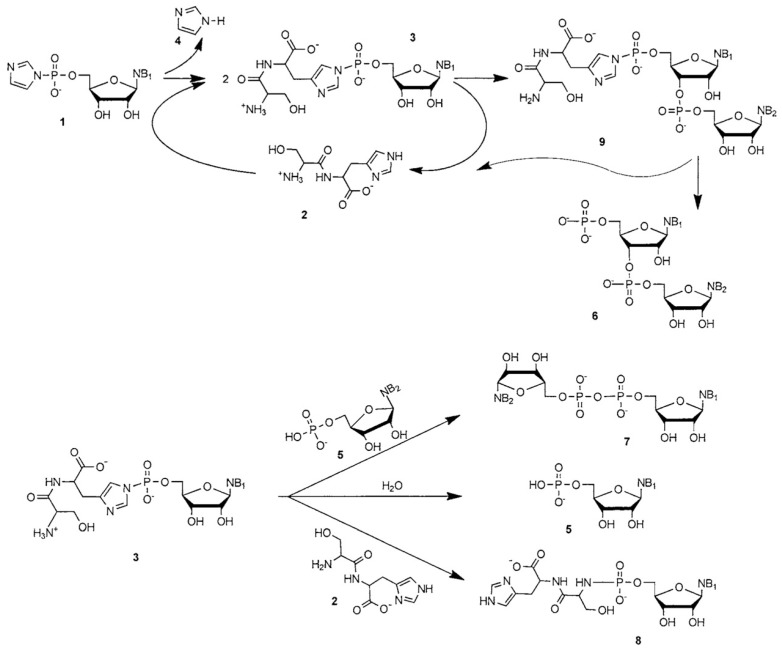
“Although the achieved length of RNA oligomers has been limited to only a few nucleotides, the catalytic formation of the phosphodiester bond by Ser-His has been well studied, and the proposed mechanism of the catalysis has been reported thanks to the isolation of an intermediate complex [19,20] (Figure 6).”
BackgroundMethodSelf-citationTowards Co-Evolution of Membrane Proteins and Metabolism
Wilson, M. A., Wei, C., & Pohorille, A. (2014) · Origins of Life and Evolution of Biospheres · doi:10.1007/s11084-014-9393-2 · Cited by 17 · cited 1×
“This suggests that, in protocells, fatty acid membranes and encapsulated catalysts could have co-evolved after the earliest stages of the history of life [123].”
BackgroundCleavage of BSA by a dipeptide seryl-histidine
Chen, J., Wan, R., Liu, H., Cheng, C., & Zhao, Y. (2000) · International Journal of Peptide Research and Therapeutics · doi:10.1023/a:1013000429319 · Cited by 16
Vázquez-Salazar, A., Tan, G. K., Stockton, A. M., Fani, R., Becerra, A., & Lazcano, A. (2016) · Origins of Life and Evolution of Biospheres · doi:10.1007/s11084-016-9525-y · Cited by 16 · cited 1×
“Some have argued that such a process does not fulfil the criteria that would enable it to be considered prebiotic [42], and therefore, putting into question whether or not this amino acid could in fact be available in early stages of prebiotic evolution remains open for debate.”
BackgroundLi, Y., Hatfield, S., Li, J., McMills, M. C., Zhao, Y., & Chen, X. (2002) · Bioorganic & Medicinal Chemistry · doi:10.1016/s0968-0896(01)00339-x · Cited by 15
Glutathione as a prebiotic answer to α-peptide based life.
Fiser, B., Jójárt, B., Szőri, M., Lendvay, G., Csizmadia, I., & Viskolcz, B. (2015) · Journal of Physical Chemistry B · doi:10.1021/jp511582m · Cited by 14
On Prebiotic Ecology, Supramolecular Selection and Autopoiesis
Wieczorek, R. M. (2012) · Origins of Life and Evolution of Biospheres · doi:10.1007/s11084-012-9306-1 · Cited by 13 · cited 1×
“It is an example of something that has been dubbed ‘supramolecular selection’, a process that operates in the prebiotic ecology stage of prebiotic evolution and ensures the selection of certain macromolecular assemblies over others [91].”
BackgroundSelf-citationLamy, C., Lemoine, J., Bouchu, D., Goekjian, P. G., & Strazewski, P. (2008) · ChemBioChem · doi:10.1002/cbic.200700720 · Cited by 12 · cited 1×
“, up to the 10-mer) and about the nature of the resulting sequences (for example, see [124,125]).”
BackgroundMolecular modeling on DNA cleavage activity of seryl-histidine and related dipeptide
Sun, M., Ma, Y., Ji, S., Liu, H., & Zhao, Y. (2004) · Bioorganic & Medicinal Chemistry Letters · doi:10.1016/j.bmcl.2004.05.008 · Cited by 11
Kumaran, S., Datta, D., & Roy, R. P. (2000) · Protein Science · doi:10.1110/ps.9.4.734 · Cited by 11 · cited 1×
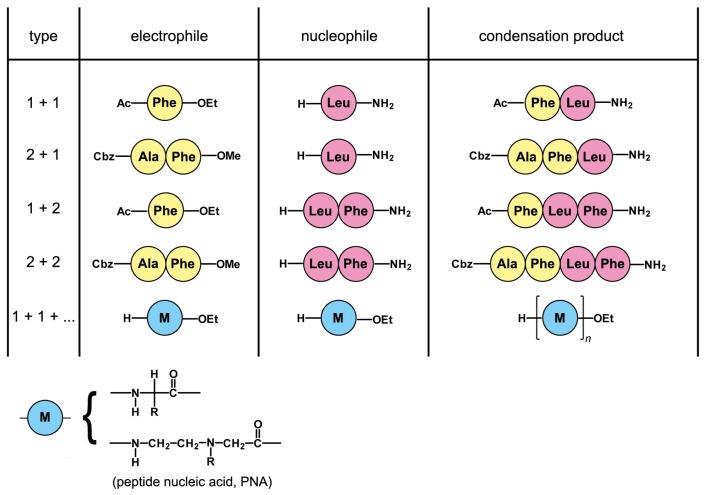
“Fragment condensation of primitive peptides, unfortunately, lacks experimental studies, but it is per se worthy of more attention (note, however, that a protease-catalyzed oligomerization of a native protein segment in neat aqueous solution has been reported [100]).”
BackgroundZeng, Q., Qiang, Y., & Zhao, Y. (2005) · Bioorganic & Medicinal Chemistry · doi:10.1016/j.bmc.2004.12.047 · Cited by 9
6-Membered ring intermediates in polymerization of N-carboxyanhydride-L-α-arginine in H2O
Liang, X., Ren, J., Xiang, J., Yan, Q., Xie, Y., wang, K.-J., Lai, P., & Bai, Y. (2009) · Science China Chemistry · doi:10.1007/s11426-009-0112-1 · Cited by 8 · cited 1×
“Arginine-rich peptides are prebiotically plausible, with several routes of the synthesis of arginine under prebiotic conditions [117,118].”
BackgroundMolecular interaction modeling of Ser-His dipeptide and buffers
Sun, M., Chen, J., Liu, X. H., & Zhao, Y. (2003) · Journal of Molecular Structure THEOCHEM · doi:10.1016/j.theochem.2003.10.017 · Cited by 8
Toward Peptide Nucleic Acid (PNA) Directed Peptide Translation Using Ester Based Aminoacyl Transfer
Singhal, A., Bagnacani, V., Corradini, R., & Nielsen, P. E. (2014) · ACS Chemical Biology · doi:10.1021/cb5005349 · Cited by 8 · cited 1×
“Finally, it should be mentioned that in another study, Ser-His was employed to promote peptide bond formation between two groups linked to the ends of a synthetic PNA stem loop structure [92], but in this case, its effectiveness as an organocatalyst was poor.”
BackgroundDu, H., Wang, Y., Yang, L., Luo, W., Xia, N., & Zhaoh, Y. (2002) · International Journal of Peptide Research and Therapeutics · doi:10.1023/a:1021363730979 · Cited by 6
Workshop OQOL’09: Open Questions on the Origins of Life 2009
Mavelli, F., P, D. G., L, C., & Luisi, P. L. (2010) · Origins of Life and Evolution of Biospheres · doi:10.1007/s11084-010-9213-2 · Cited by 6
Free Energies of Hydrolysis and Decarboxylation
Jencks, W. P. (2010) · CRC Press eBooks · doi:10.1201/b11923-71 · Cited by 6
Molecular modeling of diastereoisomeric aggregates of L/D ser/histamine amide with 5′-TpTpdC-3′
Sun, M., Zhu, C., Tan, B., Jin, Y. H., & Zhao, Y. (2003) · Journal of Molecular Modeling · doi:10.1007/s00894-002-0114-9 · Cited by 4
Li, F., Fitz, D., & Rode, B. M. (2012) · Amino Acids · doi:10.1007/s00726-012-1396-6 · Cited by 4 · cited 1×
“The formation of peptides can be induced by high salt environment [49], and under certain conditions, a high enantioselective oligomerization was observed [50].”
BackgroundFree Energies of Hydrolysis and Decarboxylation
Jencks, W. P. (2018) · doi:10.1201/b21846-73 · Cited by 4
Liu, Y., Hou, J. B., Liu, X. X., Miao, F. M., & Zhao, Y. (2009) · Journal of Structural Chemistry · doi:10.1007/s10947-009-0125-9 · Cited by 3 · cited 1×
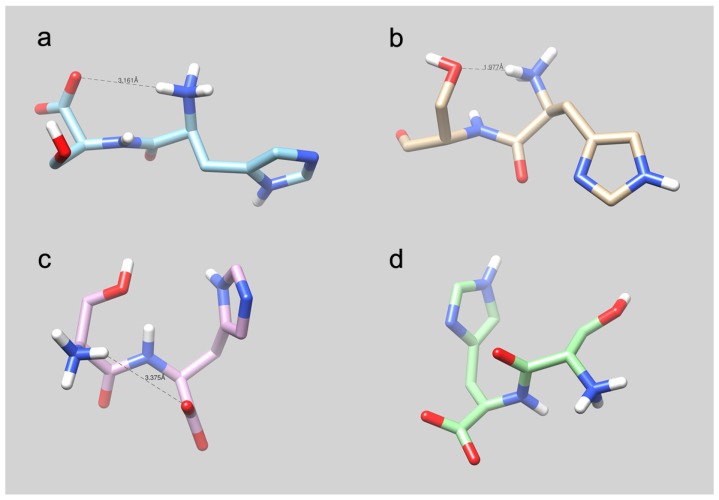
“Note that previous work [81] has shown that Nδ–H Ser-His has a conformation similar to that which has been found by us.”
ResultLiu, Y., Shi, Y., Liu, X., Lin, M., Lin, D., & Zhao, Y. (2010) · Science China Chemistry · doi:10.1007/s11426-010-3192-z · Cited by 3
Free energies and equilibria of peptide bond hydrolysis and formation.
Martin, R. B. (1998) · Biopolymers · doi:10.1002/(sici)1097-0282(19980415)45:5<351::aid-bip3>3.0.co;2-k · cited 2×
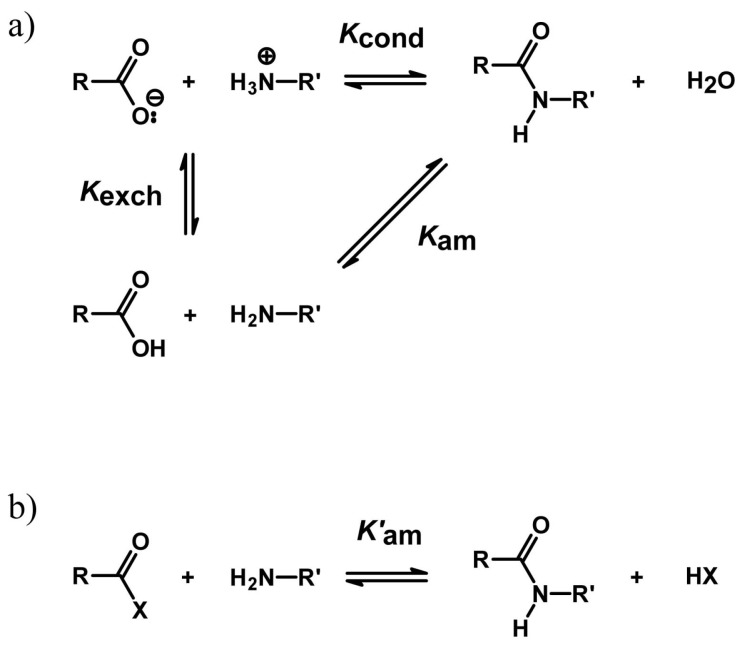
“The endergonic standard Gibbs free energy change associated with the formation of peptide bonds in aqueous solutions from carboxylate and ammonium ions is about +10–20 kJ/mol [46], implying that the reaction is not thermodynamically favored.”
Background
Cited by
Natural Preservatives for Extending the Shelf‐Life of Seafood: A Revisit
Olatunde, O. O., & Benjakul, S. (2018) · Comprehensive Reviews in Food Science and Food Safety · doi:10.1111/1541-4337.12390 · Cited by 260
Systems protobiology: origin of life in lipid catalytic networks
Lancet, D., Zidovetzki, R., & Markovitch, O. (2018) · Journal of The Royal Society Interface · doi:10.1098/rsif.2018.0159 · Cited by 182
Synthetic Catalysts Inspired by Hydrolytic Enzymes
Nothling, M. D., Xiao, Z., Bhaskaran, A., Blyth, M. T., Bennett, C. W., Coote, M. L., & Connal, L. A. (2018) · ACS Catalysis · doi:10.1021/acscatal.8b03326 · Cited by 165
Prebiotic condensation through wet–dry cycling regulated by deliquescence
Campbell, T. D., Febrian, R., McCarthy, J. T., Kleinschmidt, H. E., Forsythe, J. G., & Bracher, P. J. (2019) · Nature Communications · doi:10.1038/s41467-019-11834-1 · Cited by 136
Lopez, A., & Fiore, M. (2019) · Life · doi:10.3390/life9020049 · Cited by 89
Metadata
- Authors
- Wieczorek, R., Adamala, K., Gasperi, T., Polticelli, F., & Stano, P.
- Affiliations
- Faculty of Chemistry, University of Warsaw, Pasteura 1, 02-093 Warsaw, Poland
- University of Minnesota (US)
- Roma Tre University (IT)
- University of Salento (IT)
- Corresponding author
- Stano, Pasquale
- Venue
- Life
- Publisher
- MDPI AG
- Published
- 2017-04-09
- Volume
- 7
- Issue
- 2
- Pages
- 19
- ISSN
- 2075-1729 (ISSN-L)
- PMC
- PMC5492141
- OpenAlex
- W2605465619
- Cited by
- 53
- References
- 136
- Citations by year
- 2026: 4 · 2025: 4 · 2024: 7 · 2023: 5 · 2022: 5 · 2021: 6 · 2020: 4 · 2019: 9 · 2018: 8 · 2017: 1
- FWCI
- 0.61
- Type
- journal article
- Language
- en
- Open access
- gold
- doi.org
- Licence
- Locations
- Life (publishedVersion, cc-by)
- Europe PMC (PubMed Central) (publishedVersion, cc-by)
- PubMed Central (publishedVersion, cc-by)
- PubMed (publishedVersion)
- Iris (Roma Tre University) (submittedVersion)
- AIRUS (submittedVersion, cc-by)
- Funders
- Università degli Studi Roma Tre
- Eidgenössische Technische Hochschule Zürich
- Université de Montpellier
- Topics
- Physical Sciences › Physics and Astronomy › Astronomy and Astrophysics › Origins and Evolution of Life
- Life Sciences › Biochemistry, Genetics and Molecular Biology › Molecular Biology › RNA and protein synthesis mechanisms
- Physical Sciences › Chemistry › Organic Chemistry › Chemical Synthesis and Analysis
- Keywords
- prebiotic chemistry, early chemical evolution, peptide condensation, enzyme origin, amino acids
About these checks
Registry, retraction, Cites and statistics results are computed, not judged, with one exception: a printed reference that no index lists is read once by a model before it counts as a citation error. Claims are extracted by a model and kept only when their quote appears verbatim in the text; each cited source is then checked, with a model’s help, for whether it says what the claim relies on. Those verdicts can be wrong — read the claim’s quote and the cited source before relying on one.
Statistics and arithmetic are recomputed, not judged.
Confidence bands are shown only for fields calibrated on our annotated test set. None is calibrated yet, so no band is shown.
What counts as a claim ›How we measure confidence ›How we check this ›
Are you an author, or do you see a problem with this page? Request a review
Data sources
Bibliographic data: Semantic Scholar, OpenAlex, Crossref.
Contains information from the Semantic Scholar Academic Graph Datasets, made available under the ODC Attribution License (ODC-BY 1.0).
Semantic Scholar’s data is described in: Kinney, R., et al. (2023). The Semantic Scholar Open Data Platform. arXiv:2301.10140.
