

Recent Developments in Lactone Monomers and Polymer Synthesis and Application
Open accessThe DOI matches its Crossref record; 91 of the 96 references it cites were found in a registry or an index, and 1 are not checked yet.
Abstract
Lactones are a group of compounds that have been known for several decades. The commercial importance of lactones results from the possibility of manufacturing of a broad scope of derivatives and polymers with a wide spectrum of applications. In this work the synthesis and characterization of simple lactones are described, which due to the easy methods of the synthesis are of high importance for the industry. The chemical as well as biochemical methods are included with special attention paid to the methods that avoid metal catalysts, initiators or toxic solvents, allowing the use of the final products for the medical applications, e.g., for controlled drug-release systems, resorbable surgical threads, implants, tissue scaffolds or for the production of drugs. Lactone-based derivatives, such as polymers, copolymers, composites or three-dimensional structures are also presented. The work is focused on the methods for the synthesis of lactones and lactones derivates, as well as on the special properties and application of the studied compounds.
Overview
The claims and statistics of this paper haven’t been checked yet.
Free: it reads the open-access text and checks the first 5 claims that cite a source we can check. Create a free account to check every claim.
Integrity signals
Registry
Cites
Statistics
Figures








Verification
Claims the paper makes
The claims and statistics of this paper haven’t been checked yet.
Free: it reads the open-access text and checks the first 5 claims that cite a source we can check. Create a free account to check every claim.
Self-check
Percentages, sums and reported differences re-computed from the paper’s own numbers.
The self-check needs the paper’s full text.
Citations
Cites
The return of a forgotten polymer—Polycaprolactone in the 21st century
Woodruff, M. A., & Hutmacher, D. W. (2010) · Progress in Polymer Science · doi:10.1016/j.progpolymsci.2010.04.002 · Cited by 4,033 · cited 1×
“Its rheological properties make it easy to manufacture and process into implants [50].”
BackgroundRecent Developments in Ring Opening Polymerization of Lactones for Biomedical Applications
Albertsson, A.-C., & Varma, I. K. (2003) · Biomacromolecules · doi:10.1021/bm034247a · Cited by 1,582 · cited 1×
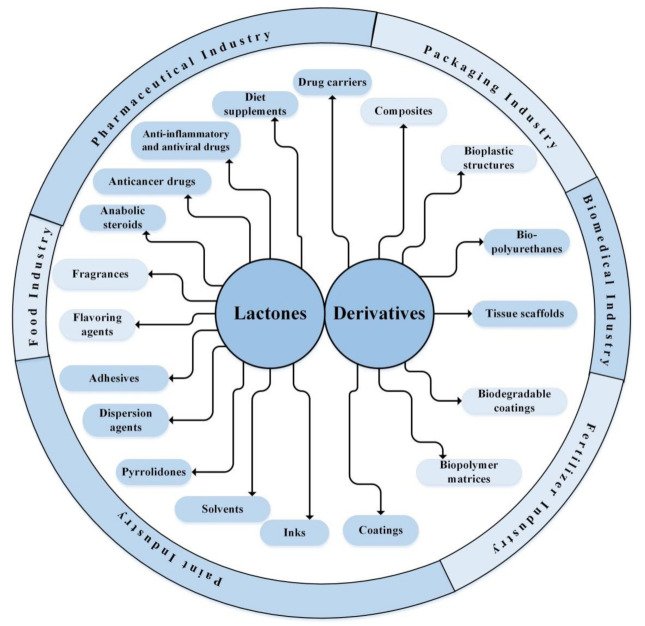
“Lactone-based polymers and copolymers, due to their biodegradability and biocompatibility, are mainly used in the medical industry, as scaffolds for the regeneration of bones and soft tissues, as well as in the pharmaceutical industry as the carriers of the active ingredients [5].”
BackgroundThe Baeyer−Villiger Reaction: New Developments toward Greener Procedures
ten Brink, G.-J., Arends, I. W. C. E., & Sheldon, R. A. (2004) · Chemical Reviews · doi:10.1021/cr030011l · Cited by 731
100 Years of Baeyer–Villiger Oxidations
Renz, M., & Meunier, B. (1999) · European Journal of Organic Chemistry · doi:10.1002/(sici)1099-0690(199904)1999:4<737::aid-ejoc737>3.0.co;2-b · Cited by 582
Approaches to Sustainable and Continually Recyclable Cross-Linked Polymers
Fortman, D. J., Brutman, J. P., De Hoe, G. X., Snyder, R. L., Dichtel, W. R., & Hillmyer, M. A. (2018) · ACS Sustainable Chemistry & Engineering · doi:10.1021/acssuschemeng.8b02355 · Cited by 559 · cited 1×
“Polyesters are very useful materials due to their biodegradability in the presence of enzymes, mechanical properties and many other important functional properties [1].”
BackgroundZhou, S., Deng, X., & Yang, H. (2003) · Biomaterials · doi:10.1016/s0142-9612(03)00207-2 · Cited by 383
Critical evaluation of biodegradable polymers used in nanodrugs
Caballero-George, C., Marin, & Briceño (2013) · International Journal of Nanomedicine · doi:10.2147/ijn.s47186 · Cited by 252 · cited 1×
“These include, in particular, PCL and Polylactic acid (PLA) [37,38].”
BackgroundRecent Advances in Ring-Opening Polymerization of Lactones and Related Compounds
Löfgren, A., Albertsson, A.-C., Dubois, P., & Jérôme, R. (1995) · Journal of Macromolecular Science, Part C · doi:10.1080/15321799508014594 · Cited by 235
P.Pêgo, A., Poot, A. A., Grijpma, D. W., & Feijen, J. (2001) · Journal of Biomaterials Science, Polymer Edition · doi:10.1163/156856201744434 · Cited by 188 · cited 1×
“Trimethylene carbonate Poly(ε-CL-co-TMC) Tin octanoate (SnOct2 ) [90,91] Methanesulfonic acid [92] Carbonate, 2-allyloxymethyl-2ethyl-trimethylene (AOMEC) Poly(ε-CL-co- AOMEC) 1,5,7-triazabicyclo [4.”
Majeed, Z., Ramli, N. K., Mansor, N., & Man, Z. (2015) · Reviews in Chemical Engineering · doi:10.1515/revce-2014-0021 · Cited by 185 · cited 1×
“Lactone copolymers can also be used in the fertilizer industry as coatings for fertilizers with slow and/or controlled release of nutrients, which in turn will help to reduce the leaching of these components to the soil and atmosphere [7].”
BackgroundRecent Developments in Ring-Opening Polymerization of Lactones
Lecomte, P., & Jérôme, C. (2011) · Advances in Polymer Science · doi:10.1007/12_2011_144 · Cited by 163
Poly(ε-caprolactone)−Clay Nanocomposites: Structure and Mechanical Properties
Chen, B., & Evans, J. R. G. (2006) · Macromolecules · doi:10.1021/ma052154a · Cited by 154 · cited 2×
“addition, composites, nanocomposites and coated biostructures are noteworthy, since they add to the polymers and copolymers’ additional properties, such as the rigidity of the three-dimensional structure or antibacterial properties [6].”
BackgroundDual Catalysis for Selective Ring-Opening Polymerization of Lactones: Evolution toward Simplicity
Naumann, S., Scholten, P. B. V., Wilson, J. A., & Dove, A. P. (2015) · Journal of the American Chemical Society · doi:10.1021/jacs.5b09502 · Cited by 143 · cited 1×
“ε-caprolactone – Poly-ε-caprolactone 4-dimethylaminopyridine (DMAP), Lewis acid/Benzyl alcohol [89]”
The B aeyer– V illigerOxidation of Ketones and Aldehydes
Krow, G. R. (1993) · Organic reactions · doi:10.1002/0471264180.or043.03 · Cited by 141
ε-Decalactone: A Thermoresilient and Toughening Comonomer to Poly(l-lactide)
Olsén, P., Borke, T., Odelius, K., & Albertsson, A.-C. (2013) · Biomacromolecules · doi:10.1021/bm400733e · Cited by 128
Martello, M. T., Schneiderman, D. K., & Hillmyer, M. A. (2014) · ACS Sustainable Chemistry & Engineering · doi:10.1021/sc500412a · Cited by 120
Martello, M. T., Burns, A., & Hillmyer, M. (2012) · ACS Macro Letters · doi:10.1021/mz200006s · Cited by 113
(2013) · Wiley eBooks · doi:10.1002/9783527666911 · Cited by 107
Biodegradable polymeric injectable implants for long‐term delivery of contraceptive drugs
Manoukian, O. S., Arul, M. R., Sardashti, N., Stedman, T., James, R., Rudraiah, S., & Kumbar, S. G. (2018) · Journal of Applied Polymer Science · doi:10.1002/app.46068 · Cited by 105 · cited 1×
“These include, in particular, PCL and Polylactic acid (PLA) [37,38].”
BackgroundPoly(lactide)-block-poly(ε-caprolactone-co-ε-decalactone)-block-poly(lactide) copolymer elastomers
Schneiderman, D. K., Hill, E. M., Martello, M. T., & Hillmyer, M. A. (2015) · Polymer Chemistry · doi:10.1039/c5py00202h · Cited by 101 · cited 2×
“The control over the mechanical and thermal properties can be ensured by a combination of both ε-decalactone and LA, as well as ε-caprolactone in the form of a ternary elastomer [62].”
Backgroundβ-Propiolactone. I. Polymerization Reactions
Gresham, T. L., Jansen, J. E., & Shaver, F. W. (1948) · Journal of the American Chemical Society · doi:10.1021/ja01183a030 · Cited by 97 · cited 1×
“– Poly-β-propiolactone Temperature [65,66] FeCl3 [65] H2 SO4 γ-butyrolactone Poly(γ-BL-co-β-PL) AlEt3-H2 O [67] Lactide Poly(LA-co-β-PL) TfOH/MeOH [68]”
Shen, Y., Xiong, W. H., Li, Y., Zhao, Z., Lu, H., & Li, Z. (2020) · CCS Chemistry · doi:10.31635/ccschem.020.202000232 · Cited by 93 · cited 1×
“α-methylene-γbutyrolactone – PMBL Cu/( photoATRP ) [77] Benzyl alcohol/urea [78] Styrene Poly(S-co-α-M-γ-BL) AIBN [79]”
Hege, C. S., & Schiller, S. M. (2014) · Green Chem. · doi:10.1039/c3gc42044b · Cited by 77 · cited 1×
“Many conventional methods use tin catalysts; yet, their toxicity precludes the use of the reaction products in medicine [39].”
BackgroundHydrolysis and Solvolysis as Benign Routes for the End-of-Life Management of Thermoset Polymer Waste
Shen, M., Cao, H., & Robertson, M. L. (2020) · Annual Review of Chemical and Biomolecular Engineering · doi:10.1146/annurev-chembioeng-120919-012253 · Cited by 68 · cited 1×
“This significant potential of polyesters was a motivation for searching for the new structures of polyesters, while maintaining the biodegradability properties [2].”
BackgroundJaffredo, C. G., Carpentier, J.-F., & Guillaume, S. M. (2013) · Macromolecules · doi:10.1021/ma401332k · Cited by 67 · cited 2×
“Copolymerization of β-butyrolactone with β-malolactone allows the obtaining of structures with biologically active centres [45].”
BackgroundCatalytic Carbonylation of β-Lactones to Succinic Anhydrides
Getzler, Y. D. Y. L., Kundnani, V., Lobkovsky, E. B., & Coates, G. W. (2004) · Journal of the American Chemical Society · doi:10.1021/ja048946m · Cited by 66 · cited 1×
“The β-butyrolactone can be used, like most lactones, for the production of its homo and copolymers, but it is also used in the reaction with carbon monoxide, for the stereoselective production of methyl succinic anhydride [16].”
BackgroundAlternating Copolymerization of 2-Oxazoline with β-Propiolactone
Sàegusa, T., Ikeda, H., & Fujii, H. (1972) · Macromolecules · doi:10.1021/ma60028a004 · Cited by 65
Kricheldorf, H. R., Mang, T., & Jonté, J. M. (1985) · Die Makromolekulare Chemie · doi:10.1002/macp.1985.021860507 · Cited by 63 · cited 1×
“Glycolide Poly(G-co-β-PL) Anionic catalyst [69] Acidic catalyst Complexing catalyst Acetonitrile Poly(AN-co-β-PL) α, α’-azobisisobutyronitrile benzoylperoxide [70] Styrene Poly(S-co-β-PL) 2-oxazoline Poly(OXZ-co-β-PL) Temperature [71] PEG Poly(EG-co-β-PL) Temperature [72]”
BackgroundCouffin, A., Delcroix, D., Martín-Vaca, B., Bourissou, D., & Navarro, C. (2013) · Macromolecules · doi:10.1021/ma400916k · Cited by 61 · cited 2×
“Copolymerization of ε-caprolactone in trimethylene carbonate can be performed using methanesulfonic acid as a catalyst [92].”
MethodShen, Y., Zhang, J., Zhao, N., Liu, F., & Li, Z. (2018) · Polymer Chemistry · doi:10.1039/c8py00389k · Cited by 60 · cited 4×
“In tissue engineering, a copolymer of γ-butyrolactone with LA may be used [47].”
BackgroundInfluentialNew biomaterials from renewable resources – amphiphilic block copolymers from δ-decalactone
Bansal, K. K., Kakde, D., Purdie, L., Irvine, D. J., Howdle, S. M., Mantovani, G., & Alexander, C. (2015) · Polymer Chemistry · doi:10.1039/c5py01203a · Cited by 59 · cited 1×
“Poly δ-decalactone with a relatively long, strongly hydrophobic alkyl chain allows for the application of larger loads of the active ingredient in comparison to the polymers currently used [61].”
BackgroundPalmieri, G. (1999) · European Journal of Organic Chemistry · doi:10.1002/(sici)1099-0690(199904)1999:4 · Cited by 54
Olsén, P., Odelius, K., Keul, H., & Albertsson, A.-C. (2015) · Macromolecules · doi:10.1021/acs.macromol.5b00254 · Cited by 53
Park, J., Lee, B., Park, S., Kim, M., Lee, J., Lee, H., Lee, H., Kim, J., & Kim, M. (2017) · International Journal of Molecular Sciences · doi:10.3390/ijms18030671 · Cited by 53 · cited 1×
“Lactide Poly(LA-co-ε-CL) mPEG/octanoate, tin (SnOct2) [95] 1,4-benzenedimethanol / octoate, tin(SnOct2 ) [96]”
New Process for Production of Tetrahydrofuran
Kanetaka, J., ASANO, T., & Masamune, S. (1970) · Industrial & Engineering Chemistry · doi:10.1021/ie50724a005 · Cited by 52 · cited 1×
“A by-product of this reaction is tetrahydrofuran, the formation of which can be controlled by the reaction conditions [25].”
BackgroundUeber das Phenanthren, einen neuen Kohlenwasserstoff im Steinkohlentheer
Fittig, R., & Ostermayer, E. (1873) · Justus Liebig s Annalen der Chemie · doi:10.1002/jlac.18731660308 · Cited by 51
García-Valle, F. M., Tabernero, V., Cuenca, T., Mosquera, M. E. G., Cano, J., & Milione, S. (2018) · Organometallics · doi:10.1021/acs.organomet.7b00843 · Cited by 51 · cited 1×
“– PHB NaH [44] Sodium phenoxides [40] Aluminum complexes [73] ε-decalactone Poly(β-BL-co-ε-DL) Y (III) complexes [42] β-malolactone Poly(β-BL-co-β-ML) Metal catalyst/Isopropanol [45] Lactide Poly(LA-co-β-BL) Y (III) complexes [43] ε-caprolactone, PEG Poly(ε-CL-co-β-BL-coEG) Trifluoromethanesulfonate sulfone acid [74]”
BackgroundShen, Y., Zhang, J., Zhao, Z., Zhao, N., Liu, F., & Li, Z. (2018) · Biomacromolecules · doi:10.1021/acs.biomac.8b01239 · Cited by 49
Catalytic macrolactonizations for natural product synthesis
Li, Y., Yin, X., & Dai, M. (2017) · Natural Product Reports · doi:10.1039/c7np00038c · Cited by 47 · cited 1×
“Other common methods include the Corey–Nicolaou, Boden–Keck or Mitsunobu macrolactonisations [18].”
MethodCouffin, A., Martín-Vaca, B., Bourissou, D., & Navarro, C. (2014) · Polymer Chemistry · doi:10.1039/c3py00935a · Cited by 44 · cited 2×
“At the next stage, ε-caprolactone is introduced into the reaction mixture, which results in the formation of a ternary block copolymer (Scheme 9) [74].”
BackgroundLee, S., Wu, S.-C., Chen, H., Tsai, L., Tzeng, J.-J., Lin, C., & Lin, Y. (2018) · BioMed Research International · doi:10.1155/2018/3240571 · Cited by 43 · cited 2×
“In the second step, synthesis of three-component polyurethane blocks is carried out by adding polyethylene glycol or ethylenediamine [56].”
BackgroundMethodBuwalda, S. J., Samad, A. A., Jundi, A. E., Béthry, A., Bakkour, Y., Coudane, J., & Nottelet, B. (2017) · Journal of Colloid and Interface Science · doi:10.1016/j.jcis.2017.12.057 · Cited by 42 · cited 1×
“PEG Poly(ε-CL-co-EG) PEG(NH2 )8/octoate, tin (SnOct2 ) [94] Tin octanoate (SnOct2 ) [51]”
SYNTHESIS AND CLEAVAGE OF LACTONES AND THIOLACTONES. APPLICATIONS IN ORGANIC SYNTHESIS. A REVIEW
Paryzek, Z., & Skiera, I. (2007) · Organic Preparations and Procedures International · doi:10.1080/00304940709356015 · Cited by 41 · cited 1×
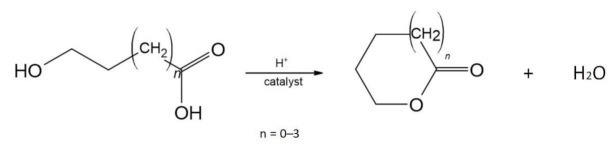
“Inorganic acids as well as sulfonic acid, p-toluenesulfonic acid and pyridine p-toluenesulfonate are the most commonly used catalysts [20].”
BackgroundFernández, J., Etxeberria, A., Varga, A. L., & Sarasua, J.-R. (2015) · Polymer · doi:10.1016/j.polymer.2015.11.001 · Cited by 39
Kakde, D., Taresco, V., Bansal, K. K., Magennis, E. P., Howdle, S. M., Mantovani, G., Irvine, D. J., & Alexander, C. (2016) · Journal of Materials Chemistry B · doi:10.1039/c6tb01839d · Cited by 39 · cited 2×
“Thanks to this, ε-decalactone is an excellent comonomer, for example, in combination with methoxyethylene glycol, for the production of micellar drug carriers [63].”
BackgroundComparison of thermal characteristics and degradation properties of ?-caprolactone copolymers
Lin, L. (1999) · Journal of Biomedical Materials Research · doi:10.1002/(sici)1097-4636(19991205)47:3<420::aid-jbm18>3.0.co;2-7 · Cited by 37
Oligomeric dual functional antibacterial polycaprolactone
Wang, H., Synatschke, C. V., Raup, A., Jérôme, V., Freitag, R., & Agarwal, S. (2013) · Polymer Chemistry · doi:10.1039/c3py01467c · Cited by 36 · cited 3×
“Polyhexamethylene guanidine (PHMG) Poly(HMG-co-ε-CL) PHMG [52]”
BackgroundInfluentialPorous Copolymers of ε-Caprolactone as Scaffolds for Tissue Engineering
Tang, M., Purcell, M., Steele, J. A. M., Lee, K., McCullen, S. D., Shakesheff, K. M., Bismarck, A., Stevens, M. M., Howdle, S. M., & Williams, C. K. (2013) · Macromolecules · doi:10.1021/ma401439z · Cited by 35
Copolymerization of γ‐butyrolactone and β‐propiolactone
Tada, K., Numata, Y., Sàegusa, T., & Furukawa, J. (1964) · Die Makromolekulare Chemie · doi:10.1002/macp.1964.020770120 · Cited by 33 · cited 1×
“– Poly-β-propiolactone Temperature [65,66] FeCl3 [65] H2 SO4 γ-butyrolactone Poly(γ-BL-co-β-PL) AlEt3-H2 O [67] Lactide Poly(LA-co-β-PL) TfOH/MeOH [68]”
Todea, A., Bîtcan, I., Aparaschivei, D., Păușescu, I., Badea, V., Péter, F., Gherman, V. D., Rusu, G. I., Nagy, L., & Kéki, S. (2019) · Polymers · doi:10.3390/polym11091402 · Cited by 32
Ring-opening copolymerization thermodynamics and kinetics of γ-valerolactone/ϵ-caprolactone
Gagliardi, M., & Bifone, A. (2018) · PLoS ONE · doi:10.1371/journal.pone.0199231 · Cited by 31 · cited 1×
“ε-caprolactone Poly(ε-CL-co-γ-VL) mPEG/octanoate, tin (SnOct2) [87] Temperature [82]”
Mahha, Y., Atlamsani, A., Blais, J., Tessier, M., Brégeault, J., & Salles, L. (2005) · Journal of Molecular Catalysis A Chemical · doi:10.1016/j.molcata.2005.02.023 · Cited by 30 · cited 2×
“It has been proven that in the case of using the HPA-2 heteropolyacid (H5[PMo12−2V2O40]·aq/MeOH) linear oligomers are obtained [85].”
BackgroundHu, Q., Jie, S., Braunstein, P., & Li, B. (2019) · Chinese Journal of Polymer Science · doi:10.1007/s10118-020-2347-4 · Cited by 30
Copolymerization of γ-valerolactone and β-butyrolactone
Lee, C. W., Urakawa, R., & Kimura, Y. (1998) · European Polymer Journal · doi:10.1016/s0014-3057(98)80001-3 · Cited by 29 · cited 1×
“γ-valerolactone Poly(β-BL-co-γ-VL) BF3-OEt2 [75]”
Fernández, J., Auzmendi, O., Amestoy, H., Díez-Torre, A., & Sarasua, J.-R. (2017) · European Polymer Journal · doi:10.1016/j.eurpolymj.2017.07.013 · Cited by 29 · cited 2×
“Carbon nanotubes serve as tissue scaffolds, while the addition of biologically active compounds, such as polydopamine (PDA), improves the adhesion of cells and thus their regeneration [57].”
BackgroundMethodFernández, J., Etxeberria, A., & Sarasua, J.-R. (2016) · RSC Advances · doi:10.1039/c5ra23404b · Cited by 26 · cited 3×
“δ-caprolactone ω-pentadecalactone Poly(ω-PDL-co-δ-CL) Triphenyl bismuth (Ph3Bi) [60] – Poly-δ-caprolactone TBD/Benzyl Alcohol [88]”
BackgroundMethodFagerland, J., Finne-Wistrand, A., & Pappalardo, D. (2016) · New Journal of Chemistry · doi:10.1039/c6nj00298f · Cited by 26 · cited 1×
“– PHB NaH [44] Sodium phenoxides [40] Aluminum complexes [73] ε-decalactone Poly(β-BL-co-ε-DL) Y (III) complexes [42] β-malolactone Poly(β-BL-co-β-ML) Metal catalyst/Isopropanol [45] Lactide Poly(LA-co-β-BL) Y (III) complexes [43] ε-caprolactone, PEG Poly(ε-CL-co-β-BL-coEG) Trifluoromethanesulfonate sulfone acid [74]”
BackgroundDomiński, A., Konieczny, T., Zięba, M., Klim, M., & Kurcok, P. (2019) · Polymers · doi:10.3390/polym11071221 · Cited by 26 · cited 2×
“It belongs to the group of polyhydroxyalkanoates, which are future “green” polymeric materials for biomedical applications, packaging and controlled drug release systems [40].”
BackgroundZain, G., Bondarev, D., Doháňošová, J., & Mosnáček, J. (2019) · ChemPhotoChem · doi:10.1002/cptc.201900151 · Cited by 26 · cited 1×
“α-methylene-γbutyrolactone – PMBL Cu/( photoATRP ) [77] Benzyl alcohol/urea [78] Styrene Poly(S-co-α-M-γ-BL) AIBN [79]”
Gagliardi, M., Michele, F. D., Mazzolai, B., & Bifone, A. (2015) · Journal of Polymer Research · doi:10.1007/s10965-015-0661-2 · Cited by 25 · cited 1×
“γ-valerolactone ε-caprolactone, mPEG Poly(mEG-co-ε-CLco-γ-VL) Tin octanoate (SnOct2 ) [86]”
Fernández, J., Larrañaga, A., Etxeberria, A., & Sarasua, J.-R. (2014) · Journal of the mechanical behavior of biomedical materials/Journal of mechanical behavior of biomedical materials · doi:10.1016/j.jmbbm.2014.03.013 · Cited by 25 · cited 1×
“Lactide Poly(LA-co-δ-VL) Bismuth sub-sallycinate (III) ( BiSS ) [83] Tin octanoate (SnOct2 ) [49,83]”
Carcinogenesis of β-Propiolactone: A Computational Study
Španinger, E., & Bren, U. (2020) · Chemical Research in Toxicology · doi:10.1021/acs.chemrestox.9b00389 · Cited by 25 · cited 1×
“As mentioned in the previous section, the interest in research and the possibilities of using polymers and copolymers of β-propiolactone have decreased in recent years due to its potential carcinogenic properties [36].”
BackgroundMonsalve, M. M., Contreras, J., Laredo, E., & López‐Carrasquero, F. (2010) · eXPRESS Polymer Letters · doi:10.3144/expresspolymlett.2010.54 · Cited by 24
Hydrophobicities of poly(ε-caprolactone) oligomers functionalized with different succinic anhydrides
Hakala, R. A., Korhonen, H., Holappa, S., & Seppälä, J. V. (2008) · European Polymer Journal · doi:10.1016/j.eurpolymj.2008.11.009 · Cited by 24
Thongkham, S., Monot, J., Martín-Vaca, B. M., & Bourissou, D. (2019) · Macromolecules · doi:10.1021/acs.macromol.9b01511 · Cited by 24
Kiriratnikom, J., Robert, C., Guérineau, V., Venditto, V., & Thomas, C. M. (2019) · Frontiers in Chemistry · doi:10.3389/fchem.2019.00301 · Cited by 19 · cited 1×
“– PHB NaH [44] Sodium phenoxides [40] Aluminum complexes [73] ε-decalactone Poly(β-BL-co-ε-DL) Y (III) complexes [42] β-malolactone Poly(β-BL-co-β-ML) Metal catalyst/Isopropanol [45] Lactide Poly(LA-co-β-BL) Y (III) complexes [43] ε-caprolactone, PEG Poly(ε-CL-co-β-BL-coEG) Trifluoromethanesulfonate sulfone acid [74]”
BackgroundSitko, M., Szelwicka, A., Wojewódka, A., Skwarek, A., Tadasiewicz, D., Schimmelpfennig, L., Dziuba, K., Morawiec-Witczak, M., & Chrobok, A. (2019) · RSC Advances · doi:10.1039/c9ra06087a · Cited by 17 · cited 1×
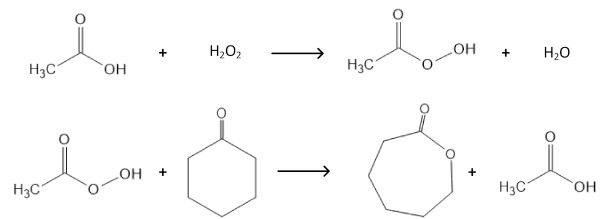
“This significantly improves the safety of the entire process and, crucially, reduces the amounts of generated wastes [33].”
BackgroundSelf-citationSzelwicka, A., Kolanowska, A., Latos, P., Jurczyk, S., Boncel, S., & Chrobok, A. (2020) · Catalysis Science & Technology · doi:10.1039/d0cy00545b · Cited by 17 · cited 5×
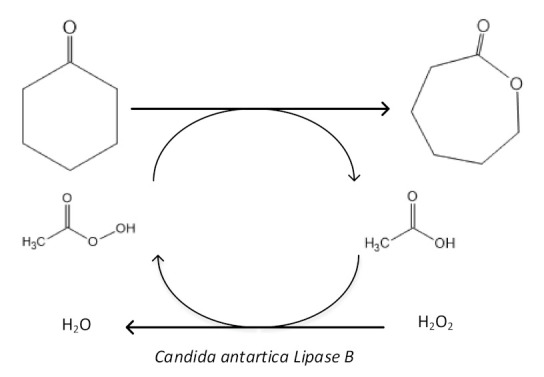
“The second step can be performed using immobilized lipase B from Candida antarctica (CALB) [22].”
BackgroundInfluentialSelf-citationAlkylation of 1,3,5-trimethylbenzene with γ-butyrolactone over heteropolyacid catalysts
Mao, J., Κamiya, Y., & Okuhara, T. (2003) · Applied Catalysis A General · doi:10.1016/s0926-860x(03)00640-9 · Cited by 16 · cited 2×
“– Poly-γ-butyrolactone Zeolites [76] PEG Poly(EG-co-γ-BL) CTPB/m PEG [46] Lactide Poly(LA-co-γ-BL) CTPB [47]”
BackgroundShibata, M., Teramoto, N., Someya, Y., & 怜司, 塚. (2007) · Journal of Applied Polymer Science · doi:10.1002/app.25903 · Cited by 16 · cited 2×
“Next, the ammonium-terminated OCL undergo ionexchange with montmorillonite, and the arising "organic clay" is mixed with PCL [53].”
Background2) Ueber das Fluoranthen, einen neuen Kohlenwasserstoff im Steinkohlentheer
Fittig, R., & Gebhard, F. (1878) · Justus Liebig s Annalen der Chemie · doi:10.1002/jlac.18781930109 · Cited by 16
Synthesis and Biodegradation of Poly(l-lactide-co-β-propiolactone)
Nakayama, Y., Aihara, K., Cai, Z., Shiono, T., & Tsutsumi, C. (2017) · International Journal of Molecular Sciences · doi:10.3390/ijms18061312 · Cited by 15 · cited 1×
“– Poly-β-propiolactone Temperature [65,66] FeCl3 [65] H2 SO4 γ-butyrolactone Poly(γ-BL-co-β-PL) AlEt3-H2 O [67] Lactide Poly(LA-co-β-PL) TfOH/MeOH [68]”
Synthesis and characterization of polymers from β-propiolactone and poly(ethylene glycol)s
Cerrai, P., Tricoli, M., Andruzzi, F., Paci, M., & Paci, M. (1987) · Polymer · doi:10.1016/0032-3861(87)90236-9 · Cited by 14
Xu, M., Guo, C., Dou, H., Zuo, Y., Sun, Y., Zhang, J., & Li, W. (2019) · Polymer Chemistry · doi:10.1039/c9py00174c · Cited by 14
Reversible 2D networks of oligo( ε -caprolactone) at the air–water interface
Saretia, S., Machatschek, R., Schulz, B. W., & Lendlein, A. (2019) · Biomedical Materials · doi:10.1088/1748-605x/ab0cef · Cited by 12 · cited 2×
“An example of this is the formation of hemiacetals in the reaction of OCL tetraol with glyoxal, which serves as a cross-linker, with the application of a method for creating Langmuir films on the surface of an aqueous solution [54].”
BackgroundMethodUrbánek, T., Trousil, J., Rak, D., Gunár, K., Konefał, R., Šlouf, M., Sedlák, M., Janoušková, O., & Hrubý, M. (2020) · Macromolecular Bioscience · doi:10.1002/mabi.201900408 · Cited by 10
Schwarz, W., Schossig, J., Rossbacher, R., Pinkos, R., & Höke, H. (2019) · Ullmann's Encyclopedia of Industrial Chemistry · doi:10.1002/14356007.a04_495.pub2 · Cited by 10
Sanchez‐Rexach, E., Iturri, J. J., Fernández, J., Meaurio, E., Toca-Herrera, J. L., & Sarasua, J.-R. (2019) · RSC Advances · doi:10.1039/c9ra04398e · Cited by 9 · cited 1×
“Mixtures of PCL with flavonoids that have antioxidant properties can be used as drug carriers [55].”
BackgroundBinary catalytic system for homo- and block copolymerization of ε-caprolactone with δ-valerolactone
Wang, Y., Han, Y., & Zhang, L. (2020) · RSC Advances · doi:10.1039/d0ra04974c · Cited by 9 · cited 1×
“ε-caprolactone,PEG Poly(δ-VL-co-ε-CL- coEG) ITU/YCl3 (2,3,6,7-tetrahydro5H-thiazolo [3,2-a] pyrimidine) [84]”
Feng, R., Jie, S., Braunstein, P., & Li, B. (2020) · Journal of Polymer Science · doi:10.1002/pol.20200174 · Cited by 8 · cited 1×
“δ-valerolactone ε-caprolactone Poly(δ-VL-co-ε-CL) Pyridyl urea/MTBD [80] Zinc 2,6-bisaminophenol complex [81] Temperature [82]”
Imsombut, T., Srisa‐ard, M., & Baimark, Y. (2017) · Oriental Journal Of Chemistry · doi:10.13005/ojc/330213 · Cited by 7 · cited 2×
“After the evaporating of the solvent, a blend-covered product or a thin film is obtained [98].”
BackgroundTsutsumi, C., Manabe, S., Nakayama, S., Nakayama, Y., & Shiono, T. (2019) · Scientific Reports · doi:10.1038/s41598-019-52910-2 · Cited by 7
I. Ueber das Fluoranthen, einen neuen Kohlenwasserstoff im Steinkohlentheer
Fittig, R., & Liepmann, H. (1880) · Justus Liebig s Annalen der Chemie · doi:10.1002/jlac.18802000102 · Cited by 7
Ueber das Fluoranthen, einen neuen Kohlenwasserstoff im Steinkohlentheer
Fittig, R., & Gebhard, F. (1877) · Berichte der deutschen chemischen Gesellschaft · doi:10.1002/cber.187701002233 · Cited by 7
ROP of Cyclic Carbonates and ROP of Macrocycles – Latest Developments
Rokicki, G., & Parzuchowski, P. G. (2015) · Elsevier eBooks · doi:10.1016/b978-0-12-803581-8.01381-3 · Cited by 5 · cited 1×
“Trimethylene carbonate Poly(ε-CL-co-TMC) Tin octanoate (SnOct2 ) [90,91] Methanesulfonic acid [92] Carbonate, 2-allyloxymethyl-2ethyl-trimethylene (AOMEC) Poly(ε-CL-co- AOMEC) 1,5,7-triazabicyclo [4.”
Saat, M. N., & Annuar, M. S. M. (2019) · Biotechnology and Applied Biochemistry · doi:10.1002/bab.1859 · Cited by 5 · cited 7×
“Methyl-δglucopyranoside Oligo(MGP-co-ε-CL) Immozyme CALB [97]”
BackgroundInfluentialThe copolymerization of substituted styrenes with ?-methylene-?-butyrolactone
Trumbo, D. L. (1995) · Polymer Bulletin · doi:10.1007/bf00963122 · Cited by 4 · cited 1×
“α-methylene-γbutyrolactone – PMBL Cu/( photoATRP ) [77] Benzyl alcohol/urea [78] Styrene Poly(S-co-α-M-γ-BL) AIBN [79]”
Radical copolymerizations of β‐propiolactone with acrylonitrile and with styrene
Katayama, S., Horikawa, H., & Toshima, O. (1971) · Journal of Polymer Science Part A-1 Polymer Chemistry · doi:10.1002/pol.1971.150091013 · Cited by 4 · cited 1×
“Glycolide Poly(G-co-β-PL) Anionic catalyst [69] Acidic catalyst Complexing catalyst Acetonitrile Poly(AN-co-β-PL) α, α’-azobisisobutyronitrile benzoylperoxide [70] Styrene Poly(S-co-β-PL) 2-oxazoline Poly(OXZ-co-β-PL) Temperature [71] PEG Poly(EG-co-β-PL) Temperature [72]”
BackgroundGrobelny, Z., Jurek-Suliga, J., & Golba, S. (2020) · Journal of Polymer Research · doi:10.1007/s10965-020-02333-9 · Cited by 3 · cited 5×
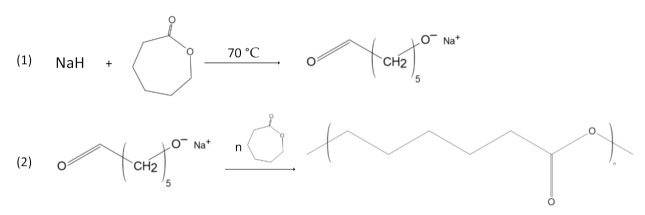
“The anionic homopolymerization of ε-caprolactone is also possible using this initiator (Scheme 8) [44].”
BackgroundInfluentialBernhardt, K. T., Collins, H. G., & Balija, A. M. (2019) · BMC Chemistry · doi:10.1186/s13065-019-0638-z · Cited by 2 · cited 1×
“Lactide Poly(LA-co-ε-CL) mPEG/octanoate, tin (SnOct2) [95] 1,4-benzenedimethanol / octoate, tin(SnOct2 ) [96]”
Method of ε-caprolactone synthesis by chemo-enzymatic oxidation of cyclohexanone in emulsion
Sitko, M. (2019) · PRZEMYSŁ CHEMICZNY · doi:10.15199/62.2019.10.11 · Cited by 1
Copolymerization of heterocyclic monomers by ring scission
Ames, W. A. (1963) · SHAREOK (University of Oklahoma; Oklahoma State University; Central Oklahoma University) · Cited by 1
Research works printed but not linked: 4
- Pelouze, 1844, Memoir on lactic acid, Comptes Rendus, 19, 1219
- Libiszewska, 2011, Lactones as biologically active compounds, Biotechnol. Food Sci., 75, 45
- WHO (2014). Gamma-butyrolactone (GBL) Critical Review Report Agenda item 4.3. Expert Committee on Drug Dependence Thirty-sixth Meeting, Geneva, Switzerland.
- Krow, 1993, The Baeyer-Villiger Oxidation of Ketones and Aldehydes, Org. React., 43, 251
Cited by
Ntrivala, M. A., Pitsavas, A. C., Lazaridou, K., Baziakou, Z., Karavasili, D., Papadimitriou, M., Ntagkopoulou, C., Balla, E., & Bikiaris, D. N. (2025) · European Polymer Journal · doi:10.1016/j.eurpolymj.2025.114033 · Cited by 178
Li, X., Clarke, R. W., An, H., Gowda, R. R., Jiang, J., Xu, T., & Chen, E. Y. ‐. (2023) · Angewandte Chemie International Edition · doi:10.1002/anie.202303791 · Cited by 93
Sheta, S. M., Hamouda, M. A., Ali, O. I. M., Kandil, A. T., Sheha, R. R., & El‐Sheikh, S. M. (2023) · RSC Advances · doi:10.1039/d3ra04177h · Cited by 77
High-throughput experimentation for discovery of biodegradable polyesters
Fransen, K. A., Av-Ron, S. H. M., Buchanan, T. R., Walsh, D. J., Rota, D. T., Note, L. V., & Olsen, B. D. (2023) · Proceedings of the National Academy of Sciences · doi:10.1073/pnas.2220021120 · Cited by 73
“Specifically, lactide, ε -caprolactone, and δ -valerolactone were synthesized via ring-opening polymerization, (51) while all other lactones were polymerized via melt ring-opening polymerization.”
MethodTriazabicyclodecene: A versatile catalyst for polymer synthesis
Kim, J. G., Lee, G. S., & Lee, A. (2023) · Journal of Polymer Science · doi:10.1002/pol.20230643 · Cited by 65
Metadata
- Authors
- Bińczak, J., Dziuba, K., & Chrobok, A.
- Affiliations
- Silesian University of Technology (PL)
- Grupa Azoty (Poland) (PL)
- Corresponding author
- Chrobok, Anna
- Venue
- Materials
- Publisher
- MDPI AG
- Published
- 2021-05-27
- Volume
- 14
- Issue
- 11
- Pages
- 2881
- ISSN
- 1996-1944 (ISSN-L)
- PMC
- PMC8198756
- OpenAlex
- W3165610759
- Cited by
- 43
- References
- 96
- Citations by year
- 2026: 9 · 2025: 9 · 2024: 4 · 2023: 16 · 2022: 3 · 2021: 2
- FWCI
- 0.43
- Type
- journal article
- Language
- en
- Open access
- gold
- doi.org
- Licence
- Locations
- Materials (publishedVersion, cc-by)
- PubMed Central (publishedVersion, cc-by)
- PubMed (publishedVersion)
- DOAJ (DOAJ: Directory of Open Access Journals) (submittedVersion, cc-by-sa)
- Funders
- Narodowe Centrum Badań i Rozwoju (POIR.01.02.00-00-00042/16)
- Topics
- Physical Sciences › Materials Science › Biomaterials › biodegradable polymer synthesis and properties
- Physical Sciences › Chemistry › Organic Chemistry › Advanced Polymer Synthesis and Characterization
- Physical Sciences › Materials Science › Polymers and Plastics › Polymer Synthesis and Characterization
- Keywords
- lactones, lactone monomers, lactone polymerization, copolymers, biodegradable polymers, metal-free synthesis, green chemistry, controlled drug release, tissue engineering scaffolds, implants, biomaterials
About these checks
Registry, retraction, Cites and statistics results are computed, not judged, with one exception: a printed reference that no index lists is read once by a model before it counts as a citation error. Claims are extracted by a model and kept only when their quote appears verbatim in the text; each cited source is then checked, with a model’s help, for whether it says what the claim relies on. Those verdicts can be wrong — read the claim’s quote and the cited source before relying on one.
Statistics and arithmetic are recomputed, not judged.
Confidence bands are shown only for fields calibrated on our annotated test set. None is calibrated yet, so no band is shown.
What counts as a claim ›How we measure confidence ›How we check this ›
Are you an author, or do you see a problem with this page? Request a review
Data sources
Bibliographic data: Semantic Scholar, OpenAlex, Crossref.
Contains information from the Semantic Scholar Academic Graph Datasets, made available under the ODC Attribution License (ODC-BY 1.0).
Semantic Scholar’s data is described in: Kinney, R., et al. (2023). The Semantic Scholar Open Data Platform. arXiv:2301.10140.
