

The DOI matches its Crossref record; 4 of the 4 references it cites were found in a registry or an index.
Natural Polysaccharides for siRNA Delivery: Nanocarriers Based on Chitosan, Hyaluronic Acid, and Their Derivatives
Abstract
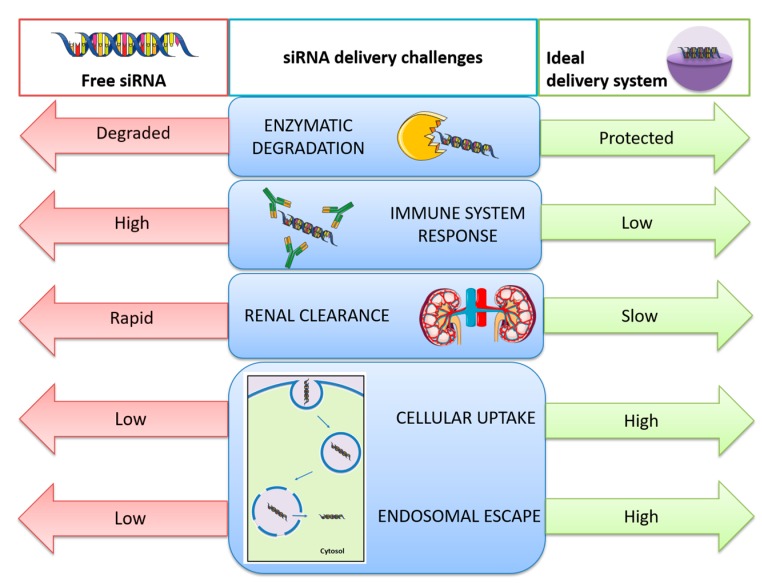
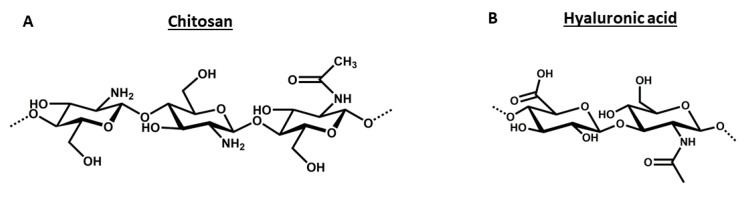
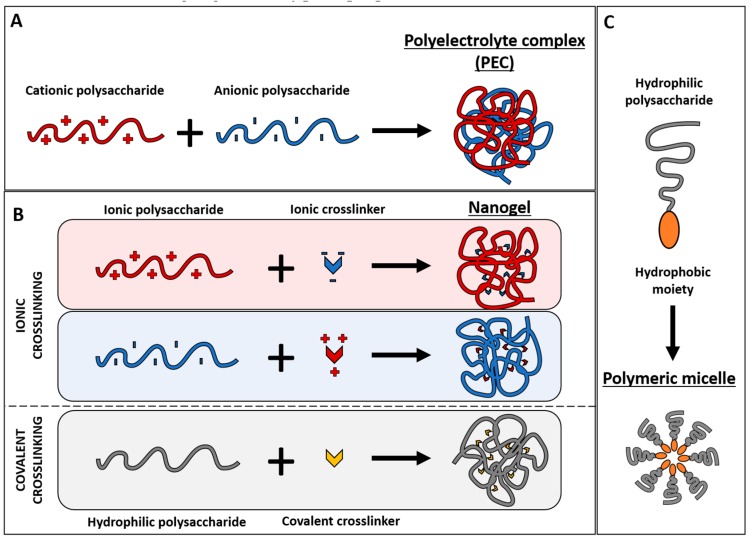
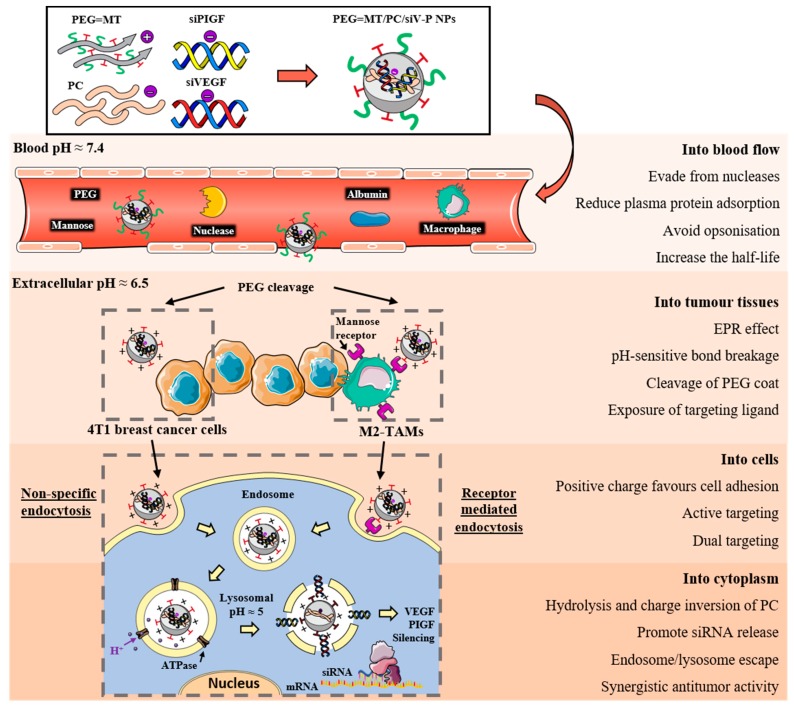
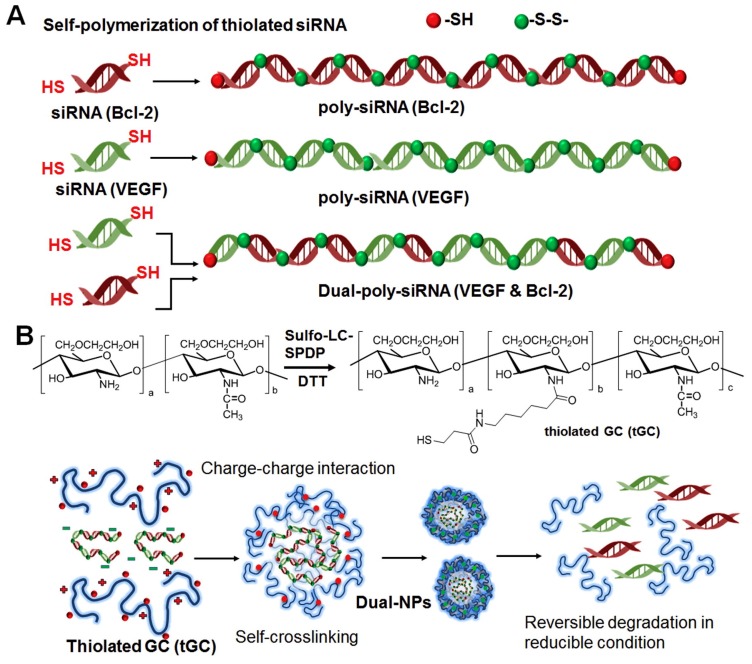
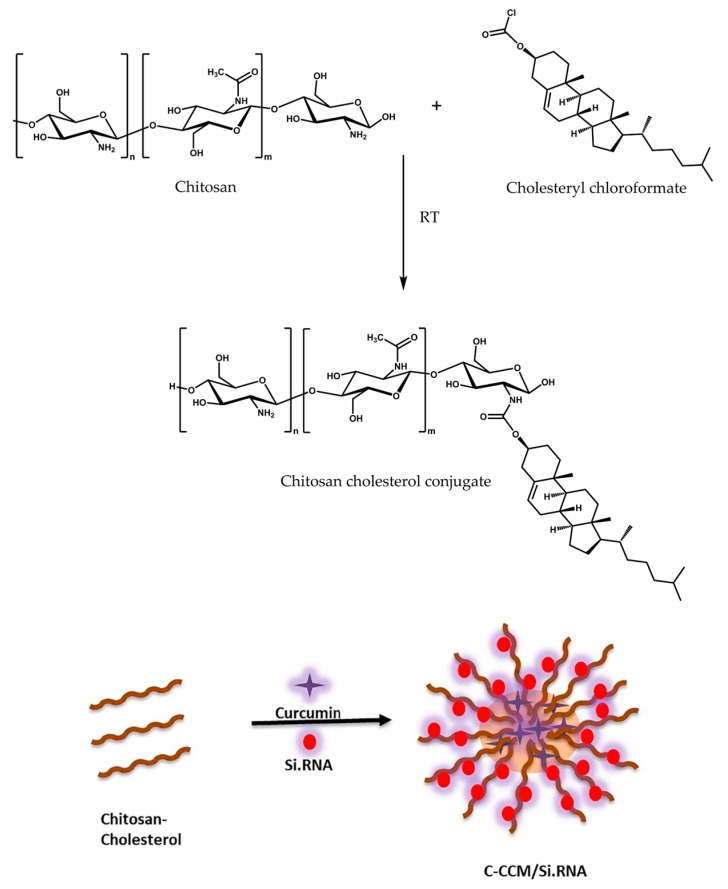
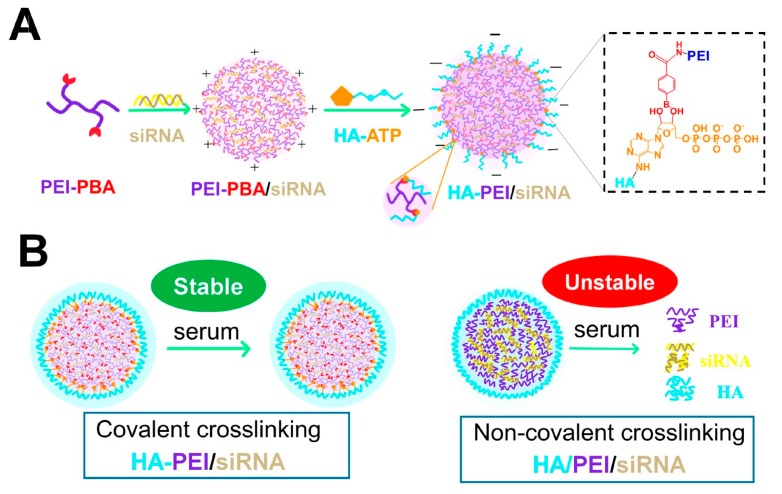
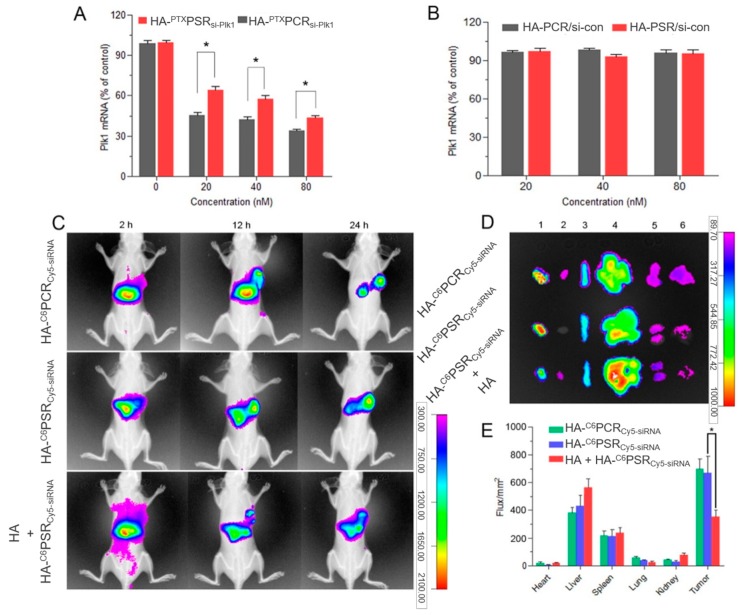
Natural polysaccharides are frequently used in the design of drug delivery systems due to their biocompatibility, biodegradability, and low toxicity. Moreover, they are diverse in structure, size, and charge, and their chemical functional groups can be easily modified to match the needs of the final application and mode of administration. This review focuses on polysaccharidic nanocarriers based on chitosan and hyaluronic acid for small interfering RNA (siRNA) delivery, which are highly positively and negatively charged, respectively. The key properties, strengths, and drawbacks of each polysaccharide are discussed. In addition, their use as efficient nanodelivery systems for gene silencing applications is put into context using the most recent examples from the literature. The latest advances in this field illustrate effectively how chitosan and hyaluronic acid can be modified or associated with other molecules in order to overcome their limitations to produce optimized siRNA delivery systems with promising in vitro and in vivo results.
Overview
The claims and statistics of this paper haven’t been checked yet.
Run the check — free, no account needed. It reads the open-access text and checks the sources it cites.
Integrity signals
Registry
Cites
Statistics
Figures
Verification
Claims the paper makes
The claims and statistics of this paper haven’t been checked yet.
Run the check — free, no account needed. It reads the open-access text and checks the sources it cites.
Claims other papers make about this one
Each is checked against this paper’s own text: does it say what the citing paper says it does?
In the citing paper
“The deposition of hyaluronic acid preferentially on the chitosan-based nanoparticles’ surface can improve cells targeting with overexpressed receptors, enhance in vivo stability and prolong circulation times of therapeutic agents.182,184”
From Current Advances in Chitosan Nanoparticles Based Oral Drug Delivery for Colorectal Cancer Treatment (2022) · cites this paper as [184]
In the citing paper
“The positively charged of chitosan and its mucopermeable and mucoadhesive properties have led to the extensive use it for encapsulate the negatively charged siRNA by the electrostatic interaction, forming positively charged stable polyplexes.184”
From Current Advances in Chitosan Nanoparticles Based Oral Drug Delivery for Colorectal Cancer Treatment (2022) · cites this paper as [184]
Self-check
Percentages, sums and reported differences re-computed from the paper’s own numbers.
The self-check needs the paper’s full text.
Citations
Cites
Knocking down barriers: advances in siRNA delivery
Whitehead, K. A., Langer, R., & Anderson, D. G. (2009) · Nature Reviews Drug Discovery · doi:10.1038/nrd2742 · Cited by 3,115
Cellular uptake of nanoparticles: Journey inside the cell
Behzadi, S., Serpooshan, V., Tao, W., Hamaly, M. A., Alkawareek, M. Y., Dreaden, E. C., Brown, D., Alkilany, A. M., Farokhzad, O. C., & Mahmoudi, M. (2017) · Chemical Society Reviews · doi:10.1039/c6cs00636a · Cited by 2,859
Delivery materials for siRNA therapeutics
Kanasty, R., Dorkin, J. R., Vegas, A., & Anderson, D. (2013) · Nature Materials · doi:10.1038/nmat3765 · Cited by 1,800
Advances in the delivery of RNA therapeutics: from concept to clinical reality
Kaczmarek, J. C., Kowalski, P. S., & Anderson, D. G. (2017) · Genome Medicine · doi:10.1186/s13073-017-0450-0 · Cited by 656
Research works printed but not linked: 162
- Fire, 1998, Potent and specific genetic interference by double-stranded RNA in Caenorhabditis elegans, Nature, 391, 806, 10.1038/35888 · DOI · Paper page
- Elbashir, 2001, Duplexes of 21-nucleotide RNAs mediate RNA interference in cultured mammalian cells, Nature, 411, 494, 10.1038/35078107 · DOI · Paper page
- Mokhtarzadeh, 2017, Biodegradable nano-polymers as delivery vehicles for therapeutic small non-coding ribonucleic acids, J. Control. Release, 245, 116, 10.1016/j.jconrel.2016.11.017 · DOI
- Snead, 2010, Biogenesis and function of endogenous and exogenous siRNAs, Wiley Interdiscip. Rev. RNA, 1, 117, 10.1002/wrna.14 · DOI
- Jackson, 2010, Recognizing and avoiding siRNA off-target effects for target identification and therapeutic application, Nat. Rev. Drug Discov., 9, 57, 10.1038/nrd3010 · DOI
- Piatek, 2014, Endogenous siRNAs: Regulators of internal affairs, Biochem. Soc. Trans., 42, 1174, 10.1042/BST20140068 · DOI
- Xia, 2013, Noncanonical microRNAs and endogenous siRNAs in normal and psoriatic human skin, Hum. Mol. Genet., 22, 737, 10.1093/hmg/dds481 · DOI
- Jeang, K.-T. (2012). RNAi in the regulation of mammalian viral infections. BMC Biol., 10. · DOI
- Cavallaro, 2017, Polymeric nanoparticles for siRNA delivery: Production and applications, Int. J. Pharm., 525, 313, 10.1016/j.ijpharm.2017.04.008 · DOI
- Tamura, 2010, Smart siRNA delivery systems based on polymeric nanoassemblies and nanoparticles, Nanomedicine, 5, 1089, 10.2217/nnm.10.76 · DOI
- Agrawal, 2003, RNA interference: Biology, mechanism, and applications, Microbiol. Mol. Biol. Rev., 67, 657, 10.1128/MMBR.67.4.657-685.2003 · DOI
- Kang, 2017, Oral siRNA Delivery to Treat Colorectal Liver Metastases, ACS Nano, 11, 10417, 10.1021/acsnano.7b05547 · DOI
- Wang, 2016, Gold-nanorods-siRNA nanoplex for improved photothermal therapy by gene silencing, Biomaterials, 78, 27, 10.1016/j.biomaterials.2015.11.025 · DOI
- Aagaard, 2007, RNAi therapeutics: Principles, prospects and challenges, Adv. Drug Deliv. Rev., 59, 75, 10.1016/j.addr.2007.03.005 · DOI
- Modarressi, 2019, Optimization of chitosan nanoparticles as an anti-HIV siRNA delivery vehicle, Int. J. Biol. Macromol., 129, 305, 10.1016/j.ijbiomac.2019.02.036 · DOI
- Patel, 2017, Targeting nanocarriers containing antisense oligonucleotides to cancer cell, J. Drug Deliv. Sci. Technol., 37, 97, 10.1016/j.jddst.2016.12.001 · DOI
- Shukla, 2010, Exploring chemical modifications for siRNA therapeutics: A structural and functional outlook, ChemMedChem, 5, 328, 10.1002/cmdc.200900444 · DOI
- Hong, 2014, Functional Nanostructures for Effective Delivery of Small Interfering RNA Therapeutics, Theranostics, 4, 1211, 10.7150/thno.8491 · DOI
- Mao, 2010, Chitosan-based formulations for delivery of DNA and siRNA, Adv. Drug Deliv. Rev., 62, 12, 10.1016/j.addr.2009.08.004 · DOI
- Singh, 2014, Chemical modification of chitosan with pH-sensitive molecules and specific ligands for efficient DNA transfection and siRNA silencing, J. Nanosci. Nanotechnol., 14, 564, 10.1166/jnn.2014.9079 · DOI
- Kumari, 2010, Biodegradable polymeric nanoparticles based drug delivery systems, Colloids Surf. B Biointerfaces, 75, 1, 10.1016/j.colsurfb.2009.09.001 · DOI
- Adesina, 2015, Nanotechnology Approaches for the Delivery of Exogenous siRNA for HIV Therapy, Mol. Pharm., 12, 4175, 10.1021/acs.molpharmaceut.5b00335 · DOI
- Tekade, 2016, RNAi-combined nano-chemotherapeutics to tackle resistant tumors, Drug Discov. Today, 21, 1761, 10.1016/j.drudis.2016.06.029 · DOI
- Petrilli, R., Eloy, J.O., de Souza, M.C., Abriata Barcellos, J.P., Marchetti, J.M., Yung, B., and Lee, R.J. (2016). Lipid nanoparticles as non-viral vectors for siRNA delivery: Concepts and applications. Nanobiomaterials in Drug Delivery: Applications of Nanobiomaterials, William Andrew Publishing. · DOI
- Joye, 2014, Biopolymer-based nanoparticles and microparticles: Fabrication, characterization, and application, Curr. Opin. Colloid Interface Sci., 19, 417, 10.1016/j.cocis.2014.07.002 · DOI
- Raemdonck, 2013, Polysaccharide-based nucleic acid nanoformulations, Adv. Drug Deliv. Rev., 65, 1123, 10.1016/j.addr.2013.05.002 · DOI
- Mokhtarzadeh, 2016, Bacterial-derived biopolymers: Advanced natural nanomaterials for drug delivery and tissue engineering, Trends Anal. Chem., 82, 367, 10.1016/j.trac.2016.06.013 · DOI
- Khan, 2012, Polysaccharide gene transfection agents, Acta Biomater., 8, 4224, 10.1016/j.actbio.2012.09.022 · DOI
- Karunaratne, 2015, Natural Carriers for siRNA Delivery, Curr. Pharm. Des., 21, 4529, 10.2174/138161282131151013185528 · DOI
- Myrick, 2014, Self-assembled polysaccharide nanostructures for controlled-release applications, Nanotechnol. Rev., 3, 319
- Parraga, 2014, Nanoparticles based on naturally-occurring biopolymers as versatile delivery platforms for delicate bioactive molecules: An application for ocular gene silencing, Int. J. Pharm., 477, 12, 10.1016/j.ijpharm.2014.09.049 · DOI
- Hess, 2006, Terminology of polymers containing ionizable or ionic groups and of polymers containing ions (IUPAC recommendations 2006), Pure Appl. Chem., 78, 2067, 10.1351/pac200678112067 · DOI
- Montis, 2017, Antimicrobial Nanoplexes meet Model Bacterial Membranes: The key role of Cardiolipin, Sci. Rep., 7, 1
- Svarovsky, 2009, Self-Assembled Micronanoplexes for Improved Biolistic Delivery of Nucleic Acids, Mol. Pharm., 6, 1927, 10.1021/mp900156h · DOI
- Li, 2010, Nanoplex delivery of siRNA and prodrug enzyme for multimodality image-guided molecular pathway targeted cancer therapy, ACS Nano, 4, 6707, 10.1021/nn102187v · DOI
- Buschmann, 2013, Chitosans for delivery of nucleic acids, Adv. Drug Deliv. Rev., 65, 1234, 10.1016/j.addr.2013.07.005 · DOI
- Chen, 2016, Lipopolyplex for therapeutic gene delivery and its application for the treatment of Parkinson’s disease, Front. Aging Neurosci., 8, 68, 10.3389/fnagi.2016.00068 · DOI
- Insua, 2016, Polyion complex (PIC) particles: Preparation and biomedical applications, Eur. Polym. J., 81, 198, 10.1016/j.eurpolymj.2016.06.003 · DOI
- Debele, 2016, Polysaccharide based nanogels in the drug delivery system: Application as the carrier of pharmaceutical agents, Mater. Sci. Eng. C, 68, 964, 10.1016/j.msec.2016.05.121 · DOI
- Wang, 2017, Recent advances in engineered chitosan-based nanogels for biomedical applications, J. Mater. Chem. B, 5, 6986, 10.1039/C7TB01624G · DOI
- Bhattarai, 2010, Chitosan-based hydrogels for controlled, localized drug delivery, Adv. Drug Deliv. Rev., 62, 83, 10.1016/j.addr.2009.07.019 · DOI
- Vauthier, 2013, Chitosan-based nanoparticles for in vivo delivery of interfering agents including siRNA, Curr. Opin. Colloid Interface Sci., 18, 406, 10.1016/j.cocis.2013.06.005 · DOI
- Zhang, 2013, Polysaccharide-Based Micelles for Drug Delivery, Pharmaceutics, 5, 329, 10.3390/pharmaceutics5020329 · DOI
- Amjad, 2017, Recent advances in the design, development, and targeting mechanisms of polymeric micelles for delivery of siRNA in cancer therapy, Prog. Polym. Sci., 64, 154, 10.1016/j.progpolymsci.2016.09.008 · DOI
- Ding, 2014, Nanoscale Emerging chitin and chitosan nano fi brous materials for biomedical applications, Nanoscale, 6, 9477, 10.1039/C4NR02814G · DOI
- Ivanova, 2014, Natural polymer biomaterials: Advanced applications, New Funct. Biomater. Med. Healthc., 1, 32, 10.1533/9781782422662.32 · DOI
- Ragelle, 2013, Chitosan-based siRNA delivery systems, J. Control. Release, 172, 207, 10.1016/j.jconrel.2013.08.005 · DOI
- Mohammed, M., Syeda, J., Wasan, K., and Wasan, E. (2017). An Overview of Chitosan Nanoparticles and Its Application in Non-Parenteral Drug Delivery. Pharmaceutics, 9. · DOI
- Sonaje, 2011, Effects of chitosan-nanoparticle-mediated tight junction opening on the oral absorption of endotoxins, Biomaterials, 32, 8712, 10.1016/j.biomaterials.2011.07.086 · DOI
- Ranaldi, 2002, The effect of chitosan and other polycations on tight junction permeability in the human intestinal Caco-2 cell line, J. Nutr. Biochem., 13, 157, 10.1016/S0955-2863(01)00208-X · DOI
- Dodane, 1999, Effect of chitosan on epithelial permeability and structure, Int. J. Pharm., 182, 21, 10.1016/S0378-5173(99)00030-7 · DOI
- Rodrigues, 2012, Biocompatibility of Chitosan Carriers with Application in Drug Delivery, J. Funct. Biomater., 3, 615, 10.3390/jfb3030615 · DOI
- Liu, 2007, The influence of polymeric properties on chitosan/siRNA nanoparticle formulation and gene silencing, Biomaterials, 28, 1280, 10.1016/j.biomaterials.2006.11.004 · DOI
- Malmo, 2012, SiRNA delivery with chitosan nanoparticles: Molecular properties favoring efficient gene silencing, J. Control. Release, 158, 261, 10.1016/j.jconrel.2011.11.012 · DOI
- Holzerny, 2012, Biophysical properties of chitosan/siRNA polyplexes: Profiling the polymer/siRNA interactions and bioactivity, J. Control. Release, 157, 297, 10.1016/j.jconrel.2011.08.023 · DOI
- Katas, 2006, Development and characterisation of chitosan nanoparticles for siRNA delivery, J. Control. Release, 115, 216, 10.1016/j.jconrel.2006.07.021 · DOI
- Raja, 2015, Stability, intracellular delivery, and release of siRNA from chitosan nanoparticles using different cross-linkers, PLoS ONE, 10, 1
- Jean, 2012, Chitosan-based therapeutic nanoparticles for combination gene therapy and gene silencing of in vitro cell lines relevant to type 2 diabetes, Eur. J. Pharm. Sci., 45, 138, 10.1016/j.ejps.2011.10.029 · DOI
- Alameh, 2012, Low molecular weight chitosan nanoparticulate system at low N:P ratio for nontoxic polynucleotide delivery, Int. J. Nanomed., 7, 1399
- Fenton, 2013, a Protection and Systemic Translocation of siRNA Following Oral Administration of Chitosan/siRNA Nanoparticles, Mol. Ther. Nucleic Acids, 2, 1
- Farid, 2014, Silencing of the scavenger receptor (Class B—Type 1) gene using siRNA-loaded chitosan nanaoparticles in a HepG2 cell model, Colloids Surf. B Biointerfaces, 123, 930, 10.1016/j.colsurfb.2014.10.045 · DOI
- Yang, 2011, Chitosan/VEGF-sIRNA nanoparticle for gene silencing, J. Control. Release, 152, e160, 10.1016/j.jconrel.2011.08.062 · DOI
- Huth, 2006, 703. Analysis of the Stability and Functionality of siRNA after Nebulization of siRNA Polyplexes, Mol. Ther., 13, S272, 10.1016/j.ymthe.2006.08.782 · DOI
- Sharma, 2013, Nebulised siRNA encapsulated crosslinked chitosan nanoparticles for pulmonary delivery, Int. J. Pharm., 455, 241, 10.1016/j.ijpharm.2013.07.024 · DOI
- Mittnacht, 2010, Chitosan/siRNA nanoparticles biofunctionalize nerve implants and enable neurite outgrowth, Nano Lett., 10, 3933, 10.1021/nl1016909 · DOI
- Hoffmann, 2011, Neuronal and glial responses to siRNA-coated nerve guide implants in vitro, Neurosci. Lett., 494, 14, 10.1016/j.neulet.2011.02.043 · DOI
- Zhang, 2010, Chitosan/double-stranded RNA nanoparticle-mediated RNA interference to silence chitin synthase genes through larval feeding in the African malaria mosquito (Anopheles gambiae), Insect Mol. Biol., 19, 683, 10.1111/j.1365-2583.2010.01029.x · DOI
- Mysore, 2013, Disruption of Aedes aegypti Olfactory System Development through Chitosan/siRNA Nanoparticle Targeting of semaphorin-1a, PLoS Negl. Trop. Dis., 7, 1, 10.1371/journal.pntd.0002215 · DOI
- Wauthoz, 2016, Development of siRNA-loaded chitosan nanoparticles targeting Galectin-1 for the treatment of glioblastoma multiforme via intranasal administration, J. Control. Release, 227, 71, 10.1016/j.jconrel.2016.02.032 · DOI
- Yang, 2015, Chitosan/siRNA nanoparticles targeting cyclooxygenase type 2 attenuate unilateral ureteral obstruction-induced kidney injury in mice, Theranostics, 5, 110, 10.7150/thno.9717 · DOI
- Patil, 2016, Low molecular weight chitosan–protamine conjugate for siRNA delivery with enhanced stability and transfection efficiency, RSC Adv., 6, 110951, 10.1039/C6RA24058E · DOI
- Nascimento, 2016, Biodistribution and pharmacokinetics of Mad2 siRNA-loaded EGFR-targeted chitosan nanoparticles in cisplatin sensitive and resistant lung cancer models, Nanomedicine, 11, 767, 10.2217/nnm.16.14 · DOI
- Nascimento, 2017, Overcoming cisplatin resistance in non-small cell lung cancer with Mad2 silencing siRNA delivered systemically using EGFR-targeted chitosan nanoparticles, Acta Biomater., 47, 71, 10.1016/j.actbio.2016.09.045 · DOI
- Sun, 2016, Chitosan-based nanoparticles for survivin targeted siRNA delivery in breast tumor therapy and preventing its metastasis, Int. J. Nanomed., 11, 4931, 10.2147/IJN.S105427 · DOI
- Zhang, 2016, Novel polymer micelle mediated co-delivery of doxorubicin and P-glycoprotein siRNA for reversal of multidrug resistance and synergistic tumor therapy, Sci. Rep., 6, 23859, 10.1038/srep23859 · DOI
- Corbet, 2016, Delivery of siRNA targeting tumor metabolism using non-covalent PEGylated chitosan nanoparticles: Identification of an optimal combination of ligand structure, linker and grafting method, J. Control. Release, 223, 53, 10.1016/j.jconrel.2015.12.020 · DOI
- Yang, 2016, Binary-copolymer system base on low-density lipoprotein-coupled N-succinyl chitosan lipoic acid micelles for co-delivery MDR1 siRNA and paclitaxel, enhances antitumor effects via reducing drug, J. Biomed. Mater. Res. Part B Appl. Biomater., 00B, 1
- He, 2015, Optimization of multifunctional chitosan-siRNA nanoparticles for oral delivery applications, targeting TNF-a silencing in rats, Acta Biomater., 17, 98, 10.1016/j.actbio.2015.01.041 · DOI
- Lee, 2015, Co-delivery of VEGF and Bcl-2 dual-targeted siRNA polymer using a single nanoparticle for synergistic anti-cancer effects in vivo, J. Control. Release, 220, 631, 10.1016/j.jconrel.2015.08.032 · DOI
- Yoon, 2014, Glycol chitosan nanoparticles as specialized cancer therapeutic vehicles: Sequential delivery of doxorubicin and Bcl-2 siRNA, Sci. Rep., 4, 6878, 10.1038/srep06878 · DOI
- Yang, 2013, Anti-tumor effects in mice induced by survivin-targeted siRNA delivered through polysaccharide nanoparticles, Biomaterials, 34, 5689, 10.1016/j.biomaterials.2013.03.047 · DOI
- Sun, 2017, Chitosan Nanoparticle with Enhanced Cell- Penetrating and Endosomal Escape Capacities for Suppressing Breast Tumor Metastasis, Int. J. Nanomed., 12, 3221, 10.2147/IJN.S129436 · DOI
- Gao, 2017, Targeted siRNA delivery reduces nitric oxide mediated cell death after spinal cord injury, J. Nanobiotechnol., 15, 38, 10.1186/s12951-017-0272-7 · DOI
- Song, 2018, Combination antitumor immunotherapy with VEGF and PIGF siRNA via systemic delivery of multi-functionalized nanoparticles to tumor-associated macrophages and breast cancer cells, Biomaterials, 185, 117, 10.1016/j.biomaterials.2018.09.017 · DOI
- Shi, 2018, In vivo therapeutic efficacy of TNFα silencing by folate-PEG-chitosan-DEAE/siRNA nanoparticles in arthritic mice, Int. J. Nanomed., 13, 387, 10.2147/IJN.S146942 · DOI
- Sadio, A., Gustafsson, J.K., Pereira, B., Gomes, C.P., Hansson, G.C., David, L., Pêgo, A.P., and Almeida, R. (2014). Modified-Chitosan/siRNA Nanoparticles Downregulate Cellular CDX2 Expression and Cross the Gastric Mucus Barrier. PLoS ONE, 9. · DOI
- Sadreddini, 2017, Chitosan nanoparticles as a dual drug/siRNA delivery system for treatment of colorectal cancer, Immunol. Lett., 181, 79, 10.1016/j.imlet.2016.11.013 · DOI · Paper page
- Siahmansouri, 2016, Effects of HMGA2 siRNA and doxorubicin dual delivery by chitosan nanoparticles on cytotoxicity and gene expression of HT-29 colorectal cancer cell line, J. Pharm. Pharmacol., 68, 1119, 10.1111/jphp.12593 · DOI
- Afkham, 2018, Chitosan (CMD)-mediated co-delivery of SN38 and Snail-specific siRNA as a useful anticancer approach against prostate cancer, Pharmacol. Rep., 70, 418, 10.1016/j.pharep.2017.11.005 · DOI
- Muddineti, 2018, Cholesterol-grafted chitosan micelles as a nanocarrier system for drug-siRNA co-delivery to the lung cancer cells, Int. J. Biol. Macromol., 118, 857, 10.1016/j.ijbiomac.2018.06.114 · DOI
- Atyabi, 2016, Downregulation of CD73 in 4T1 breast cancer cells through siRNA-loaded chitosan-lactate nanoparticles, Tumor Biol., 37, 8403, 10.1007/s13277-015-4732-0 · DOI
- Rudzinski, 2016, Targeted delivery of small interfering RNA to colon cancer cells using chitosan and PEGylated chitosan nanoparticles, Carbohydr. Polym., 147, 323, 10.1016/j.carbpol.2016.04.041 · DOI
- Nam, 2016, Target gene delivery from targeting ligand conjugated chitosan-PEI copolymer for cancer therapy, Carbohydr. Polym., 135, 153, 10.1016/j.carbpol.2015.08.053 · DOI
- Gutoaia, 2016, Fine-tuned PEGylation of chitosan to maintain optimal siRNA-nanoplex bioactivity, Carbohydr. Polym., 143, 25, 10.1016/j.carbpol.2016.01.010 · DOI
- Xiao, 2016, Urocanic acid-modified chitosan nanoparticles can confer anti-inflammatory effect by delivering CD98 siRNA to macrophages, Colloids Surf. B Biointerfaces, 143, 186, 10.1016/j.colsurfb.2016.03.035 · DOI
- Ragelle, 2015, Intracellular siRNA delivery dynamics of integrin-targeted, PEGylated chitosan–poly(ethylene imine) hybrid nanoparticles: A mechanistic insight, J. Control. Release, 211, 1, 10.1016/j.jconrel.2015.05.274 · DOI
- Ragelle, 2014, Chitosan nanoparticles for siRNA delivery: Optimizing formulation to increase stability and efficiency, J. Control. Release, 176, 54, 10.1016/j.jconrel.2013.12.026 · DOI
- He, 2013, Multifunctional polymeric nanoparticles for oral delivery of TNF-α siRNA to macrophages, Biomaterials, 34, 2843, 10.1016/j.biomaterials.2013.01.033 · DOI
- Malhotra, 2013, Synthesis of TAT peptide-tagged PEGylated chitosan nanoparticles for siRNA delivery targeting neurodegenerative diseases, Biomaterials, 34, 1270, 10.1016/j.biomaterials.2012.10.013 · DOI
- Park, 2013, Preparation and characterization of nonaarginine-modified chitosan nanoparticles for siRNA delivery, Carbohydr. Polym., 92, 57, 10.1016/j.carbpol.2012.08.116 · DOI
- Sercombe, 2015, Advances and Challenges of Liposome Assisted Drug Delivery, Front. Pharmacol., 6, 286, 10.3389/fphar.2015.00286 · DOI
- De Matteis, L., Alleva, M., Serrano-Sevilla, I., García-Embid, S., Stepien, G., Moros, M., and de la Fuente, J. (2016). Controlling Properties and Cytotoxicity of Chitosan Nanocapsules by Chemical Grafting. Mar. Drugs, 14. · DOI
- Nag, 2016, Transferrin functionalized chitosan-PEG nanoparticles for targeted delivery of paclitaxel to cancer cells, Colloids Surf. B Biointerfaces, 148, 363, 10.1016/j.colsurfb.2016.08.059 · DOI
- Papadimitriou, 2012, Chitosan-g-PEG nanoparticles ionically crosslinked with poly(glutamic acid) and tripolyphosphate as protein delivery systems, Int. J. Pharm., 430, 318, 10.1016/j.ijpharm.2012.04.004 · DOI
- Casettari, 2010, Effect of PEGylation on the toxicity and permeability enhancement of chitosan, Biomacromolecules, 11, 2854, 10.1021/bm100522c · DOI
- Moros, 2013, The fate of nanocarriers as nanomedicines in vivo: Important considerations and biological barriers to overcome, Curr. Med. Chem., 20, 2759, 10.2174/0929867311320220003 · DOI
- Bashir, 2015, N-succinyl chitosan preparation, characterization, properties and biomedical applications: A state of the art review, Rev. Chem. Eng., 31, 563, 10.1515/revce-2015-0016 · DOI · Paper page
- Anitha, 2011, Efficient water soluble O-carboxymethyl chitosan nanocarrier for the delivery of curcumin to cancer cells, Carbohydr. Polym., 83, 452, 10.1016/j.carbpol.2010.08.008 · DOI
- Eivazy, 2016, The impact of the codelivery of drug-siRNA by trimethyl chitosan nanoparticles on the efficacy of chemotherapy for metastatic breast cancer cell line (MDA-MB-231), Artif. Cells Nanomed. Biotechnol., 1401, 1
- Xiao, 2017, Effects of tripolyphosphate on cellular uptake and RNA interference efficiency of chitosan-based nanoparticles in Raw 264.7 macrophages, J. Colloid Interface Sci., 490, 520, 10.1016/j.jcis.2016.11.088 · DOI
- Mahbod, 2018, Chitosan and thiolated chitosan: Novel therapeutic approach for preventing corneal haze after chemical injuries, Carbohydr. Polym., 179, 42, 10.1016/j.carbpol.2017.09.062 · DOI
- Liang, W., and Lam, J.K.W. (2012). Endosomal Escape Pathways for Non-Viral Nucleic Acid Delivery Systems. Molecular Regulation of Endocytosis, InTech. · DOI
- Howard, 2006, RNA Interference in Vitro and in Vivo Using a Novel Chitosan/siRNA Nanoparticle System, Mol. Ther., 14, 476, 10.1016/j.ymthe.2006.04.010 · DOI
- Moreira, 2009, Improving chitosan-mediated gene transfer by the introduction of intracellular buffering moieties into the chitosan backbone, Acta Biomater., 5, 2995, 10.1016/j.actbio.2009.04.021 · DOI
- Yang, 2013, Cell-penetrating peptide TAT modified chitosan for siRNA delivery, J. Control. Release, 172, e100, 10.1016/j.jconrel.2013.08.249 · DOI
- Ni, 2018, GABABreceptor ligand-directed trimethyl chitosan/tripolyphosphate nanoparticles and their pMDI formulation for survivin siRNA pulmonary delivery, Carbohydr. Polym., 179, 135, 10.1016/j.carbpol.2017.09.075 · DOI
- Gu, 2017, Development of antibody-modified chitosan nanoparticles for the targeted delivery of siRNA across the blood-brain barrier as a strategy for inhibiting HIV replication in astrocytes, Drug Deliv. Transl. Res., 7, 497, 10.1007/s13346-017-0368-5 · DOI
- Boeriu, 2013, Production Methods for Hyaluronan, Int. J. Carbohydr. Chem., 2013, 1, 10.1155/2013/624967 · DOI
- Kim, 2008, In vivo real-time bioimaging of hyaluronic acid derivatives using quantum dots, Biopolymers, 89, 1144, 10.1002/bip.21066 · DOI
- Jiang, 2011, Hyaluronan as a therapeutic target in human diseases, Physiol. Rev., 91, 221, 10.1152/physrev.00052.2009 · DOI · Paper page
- Oh, 2010, Target specific and long-acting delivery of protein, peptide, and nucleotide therapeutics using hyaluronic acid derivatives, J. Control. Release, 141, 2, 10.1016/j.jconrel.2009.09.010 · DOI
- Lucas, 2011, Highly Polar Carbohydrates Stack onto DNA Duplexes via CH/π Interactions, J. Am. Chem. Soc., 133, 1909, 10.1021/ja108962j · DOI
- Paidikondala, 2019, An Unexpected Role of Hyaluronic Acid in Trafficking siRNA Across the Cellular Barrier: The First Biomimetic, Anionic, Non-Viral Transfection Method, Angew. Chem. Int. Ed., 58, 2815, 10.1002/anie.201900099 · DOI
- Forti, 2016, A bridge to silencing: Co-assembling anionic nanoparticles of siRNA and hyaluronan sulfate via calcium ion bridges, J. Control. Release, 232, 215, 10.1016/j.jconrel.2016.04.033 · DOI
- Lee, 2007, Target-specific intracellular delivery of siRNA using degradable hyaluronic acid nanogels, J. Control. Release, 119, 245, 10.1016/j.jconrel.2007.02.011 · DOI
- Choi, 2014, Tumor-specific delivery of siRNA using supramolecular assembly of hyaluronic acid nanoparticles and 2b RNA-binding protein/siRNA complexes, Biomaterials, 35, 7121, 10.1016/j.biomaterials.2014.04.096 · DOI
- Zaghloul, 2013, Chitosan-hyaluronic acid nanoparticles for gene silencing: The role of hyaluronic acid on the nanoparticles’ formation and activity, Colloids Surf. B Biointerfaces, 103, 615, 10.1016/j.colsurfb.2012.11.009 · DOI
- Fukushige, 2017, The offset effect of a hyaluronic acid coating to cationic carriers containing siRNA: Alleviated cytotoxicity and retained gene silencing in vitro, J. Drug Deliv. Sci. Technol., 39, 435, 10.1016/j.jddst.2017.03.024 · DOI
- Li, 2016, Co-delivery of siRNA and hypericin into cancer cells by hyaluronic acid modified PLGA-PEI nanoparticles, Drug Dev. Ind. Pharm., 42, 737, 10.3109/03639045.2015.1091469 · DOI
- Kosovrasti, 2016, Peritoneal Macrophage-Specific TNF-α Gene Silencing in LPS-Induced Acute Inflammation Model Using CD44 Targeting Hyaluronic Acid Nanoparticles, Mol. Pharm., 13, 3404, 10.1021/acs.molpharmaceut.6b00398 · DOI
- Lee, 2016, Anti-VEGF PolysiRNA Polyplex for the Treatment of Choroidal Neovascularization, Mol. Pharm., 13, 1988, 10.1021/acs.molpharmaceut.6b00148 · DOI
- Chang, 2016, Smart linkers in polymer-drug conjugates for tumor-targeted delivery, J. Drug Target., 24, 475, 10.3109/1061186X.2015.1108324 · DOI
- Park, 2013, Reducible Hyaluronic Acid–siRNA Conjugate for Target Specific Gene Silencing, Bioconj. Chem., 24, 1201, 10.1021/bc4001257 · DOI
- Chen, 2012, A comparative study of three ternary complexes prepared in different mixing orders of siRNA/redox-responsive hyperbranched poly (amido amine)/hyaluronic acid, Int. J. Nanomed., 7, 3837
- Yin, 2016, Smart nanoparticles with a detachable outer shell for maximized synergistic antitumor efficacy of therapeutics with varying physicochemical properties, J. Control. Release, 243, 54, 10.1016/j.jconrel.2016.09.036 · DOI
- Shen, 2015, Co-delivery of siRNA and paclitaxel into cancer cells by hyaluronic acid modified redox-sensitive disulfide-crosslinked PLGA–PEI nanoparticles, RSC Adv., 5, 46464, 10.1039/C5RA03085D · DOI
- Hyun, 2019, Oral siRNA delivery using dual transporting systems to efficiently treat colorectal liver metastasis, Int. J. Pharm., 555, 250, 10.1016/j.ijpharm.2018.11.009 · DOI
- Ding, 2018, “Stealth and Fully-Laden” Drug Carriers: Self-Assembled Nanogels Encapsulated with Epigallocatechin Gallate and siRNA for Drug-Resistant Breast Cancer Therapy, ACS Appl. Mater. Interfaces, 10, 9938, 10.1021/acsami.7b19577 · DOI
- Yin, 2015, Co-delivery of hydrophobic paclitaxel and hydrophilic AURKA specific siRNA by redox-sensitive micelles for effective treatment of breast cancer, Biomaterials, 61, 10, 10.1016/j.biomaterials.2015.05.022 · DOI
- Ganesh, 2013, Hyaluronic acid based self-assembling nanosystems for CD44 target mediated siRNA delivery to solid tumors, Biomaterials, 34, 3489, 10.1016/j.biomaterials.2013.01.077 · DOI
- Ganesh, 2013, In vivo biodistribution of siRNA and cisplatin administered using CD44-targeted hyaluronic acid nanoparticles, J. Control. Release, 172, 699, 10.1016/j.jconrel.2013.10.016 · DOI
- Ganesh, 2013, Combination of siRNA-directed Gene Silencing with Cisplatin Reverses Drug Resistance in Human Non-small Cell Lung Cancer, Mol. Ther. Nucleic Acids, 2, e110, 10.1038/mtna.2013.29 · DOI
- Zhou, 2018, Reversible Covalent Cross-Linked Polycations with Enhanced Stability and ATP-Responsive Behavior for Improved siRNA Delivery, Biomacromolecules, 19, 3776, 10.1021/acs.biomac.8b00922 · DOI
- Hao, 2019, The AIB1siRNA-loaded hyaluronic acid-assembled PEI/heparin/Ca2+ nanocomplex as a novel therapeutic strategy in lung cancer treatment, Int. J. Mol. Med., 43, 861
- Shen, 2011, A novel tumor-targeted delivery system with hydrophobized hyaluronic acid-spermine conjugates (HHSCs) for efficient receptor-mediated siRNA delivery, Int. J. Pharm., 414, 233, 10.1016/j.ijpharm.2011.04.049 · DOI
- Yoon, 2013, Bioreducible hyaluronic acid conjugates as siRNA carrier for tumor targeting, J. Control. Release, 172, 653, 10.1016/j.jconrel.2013.09.008 · DOI
- Parmar, 2018, Combinational siRNA delivery using hyaluronic acid modified amphiphilic polyplexes against cell cycle and phosphatase proteins to inhibit growth and migration of triple-negative breast cancer cells, Acta Biomater., 66, 294, 10.1016/j.actbio.2017.11.036 · DOI
- Hoogenboom, 2012, Polymeric multilayer capsules for drug delivery, Chem. Soc. Rev., 41, 2867, 10.1039/c2cs15296g · DOI
- Kim, 2009, Hyaluronic acid complexed to biodegradable poly L-arginine for targeted delivery of siRNAs, J. Gene Med., 11, 791, 10.1002/jgm.1352 · DOI
- Tripathi, 2013, Efficient DNA and siRNA delivery with biodegradable cationic hyaluronic acid conjugates, RSC Adv., 3, 15687, 10.1039/c3ra42013b · DOI
- Aruffo, 1990, CD44 is the principle cell surface receptor for hyaluronate, Cell, 61, 1303, 10.1016/0092-8674(90)90694-A · DOI
- Entwistle, 1996, HA Receptors: Regulators of Signalling to the Cytoskeleton, J. Cell. Biochem., 61, 569, 10.1002/(SICI)1097-4644(19960616)61:4<569::AID-JCB10>3.0.CO;2-B · DOI
- Zhou, 2000, Identification of the hyaluronan receptor for endocytosis (HARE), J. Biol. Chem., 275, 37733, 10.1074/jbc.M003030200 · DOI
- Yoon, 2011, Targeted Therapy for Liver Cirrhosis Using Hyaluronic Acid (Ha) Conjugated TgfB1 Sirna, J. Hepatol., 54, S422, 10.1016/S0168-8278(11)61067-2 · DOI
- Lin, 2017, Amelioration of cirrhotic portal hypertension by targeted cyclooxygenase-1 siRNA delivery to liver sinusoidal endothelium with polyethylenimine grafted hyaluronic acid, Nanomed. Nanotechnol. Biol. Med., 13, 2329, 10.1016/j.nano.2017.06.019 · DOI
- Choi, 2011, PEGylation of hyaluronic acid nanoparticles improves tumor targetability in vivo, Biomaterials, 32, 1880, 10.1016/j.biomaterials.2010.11.010 · DOI
- Mizrahy, 2011, Hyaluronan-coated nanoparticles: The influence of the molecular weight on CD44-hyaluronan interactions and on the immune response, J. Control. Release, 156, 231, 10.1016/j.jconrel.2011.06.031 · DOI
- Byeon, 2018, CD44-targeted PLGA nanoparticles incorporating paclitaxel and FAK siRNA overcome chemoresistance in epithelial ovarian cancer, Cancer Res., 78, 6247, 10.1158/0008-5472.CAN-17-3871 · DOI
- Yang, 2015, MDR1 siRNA loaded hyaluronic acid-based CD44 targeted nanoparticle systems circumvent paclitaxel resistance in ovarian cancer, Sci. Rep., 5, 8509, 10.1038/srep08509 · DOI
- Tirella, 2019, CD44 targeted delivery of siRNA by using HA-decorated nanotechnologies for KRAS silencing in cancer treatment, Int. J. Pharm., 561, 114, 10.1016/j.ijpharm.2019.02.032 · DOI · Paper page
- Kim, 2018, Selective delivery of PLXDC1 small interfering RNA to endothelial cells for anti-angiogenesis tumor therapy using CD44-targeted chitosan nanoparticles for epithelial ovarian cancer, Drug Deliv., 25, 1394, 10.1080/10717544.2018.1480672 · DOI
- Veilleux, 2018, Lyophilisation and concentration of chitosan/siRNA polyplexes: Influence of buffer composition, oligonucleotide sequence, and hyaluronic acid coating, J. Colloid Interface Sci., 512, 335, 10.1016/j.jcis.2017.09.084 · DOI
Cited by
Sorted by citations
pH ‐responsive polymers for drug delivery: Trends and opportunities
Singh, J., & Nayak, P. (2023) · Journal of Polymer Science · doi:10.1002/pol.20230403 · Cited by 327
Current Advances in Chitosan Nanoparticles Based Oral Drug Delivery for Colorectal Cancer Treatment
Choukaife, H., Seyam, S., Alallam, B., Doolaanea, A. A., & Alfatama, M. (2022) · International Journal of Nanomedicine · doi:10.2147/ijn.s375229 · Cited by 127
pH-Responsive Natural Polymers as Versatile Carriers for Drug Delivery in Breast Cancer: A Review
Velapure, P. D., Chakote, S. R., Kansal, D., Barooah, A., Pawde, D. M., & Bobade, C. D. (2026) · Biomedical Materials & Devices · doi:10.1007/s44174-025-00427-w · Cited by 5
Metadata
- Authors
- Serrano-Sevilla, I., Artiga, Á., Mitchell, S. G., De Matteis, L., & de la Fuente, J. M.
- Venue
- Molecules
- Publisher
- MDPI AG
- Published
- 2019-07-15
- Volume
- 24
- Issue
- 14
- Pages
- 2570
- ISSN
- 1420-3049
- PMC
- PMC6680562
- Cited by
- 148
- References
- 4
- Language
- en
About these checks
Registry, retraction, Cites and statistics results are computed, not judged, with one exception: a printed reference that no index lists is read once by a model before it counts as a citation error. Claims are extracted by a model and kept only when their quote appears verbatim in the text; each cited source is then checked, with a model’s help, for whether it says what the claim relies on. Those verdicts can be wrong — read the claim’s quote and the cited source before relying on one.
Statistics and arithmetic are recomputed, not judged.
Confidence bands are shown only for fields calibrated on our annotated test set. None is calibrated yet, so no band is shown.
What counts as a claim ›How we measure confidence ›How we check this ›
Are you an author, or do you see a problem with this page? Request a review
How to cite
Cite CoChat for the checks on this page, and the paper for its own findings.
- This page
- CoChat. (2026). Citation check: Natural Polysaccharides for siRNA Delivery: Nanocarriers Based on Chitosan, Hyaluronic Acid, and Their Derivatives. https://app.cochat.ai/papers/10.3390/molecules24142570
- The paper
- Serrano-Sevilla, I., Artiga, Á., Mitchell, S. G., De Matteis, L., & de la Fuente, J. M. (2019). Natural Polysaccharides for siRNA Delivery: Nanocarriers Based on Chitosan, Hyaluronic Acid, and Their Derivatives. Molecules. https://doi.org/10.3390/molecules24142570
