

The DOI matches its Crossref record; 4 of the 4 references it cites were found in a registry or an index.
Polymeric Nanoparticles: Production, Characterization, Toxicology and Ecotoxicology
Abstract
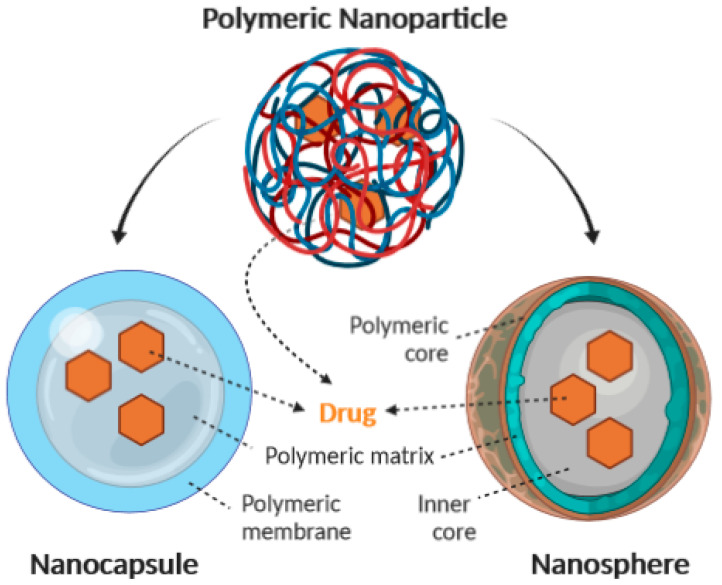
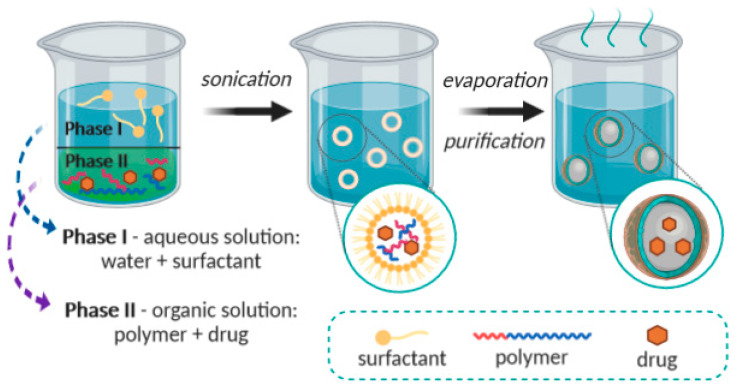
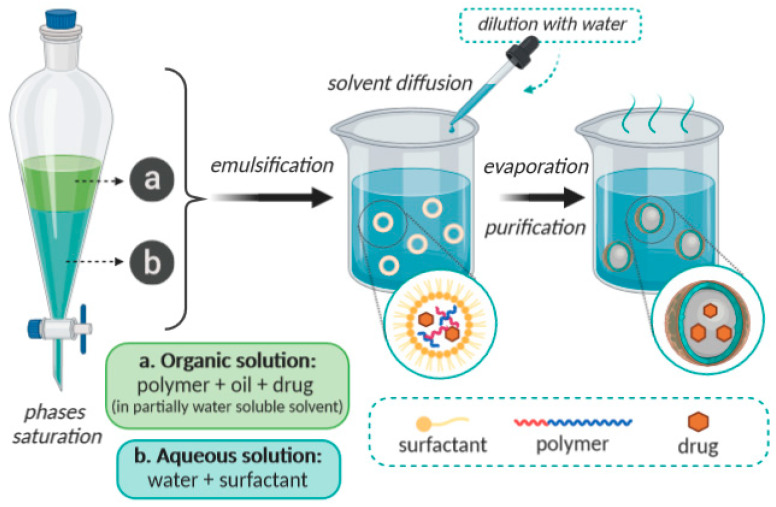
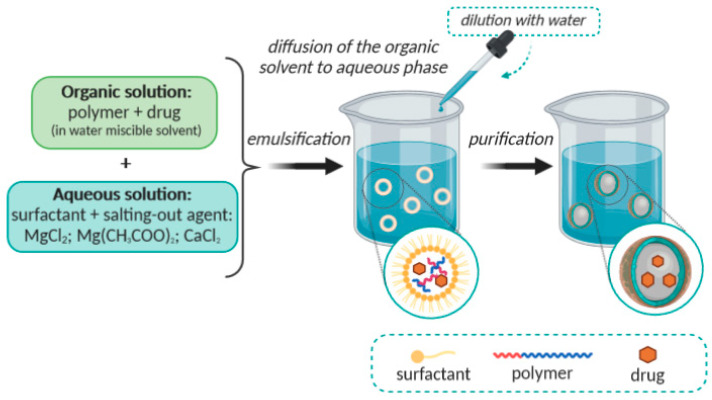
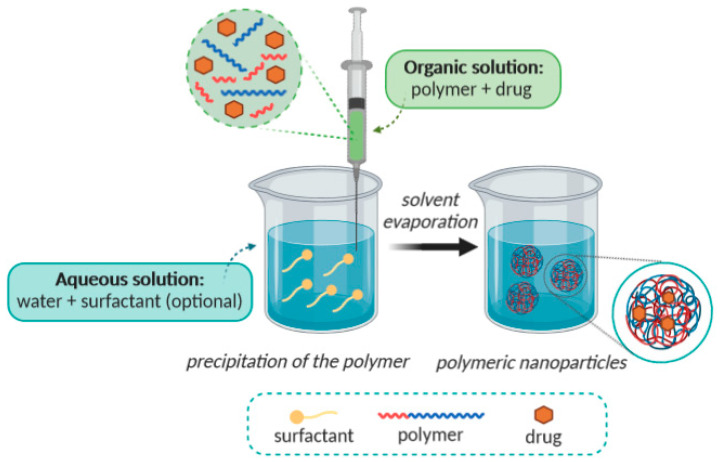
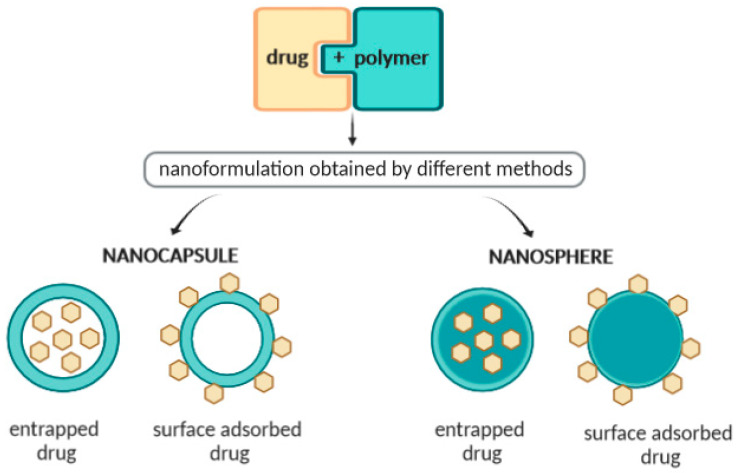
Polymeric nanoparticles (NPs) are particles within the size range from 1 to 1000 nm and can be loaded with active compounds entrapped within or surface-adsorbed onto the polymeric core. The term “nanoparticle” stands for both nanocapsules and nanospheres, which are distinguished by the morphological structure. Polymeric NPs have shown great potential for targeted delivery of drugs for the treatment of several diseases. In this review, we discuss the most commonly used methods for the production and characterization of polymeric NPs, the association efficiency of the active compound to the polymeric core, and the in vitro release mechanisms. As the safety of nanoparticles is a high priority, we also discuss the toxicology and ecotoxicology of nanoparticles to humans and to the environment.
Overview
The claims and statistics of this paper haven’t been checked yet.
Run the check — free, no account needed. It reads the open-access text and checks the sources it cites.
Integrity signals
Registry
Cites
Statistics
Figures
Verification
Claims the paper makes
The claims and statistics of this paper haven’t been checked yet.
Run the check — free, no account needed. It reads the open-access text and checks the sources it cites.
Claims other papers make about this one
Each is checked against this paper’s own text: does it say what the citing paper says it does?
In the citing paper
“Among the forenamed nanoparticles, polymeric nanoparticles have numerous advantages due to their ease of synthesis and modification, ability of loading and protecting the loaded-molecules from degradation by surrounding environment, high in vivo and in vitro stability profiles and their potential use for targeted controlled releases.146”
From Current Advances in Chitosan Nanoparticles Based Oral Drug Delivery for Colorectal Cancer Treatment (2022) · cites this paper as [146]
Self-check
Percentages, sums and reported differences re-computed from the paper’s own numbers.
The self-check needs the paper’s full text.
Citations
Cites
Kamaly, N., Yameen, B., Wu, J., & Farokhzad, O. C. (2016) · Chemical Reviews · doi:10.1021/acs.chemrev.5b00346 · Cited by 3,070
Freeze-drying of nanoparticles: Formulation, process and storage considerations
ABDELWAHED, W., DEGOBERT, G., STAINMESSE, S., & FESSI, H. (2006) · Advanced Drug Delivery Reviews · doi:10.1016/j.addr.2006.09.017 · Cited by 1,611
Application of Light Scattering Techniques to Nanoparticle Characterization and Development
Carvalho, P. M., Felício, M. R., Santos, N. C., Gonçalves, S., & Domingues, M. M. (2018) · Frontiers in Chemistry · doi:10.3389/fchem.2018.00237 · Cited by 402
Cano, A., Ettcheto, M., Chang, J.-H., Barroso, E., Espina, M., Kühne, B. A., Barenys, M., Auladell, C., Folch, J., Souto, E. B., et al. (2019) · Journal of Controlled Release · doi:10.1016/j.jconrel.2019.03.010 · Cited by 337
Self-citation
Research works printed but not linked: 113
- Soppimath, 2001, Biodegradable polymeric nanoparticles as drug delivery devices, J. Control. Release, 70, 1, 10.1016/S0168-3659(00)00339-4 · DOI · Paper page
- Cano, A., Sánchez-López, E., Ettcheto, M., López-Machado, A., Espina, M., Souto, E.B., Galindo, R., Camins, A., García, M.L., and Turowski, P. (2020). Current advances in the development of novel polymeric nanoparticles for the treatment of neurodegenerative diseases. Nanomed. (Future Med.). · DOI · Paper page
- Peppas, 2006, Opsonization, biodistribution, and pharmacokinetics of polymeric nanoparticles, Int. J. Pharm., 307, 93, 10.1016/j.ijpharm.2005.10.010 · DOI · Paper page
- Schaffazick, 2003, Freeze-drying polymeric colloidal suspensions: Nanocapsules, nanospheres and nanodispersion. A comparative study, Eur. J. Pharm. Biopharm., 56, 501, 10.1016/S0939-6411(03)00139-5 · DOI
- Crucho, 2017, Polymeric nanoparticles: A study on the preparation variables and characterization methods, Mater. Sci. Eng. C Mater. Biol. Appl., 80, 771, 10.1016/j.msec.2017.06.004 · DOI
- Guterres, 2007, Polymeric nanoparticles, nanospheres and nanocapsules, for cutaneous applications, Drug Target Insights, 2, 117739280700200002, 10.1177/117739280700200002 · DOI
- Christoforidis, J.B., Chang, S., Jiang, A., Wang, J., and Cebulla, C.M. (2012). Intravitreal devices for the treatment of vitreous inflammation. Mediat. Inflamm., 2012. · DOI
- Szczęch, M., and Szczepanowicz, K. (2020). Polymeric Core-Shell Nanoparticles Prepared by Spontaneous Emulsification Solvent Evaporation and Functionalized by the Layer-by-Layer Method. Nanomaterials, 10. · DOI
- 2019, Rapamycin-loaded polysorbate 80-coated PLGA nanoparticles: Optimization of formulation variables and in vitro anti-glioma assessment, J. Drug Deliv. Sci. Technol., 52, 488, 10.1016/j.jddst.2019.05.026 · DOI
- Traeger, 2020, Improved bioactivity of the natural product 5-lipoxygenase inhibitor hyperforin by encapsulation into polymeric nanoparticles, Mol. Pharm., 17, 810, 10.1021/acs.molpharmaceut.9b01051 · DOI
- Qiu, 2019, Fenofibrate-loaded biodegradable nanoparticles for the treatment of experimental diabetic retinopathy and neovascular age-related macular degeneration, Mol. Pharm., 16, 1958, 10.1021/acs.molpharmaceut.8b01319 · DOI
- Saqib, M., Ali Bhatti, A.S., Ahmad, N.M., Ahmed, N., Shahnaz, G., Lebaz, N., and Elaissari, A. (2020). Amphotericin B Loaded Polymeric Nanoparticles for Treatment of Leishmania Infections. Nanomaterials, 10. · DOI
- Nazende, 2019, Preparation of fenofibrate loaded eudragit l100 nanoparticles by nanoprecipitation method, Mater. Today Proc., 13, 428, 10.1016/j.matpr.2019.03.176 · DOI
- Anand, 2020, Ciprofloxacin-loaded polymeric nanoparticles incorporated electrospun fibers for drug delivery in tissue engineering applications, Drug Deliv. Transl. Res., 10, 706, 10.1007/s13346-020-00736-1 · DOI
- Gao, 2020, Enhanced curcumin solubility and antibacterial activity by encapsulation in PLGA oily core nanocapsules, Food Funct., 11, 448, 10.1039/C9FO00901A · DOI
- Dourado, 2020, Pharmaceutical Nanotechnology: A Therapeutic Revolution, Int. J. Pharm. Sci. Dev. Res., 6, 009, 10.17352/ijpsdr.000027 · DOI
- Bechnak, L., Khalil, C., El Kurdi, R., Khnayzer, R.S., and Patra, D. (2020). Curcumin encapsulated colloidal amphiphilic block co-polymeric nanocapsules: Colloidal nanocapsules enhance photodynamic and anticancer activities of curcumin. Photochem. Photobiol. Sci. · DOI
- Moncalvo, 2020, Nanosized delivery systems for therapeutic proteins: Clinically validated technologies and advanced development strategies, Front. Bioeng. Biotechnol., 8, 89, 10.3389/fbioe.2020.00089 · DOI
- Avramović, N., Mandić, B., Savić-Radojević, A., and Simić, T. (2020). Polymeric Nanocarriers of Drug Delivery Systems in Cancer Therapy. Pharmaceutics, 12. · DOI
- Lammari, N., Louaer, O., Meniai, A.H., and Elaissari, A. (2020). Encapsulation of Essential Oils via Nanoprecipitation Process: Overview, Progress, Challenges and Prospects. Pharmaceutics, 12. · DOI
- Jummes, 2020, Antioxidant and antimicrobial poly-ε-caprolactone nanoparticles loaded with Cymbopogon martinii essential oil, Biocatal. Agric. Biotechnol., 23, 101499, 10.1016/j.bcab.2020.101499 · DOI
- 2019, Application of a multisystem coating based on polymeric nanocapsules containing essential oil of Thymus vulgaris L. to increase the shelf life of table grapes (Vitis vinifera L.), Ieee Trans. Nanobioscience, 18, 549, 10.1109/TNB.2019.2941931 · DOI
- Froiio, F., Ginot, L., Paolino, D., Lebaz, N., Bentaher, A., Fessi, H., and Elaissari, A. (2019). Essential oils-loaded polymer particles: Preparation, characterization and antimicrobial property. Polymers, 11. · DOI
- Silva-Flores, P.G., Pérez-López, L.A., Rivas-Galindo, V.M., Paniagua-Vega, D., Galindo-Rodríguez, S.A., and Álvarez-Román, R. (2019). Simultaneous GC-FID quantification of main components of Rosmarinus officinalis L. and Lavandula dentata essential oils in polymeric nanocapsules for antioxidant application. J. Anal. Methods Chem., 2019. · DOI
- Jawahar, 2012, Polymeric nanoparticles for drug delivery and targeting: A comprehensive review, Int. J. Health Allied Sci., 1, 217, 10.4103/2278-344X.107832 · DOI
- Reis, 2006, Methods for preparation of drug-loaded polymeric nanoparticles, Nanomed. Nanotechnol. Biol. Med., 2, 8, 10.1016/j.nano.2005.12.003 · DOI
- Amgoth, C., Phan, C., Banavoth, M., Rompivalasa, S., and Tang, G. (2019). Polymer Properties: Functionalization and Surface Modified Nanoparticles. Role of Novel Drug Delivery Vehicles in Nanobiomedicine, IntechOpen. · DOI
- Bennet, D., and Kim, S. (2014). Polymer nanoparticles for smart drug delivery. Application of Nanotechnology in Drug Delivery, IntechOpen. · DOI
- 2020, PLGA nanoparticle preparations by emulsification and nanoprecipitation techniques: Effects of formulation parameters, Rsc Adv., 10, 4218, 10.1039/C9RA10857B · DOI
- Desgouilles, 2003, The design of nanoparticles obtained by solvent evaporation: A comprehensive study, Langmuir, 19, 9504, 10.1021/la034999q · DOI
- Vieira, R., Souto, S.B., Sanchez-Lopez, E., Machado, A.L., Severino, P., Jose, S., Santini, A., Fortuna, A., Garcia, M.L., and Silva, A.M. (2019). Sugar-Lowering Drugs for Type 2 Diabetes Mellitus and Metabolic Syndrome-Review of Classical and New Compounds: Part-I. Pharmaceuticals, 12. · DOI
- Jose, 2014, Surface modified PLGA nanoparticles for brain targeting of Bacoside-A, Eur. J. Pharm. Sci., 63, 29, 10.1016/j.ejps.2014.06.024 · DOI
- Bohrey, 2016, Polymeric nanoparticles containing diazepam: Preparation, optimization, characterization, in-vitro drug release and release kinetic study, Nano Converg., 3, 1, 10.1186/s40580-016-0061-2 · DOI
- Christine, 2017, Polymer nanoparticles for nanomedicines. A guide for their design, Anticancer Res., 37, 1544
- Sharma, 2016, Effect of process and formulation variables on the preparation of parenteral paclitaxel-loaded biodegradable polymeric nanoparticles: A co-surfactant study, Asian J. Pharm. Sci., 11, 404, 10.1016/j.ajps.2015.09.004 · DOI
- Kumar, 2012, Nanotechnology as Emerging Tool for Enhancing Solubility of Poorly Water-Soluble Drugs, BioNanoScience, 2, 227, 10.1007/s12668-012-0060-7 · DOI
- Souto, E.B., Souto, S.B., Campos, J.R., Severino, P., Pashirova, T.N., Zakharova, L.Y., Silva, A.M., Durazzo, A., Lucarini, M., and Izzo, A.A. (2019). Nanoparticle Delivery Systems in the Treatment of Diabetes Complications. Molecules, 24. · DOI
- Souto, 2012, Preparação de nanopartículas poliméricas a partir da polimerização de monômeros: Parte I, Polímeros, 22, 96, 10.1590/S0104-14282012005000006 · DOI
- Allemann, 1998, Preparation and characterization of nanocapsules from preformed polymers by a new process based on emulsification-diffusion technique, Pharm. Res., 15, 1056, 10.1023/A:1011934328471 · DOI
- Vasile, C. (2018). Polymeric Nanomaterials in Nanotherapeutics, Elsevier. · DOI
- Wang, Y., Li, P., Truong-Dinh Tran, T., Zhang, J., and Kong, L. (2016). Manufacturing techniques and surface engineering of polymer based nanoparticles for targeted drug delivery to cancer. Nanomaterials, 6. · DOI
- Pal, 2011, Nanoparticle: An overview of preparation and characterization, J. Appl. Pharm. Sci., 1, 228
- Vauthier, 2009, Methods for the preparation and manufacture of polymeric nanoparticles, Pharm. Res., 26, 1025, 10.1007/s11095-008-9800-3 · DOI
- Trends in Pharmaceutical and Food Sciences I, Cajal, Y., Muñoz-Torrero, D., Ciudad, C.J., and Valles, J. (2020). Polymeric Nanoparticles for the Treatment of Neurodegenerative Diseases. Alzheimer ’s Disease and Glaucoma, Open Access Journal of Pharmaceutical Research, Medwin Publishers. Chapter 7.
- Krishnamoorthy, 2015, Selection of a suitable method for the preparation of polymeric nanoparticles: Multi-criteria decision making approach, Adv. Pharm. Bull., 5, 57
- Araujo, 2009, Effect of polymer viscosity on physicochemical properties and ocular tolerance of FB-loaded PLGA nanospheres, Colloids Surf. B Biointerfaces, 72, 48, 10.1016/j.colsurfb.2009.03.028 · DOI
- Canadas, 2016, In vitro, ex vivo and in vivo characterization of PLGA nanoparticles loading pranoprofen for ocular administration, Int. J. Pharm., 511, 719, 10.1016/j.ijpharm.2016.07.055 · DOI
- Egea, 2016, PEGylated PLGA nanospheres optimized by design of experiments for ocular administration of dexibuprofen-in vitro, ex vivo and in vivo characterization, Colloids Surf. B Biointerfaces, 145, 241, 10.1016/j.colsurfb.2016.04.054 · DOI
- Sanchez-Lopez, E., Egea, M.A., Davis, B.M., Guo, L., Espina, M., Silva, A.M., Calpena, A.C., Souto, E.M.B., Ravindran, N., and Ettcheto, M. (2018). Memantine-Loaded PEGylated Biodegradable Nanoparticles for the Treatment of Glaucoma. Small, 14. · DOI
- Ettcheto, 2018, Memantine loaded PLGA PEGylated nanoparticles for Alzheimer’s disease: In vitro and in vivo characterization, J. Nanobiotechnol., 16, 32, 10.1186/s12951-018-0356-z · DOI
- Salatin, 2017, Development of a nanoprecipitation method for the entrapment of a very water soluble drug into Eudragit RL nanoparticles, Res. Pharm. Sci., 12, 1, 10.4103/1735-5362.199041 · DOI
- Tarhini, 2017, Nanoprecipitation process: From encapsulation to drug delivery, Int. J. Pharm., 532, 66, 10.1016/j.ijpharm.2017.08.064 · DOI
- Bilati, 2005, Nanoprecipitation versus emulsion-based techniques for the encapsulation of proteins into biodegradable nanoparticles and process-related stability issues, Aaps. Pharmscitech., 6, E594, 10.1208/pt060474 · DOI
- Chidambaram, 2014, Modifications to the conventional nanoprecipitation technique: An approach to fabricate narrow sized polymeric nanoparticles, Adv. Pharm. Bull., 4, 205
- Silva, A.M., Alvarado, H.L., Abrego, G., Martins-Gomes, C., Garduno-Ramirez, M.L., Garcia, M.L., Calpena, A.C., and Souto, E.B. (2019). In Vitro Cytotoxicity of Oleanolic/Ursolic Acids-Loaded in PLGA Nanoparticles in Different Cell Lines. Pharmaceutics, 11. · DOI
- Carbone, 2018, Repurposing itraconazole to the benefit of skin cancer treatment: A combined azole-DDAB nanoencapsulation strategy, Colloids Surf. B Biointerfaces, 167, 337, 10.1016/j.colsurfb.2018.04.031 · DOI
- Doktorovova, 2014, Nanotoxicology applied to solid lipid nanoparticles and nanostructured lipid carriers—A systematic review of in vitro data, Eur. J. Pharm. Biopharm., 87, 1, 10.1016/j.ejpb.2014.02.005 · DOI
- Andreani, 2015, Effect of cryoprotectants on the reconstitution of silica nanoparticles produced by sol–gel technology, J. Therm. Anal. Calorim., 120, 1001, 10.1007/s10973-014-4275-4 · DOI
- Mathurin, 2018, How to unravel the chemical structure and component localization of individual drug-loaded polymeric nanoparticles by using tapping AFM-IR, Analyst, 143, 5940, 10.1039/C8AN01239C · DOI
- Hickey, 2015, Control of polymeric nanoparticle size to improve therapeutic delivery, J. Control. Release, 219, 536, 10.1016/j.jconrel.2015.10.006 · DOI
- Brar, 2011, Measurement of nanoparticles by light-scattering techniques, Trac. Trends Anal. Chem., 30, 4, 10.1016/j.trac.2010.08.008 · DOI
- Mourdikoudis, 2018, Characterization techniques for nanoparticles: Comparison and complementarity upon studying nanoparticle properties, Nanoscale, 10, 12871, 10.1039/C8NR02278J · DOI
- Lu, M., Yang, X., Yang, Y., Qin, P., Wu, X., and Cai, Z. (2017). Nanomaterials as assisted matrix of laser desorption/ionization time-of-flight mass spectrometry for the analysis of small molecules. Nanomaterials, 7. · DOI
- Yang, 2007, Conducting polymeric nanoparticles synthesized in reverse micelles and their gas sensitivity based on quartz crystal microbalance, Polymer, 48, 4459, 10.1016/j.polymer.2007.06.005 · DOI
- Dazon, 2019, Nanomaterial identification of powders: Comparing volume specific surface area, X-ray diffraction and scanning electron microscopy methods, Environ. Sci. Nano, 6, 152, 10.1039/C8EN00760H · DOI
- Ferreira, 2020, Loading, release profile and accelerated stability assessment of monoterpenes-loaded solid lipid nanoparticles (SLN), Pharm. Dev. Technol., 25, 1
- Doncom, 2017, Dispersity effects in polymer self-assemblies: A matter of hierarchical control, Chem. Soc. Rev., 46, 4119, 10.1039/C6CS00818F · DOI
- Podzimek, S. (2011). Light Scattering, Size Exclusion Chromatography and Asymmetric Flow Field Flow Fractionation: Powerful Tools for the Characterization of Polymers, Proteins and Nanoparticles, John Wiley & Sons. · DOI
- Stals, 2014, Folding polymers with pendant hydrogen bonding motifs in water: The effect of polymer length and concentration on the shape and size of single-chain polymeric nanoparticles, Macromolecules, 47, 2947, 10.1021/ma500273g · DOI
- Mansfield, E., Kaiser, D.L., Fujita, D., and Van de Voorde, M. (2017). Metrology and Standardization for Nanotechnology: Protocols and Industrial Innovations, John Wiley & Sons. · DOI
- Dumitriu, S., and Popa, V. (2013). Polymeric Biomaterials: Medicinal and Pharmaceutical Applications, CRC Press. · DOI
- Baer, 2013, Surface characterization of nanomaterials and nanoparticles: Important needs and challenging opportunities, J. Vac. Sci. Technol. A Vac. Surf. Film., 31, 050820, 10.1116/1.4818423 · DOI
- Simonet, 2009, Monitoring nanoparticles in the environment, Anal. Bioanal. Chem., 393, 17, 10.1007/s00216-008-2484-z · DOI
- Honary, 2013, Effect of zeta potential on the properties of nano-drug delivery systems-a review (Part 1), Trop. J. Pharm. Res., 12, 255
- Ostolska, 2014, Application of the zeta potential measurements to explanation of colloidal Cr 2 O 3 stability mechanism in the presence of the ionic polyamino acids, Colloid Polym. Sci., 292, 2453, 10.1007/s00396-014-3276-y · DOI
- Zielińska, A., Ferreira, N.R., Durazzo, A., Lucarini, M., Cicero, N., Mamouni, S.E., Silva, A.M., Nowak, I., Santini, A., and Souto, E.B. (2019). Development and Optimization of Alpha-Pinene-Loaded Solid Lipid Nanoparticles (SLN) Using Experimental Factorial Design and Dispersion Analysis. Molecules, 24. · DOI
- Calvo, 1997, Novel hydrophilic chitosan-polyethylene oxide nanoparticles as protein carriers, J. Appl. Polym. Sci., 63, 125, 10.1002/(SICI)1097-4628(19970103)63:1<125::AID-APP13>3.0.CO;2-4 · DOI
- Doktorovova, 2014, Cationic solid lipid nanoparticles interfere with the activity of antioxidant enzymes in hepatocellular carcinoma cells, Int. J. Pharm., 471, 18, 10.1016/j.ijpharm.2014.05.011 · DOI
- González, A.E. (2016). Colloidal Aggregation Coupled with Sedimentation: A Comprehensive Overview. Adv. Colloid Sci., 211. · DOI
- Kamiya, H., Gotoh, K., Shimada, M., Uchikoshi, T., Otani, Y., Fuji, M., Matsusaka, S., Matsuyama, T., Tatami, J., and Higashitani, K. (2008). Characteristics and behavior of nanoparticles and its dispersion systems. Nanoparticle Technology Handbook, Elsevier. · DOI
- Lazzari, 2012, Colloidal stability of polymeric nanoparticles in biological fluids, J. Nanoparticle Res., 14, 920, 10.1007/s11051-012-0920-7 · DOI
- Heinz, 2017, Nanoparticle decoration with surfactants: Molecular interactions, assembly, and applications, Surf. Sci. Rep., 72, 1, 10.1016/j.surfrep.2017.02.001 · DOI
- Ziaee, 2019, Spray drying of pharmaceuticals and biopharmaceuticals: Critical parameters and experimental process optimization approaches, Eur. J. Pharm. Sci., 127, 300, 10.1016/j.ejps.2018.10.026 · DOI
- Wanning, 2015, Pharmaceutical spray freeze drying, Int. J. Pharm., 488, 136, 10.1016/j.ijpharm.2015.04.053 · DOI
- Borm, 2008, Drug delivery and nanoparticles: Applications and hazards, Int. J. Nanomed., 3, 133
- Wallace, 2012, Drug release from nanomedicines: Selection of appropriate encapsulation and release methodology, Drug Deliv. Transl. Res., 2, 284, 10.1007/s13346-012-0064-4 · DOI
- Bohnert, 2013, Plasma protein binding: From discovery to development, J. Pharm. Sci., 102, 2953, 10.1002/jps.23614 · DOI
- Patra, 2018, Nano based drug delivery systems: Recent developments and future prospects, J. Nanobiotechnol., 16, 71, 10.1186/s12951-018-0392-8 · DOI
- Khan, 2019, Nanoparticles: Properties, applications and toxicities, Arab. J. Chem., 12, 908, 10.1016/j.arabjc.2017.05.011 · DOI · Paper page
- Sumana, M., Thirumurugan, A., Muthukumaran, P., and Anand, K. (2020). Biodegradable Natural Polymeric Nanoparticles as Carrier for Drug Delivery. Integrative Nanomedicine for New Therapies, Springer. · DOI
- Singh, 2009, Nanoparticle-based targeted drug delivery, Exp. Mol. Pathol., 86, 215, 10.1016/j.yexmp.2008.12.004 · DOI
- Shen, 2013, In vitro dissolution testing strategies for nanoparticulate drug delivery systems: Recent developments and challenges, Drug Deliv. Transl. Res., 3, 409, 10.1007/s13346-013-0129-z · DOI
- Lee, 2015, Controlled drug release from pharmaceutical nanocarriers, Chem. Eng. Sci., 125, 75, 10.1016/j.ces.2014.08.046 · DOI
- Fu, 2010, Drug release kinetics and transport mechanisms of non-degradable and degradable polymeric delivery systems, Expert Opin. Drug Deliv., 7, 429, 10.1517/17425241003602259 · DOI
- Truhaut, 1977, Ecotoxicology: Objectives, principles and perspectives, Ecotoxicol. Environ. Saf., 1, 151, 10.1016/0147-6513(77)90033-1 · DOI
- Kahru, 2010, From ecotoxicology to nanoecotoxicology, Toxicology, 269, 105, 10.1016/j.tox.2009.08.016 · DOI
- Ali, 2019, Environmental chemistry and ecotoxicology of hazardous heavy metals: Environmental persistence, toxicity, and bioaccumulation, J. Chem., 2019, 1
- Kahru, 2004, Biotest—And chemistry-based hazard assessment of soils, sediments and solid wastes, J. Soils Sediments, 4, 267, 10.1007/BF02991123 · DOI
- Costa, 2020, Nanotoxicology and Nanosafety: Safety-By-Design and Testing at a Glance, Int. J. Environ. Res. Public Health, 17, 4657, 10.3390/ijerph17134657 · DOI
- Bundschuh, 2018, Nanoparticles in the environment: Where do we come from, where do we go to?, Environ. Sci. Eur., 30, 1, 10.1186/s12302-018-0132-6 · DOI
- Gupta, 2018, Nanoparticles in daily life: Applications, toxicity and regulations, J. Environ. Pathol. Toxicol. Oncol., 37, 209, 10.1615/JEnvironPatholToxicolOncol.2018026009 · DOI
- Robertson, 2016, Purification of nanoparticles by size and shape, Sci. Rep., 6, 1, 10.1038/srep27494 · DOI
- Hanauer, 2007, Separation of nanoparticles by gel electrophoresis according to size and shape, Nano Lett., 7, 2881, 10.1021/nl071615y · DOI
- Chenthamara, 2019, Therapeutic efficacy of nanoparticles and routes of administration, Biomater. Res., 23, 1, 10.1186/s40824-019-0166-x · DOI
- Jain, 2019, In vitro and in vivo characterization of pharmaceutical nanocarriers used for drug delivery, Artif. CellsNanomed. Biotechnol., 47, 524, 10.1080/21691401.2018.1561457 · DOI
- Pinelli, F., Perale, G., and Rossi, F. (2020). Coating and functionalization strategies for nanogels and nanoparticles for selective drug delivery. Gels, 6. · DOI
- Lombardo, D., Kiselev, M.A., and Caccamo, M.T. (2019). Smart nanoparticles for drug delivery application: Development of versatile nanocarrier platforms in biotechnology and nanomedicine. J. Nanomater., 2019. · DOI · Paper page
- Maurya, 2019, Strategic use of nanotechnology in drug targeting and its consequences on human health: A focused review, Interv. Med. Appl. Sci., 11, 38
- Shi, 2018, Active-targeting docetaxel-loaded mixed micelles for enhancing antitumor efficacy, J. Mol. Liq., 264, 172, 10.1016/j.molliq.2018.05.039 · DOI
- Fam, S.Y., Chee, C.F., Yong, C.Y., Ho, K.L., Mariatulqabtiah, A.R., and Tan, W.S. (2020). Stealth Coating of Nanoparticles in Drug-Delivery Systems. Nanomaterials, 10. · DOI
- Palanikumar, 2020, pH-responsive high stability polymeric nanoparticles for targeted delivery of anticancer therapeutics, Commun. Biol., 3, 1, 10.1038/s42003-020-0817-4 · DOI
- Lima, 2020, Understanding the Lipid and protein corona formation on Different Sized Polymeric Nanoparticles, Sci. Rep., 10, 1, 10.1038/s41598-020-57943-6 · DOI
- Calzoni, E., Cesaretti, A., Polchi, A., Di Michele, A., Tancini, B., and Emiliani, C. (2019). Biocompatible polymer nanoparticles for drug delivery applications in cancer and neurodegenerative disorder therapies. J. Funct. Biomater., 10. · DOI
Cited by
Sorted by citations
Drug release study of the chitosan-based nanoparticles
Herdiana, Y., Wathoni, N., Shamsuddin, S., & Muchtaridi, M. (2022) · Heliyon · doi:10.1016/j.heliyon.2021.e08674 · Cited by 576
Current Advances in Chitosan Nanoparticles Based Oral Drug Delivery for Colorectal Cancer Treatment
Choukaife, H., Seyam, S., Alallam, B., Doolaanea, A. A., & Alfatama, M. (2022) · International Journal of Nanomedicine · doi:10.2147/ijn.s375229 · Cited by 127
Poudel, P., & Park, S. (2022) · Pharmaceutics · doi:10.3390/pharmaceutics14040835 · Cited by 124
Recent developments on using nanomaterials to combat Candida albicans
Li, B., Pan, L., Zhang, H., Xie, L., Wang, X., Shou, J., Qi, Y., & Yan, X. (2021) · Frontiers in Chemistry · doi:10.3389/fchem.2021.813973 · Cited by 43
Samad, M. A., Ahmad, I., Zughaibi, T. A., Suhail, M., Zaidi, S. K., Al-Abbasi, F. A., & Tabrez, S. (2025) · European Journal of Medicinal Chemistry Reports · doi:10.1016/j.ejmcr.2025.100268 · Cited by 35
Metadata
- Authors
- Zielińska, A., Carreiró, F., Oliveira, A. M., Neves, A., Pires, B., Venkatesh, D. N., Durazzo, A., Lucarini, M., Eder, P., Silva, A. M., Santini, A., & Souto, E. B.
- Venue
- Molecules
- Publisher
- MDPI AG
- Published
- 2020-08-15
- Volume
- 25
- Issue
- 16
- Pages
- 3731
- ISSN
- 1420-3049
- PMC
- PMC7464532
- Cited by
- 1,560
- References
- 4
- Language
- en
About these checks
Registry, retraction, Cites and statistics results are computed, not judged, with one exception: a printed reference that no index lists is read once by a model before it counts as a citation error. Claims are extracted by a model and kept only when their quote appears verbatim in the text; each cited source is then checked, with a model’s help, for whether it says what the claim relies on. Those verdicts can be wrong — read the claim’s quote and the cited source before relying on one.
Statistics and arithmetic are recomputed, not judged.
Confidence bands are shown only for fields calibrated on our annotated test set. None is calibrated yet, so no band is shown.
What counts as a claim ›How we measure confidence ›How we check this ›
Are you an author, or do you see a problem with this page? Request a review
