

The DOI matches its Crossref record; 123 of the 123 references it cites were found in a registry or an index.
The Pharmacokinetics of Vitamin C
Open accessAbstract
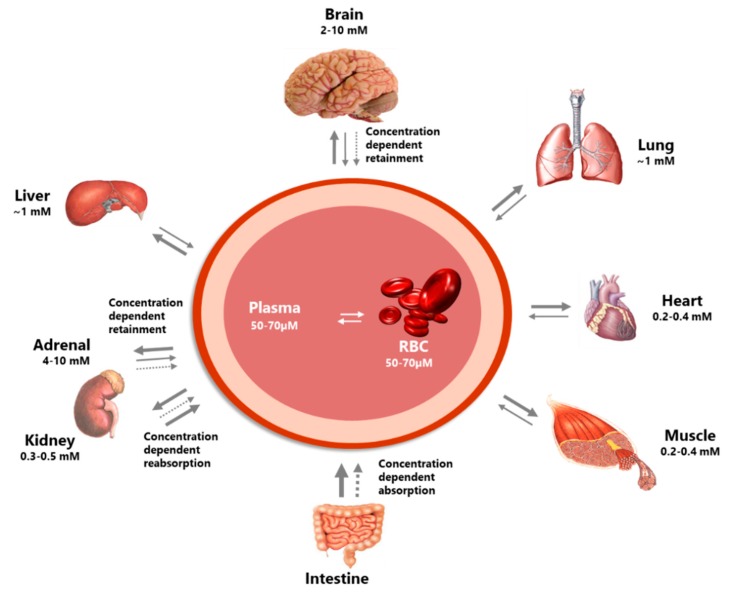
The pharmacokinetics of vitamin C (vitC) is indeed complex. Regulated primarily by a family of saturable sodium dependent vitC transporters (SVCTs), the absorption and elimination are highly dose-dependent. Moreover, the tissue specific expression levels and subtypes of these SVCTs result in a compartmentalized distribution pattern with a diverse range of organ concentrations of vitC at homeostasis ranging from about 0.2 mM in the muscle and heart, and up to 10 mM in the brain and adrenal gland. The homeostasis of vitC is influenced by several factors, including genetic polymorphisms and environmental and lifestyle factors such as smoking and diet, as well as diseases. Going from physiological to pharmacological doses, vitC pharmacokinetics change from zero to first order, rendering the precise calculation of dosing regimens in, for example, cancer and sepsis treatment possible. Unfortunately, the complex pharmacokinetics of vitC has often been overlooked in the design of intervention studies, giving rise to misinterpretations and erroneous conclusions. The present review outlines the diverse aspects of vitC pharmacokinetics and examines how they affect vitC homeostasis under a variety of conditions.
Overview
The claims and statistics of this paper haven’t been checked yet.
Run the check — free, no account needed. It reads the open-access text and checks the sources it cites.
Integrity signals
Registry
Cites
Statistics
Figures
Verification
Claims the paper makes
The claims and statistics of this paper haven’t been checked yet.
Run the check — free, no account needed. It reads the open-access text and checks the sources it cites.
Claims other papers make about this one
Each is checked against this paper’s own text: does it say what the citing paper says it does?
The source backs part of the claim, not all of it — or backs it for a different population, condition or comparison.
In the citing paper
“Interestingly, most cells contain vitamin C in millimolar concentrations, which is much higher than its plasma concentrations, and compared to other vitamins.”
From Vitamin C-Sources, Physiological Role, Kinetics, Deficiency, Use, Toxicity, and Determination (2021) · cites this paper as [52]
Experimental — accuracy not yet measuredThe source backs part of the claim, not all of it — or backs it for a different population, condition or comparison.
In the citing paper
“This can be supported by the fact that its isomer, erythorbic acid, which is a poor substrate of SVCT1, reaches similar plasma concentrations as vitamin C [52].”
From Vitamin C-Sources, Physiological Role, Kinetics, Deficiency, Use, Toxicity, and Determination (2021) · cites this paper as [52]
Experimental — accuracy not yet measuredThe source backs part of the claim, not all of it — or backs it for a different population, condition or comparison.
In the citing paper
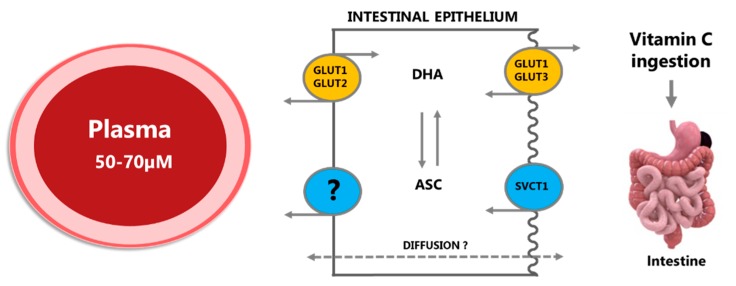
“Dehydroascorbic acid can be again transported through the basolateral membrane of these cells by glucose transporters [52].”
From Vitamin C-Sources, Physiological Role, Kinetics, Deficiency, Use, Toxicity, and Determination (2021) · cites this paper as [52]
Experimental — accuracy not yet measuredThe source backs part of the claim, not all of it — or backs it for a different population, condition or comparison.
In the citing paper
“Smoking decreases the plasma level of vitamin C on an average by 25–50% [52,61,63].”
From Vitamin C-Sources, Physiological Role, Kinetics, Deficiency, Use, Toxicity, and Determination (2021) · cites this paper as [52]
Experimental — accuracy not yet measuredThe source backs part of the claim, not all of it — or backs it for a different population, condition or comparison.
In the citing paper
“The Michaelis constant Km, i.e., the concentration of vitamin C transported by half of the maximal transport velocity, was reported to be in a wide range from 10 to 200 µM, suggesting a large capacity to absorb dietary vitamin C.”
From Vitamin C-Sources, Physiological Role, Kinetics, Deficiency, Use, Toxicity, and Determination (2021) · cites this paper as [52]
Experimental — accuracy not yet measured
The source backs part of the claim, not all of it — or backs it for a different population, condition or comparison.
In the citing paper
“The need for vitamin C in smokers is higher, but the available studies suggested different recommendations ranging from 35 to 200 mg of additional vitamin C/day needed for smokers [52].”
From Vitamin C-Sources, Physiological Role, Kinetics, Deficiency, Use, Toxicity, and Determination (2021) · cites this paper as [52]
Experimental — accuracy not yet measuredThe source backs part of the claim, not all of it — or backs it for a different population, condition or comparison.
In the citing paper
“Ex-smoking seems to slightly decrease the levels as well [52,60].”
From Vitamin C-Sources, Physiological Role, Kinetics, Deficiency, Use, Toxicity, and Determination (2021) · cites this paper as [52]
Experimental — accuracy not yet measuredThe source backs part of the claim, not all of it — or backs it for a different population, condition or comparison.
In the citing paper
“There are also reports that vitamin C can pass through the blood-brain barrier in the form of dehydroascorbic acid through the glucose transporter GLUT1 [52,53,73].”
From Vitamin C-Sources, Physiological Role, Kinetics, Deficiency, Use, Toxicity, and Determination (2021) · cites this paper as [52]
Experimental — accuracy not yet measuredThe source backs part of the claim, not all of it — or backs it for a different population, condition or comparison.
In the citing paper
“Vitamin C reaches a concentration between 0.5–5 mM in most cells with the exception of erythrocytes, which do not express SVCT2, and, hence, their cytosolic levels reflect plasma levels and are about 50 µM [52,55,68,71].”
From Vitamin C-Sources, Physiological Role, Kinetics, Deficiency, Use, Toxicity, and Determination (2021) · cites this paper as [52]
Experimental — accuracy not yet measuredThe source backs part of the claim, not all of it — or backs it for a different population, condition or comparison.
In the citing paper
“The elimination half-life of vitamin C is generally about 2 h [52].”
From Vitamin C-Sources, Physiological Role, Kinetics, Deficiency, Use, Toxicity, and Determination (2021) · cites this paper as [52]
Experimental — accuracy not yet measuredThe cited source says what the claim attributes to it.
In the citing paper
“The oxidized form of vitamin C, dehydroascorbic acid, is absorbed likely through glucose transporters, and glucose decreases absorption of dehydroascorbic acid.”
From Vitamin C-Sources, Physiological Role, Kinetics, Deficiency, Use, Toxicity, and Determination (2021) · cites this paper as [52]
The cited source says what the claim attributes to it.
In the citing paper
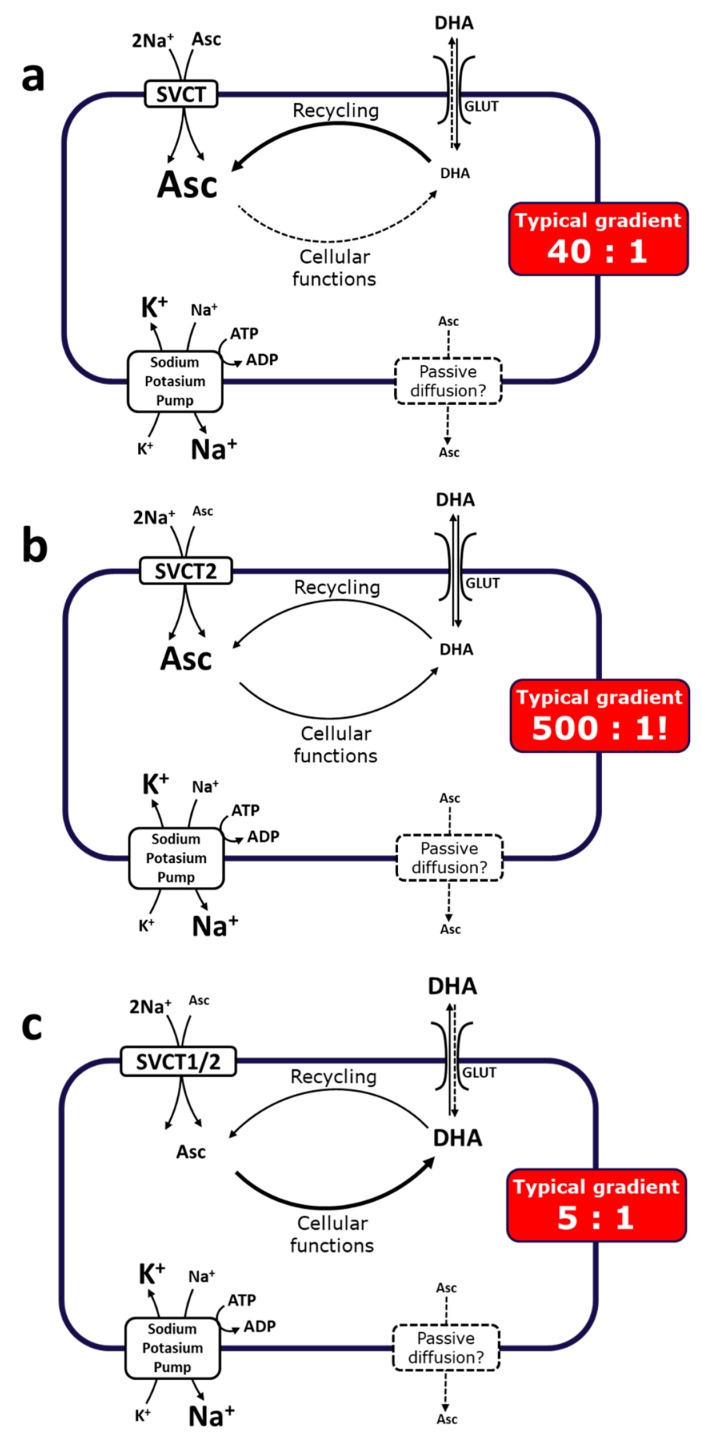
“Vitamin C is taken up by the cells via SVCT2 (SLC23A2, Figure 2C), which is a close analogue of SVCT1 with which it shares 65% sequence homology.”
From Vitamin C-Sources, Physiological Role, Kinetics, Deficiency, Use, Toxicity, and Determination (2021) · cites this paper as [52]
The cited source says what the claim attributes to it.
In the citing paper
“Erythrocytes are very active in mediating this reduction [6,52].”
From Vitamin C-Sources, Physiological Role, Kinetics, Deficiency, Use, Toxicity, and Determination (2021) · cites this paper as [52]
The cited source says what the claim attributes to it.
In the citing paper
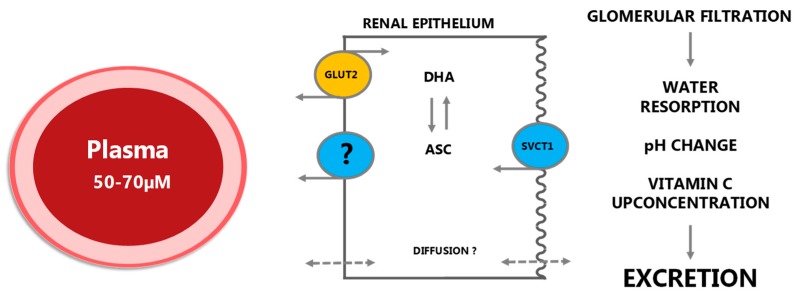
“Since the pH of urine is also lower, passive diffusion was suggested but apparently plays a minor, if any, role at all [52,53].”
From Vitamin C-Sources, Physiological Role, Kinetics, Deficiency, Use, Toxicity, and Determination (2021) · cites this paper as [52]
The check wasn’t confident either way, so it gives no verdict — never disputed.
In the citing paper
“Its activity is highest at a neutral pH. It drops markedly with increasing acidity [51,52,53,54].”
From Vitamin C-Sources, Physiological Role, Kinetics, Deficiency, Use, Toxicity, and Determination (2021) · cites this paper as [52]
Experimental — accuracy not yet measuredThe check wasn’t confident either way, so it gives no verdict — never disputed.
In the citing paper
“In any case, the contribution of dehydroascorbic acid to the total vitamin C absorption is probably low [52].”
From Vitamin C-Sources, Physiological Role, Kinetics, Deficiency, Use, Toxicity, and Determination (2021) · cites this paper as [52]
Experimental — accuracy not yet measured
Self-check
Percentages, sums and reported differences re-computed from the paper’s own numbers.
The self-check needs the paper’s full text.
Citations
Cites
The Pecking Order of Free Radicals and Antioxidants: Lipid Peroxidation, α-Tocopherol, and Ascorbate
Buettner, G. R. (1993) · Archives of Biochemistry and Biophysics · doi:10.1006/abbi.1993.1074 · Cited by 2,417
Vitamin C pharmacokinetics in healthy volunteers: evidence for a recommended dietary allowance
Levine, M., Conry-Cantilena, C., Wang, Y., Welch, R. W., Washko, P. W., Dhariwal, K. R., Park, J. B., Lazarev, A., Graumlich, J. F., King, J., et al. (1996) · Proceedings of the National Academy of Sciences · doi:10.1073/pnas.93.8.3704 · Cited by 1,325
Oxidants in Cigarette Smoke Radicals, Hydrogen Peroxide, Peroxynitrate, and Peroxynitritea
Pryor, W. A., & Stone, K. (1993) · Annals of the New York Academy of Sciences · doi:10.1111/j.1749-6632.1993.tb39148.x · Cited by 1,179
Ascorbic acid: Chemistry, biology and the treatment of cancer
Du, J., Cullen, J. J., & Buettner, G. R. (2012) · Biochimica et Biophysica Acta (BBA) - Reviews on Cancer · doi:10.1016/j.bbcan.2012.06.003 · Cited by 1,106
Chen, Q., Espey, M. G., Krishna, M. C., Mitchell, J. B., Corpe, C. P., Buettner, G. R., Shacter, E., & Levine, M. (2005) · Proceedings of the National Academy of Sciences · doi:10.1073/pnas.0506390102 · Cited by 1,075
Vitamin C pharmacokinetics: Implications for oral and intravenous use
Padayatty, S. J., Sun, H., Wang, Y., Riordan, H. D., Hewitt, S. M., Katz, A., Wesley, R. A., & Levine, M. (2004) · Annals of Internal Medicine · doi:10.7326/0003-4819-140-7-200404060-00010 · Cited by 992
Does vitamin C act as a pro‐oxidant under physiological conditions?
Carr, A. C., & Frei, B. B. (1999) · The FASEB Journal · doi:10.1096/fasebj.13.9.1007 · Cited by 891
Hydrocortisone, Vitamin C, and Thiamine for the Treatment of Severe Sepsis and Septic Shock
Marik, P. E., Khangoora, V., Rivera, R., Hooper, M. H., & Catravas, J. (2017) · Chest · doi:10.1016/j.chest.2016.11.036 · Cited by 887
A family of mammalian Na+-dependent L-ascorbic acid transporters
Tsukaguchi, H., Tokui, T., Mackenzie, B., Berger, U. V., Chen, X.-Z., Wang, Y., Brubaker, R. F., & Hediger, M. A. (1999) · Nature · doi:10.1038/19986 · Cited by 882
Chen, Q., Espey, M. G., Sun, A. Y., Pooput, C., Kirk, K. L., Krishna, M. C., Khosh, D. B., Drisko, J., & Levine, M. (2008) · Proceedings of the National Academy of Sciences · doi:10.1073/pnas.0804226105 · Cited by 854
Research works printed but not linked: 2
- Food and Nutrition Board Staff, Panel on Dietary Antioxidants, and Institute of Medicine Staff (2000). Dietary Reference Intakes for Vitamin C, Vitamin E, Selenium and Carotenoids: A Report of the Panel on Dietary Antioxidants and Related Compounds, Subcommitties on Upper Reference Levels of Nutrients and of the Interpretation and Use of Dietary Reference Intakes, and the Standing Committee on the Scientific Evaluation of Dietary Reference Intakes, Food and Nutrition Board, Institute of Medicine, National Academy Press.
- Asard, H., May, J.M., and Smirnoff, N. (2004). Ascorbate as an antioxidant. Vitamin C: Its Functions and Biochemistry in Animals and Plants, BIOS Scientific Publishers Limited. · DOI
Cited by
Sorted by citations
Vitamin C-Sources, Physiological Role, Kinetics, Deficiency, Use, Toxicity, and Determination
Doseděl, M., Jirkovský, E., Macáková, K., Krčmová, L., Javorská, L., Pourová, J., Mercolini, L., Remião, F., Nováková, L., Mladěnka, P., et al. (2021) · Nutrients · doi:10.3390/nu13020615 · Cited by 553
Glucose transporters in adipose tissue, liver, and skeletal muscle in metabolic health and disease
Chadt, A., & Al-Hasani, H. (2020) · Pflügers Archiv - European Journal of Physiology · doi:10.1007/s00424-020-02417-x · Cited by 510
RONS and Oxidative Stress: An Overview of Basic Concepts
Aranda‐Rivera, A. K., Cruz‐Gregorio, A., Arancibia‐Hernández, Y. L., Cruz, E. Y. H., & Pedraza‐Chaverrí, J. (2022) · Oxygen · doi:10.3390/oxygen2040030 · Cited by 437
Bioactive Compounds for Skin Health: A Review
Michalak, M., Pierzak, M., Kręcisz, B., & Suliga, E. (2021) · Nutrients · doi:10.3390/nu13010203 · Cited by 345
Juszczyk, G., Mikulska, J., Kasperek, K., Pietrzak, D., Mrozek, W., & Herbet, M. (2021) · Antioxidants · doi:10.3390/antiox10091439 · Cited by 247
Boo, Y. C. (2022) · Antioxidants · doi:10.3390/antiox11091663 · Cited by 229
Cerullo, G., Negro, M., Parimbelli, M., Pecoraro, M., Perna, S., Liguori, G., Rondanelli, M., Cena, H., & D’Antona, G. (2020) · Frontiers in Immunology · doi:10.3389/fimmu.2020.574029 · Cited by 179
Targeting Ferroptosis against Ischemia/Reperfusion Cardiac Injury
Lillo‐Moya, J., Rojas-Solé, C., Muñoz-Salamanca, D., Panieri, E., Saso, L., & Rodrigo, R. (2021) · Antioxidants · doi:10.3390/antiox10050667 · Cited by 166
Vollbracht, C., & Kraft, K. (2022) · Frontiers in Pharmacology · doi:10.3389/fphar.2022.899198 · Cited by 152
Metabolism and Regulation of Ascorbic Acid in Fruits
Zheng, X., Gong, M., Zhang, Q., Tan, H., Li, L., Tang, Y., Li, Z., Peng, M., & Deng, W. (2022) · Plants · doi:10.3390/plants11121602 · Cited by 137
Carr, A. C., & Lykkesfeldt, J. (2020) · Critical Reviews in Food Science and Nutrition · doi:10.1080/10408398.2020.1744513 · Cited by 133
Self-citationAntioxidant Metabolism Pathways in Vitamins, Polyphenols, and Selenium: Parallels and Divergences
Andrés, C. M. C., de la Lastra, J. M. P., Andrés, C., Plou, F. J., & Pérez‐Lebeña, E. (2024) · International Journal of Molecular Sciences · doi:10.3390/ijms25052600 · Cited by 144
The bioaccessibility of water-soluble vitamins: A review
Yaman, M., Çatak, J., Uğur, H., Gürbüz, M., Belli, İ., Tanyıldız, S. N., Yıldırım, H., Cengiz, S., Yavuz, B. B., KİSMİROĞLU, C., et al. (2021) · Trends in Food Science & Technology · doi:10.1016/j.tifs.2021.01.056 · Cited by 112
A Narrative Review on Pediatric Scurvy: The Last Twenty Years
Trapani, S., Rubino, C., Indolfi, G., & Lionetti, P. (2022) · Nutrients · doi:10.3390/nu14030684 · Cited by 99
Berretta, M., Quagliariello, V., Maurea, N., Francia, R. D., Sharifi, S., Facchini, G., Rinaldi, L., Piezzo, M., Manuela, C., Nunnari, G., et al. (2020) · Antioxidants · doi:10.3390/antiox9121182 · Cited by 94
Possible application of high-dose vitamin C in the prevention and therapy of coronavirus infection
Hoang, B. X., Shaw, G., Fang, W., & Han, B. (2020) · Journal of Global Antimicrobial Resistance · doi:10.1016/j.jgar.2020.09.025 · Cited by 93
On the effect of vitamin C intake on human health: How to (mis)interprete the clinical evidence
Lykkesfeldt, J. (2020) · Redox Biology · doi:10.1016/j.redox.2020.101532 · Cited by 86
Self-citationWei, J., Zhang, X., Mugo, S. M., & Zhang, Q. M. (2022) · Analytical Chemistry · doi:10.1021/acs.analchem.2c02587 · Cited by 85
Cold Nanozyme for Precise Enzymatic Antitumor Immunity
Zou, Y., Jin, B., Li, H., Wu, X., Liu, Y., Zhao, H., Zhong, D., Wang, L., Chen, W., Wen, M., et al. (2022) · ACS Nano · doi:10.1021/acsnano.2c10057 · Cited by 74
Aragón-González, A., Shaw, P. J., & Ferraiuolo, L. (2022) · International Journal of Molecular Sciences · doi:10.3390/ijms232315271 · Cited by 73
Castelli, G., Logozzi, M., Mizzoni, D., Raimo, R. D., Cerio, A., Dolo, V., Pasquini, L., Screnci, M., Ottone, T., Testa, U., et al. (2023) · International Journal of Molecular Sciences · doi:10.3390/ijms242115663 · Cited by 69
Wani, T. A., Alsaif, N. A., Alanazi, M. M., Bakheit, A. H. H., Khan, A. A., & Zargar, S. (2021) · Journal of Molecular Liquids · doi:10.1016/j.molliq.2021.117542 · Cited by 67
Could Ergothioneine Aid in the Treatment of Coronavirus Patients?
Cheah, I. K.-M., & Halliwell, B. B. (2020) · Antioxidants · doi:10.3390/antiox9070595 · Cited by 67
The role of vitamin C in epigenetic cancer therapy
Mikkelsen, S. U., Gillberg, L., Lykkesfeldt, J., & Grønbæk, K. (2021) · Free Radical Biology and Medicine · doi:10.1016/j.freeradbiomed.2021.03.017 · Cited by 62
Self-citationCarr, A. C., & Lykkesfeldt, J. (2023) · Nutrients · doi:10.3390/nu15071657 · Cited by 61
Self-citationExpected and Unexpected Effects of Pharmacological Antioxidants
Tyuryaeva, I. I., & Lyublinskaya, O. G. (2023) · International Journal of Molecular Sciences · doi:10.3390/ijms24119303 · Cited by 71
Antioxidants in Potatoes: A Functional View on One of the Major Food Crops Worldwide
Hellmann, H. A., Goyer, A., & Navarre, D. A. (2021) · Molecules · doi:10.3390/molecules26092446 · Cited by 59
Riveros, M. E., Ávila, A., Schruers, K. R. J., & Ezquer, F. E. (2022) · Antioxidants · doi:10.3390/antiox11030540 · Cited by 60
Chaturvedi, S., Khan, S., Bhunia, R. K., Kaur, K., & Tiwari, S. (2022) · Physiology and Molecular Biology of Plants · doi:10.1007/s12298-022-01172-w · Cited by 56
See, X. Z., Yeo, W. S., & Saptoro, A. (2024) · Process Safety and Environmental Protection · doi:10.1016/j.cherd.2024.04.048 · Cited by 65
The Epigenetic Role of Vitamin C in Neurodevelopment
Coker, S. J., Smith-Díaz, C. C., Dyson, R. M., Vissers, M. C. M., & Berry, M. J. (2022) · International Journal of Molecular Sciences · doi:10.3390/ijms23031208 · Cited by 57
Pedrosa, L. F. C., Barros, A. N. A. B., & Leite-Lais, L. (2021) · Clinical Nutrition ESPEN · doi:10.1016/j.clnesp.2021.11.003 · Cited by 54
Guo, X., Hong, T., Zang, J., Shao, R., Hou, X., Wang, K., Liu, W., Su, F., & He, B. (2022) · Journal of Nanobiotechnology · doi:10.1186/s12951-022-01686-1 · Cited by 50
Eyres, M., Lanfredini, S., Xu, H., Burns, A., Blake, A., Willenbrock, F. W., Goldin, R. D., Hughes, D. L., Hughes, S. L., Thapa, A., et al. (2021) · Gastroenterology · doi:10.1053/j.gastro.2021.04.044 · Cited by 50
High-Dose Vitamin C: Preclinical Evidence for Tailoring Treatment in Cancer Patients
Giansanti, M., Karimi, T., Faraoni, I., & Graziani, G. (2021) · Cancers · doi:10.3390/cancers13061428 · Cited by 50
Rodrigo, R., Prieto, J. C., Aguayo, R., Ramos, C., Puentes, Á., Gajardo, A. I. J., Panieri, E., Rojas-Solé, C., Lillo‐Moya, J., & Saso, L. (2021) · Molecules · doi:10.3390/molecules26185702 · Cited by 46
Nano-vitamin C: A promising candidate for therapeutic applications
Bedhiafi, T., Idoudi, S., Fernandes, Q., Al-Zaidan, L., Shahab Uddin, M. S., Dermime, S., Billa, N., & Merhi, M. (2022) · Biomedicine & Pharmacotherapy · doi:10.1016/j.biopha.2022.114093 · Cited by 45
(Ascorb)ing Pb Neurotoxicity in the Developing Brain
Ahmad, F., & Liu, P. (2020) · Antioxidants · doi:10.3390/antiox9121311 · Cited by 46
Role of Vitamin C in Prophylaxis and Treatment of Gout—A Literature Review
Brzezińska, O. E., Styrzyński, F., Makowska, J. S., & Walczak, K. (2021) · Nutrients · doi:10.3390/nu13020701 · Cited by 46
Sami, A., Han, S., Haider, M. Z., Khizar, R., Ali, Q., Shafiq, M., Tabassum, J., KHALID, M., Javed, M. A., Sajid, M., et al. (2024) · Functional & Integrative Genomics · doi:10.1007/s10142-024-01352-9 · Cited by 43
Lykkesfeldt, J., Carr, A. C., & Tveden‐Nyborg, P. (2025) · Pharmacological Reviews · doi:10.1016/j.pharmr.2025.100043 · Cited by 50
Self-citationThe Impact of Oxidative Stress on Pediatrics Syndromes
Micangeli, G., Menghi, M., Profeta, G., Tarani, F., Mariani, A., Petrella, C., Barbato, C., Ferraguti, G., Ceccanti, M., Tarani, L., et al. (2022) · Antioxidants · doi:10.3390/antiox11101983 · Cited by 46
Susa, F., & Pisano, R. (2023) · Processes · doi:10.3390/pr11113167 · Cited by 41
Coaxial fiber organic electrochemical transistor with high transconductance
Fang, Y., Feng, J., Shi, X., Yang, Y., Wang, J., Sun, X. J., Li, W., Sun, X., & Peng, H. (2023) · Nano Research · doi:10.1007/s12274-023-5722-y · Cited by 40
Chang, C., Chen, J., Wu, M., & Hu, M. (2020) · Free Radical Biology and Medicine · doi:10.1016/j.freeradbiomed.2020.05.015 · Cited by 40
Chmiel, J. A., Stuivenberg, G. A., Al, K. F., Akouris, P. P., RAZVI, H. A., Burton, J. P., & Bjazevic, J. (2023) · Nature Reviews Urology · doi:10.1038/s41585-023-00768-5 · Cited by 38
Potential Use of Selected Natural Compounds with Anti-Biofilm Activity
Fydrych, D., Jeziurska-Pavlenko, J., Wełna, J., & Kwiecińska-Piróg, J. (2025) · International Journal of Molecular Sciences · doi:10.3390/ijms26020607 · Cited by 46
Vitamin C Deficiency and the Risk of Osteoporosis in Patients with an Inflammatory Bowel Disease
Ratajczak, A. E., Szymczak‐Tomczak, A., Skrzypczak-Zielińska, M., Rychter, A. M., Zawada, A. E., Dobrowolska, A., & Krela‐Kaźmierczak, I. (2020) · Nutrients · doi:10.3390/nu12082263 · Cited by 39
Theoretical Prediction of Gastrointestinal Absorption of Phytochemicals
Vélez, L. A., Delgado, Y., Ferrer‐Acosta, Y., Suárez-Arroyo, I. J., Rodríguez, P., & Pérez, D. (2022) · International Journal of Plant Biology · doi:10.3390/ijpb13020016 · Cited by 45
Hu, S., Ding, Z., Zhang, G., Wang, X. D., Zhao, Y., Fan, Z., Liu, M., Han, J., & Wang, Z. (2022) · LWT · doi:10.1016/j.lwt.2022.114113 · Cited by 36
Vitamin C Modes of Action in Calcium-Involved Signaling in the Brain
Żylińska, L., Lisek, M., Guo, F., & Boczek, T. (2023) · Antioxidants · doi:10.3390/antiox12020231 · Cited by 38
Kaimal, A. M., & Singhal, R. S. (2023) · Food Hydrocolloids for Health · doi:10.1016/j.fhfh.2023.100171 · Cited by 38
Visser, E., Drummond, P. D., & Lee‐Visser, J. L. A. (2020) · Pain Practice · doi:10.1111/papr.12902 · Cited by 38
Estimation of Vitamin C Intake Requirements Based on Body Weight: Implications for Obesity
Carr, A. C., Block, G., & Lykkesfeldt, J. (2022) · Nutrients · doi:10.3390/nu14071460 · Cited by 35
Self-citationAscorbate Is a Primary Antioxidant in Mammals
Fujii, J., Osaki, T., & Bo, T. (2022) · Molecules · doi:10.3390/molecules27196187 · Cited by 44
Kuppuswamy, G. P., Pushparaj, K., Surya, V. J., Varadharaj, E. K., Kumar, S. S., Natale, C. D., & Sivalingam, Y. (2022) · Journal of Materials Chemistry C · doi:10.1039/d1tc05281k · Cited by 35
Epigenetic remodeling by vitamin C potentiates plasma cell differentiation
Chen, H.-Y., Almonte-Loya, A., Lay, F.-Y., Hsu, M., Johnson, E. C., González‐Avalos, E., Yin, J., Bruno, R. S., Ma, Q., Ghoneim, H. E., et al. (2022) · eLife · doi:10.7554/elife.73754 · Cited by 37
Pharmacokinetics of vitamin dosage forms: A complete overview
Sugandhi, V. V., Pangeni, R., Vora, L. K., Poudel, S., Nangare, S., Jagwani, S., Gadhave, D. G., Qin, C., Pandya, A., Shah, P., et al. (2023) · Food Science & Nutrition · doi:10.1002/fsn3.3787 · Cited by 35
High dose Vitamin C inhibits PD-L1 by ROS-pSTAT3 signal pathway and enhances T cell function in TNBC
Zhao, X., Liu, M., Li, C., Liu, X., Zhao, J., Ma, H., Zhang, S., & Qu, J. (2023) · International Immunopharmacology · doi:10.1016/j.intimp.2023.111321 · Cited by 33
Kandil, S. M., Soliman, I. I., Diab, H. M., Bedair, N. I., Mahrous, M. H., & Abdou, E. M. (2022) · Drug Delivery · doi:10.1080/10717544.2022.2036872 · Cited by 33
Drug safety of frequently used drugs and substances for self-medication in COVID-19
Baracaldo-Santamaría, D., Pabón-Londoño, S., & Rojas-Rodríguez, L. C. (2022) · Therapeutic Advances in Drug Safety · doi:10.1177/20420986221094141 · Cited by 33
Vitamin C alleviates acute enterocolitis in Campylobacter jejuni infected mice
Mousavi, S., Escher, U., Thunhorst, E., Kittler, S., Kehrenberg, C., Bereswill, S., & Heimesaat, M. M. (2020) · Scientific Reports · doi:10.1038/s41598-020-59890-8 · Cited by 32
Gradual Morphological Change in PEDOT:PSS Thin Films Immersed in an Aqueous Solution
Lee, I., Park, S., Lee, Y. S., Kim, Y., Kang, M. H., & Yun, C. (2023) · Langmuir · doi:10.1021/acs.langmuir.2c03038 · Cited by 31
Ahmad, F., Haque, S., Ravinayagam, V., Ahmad, A., Kamli, M. R., Barreto, G. E., & Ashraf, G. M. (2020) · Toxicology · doi:10.1016/j.tox.2020.152492 · Cited by 30
Low Vitamin C Status in Patients with Cancer Is Associated with Patient and Tumor Characteristics
White, R., Nonis, M., Pearson, J. F., Burgess, E. R., Morrin, H. R., Pullar, J. M., Spencer, E. S., Vissers, M. C. M., Robinson, B. A., & Dachs, G. U. (2020) · Nutrients · doi:10.3390/nu12082338 · Cited by 34
Dachs, G. U., Gandhi, J., Wohlrab, C., Carr, A. C., Morrin, H. R., Pullar, J. M., Bayer, S. B., Eglinton, T., Robinson, B. A., & Vissers, M. C. M. (2021) · Frontiers in Oncology · doi:10.3389/fonc.2020.600715 · Cited by 29
Diverse antitumor effects of ascorbic acid on cancer cells and the tumor microenvironment
Maekawa, T., Miyake, T., Tani, M., & Üemoto, S. (2022) · Frontiers in Oncology · doi:10.3389/fonc.2022.981547 · Cited by 36
Vitamin C fortification: need and recent trends in encapsulation technologies
Maurya, V. K., Shakya, A., McClements, D. J., Srinivasan, R., Bashir, K., Ramesh, T., Lee, J., & Sathiyamoorthi, E. (2023) · Frontiers in Nutrition · doi:10.3389/fnut.2023.1229243 · Cited by 37
Mechanisms of Vitamins Inhibiting Ferroptosis
Zhang, M., Chen, X., & Zhang, Y. (2024) · Antioxidants · doi:10.3390/antiox13121571 · Cited by 32
Jakubek, P., Suliborska, K., Kuczyńska, M., Asaduzzaman, M., Parchem, K., Koss‐Mikołajczyk, I., Kusznierewicz, B., Chrzanowski, W., Namieśnik, J., & Bartoszek, A. (2023) · Free Radical Biology and Medicine · doi:10.1016/j.freeradbiomed.2023.10.400 · Cited by 27
Ascorbate as a Bioactive Compound in Cancer Therapy: The Old Classic Strikes Back
González‐Montero, J., Chichiarelli, S., Eufemi, M., Fabio Altieri, F., Saso, L., & Rodrigo, R. (2022) · Molecules · doi:10.3390/molecules27123818 · Cited by 28
Carr, A. C., & Zawari, M. (2023) · Nutrients · doi:10.3390/nu15040915 · Cited by 27
Lykkesfeldt, J., & Carr, A. C. (2023) · Advances in Nutrition · doi:10.1016/j.advnut.2023.100155 · Cited by 27
Self-citationDas, A. B., Smith-Díaz, C. C., & Vissers, M. C. M. (2020) · Haematologica · doi:10.3324/haematol.2020.259283 · Cited by 25
Vitamin C – a scoping review for Nordic Nutrition Recommendations 2023
Lykkesfeldt, J., & Carr, A. C. (2023) · Food & Nutrition Research · doi:10.29219/fnr.v67.10300 · Cited by 25
Self-citationPurpura, M., Jäger, R., Godavarthi, A., Bhaskarachar, D., & Tinsley, G. M. (2024) · European Journal of Nutrition · doi:10.1007/s00394-024-03487-8 · Cited by 24
Vitamin C promotes ACE2 degradation and protects against SARS‐CoV‐2 infection
Zuo, Y., Zheng, Z., Huang, Y., He, J., Zang, L., Ren, T., Cao, X., Miao, Y., Yuan, Y., Liu, Y., et al. (2023) · EMBO Reports · doi:10.15252/embr.202256374 · Cited by 22
Khan, S. A., Bhattacharjee, S., Ghani, M. O. A., Walden, R. L., & Chen, Q. M. (2020) · Nutrients · doi:10.3390/nu12082199 · Cited by 24
Transporters in vitamin uptake and cellular metabolism: impacts on health and disease
Yuan, Y., & Chen, L. (2025) · Life Metabolism · doi:10.1093/lifemeta/loaf008 · Cited by 25
Xu, Y., Zheng, H., Slabu, I., Liehn, E. A., & Rusu, M. (2025) · Antioxidants · doi:10.3390/antiox14050506 · Cited by 23
Pearson, A. G., Pullar, J. M., Cook, J., Spencer, E. S., Vissers, M. C. M., Carr, A. C., & Hampton, M. B. (2021) · Redox Biology · doi:10.1016/j.redox.2021.101980 · Cited by 23
Patel, C. A., Pande, S. V., Sagathia, V., Ranch, K. M., Beladiya, J., Boddu, S. H. S., Jacob, S., Al-Tabakha, M. M., Hassan, N. A. G. M., & Shahwan, M. J. (2023) · Pharmaceutics · doi:10.3390/pharmaceutics15030837 · Cited by 23
Possible Involvement of Vitamin C in Periodontal Disease-Diabetes Mellitus Association
Bogdán, M., Meca, A.-D., Boldeanu, M. V., Gheorghe, D. N., Turcu-Ştiolică, A., Subtirelu, M.-S., Boldeanu, L., Blaj, M., Botnariu, G. E., Vlad, C.-E., et al. (2020) · Nutrients · doi:10.3390/nu12020553 · Cited by 25
Is oxidative stress - antioxidants imbalance the physiopathogenic core in pediatric obesity?
Lupu, A., Fotea, S., Jechel, E., Stârcea, I. M., Ioniuc, I. K., Knieling, A., Șalaru, D. L., Săsăran, M. O., Cirstea, O., Revenco, N., et al. (2024) · Frontiers in Immunology · doi:10.3389/fimmu.2024.1394869 · Cited by 24
Parenteral high‑dose ascorbate - A possible approach for the treatment of glioblastoma (Review)
Renner, O., Burkard, M., Michels, H., Vollbracht, C., Sinnberg, T. W., & Venturelli, S. (2021) · International Journal of Oncology · doi:10.3892/ijo.2021.5215 · Cited by 24
Suter, M., Pinto, B. B., Belletti, A., & Putzu, A. (2022) · British Journal of Anaesthesia · doi:10.1016/j.bja.2021.11.039 · Cited by 21
Han, Q.-Q., Wu, P., Li, Y., Cao, Y., Chen, J., & Wang, F. (2022) · Redox Biology · doi:10.1016/j.redox.2022.102543 · Cited by 22
Balanced Duality: H2O2-Based Therapy in Cancer and Its Protective Effects on Non-Malignant Tissues
Zaher, A., Petronek, M. S., Allen, B. G., & Mapuskar, K. A. (2024) · International Journal of Molecular Sciences · doi:10.3390/ijms25168885 · Cited by 23
Vitamin C Deficiency in the Young Brain—Findings from Experimental Animal Models
Tveden‐Nyborg, P. (2021) · Nutrients · doi:10.3390/nu13051685 · Cited by 25
Self-citationGolder, J. E., Bauer, J. D., Barker, L. A., Lemoh, C. N., Gibson, S., & Davidson, Z. E. (2023) · Nutrition Reviews · doi:10.1093/nutrit/nuad157 · Cited by 22
Joseph, A., Kumar, D., Balakrishnan, A., Shanmughan, P., Maliakel, B. P., & Krishnakumar, I. M. (2021) · RSC Advances · doi:10.1039/d1ra06483e · Cited by 21
Vitamin C and its therapeutic potential in the management of COVID19
Neethu, R. S., Reddy, M. V. N. J., Batra, S., Srivastava, S. K., & Syal, K. (2022) · Clinical Nutrition ESPEN · doi:10.1016/j.clnesp.2022.05.026 · Cited by 22
The role of different nutrients in the prevention and treatment of cardiovascular diseases
Tu, Z., Yang, J.-F., & Fan, C. (2024) · Frontiers in Immunology · doi:10.3389/fimmu.2024.1393378 · Cited by 26
Rozemeijer, S., van der Horst, F. A. L., & de Man, A. (2021) · Critical Care · doi:10.1186/s13054-021-03670-x · Cited by 22
Ascorbate is a multifunctional micronutrient whose synthesis is lacking in primates
Fujii, J. (2021) · Journal of Clinical Biochemistry and Nutrition · doi:10.3164/jcbn.20-181 · Cited by 20
STUDY REGARDING A NEW EXTENDED-RELEASE CALCIUM ASCORBATE AND HESPERIDIN SOLID ORAL FORMULATION
Pop, A. L. (2022) · FARMACIA · doi:10.31925/farmacia.2022.1.22 · Cited by 19
Food Antioxidants and Aging: Theory, Current Evidence and Perspectives
Miyazawa, T., Abe, C., Burdeos, G. C., Matsumoto, A., & Toda, M. (2022) · Nutraceuticals · doi:10.3390/nutraceuticals2030014 · Cited by 20
Ramón, R., Holguín, E., Chiriboga, J. D., Rubio, N. C., Ballesteros, C., & Ezechieli, M. (2023) · Journal of Personalized Medicine · doi:10.3390/jpm13091299 · Cited by 19
Jiaranaikulwanitch, J., Pandith, H., Tadtong, S., Thammarat, P., Jiranusornkul, S., Chauthong, N., Nilkosol, S., & Vajragupta, O. (2021) · Molecules · doi:10.3390/molecules26061562 · Cited by 18
Tareke, A. A., & Hadgu, A. A. (2021) · Diabetology & Metabolic Syndrome · doi:10.1186/s13098-021-00640-9 · Cited by 18
Metadata
- Authors
- Lykkesfeldt, J., & Tveden-Nyborg, P.
- Affiliations
- University of Copenhagen (DK)
- Faculty of Health and Medical Sciences, Department of Veterinary and Animal Sciences, University of Copenhagen, DK-1870 Frederiksberg C, Denmark
- Corresponding author
- Lykkesfeldt, Jens
- ORCID
- Lykkesfeldt, Jens
- Venue
- Nutrients
- Publisher
- MDPI AG
- Published
- 2019-10-09
- Volume
- 11
- Issue
- 10
- Pages
- 2412
- ISSN
- 2072-6643 (ISSN-L)
- PMC
- PMC6835439
- OpenAlex
- W2979508643
- Cited by
- 344
- References
- 123
- Citations by year
- 2026: 43 · 2025: 46 · 2024: 46 · 2023: 63 · 2022: 64 · 2021: 53 · 2020: 29
- FWCI
- 4.97
- Type
- journal article
- Language
- en
- Open access
- gold
- dx.doi.org
- Licence
- Locations
- Nutrients (publishedVersion, cc-by)
- PubMed Central (publishedVersion, cc-by)
- PubMed (publishedVersion)
- Research at the University of Copenhagen (University of Copenhagen) (publishedVersion, cc-by)
- DOAJ (DOAJ: Directory of Open Access Journals) (submittedVersion, cc-by-sa)
- Topics
- Health Sciences › Nursing › Nutrition and Dietetics › Vitamin C and Antioxidants Research
- Health Sciences › Medicine › Biochemistry (medical) › Antioxidant Activity and Oxidative Stress
- Health Sciences › Nursing › Nutrition and Dietetics › Trace Elements in Health
- Keywords
- vitamin C, pharmacokinetics, sodium-dependent vitamin C transporters, dose-dependent absorption, tissue distribution, genetic polymorphism, smoking, diet, cancer therapy, sepsis treatment, dosing regimen
- MeSH terms
- Ascorbic Acid, Ascorbic Acid Deficiency, Diffusion, Female, Homeostasis, Humans, Intestinal Absorption, Nutritional Requirements, Pregnancy, Smoking, Tissue Distribution, Sodium-Coupled Vitamin C Transporters
About these checks
Registry, retraction, Cites and statistics results are computed, not judged, with one exception: a printed reference that no index lists is read once by a model before it counts as a citation error. Claims are extracted by a model and kept only when their quote appears verbatim in the text; each cited source is then checked, with a model’s help, for whether it says what the claim relies on. Those verdicts can be wrong — read the claim’s quote and the cited source before relying on one.
Statistics and arithmetic are recomputed, not judged.
Confidence bands are shown only for fields calibrated on our annotated test set. None is calibrated yet, so no band is shown.
What counts as a claim ›How we measure confidence ›How we check this ›
Are you an author, or do you see a problem with this page? Request a review
