

The DOI matches its Crossref record; 2 of the 2 references it cites were found in a registry or an index.
Advances in Chitosan-Based Smart Hydrogels for Colorectal Cancer Treatment
Abstract
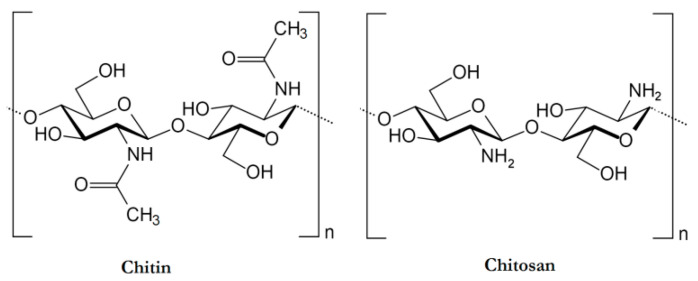
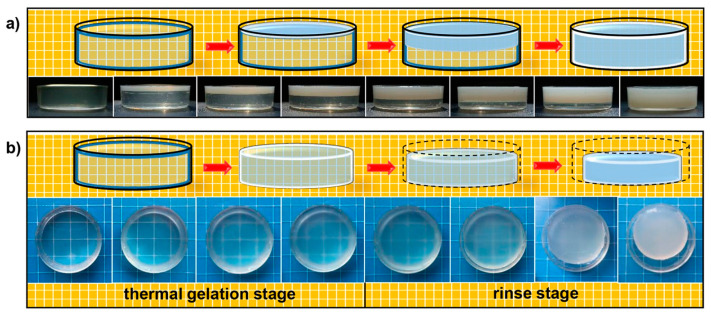
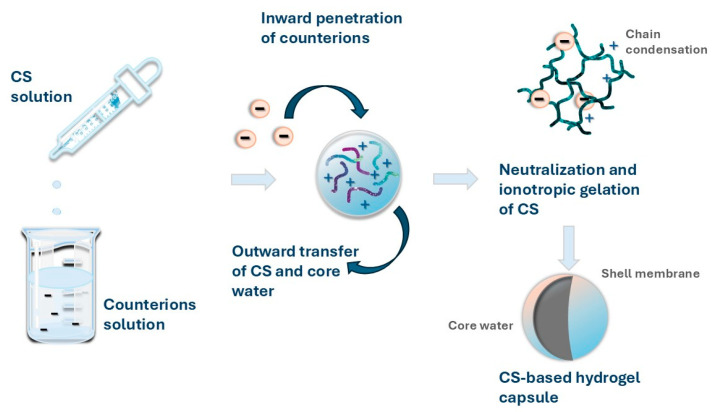
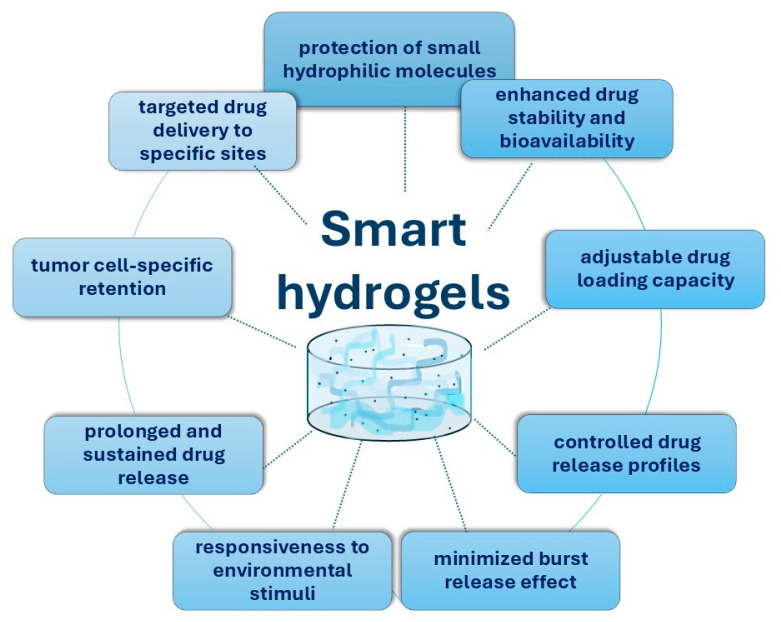
Despite advancements in early detection and treatment in developed countries, colorectal cancer (CRC) remains the third most common malignancy and the second-leading cause of cancer-related deaths worldwide. Conventional chemotherapy, a key option for CRC treatment, has several drawbacks, including poor selectivity and the development of multiple drug resistance, which often lead to severe side effects. In recent years, the use of polysaccharides as drug delivery systems (DDSs) to enhance drug efficacy has gained significant attention. Among these polysaccharides, chitosan (CS), a linear, mucoadhesive polymer, has shown promise in cancer treatment. This review summarizes current research on the potential applications of CS-based hydrogels as DDSs for CRC treatment, with a particular focus on smart hydrogels. These smart CS-based hydrogel systems are categorized into two main types: stimuli-responsive injectable hydrogels that undergo sol-gel transitions in situ, and single-, dual-, and multi-stimuli-responsive CS-based hydrogels capable of releasing drugs in response to various triggers. The review also discusses the structural characteristics of CS, the methods for preparing CS-based hydrogels, and recent scientific advances in smart CS-based hydrogels for CRC treatment.
Overview
The claims and statistics of this paper haven’t been checked yet.
Run the check — free, no account needed. It reads the open-access text and checks the sources it cites.
Integrity signals
Registry
Cites
Statistics
Figures
Verification
Claims the paper makes
The claims and statistics of this paper haven’t been checked yet.
Run the check — free, no account needed. It reads the open-access text and checks the sources it cites.
Claims other papers make about this one
Each is checked against this paper’s own text: does it say what the citing paper says it does?
In the citing paper
“To date, CS-based DDSs have been confirmed to have excellent anticancer properties [23]. Among other things, they are effective against oral cancer, breast cancer, prostate cancer, glioblastoma multiforme, liver cancer, and colon cancer, while also demonstrating satisfactory biocompatibility with typically developing cells and/or tissues.”
From Chitosan-Based Drug Delivery Systems for Targeted Chemotherapy in Colorectal Cancer: A Scoping Review (2025) · cites this paper as [23]
Self-check
Percentages, sums and reported differences re-computed from the paper’s own numbers.
The self-check needs the paper’s full text.
Citations
Cites
Preparation and application of pH-responsive drug delivery systems
Ding, H., Tan, P., Fu, S., Tian, X., Zhang, H., Ma, X., Gu, Z., & Luo, K. (2022) · Journal of Controlled Release · doi:10.1016/j.jconrel.2022.05.056 · Cited by 645
Surface modification of magnetic iron oxide nanoparticles
Zhu, N., Ji, H., Yu, P., Niu, J., Farooq, M. U., Akram, M. W., Udego, I. O., Li, H., & Niu, X. (2018) · Nanomaterials · doi:10.3390/nano8100810 · Cited by 569
Research works printed but not linked: 153
- Siegel, 2024, Cancer statistics, 2024, CA A Cancer J. Clin., 74, 12, 10.3322/caac.21820 · DOI · Paper page
- Akinkuotu, 2021, Surgical outcomes and survival rates of colon cancer in children and young adults, Am. J. Surg., 221, 718, 10.1016/j.amjsurg.2021.02.010 · DOI
- Nguyen, 2018, The molecular characteristics of colorectal cancer: Implications for diagnosis and therapy, Oncol. Lett., 16, 9
- Clevers, 2009, Stem cells, self-renewal, and differentiation in the intestinal epithelium, Annu. Rev. Physiol., 71, 241, 10.1146/annurev.physiol.010908.163145 · DOI
- Ahmad, 2021, Emerging trends in colorectal cancer: Dysregulated signaling pathways, Int. J. Mol. Med., 47, 14, 10.3892/ijmm.2021.4847 · DOI
- Newcomb, 2008, Infectious agents and colorectal cancer: A review of Helicobacter pylori, Streptococcus bovis, JC virus, and human papillomavirus, Cancer Epidemiol. Biomark. Prev., 17, 2970, 10.1158/1055-9965.EPI-08-0571 · DOI
- Wong, 2019, Gut microbiota in colorectal cancer: Mechanisms of action and clinical applications, Nat. Rev. Gastroenterol. Hepatol., 16, 690, 10.1038/s41575-019-0209-8 · DOI
- Hussain, 2016, Right-sided and left-sided colon cancers are two distinct disease entities: An analysis of 200 cases in Pakistan, Asian Pac. J. Cancer Prev., 17, 2545
- Sears, 2014, Microbes, microbiota, and colon cancer, Cell Host Microbe, 15, 317, 10.1016/j.chom.2014.02.007 · DOI
- Zhong, M., Xiong, Y., Ye, Z., Zhao, J., Zhong, L., Liu, Y., Zhu, Y., Tian, L., Qiu, X., and Hong, X. (2020). Microbial community profiling distinguishes left-sided and right-sided colon cancer. Front. Cell. Infect. Microbiol., 10. · DOI
- Roeder, 2020, Recent advances in (chemo-) radiation therapy for rectal cancer: A comprehensive review, Radiat. Oncol., 15, 262, 10.1186/s13014-020-01695-0 · DOI
- Chibaudel, 2015, Therapeutic strategy in unresectable metastatic colorectal cancer: An updated review, Ther. Adv. Med. Oncol., 7, 153, 10.1177/1758834015572343 · DOI
- Mi, 2013, Targeted co-delivery of docetaxel, cisplatin and herceptin by vitamin E TPGS-cisplatin prodrug nanoparticles for multimodality treatment of cancer, J. Control. Release, 169, 185, 10.1016/j.jconrel.2013.01.035 · DOI
- Dai, 2016, Tumor therapy: Targeted drug delivery systems, J. Mater. Chem. B, 4, 6758, 10.1039/C6TB01743F · DOI
- Pacheco, 2023, Recent advances in long-acting drug delivery systems for anticancer drug, Adv. Drug Deliv. Rev., 194, 114724, 10.1016/j.addr.2023.114724 · DOI
- Kesharwani, 2021, Biomedical applications of hydrogels in drug delivery system: An update, J. Drug Deliv. Sci. Technol., 66, 102914, 10.1016/j.jddst.2021.102914 · DOI
- Ho, T.-C., Chang, C.-C., Chan, H.-P., Chung, T.-W., Shu, C.-W., Chuang, K.-P., Duh, T.-H., Yang, M.-H., and Tyan, Y.-C. (2022). Hydrogels: Properties and applications in biomedicine. Molecules, 27. · DOI
- Wu, 2023, Polysaccharide-based tumor microenvironment-responsive drug delivery systems for cancer therapy, J. Control. Release, 362, 19, 10.1016/j.jconrel.2023.08.019 · DOI
- Kurakula, 2021, Recent trends in design and evaluation of chitosan-based colon targeted drug delivery systems: Update 2020, J. Drug Deliv. Sci. Technol., 64, 102579, 10.1016/j.jddst.2021.102579 · DOI
- Sanford, P., and Hutchings, G. (1987). Chitosan-A Natural, Cationic Biopolymer: Commercial Application in Industrial Polysaccharides, Elsevier.
- Croisier, 2013, Chitosan-based biomaterials for tissue engineering, Eur. Polym. J., 49, 780, 10.1016/j.eurpolymj.2012.12.009 · DOI
- Younes, 2015, Chitin and chitosan preparation from marine sources. Structure, properties and applications, Mar. Drugs, 13, 1133, 10.3390/md13031133 · DOI
- Wang, 2022, Chitosan-based materials: Preparation, modification and application, J. Clean. Prod., 355, 131825, 10.1016/j.jclepro.2022.131825 · DOI
- Aranaz, I., Alcántara, A.R., Civera, M.C., Arias, C., Elorza, B., Heras Caballero, A., and Acosta, N. (2021). Chitosan: An overview of its properties and applications. Polymers, 13. · DOI
- Huq, 2022, Sources, production and commercial applications of fungal chitosan: A review, J. Bioresour. Bioprod., 7, 85, 10.1016/j.jobab.2022.01.002 · DOI
- Abourehab, M.A., Pramanik, S., Abdelgawad, M.A., Abualsoud, B.M., Kadi, A., Ansari, M.J., and Deepak, A. (2022). Recent advances of chitosan formulations in biomedical applications. Int. J. Mol. Sci., 23. · DOI
- Desai, R., Pachpore, R., Patil, A., Jain, R., and Dandekar, P. (2021). Review of the structure of chitosan in the context of other sugar-based polymers. Chitosan for Biomaterials III: Structure-Property Relationships, Springer. · DOI
- Feng, 2015, Surface charge effect on mucoadhesion of chitosan based nanogels for local anti-colorectal cancer drug delivery, Colloids Surf. B Biointerfaces, 128, 439, 10.1016/j.colsurfb.2015.02.042 · DOI
- Smith, 2004, Effect of chitosan on epithelial cell tight junctions, Pharm. Res., 21, 43, 10.1023/B:PHAM.0000012150.60180.e3 · DOI
- Tallian, 2019, Lysozyme-responsive spray-dried chitosan particles for early detection of wound infection, ACS Appl. Bio Mater., 2, 1331, 10.1021/acsabm.9b00023 · DOI
- Ilium, 1998, Chitosan and its use as a pharmaceutical excipient, Pharm. Res., 15, 1326, 10.1023/A:1011929016601 · DOI
- Singla, 2001, Chitosan: Some pharmaceutical and biological aspects-an update, J. Pharm. Pharmacol., 53, 1047, 10.1211/0022357011776441 · DOI
- Kas, 1997, Chitosan: Properties, preparations and application to microparticulate systems, J. Microencapsul., 14, 689, 10.3109/02652049709006820 · DOI
- Shanmuganathan, 2019, Chitosan nanopolymers: An overview of drug delivery against cancer, Int. J. Biol. Macromol., 130, 727, 10.1016/j.ijbiomac.2019.02.060 · DOI
- 2024, Measurement of the degree of deacetylation in chitosan films by FTIR, 1H NMR and UV spectrophotometry, MethodsX, 12, 102583, 10.1016/j.mex.2024.102583 · DOI
- Devlieghere, 2004, Chitosan: Antimicrobial activity, interactions with food components and applicability as a coating on fruit and vegetables, Food Microbiol., 21, 703, 10.1016/j.fm.2004.02.008 · DOI · Paper page
- Roller, 1999, The antifungal properties of chitosan in laboratory media and apple juice, Int. J. Food Microbiol., 47, 67, 10.1016/S0168-1605(99)00006-9 · DOI
- Papineau, 1991, Antimicrobial effect of water-soluble chitosans with high hydrostatic pressure, Food Biotechnol., 5, 45, 10.1080/08905439109549790 · DOI
- Kumar, 2004, Chitosan chemistry and pharmaceutical perspectives, Chem. Rev., 104, 6017, 10.1021/cr030441b · DOI
- Sogias, 2010, Exploring the factors affecting the solubility of chitosan in water, Macromol. Chem. Phys., 211, 426, 10.1002/macp.200900385 · DOI · Paper page
- Errington, 1993, Hydrodynamic characterization of chitosans varying in degree of acetylation, Int. J. Biol. Macromol., 15, 113, 10.1016/0141-8130(93)90008-A · DOI
- Qin, 2006, Water-solubility of chitosan and its antimicrobial activity, Carbohydr. Polym., 63, 367, 10.1016/j.carbpol.2005.09.023 · DOI · Paper page
- Hejazi, 2003, Chitosan-based gastrointestinal delivery systems, J. Control. Release, 89, 151, 10.1016/S0168-3659(03)00126-3 · DOI
- Hu, 2012, Influence of charge on FITC-BSA-loaded chondroitin sulfate-chitosan nanoparticles upon cell uptake in human Caco-2 cell monolayers, Int. J. Nanomed., 7, 4861
- Kotze, 1999, Chitosan for enhanced intestinal permeability: Prospects for derivatives soluble in neutral and basic environments, Eur. J. Pharm. Sci., 7, 145, 10.1016/S0928-0987(98)00016-5 · DOI
- Thanou, 1999, Effect of the degree of quaternization of N-trimethyl chitosan chloride on the permeability of intestinal epithelial cells (Caco-2), Eur. J. Pharm. Biopharm., 47, 269, 10.1016/S0939-6411(99)00006-5 · DOI · Paper page
- Schipper, 1997, Chitosans as absorption enhancers for poorly absorbable drugs 2: Mechanism of absorption enhancement, Pharm. Res., 14, 923, 10.1023/A:1012160102740 · DOI
- Rosenthal, 2012, The effect of chitosan on transcellular and paracellular mechanisms in the intestinal epithelial barrier, Biomaterials, 33, 2791, 10.1016/j.biomaterials.2011.12.034 · DOI
- Chen, 2022, The beneficial mechanism of chitosan and chitooligosaccharides in the intestine on different health status, J. Funct. Foods, 97, 105232, 10.1016/j.jff.2022.105232 · DOI
- Wu, M., Li, J., An, Y., Li, P., Xiong, W., Li, J., Yan, D., Wang, M., and Zhong, G. (2019). Chitooligosaccharides Prevents the Development of Colitis-Associated Colorectal Cancer by Modulating the Intestinal Microbiota and Mycobiota. Front. Microbiol., 10. · DOI
- Calinescu, 2008, Carboxymethyl high amylose starch: Chitosan self-stabilized matrix for probiotic colon delivery, Eur. J. Pharm. Biopharm., 70, 582, 10.1016/j.ejpb.2008.06.006 · DOI
- Bhumkar, 2006, Studies on effect of pH on cross-linking of chitosan with sodium tripolyphosphate: A technical note, Aaps Pharmscitech, 7, E138, 10.1208/pt070250 · DOI
- Hong, 2023, Chitosan-based hydrogels: From preparation to applications, a review, Food Chem. X, 21, 101095, 10.1016/j.fochx.2023.101095 · DOI
- Dragan, 2020, Advances in porous chitosan-based composite hydrogels: Synthesis and applications, React. Funct. Polym., 146, 104372, 10.1016/j.reactfunctpolym.2019.104372 · DOI
- Berger, 2004, Structure and interactions in chitosan hydrogels formed by complexation or aggregation for biomedical applications, Eur. J. Pharm. Biopharm., 57, 35, 10.1016/S0939-6411(03)00160-7 · DOI
- Jin, 2010, A drug-loaded gel based on polyelectrolyte complexes of poly (acrylic acid) with poly (vinylpyrrolidone) and chitosan, Mater. Chem. Phys., 123, 463, 10.1016/j.matchemphys.2010.04.042 · DOI
- Tian, 2020, Chemical and physical chitosan hydrogels as prospective carriers for drug delivery: A review, J. Mater. Chem. B, 8, 10050, 10.1039/D0TB01869D · DOI
- Zhang, 2005, Single component chitosan hydrogel microcapsule from a layer-by-layer approach, Biomacromolecules, 6, 2365, 10.1021/bm050058b · DOI
- McClements, 2017, Designing biopolymer microgels to encapsulate, protect and deliver bioactive components: Physicochemical aspects, Adv. Colloid Interface Sci., 240, 31, 10.1016/j.cis.2016.12.005 · DOI
- Delmar, 2015, The dramatic effect of small pH changes on the properties of chitosan hydrogels crosslinked with genipin, Carbohydr. Polym., 127, 28, 10.1016/j.carbpol.2015.03.039 · DOI
- Silva, 2008, Novel genipin-cross-linked chitosan/silk fibroin sponges for cartilage engineering strategies, Biomacromolecules, 9, 2764, 10.1021/bm800874q · DOI
- Sharmin, N., Rosnes, J.T., Prabhu, L., Böcker, U., and Sivertsvik, M. (2022). Effect of citric acid cross linking on the mechanical, rheological and barrier properties of chitosan. Molecules, 27. · DOI
- Zhang, 2020, Preparation and adsorption properties of citrate-crosslinked chitosan salt microspheres by microwave assisted method, Int. J. Biol. Macromol., 152, 1146, 10.1016/j.ijbiomac.2019.10.203 · DOI
- Nguyen, 2013, Fabrication and characterization of poly (vinyl alcohol)/chitosan hydrogel thin films via UV irradiation, Eur. Polym. J., 49, 4201, 10.1016/j.eurpolymj.2013.09.032 · DOI
- Wang, 2021, Photo-crosslinkable hydrogel and its biological applications, Chin. Chem. Lett., 32, 1603, 10.1016/j.cclet.2020.11.073 · DOI
- Hyun, 2018, Injectable visible light-cured glycol chitosan hydrogels with controlled release of anticancer drugs for local cancer therapy in vivo: A feasible study, Artif. Cells Nanomed. Biotechnol., 46, 874, 10.1080/21691401.2018.1470529 · DOI
- Tatarusanu, S.-M., Sava, A., Profire, B.-S., Pinteala, T., Jitareanu, A., Iacob, A.-T., Lupascu, F., Simionescu, N., Rosca, I., and Profire, L. (2023). New Smart Bioactive and Biomimetic Chitosan-Based Hydrogels for Wounds Care Management. Pharmaceutics, 15. · DOI
- Guaresti, 2018, Synthesis of stimuli–responsive chitosan–based hydrogels by Diels–Alder cross–linkingclick reaction as potential carriers for drug administration, Carbohydr. Polym., 183, 278, 10.1016/j.carbpol.2017.12.034 · DOI
- Guaresti, 2019, In situ cross–linked chitosan hydrogels via Michael addition reaction based on water–soluble thiol–maleimide precursors, Eur. Polym. J., 119, 376, 10.1016/j.eurpolymj.2019.08.009 · DOI
- Li, 2018, Preparation and characterization of in-situ formable liposome/chitosan composite hydrogels, Mater. Lett., 220, 289, 10.1016/j.matlet.2018.03.052 · DOI
- Tsuda, 2009, Photocrosslinkable chitosan hydrogel can prevent bone formation in both rat skull and fibula bone defects, Artif. Organs, 33, 74, 10.1111/j.1525-1594.2008.00676.x · DOI
- Pei, 2019, Photocrosslinkable chitosan hydrogels and their biomedical applications, J. Polym. Sci. Part A Polym. Chem., 57, 1862, 10.1002/pola.29305 · DOI
- Cho, 2016, Synthesis and characterization of a new photo-crosslinkable glycol chitosan thermogel for biomedical applications, Carbohydr. Polym., 144, 59, 10.1016/j.carbpol.2016.02.029 · DOI
- Zhang, 2018, Nanoinitiator for enzymatic anaerobic polymerization and graft enhancement of gelatin–PAAM hydrogel, J. Mater. Chem. B, 6, 1402, 10.1039/C7TB03244G · DOI
- Ravishankar, 2020, Advances in chitosan-based hydrogels: Evolution from covalently crosslinked systems to ionotropically crosslinked superabsorbents, React. Funct. Polym., 149, 104517, 10.1016/j.reactfunctpolym.2020.104517 · DOI · Paper page
- Tian, B., and Liu, J. (2023). Smart stimuli-responsive chitosan hydrogel for drug delivery: A review. Int. J. Biol. Macromol., 235. · DOI
- He, 2019, Dual cross-link networks to preserve physical interactions induced by soaking methods: Developing a strong and biocompatible protein-based hydrogel, ACS Appl. Bio Mater., 2, 3352, 10.1021/acsabm.9b00357 · DOI
- Papagiannopoulos, 2023, Physicochemical properties of electrostatically crosslinked carrageenan/chitosan hydrogels and carrageenan/chitosan/Laponite nanocomposite hydrogels, Int. J. Biol. Macromol., 225, 565, 10.1016/j.ijbiomac.2022.11.113 · DOI
- Nie, J., Wang, Z., and Hu, Q. (2016). Difference between chitosan hydrogels via alkaline and acidic solvent systems. Sci. Rep., 6. · DOI
- Wang, 2016, Gelation process visualized by aggregation-induced emission fluorogens, Nat. Commun., 7, 12033, 10.1038/ncomms12033 · DOI
- Tylkowski, 2021, Alginate-based hydrogels for cancer therapy and research, Int. J. Biol. Macromol., 170, 424, 10.1016/j.ijbiomac.2020.12.161 · DOI
- 2019, Temperature stimuli-responsive nanoparticles from chitosan-graft-poly (N-vinylcaprolactam) as a drug delivery system, J. Appl. Polym. Sci., 136, 47831, 10.1002/app.47831 · DOI
- Calvo, 1997, Novel hydrophilic chitosan-polyethylene oxide nanoparticles as protein carriers, J. Appl. Polym. Sci., 63, 125, 10.1002/(SICI)1097-4628(19970103)63:1<125::AID-APP13>3.0.CO;2-4 · DOI
- Bugnicourt, 2016, Interests of chitosan nanoparticles ionically cross-linked with tripolyphosphate for biomedical applications, Prog. Polym. Sci., 60, 1, 10.1016/j.progpolymsci.2016.06.002 · DOI
- Angelova, 2002, Permeability and stability of chitosan-based capsules: Effect of preparation, Int. J. Pharm., 242, 229, 10.1016/S0378-5173(02)00165-5 · DOI
- Peniche, 2011, Chitosan nanoparticles: A contribution to nanomedicine, Polym. Int., 60, 883, 10.1002/pi.3056 · DOI
- Wang, 2016, Colon targeted oral drug delivery system based on alginate-chitosan microspheres loaded with icariin in the treatment of ulcerative colitis, Int. J. Pharm., 515, 176, 10.1016/j.ijpharm.2016.10.002 · DOI
- Balima, 2024, Stretchable hydrogels of chitosan/hyaluronic acid induced by polyelectrolyte complexation around neutral pH, Carbohydr. Polym., 339, 122265, 10.1016/j.carbpol.2024.122265 · DOI
- Brea, 2009, Chitosan–hyaluronic acid nanoparticles loaded with heparin for the treatment of asthma, Int. J. Pharm., 381, 122, 10.1016/j.ijpharm.2009.04.009 · DOI
- Denuziere, 1996, Chitosan-chondroitin sulfate and chitosan-hyaluronate polyelectrolyte complexes. Physico-chemical aspects, Carbohydr. Polym., 29, 317, 10.1016/S0144-8617(96)00035-5 · DOI
- Pourjavadi, 2019, Injectable chitosan/κ-carrageenan hydrogel designed with au nanoparticles: A conductive scaffold for tissue engineering demands, Int. J. Biol. Macromol., 126, 310, 10.1016/j.ijbiomac.2018.11.256 · DOI
- Sinha, 2004, Chitosan microspheres as a potential carrier for drugs, Int. J. Pharm., 274, 1, 10.1016/j.ijpharm.2003.12.026 · DOI
- Bezerra, 2022, Microstructure and properties of thermomechanically processed chitosan citrate-based materials, Carbohydr. Polym., 278, 118984, 10.1016/j.carbpol.2021.118984 · DOI
- Zhou, 2015, Glycerophosphate-based chitosan thermosensitive hydrogels and their biomedical applications, Carbohydr. Polym., 117, 524, 10.1016/j.carbpol.2014.09.094 · DOI
- Yuan, 2022, Components, mechanisms and applications of stimuli-responsive polymer gels, Eur. Polym. J., 177, 111473, 10.1016/j.eurpolymj.2022.111473 · DOI
- Wei, 2017, Stimuli-responsive polymers and their applications, Polym. Chem., 8, 127, 10.1039/C6PY01585A · DOI
- Kumar, N., Singh, S., Sharma, P., Kumar, B., and Kumar, A. (2024). Single-, Dual-, and Multi-Stimuli-Responsive Nanogels for Biomedical Applications. Gels, 10. · DOI
- Elias, 2001, Curative treatment of peritoneal carcinomatosis arising from colorectal cancer by complete resection and intraperitoneal chemotherapy, Cancer, 92, 71, 10.1002/1097-0142(20010701)92:1<71::AID-CNCR1293>3.0.CO;2-9 · DOI
- Verwaal, 2008, 8-year follow-up of randomized trial: Cytoreduction and hyperthermic intraperitoneal chemotherapy versus systemic chemotherapy in patients with peritoneal carcinomatosis of colorectal cancer, Ann. Surg. Oncol., 15, 2426, 10.1245/s10434-008-9966-2 · DOI
- Levine, 2014, Intraperitoneal chemotherapy for peritoneal surface malignancy: Experience with 1,000 patients, J. Am. Coll. Surg., 218, 573, 10.1016/j.jamcollsurg.2013.12.013 · DOI
- Garg, 2024, In-situ gel: A smart carrier for drug delivery, Int. J. Pharm., 652, 123819, 10.1016/j.ijpharm.2024.123819 · DOI
- Leroux, 2004, In situ-forming hydrogels—Review of temperature-sensitive systems, Eur. J. Pharm. Biopharm., 58, 409, 10.1016/j.ejpb.2004.03.019 · DOI · Paper page
- Gao, 2021, Injectable multi-responsive hydrogels cross-linked by responsive macromolecular micelles, React. Funct. Polym., 161, 104866, 10.1016/j.reactfunctpolym.2021.104866 · DOI
- Qiu, 2001, Environment-sensitive hydrogels for drug delivery, Adv. Drug Deliv. Rev., 53, 321, 10.1016/S0169-409X(01)00203-4 · DOI
- Chenite, 2000, Characterization of thermosensitive chitosan gels for the sustained delivery of drugs, Int. J. Pharm., 203, 89, 10.1016/S0378-5173(00)00428-2 · DOI
- Kehoe, 2009, Incidence of intestinal obstruction following intraperitoneal chemotherapy for ovarian tubal and peritoneal malignancies, Gynecol. Oncol., 113, 228, 10.1016/j.ygyno.2009.01.016 · DOI
- Zan, 2006, Preparation and properties of crosslinked chitosan thermosensitive hydrogel for injectable drug delivery systems, J. Appl. Polym. Sci., 101, 1892, 10.1002/app.23613 · DOI
- Chenite, 2001, Rheological characterisation of thermogelling chitosan/glycerol-phosphate solutions, Carbohydr. Polym., 46, 39, 10.1016/S0144-8617(00)00281-2 · DOI
- Assaad, 2015, Injectable thermosensitive chitosan hydrogels with controlled gelation kinetics and enhanced mechanical resistance, Carbohydr. Polym., 130, 87, 10.1016/j.carbpol.2015.04.063 · DOI
- Goldberg, 2002, Thermodynamic quantities for the ionization reactions of buffers, J. Phys. Chem. Ref. Data, 31, 231, 10.1063/1.1416902 · DOI
- Chenite, 2000, Novel injectable neutral solutions of chitosan form biodegradable gels in situ, Biomaterials, 21, 2155, 10.1016/S0142-9612(00)00116-2 · DOI
- Lavertu, 2008, Heat-induced transfer of protons from chitosan to glycerol phosphate produces chitosan precipitation and gelation, Biomacromolecules, 9, 640, 10.1021/bm700745d · DOI
- Cho, 2005, Physical gelation of chitosan in the presence of β-glycerophosphate: The effect of temperature, Biomacromolecules, 6, 3267, 10.1021/bm050313s · DOI
- Rezakhani, 2021, A three dimensional in vivo model of breast cancer using a thermosensitive chitosan-based hydrogel and 4 T1 cell line in Balb/c, J. Biomed. Mater. Res. Part A, 109, 1275, 10.1002/jbm.a.37121 · DOI
- Taherian, 2017, Rheological and thermogelling properties of commercials chitosan/β-glycerophosphate: Retention of hydrogel in water, milk and UF-milk, Food Hydrocoll., 63, 635, 10.1016/j.foodhyd.2016.09.031 · DOI
- Deng, 2017, Enhanced gelation of chitosan/β-sodium glycerophosphate thermosensitive hydrogel with sodium bicarbonate and biocompatibility evaluated, Mater. Sci. Eng. C, 78, 1147, 10.1016/j.msec.2017.04.109 · DOI
- Rahimnejad, M., Adoungotchodo, A., Demarquette, N.R., and Lerouge, S. (2022). FRESH bioprinting of biodegradable chitosan thermosensitive hydrogels. Bioprinting, 27. · DOI
- Yun, Q., Wang, S.S., Xu, S., Yang, J.P., Fan, J., Yang, L.L., Chen, Y., Fu, S.Z., and Wu, J.B. (2017). Use of 5-Fluorouracil Loaded Micelles and Cisplatin in Thermosensitive Chitosan Hydrogel as an Efficient Therapy against Colorectal Peritoneal Carcinomatosis. Macromol. Biosci., 17. · DOI
- Chen, C.-H., Kuo, C.-Y., Chen, S.-H., Mao, S.-H., Chang, C.-Y., Shalumon, K., and Chen, J.-P. (2018). Thermosensitive injectable hydrogel for simultaneous intraperitoneal delivery of doxorubicin and prevention of peritoneal adhesion. Int. J. Mol. Sci., 19. · DOI
- Zheng, 2019, Preparation of injectable temperature-sensitive chitosan-based hydrogel for combined hyperthermia and chemotherapy of colon cancer, Carbohydr. Polym., 222, 115039, 10.1016/j.carbpol.2019.115039 · DOI
- Songkroh, 2015, Injectable in situ forming chitosan-based hydrogels for curcumin delivery, Macromol. Res., 23, 53, 10.1007/s13233-015-3006-4 · DOI
- Dalei, 2023, In situ crosslinked dialdehyde guar gum-chitosan Schiff-base hydrogels for dual drug release in colorectal cancer therapy, Chem. Eng. Sci., 269, 118482, 10.1016/j.ces.2023.118482 · DOI
- Liang, Z., Gao, J., Yin, Z.-Z., Li, J., Cai, W., and Kong, Y. (2023). A sequential delivery system based on MoS2 nanoflower doped chitosan/oxidized dextran hydrogels for colon cancer treatment. Int. J. Biol. Macromol., 233. · DOI
- Khan, 2019, Highly porous pH-responsive carboxymethyl chitosan-grafted-poly (acrylic acid) based smart hydrogels for 5-fluorouracil controlled delivery and colon targeting, Int. J. Polym. Sci., 2019, 6579239, 10.1155/2019/6579239 · DOI
- Ghobashy, 2021, Gamma radiation synthesis of a novel amphiphilic terpolymer hydrogel pH-responsive based chitosan for colon cancer drug delivery, Carbohydr. Polym., 263, 117975, 10.1016/j.carbpol.2021.117975 · DOI
- Zarbab, A., Sajjad, A., Rasul, A., Jabeen, F., and Iqbal, M.J. (2023). Synthesis and characterization of Guar gum based biopolymeric hydrogels as carrier materials for controlled delivery of methotrexate to treat colon cancer. Saudi J. Biol. Sci., 30. · DOI
- Wang, 2022, Intestine enzyme-responsive polysaccharide-based hydrogel to open epithelial tight junctions for oral delivery of imatinib against colon cancer, Chin. J. Polym. Sci., 40, 1154, 10.1007/s10118-022-2726-0 · DOI
- Hoang, 2021, Dual pH-/thermo-responsive chitosan-based hydrogels prepared using” click” chemistry for colon-targeted drug delivery applications, Carbohydr. Polym., 260, 117812, 10.1016/j.carbpol.2021.117812 · DOI
- Nisar, 2020, Strategy to design a smart photocleavable and pH sensitive chitosan based hydrogel through a novel crosslinker: A potential vehicle for controlled drug delivery, RSC Adv., 10, 14694, 10.1039/C9RA10333C · DOI
- Chen, 2009, Preparation and evaluation of thermo-reversible copolymer hydrogels containing chitosan and hyaluronic acid as injectable cell carriers, Polymer, 50, 107, 10.1016/j.polymer.2008.10.045 · DOI
- Hua, S. (2020). Advances in oral drug delivery for regional targeting in the gastrointestinal tract-influence of physiological, pathophysiological and pharmaceutical factors. Front. Pharmacol., 11. · DOI · Paper page
- Tan, 2007, Comparative drug release studies of two cationic drugs from pH-responsive nanogels, Eur. J. Pharm. Sci., 32, 340, 10.1016/j.ejps.2007.08.010 · DOI
- Herrmann, 1985, The effect of methotrexate pretreatment on 5-fluorouracil kinetics in sarcoma 180 in vivo, Eur. J. Cancer Clin. Oncol., 21, 753, 10.1016/0277-5379(85)90274-3 · DOI
- Duan, 2023, Nanomaterials for photothermal cancer therapy, RSC Adv., 13, 14443, 10.1039/D3RA02620E · DOI
- Yu, S., Xia, G., Yang, N., Yuan, L., Li, J., Wang, Q., Li, D., Ding, L., Fan, Z., and Li, J. (2024). Noble Metal Nanoparticle-Based Photothermal Therapy: Development and Application in Effective Cancer Therapy. Int. J. Mol. Sci., 25. · DOI
- Gaharwar, 2014, Nanocomposite hydrogels for biomedical applications, Biotechnol. Bioeng., 111, 441, 10.1002/bit.25160 · DOI
- Cheng, X., Xie, Q., and Sun, Y. (2023). Advances in nanomaterial-based targeted drug delivery systems. Front. Bioeng. Biotechnol., 11. · DOI
- Zhu, 2008, Suspension of Fe3O4 nanoparticles stabilized by chitosan and o-carboxymethylchitosan, Int. J. Pharm., 350, 361, 10.1016/j.ijpharm.2007.09.004 · DOI
- Thanou, 2001, Oral drug absorption enhancement by chitosan and its derivatives, Adv. Drug Deliv. Rev., 52, 117, 10.1016/S0169-409X(01)00231-9 · DOI
- Fang, 2001, Interactions of phospholipid bilayer with chitosan: Effect of molecular weight and pH, Biomacromolecules, 2, 1161, 10.1021/bm015548s · DOI
- Bowman, 2006, Chitosan nanoparticles for oral drug and gene delivery, Int. J. Nanomed., 1, 117, 10.2147/nano.2006.1.2.117 · DOI
- Vllasaliu, 2010, Tight junction modulation by chitosan nanoparticles: Comparison with chitosan solution, Int. J. Pharm., 400, 183, 10.1016/j.ijpharm.2010.08.020 · DOI
- Kudsiova, 2008, A comparison of the effect of chitosan and chitosan-coated vesicles on monolayer integrity and permeability across Caco-2 and 16HBE14o-cells, J. Pharm. Sci., 97, 3998, 10.1002/jps.21262 · DOI
- Sun, 2019, pH-sensitive ZnO/carboxymethyl cellulose/chitosan bio-nanocomposite beads for colon-specific release of 5-fluorouracil, Int. J. Biol. Macromol., 128, 468, 10.1016/j.ijbiomac.2019.01.140 · DOI
- Dalei, 2024, Bio-valorization of Tagetes floral waste extract in fabrication of self-healing Schiff-base nanocomposite hydrogels for colon cancer remedy, Environ. Sci. Pollut. Res., 31, 4330, 10.1007/s11356-023-31392-w · DOI
- Mohammadi, 2019, 5-Fluorouracil loaded chitosan/polyacrylic acid/Fe3O4 magnetic nanocomposite hydrogel as a potential anticancer drug delivery system, Int. J. Biol. Macromol., 132, 506, 10.1016/j.ijbiomac.2019.04.005 · DOI
- Mohamed, 2022, Preparation of carrageenan/chitosan-based (N, N, N-trimeth (yl chitosan chloride) silver nanocomposites as pH sensitive carrier for effective controlled curcumin delivery in cancer cells, OpenNano, 7, 100050, 10.1016/j.onano.2022.100050 · DOI
- Dhanavel, 2020, 5-Fluorouracil and curcumin co-encapsulated chitosan/reduced graphene oxide nanocomposites against human colon cancer cell lines, Polym. Bull., 77, 213, 10.1007/s00289-019-02734-x · DOI
- Sabra, 2018, An augmented delivery of the anticancer agent, curcumin, to the colon, React. Funct. Polym., 123, 54, 10.1016/j.reactfunctpolym.2017.12.012 · DOI
- Nag, 2021, Chitosan-decorated PLGA-NPs loaded with tannic acid/vitamin E mitigate colon cancer via the NF-κB/β-Cat/EMT pathway, ACS Omega, 6, 28752, 10.1021/acsomega.1c03477 · DOI
- Alsadooni, J.F.K., Haghi, M., Barzegar, A., and Feizi, M.A.H. (2023). The effect of chitosan hydrogel containing gold nanoparticle complex with paclitaxel on colon cancer cell line. Int. J. Biol. Macromol., 247. · DOI
- Kean, 2010, Biodegradation, biodistribution and toxicity of chitosan, Adv. Drug Deliv. Rev., 62, 3, 10.1016/j.addr.2009.09.004 · DOI · Paper page
- Kantak, 2022, Analysis of clinical trials on biomaterial and therapeutic applications of chitosan: A review, Carbohydr. Polym., 278, 118999, 10.1016/j.carbpol.2021.118999 · DOI
Cited by
Sorted by citations
Piotrowska, U., Szatko, J., Nowakowska, A., Klimaszewska, E., Ogorzałek, M., & Sobczak, M. (2025) · Marine Drugs · doi:10.3390/md23120467 · Cited by 14
Self-citation
Metadata
- Authors
- Piotrowska, U., & Orzechowska, K.
- Venue
- Pharmaceuticals
- Publisher
- MDPI AG
- Published
- 2024-09-25
- Volume
- 17
- Issue
- 10
- Pages
- 1260
- ISSN
- 1424-8247
- PMC
- PMC11510048
- Cited by
- 30
- References
- 2
- Language
- en
- Funders
- National Science Centre, Poland (2022/47/D/NZ7/01403)
About these checks
Registry, retraction, Cites and statistics results are computed, not judged, with one exception: a printed reference that no index lists is read once by a model before it counts as a citation error. Claims are extracted by a model and kept only when their quote appears verbatim in the text; each cited source is then checked, with a model’s help, for whether it says what the claim relies on. Those verdicts can be wrong — read the claim’s quote and the cited source before relying on one.
Statistics and arithmetic are recomputed, not judged.
Confidence bands are shown only for fields calibrated on our annotated test set. None is calibrated yet, so no band is shown.
What counts as a claim ›How we measure confidence ›How we check this ›
Are you an author, or do you see a problem with this page? Request a review
