

The DOI matches its Crossref record; 3 of the 3 references it cites were found in a registry or an index.
Advances in 2,3-Dimethylmaleic Anhydride (DMMA)-Modified Nanocarriers in Drug Delivery Systems
Abstract
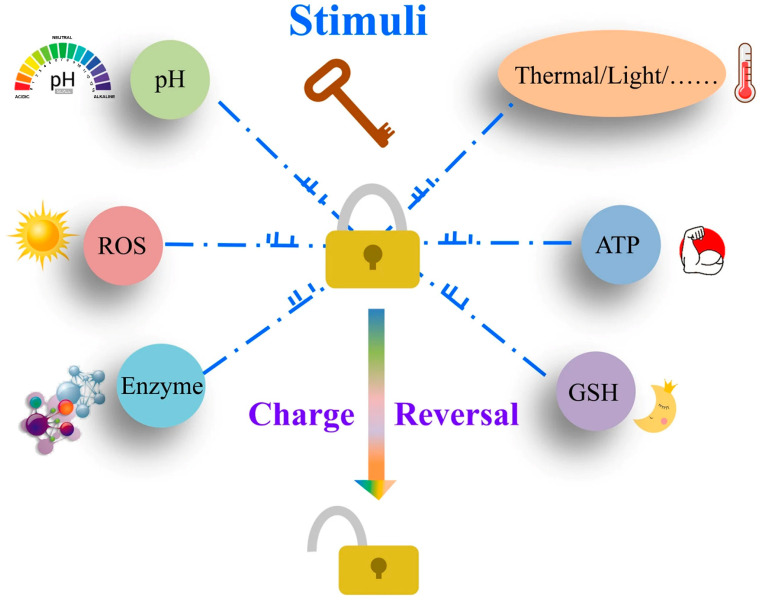
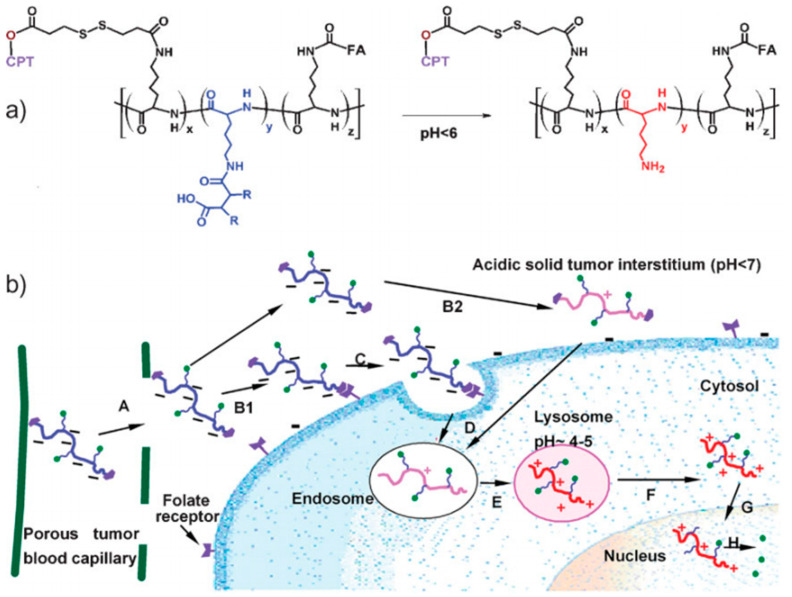
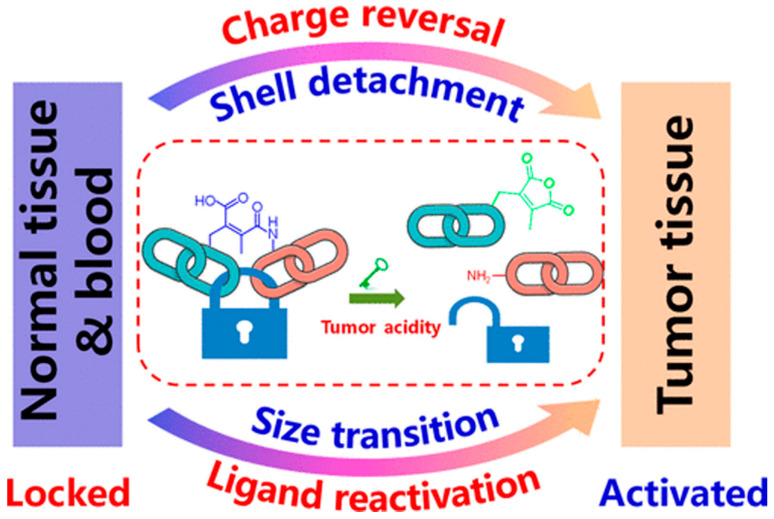
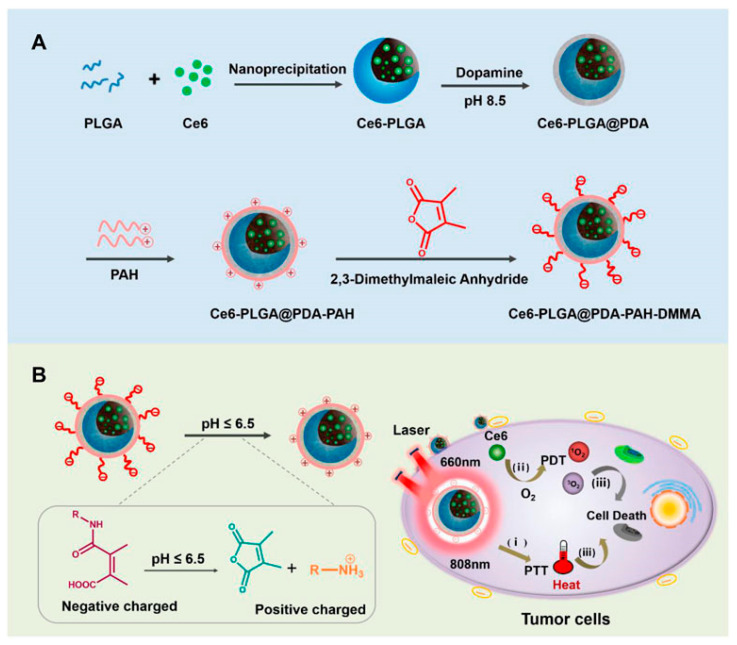
Cancer represents a significant threat to human health. The cells and tissues within the microenvironment of solid tumors exhibit complex and abnormal properties in comparison to healthy tissues. The efficacy of nanomedicines is inhibited by the presence of substantial and complex physical barriers in the tumor tissue. The latest generation of intelligent drug delivery systems, particularly nanomedicines capable of charge reversal, have shown promise in addressing this issue. These systems can transform their charge from negative to positive upon reaching the tumor site, thereby enhancing tumor penetration via transcytosis and promoting cell internalization by interacting with the negatively charged cell membranes. The modification of nanocarriers with 2,3-dimethylmaleic anhydride (DMMA) and its derivatives, which are responsive to weak acid stimulation, represents a significant advance in the field of charge-reversal nanomedicines. This review provides a comprehensive examination of the recent insights into DMMA-modified nanocarriers in drug delivery systems, with a particular focus on their potential in targeted therapeutics. It also discusses the synthesis of DMMA derivatives and their role in charge reversal, shell detachment, size shift, and ligand reactivation mechanisms, offering the prospect of a tailored, next-generation therapeutic approach to overcome the diverse challenges associated with cancer therapy.
Overview
The claims and statistics of this paper haven’t been checked yet.
Run the check — free, no account needed. It reads the open-access text and checks the sources it cites.
Integrity signals
Registry
Cites
Statistics
Figures
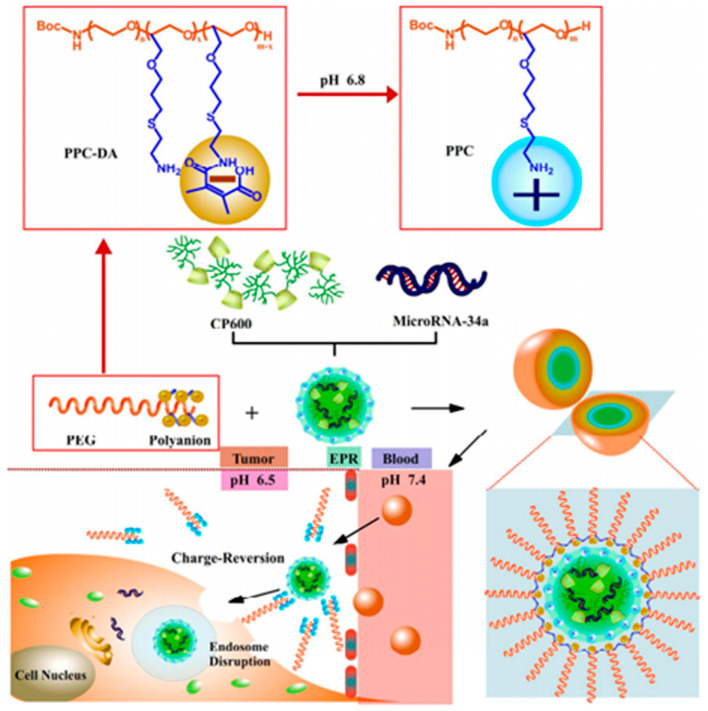
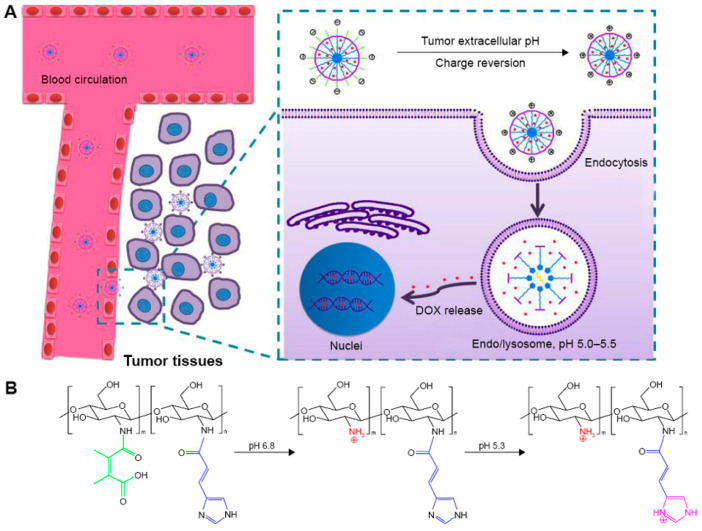
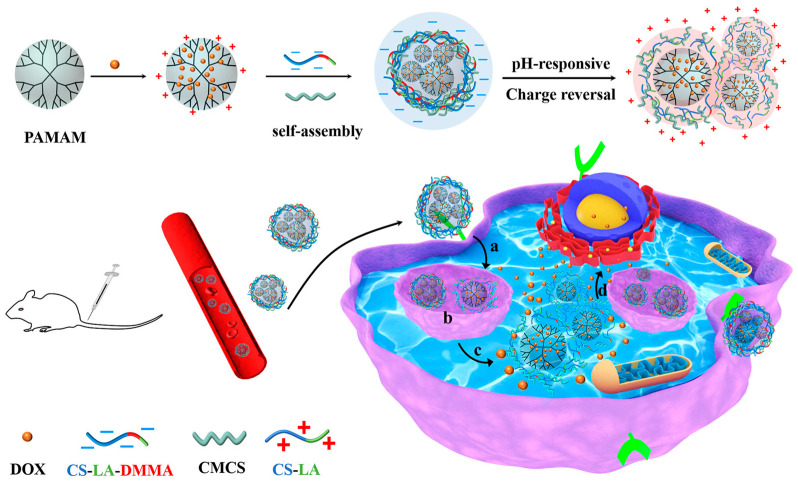
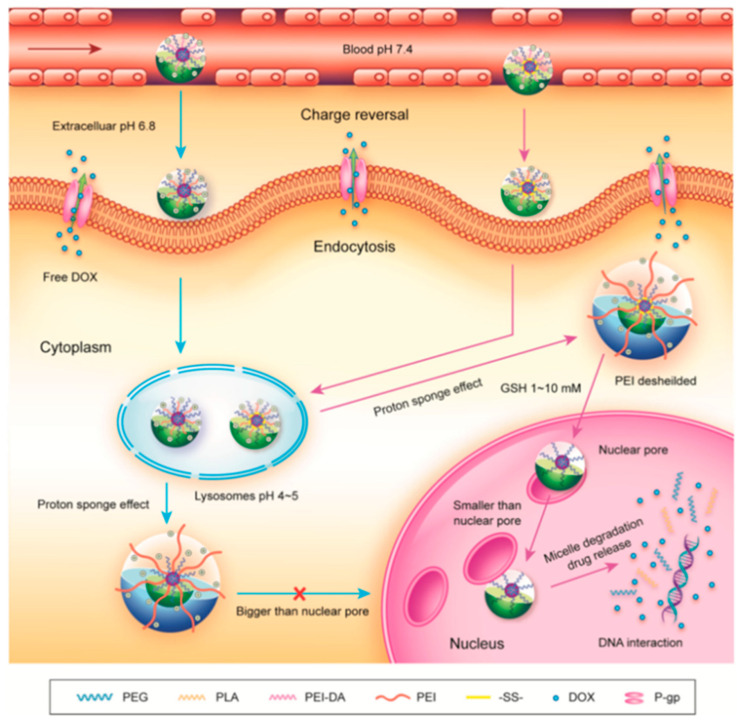
Verification
Claims the paper makes
The claims and statistics of this paper haven’t been checked yet.
Run the check — free, no account needed. It reads the open-access text and checks the sources it cites.
Claims other papers make about this one
Each is checked against this paper’s own text: does it say what the citing paper says it does?
In the citing paper
“Wan et al. reviewed β‑carboxylic amide-based DMMA shields, which remain stealthy in circulation but hydrolyze under acidic conditions to expose cationic surfaces, facilitating higher uptake while highlighting challenges in stability and manufacturability [26].”
From Overcoming tumor microenvironment barriers: transformable and bioinspired nanomedicine strategies for deep tumor penetration (2026) · cites this paper as [26]
Self-check
Percentages, sums and reported differences re-computed from the paper’s own numbers.
The self-check needs the paper’s full text.
Citations
Cites
Multifunctional and stimuli-sensitive pharmaceutical nanocarriers
Torchilin, V. (2009) · European Journal of Pharmaceutics and Biopharmaceutics · doi:10.1016/j.ejpb.2008.09.026 · Cited by 583
Supramolecular cancer nanotheranostics
Zhou, J., Rao, L., Yu, G., Cook, T. R., Chen, X., & Huang, F. (2021) · Chemical Society Reviews · doi:10.1039/d0cs00011f · Cited by 411
Cathepsin B as a cancer target
Gondi, C. S., & Rao, J. S. (2013) · Expert Opinion on Therapeutic Targets · doi:10.1517/14728222.2013.740461 · Cited by 399
Research works printed but not linked: 97
- Bray, 2021, The ever-increasing importance of cancer as a leading cause of premature death worldwide, Cancer, 127, 3029, 10.1002/cncr.33587 · DOI
- Mitchell, 2021, Engineering precision nanoparticles for drug delivery, Nat. Rev. Drug Discov., 20, 101, 10.1038/s41573-020-0090-8 · DOI · Paper page
- Poon, 2020, A framework for designing delivery systems, Nat. Nanotechnol., 15, 819, 10.1038/s41565-020-0759-5 · DOI
- Manzari, 2021, Targeted drug delivery strategies for precision medicines, Nat. Rev. Mater., 6, 351, 10.1038/s41578-020-00269-6 · DOI · Paper page
- Han, 2024, Cancer incidence and mortality in China, 2022, J. Natl. Cancer Cent., 4, 43
- Swetha, 2018, Tumor heterogeneity and nanoparticle-mediated tumor targeting: The importance of delivery system personalization, Drug Deliv. Transl. Res, 8, 1508, 10.1007/s13346-018-0578-5 · DOI
- Du, 2014, Tumor extracellular acidity-activated nanoparticles as drug delivery systems for enhanced cancer therapy, Biotechnol. Adv., 32, 789, 10.1016/j.biotechadv.2013.08.002 · DOI
- Li, 2017, Cancer drug delivery in the nano era: An overview and perspectives (Review), Oncol Rep, 38, 611, 10.3892/or.2017.5718 · DOI
- Aggarwal, 2009, Nanoparticle interaction with plasma proteins as it relates to particle biodistribution, biocompatibility and therapeutic efficacy, Adv. Drug Deliv. Rev., 61, 428, 10.1016/j.addr.2009.03.009 · DOI · Paper page
- Cedervall, 2007, Understanding the nanoparticle-protein corona using methods to quantify exchange rates and affinities of proteins for nanoparticles, Proc. Natl. Acad. Sci. USA, 104, 2050, 10.1073/pnas.0608582104 · DOI · Paper page
- Choi, 2006, Intraperitoneal Immunotherapy for Metastatic Ovarian Carcinoma: Resistance of Intratumoral Collagen to Antibody Penetration, Clin. Cancer Res., 12, 1906, 10.1158/1078-0432.CCR-05-2141 · DOI
- Heldin, 2004, High interstitial fluid pressure—An obstacle in cancer therapy, Nat. Rev. Cancer, 4, 806, 10.1038/nrc1456 · DOI · Paper page
- Miao, 2016, The Binding Site Barrier Elicited by Tumor-Associated Fibroblasts Interferes Disposition of Nanoparticles in Stroma-Vessel Type Tumors, ACS Nano, 10, 9243, 10.1021/acsnano.6b02776 · DOI
- Michael, 2005, Tumoral Drug Metabolism: Overview and Its Implications for Cancer Therapy, J. Clin. Oncol., 23, 205, 10.1200/JCO.2005.02.120 · DOI
- Batrakova, 2008, Pluronic block copolymers: Evolution of drug delivery concept from inert nanocarriers to biological response modifiers, J. Control. Release, 130, 98, 10.1016/j.jconrel.2008.04.013 · DOI · Paper page
- Sui, 2011, Nuclear drug delivery for cancer chemotherapy, J. Control. Release, 155, 227, 10.1016/j.jconrel.2011.07.041 · DOI
- Kann, 2002, Nuclear pore complex is able to transport macromolecules with diameters of about 39 nm, Mol. Biol. Cell, 13, 425, 10.1091/mbc.01-06-0308 · DOI
- Beck, 2016, The nuclear pore complex: Understanding its function through structural insight, Nat. Rev. Mol. Cell Biol., 18, 73, 10.1038/nrm.2016.147 · DOI
- Housman, 2014, Drug Resistance in Cancer: An Overview, Cancers, 6, 1769, 10.3390/cancers6031769 · DOI · Paper page
- Kang, 2014, Comparison of pH-sensitive degradability of maleic acid amide derivatives, Bioorg. Med. Chem. Lett., 24, 2364, 10.1016/j.bmcl.2014.03.057 · DOI
- Fenton, 2018, Advances in Biomaterials for Drug Delivery, Adv. Mater., 30, 1705328, 10.1002/adma.201705328 · DOI
- Liu, 2023, Application of Nano Drug Delivery System (NDDS) in Cancer Therapy: A Perspective, Recent Pat. Anti-Canc. Drug Discov., 18, 125, 10.2174/1574892817666220713150521 · DOI
- Yang, 2013, Peptide-Mediated Nano Drug Delivery System for Tumor Targeting, Prog. Chem., 25, 1052
- Zhang, 2005, Implications of pharmacokinetic behavior of lipoplex for its inflammatory toxicity, Adv. Drug Deliv. Rev., 57, 689, 10.1016/j.addr.2004.12.004 · DOI
- Levchenko, 2002, Liposome clearance in mice: The effect of a separate and combined presence of surface charge and polymer coating, Int. J. Pharm., 240, 95, 10.1016/S0378-5173(02)00129-1 · DOI
- Lee, 2011, Circulation kinetics and biodistribution of dual-labeled polymersomes with modulated surface charge in tumor-bearing mice: Comparison with stealth liposomes, J. Control. Release, 155, 282, 10.1016/j.jconrel.2011.07.028 · DOI
- Wan, 2022, Intracellular and extracellular enzymatic responsive micelle for intelligent therapy of cancer, Nano Res., 16, 2851, 10.1007/s12274-022-4967-1 · DOI
- Chen, 2017, Sequentially Responsive Shell-Stacked Nanoparticles for Deep Penetration into Solid Tumors, Adv. Mater., 29, 1701170, 10.1002/adma.201701170 · DOI
- Zhong, 2015, A smart polymeric platform for multistage nucleus-targeted anticancer drug delivery, Biomaterials, 65, 43, 10.1016/j.biomaterials.2015.06.042 · DOI
- Shi, 2022, Blockage of the IDO1 pathway by charge-switchable nanoparticles amplifies immunogenic cell death for enhanced cancer immunotherapy, Acta Biomater., 150, 353, 10.1016/j.actbio.2022.07.022 · DOI
- Chen, 2020, Targeted Engineering of Medicinal Chemistry for Cancer Therapy: Recent Advances and Perspectives, Angew. Chem. Int. Ed., 60, 5626, 10.1002/anie.201914511 · DOI
- He, 2019, Survey of Clinical Translation of Cancer Nanomedicines—Lessons Learned from Successes and Failures, Acc. Chem. Res., 52, 2445, 10.1021/acs.accounts.9b00228 · DOI
- Veider, 2023, Charge-Reversible Nanoparticles: Advanced Delivery Systems for Therapy and Diagnosis, Small, 20, 2304713, 10.1002/smll.202304713 · DOI
- Jin, 2019, Rational Design of Cancer Nanomedicine for Simultaneous Stealth Surface and Enhanced Cellular Uptake, ACS Nano, 13, 954
- Man, 2012, Anticancer Drugs from Traditional Toxic Chinese Medicines, Phytother. Res., 26, 1449, 10.1002/ptr.4609 · DOI
- Jiang, 2020, Co-Delivery of Paclitaxel and Doxorubicin by pH-Responsive Prodrug Micelles for Cancer Therapy, Int. J. Nanomed., 15, 3319, 10.2147/IJN.S249144 · DOI
- Suma, 2012, Smart multilayered assembly for biocompatible siRNA delivery featuring dissolvable silica, endosome-disrupting polycation, and detachable PEG, ACS Nano, 6, 6693, 10.1021/nn301164a · DOI
- Gao, 2010, Poly(ethylene glycol) with Observable Shedding, Angew. Chem. Int. Ed., 49, 6567, 10.1002/anie.201001868 · DOI
- Cho, 2011, The effect of sedimentation and diffusion on cellular uptake of gold nanoparticles, Nat. Nanotechnol., 6, 385, 10.1038/nnano.2011.58 · DOI
- Gratton, 2008, The effect of particle design on cellular internalization pathways, Proc. Natl. Acad. Sci. USA, 105, 11613, 10.1073/pnas.0801763105 · DOI · Paper page
- Zhou, Q., Dong, C., Fan, W., Jiang, H., Xiang, J., Qiu, N., Piao, Y., Xie, T., Luo, Y., and Li, Z. (2020). Tumor extravasation and infiltration as barriers of nanomedicine for high efficacy: The current status and transcytosis strategy. Biomaterials, 240. · DOI
- Lee, 2008, Charge-Conversion Ternary Polyplex with Endosome Disruption Moiety: A Technique for Efficient and Safe Gene Delivery, Angew. Chem. Int. Ed., 47, 5163, 10.1002/anie.200800963 · DOI
- Elumalai, 2024, Review of the efficacy of nanoparticle-based drug delivery systems for cancer treatment, Biomed. Technol., 5, 109, 10.1016/j.bmt.2023.09.001 · DOI
- Cho, 2009, Understanding the role of surface charges in cellular adsorption versus internalization by selectively removing gold nanoparticles on the cell surface with a I2/KI etchant, Nano Lett., 9, 1080, 10.1021/nl803487r · DOI
- Petros, 2008, Reductively labile PRINT particles for the delivery of doxorubicin to HeLa cells, J. Am. Chem. Soc., 130, 5008, 10.1021/ja801436j · DOI
- Li, 2009, Reversibly stabilized multifunctional dextran nanoparticles efficiently deliver doxorubicin into the nuclei of cancer cells, Angew. Chem. Int. Ed., 48, 9914, 10.1002/anie.200904260 · DOI
- Yu, 2021, Biodegradable Polymer with Effective Near-Infrared-II Absorption as Photothermal Agent for Deep Tumor Therapy, Adv. Mater., 34, 2105976, 10.1002/adma.202105976 · DOI
- Ganta, 2008, A review of stimuli-responsive nanocarriers for drug and gene delivery, J. Control. Release, 126, 187, 10.1016/j.jconrel.2007.12.017 · DOI
- Lee, 2008, Recent progress in tumor pH targeting nanotechnology, J. Control. Release, 132, 164, 10.1016/j.jconrel.2008.05.003 · DOI
- Thornton, 2008, Enzyme-responsive hydrogel particles for the controlled release of proteins: Designing peptide actuators to match payload, Soft Matter, 4, 821, 10.1039/b714750c · DOI
- Panin, 2019, Cathepsin B: A sellsword of cancer progression, Cancer Lett., 449, 207, 10.1016/j.canlet.2019.02.035 · DOI · Paper page
- Tan, P., Cai, H., Wei, Q., Tang, X., Zhang, Q., Kopytynski, M., Yang, J., Yi, Y., Zhang, H., and Gong, Q. (2021). Enhanced chemo-photodynamic therapy of an enzyme-responsive prodrug in bladder cancer patient-derived xenograft models. Biomaterials, 277. · DOI
- Kim, 2021, Combination of cancer-specific prodrug nanoparticle with Bcl-2 inhibitor to overcome acquired drug resistance, J. Control. Release, 330, 920, 10.1016/j.jconrel.2020.10.065 · DOI
- Knapp, J.P., Kakish, J.E., Bridle, B.W., and Speicher, D.J. (2022). Tumor Temperature: Friend or Foe of Virus-Based Cancer Immunotherapy. Biomedicines, 10. · DOI
- Zhang, P., Chen, D.Y., Li, L., and Sun, K.X. (2022). Charge reversal nano-systems for tumor therapy. J. Nanobiotechnol., 20. · DOI
- Cardone, 2005, The role of disturbed pH dynamics and the Na+/H+ exchanger in metastasis, Nat. Rev. Cancer, 5, 786, 10.1038/nrc1713 · DOI · Paper page
- Li, 2016, Dual pH-responsive micelles with both charge-conversional property and hydrophobic–hydrophilic transition for effective cellular uptake and intracellular drug release, Polym. Chem., 7, 2202, 10.1039/C6PY00177G · DOI
- Li, 2015, Multistage Nanovehicle Delivery System Based on Stepwise Size Reduction and Charge Reversal for Programmed Nuclear Targeting of Systemically Administered Anticancer Drugs, Adv. Funct. Mater., 25, 4101, 10.1002/adfm.201501248 · DOI
- Wang, 2017, A Cooperative Dimensional Strategy for Enhanced Nucleus-Targeted Delivery of Anticancer Drugs, Adv. Funct. Mater., 27, 1700339, 10.1002/adfm.201700339 · DOI
- Xu, 2007, Targeted Charge-Reversal Nanoparticles for Nuclear Drug Delivery, Angew. Chem. Int. Ed., 46, 4999, 10.1002/anie.200605254 · DOI
- Fan, 2016, pH-activated size reduction of large compound nanoparticles for in vivo nucleus-targeted drug delivery, Biomaterials, 85, 30, 10.1016/j.biomaterials.2016.01.057 · DOI
- Sun, 2014, Engineered nanoparticles for drug delivery in cancer therapy, Angew. Chem. Int. Ed., 53, 12320, 10.1002/anie.201403036 · DOI · Paper page
- Chen, 2015, Polyion complex micelles with gradient pH-sensitivity for adjustable intracellular drug delivery, Polym. Chem., 6, 397, 10.1039/C4PY01149J · DOI
- Shen, 2008, pH-responsive nanoparticles for cancer drug delivery, Drug Deliv. Syst., 437, 183, 10.1007/978-1-59745-210-6_10 · DOI
- Wang, 2013, Imaging-Guided pH-Sensitive Photodynamic Therapy Using Charge Reversible Upconversion Nanoparticles under Near-Infrared Light, Adv. Funct. Mater., 23, 3077, 10.1002/adfm.201202992 · DOI
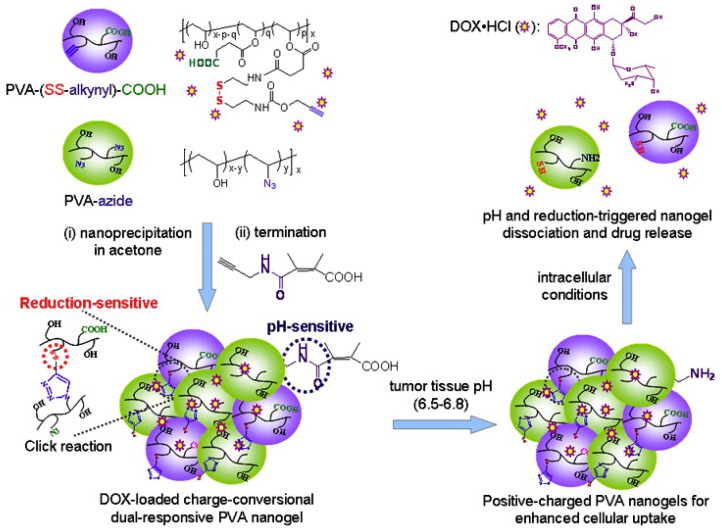
- Chen, 2015, Charge-conversional and reduction-sensitive poly(vinyl alcohol) nanogels for enhanced cell uptake and efficient intracellular doxorubicin release, J. Control. Release, 205, 15, 10.1016/j.jconrel.2014.11.012 · DOI
- Sun, 2008, Self-assembled biodegradable micellar nanoparticles of amphiphilic and cationic block copolymer for siRNA delivery, Biomaterials, 29, 4348, 10.1016/j.biomaterials.2008.07.036 · DOI
- 2020, Fabrication of A Folic Acid-Modified Arsenic Trioxide Prodrug Liposome and Assessment of its Anti-Hepatocellular Carcinoma Activity, Digit. Chin. Med., 3, 260, 10.1016/j.dcmed.2020.12.005 · DOI
- Bugno, 2016, Size and Surface Charge of Engineered Poly(amidoamine) Dendrimers Modulate Tumor Accumulation and Penetration: A Model Study Using Multicellular Tumor Spheroids, Mol. Pharm., 13, 2155, 10.1021/acs.molpharmaceut.5b00946 · DOI
- Wang, 2018, Efficient gene vector with size changeable and nucleus targeting in cancer therapy, Mater. Sci. Eng. C Mater. Biol. Appl., 90, 568, 10.1016/j.msec.2018.05.013 · DOI
- Dutta, 2021, Charge-Conversion Strategies for Nucleic Acid Delivery, Adv. Funct. Mater., 31, 2011103, 10.1002/adfm.202011103 · DOI
- Tang, 2017, Dual pH-sensitive micelles with charge-switch for controlling cellular uptake and drug release to treat metastatic breast cancer, Biomaterials, 114, 44, 10.1016/j.biomaterials.2016.06.005 · DOI
- Cheng, 2022, Correction to “Reversing Chemotherapy Resistance by a Synergy between Lysosomal pH-Activated Mitochondrial Drug Delivery and Erlotinib-Mediated Drug Efflux Inhibition”, ACS Appl. Mater. Interfaces, 14, 19077, 10.1021/acsami.2c04966 · DOI
- Zheng, 2021, Poly(L-ornithine)-Grafted Zinc Phthalocyanines as Dual-Functional Antimicrobial Agents with Intrinsic Membrane Damage and Photothermal Ablation Capacity, ACS Infect. Dis., 7, 2917, 10.1021/acsinfecdis.1c00392 · DOI
- Tangsangasaksri, 2016, siRNA-Loaded Polyion Complex Micelle Decorated with Charge-Conversional Polymer Tuned to Undergo Stepwise Response to Intra-Tumoral and Intra-Endosomal pHs for Exerting Enhanced RNAi Efficacy, Biomacromolecules, 17, 246, 10.1021/acs.biomac.5b01334 · DOI
- Du, 2018, Tumor-Acidity-Cleavable Maleic Acid Amide (TACMAA): A Powerful Tool for Designing Smart Nanoparticles to Overcome Delivery Barriers in Cancer Nanomedicine, Acc. Chem. Res., 51, 2848, 10.1021/acs.accounts.8b00195 · DOI
- Zhang, 2020, Charge-reversal nanocarriers: An emerging paradigm for smart cancer nanomedicine, J. Control. Release, 319, 46, 10.1016/j.jconrel.2019.12.024 · DOI
- Kunzmann, 2011, Toxicology of engineered nanomaterials: Focus on biocompatibility, biodistribution and biodegradation, Biochim. Biophys. Acta, 1810, 361, 10.1016/j.bbagen.2010.04.007 · DOI
- Kirby, 1976, Structure and efficiency in intramolecular and enzymic catalysis: Intramolecular general base catalysis. Hydrolysis of monoaryl malonates, J. Chem. Soc. Perkin Trans., 8, 1753, 10.1039/p29760001753 · DOI
- Han, 2016, Acidity-Triggered Tumor-Targeted Chimeric Peptide for Enhanced Intra-Nuclear Photodynamic Therapy, Adv. Funct. Mater., 26, 4351, 10.1002/adfm.201600170 · DOI
- Zhou, 2017, Dual-pH Sensitive Charge-reversal Nanocomplex for Tumor-targeted Drug Delivery with Enhanced Anticancer Activity, Theranostics, 7, 1806, 10.7150/thno.18607 · DOI
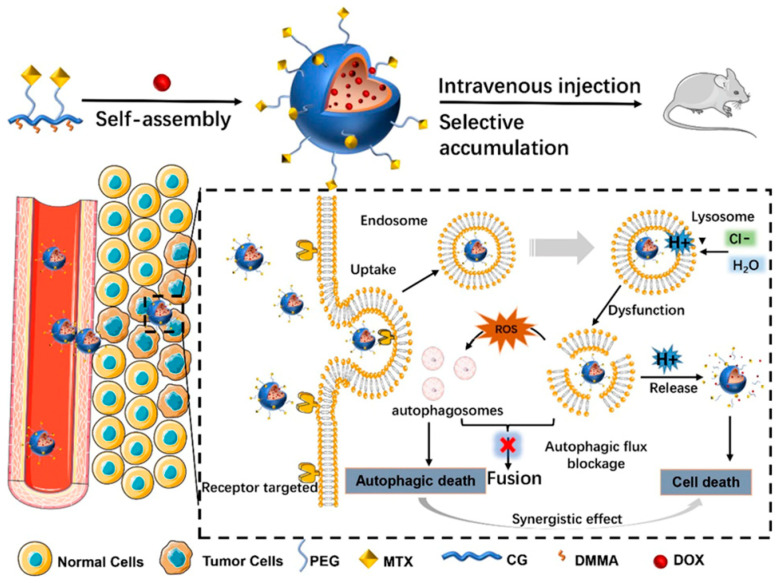
- Cao, 2023, MTX-PEG-modified CG/DMMA polymeric micelles for targeted delivery of doxorubicin to induce synergistic autophagic death against triple-negative breast cancer, Breast Cancer Res. BCR, 25, 3, 10.1186/s13058-022-01599-9 · DOI
- Wang, 2017, Acidity-Triggered Ligand-Presenting Nanoparticles To Overcome Sequential Drug Delivery Barriers to Tumors, Nano Lett., 17, 5429, 10.1021/acs.nanolett.7b02031 · DOI
- Ahmed, 2018, Stimuli-Responsive Nano-Architecture Drug-Delivery Systems to Solid Tumor Micromilieu: Past, Present, and Future Perspectives, ACS Nano, 12, 10636, 10.1021/acsnano.8b06104 · DOI
- Zhao, 2016, Tumor Acidity-Induced Sheddable Polyethylenimine-Poly(trimethylene carbonate)/DNA/Polyethylene Glycol-2,3-Dimethylmaleicanhydride Ternary Complex for Efficient and Safe Gene Delivery, ACS Appl. Mater, 8, 6400, 10.1021/acsami.6b00825 · DOI
- Zhou, 2009, Charge-Reversal Drug Conjugate for Targeted Cancer Cell Nuclear Drug Delivery, Adv. Funct. Mater., 19, 3580, 10.1002/adfm.200900825 · DOI
- Zhou, 2019, Enzyme-activatable polymer–drug conjugate augments tumour penetration and treatment efficacy, Nat. Nanotechnol., 14, 799, 10.1038/s41565-019-0485-z · DOI
- Mikhail, 2009, Block copolymer micelles for delivery of cancer therapy: Transport at the whole body, tissue and cellular levels, J. Control. Release, 138, 214, 10.1016/j.jconrel.2009.04.010 · DOI · Paper page
- Wang, W., Li, Z., Nie, X., Zeng, W., Zhang, Y., Deng, Y., Chen, H., Zeng, X., Ma, H., and Zheng, Y. (2022). pH-Sensitive and Charge-Reversal Polymeric Nanoplatform Enhanced Photothermal/Photodynamic Synergistic Therapy for Breast Cancer. Front. Biomed. Biotechnol., 10. · DOI
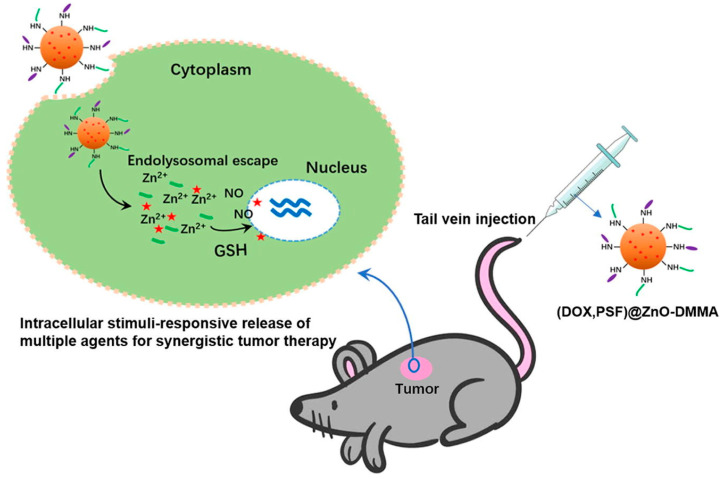
- Tan, 2020, Charge-reversal ZnO-based nanospheres for stimuli-responsive release of multiple agents towards synergistic cancer therapy, Chem. Eng. J., 395, 125177, 10.1016/j.cej.2020.125177 · DOI
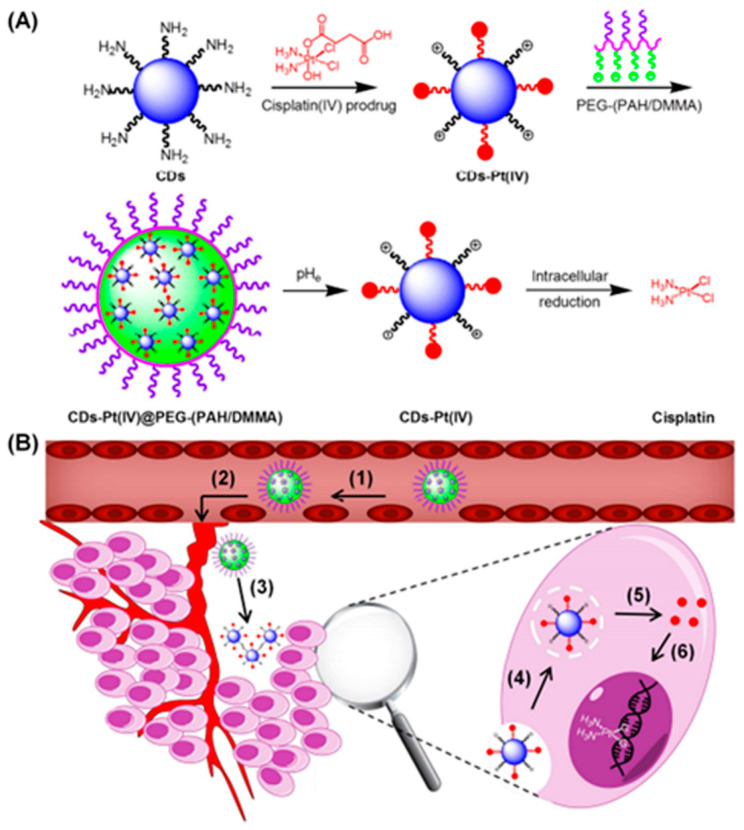
- Feng, 2016, Charge-Convertible Carbon Dots for Imaging-Guided Drug Delivery with Enhanced in Vivo Cancer Therapeutic Efficiency, ACS Nano, 10, 4410, 10.1021/acsnano.6b00043 · DOI
- Fan, 2017, Ternary Nanoparticles with a Sheddable Shell Efficiently Deliver MicroRNA-34a against CD44-Positive Melanoma, Mol. Pharm., 14, 3152, 10.1021/acs.molpharmaceut.7b00377 · DOI
- Chen, 2017, Stepwise pH-responsive nanoparticles for enhanced cellular uptake and on-demand intracellular release of doxorubicin, Int. J. Nanomed., 12, 4241, 10.2147/IJN.S129748 · DOI
- Li, 2021, In vitro/vivo antitumor study of modified-chitosan/carboxymethyl chitosan “boosted” charge-reversal nanoformulation, Carbohydr. Polym., 269, 118268, 10.1016/j.carbpol.2021.118268 · DOI
- Guo, 2015, Size Changeable Nanocarriers with Nuclear Targeting for Effectively Overcoming Multidrug Resistance in Cancer Therapy, Adv. Mater., 27, 6450, 10.1002/adma.201502865 · DOI
- Wang, 2018, Targeting Endothelial Cell Junctions with Negatively Charged Gold Nanoparticles, Chem. Mater., 30, 3759, 10.1021/acs.chemmater.8b00840 · DOI
- Kandula, 2023, Trends in smart drug delivery systems for targeting cancer cells, Mater. Sci. Eng. B, 297, 116816, 10.1016/j.mseb.2023.116816 · DOI
Cited by
Sorted by citations
Sheng, J., Yuan, W., Zhang, M., Chen, Z., Qi, Y., Zhao, Y., & Zhang, S. (2026) · Journal of Nanobiotechnology · doi:10.1186/s12951-026-04028-7 · Cited by 35
Metadata
- Authors
- Wan, D., Wu, Y., Liu, Y., Liu, Y., & Pan, J.
- Venue
- Pharmaceutics
- Publisher
- MDPI AG
- Published
- 2024-06-14
- Volume
- 16
- Issue
- 6
- Pages
- 809
- ISSN
- 1999-4923
- PMC
- PMC11207803
- Cited by
- 7
- References
- 3
- Language
- en
- Funders
- National Natural Science Foundation of China (22178270, 22078246, 82103984)
About these checks
Registry, retraction, Cites and statistics results are computed, not judged, with one exception: a printed reference that no index lists is read once by a model before it counts as a citation error. Claims are extracted by a model and kept only when their quote appears verbatim in the text; each cited source is then checked, with a model’s help, for whether it says what the claim relies on. Those verdicts can be wrong — read the claim’s quote and the cited source before relying on one.
Statistics and arithmetic are recomputed, not judged.
Confidence bands are shown only for fields calibrated on our annotated test set. None is calibrated yet, so no band is shown.
What counts as a claim ›How we measure confidence ›How we check this ›
Are you an author, or do you see a problem with this page? Request a review
