

The DOI matches its Crossref record; 69 of the 69 references it cites were found in a registry or an index.
Passive Sensing of Prediction of Moment-To-Moment Depressed Mood among Undergraduates with Clinical Levels of Depression Sample Using Smartphones
Open accessAbstract
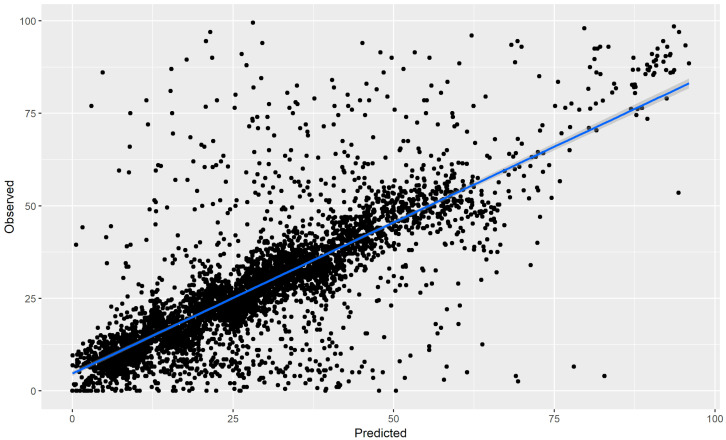
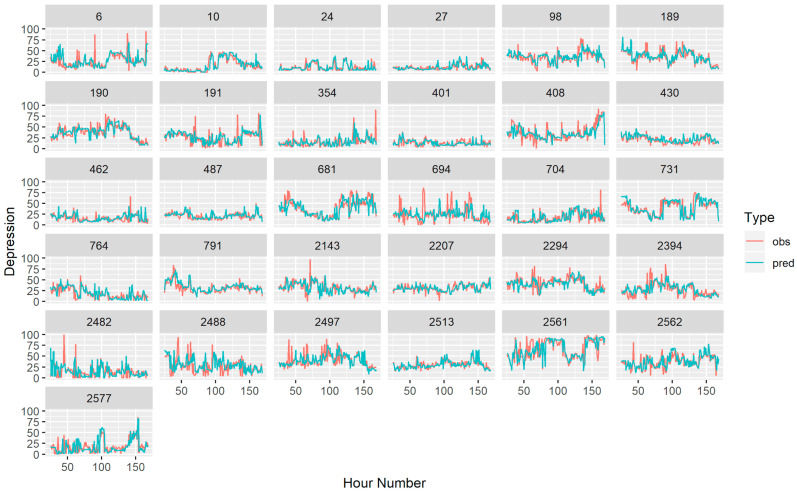
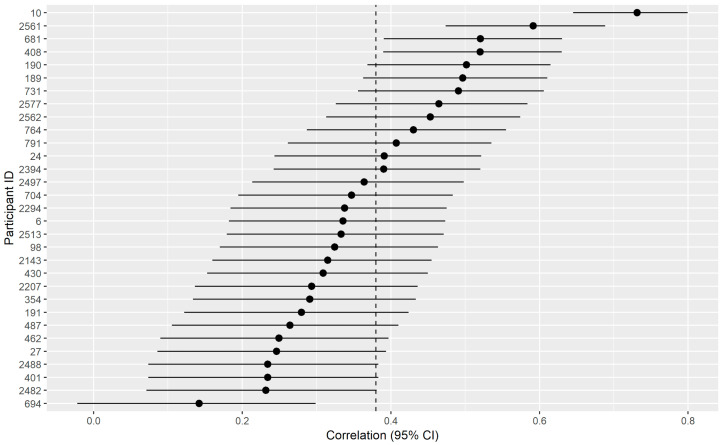
Prior research has recently shown that passively collected sensor data collected within the contexts of persons daily lives via smartphones and wearable sensors can distinguish those with major depressive disorder (MDD) from controls, predict MDD severity, and predict changes in MDD severity across days and weeks. Nevertheless, very little research has examined predicting depressed mood within a day, which is essential given the large amount of variation occurring within days. The current study utilized passively collected sensor data collected from a smartphone application to future depressed mood from hour-to-hour in an ecological momentary assessment study in a sample reporting clinical levels of depression (N = 31). Using a combination of nomothetic and idiographically-weighted machine learning models, the results suggest that depressed mood can be accurately predicted from hour to hour with an average correlation between out of sample predicted depressed mood levels and observed depressed mood of 0.587, CI [0.552, 0.621]. This suggests that passively collected smartphone data can accurately predict future depressed mood among a sample reporting clinical levels of depression. If replicated in other samples, this modeling framework may allow just-in-time adaptive interventions to treat depression as it changes in the context of daily life.
Overview
The claims and statistics of this paper haven’t been checked yet.
Run the check — free, no account needed. It reads the open-access text and checks the sources it cites.
Integrity signals
Registry
Cites
Statistics
Figures
Verification
Claims the paper makes
The claims and statistics of this paper haven’t been checked yet.
Run the check — free, no account needed. It reads the open-access text and checks the sources it cites.
Claims other papers make about this one
Each is checked against this paper’s own text: does it say what the citing paper says it does?
In the citing paper
“Multimodal and intensive sampling data streams (for example, experience sampling and passive measures gathered through smartphones and other electronic devices) used in some MBI studies133 and mental health research broadly134,135 might be particularly promising inputs for machine learning models, given that these models can often handle many correlated predictors136.”
From A common factors perspective on mindfulness-based interventions (2022) · cites this paper as [136]
In the citing paper
“This type of research has established that passive sensor data can be used to predict various symptoms of mental disorders or mental health problems (23, 33–38), as well as their future development [e.g., (39)].”
From Personalised depression forecasting using mobile sensor data and ecological momentary assessment (2022) · cites this paper as [39]
In the citing paper
“However, it has been recognised that the inherent clinical heterogeneity associated with mental disorders may necessitate a greater focus on inter-individual differences to ensure generalisability to unseen cases (39, 43, 44).”
From Personalised depression forecasting using mobile sensor data and ecological momentary assessment (2022) · cites this paper as [39]
In the citing paper
“only two studies have combined these data streams in models to monitor changing depressive symptoms (26, 27).”
From Monitoring Changes in Depression Severity Using Wearable and Mobile Sensors (2020) · cites this paper as [26]
In the citing paper
“This has resulted in possible reliability problems, since these investigations have primarily focused on detecting presence or absence of depression rather than on assessing its severity, and they have shown overall low accuracy (14–18, 23–27).”
From Monitoring Changes in Depression Severity Using Wearable and Mobile Sensors (2020) · cites this paper as [26]
In the citing paper
“Those studies conducted with patients with depression have mostly relied on self-report questionnaires to assign diagnoses and/or measure variation in symptoms and train the models.”
From Monitoring Changes in Depression Severity Using Wearable and Mobile Sensors (2020) · cites this paper as [26]
In the citing paper
“Previous models estimating mood states with moderate accuracy have included measures of heart rate (HR) (27, 44) and HRV (26).”
From Monitoring Changes in Depression Severity Using Wearable and Mobile Sensors (2020) · cites this paper as [26]
In the citing paper
“Previous evaluations of models to estimate depression passively have primarily relied on examining correlations between estimated and observed symptoms (18, 26, 27).”
From Monitoring Changes in Depression Severity Using Wearable and Mobile Sensors (2020) · cites this paper as [26]
In the citing paper
“was higher than the one of a previous model combining features from the fitbit and from smartphones (the best model yielded an r2 = 0.44 or r = 0.66) (27) and the one of a model aggregating mobile-based and physiological features (r = 0.58) (26).”
From Monitoring Changes in Depression Severity Using Wearable and Mobile Sensors (2020) · cites this paper as [26]
Self-check
Percentages, sums and reported differences re-computed from the paper’s own numbers.
The self-check needs the paper’s full text.
Citations
Cites
Geurts, P., Ernst, D., & Wehenkel, L. (2006) · Machine Learning · doi:10.1007/s10994-006-6226-1 · Cited by 9,300 · cited 1×
“Note that a grid search was used to optimize the number of trees to grow (based on a sequence of length three between the number of predictors) and to select the split tree rule based on variance or extremely randomized trees [61,62].”
Methodranger : A Fast Implementation of Random Forests for High Dimensional Data in C++ and R
Wright, M. N., & Ziegler, A. (2017) · Journal of Statistical Software · doi:10.18637/jss.v077.i01 · Cited by 4,185 · cited 1×
“Note that a grid search was used to optimize the number of trees to grow (based on a sequence of length three between the number of predictors) and to select the split tree rule based on variance or extremely randomized trees [61,62].”
MethodDepression Anxiety Stress Scales
Lovibond, S. H., & Lovibond, P. F. (2011) · PsycTESTS Dataset · doi:10.1037/t01004-000 · Cited by 2,416
Cacioppo, J. T., Hughes, M. E., Waite, L. J., Hawkley, L. C., & Thisted, R. A. (2006) · Psychology and Aging · doi:10.1037/0882-7974.21.1.140 · Cited by 2,380
Nahum-Shani, I., Smith, S. N., Spring, B. J., Collins, L. M., Witkiewitz, K., Tewari, A., & Murphy, S. A. (2018) · Annals of Behavioral Medicine · doi:10.1007/s12160-016-9830-8 · Cited by 2,171 · cited 1×
“Consequently, most prior research is unable to adequately translate to inform just-in-time adaptive interventions (JITAI) [38,39], as this research might miss important times in which persons might be experiencing depressed mood fluctuations.”
BackgroundPsychometric properties of the Depression Anxiety Stress Scales (DASS) in clinical samples
Brown, T. A., Chorpita, B. F., Korotitsch, W., & Barlow, D. H. (1997) · Behaviour Research and Therapy · doi:10.1016/s0005-7967(96)00068-x · Cited by 1,860 · cited 3×
“75 with various measures of depression [52].”
BackgroundBlanco, C., Okuda, M., Wright, C., Hasin, D. S., Grant, B. F., Liu, S.-M., & Olfson, M. (2008) · Archives of General Psychiatry · doi:10.1001/archpsyc.65.12.1429 · Cited by 1,582 · cited 3×
“45% [2] of the sample met moderate depression severity, 38.”
BackgroundLack of group-to-individual generalizability is a threat to human subjects research
Fisher, A. J., Medaglia, J. D., & Jeronimus, B. F. (2018) · Proceedings of the National Academy of Sciences · doi:10.1073/pnas.1711978115 · Cited by 1,099
Harnessing context sensing to develop a mobile intervention for depression
Burns, M. N., Begale, M., Duffecy, J., Gergle, D., Karr, C. J., Giangrande, E., & Mohr, D. C. (2011) · Journal of Medical Internet Research · doi:10.2196/jmir.1838 · Cited by 646 · cited 6×
“Of these studies, two of three studies found strong agreement between predicted and observed daily depression outcomes (although this depended upon the analytic approach) [30,36], whereas one study found that they were unable to significantly predict depressed mood within the day in a small sample [31].”
BackgroundMethodResultInfluentialTwenge, J. M., Gentile, B., DeWall, C. N., Ma, D., Lacefield, K., & Schurtz, D. R. (2009) · Clinical Psychology Review · doi:10.1016/j.cpr.2009.10.005 · Cited by 606 · cited 1×
“Studies have found that an increasing number of college students have experienced “severe psychological problems”, including suicides and crisis management, in recent years [4] and that mental health issues are affecting up to eight times as many college students as it did in the Great Depression era [5].”
Background
Research works printed but not linked: 1
- Krane-Gartiser, K., Vaaler, A.E., Fasmer, O.B., Sørensen, K., Morken, G., and Scott, J. (2017). Variability of activity patterns across mood disorders and time of day. BMC Psychiat., 17. · DOI
Cited by
Sorted by citations
Ecological momentary interventions for mental health: A scoping review
Balaskas, A., Schueller, S. M., Cox, A. L., & Doherty, G. (2021) · PLOS ONE · doi:10.1371/journal.pone.0248152 · Cited by 235
Wearable, Environmental, and Smartphone-Based Passive Sensing for Mental Health Monitoring
Sheikh, M., Qassem, M., & Kyriacou, P. A. (2021) · Frontiers in Digital Health · doi:10.3389/fdgth.2021.662811 · Cited by 210
Digital Phenotyping for Monitoring Mental Disorders: Systematic Review
Bufano, P., Laurino, M., Said, S., Tognetti, A., & Menicucci, D. (2023) · Journal of Medical Internet Research · doi:10.2196/46778 · Cited by 210
“Jacobson and Chung [25] attempted to predict depressive mood hour-by-hour in a sample of 31 college students with major depressive disorder.”
Monitoring Changes in Depression Severity Using Wearable and Mobile Sensors
Pedrelli, P., Fedor, S., Ghandeharioun, A., Howe, E., Ionescu, D. F., Bhathena, D., Fisher, L. B., Cusin, C., Nyer, M., Yeung, A., et al. (2020) · Frontiers in Psychiatry · doi:10.3389/fpsyt.2020.584711 · Cited by 158
“Previous evaluations of models to estimate depression passively have primarily relied on examining correlations between estimated and observed symptoms (18, 26, 27).”
BackgroundMethodPersonalized machine learning of depressed mood using wearables
Shah, R. V., Grennan, G., Zafar-Khan, M., Alim, F., Dey, S., Ramanathan, D., & Mishra, J. (2021) · Translational Psychiatry · doi:10.1038/s41398-021-01445-0 · Cited by 123
Deisenhofer, A., Barkham, M., Beierl, E. T., Schwartz, B., Doorn, K. A., Beevers, C. G., Berwian, I. M., Blackwell, S. E., Bockting, C., Brakemeier, E., et al. (2023) · Behaviour Research and Therapy · doi:10.1016/j.brat.2023.104443 · Cited by 123
“…and automatically capture clients ’ behaviors, movements, and physiology in daily life (e.g., social contact via SMS, calls, conversations detected via microphone, social media app use, geolocation; Heinz, Price, Song, Bhattacharya, & Jacobson, 2023; Jacobson & Chung, 2020; Ren et al., 2022).”
BackgroundSelf-citationThe dynamics, processes, mechanisms, and functioning of personality: An overview of the field
Kuper, N., Modersitzki, N., Phan, L. V., & Rauthmann, J. F. (2021) · British Journal of Psychology · doi:10.1111/bjop.12486 · Cited by 119
Jacobson, N. C., & Bhattacharya, S. (2022) · Behaviour Research and Therapy · doi:10.1016/j.brat.2021.104013 · Cited by 92
Self-citationUnderstanding the construction of ‘behavior’ in smartphone addiction: A scoping review
James, R. J. E., Dixon, G., Dragomir, M.-G., Thirlwell, E., & Hitcham, L. (2022) · Addictive Behaviors · doi:10.1016/j.addbeh.2022.107503 · Cited by 109
de Moura, I. R., Teles, A. S., Viana, D., Marques, J., Coutinho, L., & Silva, F. (2022) · Journal of Biomedical Informatics · doi:10.1016/j.jbi.2022.104278 · Cited by 98
Sensing Apps and Public Data Sets for Digital Phenotyping of Mental Health: Systematic Review
Mendes, J. P. M., de Moura, I. R., van de Ven, P. W. J., Viana, D., Silva, F., Coutinho, L., Teixeira, S. S., Rodrigues, J. J. P. C., & Teles, A. S. (2021) · Journal of Medical Internet Research · doi:10.2196/28735 · Cited by 85
“…Me [57] Mental state prediction It does not infer information Ambient EuStress [58] Mental state prediction Mobility and sociability Positioning, inertial, virtual, and ambient Mood Triggers [59] Mental state classification Physical activity and mobility Positioning and inertial Data Collector [60]”
BackgroundAsare, K. O., Moshe, I., Terhorst, Y., Vega, J., Hosio, S. J., Baumeister, H., Pulkki-Råbäck, L., & Ferreira, D. (2022) · Pervasive and Mobile Computing · doi:10.1016/j.pmcj.2022.101621 · Cited by 86
“[36] N.C. Jacobson, Y.J. Chung, Passive sensing of prediction of moment-to-moment depressed mood among undergraduates with clinical levels of depression sample using smartphones, Sensors 20 (12) (2020) 3572, http://dx.doi.org/10.3390/s20123572.”
BackgroundInfluentialSome Recommendations on the Use of Daily Life Methods in Affective Science
Kuppens, P., Dejonckheere, E., Kalokerinos, E. K., & Koval, P. (2022) · Affective Science · doi:10.1007/s42761-022-00101-0 · Cited by 99
“…or smartphone sensors may provide both the objective window and the level of detail that is required to accurately assess contextual information (Jacobson & Chung, 2020; LaportLópez, et al., 2020; Niemeijer & Kuppens, 2021), yet combining these rich but noisy data streams into a coherent and…”
BackgroundZarate, D., Stavropoulos, V., Ball, M., Collier, G. D. S., & Jacobson, N. C. (2022) · BMC Psychiatry · doi:10.1186/s12888-022-04013-y · Cited by 87
“4 Studies assessing social functioning include [8, 13, 24, 27, 30, 31, 49, 66, 79, 80, 93, 94, 126, 136, 138, 152, 154, 163, 168, 188, 194].”
Self-citationA common factors perspective on mindfulness-based interventions
Goldberg, S. B. (2022) · Nature Reviews Psychology · doi:10.1038/s44159-022-00090-8 · Cited by 75
Jacobson, N. C., Lekkas, D., Huang, R., & Thomas, N. (2020) · Journal of Affective Disorders · doi:10.1016/j.jad.2020.12.086 · Cited by 70
Self-citationShen, S., Qi, W., Zeng, J., Shujie, L. I., Liu, X., Zhu, X., Dong, C., Wang, B., Shi, Y., Yao, J., et al. (2025) · Journal of Medical Internet Research · doi:10.2196/77066 · Cited by 91
“[53] relied on single-center or specific datasets (such as university student populations [14,18,45,49] or outpatient hospital patients [15,19,46,48,51,61,62,69]), which often exhibit high homogeneity in dimensions such as age, gender, and ethnicity, making it difficult to represent a broader…”
Teepe, G. W., Fonseca, A. D., Kleim, B., Jacobson, N. C., Salamanca-Sanabria, A., Car, L. T., Fleisch, E., & Kowatsch, T. (2021) · Journal of Medical Internet Research · doi:10.2196/29412 · Cited by 65
“Second, most related work aimed at developing markers for detecting changes in symptom severity or depressive severity [121,126-132].”
InfluentialSelf-citationFrom Classification to Clinical Insights
Englhardt, Z., Ma, C., Morris, M. E., Chang, C.-C., Xu, X., Qin, L., McDuff, D., Liu, X., Patel, S., & Iyer, V. (2024) · Proceedings of the ACM on Interactive Mobile Wearable and Ubiquitous Technologies · doi:10.1145/3659604 · Cited by 86
“Globem includes weekly Ecological Momentary Assessment (EMA) surveys focused on capturing participants’ recent sense of their mental health, including Patient Health Questionnaire 4 (PHQ-4)[28] which we use as the ground truth in our depression classification task [22, 23, 25].”
MethodUnderstanding behaviours in context using mobile sensing
Harari, G. M., & Gosling, S. D. (2023) · Nature Reviews Psychology · doi:10.1038/s44159-023-00235-3 · Cited by 56
“There have been a number of attempts to use descriptions of mobility behaviour measured via GPS data to predict depression with machine learning models 114–116 .”
BackgroundPersonalised depression forecasting using mobile sensor data and ecological momentary assessment
Kathan, A., Harrer, M., Küster, L., Triantafyllopoulos, A., He, X., Milling, M., Gerczuk, M., Yan, T., Rajamani, S. T., Heber, E., et al. (2022) · Frontiers in Digital Health · doi:10.3389/fdgth.2022.964582 · Cited by 47
Stamatis, C. A., Meyerhoff, J., Meng, Y., Lin, Z. C. C., Cho, Y. M., Liu, T., Karr, C. J., Liu, T., Curtis, B. L., Ungar, L., et al. (2024) · npj Mental Health Research · doi:10.1038/s44184-023-00041-y · Cited by 56
“Previous studies of mental health outcomes have used 24-h data windows to predict mental health outcomes lagged by short timeframes such as 1 h or 1 day 21 .”
BackgroundDigital phenotype of mood disorders: A conceptual and critical review
Maatoug, R., Oudin, A., Adrien, V., Saudreau, B., Bonnot, O., Millet, B., Ferreri, F., Mouchabac, S., & Bourla, A. (2022) · Frontiers in Psychiatry · doi:10.3389/fpsyt.2022.895860 · Cited by 43
Ren, B., Balkind, E. G., Pastro, B., Israel, E. S., Pizzagalli, D. A., Rahimi-Eichi, H., Baker, J. T., & Webb, C. A. (2022) · Psychological Medicine · doi:10.1017/s0033291722002161 · Cited by 42
“Prior research indicates that smartphone sensors can predict states of elevated negative affect, and depressive and anxiety symptoms (e.g. Cao et al., 2020; Jacobson & Chung, 2020; Sequeira et al., 2020; Shah et al., 2021).”
BackgroundDigital Phenotyping in Livestock Farming
Neethirajan, S. R., & Kemp, B. (2021) · Animals · doi:10.3390/ani11072009 · Cited by 39
“Some of these studies have shown that digital phenotyping can predict emotional and behavioral experiences with up to 95% accuracy [13].”
BackgroundMethodLekkas, D., & Jacobson, N. C. (2021) · Scientific Reports · doi:10.1038/s41598-021-89768-2 · Cited by 44
Self-citationHehlmann, M. I., Schwartz, B., Lutz, T., Gómez Penedo, J. M., Rubel, J. A., & Lutz, W. (2021) · Frontiers in Psychiatry · doi:10.3389/fpsyt.2021.613085 · Cited by 43
“Besides identifying diagnostic groups, Jacobson and Chung (35) used passive sensor data from smartphones and wearable sensors to predict major depressive disorder severity and changes in severity across days and weeks.”
BackgroundMethodKolenik, T. (2022) · Internet of things · doi:10.1007/978-3-030-91181-2_7 · Cited by 47
Ahmed, A., Ramesh, J., Ganguly, S., Aburukba, R., Sagahyroon, A. A., & Aloul, F. (2022) · Information · doi:10.3390/info13090406 · Cited by 33
Lekkas, D., Price, G. D., & Jacobson, N. C. (2021) · Computers in Human Behavior · doi:10.1016/j.chb.2021.107029 · Cited by 31
“Overall, due to the novelty of the lag-based ensemble approach, it was desirable to utilize a model that was simple and interpretable with a history of demonstrated utility within the mental health predictive space (Jacobson & Chung, 2020; Jacobson et al., 2020).”
MethodSelf-citationLangener, A. M., Stulp, G., Jacobson, N. C., Costanzo, A., Jagesar, R. R., Kas, M. J., & Bringmann, L. F. (2024) · Advances in Methods and Practices in Psychological Science · doi:10.1177/25152459231202677 · Cited by 38
“Individualized prediction models offer great potential to improve patient care through just-in-time interventions (e.g., Abdullah et al., 2016; Jacobson & Bhattacharya, 2022; Jacobson & Chung, 2020).”
BackgroundMethodInfluentialSelf-citationAssociation between Daily Pattern of Physical Activity and Depression: A Systematic Review
Gianfredi, V., Ferrara, P., Pennisi, F., Casu, G., Amerio, A., Odone, A., Nucci, D., & Dinu, M. (2022) · International Journal of Environmental Research and Public Health · doi:10.3390/ijerph19116505 · Cited by 32
“Indeed, as changes in PA pattern could be related to changes in depressive symptoms and anxiety and/or to circadian rhythm alterations in depression [73], as well as to other forms of momentary assessments in depression [74],”
BackgroundZierer, C., Behrendt, C., & Lepach-Engelhardt, A. C. (2024) · Journal of Affective Disorders · doi:10.1016/j.jad.2024.03.163 · Cited by 30
Beames, J. R., Han, J., Shvetcov, A., Zheng, W. Y., Slade, A., Dabash, O., Rosenberg, J., O’Dea, B., Kasthurirathne, S. N., Hoon, L., et al. (2024) · Heliyon · doi:10.1016/j.heliyon.2024.e35472 · Cited by 37
A Systematic Review of Location Data for Depression Prediction
Shin, J., & Bae, S. (2023) · International Journal of Environmental Research and Public Health · doi:10.3390/ijerph20115984 · Cited by 31
“<5 min 2 (6) [22,31] 5 min 6 (19) [19,20,30,36,44,50] 10 min 5 (16) [10,32,39,47,53] 15 min 3 (10) [29,37,45] >15 min 3 (10) [41,43,52] Others 8 (26) [14,27,35,38,42,46,48,51] Not reported 4 (13) [33,34,40,49]”
BackgroundInfluentialLinardon, J., Chen, K., Gajjar, S., Eadara, A., Wang, S., Flathers, M., Burns, J., & Torous, J. B. (2025) · Psychiatry Research · doi:10.1016/j.psychres.2025.116483 · Cited by 34
Lazarus, G., & Rafaeli, E. (2023) · Journal of Psychopathology and Clinical Science · doi:10.1037/abn0000699 · Cited by 28
Digital phenotyping in psychiatry: A scoping review
Chia, A. Z. R., & Zhang, M. W. (2022) · Technology and Health Care · doi:10.3233/thc-213648 · Cited by 26
Machine learning applied to digital phenotyping: A systematic literature review and taxonomy
dos Santos, M. P., Heckler, W. F., Bavaresco, R. S., & Barbosa, J. L. V. (2024) · Computers in Human Behavior · doi:10.1016/j.chb.2024.108422 · Cited by 26
Zilcha-Mano, S., & Webb, C. A. (2021) · Frontiers in Psychiatry · doi:10.3389/fpsyt.2020.609585 · Cited by 25
“, activity levels and movement from accelerometer and GPS, proxies of social interaction from call and text meta-data) from smartphones and wearables (43), as well as other markers based on motion (44, 45), acoustic and language style (46–48) and physiology (49).”
BackgroundHart, A., Reis, D., Prestele, E., & Jacobson, N. C. (2022) · Journal of Medical Internet Research · doi:10.2196/34015 · Cited by 22
“However, as demonstrated by Jacobson and Chung [25], such models can most likely be used to inform personalized models.”
BackgroundResultInfluentialSelf-citationPark, Y., Park, S., & Lee, M. (2024) · Journal of Affective Disorders · doi:10.1016/j.jad.2024.06.035 · Cited by 24
Lekkas, D., Gyorda, J. A., Price, G. D., & Jacobson, N. C. (2023) · Behaviour Research and Therapy · doi:10.1016/j.brat.2023.104382 · Cited by 23
“Moreover, in a longitudinal study specifically conducted on college students, heart rate variability was found to be a significant predictor of depression severity (Jacobson & Chung, 2020).”
BackgroundSelf-citationNelson, B. W., Flannery, J., Flournoy, J. C., Duell, N., Prinstein, M. J., & Telzer, E. H. (2021) · Journal of Child Psychology and Psychiatry · doi:10.1111/jcpp.13471 · Cited by 20
Personalized Machine Learning-Based Prediction of Wellbeing and Empathy in Healthcare Professionals
Nan, J., Herbert, M. S., Purpura, S., Henneken, A. N., Ramanathan, D., & Mishra, J. (2024) · Sensors · doi:10.3390/s24082640 · Cited by 22
Kadirvelu, B., Bel, T. B., Freccero, A., Simplicio, M. C. D., Nicholls, D., & Faisal, A. A. (2025) · Journal of Medical Internet Research · doi:10.2196/72501 · Cited by 32
Transforming mental health research and care through artificial intelligence
Opel, N., & Breakspear, M. J. (2026) · Science · doi:10.1126/science.adz9193 · Cited by 29
Zou, B., Zhang, X., Xiao, L., Bai, R., Li, X., Liang, H., Ma, H., & Wang, G. (2023) · IEEE Transactions on Neural Systems and Rehabilitation Engineering · doi:10.1109/tnsre.2023.3260301 · Cited by 26
“tion [15], [48], [49], [50], Wahle et al.”
Rahmani, A. M., Lai, J., Jafarlou, S., Azimi, I., Yunusova, A., Rivera, A. P., Labbaf, S., Anzanpour, A., Dutt, N. D., Jain, R., et al. (2022) · Frontiers in Digital Health · doi:10.3389/fdgth.2022.933587 · Cited by 26
“The module could help indicate clinical symptomatology and potential risk for a mental health disorder (33, 34).”
BackgroundA collaborative realist review of remote measurement technologies for depression in young people
Walsh, A. E. L., Naughton, G., Sharpe, T., Zajkowska, Z., Malys, M. K., van Heerden, A. C., & Mondelli, V. (2024) · Nature Human Behaviour · doi:10.1038/s41562-023-01793-5 · Cited by 28
“…requiring lower effort for purposeful engagement 111 , or just-in-time adaptative interventions that adapt the provision of support to an individual’s changing state over time, such that the right type of support is delivered, at the right time, just when the individual needs it most 70,71,112 .”
Amin, R., Schreynemackers, S., Oppenheimer, H., Petrovic, M., Hegerl, U., & Reich, H. (2025) · Journal of Medical Internet Research · doi:10.2196/57418 · Cited by 26
Leveraging the Power of Nondisruptive Technologies to Optimize Mental Health Treatment: Case Study
Sadeh‐Sharvit, S., & Hollon, S. D. (2020) · JMIR Mental Health · doi:10.2196/20646 · Cited by 18
Yunusova, A., Lai, J., Rivera, A. P., Hu, S., Labbaf, S., Rahmani, A. M., Dutt, N. D., Jain, R., & Borelli, J. L. (2021) · JMIR Research Protocols · doi:10.2196/25775 · Cited by 15
“The use of intensive, longitudinal approaches (eg, daily reporting and the use of wearables) allows researchers to better understand the manifestations of psychopathologies and predict symptomatology [45-47].”
Towards Personalised Mood Prediction and Explanation for Depression from Biophysical Data
Chatterjee, S., Mishra, J., Sundram, F., & Roop, P. (2023) · Sensors · doi:10.3390/s24010164 · Cited by 15
“Works like [35,70] perform an analysis on cross-sectional datasets, whereas we use a longitudinal dataset.”
Slade, C. R., Sun, Y., Chen, W., Chen, C.-C., Benzo, R. M., & Washington, P. Y. (2025) · JAMIA Open · doi:10.1093/jamiaopen/ooaf025 · Cited by 18
Improving Depression Severity Prediction from Passive Sensing: Symptom-Profiling Approach
Akbarova, S., Im, M., Kim, S. H., Toshnazarov, K. E., Chung, K., Chun, J., Noh, Y., & Kim, Y.-A. (2023) · Sensors · doi:10.3390/s23218866 · Cited by 19
“A growing body of research supports the efficacy of passive smartphone sensor data in distinguishing individuals with depressive disorder from controls (e.g., [6–11]).”
BackgroundBrügger, V., Kowatsch, T., & Jovanova, M. (2025) · Scientific Reports · doi:10.1038/s41598-025-08003-4 · Cited by 19
“…power calculation in machine learning or emerging person-specific approaches are often not considered 97 the sample size used in the prior analyses is comparable to prior studies developing similar predictive personalized, predictive models to allow for robust estimates (see example Refs 98,99 ).”
Langener, A. M., Bringmann, L. F., Kas, M. J., & Stulp, G. (2024) · Administration and Policy in Mental Health and Mental Health Services Research · doi:10.1007/s10488-023-01328-0 · Cited by 12
“Both MAE and MAPE have been reported in previous papers that used passive smart-phone measures for prediction (e.g., Jacobson & Chung, 2020; Shah et al., 2021).”
BackgroundResultAcceptability of Personal Sensing Among People With Alcohol Use Disorder: Observational Study
Wyant, K., Moshontz, H., Ward, S. B., Fronk, G. E., & Curtin, J. J. (2023) · JMIR mhealth and uhealth · doi:10.2196/41833 · Cited by 16
A smartphone- and wearable-based biomarker for the estimation of unipolar depression severity
Zhuparris, A., Maleki, G., van Londen, L., Koopmans, I. W., Aalten, V., Yocarini, I. E., Exadaktylos, V., van Hemert, A. M., Cohen, A. F., Gal, P., et al. (2023) · Scientific Reports · doi:10.1038/s41598-023-46075-2 · Cited by 15
Schmitter‐Edgecombe, M., Luna, C. M., Dai, S., & Cook, D. J. (2024) · The Clinical Neuropsychologist · doi:10.1080/13854046.2024.2330143 · Cited by 12
“…that the intensive longitudinal data collected from passive sensor sources can be used to predict mental health problems (Choi et al., 2022; Jacobson & Chung, 2020), recognize daily activities (e.g. Paraschiakos et al., 2020; Plotz & Guan, 2018), and detect intervention impact (Hehlmann et…”
"What Does Your Robot Do?" A Tabletop Role-Playing Game to Support Robot Design
Collins, S., & Šabanović, S. (2021) · IEEE RO-MAN · doi:10.1109/ro-man50785.2021.9515554 · Cited by 12
Kadirvelu, B., Bel, T. B., Wu, X., Burmester, V., Ananth, S., Branco, B. C. C. C., Serrano, B. G., Gledhill, J. A., Simplicio, M. C. D., Nicholls, D., et al. (2023) · JMIR Formative Research · doi:10.2196/44877 · Cited by 12
Webb, C. A., Ren, B., Rahimi-Eichi, H., Gillis, B. W., Chung, Y., & Baker, J. T. (2025) · Translational Psychiatry · doi:10.1038/s41398-025-03394-4 · Cited by 15
“Second, prior studies have typically collected passive sensing data over relatively short timeframes ranging from a few days to a few weeks [14, 20 – 29] (For an exception, see [30]).”
Self-citationCollins, A. C., Price, G. D., Woodworth, R. J., & Jacobson, N. C. (2023) · The Journal of Positive Psychology · doi:10.1080/17439760.2023.2254743 · Cited by 11
“…Boosted Tree (xgboost) (Ramraj et al., 2016) regressor, a well-documented machine learning algorithm for detecting mental health constructs (Jacobson & Chung, 2020; Jacobson et al., 2019a, 2019b; Sharma & Verbeke, 2020), to detect 1) change in total AHI and 2) change in total CES-D from…”
MethodSelf-citationPlaitano, E. G., McNeish, D., Bartels, S. M., Bell, K. R., Dallery, J., Grabinski, M. J., Kiernan, M., Lavoie, H. A., Lemley, S. M., Lowe, M. R., et al. (2025) · Frontiers in Digital Health · doi:10.3389/fdgth.2025.1467772 · Cited by 10
Leimhofer, J., Petrovic, M., Dominik, A., Heider, D., & Hegerl, U. (2025) · Interactive Journal of Medical Research · doi:10.2196/69686 · Cited by 7
“For example, a study by Jacobson and Chung [40] illustrates how GPS location data can be enriched with weather conditions by retrieving temperature, humidity, and precipitation data from the National Weather Service API at a specific time and location.”
Receptivity to mobile health interventions
Keller, R., von Wangenheim, F., Mair, J. L., & Kowatsch, T. (2022) · Elsevier eBooks · doi:10.1016/b978-0-323-90045-4.00006-x · Cited by 7
Blending digital therapeutics within the healthcare system
Keller, O. C., Budney, A. J., Struble, C. A., & Teepe, G. W. (2022) · Elsevier eBooks · doi:10.1016/b978-0-323-90045-4.00016-2 · Cited by 9
HADD: High-Accuracy Detection of Depressed Mood
Liu, Y., Kang, K., & Doe, M. J. (2022) · Technologies · doi:10.3390/technologies10060123 · Cited by 8
Adolescents’ daily social media use and mood during the COVID-19 lockdown period
Dreier, M. J., Boyd, S. I., Jorgensen, S. L., Merai, R., Fedor, J., Durica, K. C., Low, C. A., & Hamilton, J. L. (2024) · Current Research in Ecological and Social Psychology · doi:10.1016/j.cresp.2024.100196 · Cited by 8
Garzón‐Partida, A. P., Padilla-Gómez, C. B., Martínez-Fernández, D. E., Garcı́a‐Estrada, J., Luquı́n, S., & Fernández-Quezada, D. (2025) · Frontiers in Digital Health · doi:10.3389/fdgth.2025.1595243 · Cited by 10
Webb, C. A., & Fisher, H. (2025) · JAMA Network Open · doi:10.1001/jamanetworkopen.2025.19054 · Cited by 7
Vincent, P. M. D. R., Mahendran, N., Nebhen, J., Deepa, N., Srinivasan, K., & Hu, Y. (2021) · Computational Intelligence and Neuroscience · doi:10.1155/2021/9950332 · Cited by 7
“Major depressive disorder (MDD) is the most common mental disorder in the present day as all individuals’ lives, irrespective of being employed or unemployed, is going through the depression phase at least once in their lifetime.”
MethodInfluentialLee, J., Solomonov, N., Banerjee, S., Alexopoulos, G. S., & Sirey, J. A. (2021) · Frontiers in Psychiatry · doi:10.3389/fpsyt.2021.732773 · Cited by 9
“Types of machine learning and artificial intelligence algorithms for passive sensing data range from feature extraction and selection (33), gradient boosting (6), to artificial neural networks (34).”
BackgroundMethodLee, T., Lee, H.-J., Lee, J.-B., & Kim, J.-D. (2023) · Italian National Conference on Sensors · doi:10.3390/s23208544 · Cited by 8
“A previous study [1] predicted changes in depressive moods among 31 college students and used passive sensor data collected from smartphones to predict depressive moods over time.”
Smartphone-Based Digital Phenotyping Across Health Conditions: Scoping Review
Dumas, A., Hokayem, J., Goodman, G. R., Venkatasubramanian, K., & Chai, P. R. (2026) · Journal of Medical Internet Research · doi:10.2196/84146 · Cited by 8
“Over the years, studies have shown that passive sensor data collected from smartphones can be associated with depression [38-40].”
Vega, J., Bell, B. T., Taylor, C. S., Xie, J., Ng, H., Honary, M., & McNaney, R. (2022) · JMIR Mental Health · doi:10.2196/32146 · Cited by 7
“For example, a scenario where most of these indicators are related to affective states or mental health disorders such as depression would support the idea of leveraging previous works on general or personalized mobile monitoring of these constructs [81].”
Predicting ADHD Symptoms Using Smartphone Sensing Data
Ware, S., Knouse, L. E., Draz, I., & Enikeeva, A. (2022) · ACM International Joint Conference on Pervasive and Ubiquitous Computing (UbiComp) · doi:10.1145/3544793.3563430 · Cited by 7
“Recent studies have used smartphone data for mental health prediction–for example, depression [5, 8, 9, 11, 16, 18–20].”
Neural Mixed Effects for Nonlinear Personalized Predictions
Wörtwein, T., Allen, N. B., Sheeber, L., Auerbach, R. P., Cohn, J. F., & Morency, L. (2023) · INTERNATIONAL CONFERENCE ON MULTIMODAL INTERACTION · doi:10.1145/3577190.3614115 · Cited by 6
“Inspired by previous phone-based mood prediction work [2, 17, 27, 44], we extracted the following features: LIWC dimensions [40] and sentiment from Vader [16] of the typed text, the number of words, total time typing, the mean and variance of the typing speed, the weekday, the number of visited places based on GPS dat…”
MethodBrown, R. D., Bondy, E., Prim, J., Dichter, G. S., & Schiller, C. E. (2024) · Frontiers in Psychiatry · doi:10.3389/fpsyt.2024.1448914 · Cited by 7
Weingarden, H. M., Meng, X., Armey, M. F., Onnela, J.-P. “., Jaroszewski, A. C., Armstrong, C. H., & Wilhelm, S. (2025) · Internet Interventions · doi:10.1016/j.invent.2025.100833 · Cited by 5
“…and call duration (Cao et al., 2020) (potential proxies for social withdrawal) correlate with measures of mood and anxiety in adolescent, community, undergraduate, and depressed samples (Stamatis et al., 2024; Chow et al., 2017; Cao et al., 2020; Jacobson et al., 2020; Jacobson and Chung, 2020).”
Fisher, H., Jaffe, N. M., Rahimi-Eichi, H., Forbes, E. E., Pizzagalli, D. A., Baker, J. T., & Webb, C. A. (2025) · NPP—Digital Psychiatry and Neuroscience · doi:10.1038/s44277-025-00045-w · Cited by 5
“Growing evidence suggests smartphone sensors can be used to predict daily and even hourly fl uctuations in depressed mood [12], including in youth [13 – 15].”
Müller-Bardorff, M., Schulz, A., Paersch, C., Recher, D., Schlup, B., Seifritz, E., Kolassa, I., Kowatsch, T., Fisher, A. J., Galatzer‐Levy, I. R., et al. (2022) · JMIR Research Protocols · doi:10.2196/42547 · Cited by 11
“…assesses the key psychological and neurobiological variables previously associated with treatment response [12,13] and enriched by smartphone-based and passive sensing predictors (ie, features indexed in the daily lives of patients using digital diaries) as well as passive mobile sensing [14,15].”
BackgroundUsing Mobile Daily Mood and Anxiety Self-ratings to Predict Depression Symptom Improvement
Sahoo, S., Shende, C., Hossain, M. Z., Patel, P. A., Wang, X., Mahmud, M. I., Bi, J., Kamath, J., Russell, A. C., Song, D., et al. (2024) · IEEE/ACM Conference on Connected Health: Applications, Systems and Engineering Technologies · doi:10.1109/chase60773.2024.00012 · Cited by 5
“For example, the study in [30] predicts moment-to-moment depressed mood among undergraduate students with clinical levels of depression using data collected passively from smartphones and wearable sensors.”
BackgroundTechnological Advances in Clinical Assessment
Heinz, M. V., Thomas, N., Nguyen, N. D., Griffin, T. Z., & Jacobson, N. C. (2021) · Elsevier eBooks · doi:10.1016/b978-0-12-818697-8.00171-0 · Cited by 6
Self-citationEdler, J.-S., Terhorst, Y., Pryss, R. C., Baumeister, H., & Cohrdes, C. (2024) · Journal of Medical Internet Research · doi:10.2196/45530 · Cited by 4
“In contrast to previous findings [21,22], other smartphone-based social interaction parameters (weekly averaged use duration of phone calls and social media, as well as weekly averaged total smartphone use duration) did not contribute to the prediction of depressive or anxiety symptoms in the…”
Garzón‐Partida, A. P., Magaña-Plascencia, K., Martínez-Fernández, D. E., Garcı́a‐Estrada, J., Luquı́n, S., & Fernández-Quezada, D. (2025) · JMIR Research Protocols · doi:10.2196/71374 · Cited by 5
“Similarly, high levels of acceptance have been observed among patients with BD, schizophrenia, anxiety, and major neurocognitive disorders, highlighting the feasibility of using such technologies in mental health research and clinical practice [34,37,56,60,93,97-102].”
Care for the Mind amid Chronic Diseases: An Interpretable AI Approach Using IoT
Xie, J., Zhao, X., Liu, X., & Fang, X. (2025) · Management Science · doi:10.1287/mnsc.2023.04183 · Cited by 6
Thapa, S., Tay, L., & Hou, D. (2021) · Research in occupational stress and well being · doi:10.1108/s1479-355520210000019007 · Cited by 5
Social aspects of the COVID-19 pandemic in the education system
Mukhametzyanov, I. S. (2021) · SHS Web of Conferences · doi:10.1051/shsconf/202110103006 · Cited by 4
Ghorbankhani, M., & Safara, M. (2025) · Artificial Intelligence in Medicine · doi:10.1016/j.artmed.2025.103320 · Cited by 5
Orgaz, G. B., Menéndez, H., Quintana-Quiroga, F., & Díaz-Álvarez, A. (2026) · Biomedical Signal Processing and Control · doi:10.1016/j.bspc.2026.109683 · Cited by 3
Gyorda, J. A., Lekkas, D., & Jacobson, N. C. (2024) · Digital Biomarkers · doi:10.1159/000540546 · Cited by 5
“Passive sensing technologies, such as wearable devices (i.e., smartwatches) [21, 22] and smartphones [23], collect a wide array of information from individuals, including physiological (e.g., heart rate, movement, sleep) and behavioral (e.g., phone usage, location) data.”
BackgroundSelf-citationKilshaw, R. E., Boggins, A., Everett, O., Butner, E., Leifker, F. R., & Baucom, B. (2024) · JMIR Research Protocols · doi:10.2196/53857 · Cited by 3
“Finally, a growing body of research demonstrates that passive sensor data from PDDs can also be used to identify common risk factors for mental health conditions (eg, stress, depressed mood, and anxiety) in clinical [34] and student samples [35].”
Jacob, J., & Kannan, K. S. (2024) · Informatics and Automation · doi:10.15622/ia.23.6.7 · Cited by 3
Walsh, A. E. L., Naughton, G., Sharpe, T., Zajkowska, Z., Malys, M. K., van Heerden, A. C., & Mondelli, V. (2022) · medRxiv · doi:10.1101/2022.06.16.22276510 · Cited by 3
Kadirvelu, B., Bel, T. B., Freccero, A., Simplicio, M. C. D., Nicholls, D., & Faisal, A. A. (2025) · doi:10.2196/preprints.72501 · Cited by 3
Comparing training window selection methods for prediction in non‐stationary time series
Petersen, F., Haslbeck, J. M. B., Tendeiro, J. N., Langener, A. M., Kas, M. J., Rizopoulos, D., & Bringmann, L. F. (2026) · British Journal of Mathematical and Statistical Psychology · doi:10.1111/bmsp.70018 · Cited by 2
“ESM involves participants repeatedly completing questionnaires to capture dynamic behaviours, emotions and contexts (Shiffman et al., 2008), while passive sensing collects smartphone sensor data, such as location data via GPS (Jacobson & Chung, 2020; Torous et al., 2016).”
Jacobucci, R., Shao, W., Kobrinsky, V., & Ammerman, B. A. (2026) · JMIR Mental Health · doi:10.2196/90581 · Cited by 4
“Personalized models calibrated to an individual’s baseline were markedly more accurate than models applied to new individuals, aligning with the nonergodic character of many psychological processes [27,65] and consistent empirical findings in digital phenotyping [28,66].”
Metadata
- Authors
- Jacobson, N. C., & Chung, Y. J.
- Affiliations
- Dartmouth College (US)
- Corresponding author
- Jacobson, Nicholas C.
- Venue
- Sensors
- Publisher
- MDPI AG
- Published
- 2020-06-24
- Volume
- 20
- Issue
- 12
- Pages
- 3572
- ISSN
- 1424-8220 (ISSN-L)
- PMC
- PMC7349045
- OpenAlex
- W3037651932
- Cited by
- 139
- References
- 69
- Citations by year
- 2026: 23 · 2025: 28 · 2024: 23 · 2023: 18 · 2022: 23 · 2021: 21 · 2020: 3
- FWCI
- 15.72
- Type
- journal article
- Language
- en
- Open access
- gold
- dx.doi.org
- Licence
- Locations
- Sensors (publishedVersion, cc-by)
- PubMed Central (publishedVersion, cc-by)
- PubMed (publishedVersion)
- DOAJ (DOAJ: Directory of Open Access Journals) (submittedVersion, cc-by-sa)
- Funders
- National Institute on Drug Abuse (P30DA029926)
- Topics
- Social Sciences › Psychology › Experimental and Cognitive Psychology › Mental Health Research Topics
- Social Sciences › Psychology › Applied Psychology › Digital Mental Health Interventions
- Physical Sciences › Computer Science › Artificial Intelligence › Emotion and Mood Recognition
- Keywords
- passive sensing, major depressive disorder, smartphone sensor data, ecological momentary assessment, just-in-time adaptive interventions
- MeSH terms
- Smartphone, Affect, Depressive Disorder, Major, Major Depressive Disorder, Humans, Students
About these checks
Registry, retraction, Cites and statistics results are computed, not judged, with one exception: a printed reference that no index lists is read once by a model before it counts as a citation error. Claims are extracted by a model and kept only when their quote appears verbatim in the text; each cited source is then checked, with a model’s help, for whether it says what the claim relies on. Those verdicts can be wrong — read the claim’s quote and the cited source before relying on one.
Statistics and arithmetic are recomputed, not judged.
Confidence bands are shown only for fields calibrated on our annotated test set. None is calibrated yet, so no band is shown.
What counts as a claim ›How we measure confidence ›How we check this ›
Are you an author, or do you see a problem with this page? Request a review
