

Pedagogical Design of K-12 Artificial Intelligence Education: A Systematic Review
Open accessThe DOI matches its Crossref record; 79 of the 81 references it cites were found in a registry or an index.
Abstract
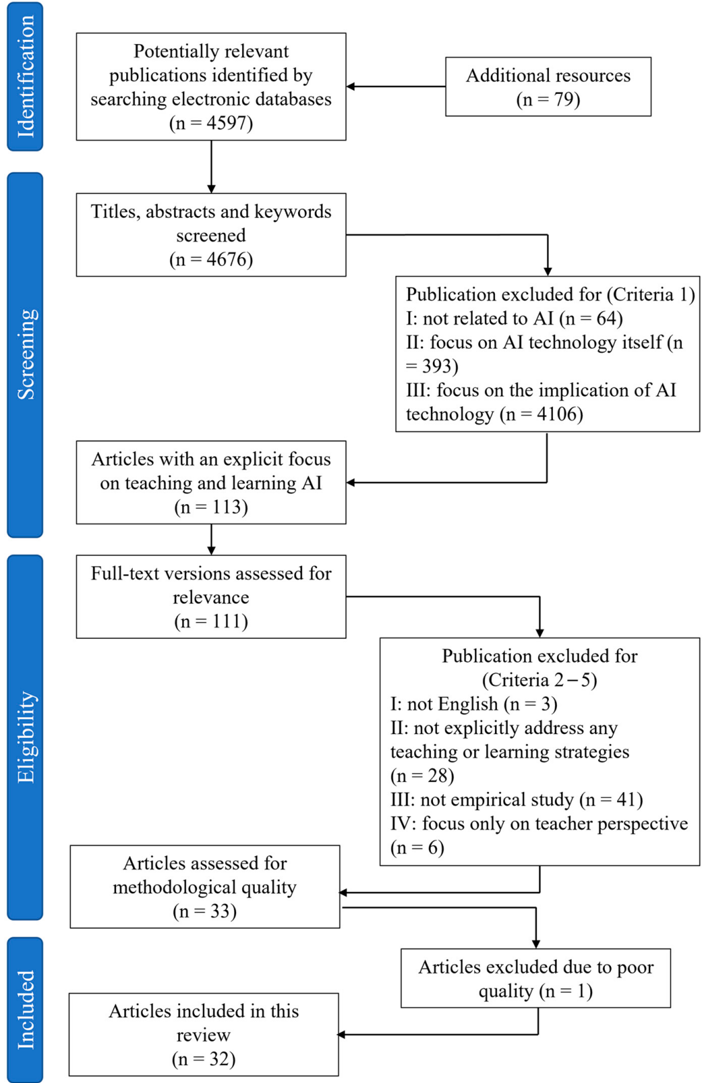
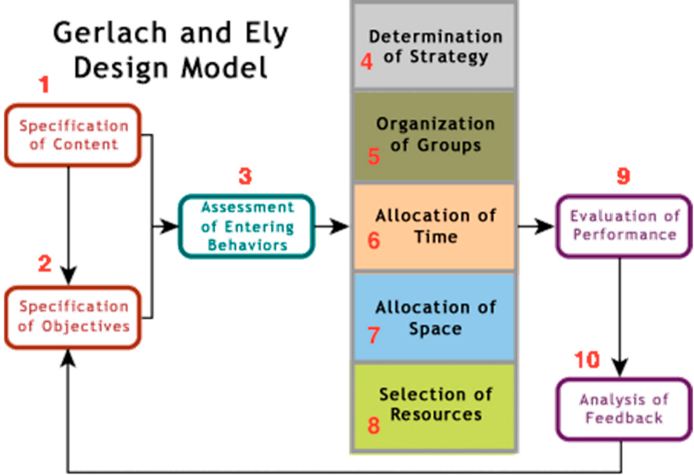
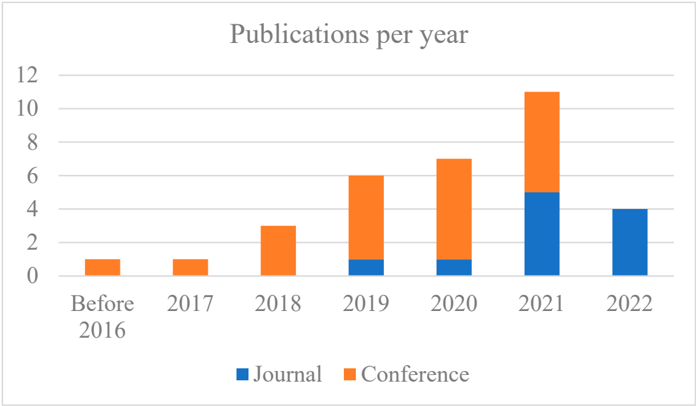
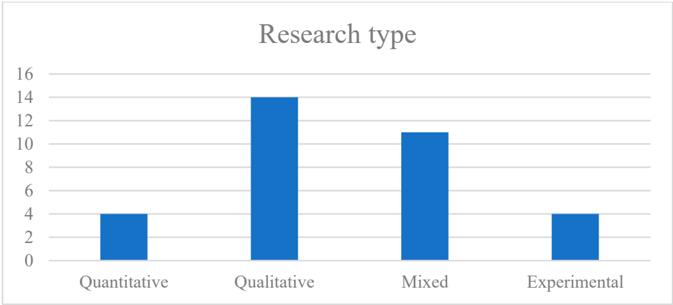
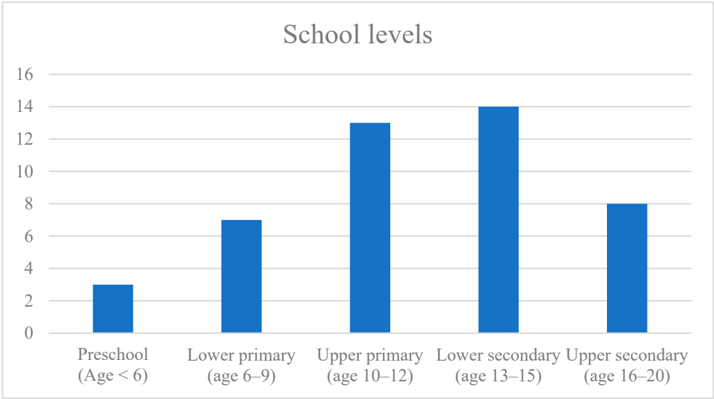
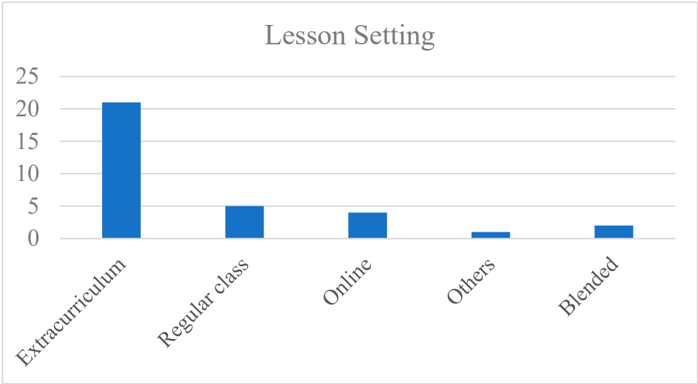
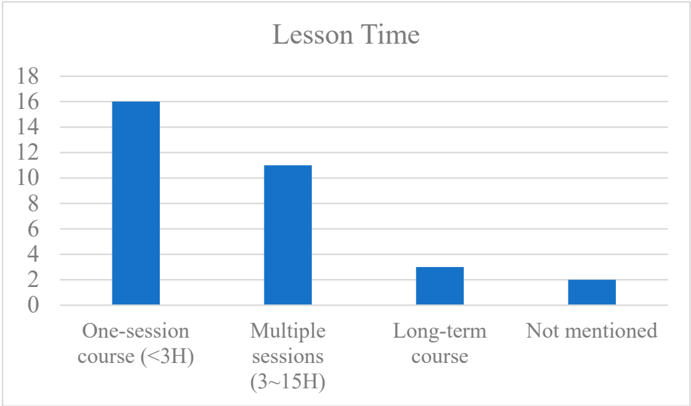
In response to the growing popularity of artificial intelligence (AI) usage in daily life, AI education is increasingly being provided at the K-12 level, with relevant initiatives being launched worldwide. Examining how these programs have been implemented and summarizing useful experiences is thus imperative. Although prior reviews have described the characteristics of AI education programs in publications, the papers reviewed were mostly nonempirical reports, and the analysis typically only involved a descriptive summary. The current review focuses on the most recent empirical studies on AI teaching programs in K-12 contexts through a systematic search of the Web of Science database from 2010 to 2022. To provide a comprehensive overview of the status of AI teaching and learning (T&L), 32 empirical studies were analyzed both descriptively and thematically. We analyzed (1) the research status, (2) the pedagogical design, and (3) the assessments and outcomes of the AI teaching programs. An increasing number of studies have focused on AI education at the K-12 stage, but most of them have a small sample size. Moreover, the data were mostly collected through interviews and self-reports. We reviewed the pedagogical design of AI teaching programs by using Gerlach and Ely’s pedagogical design model. The results comprehensively delineated current AI teaching programs through nine dimensions: learning theory, pedagogical approach, T&L activities, learning content, scale, teaching resources, prior knowledge prerequisite, aims and objectives, assessment, and learning outcome. The results highlighted the positive impact of current AI teaching programs on students’ motivation, engagement, and attitude. However, we observed a lack of sufficient research objectively measuring students’ knowledge acquisition as learning outcomes. Overall, in this paper, we discussed relevant findings in terms of research trends, learning content, teaching units, characteristics of the pedagogical design, and assessment and evaluation by providing illustrations of exemplary designs; we also discussed future directions for research and practice in AI education in the K-12 context.
Overview
The claims and statistics of this paper haven’t been checked yet.
Free: it reads the open-access text and checks the first 5 claims that cite a source we can check. Create a free account to check every claim.
Integrity signals
Registry
Cites
Statistics
Figures
Verification
Claims the paper makes
The claims and statistics of this paper haven’t been checked yet.
Free: it reads the open-access text and checks the first 5 claims that cite a source we can check. Create a free account to check every claim.
Claims other papers make about this one
Each is checked against this paper’s own text: does it say what the citing paper says it does?
The source backs part of the claim, not all of it — or backs it for a different population, condition or comparison.
In the citing paper
“AI research in k-12 continues to privilege traditional AI (e.g., ITS) [30], emphasizing tool properties [31,32] or AI literacy [31,33,34] instead of tracing how AI is pedagogically enacted to enhance learning.”
From A Systematic Review of Generative AI in K–12: Mapping Goals, Activities, Roles, and Outcomes via the 3P Model (2025) · cites this paper as [33]
Experimental — accuracy not yet measuredIn the citing paper
“Recently, Yue et al. (2022) analyzed the main components of the pedagogical design in 32 empirical studies in K-12 AI education”
From AI literacy in K-12: a systematic literature review (2023) · cites this paper as Yue et al., 2022
Self-check
Percentages, sums and reported differences re-computed from the paper’s own numbers.
The self-check needs the paper’s full text.
Citations
Cites
Preferred Reporting Items for Systematic Reviews and Meta-Analyses: the PRISMA statement
Moher, D., Liberati, A., Tetzlaff, J., Altman, D. G., & for the PRISMA Group (2009) · BMJ · doi:10.1136/bmj.b2535 · Cited by 83,823
Preferred Reporting Items for Systematic Reviews and Meta-Analyses: The PRISMA Statement
Moher, D., Liberati, A., Tetzlaff, J., & Altman, D. G. (2009) · Journal of Clinical Epidemiology · doi:10.1016/j.jclinepi.2009.06.005 · Cited by 19,575
What is AI Literacy? Competencies and Design Considerations
Long, D., & Magerko, B. (2020) · Proceedings of the 2020 CHI Conference on Human Factors in Computing Systems · doi:10.1145/3313831.3376727 · Cited by 3,241
Instructional Design: The ADDIE Approach
Branch, R. M. (2009) · Springer eBooks · doi:10.1007/978-0-387-09506-6 · Cited by 3,051
Effects of Teachers’ Mathematical Knowledge for Teaching on Student Achievement
Hill, H. C., Rowan, B., & Ball, D. L. (2005) · American Educational Research Journal · doi:10.3102/00028312042002371 · Cited by 2,812
Interaction between learning and development
(1980) · Mind in Society · doi:10.2307/j.ctvjf9vz4.11 · Cited by 2,150
Intellectual Evolution from Adolescence to Adulthood
Piaget, J. (1972) · Human Development · doi:10.1159/000271225 · Cited by 1,880
Envisioning AI for K-12: What Should Every Child Know about AI?
Touretzky, D., Gardner-McCune, C., Martin, F., & Seehorn, D. (2019) · Proceedings of the AAAI Conference on Artificial Intelligence · doi:10.1609/aaai.v33i01.33019795 · Cited by 918
Applying thematic analysis theory to practice: A researcher’s experience
Tuckett, A. G. (2005) · Contemporary Nurse · doi:10.5172/conu.19.1-2.75 · Cited by 840
Artificial intelligence and computer science in education: From kindergarten to university
Kandlhofer, M., Steinbauer, G., Hirschmugl-Gaisch, S., & Huber, P. (2016) · 2016 IEEE Frontiers in Education Conference (FIE) · doi:10.1109/fie.2016.7757570 · Cited by 437
Research works printed but not linked: 5
- 13. Bahar, M. Misconceptions in biology education and conceptual change strategies. Educ. Sci. Theory Pract. 2003, 3, 55-64.
- 14. D'Silva, I. Active learning. J. Educ. Adm. Policy Stud. 2010, 6, 77-82.
- 57. Lane, D. Machine Learning for Kids: A Project-Based Introduction to Artificial Intelligence; No Starch Press: San Francisco, CA, USA, 2021.
- 74. Papert, S. Mindstorms: Children, Computers, and Powerful Ideas; Harvester Press: Brighton, UK, 1980.
- 75. Palesuvaran, P.; Karpathy, A. (Tesla): CVPR 2021 Workshop on Autonomous Vehicles. Available online: https://pharath.github. io/self%20driving/Karpathy-CVPR-2021/ (accessed on 26 October 2022).
Cited by
AI literacy in K-12: a systematic literature review
Casal-Otero, L., Catala, A., Fernández-Morante, C., Taboada, M., Cebreiro, B., & Barro, S. (2023) · International Journal of STEM Education · doi:10.1186/s40594-023-00418-7 · Cited by 724
“Recently, Yue et al. (2022) analyzed the main components of the pedagogical design in 32 empirical studies in K-12 AI education and Su et al. (2022) examined 14 learning experiences carried out in the Asian-Pacific region.”
BackgroundNg, D. T. K., Wu, W., Leung, J. K. L., Chiu, T. K. F., & Chu, S. K. W. (2024) · British Journal of Educational Technology · doi:10.1111/bjet.13411 · Cited by 390
Merino-Campos, C. (2025) · Trends in Higher Education · doi:10.3390/higheredu4020017 · Cited by 189
Yue, M., Jong, M. S.-Y., & Ng, D. T. K. (2024) · Education and Information Technologies · doi:10.1007/s10639-024-12621-2 · Cited by 202
“Age-appropriate technologies and teaching approaches can be used to visualize and simplify AI concepts, thereby making them accessible to students at all levels (Yue et al., 2022).”
InfluentialSelf-citationGenerative AI: A systematic review using topic modelling techniques
Gupta, P., Ding, B., Guan, C., & Ding, D. (2024) · Data and Information Management · doi:10.1016/j.dim.2024.100066 · Cited by 218
Teachers and AI: Understanding the factors influencing AI integration in K-12 education
Filiz, O., Kaya, M. H., & Adıgüzel, T. (2025) · Education and Information Technologies · doi:10.1007/s10639-025-13463-2 · Cited by 277
“This shows that it is of importance to conduct research involving objective measures related to students’ knowledge acquisition and learning outcomes (Yue et al., 2022).”
Yue Yim, I. H. (2024) · Computers and Education: Artificial Intelligence · doi:10.1016/j.caeai.2024.100319 · Cited by 125
Al-Abdullatif, A. M. (2024) · Education Sciences · doi:10.3390/educsci14111209 · Cited by 169
Generative-AI, a Learning Assistant? Factors Influencing Higher-Ed Students' Technology Acceptance
Kanont, K., Pingmuang, P., Simasathien, T., Wisnuwong, S., Wiwatsiripong, B., Poonpirome, K., Songkram, N., & Khlaisang, J. (2024) · The Electronic Journal of e-Learning · doi:10.34190/ejel.22.6.3196 · Cited by 204
Artificial intelligence for teaching and learning in schools: The need for pedagogical intelligence
Díaz, B., & Nussbaum, M. (2024) · Computers & Education · doi:10.1016/j.compedu.2024.105071 · Cited by 148
Critical Artificial Intelligence literacy: A scoping review and framework synthesis
Veldhuis, A., Lo, P., Kenny, S., & Antle, A. N. (2024) · International Journal of Child-Computer Interaction · doi:10.1016/j.ijcci.2024.100708 · Cited by 184
Artificial intelligence literacy education in primary schools: a review
Yim, I. H. Y., & Su, J. (2025) · International Journal of Technology and Design Education · doi:10.1007/s10798-025-09979-w · Cited by 187
“This review also revealed a growing tendency in research studies on AI literacy in primary education to use mixed methods for result triangulation, which contrasts with Yue et al. (2022), who report that qualitative methods are dominant in AI literacy education for young students.”
InfluentialIntelligent educational technologies in individual learning: a systematic literature review
Kerimbayev, N., Akramova, А., Shadiev, R., & Altınay, Z. (2025) · Smart Learning Environments · doi:10.1186/s40561-024-00360-3 · Cited by 143
Li, L., Yu, F., & Zhang, E. (2024) · Computers and Education Artificial Intelligence · doi:10.1016/j.caeai.2024.100217 · Cited by 134
Examining AI Use in Educational Contexts: A Scoping Meta-Review and Bibliometric Analysis
Fu, Y., Weng, Z., & Wang, J. (2025) · International Journal of Artificial Intelligence in Education · doi:10.1007/s40593-024-00442-w · Cited by 57
Teaching AI to K-12 Learners: Lessons, Issues, and Guidance
Grover, S. (2024) · ACM Technical Symposium on Computer Science Education (SIGCSE) · doi:10.1145/3626252.3630937 · Cited by 123
“Space limitations preclude it from being so, plus there already exist papers that have attempted systematic reviews of that nature (such as [50, 68]).”
BackgroundA systematic review on how educators teach AI in K-12 education
Liu, X., & Zhong, B. (2024) · Educational Research Review · doi:10.1016/j.edurev.2024.100642 · Cited by 120
Fostering responsible AI literacy: A systematic review of K-12 AI ethics education
Ma, M., Ng, D. T. K., Liu, Z., & Wong, G. K. W. (2025) · Computers and Education Artificial Intelligence · doi:10.1016/j.caeai.2025.100422 · Cited by 133
Wu, D., Chen, M., Chen, X., & Liu, X. (2024) · Computers and Education Artificial Intelligence · doi:10.1016/j.caeai.2024.100295 · Cited by 115
Effect of an Analogy-Based Approach of Artificial Intelligence Pedagogy in Upper Primary Schools
Dai, Y., Lin, Z., Liu, A., Dai, D., & Wang, W. (2023) · Journal of Educational Computing Research · doi:10.1177/07356331231201342 · Cited by 90
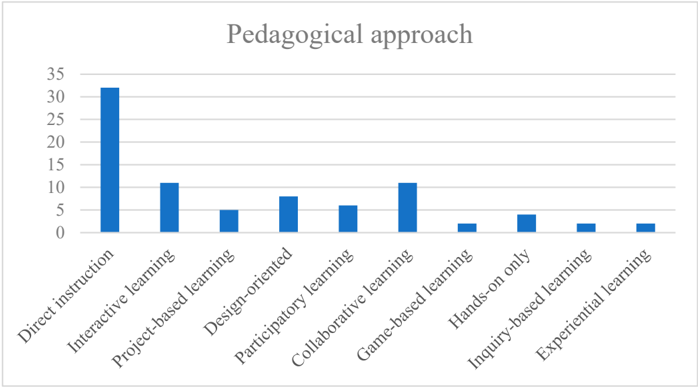
“In another review by Yue et al. (2022), direct instruction has remained a most popular pedagogy in delivering AI concepts, whereas hands-on, experiential activities are often incorporated to enhance student engagement.”
BackgroundSelf-citationSystematic literature review on bias mitigation in generative AI
Afreen, J., Mohaghegh, M., & Doborjeh, M. (2025) · AI and Ethics · doi:10.1007/s43681-025-00721-9 · Cited by 95
AI Literacy for All: Adjustable Interdisciplinary Socio-technical Curriculum
Tadimalla, S. Y., & Maher, M. L. (2024) · IEEE Frontiers in Education Conference (FIE) · doi:10.1109/fie61694.2024.10893159 · Cited by 98
Learning About AI: A Systematic Review of Reviews on AI Literacy
Zhang, S., Ganapathy Prasad, P., & Schroeder, N. L. (2025) · Journal of Educational Computing Research · doi:10.1177/07356331251342081 · Cited by 62
“There is a general consensus on the de fi nition of AI literacy (Casal-Otero et al., 2023; Fleger et al., 2023; Laupichler et al., 2022; Ng et al., 2023; Su et al., 2023a, 2023b; Yue et al., 2022).”
InfluentialSajja, R., Sermet, Y., Fodale, B., & Demir, I. (2025) · arXiv · doi:10.48550/arxiv.2506.05699 · Cited by 60
“Curricula are increasingly incorporating AI literacy as a foundational skill, often starting at the K-12 level, to prepare students for ethical and effective use of AI (Dai, 2024; Ng et al., 2022; Yue et al., 2022).”
Dual-contrast pedagogy for AI literacy in upper elementary schools
Dai, Y. (2024) · Learning and Instruction · doi:10.1016/j.learninstruc.2024.101899 · Cited by 66
Self-citationSajja, R., Sermet, Y., Fodale, B., & Demir, İ. (2026) · Scientific Reports · doi:10.1038/s41598-026-39237-5 · Cited by 71
Karan, B., & Angadi, G. R. (2023) · Millennial Asia · doi:10.1177/09763996231158229 · Cited by 77
“…in K-12 rely on a broad range of pedagogical approaches owing to their interdisciplinary nature, most notably direct instruction, interactive learning, collaborative learning, participatory learning, game-based learning, project-based learning, and design-oriented learning (Yue et al., 2022).”
Marzano, D. (2026) · Technology, Knowledge and Learning · doi:10.1007/s10758-025-09853-7 · Cited by 51
Development of an AI literacy assessment for non-technical individuals: What do teachers know?
Ding, L., Kim, S., & Allday, R. A. (2024) · Contemporary Educational Technology · doi:10.30935/cedtech/14619 · Cited by 69
“Opportunities and challenges of how to teach AI literacy in early childhood have been researched and proposed (Su et al., 2023), how to effectively integrate AI literacy in K-12 education (Yue et al., 2022) and higher and adult education (Laupichler et al., 2022) has also been studies.”
Kajiwara, Y., Matsuoka, A., & Shinbo, F. (2023) · Computers and Education Artificial Intelligence · doi:10.1016/j.caeai.2023.100162 · Cited by 66
AI literacy as a core component of AI education
Tadimalla, S. Y., & Maher, M. L. (2025) · AI Magazine · doi:10.1002/aaai.70007 · Cited by 72
Yue, M., Jong, M. S., Dai, Y., & Lau, W. W. F. (2025) · Journal of Research on Technology in Education · doi:10.1080/15391523.2025.2449942 · Cited by 57
“Consequently, it is crucial to develop a theory-driven pedagogical framework and establish an evidence-based foundation for AI literacy education in elementary settings (Kim & Kwon, 2023; Yue et al., 2022, 2024).”
Self-citationLiu, M., Zhang, L. J., & Zhang, D. (2025) · Computers in Human Behavior · doi:10.1016/j.chb.2025.108569 · Cited by 43
Yadav, S. (2025) · IGI Global eBooks · doi:10.4018/979-8-3693-7863-2.ch008 · Cited by 75
Dai, Y. (2024) · Education and Information Technologies · doi:10.1007/s10639-024-13043-w · Cited by 67
“Especially, compared to previous strategies of combining direct instruction with hands-on activities, this approach enables a cohesive journey with progressive, mutually reinforcing learning components (Yue et al., 2022).”
Self-citationTeaching and learning artificial intelligence: Insights from the literature
Memarian, B., & Doleck, T. (2024) · Education and Information Technologies · doi:10.1007/s10639-024-12679-y · Cited by 51
“Most of the work done on AI pedagogy in the literature relates to the K-12 and high school setting (Kim et al., 2021; Rizvi et al., 2023; Su et al., 2023; Tedre et al., 2021; Yue et al., 2022).”
A Review of Artificial Intelligence in K-12 Education
Azzam, A., & Charles, T. (2024) · Open Journal of Applied Sciences · doi:10.4236/ojapps.2024.148137 · Cited by 37
Su, J. (2024) · Education and Information Technologies · doi:10.1007/s10639-024-12611-4 · Cited by 46
“Incorporating AI into the educational curriculum has become a crucial issue in K–12 education, as highlighted by recent studies (e.g., Yue et al., 2022 ; Su et al., 2022 , 2023a).”
A systematic review of the evaluation in K-12 artificial intelligence education from 2013 to 2022
Kim, K., & Kwon, K. (2024) · Interactive Learning Environments · doi:10.1080/10494820.2024.2335499 · Cited by 44
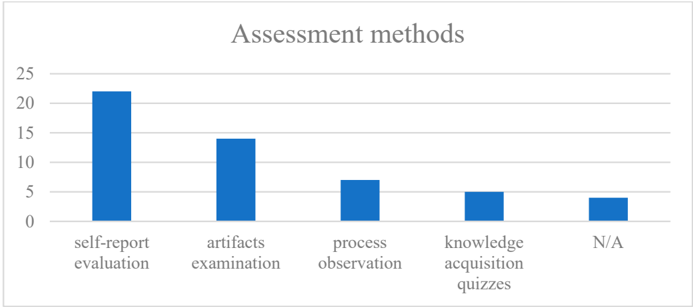
“To sum up, these gaps suggest the necessity for a more holistic approach to evaluating learning outcomes in the AI education context (Yue et al., 2022).”
Young children’s understanding of AI
Heeg, D. M., & Avraamidou, L. (2024) · Education and Information Technologies · doi:10.1007/s10639-024-13169-x · Cited by 57
“As a response, all around the world, attention is placed on developing AI education for schools (e.g. Casal-Otero et al., 2023; Su et al., 2023a, b; Yue et al., 2022).”
Abulibdeh, A. O. (2025) · Sustainable Futures · doi:10.1016/j.sftr.2025.101033 · Cited by 47
Lee, H., & Wu, T. (2025) · Computers & Education · doi:10.1016/j.compedu.2025.105375 · Cited by 38
Kashif, M., Ammar, M., Sellami, A., Chiu, T. K. F., Abbasi, S. A., & Ahmad, Z. (2025) · Computers in the Schools · doi:10.1080/07380569.2025.2602507 · Cited by 46
Zawacki‐Richter, O., Cefa, B., & Bai, J. Y. H. (2025) · Review of Education · doi:10.1002/rev3.70031 · Cited by 47
Lin, Z., Dai, Y., & Ng, O. (2025) · Journal of Educational Computing Research · doi:10.1177/07356331251360442 · Cited by 39
“Despite variations in terminology, these approaches share a core emphasis on hands-on engagement, enabling students to actively interact with and manipulate AI technologies (Yue et al., 2022).”
InfluentialSelf-citationArtificial intelligence and robotics in education: Advances, challenges, and future perspectives
Cadavieco, J. F., López, J. M. S., & Castro, S. S. (2025) · Social Sciences & Humanities Open · doi:10.1016/j.ssaho.2025.101533 · Cited by 35
AI and higher education: Understanding faculty roles in teaching, research, and administration
Spathopoulou, F., Pitychoutis, K. M., & Papakonstantinidis, S. (2025) · Contemporary Educational Technology · doi:10.30935/cedtech/17406 · Cited by 29
A Case Study of Integrating AI Literacy Education in a Biology Class
Zha, S., Bragdon, M. M., Gong, N., Wang, J., Leavesley, S. J., Eaton, R. M., & Bosarge, E. (2025) · International Journal of Artificial Intelligence in Education · doi:10.1007/s40593-025-00476-8 · Cited by 34
“Educators and researchers have expressed several concerns (Ali et al., 2019; Chiu et al., 2022; Marques et al., 2020; Ng et al., 2022; Yue et al., 2022).”
InfluentialChen, Y. H., & Zhang, K. (2024) · Computer Applications in Engineering Education · doi:10.1002/cae.22806 · Cited by 31
“The development of pedagogical methods and tools, such as online courses and interactive lessons, is also being explored to ensure quality and accessible AI literacy education [5, 40, 41].”
Artificial intelligence in K-12 education: An umbrella review
Huang, R., Yin, Y., Zhou, N., & Lang, F. (2025) · Computers and Education Artificial Intelligence · doi:10.1016/j.caeai.2025.100519 · Cited by 37
Deriba, F. G., & Sanusi, I. T. (2025) · Computers and Education Open · doi:10.1016/j.caeo.2025.100251 · Cited by 27
Lin, X., & Tan, H. (2025) · Systems · doi:10.3390/systems13100840 · Cited by 22
Pachava, V., Lasekan, O. A., Alarcón, C. M. M., Pena, M. T. G., & Golla, S. K. (2025) · Journal of Lifestyle and SDGs Review · doi:10.47172/2965-730x.sdgsreview.v5.n02.pe03774 · Cited by 30
“By leveraging generative AI, the framework personalizes education to meet diverse learner needs, providing tailored content and real-time feedback that foster engagement and self-regulated learning (Yue et al ., 2022).”
Hassan, A. (2026) · Education and Information Technologies · doi:10.1007/s10639-026-13946-w · Cited by 34
“…developed AI tools have accelerated this transformation by supporting learning design, assessment innovation, and personalised engagement, particularly in applied fields such as eco - nomics and business education (Aoun, 2017 ; Koltovskaia, 2020 ; Yue et al., 2022 ; Zawacki-Richter et al., 2019).”
Khosibah, S. A., Rahmaningrum, A., & Kusumawardani, C. T. (2025) · JEA (Jurnal Edukasi AUD) · doi:10.18592/jea.v11i1.16329 · Cited by 57
“Fenomena ini memicu berbagai diskusi menarik tentang peran AI yang terus berkembang dan potensi transformatifnya dalam dunia pendidikan (Tedre et al., 2021; Yue et al., 2022).”
Xiaohong, L., Zhang, J., Xiaoming, C., & Beina, Z. (2024) · Interactive Learning Environments · doi:10.1080/10494820.2024.2343752 · Cited by 24
“The rapid development of arti fi cial intelligence (AI) technology is driving the cultivation of AI talent (Casal-Otero et al., 2023; Yue et al., 2022).”
Integrating artificial intelligence within South African higher learning institutions
Mogoale, P. D., Pretorius, A. B., Mogase, R. C., & Segooa, M. A. (2025) · South African journal of information management · doi:10.4102/sajim.v27i1.1939 · Cited by 25
Gao, H., Zhang, Y., Hwang, G., Zhao, S., Wang, Y., & Wang, K. (2024) · Education and Information Technologies · doi:10.1007/s10639-024-12847-0 · Cited by 24
“…and depth of AI content taught in spirals upward as the grade level rises (Kandlhofer et al., 2016; Su et al., 2022 ; Wu et al., 2020 ) is what makes the advanced stage students have deeper and broader knowl - edge of the subject of AI and more practical skills (Eguchi, 2022 ; Yue et al., 2022 ).”
Saputra, R. F. A., Ridha, M., & Sulaimon, J. T. (2025) · Jurnal Pendidikan Progresif · doi:10.23960/jpp.v15i3.pp1785-1810 · Cited by 25
Developing a Holistic AI Literacy Framework for Children
Jia, K., Leung, T. H. M., Cheung, N. Y. I., Li, Y., & Yu, J. (2025) · ACM Transactions on Computing Education · doi:10.1145/3727986 · Cited by 31
Kong, S. C., & Yang, Y. P. (2024) · Research and Practice in Technology Enhanced Learning · doi:10.58459/rptel.2025.20024 · Cited by 25
“This implies that AI literacy and empowerment do not necessarily depend on prior programming skills, which challenges the common assumption that a strong background in programming is a prerequisite for understanding and using AI effectively (Xu & Babaian, 2021; Yue et al., 2022).”
BackgroundZhang, D., Yang, H., He, Y., & Guo, W. (2025) · Education and Information Technologies · doi:10.1007/s10639-025-13715-1 · Cited by 21
“This posi - tive learning experience further reinforces their positive attitude towards the content, leading to heightened interest in related careers (Yue et al., 2022).”
Meletiou-Mavrotheris, Μ., Bakogianni, D., Danidou, Y., Paparistodemou, E., & Kofteros, A. (2025) · Education Sciences · doi:10.3390/educsci15091179 · Cited by 19
Abbas, A., Azar, B. B., Mahrishi, M., Núñez, J. L. M., & Mishra, D. (2025) · Equilibrium Quarterly Journal of Economics and Economic Policy · doi:10.24136/eq.3551 · Cited by 21
“…of various organizations and initiatives, such as the Organization for Economic Cooperation and Development's AI Policy Observatory, the Global Partnership on Artificial Intelligence, and the Ad Hoc Committee on Artificial Intelligence of the Council of Europe, among others (Yue et al. , 2022).”
Palacios-Núñez, M. L., Mendoza-García, E. M., Zarate, J. W. N., & Deroncele-Acosta, Á. (2025) · Edutec Revista Electrónica de Tecnología Educativa · doi:10.21556/edutec.2025.93.3995 · Cited by 20
Hamid, E. A. H. A., Maskur, H., & Mutalib, R. A. (2023) · Malaysian Journal of Information and Communication Technology (MyJICT) · doi:10.53840/myjict8-2-98 · Cited by 29
Topkaya, Y., Doğan, Y., Batdı, V., & Aydın, S. (2025) · Sustainability · doi:10.3390/su17073015 · Cited by 25
Escape or D13: Understanding Youth Perspectives of AI through Educational Game Co-design
Lim, J. O., Barkhuff, G., Awuah, J., Clyde, S., Sogani, R., Gardner-McCune, C., Touretzky, D., & Uchidiuno, J. O. (2025) · Proceedings of the 2025 CHI Conference on Human Factors in Computing Systems · doi:10.1145/3706598.3714037 · Cited by 12
Activity Theory-based Ecosystem for Artificial Intelligence in Education (AIED)
Uden, L., & Ching, G. S. (2024) · International Journal of Research Studies in Education · doi:10.5861/ijrse.2024.24000 · Cited by 23
Bridging the Gap: Diversity Initiatives in AI Education
Evans, R., & Sinha, N. (2024) · Proceedings of the AAAI Symposium Series · doi:10.1609/aaaiss.v3i1.31260 · Cited by 12
Zhu, Y., Johnston, S., Zhu, C., & Li, Y. (2024) · International Journal of Human-Computer Studies · doi:10.1016/j.ijhcs.2024.103412 · Cited by 12
Yang, H., Zhang, D., Guo, W., & He, Y. (2024) · IEEE Access · doi:10.1109/access.2024.3512499 · Cited by 13
“This suggests that the traditional single-subject teaching model is no longer sufficient for AI education, and more effective interdisciplinary teaching approaches must be explored [7].”
Cao, H. J., Lee, H. R., & Peng, W. (2025) · CHI Conference on Human Factors in Computing Systems · doi:10.1145/3706598.3713254 · Cited by 20
Yeniçeri, Ü., & Kenan, A. (2025) · Ege Eğitim Dergisi · doi:10.12984/egeefd.1625648 · Cited by 13
Cao, H. J., Choi, K., Park, C., & Lee, H. R. (2025) · Proceedings of the 2025 CHI Conference on Human Factors in Computing Systems · doi:10.1145/3706598.3713173 · Cited by 22
Zhou, X., Gong, Y., Zhou, Y., Jiang, Y., & Bai, Z. (2025) · International Journal of Human-Computer Studies · doi:10.1016/j.ijhcs.2025.103462 · Cited by 13
Reimagining teacher-AI co-design in learning task design: trends and perspectives
Wang, Z., Mingzhuo, L., & Islam, A. Y. M. A. (2026) · Humanities and Social Sciences Communications · doi:10.1057/s41599-026-06981-y · Cited by 21
“Yue et al. (2022) reviewed 32 studies on AI teaching programs in K-12 education from 2010 to 2022, identifying limitations such as small sample sizes and weak evaluation of learning outcomes.”
Education System Using Cloud Computing: A Proposed Model
Grover, V., & Nandal, M. (2024) · Advances in business information systems and analytics book series · doi:10.4018/979-8-3693-2314-4.ch009 · Cited by 14
Xiaohuan, Z., & Wang, Y. (2025) · European Journal of Education · doi:10.1111/ejed.70322 · Cited by 11
(2025) · International Journal of Advanced Trends in Computer Science and Engineering · doi:10.30534/ijatcse/2025/051422025 · Cited by 8
“The capacity of these models to provide detailed explanations, generate examples, and offer feedback has been leveraged in various educational applications, including language learning, essay writing, and computer programming education [19].”
Karroum, S. Y. A., Elshaiekh, N. E. M., & Hijji, K. Z. A. (2024) · International Journal of Innovative Research in Engineering & Multidisciplinary Physical Sciences · doi:10.37082/ijirmps.v12.i4.231000 · Cited by 19
From Understanding to Creating: Bridging AI Literacy and AI Fluency in K-12 Education
Rogers, T., & Carbonaro, M. (2025) · Journal of Teaching and Learning · doi:10.22329/jtl.v19i4.9420 · Cited by 19
Analysing EFL Teachers’ Perceptions of AI’s Role in Academic Integrity and Pedagogy with BERT-LSTM
Praveen, R., Irudayasamy, J., Garlapati, B. S., Nithyasri, S., John, A., & Praveena, S. (2025) · Global Conference in Emerging Technology (GINOTECH) · doi:10.1109/ginotech63460.2025.11076689 · Cited by 9
“The present study examines research on AI teaching in K-12 [11], highlighting instructional approaches and the advantages of student interaction, although it lacks objective measurements for knowledge gain.”
Liu, Z., Xing, W., Jiao, X., Li, C., & Zhu, W. (2025) · Education and Information Technologies · doi:10.1007/s10639-025-13385-z · Cited by 8
“Educators should also implement structured activities that teach students when and how to appropriately use AI tools, ensuring these tools complement rather than substitute their learning efforts (Aravantinos et al., 2024; Yue et al., 2022).”
Li, Y., Harris, M. J., Dawod, A. Y., & Lawanna, T. (2025) · IEEE Access · doi:10.1109/access.2025.3568834 · Cited by 8
“Ongoing training ensures that teachers remain current with technological advancements [40] and pedagogical strategies involving AI programs [41] that offer hands-on workshops, tutorials, and mentorship opportunities enhance teachers’ confidence and competence in using AI tools.”
Bao, W., & Zhang, M. (2026) · The Journal of Educational Research · doi:10.1080/00220671.2025.2607033 · Cited by 5
Supporting AI Literacy Teaching Through the Development of Assessments for Classroom Use
Masla, J., Bosch, C., Ravi, P., Guterman, L., Wharton, S., Gustafson-Quiett, M. C., Hegly, S. A., Macatantan, C., Klopfer, E. D., Breazeal, C., et al. (2025) · Proceedings of the AAAI Conference on Artificial Intelligence · doi:10.1609/aaai.v39i28.35191 · Cited by 7
Fadhilaturrahmi, F., & Ananda, R. (2025) · Indonesian Journal of Educational Development (IJED) · doi:10.59672/ijed.v6i2.4910 · Cited by 4
Ruhi, U., Nieto-Taborda, M., & Nault, K. (2025) · doi:10.1109/icaie64856.2025.11158693 · Cited by 4
“Many studies use these terms interchangeably or define one in terms of the other without conceptual agreement [3], [6], [17], [18], [20], [21].”
Zaus, M. A., Andriani, C., Jasril, I. R., Zaus, A. A., Islami, S., & Yee, S. K. (2025) · Seminars in Medical Writing and Education · doi:10.56294/mw2025820 · Cited by 4
Akgün, S., Choi, K., & Lee, H. R. (2026) · Disciplinary and Interdisciplinary Science Education Research · doi:10.1186/s43031-026-00155-1 · Cited by 7
“Therefore, STEM education scholars are working to create equitable and meaningful formal and informal learning environments, as well as designing relevant curricular resources to support such spaces (e.g., Ali et al., 2019; Casal-Otero et al., 2023; Yue et al., 2023).”
Exploring Teenagers’ Trust in AI Chatbots: An Empirical Study of Chinese Middle-School Students
Qiu, S., Lin, A., Wang, S., & Lan, X. (2025) · International Conference on Human-Engaged Computing (ICHEC) · doi:10.1145/3786995.3787019 · Cited by 5
AI literacy interventions in education: A meta-analysis of effects and moderators
Liu, S., Liu, Z., Ng, O. L., Yang, Y., & Dai, Y. (2026) · Educational Research Review · doi:10.1016/j.edurev.2026.100813 · Cited by 7
Self-citationKim, D. H., & Bak, S. M. (2024) · IARJSET · doi:10.17148/iarjset.2024.11904 · Cited by 4
Proposed hybrid Model in Online Education
Grover, V., Nandal, M., Balusamy, B., Sahu, D., & Dogra, M. (2024) · EAI Endorsed Transactions on Internet of Things · doi:10.4108/eetiot.4770 · Cited by 6
“[6 , 7], monitoring students’ learning [8].”
BackgroundAristotle and AI in Education: Virtue, Wisdom, Human Flourishing and the Common Good
Makrakis, V. (2026) · Encyclopedia · doi:10.3390/encyclopedia6060116 · Cited by 5
“At the same time, research highlights the importance of pedagogically grounded integration in which AI complements rather than replaces human teaching and learning design remains central to educational quality [42–45].”
Bosch, C. A., Gustafson-Quiett, M. C., Hegly, S. A., Wharton, S., Masla, J., Guterman, L., Macatantan, C., Klopfer, E. D., Abelson, H., & Breazeal, C. (2025) · Proceedings of the AAAI Conference on Artificial Intelligence · doi:10.1609/aaai.v39i28.35184 · Cited by 5
Application and Development Prospects of Large Language Models in the Field of Education: A Survey
Zhao, S., Tan, Y., & Zheng, J. (2025) · International Conference on Educational and Information Technology · doi:10.1109/iceit64364.2025.10975965 · Cited by 4
“For example, learners can use LLMs to generate mind maps by importing textbooks and other methods to help them organize the knowledge they have learned[21].”
Olędzka, M., Carace, M. B., Tomaz, S. D. O., Pan, B., & Jiang, P. (2024) · Studia Edukacyjne · doi:10.14746/se.2024.74.4 · Cited by 7
“…playing a significant role in trans - forming instructional design and student learning by personalising learning experiences, providing real-time feedback, and creating highly interactive and engaging learning environments, thereby enhancing student readiness for the future (Yue et al., 2022).”
Lei, Y., Lu, Z., & Deng, Y. (2026) · Teaching and Teacher Education · doi:10.1016/j.tate.2026.105595 · Cited by 6
Metadata
- Authors
- Yue, M., Jong, M. S.-Y., & Dai, Y.
- Affiliations
- Chinese University of Hong Kong (HK)
- Corresponding author
- Yue, Miao
- Jong, Morris Siu-Yung
- Venue
- Sustainability
- Publisher
- MDPI AG
- Published
- 2022-11-24
- Volume
- 14
- Issue
- 23
- Pages
- 15620
- ISSN
- 2071-1050 (ISSN-L)
- OpenAlex
- W4309852220
- Cited by
- 176
- References
- 81
- Citations by year
- 2026: 54 · 2025: 61 · 2024: 51 · 2023: 10
- FWCI
- 3.85
- Type
- journal article
- Language
- en
- Open access
- gold
- doi.org
- Licence
- Locations
- Sustainability (publishedVersion, cc-by)
- RePEc: Research Papers in Economics (submittedVersion)
- DOAJ (DOAJ: Directory of Open Access Journals) (submittedVersion, cc-by-sa)
- Topics
- Social Sciences › Education › Artificial Intelligence in Education
- Physical Sciences › Computer Science › Computer Science Applications › Teaching and Learning Programming
- Social Sciences › Education › Educational Technology and Pedagogy
- Keywords
- artificial intelligence in education, K-12 education, instructional design, student motivation, student engagement, student attitudes, learning outcomes, learning content, teaching materials
About these checks
Registry, retraction, Cites and statistics results are computed, not judged, with one exception: a printed reference that no index lists is read once by a model before it counts as a citation error. Claims are extracted by a model and kept only when their quote appears verbatim in the text; each cited source is then checked, with a model’s help, for whether it says what the claim relies on. Those verdicts can be wrong — read the claim’s quote and the cited source before relying on one.
Statistics and arithmetic are recomputed, not judged.
Confidence bands are shown only for fields calibrated on our annotated test set. None is calibrated yet, so no band is shown.
What counts as a claim ›How we measure confidence ›How we check this ›
Are you an author, or do you see a problem with this page? Request a review
Data sources
Bibliographic data: Semantic Scholar, OpenAlex, Crossref.
Contains information from the Semantic Scholar Academic Graph Datasets, made available under the ODC Attribution License (ODC-BY 1.0).
Semantic Scholar’s data is described in: Kinney, R., et al. (2023). The Semantic Scholar Open Data Platform. arXiv:2301.10140.
