

First Evidence of Microplastics in Human Urine, a Preliminary Study of Intake in the Human Body
Open accessThe DOI matches its Crossref record; 50 of the 50 references it cites were found in a registry or an index.
Abstract
The ubiquitous presence of microplastics (MPs) and their health effects is a recent scientific topic. However, the investigation of MPs in human/biological matrices has several limitations due to analytical methods and sample treatment protocols. In this study, the presence of MPs in the urine samples of six volunteers from different cities in the south of Italy (three men and three women) was investigated by Raman microspectroscopy. The analysis pinpointed four pigmented microplastic fragments (4–15 μm size), with irregular shapes, which were characterized in terms of morphology and chemical composition. Polyethylene vinyl acetate (PVA), polyvinyl chloride (PVC), polypropylene (PP), and polyethylene (PE) MPs were found in four samples (PVA and PVC in one female sample and PP and PE in three male samples). This preliminary study suggests that MPs could pass through the gastrointestinal tract and are eliminated through biological processes.
Overview
The claims and statistics of this paper haven’t been checked yet.
Free: it reads the open-access text and checks the first 5 claims that cite a source we can check. Create a free account to check every claim.
Integrity signals
Registry
Cites
Statistics
Figures
Verification
Claims the paper makes
The claims and statistics of this paper haven’t been checked yet.
Free: it reads the open-access text and checks the first 5 claims that cite a source we can check. Create a free account to check every claim.
Claims other papers make about this one
Each is checked against this paper’s own text: does it say what the citing paper says it does?
The source backs part of the claim, not all of it — or backs it for a different population, condition or comparison.
In the citing paper
“Other studies have suggested that polyethylene and polyvinyl chloride were also the most abundant MNPs found in human breast milk and urine, 10,11 with polyethylene fibers observed in human lung tissue at a concentration of 1 particle per gram of tissue.8”
From Microplastics and Nanoplastics in Atheromas and Cardiovascular Events (2024) · cites this paper as [11]
Experimental — accuracy not yet measuredThe cited source says what the claim attributes to it.
In the citing paper
“Although MP have been detected in human biological samples such as blood (Leonard et al., 2024), urine (Pironti et al., 2022) and in human lung tissue (Vasse & Melgert, 2024), the evidence of exposure to MP associated with biological alterations that may lead to development of diseases in humans is still limited.”
From Airborne microplastic exposure and urinary oxidative damage biomarkers in populations living in traffic-congested areas (2026) · cites this paper as Pironti et al., 2022
In the citing paper
“as well as in breast milk, 10 urine, 11 and blood.12”
From Microplastics and Nanoplastics in Atheromas and Cardiovascular Events (2024) · cites this paper as [11]
Self-check
Percentages, sums and reported differences re-computed from the paper’s own numbers.
The self-check needs the paper’s full text.
Citations
Cites
Microplastics as contaminants in the marine environment: A review
Cole, M., Lindeque, P., Halsband, C., & Galloway, T. S. (2011) · Marine Pollution Bulletin · doi:10.1016/j.marpolbul.2011.09.025 · Cited by 6,023
Discovery and quantification of plastic particle pollution in human blood
Leslie, H. A., van Velzen, M. J. M., Brandsma, S. H., Vethaak, A. D., Garcia-Vallejo, J. J., & Lamoree, M. H. (2022) · Environment International · doi:10.1016/j.envint.2022.107199 · Cited by 3,906
Plasticenta: First evidence of microplastics in human placenta
Ragusa, A., Svelato, A., Santacroce, C., Catalano, P., Notarstefano, V., Carnevali, O., Papa, F., Rongioletti, M. C. A., Baiocco, F., Draghi, S., et al. (2021) · Environment International · doi:10.1016/j.envint.2020.106274 · Cited by 3,474 · cited 1×
“Flasks were sealed off with aluminum foils and let incubate for 48 h at 40 ◦C [24,25,33].”
MethodSelf-citationMicroplastics in Freshwaters and Drinking Water: Critical Review and Assessment of Data Quality
Koelmans, A. A., Mohamed Nor, N. H., Hermsen, E., Kooi, M., Mintenig, S. M., & De France, J. (2019) · Water Research · doi:10.1016/j.watres.2019.02.054 · Cited by 2,535 · cited 1×
“In particular, MPs were detected in the air [1–5], in the soil [6–8], in the aquatic environments [9–11], including in marine species [12], and in several edible animal species (seafood and chicken) and food samples [13,14], such as salt, sugar, honey, milk, soft drink, and drinking water [15].”
BackgroundDetection of Various Microplastics in Human Stool: A Prospective Case Series
Schwabl, P., Köppel, S., Königshofer, P., Bucsics, T., Trauner, M., Reiberger, T., & Liebmann, B. (2019) · Annals of Internal Medicine · doi:10.7326/m19-0618 · Cited by 1,951 · cited 2×
“With regard to the polymer matrix, mainly polypropylene (PP) and polyethylene terephthalate (PET) sized 50−500 μm were found [23].”
BackgroundMicroplastic contamination in an urban area: a case study in Greater Paris
Dris, R., Gasperi, J., Rocher, V., Saad, M., Renault, N., & Tassin, B. (2015) · Environmental Chemistry · doi:10.1071/en14167 · Cited by 1,764
Microplastic in Terrestrial Ecosystems and the Soil?
Rillig, M. C. (2012) · Environmental Science & Technology · doi:10.1021/es302011r · Cited by 1,619
Detection of microplastics in human lung tissue using μFTIR spectroscopy
Jenner, L. C., Rotchell, J. M., Bennett, R. T., Cowen, M., Tentzeris, V., & Sadofsky, L. R. (2022) · Science of The Total Environment · doi:10.1016/j.scitotenv.2022.154907 · Cited by 1,536 · cited 1×
“50 MP/g of tissue), supporting also inhalation as a route of exposure to environmental MPs [29].”
BackgroundSynthetic Polymer Contamination in Bottled Water
Mason, S. A., Welch, V. G., & Neratko, J. (2018) · Frontiers in Chemistry · doi:10.3389/fchem.2018.00407 · Cited by 1,100
Senathirajah, K., Attwood, S., Bhagwat, G., Carbery, M., Wilson, S., & Palanisami, T. (2021) · Journal of Hazardous Materials · doi:10.1016/j.jhazmat.2020.124004 · Cited by 1,092 · cited 1×
“Recent studies have suggested that cell membranes and also the circulatory system could be crossed by small particles with sizes less than 10 μm [21].”
Background
Cited by
Items 101–200 of 350
Chakraborty, S., Banerjee, M., Jayaraman, G., & Rajeswari, D. (2024) · Chemosphere · doi:10.1016/j.chemosphere.2024.143881 · Cited by 33
Geppner, L., Hellner, J., & Henjakovic, M. (2025) · Environmental Research · doi:10.1016/j.envres.2025.121254 · Cited by 35
Impact of micro- and nanoplastics on gastrointestinal diseases: Recent advances
Zhao, H., Guo, L., Yin, Y., Wu, Q., Wang, Y., Tang, N., & Qi, X. (2025) · European Journal of Internal Medicine · doi:10.1016/j.ejim.2025.07.015 · Cited by 28
Corsetti, V., Notari, T., & Montano, L. (2023) · Current Research in Food Science · doi:10.1016/j.crfs.2023.100636 · Cited by 30
Self-citationDhaundiyal, A., & Mittal, A. (2024) · Water Air & Soil Pollution · doi:10.1007/s11270-024-07506-6 · Cited by 26
“Some of these studies showcase their presence in urine (Pironti et al., 2022), sputum (Huang et al., 2022), stool (Schwabl et al., 2019; Zhang et al., 2021a, 2021b, 2021c), placenta (Zhu et al., 2023), and even in breast milk (Ragusa et al., 2022).”
Verzola, D., Rumeo, N., Alberti, S., Loiacono, F., Maestra, S. L., Passalacqua, M., Artini, C., Russo, E., Verrina, E. E., Angeletti, A., et al. (2024) · Heliyon · doi:10.1016/j.heliyon.2024.e39426 · Cited by 28
“PE is one of the most widely used plastics in household products, and its fragments have been found in human blood [9], urine [10, 11], and several human tissues, including the liver [12], lungs [13], placenta [14], heart [15], and kidney [11].”
Impact and mechanisms of microplastics and nanoplastics on the reproductive system
Lee, H., Park, J., Hong, T., & Song, G. (2024) · Molecular & Cellular Toxicology · doi:10.1007/s13273-024-00498-8 · Cited by 29
“…humans are exposed to plastics through various routes, leading to their detection in different tissues and organs, such as in blood, urine, breast milk, liver, lungs, and placenta (Ragusa et al. 2021a, 2022b; Horvatits et al. 2022; Jenner et al. 2022; Leslie et al. 2022; Pironti et al. 2022).”
Sharma, N., Kumar, V., Vimal, S., Umesh, M., Chakraborty, P., Thazeem, B., Sarojini, S., Sharma, P., Pasrija, R., & Barceló, . (2024) · TrAC Trends in Analytical Chemistry · doi:10.1016/j.trac.2024.117618 · Cited by 31
Osuna-Laveaga, D. R., Ojeda-Castillo, V., Flores-Payán, V., Gutiérrez-Becerra, A., & Moreno-Medrano, E. D. (2023) · Frontiers in Environmental Science · doi:10.3389/fenvs.2023.1241939 · Cited by 34
UVB-Aged Microplastics and Cellular Damage: An in Vitro Study
Maestra, S. L., Benvenuti, M., Alberti, S., Ferrea, L., & D’Agostini, F. (2024) · Archives of Environmental Contamination and Toxicology · doi:10.1007/s00244-024-01073-x · Cited by 28
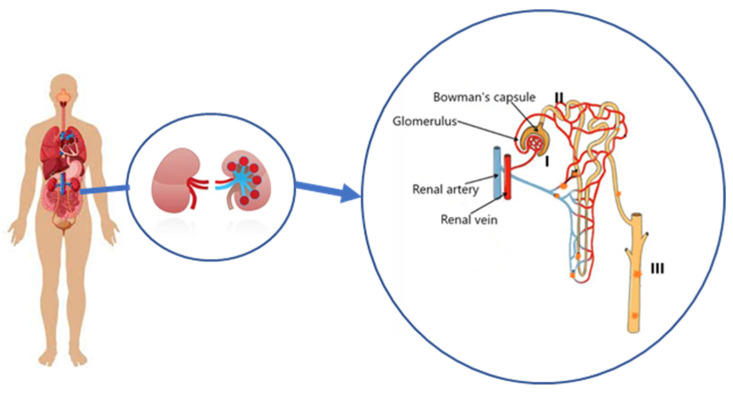
“MPs with larger dimensions could cross the renal tubules by exocytosis from the efferent artery and endocytosis from the proximal convo-luted tubule (Pironti et al. 2022).”
BackgroundEffects of microplastics on the immune system: How much should we worry?
Vanetti, C., Broggiato, M., Pezzana, S., Clerici, M., & Fenizia, C. (2025) · Immunology Letters · doi:10.1016/j.imlet.2025.106976 · Cited by 35
Unraveling the micro- and nanoplastic predicament: A human-centric insight
Boever, S. D., Devisscher, L., & Vinken, M. (2024) · The Science of The Total Environment · doi:10.1016/j.scitotenv.2024.170262 · Cited by 26
Dong, L., Li, X., Zhang, Y., Liu, B., Zhang, X., & Yang, L. (2025) · Ecotoxicology and Environmental Safety · doi:10.1016/j.ecoenv.2025.118097 · Cited by 26
Yang, Z., DeLoid, G. M., Baw, J., Zarbl, H., & Demokritou, P. (2024) · Nanomaterials · doi:10.3390/nano14090807 · Cited by 26
“Human biomonitoring studies have found significant concentrations of MNPs in human blood [19], urine [20], feces [21], and placenta [22,23], and most recently MNPs were identified in about 58% of atheromas from patients undergoing carotid endarterectomy [24].”
BackgroundJi, S., Wang, W., Wang, Y., Bai, H., Li, Z., Huo, Z., & Luo, K. (2025) · Toxics · doi:10.3390/toxics13060452 · Cited by 22
Size-dependent toxicological effects of microplastics: A review
Zhou, G., Li, J., Chen, Y., Cui, Y., Wang, Y., Zheng, L., Zhang, D., & Luo, T. (2026) · Ecotoxicology and Environmental Safety · doi:10.1016/j.ecoenv.2026.119831 · Cited by 28
Polyethylene Microplastics and Human Cells: A Critical Review
Valdivia, S., Bahamondes, C. R., Carrasco, M. C., Weisser, P., Añazco, C. C., Alarcón, A., & Alarcón, S. (2025) · Toxics · doi:10.3390/toxics13090756 · Cited by 27
“These MPs have been recovered from human blood [9], lung [10], human stool [51], semen [52], testicle [53], placenta [54], urine [55], hair [56], breast milk [57], sputum [58], meconium and infant faeces [59] suggesting that these particles may have a systemic distribution.”
Santovito, A., Lambertini, M., & Nota, A. (2024) · Journal of Xenobiotics · doi:10.3390/jox14040079 · Cited by 25
Vignon, A., Dudon, G., Oliva, G., Thirard, S., Alenda, U. G., Brugoux, A., Cazevieille, C., Imbert, J., Bellières, C., Lehmann, S., et al. (2025) · Journal of Hazardous Materials · doi:10.1016/j.jhazmat.2025.138640 · Cited by 26
Impact of urinary microplastic exposure on cognitive function in primary school children
Zheng, D., Wang, D., Zhang, S., Liu, Y., Xi, Q., & Weng, Y. (2025) · Ecotoxicology and Environmental Safety · doi:10.1016/j.ecoenv.2025.118532 · Cited by 23
Micro- and Nanoplastics in the Atmosphere: Methodology for Microplastics Size-Fractionation Sampling
Logvina, Y., Matas, I. M., Ribeiro, H., Pinto da Silva, L., Rodrigues, P., Leitão, J., & da Silva, J. E. (2024) · Microplastics · doi:10.3390/microplastics3010006 · Cited by 19
Micro/nanoplastics and human health: A review of the evidence, consequences, and toxicity assessment
Singh, S., & Tiwari, R. R. (2025) · Food and Chemical Toxicology · doi:10.1016/j.fct.2025.115595 · Cited by 21
Nardella, F., Brits, M., van Velzen, M. J. M., Scibetta, L., Durkin, A., Vermeulen, R. C. H., Béen, F. M., Brandsma, S. H., & Lamoree, M. H. (2025) · Microplastics and Nanoplastics · doi:10.1186/s43591-025-00152-7 · Cited by 29
“However, their detection limits approach 1 μm, making it challenging to identify smaller particles that are relevant in the bloodstream [26, 27].”
Li, X., Zang, N., Zhang, N., Pang, L., Lv, L., Meng, X., Lv, X., & Leng, J. (2023) · Chemosphere · doi:10.1016/j.chemosphere.2023.139522 · Cited by 20
Varma, S., Duttaroy, A. K., & Basak, S. (2025) · The Science of The Total Environment · doi:10.1016/j.scitotenv.2025.179879 · Cited by 19
Reproductive toxicity of micro‐ and nanoplastics: Insights from experimental and human studies
Wehrli, L., Martin, O., Trasande, L., & Damdimopoulou, P. (2025) · Journal of Internal Medicine · doi:10.1111/joim.70038 · Cited by 22
“For instance, polyvinyl alcohol (PVA), PVC, PP, and PE fragments of 4–15 µm have been identified in urine samples of both men and women, indicating that contamination of MNPs in the environment can be found in the human body, highlighting a systemic effect [38].”
Detection and Treatment of Emerging Contaminants in Wastewater
Bhat, S. A., Kumar, V., Li, F., Verma, P., Egea-Corbacho, Á., Franco, A. A., Martín-García, A. P., Alonso, J. M. Q., Oviedo, M. D. C., Jain, M., et al. (2024) · IWA Publishing eBooks · doi:10.2166/9781789063752 · Cited by 24
Barbieri, M., Prattichizzo, F., Grotta, R. L., Matacchione, G., Scisciola, L., Fontanella, R. A., Tortorella, G., Benedetti, R., Carafa, V., Marfella, R., et al. (2024) · Ageing Research Reviews · doi:10.1016/j.arr.2024.102405 · Cited by 19
Intrinsic Peroxidase-like Activity of Polystyrene Nanoplastics Mediates Oxidative Stress
Tan, Y., Chen, S., Wang, M., Fu, H., Alvarez, P. J. J., & Qu, X. (2024) · Environmental Science & Technology · doi:10.1021/acs.est.4c04487 · Cited by 17
The histopathological and functional consequences of microplastic exposure
Lee, Y., Sung, M. K., Sung, S., Choi, J.-H., Kang, K., Park, J. W., Kim, Y., & Lee, S. (2025) · Discover Applied Sciences · doi:10.1007/s42452-025-06470-y · Cited by 27
“Evidence of MPs in human bodily fluids—urine, feces, blood, milk—and even organs like the heart and placenta [31, 147–149] suggests that MPs are pervasive in human biology.”
How soon will landfilled plastics integrate into the geological carbon cycle?
Yang, Y., Qiu, J., Zhang, H., He, P., & Lü, F. (2025) · Environmental Science and Ecotechnology · doi:10.1016/j.ese.2025.100590 · Cited by 21
“The released MNPs may enter the human body [20 – 24] and act as carriers for other pathogens [25], potentially impacting health [26].”
Multimodal detection and analysis of microplastics in human clear cell renal cell carcinoma
Zhang, K., Yu, S., Chen, S., Zhou, Z., Zhan, Y., & Zhang, X. (2025) · Environmental Pollution · doi:10.1016/j.envpol.2025.126729 · Cited by 18
A Snapshot into the Invasion of Plastics in Human UrinePreprint
Barnett, A. N., Arshad, M., & Nabi, D. (2023) · ChemRxiv · doi:10.26434/chemrxiv-2023-rp3vd · Cited by 17
Wang, Z., Li, N., Ding, Y., Li, N., Su, M., Zhang, C., Li, Y., Wang, Q., Sha, C., Xia, B., et al. (2025) · Journal of environmental chemical engineering · doi:10.1016/j.jece.2025.118807 · Cited by 28
Microplastics in Human Bronchoalveolar Lavage Fluid
Tokito, T., Kido, T., Nagafuchi, O., Tomoshige, K., Nakazawa, K., Shinozuka, K., Sato, S., Kido, K., Noguchi, Y., Matsumoto, T., et al. (2025) · Respirology · doi:10.1111/resp.70107 · Cited by 20
“Previous studies that detected microplastics in the human body using Raman spectroscopy also showed an identification rate of approximately 40%–80%, with the average size of micro-plastics ranging from 5 to 15 μm [28, 30, 31].”
Shruti, V. C., & Kutralam-Muniasamy, G. (2025) · Environmental Science & Technology · doi:10.1021/acs.est.5c05922 · Cited by 16
Suman, T. Y., Keerthiga, R., & Kwak, I. (2025) · Archives of Toxicology · doi:10.1007/s00204-025-04233-7 · Cited by 28
Identification and quantification of micro–nano-plastics in polypropylene-bottled injections
Wang, J., Xie, L.-G., Wu, X., Zhao, Z.-G., Yang, H. Y., & Sun, H.-M. (2024) · Heliyon · doi:10.1016/j.heliyon.2024.e35101 · Cited by 16
“Moreover, PP-MPs (4 – 15 μ m) might be secreted into the tubule lumen after uptake from capillaries through the proximal glomerular tubule epithelial cells and then excreted into the urine of each healthy person at a quantity of 1 particle [45].”
BackgroundLuo, Y., Zhang, Z., Li, X., Zhuang, Z., Li, Y., Wang, X., Liao, C., Chen, L., Luo, Q., & Chen, X. (2025) · Comparative Biochemistry and Physiology Part C Toxicology & Pharmacology · doi:10.1016/j.cbpc.2025.110134 · Cited by 21
Elevated Micro- and Nanoplastics Detected in Preterm Human PlacentaePreprint
Jochum, M. D., Garcia, M. A., Hammerquist, A. L., Howell, J., Stanford, M., Liu, R., Olewine, M., Hayek, E. E., Phan, E., Showalter, L., et al. (2025) · Research Square · doi:10.21203/rs.3.rs-5903715/v1 · Cited by 24
The hidden threat: Microplastics and cancer biology
Cirillo, F., Gianì, F., Sergi, V., Scordamaglia, D., Giallongo, S., Tibullo, D., Volti, G. L., Maggiolini, M., Malaguarnera, R., Lappano, R., et al. (2026) · Journal of Hazardous Materials · doi:10.1016/j.jhazmat.2026.141332 · Cited by 14
Wu, M., Lin, J., Zheng, D., Yang, Y., Li, Z., Zhu, Z., Shen, Y., Ni, G., & Zhang, M. (2023) · Chemosensors · doi:10.3390/chemosensors11100531 · Cited by 17
Liu, S., Qin, Y., Liu, Q., Zhang, X., Yuan, L., Li, M., Song, J., & Guo, J. (2024) · Measurement · doi:10.1016/j.measurement.2024.114629 · Cited by 14
Singh, S., Chakma, S., Alawa, B., Kalyanasundaram, M., & Diwan, V. (2025) · AQUA - Water Infrastructure Ecosystems and Society · doi:10.2166/aqua.2025.257 · Cited by 18
Chia, R. W., Lee, J., Cha, J., Viaroli, S., & Atem, N. V. (2025) · Journal of Hazardous Materials · doi:10.1016/j.jhazmat.2025.137807 · Cited by 18
Consumption of Bottled Water and Chronic Diseases: A Nationwide Cross-Sectional Study
Dolcini, J., Chiavarini, M., Firmani, G., Ponzio, E., D’Errico, M. M., & Barbadoro, P. (2024) · International Journal of Environmental Research and Public Health · doi:10.3390/ijerph21081074 · Cited by 15
“Also, two other plasticizer additives, bisphenol A and bisphenol S, have been shown to be associated with an increased risk of type 2 diabetes in a select case-cohort study [24].”
Backgroundvan Uunen, D. L., Kloukinioti, M., Kooter, I. M., Höppener, E. M., Yoe, L. E. A.-C., Brunner, A. M., Boersma, A., & Parker, L. A. (2024) · Environmental Pollution · doi:10.1016/j.envpol.2024.124306 · Cited by 14
Zhang, J., Li, Y., Wang, Y., Li, Z., Li, X., Bao, H., Li, J., & Zhou, D. (2025) · International Journal of Molecular Sciences · doi:10.3390/ijms26104943 · Cited by 14
Xiong, S., Zhao, H., Sun, Q., Li, X., Qiu, H., van Gestel, C. A. M., Cao, L., Wang, S., Li, J., & Chen, G. (2025) · Ecotoxicology and Environmental Safety · doi:10.1016/j.ecoenv.2025.118355 · Cited by 15
Maitz, M. F., Lenz, R., Winkler, S., Abschke, M. F., Werner, C., & Fischer, D. (2025) · Microplastics and Nanoplastics · doi:10.1186/s43591-025-00139-4 · Cited by 14
“MPs are found in the kidney and are excreted with the urine [25– 27].”
Micro- and Nanoplastics on Human Health and Diseases: Perspectives and Recent Advances
de Souza, A. S., Ferreira, P. G., Pereira, P. R., de Jesus, I. S., de Oliveira, R. P. R. F., de Carvalho, A. S., Rodrigues, L. C. D., Paschoalin, V. M. F., Futuro, D. O., & Ferreira, V. F. (2025) · Microplastics · doi:10.3390/microplastics4030064 · Cited by 13
“Urine is another route for MP elimination, particularly after the biodegradation of polymers (Figure 6) [139].”
Gruber, E. S., Karl, V., Duswald, K., Bhamidipalli, M. S., Schlederer, M., Limberger, T., Kopatz, V., Teleky, B. K., Kenner, L., & Brandstetter, M. (2025) · Scientific Reports · doi:10.1038/s41598-025-26751-1 · Cited by 15
Microplastics and Atherosclerosis: Mechanisms
Marfella, R., Prattichizzo, F., Barbieri, M., Paolisso, P., Scisciola, L., Basilicata, M. G., Marfella, L. V., Pesapane, A., Fenti, A., Grotta, R. L., et al. (2026) · The Annual Review of Pharmacology and Toxicology · doi:10.1146/annurev-pharmtox-062124-113011 · Cited by 17
Disposition of [ 14 C]-polystyrene microplastics after oral administration to lactating sheep
Shelver, W. L., McGarvey, A. M., & Billey, L. O. (2024) · Food Additives & Contaminants Part A · doi:10.1080/19440049.2024.2379382 · Cited by 12
“Pironti et al. (2022) determined MP (4–15 µm) were excreted in urine and found that 3 of 3 men had MP in their urine, while only 1 of 3 women eliminated MP in urine.”
Liu, Y., Qin, Z., Wang, G., Jia, X., Zhou, J., Li, H., Li, Z., & Fang, X. (2024) · Journal of Hazardous Materials · doi:10.1016/j.jhazmat.2024.136943 · Cited by 12
Pettoello‐Mantovani, M., Bali, D., Giardino, I., Pop, T. L., Şevketoğlu, E., Kostantinidis, G., Pastore, M. N., & Vural, M. (2025) · The Journal of Pediatrics · doi:10.1016/j.jpeds.2025.114512 · Cited by 13
Rocha, C. C. D. S., Sanchez, C., Souza, M. C. O., Treviso, E. M., Savietto, G. H., Devóz, P. P., de Freitas, L. V. P., Antunes, L. M. G., Paschoal, J. A. R., & Barbosa, F. (2025) · Toxicology in Vitro · doi:10.1016/j.tiv.2025.106121 · Cited by 13
Micro- and nano-plastic contamination in foods and potential risk to human health
Meng, J., Zhang, L., Zhao, S., Zhai, Q., & Zhang, Q. (2025) · Ecotoxicology and Environmental Safety · doi:10.1016/j.ecoenv.2025.119021 · Cited by 12
Zhou, S., Wang, X., Chen, X., Yang, S., Chen, K., Song, G., Lu, G., Wang, Y., & Sun, J. (2025) · Journal of Hazardous Materials · doi:10.1016/j.jhazmat.2025.140171 · Cited by 13
Lee, S.-H., Jeong, G. H., Nam, M., Kwak, M. H., Kim, C., Park, S.-H., Yeo, J., Choi, S., Jung, H. S., Rhim, H., et al. (2025) · Journal of Hazardous Materials · doi:10.1016/j.jhazmat.2025.140194 · Cited by 12
Advances in microplastic mitigation: current progress and future directions
Gaur, V. K., Raheja, Y., Gaur, P., Kumar, N., Sharma, P., Kumar, A., & Srivastava, J. K. (2025) · Archives of Microbiology · doi:10.1007/s00203-025-04530-w · Cited by 14
“Therefore, emerging as integral component in the food and water supply chain (Pironti et al. 2022).”
Uptake and Cellular Effects of Polymethylmethacrylate on Human Cell Lines
Braun, A., & Seitz, H. (2024) · Microplastics · doi:10.3390/microplastics3020012 · Cited by 11
“This means that these particles are adsorbed via the digestive tract or pulmonary diffusion and excreted via the kidney [15].”
BackgroundVaid, M., Sarma, K., & Gupta, A. K. (2024) · TrAC Trends in Analytical Chemistry · doi:10.1016/j.trac.2024.117854 · Cited by 15
Quantification and characterization of microplastics ingested by mangrove oysters across West Africa
Mahu, E., Vanderpuye-Orgle, T. J., Boateng, C. M., Edusei, M. O., Yeboah, G. A., Chuku, E. O., Okpei, P., Okyere, I. K., Dodoo‐Arhin, D., & Akintoye, E. A. (2024) · Environmental Science and Pollution Research · doi:10.1007/s11356-024-34470-9 · Cited by 13
“…et al. 2018; Wijsman et al. 2019; Williams 2017), and the recent isolation of microplastics in various human organs and excreta (Huang et al. 2022; Pironti et al. 2022; Ragusa et al. 2021, 2022; Yan et al. 2021; Zhang et al. 2021), it is important that studies on potential exposure pathways are…”
BackgroundMitigating the environmental effects of healthcare: the role of the endocrinologist
Rizan, C., Rotchell, J. M., Eng, P. C., Robaire, B., Ciocan, C. M., Kapoor, N., Kalra, S., & Sherman, J. D. (2025) · Nature Reviews Endocrinology · doi:10.1038/s41574-025-01098-9 · Cited by 12
“Microplastics have been detected in an increasing variety of human tissues, such as stool samples 124 , cadaveric lung tissues 125 , blood 126 , lung 115 , colon 127 , liver 128 , placenta 129 , milk 130 , heart 131 , vein 132 , testis and sperm 133 , urine 134 and lower limb joint synovium 135 .”
Aditya, M. R., Muhammad, A. R., Adriansyah, V., Samsu, N., & Sulistomo, H. W. (2025) · All Life · doi:10.1080/26895293.2025.2457760 · Cited by 15
Zhai, Z., Yang, Y., Xu, Y., Fu, Q., Chen, S., & Wu, Z. (2026) · Journal of Hazardous Materials · doi:10.1016/j.jhazmat.2026.141722 · Cited by 16
Dmitrowicz, A., Sacharczuk, M., & Skiba, D. S. (2026) · Archives of Toxicology · doi:10.1007/s00204-026-04392-1 · Cited by 13
“Studies by Pironti et al. (2022 ) and Massardo et al. (2024) showed similar particle sizes (4–15 µm and 3–13 µm, respectively).”
InfluentialNarwal, N., & Katyal, D. (2024) · Microscopy Research and Technique · doi:10.1002/jemt.24657 · Cited by 13
“Various studies have documented the presence of MPs in the human organs and body fluids (Wu et al., 2022), lungs (Amato-Lourenço et al., 2021), heart (Persiani et al., 2023), breast milk (Caba-Flores et al., 2023), urine (Pironti et al., 2022), and blood (Zhu et al., 2024).”
What if you eat nanoplastics? Simulating nanoplastics fate during gastrointestinal digestion
Hayder, M., van Wezel, A. P., Gruter, G. M., & Astefanei, A. (2024) · Chemosphere · doi:10.1016/j.chemosphere.2024.143277 · Cited by 11
Wang, J., Xie, L.-G., Wu, X., Zhao, Z.-G., Lu, Y., & Sun, H.-M. (2024) · Toxicology Research · doi:10.1093/toxres/tfae205 · Cited by 14
Zhu, Y., Yang, S., Gustavsson, M., Huang, W., Gao, S., & Wang, R. (2025) · Water · doi:10.3390/w17040574 · Cited by 12
Sharma, N., & Vuppu, S. (2023) · Molecular Biotechnology · doi:10.1007/s12033-023-00886-w · Cited by 17
Enemies of the hormones: microplastics and endocrine disruptors impacting public health
Pathak, D. (2024) · Elsevier eBooks · doi:10.1016/b978-0-443-29240-8.00014-6 · Cited by 13
Hegde, C., Shekhar, R., Paul, P. M., & Pathak, C. (2024) · Forensic Science International · doi:10.1016/j.forsciint.2024.112343 · Cited by 9
Patterns and risks of microplastic release during primary oral care in Chinese residents
Wang, S., Zheng, N., Peng, L., An, Q., Chen, C., & Wei, Y. (2025) · Ecotoxicology and Environmental Safety · doi:10.1016/j.ecoenv.2025.118694 · Cited by 10
Peng, W., Wang, J., Shi, Y., Wang, J., & Cai, Z. (2025) · ACS Applied Materials & Interfaces · doi:10.1021/acsami.5c10916 · Cited by 11
Płuciennik, K., Szabelski, M., Miłowska, K., Ciepluch, K., Duchnowicz, P., Krokosz, A., Sicińska, P., & Bukowska, B. (2025) · Scientific Reports · doi:10.1038/s41598-025-15422-w · Cited by 10
“Plastic particles have been detected both in bodily excretions, i.e. feces 4 and urine 5 and in secretions, e.g. semen 6 .”
Unseen Hazards—Toxicological Effects and Human Health Impacts of Nanoplastics and Microplastics
Kadac-Czapska, K., Ośko, J., Nowak, N., Jażdżewska, K., Kowalczyk, P., & Grembecka, M. (2025) · Applied Sciences · doi:10.3390/app151810146 · Cited by 14
Release of nanoplastic from polypropylene kettles
Shi, K., Okoffo, E. D., Fu, H., Bapp, C., Jiang, J., Rauert, C., & Thomas, K. V. (2025) · npj Emerging Contaminants · doi:10.1038/s44454-025-00018-w · Cited by 9
“Inrecentyears,plasticparticleshavebeenreportedinvarioushuman biological samples, including of human breast milk 6 , blood, urine 7 , stool 8 andtissuessuchastheplacenta 9 ,lung 10 ,andliver 11 suggestingthepotential for internal exposure.”
Detection and Quantification of Nanoplastics and Microplastics in Australian Drinking Water
Shi, K., Okoffo, E. D., Jiang, J., Rauert, C., & Thomas, K. V. (2026) · ACS ES&T Water · doi:10.1021/acsestwater.5c01404 · Cited by 8
Cornelli, U., Belcaro, G. V., & Casella, C. (2026) · Journal of Xenobiotics · doi:10.3390/jox16030092 · Cited by 14
Rozaini, M. N. H., Khoo, K. S., Abdah, M. A. A. M., Ethiraj, B., Alam, M. M., Anwar, A. F., Yunus, N. M., Liew, C. S., Lim, J. W., Ho, C., et al. (2024) · Environmental Geochemistry and Health · doi:10.1007/s10653-024-01917-4 · Cited by 10
Microplastics in the sediments of the Tijuana River Basin, Mexico
Piñón-Colin, T. D. J., Wakida, F. T., Rogel-Hernández, E., Wakida-Kusunoki, A. T., García-Flores, E., & Magaña, H. (2024) · International Journal of Environmental Science and Technology · doi:10.1007/s13762-024-05609-5 · Cited by 11
“Recently, MPs have been detected in lung tissue (Jenner et al. 2022), blood (Leslie et al. 2022), human placenta (Ragusa et al. 2021), feces (Zhang et al. 2021), breastmilk (Ragusa et al. 2022), urine (Pironti et al. 2023) and sputum (Huang et al. 2022).”
Measuring Microplastic Concentrations in Water by Electrical Impedance Spectroscopy
Gomes, D., Magalhães, S., Rasteiro, M. G., & Faia, P. M. (2024) · Water · doi:10.3390/w16223228 · Cited by 8
The association between micro- and nano-plastics and cardiovascular outcomes: a comprehensive review
Oraee, S., Alinejadfard, M., Mahdavi, S., Firouzabadi, S. R., Hatami, S., Mohammadi, I., Zarinfar, Y., & Khaheshi, I. (2025) · Toxicology and Environmental Health Sciences · doi:10.1007/s13530-025-00248-w · Cited by 11
“Furthermore, MNPs have been detected in numerous human and animal tissues, including lungs, liver, placenta, urine, blood, and heart, highlighting the already established exposure levels [7–9].”
Microplastics and ecosystem services: persistence, disruption mechanisms, and mitigation strategies
Gokila, B., Duraisamy, J., Guruanand, C., & Arumugam, R. D. (2025) · Environmental Reviews · doi:10.1139/er-2025-0080 · Cited by 10
Wang, J., Chen, Z.-L., Liang, C., Yang, H.-Y., Wu, X., & Huimin, S. (2025) · Toxics · doi:10.3390/toxics13090802 · Cited by 10
Microplastics and antibiotics in agricultural soil: mechanisms and implications of co-contamination
Liao, M., Xiang, L., Wang, Y., Fu, Y., Harindintwali, J. D., Jiang, X., Elsner, M., Rillig, M. C., & Wang, F. (2025) · Current Opinion in Chemical Engineering · doi:10.1016/j.coche.2025.101181 · Cited by 10
Song, Y., Zhang, J., Shen, X., Yang, L., Jia, Y., Song, F., Huang, Y. S., Han, B., Zhang, N., & Ma, G. (2025) · Environmental Research · doi:10.1016/j.envres.2025.122995 · Cited by 14
A critical review of micro- and nanoplastic permeation in the human body
Pan, Y., Janjua, T. I., Thomas, K. V., Shepherd, C. E., & Rauert, C. (2026) · Microplastics and Nanoplastics · doi:10.1186/s43591-026-00177-6 · Cited by 17
“Another potential pathway for MPs to reach urine is via epithelial endocytosis in the proximal convoluted tubules [132], but this is also unlikely to allow the transportation of micron-sized particles, creating uncertainty in origin (urine or contamination) of the previously reported particles.”
Sapkale, D., Banot, P., & Pandit, S. V. (2024) · Water Air & Soil Pollution · doi:10.1007/s11270-024-07292-1 · Cited by 10
“The involuntary ingestion of MPs in humans is also evident from reports pinpointing presence of MPs in human faeces and urine samples (Pironti et al., 2022; Yan et al., 2021).”
Chetwynd, A. J., Louyer, M.-V., Mercier, F., Bessonneau, V., & David, A. (2024) · TrAC Trends in Analytical Chemistry · doi:10.1016/j.trac.2024.117816 · Cited by 7
Xu, L., Ma, Z., Zhu, J., Liu, Z., Song, Y., Xiao, M., Li, J., Jiang, X., & Wang, L. (2025) · Ecotoxicology and Environmental Safety · doi:10.1016/j.ecoenv.2025.118680 · Cited by 10
Djouina, M., Waxin, C., Caboche, S., Dehaut, A., Himber, C., BALESDENT, C., Beury, D., Hot, D., Vignal, C., Launay, D., et al. (2025) · Environmental Research · doi:10.1016/j.envres.2025.122621 · Cited by 13
Chen, L., Zhao, S., Li, X., Wang, X., & Yu, G. (2025) · Environmental Research · doi:10.1016/j.envres.2025.122808 · Cited by 9
Morataya-Reyes, M., Villacorta, A., Arranz, J. A., Martín-Pérez, J., de Ferrer, J. A., Pastor, S., Egea, R., Barguilla, I., Marcos, R., & Hernández, A. (2025) · Environmental Science Nano · doi:10.1039/d5en00434a · Cited by 11
Beegam, S., Al‐Salam, S., Zaaba, N. E., Elzaki, O., Greish, Y. E., Ali, B. H., & Nemmar, A. (2025) · Life Sciences · doi:10.1016/j.lfs.2025.124142 · Cited by 10
Qiu, X., Li, L., Qiu, Q., Lan, T., Du, L., Feng, X., & Song, X. (2024) · The Science of The Total Environment · doi:10.1016/j.scitotenv.2024.177743 · Cited by 8
Senathirajah, K., Kandaiah, R., Panneerselvan, L., Young, K. R. L., & Thavamani, P. (2025) · Cambridge Prisms Plastics · doi:10.1017/plc.2025.6 · Cited by 7
“…in various human tissues, can translocate and accumulate (Schwabl et al., 2019; Ibrahim et al., 2021; Kannan and Vimalkumar, 2021; Horvatits et al., 2022; Jenner et al., 2022; Leslie et al., 2022; Ragusa et al., 2022; Feng et al., 2023; Pironti et al., 2023; Yang et al., 2023; Zhao et al., 2023).”
Metadata
- Authors
- Pironti, C., Notarstefano, V., Ricciardi, M., Motta, O., Giorgini, E., & Montano, L.
- Affiliations
- University of Salerno (IT)
- Marche Polytechnic University (IT)
- University of Rome Tor Vergata (IT)
- Corresponding author
- Motta, Oriana
- Montano, Luigi
- ORCID
- Venue
- Toxics
- Publisher
- MDPI AG
- Published
- 2022-12-30
- Volume
- 11
- Issue
- 1
- Pages
- 40
- ISSN
- 2305-6304 (ISSN-L)
- PMC
- PMC9867291
- OpenAlex
- W4313391769
- Cited by
- 350
- References
- 50
- Citations by year
- 2026: 89 · 2025: 120 · 2024: 114 · 2023: 27
- FWCI
- 15.49
- Type
- journal article
- Language
- en
- Open access
- gold
- doi.org
- Licence
- Locations
- Toxics (publishedVersion, cc-by)
- PubMed Central (publishedVersion, cc-by)
- PubMed (publishedVersion)
- Università Politecnica delle Marche (Università Politecnica delle Marche) (submittedVersion, cc-by)
- DOAJ (DOAJ: Directory of Open Access Journals) (submittedVersion)
- UniTERAMO Research Catalog (University of Teramo) (submittedVersion)
- Topics
- Physical Sciences › Environmental Science › Pollution › Microplastics and Plastic Pollution
- Physical Sciences › Environmental Science › Pollution › Pharmaceutical and Antibiotic Environmental Impacts
- Physical Sciences › Environmental Science › Health, Toxicology and Mutagenesis › Effects and risks of endocrine disrupting chemicals
- Keywords
- microplastics, human urine, microplastic ingestion, gastrointestinal tract, ethylene-vinyl acetate copolymer, polyvinyl chloride, polypropylene, polyethylene, micro-Raman spectroscopy, human exposure
About these checks
Registry, retraction, Cites and statistics results are computed, not judged, with one exception: a printed reference that no index lists is read once by a model before it counts as a citation error. Claims are extracted by a model and kept only when their quote appears verbatim in the text; each cited source is then checked, with a model’s help, for whether it says what the claim relies on. Those verdicts can be wrong — read the claim’s quote and the cited source before relying on one.
Statistics and arithmetic are recomputed, not judged.
Confidence bands are shown only for fields calibrated on our annotated test set. None is calibrated yet, so no band is shown.
What counts as a claim ›How we measure confidence ›How we check this ›
Are you an author, or do you see a problem with this page? Request a review
Data sources
Bibliographic data: Semantic Scholar, OpenAlex, Crossref.
Contains information from the Semantic Scholar Academic Graph Datasets, made available under the ODC Attribution License (ODC-BY 1.0).
Semantic Scholar’s data is described in: Kinney, R., et al. (2023). The Semantic Scholar Open Data Platform. arXiv:2301.10140.
