

The DOI matches its Crossref record; 6 of the 6 references it cites were found in a registry or an index.
PCSK9: A Key Target for the Treatment of Cardiovascular Disease (CVD)
Abstract
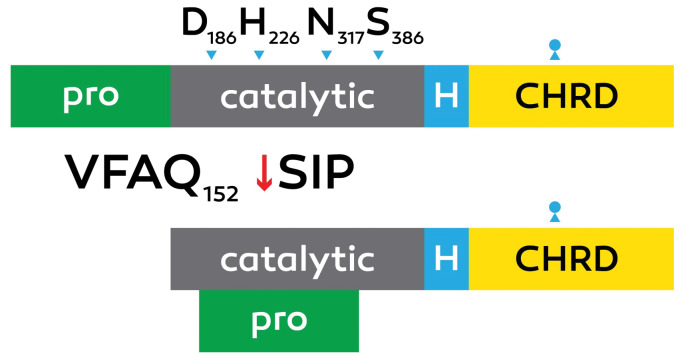
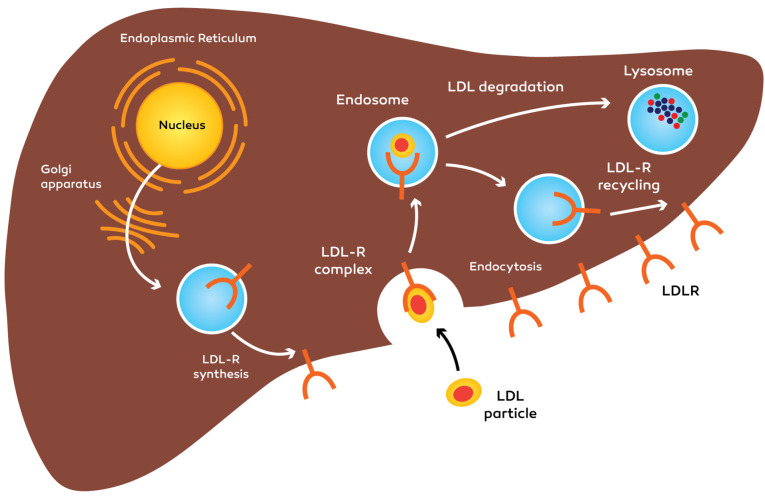
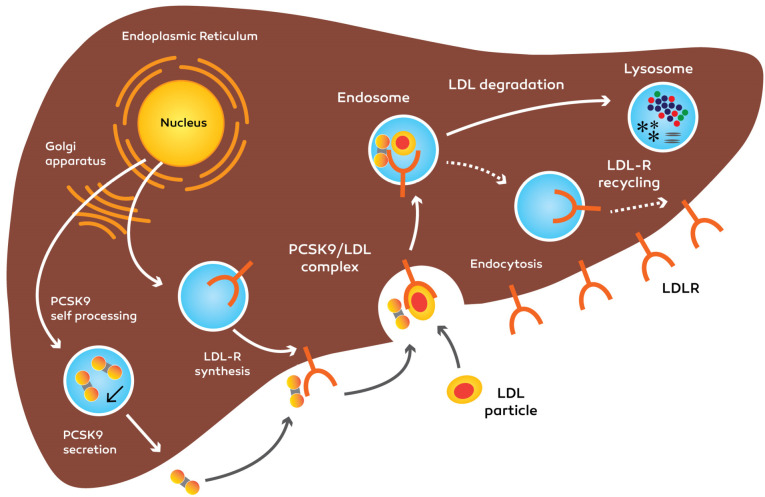
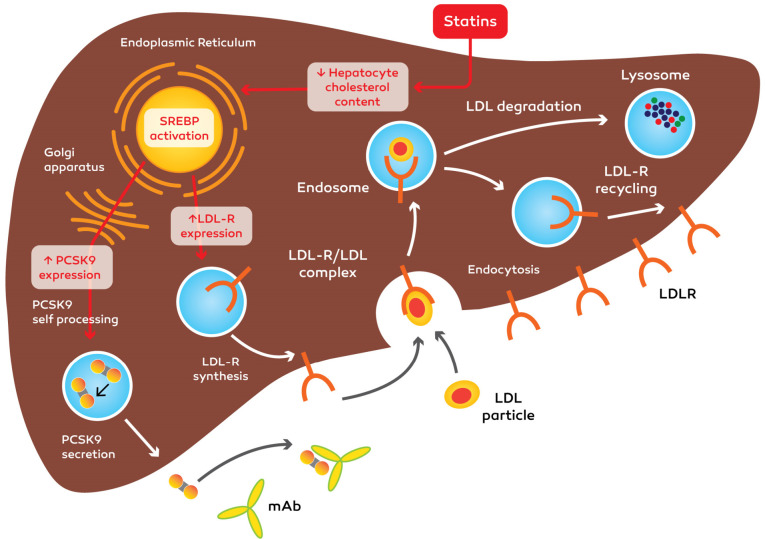
Proprotein convertase subtilisin/kexin type 9 (PCSK9), as a vital modulator of low-densitylipoprotein cholesterol (LDL-C) , is raised in hepatocytes and released into plasma where it bindsto LDL receptors (LDLR), leading to their cleavage. PCSK9 adheres to the epidermal growthfactor-like repeat A (EGF-A) domain of the LDLR which is confirmed by crystallography. LDLRexpression is adjusted at the transcriptional level through sterol regulatory element bindingprotein 2 (SREBP-2) and at the post translational stages, specifically through PCSK9, and theinducible degrader of the LDLR PCSK9 inhibition is an appealing new method for reducing theconcentration of LDL-C. In this review the role of PCSK9 in lipid homeostasis was elucidated, theeffect of PCSK9 on atherosclerosis was highlighted, and contemporary therapeutic techniquesthat focused on PCSK9 were summarized. Several restoration methods to inhibit PCSK9 havebeen proposed which concentrate on both extracellular and intracellular PCSK9, and theyinclude blockage of PCSK9 production by using gene silencing agents and blockage of it’sbinding to LDLR through antibodies and inhibition of PCSK9 autocatalytic processes by tinymolecule inhibitors.
Overview
The claims and statistics of this paper haven’t been checked yet.
Run the check — free, no account needed. It reads the open-access text and checks the sources it cites.
Integrity signals
Registry
Cites
Statistics
Figures
Verification
Claims the paper makes
The claims and statistics of this paper haven’t been checked yet.
Run the check — free, no account needed. It reads the open-access text and checks the sources it cites.
Claims other papers make about this one
Each is checked against this paper’s own text: does it say what the citing paper says it does?
The source backs part of the claim, not all of it — or backs it for a different population, condition or comparison.
In the citing paper
“On the other hand, as reported for other cells [44], PCSK9 induced a dose-dependent increase in endogenous cholesterol synthesis, likely as a feedback response to cholesterol reduction mediated by the activation of the transcription factor Sterol Regulatory Element-Binding Protein (SREBP) [44,45].”
From PCSK9 affects astrocyte cholesterol metabolism and reduces neuron cholesterol supplying in vitro: potential implications in Alzheimer’s disease (2022) · cites this paper as [45]
Experimental — accuracy not yet measured
Self-check
Percentages, sums and reported differences re-computed from the paper’s own numbers.
The self-check needs the paper’s full text.
Citations
Cites
Cohen, J., Pertsemlidis, A., Kotowski, I. K., Graham, R., Garcia, C. K., & Hobbs, H. H. (2005) · Nature Genetics · doi:10.1038/ng1509 · Cited by 1,381
Bjermo, H., Iggman, D., Kullberg, J., Dahlman, I., Johansson, L., Persson, L., Berglund, J., Pulkki, K., Basu, S., Uusitupa, M., et al. (2012) · The American Journal of Clinical Nutrition · doi:10.3945/ajcn.111.030114 · Cited by 490
Poirier, S., Mayer, G., Benjannet, S., Bergeron, E., Marcinkiewicz, J., Nassoury, N., Mayer, H., Nimpf, J., Prat, A., & Seidah, N. G. (2008) · Journal of Biological Chemistry · doi:10.1074/jbc.m708098200 · Cited by 477
PCSK9 siRNA inhibits HUVEC apoptosis induced by ox-LDL via Bcl/Bax-caspase9-caspase3 pathway
Wu, C.-Y., Tang, Z.-H., Jiang, L., Li, X.-F., Jiang, Z.-S., & Liu, L.-S. (2012) · Molecular and Cellular Biochemistry · doi:10.1007/s11010-011-1028-6 · Cited by 190
A PCSK9 Missense Variant Associated with a Reduced Risk of Early-Onset Myocardial Infarction
Kathiresan, S. (2008) · New England Journal of Medicine · doi:10.1056/nejmc0707445 · Cited by 183
Rousselet, E., Marcinkiewicz, J., Kriz, J., Zhou, A., Hatten, M. E., Prat, A., & Seidah, N. G. (2011) · Journal of Lipid Research · doi:10.1194/jlr.m014118 · Cited by 107
Research works printed but not linked: 105
- [1]Farnier M PCSK9: from discovery to therapeutic applications Arch Cardiovasc Dis 2014 107 1 58 66 10.1016/j.acvd.2013.10.007 24373748 · DOI
- [2]Marduel M Carrié A Sassolas A Devillers M Carreau V Di Filippo M Molecular spectrum of autosomal dominant hypercholesterolemia in France Hum Mutat 2010 31 11 E1811 24 10.1002/humu.21348 20809525 PMC3152176 · DOI · Paper page
- [3]Mehta A Mahtta D Gulati M Sperling LS Blumenthal RS Virani SS Cardiovascular disease prevention in focus: highlights from the 2019 american heart association scientific sessions Curr Atheroscler Rep 2020 22 1 3 10.1007/s11883-020-0822-6 31927694 · DOI
- [4]Musunuru K, Qasim AN, Reilly MP. Genetics and genomics of atherosclerotic cardiovascular disease. In: Pyeritz RE, Korf BR, Grody WW, eds. Emery and Rimoin’s Principles and Practice of Medical Genetics and Genomics. 7th ed. Elsevier; 2020. p. 209-30.
- [5]Seidah NG Benjannet S Wickham L Marcinkiewicz J Jasmin SB Stifani S The secretory proprotein convertase neural apoptosis-regulated convertase 1 (NARC-1): liver regeneration and neuronal differentiation Proc Natl Acad Sci U S A 2003 100 3 928 33 10.1073/pnas.0335507100 12552133 PMC298703 · DOI · Paper page
- [6]Wu C Macleod I Su AI BioGPS and MyGeneinfo: organizing online, gene-centric information Nucleic Acids Res 2013 41 Database issue D561 5 10.1093/nar/gks1114 23175613 PMC3531157 · DOI
- [7]Weinreich M Frishman WH Antihyperlipidemic therapies targeting PCSK9 Cardiol Rev 2014 22 3 140 6 10.1097/crd.0000000000000014 24407047 · DOI
- [8]Joseph L Robinson JG Proprotein convertase subtilisin/kexin type 9 (PCSK9) inhibition and the future of lipid lowering therapy Prog Cardiovasc Dis 2015 58 1 19 31 10.1016/j.pcad.2015.04.004 25936907 · DOI
- [9]Reklou A Katsiki N Karagiannis A Athyros V Effects of lipid lowering drugs on arterial stiffness: one more way to reduce cardiovascular risk? Curr Vasc Pharmacol 2020 18 1 38 42 10.2174/1570161117666190121102323 30663570 · DOI
- [10]Steffens D Bramlage P Scheeff C Kasner M Hassanein A Friebel J PCSK9 inhibitors and cardiovascular outcomes Expert Opin Biol Ther 2020 20 1 35 47 10.1080/14712598.2020.1677604 31593483 · DOI
- [11]Everett BM Smith RJ Hiatt WR Reducing LDL with PCSK9 Inhibitors--the clinical benefit of lipid drugs N Engl J Med 2015 373 17 1588 91 10.1056/NEJMp1508120 26444323 · DOI · Paper page
- [12]Doggrell SA, Lynch KA. Is there enough evidence with evolocumab and alirocumab (antibodies to proprotein convertase substilisin-kexin type, PCSK9) on cardiovascular outcomes to use them widely? Evaluation of Sabatine MS, Giugliano RP, Wiviott SD et al. Efficacy and safety of evolocumab in reducing lipids and cardiovascular events. N Engl J Med 2015;372:1500-1509, and Robinson JG, Farnier M, Krempf M et al. Efficacy and safety of alirocumab in reducing lipids and cardiovascular events. N Engl J Med 2015;372:1488-99. Expert Opin Biol Ther 2015;15(12):1671- 5. 10.1517/14712598.2015.1093109 26414456 · DOI
- [13]Kazi DS Moran AE Coxson PG Penko J Ollendorf DA Pearson SD Cost-effectiveness of PCSK9 inhibitor therapy in patients with heterozygous familial hypercholesterolemia or atherosclerotic cardiovascular disease JAMA 2016 316 7 743 53 10.1001/jama.2016.11004 27533159 · DOI · Paper page
- [14]Sabatine MS PCSK9 inhibitors: clinical evidence and implementation Nat Rev Cardiol 2019 16 3 155 65 10.1038/s41569-018-0107-8 30420622 · DOI · Paper page
- [15]Reeskamp LF Tromp TR Hovingh GK PCSK9 as predictor for recurrent cardiovascular disease in familial hypercholesterolemia Eur J Prev Cardiol 2019 2047487319886140 10.1177/2047487319886140 31752531 · DOI
- [16]Maxwell KN Soccio RE Duncan EM Sehayek E Breslow JL Novel putative SREBP and LXR target genes identified by microarray analysis in liver of cholesterol-fed mice J Lipid Res 2003 44 11 2109 19 10.1194/jlr.M300203-JLR200 12897189 · DOI · Paper page
- [17]Abifadel M Elbitar S El Khoury P Ghaleb Y Chémaly M Moussalli ML Living the PCSK9 adventure: from the identification of a new gene in familial hypercholesterolemia towards a potential new class of anticholesterol drugs Curr Atheroscler Rep 2014 16 9 439 10.1007/s11883-014-0439-8 25052769 · DOI
- [18]Urban D Pöss J Böhm M Laufs U Targeting the proprotein convertase subtilisin/kexin type 9 for the treatment of dyslipidemia and atherosclerosis J Am Coll Cardiol 2013 62 16 1401 8 10.1016/j.jacc.2013.07.056 23973703 · DOI
- [19]Mayne J Dewpura T Raymond A Bernier L Cousins M Ooi TC Novel loss-of-function PCSK9 variant is associated with low plasma LDL cholesterol in a French-Canadian family and with impaired processing and secretion in cell culture Clin Chem 2011 57 10 1415 23 10.1373/clinchem.2011.165191 21813713 · DOI · Paper page
- [20]Seidah NG Prat A The biology and therapeutic targeting of the proprotein convertases Nat Rev Drug Discov 2012 11 5 367 83 10.1038/nrd3699 22679642 · DOI · Paper page
- [21]Seidah NG Awan Z Chrétien M Mbikay M PCSK9: a key modulator of cardiovascular health Circ Res 2014 114 6 1022 36 10.1161/circresaha.114.301621 24625727 · DOI
- [22]Kotowski IK Pertsemlidis A Luke A Cooper RS Vega GL Cohen JC A spectrum of PCSK9 alleles contributes to plasma levels of low-density lipoprotein cholesterol Am J Hum Genet 2006 78 3 410 22 10.1086/500615 16465619 PMC1380285 · DOI · Paper page
- [23]Cicero AF Tartagni E Ertek S Efficacy and safety profile of evolocumab (AMG145), an injectable inhibitor of the proprotein convertase subtilisin/kexin type 9: the available clinical evidence Expert Opin Biol Ther 2014 14 6 863 8 10.1517/14712598.2014.902929 24661068 · DOI
- [24]Naureckiene S Ma L Sreekumar K Purandare U Lo CF Huang Y Functional characterization of Narc 1, a novel proteinase related to proteinase K Arch Biochem Biophys 2003 420 1 55 67 10.1016/j.abb.2003.09.011 14622975 · DOI
- [25]Horton JD Cohen JC Hobbs HH Molecular biology of PCSK9: its role in LDL metabolism Trends Biochem Sci 2007 32 2 71 7 10.1016/j.tibs.2006.12.008 17215125 PMC2711871 · DOI · Paper page
- [27]Fasano T Cefalù AB Di Leo E Noto D Pollaccia D Bocchi L A novel loss of function mutation of PCSK9 gene in white subjects with low-plasma low-density lipoprotein cholesterol Arterioscler Thromb Vasc Biol 2007 27 3 677 81 10.1161/01.ATV.0000255311.26383.2f 17170371 · DOI
- [28]Kwon HJ Lagace TA McNutt MC Horton JD Deisenhofer J Molecular basis for LDL receptor recognition by PCSK9 Proc Natl Acad Sci U S A 2008 105 6 1820 5 10.1073/pnas.0712064105 18250299 PMC2538846 · DOI · Paper page
- [29]Cunningham D Danley DE Geoghegan KF Griffor MC Hawkins JL Subashi TA Structural and biophysical studies of PCSK9 and its mutants linked to familial hypercholesterolemia Nat Struct Mol Biol 2007 14 5 413 9 10.1038/nsmb1235 17435765 · DOI · Paper page
- [30]Cohen JC Boerwinkle E Mosley TH Jr Hobbs HH Sequence variations in PCSK9, low LDL, and protection against coronary heart disease N Engl J Med 2006 354 12 1264 72 10.1056/NEJMoa054013 16554528 · DOI · Paper page
- [31]Jeong HJ Lee HS Kim KS Kim YK Yoon D Park SW Sterol-dependent regulation of proprotein convertase subtilisin/kexin type 9 expression by sterol-regulatory element binding protein-2 J Lipid Res 2008 49 2 399 409 10.1194/jlr.M700443-JLR200 17921436 · DOI · Paper page
- [32]Brown MS Goldstein JL The SREBP pathway: regulation of cholesterol metabolism by proteolysis of a membrane-bound transcription factor Cell 1997 89 3 331 40 10.1016/s0092-8674(00)80213-5 9150132 · DOI · Paper page
- [33]Horton JD Goldstein JL Brown MS SREBPs: activators of the complete program of cholesterol and fatty acid synthesis in the liver J Clin Invest 2002 109 9 1125 31 10.1172/jci15593 11994399 PMC150968 · DOI · Paper page
- [34]Lagace TA PCSK9 and LDLR degradation: regulatory mechanisms in circulation and in cells Curr Opin Lipidol 2014 25 5 387 93 10.1097/mol.0000000000000114 25110901 PMC4166010 · DOI · Paper page
- [35]Browning JD Horton JD Fasting reduces plasma proprotein convertase, subtilisin/kexin type 9 and cholesterol biosynthesis in humans J Lipid Res 2010 51 11 3359 63 10.1194/jlr.P009860 20716520 PMC2952577 · DOI
- [36]Persson L Cao G Ståhle L Sjöberg BG Troutt JS Konrad RJ Circulating proprotein convertase subtilisin kexin type 9 has a diurnal rhythm synchronous with cholesterol synthesis and is reduced by fasting in humans Arterioscler Thromb Vasc Biol 2010 30 12 2666 72 10.1161/atvbaha.110.214130 20884874 · DOI · Paper page
- [37]Richard C Couture P Desroches S Benjannet S Seidah NG Lichtenstein AH Effect of the Mediterranean diet with and without weight loss on surrogate markers of cholesterol homeostasis in men with the metabolic syndrome Br J Nutr 2012 107 5 705 11 10.1017/s0007114511003436 21787450 · DOI
- [38]Rodríguez-Pérez C Ramprasath VR Pu S Sabra A Quirantes-Piné R Segura-Carretero A Docosahexaenoic acid attenuates cardiovascular risk factors via a decline in proprotein convertase subtilisin/kexin type 9 (PCSK9) plasma levels Lipids 2016 51 1 75 83 10.1007/s11745-015-4099-4 26620373 · DOI · Paper page
- [40]Zaid A Roubtsova A Essalmani R Marcinkiewicz J Chamberland A Hamelin J Proprotein convertase subtilisin/kexin type 9 (PCSK9): hepatocyte-specific low-density lipoprotein receptor degradation and critical role in mouse liver regeneration Hepatology 2008 48 2 646 54 10.1002/hep.22354 18666258 · DOI · Paper page
- [41]Benjannet S Rhainds D Essalmani R Mayne J Wickham L Jin W NARC-1/PCSK9 and its natural mutants: zymogen cleavage and effects on the low density lipoprotein (LDL) receptor and LDL cholesterol J Biol Chem 2004 279 47 48865 75 10.1074/jbc.M409699200 15358785 · DOI · Paper page
- [42]Cariou B Le May C Costet P Clinical aspects of PCSK9 Atherosclerosis 2011 216 2 258 65 10.1016/j.atherosclerosis.2011.04.018 21596380 · DOI
- [43]Tibolla G Norata GD Artali R Meneghetti F Catapano AL Proprotein convertase subtilisin/kexin type 9 (PCSK9): from structure-function relation to therapeutic inhibition Nutr Metab Cardiovasc Dis 2011 21 11 835 43 10.1016/j.numecd.2011.06.002 21943799 · DOI
- [44]Schmidt RJ Beyer TP Bensch WR Qian YW Lin A Kowala M Secreted proprotein convertase subtilisin/kexin type 9 reduces both hepatic and extrahepatic low-density lipoprotein receptors in vivo Biochem Biophys Res Commun 2008 370 4 634 40 10.1016/j.bbrc.2008.04.004 18406350 · DOI
- [47]Lagace TA Curtis DE Garuti R McNutt MC Park SW Prather HB Secreted PCSK9 decreases the number of LDL receptors in hepatocytes and in livers of parabiotic mice J Clin Invest 2006 116 11 2995 3005 10.1172/jci29383 17080197 PMC1626117 · DOI · Paper page
- [48]Lambert G Charlton F Rye KA Piper DE Molecular basis of PCSK9 function Atherosclerosis 2009 203 1 1 7 10.1016/j.atherosclerosis.2008.06.010 18649882 · DOI
- [49]Qian YW Schmidt RJ Zhang Y Chu S Lin A Wang H Secreted PCSK9 downregulates low density lipoprotein receptor through receptor-mediated endocytosis J Lipid Res 2007 48 7 1488 98 10.1194/jlr.M700071-JLR200 17449864 · DOI · Paper page
- [50]Fisher TS Lo Surdo P Pandit S Mattu M Santoro JC Wisniewski D Effects of pH and low density lipoprotein (LDL) on PCSK9-dependent LDL receptor regulation J Biol Chem 2007 282 28 20502 12 10.1074/jbc.M701634200 17493938 · DOI · Paper page
- [51]Benjannet S Saavedra YG Hamelin J Asselin MC Essalmani R Pasquato A Effects of the prosegment and pH on the activity of PCSK9: evidence for additional processing events J Biol Chem 2010 285 52 40965 78 10.1074/jbc.M110.154815 20937814 PMC3003396 · DOI
- [52]Lo Surdo P Bottomley MJ Calzetta A Settembre EC Cirillo A Pandit S Mechanistic implications for LDL receptor degradation from the PCSK9/LDLR structure at neutral pH EMBO Rep 2011 12 12 1300 5 10.1038/embor.2011.205 22081141 PMC3245695 · DOI · Paper page
- [53]Yamamoto T Lu C Ryan RO A two-step binding model of PCSK9 interaction with the low density lipoprotein receptor J Biol Chem 2011 286 7 5464 70 10.1074/jbc.M110.199042 21149300 PMC3037659 · DOI · Paper page
- [54]Zhang DW Garuti R Tang WJ Cohen JC Hobbs HH Structural requirements for PCSK9-mediated degradation of the low-density lipoprotein receptor Proc Natl Acad Sci U S A 2008 105 35 13045 50 10.1073/pnas.0806312105 18753623 PMC2526098 · DOI · Paper page
- [55]Monami M Sesti G Mannucci E PCSK9 inhibitor therapy: a systematic review and meta-analysis of metabolic and cardiovascular outcomes in patients with diabetes Diabetes Obes Metab 2019 21 4 903 8 10.1111/dom.13599 30485622 · DOI · Paper page
- [56]Abifadel M Varret M Rabès JP Allard D Ouguerram K Devillers M Mutations in PCSK9 cause autosomal dominant hypercholesterolemia Nat Genet 2003 34 2 154 6 10.1038/ng1161 12730697 · DOI · Paper page
- [57]Dubuc G Chamberland A Wassef H Davignon J Seidah NG Bernier L Statins upregulate PCSK9, the gene encoding the proprotein convertase neural apoptosis-regulated convertase-1 implicated in familial hypercholesterolemia Arterioscler Thromb Vasc Biol 2004 24 8 1454 9 10.1161/01.atv.0000134621.14315.43 15178557 · DOI · Paper page
- [58]Norata GD Tavori H Pirillo A Fazio S Catapano AL Biology of proprotein convertase subtilisin kexin 9: beyond low-density lipoprotein cholesterol lowering Cardiovasc Res 2016 112 1 429 42 10.1093/cvr/cvw194 27496869 PMC5031950 · DOI
- [59]Giunzioni I Tavori H Covarrubias R Major AS Ding L Zhang Y Local effects of human PCSK9 on the atherosclerotic lesion J Pathol 2016 238 1 52 62 10.1002/path.4630 26333678 PMC5346023 · DOI
- [61]Peng W Qiang F Peng W Qian Z Ke Z Yi L Therapeutic efficacy of PCSK9 monoclonal antibodies in statin-nonresponsive patients with hypercholesterolemia and dyslipidemia: A systematic review and meta-analysis Int J Cardiol 2016 222 119 29 10.1016/j.ijcard.2016.07.239 27494723 · DOI
- [62]Colivicchi F Massimo Gulizia M Arca M Luigi Temporelli P Gonzini L Venturelli V Lipid lowering treatment and eligibility for PCSK9 inhibition in post-myocardial infarction patients in Italy: insights from two contemporary Nationwide registries Cardiovasc Ther 2020 2020 3856242 10.1155/2020/3856242 31969932 PMC6961602 · DOI
- [63]Cariou B Dijk W EGF-A peptides: a promising strategy for PCSK9 inhibition Atherosclerosis 2020 292 204 6 10.1016/j.atherosclerosis.2019.11.010 31784031 · DOI
- [64]Ferri N Tibolla G Pirillo A Cipollone F Mezzetti A Pacia S Proprotein convertase subtilisin kexin type 9 (PCSK9) secreted by cultured smooth muscle cells reduces macrophages LDLR levels Atherosclerosis 2012 220 2 381 6 10.1016/j.atherosclerosis.2011.11.026 22176652 · DOI
- [65]Ridker PM Pradhan A MacFadyen JG Libby P Glynn RJ Cardiovascular benefits and diabetes risks of statin therapy in primary prevention: an analysis from the JUPITER trial Lancet 2012 380 9841 565 71 10.1016/s0140-6736(12)61190-8 22883507 PMC3774022 · DOI · Paper page
- [66]Robinson JG Nonstatins and Proprotein Convertase Subtilisin/Kexin Type 9 (PCSK9) Inhibitors: Role in Non-Familial Hypercholesterolemia Prog Cardiovasc Dis 2016 59 2 165 71 10.1016/j.pcad.2016.07.011 27498088 · DOI
- [67]Sharotri V Collier DM Olson DR Zhou R Snyder PM Regulation of epithelial sodium channel trafficking by proprotein convertase subtilisin/kexin type 9 (PCSK9) J Biol Chem 2012 287 23 19266 74 10.1074/jbc.M112.363382 22493497 PMC3365958 · DOI
- [68]Norata GD Pirillo A Ammirati E Catapano AL Emerging role of high density lipoproteins as a player in the immune system Atherosclerosis 2012 220 1 11 21 10.1016/j.atherosclerosis.2011.06.045 21783193 · DOI
- [69]Diedrich G How does hepatitis C virus enter cells? FEBS J 2006 273 17 3871 85 10.1111/j.1742-4658.2006.05379.x 16934030 · DOI
- [71]Momtazi-Borojeni AA Sabouri-Rad S Gotto AM Pirro M Banach M Awan Z PCSK9 and inflammation: a review of experimental and clinical evidence Eur Heart J Cardiovasc Pharmacother 2019 5 4 237 45 10.1093/ehjcvp/pvz022 31236571 · DOI · Paper page
- [72]Swirski FK Pittet MJ Kircher MF Aikawa E Jaffer FA Libby P Monocyte accumulation in mouse atherogenesis is progressive and proportional to extent of disease Proc Natl Acad Sci U S A 2006 103 27 10340 5 10.1073/pnas.0604260103 16801531 PMC1502459 · DOI · Paper page
- [73]Hiltunen TP Ylä-Herttuala S Expression of lipoprotein receptors in atherosclerotic lesions Atherosclerosis 1998 137 Suppl S81 8 10.1016/s0021-9150(97)00307-9 9694546 · DOI
- [74]Linton MF Babaev VR Gleaves LA Fazio S A direct role for the macrophage low density lipoprotein receptor in atherosclerotic lesion formation J Biol Chem 1999 274 27 19204 10 10.1074/jbc.274.27.19204 10383427 · DOI · Paper page
- [75]Ding Z Liu S Wang X Deng X Fan Y Sun C Hemodynamic shear stress via ROS modulates PCSK9 expression in human vascular endothelial and smooth muscle cells and along the mouse aorta Antioxid Redox Signal 2015 22 9 760 71 10.1089/ars.2014.6054 25490141 PMC4361218 · DOI
- [76]Herijgers N Van Eck M Groot PH Hoogerbrugge PM Van Berkel TJ Low density lipoprotein receptor of macrophages facilitates atherosclerotic lesion formation in C57Bl/6 mice Arterioscler Thromb Vasc Biol 2000 20 8 1961 7 10.1161/01.atv.20.8.1961 10938018 · DOI
- [77]Kordi S Rahmati-Yamchi M Asghari Vostakolaei M Barzegari A Abdolalizadeh J Purification of a novel anti-vegfr2 single chain antibody fragment and evaluation of binding affinity by surface plasmon resonance Adv Pharm Bull 2019 9 1 64 9 10.15171/apb.2019.008 31011559 PMC6468230 · DOI
- [78]Kordi S Rahmati-Yamchi M Asghari Vostakolaei M Etemadie A Barzegari A Abdolalizadeh J Isolation of a novel anti-kdr3 single-chain variable fragment antibody from a phage display library Iran J Allergy Asthma Immunol 2019 18 3 289 99 10.18502/ijaai.v18i3.1122 31522436 · DOI
- [79]Navar AM Mulder HM Wojdyla DM Peterson ED Have the major cardiovascular outcomes trials impacted payer approval rates for PCSK9 inhibitors? Circ Cardiovasc Qual Outcomes 2020 13 1 e006019 10.1161/circoutcomes.119.006019 31918581 PMC7039320 · DOI
- [80]Dadu RT Ballantyne CM Lipid lowering with PCSK9 inhibitors Nat Rev Cardiol 2014 11 10 563 75 10.1038/nrcardio.2014.84 24958078 · DOI
- [81]Wilson A PCSK9 inhibitors, the most significant advance in lipid lowering therapy since statins? a literature review Osteopathic Family Physician 2019 11 4 24 30
- [82]Chen B Shi X Cui Y Hou A Zhao P A review of PCSK9 inhibitors and their effects on cardiovascular diseases Curr Top Med Chem 2019 19 20 1790 817 10.2174/1568026619666190809094203 31400268 · DOI
- [83]Gupta N Fisker N Asselin MC Lindholm M Rosenbohm C Ørum H A locked nucleic acid antisense oligonucleotide (LNA) silences PCSK9 and enhances LDLR expression in vitro and in vivo PLoS One 2010 5 5 e10682 10.1371/journal.pone.0010682 20498851 PMC2871785 · DOI · Paper page
- [84]Graham MJ Lemonidis KM Whipple CP Subramaniam A Monia BP Crooke ST Antisense inhibition of proprotein convertase subtilisin/kexin type 9 reduces serum LDL in hyperlipidemic mice J Lipid Res 2007 48 4 763 7 10.1194/jlr.C600025-JLR200 17242417 · DOI
- [85]Lindholm MW Elmén J Fisker N Hansen HF Persson R Møller MR PCSK9 LNA antisense oligonucleotides induce sustained reduction of LDL cholesterol in nonhuman primates Mol Ther 2012 20 2 376 81 10.1038/mt.2011.260 22108858 PMC3277239 · DOI
- [86]Brautbar A Ballantyne CM Pharmacological strategies for lowering LDL cholesterol: statins and beyond Nat Rev Cardiol 2011 8 5 253 65 10.1038/nrcardio.2011.2 21321561 · DOI
- [87]Eivazy P Atyabi F Jadidi-Niaragh F Aghebati Maleki L Miahipour A Abdolalizadeh J The impact of the codelivery of drug-siRNA by trimethyl chitosan nanoparticles on the efficacy of chemotherapy for metastatic breast cancer cell line (MDA-MB-231) Artif Cells Nanomed Biotechnol 2017 45 5 889 96 10.1080/21691401.2016.1185727 27188536 · DOI
- [88]Frank-Kamenetsky M Grefhorst A Anderson NN Racie TS Bramlage B Akinc A Therapeutic RNAi targeting PCSK9 acutely lowers plasma cholesterol in rodents and LDL cholesterol in nonhuman primates Proc Natl Acad Sci U S A 2008 105 33 11915 20 10.1073/pnas.0805434105 18695239 PMC2575310 · DOI
- [89]Hooper AJ Burnett JR Anti-PCSK9 therapies for the treatment of hypercholesterolemia Expert Opin Biol Ther 2013 13 3 429 35 10.1517/14712598.2012.748743 23240807 · DOI
- [90]Catapano AL Papadopoulos N The safety of therapeutic monoclonal antibodies: implications for cardiovascular disease and targeting the PCSK9 pathway Atherosclerosis 2013 228 1 18 28 10.1016/j.atherosclerosis.2013.01.044 23466067 · DOI
- [91]Majidi J Barar J Baradaran B Abdolalizadeh J Omidi Y Target therapy of cancer: implementation of monoclonal antibodies and nanobodies Hum Antibodies 2009 18 3 81 100 10.3233/hab-2009-0204 19729803 · DOI
- [92]Abdolalizadeh J Nouri M Zolbanin JM Baradaran B Barzegari A Omidi Y Downstream characterization of anti-TNF-α single chain variable fragment antibodies Hum Antibodies 2012 21 1-2 41 8 10.3233/hab-2012-0260 22885959 · DOI
- [93]Abdolalizadeh J Nouri M Zolbanin JM Barzegari A Baradaran B Barar J Targeting cytokines: production and characterization of anti-TNF-α scFvs by phage display technology Curr Pharm Des 2013 19 15 2839 47 10.2174/1381612811319150019 23432628 · DOI
- [94]Weiner LM Surana R Wang S Monoclonal antibodies: versatile platforms for cancer immunotherapy Nat Rev Immunol 2010 10 5 317 27 10.1038/nri2744 20414205 PMC3508064 · DOI
- [95]Lonial S Durie B Palumbo A San-Miguel J Monoclonal antibodies in the treatment of multiple myeloma: current status and future perspectives Leukemia 2016 30 3 526 35 10.1038/leu.2015.223 26265184 PMC4777772 · DOI
- [96]Ishida JH Patel A Mehta AK Gatault P McBride JM Burgess T Phase 2 randomized, double-blind, placebo-controlled trial of RG7667, a combination monoclonal antibody, for prevention of cytomegalovirus infection in high-risk kidney transplant recipients Antimicrob Agents Chemother 2017 61 2 10.1128/aac.01794-16 PMC5278717 27872061 · DOI
- [97]Raoufinia R Mota A Nozari S Aghebati Maleki L Balkani S Abdolalizadeh J A methodological approach for purification and characterization of human serum albumin J Immunoassay Immunochem 2016 37 6 623 35 10.1080/15321819.2016.1184163 27135918 · DOI
- [98]Balkani S Shamekhi S Raoufinia R Parvan R Abdolalizadeh J Purification and characterization of bovine serum albumin using chromatographic method Adv Pharm Bull 2016 6 4 651 4 10.15171/apb.2016.080 28101473 PMC5241424 · DOI
- [99]Raoufinia R Balkani S Keyhanvar N Mahdavipor B Abdolalizadeh J Human albumin purification: a modified and concise method J Immunoassay Immunochem 2018 39 6 687 95 10.1080/15321819.2018.1531884 30311836 · DOI
- [100]Kong D Wu X Li Y Liu L Song S Zheng Q Ultrasensitive and eco-friendly immunoassays based monoclonal antibody for detection of deoxynivalenol in cereal and feed samples Food Chem 2019 270 130 7 10.1016/j.foodchem.2018.07.075 30174026 · DOI
- [101]Esteve-Turrillas FA Mercader JV Agulló C Abad-Somovilla A Abad-Fuentes A Highly sensitive monoclonal antibody-based immunoassays for boscalid analysis in strawberries Food Chem 2018 267 2 9 10.1016/j.foodchem.2017.06.013 29934157 · DOI
- [102]Abdolalizadeh J Majidi Zolbanin J Nouri M Baradaran B Barzegari A Omidi Y Isolation of anti-tumor necrosis factor-alpha (TNF-α) scFvs antibody from phage antibody library Journal of Babol University of Medical Sciences 2013 15 3 79 87 [Persian].
- [103]Sineh Sepehr K Baradaran B Majidi J Abdolalizadeh J Aghebati L Zare Shahneh F Mass-production and characterization of anti-CD20 monoclonal antibody in peritoneum of Balb/c mice Adv Pharm Bull 2013 3 1 109 13 10.5681/apb.2013.018 24312821 PMC3846050 · DOI
- [104]Aghebati Maleki L Majidi J Baradaran B Abdolalizadeh J Akbari AM Production and characterization of murine monoclonal antibody against synthetic peptide of CD34 Hum Antibodies 2013 22 1-2 1 8 10.3233/hab-130265 24284303 · DOI
- [105]Aghebati Maleki L Majidi J Baradaran B Abdolalizadeh J Kazemi T Aghebati Maleki A Large scale generation and characterization of anti-human CD34 monoclonal antibody in ascetic fluid of Balb/c mice Adv Pharm Bull 2013 3 1 211 6 10.5681/apb.2013.035 24312838 PMC3846064 · DOI
- [106]Aghebati Maleki L Younesi V Baradaran B Abdolalizadeh J Motallebnezhad M Nickho H Antiproliferative and apoptotic effects of novel anti-ROR1 single-chain antibodies in hematological malignancies SLAS Discov 2017 22 4 408 17 10.1177/2472555216689659 28328317 · DOI
- [107]Baradaran B Hosseini AZ Majidi J Farajnia S Barar J Saraf ZH Development and characterization of monoclonal antibodies against human epidermal growth factor receptor in Balb/c mice Hum Antibodies 2009 18 1-2 11 6 10.3233/hab-2009-0195 19478394 · DOI
- [108]Asghari Vostakolaei M Molavi O Hejazi MS Kordi S Rahmati S Barzegari A Isolation and characterization of a novel scFv antibody fragments specific for Hsp70 as a tumor biomarker J Cell Biochem 2019 120 9 14711 24 10.1002/jcb.28732 30998271 · DOI
- [109]Aghebati Maleki L Baradaran B Abdolalizadeh J Ezzatifar F Majidi J A unique report: development of super anti-human IgG monoclone with optical density over than 3 Adv Pharm Bull 2013 3 2 333 7 10.5681/apb.2013.054 24312857 PMC3848219 · DOI
- [110]Ezzatifar F Majidi J Baradaran B Aghebati Maleki L Abdolalizadeh J Yousefi M Large scale generation and characterization of anti-human IgA monoclonal antibody in ascitic fluid of Balb/c mice Adv Pharm Bull 2015 5 1 97 102 10.5681/apb.2015.013 25789225 PMC4352229 · DOI
- [111]Gupta S Development of proprotein convertase subtilisin/kexin type 9 inhibitors and the clinical potential of monoclonal antibodies in the management of lipid disorders Vasc Health Risk Manag 2016 12 421 33 10.2147/vhrm.s83719 27877050 PMC5108562 · DOI
Cited by
Sorted by citations
Antisense technology: an overview and prospectus
Crooke, S. T., Baker, B. F., Crooke, R. M., & Liang, X.-H. (2021) · Nature Reviews Drug Discovery · doi:10.1038/s41573-021-00162-z · Cited by 775
PCSK9: A Multi-Faceted Protein That Is Involved in Cardiovascular Biology
Sundararaman, S. S., Döring, Y., & van der Vorst, E. P. C. (2021) · Biomedicines · doi:10.3390/biomedicines9070793 · Cited by 67
PCSK9 in metabolism and diseases
Ajoolabady, A., Pratico, D., Mazidi, M., Davies, I. G., Lip, G. Y. H., Seidah, N., Libby, P., Kroemer, G., & Ren, J. (2025) · Metabolism · doi:10.1016/j.metabol.2024.156064 · Cited by 49
Papotti, B., Adorni, M. P., Marchi, C., Zimetti, F., Ronda, N., Panighel, G., Lupo, M. G., Vilella, A., Giuliani, D., Ferri, N., et al. (2022) · International Journal of Molecular Sciences · doi:10.3390/ijms232012192 · Cited by 41
Metadata
- Authors
- Sobati, S., Shakouri, A., Edalati, M., Mohammadnejad, D., Parvan, R., Masoumi, J., & Abdolalizadeh, J.
- Affiliations
- Drug Applied Research Center, Tabriz University of Medical Sciences, Tabriz, Iran.
- Hematology and Oncology Research Center, Tabriz University of Medical Sciences, Tabriz, Iran.
- Department of Biosciences, University of Milan, Via celoria 26, 20133, Milan, Italy.
- Immunology Department, Rafsanjan University of Medical Sciences, Rafsanjan, Iran.
- Immunology Research Center, Tabriz University of Medical Sciences, Tabriz, Iran.
- ORCID
- Abdolalizadeh, Jalal
- Venue
- Advanced Pharmaceutical Bulletin
- Publisher
- Maad Rayan Publishing Company
- Published
- 2020-08-09
- Volume
- 10
- Issue
- 4
- Pages
- 502-511
- ISSN
- 2228-5881
- 2251-7308
- PMC
- PMC7539318
- Cited by
- 33
- References
- 6
- Language
- en
About these checks
Registry, retraction, Cites and statistics results are computed, not judged, with one exception: a printed reference that no index lists is read once by a model before it counts as a citation error. Claims are extracted by a model and kept only when their quote appears verbatim in the text; each cited source is then checked, with a model’s help, for whether it says what the claim relies on. Those verdicts can be wrong — read the claim’s quote and the cited source before relying on one.
Statistics and arithmetic are recomputed, not judged.
Confidence bands are shown only for fields calibrated on our annotated test set. None is calibrated yet, so no band is shown.
What counts as a claim ›How we measure confidence ›How we check this ›
Are you an author, or do you see a problem with this page? Request a review
