

Characterizing anhedonia: A systematic review of neuroimaging across the subtypes of reward processing deficits in depression
Open accessThe DOI matches its Crossref record; 143 of the 144 references it cites were found in a registry or an index.
Abstract
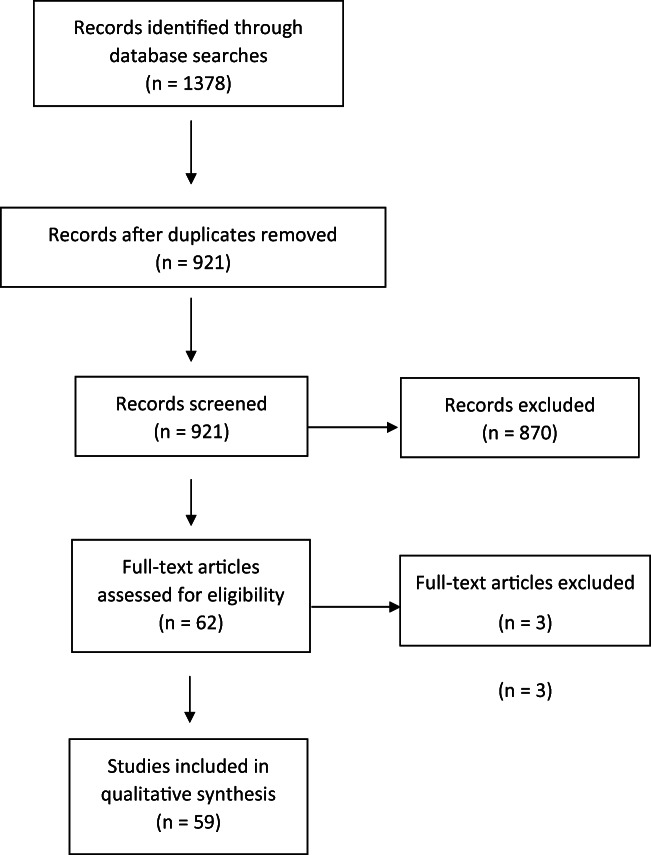
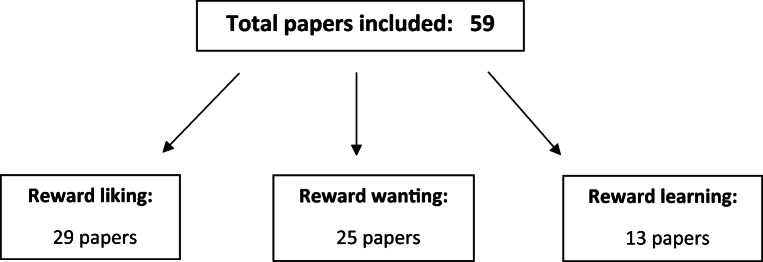
Anhedonia is a key symptom of major depressive disorder (MDD) and comprises behavioural deficits in three reward processing subtypes: reward liking, reward wanting, and reward learning. However, neuroimaging findings regarding the neural abnormalities underpinning these deficits are complex. We have conducted a systematic review to update, reframe and summarize neuroimaging findings across the three subtypes of anhedonia in MDD. Using PubMed, The Cochrane Library, PsycINFO, and Web of Science databases, we identified 59 fMRI studies comparing participants with current or remitted MDD with controls, using reward processing tasks. For reward liking and wanting, striatal hypoactivation was observed, alongside hypoactivation and hyperactivation across frontal regions. For reward learning, blunted frontostriatal sensitivity to positive feedback was observed. These findings highlight the importance of studying anhedonia not only as a clinical manifestation but also as a neurobiological mechanism underlying depressive disorder and other broader psychiatric conditions.
Overview
The claims and statistics of this paper haven’t been checked yet.
Free: it reads the open-access text and checks the first 5 claims that cite a source we can check. Create a free account to check every claim.
Integrity signals
Registry
Cites
Statistics
Figures
Verification
Claims the paper makes
The claims and statistics of this paper haven’t been checked yet.
Free: it reads the open-access text and checks the first 5 claims that cite a source we can check. Create a free account to check every claim.
Claims other papers make about this one
Each is checked against this paper’s own text: does it say what the citing paper says it does?
The source backs part of the claim, not all of it — or backs it for a different population, condition or comparison.
In the citing paper
“In tasks probing reward anticipation, MDD has been linked to decreased activation in ventral and dorsal striatum as well as middle frontal gyrus (BA8), but hyperactivation in the dlPFC and mPFC including pgACC and caudal vmPFC [3,102,113].”
From Prefrontal cortex and depression (2022) · cites this paper as [102]
Experimental — accuracy not yet measuredThe source backs part of the claim, not all of it — or backs it for a different population, condition or comparison.
In the citing paper
“In tasks probing consummatory anhedonia (e.g., receipt of secondary rewards such as money), MDD has been associated with reduced activation in ventral (nucleus accumbens) and dorsal (caudate, putamen) striatum, ACC (rostral, dorsal), and OFC but hyperactivation in the mPFC, vmPFC (including sgACC) and dlPFC [100, 102, 104].”
From Prefrontal cortex and depression (2022) · cites this paper as [102]
Experimental — accuracy not yet measuredThe cited source says what the claim attributes to it.
In the citing paper
“In some studies, blunted ventral striatal activation to rewards correlated with anhedonic symptoms [102].”
From Prefrontal cortex and depression (2022) · cites this paper as [102]
Self-check
Percentages, sums and reported differences re-computed from the paper’s own numbers.
The self-check needs the paper’s full text.
Citations
Cites
Diagnostic and Statistical Manual of Mental Disorders
American Psychiatric Association (2013) · doi:10.1176/appi.books.9780890425596 · Cited by 116,369
Diagnostic and Statistical Manual of Mental Disorders, 5th ed.
Carter, M. J. (2014) · Therapeutic Recreation Journal · Cited by 15,166
Predictive reward signal of dopamine neurons
Schultz, W. (1998) · Journal of Neurophysiology · doi:10.1152/jn.1998.80.1.1 · Cited by 4,564 · cited 2×
“…blunted dopamine signalling, because midbrain dopamine neurons projecting to the striatum code prediction errors when reward feedback is better or worse than expected (Abler et al., 2006; Bayer & Glimcher, 2005; Schultz, 1997, 1998), which is essential for reinforcement learning (Glimcher, 2011).”
BackgroundThe reward circuit: linking primate anatomy and human imaging
Haber, S. N., & Knutson, B. (2010) · Neuropsychopharmacology · doi:10.1038/npp.2009.129 · Cited by 3,718
Ferrari, A. J., Charlson, F. J., Norman, R. E., Patten, S. B., Freedman, G., Murray, C. J. L., Vos, T., & Whiteford, H. A. (2013) · PLoS Medicine · doi:10.1371/journal.pmed.1001547 · Cited by 3,115
Kessler, R. C., Petukhova, M., Sampson, N. A., Zaslavsky, A. M., & Wittchen, H. (2012) · International Journal of Methods in Psychiatric Research · doi:10.1002/mpr.1359 · Cited by 2,947
The human orbitofrontal cortex: linking reward to hedonic experience
Kringelbach, M. L. (2005) · Nature Reviews Neuroscience · doi:10.1038/nrn1747 · Cited by 2,180 · cited 1×
“This pattern of OFC hypoactivation also continues into remission (Dichter et al., 2012) and is consistent with the role of this area in mediating our conscious experience of rewards (Berridge & Kringelbach, 2008; Kringelbach, 2005; Kringelbach & Berridge, 2010).”
ResultThe mesolimbic dopamine reward circuit in depression
Nestler, E. J., & Carlezon, W. A. (2006) · Biological Psychiatry · doi:10.1016/j.biopsych.2005.09.018 · Cited by 2,059
Berridge, K. C., & Robinson, T. E. (2003) · Trends in Neurosciences · doi:10.1016/s0166-2236(03)00233-9 · Cited by 1,869
Reconsidering anhedonia in depression: Lessons from translational neuroscience
Treadway, M. T., & Zald, D. H. (2011) · Neuroscience & Biobehavioral Reviews · doi:10.1016/j.neubiorev.2010.06.006 · Cited by 1,579
Cited by
Items 101–200 of 207
Κube, T., Rapo, E., Glombiewski, J. A., & Rief, W. (2025) · Behaviour Research and Therapy · doi:10.1016/j.brat.2025.104736 · Cited by 7
Carstens, L., Popp, M., Keicher, C., Hertrampf, R., Weigner, D., Meiering, M. S., Luippold, G., Süßmuth, S. D., Beckmann, C. F., Wunder, A., et al. (2023) · Trials · doi:10.1186/s13063-023-07788-x · Cited by 5
“In this study, patients with MDD are included to increase comparability to other studies as major depression is one of the most frequently investigated mental disorders in the field of reward and motivation (for a review, see [24]).”
BackgroundResultLiu, X., & Read, S. J. (2024) · Frontiers in Psychiatry · doi:10.3389/fpsyt.2024.1349576 · Cited by 9
Amital, D., Gross, R., Goldental, N., Fruchter, E., Wachtel, H., Tendler, A., Stern, Y., Deutsch, L., Voigt, J. D., Hendler, T., et al. (2025) · Brain Sciences · doi:10.3390/brainsci15050476 · Cited by 8
Tenekedjieva, L., McCalley, D. M., Goldstein‐Piekarski, A. N., Williams, L. M., & Padula, C. B. (2024) · Biological Psychiatry Cognitive Neuroscience and Neuroimaging · doi:10.1016/j.bpsc.2024.01.013 · Cited by 10
The neurobiology of motivational anhedonia in patients with depression
Breit, S., Denier, N., Mertse, N., Walther, S., Soravia, L. M., Federspiel, A., Wiest, R., & Bracht, T. (2025) · Brain Imaging and Behavior · doi:10.1007/s11682-025-00999-7 · Cited by 8
“The reward system is of central importance to mediate both motivational and consummatory aspects of anhedonia in depression (Borsini et al., 2020; Bracht, Linden et al., 2015b ).”
Cui, C., Luo, G., Lei, J., Shi, Y., Yao, Y., Ren, K., Yang, J., Li, T., Li, M., Peng, X., et al. (2025) · Translational Psychiatry · doi:10.1038/s41398-025-03644-5 · Cited by 4
Personalizing Brain Stimulation for Psychiatric Disorders: From Circuits to Closed-Loop Control
Cline, C. C., & Keller, C. J. (2026) · American Journal of Psychiatry · doi:10.1176/appi.ajp.20251327 · Cited by 7
Gilley, E., Bowirrat, A., Gupta, A., Giordano, J., Dennen, C. A., Braverman, E. R., Badgaiyan, R. D., McLaughlin, T., Baron, D. A., & Blum, K. (2023) · Current Pharmaceutical Biotechnology · doi:10.2174/1389201024666230427111117 · Cited by 5
Evolution of anhedonia in adolescent depression: An interpretative phenomenological analysis study
Amrtavarshini, R., Jacob, P., & Kommu, J. V. S. (2023) · Clinical Child Psychology and Psychiatry · doi:10.1177/13591045231223862 · Cited by 4
“Aneurobiological way of understanding anhedonia is through the use of neuroimaging studies and it has been linked to dysfunctional reward processing (Borsini et al., 2020; Ely et al., 2021).”
BackgroundBlunted anticipation but not consummation of food rewards in depression
Schulz, C., Klaus, J., Peglow, F., Ellinger, S., Kühnel, A., Walter, M., & Kroemer, N. B. (2024) · Cell Reports Medicine · doi:10.1016/j.nsa.2024.103981 · Cited by 13
Huang, C., Hagan, T., Kritikos, M., Suite, D., Zhao, T., Carr, M. A., Meija-Santiago, S., Invernizzi, A., Horton, M. K., Lucchini, R. G., et al. (2024) · Imaging Neuroscience · doi:10.1162/imag_a_00141 · Cited by 6
“However, the central importance of hyperarousal to perceived threats in PTSD as compared to the loss of arousal in those with MDD ( Borsini et al., 2020) might point to a role for wCPL in maintaining elevated levels of reactivity after trauma.”
BackgroundMcAuley, S., & Kangas, M. (2025) · Clinical Psychologist · doi:10.1080/13284207.2025.2498394 · Cited by 5
Hinnen, C., & Mols, F. (2022) · Psychology and Health · doi:10.1080/08870446.2022.2155670 · Cited by 5
“While a lack of interest is likely to result in a lack of plea-surable experiences (van Roekel et al., 2019) and vice versa, these types of anhedonia are also distinguishable (Borsini et al., 2020).”
How are irritability and anhedonia symptoms linked? A network approach
Sistiaga, S., Tseng, W., Zhang, L., Rossignol, M., & Bellaert, N. (2024) · Journal of Clinical Psychology · doi:10.1002/jclp.23679 · Cited by 7
Fung, H., Potash, R. M., Krystal, A. D., Pizzagalli, D. A., & Sacchet, M. D. (2025) · Neuropsychopharmacology · doi:10.1038/s41386-025-02125-z · Cited by 3
Subcomponents of reward processing in adolescent anhedonia
Ma, X., Sahni, A., & McCabe, C. (2026) · Nature Reviews Psychology · doi:10.1038/s44159-026-00534-5 · Cited by 3
Singh, S., Cunningham, J. E. A., Uher, R., Becker, S., & Nunes, A. (2026) · Neuroscience & Biobehavioral Reviews · doi:10.1016/j.neubiorev.2026.106652 · Cited by 3
Behavioral anhedonia in Major Depressive Disorder (MDD)
Wardani, I. A. K., & Lesmana, C. B. J. (2024) · International journal of health & medical sciences · doi:10.21744/ijhms.v7n2.2277 · Cited by 5
“In anhedonia there are deficits in the hedonic experience of reward and motivation to obtain reward (Borsini et al., 2020).”
BackgroundNeural representation of the decisional reference point in monkeys
Nguyen, D., Rich, E. L., Wallis, J. D., Louie, K., & Glimcher, P. W. (2025) · Proceedings of the National Academy of Sciences · doi:10.1073/pnas.2514110122 · Cited by 2
“Anhedonia, a core feature of major depressive disorder (MDD), reflects a diminished ability to experience positive reinforcement (66, 67).”
Hinnen, C., Hochstenbach, S., Mols, F., & Mertens, B. J. A. (2023) · British Journal of Clinical Psychology · doi:10.1111/bjc.12435 · Cited by 4
Neige, C., Imbert, L., Beynel, L., Fivel, L., Mondino, M., & Brunelin, J. (2024) · Medical Hypotheses · doi:10.1016/j.mehy.2024.111403 · Cited by 5
Herr, K. J., Berk, M., Huang, W., Kato, T., Lee, J. G., Ng, C. G., Wang, Z., Webb, T., Kasahara‐Kiritani, M., & Vandervoort, L. (2025) · Neuropsychopharmacology Reports · doi:10.1002/npr2.70007 · Cited by 4
Wade, B., Barbour, T. A., Ellard, K. K., & Camprodon, J. A. (2025) · Nature Mental Health · doi:10.1038/s44220-025-00469-5 · Cited by 3
Pleasure, reward value and prediction error in anhedoniaPreprint
Kieslich, K., Valton, V., & Roiser, J. P. (2021) · doi:10.31234/osf.io/cya6r · Cited by 3
Addressing anhedonia in depression with antidepressant therapies
France, N. L. (2025) · Drugs & Therapy Perspectives · doi:10.1007/s40267-025-01172-2 · Cited by 3
Teopiz, K. M., Le, G. H., Wong, S., & McIntyre, R. S. (2025) · Journal of Affective Disorders · doi:10.1016/j.jad.2025.120836 · Cited by 2
Tiba, A., Drugas, M. I., Sîrbu, I., Trip, S., Bora, C. H., & Voss, L. (2026) · Behaviour Research and Therapy · doi:10.1016/j.brat.2026.105025 · Cited by 2
Wang, X., Zhou, X., Li, J., Gong, Y., & Feng, Z. (2023) · Frontiers in Psychiatry · doi:10.3389/fpsyt.2023.1253727 · Cited by 3
于, 雅. (2024) · Advances in Clinical Medicine · doi:10.12677/acm.2024.142463 · Cited by 2
Zielińska, M., Łuszczki, E., Bartosiewicz, A., Oleksy, Ł., Stolarczyk, A., & Dereń, K. (2024) · Depression and Anxiety · doi:10.1155/2024/5563257 · Cited by 4
“Neurocognitive dysfunction associated with depression shows impairments in reward processing, which can increase the probability of addictive eating behaviors [25].”
Applications of Behavioral Economics and Neuroeconomics in Mental Health
Abdullaeva, B. S., Àbdullaev, D., Djuraeva, L., Sagdullaeva, D. K., & Kholikov, A. (2024) · Iranian Journal of Psychiatry · doi:10.18502/ijps.v20i1.17404 · Cited by 8
“This impairment is associated with reduced dopaminergic activity in key brain regions, including the nucleus accumbens and the prefrontal cortex, which are critical for reward anticipation and valuation (48).”
Imperatori, C., Allegrini, G., Presti, A. L., Carbone, G. A., Adenzato, M., Farina, B., & Ardito, R. B. (2025) · Journal of Neural Transmission · doi:10.1007/s00702-025-02894-3 · Cited by 5
“…sequelae, including increased illness neurophysiological basis of this psychiatric symptom by identifying several alterations in brain circuitry and chemical dysregulations, particularly in the mesolimbic dopamine pathway (Borsini et al. 2020; Der-Avakian and Markou 2012; Wang et al. 2021).”
Huang, X., Wang, F.-M., Zhou, Y., Lai, M., Liu, H., Hu, Y., Zhou, W., & Zhang, Y. (2025) · Psychoneuroendocrinology · doi:10.1016/j.psyneuen.2025.107558 · Cited by 2
On bias and balance: Updating agentic and communal self-beliefs in social anxiety and depression
Klein, Z., Zabag, R., Hay, D. E., Levy‐Gigi, E., & Gilboa‐Schechtman, E. (2025) · Behaviour Research and Therapy · doi:10.1016/j.brat.2025.104905 · Cited by 4
Kognitive Neurowissenschaft der psychischen Resilienz: Stand der Forschung und offene Fragen
Wackerhagen, C., Reppmann, Z. C., Riepenhausen, A., Veer, I. M., & Walter, H. (2021) · Nervenheilkunde · doi:10.1055/a-1371-9465 · Cited by 3
The effect of emotional faces on reward-related probability learning in depressed patients
Gökçelli, D. K., Kizilates-Evin, G., Eroglu-Koc, S., Oğuz, K., Eraslan, C., Kitiş, Ö., & Gönül, A. S. (2024) · Journal of Affective Disorders · doi:10.1016/j.jad.2024.01.247 · Cited by 3
Fronto-striato network function is reduced in major depressive disorder
Kijima, R., Watanabe, K., Okamoto, N., Ikenouchi, A., Tesen, H., Kakeda, S., & Yoshimura, R. (2024) · Frontiers in Psychiatry · doi:10.3389/fpsyt.2024.1336370 · Cited by 2
Amplification of positivity for depression and anxiety: Neural prediction of treatment response
Kryza‐Lacombe, M., Spaulding, I. G., Ku, C. K., Pearson, N., Stein, M. B., & Taylor, C. T. (2024) · Behaviour Research and Therapy · doi:10.1016/j.brat.2024.104545 · Cited by 1
Blunted midbrain reward activation during smoking withdrawal: a preliminary study
Conti, A. A., Tolomeo, S., Baldacchino, A., & Steele, J. D. (2024) · Frontiers in Pharmacology · doi:10.3389/fphar.2024.1426506 · Cited by 2
From memory disorders to the development of depression: A system approach
Grigoryan, G. A. (2025) · Biosystems · doi:10.1016/j.biosystems.2025.105440 · Cited by 1
The Neural Substrates of Individual Differences in Reward Sensitivity in Mental Health
Zald, D. H., & Dennis, N. J. (2025) · Springer eBooks · doi:10.1007/978-3-031-77967-1_6 · Cited by 1
Sánchez-Kuhn, A., Fernández‐Martín, P., Rodríguez‐Herrera, R., García-Pinteño, J., León, J. J., Ontoso, M. S., Amaya‐Pascasio, L., de Leciñana, M. A., Martínez‐Sánchez, P., & Flores, P. (2025) · Cognitive Affective & Behavioral Neuroscience · doi:10.3758/s13415-025-01318-9 · Cited by 1
Huang, Y., He, J., Zhang, X., Chen, J., Yi, Z., Lv, Q., & Yan, C. (2025) · Psychological Medicine · doi:10.1017/s0033291725101207 · Cited by 1
“This symptom encompasses a range of abnormalities in hedonic processing (Borsini et al., 2020).”
Temporal Predictions from Anhedonia To Anxiety in Adolescents with Major Depressive Disorder
Lee, Y. D., Towbin, K. E., Pine, D. S., Stringaris, A. K., & Kircanski, K. (2025) · Research on Child and Adolescent Psychopathology · doi:10.1007/s10802-025-01362-6 · Cited by 2
“Emerging evidence suggests that certain facets of reward-processing (i.e., sensitivity, motivation, learning; motivation; (Boyle et al., 2023) may contribute to distinct clinical presentations (Borsini et al., 2020); (Winer et al., 2019).”
Cao, Y., Ban, M., Wang, D., Kong, L., He, J., Chen, S., Zhu, X., & Yuan, F. (2025) · Journal of Affective Disorders · doi:10.1016/j.jad.2025.120214 · Cited by 2
Lee, B., Kim, Y., Eum, H., Koo, J. S., Herr, K. J., Vandervoort, L., & Lee, J. G. (2025) · PLoS ONE · doi:10.1371/journal.pone.0334525 · Cited by 2
Electroencephalogram Gamma Band Power Correlates with Anhedonia in a Community Sample
Coleman, S. L., Evans, I. D., Sharpley, C. F., Bitsika, V., Odierna, G. L., & Vessey, K. A. (2025) · Journal of Personalized Medicine · doi:10.3390/jpm15110536 · Cited by 1
“Anhedonia is a primary symptom of major depressive disorder and is characterised by behavioural deficits in reward processing [7,37,38].”
Gao, Y., Pan, M., Zhu, Z., Yue, X., Si, F., Zhao, M., Dong, M., Li, H., Wang, Y., Qian, Q., et al. (2025) · European Archives of Psychiatry and Clinical Neuroscience · doi:10.1007/s00406-025-02148-z · Cited by 1
Bernier, V., Mungo, A., Point, C., Wacquier, B., Loas, G., & Hein, M. (2025) · Medicina · doi:10.3390/medicina61122125 · Cited by 1
Ma, W., Wang, Y., Ma, N., & Xiao, H. (2025) · Chaos Solitons & Fractals · doi:10.1016/j.chaos.2025.117733 · Cited by 1
Anhedonia in patients with major depressive disorder (MDD): State-of-the-art consensus review
Cutler, A. J., Clayton, A. H., Krystal, A. D., Maletic, V., McIntyre, R. S., & Nemeroff, C. B. (2026) · Psychiatry Research · doi:10.1016/j.psychres.2026.117225 · Cited by 4
Ma, W., Hou, W., Zhai, J., Yang, H., Zhang, B., & Luo, L. (2026) · Frontiers in Nutrition · doi:10.3389/fnut.2026.1832858 · Cited by 1
“Failure to distinguish between these constructs may confound neural interpretations and obscure intervention targets (2, 3, 13–15).”
Gärtner, M., Meiering, M. S., Weigner, D., Hempel, M., Gruzman, R., Carstens, L., Keicher, C., Mennes, M., Beckmann, C. F., Luippold, G., et al. (2026) · Neuropsychopharmacology · doi:10.1038/s41386-026-02471-6 · Cited by 2
“…that alterations in a reward network comprising cortical (e.g., ventromedial prefrontal cortex, anterior cingulate cortex, insula) and striatal regions (e.g., nucleus accumbens, caudate, putamen) [3, 9, 10] associated with lowered dopamine (DA) function [11, 12] are linked to these de fi cits [13].”
Zou, F., Yang, X., Liu, C., Li, K., & Zhang, M. (2026) · Biological Psychiatry Global Open Science · doi:10.1016/j.bpsgos.2026.100786 · Cited by 2
“Many studies have implicated reduced reward anticipation, blunted striatal responses, impaired reward learning, and reduced willingness to exert effort for reward (14,32–34).”
Li, S., Guo, X., Liu, Z., Liu, S., & Liu, Z. (2022) · Journal of Clinical and Experimental Neuropsychology · doi:10.1080/13803395.2022.2156480 · Cited by 2
“…symptoms group; LD, low depressive symptoms group; IFG, inferior frontal gyrus; VS, ventral striatum; shades represent the 95% confidence bands. activation was associated with emotion regulation and positive affect in depression (Borsini et al., 2020; Greening et al., 2014; Heller et al., 2009).”
BackgroundReward Processing Alters the Time Perception Networks in Patients with Major Depressive Disorder
Altınok, S., Vatansever, G., Apaydın, N., Üstün, S., Kale, E. H., Çelikağ, İ., Devrimci-Özgüven, H., Başkak, B., & Çíçek, M. (2023) · Timing & Time Perception · doi:10.1163/22134468-bja10073 · Cited by 1
The New York Scale of Anhedonia: Development and Validation of a New Measure
Barahmand, U., Tewari, A., Iskander, S., Castellanos, K., Yuabov, B., & Hermann, E. J. (2024) · Archives of Psychiatry and Psychotherapy · doi:10.12740/app/175153 · Cited by 1
“Recent research [2] has documented the association of anhedonia with three psychological components of reward processing, reward liking, reward wanting and reward learning [3].”
BackgroundHeininga, V. E., Jonker, N. C., Jeronimus, B. F., & de Jonge, P. (2022) · PsyArXiv (OSF Preprints) · doi:10.31234/osf.io/erux7 · Cited by 1
Chat, I. K.-Y., Murrough, J. W., Russo, S. J., Calabro, F. J., Luna, B., Tripathy, K., Gupta, T., Brodnick, Z. M., Julien, M. M., Jones, N., et al. (2025) · Research Square · doi:10.21203/rs.3.rs-8442008/v1 · Cited by 1
“…of anhedonia as diminished hedonic capacity (Snaith–Hamilton Pleasure Scale; (31)), and the other operationalizing anhedonia in terms of functioning within the Positive Valence Systems domain—specifically responsiveness and valuation of rewards (Positive Valence Systems Scale (11,32–34)).”
Reward-anticipation and outcome-evaluation ERPs and its application in psychiatric disorders
Wenhua, L., Xiujuan, W., Ling, C., Rui, Y., & Yiru, H. (2023) · Advances in Psychological Science · doi:10.3724/sp.j.1042.2023.00783 · Cited by 1
Social Anhedonia: (f)MRI Studies
Мельников, М. Е. (2023) · Neuroscience and Behavioral Physiology · doi:10.1007/s11055-023-01502-9
Taylor, J. E., Oka, T., Murakami, M., Motegi, T., Yamada, T., Kawashima, T., Kobayashi, Y., Yoshihara, Y., Miyata, J., Murai, T., et al. (2026) · Translational Psychiatry · doi:10.1038/s41398-026-04040-3
“More broadly, by documenting how parameter optimisation can increase bene fi cial outcomes and reduce patient burden, we hope to inspire more of this in the future, with the ultimate goal of bringing optimised BMIs to the medical clinic.”
The Social Anhedonia: (f)MRI Studies
Мельников, М. Е. (2023) · Успехи физиологических наук · doi:10.31857/s030117982301006x
Wade-Bohleber, L., & Richter, A. (2024) · PDP – Psychodynamische Psychotherapie · doi:10.21706/pdp-23-3-195
Anhedonia: a unifying symptom and a transdiagnostic therapeutic target
Rosso, G., Pesci, N. R., PERACCHIA, S., Garrone, C., Salvo, G. D., & Maina, G. (2025) · Minerva Psychiatry · doi:10.23736/s2724-6612.24.02572-7
Lafond-Brina, G., Dormegny-Jeanjean, L. C., & Bonnefond, A. (2025) · bioRxiv (Cold Spring Harbor Laboratory) · doi:10.1101/2025.01.23.634295
L’anhédonie: De la clinique aux biomarqueurs
Yrondi, A., Rey, R., Scoriels, L., Godin, O., & Leboyer, M. (2025) · médecine/sciences · doi:10.1051/medsci/2025062
Reduced Subjective and Behavioral Responses to Cuteness in Relation to Anhedonia
Takamatsu, R., & Nittono, H. (2025) · Japanese Psychological Research · doi:10.1111/jpr.12594
Reward System Dysfunction and Its Association with Depression and Insomnia
Balkind, E. G., Fields, J. S., Wieman, S. T., & Liverant, G. I. (2025) · CBT: science into practice · doi:10.1007/978-3-031-92265-7_2
Jiang, H., Tian, Z., & Pan, J. (2025) · Research Square · doi:10.21203/rs.3.rs-7461371/v1
Decision Making in Major Depressive Disorder
Asché, L., Pakos, J., Wiebe, A., Selaskowski, B., Leonards, C. A., Harrison, B. J., Philipsen, A., Davey, C. G., & Braun, N. (2025) · Studies in neuroscience, psychology and behavioral economics · doi:10.1007/978-3-032-00880-0_13
Lee, Y., Simulionyte, E., Hebib, S., Manook, A., Picotin, R., Jooyandeh, S. M., Baghai, T. C., Schwarzbach, J. V., Rupprecht, R., & Gruber, O. (2026) · European Archives of Psychiatry and Clinical Neuroscience · doi:10.1007/s00406-026-02280-4
“…the prefrontal regions that showed increased activation in mirtazapine responders in our study substantially overlap with those previously identified as exhibiting aberrant activation during reward processing in MDD (Borsini et al., 2020; Ng et al., 2019; Zhang et al., 2013; Zhao et al., 2024).”
InfluentialValue-based cognitive control moderates the relation of inflammation with depression in adolescents
Yuan, J. P., Miller, J. G., Joachimsthaler, J., Uy, J. P., Ho, T. C., & Gotlib, I. H. (2025) · Social Cognitive and Affective Neuroscience · doi:10.1093/scan/nsaf121
Swartz, J. R., Barendse, M. E. A., Taylor, S. L., Fine, J. R., Ruttle, P. L., Shirtcliff, E. A., & Guyer, A. E. (2026) · Developmental Cognitive Neuroscience · doi:10.1016/j.dcn.2026.101796
“…of dorsal striatum regions during reward anticipation and receipt has been associated with low levels of reward sensitivity (i.e., anhedonia) (Borsini et al., 2020) whereas higher dorsal striatum activity during reward receipt has been associated with increased reward sensitivity (Costumero…”
Additional file 1 of Anhedonia difference between major depressive disorder and bipolar disorder II
Fang, X., Wang, D., Tang, W., Liu, H., Zhang, X., & Zhang, C. (2021) · Figshare · doi:10.6084/m9.figshare.16893247
Carstens, L., Popp, M., Keicher, C., Hertrampf, R., Weigner, D., Meiering, M. S., Luippold, G., Süßmuth, S. D., Beckmann, C. F., Wunder, A., et al. (2023) · Figshare · doi:10.6084/m9.figshare.24647212
Carstens, L., Popp, M., Keicher, C., Hertrampf, R., Weigner, D., Meiering, M. S., Luippold, G., Süßmuth, S. D., Beckmann, C. F., Wunder, A., et al. (2024) · Figshare · doi:10.6084/m9.figshare.24647339
Spaeth, A. M., Koenig, S., Everaert, J., Glombiewski, J. A., & Κube, T. (2026) · Behaviour Research and Therapy · doi:10.1016/j.brat.2026.104985
Liu, Z., Zhang, Y., & Li, Q. (2026) · BMC Psychiatry · doi:10.1186/s12888-026-07960-y
Gao, X., Pu, J., Zhao, X., Zhao, Y., Mu, W., Lui, S. S. Y., Huang, J., & Chan, R. C. K. (2026) · Behavioral Sciences · doi:10.3390/bs16030464
Dudek, D., Chrobak, A. A., Podkowa, K., Krupa, A. J., Gorostowicz, A., Jaeschke, R. R., Juryk, A., & Siwek, M. (2026) · Frontiers in Pharmacology · doi:10.3389/fphar.2026.1739359
From Neural Circuits to Behavior: Examining the Central Role of Anhedonia in Major Depression
Ghanayem, L. K., Kumar, P., & Rizvi, S. J. (2026) · Advances in experimental medicine and biology · doi:10.1007/978-981-95-6872-7_8
Portela, R., Brister, T. S., Mattingly, G. W., Drissen, T., & Bowrey, H. E. (2026) · Annals of General Psychiatry · doi:10.1186/s12991-026-00662-5 · Cited by 1
“These perceptual barriers are compounded by the multifaceted nature of anhedonia [46, 47], making it inherently more difficult to define and assess in brief clinical interactions without structured guidance.”
Ding, H., Lu, Y., Hou, Y.-Z., Chen, X., Peng, J., Chen, X., Li, J., & Zhang, Q. (2026) · BMC Psychiatry · doi:10.1186/s12888-026-08154-2
“…clinical phenotype of persistent negative affect and increased reactivity to adverse stimuli observed in patients with MDD. Similarly, the striatum, which includes the putamen and caudate nucleus, plays an essential role in reward-related processing and the motivational aspects of emotion [64, 65].”
Understanding Depression in Women Across the Lifespan: Hormonal Insights From Brain Imaging
Liu, Y., Chen, Z., Zi, R., & Zhao, C. (2026) · Brain and Behavior · doi:10.1002/brb3.71463
“(Stickel et al. 2019 ) During reward-related tasks, depression is associated with reduced activation in the ventral striatum, accompanied by increased activity in the medial prefrontal cortex and ventromedial frontal cortex (Zhang et al. 2013 , Borsini et al. 2020 ).”
Xiao, J., Liu, D., Li, C. H., Zhang, M., 吴名, Du, N., Zhu, L., & Zhu, D. (2026) · Frontiers in Psychiatry · doi:10.3389/fpsyt.2026.1845853
“Traditionally, anhedonia has been viewed as a unidimensional construct, but recent research has revealed that it has a complex dimensional structure (15).”
Flores, G. D., Damon, Z. F., Ford, M., Gancz, N. N., Savoca, P. W., Esfand, S. M., Chu, K. A., Querdasi, F. R., McCann, C. F., Westman, J. G., et al. (2026) · Brain Behavior & Immunity - Health · doi:10.1016/j.bbih.2026.101275
“Critically, blunted striatal responses to reward are commonly associated with anhedonic symptoms and major depressive disorder (Borsini et al., 2020; Ely et al., 2021; Pizzagalli et al., 2009), suggesting that early adversity may shift predictive valuation in ways that heighten risk for mood…”
Kim, J., Ko, G., Kim, J.-H., & Chang, K. (2026) · Translational Psychiatry · doi:10.1038/s41398-026-04149-5
“In contrast, GFAP levels in the M (1.06 ± 0.03, p = 0.1334) and S (1.04 ± 0.06, p = 0.688) groups did not differ signi fi cantly from their respective Con group (Con-M group: 1.00 ± 0.02; Con-S group: 1.00 ± 0.06; Fig.”
InfluentialGiglberger, M., Henze, G., Bärtl, C., Peter, H. L., Konzok, J., Zänkert, S., Kirsch, P., Frank, J., Kudielka, B. M., Walter, H., et al. (2026) · Research Square · doi:10.21203/rs.3.rs-9858017/v1
Zhang, S., Ma, L., Sun, J., Chen, Y., He, Y., Long, Q., Jiao, B., Huang, H., Mo, L., & Lin, J. (2026) · Brain Structure and Function · doi:10.1007/s00429-026-03144-2
“Notably, the fronto-striatal pathway (including CAU, PAL, OFC) plays a central role in reward and emotional regulation (Borsini et al. 2020).”
Levada, O. A., Troian, O., Myshakivska, O., & Пінчук, І. (2026) · Proceedings of the Shevchenko Scientific Society Medical Sciences · doi:10.25040/ntsh2026.01.23
Li, H., Wang, J., Li, J., Pan, J., & Xu, Y. J. (2026) · Journal of Affective Disorders · doi:10.1016/j.jad.2026.122275
Tusconi, M., Fornaro, M., Atzeni, M., Cantone, E., Pintus, E., Primavera, D., Nardi, A. E., & Carta, M. G. (2026) · Frontiers in Psychiatry · doi:10.3389/fpsyt.2026.1877162
“In contrast, anhedonia has been more specifically linked to abnormalities in mesolimbic dopaminergic pathways, particularly involving the ventral striatum and nucleus accumbens, and to de fi cits in reward anticipation, motivation, and reinforcement learning (13, 59, 60).”
Penninx, B. W. J. H., Kas, M. J., Dawson, G. R., Correll, C. U., Harmer, C. J., Buhl, D. L., Prisco, M. D., Downs, J. L., Hernaus, D., Hopkins, S. C., et al. (2026) · BMJ Mental Health · doi:10.1136/bmjment-2026-302843
Gruzman, R., Hempel, M., Meiering, M. S., Weigner, D., Walters, C., Carstens, L., Keicher, C., Mennes, M., Beckmann, C. F., Popp, M., et al. (2026) · Neuropsychopharmacology · doi:10.1038/s41386-026-02521-z
Wen, X., Han, B., Zhang, J., Gao, Y., Fengge, Y., Dou, F., Hao, Z., Li, H., & Hou, G. (2026) · Journal of Affective Disorders · doi:10.1016/j.jad.2026.122383
Constantino, F. C., Acuña, A., Fernandez, C., Guillen, M., Mendaro, L., Brandani, A., Morales, S., Pérez, A., Mattos, J., Cuña, E. G., et al. (2026) · Imaging Neuroscience · doi:10.1162/imag.a.1363
“It converges with a substantial literature implicating reward-processing dysfunction in depression ( Borsini et al., 2020; Yang et al., 2022) and social anxiety ( Taylor et al., 2022).”
Huang, F.-S., Hao, N., Xiao, W.-Y., Kuan, C.-S., Chi, X.-L., & Yan, C. (2026) · Frontiers in Psychology · doi:10.3389/fpsyg.2026.1738349
“These findings are also consistent with the dia-thesis-stress model, suggesting that anhedonia-related reward-system-functioning deficits resulted in greater sensitivity to family communication patterns, which in turn accounts for their association with depressive symptoms (Borsini et al., 2020).”
Metadata
- Authors
- Borsini, A., Wallis, A. S. J., Zunszain, P., Pariante, C. M., & Kempton, M. J.
- Affiliations
- King's College London (GB)
- Corresponding author
- Borsini, Alessandra
- ORCID
- Venue
- Cognitive, Affective, & Behavioral Neuroscience
- Published
- 2020-05-29
- Volume
- 20
- Issue
- 4
- Pages
- 816-841
- ISSN
- 1530-7026 (ISSN-L)
- 1531-135X
- PMC
- PMC7395022
- OpenAlex
- W3030446149
- Cited by
- 207
- References
- 144
- Citations by year
- 2026: 42 · 2025: 49 · 2024: 36 · 2023: 30 · 2022: 29 · 2021: 18 · 2020: 3
- FWCI
- 2.70
- Type
- journal article
- Language
- en
- Open access
- hybrid
- doi.org
- Licence
- cc-by
- creativecommons.org/licenses/by/4.0 (tdm)
- creativecommons.org/licenses/by/4.0 (vor)
- Locations
- Cognitive Affective & Behavioral Neuroscience (publishedVersion, cc-by)
- PubMed Central (publishedVersion, cc-by)
- PubMed (publishedVersion)
- Research Portal (King's College London) (submittedVersion, other-oa)
- Bristol Research (University of Bristol) (submittedVersion)
- Explore Bristol Research (submittedVersion)
- Funders
- King's College London
- Topics
- Life Sciences › Neuroscience › Cognitive Neuroscience › Neural and Behavioral Psychology Studies
- Life Sciences › Neuroscience › Cellular and Molecular Neuroscience › Neurotransmitter Receptor Influence on Behavior
- Health Sciences › Medicine › Pharmacology (medical) › Treatment of Major Depression
- Keywords
- anhedonia, major depressive disorder, reward processing, reward learning, frontostriatal circuits, neurobiology of depression
- MeSH terms
- Major Depressive Disorder, Humans, Magnetic Resonance Imaging, Reward, Anhedonia, Functional Neuroimaging
About these checks
Registry, retraction, Cites and statistics results are computed, not judged, with one exception: a printed reference that no index lists is read once by a model before it counts as a citation error. Claims are extracted by a model and kept only when their quote appears verbatim in the text; each cited source is then checked, with a model’s help, for whether it says what the claim relies on. Those verdicts can be wrong — read the claim’s quote and the cited source before relying on one.
Statistics and arithmetic are recomputed, not judged.
Confidence bands are shown only for fields calibrated on our annotated test set. None is calibrated yet, so no band is shown.
What counts as a claim ›How we measure confidence ›How we check this ›
Are you an author, or do you see a problem with this page? Request a review
Data sources
Bibliographic data: Semantic Scholar, OpenAlex, Crossref.
Contains information from the Semantic Scholar Academic Graph Datasets, made available under the ODC Attribution License (ODC-BY 1.0).
Semantic Scholar’s data is described in: Kinney, R., et al. (2023). The Semantic Scholar Open Data Platform. arXiv:2301.10140.
