

Characterizing anhedonia: A systematic review of neuroimaging across the subtypes of reward processing deficits in depression
Open accessThe DOI matches its Crossref record; 143 of the 144 references it cites were found in a registry or an index.
Abstract
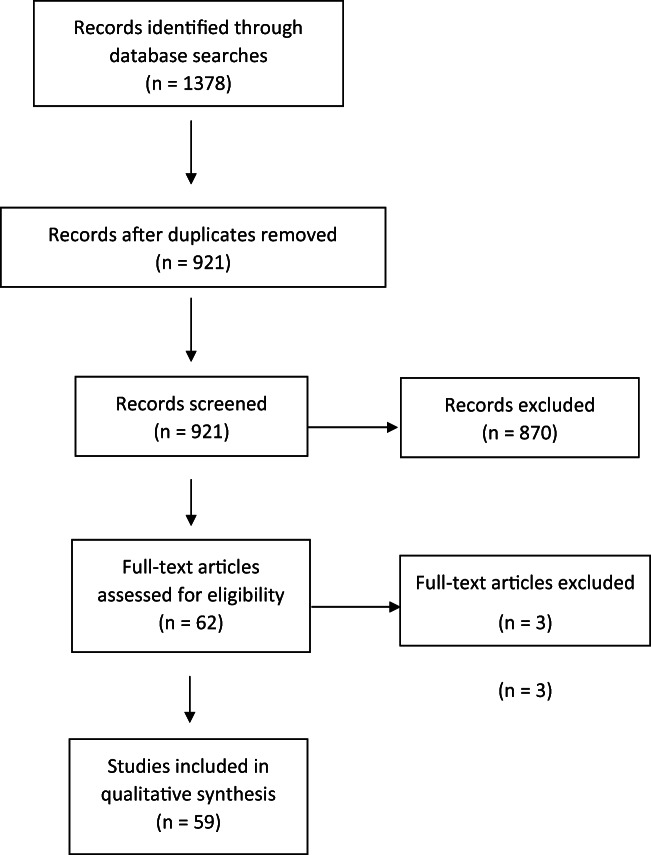
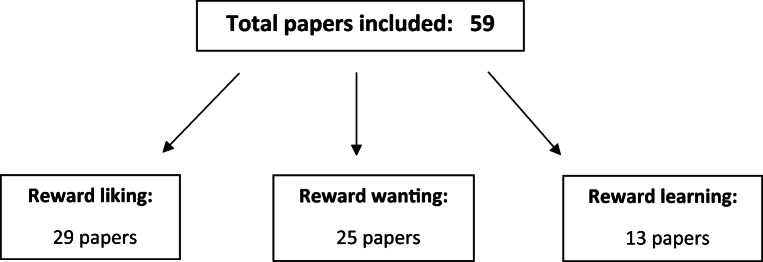
Anhedonia is a key symptom of major depressive disorder (MDD) and comprises behavioural deficits in three reward processing subtypes: reward liking, reward wanting, and reward learning. However, neuroimaging findings regarding the neural abnormalities underpinning these deficits are complex. We have conducted a systematic review to update, reframe and summarize neuroimaging findings across the three subtypes of anhedonia in MDD. Using PubMed, The Cochrane Library, PsycINFO, and Web of Science databases, we identified 59 fMRI studies comparing participants with current or remitted MDD with controls, using reward processing tasks. For reward liking and wanting, striatal hypoactivation was observed, alongside hypoactivation and hyperactivation across frontal regions. For reward learning, blunted frontostriatal sensitivity to positive feedback was observed. These findings highlight the importance of studying anhedonia not only as a clinical manifestation but also as a neurobiological mechanism underlying depressive disorder and other broader psychiatric conditions.
Overview
The claims and statistics of this paper haven’t been checked yet.
Free: it reads the open-access text and checks the first 5 claims that cite a source we can check. Create a free account to check every claim.
Integrity signals
Registry
Cites
Statistics
Figures
Verification
Claims the paper makes
The claims and statistics of this paper haven’t been checked yet.
Free: it reads the open-access text and checks the first 5 claims that cite a source we can check. Create a free account to check every claim.
Claims other papers make about this one
Each is checked against this paper’s own text: does it say what the citing paper says it does?
The source backs part of the claim, not all of it — or backs it for a different population, condition or comparison.
In the citing paper
“In tasks probing reward anticipation, MDD has been linked to decreased activation in ventral and dorsal striatum as well as middle frontal gyrus (BA8), but hyperactivation in the dlPFC and mPFC including pgACC and caudal vmPFC [3,102,113].”
From Prefrontal cortex and depression (2022) · cites this paper as [102]
Experimental — accuracy not yet measuredThe source backs part of the claim, not all of it — or backs it for a different population, condition or comparison.
In the citing paper
“In tasks probing consummatory anhedonia (e.g., receipt of secondary rewards such as money), MDD has been associated with reduced activation in ventral (nucleus accumbens) and dorsal (caudate, putamen) striatum, ACC (rostral, dorsal), and OFC but hyperactivation in the mPFC, vmPFC (including sgACC) and dlPFC [100, 102, 104].”
From Prefrontal cortex and depression (2022) · cites this paper as [102]
Experimental — accuracy not yet measuredThe cited source says what the claim attributes to it.
In the citing paper
“In some studies, blunted ventral striatal activation to rewards correlated with anhedonic symptoms [102].”
From Prefrontal cortex and depression (2022) · cites this paper as [102]
Self-check
Percentages, sums and reported differences re-computed from the paper’s own numbers.
The self-check needs the paper’s full text.
Citations
Cites
Diagnostic and Statistical Manual of Mental Disorders
American Psychiatric Association (2013) · doi:10.1176/appi.books.9780890425596 · Cited by 116,369
Diagnostic and Statistical Manual of Mental Disorders, 5th ed.
Carter, M. J. (2014) · Therapeutic Recreation Journal · Cited by 15,166
Predictive reward signal of dopamine neurons
Schultz, W. (1998) · Journal of Neurophysiology · doi:10.1152/jn.1998.80.1.1 · Cited by 4,564 · cited 2×
“…blunted dopamine signalling, because midbrain dopamine neurons projecting to the striatum code prediction errors when reward feedback is better or worse than expected (Abler et al., 2006; Bayer & Glimcher, 2005; Schultz, 1997, 1998), which is essential for reinforcement learning (Glimcher, 2011).”
BackgroundThe reward circuit: linking primate anatomy and human imaging
Haber, S. N., & Knutson, B. (2010) · Neuropsychopharmacology · doi:10.1038/npp.2009.129 · Cited by 3,718
Ferrari, A. J., Charlson, F. J., Norman, R. E., Patten, S. B., Freedman, G., Murray, C. J. L., Vos, T., & Whiteford, H. A. (2013) · PLoS Medicine · doi:10.1371/journal.pmed.1001547 · Cited by 3,115
Kessler, R. C., Petukhova, M., Sampson, N. A., Zaslavsky, A. M., & Wittchen, H. (2012) · International Journal of Methods in Psychiatric Research · doi:10.1002/mpr.1359 · Cited by 2,947
The human orbitofrontal cortex: linking reward to hedonic experience
Kringelbach, M. L. (2005) · Nature Reviews Neuroscience · doi:10.1038/nrn1747 · Cited by 2,180 · cited 1×
“This pattern of OFC hypoactivation also continues into remission (Dichter et al., 2012) and is consistent with the role of this area in mediating our conscious experience of rewards (Berridge & Kringelbach, 2008; Kringelbach, 2005; Kringelbach & Berridge, 2010).”
ResultThe mesolimbic dopamine reward circuit in depression
Nestler, E. J., & Carlezon, W. A. (2006) · Biological Psychiatry · doi:10.1016/j.biopsych.2005.09.018 · Cited by 2,059
Berridge, K. C., & Robinson, T. E. (2003) · Trends in Neurosciences · doi:10.1016/s0166-2236(03)00233-9 · Cited by 1,869
Reconsidering anhedonia in depression: Lessons from translational neuroscience
Treadway, M. T., & Zald, D. H. (2011) · Neuroscience & Biobehavioral Reviews · doi:10.1016/j.neubiorev.2010.06.006 · Cited by 1,579
Cited by
Prefrontal cortex and depression
Pizzagalli, D. A., & Roberts, A. C. (2022) · Neuropsychopharmacology · doi:10.1038/s41386-021-01101-7 · Cited by 667
On what motivates us: a detailed review of intrinsic v.extrinsic motivation
Morris, L. S., Grehl, M. M., Rutter, S. B., Mehta, M., & Westwater, M. L. (2022) · Psychological Medicine · doi:10.1017/s0033291722001611 · Cited by 226
Pizzagalli, D. A. (2022) · American Journal of Psychiatry · doi:10.1176/appi.ajp.20220423 · Cited by 199
“Notably, reward-related blunting in these regions has been accompanied byhyperactivation in themedial prefrontal cortex (mPFC), ventromedial prefrontal cortex (vmPFC; including the sgACC), and dorsolateral prefrontal cortex (dlPFC) (33, 38, 49).”
BackgroundAnhedonia and Depressive Disorders
Serretti, A. (2023) · Clinical Psychopharmacology and Neuroscience · doi:10.9758/cpn.23.1086 · Cited by 182
“patory anhedonia while prefrontal areas for consummatory anhedonia [5,8,28].”
Positive affect treatment targets reward sensitivity: A randomized controlled trial.
Craske, M. G., Meuret, A. E., Echiverri-Cohen, A. M., Rosenfield, D., & Ritz, T. (2023) · Journal of Consulting and Clinical Psychology · doi:10.1037/ccp0000805 · Cited by 174
Positive affect and reward processing in the treatment of depression, anxiety and trauma
Craske, M. G., Dunn, B. D., Meuret, A. E., Rizvi, S. J., & Taylor, C. T. (2024) · Nature Reviews Psychology · doi:10.1038/s44159-024-00355-4 · Cited by 125
“…structures (primarily the striatum, but also the insula, anterior cingulate cortex and orbitofrontal cortex) during reward anticipation and consumption was consistently observed in major depressive disorder compared with healthy control individuals 34,90,91 (for a meta-analysis, see refs.”
Childhood maltreatment and its role in the development of pain and psychopathology
Cay, M., Gonzalez–Heydrich, J., Teicher, M. H., van der Heijden, H. C., Öngür, D., Shinn, A. K., & Upadhyay, J. (2022) · The Lancet Child & Adolescent Health · doi:10.1016/s2352-4642(21)00339-4 · Cited by 118
Roles of the medial and lateral orbitofrontal cortex in major depression and its treatment
Zhang, B., Rolls, E. T., Wang, X., Xie, C., Cheng, W., & Feng, J. (2024) · Molecular Psychiatry · doi:10.1038/s41380-023-02380-w · Cited by 156
Anhedonia in depression and bipolar disorder
Whitton, A. E., & Pizzagalli, D. A. (2022) · Current topics in behavioral neurosciences · doi:10.1007/7854_2022_323 · Cited by 80
“…activation in various PFC regions (medial PFC, ventromedial PFC, and dorsolateral PFC) has emerged in tasks probing consummatory anhedonia (Borsini et al. 2020; O’Callaghan and Stringaris 2019; Zhang et al. 2016), with PFC over-recruitment thought to reflect overcompensation for reduced…”
BackgroundAnhedonia in Depression and Schizophrenia: Brain Reward and Aversion Circuits
Liang, S., Wu, Y., Hanxiaoran, L., Greenshaw, A. J., & Li, T. (2022) · Neuropsychiatric Disease and Treatment · doi:10.2147/ndt.s367839 · Cited by 95
“9,16,52 Resting-state functional MRI (fMRI) research has revealed that a biotype of depression that is characterized by hyperconnectivity of the frontostriatal and thalamic networks is associated with anhedonia and psychomotor retardation.”
InfluentialProgress and challenges in research of the mechanisms of anhedonia in major depressive disorder
Su, Y., & Si, T. (2022) · General Psychiatry · doi:10.1136/gpsych-2021-100724 · Cited by 86
“43 46 These results also provided new strategies for the determination of the clinical features of anhedonia and its treatment in patients with depression.”
BackgroundPsychological Treatments for Anhedonia
Sandman, C. F., & Craske, M. G. (2021) · Current topics in behavioral neurosciences · doi:10.1007/7854_2021_291 · Cited by 82
Biased belief updating in depression
Kube, T. (2023) · Clinical Psychology Review · doi:10.1016/j.cpr.2023.102298 · Cited by 61
Individualized Functional Subnetworks Connect Human Striatum and Frontal Cortex
Gordon, E. M., Laumann, T. O., Marek, S. A., Newbold, D. J., Hampton, J. M., Seider, N. A., Montez, D. F., Nielsen, A. M., Van, A. N., Zheng, A., et al. (2021) · Cerebral Cortex · doi:10.1093/cercor/bhab387 · Cited by 69
“…corticostriatal circuitry are thought to play a major role in symptoms observed in Tourette syndrome (Mink 2001; Greene et al. 2017), schizophrenia (Simpson et al. 2010), obsessive–compulsive disorder (Harrison et al. 2009), depression (Borsini et al. 2020), and autism (Li and Pozzo-Miller 2019).”
BackgroundWebb, C. A., Murray, L., Tierney, A. O., Forbes, E. E., & Pizzagalli, D. A. (2022) · Neuropsychopharmacology · doi:10.1038/s41386-022-01481-4 · Cited by 57
Anhedonia in eating disorders: A meta-analysis and systematic review
Dolan, S. C., Khindri, R., Franko, D. L., Thomas, J. J., Reilly, E. E., & Eddy, K. T. (2022) · International Journal of Eating Disorders · doi:10.1002/eat.23645 · Cited by 47
How can neurobiology of fear extinction inform treatment?
Craske, M. G., Sandman, C. F., & Stein, M. B. (2022) · Neuroscience & Biobehavioral Reviews · doi:10.1016/j.neubiorev.2022.104923 · Cited by 48
Pleasure, Reward Value, Prediction Error and Anhedonia
Kieslich, K., Valton, V., & Roiser, J. P. (2022) · Current topics in behavioral neurosciences · doi:10.1007/7854_2021_295 · Cited by 64
Stress to inflammation and anhedonia: Mechanistic insights from preclinical and clinical models
Boyle, C. C., Bower, J. E., Eisenberger, N. I., & Irwin, M. R. (2023) · Neuroscience & Biobehavioral Reviews · doi:10.1016/j.neubiorev.2023.105307 · Cited by 49
Hu, Y., Zhao, C., Zhao, H., & Qiao, J. (2023) · BMC Psychiatry · doi:10.1186/s12888-023-04693-0 · Cited by 53
“Similarly, after the reward “liking” stage of MDD patients, low activation was observed in the striatum [18] as was excessive activation of dlPFC [19].”
BackgroundLiu, X., Li, L., Li, M., Ren, Z., & Ma, P. (2020) · Psychiatry Research Neuroimaging · doi:10.1016/j.pscychresns.2020.111239 · Cited by 43
Mertse, N., Denier, N., Walther, S., Breit, S., Grosskurth, E. D., Federspiel, A., Wiest, R., & Bracht, T. (2022) · Journal of Affective Disorders · doi:10.1016/j.jad.2022.01.035 · Cited by 43
“Our result complement previous functional MRI studies pointing to a central role of the dorsal ACC regarding anticipatory and motivational aspects of reward (Borsini et al., 2020; Liu et al., 2021).”
ResultThe Potential of KCNQ Potassium Channel Openers as Novel Antidepressants
Costi, S., Han, M., & Murrough, J. W. (2022) · CNS Drugs · doi:10.1007/s40263-021-00885-y · Cited by 39
“The reduced response to reward stimuli in MDD appears to involve both the reward anticipation and feedback, and is characterized by striatal hypoactivation [66].”
BackgroundWang, C., Zhang, Z., Wiley, J. A., Fu, T., & Jin, Y. (2022) · BMC Psychiatry · doi:10.1186/s12888-022-03945-9 · Cited by 52
“This study found that (1) gender differences can positively predict pleasure, and (2) cognitive exibility (indirect effect = 0.”
BackgroundSocial expectations in depression
Kirchner, L., Κube, T., Berg, M., Eckert, A.-L., Straube, B., Endres, D., & Rief, W. (2024) · Nature Reviews Psychology · doi:10.1038/s44159-024-00386-x · Cited by 35
Campbell, K. A. (2022) · European Journal of Psychotraumatology · doi:10.1080/20008066.2022.2131969 · Cited by 46
“…in reward and anti-reward systems in those with schizophrenia as well as MDD may also produce apathy, avolition and dissociation alongside anhedonia, the latter also possibly being a mechanism by which psychiatric illnesses and maybe chronic pain states increase in severity (Borsini et al., 2020).”
BackgroundExploring causal mechanisms of psychosis risk
Oliver, D., Chesney, E., Cullen, A. E., Davies, C., Englund, A., Gifford, G., Kerins, S., Lalousis, P. A., Logeswaran, Y., Merritt, K., et al. (2024) · Neuroscience & Biobehavioral Reviews · doi:10.1016/j.neubiorev.2024.105699 · Cited by 36
“Reduced ventral striatal activation to receiving a reward is associated with anhedonia (Borsini et al., 2020), whereas larger reward prediction error signals (indexing greater reward learning) in the ventral striatum predicted reduced anhedonia after six months of follow-up (Eckstrand et al., 2019).”
BackgroundWhite, E. J., Nacke, M., Akeman, E., Cannon, M. J., Mayeli, A., Touthang, J., Zoubi, O. A., McDermott, T. J., Kirlić, N., Santiago, J., et al. (2021) · Journal of Affective Disorders · doi:10.1016/j.jad.2021.08.106 · Cited by 30
Hanuka, S., Olson, E. A., Admon, R., Webb, C. A., Killgore, W. D. S., Rauch, S. L., Rosso, I. M., & Pizzagalli, D. A. (2022) · Psychological Medicine · doi:10.1017/s0033291722001106 · Cited by 48
Schiller, C. E., Walsh, E. C., Eisenlohr-Moul, T. A., Prim, J., Dichter, G. S., Schiff, L. D., Bizzell, J., Slightom, S. L., Richardson, E., Belger, A., et al. (2022) · Journal of Affective Disorders · doi:10.1016/j.jad.2022.06.078 · Cited by 32
Ketamine treatment for anhedonia in unipolar and bipolar depression: a systematic review
Kwaśny, A., Kwaśna, J., Wilkowska, A., Szarmach, J., Słupski, J., Włodarczyk, A., & Cubała, W. J. (2024) · European Neuropsychopharmacology · doi:10.1016/j.euroneuro.2024.04.014 · Cited by 30
König, P., Zwiky, E., Küttner, A., Uhlig, M., & Redlich, R. (2024) · Journal of Affective Disorders · doi:10.1016/j.jad.2024.09.084 · Cited by 41
Depression with immuno-metabolic dysregulation: Testing pragmatic criteria to stratify patients
Zwiep, J. C., Milaneschi, Y., Giltay, E. J., Vinkers, C. H., Penninx, B. W. J. H., & Lamers, F. (2024) · Brain Behavior and Immunity · doi:10.1016/j.bbi.2024.11.033 · Cited by 34
“Future studies should aim to include anhedonia to fully gasp the relationship between inflammation, anhedonia and other immuno-metabolic markers (Borsini et al., 2020).”
Lu, S., Shao, J., Feng, Q., Wu, C., Fang, Z., Jia, L., Wang, Z., Hu, S., Xu, Y., & Huang, M. (2022) · BMC Psychiatry · doi:10.1186/s12888-022-04343-x · Cited by 28
“Furthermore, task-related fMRI studies also reported that abnormal activation across frontal regions during reward processing tasks correlated with anhedonia in MDD [37].”
BackgroundTranslational Assessments of Reward Responsiveness in the Marmoset
Wooldridge, L. M., Bergman, J., Pizzagalli, D. A., & Kangas, B. D. (2020) · The International Journal of Neuropsychopharmacology · doi:10.1093/ijnp/pyaa090 · Cited by 28
“This is especially important to consider when modeling anhedonia and depression, as the ventromedial division of the prefrontal cortex shows hyperactivity and decreased functional connectivity with the ventral striatum and midbrain dopamine nuclei, and the severity of both findings correlates with anhedonic severity i…”
BackgroundBehavioral Activation and Brain Network Changes in Depression
Jung, M., & Han, K. (2024) · Journal of Clinical Neurology · doi:10.3988/jcn.2024.0148 · Cited by 28
Wu, J., Song, J., He, Y., Li, Z., Deng, H., Huang, Z.-M., Xie, X., Wong, N. M. L., Tao, J., Lee, T. M. C., et al. (2023) · Sports Medicine - Open · doi:10.1186/s40798-023-00637-w · Cited by 29
“The reward processes involve extensive brain regions including the prefrontal cortex [16], striatum [17], globus pallidus [18], amygdala [12], insula [14], and hippocampus and thalamus [19] which form the reward circuitry [20].”
BackgroundZhao, Y., Dahmani, L., Li, M., Hu, Y., Ren, J., Lui, S., Wang, D., Kuang, W., Gong, Q., & Liu, H. (2022) · Biological Psychiatry Cognitive Neuroscience and Neuroimaging · doi:10.1016/j.bpsc.2021.12.010 · Cited by 29
Association between reward-related functional connectivity and tri-level mood and anxiety symptoms
Anderson, Z. G., Damme, K. S. F., Carroll, A., Chat, I. K.-Y., Young, K. S., Craske, M. G., Bookheimer, S. Y., Zinbarg, R. E., & Nusslock, R. (2023) · NeuroImage Clinical · doi:10.1016/j.nicl.2023.103335 · Cited by 26
“With respect to the mOFC, heightened or reduced activation appears in individuals with depression (Borsini et al., 2020; Ng et al., 2019; Rolls et al., 2020).”
Dopaminergic dysfunction in the left putamen of patients with major depressive disorder
D’Onofrio, A. M., Pizzuto, D. A., Batir, R., Perrone, E., Cocciolillo, F., Cavallo, F., Kotzalidis, G. D., Simonetti, A., d’Andrea, G., Pettorruso, M., et al. (2024) · Journal of Affective Disorders · doi:10.1016/j.jad.2024.04.044 · Cited by 22
Reward Processes in Extinction Learning and Applications to Exposure Therapy
Rosenberg, B. M., Barnes‐Horowitz, N. M., Zbozinek, T. D., & Craske, M. G. (2023) · Journal of Anxiety Disorders · doi:10.1016/j.janxdis.2024.102911 · Cited by 26
Zeng, J., Wang, Z., Zhang, X., Zhao, A., Qi, H., Jiang, Y., Cai, D., & Zeng, N. (2025) · Phytomedicine · doi:10.1016/j.phymed.2025.156927 · Cited by 23
Repeated testing modulates chronic unpredictable mild stress effects in male rats
Bosch, K., Sbrini, G., Burattini, I., Nieuwenhuis, D., Calabrese, F., Schubert, D., Henckens, M. J. A. G., & Homberg, J. R. (2022) · Behavioural Brain Research · doi:10.1016/j.bbr.2022.113960 · Cited by 23
Multi-modal assessment of reward functioning in adolescent anhedonia
Murray, L., Israel, E. S., Balkind, E. G., Pastro, B., Lovell-Smith, N., Lukas, S. E., Forbes, E. E., Pizzagalli, D. A., & Webb, C. A. (2022) · Psychological Medicine · doi:10.1017/s0033291722001222 · Cited by 25
“Based on emerging literature suggesting insula dysfunction in anhedonia (Borsini et al., 2020), exploratory analyses of the AAL-defined bilateral insula ROI are presented in the supplement.”
BackgroundPagliaccio, D., Kumar, P., Kamath, R. A., Pizzagalli, D. A., & Auerbach, R. P. (2022) · Journal of Child Psychology and Psychiatry · doi:10.1111/jcpp.13690 · Cited by 26
A three-dimensional model of neural activity and phenomenal-behavioral patterns
Martino, M., & Magioncalda, P. (2023) · Molecular Psychiatry · doi:10.1038/s41380-023-02356-w · Cited by 22
Lv, S., Zhong, S., Zhang, S., Lai, S., Wang, Y., Zhao, H., Zhang, Y., Luo, Y., Yan, S., Ran, H., et al. (2021) · Journal of Affective Disorders · doi:10.1016/j.jad.2021.08.129 · Cited by 20
Phillips, R., Walsh, E. C., Zürcher, N. R., Lalush, D. S., Kinard, J. L., Tseng, C.-E. J., Cernasov, P., Kan, D., Cummings, K. K., Kelley, L., et al. (2022) · Psychiatry Research Neuroimaging · doi:10.1016/j.pscychresns.2023.111660 · Cited by 22
“Anhedonia is characterized by impaired reward processing and blunted mesocorticolimbic dopamine (DA) system functioning (Borsini et al., 2020; Berridge and Kringelbach, 2008; Pizzagalli, 2014).”
BackgroundBrandt, I. M., Köhler‐Forsberg, K., Ganz, M., Ozenne, B., Jørgensen, M. B., Poulsen, A. S., Knudsen, G. M., Frøkjær, V. G., & Fisher, P. M. (2021) · European Neuropsychopharmacology · doi:10.1016/j.euroneuro.2020.12.010 · Cited by 19
Kappa Opioid Receptors in the Pathology and Treatment of Major Depressive Disorder
Browne, C. A., Wulf, H. A., & Lucki, I. (2021) · Handbook of experimental pharmacology · doi:10.1007/164_2020_432 · Cited by 21
Leng, L., Beckers, T., & Vervliet, B. (2022) · Behaviour Research and Therapy · doi:10.1016/j.brat.2022.104227 · Cited by 21
Depression and approach-avoidance decisions to emotional displays: The role of anhedonia
Grèzes, J., Risch, N., Courtet, P., Olié, É., & Mennella, R. (2023) · Behaviour Research and Therapy · doi:10.1016/j.brat.2023.104306 · Cited by 17
On joy and sorrow: Neuroimaging meta-analyses of music-induced emotion
Fuentes‐Sánchez, N., Espino‐Payá, A., Prantner, S., Sabatinelli, D., Pastor, M. C., & Junghöfer, M. (2025) · Imaging Neuroscience · doi:10.1162/imag_a_00425 · Cited by 25
Meinke, C., Lueken, U., Walter, H., & Hilbert, K. (2024) · Neuroscience & Biobehavioral Reviews · doi:10.1016/j.neubiorev.2024.105640 · Cited by 20
“…in cognitive, emotional, and reward processing (e.g., Chakrabarty et al., 2016; Pierce and P ´ eron, 2020), their association with anhedonia (e.g., Borsini et al., 2020; Brandl et al., 2022; Gray et al., 2020) and the target role of ventral striatum and nucleus accumbens in deep brain stimulation…”
Acuña, A., Morales, S., Uriarte-Gaspari, L., Aguirre, N., Brandani, A., Huart, N., Mattos, J. C. L. D., Pérez, A., Cuña, E. G., Waiter, G. D., et al. (2025) · Social Cognitive and Affective Neuroscience · doi:10.1093/scan/nsaf012 · Cited by 19
Murray, S. M., Brown, C. S., Kaye, W. H., & Wierenga, C. E. (2021) · Current topics in behavioral neurosciences · doi:10.1007/7854_2021_287 · Cited by 20
Yu, F., Fang, H., Zhang, J., Wang, Z., Ai, H., Kwok, V. P. Y., Fang, Y., Guo, Y., Wang, X., Zhu, C., et al. (2022) · Depression and Anxiety · doi:10.1002/da.23292 · Cited by 20
“Though highly correlated and sharing common brain networks (Borsini et al., 2020; Gard et al., 2006; Strauss et al., 2011), distinctive brain networks for anhedonia of consummatory and anticipatory have been suggested (Alexander et al., 2019; Borsini et al., 2020; Rudebeck et al., 2014).”
BackgroundFood addiction as a mediator between depressive symptom severity and body mass index
Bartschi, J. G., & Greenwood, L. (2023) · Appetite · doi:10.1016/j.appet.2023.107008 · Cited by 19
The relationship between self, value-based reward, and emotion prioritisation effects
Yankouskaya, A., Lovett, G., & Sui, J. (2022) · Quarterly Journal of Experimental Psychology · doi:10.1177/17470218221102887 · Cited by 20
“These are motivated, in part, by well-documented evidence about impaired self-referential processing, adverse reward sensitivity, and emotion disorders associated with many mental health conditions (Borsini et al., 2020; Feldborg et al., 2021; Hobbs et al., 2021; McIvor et al., 2021).”
BackgroundSpared nerve injury decreases motivation in long-access homecage-based operant tasks in mice
Norris, M. R., Becker, L. J., Bilbily, J., Chang, Y. A., Borges, G., Dunn, S. S., Madasu, M. K., Vazquez, C. R., Cariello, S. A., Al‐Hasani, R., et al. (2023) · Pain · doi:10.1097/j.pain.0000000000003123 · Cited by 17
Gorostowicz, A., Rizvi, S. J., Kennedy, S. H., Chrobak, A. A., Dudek, D., CYRANKA, K. M., Piekarska, J., Krawczyk, E., & Siwek, M. (2023) · Frontiers in Psychiatry · doi:10.3389/fpsyt.2023.1268290 · Cited by 17
“It has been observed that different parts of reward processing are characterized by both distinct and common brain circuits and neurotransmitters – for example dopamine has been typically linked to motivational deficits, while endogenous opioids may be more important for experiencing pleasure (21, 22, 24).”
BackgroundThe Use of Ketamine for the Treatment of Anhedonia in Depression
Patarroyo-Rodríguez, L., Cavalcanti, S., Voort, J. L. V., & Singh, B. (2024) · CNS Drugs · doi:10.1007/s40263-024-01099-8 · Cited by 16
Hou, Z., Kong, Y., Yin, Y., Zhang, Y., & Yuan, Y. (2020) · Progress in Neuro-Psychopharmacology and Biological Psychiatry · doi:10.1016/j.pnpbp.2020.110038 · Cited by 13
Steinmann, L. A., Dohm, K., Goltermann, J., Richter, M., Enneking, V., Lippitz, M., Repple, J., Mauritz, M., Dannlowski, U., & Opel, N. (2022) · Journal of Psychiatry and Neuroscience · doi:10.1503/jpn.210180 · Cited by 17
“3,25 The investigation of reward-related brain circuits in MDD using functional imaging techniques is particularly promising for understanding reduced hedonic capacity in patients with depression.”
Cheng, C. P. W., Herr, K. J., Jeon, H. J., Kato, T., Ng, C. H., Yang, Y. K., & Zhang, L. (2024) · Frontiers in Psychiatry · doi:10.3389/fpsyt.2024.1338063 · Cited by 12
Electrochemical voltammetry quantification of dopamine based on ceria-doped ZnAl2O4
Nadar, N. R., Deepak, J., Sharma, S., Krushna, B. R. R., Suresh Babu, K., Mishra, S., Vanitha, D. V., Pruthviraj, I. S., & Nagabhushana, H. (2025) · Materials Chemistry and Physics · doi:10.1016/j.matchemphys.2025.130704 · Cited by 12
A Behavioral Economic Model of Help-Seeking for Depression
Trusty, W. T., Swift, J. K., & Rasmussen, E. B. (2021) · Perspectives on Behavior Science · doi:10.1007/s40614-021-00308-9 · Cited by 13
“This may be especially true for individuals with depression who experience symptoms of anhedonia, or subjective difficulty experiencing pleasure (Borsini et al., 2020).”
BackgroundButterfield, N. N., Luzon Rosenblut, C., Fava, M., Correll, C. U., Rothschild, A. J., Murrough, J. W., Mathew, S. J., Beatch, G. N., Grayson, C., Harden, C., et al. (2025) · JAMA Network Open · doi:10.1001/jamanetworkopen.2025.14278 · Cited by 11
Qiu, D., Ge, Z., Mei, Y., Wang, W., Xiong, Z., Li, X., Yuan, Z., Zhang, P., Zhang, M., Liu, X., et al. (2023) · The Journal of Headache and Pain · doi:10.1186/s10194-023-01695-x · Cited by 12
Neurocognitive risk phenotyping to predict mood symptoms in adolescence.
Kaiser, R. H., Moser, A. D., Neilson, C., Jones, J. G., Peterson, E. C., Ruzic, L., Rosenberg, B. M., Hough, C. M., Sandman, C. F., Schneck, C. D., et al. (2024) · Journal of Psychopathology and Clinical Science · doi:10.1037/abn0000866 · Cited by 17
Bogaert, L., Hallford, D. J., Loyen, E., D’Argembeau, A., & Raes, F. (2024) · Applied Psychology Health and Well-Being · doi:10.1111/aphw.12524 · Cited by 16
Chowdhury, A., Boukezzi, S., Costi, S., Hameed, S., Jacob, Y., Salas, R., Iosifescu, D. V., Han, M.-H., Swann, A., Mathew, S. J., et al. (2025) · Biological Psychiatry · doi:10.1016/j.biopsych.2025.02.897 · Cited by 10
From anxiety to depression: A longitudinal investigation into the role of anhedonia
Collins, A. C., Gallagher, M. R., Calafiore, C., Jordan, D. G., & Winer, E. S. (2025) · Journal of Affective Disorders · doi:10.1016/j.jad.2025.03.074 · Cited by 14
Woody, M. L., Panny, B., Degutis, M., Griffo, A., & Price, R. B. (2021) · Behaviour Research and Therapy · doi:10.1016/j.brat.2021.103960 · Cited by 11
Increases in positive emotions as precursors to therapeutic change
McNeil, G. D., & Repetti, R. L. (2021) · Clinical Psychology & Psychotherapy · doi:10.1002/cpp.2698 · Cited by 13
Rengasamy, M. L., Nance, M., Eckstrand, K., & Forbes, E. E. (2023) · Journal of Affective Disorders · doi:10.1016/j.jad.2023.01.118 · Cited by 10
Anhedonia influences threat avoidance and relief: A conceptual replication
Leng, L., Beckers, T., & Vervliet, B. (2024) · Journal of Mood and Anxiety Disorders · doi:10.1016/j.xjmad.2024.100050 · Cited by 15
“…feature to many disorders [23 – 25], anhedonia is an important construct to understand as it largely affects the Positive Valence System [26,27] proposed by Research Domain Criteria [28] – “ primarily responsible for responses to positive motivational situations or contexts, such as…”
Huang, S., Faul, L., Parikh, N., LaBar, K. S., & Brigard, F. D. (2024) · Scientific Reports · doi:10.1038/s41598-024-61545-x · Cited by 12
“Relatedly, clinical depression—which is often associated with aberrant activity in the vmPFC 41 —is also marked by difficulty recalling specific event details for autobiographical memories 42 .”
BackgroundNatural language processing to identify suicidal ideation and anhedonia in major depressive disorder
Vance, L. A., Way, L., Kulkarni, D. S., Palmer, E. O. C., Ghosh, A., Unruh, M., Chan, K. M. Y., Girdhari, A., & Sarkar, J. (2025) · BMC Medical Informatics and Decision Making · doi:10.1186/s12911-025-02851-w · Cited by 13
Increased Functional Coupling between VTA and Hippocampus during Rest in First-Episode Psychosis
Gregory, D. F., Rothrock, J. M., Jalbrzikowski, M., Foran, W., Montez, D. F., Luna, B., & Murty, V. P. (2021) · eNeuro · doi:10.1523/eneuro.0375-20.2021 · Cited by 10
“…Berridge, 2012; Wise and Robble, 2020) and alterations in NAcc engagement has been associated with symptoms of anhedonia (Lee et al., 2015; Zhang et al., 2016; Barkus and Badcock, 2019; Borsini et al., 2020), which are prominent in psychosis (Kirkpatrick and Buchanan, 1990; Strauss and Gold, 2012).”
BackgroundAnhedonia difference between major depressive disorder and bipolar disorder II
Fang, X., Wang, D., Tang, W., Liu, H., Zhang, X., & Zhang, C. (2021) · BMC Psychiatry · doi:10.1186/s12888-021-03548-w · Cited by 11
“SHAPS is an excellent tool for assessing anhedonic symptoms in clinical and non-clinical populations [26–28], which is defined as ‘markedly diminished interest or pleasure in all, or almost all, activities most of the day, nearly every day [29].”
MethodHertz‐Palmor, N., Rozenblit, D., Lavi, S., Zeltser, J., Kviatek, Y., & Lazarov, A. (2023) · Psychological Medicine · doi:10.1017/s0033291723002519 · Cited by 11
“…concur with past research showing blunted reward responsiveness and impaired reward learning in depression and anhedonia, from both a neuroscience (Borsini, Wallis, Zunszain, Pariante, & Kempton, 2020; Eshel & Roiser, 2010; Keren et al., 2018; Luking, Pagliaccio, Luby, & Barch, 2016; Pizzagalli,…”
Spaeth, A. M., Koenig, S., Everaert, J., Glombiewski, J. A., & Κube, T. (2024) · Frontiers in Psychology · doi:10.3389/fpsyg.2024.1253045 · Cited by 12
Yao, C., Wang, P., Xiao, Y., Zheng, Y., Pu, J., Miao, Y., Wang, J., & Xue, S. (2025) · Scientific Reports · doi:10.1038/s41598-025-92849-1 · Cited by 13
“This variability was particularly relevant in MDD, where vmPFC dysfunction may have contributed to anhedonia 35–37 , a core symptom of depression, complicating treatment outcomes and underscoring the need for personalized therapeutic approaches.”
Mu, Q., Wu, C., Chen, Y., Xu, Y., Zhang, K., Zhu, C., Hu, S., Huang, M., Zhang, P., Cui, D., et al. (2025) · Depression and Anxiety · doi:10.1155/da/1925158 · Cited by 9
“A growing body of research supports the recognition of anhedonia as a more severe subtype of MDD [13, 14].”
Dissociable effects of psilocybin and escitalopram for depression on processing of musical surprises
Harding, R., Singer, N., Wall, M. B., Hendler, T., Erritzøe, D., Nutt, D. J., Carhart-Harris, R. L., & Roseman, L. (2025) · Molecular Psychiatry · doi:10.1038/s41380-025-03035-8 · Cited by 12
McIntyre, R. S., Maletic, V., Masand, P. S., Wilson, A. C., Yu, J., Adams, J. L., & Kerolous, M. (2025) · Journal of Affective Disorders · doi:10.1016/j.jad.2025.05.026 · Cited by 13
Meuret, A. E., Rosenfield, D., Wang, E., Hough, C. M., Ritz, T., & Craske, M. G. (2026) · JAMA Network Open · doi:10.1001/jamanetworkopen.2026.7403 · Cited by 12
Santopetro, N. J., Jones, D. N., Garron, A., Meyer, A., Joyner, K. J., & Hajcak, G. (2024) · JMIR Mental Health · doi:10.2196/54252 · Cited by 10
“…that further suggest that successful BA leads to increases in brain systems associated with reward processes, such as increases in activation of the dorsal striatum linked to reward anticipation, which is typically reduced in individuals experiencing heightened depression and anhedonia [35,36].”
BackgroundChat, I. K.-Y., Giollabhui, N. M., Bart, C. P., Graham, A. A., Coe, C. L., Abramson, L. Y., Olino, T. M., & Alloy, L. B. (2023) · Brain Behavior and Immunity · doi:10.1016/j.bbi.2023.02.016 · Cited by 9
Human Fronto-Striatal Connectivity is Organized into Discrete Functional SubnetworksPreprint
Gordon, E. M., Laumann, T. O., Marek, S. A., Newbold, D. J., Hampton, J. M., Seider, N. A., Montez, D. F., Nielsen, A. M., Van, A. N., Zheng, A., et al. (2021) · bioRxiv (Cold Spring Harbor Laboratory) · doi:10.1101/2021.04.12.439415 · Cited by 8
“…circuitry are thought to play a major role in symptoms observed in Tourette syndrome (Greene et al., 2017; Mink, 2001), schizophrenia (Simpson et al., 2010), obsessive-compulsive disorder (Harrison et al., 2009), depression (Borsini et al., 2020), and autism (Li and Pozzo-Miller, 2019).”
BackgroundZwiep, J. C., Lamers, F., Vinkers, C. H., van der Wee, N. J. A., Penninx, B. W. J. H., Nawijn, L., & Milaneschi, Y. (2025) · Brain Behavior and Immunity · doi:10.1016/j.bbi.2025.106240 · Cited by 13
Brain network localization of anhedonia
Liu, C., Song, Y., Zhao, X., Wang, Z., Yan, L., Yu, Y., & Zhu, J. (2026) · Translational Psychiatry · doi:10.1038/s41398-026-04005-6 · Cited by 11
“Taking advantage of neuroimaging tools, numerous studies have documented brain structural and functional alterations linked to anhedonia, with the anterior cingulate cortex, orbitofrontal cortex, insula, striatum, thalamus, and amygdala being preferentially affected [4, 20 – 24].”
Rabinowitz, J. A., Ellis, J. D., Strickland, J. C., Hochheimer, M., Zhou, Y., Young, A. S., Curtis, B. L., & Huhn, A. S. (2023) · Journal of Affective Disorders · doi:10.1016/j.jad.2023.05.029 · Cited by 10
Calesella, F., Serra, E., Palladini, M., Colombo, F., Bravi, B., Fortaner-Uyà, L., Monopoli, C., Tassi, E., Brambilla, P., Colombo, C., et al. (2025) · European Neuropsychopharmacology · doi:10.1016/j.euroneuro.2025.05.011 · Cited by 8
Zareian, B., Anderl, C., LeMoult, J., Galea, L. A. M., Prior, J. C., Rights, J. D., Ross, C. J., Ge, S. Y. J., Hayward, A. C., & Chen, F. S. (2022) · BMC Women s Health · doi:10.1186/s12905-022-01623-2 · Cited by 8
Mahmud, A., & Karaman, M. A. (2026) · Frontiers in Cellular Neuroscience · doi:10.3389/fncel.2026.1843871 · Cited by 8
“In contrast, deficits in reward learning are associated with vmPFC hypoactivation, manifesting as blunted neural responses or attenuated prediction error signaling (Borsini et al., 2020).”
Delivering a new generation of translational animal models for depression research
Robinson, E. S. J. (2025) · Behavioural Pharmacology · doi:10.1097/fbp.0000000000000819 · Cited by 9
Neural and immune interactions linking early life stress and anhedonia
Phillips, R. (2024) · Brain Behavior & Immunity - Health · doi:10.1016/j.bbih.2024.100881 · Cited by 8
“Studies investigating reward circuitry functioning using functional magnetic resonance imaging have found that blunted reward-related ventral striatum activity (Ng et al., 2019; Zhang et al., 2013) and decreased corticostriatal connectivity are associated with anhedonia (Borsini et al., 2020).”
BackgroundInfluentialLiang, N., Xue, Z., Yu, W., Yang, X., Ma, Y., Xu, J., Sun, Y., Shen, Y., Li, H., Lu, J., et al. (2025) · Journal of Affective Disorders · doi:10.1016/j.jad.2025.01.116 · Cited by 5
Metadata
- Authors
- Borsini, A., Wallis, A. S. J., Zunszain, P., Pariante, C. M., & Kempton, M. J.
- Affiliations
- King's College London (GB)
- Corresponding author
- Borsini, Alessandra
- ORCID
- Venue
- Cognitive, Affective, & Behavioral Neuroscience
- Published
- 2020-05-29
- Volume
- 20
- Issue
- 4
- Pages
- 816-841
- ISSN
- 1530-7026 (ISSN-L)
- 1531-135X
- PMC
- PMC7395022
- OpenAlex
- W3030446149
- Cited by
- 207
- References
- 144
- Citations by year
- 2026: 42 · 2025: 49 · 2024: 36 · 2023: 30 · 2022: 29 · 2021: 18 · 2020: 3
- FWCI
- 2.70
- Type
- journal article
- Language
- en
- Open access
- hybrid
- doi.org
- Licence
- cc-by
- creativecommons.org/licenses/by/4.0 (tdm)
- creativecommons.org/licenses/by/4.0 (vor)
- Locations
- Cognitive Affective & Behavioral Neuroscience (publishedVersion, cc-by)
- PubMed Central (publishedVersion, cc-by)
- PubMed (publishedVersion)
- Research Portal (King's College London) (submittedVersion, other-oa)
- Bristol Research (University of Bristol) (submittedVersion)
- Explore Bristol Research (submittedVersion)
- Funders
- King's College London
- Topics
- Life Sciences › Neuroscience › Cognitive Neuroscience › Neural and Behavioral Psychology Studies
- Life Sciences › Neuroscience › Cellular and Molecular Neuroscience › Neurotransmitter Receptor Influence on Behavior
- Health Sciences › Medicine › Pharmacology (medical) › Treatment of Major Depression
- Keywords
- anhedonia, major depressive disorder, reward processing, reward learning, frontostriatal circuits, neurobiology of depression
- MeSH terms
- Major Depressive Disorder, Humans, Magnetic Resonance Imaging, Reward, Anhedonia, Functional Neuroimaging
About these checks
Registry, retraction, Cites and statistics results are computed, not judged, with one exception: a printed reference that no index lists is read once by a model before it counts as a citation error. Claims are extracted by a model and kept only when their quote appears verbatim in the text; each cited source is then checked, with a model’s help, for whether it says what the claim relies on. Those verdicts can be wrong — read the claim’s quote and the cited source before relying on one.
Statistics and arithmetic are recomputed, not judged.
Confidence bands are shown only for fields calibrated on our annotated test set. None is calibrated yet, so no band is shown.
What counts as a claim ›How we measure confidence ›How we check this ›
Are you an author, or do you see a problem with this page? Request a review
Data sources
Bibliographic data: Semantic Scholar, OpenAlex, Crossref.
Contains information from the Semantic Scholar Academic Graph Datasets, made available under the ODC Attribution License (ODC-BY 1.0).
Semantic Scholar’s data is described in: Kinney, R., et al. (2023). The Semantic Scholar Open Data Platform. arXiv:2301.10140.
