

Characterizing anhedonia: A systematic review of neuroimaging across the subtypes of reward processing deficits in depression
Open accessThe DOI matches its Crossref record; 143 of the 144 references it cites were found in a registry or an index.
Abstract
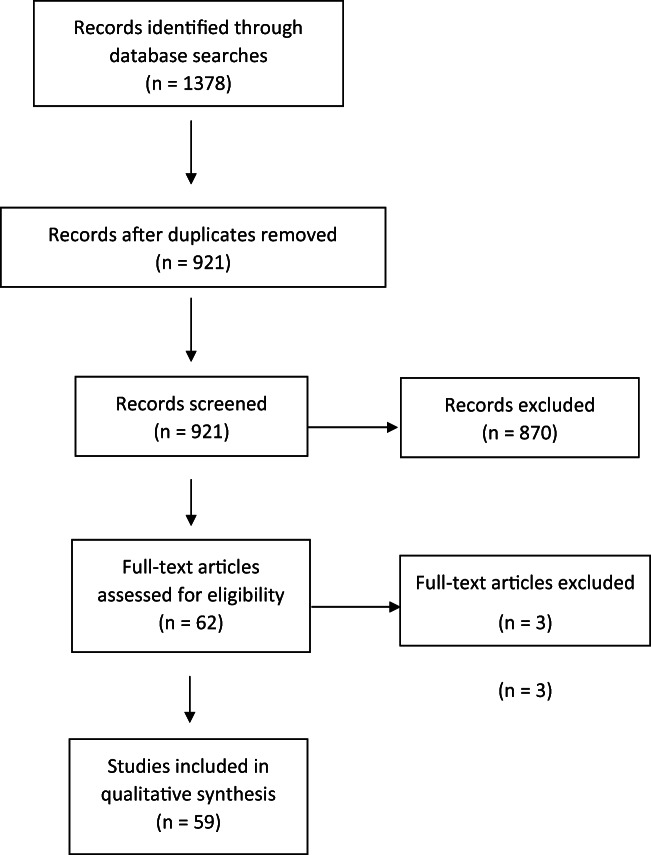
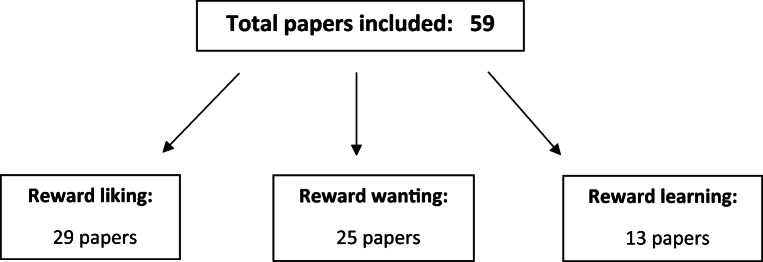
Anhedonia is a key symptom of major depressive disorder (MDD) and comprises behavioural deficits in three reward processing subtypes: reward liking, reward wanting, and reward learning. However, neuroimaging findings regarding the neural abnormalities underpinning these deficits are complex. We have conducted a systematic review to update, reframe and summarize neuroimaging findings across the three subtypes of anhedonia in MDD. Using PubMed, The Cochrane Library, PsycINFO, and Web of Science databases, we identified 59 fMRI studies comparing participants with current or remitted MDD with controls, using reward processing tasks. For reward liking and wanting, striatal hypoactivation was observed, alongside hypoactivation and hyperactivation across frontal regions. For reward learning, blunted frontostriatal sensitivity to positive feedback was observed. These findings highlight the importance of studying anhedonia not only as a clinical manifestation but also as a neurobiological mechanism underlying depressive disorder and other broader psychiatric conditions.
Overview
The claims and statistics of this paper haven’t been checked yet.
Free: it reads the open-access text and checks the first 5 claims that cite a source we can check. Create a free account to check every claim.
Integrity signals
Registry
Cites
Statistics
Figures
Verification
Claims the paper makes
The claims and statistics of this paper haven’t been checked yet.
Free: it reads the open-access text and checks the first 5 claims that cite a source we can check. Create a free account to check every claim.
Claims other papers make about this one
Each is checked against this paper’s own text: does it say what the citing paper says it does?
The source backs part of the claim, not all of it — or backs it for a different population, condition or comparison.
In the citing paper
“In tasks probing reward anticipation, MDD has been linked to decreased activation in ventral and dorsal striatum as well as middle frontal gyrus (BA8), but hyperactivation in the dlPFC and mPFC including pgACC and caudal vmPFC [3,102,113].”
From Prefrontal cortex and depression (2022) · cites this paper as [102]
Experimental — accuracy not yet measuredThe source backs part of the claim, not all of it — or backs it for a different population, condition or comparison.
In the citing paper
“In tasks probing consummatory anhedonia (e.g., receipt of secondary rewards such as money), MDD has been associated with reduced activation in ventral (nucleus accumbens) and dorsal (caudate, putamen) striatum, ACC (rostral, dorsal), and OFC but hyperactivation in the mPFC, vmPFC (including sgACC) and dlPFC [100, 102, 104].”
From Prefrontal cortex and depression (2022) · cites this paper as [102]
Experimental — accuracy not yet measuredThe cited source says what the claim attributes to it.
In the citing paper
“In some studies, blunted ventral striatal activation to rewards correlated with anhedonic symptoms [102].”
From Prefrontal cortex and depression (2022) · cites this paper as [102]
Self-check
Percentages, sums and reported differences re-computed from the paper’s own numbers.
The self-check needs the paper’s full text.
Citations
Cites
Diagnostic and Statistical Manual of Mental Disorders
American Psychiatric Association (2013) · doi:10.1176/appi.books.9780890425596 · Cited by 116,369
Diagnostic and Statistical Manual of Mental Disorders, 5th ed.
Carter, M. J. (2014) · Therapeutic Recreation Journal · Cited by 15,166
Predictive reward signal of dopamine neurons
Schultz, W. (1998) · Journal of Neurophysiology · doi:10.1152/jn.1998.80.1.1 · Cited by 4,564 · cited 2×
“…blunted dopamine signalling, because midbrain dopamine neurons projecting to the striatum code prediction errors when reward feedback is better or worse than expected (Abler et al., 2006; Bayer & Glimcher, 2005; Schultz, 1997, 1998), which is essential for reinforcement learning (Glimcher, 2011).”
BackgroundThe reward circuit: linking primate anatomy and human imaging
Haber, S. N., & Knutson, B. (2010) · Neuropsychopharmacology · doi:10.1038/npp.2009.129 · Cited by 3,718
Ferrari, A. J., Charlson, F. J., Norman, R. E., Patten, S. B., Freedman, G., Murray, C. J. L., Vos, T., & Whiteford, H. A. (2013) · PLoS Medicine · doi:10.1371/journal.pmed.1001547 · Cited by 3,115
Kessler, R. C., Petukhova, M., Sampson, N. A., Zaslavsky, A. M., & Wittchen, H. (2012) · International Journal of Methods in Psychiatric Research · doi:10.1002/mpr.1359 · Cited by 2,947
The human orbitofrontal cortex: linking reward to hedonic experience
Kringelbach, M. L. (2005) · Nature Reviews Neuroscience · doi:10.1038/nrn1747 · Cited by 2,180 · cited 1×
“This pattern of OFC hypoactivation also continues into remission (Dichter et al., 2012) and is consistent with the role of this area in mediating our conscious experience of rewards (Berridge & Kringelbach, 2008; Kringelbach, 2005; Kringelbach & Berridge, 2010).”
ResultThe mesolimbic dopamine reward circuit in depression
Nestler, E. J., & Carlezon, W. A. (2006) · Biological Psychiatry · doi:10.1016/j.biopsych.2005.09.018 · Cited by 2,059
Berridge, K. C., & Robinson, T. E. (2003) · Trends in Neurosciences · doi:10.1016/s0166-2236(03)00233-9 · Cited by 1,869
Reconsidering anhedonia in depression: Lessons from translational neuroscience
Treadway, M. T., & Zald, D. H. (2011) · Neuroscience & Biobehavioral Reviews · doi:10.1016/j.neubiorev.2010.06.006 · Cited by 1,579
Reward representations and reward-related learning in the human brain: Insights from neuroimaging
O’Doherty, J. P. (2004) · Current Opinion in Neurobiology · doi:10.1016/j.conb.2004.10.016 · Cited by 1,426 · cited 1×
“However, medial OFC regions are involved in reward monitoring (Berridge & Kringelbach, 2008), allowing the OFC to hold and update stimulus-reinforcement representations (O’Doherty, 2004; Pizzagalli, 2014), so medial OFC dysfunction may conversely be associated with reward learning deficits.”
BackgroundFMRI visualization of brain activity during a monetary incentive delay task
Knutson, B., Westdorp, A., Kaiser, E., & Hommer, D. (2000) · NeuroImage · doi:10.1006/nimg.2000.0593 · Cited by 1,414 · cited 2×
“Using the MID, during which participants are presented with a cue indicating potential gains and losses and then perform a speeded button press to win the gain or avoid the loss (Knutson et al., 2000), studies have observed hypoactivation of the caudate and nucleus accumbens (NAc) hypoactivation in response to rewards…”
BackgroundMethodMidbrain dopamine neurons encode a quantitative reward prediction error signal
Bayer, H. M., & Glimcher, P. W. (2005) · Neuron · doi:10.1016/j.neuron.2005.05.020 · Cited by 1,304
Affective neuroscience of pleasure: reward in humans and animals
Berridge, K. C., & Kringelbach, M. L. (2008) · Psychopharmacology · doi:10.1007/s00213-008-1099-6 · Cited by 1,254 · cited 5×
“…for reward liking deficits may be associated with dysfunctional opioid signalling, as striatal opioids code our core liking responses (Berridge & Kringelbach, 2008, 2013; Kelley et al., 2002), and there are abnormalities in opioid signalling both in MDD (Kennedy et al., 2006), and in suicide…”
BackgroundResultInfluentialThe role of dopamine in the pathophysiology of depression
Dunlop, B. W., & Nemeroff, C. B. (2007) · Archives of General Psychiatry · doi:10.1001/archpsyc.64.3.327 · Cited by 1,244 · cited 1×
“…et al., 2006; Zalsman et al., 2005), and, as mentioned previously, may be associated with striatal hypoactivation in reward liking, but there are only preliminary results thus far suggesting opioid-targeting drugs could have antidepressant properties (Ehrich et al., 2015; Karp et al., 2014).”
ResultPizzagalli, D. A., Holmes, A. J., Dillon, D. G., Goetz, E. L., Birk, J. L., Bogdan, R., Dougherty, D. D., Iosifescu, D. V., Rauch, S. L., & Fava, M. (2009) · American Journal of Psychiatry · doi:10.1176/appi.ajp.2008.08081201 · Cited by 1,232
Depression, Stress, and Anhedonia: Toward a Synthesis and Integrated Model
Pizzagalli, D. A. (2014) · Annual Review of Clinical Psychology · doi:10.1146/annurev-clinpsy-050212-185606 · Cited by 1,155 · cited 1×
“However, medial OFC regions are involved in reward monitoring (Berridge & Kringelbach, 2008), allowing the OFC to hold and update stimulus-reinforcement representations (O’Doherty, 2004; Pizzagalli, 2014), so medial OFC dysfunction may conversely be associated with reward learning deficits.”
BackgroundThe neurobiology of anhedonia and other reward-related deficits
Der-Avakian, A., & Markou, A. (2012) · Trends in Neurosciences · doi:10.1016/j.tins.2011.11.005 · Cited by 1,130 · cited 3×
“Overall, the weight of evidence appears to support ACC hyperactivation associated with reward anticipation in MDD, especially as it has also been supported by a meta-analysis (Zhang et al., 2013) and has been found to continue into remission (Dichter et al., 2012).”
BackgroundResultTracking the Hemodynamic Responses to Reward and Punishment in the Striatum
Delgado, M. R., Nystrom, L. E., Fissell, C., Noll, D. C., & Fiez, J. A. (2000) · Journal of Neurophysiology · doi:10.1152/jn.2000.84.6.3072 · Cited by 1,116
Effort-related functions of nucleus accumbens dopamine and associated forebrain circuits
Salamone, J. D., Correa, M., Farrar, A., & Mingote, S. M. (2007) · Psychopharmacology · doi:10.1007/s00213-006-0668-9 · Cited by 1,000
Understanding dopamine and reinforcement learning: the dopamine reward prediction error hypothesis
Glimcher, P. W. (2011) · Proceedings of the National Academy of Sciences · doi:10.1073/pnas.1014269108 · Cited by 955 · cited 2×
“…blunted dopamine signalling, because midbrain dopamine neurons projecting to the striatum code prediction errors when reward feedback is better or worse than expected (Abler et al., 2006; Bayer & Glimcher, 2005; Schultz, 1997, 1998), which is essential for reinforcement learning (Glimcher, 2011).”
BackgroundOptimal decision making and the anterior cingulate cortex
Kennerley, S. W., Walton, M. E., Behrens, T. E. J., Buckley, M. J., & Rushworth, M. F. S. (2006) · Nature Neuroscience · doi:10.1038/nn1724 · Cited by 948
Choice, uncertainty and value in prefrontal and cingulate cortex
Rushworth, M. F. S., & Behrens, T. E. J. (2008) · Nature Neuroscience · doi:10.1038/nn2066 · Cited by 866
Sescousse, G., Caldú, X., Segura, B., & Dreher, J.-C. (2013) · Neuroscience & Biobehavioral Reviews · doi:10.1016/j.neubiorev.2013.02.002 · Cited by 782
Treadway, M. T., Buckholtz, J. W., Schwartzman, A. N., Lambert, W. E., & Zald, D. H. (2009) · PLoS ONE · doi:10.1371/journal.pone.0006598 · Cited by 769 · cited 5×
“Using the EEfRT (Treadway et al., 2009), which assesses neural responses during selection between reward options with varying reward values, probabilities, and physical effort requirements, one study found caudate and superior temporal gyrus hypoactivation in MDD participants for high reward and high probability choic…”
InfluentialValue, pleasure and choice in the ventral prefrontal cortex
Grabenhorst, F., & Rolls, E. T. (2011) · Trends in Cognitive Sciences · doi:10.1016/j.tics.2010.12.004 · Cited by 766
Reward processing dysfunction in major depression, bipolar disorder and schizophrenia
Whitton, A. E., Treadway, M. T., & Pizzagalli, D. A. (2015) · Current Opinion in Psychiatry · doi:10.1097/yco.0000000000000122 · Cited by 739
Henry, C. J., Huang, Y., Wynne, A., Hanke, M., Himler, J., Bailey, M. T., Sheridan, J. F., & Godbout, J. P. (2008) · Journal of Neuroinflammation · doi:10.1186/1742-2094-5-15 · Cited by 678
The Neural Correlates of Anhedonia in Major Depressive Disorder
Keedwell, P. A., Andrew, C., Williams, S. C. R., Brammer, M. J., & Phillips, M. L. (2005) · Biological Psychiatry · doi:10.1016/j.biopsych.2005.05.019 · Cited by 650
Neuroscience of apathy and anhedonia: a transdiagnostic approach
Husain, M., & Roiser, J. P. (2018) · Nature Reviews Neuroscience · doi:10.1038/s41583-018-0029-9 · Cited by 640
Felger, J. C., Li, Z., Haroon, E., Woolwine, B. J., Jung, M. Y., Hu, X., & Miller, A. H. (2016) · Molecular Psychiatry · doi:10.1038/mp.2015.168 · Cited by 620
Hornak, J., O'Doherty, J., Bramham, J., Rolls, E. T., Morris, R. G., Bullock, P. R., & Polkey, C. E. (2004) · Journal of Cognitive Neuroscience · doi:10.1162/089892904322926791 · Cited by 603
Inflammation-Induced Anhedonia: Endotoxin Reduces Ventral Striatum Responses to Reward
Eisenberger, N. I., Berkman, E. T., Inagaki, T. K., Rameson, L. T., Mashal, N. M., & Irwin, M. R. (2010) · Biological Psychiatry · doi:10.1016/j.biopsych.2010.06.010 · Cited by 596 · cited 2×
“…MDD symptoms in a sample 2,615 army recruits, the best fit for the data indicated that MDD consisted of both a somatic and nonsomatic component (Elhai et al., 2012), and anhedonia had the second highest factor weighting (Beta = 0.76) for the nonsomatic component (after depressed mood), as well…”
BackgroundInfluentialForbes, E. E., Hariri, A. R., Martin, S. L., Silk, J. S., Moyles, D. L., Fisher, P. M., Brown, S. M., Ryan, N. D., Birmaher, B., Axelson, D. A., et al. (2009) · American Journal of Psychiatry · doi:10.1176/appi.ajp.2008.07081336 · Cited by 582
Reward and Punishment Processing in Depression
Eshel, N., & Roiser, J. P. (2010) · Biological Psychiatry · doi:10.1016/j.biopsych.2010.01.027 · Cited by 575
Assessing anhedonia in depression: potentials and pitfalls
Rizvi, S. J., Pizzagalli, D. A., Sproule, B. A., & Kennedy, S. H. (2016) · Neuroscience & Biobehavioral Reviews · doi:10.1016/j.neubiorev.2016.03.004 · Cited by 571
Erratum to: “Parsing reward” [Trends Neurosci. 26 (2003) 507–513]
Berridge, K. C., & Robinson, T. E. (2003) · Trends in Neurosciences · doi:10.1016/j.tins.2003.09.001 · Cited by 558 · cited 3×
“These three subtypes of reward processing are understood to have partially separable neurobiological underpinnings (Berridge & Robinson, 2003; Rømer Thomsen et al., 2015), and behavioural deficits in each of the three subtypes make up anhedonia in MDD (Rømer Thomsen, 2015).”
BackgroundPrefrontal cortical regulation of brainwide circuit dynamics and reward-related behavior
Ferenczi, E. A., Zalocusky, K. A., Liston, C., Grosenick, L., Warden, M. R., Amatya, D., Katovich, K., Mehta, H., Patenaude, B., Ramakrishnan, C., et al. (2016) · Science · doi:10.1126/science.aac9698 · Cited by 535
Opioid modulation of taste hedonics within the ventral striatum
Kelley, A. E., Bakshi, V. P., Haber, S. N., Steininger, T. L., Will, M. J., & Zhang, M. (2002) · Physiology & Behavior · doi:10.1016/s0031-9384(02)00751-5 · Cited by 526
Neuroscience of affect: brain mechanisms of pleasure and displeasure
Berridge, K. C., & Kringelbach, M. L. (2013) · Current Opinion in Neurobiology · doi:10.1016/j.conb.2013.01.017 · Cited by 523
Reward Processing in Depression: A Conceptual and Meta-Analytic Review Across fMRI and EEG Studies
Keren, H., O’Callaghan, G., Vidal-Ribas, P., Buzzell, G. A., Brotman, M. A., Leibenluft, E., Pan, P. M., Meffert, L., Kaiser, A., Wolke, S., et al. (2018) · American Journal of Psychiatry · doi:10.1176/appi.ajp.2018.17101124 · Cited by 521 · cited 6×
“In terms of meta-analyses, one reported striatal hypoactivation in MDD during reward feedback (Keren et al., 2018), and another found specifically caudate hypoactivation during response to rewards (Zhang et al.”
BackgroundResultInfluentialNeural Responses to Monetary Incentives in Major Depression
Knutson, B., Bhanji, J. P., Cooney, R. E., Atlas, L. Y., & Gotlib, I. H. (2008) · Biological Psychiatry · doi:10.1016/j.biopsych.2007.07.023 · Cited by 496
Expected value and prediction error abnormalities in depression and schizophrenia
Gradin, V. B., Kumar, P., Waiter, G., Ahearn, T., Stickle, C., Milders, M., Reid, I., Hall, J., & Steele, J. D. (2011) · Brain · doi:10.1093/brain/awr059 · Cited by 485
Lack of Ventral Striatal Response to Positive Stimuli in Depressed Versus Normal Subjects
Epstein, J., Pan, H., Kocsis, J. H., Yang, Y., Butler, T., Chusid, J., Hochberg, H., Murrough, J., Strohmayer, E., Stern, E., et al. (2006) · American Journal of Psychiatry · doi:10.1176/ajp.2006.163.10.1784 · Cited by 464
McMakin, D. L., Olino, T. M., Porta, G., Dietz, L. J., Emslie, G., Clarke, G., Wagner, K. D., Asarnow, J. R., Ryan, N. D., Birmaher, B., et al. (2012) · Journal of the American Academy of Child & Adolescent Psychiatry · doi:10.1016/j.jaac.2012.01.011 · Cited by 448
Reduced Reward Learning Predicts Outcome in Major Depressive Disorder
Vrieze, E., Pizzagalli, D. A., Demyttenaere, K., Hompes, T., Sienaert, P., de Boer, P., Schmidt, M., & Claes, S. (2013) · Biological Psychiatry · doi:10.1016/j.biopsych.2012.10.014 · Cited by 441
Uher, R., Perlis, R. H., Henigsberg, N., Zobel, A., Rietschel, M., Mors, O., Hauser, J., Dernovsek, M. Z., Souery, D., Bajs, M., et al. (2012) · Psychological Medicine · doi:10.1017/s0033291711001905 · Cited by 420
Immaturities in reward processing and its influence on inhibitory control in adolescence.
Geier, C. F., Terwilliger, R., Teslovich, T., Velanova, K., & Luna, B. (2010) · Cerebral Cortex · doi:10.1093/cercor/bhp225 · Cited by 396 · cited 2×
“, 2011); adults and adolescents have different neural engagement patterns during reward processing, as mentioned above (Geier et al., 2010; Silverman et al., 2015), and, importantly, show different patterns of dorsal ACC recruitment on this task (Eshel et al.”
BackgroundHayden, B. Y., Heilbronner, S. R., Pearson, J. M., & Platt, M. L. (2011) · The Journal of Neuroscience · doi:10.1523/jneurosci.4652-10.2011 · Cited by 379
Choice selection and reward anticipation: an fMRI study
Ernst, M., Nelson, E. E., McClure, E. B., Monk, C. S., Munson, S., Eshel, N., Zarahn, E., Leibenluft, E., Zametkin, A., Towbin, K., et al. (2004) · Neuropsychologia · doi:10.1016/j.neuropsychologia.2004.05.011 · Cited by 377
Prediction error as a linear function of reward probability is coded in human nucleus accumbens
Abler, B., Walter, H., Erk, S., Kammerer, H., & Spitzer, M. (2006) · NeuroImage · doi:10.1016/j.neuroimage.2006.01.001 · Cited by 376
Abnormal temporal difference reward-learning signals in major depression
Kumar, P., Waiter, G., Ahearn, T., Milders, M., Reid, I., & Steele, J. D. (2008) · Brain · doi:10.1093/brain/awn136 · Cited by 374
McCabe, C., Mishor, Z., Cowen, P. J., & Harmer, C. J. (2010) · Biological Psychiatry · doi:10.1016/j.biopsych.2009.11.001 · Cited by 365
Emotional side-effects of selective serotonin reuptake inhibitors: qualitative study
Price, J., Cole, V., & Goodwin, G. M. (2009) · British Journal of Psychiatry · doi:10.1192/bjp.bp.108.051110 · Cited by 362
Eshel, N., Nelson, E. E., Blair, R. J., Pine, D. S., & Ernst, M. (2007) · Neuropsychologia · doi:10.1016/j.neuropsychologia.2006.10.004 · Cited by 355 · cited 2×
“…population (Shad et al., 2011); adults and adolescents have different neural engagement patterns during reward processing, as mentioned above (Geier et al., 2010; Silverman et al., 2015), and, importantly, show different patterns of dorsal ACC recruitment on this task (Eshel et al., 2007).”
BackgroundZhang, W.-N., Chang, S.-H., Guo, L.-Y., Zhang, K.-L., & Wang, J. (2013) · Journal of Affective Disorders · doi:10.1016/j.jad.2013.06.039 · Cited by 355
Dysfunctional reward processing in depression
Admon, R., & Pizzagalli, D. A. (2015) · Current Opinion in Psychology · doi:10.1016/j.copsyc.2014.12.011 · Cited by 343
Dysregulation of Endogenous Opioid Emotion Regulation Circuitry in Major Depression in Women
Kennedy, S. E., Koeppe, R. A., Young, E. A., & Zubieta, J.-K. (2006) · Archives of General Psychiatry · doi:10.1001/archpsyc.63.11.1199 · Cited by 338
fMRI of alterations in reward selection, anticipation, and feedback in major depressive disorder
Smoski, M. J., Felder, J., Bizzell, J., Green, S. R., Ernst, M., Lynch, T. R., & Dichter, G. S. (2009) · Journal of Affective Disorders · doi:10.1016/j.jad.2009.01.034 · Cited by 328
Stringaris, A., Vidal-Ribas Belil, P., Artiges, E., Lemaitre, H., Gollier-Briant, F., Wolke, S., Vulser, H., Miranda, R., Penttilä, J., Struve, M., et al. (2015) · American Journal of Psychiatry · doi:10.1176/appi.ajp.2015.14101298 · Cited by 322
Dopamine, depression and antidepressants
Dailly, E., Chenu, F., Renard, C. E., & Bourin, M. (2004) · Fundamental & Clinical Pharmacology · doi:10.1111/j.1472-8206.2004.00287.x · Cited by 302
Denk, F., Walton, M. E., Jennings, K. A., Sharp, T., Rushworth, M. F. S., & Bannerman, D. M. (2005) · Psychopharmacology · doi:10.1007/s00213-004-2059-4 · Cited by 302
Reward‐related decision‐making in pediatric major depressive disorder: an fMRI study
Forbes, E. E., Christopher May, J., Siegle, G. J., Ladouceur, C. D., Ryan, N. D., Carter, C. S., Birmaher, B., Axelson, D. A., & Dahl, R. E. (2006) · Journal of Child Psychology and Psychiatry · doi:10.1111/j.1469-7610.2006.01673.x · Cited by 299
The effects of psychotherapy on neural responses to rewards in major depression
Dichter, G. S., Felder, J. N., Petty, C., Bizzell, J., Ernst, M., & Smoski, M. J. (2009) · Biological Psychiatry · doi:10.1016/j.biopsych.2009.06.021 · Cited by 278
Silverman, M. H., Jedd, K., & Luciana, M. (2015) · NeuroImage · doi:10.1016/j.neuroimage.2015.07.083 · Cited by 277
Anhedonia in schizophrenia and major depression: state or trait
Pelizza, L., & Ferrari, A. (2009) · Annals of General Psychiatry · doi:10.1186/1744-859x-8-22 · Cited by 271
Rogers, R. D., Tunbridge, E. M., Bhagwagar, Z., Drevets, W. C., Sahakian, B. J., & Carter, C. S. (2003) · Neuropsychopharmacology · doi:10.1038/sj.npp.1300001 · Cited by 270
Blunted response to feedback information in depressive illness
Steele, J. D., Kumar, P., & Ebmeier, K. P. (2007) · Brain · doi:10.1093/brain/awm150 · Cited by 261
Spijker, J., Bijl, R. V., De Graaf, R., & Nolen, W. A. (2001) · Acta Psychiatrica Scandinavica · doi:10.1034/j.1600-0447.2001.103002122.x · Cited by 254
Common and Dissociable Dysfunction of the Reward System in Bipolar and Unipolar Depression
Satterthwaite, T. D., Kable, J. W., Vandekar, L., Katchmar, N., Bassett, D. S., Baldassano, C. F., Ruparel, K., Elliott, M. A., Sheline, Y. I., Gur, R. C., et al. (2015) · Neuropsychopharmacology · doi:10.1038/npp.2015.75 · Cited by 249
Neural representation of reward in recovered depressed patients
McCabe, C., Cowen, P. J., & Harmer, C. J. (2009) · Psychopharmacology · doi:10.1007/s00213-009-1573-9 · Cited by 248
Robinson, O. J., Cools, R., Carlisi, C. O., Sahakian, B. J., & Drevets, W. C. (2012) · American Journal of Psychiatry · doi:10.1176/appi.ajp.2011.11010137 · Cited by 232
Rømer Thomsen, K., Whybrow, P. C., & Kringelbach, M. L. (2015) · Frontiers in Behavioral Neuroscience · doi:10.3389/fnbeh.2015.00049 · Cited by 229 · cited 6×
“Reward liking represents the consummatory stage of reward processing, involving positive or negative hedonic impact (Berridge & Robinson, 2003; Husain & Roiser, 2018; Rømer Thomsen et al., 2015; Treadway & Zald, 2011).”
BackgroundMethodResultInfluentialKrystal, A. D., Pizzagalli, D. A., Smoski, M., Mathew, S. J., Nurnberger, J., Lisanby, S. H., Iosifescu, D., Murrough, J. W., Yang, H., Weiner, R. D., et al. (2020) · Nature Medicine · doi:10.1038/s41591-020-0806-7 · Cited by 227 · cited 2×
“…use of a κ-opioid receptor agonist increased VS activation during reward anticipation versus placebo in patients with anhedonia and a mood or anxiety disorder (Krystal et al., 2020), indicating this treatment does have specific effects on the functioning of reward circuitry in these patients.”
BackgroundImpaired reward prediction error encoding and striatal-midbrain connectivity in depression
Kumar, P., Goer, F., Murray, L., Dillon, D. G., Beltzer, M. L., Cohen, A. L., Brooks, N. H., & Pizzagalli, D. A. (2018) · Neuropsychopharmacology · doi:10.1038/s41386-018-0032-x · Cited by 219
The functional neuroanatomy of pleasure and happiness.
Kringelbach, M. L., & Berridge, K. C. (2010) · PubMed · Cited by 217
Association of neural and emotional impacts of reward prediction errors with major depression
Rutledge, R. B., Moutoussis, M., Smittenaar, P., Zeidman, P., Taylor, T., Hrynkiewicz, L., Lam, J., Skandali, N., Siegel, J. Z., Ousdal, O. T., et al. (2017) · JAMA Psychiatry · doi:10.1001/jamapsychiatry.2017.1713 · Cited by 209
Foti, D., Carlson, J. M., Sauder, C. L., & Proudfit, G. H. (2014) · NeuroImage · doi:10.1016/j.neuroimage.2014.06.058 · Cited by 208
Blunted reward responsiveness in remitted depression
Pechtel, P., Dutra, S. J., Goetz, E. L., & Pizzagalli, D. A. (2013) · Journal of Psychiatric Research · doi:10.1016/j.jpsychires.2013.08.011 · Cited by 192
Karp, J. F., Butters, M. A., Begley, A. E., Miller, M. D., Lenze, E. J., Blumberger, D. M., Mulsant, B. H., & Reynolds, C. F. (2014) · The Journal of Clinical Psychiatry · doi:10.4088/jcp.13m08725 · Cited by 191
Dopamine modulates effort-based decision making in rats.
Bardgett, M. E., Depenbrock, M., Downs, N., Points, M., & Green, L. (2009) · Behavioral Neuroscience · doi:10.1037/a0014625 · Cited by 191
Dimensional psychiatry: reward dysfunction and depressive mood across psychiatric disorders
Hägele, C., Schlagenhauf, F., Rapp, M., Sterzer, P., Beck, A., Bermpohl, F., Stoy, M., Ströhle, A., Wittchen, H.-U., Dolan, R. J., et al. (2015) · Psychopharmacology · doi:10.1007/s00213-014-3662-7 · Cited by 191
Baskin-sommers, A. R., & Foti, D. (2015) · International Journal of Psychophysiology · doi:10.1016/j.ijpsycho.2015.01.011 · Cited by 185
Dichter, G. S., Kozink, R. V., McClernon, F. J., & Smoski, M. J. (2012) · Journal of Affective Disorders · doi:10.1016/j.jad.2011.09.048 · Cited by 170 · cited 2×
“Additionally, there are abnormalities in dopamine signalling in MDD (Dailly et al., 2004; Dunlop & Nemeroff, 2007; Nestler & Carlezon, 2006), and these striatal abnormalities have been observed during the reward processing MID task in MDD (Hamilton et al., 2018).”
BackgroundThe phasic reward signal of primate dopamine neurons
Schultz, W. (1997) · Advances in Pharmacology · doi:10.1016/s1054-3589(08)60841-8 · Cited by 169 · cited 2×
“…blunted dopamine signalling, because midbrain dopamine neurons projecting to the striatum code prediction errors when reward feedback is better or worse than expected (Abler et al., 2006; Bayer & Glimcher, 2005; Schultz, 1997, 1998), which is essential for reinforcement learning (Glimcher, 2011).”
BackgroundEvaluation of Opioid Modulation in Major Depressive Disorder
Ehrich, E., Turncliff, R., Du, Y., Leigh-Pemberton, R., Fernandez, E., Jones, R., & Fava, M. (2015) · Neuropsychopharmacology · doi:10.1038/npp.2014.330 · Cited by 169 · cited 1×
“For example, endotoxin-induced inflammation is associated with striatal hypoactivation for rewards (Eisenberger et al., 2010), and increased C-reactive protein levels are associated with decreased VS to vmPFC connectivity, which in turn correlates with anhedonia (Felger et al., 2016).”
BackgroundSmith, B. W., Mitchell, D. G. V., Hardin, M. G., Jazbec, S., Fridberg, D., Blair, R. J. R., & Ernst, M. (2009) · NeuroImage · doi:10.1016/j.neuroimage.2008.08.016 · Cited by 168 · cited 2×
“However, an OFC abnormality is consistent with the neurobiology of reward processing, as the WoF task consistently activates the OFC (Smith et al., 2009), and the OFC codes the relative values of reward options during decision-making (Der-Avakian & Markou, 2012; Grabenhorst & Rolls, 2011; Hornak et…”
MethodElhai, J. D., Contractor, A. A., Tamburrino, M., Fine, T. H., Prescott, M. R., Shirley, E. R., Chan, P. K., Slembarski, R., Liberzon, I., Galea, S., et al. (2012) · Psychiatry Research · doi:10.1016/j.psychres.2012.05.018 · Cited by 168
Altered neural reward and loss processing and prediction error signalling in depression
Ubl, B., Kuehner, C., Kirsch, P., Ruttorf, M., Diener, C., & Flor, H. (2015) · Social Cognitive and Affective Neuroscience · doi:10.1093/scan/nsu158 · Cited by 165
Reward processing in unipolar and bipolar depression: A functional MRI study
Redlich, R., Dohm, K., Grotegerd, D., Opel, N., Zwitserlood, P., Heindel, W., Arolt, V., Kugel, H., & Dannlowski, U. (2015) · Neuropsychopharmacology · doi:10.1038/npp.2015.110 · Cited by 164
Neural response to pleasant stimuli in anhedonia: an fMRI study
Mitterschiffthaler, M. T., Kumari, V., Malhi, G. S., Brown, R. G., Giampietro, V. P., Brammer, M. J., Suckling, J., Poon, L., Simmons, A., Andrew, C., et al. (2003) · NeuroReport · doi:10.1097/00001756-200302100-00003 · Cited by 162
Measuring anhedonia: impaired ability to pursue, experience, and learn about reward
Thomsen, K. R. (2015) · Frontiers in Psychology · doi:10.3389/fpsyg.2015.01409 · Cited by 159 · cited 1×
“These three subtypes of reward processing are understood to have partially separable neurobiological underpinnings (Berridge & Robinson, 2003; Rømer Thomsen et al., 2015), and behavioural deficits in each of the three subtypes make up anhedonia in MDD (Rømer Thomsen, 2015).”
BackgroundChase, H. W., Nusslock, R., Almeida, J. R., Forbes, E. E., LaBarbara, E. J., & Phillips, M. L. (2013) · Bipolar Disorders · doi:10.1111/bdi.12132 · Cited by 157
THE BEHAVIORAL PHARMACOLOGY OF EFFORT‐RELATED CHOICE BEHAVIOR: DOPAMINE, ADENOSINE AND BEYOND
Salamone, J. D., Correa, M., Nunes, E. J., Randall, P. A., & Pardo, M. (2012) · Journal of the Experimental Analysis of Behavior · doi:10.1901/jeab.2012.97-125 · Cited by 153
Assessing the effects of bupropion SR on mood dimensions of depression
Tomarken, A. J., Dichter, G. S., Freid, C., Addington, S., & Shelton, R. C. (2004) · Journal of Affective Disorders · doi:10.1016/s0165-0327(02)00306-3 · Cited by 139
Dopaminergic Enhancement of Striatal Response to Reward in Major Depression
Admon, R., Kaiser, R. H., Dillon, D. G., Beltzer, M., Goer, F., Olson, D. P., Vitaliano, G., & Pizzagalli, D. A. (2017) · American Journal of Psychiatry · doi:10.1176/appi.ajp.2016.16010111 · Cited by 136
Yang, X., Huang, J., Lan, Y., Cui-ying, Z., Liu, X.-Q., Wang, Y., Cheung, E. F. C., Xie, G., & Chan, R. C. K. (2015) · Progress in Neuro-Psychopharmacology and Biological Psychiatry · doi:10.1016/j.pnpbp.2015.07.006 · Cited by 133 · cited 2×
“…of rewards on the reward guessing task (Morgan et al., 2016), whereas another found reduced connectivity between the posterior vmPFC and other frontostriatal regions in MDD while listening to pleasant music (Young et al., 2016), which correlated with higher anhedonia levels (Young et al., 2016).”
BackgroundArrondo, G., Segarra, N., Metastasio, A., Ziauddeen, H., Spencer, J., Reinders, N. R., Dudas, R. B., Robbins, T. W., Fletcher, P. C., & Murray, G. K. (2015) · Frontiers in Psychology · doi:10.3389/fpsyg.2015.01280 · Cited by 129
Anhedonia revisited: Is there a role for dopamine-targeting drugs for depression?
Argyropoulos, S. V., & Nutt, D. J. (2013) · Journal of Psychopharmacology · doi:10.1177/0269881113494104 · Cited by 126
Mapping inflammation onto mood: inflammatory mediators of anhedonia
Swardfager, W., Rosenblat, J. D., Benlamri, M., & McIntyre, R. S. (2016) · Neuroscience & Biobehavioral Reviews · doi:10.1016/j.neubiorev.2016.02.017 · Cited by 125
Neural mechanisms of reinforcement learning in unmedicated patients with major depressive disorder
Rothkirch, M., Tonn, J., Köhler, S., & Sterzer, P. (2017) · Brain · doi:10.1093/brain/awx025 · Cited by 124
Anticipation-related brain connectivity in bipolar and unipolar depression: a graph theory approach
Manelis, A., Almeida, J. R. C., Stiffler, R., Lockovich, J. C., Aslam, H. A., & Phillips, M. L. (2016) · Brain · doi:10.1093/brain/aww157 · Cited by 113
Young, C. B., Chen, T., Nusslock, R., Keller, J., Schatzberg, A. F., & Menon, V (2016) · Translational Psychiatry · doi:10.1038/tp.2016.80 · Cited by 108
Rapid Habituation of Ventral Striatal Response to Reward Receipt in Postpartum Depression
Moses-Kolko, E. L., Fraser, D., Wisner, K. L., James, J. A., Saul, A. T., Fiez, J. A., & Phillips, M. L. (2011) · Biological Psychiatry · doi:10.1016/j.biopsych.2011.02.021 · Cited by 101
Brain activation to favorite music in healthy controls and depressed patients
Osuch, E. A., Bluhm, R. L., Williamson, P. C., Théberge, J., Densmore, M., & Neufeld, R. W. J. (2009) · NeuroReport · doi:10.1097/wnr.0b013e32832f4da3 · Cited by 99
Rawal, A., Collishaw, S., Thapar, A., & Rice, F. (2013) · Psychological Medicine · doi:10.1017/s0033291712001158 · Cited by 98
Postmortem μ-opioid receptor binding in suicide victims and controls
Zalsman, G., Molcho, A., Huang, Y., Dwork, A. J., Li, M., & Mann, J. J. (2004) · Journal of Neural Transmission · doi:10.1007/s00702-004-0239-3 · Cited by 96 · cited 3×
“Opioid function is also abnormal in MDD (Kennedy et al., 2006; Zalsman et al., 2005), and, as mentioned previously, may be associated with striatal hypoactivation in reward liking, but there are only preliminary results thus far suggesting opioid-targeting drugs could have antidepressant properties (Ehrich et al.”
BackgroundInfluentialSegarra, N., Metastasio, A., Ziauddeen, H., Spencer, J., Reinders, N. R., Dudas, R. B., Arrondo, G., Robbins, T. W., Clark, L., Fletcher, P. C., et al. (2016) · Neuropsychopharmacology · doi:10.1038/npp.2015.370 · Cited by 96
Carl, H., Walsh, E., Eisenlohr-Moul, T., Minkel, J., Crowther, A., Moore, T., Gibbs, D., Petty, C., Bizzell, J., Dichter, G. S., et al. (2016) · Journal of Affective Disorders · doi:10.1016/j.jad.2016.06.005 · Cited by 95
Greenberg, T., Chase, H. W., Almeida, J. R., Stiffler, R., Zevallos, C. R., Aslam, H. A., Deckersbach, T., Weyandt, S., Cooper, C., Toups, M., et al. (2015) · American Journal of Psychiatry · doi:10.1176/appi.ajp.2015.14050594 · Cited by 93
Smoski, M. J., Rittenberg, A., & Dichter, G. S. (2011) · Psychiatry Research: Neuroimaging · doi:10.1016/j.pscychresns.2011.06.012 · Cited by 91
Remitted major depression is characterized by reduced prefrontal cortex reactivity to reward loss
Schiller, C. E., Minkel, J., Smoski, M. J., & Dichter, G. S. (2013) · Journal of Affective Disorders · doi:10.1016/j.jad.2013.06.016 · Cited by 89
Does anhedonia correlate with depression severity in chronic depression?
Schrader, G. D. (1997) · Comprehensive Psychiatry · doi:10.1016/s0010-440x(97)90057-2 · Cited by 85 · cited 1×
“…increased risk of new onset MDD (Rawal, Collishaw, Thapar, & Rice, 2013), anhedonia may precede illness onset, and, moreover, it can often persist past the remission of other depressive symptoms (Schrader, 1997), as do deficits on reward processing tasks (Pechtel, Dutra, Goetz, & Pizzagalli, 2013).”
BackgroundGong, L., Yin, Y., He, C., Ye, Q., Bai, F., Yuan, Y., Zhang, H., Lv, L., Zhang, H., Xie, C., et al. (2017) · Journal of Psychiatric Research · doi:10.1016/j.jpsychires.2016.09.016 · Cited by 82
Patients with major depressive disorder exhibit reduced reward size coding in the striatum
Takamura, M., Okamoto, Y., Okada, G., Toki, S., Yamamoto, T., Ichikawa, N., Mori, A., Minagawa, H., Takaishi, Y., Fujii, Y., et al. (2017) · Progress in Neuro-Psychopharmacology and Biological Psychiatry · doi:10.1016/j.pnpbp.2017.07.006 · Cited by 81
Liu, W.-H., Valton, V., Wang, L.-Z., Zhu, Y.-H., & Roiser, J. P. (2017) · Social Cognitive and Affective Neuroscience · doi:10.1093/scan/nsx074 · Cited by 80
Herzallah, M. M., Moustafa, A. A., Natsheh, J. Y., Abdellatif, S. M., Taha, M. B., Tayem, Y. I., Sehwail, M. A., Amleh, I., Petrides, G., Myers, C. E., et al. (2013) · Frontiers in Integrative Neuroscience · doi:10.3389/fnint.2013.00067 · Cited by 77
Park, I. H., Lee, B. C., Kim, J., Kim, J. I., & Koo, M.-S. (2017) · Journal of Neuroscience · doi:10.1523/jneurosci.2524-16.2017 · Cited by 73 · cited 4×
“One identified study investigated connectivity during reward selection in MDD using an effort-based cost-benefit valuation task, involving pressing a button to turn off light bulbs a varying number of times to attain a reward (Park, Lee, Kim, Kim, & Koo, 2017); this study observed reduced functional connectivity betwe…”
BackgroundInfluentialImpaired reward-related learning signals in remitted unmedicated patients with recurrent depression
Geugies, H., Mocking, R. J. T., Figueroa, C. A., Groot, P. F. C., Marsman, J.-B. C., Servaas, M. N., Steele, J. D., Schene, A. H., & Ruhé, H. G. (2019) · Brain · doi:10.1093/brain/awz167 · Cited by 67 · cited 6×
“…did report a relationship between the neural patterns related to reward processing deficits and anhedonia levels in MDD (Epstein et al., 2006; Keedwell et al., 2005; Misaki et al., 2016; Rothkirch et al., 2017; Stringaris et al., 2015; Young et al., 2016) and remitted MDD (Geugies et al., 2019).”
BackgroundMethodResultInfluentialThe first implementation of the NIMH FAST-FAIL approach to psychiatric drug development
Krystal, A. D., Pizzagalli, D. A., Mathew, S. J., Sanacora, G., Keefe, R., Song, A., Calabrese, J., Goddard, A., Goodman, W., Lisanby, S. H., et al. (2019) · Nature Reviews Drug Discovery · doi:10.1038/nrd.2018.222 · Cited by 64
Reward Processing in Adolescent Depression Across Neuroimaging Modalities: A Review
O’Callaghan, G., & Stringaris, A. (2019) · Zeitschrift für Kinder- und Jugendpsychiatrie und Psychotherapie · doi:10.1024/1422-4917/a000663 · Cited by 63
Olino, T. M., McMakin, D. L., Dahl, R. E., Ryan, N. D., Silk, J. S., Birmaher, B., Axelson, D. A., & Forbes, E. E. (2011) · Psychiatry Research: Neuroimaging · doi:10.1016/j.pscychresns.2011.04.009 · Cited by 62
Hamilton, J. P., Sacchet, M. D., Hjørnevik, T., Chin, F. T., Shen, B., Kämpe, R., Park, J. H., Knutson, B. D., Williams, L. M., Borg, N., et al. (2018) · Translational Psychiatry · doi:10.1038/s41398-018-0316-2 · Cited by 61
Failure of hippocampal deactivation during loss events in treatment-resistant depression
Johnston, B. A., Tolomeo, S., Gradin, V., Christmas, D., Matthews, K., & Douglas Steele, J. (2015) · Brain · doi:10.1093/brain/awv177 · Cited by 54
Abler, B., Grön, G., Hartmann, A., Metzger, C., & Walter, M. (2012) · The Journal of Neuroscience · doi:10.1523/jneurosci.5826-11.2012 · Cited by 53
An fMRI study of reward circuitry in patients with minimal or extensive history of major depression
Hall, G. B., Milne, A. M., & MacQUEEN, G. M. (2013) · European Archives of Psychiatry and Clinical Neuroscience · doi:10.1007/s00406-013-0437-9 · Cited by 50
Neural predictive error signal correlates with depressive illness severity in a game paradigm
Steele, J. D., Meyer, M. E., & Ebmeier, K. P. (2004) · NeuroImage · doi:10.1016/j.neuroimage.2004.04.023 · Cited by 49
Misaki, M., Suzuki, H., Savitz, J., Drevets, W. C., & Bodurka, J. (2016) · Scientific Reports · doi:10.1038/srep21227 · Cited by 46
Neural response to reward anticipation in those with depression with and without panic disorder
Gorka, S. M., Huggins, A. A., Fitzgerald, D. A., Nelson, B. D., Phan, K. L., & Shankman, S. A. (2014) · Journal of Affective Disorders · doi:10.1016/j.jad.2014.04.019 · Cited by 42
Sankar, A., Yttredahl, A. A., Fourcade, E. W., Mickey, B. J., Love, T., Langenecker, S. A., & Hsu, D. T. (2019) · Frontiers in Behavioral Neuroscience · doi:10.3389/fnbeh.2019.00149 · Cited by 38
Shad, M. U., Bidesi, A. P., Chen, L.-A., Ernst, M., & Rao, U. (2011) · Journal of the American Academy of Child & Adolescent Psychiatry · doi:10.1016/j.jaac.2011.03.011 · Cited by 37 · cited 16×
“In terms of incentive motivation, one study using the WoF observed OFC hyperactivation (Smoski et al., 2009), whereas another using the WoF observed hypoactivation (Shad et al., 2011), and one study using a probabilistic reward task also observed OFC hypoactivation (Forbes et al., 2006).”
BackgroundMethodResultInfluentialKumar, P., Slavich, G. M., Berghorst, L. H., Treadway, M. T., Brooks, N. H., Dutra, S. J., Greve, D. N., O׳Donovan, A., Bleil, M. E., Maninger, N., et al. (2015) · Journal of Affective Disorders · doi:10.1016/j.jad.2015.03.035 · Cited by 36
Jenkins, L. M., Skerrett, K. A., DelDonno, S. R., Patrón, V. G., Meyers, K. K., Peltier, S., Zubieta, J., Langenecker, S. A., & Starkman, M. N. (2018) · Psychiatry Research Neuroimaging · doi:10.1016/j.pscychresns.2018.03.002 · Cited by 36 · cited 5×
“The most consistent neuroimaging abnormality associated with reward liking was striatal hypoactivation, reported to be observed in the VS/NAc (Carl et al., 2016; Connolly et al., 2015; Epstein et al., 2006; Foti et al., 2014; Jenkins et al., 2018; Keedwell et al., 2005; Moses-Kolko et al., 2011; Osuch et al., 2009; Pi…”
BackgroundResultInfluentialMetzger, C. D., Wiegers, M., Walter, M., Abler, B., & Graf, H. (2015) · The International Journal of Neuropsychopharmacology · doi:10.1093/ijnp/pyv080 · Cited by 35
Morgan, J. K., Shaw, D. S., Olino, T. M., Musselman, S. C., Kurapati, N. T., & Forbes, E. E. (2016) · Journal of Clinical Child & Adolescent Psychology · doi:10.1080/15374416.2015.1030753 · Cited by 34 · cited 3×
“Two other identified studies in the reward liking subtype assessed frontostriatal connectivity during response to rewards: one study reported that, in a group of male adolescents, those with a history of MDD showed increased frontostriatal connectivity during delivery of rewards on the reward guessing task (Morgan et…”
BackgroundEngelmann, J. B., Berns, G. S., & Dunlop, B. W. (2017) · Psychological Medicine · doi:10.1017/s0033291717001428 · Cited by 33 · cited 6×
“Additionally, striatal hypoactivation has been shown to correlate with anhedonia (Epstein et al., 2006; Keedwell et al., 2005), although one study did not find this association (Connolly et al., 2015).”
BackgroundMethodResultInfluentialNeural reward processing in individuals remitted from major depression
Ubl, B., Kuehner, C., Kirsch, P., Ruttorf, M., Flor, H., & Diener, C. (2015) · Psychological Medicine · doi:10.1017/s0033291715001452 · Cited by 32
Connolly, M. E., Gollan, J. K., Cobia, D. J., & Wang, X. (2015) · Journal of Psychiatric Research · doi:10.1016/j.jpsychires.2015.04.025 · Cited by 20
Aberrant striatal tracking of reward magnitude in youth with current or past-year depression.
Insel, C., Glenn, C. R., Nock, M. K., & Somerville, L. H. (2019) · Journal of Abnormal Psychology · doi:10.1037/abn0000389 · Cited by 20
Reimherr, F. W., Martin, M. L., Eudicone, J. M., Marchant, B. K., Tran, Q.-V., Pikalov, A., Marcus, R. N., Berman, R., & Carlson, B. X. (2010) · Journal of Clinical Psychopharmacology · doi:10.1097/jcp.0b013e3181db320f · Cited by 18
McCabe, C. (2016) · Journal of Psychopharmacology · doi:10.1177/0269881116653079 · Cited by 12 · cited 2×
“…found to show a general pattern of hypoactivation (in the OFC and right frontal pole) during response to rewards on the MID (Dichter, Kozink, McClernon, & Smoski, 2012), and a negative correlation between dmPFC activity and liking of an oral stimulus, opposite to healthy controls (McCabe, 2016).”
BackgroundLiu, W., Valton, V., Wang, L.-Z., Zhu, Y., & Roiser, J. P. (2017) · Biological Psychiatry · doi:10.1016/j.biopsych.2017.02.149 · Cited by 7
Antonesei, A., Murayama, K., & McCabe, C. (2018) · Biological Psychiatry · doi:10.1016/j.biopsych.2018.02.424 · Cited by 3
Cited by
Prefrontal cortex and depression
Pizzagalli, D. A., & Roberts, A. C. (2022) · Neuropsychopharmacology · doi:10.1038/s41386-021-01101-7 · Cited by 667
On what motivates us: a detailed review of intrinsic v.extrinsic motivation
Morris, L. S., Grehl, M. M., Rutter, S. B., Mehta, M., & Westwater, M. L. (2022) · Psychological Medicine · doi:10.1017/s0033291722001611 · Cited by 226
Pizzagalli, D. A. (2022) · American Journal of Psychiatry · doi:10.1176/appi.ajp.20220423 · Cited by 199
“Notably, reward-related blunting in these regions has been accompanied byhyperactivation in themedial prefrontal cortex (mPFC), ventromedial prefrontal cortex (vmPFC; including the sgACC), and dorsolateral prefrontal cortex (dlPFC) (33, 38, 49).”
BackgroundAnhedonia and Depressive Disorders
Serretti, A. (2023) · Clinical Psychopharmacology and Neuroscience · doi:10.9758/cpn.23.1086 · Cited by 182
“patory anhedonia while prefrontal areas for consummatory anhedonia [5,8,28].”
Positive affect treatment targets reward sensitivity: A randomized controlled trial.
Craske, M. G., Meuret, A. E., Echiverri-Cohen, A. M., Rosenfield, D., & Ritz, T. (2023) · Journal of Consulting and Clinical Psychology · doi:10.1037/ccp0000805 · Cited by 174
Metadata
- Authors
- Borsini, A., Wallis, A. S. J., Zunszain, P., Pariante, C. M., & Kempton, M. J.
- Affiliations
- King's College London (GB)
- Corresponding author
- Borsini, Alessandra
- ORCID
- Venue
- Cognitive, Affective, & Behavioral Neuroscience
- Published
- 2020-05-29
- Volume
- 20
- Issue
- 4
- Pages
- 816-841
- ISSN
- 1530-7026 (ISSN-L)
- 1531-135X
- PMC
- PMC7395022
- OpenAlex
- W3030446149
- Cited by
- 207
- References
- 144
- Citations by year
- 2026: 42 · 2025: 49 · 2024: 36 · 2023: 30 · 2022: 29 · 2021: 18 · 2020: 3
- FWCI
- 2.70
- Type
- journal article
- Language
- en
- Open access
- hybrid
- doi.org
- Licence
- cc-by
- creativecommons.org/licenses/by/4.0 (tdm)
- creativecommons.org/licenses/by/4.0 (vor)
- Locations
- Cognitive Affective & Behavioral Neuroscience (publishedVersion, cc-by)
- PubMed Central (publishedVersion, cc-by)
- PubMed (publishedVersion)
- Research Portal (King's College London) (submittedVersion, other-oa)
- Bristol Research (University of Bristol) (submittedVersion)
- Explore Bristol Research (submittedVersion)
- Funders
- King's College London
- Topics
- Life Sciences › Neuroscience › Cognitive Neuroscience › Neural and Behavioral Psychology Studies
- Life Sciences › Neuroscience › Cellular and Molecular Neuroscience › Neurotransmitter Receptor Influence on Behavior
- Health Sciences › Medicine › Pharmacology (medical) › Treatment of Major Depression
- Keywords
- anhedonia, major depressive disorder, reward processing, reward learning, frontostriatal circuits, neurobiology of depression
- MeSH terms
- Major Depressive Disorder, Humans, Magnetic Resonance Imaging, Reward, Anhedonia, Functional Neuroimaging
About these checks
Registry, retraction, Cites and statistics results are computed, not judged, with one exception: a printed reference that no index lists is read once by a model before it counts as a citation error. Claims are extracted by a model and kept only when their quote appears verbatim in the text; each cited source is then checked, with a model’s help, for whether it says what the claim relies on. Those verdicts can be wrong — read the claim’s quote and the cited source before relying on one.
Statistics and arithmetic are recomputed, not judged.
Confidence bands are shown only for fields calibrated on our annotated test set. None is calibrated yet, so no band is shown.
What counts as a claim ›How we measure confidence ›How we check this ›
Are you an author, or do you see a problem with this page? Request a review
Data sources
Bibliographic data: Semantic Scholar, OpenAlex, Crossref.
Contains information from the Semantic Scholar Academic Graph Datasets, made available under the ODC Attribution License (ODC-BY 1.0).
Semantic Scholar’s data is described in: Kinney, R., et al. (2023). The Semantic Scholar Open Data Platform. arXiv:2301.10140.
