

The Prevalence of Polycystic Ovary Syndrome: A Brief Systematic Review
Open accessThe DOI matches its Crossref record; 68 of the 70 references it cites were found in a registry or an index.
Abstract
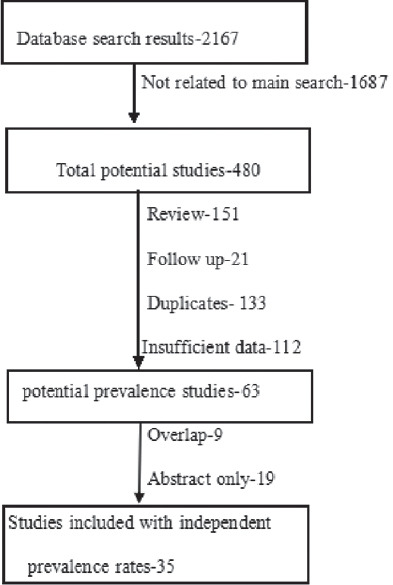
BACKGROUND: Polycystic ovary syndrome (PCOS), the major endocrinopathy among reproductive-aged women, is not yet perceived as an important health problem in the world. It affects 4%-20% of women of reproductive age worldwide. The prevalence, diagnosis, etiology, management, clinical practices, psychological issues, and prevention are some of the most confusing aspects associated with PCOS. AIM: The exact prevalence figures regarding PCOS are limited and unclear. The aim of this review is to summarize comprehensively the current knowledge on the prevalence of PCOS. MATERIALS AND METHODS: Literature search was performed through PubMed, ScienceDirect, Cochrane Library, and Google Scholar (up to December 2019). All relevant articles published in English language were identified following the Preferred Reporting Items for Systematic Reviews and Meta-Analyses guidelines. RESULTS: Our analysis yielded 27 surveys with a pooled mean prevalence of 21.27% using different diagnostic criteria. The proportion of women with PCOS also increased in the last decade. CONCLUSION: The current review summarizes and interprets the results of all published prevalence studies and highlights the burden of the syndrome, thereby supporting early identification and prevention of PCOS in order to reverse the persistent upward trend of prevalence.
Overview
The claims and statistics of this paper haven’t been checked yet.
Free: it reads the open-access text and checks the first 5 claims that cite a source we can check. Create a free account to check every claim.
Integrity signals
Registry
Cites
Statistics
Figures
Verification
Claims the paper makes
The claims and statistics of this paper haven’t been checked yet.
Free: it reads the open-access text and checks the first 5 claims that cite a source we can check. Create a free account to check every claim.
Claims other papers make about this one
Each is checked against this paper’s own text: does it say what the citing paper says it does?
The source backs part of the claim, not all of it — or backs it for a different population, condition or comparison.
In the citing paper
“Polycystic Ovary Syndrome (PCOS) is the most common endocrine-metabolic disorder affecting 6%–20% of populations [1–4].”
From Challenges in diagnosis and health care in polycystic ovary syndrome in Canada: a patient view to improve health care (2023) · cites this paper as [4]
Experimental — accuracy not yet measured
Self-check
Percentages, sums and reported differences re-computed from the paper’s own numbers.
The self-check needs the paper’s full text.
Citations
Cites
Preferred Reporting Items for Systematic Reviews and Meta-Analyses: the PRISMA statement
Moher, D., Liberati, A., Tetzlaff, J., Altman, D. G., & for the PRISMA Group (2009) · BMJ · doi:10.1136/bmj.b2535 · Cited by 83,823
Preferred reporting items for systematic reviews and meta-analyses: the PRISMA Statement.
(2009) · PubMed Central · Cited by 44,859
QUADAS-2: a revised tool for the quality assessment of diagnostic accuracy studies
Whiting, P. F., Rutjes, A. W. S., Westwood, M. E., Mallett, S., Deeks, J. J., Reitsma, J. B., Leeflang, M. M. G., Sterne, J. A. C., Bossuyt, P. M. M., & the QUADAS-2 Group* (2011) · Annals of Internal Medicine · doi:10.7326/0003-4819-155-8-201110180-00009 · Cited by 14,199
(2004) · Fertility and Sterility · doi:10.1016/j.fertnstert.2003.10.004 · Cited by 9,050
The Prevalence and Features of the Polycystic Ovary Syndrome in an Unselected Population
Azziz, R., Woods, K. S., Reyna, R., Key, T. J., Knochenhauer, E. S., & Yildiz, B. O. (2004) · The Journal of Clinical Endocrinology & Metabolism · doi:10.1210/jc.2003-032046 · Cited by 2,712 · cited 1×
“The prevalence of PCOS is frequently quoted between 2% and 26%.[27] The differences in diagnostic criteria, sample heterogeneity, socioeconomic level, medical care access, prevalence of influential risk factors, health and education/awareness were among the possible causes of substantial geographic disparities in the…”
BackgroundAzziz, R., Carmina, E., Dewailly, D., Diamanti-Kandarakis, E., Escobar-Morreale, H. F., Futterweit, W., Janssen, O. E., Legro, R. S., Norman, R. J., Taylor, A. E., et al. (2006) · The Journal of Clinical Endocrinology & Metabolism · doi:10.1210/jc.2006-0178 · Cited by 2,143 · cited 2×
“The AES requires the specific presence of clinical/ biochemical hyperandrogenism in combination with either oligoanovulation or polycystic ovaries.[12,13] The process of standardization of diagnosis confronts certain obstacles.”
BackgroundMethodAzziz, R., Carmina, E., Dewailly, D., Diamanti-Kandarakis, E., Escobar-Morreale, H. F., Futterweit, W., Janssen, O. E., Legro, R. S., Norman, R. J., Taylor, A. E., et al. (2009) · Fertility and Sterility · doi:10.1016/j.fertnstert.2008.06.035 · Cited by 2,132
Amenorrhea associated with bilateral polycystic ovaries
Stein, I. F., & Leventhal, M. L. (1935) · American Journal of Obstetrics and Gynecology · doi:10.1016/s0002-9378(15)30642-6 · Cited by 2,121 · cited 1×
“[14] Second, transvaginal ultrasonography is not routinely performed in adolescents, which restricts ovary visualization and therefore excludes any invasive Introduction S tein and Leventhal were the first to describe polycystic ovary syndrome (PCOS) more comprehensively in 1935.[1] With varied clinical manifestations…”
BackgroundMarch, W. A., Moore, V. M., Willson, K. J., Phillips, D. I. W., Norman, R. J., & Davies, M. J. (2010) · Human Reproduction · doi:10.1093/humrep/dep399 · Cited by 1,799
Bozdag, G., Mumusoglu, S., Zengin, D., Karabulut, E., & Yildiz, B. O. (2016) · Human Reproduction · doi:10.1093/humrep/dew218 · Cited by 1,526 · cited 1×
“[27] The differences in diagnostic criteria, sample heterogeneity, socioeconomic level, medical care access, prevalence of influential risk factors, health and education/awareness were among the possible causes of substantial geographic disparities in the prevalence rate.[28] Based on ancestral or geographical segrega…”
Background
Research works printed but not linked: 3
- Deswal, 2014, Prevalence of poly cystic ovary syndrome (PCOS) in North Indian women.Indian, J Health Well Being, 742
- Vijayan, 2013, Prevalence of polycystic ovary syndrome among students of a teaching collegiate hospital, Health Sci, 2319
- Schötz SN. Die Häufigkeit des Syndroms der Polycystischen Ovarienbei Frau – zu – Mann – Transsexuellen. Dissertation, Universität Erlangen; 2009.
Cited by
Items 101–200 of 655
Interplay between PCOS and microbiome: The road less travelled
Batra, M., Bhatnager, R., Kumar, A., Suneja, P., & Dang, A. S. (2022) · American Journal of Reproductive Immunology · doi:10.1111/aji.13580 · Cited by 23
“(1) Microbial communities are a function of steroid sex-hormone and also, gut microbiota is major contributor of androgen thus, showing bidirectional relationship resulting in androgen excess (2) Increased abundance of B.”
BackgroundSelf-citationValue of ultrasonography parameters in diagnosing polycystic ovary syndrome
Gylienė, A., Strakšytė, V., & Zaborienė, I. (2022) · Open Medicine · doi:10.1515/med-2022-0505 · Cited by 28
“However, the ultrasonographic evaluation is essential in establishing or solidifying the diagnosis [30,31].”
BackgroundKhan, M. A., Shakoor, S., Ameer, K., Farooqi, M. A., Rohi, M., Saeed, M., Asghar, M. T., Irshad, M. B., Waseem, M., Tanweer, S., et al. (2023) · Journal of Food Quality · doi:10.1155/2023/4473000 · Cited by 28
Salajegheh, Z., Ahmadi, A., Shahrahmani, H., Jahani, Y., Alidousti, K., Amiri, F. N., & Salari, Z. (2023) · BMC Psychiatry · doi:10.1186/s12888-023-04671-6 · Cited by 22
Khatun, M., Lundin, K., Naillat, F., Loog, L., Saarela, U., Tuuri, T., Salumets, A., Piltonen, T., & Tapanainen, J. S. (2023) · Stem Cell Reviews and Reports · doi:10.1007/s12015-023-10627-w · Cited by 23
“Polycystic ovary syndrome (PCOS) is a complex endocrine and metabolic condition affecting 4–20% of reproductive-aged women depending on demographic and diagnostic criteria [1, 2].”
BackgroundAzarbayjani, K., Sadatmahalleh, S. J., Mottaghi, A., & Nasiri, M. (2024) · Scientific Reports · doi:10.1038/s41598-024-53958-5 · Cited by 23
“Approximately 4–20% of women of childbearing age are affected by this disorder and its associated complications 2 .”
BackgroundExploring the Predictive Role of 11‐Oxyandrogens in Diagnosing Polycystic Ovary Syndrome
Mody, A., Lodish, M. B., Auchus, R. J., Turcu, A. F., Jiang, F., & Huddleston, H. G. (2025) · Endocrinology Diabetes & Metabolism · doi:10.1002/edm2.70022 · Cited by 21
Alamri, A. S., Alhomrani, M., Alsanie, W. F., Almuqbil, M. S., Alqarni, K. M., Alshehri, S. M., Abdulaziz, O., Salih, M. M., Raafat, B. M., Alamri, A., et al. (2022) · Frontiers in Public Health · doi:10.3389/fpubh.2022.999813 · Cited by 23
Zanjirband, M., Baharlooie, M., Safaeinejad, Z., & Nasr‐Esfahani, M. H. (2023) · Computers in Biology and Medicine · doi:10.1016/j.compbiomed.2023.106601 · Cited by 21
Mirza, F., Tahlak, M., Hazari, K., Khamis, A. H., & Atiomo, W. (2023) · International Journal of Environmental Research and Public Health · doi:10.3390/ijerph20095717 · Cited by 24
“Introduction Polycystic ovary syndrome (PCOS) is a common endocrine disorder affecting up to 20% of women of reproductive age [1], depending on the criteria used for diagnosis.”
BackgroundLete, I., Martínez, A., Lasaga, I., Centurión, E., & Vesga, A. (2024) · Gynecological Endocrinology · doi:10.1080/09513590.2023.2301554 · Cited by 28
“Polycystic ovary syndrome (PCOS) is one of the most prevalent endocrine-metabolic disorders and is estimated to affect 5%–10% of women of childbearing age [1].”
Heidarpour, M., Mojarad, M., Mazaheri‐Tehrani, S., Kachuei, A., Najimi, A., Shafie, D., & Rezvanian, H. (2024) · International Journal of Endocrinology · doi:10.1155/2024/9900213 · Cited by 23
Maan, P., Gautam, R., Vasudevan, S., Menon, G. R., Arora, A., Nair, A., Jabbar, P. K., & Arora, T. K. (2025) · Pharmaceuticals · doi:10.3390/ph18050680 · Cited by 28
Gezer, E., Piro, B., Cantürk, Z., Çetinarslan, B., Sözen, M., Selek, A., IŞIK, A. Ö. P., & Seal, L. (2021) · Transgender Health · doi:10.1089/trgh.2021.0061 · Cited by 17
Batool, M., Farman, M. T., Ahmad, A., & Nisar, K. S. (2023) · AIMS Public Health · doi:10.3934/publichealth.2024002 · Cited by 16
The Role of Nanomedicine in Benign Gynecologic Disorders
Lulseged, B. A., Ramaiyer, M. S., Michel, R., Saad, E. E., Özpolat, B., & Borahay, M. A. (2024) · Molecules · doi:10.3390/molecules29092095 · Cited by 22
“With a worldwide prevalence of 4–20%, PCOS is a common hormonal disorder affecting reproductive-aged patients [76].”
BackgroundMuslim, M. Z. M., Jelani, A. M., Shafii, N., Yaacob, N. M., Soh, N. A. A. C., & Ibrahim, H. A. (2024) · Journal of Ovarian Research · doi:10.1186/s13048-024-01436-x · Cited by 23
“Polycystic ovarian syndrome (PCOS) is a highly prevalent endocrine disorder that affects 4–20% of reproductive-age women globally [1].”
BackgroundBiesiekierska, M., Strigini, M., Śliwińska, A., Pirola, L., & Balcerczyk, A. (2025) · Nutrition Reviews · doi:10.1093/nutrit/nuaf010 · Cited by 18
“136,137 At present, PCOS cannot be cured, but its symptoms may be managed with medications (eg, metformin) and lifestyle changes.”
Herbert, S., & Woolf, K. (2023) · Nutrients · doi:10.3390/nu15245069 · Cited by 15
“The symptoms experienced by individuals with PCOS vary but can include infertility; hirsutism, or excessive hair growth in areas males tend to have hair; thinning hair; weight gain or difficulty losing weight; acne or oily skin; and acanthosis nigricans, a thickening of dark patches on the skin [2].”
BackgroundKim, J. H., Jung, M. H., Hong, S. H., Moon, N., & Kang, D. R. (2022) · Yonsei Medical Journal · doi:10.3349/ymj.2022.63.8.794 · Cited by 17
Kim, J. H., Hong, S.-H., Moon, N., & Kang, D. R. (2022) · Toxics · doi:10.3390/toxics10090542 · Cited by 16
Cui, D., Xu, Z., Qiu, S., & Sun, Y. (2022) · Journal of Food Biochemistry · doi:10.1111/jfbc.14462 · Cited by 15
Juber, N. F., Abdulle, A. M., AlJunaibi, A., Alnaeemi, A., Ahmad, A. S., Leinberger‐Jabari, A., Dhaheri, A. S. A., AlZaabi, E., Al‐Maskari, F., Anouti, F. A., et al. (2023) · International Journal of Women s Health · doi:10.2147/ijwh.s398651 · Cited by 20
“Introduction Polycystic ovary syndrome (PCOS) is a common hormonal disorder affecting 4% to 20% of women of reproductive age worldwide.(1,2) To date, there are no universal criteria for PCOS diagnosis, making the definition of PCOS vary from one setting to another.”
BackgroundPhthalates and polycystic ovary syndrome – Systematic literature review
Neuvonen, R., Huovinen, M., Dorman, D. C., Laitinen, H., & Sahlman, H. (2023) · Reproductive Toxicology · doi:10.1016/j.reprotox.2023.108473 · Cited by 19
Abu‐Zaid, A., Gari, A. M., Sabban, H., Alshahrani, M. S., Khadawardi, K. A., Badghish, E., AlSghan, R., Bukhari, I. A., Alyousef, A., Abuzaid, M., et al. (2023) · Reproductive Sciences · doi:10.1007/s43032-023-01404-8 · Cited by 21
“The prevalence of infertility in women with PCOS ranges between 70 and 80% [4, 5].”
Sharma, A., Sarwal, Y., Devi, N. K., & Saraswathy, K. N. (2025) · Reproductive Health · doi:10.1186/s12978-025-02019-9 · Cited by 32
“Literature suggests an increase in PCOS prevalence over the last decade [38], which can also be observed in the systematic review where the prevalence of PCOS is reported to be 3.70 percent in 2012 in Lucknow to 12 percent in 2023 in Gujarat [31, 37].”
InfluentialPourahmad, B., Majidnia, M., Saniee, N., Riyahifar, S., & Moradi, Y. (2025) · BMC Women s Health · doi:10.1186/s12905-025-03927-5 · Cited by 18
“At the same time, differences in how PCOS is diagnosed point to the need for more standardized criteria to better identify and manage those at higher risk [11].”
Scannell, N., Moran, L., Mantzioris, E., Cowan, S., & Villani, A. M. (2022) · Metabolites · doi:10.3390/metabo12040311 · Cited by 18
Singh, A., Gainder, S., Banerjee, P., Goel, A., Kumar, P., Mondal, B., Banik, S. P., & Bagchi, D. (2022) · Journal of the American Nutrition Association · doi:10.1080/27697061.2022.2126410 · Cited by 20
Mićić, B., Djordjevic, A. D., Veličković, N. A., Kovačević, S., Martić, T., Μacut, D., & Milutinović, D. V. (2023) · Biomedicines · doi:10.3390/biomedicines11061586 · Cited by 16
“Despite its high prevalence of 4–20% and numerous reproductive, metabolic, and psychological implications, the syndrome remains poorly understood among clinicians, in part because of its complexity and unclear underlying pathophysiologic mechanisms [1,2].”
BackgroundCoffin, T., Wray, J., Sah, R., Maj, M. C., Nath, R., Nauhria, S., Maity, S., & Nauhria, S. (2023) · Cureus · doi:10.7759/cureus.40141 · Cited by 27
Atiomo, W., Rizwan, M. N. H., Bajwa, M. H., Furniturewala, H. J., Hazari, K., Harab, D., Abdelkareem, W., Inuwa, S., Khamis, A. H., Tahlak, M., et al. (2024) · International Journal of Environmental Research and Public Health · doi:10.3390/ijerph21030354 · Cited by 20
Shivyari, F. T., Pakniat, H., Nooshabadi, M. R., Rostami, S., Haghighian, H. K., & Shiri‐Shahsavar, M. R. (2024) · Journal of Ovarian Research · doi:10.1186/s13048-024-01432-1 · Cited by 15
“Characteristics of this syndrome include hirsutism, oligomenorrhea, compensatory hyper-insulinemia, and infertility [2].”
BackgroundInfluentialBambhroliya, Z., Sandrugu, J., Lowe, M., Okunlola, O. I., Raza, S., Osasan, S. A., Sethia, S., Batool, T., & Hamid, P. (2022) · PubMed Central · doi:10.7759/cureus.26325 · Cited by 24
“Polycystic ovarian syndrome (PCOS) has been reported in 21% of women of reproductive age worldwide [2].”
BackgroundAdverse Effects of Pesticides on the Ovary: Evidence from Epidemiological and Toxicological Studies
Wang, L., Ma, X., & Liu, J. (2025) · Environment & Health · doi:10.1021/envhealth.4c00243 · Cited by 13
Vasquez, S. D. Y., Rosales, K. D. M. O., Nieto-Gutiérrez, W., Benites-Zapata, V. A., Pérez-López, F. R., & Alarcon-Ruiz, C. A. (2022) · Gynecological Endocrinology · doi:10.1080/09513590.2022.2079629 · Cited by 16
“Polycystic ovary syndrome (PCOS) is the most common endocrine disorder in women of reproductive age [1].”
BackgroundPatil, A. D., Pathak, S. D., Kokate, P., Bhogal, R. S., Badave, A. S., Varadha, M., Joshi, B., Tandon, D., Begum, S., Surve, S. V., et al. (2023) · International Journal of Yoga · doi:10.4103/ijoy.ijoy_88_23 · Cited by 27
“[1,2] It is associated with metabolic comorbidities, obesity, menstrual irregularity, infertility, [3,4] and mental health issues [2,5‑8] causing sympathetic overdrive and stress.”
BackgroundCavalcante, R. B. D. M., Leão, L. M. C. S. M., Tavares, A. B. W., Lopes, K. G., & Kraemer‐Aguiar, L. G. (2024) · Hormone and Metabolic Research · doi:10.1055/a-2386-9281 · Cited by 17
“Polycystic ovary syndrome (PCOS) is the most common hormonal disorder among women of reproductive age, affecting approxi - mately 5–10 % of this population globally [1].”
Ilagan-Vega, M. K. C., Tantengco, O. A. G., & Paz-Pacheco, E. T. (2022) · Diabetes & Metabolic Syndrome Clinical Research & Reviews · doi:10.1016/j.dsx.2022.102419 · Cited by 18
Sutaji, Z., Elias, M. H., Ahmad, M. F., Karim, A., & Abu, M. A. (2022) · Frontiers in Endocrinology · doi:10.3389/fendo.2022.900767 · Cited by 13
Sharma, P. P., Senapati, S., Goyal, L. D., Kaur, B., Kamra, P., & Khetarpal, P. (2024) · Archives of Gynecology and Obstetrics · doi:10.1007/s00404-024-07400-w · Cited by 14
“Based on different ancestral segregation, ethnicity, and diagnostic criteria, its prevalence varies in a wide range from 4 to 21.27% worldwide [2].”
InfluentialState of the Art of Genomic Technology in Toxicology: A Review
Recio‐Vega, R., Facio-Campos, R. A., Hernández-González, S. I., & Calderón, E. H. O. (2023) · International Journal of Molecular Sciences · doi:10.3390/ijms24119618 · Cited by 12
“It affects 4–20% of women of reproductive age worldwide, and it has been associated with exposure to different contaminants [30,31].”
BackgroundBir, A., Ghosh, A., & Chowdhury, S. (2023) · Journal of Education and Health Promotion · doi:10.4103/jehp.jehp_1605_22 · Cited by 14
“P ovary syndrome (PCOS), or Stein–Leventhal syndrome, is a common endocrine disorder in women of reproductive age group with a worldwide prevalence of 4–20%.[1,2] According to the Rotterdam criteria, PCOS is commonly defined by two of the following three features: (i) oligo‐ovulation or anovulation, (ii) clinical and/…”
BackgroundChen, Y., Liu, Z., Chen, H., Wen, Y., Fan, L., & Luo, M. (2024) · Biochimica et Biophysica Acta (BBA) - Molecular Basis of Disease · doi:10.1016/j.bbadis.2024.167182 · Cited by 13
Biomarkers to inform the management of polycystic ovary syndrome: A review of systematic reviews
Walford, H., Tyler, B., Abbara, A., Clarke, S. A., Talaulikar, V. S., & Wattar, B. H. A. (2024) · Clinical Endocrinology · doi:10.1111/cen.15101 · Cited by 21
The current landscape of mental health challenges in women with PCOS: a narrative review
Khan, F., Govender, N., & Thandar, Y. (2025) · Current Psychology · doi:10.1007/s12144-025-07435-5 · Cited by 17
“Polycystic ovary syndrome (PCOS) is a complex reproductive endocrinopathy that affects 4–20% of women world - wide, which persists throughout the reproductive lifespan (Deswal et al., 2020).”
Patel, S., Pushpalatha, K., Singh, B., Shrivastava, R., Singh, G., & Dabar, D. (2022) · The Scientific World JOURNAL · doi:10.1155/2022/3047526 · Cited by 23
“With a diverse range of clinical manifestations, unspecified etiology, and complex pathophysiology, the diagnosis of PCOS has always been a topic of scientific debate [5].”
BackgroundClinico-Metabolic Profile in Lean Versus Obese Polycystic Ovarian Syndrome Women
Makhija, N., Tayade, S. A., Toshniwal, S., & Tilva, H. (2023) · Cureus · doi:10.7759/cureus.37809 · Cited by 25
“Abnormal plasma glucose values are suggested to be due to IR which is commonly associated with PCOS, as also reported by several studies [11,12].”
ResultBeneficial Effects of Probiotics on Benign Gynaecological Disorders: A Review
Norfuad, F. A., Mokhtar, M. H., & Ghani, N. A. A. (2023) · Nutrients · doi:10.3390/nu15122733 · Cited by 18
Liu, Z., & Wang, K. (2023) · BMC Pregnancy and Childbirth · doi:10.1186/s12884-023-05944-4 · Cited by 14
“The incidence of PCOS in women of reproductive age and those with ovulatory infertility is about 4-20% and 70%, respectively [2].”
BackgroundLong noncoding RNA H19 in ovarian biology and placenta development
Adu‐Gyamfi, E. A., Cheeran, E. A., Salamah, J., & Lee, B. (2024) · Cell Biochemistry and Function · doi:10.1002/cbf.3907 · Cited by 13
“38 It causes infertility and it is defined by two out of three criteria: hyperandrogenism, ovulatory dysfunction, and polycystic ovarian morphology as a result of follicular accumulation in the ovaries.”
Backgroundde Medeiros, S. F., de Medeiros, M. A. S., Barbosa, B. B., Yamamoto, A. K. L. W., & Yamamoto, M. M. W. (2021) · Journal of obstetrics and gynaecology research · doi:10.1111/jog.14940 · Cited by 14
Aydın, H. L., Dayan, B. S., & GÜNGÖR, N. D. (2023) · Journal of Controversies in Obstetrics & Gynecology and Pediatrics · doi:10.51271/jcogp-0015 · Cited by 12
The "asthma-polycystic ovary overlap syndrome" and the therapeutic role of myo-inositol
Guarnieri, G., Iervolino, M., Cavallone, S., Unfer, V., & Vianello, A. (2023) · International Journal of Molecular Sciences · doi:10.3390/ijms24086959 · Cited by 11
Scannell, N., Villani, A., Moran, L., & Mantzioris, E. (2025) · Proceedings of the Nutrition Society · doi:10.1017/s0029665124007584 · Cited by 12
“Although the mechanisms associated with insulin resistance (IR) in PCOS are largely independent of body weight, IR is still exacerbated by excess body weight (5,18 – 20) and central adiposity, further heightening clinical symptoms and cardiometabolic risks (21 – 23) .”
Mechanisms of DHEA-induced AMH increase in the ovarian tissues of PCOS rat
Zhang, Y., Yu, X., liu, L., & Zheng, J. (2023) · Reproductive Biology · doi:10.1016/j.repbio.2023.100797 · Cited by 11
Alenzi, E. O., Alqntash, N., Almajed, E. H., & AlZabin, A. K. (2024) · BMC Women s Health · doi:10.1186/s12905-024-03446-9 · Cited by 21
Bhingardeve, S., Sagvekar, P., Desai, S. K., Mangoli, V. S., Jagtap, R., & Mukherjee, S. (2024) · Gene · doi:10.1016/j.gene.2024.149165 · Cited by 14
Colombo, G. E., Mahamat‐Saleh, Y., Armour, M., Madan, K., Sabag, A., Kvaskoff, M., Missmer, S. A., Condous, G. S., Pathan, F. K., & Leonardi, M. (2025) · Heart · doi:10.1136/heartjnl-2024-324675 · Cited by 12
Effect of visceral manipulation on menstrual complaints in women with polycystic ovarian syndrome
Yosri, M. M., Hamada, H. A., & Yousef, A. M. (2022) · Journal of Osteopathic Medicine · doi:10.1515/jom-2021-0255 · Cited by 15
“Polycystic ovary syndrome (PCOS) represents the most prevalent endocrine abnormality in reproductive age [1], affecting nearly 4%–20%of women in that age group [2].”
BackgroundBashir, R., Wani, I. A., & Ganie, M. A. (2022) · Current Pharmaceutical Design · doi:10.2174/1381612828666220518150754 · Cited by 14
Vishnubotla, D. S., Tenali, S. N., Fernandez, M., & Madireddi, S. (2022) · Indian Journal of Endocrinology and Metabolism · doi:10.4103/ijem.ijem_467_21 · Cited by 14
“27% using multiple diagnostic criteria.[14] Table 1: Demographic details of the study group”
MethodLyle, S. M., Ahmed, S., Elliott, J. E., Stener‐Victorin, E., Nachtigal, M. W., & Drögemöller, B. I. (2023) · Journal of Human Genetics · doi:10.1038/s10038-023-01120-w · Cited by 14
Masood, I., Noreen, S., Raza, K., Khalid, W., Rahim, M. A., & Mohamedahmed, K. A. (2023) · International Journal of Food Properties · doi:10.1080/10942912.2023.2275528 · Cited by 17
“[3] PCOS is more common among South Asian women, and especially among Pakistani women (52”
BackgroundColombo, G. E., Pirotta, S., & Sabag, A. (2023) · Seminars in Reproductive Medicine · doi:10.1055/s-0043-1777116 · Cited by 28
Khobragade, N. H., Sheth, D. B., Patel, C. A., Beladiya, J., Patel, S. P., & Dalal, M. (2024) · Steroids · doi:10.1016/j.steroids.2024.109455 · Cited by 14
Vågenes, H., & Pranić, S. M. (2023) · Reproductive Biology and Endocrinology · doi:10.1186/s12958-023-01100-x · Cited by 10
“PCOS affects up to 15-20% of women of reproductive age, making it a common disorder in this patient group [2, 4].”
BackgroundMethodInfluentialPanchpuri, M., Kisku, A., Painuli, R., Pant, G., & Kumar, C. (2026) · Inflammopharmacology · doi:10.1007/s10787-026-02117-5 · Cited by 14
“However, many PCOS sufferers are troubled with not being able to conceive (Deswal et al. 2020).”
Khan, F., Govender, N., Mitha, S. B., & Thandar, Y. (2026) · Archives of Women s Mental Health · doi:10.1007/s00737-025-01636-4 · Cited by 18
“Polycystic ovary syndrome (PCOS), affecting 4–20% of women globally, is a complex reproductive endocrinopa - thy with clinical and psychological impacts (Deswal et al. 2020).”
Karam, M., Najjar, H., El-Sabban, M. E., Hamadé, A., & Najjar, F. (2023) · Stem Cell Reviews and Reports · doi:10.1007/s12015-023-10505-5 · Cited by 11
“Polycystic ovary syndrome (PCOS) is a metabolic disorder, affecting 4—20% of women of reproductive age [1], it is an endocrinopathy with complex etiological aspects and pathophysiology with rising worldwide concerns.”
BackgroundEstermann, M. A., Major, A. T., & Smith, C. A. (2023) · Development · doi:10.1242/dev.201466 · Cited by 12
Gu, R., Dai, F., Xiang, C., Chen, J., Yang, D., Tan, W., Wang, Z., Liu, H., & Cheng, Y. (2023) · The Journal of Steroid Biochemistry and Molecular Biology · doi:10.1016/j.jsbmb.2023.106410 · Cited by 13
Galagan, R. M., ANDREIEV, S., Stelmakh, N. V., Rafalska, Y., & Momot, A. S. (2024) · Applied Computer Science · doi:10.35784/acs-2024-24 · Cited by 15
Biochemical classification diagnosis of polycystic ovary syndrome based on serum steroid hormones
Wang, M., Zhang, S., He, J., Zhang, T., Zhu, H., Sun, R., & Yang, N. (2024) · The Journal of Steroid Biochemistry and Molecular Biology · doi:10.1016/j.jsbmb.2024.106626 · Cited by 14
Ach, T., Gorchane, A., Methnani, J., Abdessalem, F. B., Nassim, B. H. S., & Asma, B. A. (2024) · Clinical Medicine Insights Endocrinology and Diabetes · doi:10.1177/11795514241296777 · Cited by 16
Khamaiseh, K., Bdeir, R., Abukbeer, M., Khamaiseh, R., Nassar, A., Al-Sawadha, D., Mraikhat, R. A., Khraisat, M., Alawneh, R., & Al-Mansour, O. (2025) · International Journal of Women s Health · doi:10.2147/ijwh.s500692 · Cited by 11
Gräfe, E. L., Reid, H. M. O., Shkolnikov, I., Conway, K., Kit, A., Acosta, C., & Christie, B. R. (2023) · Frontiers in Neuroendocrinology · doi:10.1016/j.yfrne.2023.101076 · Cited by 10
Fawzi, H. A., Hamad, I. N., Kadhim, S. A. A., AL-Temimi, S. M., Mohammad, B. I., & Swadi, A. A. (2023) · Journal of Medicine and Life · doi:10.25122/jml-2023-0317 · Cited by 16
Peven, K., Wickham, A. P., Wilks, O., Kaplan, Y. C., Marhol, A., Ahmed, S., Bamford, R., Cunningham, A. C., Prentice, C., Meczner, A., et al. (2023) · JMIR mHealth and uHealth · doi:10.2196/46718 · Cited by 9
Wattar, B. H. A., Teh, J. J., Clarke, S. A., Abbara, A., Morman, R., Wilcox, A., & Talaulikar, V. S. (2024) · Clinical Endocrinology · doi:10.1111/cen.15038 · Cited by 10
Comorbidities in women with polycystic ovary syndrome: a sibling study
Boldis, B. V., Grünberger, I., Cederström, A., Björk, J., Nilsson, A., & Helgertz, J. (2024) · BMC Women s Health · doi:10.1186/s12905-024-03028-9 · Cited by 14
“Polycystic ovary syndrome (PCOS), a subtype of ovarian dysfunction (OD), is a heterogenous disorder that has a prevalence of 4-20% among premenopausal women, depending on the criteria used for diagnosis [1–3].”
BackgroundEffect of polycystic ovary syndrome on the life quality of young women
Tandoğan, Ö., Ak, E. Y., AKDEMİR, A., Öskay, Ü., & Çallıoğlu, N. (2024) · Revista da Associação Médica Brasileira · doi:10.1590/1806-9282.20231368 · Cited by 15
“In the systematic review study of Deswal et al. 10 the prevalence of PCOS in women of reproductive age was taken with the unknown sampling method, the sample number calculated with a 95% confidence level and 0.05 sensitivity was determined as 249, and the study was completed with 250 women 11 .”
MethodInfluentialInsulin resistance and insulin secretory defect among Bangalee PCOS women: a case-control study
Nayeem, J., Islam, M. M. T., Deeba, F., Selim, S., Ali, L., & Kabir, Y. (2024) · BMC Endocrine Disorders · doi:10.1186/s12902-024-01720-3 · Cited by 18
“[2, 3] which seems to be due to genuine racial differences and subject groups as well as due to different diagnostic criteria used in various studies [4].”
BackgroundDandekar, M. P., Tadas, M., Satthi, S., Jangli, A., Shaikh, A. S., Gajula, S. N. R., Kaki, V. R., & Sonti, R. (2025) · European Journal of Pharmacology · doi:10.1016/j.ejphar.2025.177613 · Cited by 11
Dharani, V., Nishu, S., & Lakshmanan, H. (2025) · Reproductive Biology · doi:10.1016/j.repbio.2025.101017 · Cited by 11
Yu, M., Chen, D., Liu, X., Dong, H., & Wang, D. (2025) · BMC Endocrine Disorders · doi:10.1186/s12902-025-01920-5 · Cited by 15
“It is manifested through irregular menstrual cycles, elevated androgen levels (hyper-androgenism), and aberrant ovarian morphology [1, 2].”
Michalopoulou, M., Jebb, S. A., Hobson, A., Khaw, S. C., Stevens, R., Melo, P., Haffner, S. J. P., Clay, K. S., Mounsey, S., Granne, I., et al. (2025) · Annals of Internal Medicine · doi:10.7326/annals-24-01025 · Cited by 15
“Unlike Jeong et al., (19) we did not exclude studies that involved only women with PCOS, which is the most common endocrine disorder in women of reproductive age and common cause of infertility that is strongly linked with obesity (39–43).”
Muccee, F., Bijou, O., Harakeh, S., Adawiyah, R., Sayyed, R. Z., Haghshenas, L., Alshehri, D., Ansari, M. J., & Ghazanfar, S. (2022) · Genes · doi:10.3390/genes13071231 · Cited by 13
“According to another study, the amount of females affected with PCOS is 4–20% [3].”
BackgroundSankhwar, P., Jaiswar, S. P., Yadav, S., Awasthi, V., Goel, A., Kumar, P., Banik, S. P., Bagchi, M., & Bagchi, D. (2022) · Journal of the American Nutrition Association · doi:10.1080/27697061.2022.2145526 · Cited by 18
Rong, A., Ta, N., Lihua, E., & Meng, W. (2023) · Frontiers in Endocrinology · doi:10.3389/fendo.2022.995106 · Cited by 9
Metformin for endometrial hyperplasia
Shiwani, H., Clement, N. S., DANIELS, J. P., & Atiomo, W. (2024) · Cochrane Database of Systematic Reviews · doi:10.1002/14651858.cd012214.pub3 · Cited by 19
Alam, Z., Alseari, S., Alameemi, M., Alzaabi, M., Alkhoori, R., Östlundh, L., Melhem, O., Abdalla, M. A., & Al‐Rifai, R. H. (2024) · Heliyon · doi:10.1016/j.heliyon.2024.e40603 · Cited by 18
Polycystic ovary syndrome and immune deregulation: what do hormones want to say?
Johnson, B. S., & Laloraya, M. (2022) · Exploration of Immunology · doi:10.37349/ei.2022.00058 · Cited by 13
Srour, I. A., Salhab, S., Skaiki, H., Sakr, S., & Sheet, I. (2024) · The Open Public Health Journal · doi:10.2174/0118749445299594240430054249 · Cited by 11
Fine particulate matter and ovarian health: A review of emerging risks
Tao, Q., Zhao, Z., Yang, R., Li, Q., & Qiao, J. (2024) · Heliyon · doi:10.1016/j.heliyon.2024.e40503 · Cited by 10
Gul, M., Khan, H., Rauf, B., Bukhari, S. M. S., Ehtesham, E., Malik, M. O., Shah, F. A., Alanazi, F. E., & Shah, M. (2025) · Naunyn-Schmiedeberg s Archives of Pharmacology · doi:10.1007/s00210-025-03813-9 · Cited by 10
“Studies indicate that the geographical and population-based differences significantly contribute to the prevalence rates, necessitating tailored diagnostic and management approaches to address the diverse manifestations of PCOS across different regions (Deswal et al. 2020).”
Adams, Z. H., Berbrier, D. E., Schwende, B. K., Huckins, W., Richards, C. T., Rees, A., Usselman, C. W., & Lord, R. N. (2025) · The Journal of Physiology · doi:10.1113/jp287288 · Cited by 9
“Polycystic ovary syndrome (PCOS) is the most common endocrine disorder among reproductive-aged females, with a prevalence between 6% and 20% (Chiaffarino et al., 2022; Deswal et al., 2020; Teede et al., 2023).”
van Bree, B. E., van der Heijden, D. M. B., van Golde, R. J. T., Brouwers, M. C. G. J., Spaanderman, M. E. A., & Valkenburg, O. (2025) · Gynecological Endocrinology · doi:10.1080/09513590.2025.2500462 · Cited by 8
“…cm, testosterone ≤1.9 nmol/L, free testosterone ≤24 pmol/L, glucose 6.1 mmol/L, triglyceride 1.7 mmol/L and HDL-cholesterol ≥1.3 mmol/L. PCOS was diagnosed, requiring at least two of the following three: [1] amenorrhea or oligomenorrhea, [2] biochemical or clinical hyperandrogenism and [3] PCOM.”
InfluentialArabkermani, Z., Barzegari, S., Rouhani, A., Nahavandi, N., Gibreel, O., & Arpacı, İ. (2025) · Journal of Medical Internet Research · doi:10.2196/71118 · Cited by 11
“Additionally, the economic burden of this condition on society is substantial; annual health care costs related to PCOS are estimated to exceed US $4 billion in the United States alone [5].”
Chakraborty, P., Mitra, I., Kalapahar, S., Sharma, S., Chattopadhyay, R., & Chakravarty, B. (2022) · Reproductive Sciences · doi:10.1007/s43032-022-01028-4 · Cited by 9
“Polycystic ovary syndrome (PCOS), a major form of dysovulatory infertility, is commonly seen among 4–20% of women of reproductive age [1].”
Background
Metadata
- Authors
- Pundir, C., Deswal, R., Narwal, V., & Dang, A.
- Affiliations
- Maharshi Dayanand University (IN)
- Corresponding author
- Pundir, ChandraS
- Venue
- Journal of Human Reproductive Sciences
- Published
- 2020
- Volume
- 13
- Issue
- 4
- Pages
- 261
- ISSN
- 0974-1208 (ISSN-L)
- PMC
- PMC7879843
- OpenAlex
- W3113549027
- Cited by
- 657
- References
- 70
- Citations by year
- 2026: 93 · 2025: 148 · 2024: 170 · 2023: 147 · 2022: 86 · 2021: 13
- FWCI
- 9.06
- Type
- journal article
- Language
- en
- Open access
- diamond
- doi.org
- Licence
- cc-by-nc-sa
- Locations
- Journal of Human Reproductive Sciences (publishedVersion, cc-by-nc-sa)
- PubMed Central (publishedVersion, cc-by-nc-sa)
- PubMed (publishedVersion)
- DOAJ (DOAJ: Directory of Open Access Journals) (submittedVersion, cc-by-sa)
- Topics
- Health Sciences › Medicine › Reproductive Medicine › Ovarian function and disorders
- Health Sciences › Medicine › Reproductive Medicine › Endometriosis Research and Treatment
- Life Sciences › Biochemistry, Genetics and Molecular Biology › Genetics › Genetic and Kidney Cyst Diseases
- Keywords
- polycystic ovary syndrome, prevalence, women of reproductive age, diagnostic criteria, prevalence trends, early detection, prevention
About these checks
Registry, retraction, Cites and statistics results are computed, not judged, with one exception: a printed reference that no index lists is read once by a model before it counts as a citation error. Claims are extracted by a model and kept only when their quote appears verbatim in the text; each cited source is then checked, with a model’s help, for whether it says what the claim relies on. Those verdicts can be wrong — read the claim’s quote and the cited source before relying on one.
Statistics and arithmetic are recomputed, not judged.
Confidence bands are shown only for fields calibrated on our annotated test set. None is calibrated yet, so no band is shown.
What counts as a claim ›How we measure confidence ›How we check this ›
Are you an author, or do you see a problem with this page? Request a review
Data sources
Bibliographic data: Semantic Scholar, OpenAlex, Crossref.
Contains information from the Semantic Scholar Academic Graph Datasets, made available under the ODC Attribution License (ODC-BY 1.0).
Semantic Scholar’s data is described in: Kinney, R., et al. (2023). The Semantic Scholar Open Data Platform. arXiv:2301.10140.
