

The Prevalence of Polycystic Ovary Syndrome: A Brief Systematic Review
Open accessThe DOI matches its Crossref record; 68 of the 70 references it cites were found in a registry or an index.
Abstract
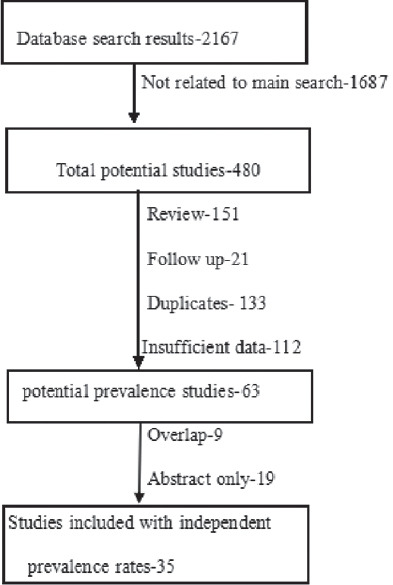
BACKGROUND: Polycystic ovary syndrome (PCOS), the major endocrinopathy among reproductive-aged women, is not yet perceived as an important health problem in the world. It affects 4%-20% of women of reproductive age worldwide. The prevalence, diagnosis, etiology, management, clinical practices, psychological issues, and prevention are some of the most confusing aspects associated with PCOS. AIM: The exact prevalence figures regarding PCOS are limited and unclear. The aim of this review is to summarize comprehensively the current knowledge on the prevalence of PCOS. MATERIALS AND METHODS: Literature search was performed through PubMed, ScienceDirect, Cochrane Library, and Google Scholar (up to December 2019). All relevant articles published in English language were identified following the Preferred Reporting Items for Systematic Reviews and Meta-Analyses guidelines. RESULTS: Our analysis yielded 27 surveys with a pooled mean prevalence of 21.27% using different diagnostic criteria. The proportion of women with PCOS also increased in the last decade. CONCLUSION: The current review summarizes and interprets the results of all published prevalence studies and highlights the burden of the syndrome, thereby supporting early identification and prevention of PCOS in order to reverse the persistent upward trend of prevalence.
Overview
The claims and statistics of this paper haven’t been checked yet.
Free: it reads the open-access text and checks the first 5 claims that cite a source we can check. Create a free account to check every claim.
Integrity signals
Registry
Cites
Statistics
Figures
Verification
Claims the paper makes
The claims and statistics of this paper haven’t been checked yet.
Free: it reads the open-access text and checks the first 5 claims that cite a source we can check. Create a free account to check every claim.
Claims other papers make about this one
Each is checked against this paper’s own text: does it say what the citing paper says it does?
The source backs part of the claim, not all of it — or backs it for a different population, condition or comparison.
In the citing paper
“Polycystic Ovary Syndrome (PCOS) is the most common endocrine-metabolic disorder affecting 6%–20% of populations [1–4].”
From Challenges in diagnosis and health care in polycystic ovary syndrome in Canada: a patient view to improve health care (2023) · cites this paper as [4]
Experimental — accuracy not yet measured
Self-check
Percentages, sums and reported differences re-computed from the paper’s own numbers.
The self-check needs the paper’s full text.
Citations
Cites
Preferred Reporting Items for Systematic Reviews and Meta-Analyses: the PRISMA statement
Moher, D., Liberati, A., Tetzlaff, J., Altman, D. G., & for the PRISMA Group (2009) · BMJ · doi:10.1136/bmj.b2535 · Cited by 83,823
Preferred reporting items for systematic reviews and meta-analyses: the PRISMA Statement.
(2009) · PubMed Central · Cited by 44,859
QUADAS-2: a revised tool for the quality assessment of diagnostic accuracy studies
Whiting, P. F., Rutjes, A. W. S., Westwood, M. E., Mallett, S., Deeks, J. J., Reitsma, J. B., Leeflang, M. M. G., Sterne, J. A. C., Bossuyt, P. M. M., & the QUADAS-2 Group* (2011) · Annals of Internal Medicine · doi:10.7326/0003-4819-155-8-201110180-00009 · Cited by 14,199
(2004) · Fertility and Sterility · doi:10.1016/j.fertnstert.2003.10.004 · Cited by 9,050
The Prevalence and Features of the Polycystic Ovary Syndrome in an Unselected Population
Azziz, R., Woods, K. S., Reyna, R., Key, T. J., Knochenhauer, E. S., & Yildiz, B. O. (2004) · The Journal of Clinical Endocrinology & Metabolism · doi:10.1210/jc.2003-032046 · Cited by 2,712 · cited 1×
“The prevalence of PCOS is frequently quoted between 2% and 26%.[27] The differences in diagnostic criteria, sample heterogeneity, socioeconomic level, medical care access, prevalence of influential risk factors, health and education/awareness were among the possible causes of substantial geographic disparities in the…”
BackgroundAzziz, R., Carmina, E., Dewailly, D., Diamanti-Kandarakis, E., Escobar-Morreale, H. F., Futterweit, W., Janssen, O. E., Legro, R. S., Norman, R. J., Taylor, A. E., et al. (2006) · The Journal of Clinical Endocrinology & Metabolism · doi:10.1210/jc.2006-0178 · Cited by 2,143 · cited 2×
“The AES requires the specific presence of clinical/ biochemical hyperandrogenism in combination with either oligoanovulation or polycystic ovaries.[12,13] The process of standardization of diagnosis confronts certain obstacles.”
BackgroundMethodAzziz, R., Carmina, E., Dewailly, D., Diamanti-Kandarakis, E., Escobar-Morreale, H. F., Futterweit, W., Janssen, O. E., Legro, R. S., Norman, R. J., Taylor, A. E., et al. (2009) · Fertility and Sterility · doi:10.1016/j.fertnstert.2008.06.035 · Cited by 2,132
Amenorrhea associated with bilateral polycystic ovaries
Stein, I. F., & Leventhal, M. L. (1935) · American Journal of Obstetrics and Gynecology · doi:10.1016/s0002-9378(15)30642-6 · Cited by 2,121 · cited 1×
“[14] Second, transvaginal ultrasonography is not routinely performed in adolescents, which restricts ovary visualization and therefore excludes any invasive Introduction S tein and Leventhal were the first to describe polycystic ovary syndrome (PCOS) more comprehensively in 1935.[1] With varied clinical manifestations…”
BackgroundMarch, W. A., Moore, V. M., Willson, K. J., Phillips, D. I. W., Norman, R. J., & Davies, M. J. (2010) · Human Reproduction · doi:10.1093/humrep/dep399 · Cited by 1,799
Bozdag, G., Mumusoglu, S., Zengin, D., Karabulut, E., & Yildiz, B. O. (2016) · Human Reproduction · doi:10.1093/humrep/dew218 · Cited by 1,526 · cited 1×
“[27] The differences in diagnostic criteria, sample heterogeneity, socioeconomic level, medical care access, prevalence of influential risk factors, health and education/awareness were among the possible causes of substantial geographic disparities in the prevalence rate.[28] Based on ancestral or geographical segrega…”
Background
Research works printed but not linked: 3
- Deswal, 2014, Prevalence of poly cystic ovary syndrome (PCOS) in North Indian women.Indian, J Health Well Being, 742
- Vijayan, 2013, Prevalence of polycystic ovary syndrome among students of a teaching collegiate hospital, Health Sci, 2319
- Schötz SN. Die Häufigkeit des Syndroms der Polycystischen Ovarienbei Frau – zu – Mann – Transsexuellen. Dissertation, Universität Erlangen; 2009.
Cited by
Items 201–300 of 655
Chen, L., Liu, Y., Zhang, L., Li, J., Xiong, W.-Q., Li, T., Ding, H., & Li, B. (2024) · Frontiers in Endocrinology · doi:10.3389/fendo.2023.1294339 · Cited by 16
“PCOS is the most prevalent cause of anovulatory infertility in women, accounting for approximately 75% of anovulatory infertility, with a prevalence rate between 5% and 10% (3).”
BackgroundDeterminants of polycystic ovary syndrome: A matched case–control study
Kaur, I., Kishore, K., Suri, V., Sahni, N., Rana, S. V., & Singh, A. (2024) · Journal of Human Nutrition and Dietetics · doi:10.1111/jhn.13282 · Cited by 8
Khodir, S. A., Sweed, E. M., Motawea, S. M., Al-Gholam, M. A.-S., El-Naidany, S. S., Dayer, M. Z. S., & Ameen, O. (2024) · Naunyn-Schmiedeberg s Archives of Pharmacology · doi:10.1007/s00210-024-03497-7 · Cited by 9
“Polycystic ovary syndrome (PCOS) is a multifaced endo-crinopathy that affects 6–20% of females during reproductive age (Deswal et al. 2020).”
Gollapalli, P., Kumari, S., Shetty, P. K., & Gnanasekaran, T. S. (2022) · Beni-Suef University Journal of Basic and Applied Sciences · doi:10.1186/s43088-022-00200-8 · Cited by 10
Impact of Adverse Gestational Milieu on Maternal Cardiovascular Health
Alkhatib, B., Salimi, S., Jabari, M., Padmanabhan, V., & Vyas, A. K. (2023) · Endocrinology · doi:10.1210/endocr/bqad060 · Cited by 8
Bansal, C., Handa, P., & Goel, N. (2023) · IEEE Women in Technology Conference (WINTECHCON) · doi:10.1109/wintechcon58518.2023.10277608 · Cited by 8
“These 3 criteria are anovulation or oligomenorrhea, clinical or biochemical hyperandrogenism, and polycystic ovaries (greater than or equal to 12 follicles in each ovary measuring 2–9 mm) [4].”
BackgroundUnraveling PCOS: Exploring its causes and diagnostic challenges
Dar, M. A., Maqbool, M., Qadrie, Z., Ara, I., & Qadir, A. (2024) · Open Health · doi:10.1515/ohe-2023-0026 · Cited by 7
Manthey, C., Lynn, C. D., Ocobock, C. J., Cepon‐Robins, T. J., & Warrener, A. G. (2025) · American Journal of Biological Anthropology · doi:10.1002/ajpa.70046 · Cited by 8
Kumari, D., Kumar, M., Upadhyay, A. D., Malhotra, N., Mahey, R., Dadhwal, V., Sehgal, T., Mishra, R., & Dada, R. (2025) · International Journal of Yoga · doi:10.4103/ijoy.ijoy_212_24 · Cited by 11
Sharafutdinov, K., Hilpert, J., Burghaus, R., Diedrich, C., Lippert, J., Scheerans, C., & Schaper, S. (2025) · Fertility and Sterility · doi:10.1016/j.fertnstert.2025.09.013 · Cited by 11
TGF-β Signaling in the Pathophysiology of the Ovary: A Double-Edged Regulator
Bertani, N. N., Alteri, A., Cacciottola, L., D’Addato, G., Sala, G. L., Lozanoska‐Ochser, B., Massimiani, M., Parrella, E., Reggio, A., Russo, E., et al. (2026) · Biomolecules · doi:10.3390/biom16010130 · Cited by 11
“PCOS is a heterogeneous endocrine-metabolic disorder affecting 4–20% of women of reproductive age and is a leading cause of anovulatory infertility [119].”
Polycystic Ovary Syndrome: Current Perspectives and Recent Advances
Nirupama, A. Y., John, J. B., & Chellaiyan, V. G. (2022) · Current Medical Issues · doi:10.4103/cmi.cmi_2_22 · Cited by 9
Appiah, D., Hedderson, M. M., Kim, C., Sidney, S., Sternfeld, B., Quesenberry, C. P., Wellons, M., & Gunderson, E. P. (2023) · Diabetes Research and Clinical Practice · doi:10.1016/j.diabres.2023.110593 · Cited by 7
Understanding the perspective of women who use the Billings Ovulation Method®: a focus group study
Ayala‐Ramirez, M., Grewe, M. E., Kaiser, J., Kennedy, E. J., Winn, M., & Urrutia, R. P. (2023) · BMC Women s Health · doi:10.1186/s12905-023-02398-w · Cited by 8
“In addition, it is associated with alterations in the cervical mucus and infertility [35, 36].”
BackgroundNajafabadi, M. S., Moludi, J., Salimi, Y., & Saber, A. (2023) · Trials · doi:10.1186/s13063-023-07569-6 · Cited by 14
“Background and rationale {6a} Polycystic ovary syndrome (PCOS) is the most common endocrine–metabolic disorder, with a prevalence of 4–20% depending on the diagnostic criteria used, among reproductive-aged women [1].”
BackgroundEffect of pilates on regulating menstrual cycle in females with polycystic ovarian syndrome
Nazir, S., & Sadhu, S. (2023) · European Journal of Obstetrics & Gynecology and Reproductive Biology X · doi:10.1016/j.eurox.2023.100271 · Cited by 16
“The polycystic ovarian syndrome is of increasing distress among females around the world with a varying range of its prevalence [12].”
BackgroundThe Role of Oxytocin in Polycystic Ovary Syndrome: A Systematic Review
Cera, N., Pinto, J., & Pignatelli, D. (2024) · Current Issues in Molecular Biology · doi:10.3390/cimb46060313 · Cited by 7
“Depending on the diagnostic criteria used, its worldwide prevalence ranges from 4% up to 20% [2].”
BackgroundAlmahareeq, M., Hamdan, M., Vanoh, D., Shawarb, N., Herbawi, J., Shawar, E., Al-wohoush, R., Mohtaseb, M., & Badrasawi, M. (2024) · BMC Women s Health · doi:10.1186/s12905-024-03210-z · Cited by 11
“In the last decade, the proportion of women with PCOS has increased, with a pooled mean prevalence of 21.27% using different diagnostic criteria based on a recent systematic review [2].”
BackgroundInfluentialKackley, M. L., Buga, A., Brownlow, M. L., O’Connor, A., Sapper, T. N., Crabtree, C. D., Robinson, B. T., Stoner, J. T., Decker, D. D., Soma, L., et al. (2024) · PLoS ONE · doi:10.1371/journal.pone.0293670 · Cited by 7
“The arising metabolic sequelae manifest as fasting hyperglycemia ( > 100 mg/dL), hypertriglyceridemia ( > 150 mg/dL), and impaired insulin signaling–features that describe the early onset of insulin-resistance [1].”
BackgroundZhang, W., & Wu, F. (2025) · The FASEB Journal · doi:10.1096/fj.202402648rr · Cited by 10
Kusuma, P., Anusha, D. V. B., Jagannivas, S. S., Shridevi, K., & Krishna, N. V. (2021) · International Journal of Clinical Obstetrics and Gynaecology · doi:10.33545/gynae.2021.v5.i3f.949 · Cited by 10
“%) of women with PCOS has metabolic syndrome where as in study by Joshi et al. it was 1 out of 135 and in study by Deswal et al. it was 6.01% [14, 20] .”
InfluentialChen, C., Wang, W., Yang, G., & Guo, C. (2021) · Reproductive Sciences · doi:10.1007/s43032-021-00786-x · Cited by 6
“The global prevalence of PCOS fluctuates between 4 and 20% [2].”
BackgroundInsulin sensitivity and obstructive sleep apnea in adolescents with polycystic ovary syndrome
Underland, L., Kenigsberg, L., AGARWAL, C., Sin, S., Punjabi, N. P., Heptulla, R. A., & Arens, R. (2022) · Minerva Endocrinology · doi:10.23736/s2724-6507.22.03619-3 · Cited by 8
Cytomorphometric Analysis of Oral Buccal Mucosa of Dental Colleges’ Students in Sulaimani City
Mahmood, D. K., Ibraheem, B. F., Mohammad, D. N., Garib, B. T., & Hamied, M. A. (2023) · Diagnostics · doi:10.3390/diagnostics13020234 · Cited by 6
“It has been linked to issues in the reproductive system and the metabolic system and an increased risk of cardiovascular diseases [47].”
BackgroundMethodInfluentialPolycystic Ovary Syndrome: A Comprehensive Exploration of Diagnosis Experience in Saudi Women
Alqntash, N., AlZabin, A. K., Almajed, E. H., Alotaibi, K. M., Alhindi, G., Ali, S. I., & Bakhsh, H. (2024) · Journal of Clinical Medicine · doi:10.3390/jcm13175305 · Cited by 14
“Globally, PCOS affects approximately 5–10% of women of reproductive age, making it one of the most common endocrine disorders in this demographic [7].”
Wickham, A. P., Hewings-Martin, Y., Goddard, F. G. B., Rodgers, A. K., Cunningham, A. C., Prentice, C., Wilks, O., Kaplan, Y. C., Marhol, A., Meczner, A., et al. (2024) · JMIR Formative Research · doi:10.2196/65469 · Cited by 7
Angiogenesis in the ovary – Proangiogenic factors and their clinical applications
Ziemak, H., Kulus, M., Krajnik, K., Kulus, J., Chwarzyński, M., Ciorga, M., Gnus, M., Górska, A., Data, K., Domagała, D., et al. (2025) · Biomedicine & Pharmacotherapy · doi:10.1016/j.biopha.2025.118416 · Cited by 12
Prevalence of gestational diabetes and associated risk factors among pregnant women
Majeed, N. G., Mohammed, P. A., Abdullah, S. H., Ahmad, S. M., Khdhir, R. H., Aziz, J. M. A., & Abdullah, L. (2025) · Annals of Medicine and Surgery · doi:10.1097/ms9.0000000000003837 · Cited by 10
“Although the prevalence of PCOS is high, especially in the Middle East, where it is estimated to be approximately 21% [27] , this discrepancy from what the present study revealed may be caused by the fact that the history of PCOS was only taken into account in this study if the women had…”
Lin, J., Zhu, J., Fowke, J. H., Narayanan, R., & Liu, F. (2025) · Cancers · doi:10.3390/cancers17213414 · Cited by 7
Free-androgen Index in Women with Polycystic Ovarian Syndrome: A Meta-Analysis
Patil, P., Dsouza, N., Ghate, S. D., Nagendra, L., & Girijashankar, H. B. (2022) · Journal of Health and Allied Sciences NU · doi:10.1055/s-0042-1757445 · Cited by 6
Kovar, C., Kovar, L., Rüdesheim, S., Selzer, D., Ganchev, B., Kröner, P., Igel, S., Kerb, R., Schaeffeler, E., Mürdter, T. E., et al. (2022) · Pharmaceutics · doi:10.3390/pharmaceutics14122604 · Cited by 8
“Introduction Ovulation disorders resulting in infertility can be caused by polycystic ovary syndrome (PCOS), which shows a prevalence of 4–20% in women of reproductive age worldwide [1,2].”
BackgroundAmirkhizi, F., Taghizadeh, M., Khalese-Ranjbar, B., Shahraki, S. H., & Asghari, S. (2023) · Biological Trace Element Research · doi:10.1007/s12011-023-03747-4 · Cited by 11
Wahyuni, A., Mudigdo, A., Soetrisno, Wasita, B., Budi, U. R., Widyaningsih, V., & Sari, I. P. (2024) · Tropical Journal of Natural Product Research · doi:10.26538/tjnpr/v8i3.14 · Cited by 7
Is the MIND diet useful for polycystic ovary syndrome? A case-control study
Darand, M., Sadeghi, N., Salimi, Z., Nikbaf‐Shandiz, M., Panjeshahin, A., Fateh, H. L., & Hosseinzadeh, M. (2024) · BMC Women s Health · doi:10.1186/s12905-024-03090-3 · Cited by 7
“Rates of overweight, obesity and central obesity are higher in women with PCOS than those without PCOS which aggravates IR [9–11].”
BackgroundAkinola, L. A., Inyangudo, G. N., Ottun, A. T., Olumodeji, A. M., Adewunmi, A. A., Olalere, F. D. H., Omololu, O. M., & Ogungbemile, B. D. (2024) · Cureus · doi:10.7759/cureus.60975 · Cited by 6
“Other major presentations of PCOS include infertility, obesity, dyslipidemia, luteinizing hormone (LH) hypersecretion, and metabolic syndromes [5].”
BackgroundHa, S., & Song, X. (2024) · EXPLORE · doi:10.1016/j.explore.2024.103040 · Cited by 6
Padmanabhan, R. A., Johnson, B. S., Dhyani, A. K., Pillai, S. M., Jayakrishnan, K. P., & Laloraya, M. (2022) · American Journal of Reproductive Immunology · doi:10.1111/aji.13637 · Cited by 9
Alnaeem, L., Alnasser, M. N., AlAli, Y. A., Almarri, F., Sultan, A. A. A., Almuhaysin, F. A., Boubshait, N., & Almulhim, L. A. A. (2024) · Cureus · doi:10.7759/cureus.51530 · Cited by 15
“A recent systematic review and meta-analysis reported that the pooled prevalence of PCOS was 21.27% [3].”
BackgroundInfluentialQuantitation of 5α-androstanedione in normal women and women with PCOS
Stanczyk, F. Z., Mandelbaum, R., Baker, M. B., Ma, L., Sriprasert, I., Dancz, C. E., & Legro, R. S. (2023) · The Journal of Steroid Biochemistry and Molecular Biology · doi:10.1016/j.jsbmb.2023.106289 · Cited by 6
Clarke, S., Jangid, G., Nasr, S., Atchade, A., Moody, B. L., & Narayan, G. (2023) · Cureus · doi:10.7759/cureus.45354 · Cited by 5
“The proportion of women with PCOS has increased in the last decade [8].”
BackgroundOu, Y., Wu, L., Liu, L., Ye, X., Chen, Y., & Yuan, H. (2023) · Clinical and Experimental Obstetrics & Gynecology · doi:10.31083/j.ceog5006125 · Cited by 5
Bayrami, A., Sojoudi, M., Rahim Pouran, S., Habibi-Yangjeh, A., & Sojoudi, S. (2024) · IET Nanobiotechnology · doi:10.1049/2024/6693566 · Cited by 5
“Stein – Leventhal syndrome, which is popularly known as polycystic ovary syndrome (PCOS), is a multidimensional health status that is experienced by a considerable number of females of reproductive age worldwide (4 % – 20 % ) [23].”
BackgroundMaternal polycystic ovarian syndrome and offspring psychopathology and neurodevelopment
Kahn, L. G., Hipwell, A. E., Charifson, M., Ling, R., Cajachagua‐Torres, K. N., & Ghassabian, A. (2025) · Human Reproduction · doi:10.1093/humrep/deaf079 · Cited by 7
Boris, J. R., Shadiack, E., McCormick, E. M., MacMullen, L. E., George‐Sankoh, I., Fitzgerald, F., & Falk, M. J. (2025) · Obstetrics and Gynecology International · doi:10.1155/ogi/8872884 · Cited by 6
“In our series, PCOS occurred in 10% of patients (Figure 3), and occurs in 4%–20% of women worldwide [29].”
Hassan, M. F., Abdulkadim, H., Edan, B. J., Dutta, S., & Sengupta, P. (2023) · Biomedical & Pharmacology Journal · doi:10.13005/bpj/2668 · Cited by 8
Bukhari, T. A., Babaqi, L., Alhariry, A. J., Alqahtani, L., Alkhayrallah, S. Y., Alalwani, W., Alzahrani, K. T., & Allarkia, S. (2023) · Medical Science · doi:10.54905/disssi/v27i138/e339ms3170 · Cited by 8
Narayana, S., Ananad, C., Kumari, S., Sonkusere, S., & Babu, S. V. S. (2023) · Indian Journal of Medical Specialities · doi:10.4103/injms.injms_52_23 · Cited by 6
Patel, A., Saraf, A., Rao, V. A., & Rao, K. A. (2023) · Journal of Human Reproductive Sciences · doi:10.4103/jhrs.jhrs_145_23 · Cited by 6
Role of Branched-Chain Amino Acids in Metabolic Changes of Polycystic Ovary Syndrome
Jia, F.-C., & Li, X. (2024) · Obstetrical & Gynecological Survey · doi:10.1097/ogx.0000000000001272 · Cited by 6
Stephen, S. B., Pauline, R., Velmurugan, S., & Subbaraj, G. K. (2024) · Journal of Assisted Reproduction and Genetics · doi:10.1007/s10815-024-03213-7 · Cited by 5
“Some of the factors that have been examined pertaining to the etiology of PCOS include abnormalities in leptin-adiponectin (adipocyte biology), oxidative stress, and autoimmune conditions [9].”
Sacca, L., Lobaina, D., Knopf, E., Burgoa, S., Jimenez, S., Okwaraji, G., Etzel, M., Vardanyan, V., Tharp, M. E., Rao, M., et al. (2024) · Clinics and Practice · doi:10.3390/clinpract14050131 · Cited by 7
“Polycystic ovary syndrome (PCOS) is a complex disease affecting primarily women of reproductive age [1].”
BackgroundZhu, P., Bi, X., Su, D., Li, X., Chen, Y., Song, Z., Zhao, L., Wang, Y., Xu, S., & Wu, X. (2024) · Human Cell · doi:10.1007/s13577-024-01127-1 · Cited by 5
“A systematic analysis including numerous epidemiological studies noted that the global prevalence of PCOS among women of reproductive age is estimated to be over 20% [2].”
Endometrial Receptivity in Patients with Polycystic Ovary Syndrome
Albu, A. I., & Albu, D. N. (2021) · IntechOpen eBooks · doi:10.5772/intechopen.98624 · Cited by 5
Zangeneh, F. Z. (2022) · Journal of Family & Reproductive Health · doi:10.18502/jfrh.v16i4.11348 · Cited by 8
Hidayat, S. T., Mulyantoro, I., Damas, S., & Tjandrawinata, R. R. (2023) · International Journal of Women s Health · doi:10.2147/ijwh.s409685 · Cited by 9
Chahar, K., Sharma, Y. P., Kumar, M., Kumari, L., Mishra, L., Patel, P., & Kurmi, B. D. (2023) · Health Sciences Review · doi:10.1016/j.hsr.2023.100110 · Cited by 8
Wang, D., Nan, N., Bing, H., & He, B. (2023) · Frontiers in Endocrinology · doi:10.3389/fendo.2023.1241734 · Cited by 9
Wei, Y., Luan, T., Shen, J., Zhang, J., Zhang, J., Su, Y., Ling, X., Li, X., & Zhao, C. L. (2023) · International Journal of Gynecology & Obstetrics · doi:10.1002/ijgo.15131 · Cited by 6
Dashputre, N. L., Laddha, U. D., Patil, S. B., Kadam, J. D., & Kshirsagar, S. J. (2023) · Journal of Drug Delivery Science and Technology · doi:10.1016/j.jddst.2023.105129 · Cited by 5
Scannell, N., Mantzioris, E., Rao, V. S., Pandey, C., Ee, C., Mousa, A., Moran, L., & Villani, A. M. (2023) · Biomedicines · doi:10.3390/biomedicines11123349 · Cited by 12
Tűű, L., Nas, K., Török, M., & Várbíró, S. (2024) · Journal of Clinical Medicine · doi:10.3390/jcm13030838 · Cited by 9
“It is currently the most common cause of female infertility [1].”
BackgroundRecent advances in therapeutic interventions of polycystic ovarian syndrome
Lad, S. U., Vyas, G., Mohd, S., Mishra, V. K., Wadhwa, S., Singh, S., & Harish, V. (2024) · Obesity Medicine · doi:10.1016/j.obmed.2024.100543 · Cited by 6
Meliani-Rodríguez, A., Cutillas-Tolín, A., Mendiola, J., Sánchez-Ferrer, M. L., Sánchez, E. D. L. C., Vioqué, J., & Torres-Cantero, A. M. (2024) · Nutrients · doi:10.3390/nu16142238 · Cited by 5
“In Spain, the reported prevalence ranges between 5% and 10% [9–11]; although, worldwide, up to 15% of women of reproductive age might be affected, with an increasing trend over time in Western populations [12,13].”
BackgroundOnyegbule, O. A., Meludu, S., Dioka, C. E., Okwara, J. E., Obi-Ezeani, C. N., & Njoku, C. M. (2022) · International Journal of Research in Medical Sciences · doi:10.18203/2320-6012.ijrms20220508 · Cited by 5
A review on the pharmacological potential of Indian spices in polycystic ovarian syndrome
Sharma, N., Kumar, V., Langeh, U., Singh, C., & Singh, A. (2023) · Journal of Reproductive Healthcare and Medicine · doi:10.25259/jrhm_21_2021 · Cited by 7
Hormone Imbalance in Polycystic Ovarian Syndrome
Bergo, I., Eckert, D., Puşcaş, A., Jîtcă, G., & Tero-Vescan, A. (2023) · Acta Biologica Marisiensis · doi:10.2478/abmj-2023-0002 · Cited by 6
Zhulikova, M. V., Myroshnychenko, M. S., Наконечна, О. А., Zhulikov, O. O., Пустова, Н. О., Bibichenko, V. O., Литвиненко, О. Ю., & Kucheriavchenko, M. O. (2023) · Wiadomości Lekarskie · doi:10.36740/wlek202307123 · Cited by 5
O’Shea, M., Varua, M. E., Duffy, S. M., Eathorne, A., & Armour, M. (2024) · Research Square · doi:10.21203/rs.3.rs-4429149/v1 · Cited by 5
Tehrani, F. R., Fayaz, M., Firouzi, F., Azizi, F., Tohidi, M., & Behboudi‐Gandevani, S. (2025) · Endocrine Connections · doi:10.1530/ec-25-0266 · Cited by 5
Recent advances in reprogramming lactate metabolism in polycystic ovary syndrome
Xu, J., Chen, W., Huang, M.-N., Zheng, L., Huang, S.-Y., Lin, S., & Shi, Q. (2025) · Journal of Ovarian Research · doi:10.1186/s13048-025-01797-x · Cited by 6
“Deswal et al. reported an average PCOS prevalence of 21.27% in 2020, affecting 4 − 20% of women of reproductive age worldwide [1].”
InfluentialExploring the Disease Experience in Women with PCOS: A Qualitative Content Analysis
Kim, M., & Yi, S. J. (2025) · Healthcare · doi:10.3390/healthcare13243243 · Cited by 17
“Polycystic ovary syndrome (PCOS) is one of the most common endocrine disorders among women of reproductive age, with a global prevalence ranging from 4% to 20% depending on the diagnostic criteria used [1].”
Adu‐Gyamfi, E. A., Cheeran, E. A., Salamah, J., & Lee, B. (2024) · Molecular Biology Reports · doi:10.1007/s11033-024-09220-2 · Cited by 5
“PCOS, a heterogeneous endocrine disease affecting approximately 4–20% of women in their reproductive ages [32], is defined by two out of three criteria: hyperandrogenism, ovulatory dysfunction and polycystic ovarian morphology as a result of accumulation of follicles in the ovaries [33, 34].”
Jain, A., Neravi, A., Kumar, K. S. S., Shirahatti, R. S., & Oli, A. K. (2024) · Journal of Preventive Diagnostic and Treatment Strategies in Medicine · doi:10.4103/jpdtsm.jpdtsm_50_24 · Cited by 7
Witham, M., & Hengel, S. R. (2024) · NAR Molecular Medicine · doi:10.1093/narmme/ugae010 · Cited by 6
“Globally, PCOS affects ∼ 4– 21% of reproductive-age women depending on diagnostic criteria ( 98–101 ).”
BackgroundZhou, W., Zhang, W., Fu, Z., Tang, C., Chen, P., Huang, R., Yang, C., Chen, S., Zuo, Z., He, C., et al. (2024) · Journal of Environmental Sciences · doi:10.1016/j.jes.2024.10.009 · Cited by 5
Rautela, U., Sarkar, G. C., Chaudhary, A., Chatterjee, D., Rosh, M., Arimbasseri, G. A., & Mukhopadhyay, A. (2024) · PLoS Genetics · doi:10.1371/journal.pgen.1011453 · Cited by 4
“Also, there is a surge in cases of ovarian disorders like Polycystic Ovarian Syndrome (PCOS) [121] that affect oocyte quality [122].”
Zhang, W., Huang, R., Chen, J., Ren, L., Wang, L., Chen, Q., & Zhou, W. (2025) · Reproductive BioMedicine Online · doi:10.1016/j.rbmo.2025.104831 · Cited by 5
Halder, R., Sinha, R. N., Jha, T., & Ray, T. G. (2025) · Malaysian Family Physician · doi:10.51866/oa.550 · Cited by 7
Li, W., Zhang, G., Fang, Y., Wu, S., Song, X., Zhou, L., Lei, L., Wang, C., Ding, C., & Wang, Y. (2025) · Frontiers in Endocrinology · doi:10.3389/fendo.2025.1545789 · Cited by 7
“Recent epidemiological studies indicate that the global prevalence of PCOS among women ranges from 4% to 21% (2 – 4).”
Associations between cardiac autonomic function and cognition across the adult female lifespan
Duval, A., & Ditto, B. (2025) · Autonomic Neuroscience · doi:10.1016/j.autneu.2025.103316 · Cited by 5
Reinhardt, A., Adler, H., Howe, D., Mardon, A. K., O’Shea, M., & Armour, M. (2025) · Women s Reproductive Health · doi:10.1080/23293691.2025.2520331 · Cited by 6
Jiang, X., Wang, Y., Hua, Y., Tang, H., & Li, H. (2025) · Frontiers in Endocrinology · doi:10.3389/fendo.2025.1610869 · Cited by 5
Autonomic dysfunction in polycystic ovary syndrome
Adams, Z. H., Simpson, L. L., Hart, E. C., & Lord, R. N. (2025) · Autonomic Neuroscience · doi:10.1016/j.autneu.2025.103357 · Cited by 4
Sharif, H., Arsalan, S., Rehman, N., Muzammil, A., Hatif, F., Wasti, F., Rehman, S., Mohsin, N., Nasir, R., & Omair, W. (2025) · BMC Women s Health · doi:10.1186/s12905-025-04091-6 · Cited by 6
“With an estimated prevalence of 4–20% worldwide, polycystic ovarian syndrome, or PCOS, is a frequent condition among females of reproductive age [14].”
Ullah, A., Chen, Y., Zhang, F., & Shen, B. (2026) · Frontiers in Endocrinology · doi:10.3389/fendo.2026.1749906 · Cited by 5
“While its etiology remains multifactorial and incompletely understood (3), immune dysregulation and cytokine imbalance are increasingly recognized as central to its pathogenesis.”
A study of retinal changes in women with polycystic ovarian syndrome
Shiromani, S., Bhatnagar, K., Singh, P., Suman, S., Meena, S., & Parveen, S. (2022) · Indian Journal of Ophthalmology · doi:10.4103/ijo.ijo_36_22 · Cited by 5
“[1,2] The prevalence of the disease is 4–26% worldwide.[3,4] It presents with a variety of symptoms caused due to hyperandrogenism and ovulatory dysfunction.”
BackgroundClinical features and presentation of polycystic ovary syndrome
Ali, S. S., & Jabeen, S. (2023) · Elsevier eBooks · doi:10.1016/b978-0-323-87932-3.00017-7 · Cited by 6
Sharma, P. P., Singh, A. K., Senapati, S., Kapoor, H. S., Goyal, L. D., Kaur, B., Kamra, P., & Khetarpal, P. (2023) · Metabolic Syndrome and Related Disorders · doi:10.1089/met.2023.0127 · Cited by 6
“2,3 The prevalence of PCOS is sig-nificantly higher among first-degree relatives than that observed in the general population, suggesting the involvement of a major genetic component for the disorder.”
Badr, F., & Chattha, A. J. (2023) · Journal of Pediatric and Adolescent Gynecology · doi:10.1016/j.jpag.2023.12.008 · Cited by 6
Kolasseri, A. E., Kolasseri, A. E., Jayanthi, S., & Tamizhselvi, R. (2023) · Journal of Psychosomatic Obstetrics & Gynecology · doi:10.1080/0167482x.2023.2297166 · Cited by 5
“…linked to obesity and infertility. the occurrence of infertility is about 50% in PcOs women, while obesity rates range from 30 to 60% [1]. it affects 15–20% of women of reproductive age based on demographics and diagnosis. the pathophysiology of this complex disease remains unclear,…”
The association of RBX1 and BAMBI gene expression with oocyte maturation in PCOS women
Monshizadeh, K., Tajamolian, M., Anbari, F., Mehrjardi, M. Y. V., Kalantar, S. M., & Dehghani, M. (2024) · BMC Medical Genomics · doi:10.1186/s12920-024-01800-2 · Cited by 4
“Additionally, there are clear connections between PCOS and other metabolic illnesses, including cancer, hypertension, diabetes mellitus, and cardiovascular diseases [2].”
BackgroundWal, A., Dash, B., Jaiswal, V., Gupta, D., & Mishra, A. K. (2024) · Elsevier eBooks · doi:10.1016/b978-0-443-13587-3.00018-7 · Cited by 7
Associations between Polycystic Ovary Syndrome (PCOS) and Antibiotic Use: Results from the UAEHFS
Juber, N. F., Abdulle, A. M., Ahmad, A. S., Anouti, F. A., Loney, T., Idaghdour, Y., Vallès, Y., & Ali, R. (2024) · Antibiotics · doi:10.3390/antibiotics13050397 · Cited by 7
“Polycystic ovary syndrome (PCOS) is a common endocrine disorder affecting 4–20% of women of reproductive age worldwide, depending on the diagnostic criteria used [1,2].”
BackgroundJoshi, B. N., Shaikh, S. A., Shukla, A., Ganie, M. A., Wani, I. A., Suri, V., Malhotra, N., Agarwal, S., Chowdhury, S., Bhattacharya, P. K., et al. (2024) · Indian Journal of Public Health · doi:10.4103/ijph.ijph_15_23 · Cited by 11
Navigating the Future of PCOS Treatment: The Precision Medicine Paradigm
Sunil, A. T., Jo, C., Sanigha, P. S., Kolasseri, A. E., Tamizhselvi, R., & Jayanthi, S. (2024) · Current pharmacogenomics and personalized medicine (Online)/Current pharmacogenomics and personalized medicine · doi:10.2174/0118756921331801240820115132 · Cited by 6
Association of Gut Microbiota With Fatigue in Black Women With Polycystic Ovary Syndrome
Slack, J. E., Kosyakova, N., Pelkmans, J. L., Houser, M. C., Dunbar, S. B., Spencer, J. B., Ferranti, E. P., & Narapareddy, S. L. (2024) · Nursing Research · doi:10.1097/nnr.0000000000000788 · Cited by 6
“Even though PCOS is the most common endocrine disorder among women (Deswal et al., 2020), a significant gap exists in understanding and appropriately representing the experiences of Black women with PCOS.”
Polycystic ovary syndrome potentiates blood pressure and vascular responses to the cold pressor test
Berbrier, D. E., Coovadia, Y., Malenda, D., & Usselman, C. W. (2024) · Journal of Applied Physiology · doi:10.1152/japplphysiol.00697.2024 · Cited by 8
Berns, L. L., Wiegel, R. E., Koning, A. H. J., Willemsen, S. P., Laven, J. S. E., & Steegers‐Theunissen, R. P. M. (2024) · F&S Reports · doi:10.1016/j.xfre.2024.12.002 · Cited by 5
“Following this de fi nition, PCOS affects approximately 1 in every 10 women worldwide (3).”
Pezza, M., Carlomagno, V., Sammarco, E., Trischitta, A., Ceddia, C., Vitiello, A., Baj, G., Citi, V., & Colletti, A. (2025) · Pharmaceuticals · doi:10.3390/ph18020251 · Cited by 6
“PCOS a ff ects 4–20% of women of reproductive age worldwide [ it includes a PCOS affects 4–20% of women of reproductive age worldwide [2], and it includes a wide range of clinical implications, such as reproductive dysfunctions (pregnancy complications, infertility, menstrual irregularities, and…”
Introduction to Polycystic Ovary Syndrome (PCOS) and Nutritional Challenges
Yingngam, B., Chaiburi, C., & Navabhatra, A. (2025) · Springer eBooks · doi:10.1007/978-981-96-2120-0_1 · Cited by 7
Metadata
- Authors
- Pundir, C., Deswal, R., Narwal, V., & Dang, A.
- Affiliations
- Maharshi Dayanand University (IN)
- Corresponding author
- Pundir, ChandraS
- Venue
- Journal of Human Reproductive Sciences
- Published
- 2020
- Volume
- 13
- Issue
- 4
- Pages
- 261
- ISSN
- 0974-1208 (ISSN-L)
- PMC
- PMC7879843
- OpenAlex
- W3113549027
- Cited by
- 657
- References
- 70
- Citations by year
- 2026: 93 · 2025: 148 · 2024: 170 · 2023: 147 · 2022: 86 · 2021: 13
- FWCI
- 9.06
- Type
- journal article
- Language
- en
- Open access
- diamond
- doi.org
- Licence
- cc-by-nc-sa
- Locations
- Journal of Human Reproductive Sciences (publishedVersion, cc-by-nc-sa)
- PubMed Central (publishedVersion, cc-by-nc-sa)
- PubMed (publishedVersion)
- DOAJ (DOAJ: Directory of Open Access Journals) (submittedVersion, cc-by-sa)
- Topics
- Health Sciences › Medicine › Reproductive Medicine › Ovarian function and disorders
- Health Sciences › Medicine › Reproductive Medicine › Endometriosis Research and Treatment
- Life Sciences › Biochemistry, Genetics and Molecular Biology › Genetics › Genetic and Kidney Cyst Diseases
- Keywords
- polycystic ovary syndrome, prevalence, women of reproductive age, diagnostic criteria, prevalence trends, early detection, prevention
About these checks
Registry, retraction, Cites and statistics results are computed, not judged, with one exception: a printed reference that no index lists is read once by a model before it counts as a citation error. Claims are extracted by a model and kept only when their quote appears verbatim in the text; each cited source is then checked, with a model’s help, for whether it says what the claim relies on. Those verdicts can be wrong — read the claim’s quote and the cited source before relying on one.
Statistics and arithmetic are recomputed, not judged.
Confidence bands are shown only for fields calibrated on our annotated test set. None is calibrated yet, so no band is shown.
What counts as a claim ›How we measure confidence ›How we check this ›
Are you an author, or do you see a problem with this page? Request a review
Data sources
Bibliographic data: Semantic Scholar, OpenAlex, Crossref.
Contains information from the Semantic Scholar Academic Graph Datasets, made available under the ODC Attribution License (ODC-BY 1.0).
Semantic Scholar’s data is described in: Kinney, R., et al. (2023). The Semantic Scholar Open Data Platform. arXiv:2301.10140.
