

Exposure and response prevention for obsessive-compulsive disorder: A review and new directions
Open accessThe DOI matches its Crossref record; 84 of the 84 references it cites were found in a registry or an index; 6 of the 39 sources its claims cite were checked for support.
Abstract
Obsessive-compulsive disorder (OCD) is characterized by distressing thoughts and repetitive behaviors that are interfering, time-consuming, and difficult to control. Although OCD was once thought to be untreatable, the last few decades have seen great success in reducing symptoms with exposure and response prevention (ERP), which is now considered to be the first-line psychotherapy for the disorder. Despite these significant therapeutic advances, there remain a number of challenges in treating OCD. In this review, we will describe the theoretical underpinnings and elements of ERP, examine the evidence for its effectiveness, and discuss new directions for enhancing it as a therapy for OCD. © 2019 Indian Journal of Psychiatry.
Overview
CoChat Summary
TL;DR
Exposure and response prevention (ERP) is presented as the first-line psychotherapy for OCD and is supported as highly efficacious, though many patients still do not remit fully or drop out early. The paper reviews how ERP works, summarizes evidence for its effectiveness, and highlights ways to improve access and outcomes.
Key findings
- A meta-analysis by Eddy et al. found that approximately two-thirds of patients who received ERP experienced symptom improvement, and approximately one-third were considered recovered.
- The paper states that up to half of people achieve minimal symptoms after acute ERP, but about half of patients do not reach complete symptom remission.
- Approximately 20–30% of patients drop out of ERP prematurely.
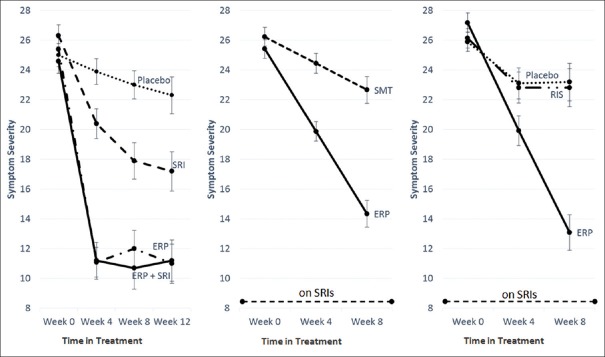
- In randomized and comparative studies, ERP outperformed relaxation therapy, anxiety management, wait-list, cognitive therapy, and medication-only conditions; one cited study found that after 12 weeks, ERP or ERP plus medication produced greater symptom reduction than clomipramine alone, and adding medication did not improve outcomes over ERP alone.
Methods
- This is a narrative review of ERP for OCD, organized around the treatment’s elements, efficacy, mechanisms of change, and new directions.
- The paper synthesizes prior studies across multiple countries, treatment settings, and intensities, including outpatient, partial hospitalization, and residential ERP, as well as internet-delivered ERP and augmentation trials.
- Main analysis is qualitative synthesis of the literature; the paper reports results from prior meta-analyses, randomized trials, and review articles rather than presenting new primary data.
Limitations
- The paper states that the mechanism of action remains unclear and that it is still not known exactly how ERP works or why some people respond whereas others do not.
- The paper notes that many patients drop out prematurely and many who complete ERP still do not achieve a clinically significant reduction of symptoms.
- Evident from the text: as a review, it does not present new original data and instead depends on the quality and comparability of the cited studies.
Model-written summary. Check it against the paper before relying on it.
Integrity signals
Registry
Cites
Statistics
Figures
Verification
Claims the paper makes
6 Valid · 0 Not valid · 32 Not checked · 4 Own results and interpretations
Every source the paper cites for this claim was checked and supports it.
In the paper
“The authors found that relative to those in the nonactive condition, individuals in the active ABM group were less avoidant of contaminated objects during a subsequent behavioral approach task.”
§ Exposure and response prevention for obsessive-compulsive disorder: A review and new directions > NEW DIRECTIONS > Enhancing exposure and response prevention
What the sources say
- Supportedcites [52] Najmi S Amir N The effect of attention training on a behavioral test of contamination fears in individuals with subclinical obsessive-compulsive symptoms J Abnorm Psychol 2010 119 136 42 20141250 PMC2866445 source
The Results section (Performance on Behavioral Approach Tests) reports that the active attention-modification group completed significantly more steps toward feared contaminants than the attention-control group (68% versus 45%). This supports the claim that the active group was less avoidant during the subsequent behavioral approach tests. (LLM, conf=0.94)
plainstates a cause- Asserted: passes — The authors put it forward as true.
- Checkable: passes — It can be checked against evidence.
- Load-bearing: passes — The paper’s conclusions depend on it.
- Based: passes — The paper gives a reason why it holds.
- Supported
Every source the paper cites for this claim was checked and supports it.
In the paper
“Approximately 20–30% of patients drop out of ERP prematurely,[11]”
§ Exposure and response prevention for obsessive-compulsive disorder: A review and new directions > EFFICACY
What the sources say
- Supportedcites [11] Abramowitz JS The psychological treatment of obsessive-compulsive disorder Can J Psychiatry 2006 51 407 16 16838822 source
The “Predictors of Improvement” section states that about 25% to 30% of OCD patients who begin ERP drop out of therapy prematurely. That falls within the citing sentence’s approximate 20%–30% range. (LLM, conf=0.94)
plain- Asserted: passes — The authors put it forward as true.
- Checkable: passes — It can be checked against evidence.
- Load-bearing: passes — The paper’s conclusions depend on it.
- Based: passes — The paper gives a reason why it holds.
- Supported
Every source the paper cites for this claim was checked and supports it.
In the paper
“One study found that low adherence to completing exposures assigned between ERP sessions predicted higher symptom severity post-treatment.[28]”
§ Exposure and response prevention for obsessive-compulsive disorder: A review and new directions > EFFICACY
What the sources say
- Supportedcites [28] Simpson HB Marcus SM Zuckoff A Franklin M Foa EB Patient adherence to cognitive-behavioral therapy predicts long-term outcome in obsessive-compulsive disorder J Clin Psychiatry 2012 73 1265 6 23059155 PMC3951095 source
The Methods define adherence as completion of exposures and ritual prevention assigned as homework during EX/RP. The Results report that lower adherence was associated with greater OCD severity at Week 9, immediately after treatment. (LLM, conf=0.93)
plainstates an association- Asserted: passes — The authors put it forward as true.
- Checkable: passes — It can be checked against evidence.
- Load-bearing: passes — The paper’s conclusions depend on it.
- Based: passes — The paper gives a reason why it holds.
- Supported
Every source the paper cites for this claim was checked and supports it.
In the paper
“clinicians are susceptible to making errors in how they deliver the treatment to patients, which likewise inhibits its effectiveness.[29]”
§ Exposure and response prevention for obsessive-compulsive disorder: A review and new directions > EFFICACY
What the sources say
- Supportedcites [29] Gillihan SJ Williams MT Malcoun E Yadin E Foa EB Common pitfalls in exposure and response prevention (EX/RP) for OCD J Obsessive Compuls Relat Disord 2012 1 251 7 22924159 PMC3423997 source
The Introduction identifies relatively common mistakes therapists make when delivering EX/RP and says these pitfalls reduce its efficacy. The Conclusion likewise explains that several pitfalls weaken exposure or interfere with ritual prevention. (LLM, conf=0.94)
plainstates a cause- Asserted: passes — The authors put it forward as true.
- Checkable: passes — It can be checked against evidence.
- Load-bearing: passes — The paper’s conclusions depend on it.
- Based: passes — The paper gives a reason why it holds.
- Supported
The cited sources support only part of this claim — read each source’s verdict below.
In the paper
“individuals taking SRIs had lower OCD severity scores immediately[24] and 6 months[25] following additional treatment with ERP than those who had additional treatment with risperidone or placebo”
§ Exposure and response prevention for obsessive-compulsive disorder: A review and new directions > EFFICACY
What the sources say
- Not matchedcites [24] Simpson HB Foa EB Liebowitz MR Huppert JD Cahill S Maher MJ Cognitive-behavioral therapy vs risperidone for augmenting serotonin reuptake inhibitors in obsessive-compulsive disorder: A randomized clinical trial JAMA Psychiatry 2013 70 1190 9 24026523 PMC3955365
More than one paper fits this citation.
- Partly supportedcites [25] Foa EB Simpson HB Rosenfield D Liebowitz MR Cahill SP Huppert JD Six-month outcomes from a randomized trial augmenting serotonin reuptake inhibitors with exposure and response prevention or risperidone in adults with obsessive-compulsive disorder J Clin Psychiatry 2015 76 440 6 25375780 PMC4524354 sourceExperimental — accuracy not yet measured
The Abstract Results report lower OCD severity at six months with exposure and response prevention (EX/RP) than with risperidone (Y-BOCS 10.95 versus 18.70). The Method’s Data Analysis section says the six-month analyses excluded the placebo group, so this source does not support a six-month comparison with placebo. The immediate-treatment comparison is attached to a different citation [24]. Page numbers were not provided in our copy. (LLM, conf=0.88)
plainstates a cause- Asserted: passes — The authors put it forward as true.
- Checkable: passes — It can be checked against evidence.
- Load-bearing: passes — The paper’s conclusions depend on it.
- Based: passes — The paper gives a reason why it holds.
- Not matched
19 more claims
Create a free account to see all 42 claims and to verify the 1 reference still open.
- Probably not a substantial claim. 5
- It may state two separate claims as one. 13
Claims other papers make about this one
Each is checked against this paper’s own text: does it say what the citing paper says it does?
The source backs part of the claim, not all of it — or backs it for a different population, condition or comparison.
In the citing paper
“the proportion of OCD participants who respond to treatment is around 55%.17 , 18”
From Randomized trial of the efficacy of trial-based cognitive therapy for obsessive-compulsive disorder: preliminary findings (2023) · cites this paper as [17]
Experimental — accuracy not yet measuredThe cited source says what the claim attributes to it.
In the citing paper
“In either case, ERP seems to work through a process of preventing a previously reinforced and automatic behaviour from taking place, in a manner akin to breaking a 'stimulus-response ' (S-R) habit [22,23].”
From Habit as a therapeutic component in psychological treatment for obsessive-compulsive disorder: A randomised controlled feasibility study. (2026) · cites this paper as [22]
The check wasn’t confident either way, so it gives no verdict — never disputed.
In the citing paper
“These studies used scales of relevance to CYB such as the Y-BOCS modified for hypochondriasis [116,117].”
From Is cyberchondria a new transdiagnostic digital compulsive syndrome? A systematic review of the evidence (2020) · cites this paper as [116]
Experimental — accuracy not yet measuredIn the citing paper
“ERP for OCD has a high refusal and dropout rate17”
From Randomized trial of the efficacy of trial-based cognitive therapy for obsessive-compulsive disorder: preliminary findings (2023) · cites this paper as [17]
Citations
Cites
Diagnostic and Statistical Manual of Mental Disorders
American Psychiatric Association (2013) · doi:10.1176/appi.books.9780890425596 · Cited by 116,369
(2004) · JAMA · doi:10.1001/jama.291.21.2581 · Cited by 3,448 · cited 1×
“Considered one of the most debilitating psychiatric illnesses,[1,2] obsessive-compulsive disorder (OCD) is”
BackgroundMaximizing exposure therapy: An inhibitory learning approach
Craske, M. G., Treanor, M., Conway, C. C., Zbozinek, T., & Vervliet, B. (2014) · Behaviour Research and Therapy · doi:10.1016/j.brat.2014.04.006 · Cited by 2,339 · cited 4×
“Craske et al.[39] have proposed a number of ways to enhance extinction learning based on the aforementioned inhibitory learning perspective.”
BackgroundInfluentialObsessional-compulsive problems: A cognitive-behavioural analysis
Salkovskis, P. M. (1985) · Behaviour Research and Therapy · doi:10.1016/0005-7967(85)90105-6 · Cited by 1,842 · cited 1×
“that the majority of individuals will experience at some point in their lives.[31,32] Dysfunctional thoughts such as an inflated”
BackgroundOptimizing inhibitory learning during exposure therapy
Craske, M. G., Kircanski, K., Zelikowsky, M., Mystkowski, J., Chowdhury, N., & Baker, A. (2008) · Behaviour Research and Therapy · doi:10.1016/j.brat.2007.10.003 · Cited by 1,607 · cited 2×
“11-12).[38] Therefore, the newly formed association inhibits the memory of the original excitatory response with repeated practice, but does not prevent it from being reactivated at some point in the future, thus underscoring the importance of continued exposure to once-feared stimuli.”
BackgroundA cognitive theory of obsessions
Rachman, S. (1997) · Behaviour Research and Therapy · doi:10.1016/s0005-7967(97)00040-5 · Cited by 1,179 · cited 1×
“that the majority of individuals will experience at some point in their lives.[31,32] Dysfunctional thoughts such as an inflated”
BackgroundFoa, E. B., Liebowitz, M. R., Kozak, M. J., Davies, S., Campeas, R., Franklin, M. E., Huppert, J. D., Kjernisted, K., Rowan, V., Schmidt, A. B., et al. (2005) · American Journal of Psychiatry · doi:10.1176/appi.ajp.162.1.151 · Cited by 1,048 · cited 2×
“[44] Although up to half of people will achieve minimal symptoms after acute treatment with ERP as either a monotherapy[22] or in combination with medication,[23,24] many who undergo the therapy will remain symptomatic and some will not benefit at all.”
BackgroundSelf-citationCognitive assessment of obsessive-compulsive disorder
(1997) · Behaviour Research and Therapy · doi:10.1016/s0005-7967(97)00017-x · Cited by 963 · cited 1×
“people to interpret their intrusive thoughts as significant and potentially dangerous.[33] According to this perspective”
BackgroundVirtual reality exposure therapy for anxiety disorders: A meta-analysis
Powers, M. B., & Emmelkamp, P. M. G. (2008) · Journal of Anxiety Disorders · doi:10.1016/j.janxdis.2007.04.006 · Cited by 904 · cited 1×
“Virtual reality is similarly being studied as a way to enhance exposure therapy for a number of disorders, including post-traumatic stress disorder and anxiety disorders.[54,55] Although it has not been tested extensively with OCD patients, a preliminary study demonstrated its effectiveness in triggering and measuring…”
BackgroundThree-Year Outcomes in Deep Brain Stimulation for Highly Resistant Obsessive–Compulsive Disorder
Greenberg, B. D., Malone, D. A., Friehs, G. M., Rezai, A. R., Kubu, C. S., Malloy, P. F., Salloway, S. P., Okun, M. S., Goodman, W. K., & Rasmussen, S. A. (2006) · Neuropsychopharmacology · doi:10.1038/sj.npp.1301165 · Cited by 829
Cited by
Reid, J. E., Laws, K. R., Drummond, L., Vismara, M., Grancini, B., Mpavaenda, D., & Fineberg, N. A. (2021) · Comprehensive Psychiatry · doi:10.1016/j.comppsych.2021.152223 · Cited by 266
“It is also notable that, where moderators have been analysed, previousmeta-analyses have also found it difficult to confidently identify treatment or patient factors that predict a better outcome with ERP (Hezel and Simpson, 2019 [32]).”
BackgroundVismara, M., Caricasole, V., Starcevic, V., Cinosi, E., Dell'Osso, B., Martinotti, G., & Fineberg, N. A. (2020) · Comprehensive Psychiatry · doi:10.1016/j.comppsych.2020.152167 · Cited by 224
“In the context of OCD, repeated searches formedical informationmay function as a safety behaviour designed to alleviate obsessive responsibility for preventing harm, contamination concerns or other somatic obsessions (e.g., concerns about heart rate being irregular).”
BackgroundInfluentialHickie, I. B., Scott, E. M., Cross, S. P., Iorfino, F., Davenport, T. A., Guastella, A. J., Naismith, S. L., Carpenter, J. S., Rohleder, C., Crouse, J. J., et al. (2019) · Medical Journal of Australia · doi:10.5694/mja2.50383 · Cited by 208
Reddy, Y. C., Sudhir, P., Manjula, M., Arumugham, S., & Narayanaswamy, J. (2020) · Indian Journal of Psychiatry · doi:10.4103/psychiatry.indianjpsychiatry_773_19 · Cited by 48
“CBT is the first-line augmenting strategy for partial/nonresponders to SSRIs.[82]”
BackgroundCannabinoid Augmentation of Exposure-Based Psychotherapy for Obsessive-Compulsive Disorder
Kayser, R. R., Raskin, M., Snorrason, I., Hezel, D. M., Haney, M., & Simpson, H. B. (2020) · Journal of Clinical Psychopharmacology · doi:10.1097/jcp.0000000000001179 · Cited by 45
Self-citationPediatric Acute-Onset Neuropsychiatric Syndrome: Current Perspectives
Gagliano, A., Carta, A., Tanca, M. G., & Sotgiu, S. (2023) · Neuropsychiatric Disease and Treatment · doi:10.2147/ndt.s362202 · Cited by 49
“The ERP approach exposes the patient to thoughts, images, objects and situations that generate discomfort, supporting her/him in making the choice to elude the maladaptive response (prevention).(140) CBT is conceptualized as a short-term, skills-focused treatment.”
BackgroundKahn, L. W., Sutton, B., Winston, H. R., Abosch, A., Thompson, J. A., & Davis, R. A. (2021) · Frontiers in Psychiatry · doi:10.3389/fpsyt.2021.568932 · Cited by 47
Trichotillomania comorbidity in a sample enriched for familial obsessive-compulsive disorder
Gerstenblith, T. A., Jaramillo-Huff, A., Ruutiainen, T., Nestadt, P. S., SAMUELS, J. F., Grados, M. A., Cullen, B., Riddle, M. A., Liang, K., Greenberg, B. D., et al. (2019) · Comprehensive Psychiatry · doi:10.1016/j.comppsych.2019.152123 · Cited by 42
“In addition, it is helpful to think about BDD as OCD-related since, like OCD [8], BDD appears to respond well to cognitive-behavioral therapy (CBT) with exposure and response prevention (ERP); i.”
BackgroundFamily and couple integrated cognitive-behavioural therapy for adults with OCD: A meta-analysis
Stewart, K. E., Sumantry, D., & Malivoire, B. L. (2020) · Journal of Affective Disorders · doi:10.1016/j.jad.2020.07.140 · Cited by 43
Coronavirus: A trigger for OCD and illness anxiety disorder?
Rivera, R. M., & Carballea, D. (2020) · Psychological Trauma: Theory, Research, Practice, and Policy · doi:10.1037/tra0000725 · Cited by 36
Soondrum, T., Wang, X., Gao, F., Liu, Q., Fan, J., & Zhu, X. (2022) · Brain Sciences · doi:10.3390/brainsci12050656 · Cited by 36
“A recent review supported that half of the patients following intense ERP treatment, either as monotherapy or in combination with other forms of pharmacotherapy, have milder symptoms [48].”
BackgroundJavaherirenani, R., Mortazavi, S. S., Shalbafan, M., Ashouri, A., & Farani, A. R. (2022) · BMC Psychiatry · doi:10.1186/s12888-022-04402-3 · Cited by 44
“Then, the therapist and the patient discuss the patient’s experience and learning during in vivo and imaginal exposure [11].”
BackgroundRacz, J. I., Bialocerkowski, A., Calteaux, I. G., & Farrell, L. J. (2024) · Clinical Child and Family Psychology Review · doi:10.1007/s10567-024-00478-3 · Cited by 45
“ET has been adapted from this common premise into distinct variations for different presentations, such as exposure and response prevention (ERP) for OCD, which involves refraining from engaging in neutralising responses during ET (Hezel & Simpson, 2019).”
Song, Y., Li, D., Zhang, S., Jin, Z., Zhen, Y., Su, Y., Zhang, M., Lu, L., Xue, X., Luo, J., et al. (2022) · Psychiatry Research · doi:10.1016/j.psychres.2022.114861 · Cited by 31
Pinciotti, C. M., Smith, Z., Singh, S., Wetterneck, C. T., & Williams, M. T. (2022) · Behavior Therapy · doi:10.1016/j.beth.2021.11.001 · Cited by 31
“Exposure and ritual prevention (ERP) is considered the gold-standard behavioral treatment for OCD (see Hezel & Simpson, 2019, for a review).”
BackgroundPodolan, M., & Gelo, O. C. G. (2023) · PubMed Central · doi:10.36131/cnfioritieditore20230304 · Cited by 65
“…techniques including psychoeducation, creating a safe place, sustaining hope, utilizing structured cognitive techniques (e.g., exposure techniques; Hezel & Simpson, 2019), sourcing of personal qualities, mindfulness of bodily sensations (Sipe & Eisendrath, 2012), giving advice, providing…”
MethodDehghan, B., Saeidimehr, S., Sayyah, M., & Rahim, F. (2022) · Frontiers in Psychiatry · doi:10.3389/fpsyt.2021.733584 · Cited by 34
“Despite substantial advances, there remain many challenges using new technology in patients with OCD (58).”
BackgroundMartínez-Rivera, F. J., Pérez-Torres, J., Velázquez-Díaz, C. D., Sanchez-Navarro, M. J., Huertas-Pérez, C. I., Diehl, M. M., Phillips, M. L., Haber, S. N., & Quirk, G. J. (2022) · Biological Psychiatry · doi:10.1016/j.biopsych.2022.02.008 · Cited by 20
“A common behavioral treatment for OCD is ERP (76,77), which could be improved with adjunct medications and/or brain stimulation (78).”
Marincowitz, C., Koen, N., Löchner, C., & Stein, D. J. (2022) · Elsevier eBooks · doi:10.1016/b978-0-323-85654-6.00012-5 · Cited by 19
Külz, A. K., Landmann, S., Schmidt-Ott, M., Zurowski, B., Kordon, A., & Voderholzer, U. (2020) · Journal of Cognitive Psychotherapy · doi:10.1891/jcpsy-d-20-00002 · Cited by 20
“Thirty patients who had been treated with 12 weeks of intensive inpatient CBTwith ERP were examined 8–10 years after their stay in hospital with regard to obsessive-compulsive symptoms, secondary outcomes, and use of healthcare services.”
BackgroundInfluentialMcCabe, R. E., Rowa, K., Farrell, N. R., Young, L., Swinson, R. P., & Antony, M. M. (2019) · Journal of Obsessive-Compulsive and Related Disorders · doi:10.1016/j.jocrd.2019.100446 · Cited by 25
Bezahler, A., Kuckertz, J. M., Schreck, M., Narine, K., Dattolico, D., & Falkenstein, M. J. (2022) · Journal of Obsessive-Compulsive and Related Disorders · doi:10.1016/j.jocrd.2022.100724 · Cited by 16
Obsessive-Compulsive Disorders
Mathews, C. (2021) · CONTINUUM Lifelong Learning in Neurology · doi:10.1212/con.0000000000001011 · Cited by 43
Spencer, S. D., Stiede, J. T., Wiese, A. D., Guzick, A. G., Cervin, M., McKay, D., & Storch, E. A. (2023) · Journal of Obsessive-Compulsive and Related Disorders · doi:10.1016/j.jocrd.2023.100805 · Cited by 18
Laurito, L. D., dos Santos‐Ribeiro, S., Moreira‐de‐Oliveira, M. E., Loureiro, C. P., Hühne, V., Torres, B., de Faro, L. F. T., de Menezes, G. B., & Fontenelle, L. F. (2024) · Frontiers in Human Neuroscience · doi:10.3389/fnhum.2023.1286865 · Cited by 16
Williams, B. M., Brown, M. L., Sandoval-Araujo, L. E., Russell, S., & Levinson, C. A. (2022) · Journal of Cognitive Psychotherapy · doi:10.1891/jcpsy-d-2021-0011 · Cited by 20
Cobo, B., Castillo, E., López-Torrecillas, F., & Rueda, M. D. M. (2021) · PLoS ONE · doi:10.1371/journal.pone.0245550 · Cited by 12
The Impact of COVID-19 Pandemic on Obsession and Compulsion Symptoms in Saudi Arabia
Alhujaili, N. A., Alghamdi, A. A., Talib, T. A., Alhaqbani, M., Alfelali, M., & Alghamdi, W. (2021) · Cureus · doi:10.7759/cureus.20021 · Cited by 12
“It is not surprising that patients with OCD diagnosis doubt the effectiveness of exposure and response prevention therapy (ERP), the first-line psychotherapy for OCD [18,19].”
BackgroundLounici, A., Iacob, A., Hongler, K., Mölling, M. A., Drechsler, M., Hersberger, L., Sethi, S., Lang, U. E., & Liwinski, T. (2024) · Nutrients · doi:10.3390/nu17010031 · Cited by 14
Başkaya, E., Özgüç, S., & Tanrıverdi, D. (2021) · Issues in Mental Health Nursing · doi:10.1080/01612840.2021.1920652 · Cited by 13
“Another approach used in the treatment of OCD is mindfulness-based cognitive therapy (MBCT) (Hezel & Simpson, 2019).”
BackgroundMethodKellner, M. B., Yassouridis, A., Adel, F. B., Muhtz, C., Jelinek, L., & Wiedemann, K. (2020) · Psychiatry Research · doi:10.1016/j.psychres.2020.113288 · Cited by 11
Ortiz, S. N., Grunewald, W., Forrest, L. N., & Smith, A. R. (2023) · Body Image · doi:10.1016/j.bodyim.2023.07.005 · Cited by 11
Involuntary attentional shifts as a function of set and processing fluency
Gardner, K., Walker, E. B., Li, Y., Gazzaley, A. H., & Morsella, E. (2020) · Acta Psychologica · doi:10.1016/j.actpsy.2020.103009 · Cited by 12
“…in anxiety, rumination, obsessions, and addictions) can be triggered by sets and the nature of external stimuli, including the valence of these stimuli (Bar-Haim, Lamy, Pergamin, Bakermans-Kranenburg, & van IJzendoorn, 2007; Hezel & Simpson, 2019; Meyer, 1966; Van Rooijen, Ploeger, & Kret, 2017).”
BackgroundCyberchondria, cyberhoarding, and other compulsive online disorders
Vismara, M. E. M., Caricasole, V., Varinelli, A., & Fineberg, N. A. (2021) · Elsevier eBooks · doi:10.1016/b978-0-12-822201-0.00001-0 · Cited by 15
Berman, N. C., Hezel, D. M., & Wilhelm, S. (2020) · Journal of Behavior Therapy and Experimental Psychiatry · doi:10.1016/j.jbtep.2020.101615 · Cited by 10
Self-citationPsychometric Properties of the Yale-Brown Obsessive Compulsive Scale-II Self-Report
Pinciotti, C. M., Rast, C. E., Wiese, A. D., Foshee, K. L., Spencer, S. D., Upshaw, B. M., Guzick, A. G., Goodman, W. K., & Storch, E. A. (2024) · Journal of Psychiatric Practice · doi:10.1097/pra.0000000000000823 · Cited by 12
“The “ resistance to obsessions ” item was replaced with an “ obsession-free interval ” that assessed the duration of waking hours per day that the individual was free of obsessions, and it better corresponded with the cognitive-behavioral theoretical model of OCD.”
InfluentialBernstein, E. E., Jaroszewski, A. C., Jacoby, R. J., Bailen, N. H., Ragan, J. D., Usmani, A., & Wilhelm, S. (2025) · Behavior Therapy · doi:10.1016/j.beth.2025.02.005 · Cited by 13
“ERP involves systematically confronting the thoughts, images, objects, and situations that make the individual anxious or provoke their obsessions while limiting engagement in compulsive responses (Hezel & Simpson, 2019).”
Sarwar, R., & Asmat, A. (2025) · BMC Psychiatry · doi:10.1186/s12888-024-06404-9 · Cited by 8
Gerdan, G., & Şalcıoğlu, E. (2025) · Clinical Psychology & Psychotherapy · doi:10.1002/cpp.70102 · Cited by 12
“…direct engagement with distressing internal and external stimuli, have been recognized as the gold standard for treating various psychological disorders (e.g., Hezel and Simpson 2019; Rauch et al. 2012), and their efficacy has been reported across various psychopathologies (Eustis et al. 2020).”
Negreiros, J., Best, J. R., Vallani, T., Belschner, L., Szymanski, J., & Stewart, S. E. (2022) · Journal of Child and Family Studies · doi:10.1007/s10826-022-02350-w · Cited by 11
Porwal, M. H., Karra, H., Sharma, U., & Bhatti, D. (2022) · Surgical Neurology International · doi:10.25259/sni_613_2022 · Cited by 10
“Studies have shown that two-thirds of patients who underwent ERP therapy experienced an improvement in their symptoms, while one-third of patients were considered completely recovered.[14] ERP therapy even produced better outcomes than other forms of CBT and is currently one of the first-line treatments.”
BackgroundInfluentialKathiravan, S., & Chakrabarti, S. (2023) · World Journal of Psychiatry · doi:10.5498/wjp.v13.i2.60 · Cited by 9
Xu, J., Falkenstein, M. J., & Kuckertz, J. M. (2024) · Journal of Affective Disorders · doi:10.1016/j.jad.2024.02.091 · Cited by 7
Wairauch, Y., Siev, J., Hasdai, U., & Dar, R. (2024) · Journal of Behavior Therapy and Experimental Psychiatry · doi:10.1016/j.jbtep.2024.101960 · Cited by 12
Houben, M., Postma, T. S., Fitzsimmons, S., Vriend, C., Batelaan, N. M., Hoogendoorn, A. W., van der Werf, Y. D., & van den Heuvel, O. A. (2024) · Biological Psychiatry Cognitive Neuroscience and Neuroimaging · doi:10.1016/j.bpsc.2024.10.020 · Cited by 15
Jondani, J. A., Yazdkhasti, F., & Abedi, A. (2023) · Journal of Behavior Therapy and Experimental Psychiatry · doi:10.1016/j.jbtep.2023.101855 · Cited by 12
Parvizi-Wayne, D., & Severs, L. (2024) · Cognitive Affective & Behavioral Neuroscience · doi:10.3758/s13415-024-01189-6 · Cited by 9
“…obsessive compulsive disorder (OCD) (Foa & Goldstein, 1978; Foa & McLean, 2016; Marks et al., 1975) and involves the provocation of anxiety-producing obsessions and the inhibition of compulsions that, whilst alleviating short-term anxiety, reinforce the individual’s fear (Hezel & Simpson, 2019).”
BackgroundPinciotti, C. M., Upshaw, B. M., Spencer, S. D., Park, J. M., Franklin, M. E., Wadsworth, L. P., Riemann, B. C., Goodman, W. K., & Storch, E. A. (2024) · Behavior Therapy · doi:10.1016/j.beth.2024.12.001 · Cited by 7
Year of Zoom in a Year of Doom: Lessons Learned Delivering ERP Remotely During the COVID-19 Pandemic
Hezel, D. M., Rapp, A. M., Glasgow, S., Cridland, G., & Simpson, H. B. (2022) · Cognitive and Behavioral Practice · doi:10.1016/j.cbpra.2021.12.005 · Cited by 9
“…Learned Delivering ERP Remotely During the COVID-19 Considered the first-line psychotherapeutic treatment for OCD, ERP consists of intentionally confronting feared stimuli and resisting the urge to engage in compulsions (Foa et al., 2012; see Hezel & Simpson, 2019 for a review of ERP for OCD).”
Self-citationRodrigues, E. P., Fechine, A. J. B., Oliveira, A. C., Matos, C. F. F., Passarela, C. D. M., Hemanny, C., Dias, F. D. M., Batista, J. W., Albuquerque, L. D. C. N., Soares, M. S., et al. (2023) · Trends in Psychiatry and Psychotherapy · doi:10.47626/2237-6089-2021-0247 · Cited by 6
“On the other hand, ERP does not act directly in modifying the cognitive contents of obsessions but proposes to confront them, preventing the performance of rituals.(17,23,62) So, when the patient is”
Allely, C. S., & Pickard, M. (2024) · Psychiatry Research · doi:10.1016/j.psychres.2024.116198 · Cited by 10
van de Mortel, L. A., Bruin, W. B., Alonso, P., Bertolín, S., Feusner, J. D., Guo, J. Y., Hagen, K., Hansen, B. K. A., Thorsen, A. L., Martínez‐Zalacaín, I., et al. (2025) · Journal of Affective Disorders · doi:10.1016/j.jad.2025.119729 · Cited by 7
Exposure and Response Prevention in OCD: A Framework to Capitalize Change
Faustino, D., Gonçalves, M. M., Braga, R., Faria, M. J., & Oliveira, J. T. (2025) · Journal of Clinical Psychology · doi:10.1002/jclp.23797 · Cited by 5
Mogan, C., Mogan, J., Foroughi, E., Addison, K., Bryan, J., Felmingham, K. L., & Yap, K. (2025) · The Cognitive Behaviour Therapist · doi:10.1017/s1754470x2500008x · Cited by 6
“Additionally, partial hospitalization with short bursts of ERP is understood to be efficacious (Hezel and Simpson, 2019).”
Voderholzer, U., Meule, A., Koch, S., Pfeuffer, S., Netter, A.-L., Lehr, D., & Zisler, E. M. (2024) · JMIR Mental Health · doi:10.2196/52790 · Cited by 4
“Despite patients having to face various challenges when undergoing ERP, this psychotherapeutic intervention is highly effective for many people with OCD [21].”
BackgroundHohensee, N., Bischof, C., Dietel, F. A., Klein, N., Doebler, P., & Buhlmann, U. (2024) · Journal of Obsessive-Compulsive and Related Disorders · doi:10.1016/j.jocrd.2024.100934 · Cited by 5
“These insights may enable us to further augment first-line treatments for OCD, such as exposure and response prevention (ERP; Hezel and Simpson, 2019), which show good, yet optimizable efficacy (Ong et al., 2016; Skapinakis et al., 2016).”
Claus, N., Miegel, F. S., Jelinek, L., Landmann, S., Moritz, S., Külz, A. K., Rubel, J. A., & Cludius, B. (2023) · Cognitive Therapy and Research · doi:10.1007/s10608-023-10361-0 · Cited by 5
“Even though evidence-based treatments such as Cognitive-Behavioral Therapy (CBT, with or without exposure) exist for OCD, drop-out rates are high (Hezel & Simpson, 2019; Ong et al., 2016) and maintenance of treatment effects is limited (Cabedo et al., 2018).”
BackgroundRaboin, S. (2024) · Journal of Imagery Research in Sport and Physical Activity · doi:10.1515/jirspa-2024-0006 · Cited by 6
“Therefore, it is generally the fi rst-line psychotherapy for the management of OCD and teaches OCD su ff erers how to tolerate distressing thoughts and/or images [89].”
BackgroundCorrelates of depression in individuals with obsessive compulsive disorder
Hathway, T., McDonald, S., Melkonian, M., Karin, E., Titov, N., Dear, B. F., & Wootton, B. M. (2024) · Cognitive Behaviour Therapy · doi:10.1080/16506073.2024.2368518 · Cited by 5
“For example, exposure and response prevention (ERP) is largely recognized as the gold standard treatment for OCD (Hezel & Simpson, 2019), however perfectionism is associated with reduced ERP treatment outcomes (Chik et al., 2007; Frost et al., 2002).”
Sabra, M. A. A., Al‐Kalaldeh, M., Khalil, M. M. H., Abualruz, H., & Hamdan‐Mansour, A. M. (2023) · Clinical Psychology & Psychotherapy · doi:10.1002/cpp.2871 · Cited by 6
Uma abordagem geral do transtorno obsessivo compulsivo
de Paula, D. K., Kling, C. P. S. P., & de Siqueira, E. C. (2023) · Revista Eletrônica Acervo Saúde · doi:10.25248/reas.e13174.2023 · Cited by 12
Löchner, C., Naudé, P. J. W., & Stein, D. J. (2023) · Current Neuropharmacology · doi:10.2174/1570159x21666230829145425 · Cited by 33
“Improving treatment by incorporating information on neurobiology [14] may be one strategy to lower these burdens.”
Marx, H., Krahe, T. E., & Wolmarans, D. W. (2024) · Journal of Neuroscience Research · doi:10.1002/jnr.25320 · Cited by 5
“…by the mostly positive response of the latter symptoms to exposure and response prevention (ERP), a psychotherapeutic intervention involving exposure of patients to aspects of their obsessive thoughts while they are prevented from engaging in compulsive neutralizing rituals (Hezel & Simpson, 2019).”
BackgroundPinciotti, C. M., Ponzini, G. T., Hundt, N. E., Fletcher, T. L., Wells, S. Y., Wadsworth, L. P., Kirk, N. P. V., Abramowitz, J. S., Quinlan, K., Goodman, W. K., et al. (2024) · Journal of Obsessive-Compulsive and Related Disorders · doi:10.1016/j.jocrd.2024.100877 · Cited by 5
Obsessive-Compulsive Disorder: Diagnosis, Clinical Presentations, and Implications
Rizvi, A., & Nolte, C. (2024) · Springer eBooks · doi:10.1007/978-3-031-40858-8_150-1 · Cited by 6
Disgusted, but amused: positive emotion attenuates disgust elicited by film clips
Mitchell, B. J., & Coifman, K. G. (2025) · Frontiers in Psychology · doi:10.3389/fpsyg.2025.1565884 · Cited by 4
Family and Couple Integrated Cognitive-Behavioural Therapy for Adults with OCD: A Meta-Analysis
Stewart, K. E., Sumantry, D., & Malivoire, B. L. (2021) · FOCUS The Journal of Lifelong Learning in Psychiatry · doi:10.1176/appi.focus.19404 · Cited by 4
Khalkhali, M., Habibi, B., Eslamdoust-Siahestalkhi, F., Farrahi, H., Zare, R., & Khalkhali, P. (2023) · Iranian Journal of Psychiatry and Behavioral Sciences · doi:10.5812/ijpbs-131505 · Cited by 5
“However, the anxiety associated with GAD is often a result of overemphasized real-life situations (14), while OCD leads to anxiety rooted in the patients’ specific obsessive thoughts (15).”
BackgroundGanesh, S., Sharma, L. P., & Das, B. (2024) · Indian Journal of Psychological Medicine · doi:10.1177/02537176231219768 · Cited by 3
ACT for OCD: An Example of ACT and Values‐Based Exposures
Capel, L. K., & Twohig, M. P. (2024) · Journal of Clinical Psychology · doi:10.1002/jclp.23759 · Cited by 7
“The first-line intervention for obsessive-compulsive disorder (OCD) is cognitive-behavior therapy (CBT) and exposure and response prevention (ERP; e.g., Hezel & Simpson, 2019) .”
de Mathis, M. A., Chacon, P., Boavista, R., de Oliveira, M. V. S., de Barros, P. M. F., Echevarria, M. A. N., Ferrão, Y. A., Vattimo, E. F. D. Q., Lopes, A. C., Torres, A. R., et al. (2023) · Brazilian Journal of Psychiatry · doi:10.47626/1516-4446-2023-3081 · Cited by 7
“As summarized by Hezel & Simpson, 15 ERP must be tailor-made and can be structured in a variety of ways (e.g., respecting the hierarchy, intensively, in vivo or through imagined exposure, in a health care center or not).”
To What Extent is Virtual Reality Therapy Efficient as A Treatment of Social Anxiety Disorder?
Kumar, A. (2023) · British Journal of Multidisciplinary and Advanced Studies · doi:10.37745/bjmas.2022.0362 · Cited by 3
Wille, L., Lohse, L., Jelinek, L., Moritz, S., Schultz, J., Borsutzky, S., Yassari, A. H., Mariegaard, L. S., Vernal, D. L., Bekker, S. H., et al. (2025) · Journal of Clinical Psychology · doi:10.1002/jclp.23772 · Cited by 4
Zouki, J., Wu, W. T., Stylianakis, A. A., & Eapen, V. (2025) · American Journal of Medical Genetics Part B Neuropsychiatric Genetics · doi:10.1002/ajmg.b.33068 · Cited by 3
Bredemeier, K., Mu, W., Mayinja, L. S., & Brown, L. A. (2022) · Journal of Behavioral and Cognitive Therapy · doi:10.1016/j.jbct.2022.07.001 · Cited by 3
The efficacy of brief strategic therapy in treating obsessive-compulsive disorder: a case series.
Proietti, L., Aguglia, A., Amerio, A., Costanza, A., Fesce, F., Magnani, L., Serafini, G., & Amore, M. (2022) · Acta bio-medica dell'Ateneo parmense/Acta biomedica · doi:10.23750/abm.v93is1.13064 · Cited by 7
“%) is than that observed in other studies (14,15,40).”
ResultEpisodic Memory in Obsessive-Compulsive Disorder: Comparison with Healthy Controls
Mani, A., Khabir, L., Kordiyan, S., & Sahraian, A. (2023) · Shiraz E-Medical Journal · doi:10.5812/semj-115654 · Cited by 4
Scrupulosity Obsessive-Compulsive Disorder in Children
Stevens, S., & Smith-Schrandt, H. L. (2023) · Journal of Psychosocial Nursing and Mental Health Services · doi:10.3928/02793695-20231011-03 · Cited by 3
Clayton, M., Renna, M., Weingast, L., Panjwani, A. A., Spaeth, P., Heimberg, R., Fresco, D., & Mennin, D. (2023) · Journal of Emotion and Psychopathology · doi:10.55913/joep.v1i1.36 · Cited by 4
Improv Intervention for Obsessive-Compulsive Symptoms: A Pilot Study from Turkey
Kozak, E. D., Halimoğlu, G., & Kavakçı, Ö. (2024) · Journal of Creativity in Mental Health · doi:10.1080/15401383.2024.2319825 · Cited by 4
“Such barriers include: high costs of psychotherapy, fear of possible stigma about mental health issues, and lack of specialized clinicians (Blanco et al., 2006; Hezel & Simpson, 2019; Patel et al., 2018).”
Chen, H., Zhang, H., Li, W., Zhang, X., Xu, Z., Wang, Z., Jiang, W., Liu, N., & Zhang, N. (2024) · Journal of Affective Disorders · doi:10.1016/j.jad.2024.06.110 · Cited by 2
O'Connor, S., Godfrey, K., Reed, S., Peill, J. M., Rohani-Shukla, C., Healy, M. P., Robbins, T. W., de Souza, A. M. F. L. P., Tyacke, R. J., Papasyrou, M., et al. (2025) · Cureus · doi:10.7759/cureus.78171 · Cited by 5
“Currently, cognitive behavioural therapy (CBT), particularly exposure and response prevention (ERP) therapy, is the first line and most effective treatment for OCD [36,37].”
Wang, R., Zhang, K., Wang, Y., Brown, K. R., & Zhao, Y. (2025) · International ACM SIGACCESS Conference on Computers and Accessibility (ASSETS) · doi:10.1145/3663547.3746394 · Cited by 4
“Coping with OCD symptoms independently in daily life is crucial but challenging as real-life triggers can be too overwhelming to confront without suitable guidance [46, 65, 86, 122].”
Momeni, F., & Kami, M. (2021) · ASEAN Journal of Psychiatry · Cited by 3
A Review of Effects of Pandemic on the Patients of Obsessive-Compulsive Disorder
Gokhale, M. V., & Chakole, S. V. (2022) · Cureus · doi:10.7759/cureus.30628 · Cited by 2
“Exposure and Response Prevention has been identified as one of the effective ways to manage OCD, and there have been many patients who have experienced a lot of improvement in their condition [27].”
BackgroundRadically Open Dialectical Behavior Therapy: Theory, Assessment and Case Conceptualization
Gilbert, K., & Codd, R. T. (2022) · Springer eBooks · doi:10.1007/978-3-031-11677-3_9 · Cited by 2
Dehkordi, F. J., Farani, A. R., Gharraee, B., Shati, M., & Ashouri, A. (2023) · Journal of Education and Health Promotion · doi:10.4103/jehp.jehp_324_22 · Cited by 3
“in the patient’s stress, both visually and real, at each stage caused their stress to gradually decrease.[59] In this way, people experienced spontaneous stress reduction”
BackgroundSacks, D., & Vaz, A. (2023) · Springer eBooks · doi:10.1007/978-3-031-33735-2_15 · Cited by 4
Parvizi-Wayne, D., & Severs, L. (2024) · doi:10.31234/osf.io/65en8 · Cited by 1
Pereira de Souza, A. M. F. L., Mpavaenda, D., Banca, P., Wellsted, D., Hopkins, J., Marzuki, A. A., Lee, M., Karafylli, E., Bardsley, O., Mazoruk, S., et al. (2026) · Comprehensive Psychiatry · doi:10.1016/j.comppsych.2026.152666 · Cited by 1
“In either case, ERP seems to work through a process of preventing a previously reinforced and automatic behaviour from taking place, in a manner akin to breaking a ‘stimulus-response ’ (S-R) habit [22,23].”
Obsessive compulsive disorder: overview of the condition and its nursing management
Wagstaff, C. (2024) · Nursing Standard · doi:10.7748/ns.2024.e12269 · Cited by 2
Harkin, B., & Yates, A. (2024) · Journal of Clinical Medicine · doi:10.3390/jcm13164629 · Cited by 5
“Given the significant implications at hand, there exists an urgent necessity to explore further the landscape of interventions for OCD, particularly CBT, which is widely acclaimed as the “gold-standard” treatment for this condition [22,176–178].”
BackgroundMyles, L. A. M., Hotton, M., Madden, F., & Salkovskis, P. M. (2025) · Clinical Psychology Review · doi:10.1016/j.cpr.2025.102661 · Cited by 1
Wiss, D. A., & Logan, A. C. (2026) · Journal of Eating Disorders · doi:10.1186/s40337-026-01618-6 · Cited by 1
“Graduated exposure to feared foods, challenging food rules, and prevention of compensatory responses align with evidence-based approaches for both EDs and OCD [159, 160].”
Tulacı, R. G., & Kasal, M. I. (2023) · Cureus · doi:10.7759/cureus.43793 · Cited by 5
Stimulus-elicited involuntary autobiographical memories
Wright-Wilson, L., Elsabbagh, T., & Morsella, E. (2024) · Acta Psychologica · doi:10.1016/j.actpsy.2024.104212 · Cited by 3
The neurocognitive correlates of compulsivity
Seow, X. F. T. (2020) · Arrow@dit (Dublin Institute of Technology)
Rational Emotive Behavior Therapy for DeafBlind Individuals with Progressive Vision Loss
Laurito, C. (2021) · Cited by 3
Stewart, K. E., Sumantry, D., & Malivoire, B. L. (2021) · Gezinstherapie Wereldwijd · doi:10.1007/s12440-021-00161-x
Mohammadnejad, E., Arshadi, F. K., & Hasani, F. (2022) · The Journal Of Psychological Science · doi:10.52547/jps.20.108.2269 · Cited by 2
Metadata
- Authors
- Simpson, H., & Hezel, D.
- Affiliations
- Columbia University Irving Medical Center (US)
- Corresponding author
- Simpson, HBlair
- ORCID
- Simpson, HBlair
- Venue
- Indian Journal of Psychiatry
- Published
- 2019
- Volume
- 61
- Issue
- 7
- Pages
- 85
- ISSN
- 0019-5545 (ISSN-L)
- PMC
- PMC6343408
- OpenAlex
- W2908731132
- Semantic Scholar
- 710a1213b0379100d08ddef39cf3d50a56282ba6
- Cited by
- 161
- References
- 84
- Citations by year
- 2026: 31 · 2025: 23 · 2024: 38 · 2023: 22 · 2022: 20 · 2021: 14 · 2020: 10 · 2019: 3
- FWCI
- 1.65
- Type
- journal article
- Language
- en
- Open access
- diamond
- doi.org
- Licence
- cc-by-nc-sa
- Locations
- Indian Journal of Psychiatry (publishedVersion, cc-by-nc-sa)
- Europe PMC (PubMed Central) (publishedVersion, cc-by-nc-sa)
- PubMed Central (publishedVersion, cc-by-nc-sa)
- PubMed (publishedVersion)
- Topics
- Social Sciences › Psychology › Clinical Psychology › Obsessive-Compulsive Spectrum Disorders
- Social Sciences › Psychology › Experimental and Cognitive Psychology › Anxiety, Depression, Psychometrics, Treatment, Cognitive Processes
- Social Sciences › Psychology › Clinical Psychology › Psychoanalysis and Psychopathology Research
- Keywords
- obsessive-compulsive disorder, exposure and response prevention, cognitive behavioral therapy, treatment effectiveness, treatment enhancement
About these checks
Registry, retraction, Cites and statistics results are computed, not judged, with one exception: a printed reference that no index lists is read once by a model before it counts as a citation error. Claims are extracted by a model and kept only when their quote appears verbatim in the text; each cited source is then checked, with a model’s help, for whether it says what the claim relies on. Those verdicts can be wrong — read the claim’s quote and the cited source before relying on one.
The claim verdicts this report counts are experimental: their accuracy is not yet measured.
A language model drew the claims from the paper on 2026-10-11, under version 3 of the claim definition (model deepseek-v4.1-flash, prompt extract-v3).
A second model labelled each claim on 2026-10-11 (model jev-1.13-20260917, definition revision gold-guideline-v0.2).
Cited sources are checked with a language model’s help (gpt-6-sol).
Statistics and arithmetic are recomputed, not judged.
Confidence bands are shown only for fields calibrated on our annotated test set. None is calibrated yet, so no band is shown.
What counts as a claim ›How we measure confidence ›How we check this ›
Are you an author, or do you see a problem with this page? Request a review
Data sources
Bibliographic data: Semantic Scholar, OpenAlex, Crossref.
Contains information from the Semantic Scholar Academic Graph Datasets, made available under the ODC Attribution License (ODC-BY 1.0).
Semantic Scholar’s data is described in: Kinney, R., et al. (2023). The Semantic Scholar Open Data Platform. arXiv:2301.10140.
