

Exposure and response prevention for obsessive-compulsive disorder: A review and new directions
Open accessThe DOI matches its Crossref record; 84 of the 84 references it cites were found in a registry or an index; 6 of the 39 sources its claims cite were checked for support.
Abstract
Obsessive-compulsive disorder (OCD) is characterized by distressing thoughts and repetitive behaviors that are interfering, time-consuming, and difficult to control. Although OCD was once thought to be untreatable, the last few decades have seen great success in reducing symptoms with exposure and response prevention (ERP), which is now considered to be the first-line psychotherapy for the disorder. Despite these significant therapeutic advances, there remain a number of challenges in treating OCD. In this review, we will describe the theoretical underpinnings and elements of ERP, examine the evidence for its effectiveness, and discuss new directions for enhancing it as a therapy for OCD. © 2019 Indian Journal of Psychiatry.
Overview
CoChat Summary
TL;DR
Exposure and response prevention (ERP) is presented as the first-line psychotherapy for OCD and is supported as highly efficacious, though many patients still do not remit fully or drop out early. The paper reviews how ERP works, summarizes evidence for its effectiveness, and highlights ways to improve access and outcomes.
Key findings
- A meta-analysis by Eddy et al. found that approximately two-thirds of patients who received ERP experienced symptom improvement, and approximately one-third were considered recovered.
- The paper states that up to half of people achieve minimal symptoms after acute ERP, but about half of patients do not reach complete symptom remission.
- Approximately 20–30% of patients drop out of ERP prematurely.
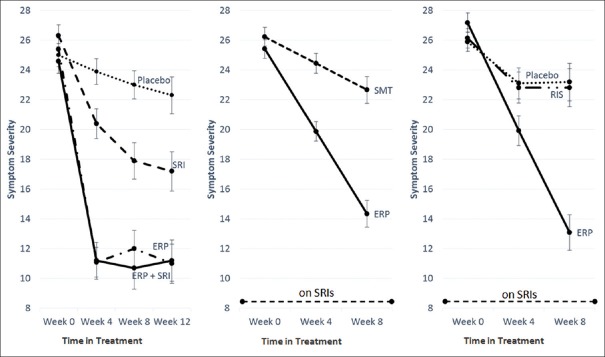
- In randomized and comparative studies, ERP outperformed relaxation therapy, anxiety management, wait-list, cognitive therapy, and medication-only conditions; one cited study found that after 12 weeks, ERP or ERP plus medication produced greater symptom reduction than clomipramine alone, and adding medication did not improve outcomes over ERP alone.
Methods
- This is a narrative review of ERP for OCD, organized around the treatment’s elements, efficacy, mechanisms of change, and new directions.
- The paper synthesizes prior studies across multiple countries, treatment settings, and intensities, including outpatient, partial hospitalization, and residential ERP, as well as internet-delivered ERP and augmentation trials.
- Main analysis is qualitative synthesis of the literature; the paper reports results from prior meta-analyses, randomized trials, and review articles rather than presenting new primary data.
Limitations
- The paper states that the mechanism of action remains unclear and that it is still not known exactly how ERP works or why some people respond whereas others do not.
- The paper notes that many patients drop out prematurely and many who complete ERP still do not achieve a clinically significant reduction of symptoms.
- Evident from the text: as a review, it does not present new original data and instead depends on the quality and comparability of the cited studies.
Model-written summary. Check it against the paper before relying on it.
Integrity signals
Registry
Cites
Statistics
Figures
Verification
Claims the paper makes
6 Valid · 0 Not valid · 32 Not checked · 4 Own results and interpretations
Every source the paper cites for this claim was checked and supports it.
In the paper
“The authors found that relative to those in the nonactive condition, individuals in the active ABM group were less avoidant of contaminated objects during a subsequent behavioral approach task.”
§ Exposure and response prevention for obsessive-compulsive disorder: A review and new directions > NEW DIRECTIONS > Enhancing exposure and response prevention
What the sources say
- Supportedcites [52] Najmi S Amir N The effect of attention training on a behavioral test of contamination fears in individuals with subclinical obsessive-compulsive symptoms J Abnorm Psychol 2010 119 136 42 20141250 PMC2866445 source
The Results section (Performance on Behavioral Approach Tests) reports that the active attention-modification group completed significantly more steps toward feared contaminants than the attention-control group (68% versus 45%). This supports the claim that the active group was less avoidant during the subsequent behavioral approach tests. (LLM, conf=0.94)
plainstates a cause- Asserted: passes — The authors put it forward as true.
- Checkable: passes — It can be checked against evidence.
- Load-bearing: passes — The paper’s conclusions depend on it.
- Based: passes — The paper gives a reason why it holds.
- Supported
Every source the paper cites for this claim was checked and supports it.
In the paper
“Approximately 20–30% of patients drop out of ERP prematurely,[11]”
§ Exposure and response prevention for obsessive-compulsive disorder: A review and new directions > EFFICACY
What the sources say
- Supportedcites [11] Abramowitz JS The psychological treatment of obsessive-compulsive disorder Can J Psychiatry 2006 51 407 16 16838822 source
The “Predictors of Improvement” section states that about 25% to 30% of OCD patients who begin ERP drop out of therapy prematurely. That falls within the citing sentence’s approximate 20%–30% range. (LLM, conf=0.94)
plain- Asserted: passes — The authors put it forward as true.
- Checkable: passes — It can be checked against evidence.
- Load-bearing: passes — The paper’s conclusions depend on it.
- Based: passes — The paper gives a reason why it holds.
- Supported
Every source the paper cites for this claim was checked and supports it.
In the paper
“One study found that low adherence to completing exposures assigned between ERP sessions predicted higher symptom severity post-treatment.[28]”
§ Exposure and response prevention for obsessive-compulsive disorder: A review and new directions > EFFICACY
What the sources say
- Supportedcites [28] Simpson HB Marcus SM Zuckoff A Franklin M Foa EB Patient adherence to cognitive-behavioral therapy predicts long-term outcome in obsessive-compulsive disorder J Clin Psychiatry 2012 73 1265 6 23059155 PMC3951095 source
The Methods define adherence as completion of exposures and ritual prevention assigned as homework during EX/RP. The Results report that lower adherence was associated with greater OCD severity at Week 9, immediately after treatment. (LLM, conf=0.93)
plainstates an association- Asserted: passes — The authors put it forward as true.
- Checkable: passes — It can be checked against evidence.
- Load-bearing: passes — The paper’s conclusions depend on it.
- Based: passes — The paper gives a reason why it holds.
- Supported
Every source the paper cites for this claim was checked and supports it.
In the paper
“clinicians are susceptible to making errors in how they deliver the treatment to patients, which likewise inhibits its effectiveness.[29]”
§ Exposure and response prevention for obsessive-compulsive disorder: A review and new directions > EFFICACY
What the sources say
- Supportedcites [29] Gillihan SJ Williams MT Malcoun E Yadin E Foa EB Common pitfalls in exposure and response prevention (EX/RP) for OCD J Obsessive Compuls Relat Disord 2012 1 251 7 22924159 PMC3423997 source
The Introduction identifies relatively common mistakes therapists make when delivering EX/RP and says these pitfalls reduce its efficacy. The Conclusion likewise explains that several pitfalls weaken exposure or interfere with ritual prevention. (LLM, conf=0.94)
plainstates a cause- Asserted: passes — The authors put it forward as true.
- Checkable: passes — It can be checked against evidence.
- Load-bearing: passes — The paper’s conclusions depend on it.
- Based: passes — The paper gives a reason why it holds.
- Supported
The cited sources support only part of this claim — read each source’s verdict below.
In the paper
“individuals taking SRIs had lower OCD severity scores immediately[24] and 6 months[25] following additional treatment with ERP than those who had additional treatment with risperidone or placebo”
§ Exposure and response prevention for obsessive-compulsive disorder: A review and new directions > EFFICACY
What the sources say
- Not matchedcites [24] Simpson HB Foa EB Liebowitz MR Huppert JD Cahill S Maher MJ Cognitive-behavioral therapy vs risperidone for augmenting serotonin reuptake inhibitors in obsessive-compulsive disorder: A randomized clinical trial JAMA Psychiatry 2013 70 1190 9 24026523 PMC3955365
More than one paper fits this citation.
- Partly supportedcites [25] Foa EB Simpson HB Rosenfield D Liebowitz MR Cahill SP Huppert JD Six-month outcomes from a randomized trial augmenting serotonin reuptake inhibitors with exposure and response prevention or risperidone in adults with obsessive-compulsive disorder J Clin Psychiatry 2015 76 440 6 25375780 PMC4524354 sourceExperimental — accuracy not yet measured
The Abstract Results report lower OCD severity at six months with exposure and response prevention (EX/RP) than with risperidone (Y-BOCS 10.95 versus 18.70). The Method’s Data Analysis section says the six-month analyses excluded the placebo group, so this source does not support a six-month comparison with placebo. The immediate-treatment comparison is attached to a different citation [24]. Page numbers were not provided in our copy. (LLM, conf=0.88)
plainstates a cause- Asserted: passes — The authors put it forward as true.
- Checkable: passes — It can be checked against evidence.
- Load-bearing: passes — The paper’s conclusions depend on it.
- Based: passes — The paper gives a reason why it holds.
- Not matched
19 more claims
Create a free account to see all 42 claims and to verify the 1 reference still open.
- Probably not a substantial claim. 5
- It may state two separate claims as one. 13
Claims other papers make about this one
Each is checked against this paper’s own text: does it say what the citing paper says it does?
The cited source says what the claim attributes to it.
In the citing paper
“In either case, ERP seems to work through a process of preventing a previously reinforced and automatic behaviour from taking place, in a manner akin to breaking a 'stimulus-response ' (S-R) habit [22,23].”
From Habit as a therapeutic component in psychological treatment for obsessive-compulsive disorder: A randomised controlled feasibility study. (2026) · cites this paper as [22]
The check wasn’t confident either way, so it gives no verdict — never disputed.
In the citing paper
“These studies used scales of relevance to CYB such as the Y-BOCS modified for hypochondriasis [116,117].”
From Is cyberchondria a new transdiagnostic digital compulsive syndrome? A systematic review of the evidence (2020) · cites this paper as [116]
Experimental — accuracy not yet measured
Citations
Cites
Diagnostic and Statistical Manual of Mental Disorders
American Psychiatric Association (2013) · doi:10.1176/appi.books.9780890425596 · Cited by 116,369
(2004) · JAMA · doi:10.1001/jama.291.21.2581 · Cited by 3,448 · cited 1×
“Considered one of the most debilitating psychiatric illnesses,[1,2] obsessive-compulsive disorder (OCD) is”
BackgroundMaximizing exposure therapy: An inhibitory learning approach
Craske, M. G., Treanor, M., Conway, C. C., Zbozinek, T., & Vervliet, B. (2014) · Behaviour Research and Therapy · doi:10.1016/j.brat.2014.04.006 · Cited by 2,339 · cited 4×
“Craske et al.[39] have proposed a number of ways to enhance extinction learning based on the aforementioned inhibitory learning perspective.”
BackgroundInfluentialObsessional-compulsive problems: A cognitive-behavioural analysis
Salkovskis, P. M. (1985) · Behaviour Research and Therapy · doi:10.1016/0005-7967(85)90105-6 · Cited by 1,842 · cited 1×
“that the majority of individuals will experience at some point in their lives.[31,32] Dysfunctional thoughts such as an inflated”
BackgroundOptimizing inhibitory learning during exposure therapy
Craske, M. G., Kircanski, K., Zelikowsky, M., Mystkowski, J., Chowdhury, N., & Baker, A. (2008) · Behaviour Research and Therapy · doi:10.1016/j.brat.2007.10.003 · Cited by 1,607 · cited 2×
“11-12).[38] Therefore, the newly formed association inhibits the memory of the original excitatory response with repeated practice, but does not prevent it from being reactivated at some point in the future, thus underscoring the importance of continued exposure to once-feared stimuli.”
BackgroundA cognitive theory of obsessions
Rachman, S. (1997) · Behaviour Research and Therapy · doi:10.1016/s0005-7967(97)00040-5 · Cited by 1,179 · cited 1×
“that the majority of individuals will experience at some point in their lives.[31,32] Dysfunctional thoughts such as an inflated”
BackgroundFoa, E. B., Liebowitz, M. R., Kozak, M. J., Davies, S., Campeas, R., Franklin, M. E., Huppert, J. D., Kjernisted, K., Rowan, V., Schmidt, A. B., et al. (2005) · American Journal of Psychiatry · doi:10.1176/appi.ajp.162.1.151 · Cited by 1,048 · cited 2×
“[44] Although up to half of people will achieve minimal symptoms after acute treatment with ERP as either a monotherapy[22] or in combination with medication,[23,24] many who undergo the therapy will remain symptomatic and some will not benefit at all.”
BackgroundSelf-citationCognitive assessment of obsessive-compulsive disorder
(1997) · Behaviour Research and Therapy · doi:10.1016/s0005-7967(97)00017-x · Cited by 963 · cited 1×
“people to interpret their intrusive thoughts as significant and potentially dangerous.[33] According to this perspective”
BackgroundVirtual reality exposure therapy for anxiety disorders: A meta-analysis
Powers, M. B., & Emmelkamp, P. M. G. (2008) · Journal of Anxiety Disorders · doi:10.1016/j.janxdis.2007.04.006 · Cited by 904 · cited 1×
“Virtual reality is similarly being studied as a way to enhance exposure therapy for a number of disorders, including post-traumatic stress disorder and anxiety disorders.[54,55] Although it has not been tested extensively with OCD patients, a preliminary study demonstrated its effectiveness in triggering and measuring…”
BackgroundThree-Year Outcomes in Deep Brain Stimulation for Highly Resistant Obsessive–Compulsive Disorder
Greenberg, B. D., Malone, D. A., Friehs, G. M., Rezai, A. R., Kubu, C. S., Malloy, P. F., Salloway, S. P., Okun, M. S., Goodman, W. K., & Rasmussen, S. A. (2006) · Neuropsychopharmacology · doi:10.1038/sj.npp.1301165 · Cited by 829
Obsessive-compulsive disorder: An integrative genetic and neurobiological perspective
Pauls, D. L., Abramovitch, A., Rauch, S. L., & Geller, D. A. (2014) · Nature Reviews Neuroscience · doi:10.1038/nrn3746 · Cited by 793
The global burden of anxiety disorders in 2010
Baxter, A. J., Vos, T., Scott, K. M., Ferrari, A. J., & Whiteford, H. A. (2014) · Psychological Medicine · doi:10.1017/s0033291713003243 · Cited by 768
A stimulus-response analysis of anxiety and its role as a reinforcing agent.
Mowrer, O. H. (1939) · Psychological Review · doi:10.1037/h0054288 · Cited by 728 · cited 1×
“Mowrer’s[9] two-factor theory of fear and avoidance”
Olatunji, B. O., Davis, M. L., Powers, M. B., & Smits, J. A. J. (2013) · Journal of Psychiatric Research · doi:10.1016/j.jpsychires.2012.08.020 · Cited by 659 · cited 3×
“However, a meta-analysis by Olatunji et al.[30] reported no differences in”
MethodInfluentialHow psychotherapy changes the brain – the contribution of functional neuroimaging
Linden, D. E. J. (2006) · Molecular Psychiatry · doi:10.1038/sj.mp.4001816 · Cited by 491 · cited 1×
“Indian Journal of Psychiatry, Volume 61 (Supplement 1), January 2019 S89 mechanisms of change have identified differences in the brain from pre- to post-treatment with psychotherapy.[41-43] However, researchers have yet to identify how these changes are directly related to processes that then lead to clinical improvem…”
BackgroundAbramowitz, J. S. (1997) · Journal of Consulting and Clinical Psychology · doi:10.1037/0022-006x.65.1.44 · Cited by 490 · cited 1×
“Early studies demonstrated its superiority in reducing patients’ OCD symptoms relative to relaxation therapy, anxiety management, or a wait-list condition.[10-14] Subsequent reports have similarly pointed to its effectiveness across multiple countries, treatment settings, and intensity.”
BackgroundEfficacy of Cognitive Behavioral Therapy for Anxiety Disorders: A Review of Meta-Analytic Findings
Olatunji, B. O., Cisler, J. M., & Deacon, B. J. (2010) · Psychiatric Clinics of North America · doi:10.1016/j.psc.2010.04.002 · Cited by 483 · cited 1×
“Specifically, there was a slightly stronger effect size for ERP, and it resulted in lower OCD severity scores post-treatment relative to the other two modalities.[17]”
ResultEddy, K. T., Dutra, L., Bradley, R., & Westen, D. (2004) · Clinical Psychology Review · doi:10.1016/j.cpr.2004.08.004 · Cited by 475 · cited 1×
“[11-15] Indeed, a meta-analysis by Eddy et al.[16] indicated that approximately two-thirds of patients who received ERP experienced improvement in symptoms, and approximately one-third of patients were considered to be recovered.”
MethodModification of expectations in cases with obsessional rituals
Meyer, V. (1966) · Behaviour Research and Therapy · doi:10.1016/0005-7967(66)90023-4 · Cited by 461
Franklin, M. E., Abramowitz, J. S., Kozak, M. J., Levitt, J. T., & Foa, E. B. (2000) · Journal of Consulting and Clinical Psychology · doi:10.1037/0022-006x.68.4.594 · Cited by 387 · cited 1×
“Importantly, research indicates that the treatment is effective not only with highly controlled study samples of OCD that are not necessarily representative of the general clinical population but also with less restricted samples with comorbidities and complicated treatment histories and that are concurrently taking m…”
BackgroundThe psychological treatment of obsessive-compulsive disorder
Abramowitz, J. S. (2006) · The Canadian Journal of Psychiatry · doi:10.1177/070674370605100702 · Cited by 371
Foa, E. B., & McLean, C. P. (2016) · Annual Review of Clinical Psychology · doi:10.1146/annurev-clinpsy-021815-093533 · Cited by 360 · cited 9×
“Mowrer’s[9] two-factor theory of fear and avoidance provided an influential framework for understanding the etiology of OCD that inspired the development of behavioral treatments for the disorder, including ERP.”
BackgroundResultInfluentialAugmentation of Behavior Therapy With d -Cycloserine for Obsessive-Compulsive Disorder
Wilhelm, S., Buhlmann, U., Tolin, D. F., Meunier, S. A., Pearlson, G. D., Reese, H. E., Cannistraro, P., Jenike, M. A., & Rauch, S. L. (2008) · American Journal of Psychiatry · doi:10.1176/appi.ajp.2007.07050776 · Cited by 358 · cited 7×
“Mowrer’s[9] two-factor theory of fear and avoidance provided an influential framework for understanding the etiology of OCD that inspired the development of behavioral treatments for the disorder, including ERP.”
InfluentialGoal-directed learning and obsessive-compulsive disorder
Gillan, C. M., & Robbins, T. W. (2014) · Philosophical Transactions of the Royal Society B: Biological Sciences · doi:10.1098/rstb.2013.0475 · Cited by 348 · cited 2×
“For example, using a neurobiological framework, Gillan and Robbins[40] propose that compulsions are the result of excessive habit formation and that obsessions develop when the sufferer makes inferences about his or her behavior (e.g., “I check the knobs on the stove so I must be afraid of accidentally starting a fire…”
MethodResponse to psychotherapy in borderline personality disorder and methylation status of the BDNF gene
Perroud, N., Salzmann, A., Prada, P., Nicastro, R., Hoeppli, M.-E., Furrer, S., Ardu, S., Krejci, I., Karege, F., & Malafosse, A. (2013) · Translational Psychiatry · doi:10.1038/tp.2012.140 · Cited by 320 · cited 1×
“[60] A series of studies have reported that variants of the BDNF gene are associated with improved treatment outcomes with medication for schizophrenia,[61] with dialectical behavior therapy for borderline personality disorder,[62] and, most recently, with cognitive behavioral therapy (CBT) for children with anxiety d…”
BackgroundSimpson, H. B., Foa, E. B., Liebowitz, M. R., Ledley, D. R., Huppert, J. D., Cahill, S., Vermes, D., Schmidt, A. B., Hembree, E., Franklin, M., et al. (2008) · American Journal of Psychiatry · doi:10.1176/appi.ajp.2007.07091440 · Cited by 316 · cited 3×
“Simpson et al.[23] found that patients on a stable dose of SRIs experienced greater symptom reduction after additional treatment with 17 weeks of ERP compared to those who received augmentation with stress management training [Figure 1, center panel].”
BackgroundMethodSelf-citationMarks, I. M., Hodgson, R., & Rachman, S. J. (1975) · British Journal of Psychiatry · doi:10.1192/bjp.127.4.349 · Cited by 315 · cited 1×
“maintained for many up to two years post-treatment.[6-8]”
BackgroundAcceptance and commitment therapy for anxiety and OCD spectrum disorders: An empirical review
Bluett, E. J., Homan, K. J., Morrison, K. L., Levin, M. E., & Twohig, M. P. (2014) · Journal of Anxiety Disorders · doi:10.1016/j.janxdis.2014.06.008 · Cited by 306 · cited 7×
“Although ERP has been identified as a (nonpharmacological) gold standard treatment for OCD, other psychotherapeutic treatments have been developed and their efficacy empirically supported (see Manjula and Sudhir review in this issue for more details).”
BackgroundInfluentialFAAH genetic variation enhances fronto-amygdala function in mouse and human
Dincheva, I., Drysdale, A. T., Hartley, C. A., Johnson, D. C., Jing, D., King, E. C., Ra, S., Gray, J. M., Yang, R., DeGruccio, A. M., et al. (2015) · Nature Communications · doi:10.1038/ncomms7395 · Cited by 289 · cited 1×
“[60] Dincheva et al.[64] found an association between a variant of FAAH and accelerated fear extinction in late stages of an extinction learning task as well as reduced levels of anxiety.”
Marques, L., LeBlanc, N. J., Weingarden, H. M., Timpano, K. R., Jenike, M., & Wilhelm, S. (2010) · Depression and Anxiety · doi:10.1002/da.20694 · Cited by 283
FALS-STEWART, W., MARKS, A. P., & SCHAFER, J. (1993) · The Journal of Nervous and Mental Disease · doi:10.1097/00005053-199303000-00007 · Cited by 279 · cited 2×
“Early studies demonstrated its superiority in reducing patients’ OCD symptoms relative to relaxation therapy, anxiety management, or a wait-list condition.[10-14] Subsequent reports have similarly pointed to its effectiveness across multiple countries, treatment settings, and intensity.”
BackgroundAndersson, E., Enander, J., Andrén, P., Hedman, E., Ljótsson, B., Hursti, T., Bergström, J., Kaldo, V., Lindefors, N., Andersson, G., et al. (2012) · Psychological Medicine · doi:10.1017/s0033291712000244 · Cited by 274 · cited 1×
“Specifically, individuals who completed these online programs experienced a clinically significant decrease in OCD symptoms[47,49,50] which were maintained at follow-up.”
BackgroundFoa, E. B., & Goldstein, A. (1978) · Behavior Therapy · doi:10.1016/s0005-7894(78)80013-6 · Cited by 256 · cited 1×
“maintained for many up to two years post-treatment.[6-8]”
BackgroundSimpson, H. B., Foa, E. B., Liebowitz, M. R., Huppert, J. D., Cahill, S., Maher, M. J., McLean, C. P., Bender, J., Marcus, S. M., Williams, M. T., et al. (2013) · JAMA Psychiatry · doi:10.1001/jamapsychiatry.2013.1932 · Cited by 248 · cited 2×
“[44] Although up to half of people will achieve minimal symptoms after acute treatment with ERP as either a monotherapy[22] or in combination with medication,[23,24] many who undergo the therapy will remain symptomatic and some will not benefit at all.”
BackgroundResultSelf-citationControlled trial of exposure and response prevention in obsessive–compulsive disorder
Lindsay, M., Crino, R., & Andrews, G. (1997) · British Journal of Psychiatry · doi:10.1192/bjp.171.2.135 · Cited by 245 · cited 2×
“Early studies demonstrated its superiority in reducing patients’ OCD symptoms relative to relaxation therapy, anxiety management, or a wait-list condition.[10-14] Subsequent reports have similarly pointed to its effectiveness across multiple countries, treatment settings, and intensity.”
BackgroundResponse versus remission in obsessive-compulsive disorder
Simpson, H. B., Huppert, J. D., Petkova, E., Foa, E. B., & Liebowitz, M. R. (2006) · The Journal of Clinical Psychiatry · doi:10.4088/jcp.v67n0214 · Cited by 241 · cited 1×
“Although the current guidelines recommend ERP as the first-line treatment for OCD, only about half of the patients who receive it will reach complete symptom remission.[26] There are a number of factors that are associated with poor response, including lack of adherence to treatment, poor insight, comorbid depression,…”
BackgroundSelf-citationCognitive-behavioral treatment of obsessive thoughts: a controlled study
Freeston, M. H., Ladouceur, R., Gagnon, F., Thibodeau, N., Rhéaume, J., Letarte, H., & Bujold, A. (1997) · Journal of Consulting and Clinical Psychology · doi:10.1037/0022-006x.65.3.405 · Cited by 234 · cited 2×
“Early studies demonstrated its superiority in reducing patients’ OCD symptoms relative to relaxation therapy, anxiety management, or a wait-list condition.[10-14] Subsequent reports have similarly pointed to its effectiveness across multiple countries, treatment settings, and intensity.”
BackgroundBerlim, M. T., Neufeld, N. H., & Van den Eynde, F. (2013) · Journal of Psychiatric Research · doi:10.1016/j.jpsychires.2013.03.022 · Cited by 219 · cited 1×
“Finally, in their meta-analysis, Berlim et al.[73] found that repetitive TMS was an effective augmentation for medication when treating refractory OCD.”
BackgroundFoa, E. B., Franklin, M. E., & Moser, J. (2002) · Biological Psychiatry · doi:10.1016/s0006-3223(02)01552-4 · Cited by 219
Porto, P. R., Oliveira, L., Mari, J., Volchan, E., Figueira, I., & Ventura, P. (2009) · The Journal of Neuropsychiatry and Clinical Neurosciences · doi:10.1176/jnp.2009.21.2.114 · Cited by 193
Exposure and Response (Ritual) Prevention for Obsessive Compulsive Disorder: Therapist Guide
Foa, E. B., Yadin, E., & Lichner, T. K. (2012) · doi:10.1093/med:psych/9780195335286.001.0001 · Cited by 185 · cited 4×
“By practicing both in vivo and imaginal exposures, the patients learn that the consequences they fear do not occur, as well as how to tolerate distress and uncertainty without engaging in compulsions.[4] Following each in-session exposure, the therapist and patient engage in post-exposure processing to review the pati…”
BackgroundInfluentialMaximizing exposure therapy An inhibitory learning approach
Pittig, A., Stevens, S., Vervliet, B., Treanor, M., Conway, C., Zbozinek, T. D., & Craske, M. G. (2015) · Kölner Universitäts PublikationsServer (Universität zu Köln) · Cited by 182
Krebs, M. O., Guillin, O., Bourdel, M. C., Schwartz, J. C., Olie, J. P., Poirier, M. F., & Sokoloff, P. (2000) · Molecular Psychiatry · doi:10.1038/sj.mp.4000749 · Cited by 173 · cited 1×
“[60] A series of studies have reported that variants of the BDNF gene are associated with improved treatment outcomes with medication for schizophrenia,[61] with dialectical behavior therapy for borderline personality disorder,[62] and, most recently, with cognitive behavioral therapy (CBT) for children with anxiety d…”
BackgroundSaxena, S., Gorbis, E., O'Neill, J., Baker, S. K., Mandelkern, M. A., Maidment, K. M., Chang, S., Salamon, N., Brody, A. L., Schwartz, J. M., et al. (2009) · Molecular Psychiatry · doi:10.1038/sj.mp.4002134 · Cited by 159 · cited 1×
“Indian Journal of Psychiatry, Volume 61 (Supplement 1), January 2019 S89 mechanisms of change have identified differences in the brain from pre- to post-treatment with psychotherapy.[41-43] However, researchers have yet to identify how these changes are directly related to processes that then lead to clinical improvem…”
BackgroundDeep brain stimulation of the ventral striatum enhances extinction of conditioned fear
Rodriguez-Romaguera, J., Do Monte, F. H. M., & Quirk, G. J. (2012) · Proceedings of the National Academy of Sciences · doi:10.1073/pnas.1200782109 · Cited by 142 · cited 1×
“[70] Indeed, DBS has been shown to enhance fear extinction,[71,72] thus highlighting its potential usefulness when paired with a treatment such as ERP.”
BackgroundSleep-related problems in pediatric obsessive-compulsive disorder
Storch, E. A., Murphy, T. K., Lack, C. W., Geffken, G. R., Jacob, M. L., & Goodman, W. K. (2007) · Journal of Anxiety Disorders · doi:10.1016/j.janxdis.2007.09.003 · Cited by 140 · cited 1×
“Moreover, ERP has also been shown to lead not only to symptom reduction but also to a decrease in sleep disturbances and improved quality of life more generally.[15,19,20]”
BackgroundNajmi, S., & Amir, N. (2010) · Journal of Abnormal Psychology · doi:10.1037/a0017549 · Cited by 130
Mantione, M., Nieman, D. H., Figee, M., & Denys, D. (2014) · Psychological Medicine · doi:10.1017/s0033291714000956 · Cited by 129 · cited 1×
“Moreover, a recent study demonstrated that combining DBS with CBT (which included ERP) resulted in a reduction of OCD symptoms in a treatment-refractory sample.[70] Indeed, DBS has been shown to enhance fear extinction,[71,72] thus highlighting its potential usefulness when paired with a treatment such as ERP.”
BackgroundModification of expectations in cases with obsessional rituals
Meyer, V. (1966) · Behaviour Research and Therapy · doi:10.1016/0005-7967(66)90083-0 · Cited by 124 · cited 3×
“A behavioral perspective asserts that ERP works by breaking the conditioned response between obsessions and compulsions.[5] According to this model, compulsions temporarily alleviate people’s anxiety that obsessive thoughts trigger.”
BackgroundInfluentialVirtual reality exposure therapy for active duty soldiers
Reger, G. M., & Gahm, G. A. (2008) · Journal of Clinical Psychology · doi:10.1002/jclp.20512 · Cited by 123 · cited 1×
“Virtual reality is similarly being studied as a way to enhance exposure therapy for a number of disorders, including post-traumatic stress disorder and anxiety disorders.[54,55] Although it has not been tested extensively with OCD patients, a preliminary study demonstrated its effectiveness in triggering and measuring…”
BackgroundA Theoretical review of cognitive biases and deficits in obsessive–compulsive disorder
Hezel, D. M., & McNally, R. J. (2016) · Biological Psychology · doi:10.1016/j.biopsycho.2015.10.012 · Cited by 118
Self-citationCommon pitfalls in exposure and response prevention (EX/RP) for OCD
Gillihan, S. J., Williams, M. T., Malcoun, E., Yadin, E., & Foa, E. B. (2012) · Journal of Obsessive-Compulsive and Related Disorders · doi:10.1016/j.jocrd.2012.05.002 · Cited by 114 · cited 1×
“[28] Similarly, clinicians are susceptible to making errors in how they deliver the treatment to patients, which likewise inhibits its effectiveness.[29] Given the strong association of adherence to treatment outcome, future interventions that increase patient and therapist fidelity to ERP would be worthwhile.”
BackgroundNeed for speed: Evaluating slopes of OCD recovery in behavior therapy enhanced with d-cycloserine
Chasson, G. S., Buhlmann, U., Tolin, D. F., Rao, S. R., Reese, H. E., Rowley, T., Welsh, K. S., & Wilhelm, S. (2010) · Behaviour Research and Therapy · doi:10.1016/j.brat.2010.03.007 · Cited by 106 · cited 1×
“[57] However, there were no group differences in symptom improvement by the end of treatment, suggesting that the drug’s utility lies primarily in speeding up treatment response.[58]”
BackgroundTranscranial Direct Current Stimulation for Obsessive-Compulsive Disorder: A Systematic Review
Brunelin, J., Mondino, M., Bation, R., Palm, U., Saoud, M., & Poulet, E. (2018) · Brain Sciences · doi:10.3390/brainsci8020037 · Cited by 106 · cited 9×
“Finally, in their meta-analysis, Berlim et al.[73] found that repetitive TMS was an effective augmentation for medication when treating refractory OCD.”
BackgroundInfluentialExposure therapy for OCD from an acceptance and commitment therapy (ACT) framework
Twohig, M. P., Abramowitz, J. S., Bluett, E. J., Fabricant, L. E., Jacoby, R. J., Morrison, K. L., Reuman, L., & Smith, B. M. (2015) · Journal of Obsessive-Compulsive and Related Disorders · doi:10.1016/j.jocrd.2014.12.007 · Cited by 103 · cited 1×
“therapy (Rector, in press) or ACT into ERP may have added benefits.[79] Future research in this area is needed.”
Treatment of Obsessive-Compulsive Disorder by U.S. Psychiatrists
Blanco, C., Olfson, M., Stein, D. J., Simpson, H. B., Gameroff, M. J., & Narrow, W. H. (2006) · The Journal of Clinical Psychiatry · doi:10.4088/jcp.v67n0611 · Cited by 103 · cited 1×
“Access to care There are numerous barriers to treatment, including high costs of care, stigma surrounding mental health issues, and lack of access to clinicians who are trained in evidence-based practices.[45-47] One solution to improve access to care is the development of an internet-based ERP program that individual…”
BackgroundSelf-citationWilhelm, S., Berman, N. C., Keshaviah, A., Schwartz, R. A., & Steketee, G. (2015) · Behaviour Research and Therapy · doi:10.1016/j.brat.2014.12.006 · Cited by 102 · cited 1×
“studies showing that decrements in dysfunctional thinking mediate symptom improvement post-treatment.[35] However,”
BackgroundInternet-based cognitive behavior therapy for obsessive compulsive disorder: A pilot study
Andersson, E., Ljótsson, B., Hedman, E., Kaldo, V., Paxling, B., Andersson, G., Lindefors, N., & Rück, C. (2011) · BMC Psychiatry · doi:10.1186/1471-244x-11-125 · Cited by 94 · cited 1×
“[45-47] One solution to improve access to care is the development of an internet-based ERP program that individuals can use to guide themselves through treatment with the support of a therapist through e-mail, phone, or the online treatment platform.[48,49] Results from studies implementing these internet programs are…”
BackgroundChanges in quality of life following cognitive-behavioral therapy for obsessive-compulsive disorder
Diefenbach, G. J., Abramowitz, J. S., Norberg, M. M., & Tolin, D. F. (2007) · Behaviour Research and Therapy · doi:10.1016/j.brat.2007.04.014 · Cited by 90 · cited 1×
“Moreover, ERP has also been shown to lead not only to symptom reduction but also to a decrease in sleep disturbances and improved quality of life more generally.[15,19,20]”
BackgroundAndersson, E., Steneby, S., Karlsson, K., Ljótsson, B., Hedman, E., Enander, J., Kaldo, V., Andersson, G., Lindefors, N., & Rück, C. (2014) · Psychological Medicine · doi:10.1017/s0033291714000543 · Cited by 88 · cited 1×
“Specifically, individuals who completed these online programs experienced a clinically significant decrease in OCD symptoms[47,49,50] which were maintained at follow-up.[49,51] Given the growing ubiquity of internet access and cellular phones, continuing to develop programs that increase the dissemination of ERP is wo…”
BackgroundOlatunji, B. O., Rosenfield, D., Tart, C. D., Cottraux, J., Powers, M. B., & Smits, J. A. J. (2013) · Journal of Consulting and Clinical Psychology · doi:10.1037/a0031865 · Cited by 85
Modular Cognitive Therapy for Obsessive-Compulsive Disorder: A Wait-List Controlled Trial
Wilhelm, S., Steketee, G., Fama, J. M., Buhlmann, U., Teachman, B. A., & Golan, E. (2009) · Journal of Cognitive Psychotherapy · doi:10.1891/0889-8391.23.4.294 · Cited by 78 · cited 7×
“Although ERP has been identified as a (nonpharmacological) gold standard treatment for OCD, other psychotherapeutic treatments have been developed and their efficacy empirically supported (see Manjula and Sudhir review in this issue for more details).”
BackgroundInfluentialJaafari, N., Rachid, F., Rotge, J.-Y., Polosan, M., El-Hage, W., Belin, D., Vibert, N., & Pelissolo, A. (2012) · The World Journal of Biological Psychiatry · doi:10.3109/15622975.2011.575177 · Cited by 76 · cited 9×
“Finally, in their meta-analysis, Berlim et al.[73] found that repetitive TMS was an effective augmentation for medication when treating refractory OCD.”
BackgroundInfluentialHoexter, M. Q., Dougherty, D. D., Shavitt, R. G., D′Alcante, C. C., Duran, F., Lopes, A. C., Diniz, J. B., Batistuzzo, M. C., Evans, K. C., Bressan, R. A., et al. (2012) · European Neuropsychopharmacology · doi:10.1016/j.euroneuro.2012.06.014 · Cited by 73 · cited 1×
“Morphometric studies have revealed that the thickness[74] and volume[75] of different brain regions in individuals with OCD are correlated with treatment outcomes with exposure”
BackgroundKim, K., Kim, C.-H., Cha, K. R., Park, J., Han, K., Kim, Y. K., Kim, J.-J., Kim, I. Y., & Kim, S. I. (2008) · CyberPsychology & Behavior · doi:10.1089/cpb.2008.0003 · Cited by 72 · cited 1×
“[54,55] Although it has not been tested extensively with OCD patients, a preliminary study demonstrated its effectiveness in triggering and measuring anxiety in people through a virtual reality platform.[56] Virtual reality may be especially effective in designing exposures to situations or stimuli that are impossible…”
BackgroundSenço, N. M., Huang, Y., D’Urso, G., Parra, L. C., Bikson, M., Mantovani, A., Shavitt, R. G., Hoexter, M. Q., Miguel, E. C., & Brunoni, A. R. (2015) · Expert Review of Medical Devices · doi:10.1586/17434440.2015.1037832 · Cited by 67 · cited 9×
“Finally, in their meta-analysis, Berlim et al.[73] found that repetitive TMS was an effective augmentation for medication when treating refractory OCD.”
BackgroundInfluentialPatel, S. R., Wheaton, M. G., Andersson, E., Rück, C., Schmidt, A. B., La Lima, C. N., Galfavy, H., Pascucci, O., Myers, R. W., Dixon, L. B., et al. (2018) · Behavior Therapy · doi:10.1016/j.beth.2017.09.003 · Cited by 67 · cited 2×
“Access to care There are numerous barriers to treatment, including high costs of care, stigma surrounding mental health issues, and lack of access to clinicians who are trained in evidence-based practices.[45-47] One solution to improve access to care is the development of an internet-based ERP program that individual…”
BackgroundSelf-citationNeurotrophic gene polymorphisms and response to psychological therapy
Lester, K. J., Hudson, J. L., Tropeano, M., Creswell, C., Collier, D. A., Farmer, A., Lyneham, H. J., Rapee, R. M., & Eley, T. C. (2012) · Translational Psychiatry · doi:10.1038/tp.2012.33 · Cited by 62 · cited 1×
“[60] A series of studies have reported that variants of the BDNF gene are associated with improved treatment outcomes with medication for schizophrenia,[61] with dialectical behavior therapy for borderline personality disorder,[62] and, most recently, with cognitive behavioral therapy (CBT) for children with anxiety d…”
BackgroundMechanisms of symptom reduction in treatment for obsessions
Woody, S. R., Whittal, M. L., & McLean, P. D. (2011) · Journal of Consulting and Clinical Psychology · doi:10.1037/a0024827 · Cited by 57 · cited 1×
“in dysfunctional thinking, thus calling into question the causal direction of change.[36] Specifically, Olatunji et al.”
BackgroundD’Urso, G., Mantovani, A., Micillo, M., Priori, A., & Muscettola, G. (2012) · Brain stimulation · doi:10.1016/j.brs.2012.09.003 · Cited by 55 · cited 1×
“However, there are encouraging reports that indicate some benefit of combining tDCS with CBT for treatment-resistant depression,[69] suggesting it might likewise be useful as an augmentation for the treatment of other disorders.”
BackgroundSimpson, H. B., Marcus, S. M., Zuckoff, A., Franklin, M., & Foa, E. B. (2012) · The Journal of Clinical Psychiatry · doi:10.4088/jcp.12l07879 · Cited by 50 · cited 1×
“One study found that low adherence to completing exposures assigned between ERP sessions predicted higher symptom severity post-treatment.[28] Similarly, clinicians are susceptible to making errors in how they deliver the treatment to patients, which likewise inhibits its effectiveness.”
BackgroundSelf-citationFullana, M. A., Cardoner, N., Alonso, P., Subirà, M., López-Solà, C., Pujol, J., Segalàs, C., Real, E., Bossa, M., Zacur, E., et al. (2014) · Psychological Medicine · doi:10.1017/s0033291713001128 · Cited by 50 · cited 1×
“Morphometric studies have revealed that the thickness[74] and volume[75] of different brain regions in individuals with OCD are correlated with treatment outcomes with exposure”
BackgroundAlphabet Soup: ERP, CT, and ACT for OCD
Tolin, D. F. (2008) · Cognitive and Behavioral Practice · doi:10.1016/j.cbpra.2008.07.001 · Cited by 42 · cited 1×
“and ACT are considered distinct treatments grounded in different theoretical perspectives, they share common elements that perhaps make them more similar than they seem on the surface.[76] Moreover, though some data support their efficacy as standalone treatments for OCD,[77,78] some argue that integrating components…”
BackgroundFoa, E. B., Simpson, H. B., Rosenfield, D., Liebowitz, M. R., Cahill, S. P., Huppert, J. D., Bender Jr, J., McLean, C. P., Maher, M. J., Campeas, R., et al. (2015) · The Journal of Clinical Psychiatry · doi:10.4088/jcp.14m09044 · Cited by 34 · cited 1×
“Specifically, individuals taking SRIs had lower OCD severity scores immediately[24] and 6 months[25] following additional treatment with ERP than those who had additional treatment with risperidone or placebo [Figure 1, right panel].”
ResultSelf-citationPsychotherapy for obsessive-compulsive disorder
Storch, E. A., Mariaskin, A., & Murphy, T. K. (2009) · Current Psychiatry Reports · doi:10.1007/s11920-009-0043-8 · Cited by 34 · cited 4×
“A review by Storch et al.[15] provides further support for the treatment’s utility in a variety of settings (e.”
BackgroundInfluentialWootton, B. M., Dear, B. F., Johnston, L., Terides, M. D., & Titov, N. (2015) · Internet Interventions · doi:10.1016/j.invent.2015.05.003 · Cited by 34 · cited 3×
“Specifically, individuals who completed these online programs experienced a clinically significant decrease in OCD symptoms[47,49,50] which were maintained at follow-up.[49,51] Given the growing ubiquity of internet access and cellular phones, continuing to develop programs that increase the dissemination of ERP is wo…”
BackgroundLester, K. J., Coleman, J. R. I., Roberts, S., Keers, R., Breen, G. D., Bögels, S. M., Creswell, C., Hudson, J. L., McKinnon, A., Nauta, M. H., et al. (2016) · American Journal of Medical Genetics Part B Neuropsychiatric Genetics · doi:10.1002/ajmg.b.32467 · Cited by 33 · cited 4×
“However, a more recent study in children with anxiety disorders found only minimal evidence of a correlation between gene variants in the endocannabinoid system and response to CBT.[60] The authors assert that though further research on the endocannabinoid system specifically and on “therapygenetics” (p.”
BackgroundInfluentialPorto, P. R., Oliveira, L., Mari, J., Volchan, E., Figueira, I., & Ventura, P. (2009) · Journal of Neuropsychiatry · doi:10.1176/appi.neuropsych.21.2.114 · Cited by 32
Foa, E. B., Liebowitz, M. R., Kozak, M. J., Davies, S., Campeas, R., Franklin, M. E., Huppert, J. D., Kjernisted, K., Rowan, V., Schmidt, A. B., et al. (2007) · Focus · doi:10.1176/foc.5.3.foc368 · Cited by 31
Self-citationMoritz, S., Wess, N., Treszl, A., & Jelinek, L. (2011) · Journal of Contemporary Psychotherapy · doi:10.1007/s10879-010-9169-6 · Cited by 29 · cited 1×
“[52] However, a subsequent study using a clinical population found that ABM alone did not reduce OCD symptoms, thus suggesting that it may be more effective in addition to ERP rather than in place of it.[53]”
BackgroundTreatment Resistance in Obsessive-Compulsive Disorder
Middleton, R., Wheaton, M. G., Kayser, R., & Simpson, H. B. (2019) · Treatment Resistance in Psychiatry · doi:10.1007/978-981-10-4358-1_11 · Cited by 19 · cited 2×
“[26] There are a number of factors that are associated with poor response, including lack of adherence to treatment, poor insight, comorbid depression, and OCD severity (for a review of treatment-resistance Middleton, Wheaton, Kayser, & Simpson (2019)[27]).”
BackgroundResultSelf-citationCommonly asked questions in the treatment of obsessive-compulsive disorder
Arumugham, S. S., & Reddy, Y. C. J. (2013) · Expert Review of Neurotherapeutics · doi:10.1586/14737175.2014.874287 · Cited by 16 · cited 1×
“[70] Indeed, DBS has been shown to enhance fear extinction,[71,72] thus highlighting its potential usefulness when paired with a treatment such as ERP.”
BackgroundWheaton, M. G., Schwartz, M. R., Pascucci, O., & Simpson, H. B. (2015) · Psychiatric Annals · doi:10.3928/00485713-20150602-05 · Cited by 7 · cited 2×
“[41-43] However, researchers have yet to identify how these changes are directly related to processes that then lead to clinical improvement.[44]”
BackgroundSelf-citationResponse Versus Remission in Obsessive-Compulsive Disorder
Ballenger, J. C. (2007) · Yearbook of Psychiatry and Applied Mental Health · doi:10.1016/s0084-3970(08)70542-5 · Cited by 3
Cited by
Reid, J. E., Laws, K. R., Drummond, L., Vismara, M., Grancini, B., Mpavaenda, D., & Fineberg, N. A. (2021) · Comprehensive Psychiatry · doi:10.1016/j.comppsych.2021.152223 · Cited by 266
“It is also notable that, where moderators have been analysed, previousmeta-analyses have also found it difficult to confidently identify treatment or patient factors that predict a better outcome with ERP (Hezel and Simpson, 2019 [32]).”
BackgroundVismara, M., Caricasole, V., Starcevic, V., Cinosi, E., Dell'Osso, B., Martinotti, G., & Fineberg, N. A. (2020) · Comprehensive Psychiatry · doi:10.1016/j.comppsych.2020.152167 · Cited by 224
“In the context of OCD, repeated searches formedical informationmay function as a safety behaviour designed to alleviate obsessive responsibility for preventing harm, contamination concerns or other somatic obsessions (e.g., concerns about heart rate being irregular).”
BackgroundInfluentialHickie, I. B., Scott, E. M., Cross, S. P., Iorfino, F., Davenport, T. A., Guastella, A. J., Naismith, S. L., Carpenter, J. S., Rohleder, C., Crouse, J. J., et al. (2019) · Medical Journal of Australia · doi:10.5694/mja2.50383 · Cited by 208
Reddy, Y. C., Sudhir, P., Manjula, M., Arumugham, S., & Narayanaswamy, J. (2020) · Indian Journal of Psychiatry · doi:10.4103/psychiatry.indianjpsychiatry_773_19 · Cited by 48
“CBT is the first-line augmenting strategy for partial/nonresponders to SSRIs.[82]”
BackgroundCannabinoid Augmentation of Exposure-Based Psychotherapy for Obsessive-Compulsive Disorder
Kayser, R. R., Raskin, M., Snorrason, I., Hezel, D. M., Haney, M., & Simpson, H. B. (2020) · Journal of Clinical Psychopharmacology · doi:10.1097/jcp.0000000000001179 · Cited by 45
Self-citation
Metadata
- Authors
- Simpson, H., & Hezel, D.
- Affiliations
- Columbia University Irving Medical Center (US)
- Corresponding author
- Simpson, HBlair
- ORCID
- Simpson, HBlair
- Venue
- Indian Journal of Psychiatry
- Published
- 2019
- Volume
- 61
- Issue
- 7
- Pages
- 85
- ISSN
- 0019-5545 (ISSN-L)
- PMC
- PMC6343408
- OpenAlex
- W2908731132
- Cited by
- 161
- References
- 84
- Citations by year
- 2026: 31 · 2025: 23 · 2024: 38 · 2023: 22 · 2022: 20 · 2021: 14 · 2020: 10 · 2019: 3
- FWCI
- 1.65
- Type
- journal article
- Language
- en
- Open access
- diamond
- doi.org
- Licence
- cc-by-nc-sa
- Locations
- Indian Journal of Psychiatry (publishedVersion, cc-by-nc-sa)
- Europe PMC (PubMed Central) (publishedVersion, cc-by-nc-sa)
- PubMed Central (publishedVersion, cc-by-nc-sa)
- PubMed (publishedVersion)
- Topics
- Social Sciences › Psychology › Clinical Psychology › Obsessive-Compulsive Spectrum Disorders
- Social Sciences › Psychology › Experimental and Cognitive Psychology › Anxiety, Depression, Psychometrics, Treatment, Cognitive Processes
- Social Sciences › Psychology › Clinical Psychology › Psychoanalysis and Psychopathology Research
- Keywords
- obsessive-compulsive disorder, exposure and response prevention, cognitive behavioral therapy, treatment effectiveness, treatment enhancement
About these checks
Registry, retraction, Cites and statistics results are computed, not judged, with one exception: a printed reference that no index lists is read once by a model before it counts as a citation error. Claims are extracted by a model and kept only when their quote appears verbatim in the text; each cited source is then checked, with a model’s help, for whether it says what the claim relies on. Those verdicts can be wrong — read the claim’s quote and the cited source before relying on one.
The claim verdicts this report counts are experimental: their accuracy is not yet measured.
A language model drew the claims from the paper on 2026-10-11, under version 3 of the claim definition (model deepseek-v4.1-flash, prompt extract-v3).
A second model labelled each claim on 2026-10-11 (model jev-1.13-20260917, definition revision gold-guideline-v0.2).
Cited sources are checked with a language model’s help (gpt-6-sol).
Statistics and arithmetic are recomputed, not judged.
Confidence bands are shown only for fields calibrated on our annotated test set. None is calibrated yet, so no band is shown.
What counts as a claim ›How we measure confidence ›How we check this ›
Are you an author, or do you see a problem with this page? Request a review
Data sources
Bibliographic data: Semantic Scholar, OpenAlex, Crossref.
Contains information from the Semantic Scholar Academic Graph Datasets, made available under the ODC Attribution License (ODC-BY 1.0).
Semantic Scholar’s data is described in: Kinney, R., et al. (2023). The Semantic Scholar Open Data Platform. arXiv:2301.10140.
